Love stories –

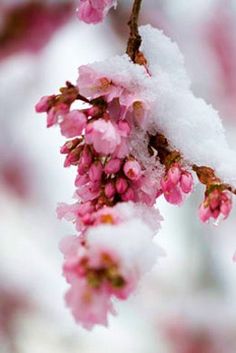
In the heart of winter, Valentine’s Day. In the heart of winter, love.

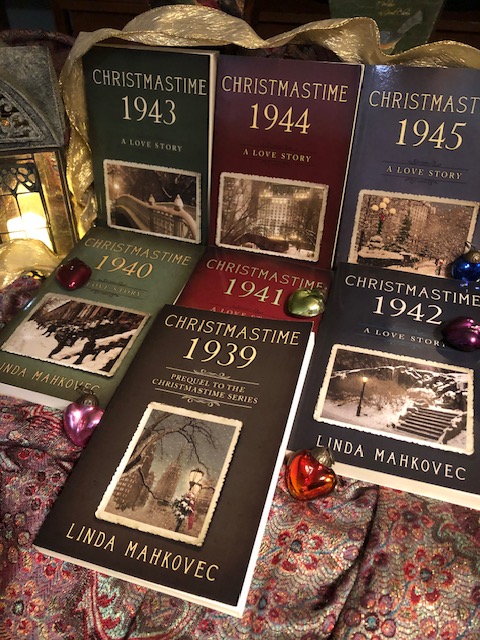
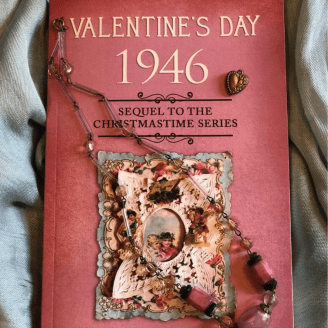
Many of my books focus on love stories, such as the Christmastime series and the short story collection Seven Tales of Love. Other books have themes of love woven into the larger stories, as in And So We Dream, and The Garden House.

In The Notebooks of Honora Gorman, in addition to the “Cinderella” thread, several of the whimsical fairytales present romantic love: “Thaddeus and Emma,” “The Golden Blanket,” and “Natasha.”
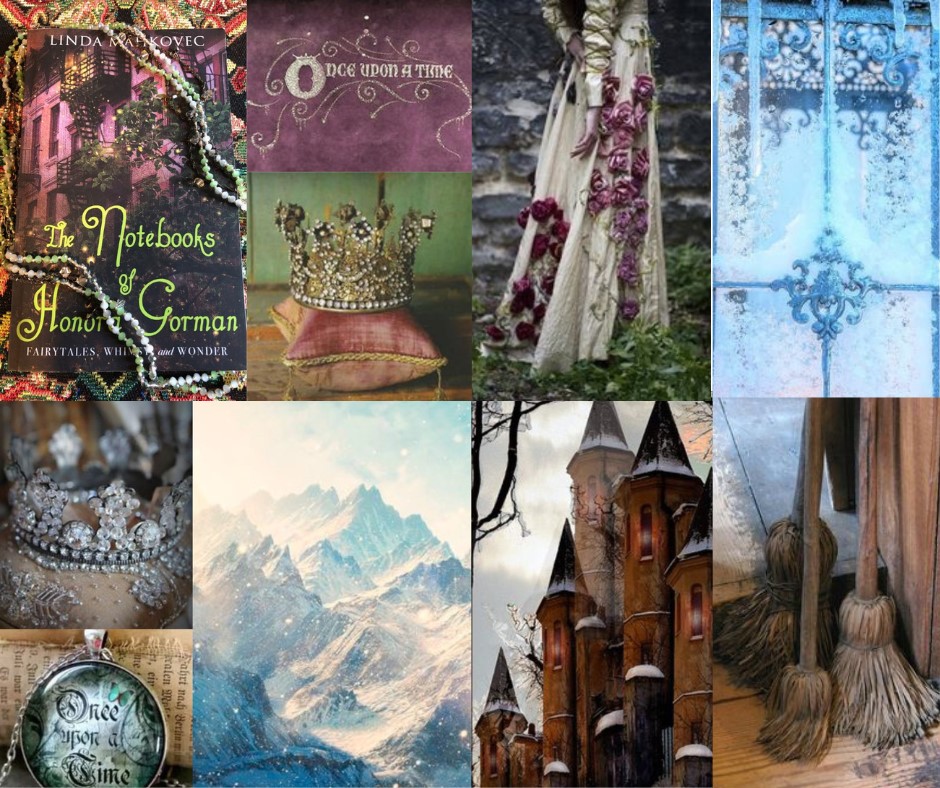
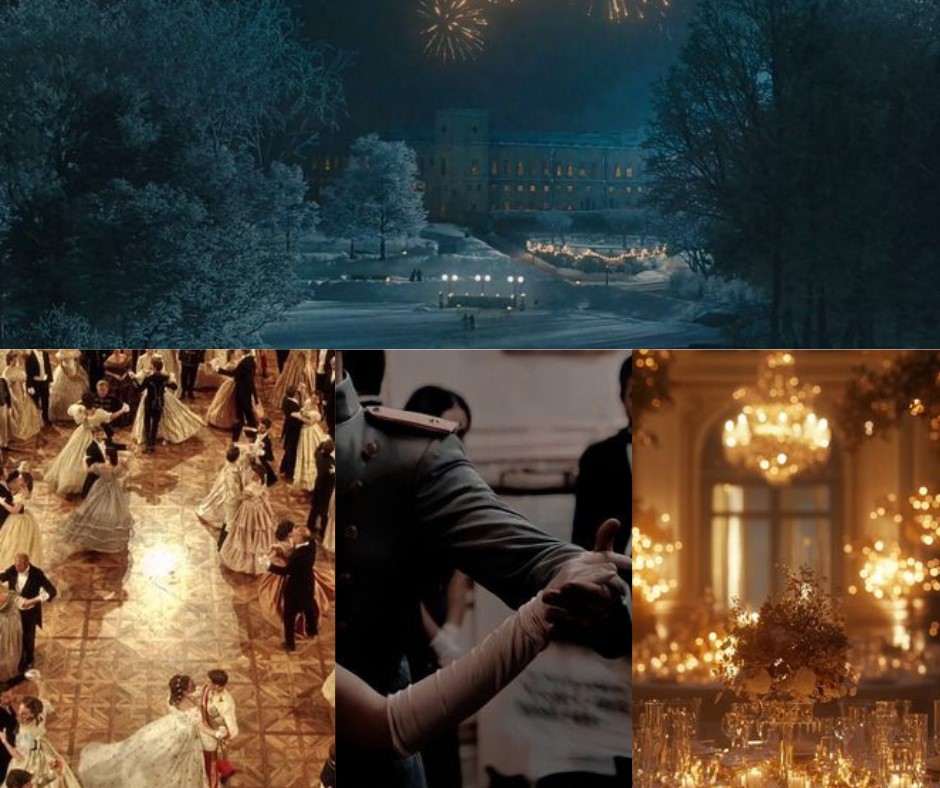
For your mid-winter enjoyment, here are a few scenes from “Natasha” — a story within a story within a story (Iris-Sabine-Natasha). It features an undeveloped fictional character who has been frozen in time due to the creative failure of her author/s over the past century.

***

Natasha was a character long ago conceived but never developed, never completed. Someone had conjured her up nearly a century ago and then forgot about her. And Natasha had lingered in the ethersphere, just waiting, waiting for her story to continue.

The author Sabine wrote about the beautiful Natasha, living in 19th century Russia. The details piled up of her boudoir, her clothing and jewelry, the view from her window. Yet Natasha’s story failed to develop, and so the character remained in her room.

Sabine tried out different scenarios: Natasha running away from her repressive family and settling in Gdansk, where she becomes a trapeze artist. Natasha falling in love with a dashing explorer and sailing with him to the South China Sea. Or did she run away with the gypsies?
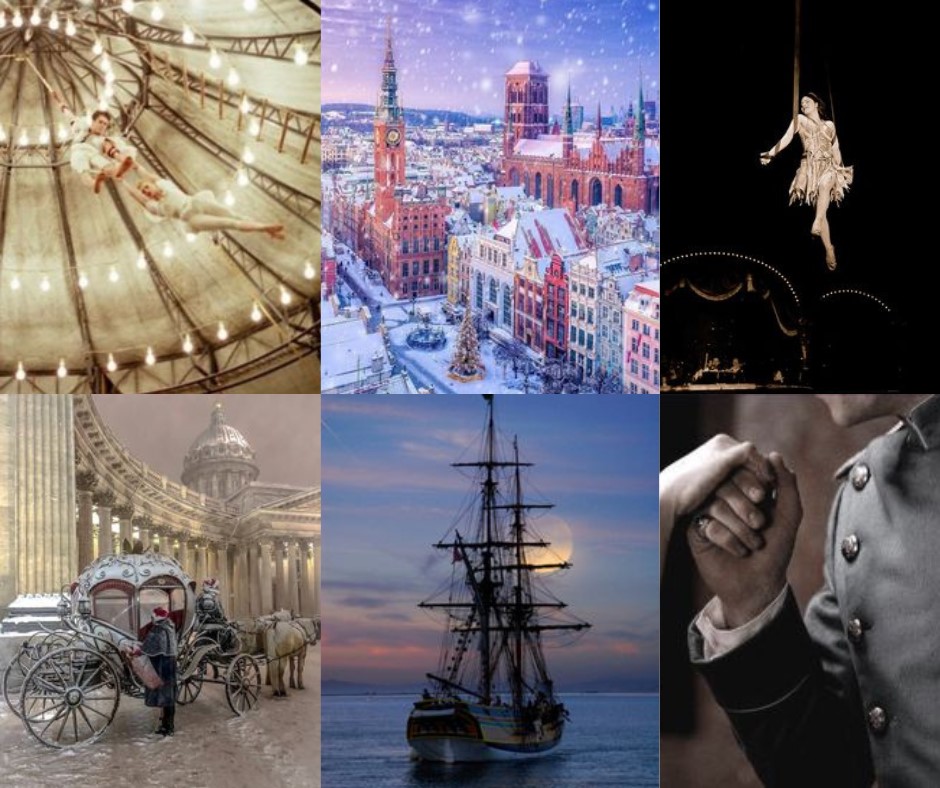
At each incipient possibility, Natasha would quickly rise to her feet, her dark eyes sparkling in excitement as vague visions took shape in her mind – then, as the ideas were nixed, Natasha would drop back onto her velvet chaise longue, or gaze out the window and sigh.

Nothing seemed to work. So the beautiful Russian character remained unfinished, languishing in her boudoir, bored, pampered, dreaming of the wider world outside her window in snowy Saint Petersburg.

It was true that Natasha was somewhat spoiled, and her pleasures were small and indulgent. She spent her time in idle pursuits: choosing between Parisian brocades and silks to be fashioned into gowns, cutting marbled paper into pretty shapes, improving her needlepoint, and trying her maid’s patience with new ways to style her hair or tie her sash.
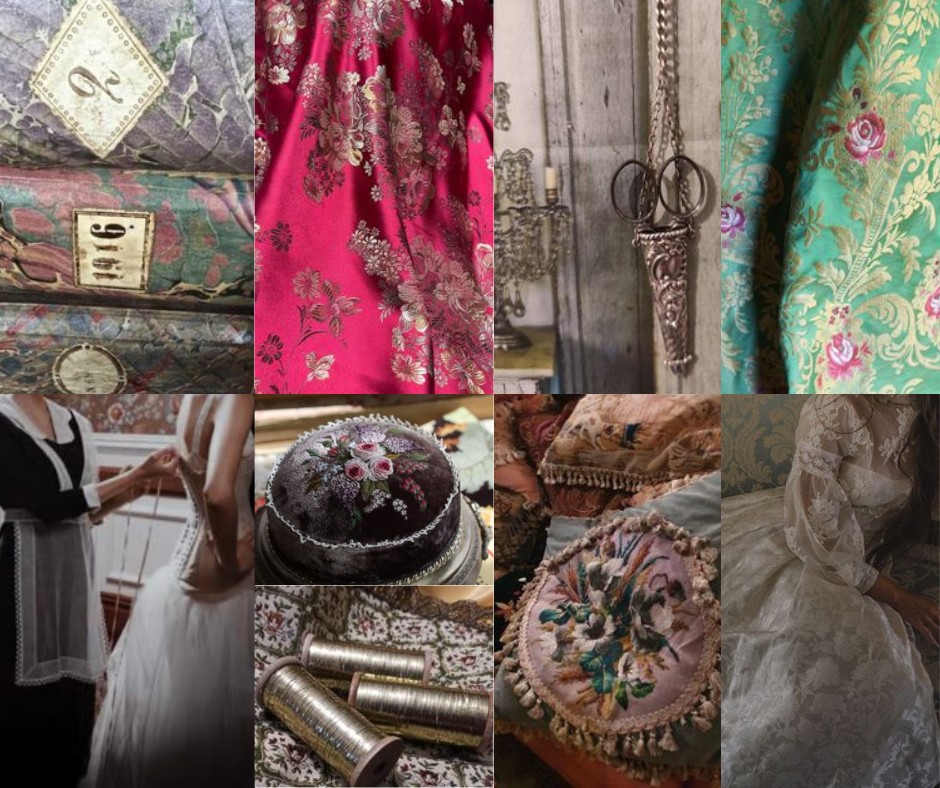
But this latest author, Iris, could see that there was more to the girl – Natasha was just waiting to blossom.

She took a closer look at Sabine’s Natasha. There she was, idly fluffing the bunched rosettes on her lap cover. Natasha smoothed the glossy brown tresses draped over her shoulder and adjusted the jeweled combs, as she waited for her maid to return with her morning cocoa. She rose impatiently and stood in front of the gilded mirror, primping and pouting and trying different expressions for le bal for which she was forever preparing. She was outraged that maman insisted she wear the dull dove-gray dress to le bal tonight rather than the emerald gown that so beguilingly set off her eyes and hair.
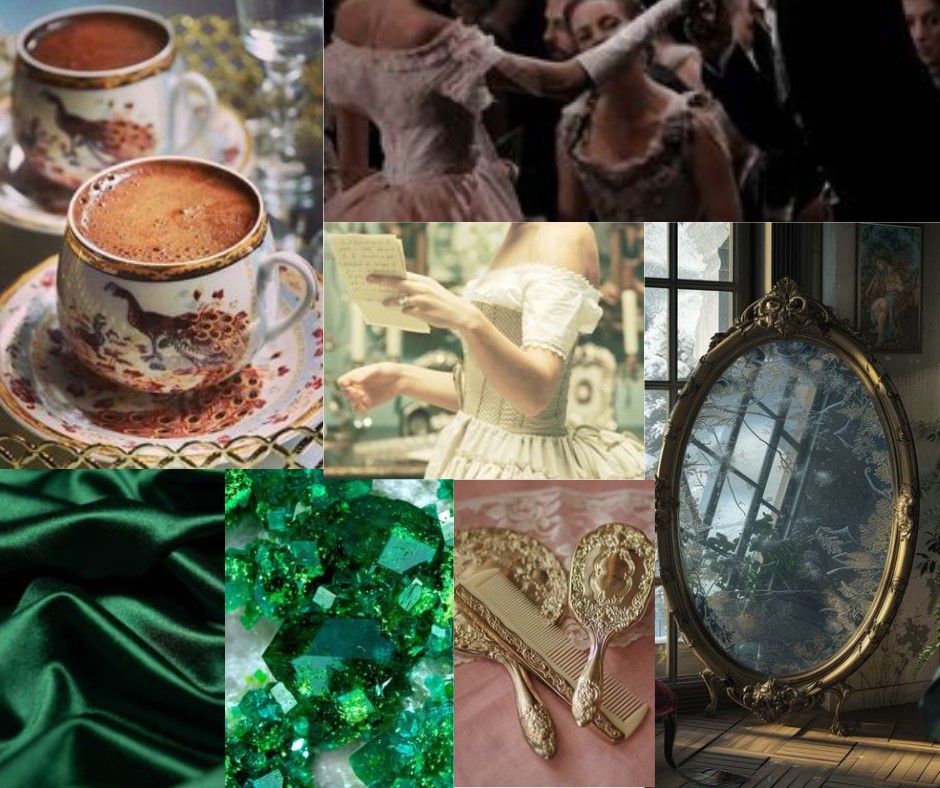
As Iris watched Natasha, she realized that the girl was on the brink of womanhood. The way Natasha’s hands smoothed her robe over her hips suggested awareness – delight, even – in her curves, and Iris well understood the concerns of poor maman. One moment of unchaperoned freedom and this girl would indeed run off with the circus or into the arms of a dashing adventurer.

And yet, thought Iris, how sad for Natasha to be trapped in eternal youth, her potential never known. She watched Natasha saunter to the window, rub away the frost flowers, and gaze at the people on the street below.
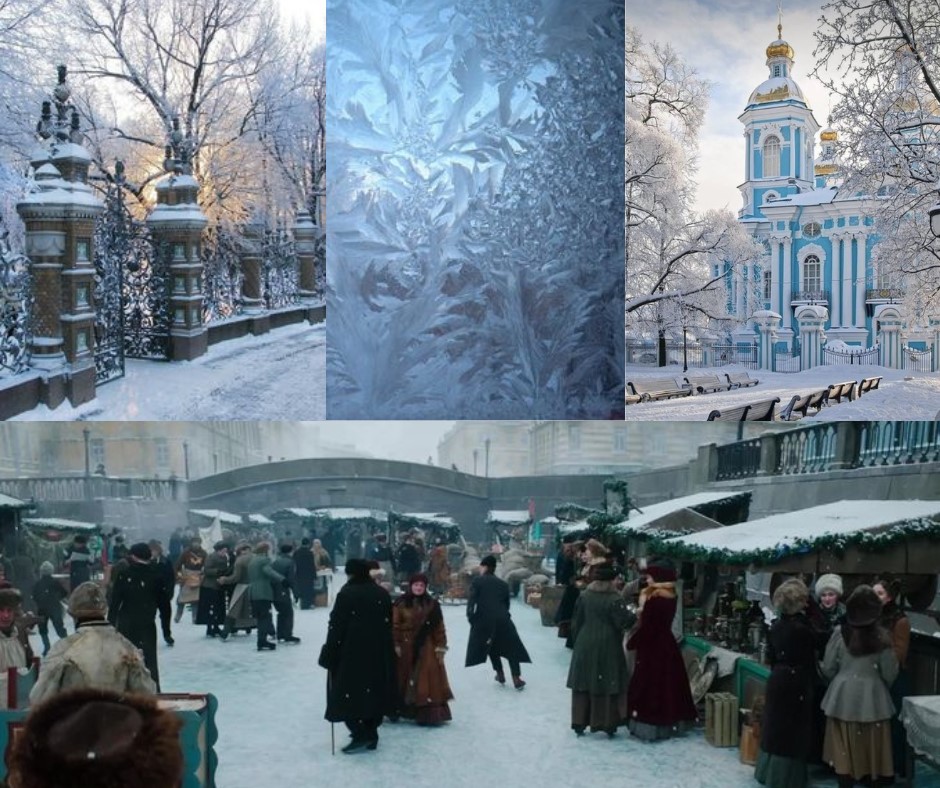
Natasha longed to follow them, converse with them, discover what the world was all about. She touched her pale, warm cheek and imagined it crimson with cold. She blew out a puff of air and imagined it turning into smoke. She wanted to run like the children on the street below. Gallop like the soldiers on their fine chestnut horses. Stroll through the park in the springtime, lace parasol in hand, blossoms swirling all around her. She wanted to see how her own uniqueness would play out in the world, to be tried and tested, to be shocked or delighted or dazzled by her choices and decisions. Oh life, she would dream. Oh, life.

Iris resolved that, though she may not know where the story would lead, she would at least get Natasha out the door and into the world. Let her dance at the ball and experience the dream of romance. Let her know that first thrilling glance across a crowded room that would set her heart fluttering, the first press of warm lips against her hand. Let her breathe the cold air of winter, the scented air of spring. Let her come to know the dreams of future-heavy youth, so beautiful and brief.

And so — Iris’s development of Natasha’s story sparks her own later-in-life development and enriches her life in the process.

(All images are from my Pinterest boards, which include scenes from the charming Russian movie: The Silver Skates.)

HAPPY VALENTINE’S DAY!

Winter reading

Cold weather, long nights, snowy days – all help to create the perfect atmosphere for snuggling into a good story.

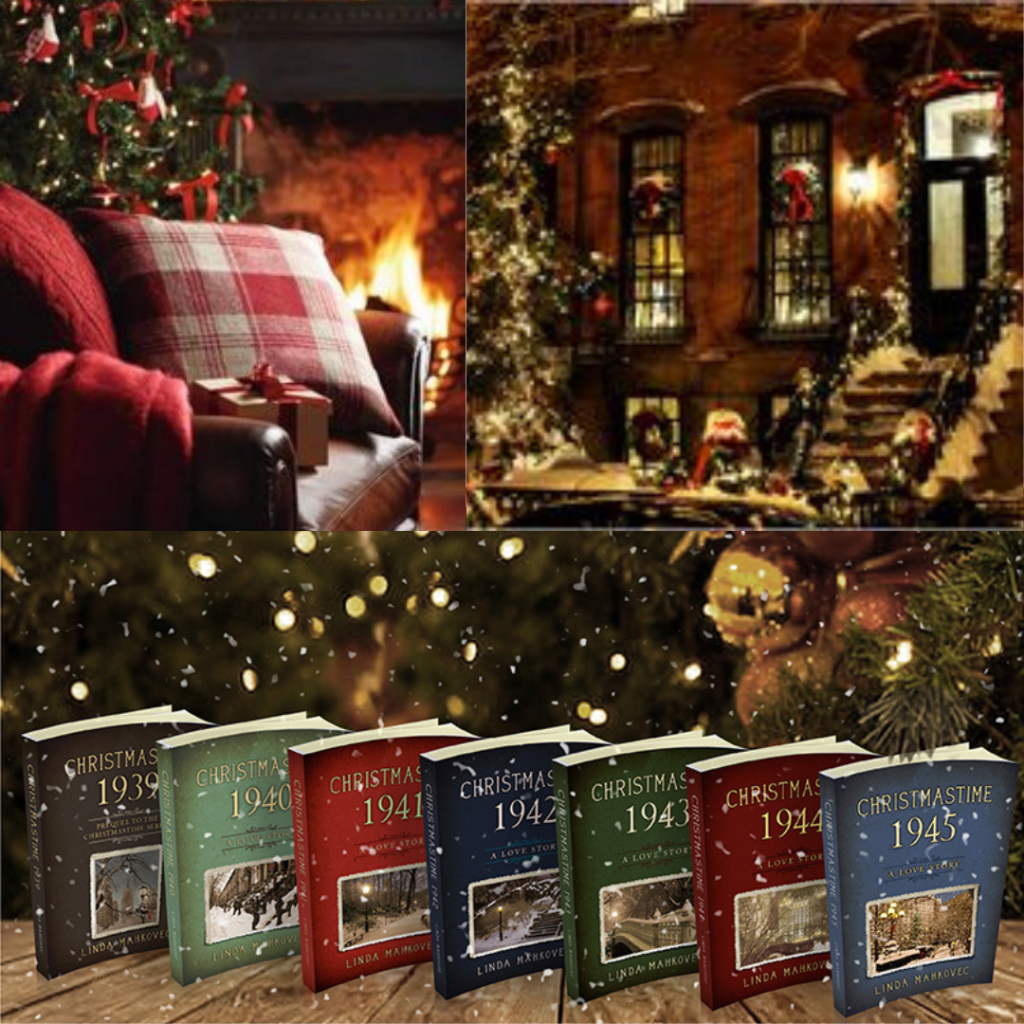
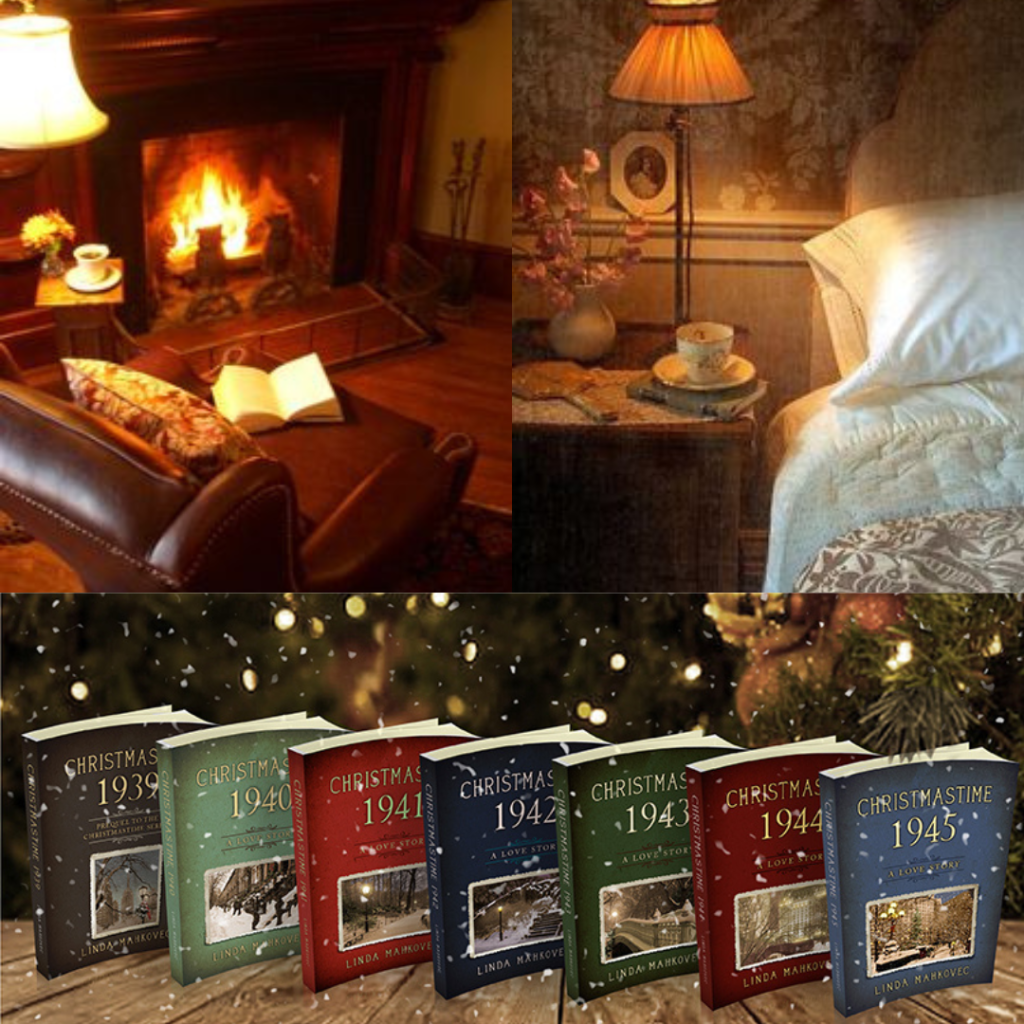
I like to imagine my readers settling in to read the Christmastime series with a hot drink close at hand,

whether at home

or in a cozy cafe,

in a favorite reading chair,

or a reading nook.

Outside,

or in front of a fireplace.

Whatever your reading habits,

I hope you include the Christmastime series as part of your winter reading –

which begins with the 1939 prequel and ends (to date) with the 1946 Valentine’s Day book.

https://a.co/d/3SQIV8w

Wishing you all a wonderful new year and the enjoyment of many good books!

The scents of Christmas

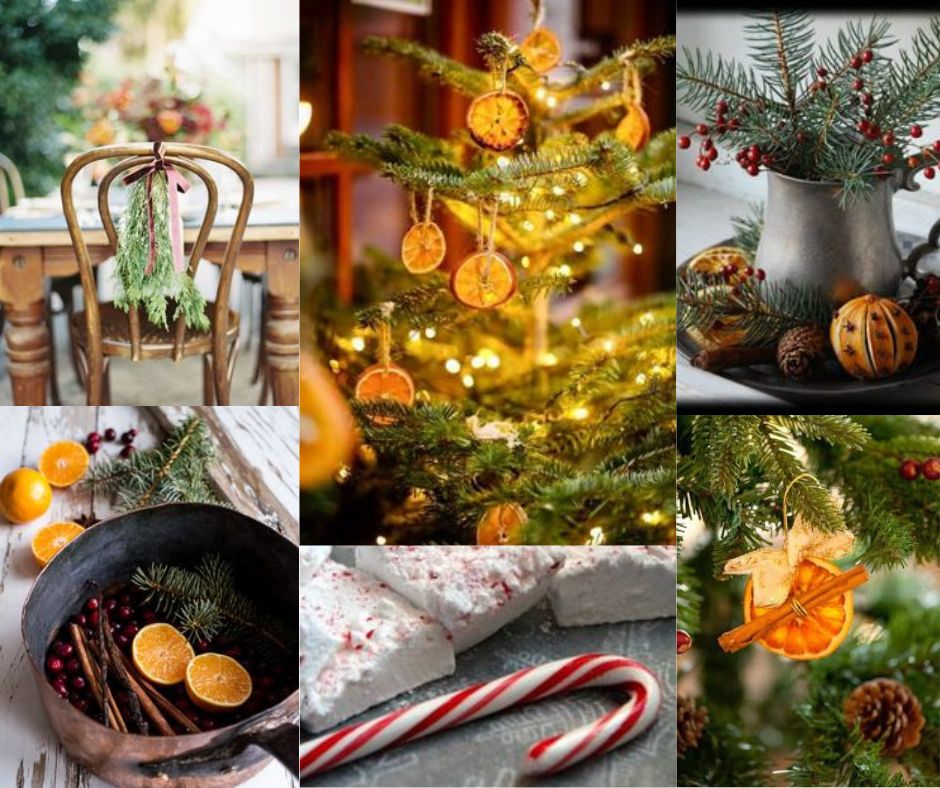
There are many scents that evoke the Christmas season – pine and citrus,

peppermint and gingerbread,

the spices of mulled wine and cider,

cookies being baked.

In the Christmastime series, https://a.co/d/7VG17Qu , old-fashioned ways of celebrating Christmas are woven throughout,

and the scents of Christmas play a big part. Especially the use of citrus and pine.

Greenery decorating a doorframe, mantel, or table,

sprigs of pine and cedar scattered throughout the house.

The cloves and citrus of pomander balls,

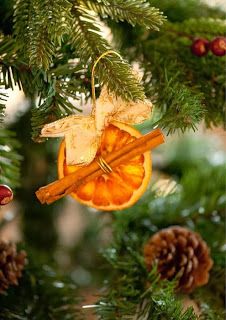
the preparation of orange-slice ornaments scenting the kitchen.

Scents can be powerful triggers of holiday traditions and good memories. Evergreens and colorful citrus fruits have the added benefit of also being beautiful and wholesome –

old-fashioned, natural seasonal decorations with scents that are both invigorating and calming.

This holiday, add some beauty and scent to your holiday decor with a bit of woodland greenery and refreshing citrus.

The Christmastime series (to date, years 1939-1946) https://a.co/d/7VG17Qu

November

My November Guest – by Robert Frost

My sorrow, when she’s here with me,
Thinks these dark days of autumn rain
Are beautiful as days can be;
She loves the bare, the withered tree;
She walks the sodden pasture lane.

Her pleasure will not let me stay.
She talks and I am fain to list:
She’s glad the birds are gone away,
She’s glad her simple worsted grey
Is silver now with clinging mist.

The desolate, deserted trees,
The faded earth, the heavy sky,
The beauties she so truly sees,
She thinks I have no eye for these,
And vexes me for reason why.

Not yesterday I learned to know
The love of bare November days
Before the coming of the snow,
But it were vain to tell her so,
And they are better for her praise.

Apple season

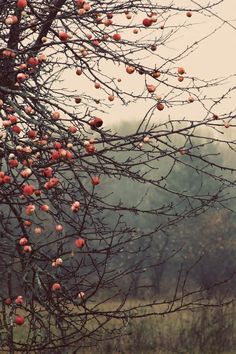
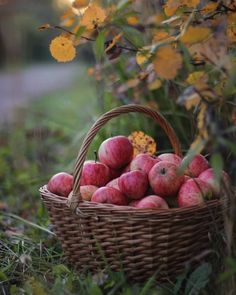
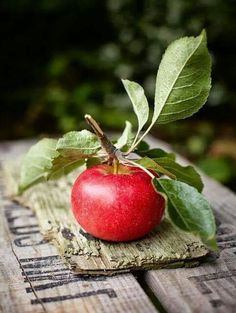
There is something inherently cozy and comforting about apples.

Besides being beautiful and wholesome, they mark the beginning of the fall season — back to school, cooler temperatures, harvest time.

In the Christmastime series, apples abound. In New York City, Lillian packs them for sack lunches, and Mrs. Kuntzman uses them in her baking.

On Kate’s farm in the Midwest — and of course, at Annette’s upstate New York orchard —

apples are grown and turned into foods that can be enjoyed throughout the year, such as apple butter and applesauce.

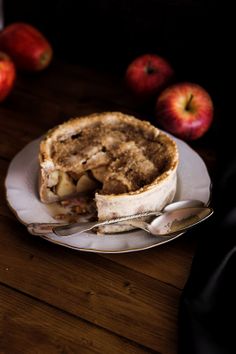
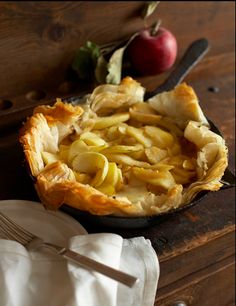
There are apple pies and apple tarts.

Apple cider and apple cider donuts.

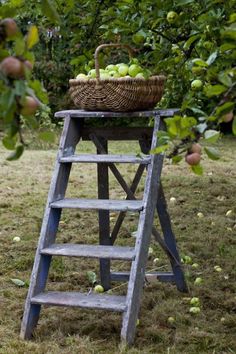
And there is apple picking, and walks through the orchard, where Lillian finds inspiration as an artist.

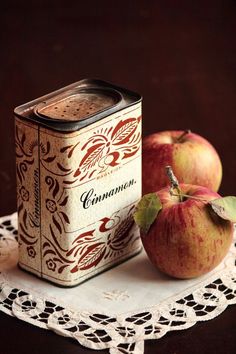
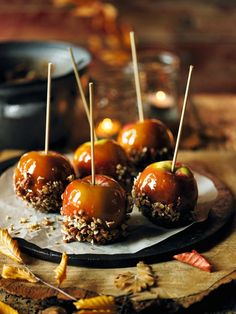
The fall and harvest time is upon us. Why not indulge in a caramel apple, bake an apple pie, or simply bite into a crisp, flavorful apple.

Provence – springtime

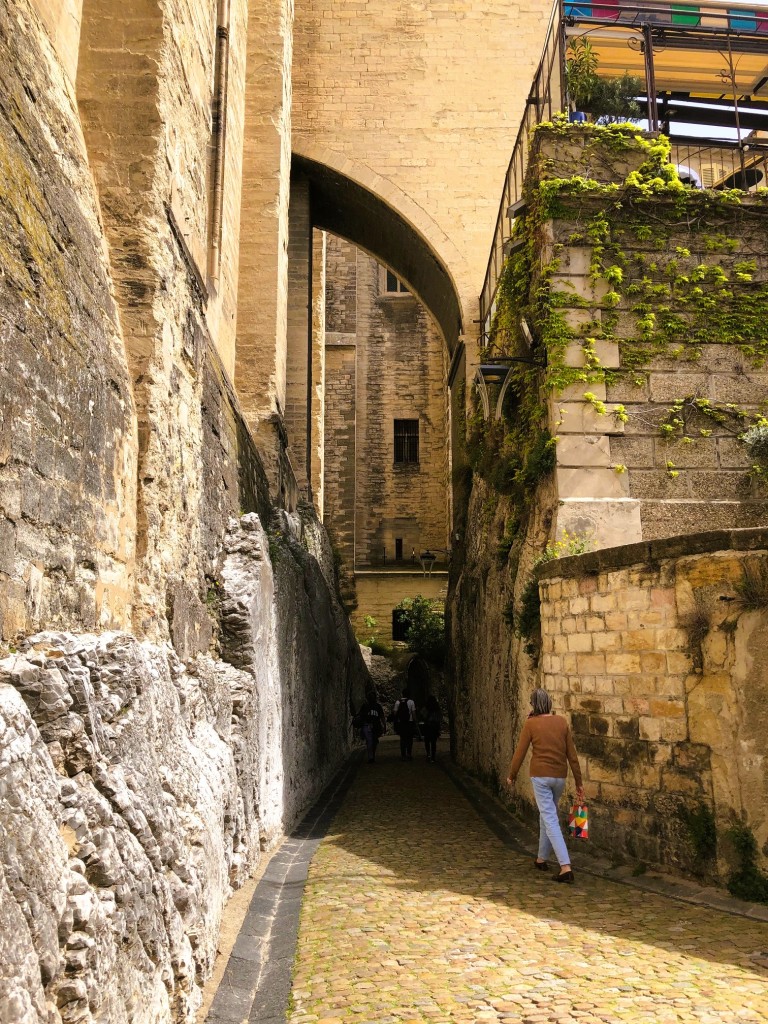
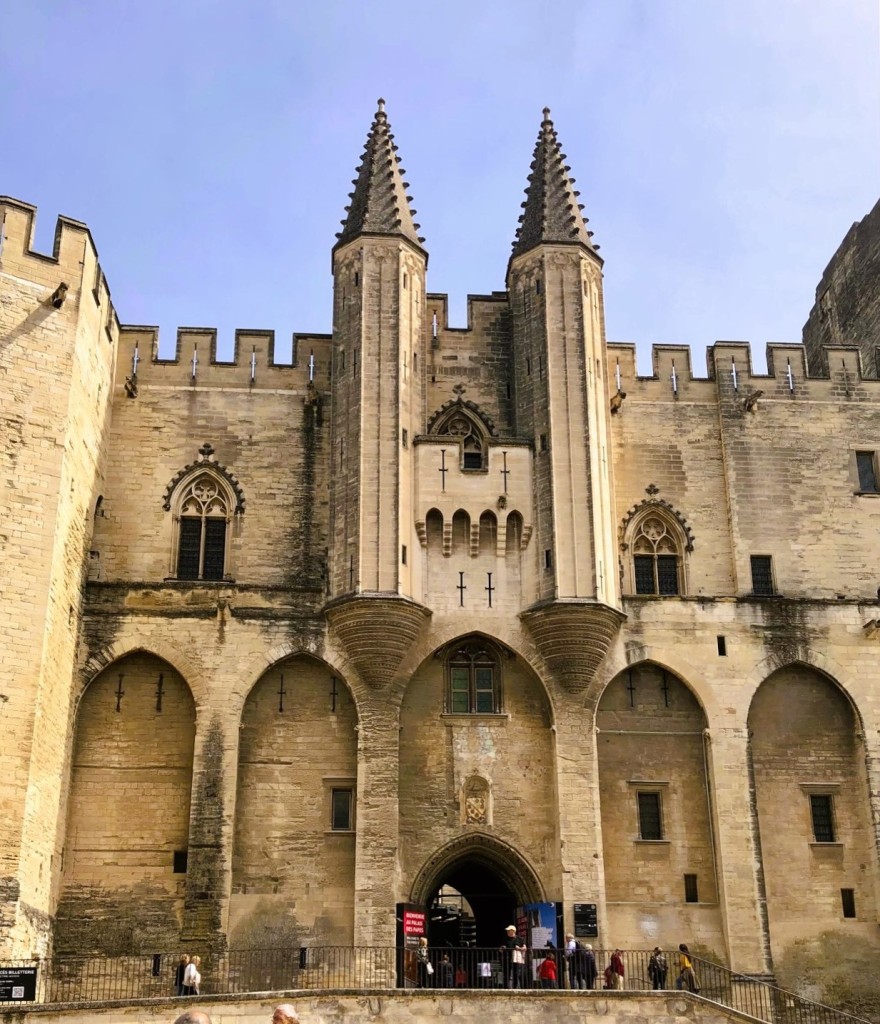
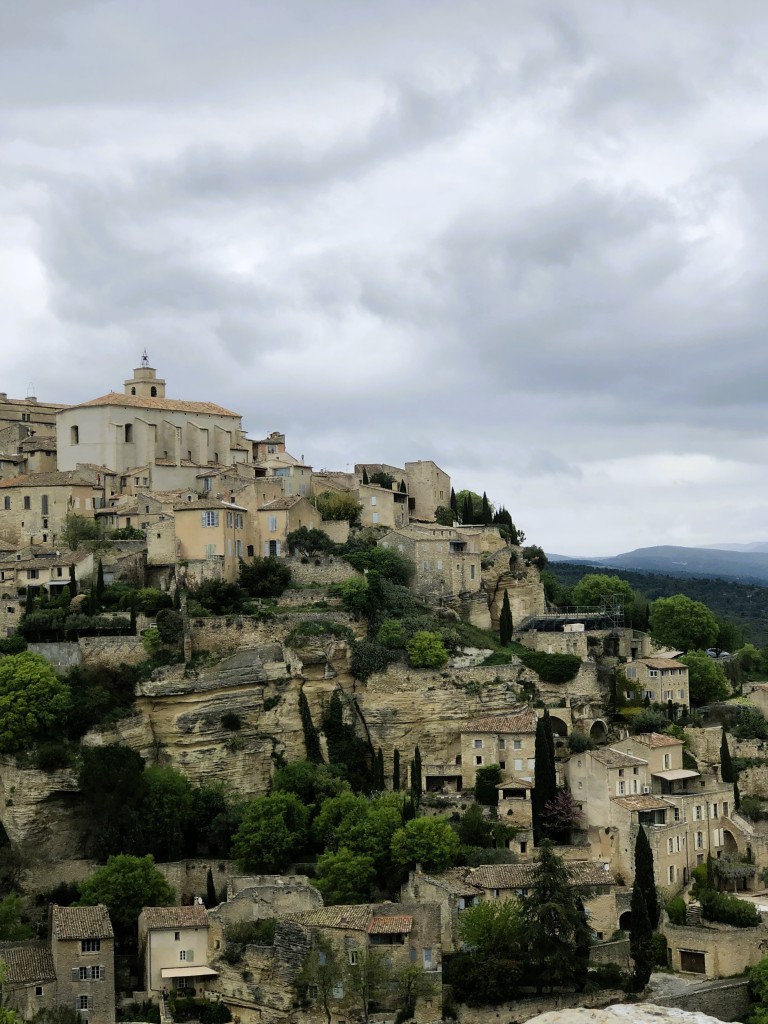
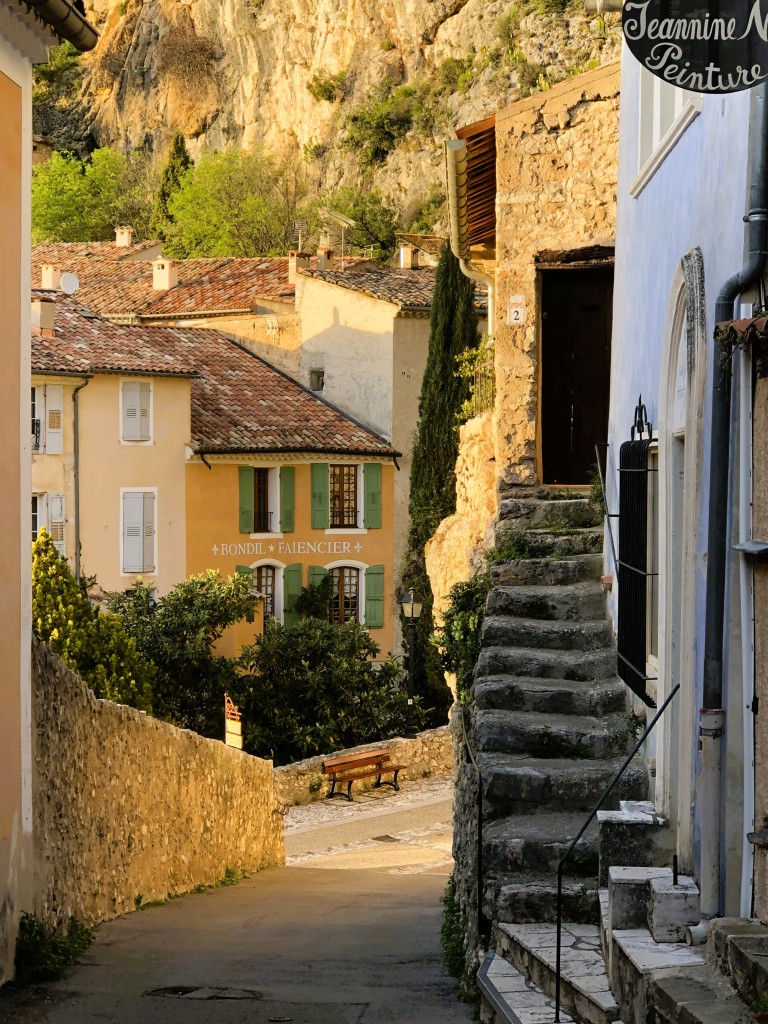
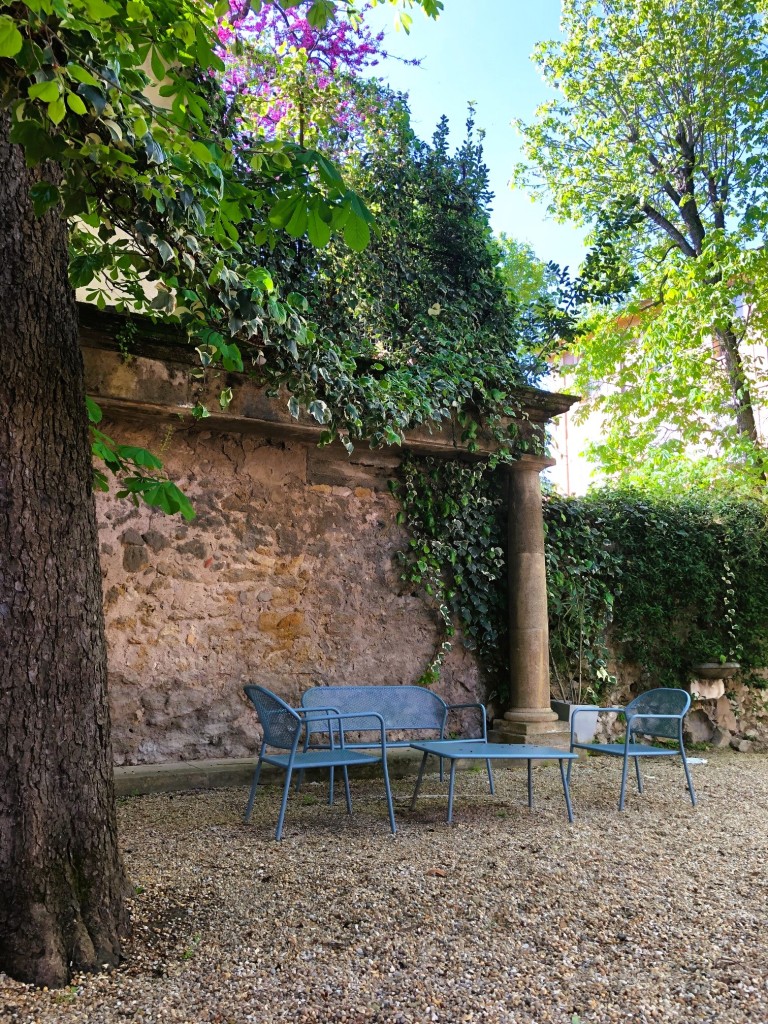
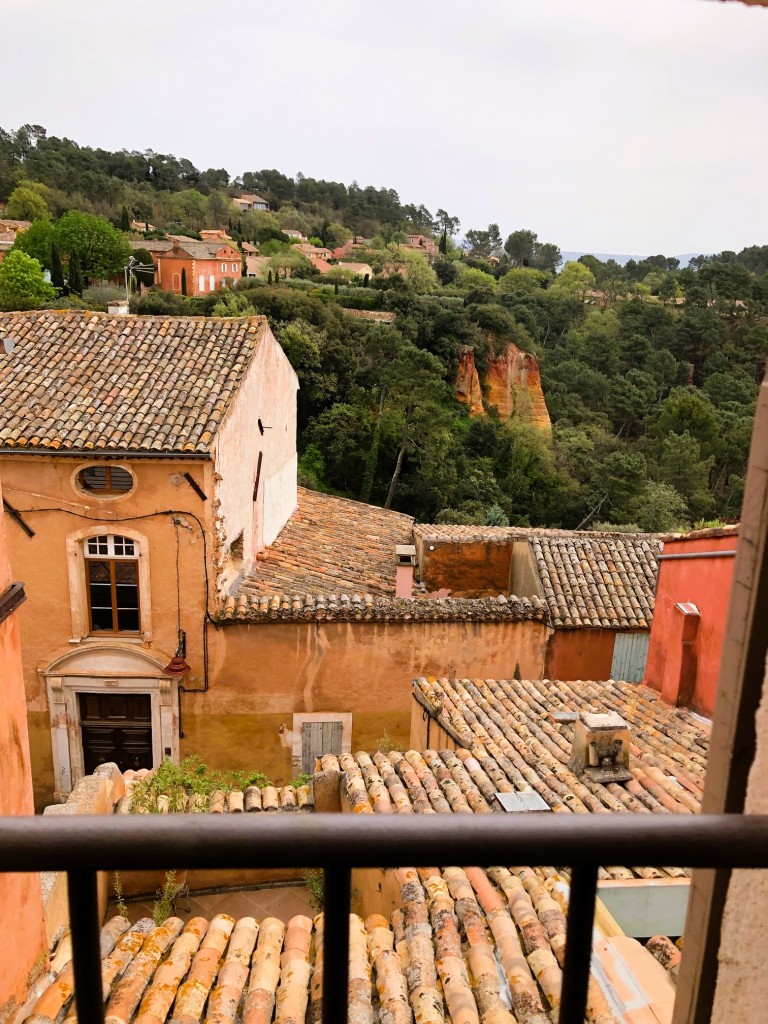
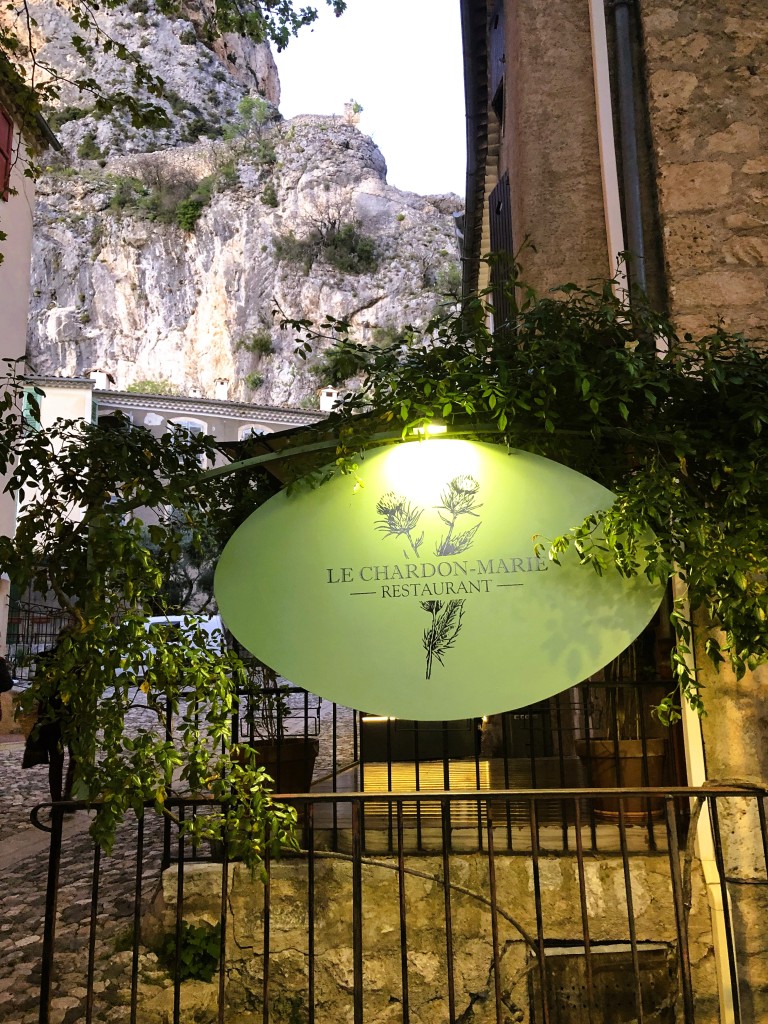
After years of dreaming about it, I finally visited Provence, seeing towns and villages that stretched from Avignon on the Rhone,

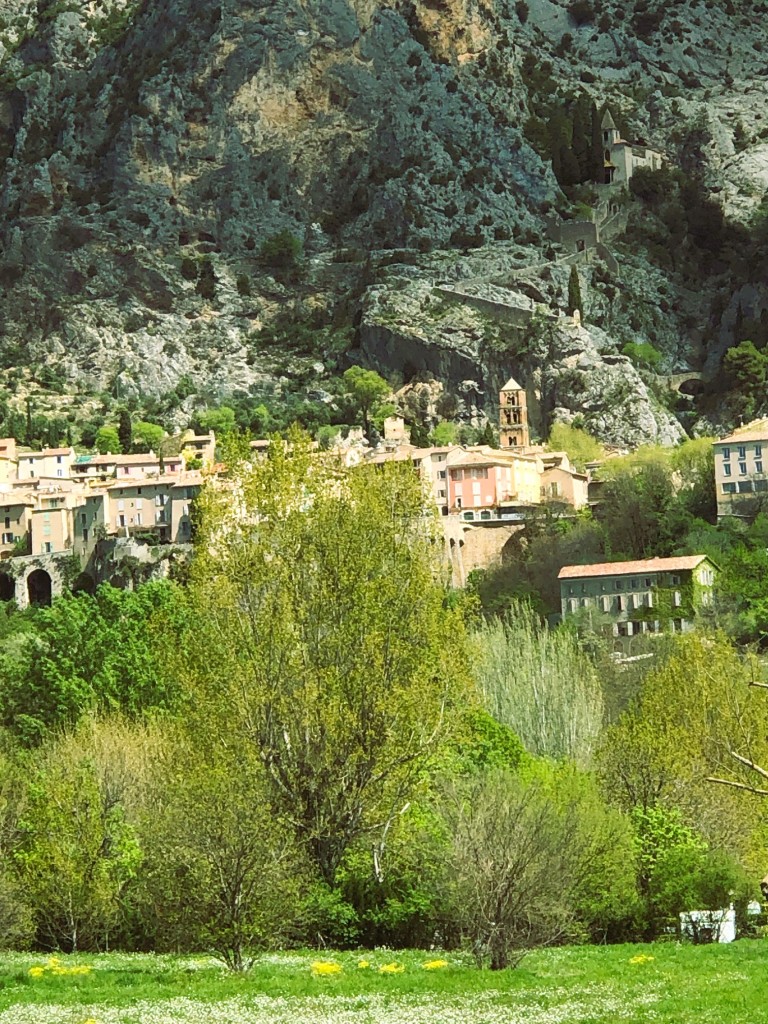
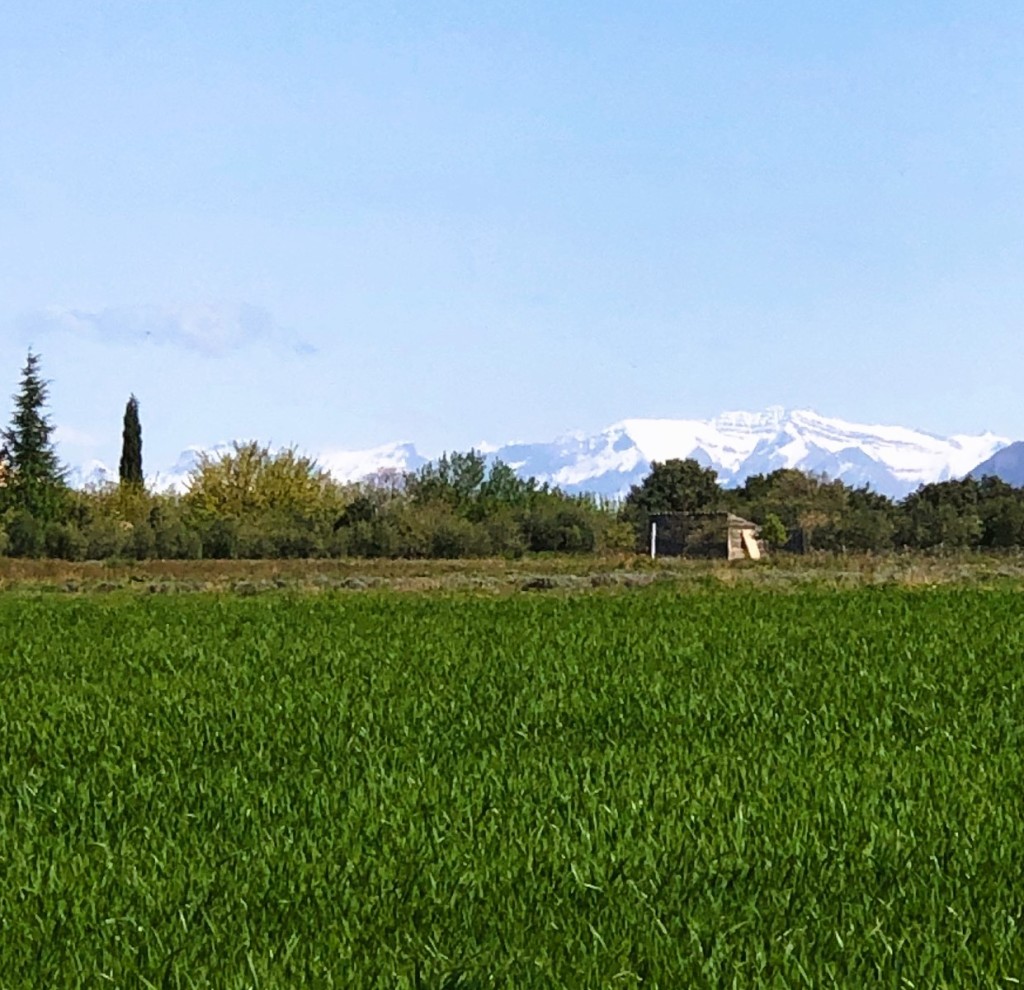
to Moustiers-Sainte-Marie in the east, with the snow-capped French Alps in the distance.

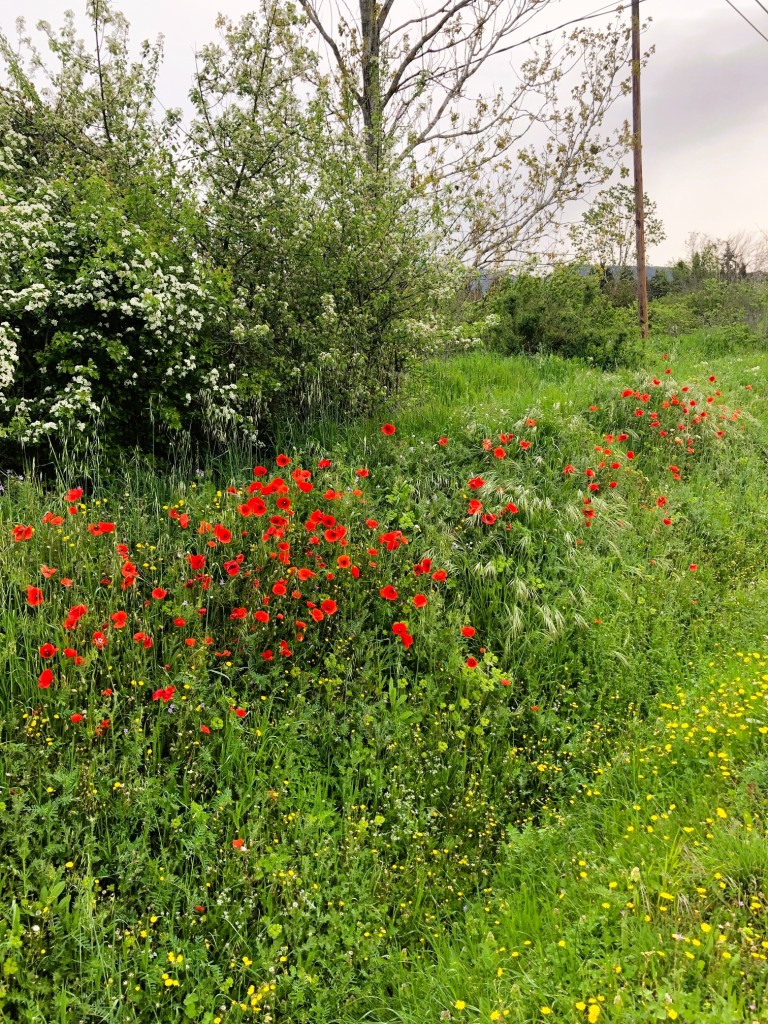
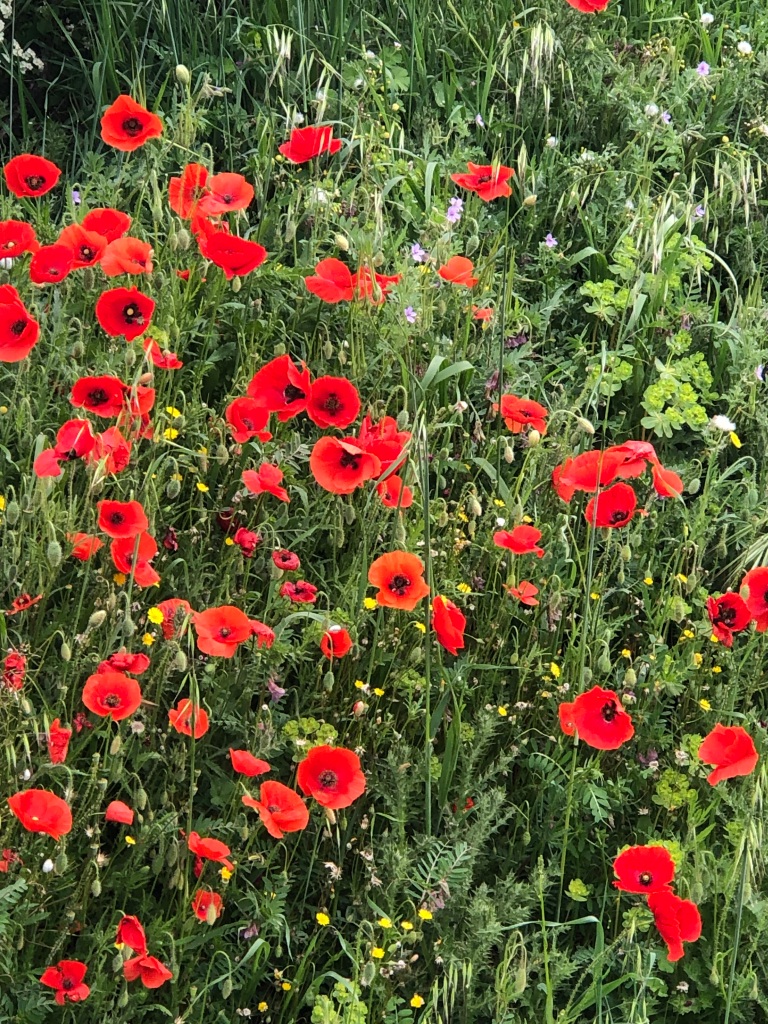
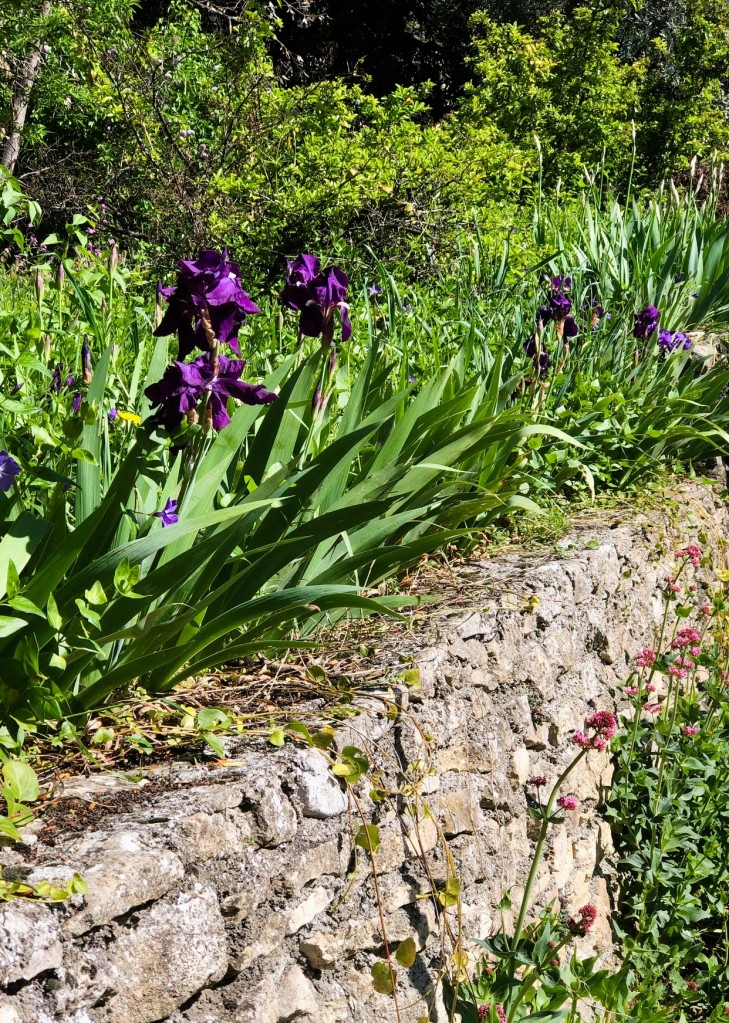
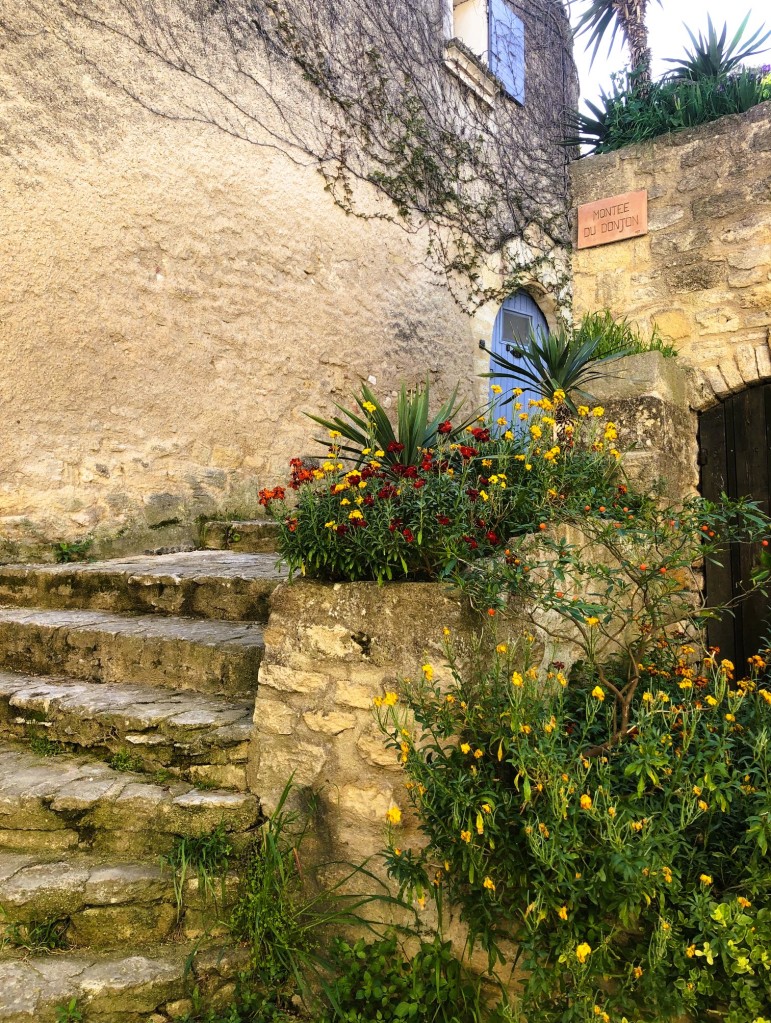
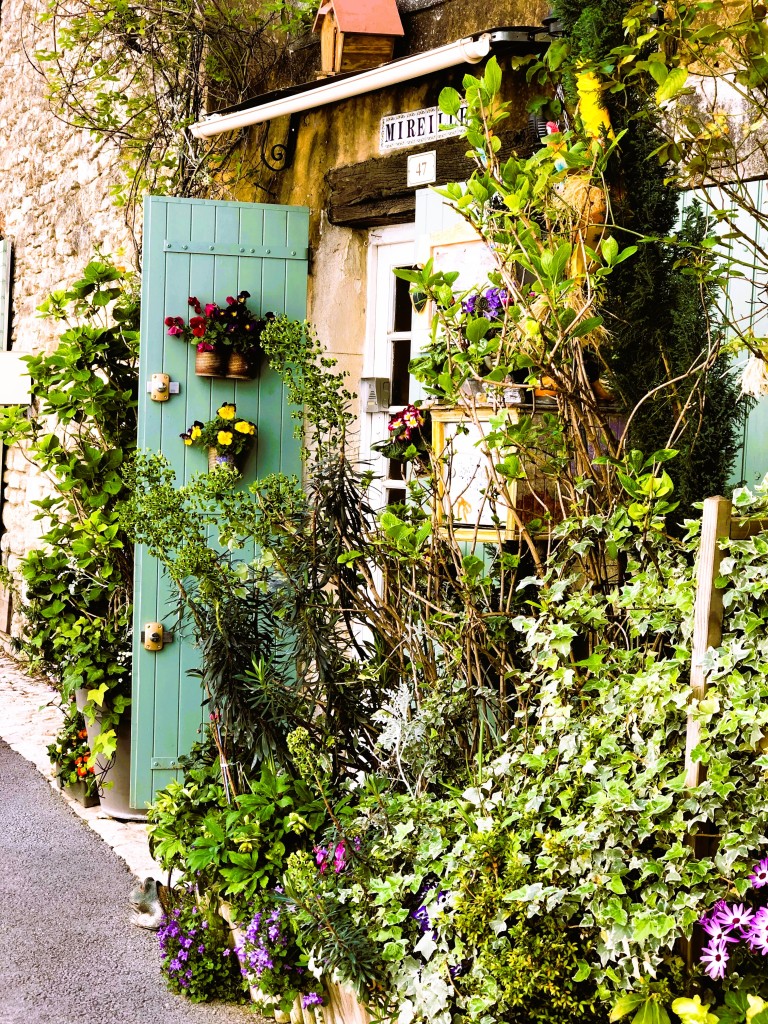
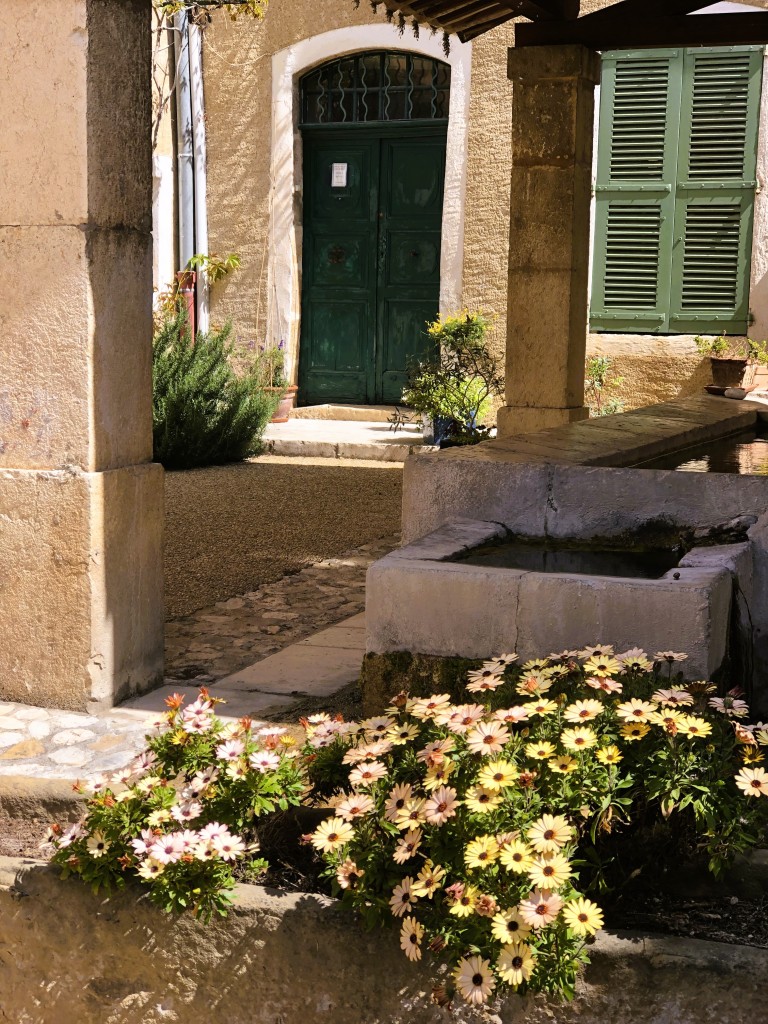
Although it was too early in the year for its famous lavender and sunflower fields, the Luberon Valley was bursting with flowers. In addition to the cheerful, beloved red poppies,

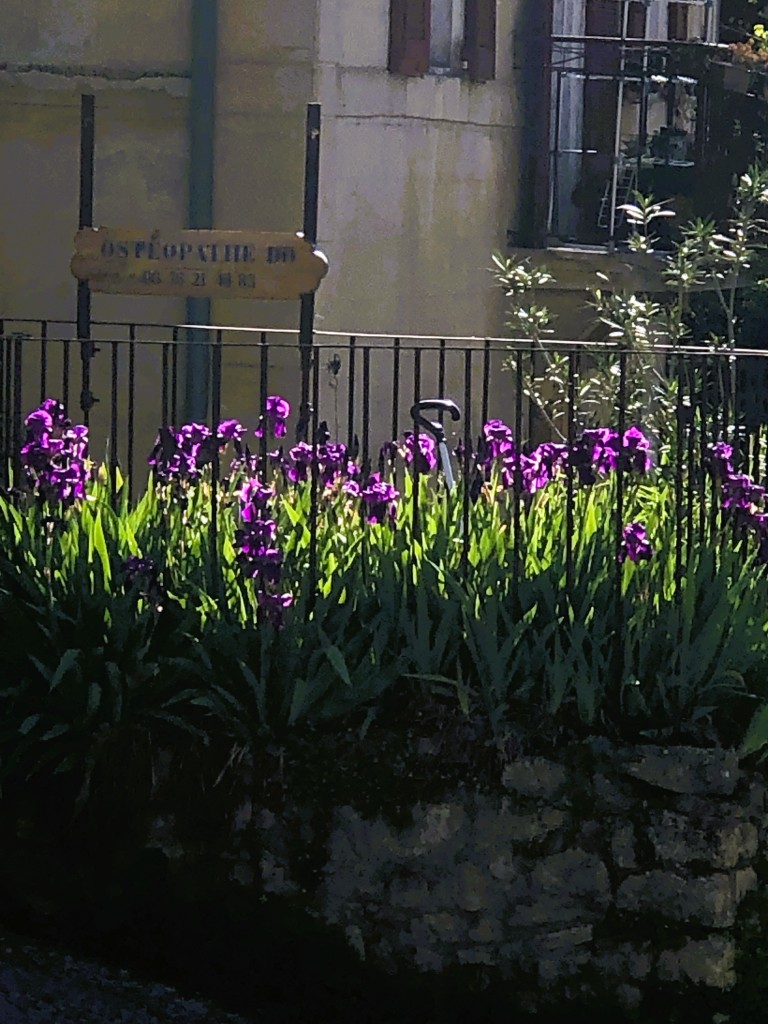
there was purple everywhere: deep royal irises,

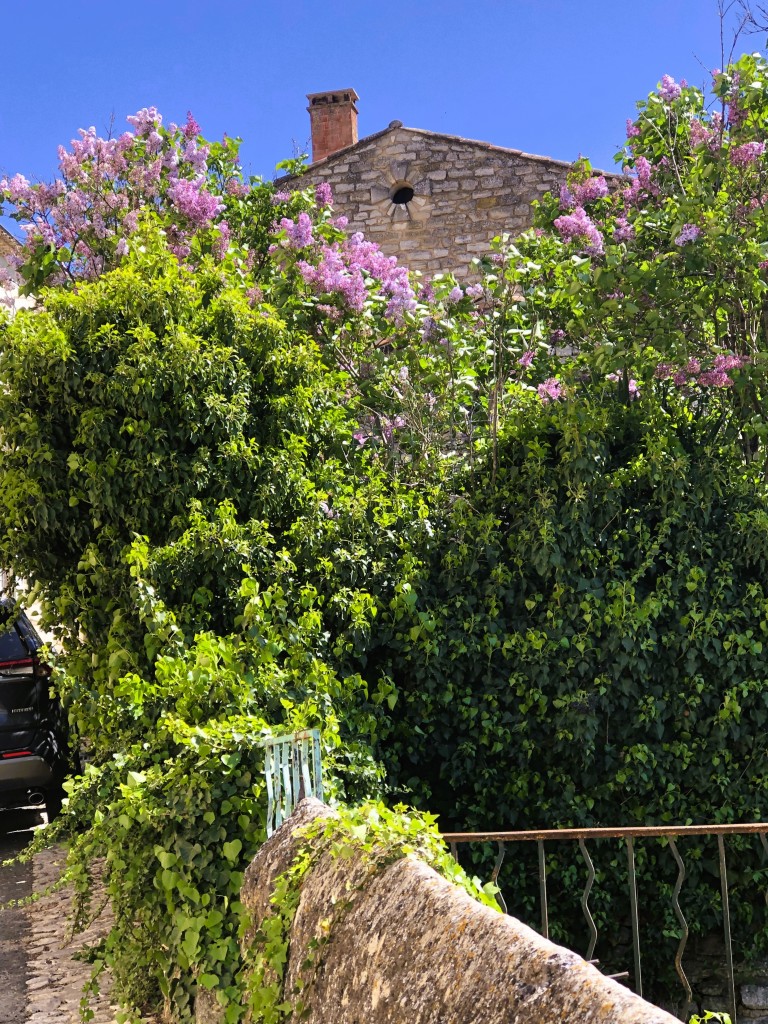
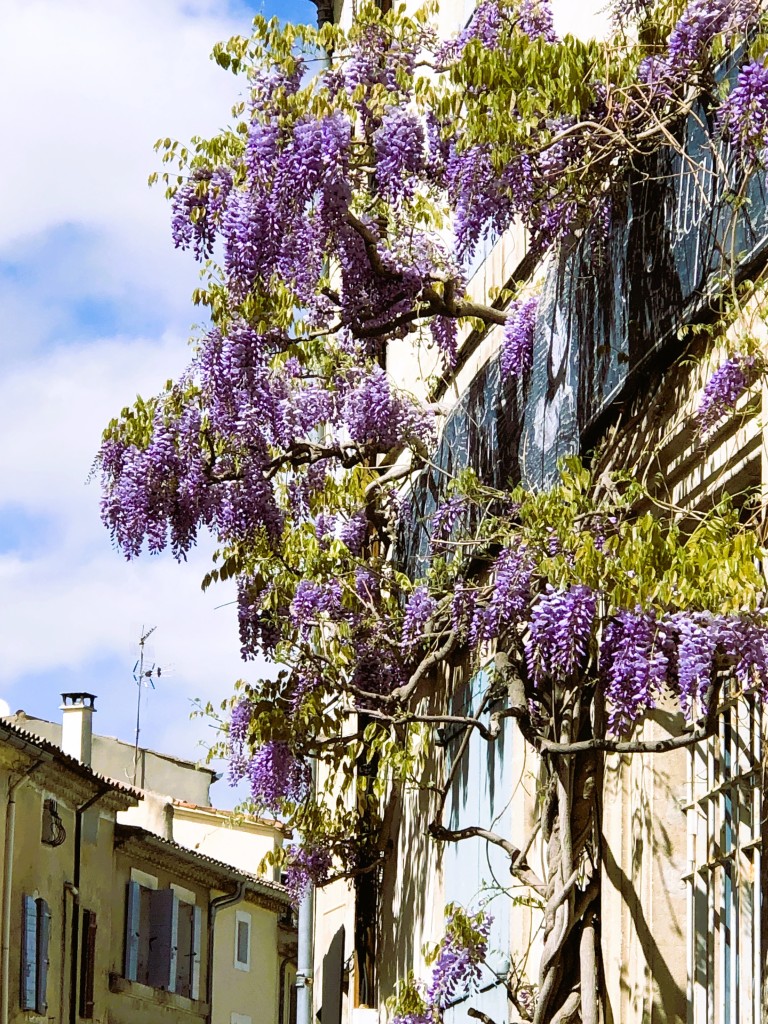
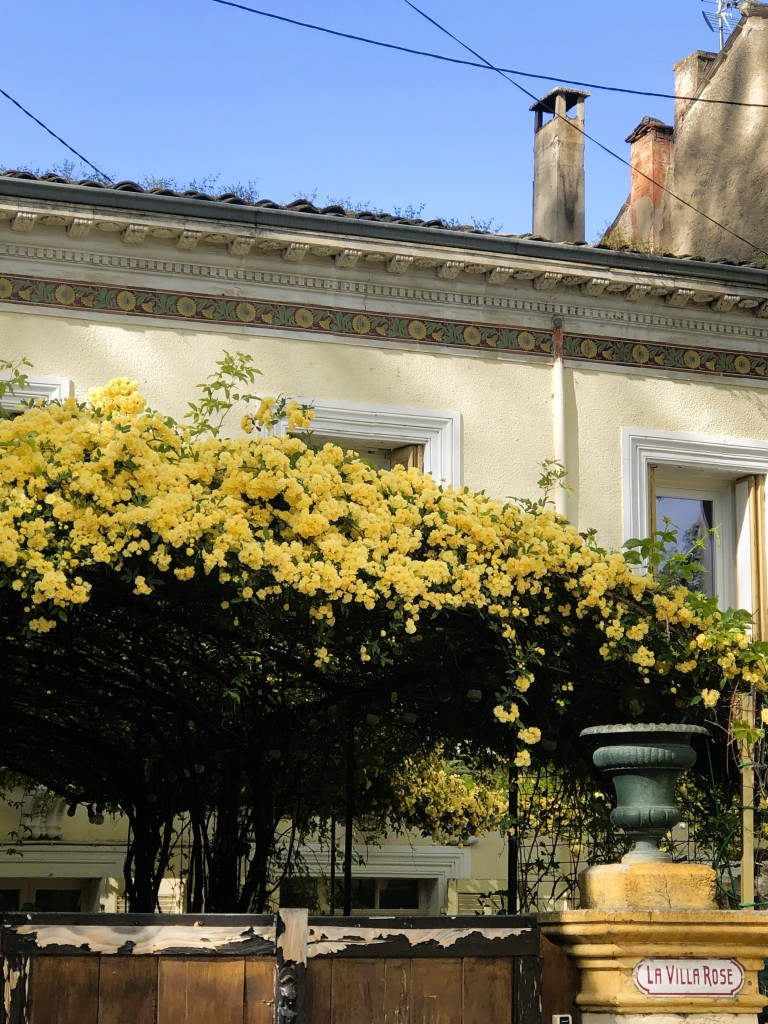
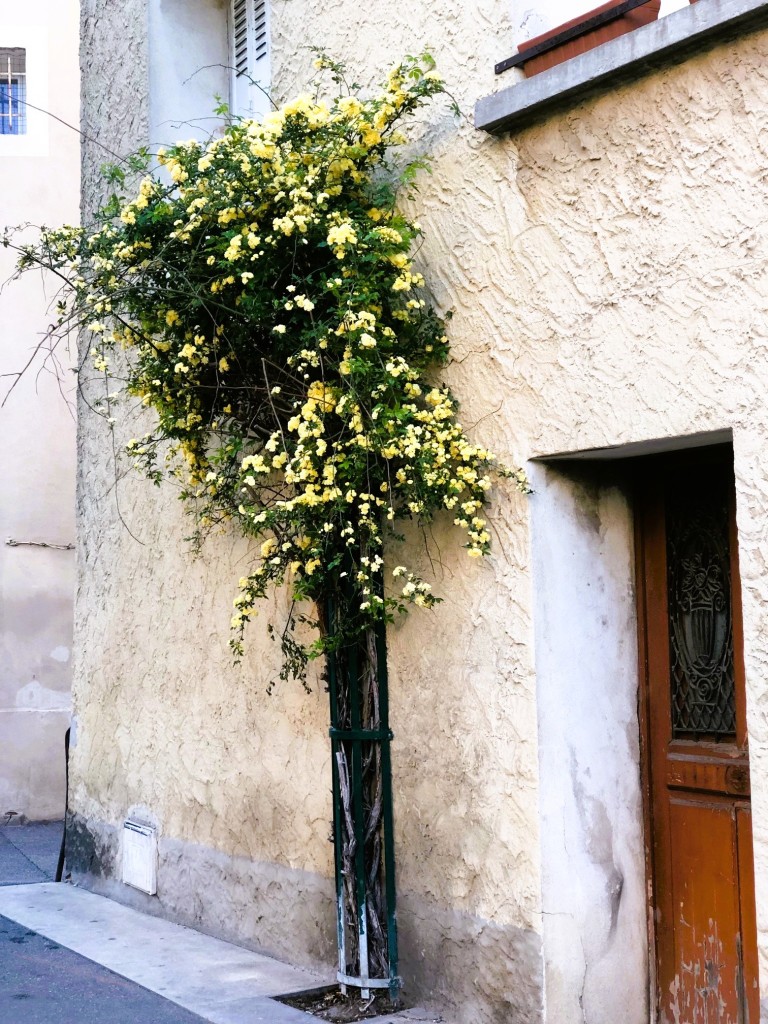
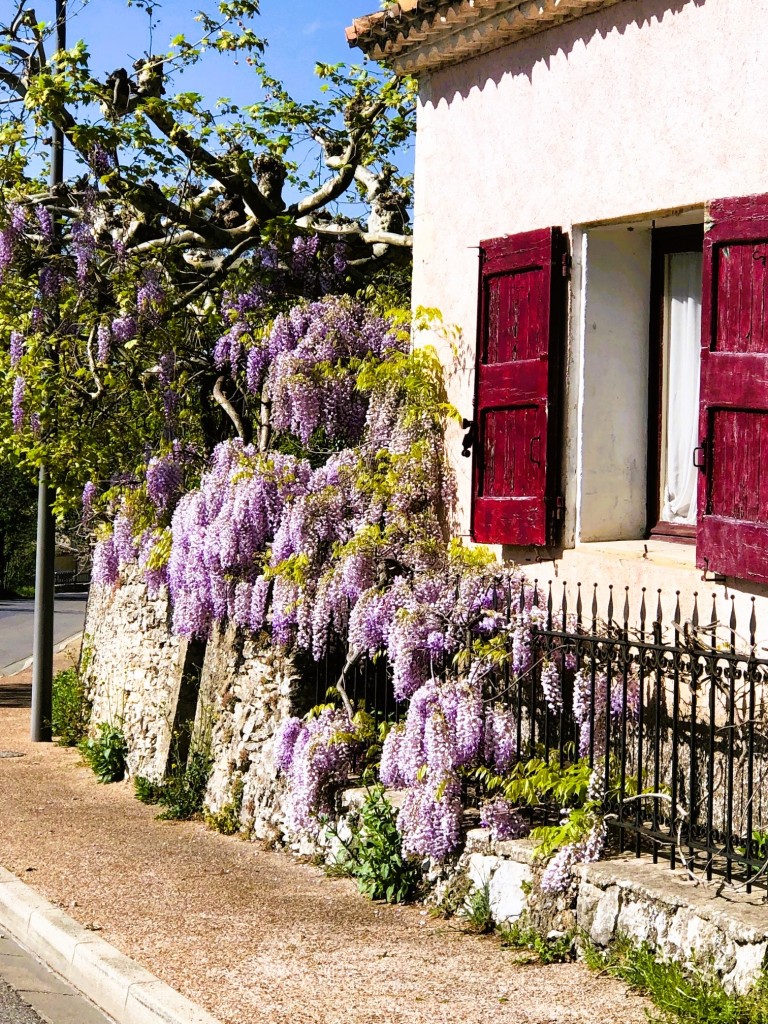
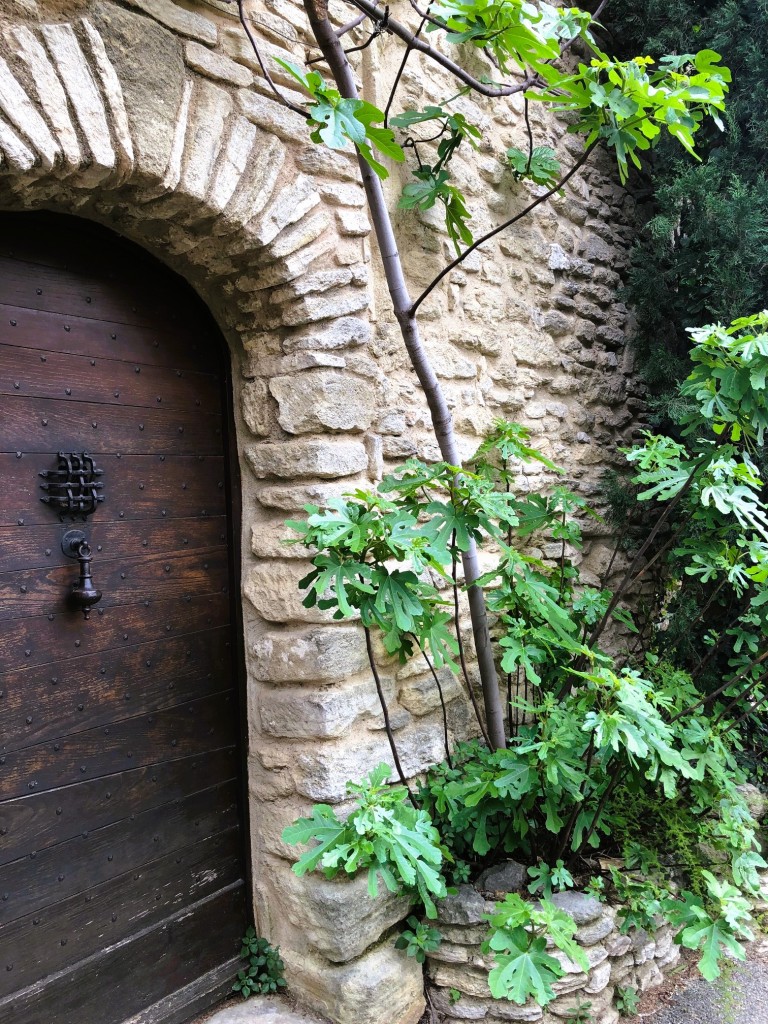
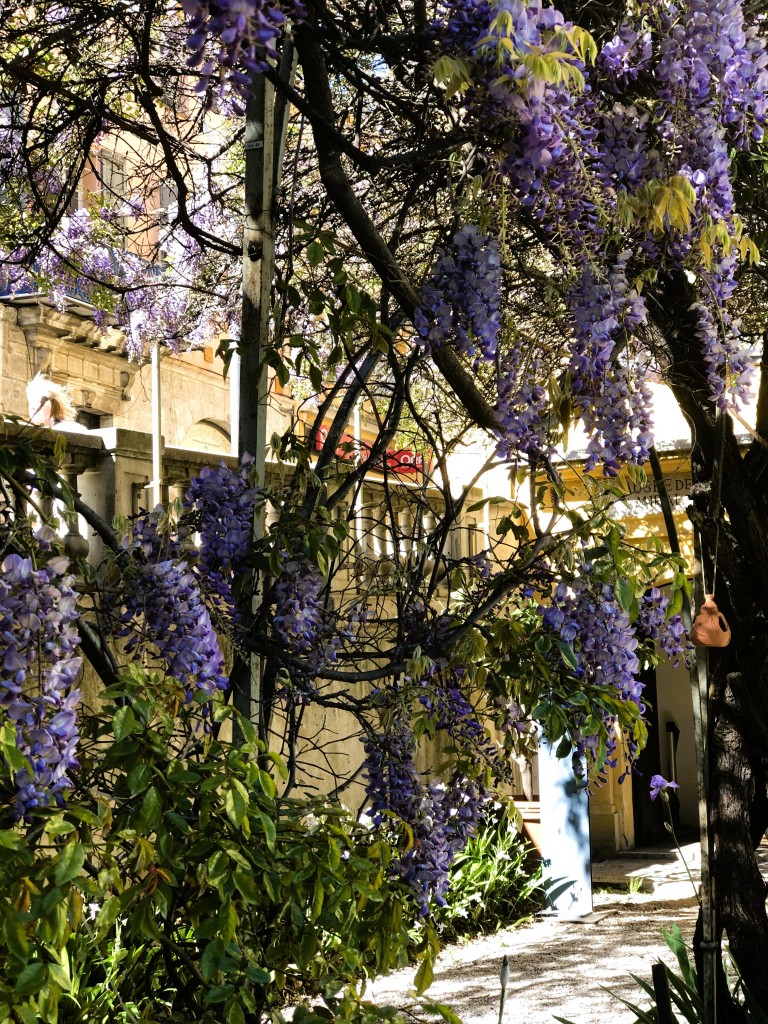
and paler wisteria and lilac, perfuming the air. My greatest surprise was the sheer abundance of flowers — they were everywhere, planted in corners of fields and alongside roads, framing doorways and windows, in planters and atop stone walls.

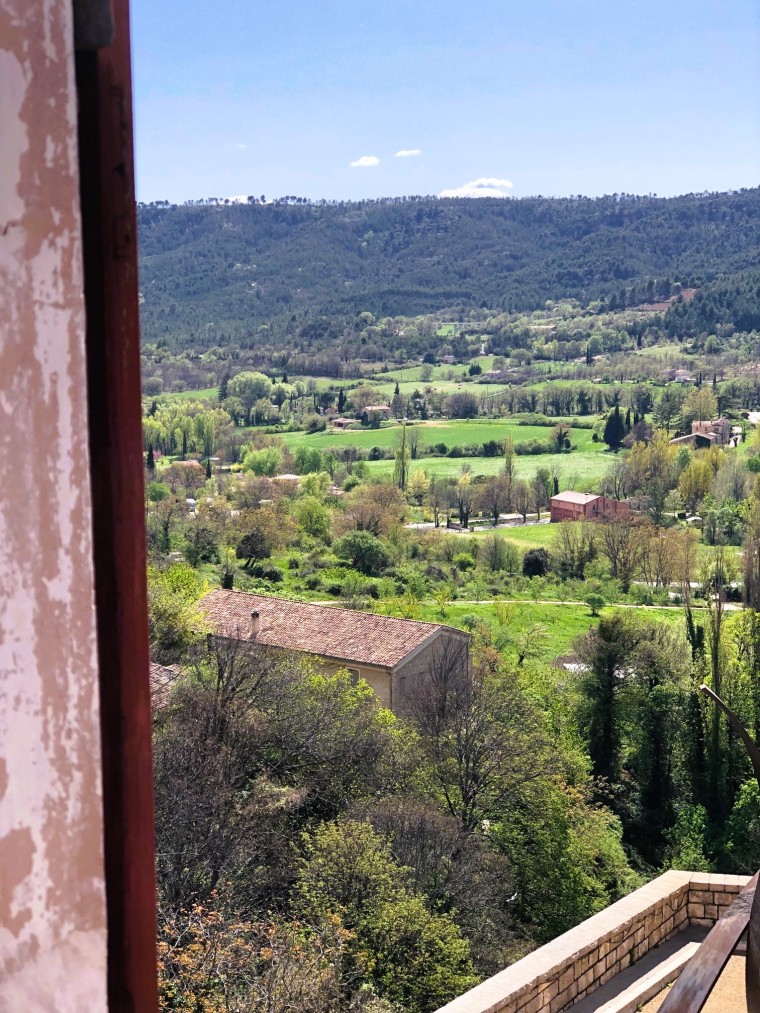
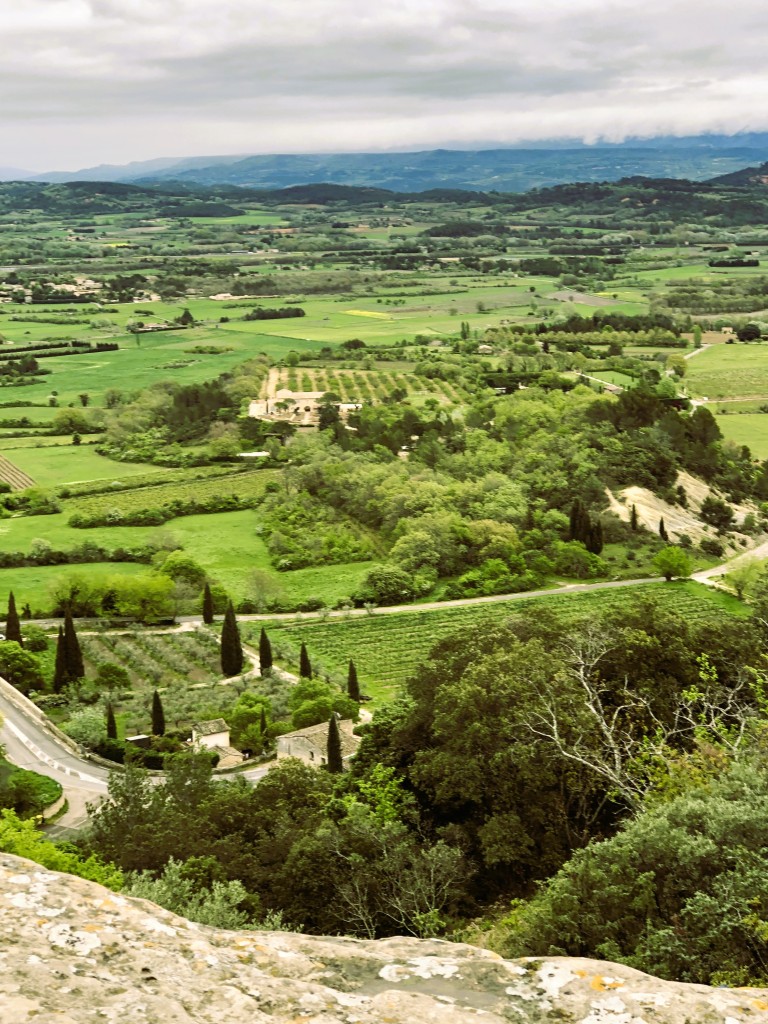
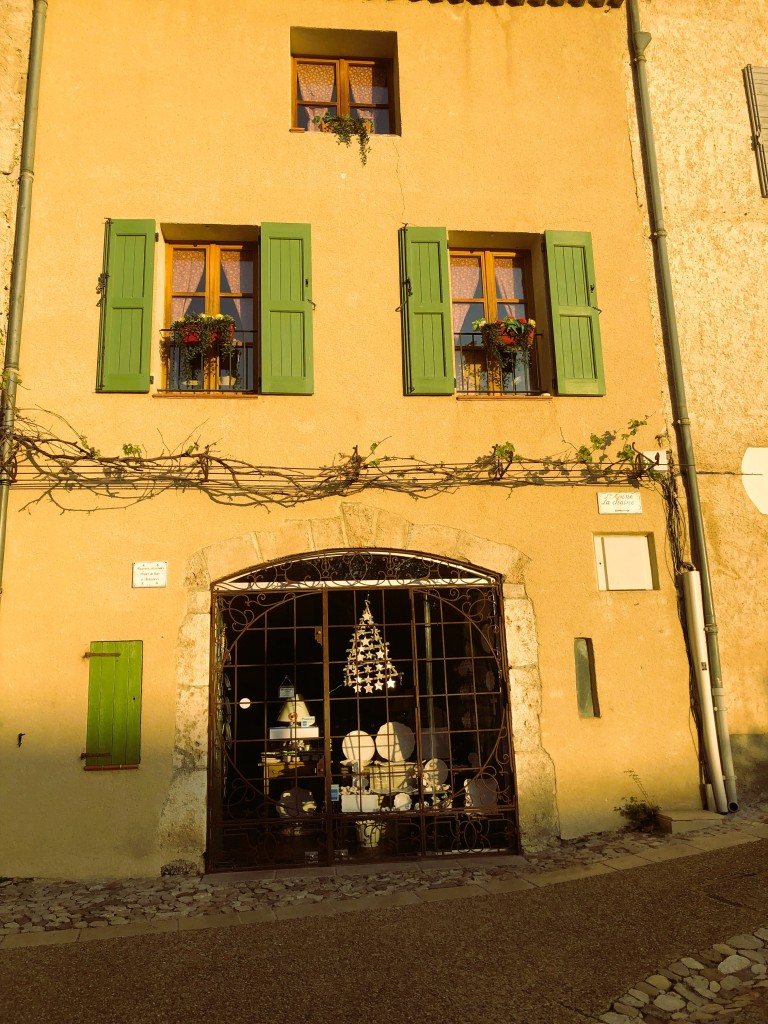
Provence was everything and more than I had hoped to experience: hilltop villages with distant views,

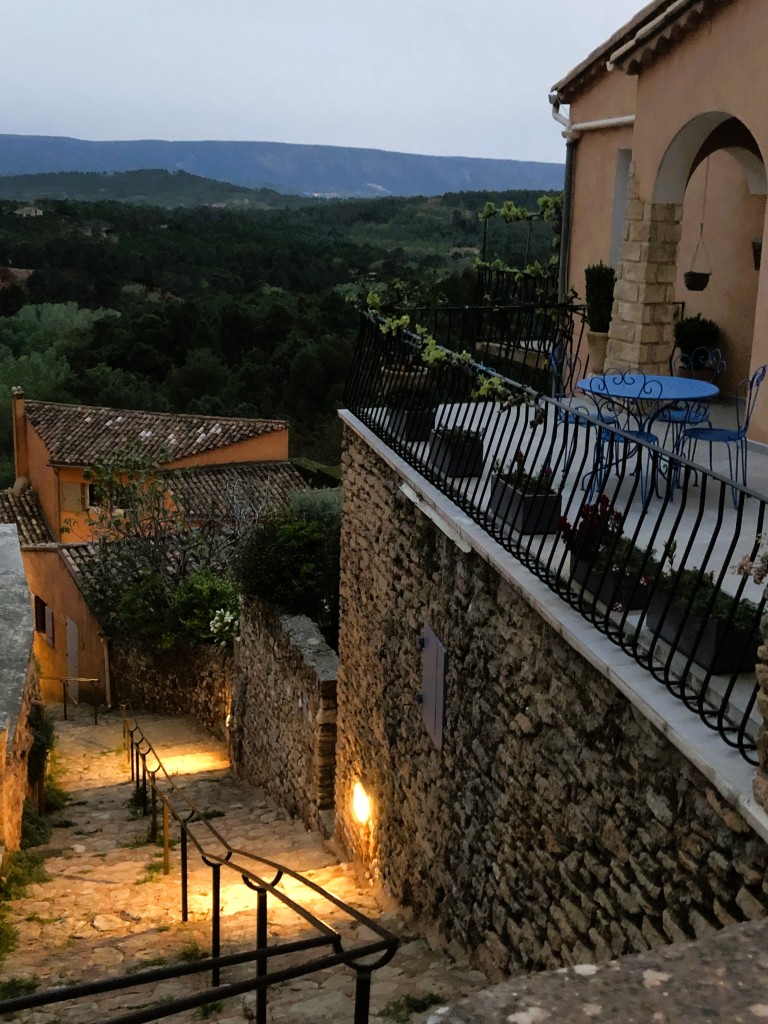
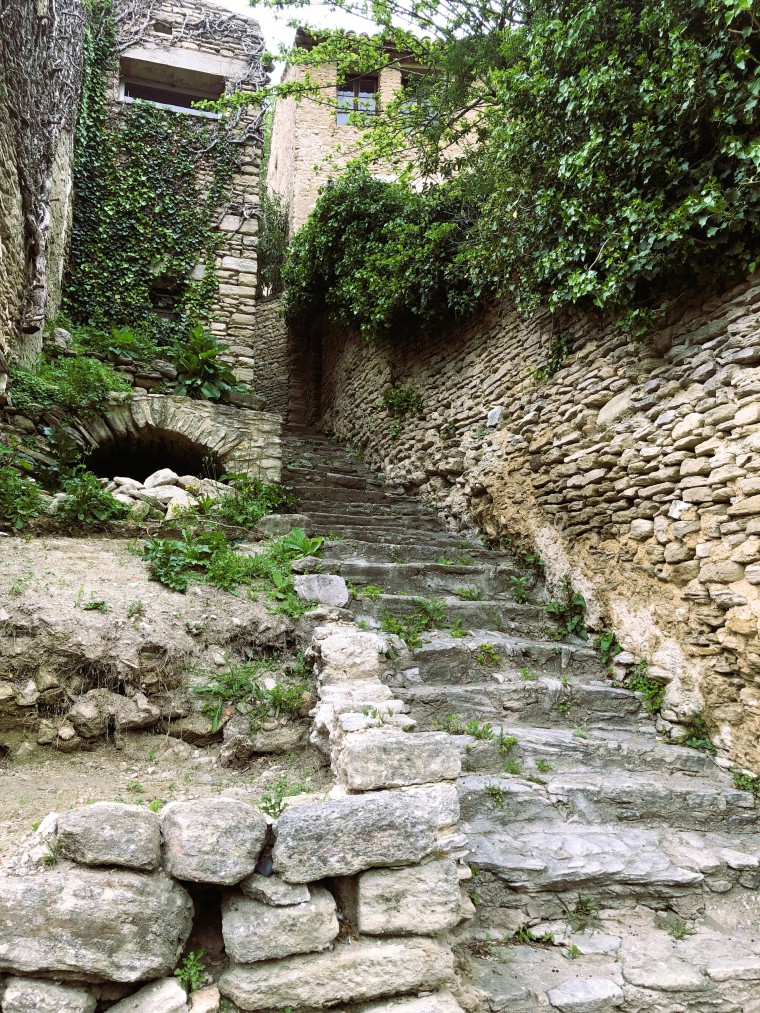
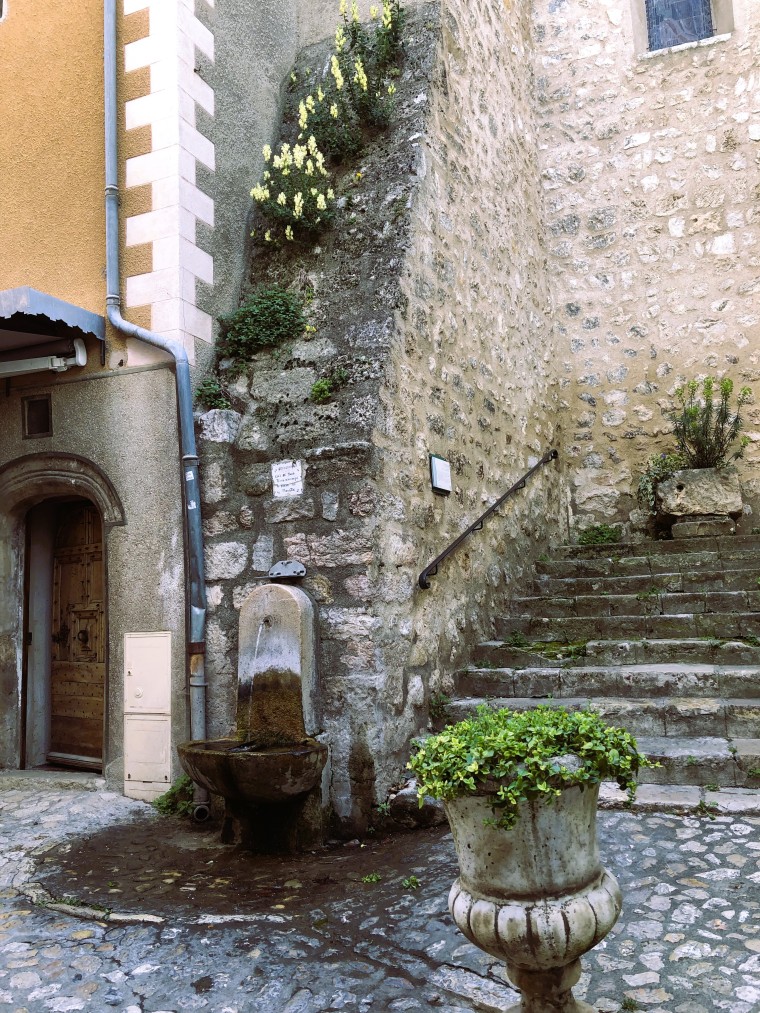
narrow streets and steep stairs,

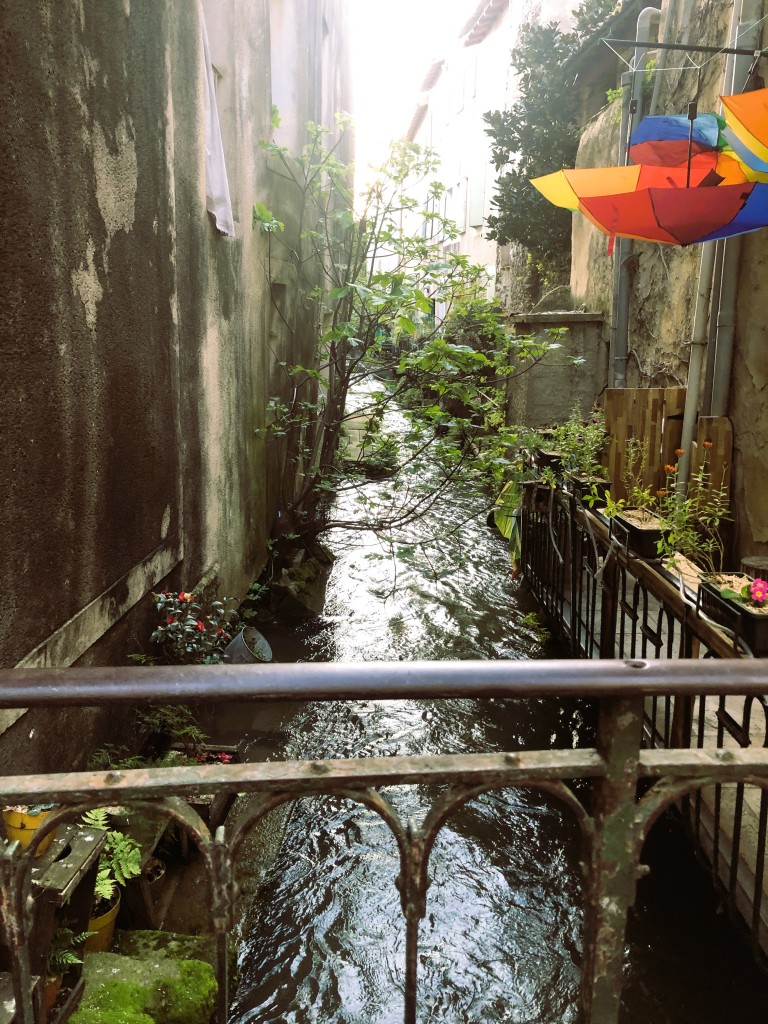
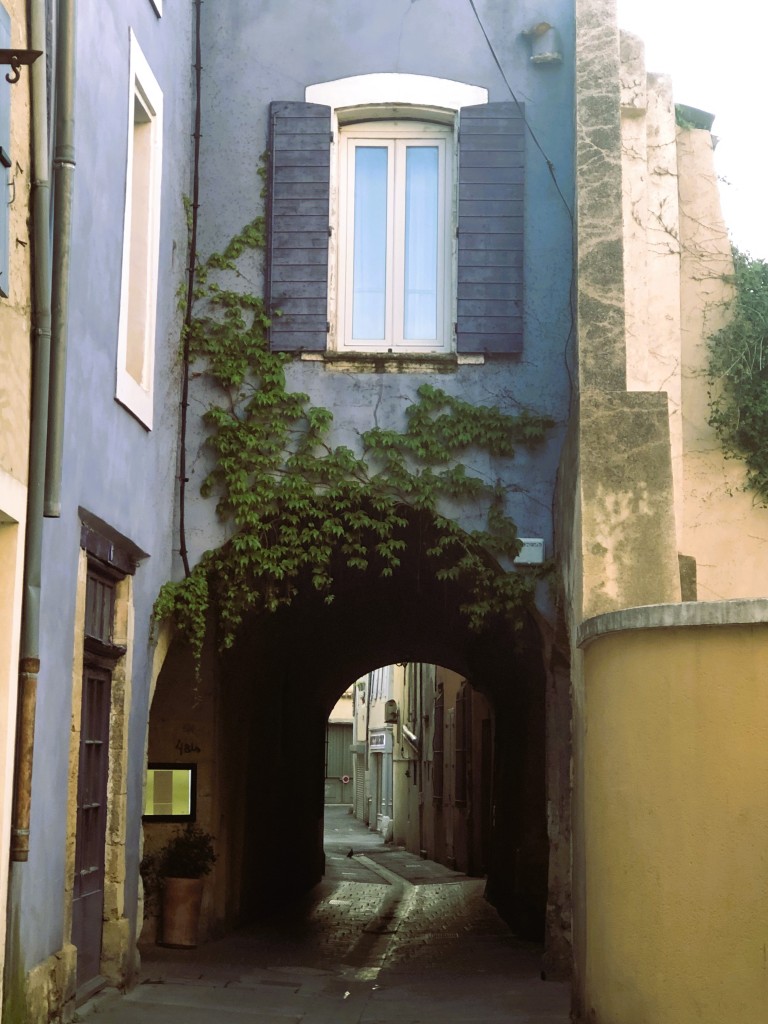
inviting bridges and passageways,

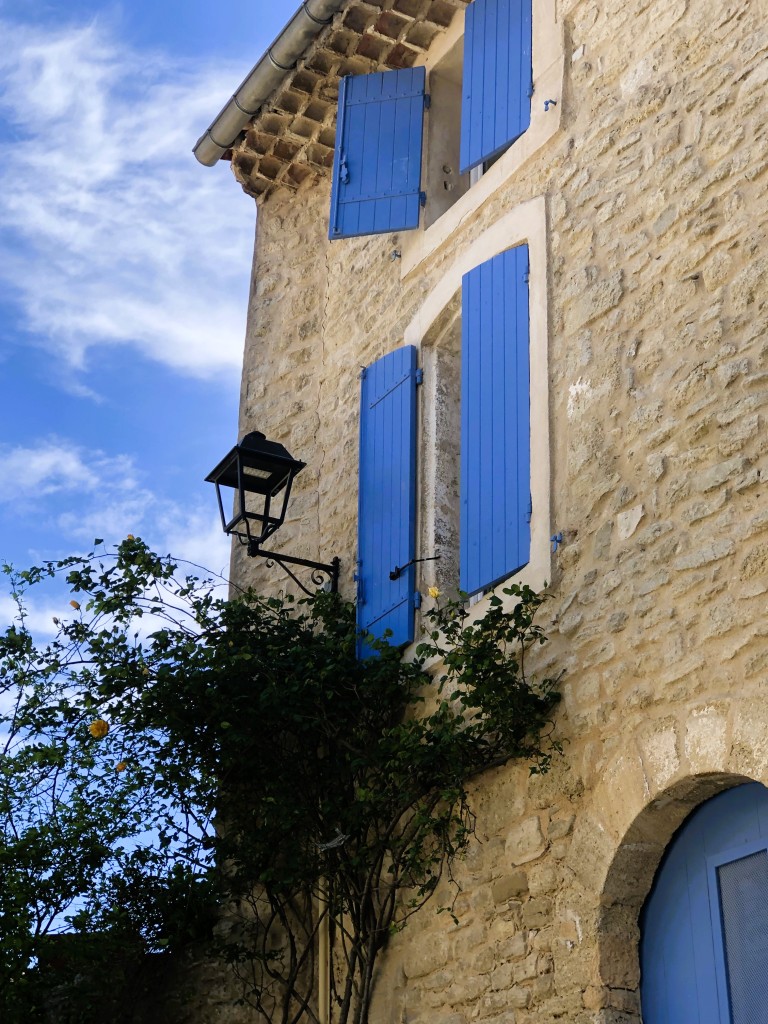
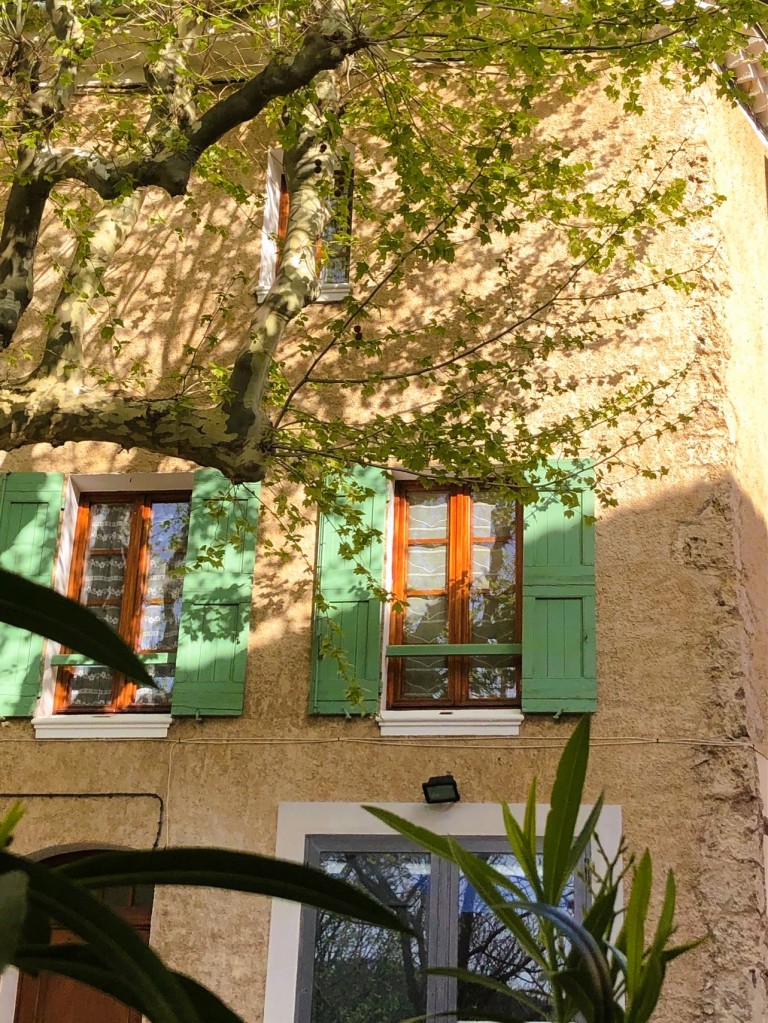
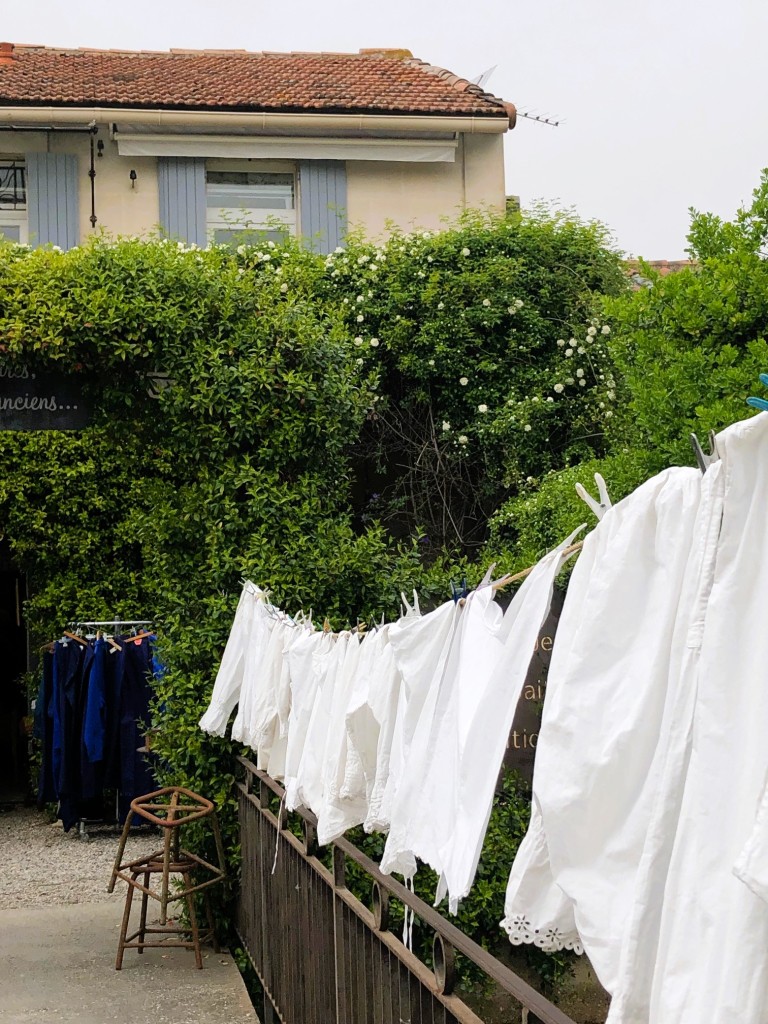
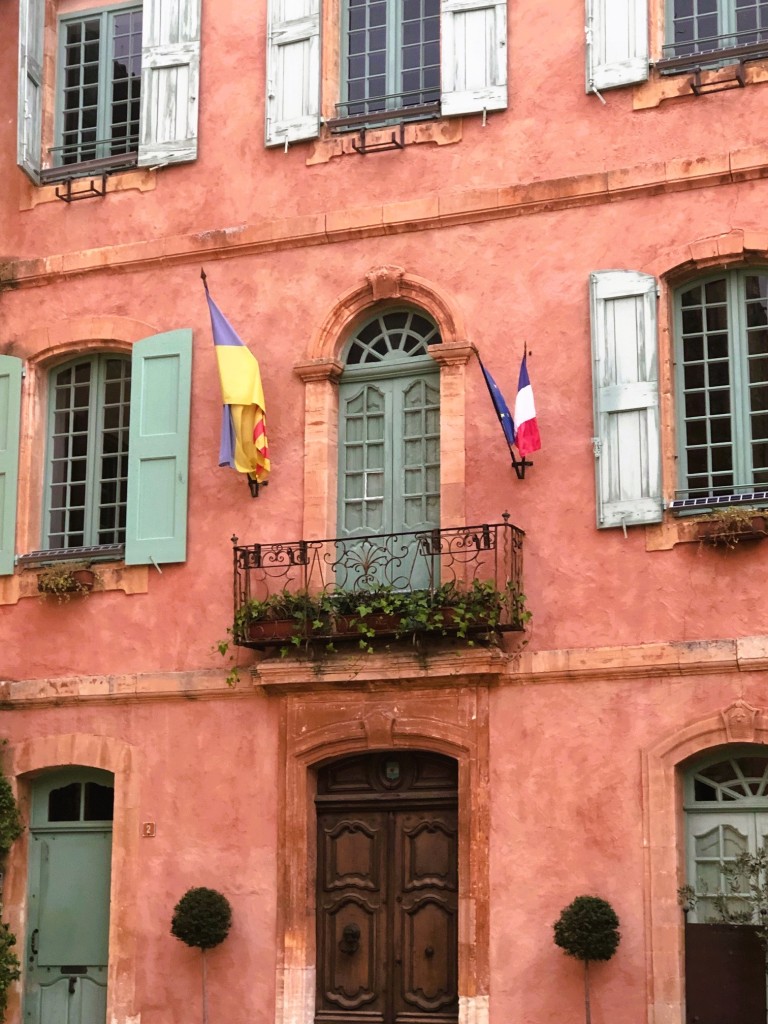
picturesque, colorful shutters.

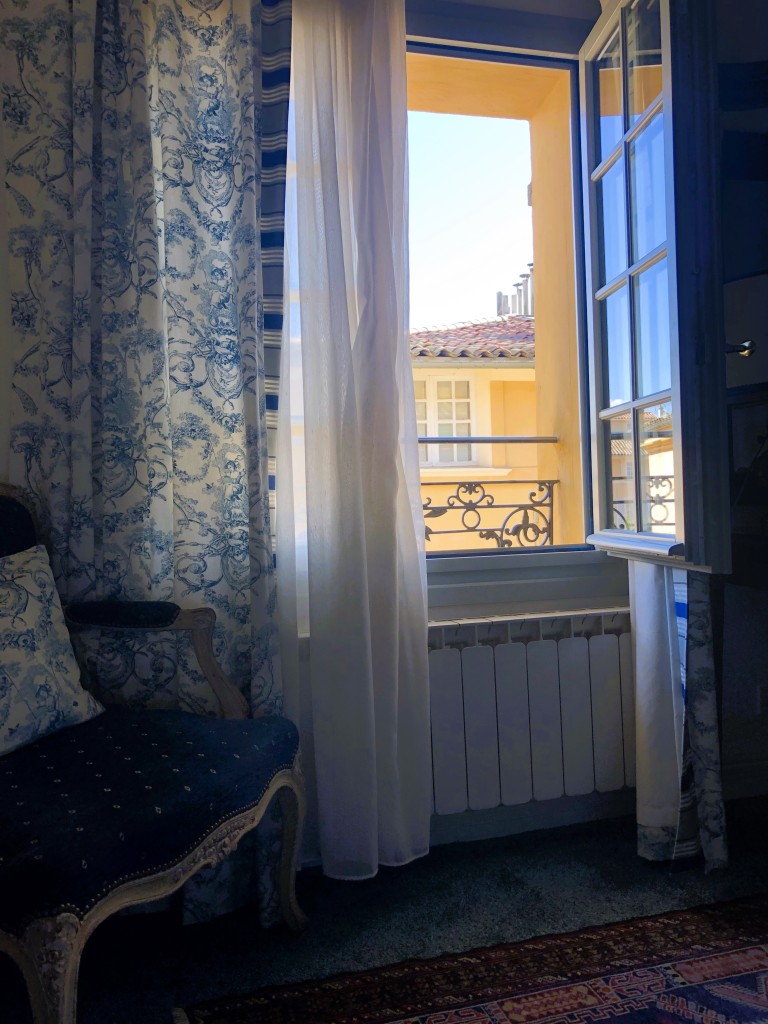
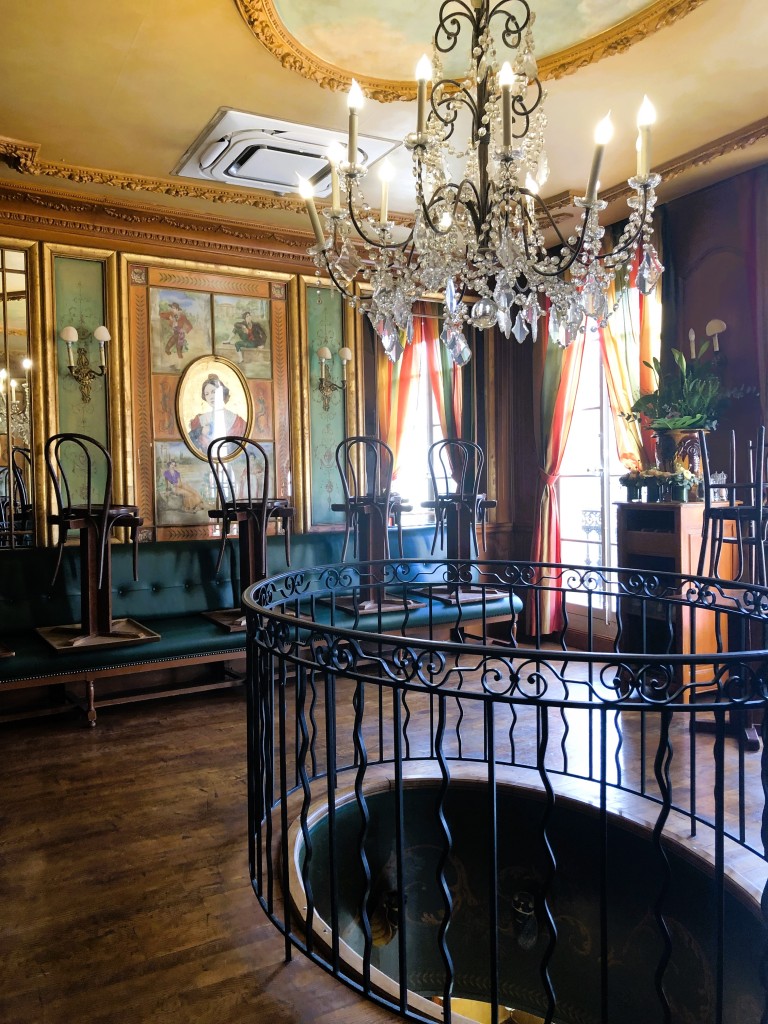
There were rooms of old-world elegance,

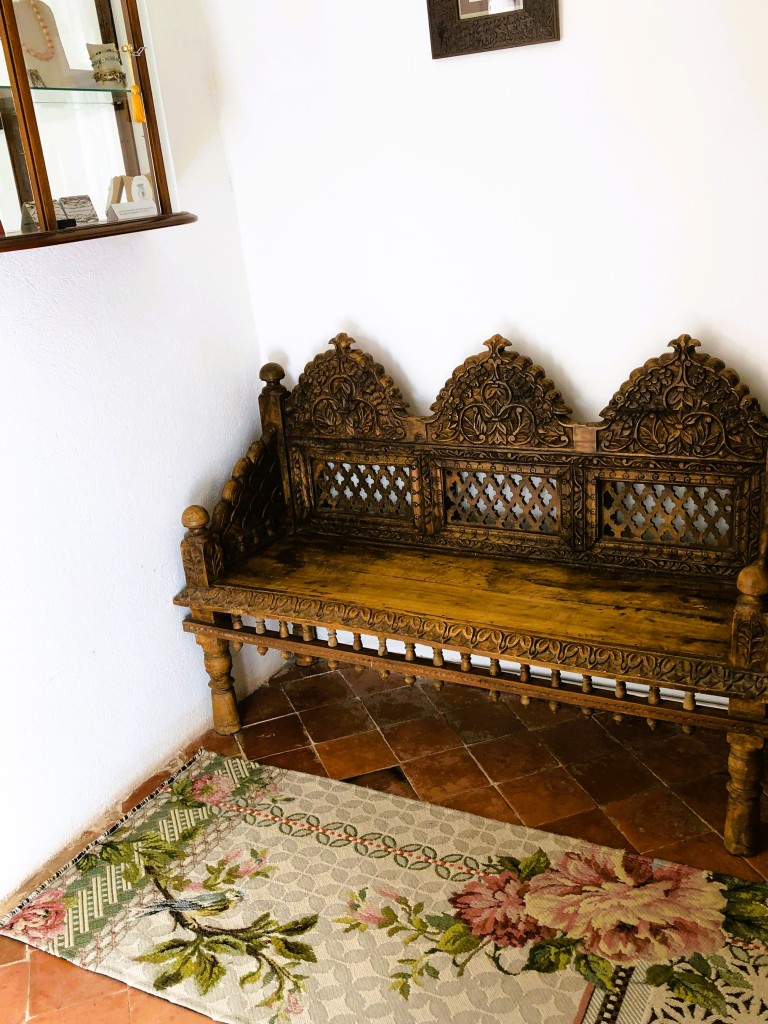
others of more rustic decor,

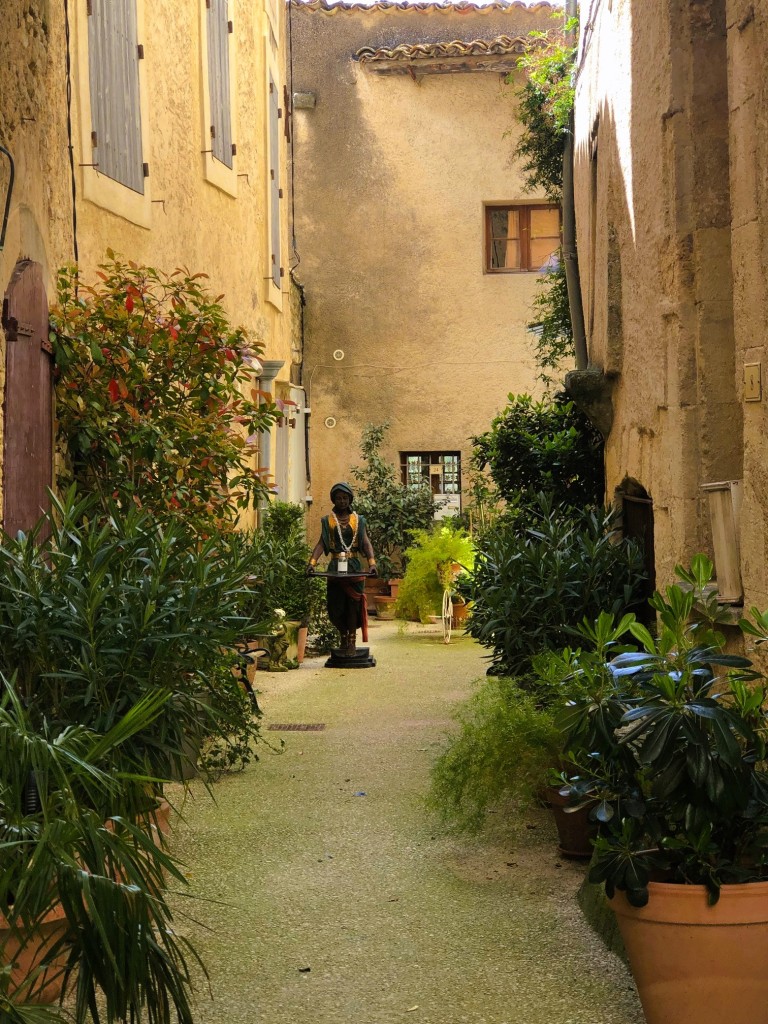
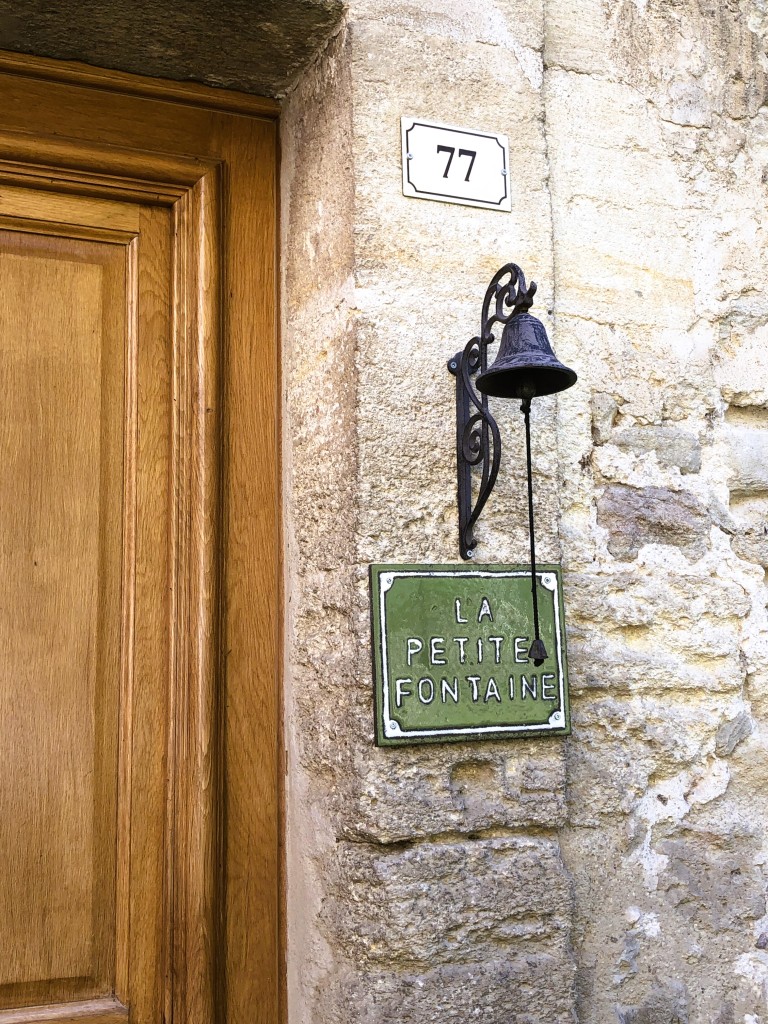
and quaint details everywhere.

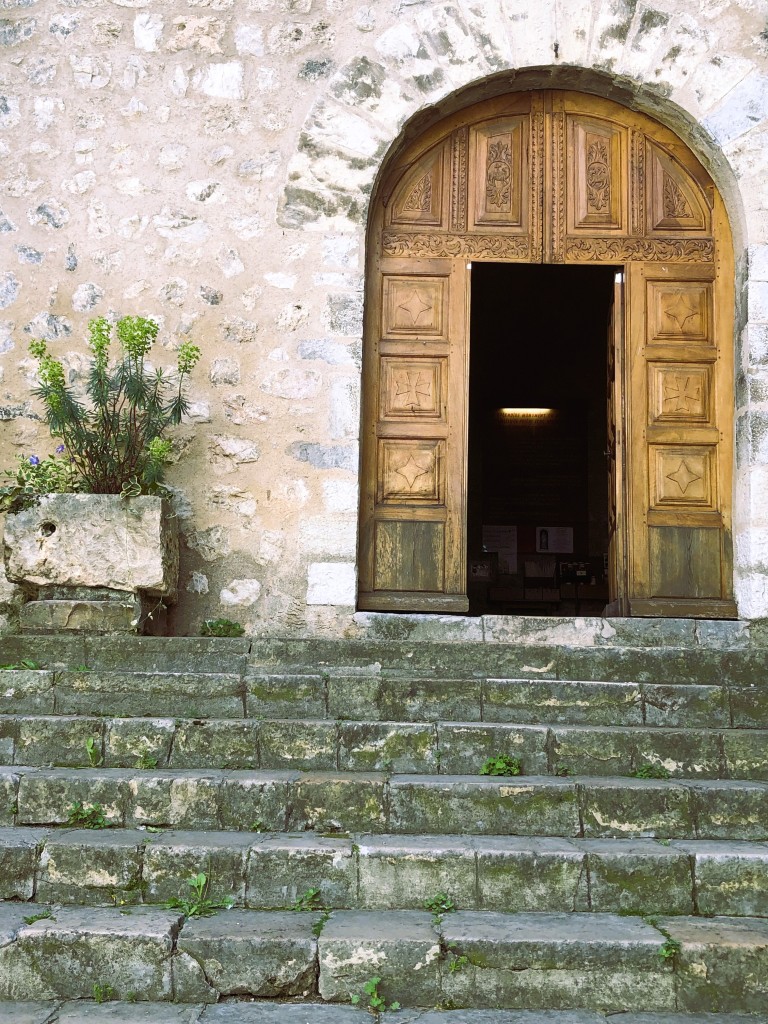
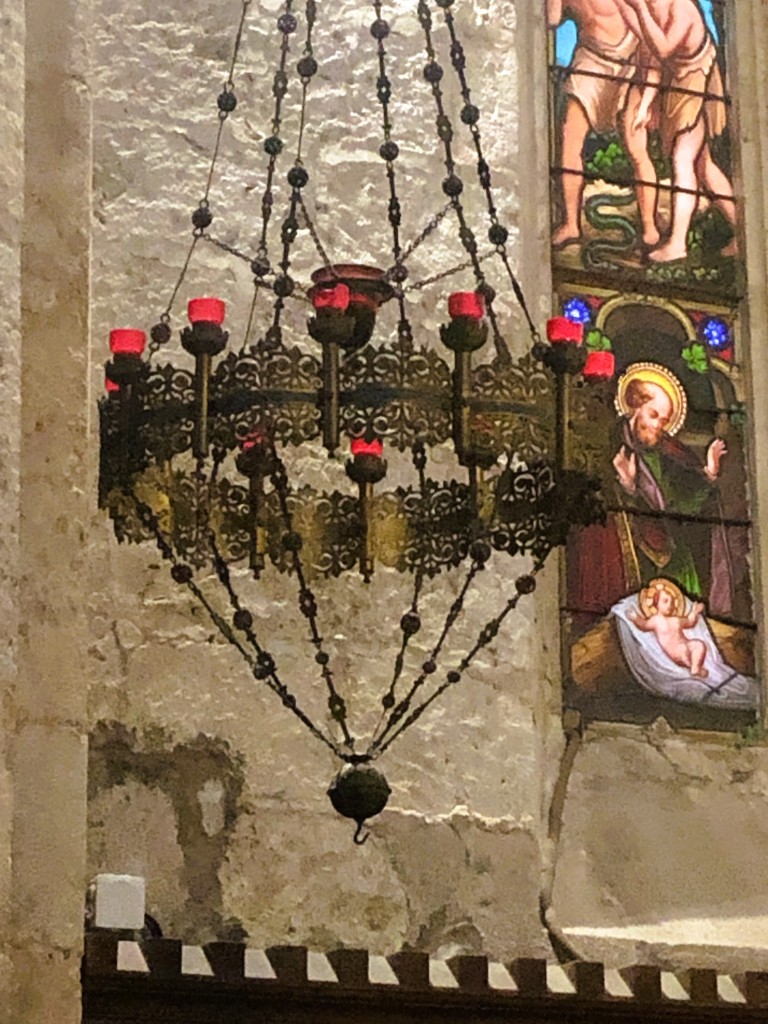
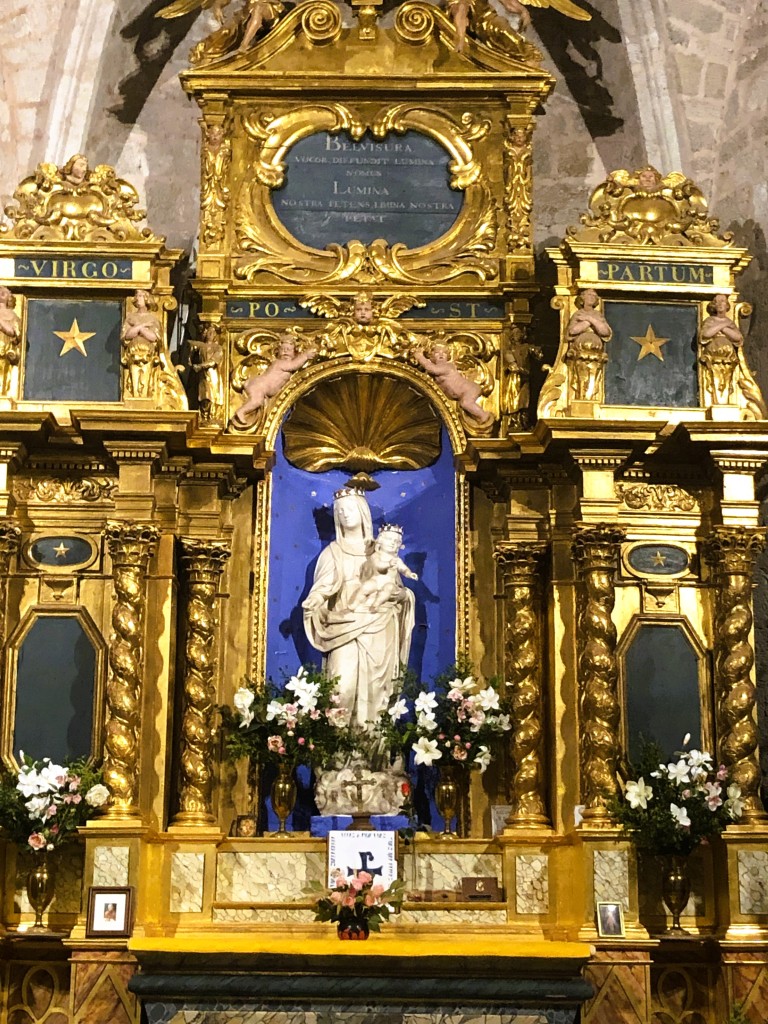
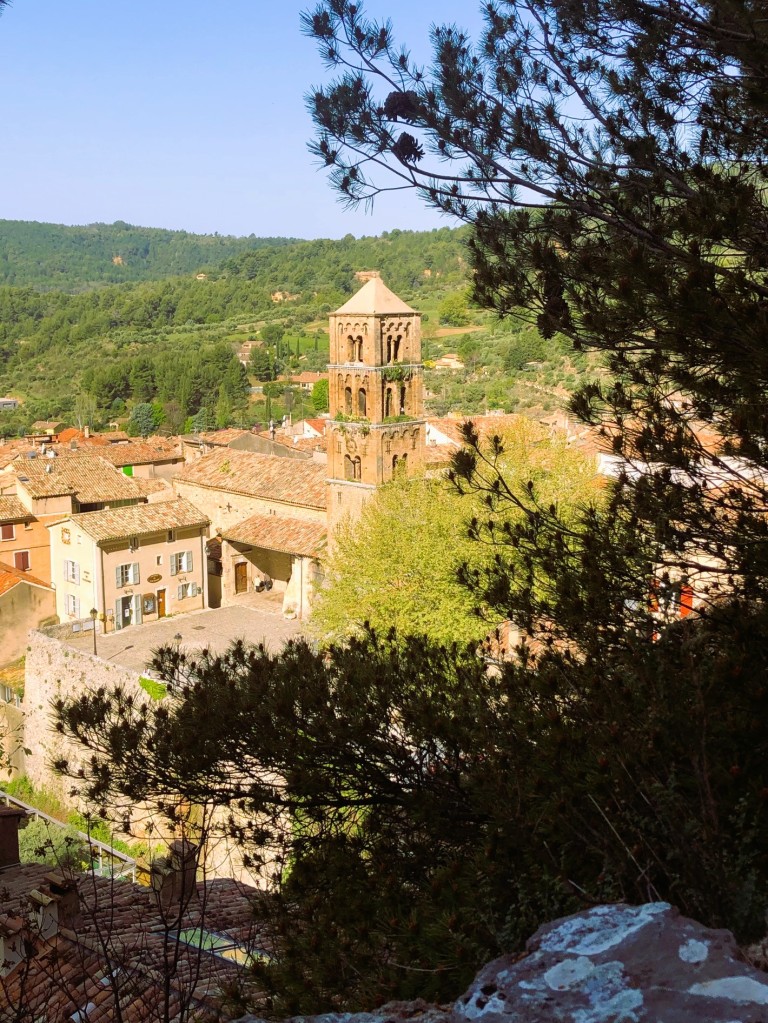
Beautiful old churches, rich in detail.

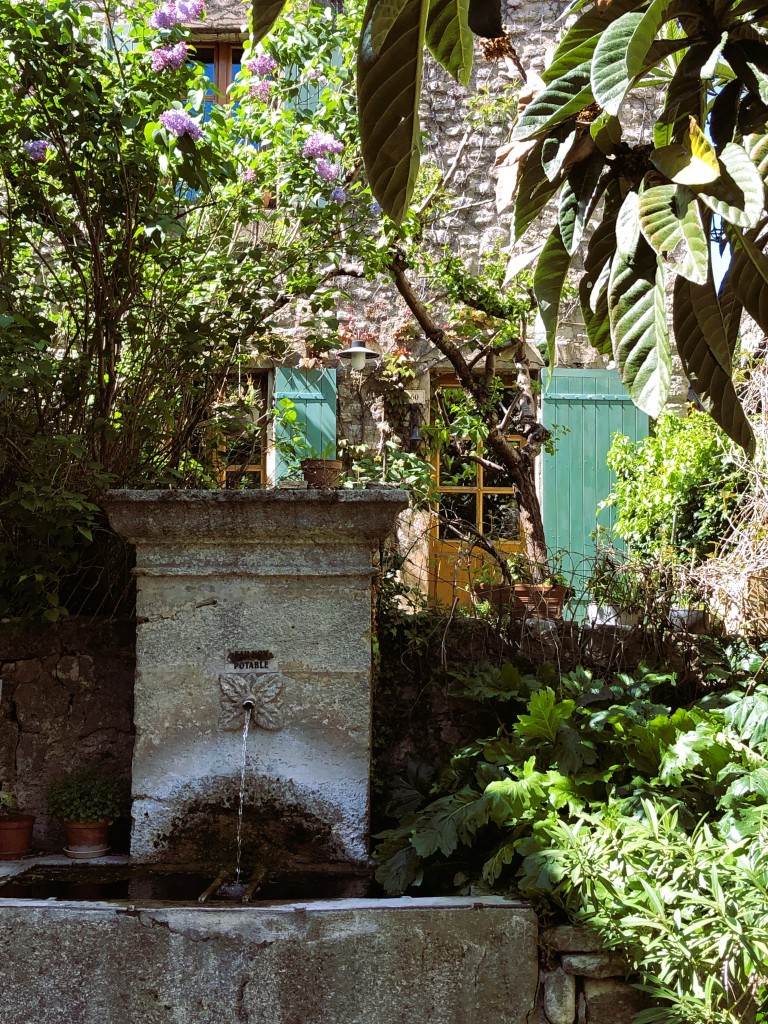
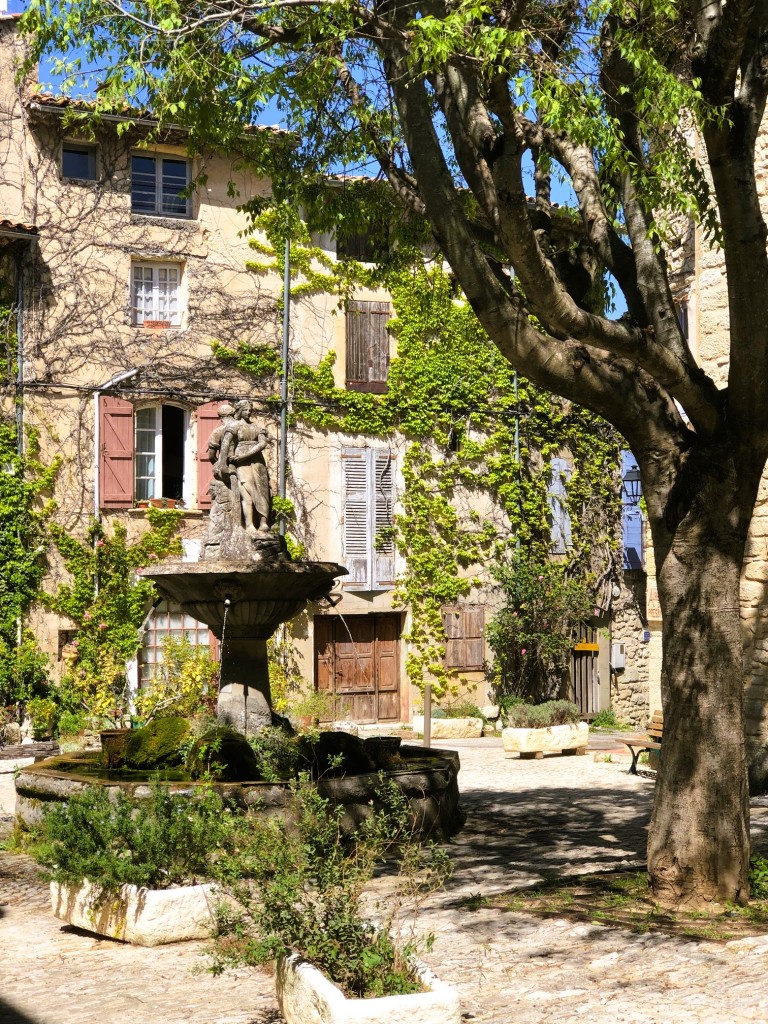
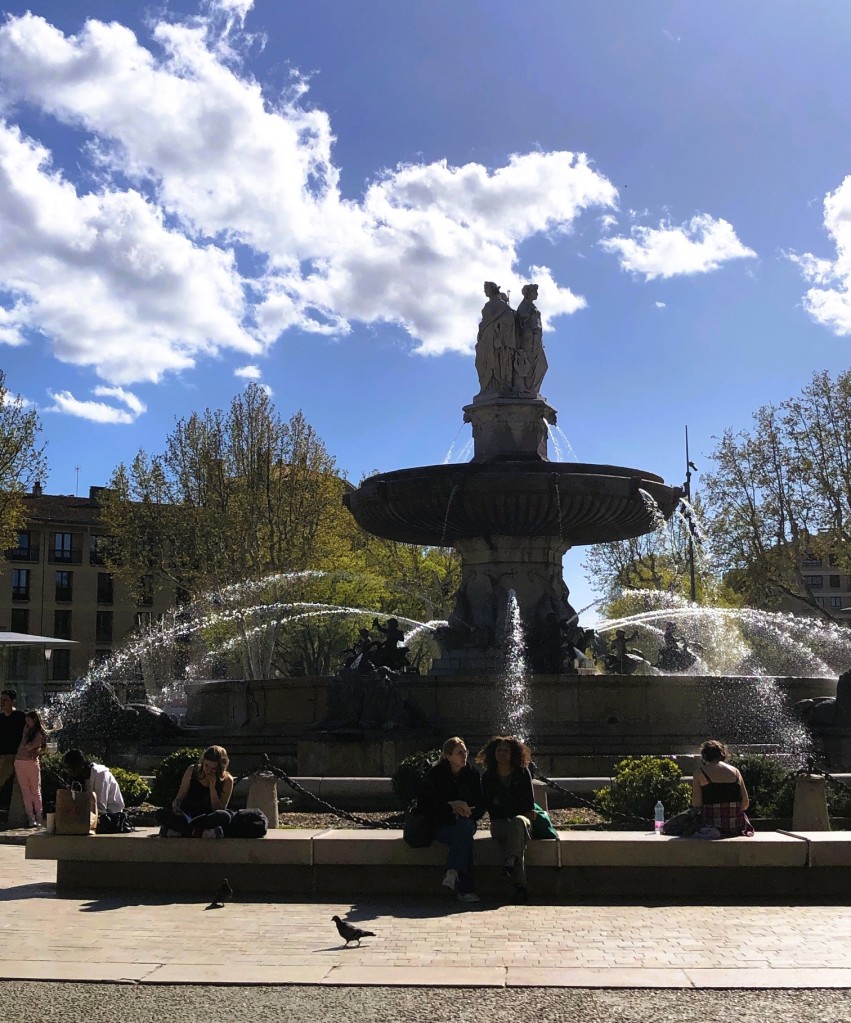
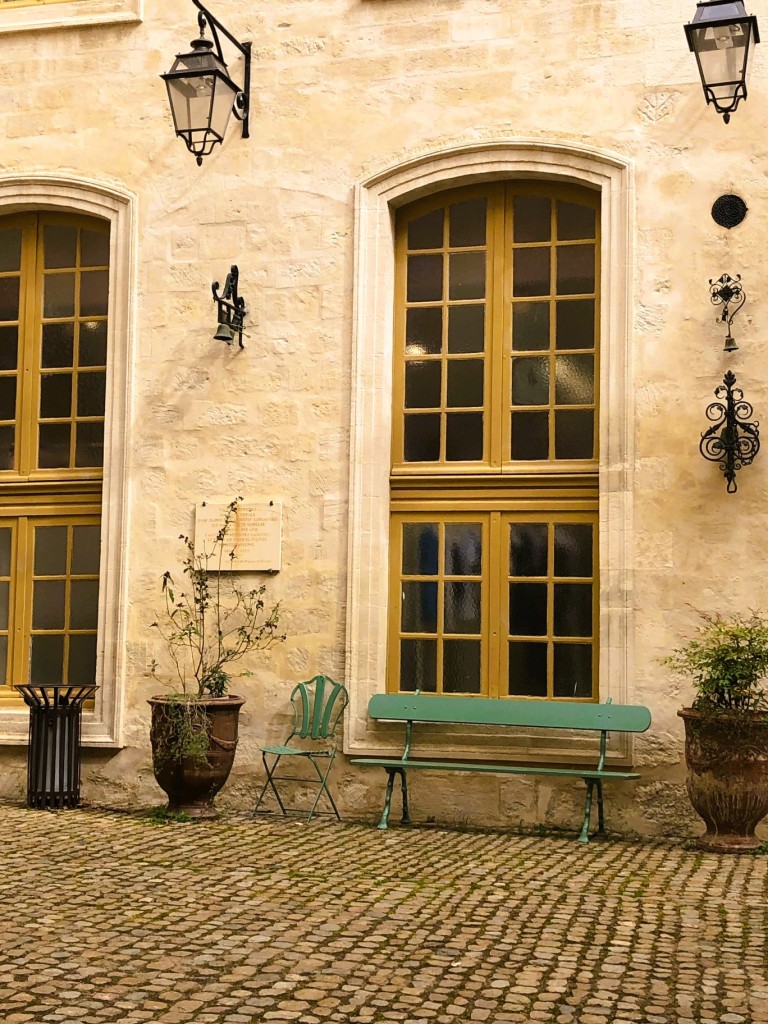
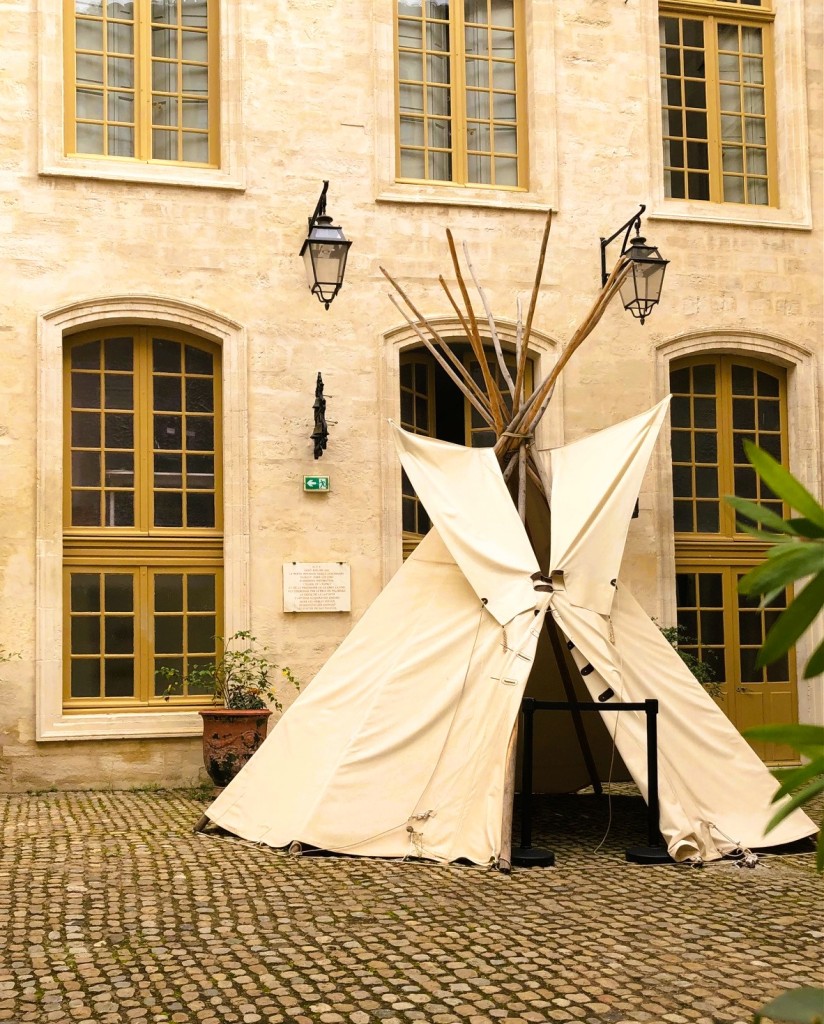
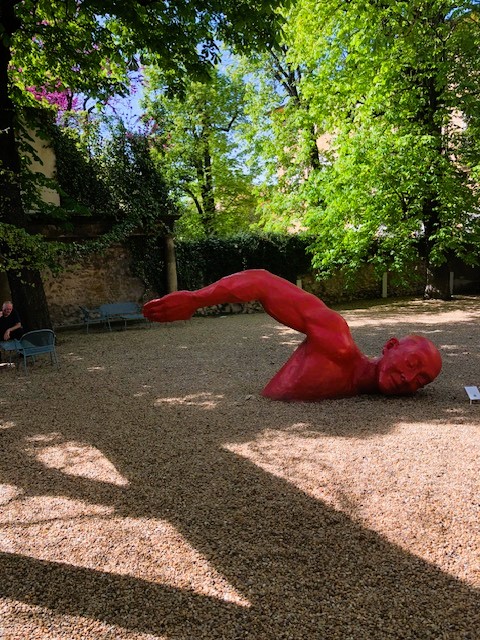
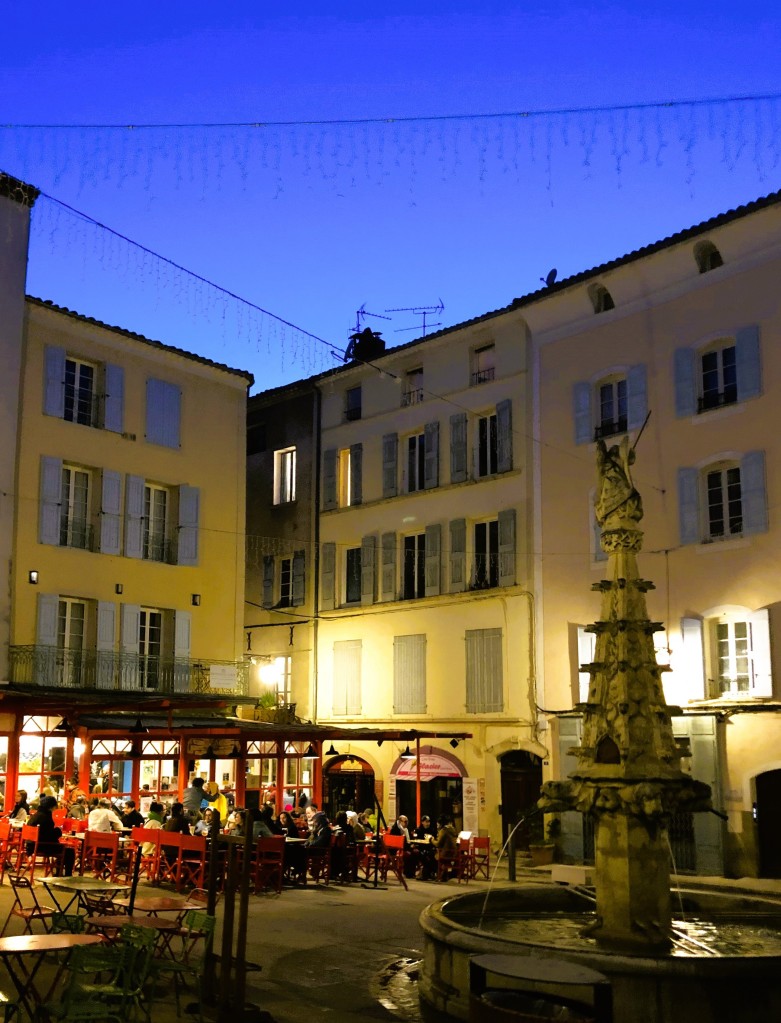
Quiet courtyards, and fountains everywhere.

A travelers delight in the unexpected,

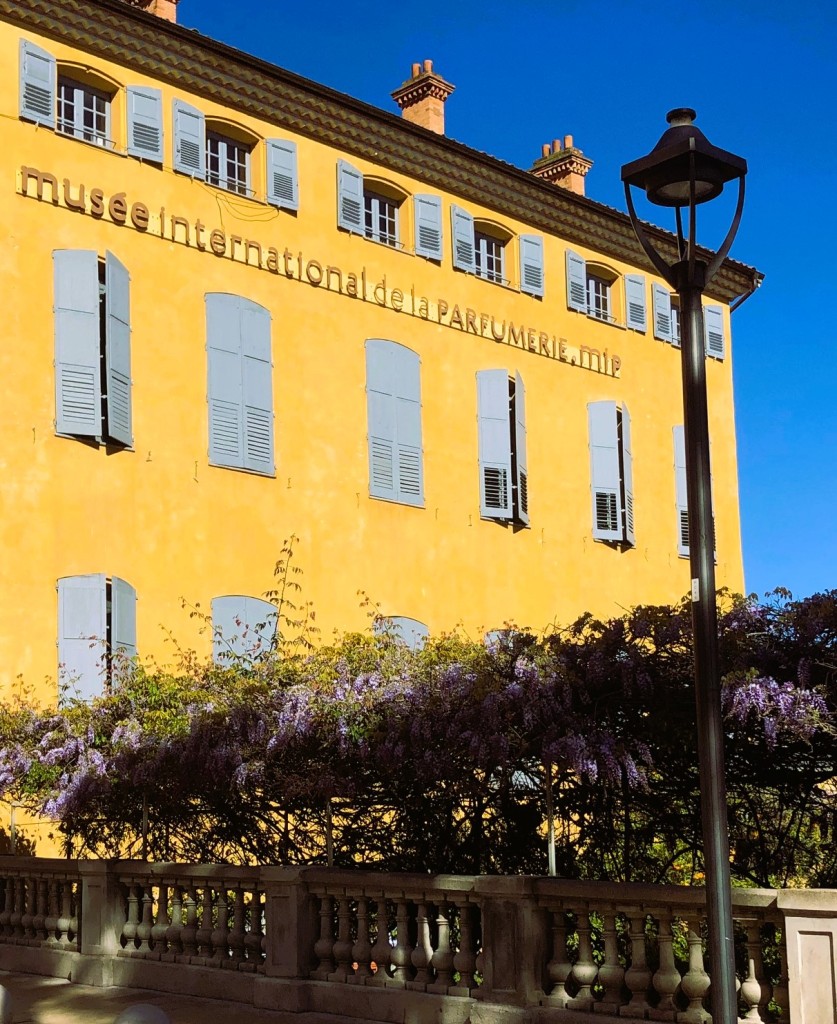
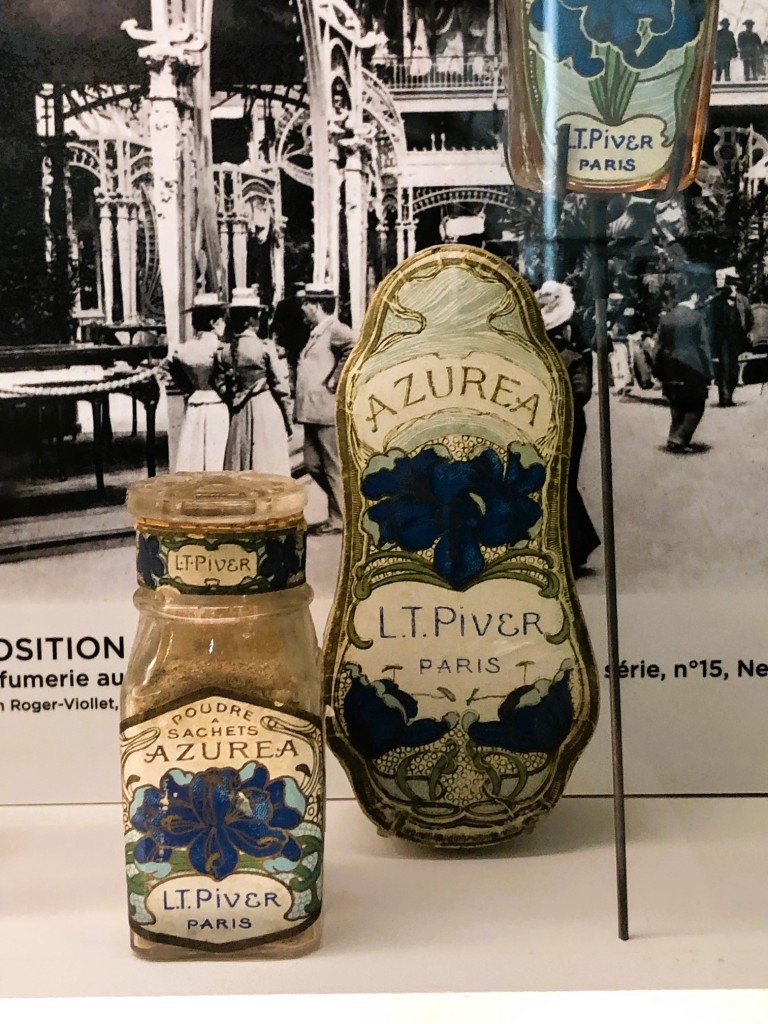
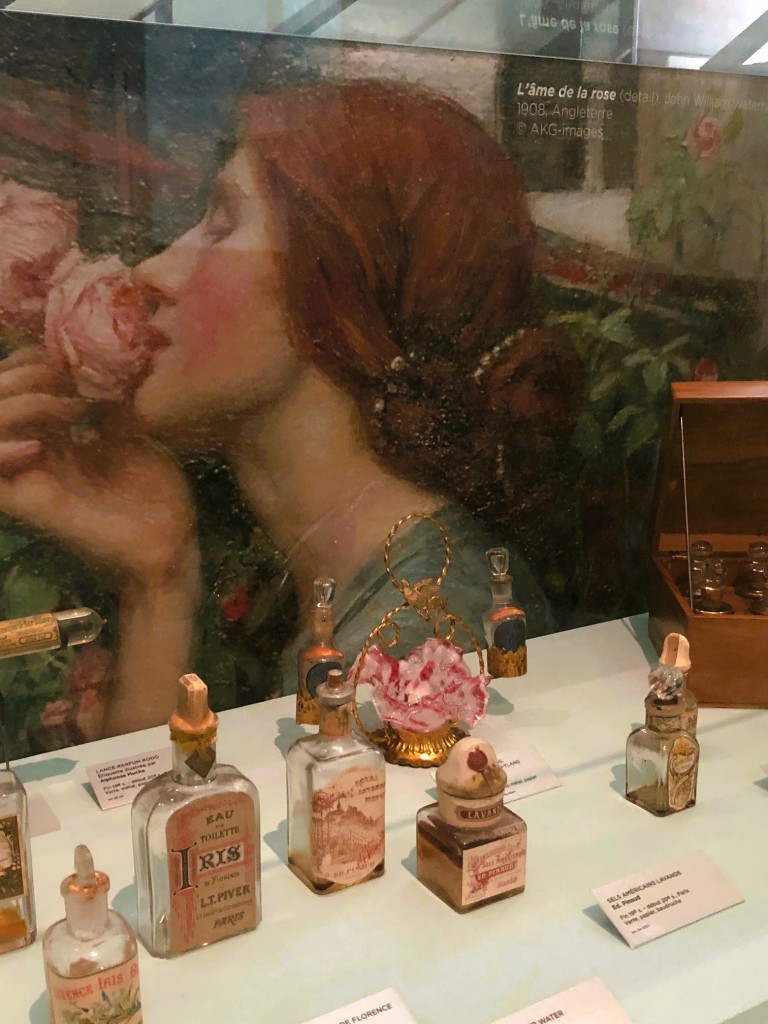
and in unplanned visits: to the lavender museum on a rare rainy day, and the historical perfume museum in Grasse, housed in an beautiful old building

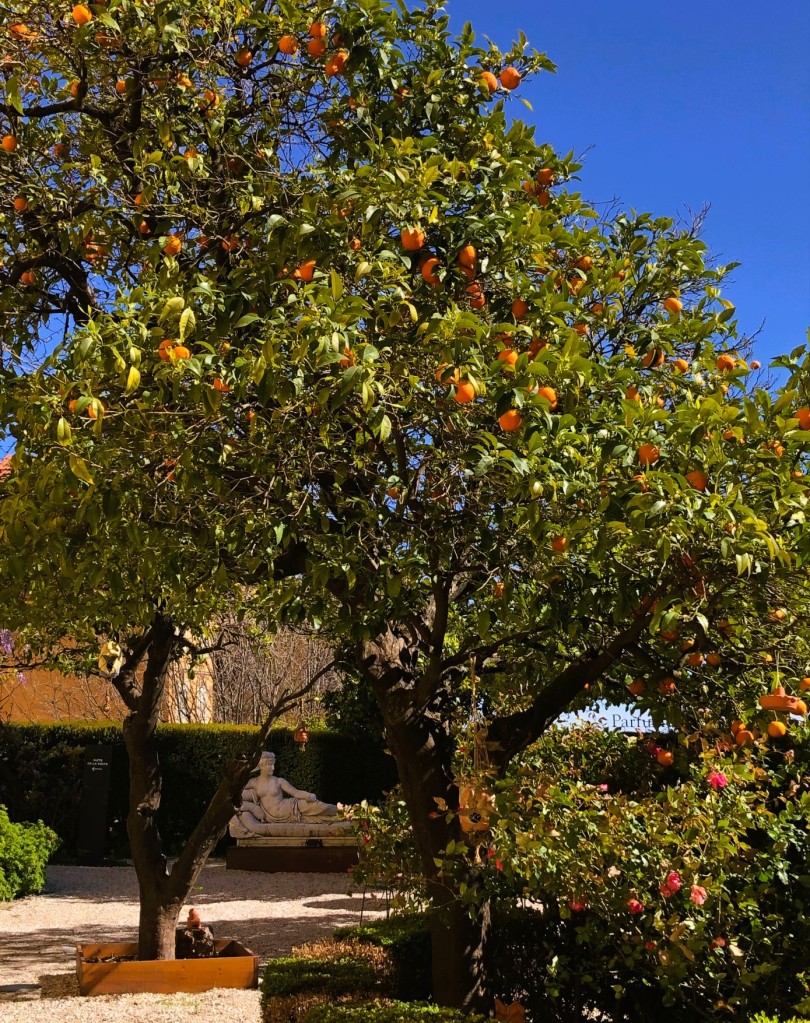
with a scent-rich garden of roses, wisteria, and citrus.

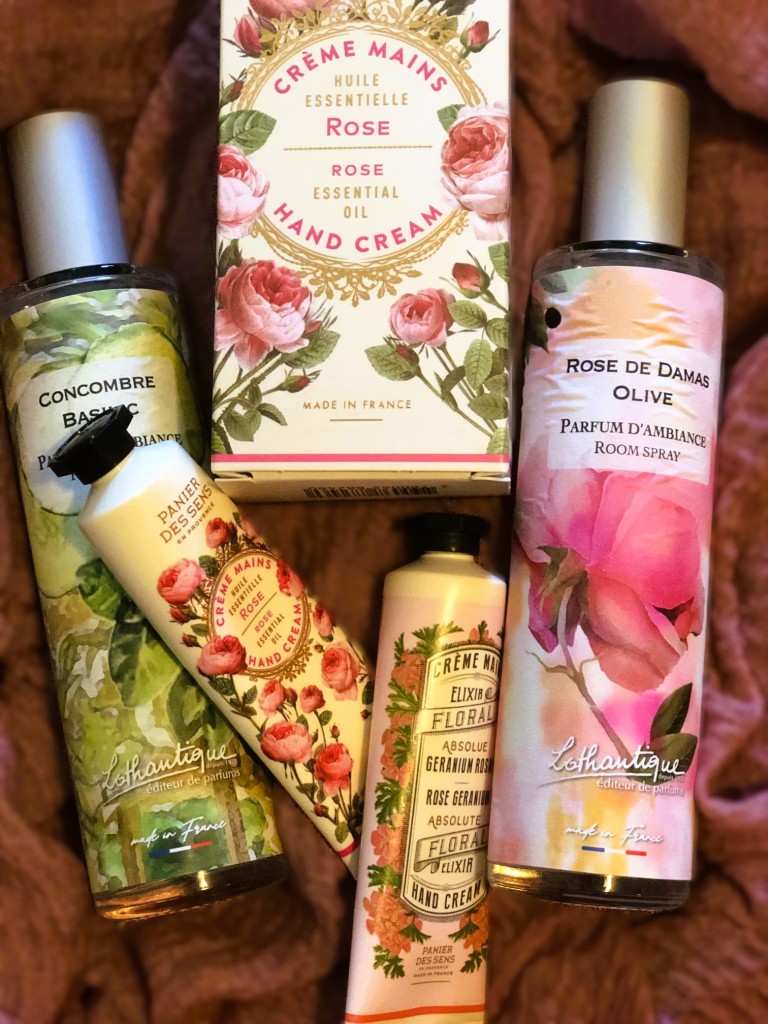
(And a gift shop of fragrant indulgences to take back home.)

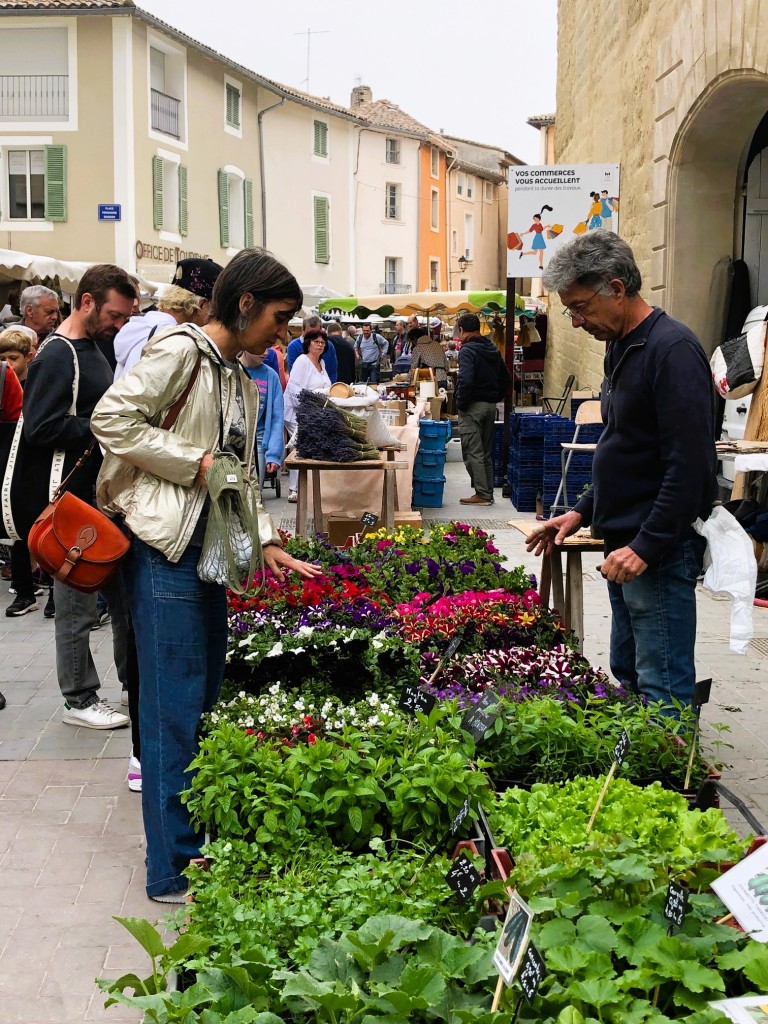
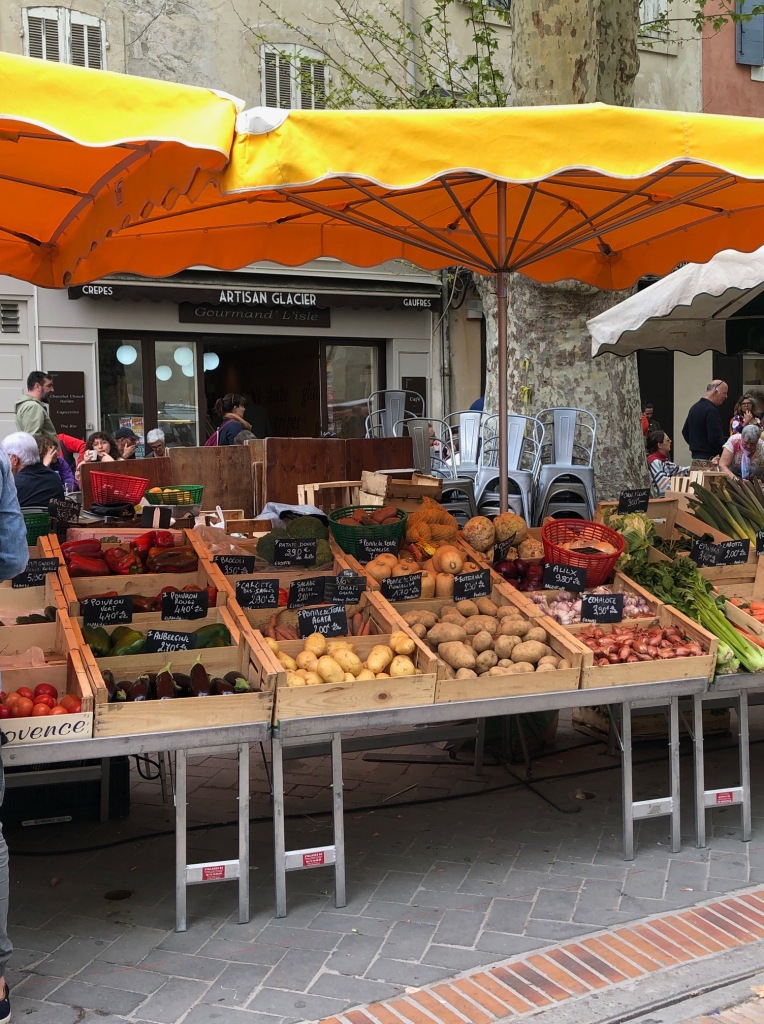
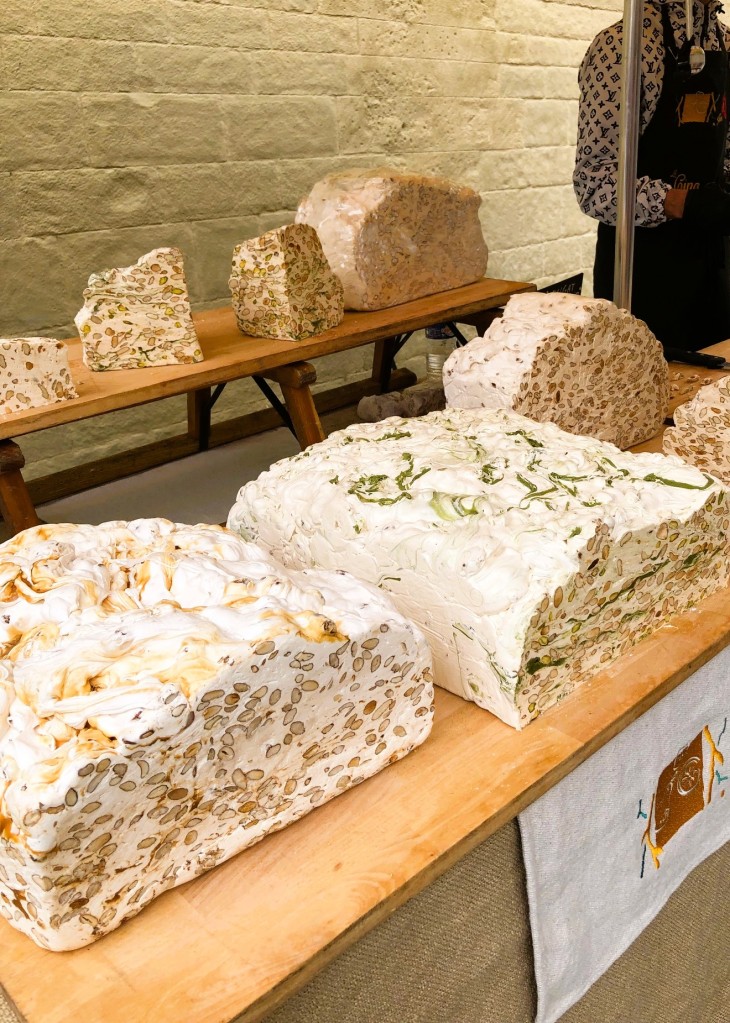
Market days in nearly every town infuse the area with vibrancy and interest,

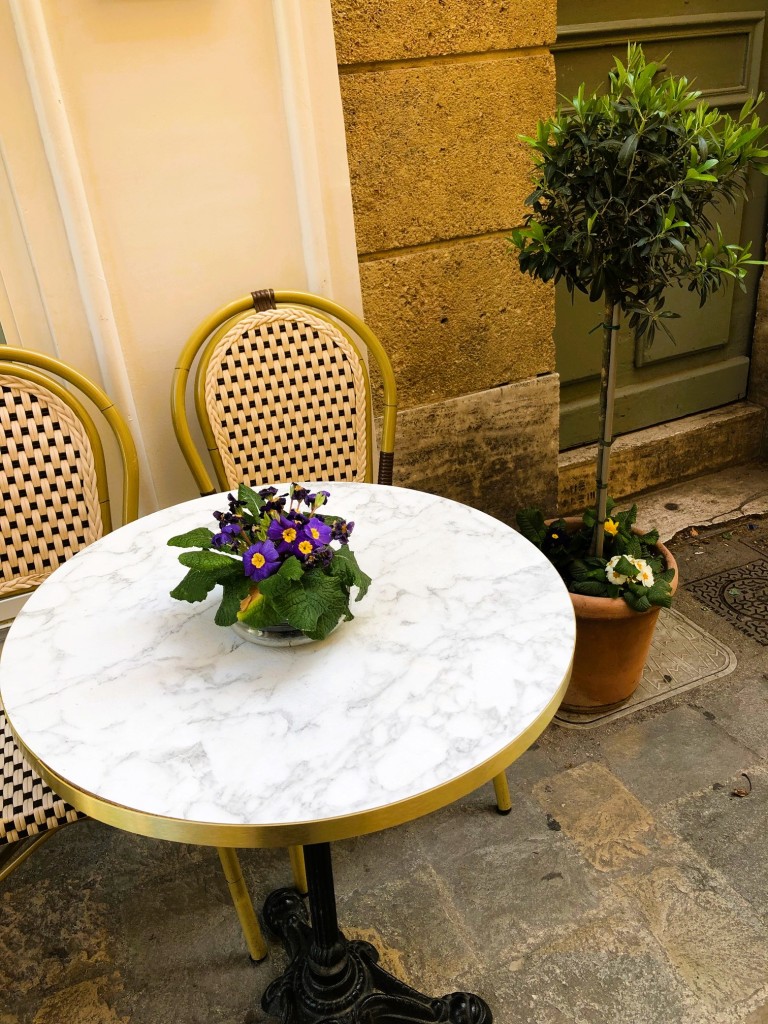
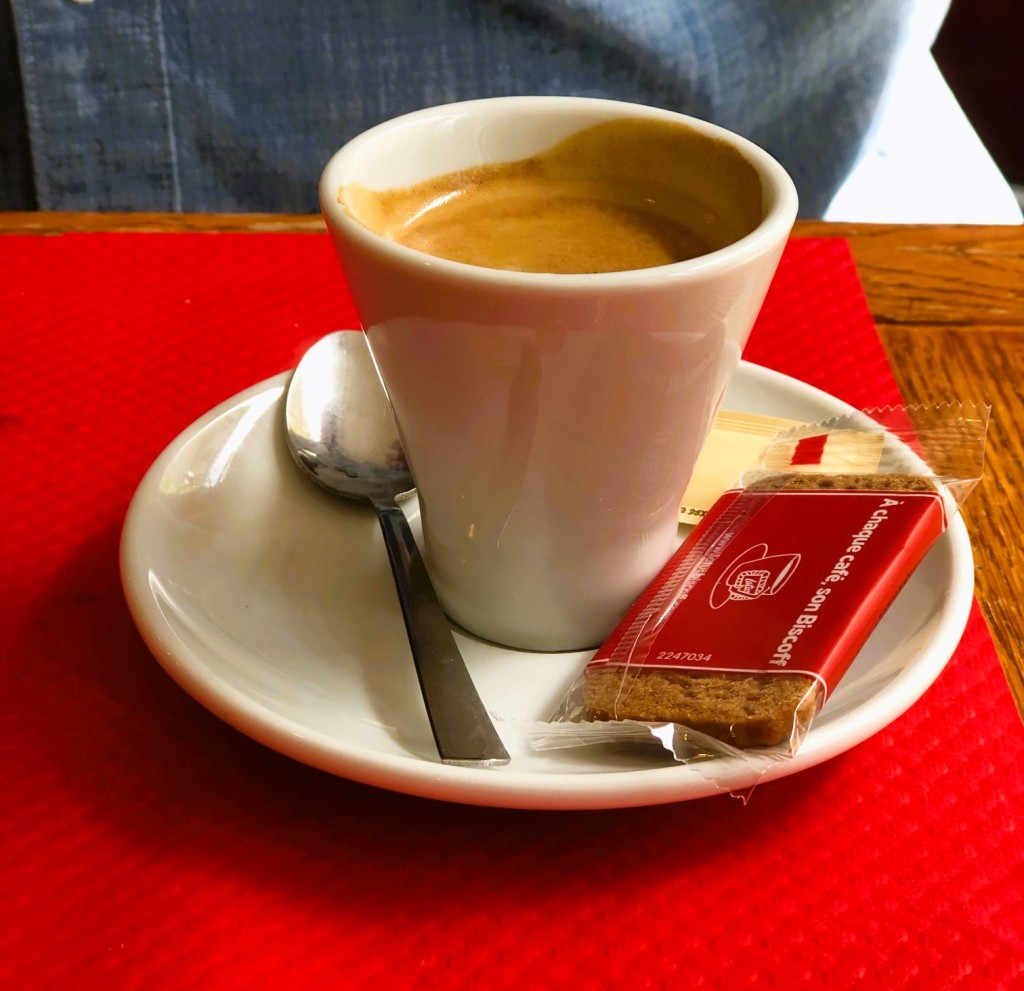
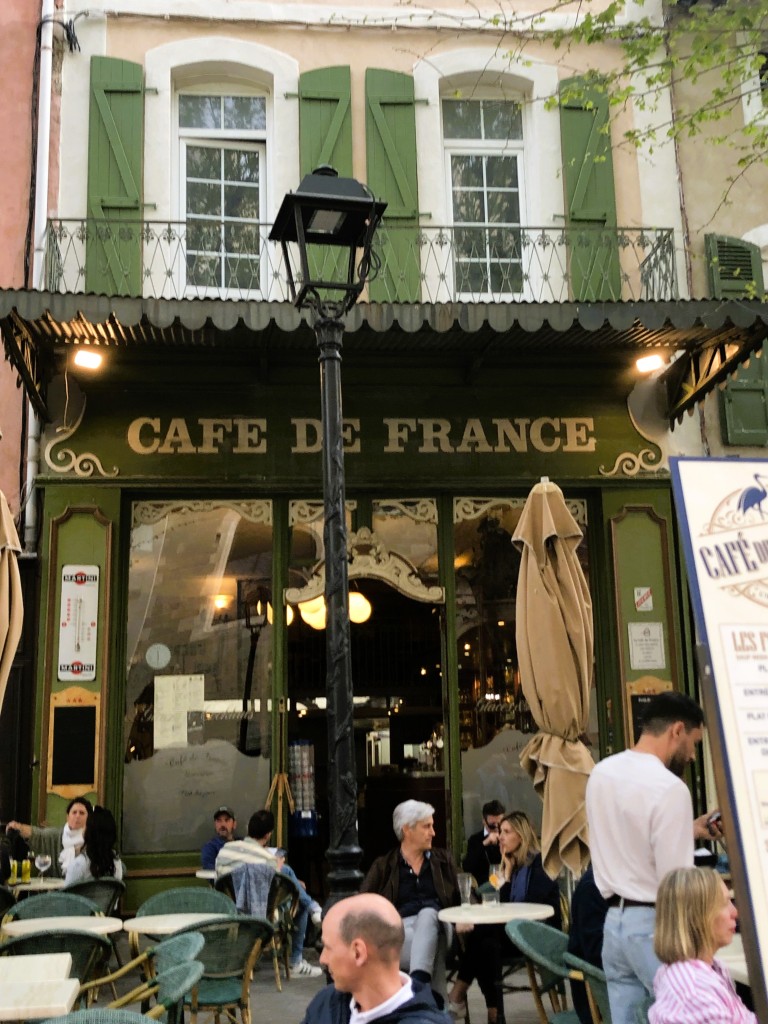
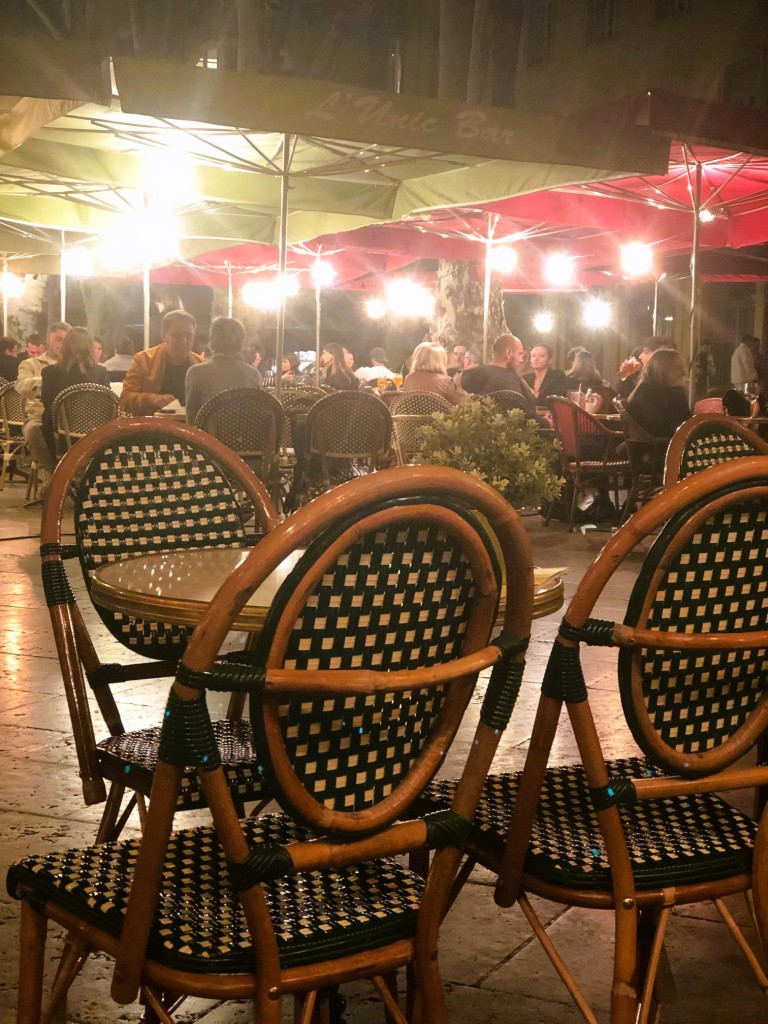
and a relaxing cafe culture pervades all of Provence, offering a slower pace to life.

Which perhaps accounts for the warm and welcoming people we came across everywhere.

There was a real joie de vivre found in the lively conversations that filled the cafes, the delight in the company of friends.

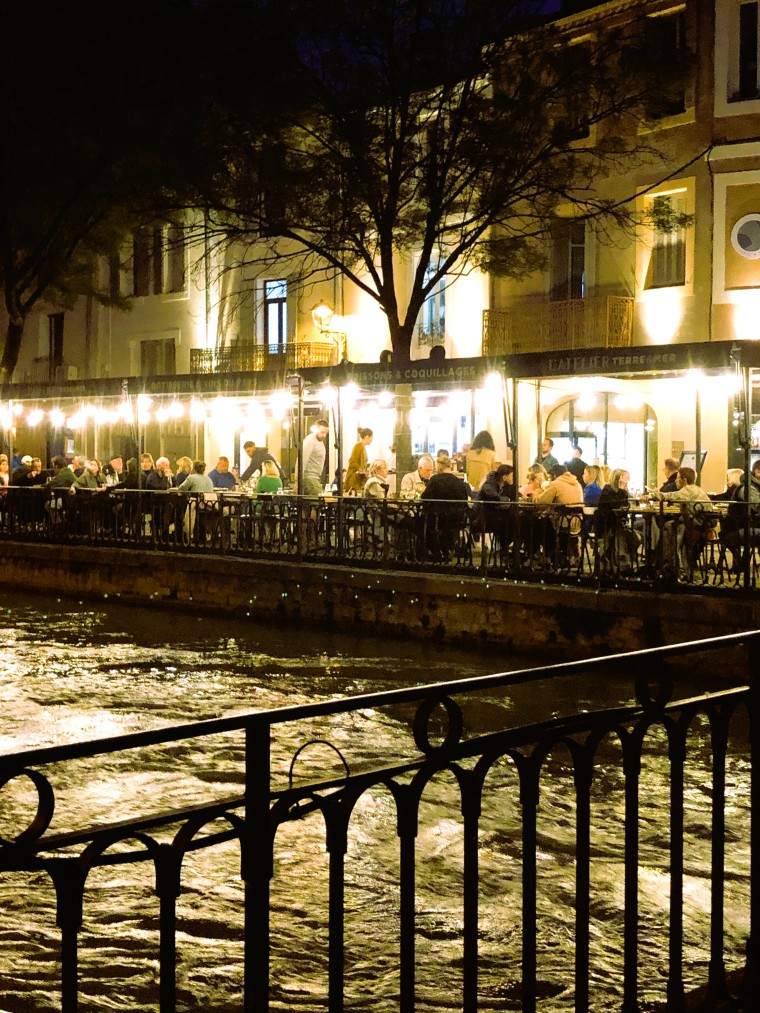
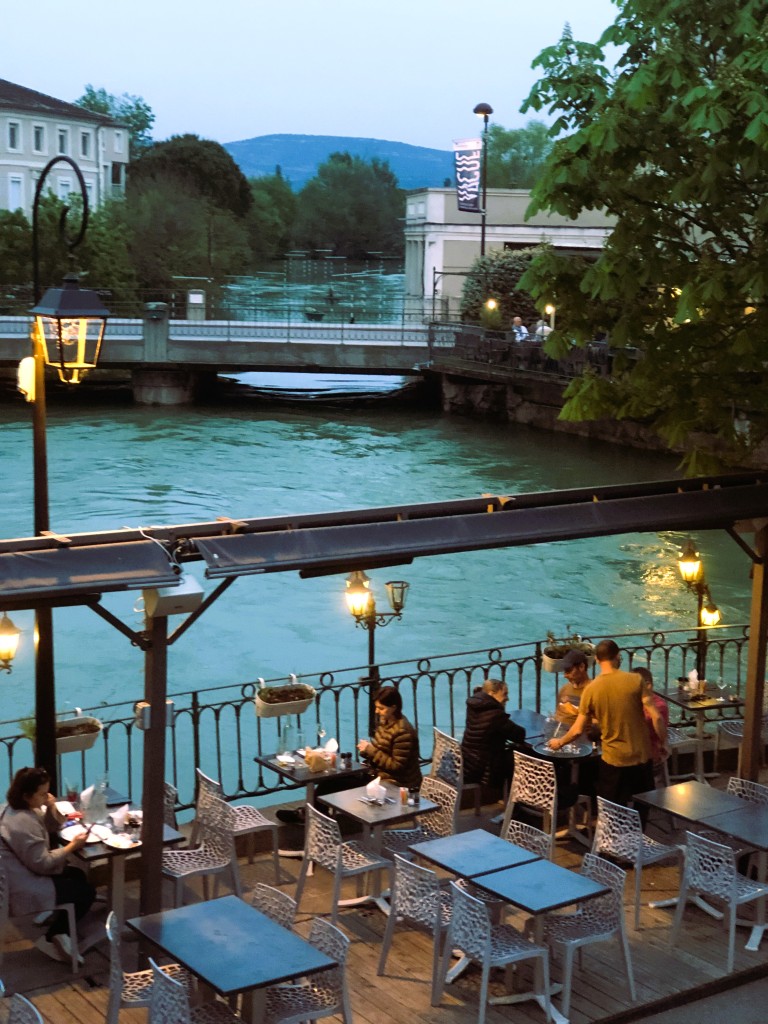
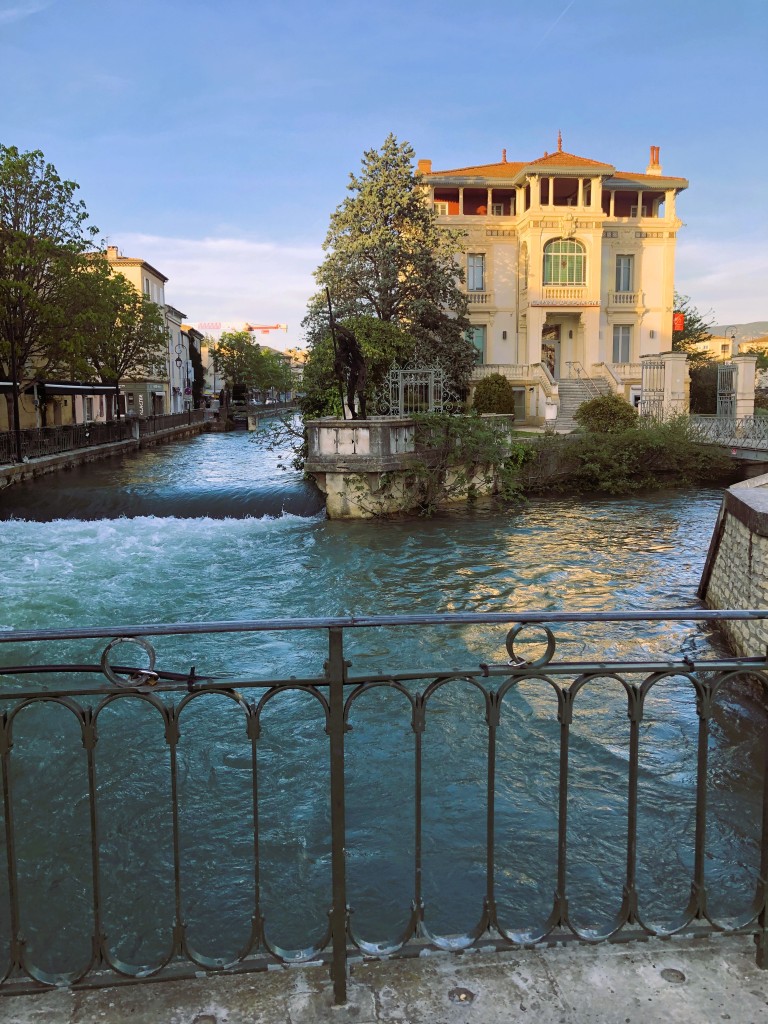
There was riverside dining in villages like L’Isle-sur-la-Sorgue, a historic mill town with waterwheels still turning along its river.

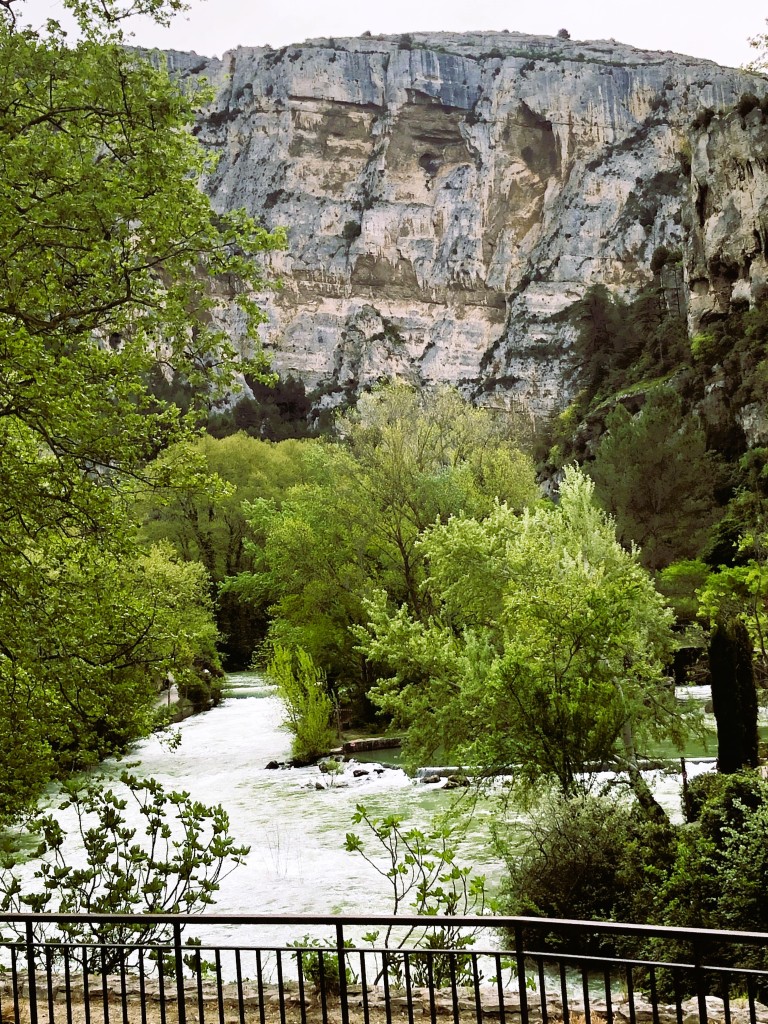
And a visit to the source of the Sorgue,

a gushing fontaine that springs from the nearby mountains (and more riverside dining).

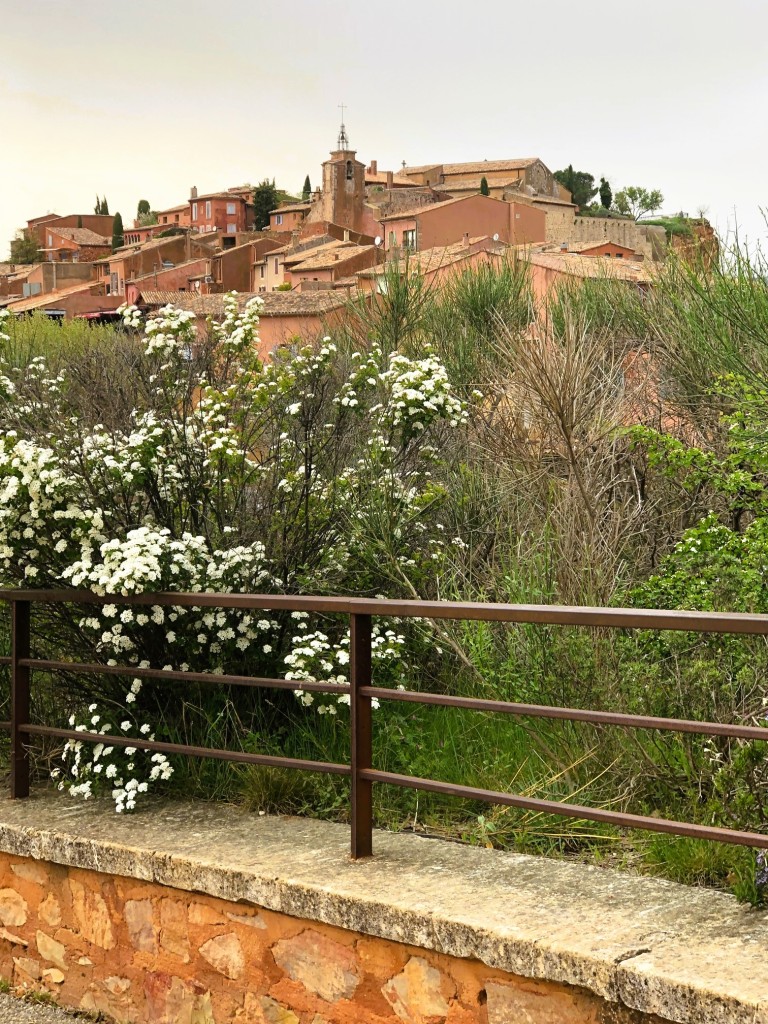
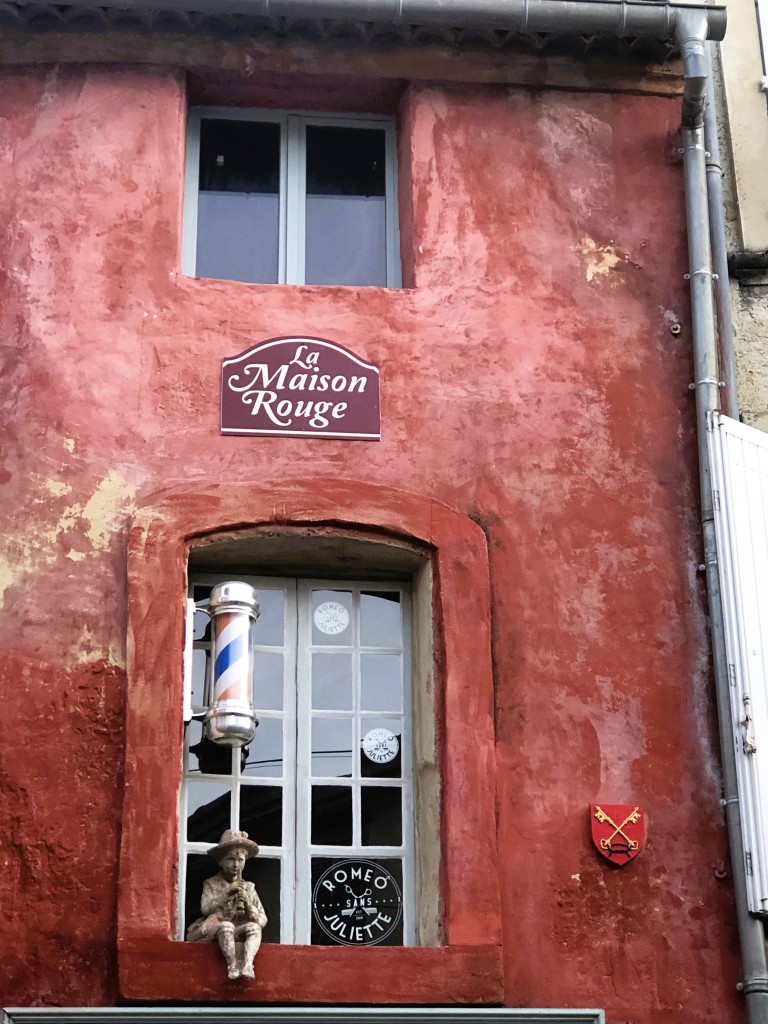
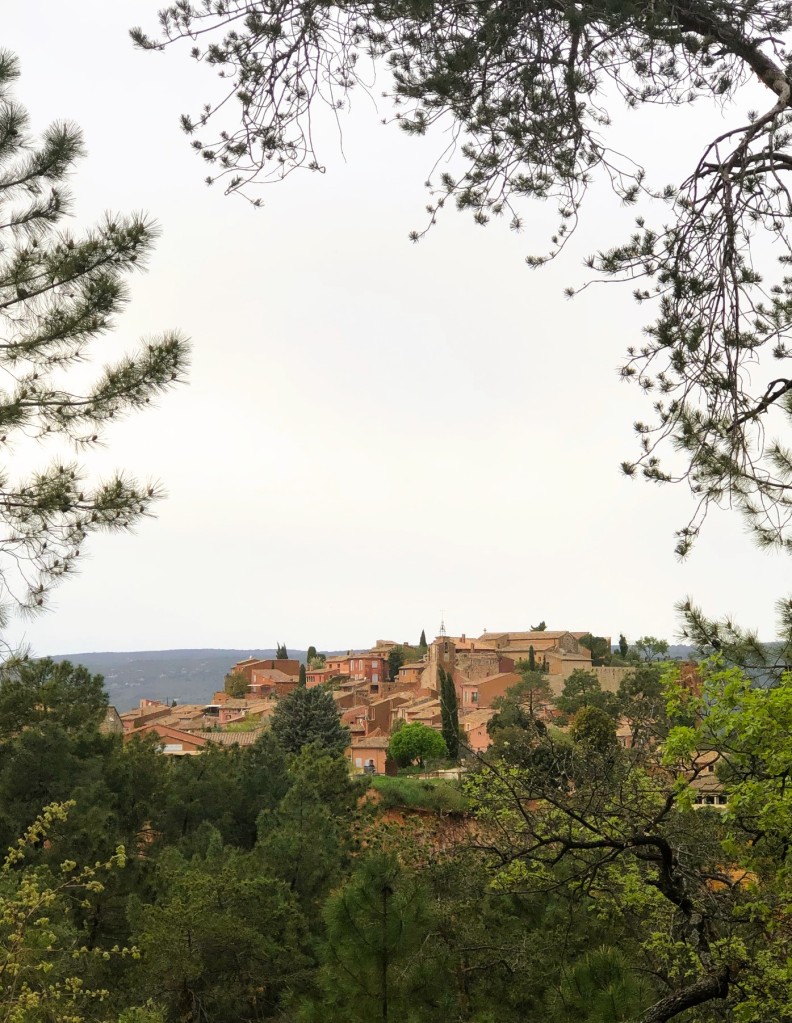
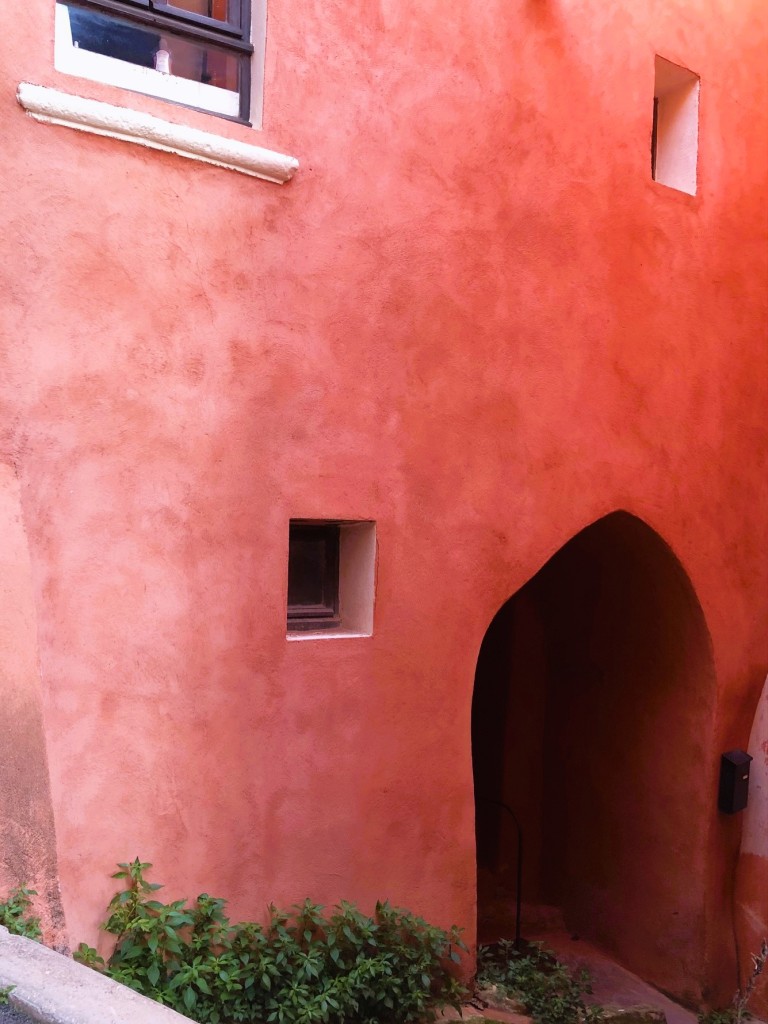
There was the unique village of Roussillon that still bears the reddish color of its famous ochre that was once mined and traded afar.

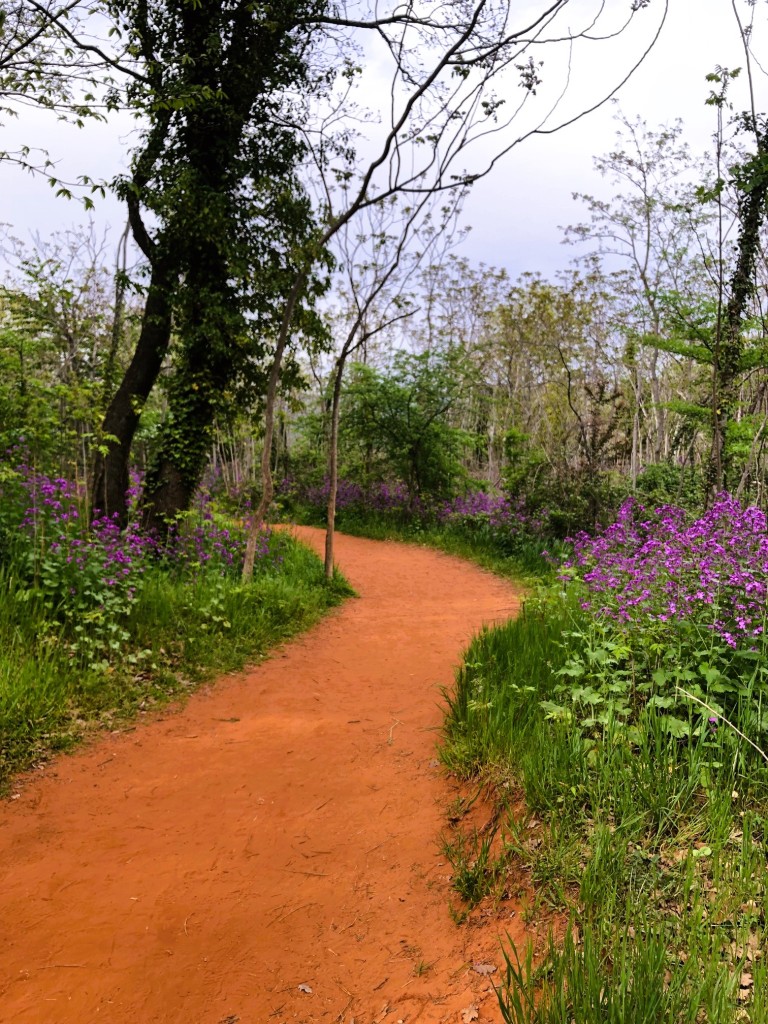
A nearby hike immerses visitors in the sculpted ochre hills, full of tall pines and purple phlox.

And charming Moustiers offers beautiful views from every angle, every tiny winding street, at every time of day.

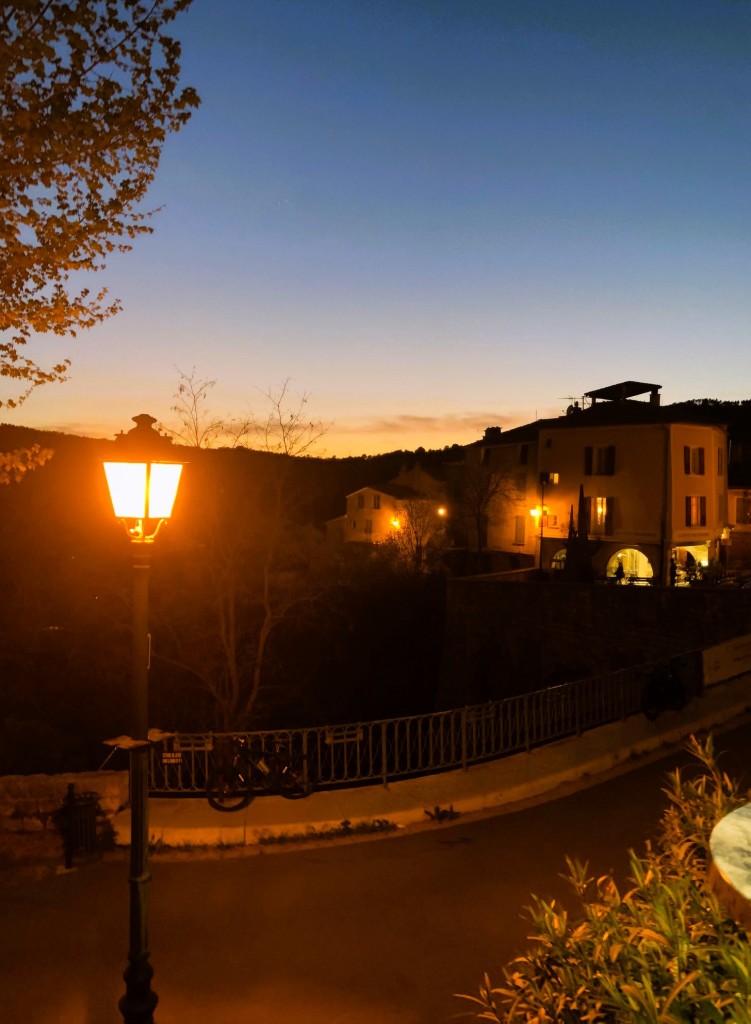
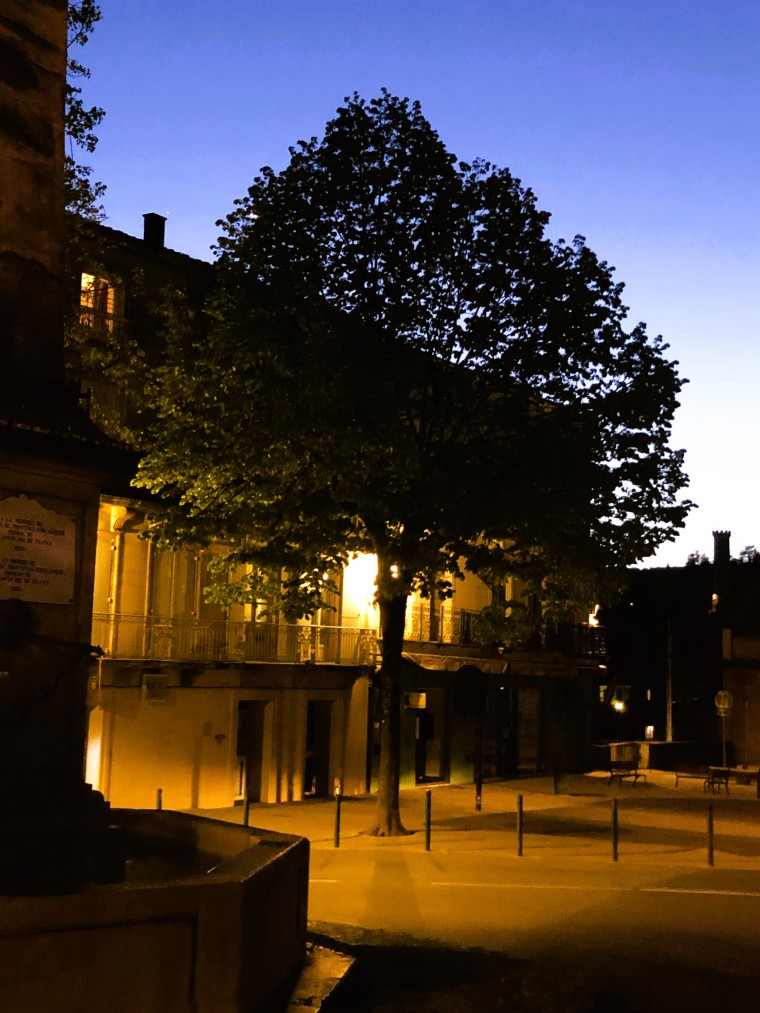
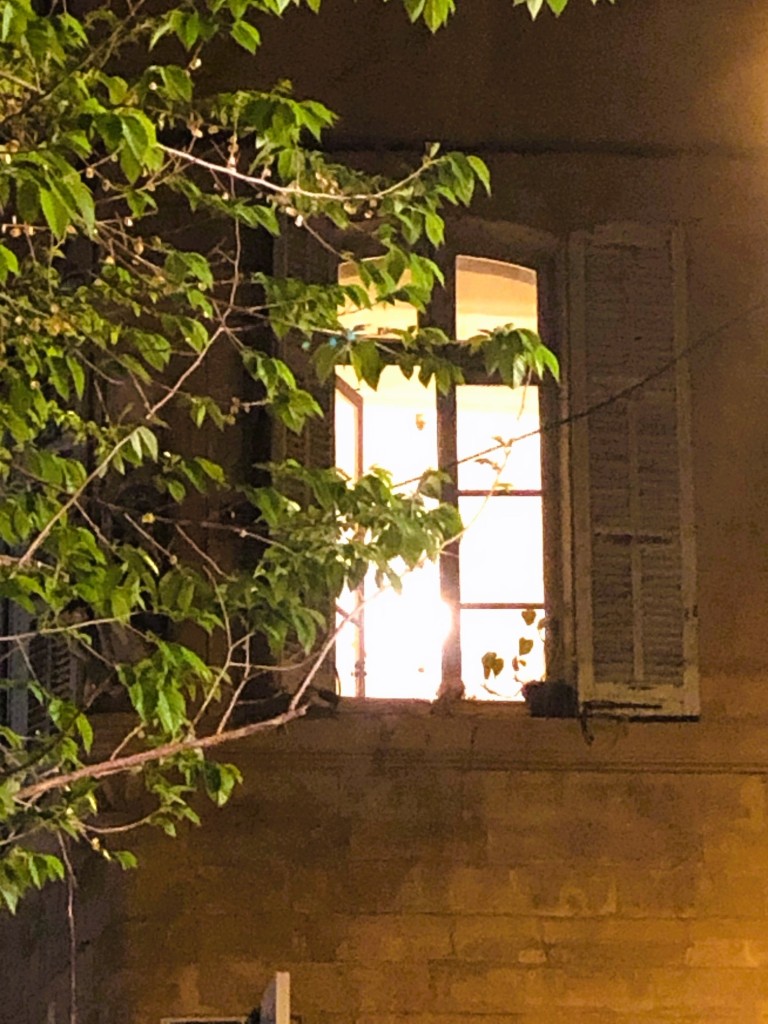
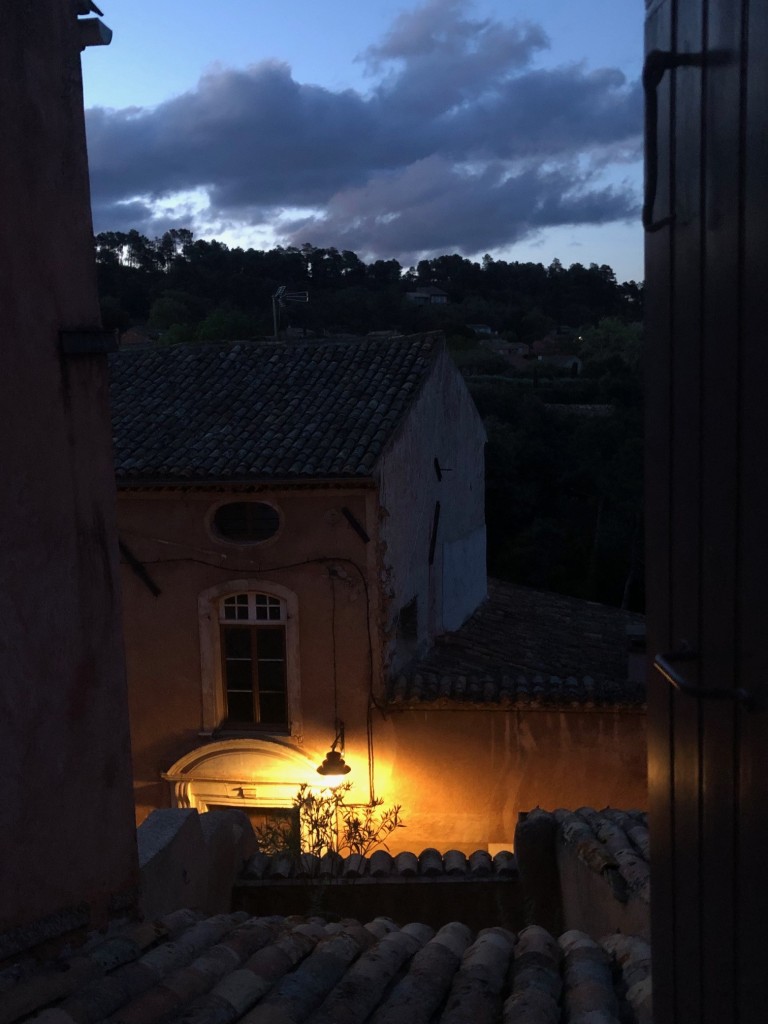
Throughout Provence, the soft evenings retain a hint of the old and inviting and mysterious,

and serve as a gentle reminder “to relish the charm of life” (from a previous post, “Beau Soir” https://wordpress.com/post/lindamahkovec.com/2278).

My only wonder — why it took me so long to visit Provence.

The stars…

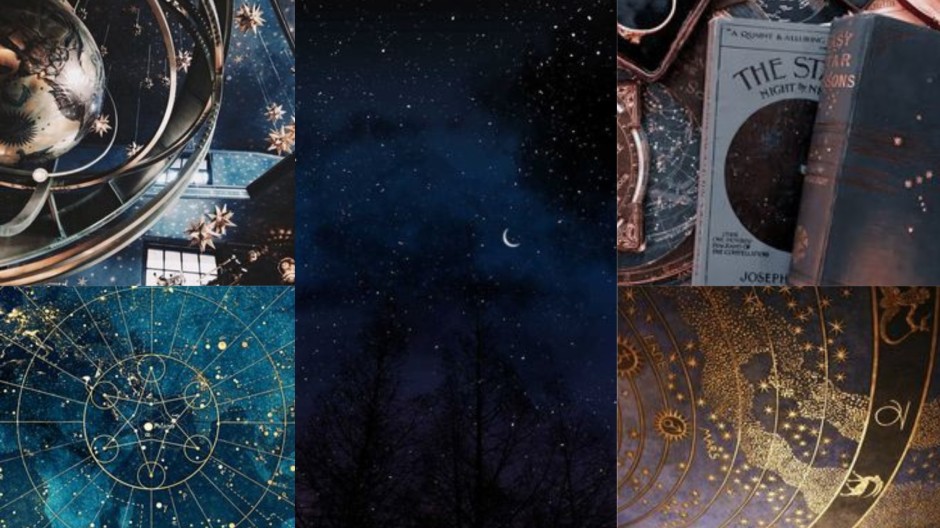
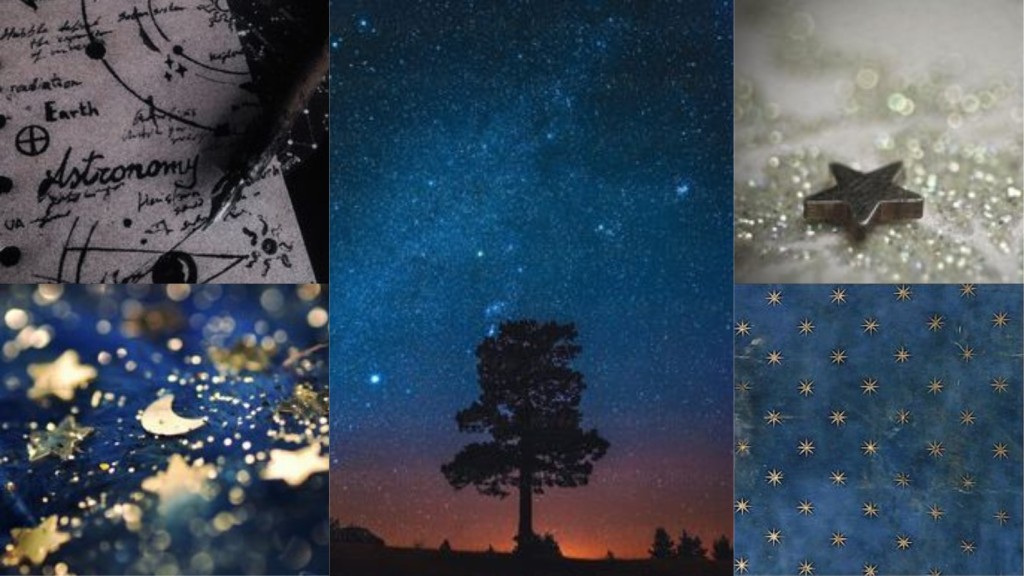
Stars and stargazing often make their way into my stories. Beautifully symbolic of hopes and dreams, purity and wonder, they help to tell the inner stories of many of my characters.

Stars play a key role in the fourth book of the Christmastime series, Christmastime 1942: A Love Story (https://a.co/d/j2wI35u). Beginning with the storyline of Gino, the merchant seaman, the topic of stars develops into a unifying connection between him, Tommy and Gabriel, and Charles and Lillian.

The ethereal quality of stars also reveals the quietly eccentric character of Edith. She is comfortable with both the dreamy and pragmatic sides of her nature — and she is in love for the first time.  

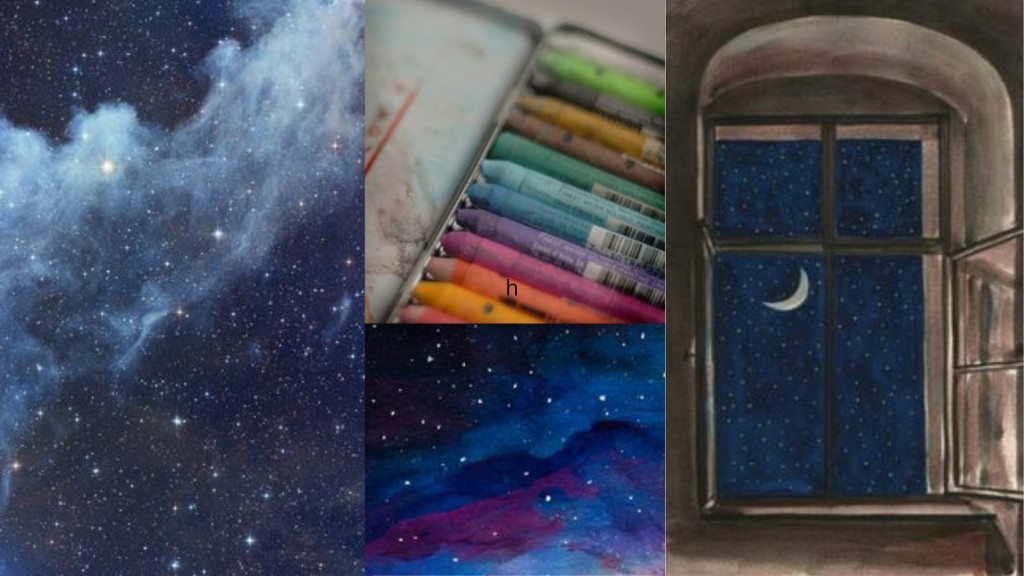
She opened the drawer to her nightstand and reached for her tin of oil pastels. She lifted the lid, and ran her fingers over the colors, choosing deep Prussian blue and cobalt, gold, silver, and umber. … A sketch emerged of two large pillows, a rumpled comforter, a soft bed under a large window. The night world outside dotted with stars. “Colors of midnight,” she wrote beneath it. She studied the bed, and added a few more lines, and then sprinkled a dusting of stars onto the pillows and blanket.

The main character, Lillian, is under pressure from her demanding boss to submit an idea for a poster contest. With the deadline looming, and despairing over the war and Charles’s imminent return to battle, she awakens in the middle of the night, seeking solace and inspiration.

She quietly went into the living room and turned on the lamp behind the couch. There was the telescope, pointing up, as if in readiness to search the heavens. She was glad for the stars, for their high, untouched beauty that could not be sullied by war, by humanity. She took out her sketch pad and pencils and began to draw.

A sketch began to take shape of a wounded soldier and his sweetheart looking at the same night sky, though thousands of miles apart.  [Lillian] added more stars to the skies, trying to convey the belief that high above a war-torn world, the glittering firmament shone benevolently over earth, and that in the end, all would be well and whole again. Simple, humble, human love would help to piece the world back together again.

In The Notebooks of Honora Gorman: Fairytales, Whimsy, and Wonder (https://a.co/d/8Z1Igqu), the stars also offer inspiration for an artistic deadline, this time, a writing assignment.  

Though Honora missed the stars, the lights of the city at night made up for it. She loved the contrast between the workaday gray of Manhattan and the magical, sparkling nights. The city, especially when viewed from afar, shone like a glittering firmament. A reversal of sorts, as if the starry night sky had been flipped to earth. She would never forget her first arrival, approaching the massive metropolis at night – entranced by the wide expanse of twinkly lights, a galaxy of stars that stretched as far as she could see.

Struggling to find an idea for her children’s writing class, Honora hits upon an idea.

What was that seedling trying to root in her story – something about the sky? The night sky. And how she missed it. Stars! She flooded with inspiration. And the fairytale, “Fallen Star” flows from her pen.
And So We Dream (https://a.co/d/0iM4uab) In another connection to the stars and the artist figure, the young dream-filled actress, Vita Vitale, also connects with the stars. In the beginning of the story, she and her older sister tell their younger sister about swimming in the lake at night.

“Did you guys go swimming—and not tell me?”

“We didn’t plan it,” said Anne. “After Diane’s we went out to the lake and . . .”

“In the dark?”

“Under the stars and a crescent moon,” said Vita. “A Pierrot moon, full of dreams. It was wondrous! Absolutely magical.”

Beth looked around the back seat to see if she was sitting on anything wet, then checked the floor. “Where are your swimsuits?” After a moment’s silence, she gasped. “You went skinny dipping?”

Anne shot Beth a warning glance in the rearview mirror. “Don’t you dare say anything about it at home.”

“I won’t. But I can’t believe it. Were there any boys there?” After no answer, she said, “You guys! Weren’t you embarrassed?”

“It was dark,” said Anne.

“Except for the glimmer on the water. It was like swimming through a thousand tiny stars.” Vita turned around to face them. “It was so beautiful…Like swimming in a fairy world.”

Later, far from her dreams, and weighed down by disappointment and a sense of failure, she taps into the beauty and magic of the night sky.

The warm summer night held the faint scents of grass and flowers. Vita inhaled deeply and filled her eyes with the inky sky aglitter with stars….Vita was alone. But didn’t feel at all lonely. This is what has been missing, she told herself. An infusion of beauty. And here it was. Right overhead. A fragrant summer night filled with shooting stars. Vita lay back and filled her eyes with the starscape….This is the counter to sadness, she thought. Beauty. Wonderment….She felt a profound sense of connection, and a reconnection to her dreams. It all came from the same deep place of beauty and love and yearning.

And a closing thought:

“The star-filled wonder of the night sky makes me magnificently small.” – Honora Gorman (from one of her many scraps of writing)


Holiday coziness and a sense of well-being

It’s easy to create the feeling of contentment that comes from coziness and simple pleasures. Fresh flowers, the scent of baking pervading your home, music softly playing in the background.

The colder weather — especially with the approach of Christmastime — lends itself to creating such an atmosphere. It can start with using a favorite cup for your morning tea, or a piece of toast with jam, or the scent of coffee and a warm muffin.

I like to think that my Christmastime series captures, to some degree, the sense of pleasure and comfort: the scent of pine, a fire crackling in the fireplace, a radiator hissing and filling a cold apartment with warmth, the laughter of children.

Though the backdrop to the series is WWII and life on the home front is full of struggles and hardship, the overall tone of the series is uplifting and comforting.

Sad things happen, shocking events take place, but the characters roll up their sleeves and do their part to make the best of things. Love, family, friendship, and neighborliness are in the forefront and shape the stories.

Celebrating life — its holidays, the seasons, small day-to-day beauties, the quest for meaning — fill the pages of Christmastime.

So as the temperatures drop and the holidays approach, experience a sense of well-being for yourself. Fix a cozy hot drink, turn on a lamp or light a candle, and grab a warm blanket. Then nestle into your favorite reading chair and snuggle up with CHRISTMASTIME.

(Images from Pinterest)

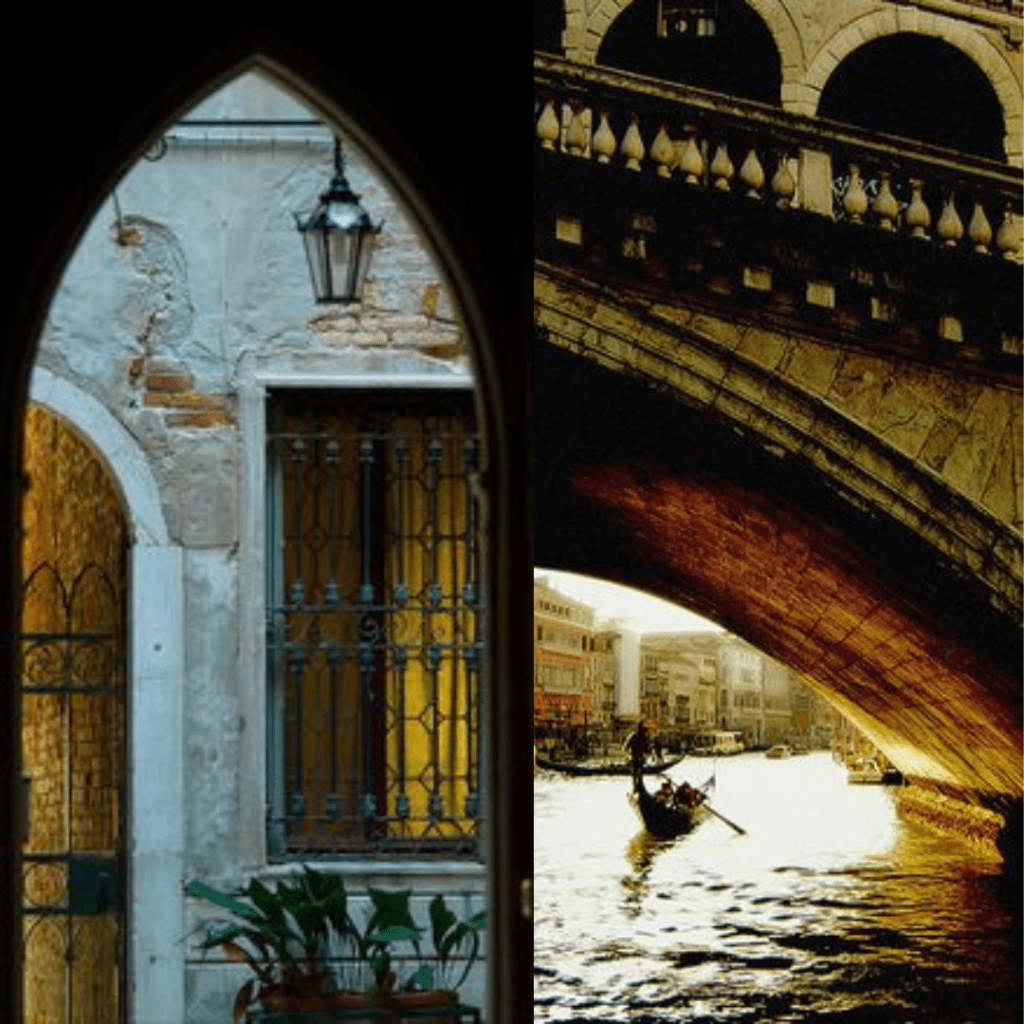
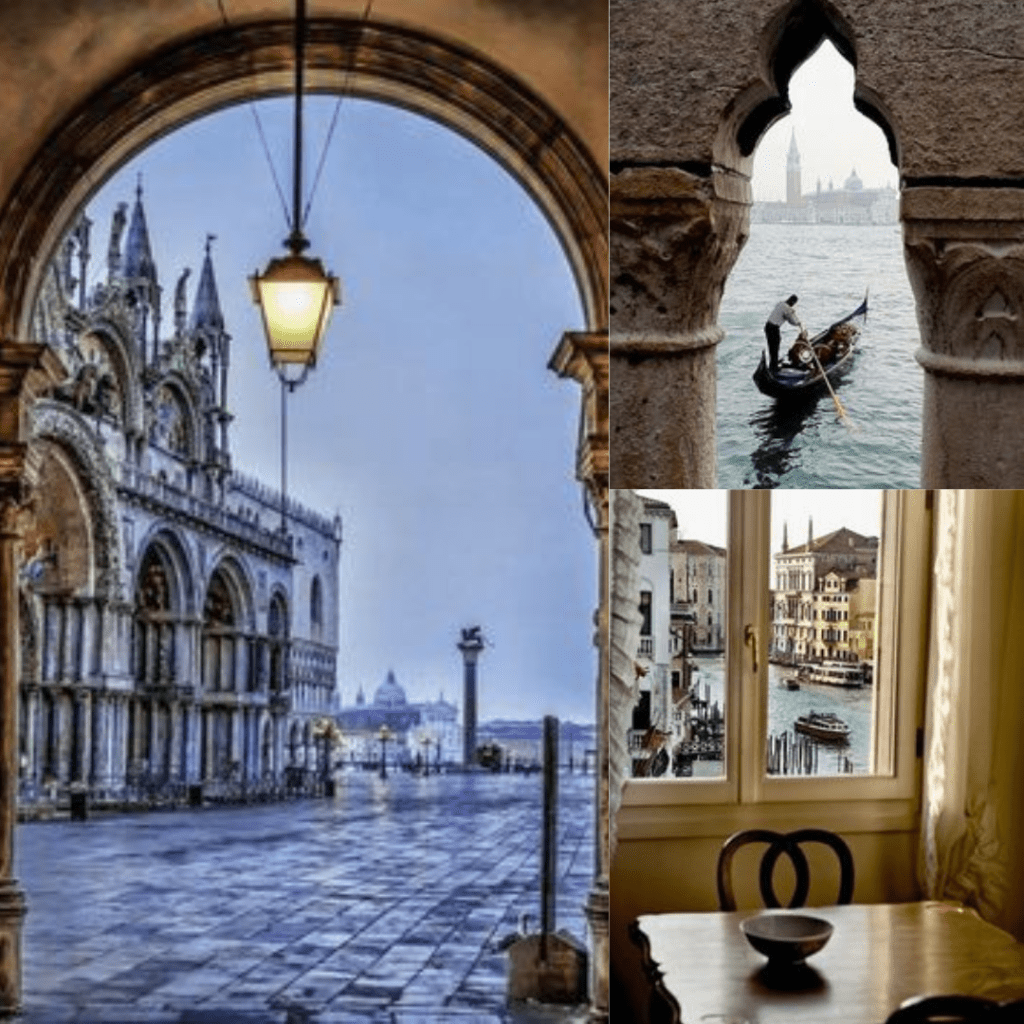
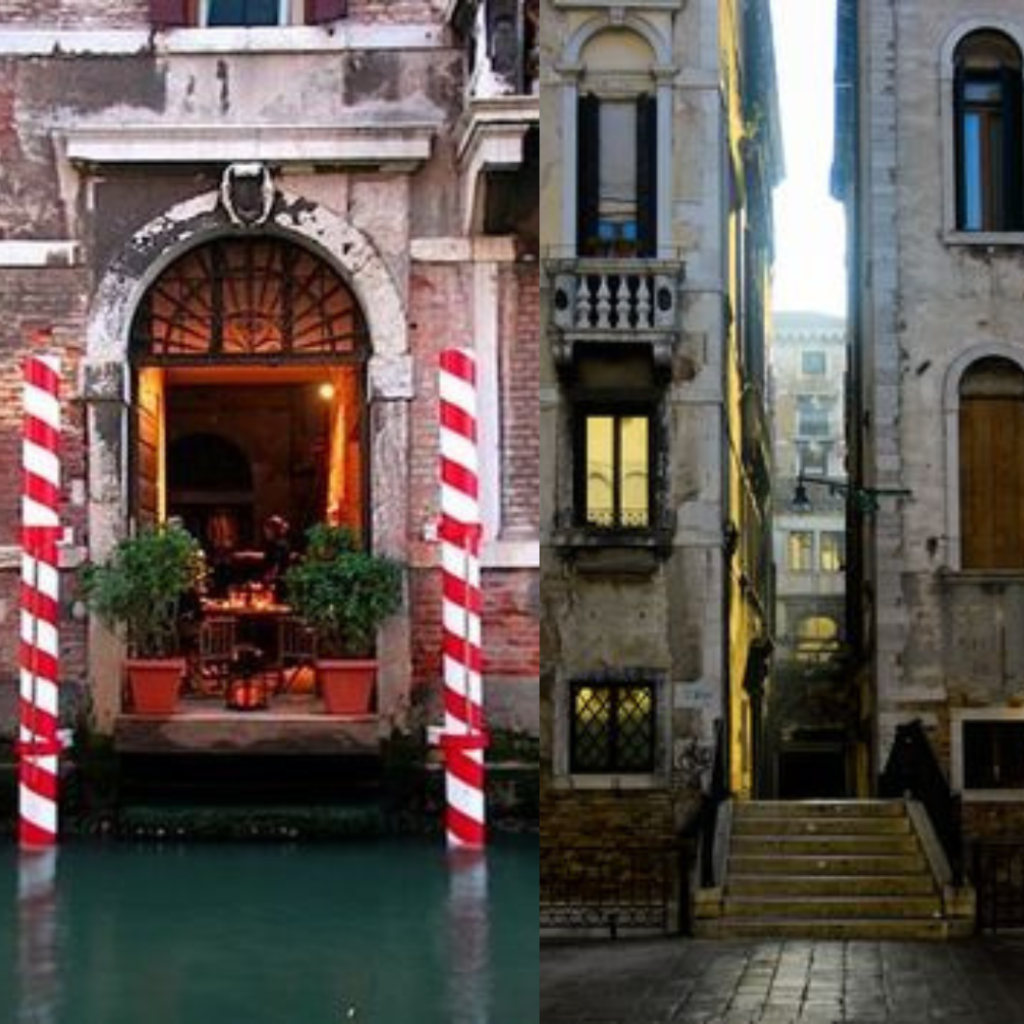
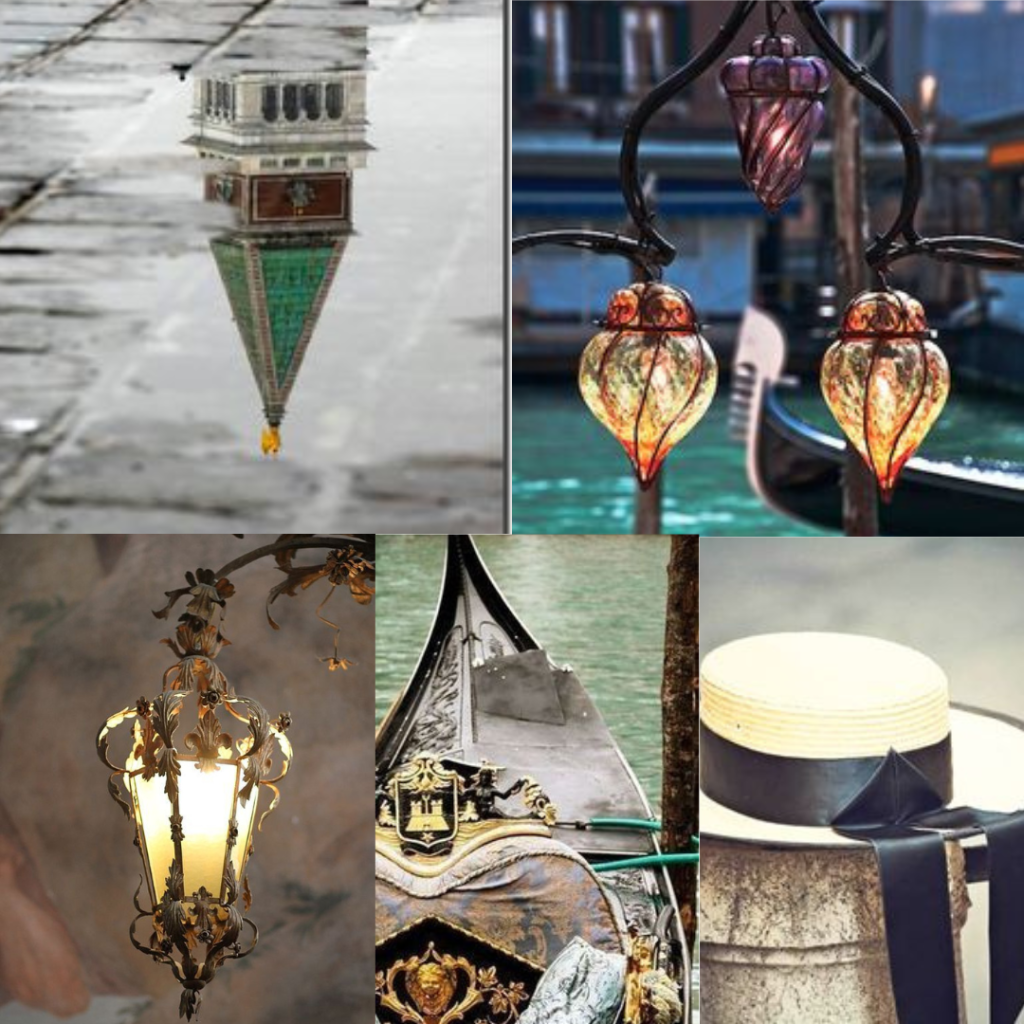
Venice – details

Venice is a city that needs to be seen up close.

The angles of its bridges and corners and windows offer glimpses into small vistas,

intriguing ornamentation,

little stories. Its rich past is woven into its fading,

but all the more poignant, beauty.

Venice is best experienced while strolling,

pausing to take in its details, savoring its old-world elegance.

(all images from my Pinterest boards.)

She is rich who owns the day…

I recently came across a line (incorrectly attributed to Emerson?) that nevertheless caught my attention: She is rich who owns the day…

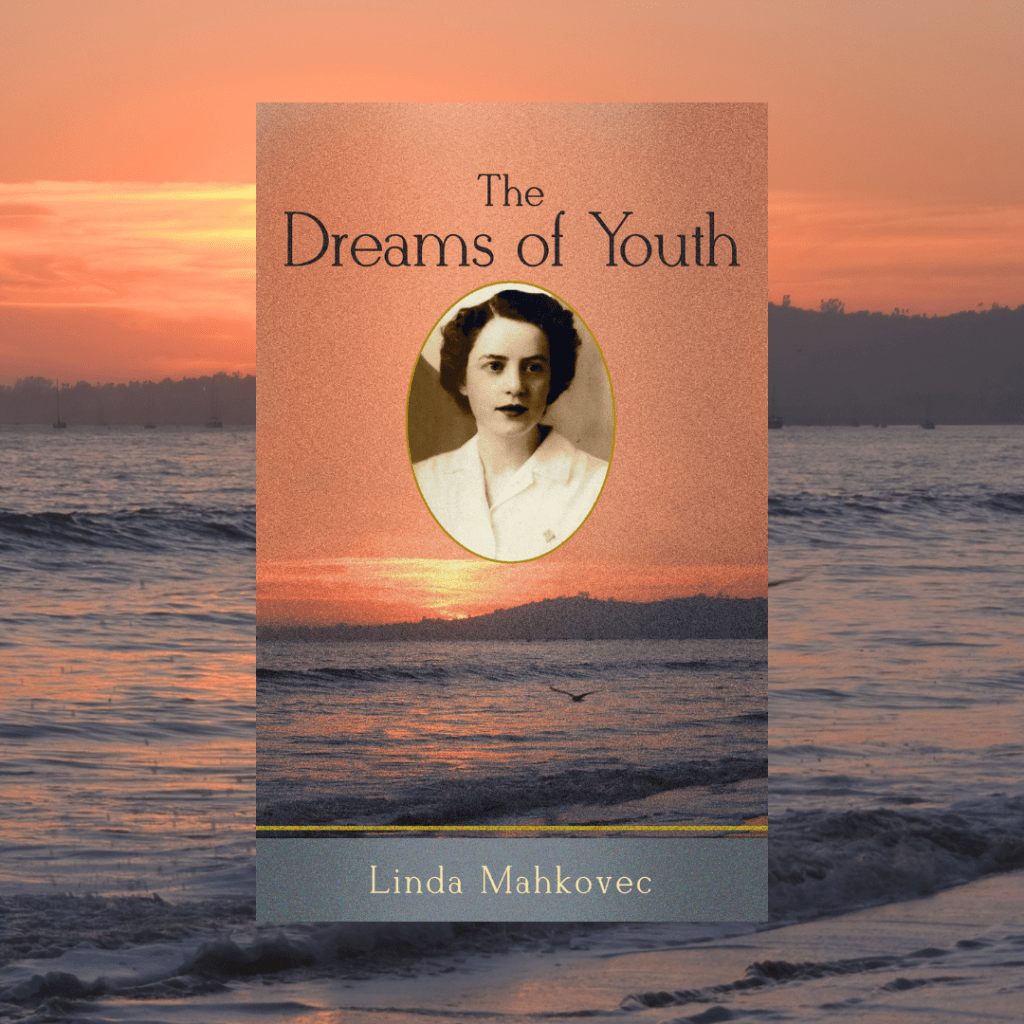
I love the sentiment and recognize the same spirit in my character of The Dreams of Youth, a very short collection of stories that tell the larger story of one woman.

These six interrelated pieces tell the story of Maggie, a vibrant individual who is also Everywoman: daughter, dreamer, nurse, friend, wife, mother. Spanning over eighty-five years, they follow her from her youth in Depression-era Illinois to the time when she ventures forth to 1940’s Hollywood and coastal California, and her return to the rural Midwest. Bittersweet and poignant, celebratory and inspiring, these stories portray the exuberance of youth, the delight of friendship, the adventure of going forth into the world, and the disappointment and heartache that are a part of life.

Maggie.

Always running, dreaming, adventurous, and daring.

Where others saw weeds, Maggie saw wishes.

Leafy treetops were enough to fuel her dreams.

And the dream of the ocean sustained her for a lifetime.

https://www.amazon.com/Dreams-Youth-Linda-Mahkovec-ebook/dp/B01N8QK2S7

(All images are from my Pinterest boards.)