The Christmastime Series – Update

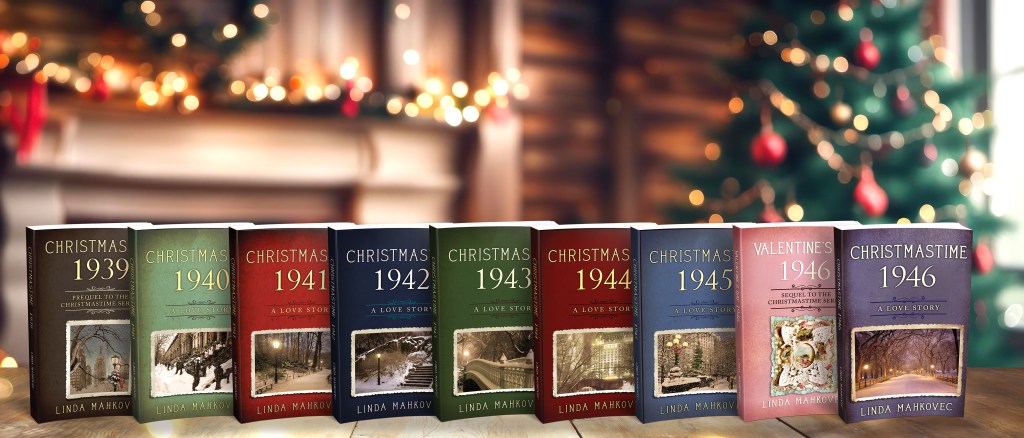
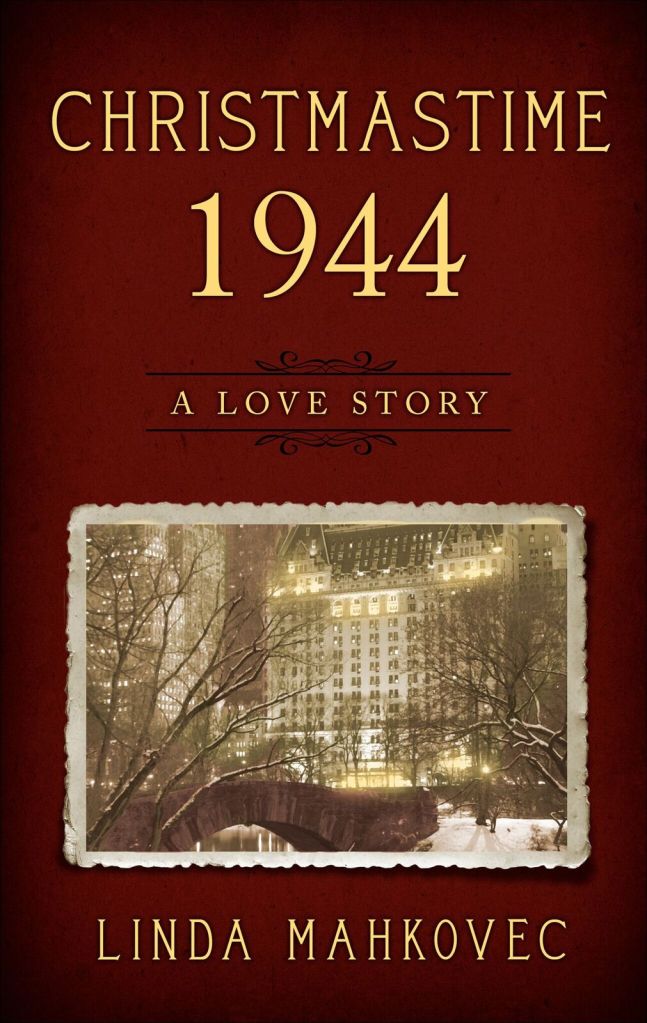
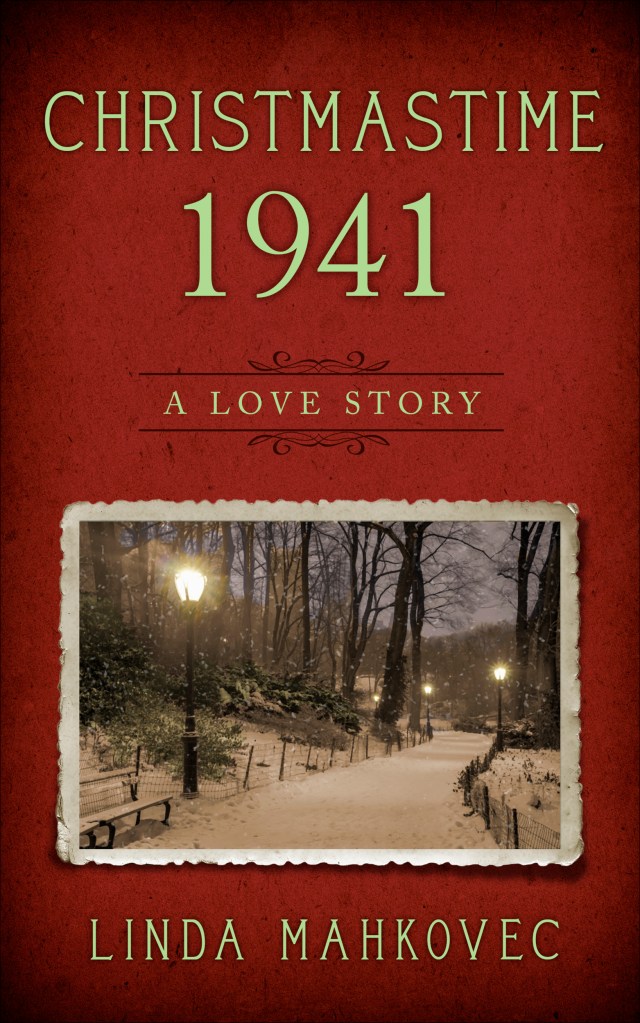
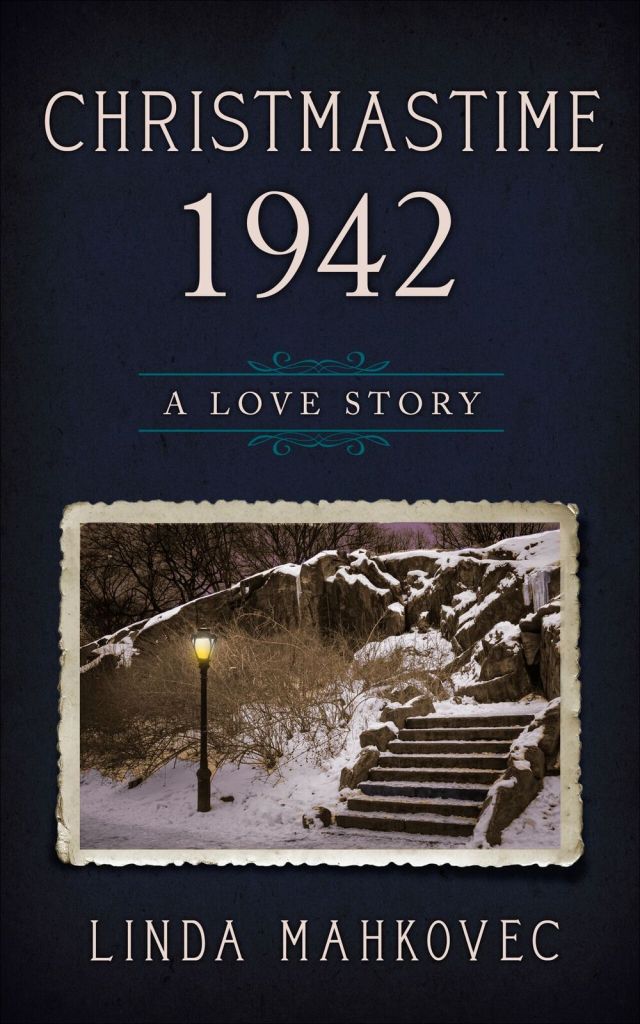
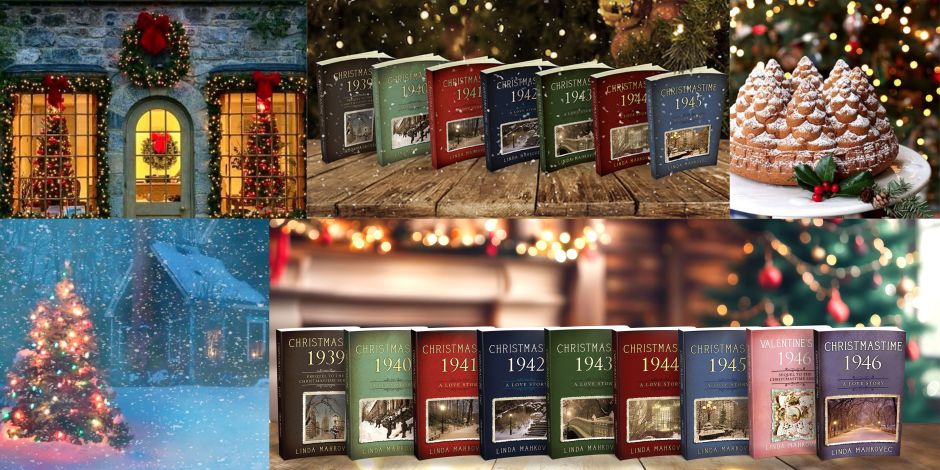
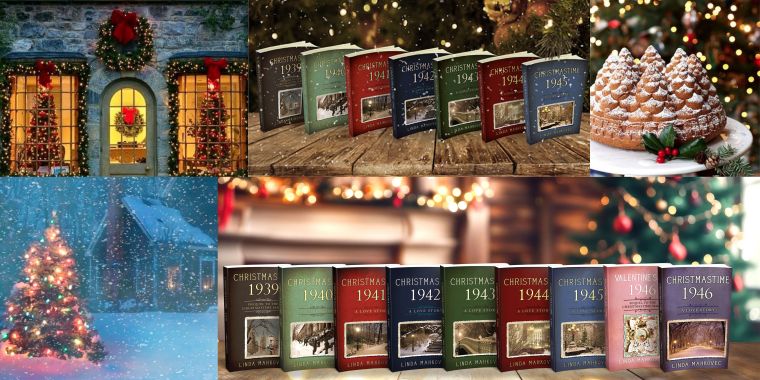
The Christmastime series is getting a new look. For a long time, I’ve been told by many people (my publisher, consultants, readers) that my covers don’t accurately reflect the content of my books. That they are too dark, too vague, the images are too small and don’t convey what the books are about (a bridge in twilight means what?), and even that the genre isn’t clear — that the photographs could suggest non-fiction. So…

I finally listened to the feedback and made the decision to get new covers. And I’m happy with the outcome. I think they capture the tone a lot better — yes, the backdrop to the stories is WWII, but the overarching tone is one of hope, resilience, happiness, and love. And the new covers now align more closely with historical fiction, which will hopefully lead more readers to discover the series.
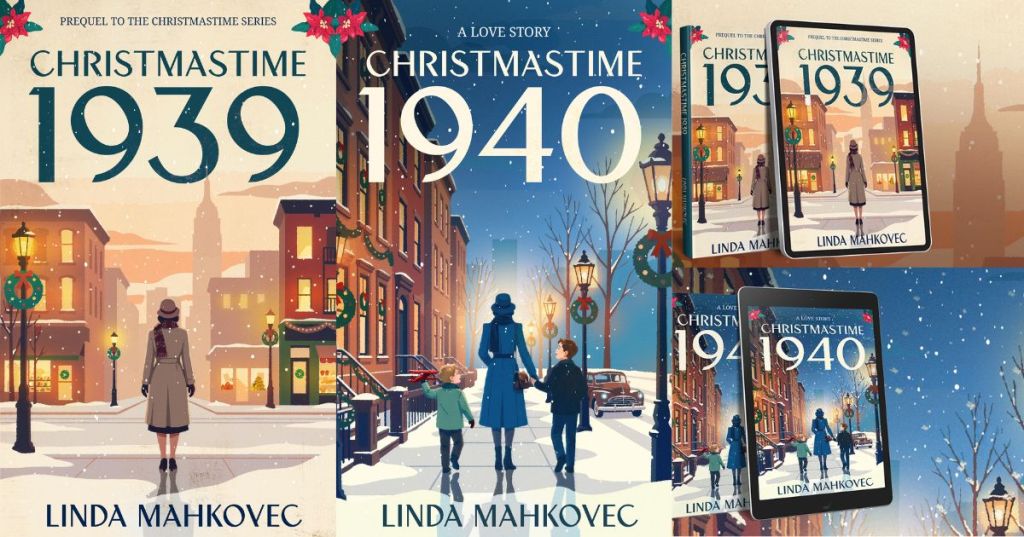
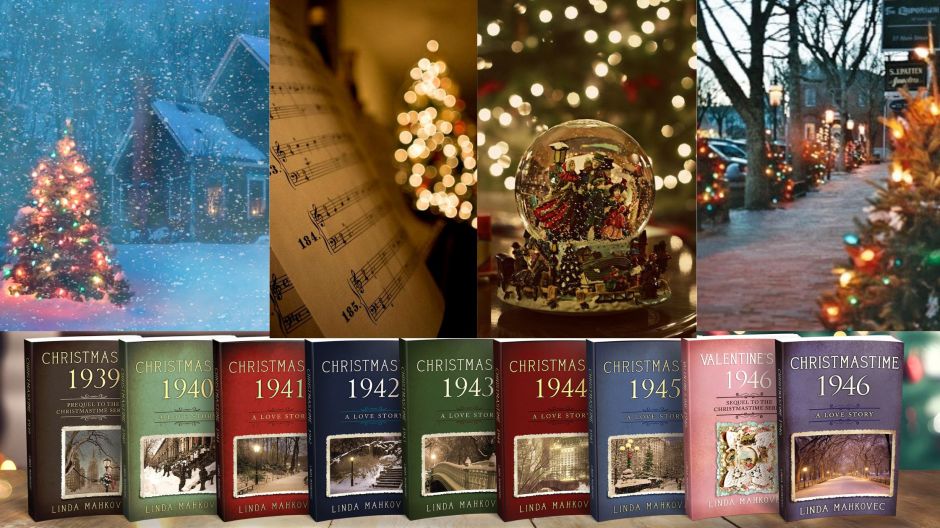
The covers now help to tell the stories. The cover of the 1939 prequel depicts Lillian standing in Brooklyn and looking towards Manhattan, towards her dreams. One early viewer said the message she gets from the image is: “My new life is about to begin.” The 1940 cover lets us know that Lillian’s two boys are essential to the series.

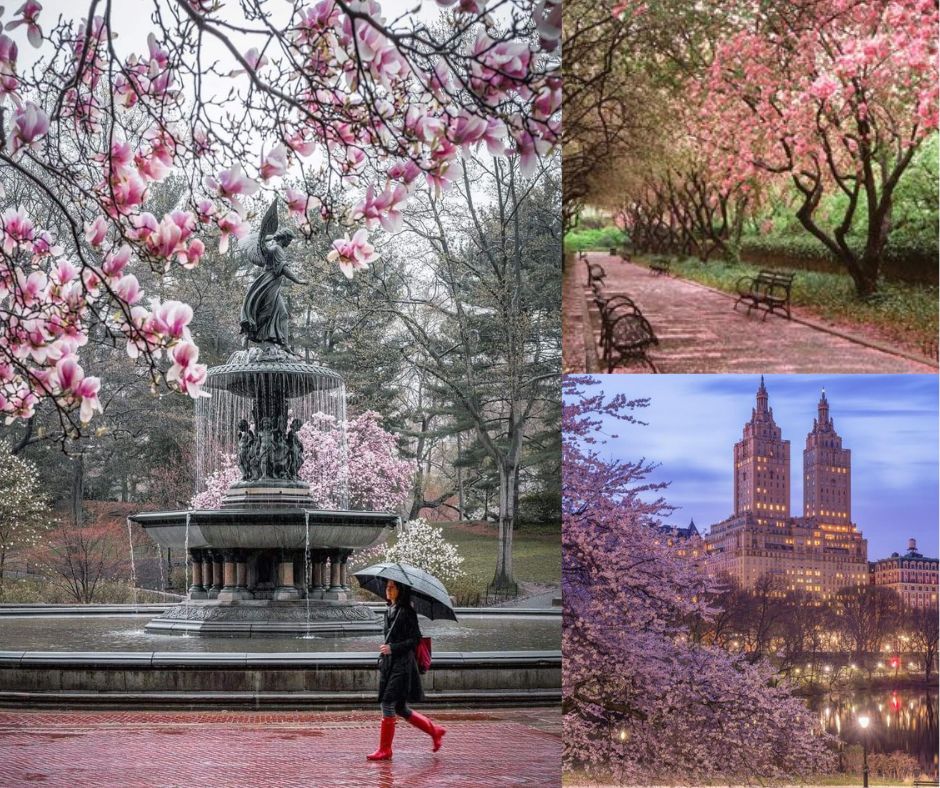
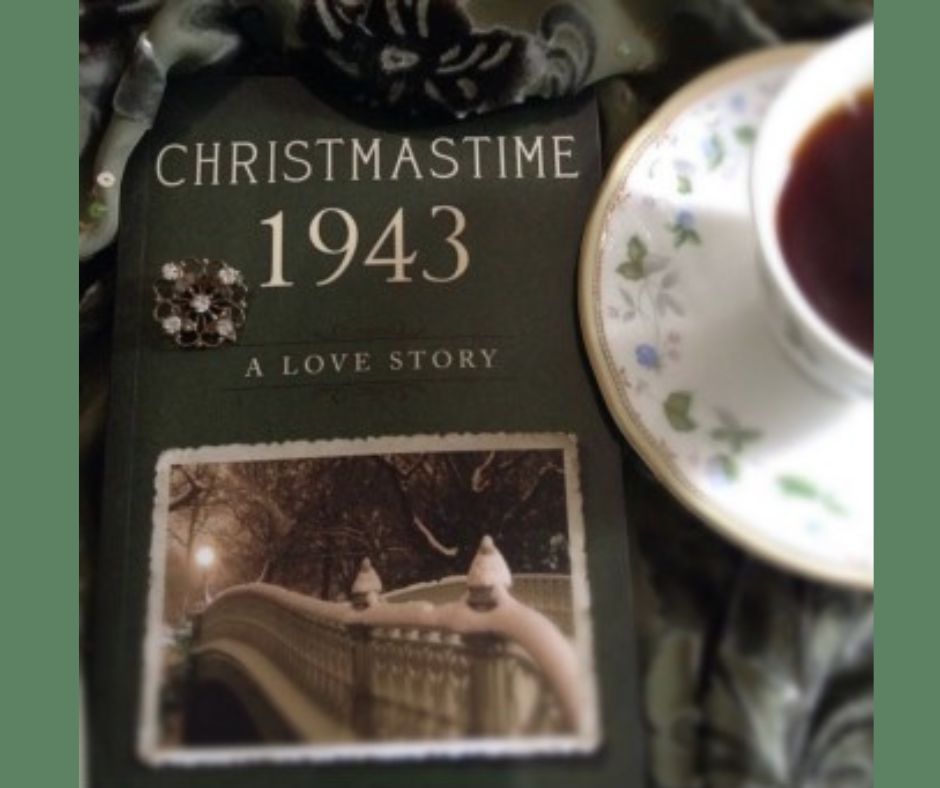
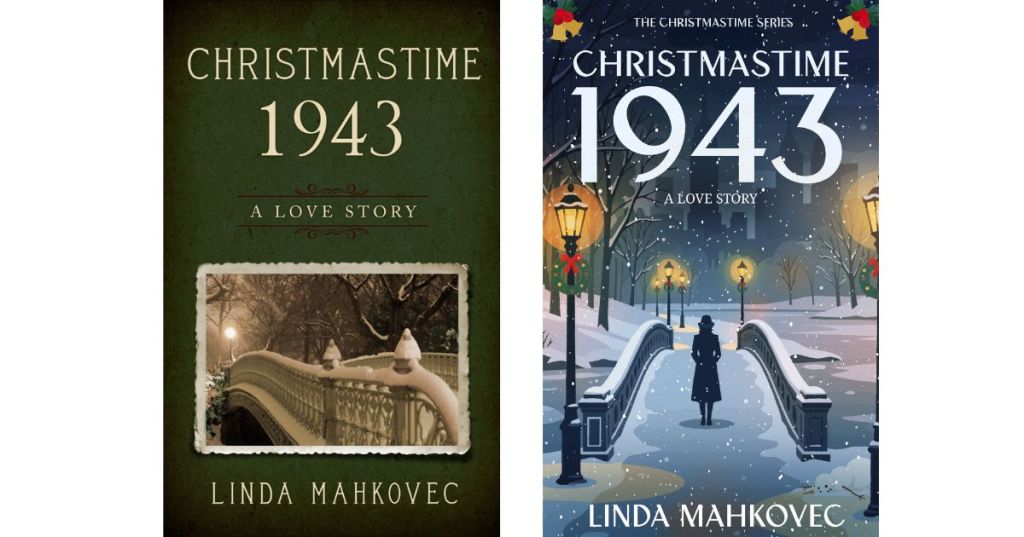
And the 1943 book? There is still a lone bridge at twilight, but now the main character stands there and we know the story will be about her, and the setting of Central Park and New York City are more clearly established.

The rest of the covers are still being worked on.
(Since the series continues to grow, I had to make one change to the 1945 book. The Epilogue had to be deleted in order for the later books to flow chronologically. That part of the story will be expanded into a book, most likely called Summertime 1948.)

I grew attached to my old covers, and they served their purpose. But it’s time to let the series continue to grow and unfold as a whole.

The latest book in the Christmastime series is called Harvest Time 1947 and will be released in a few weeks!

To all my readers, thank you for your support, your comments, and your requests to keep the series going.
Rosie the Riveter is Alive and Well

Nothing makes me happier than to know that my books are out in the world connecting with people. Now and then, moments tied to World War II remind me that the themes I explore still resonate with today’s generation — perhaps even more so as that time period recedes further into the past.

The last book I wrote, Christmastime 1946: A Love Story (book 9 in the series) is very much about WWII women and their role in the war. The back cover blurb of the book states:

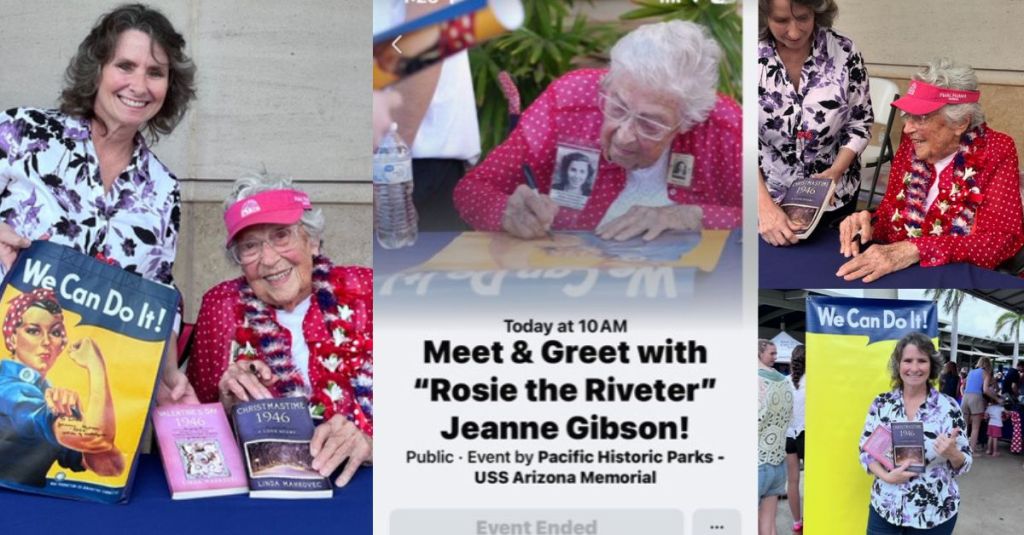
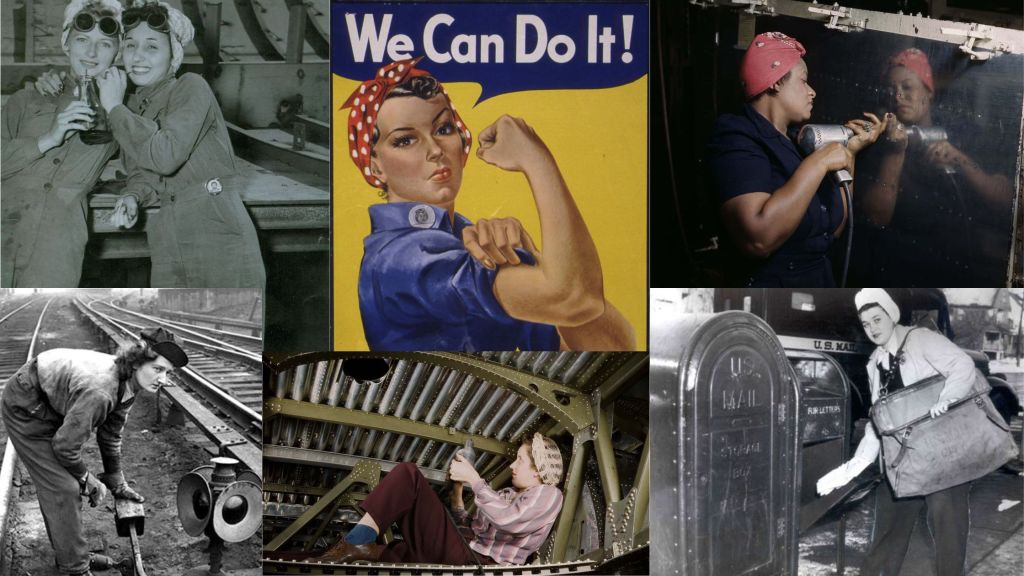
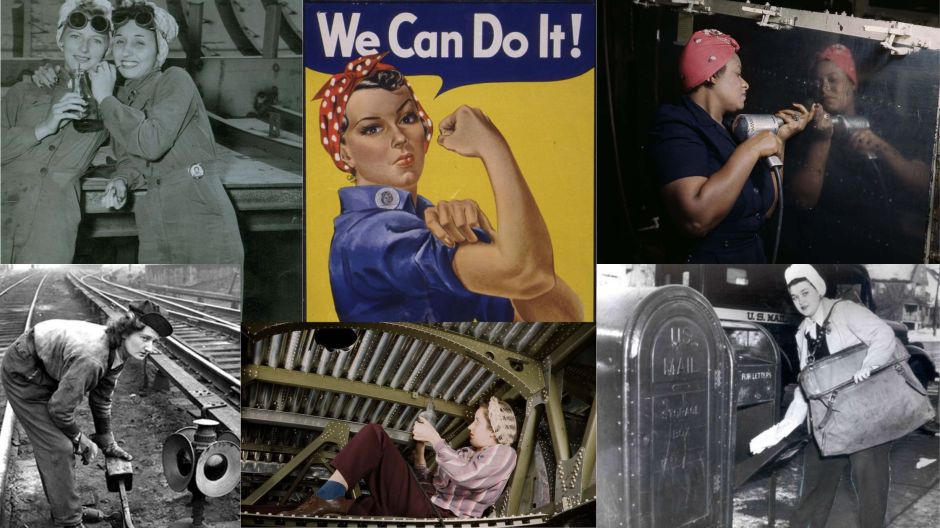
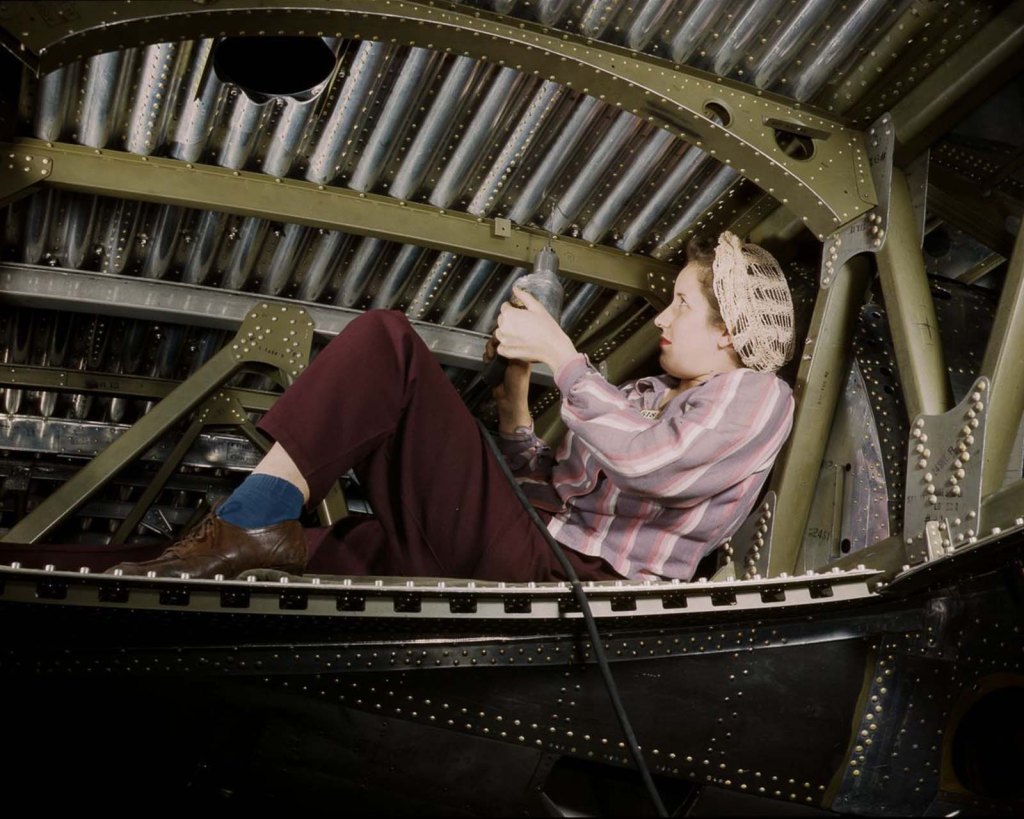
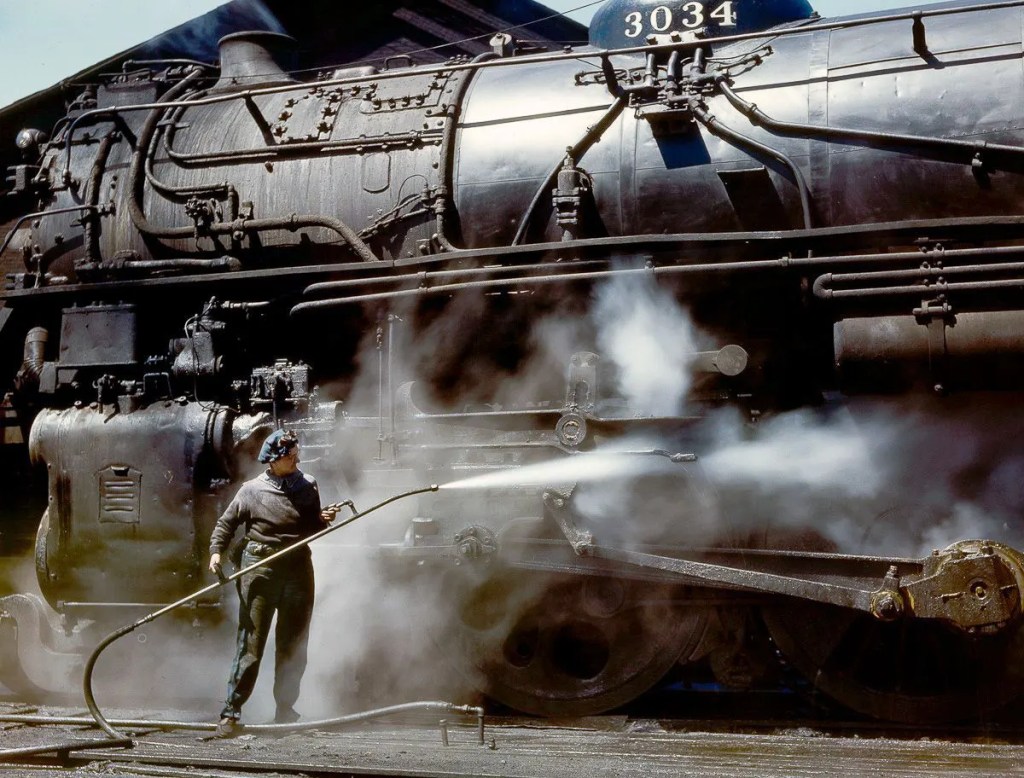
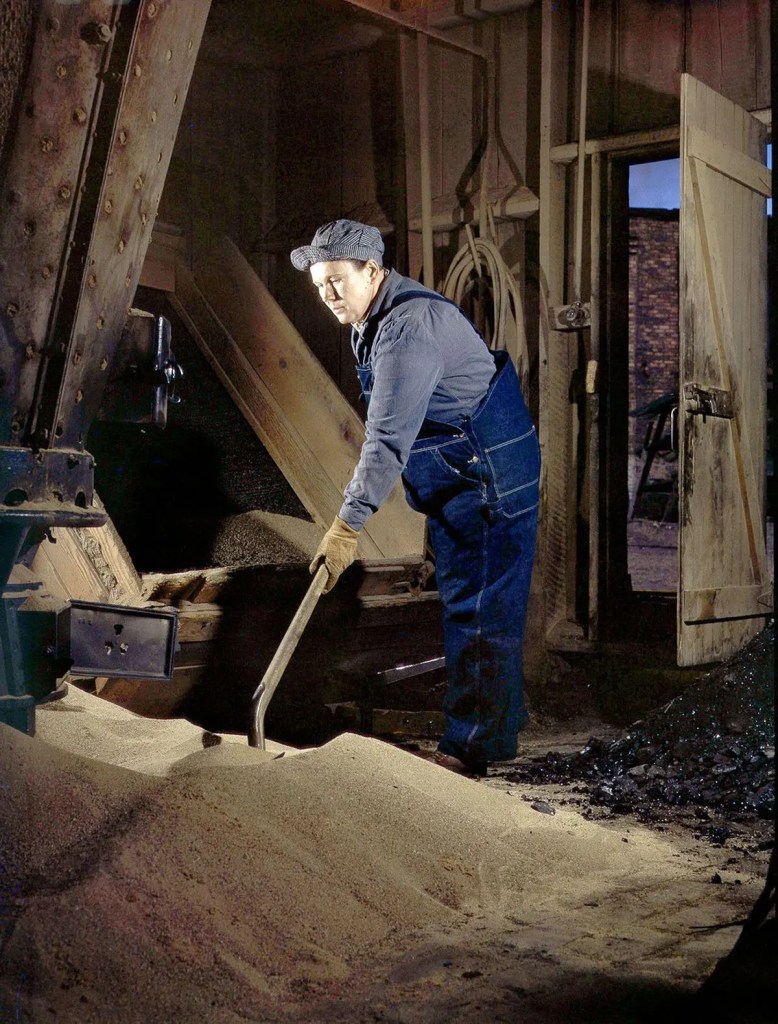
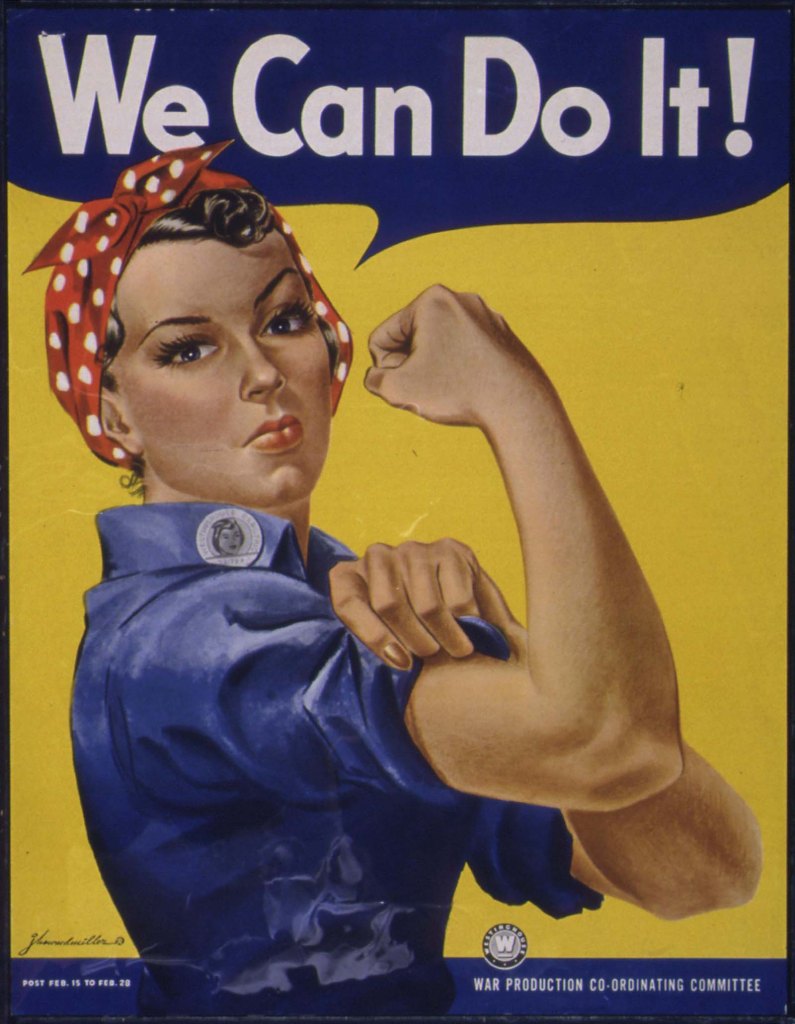
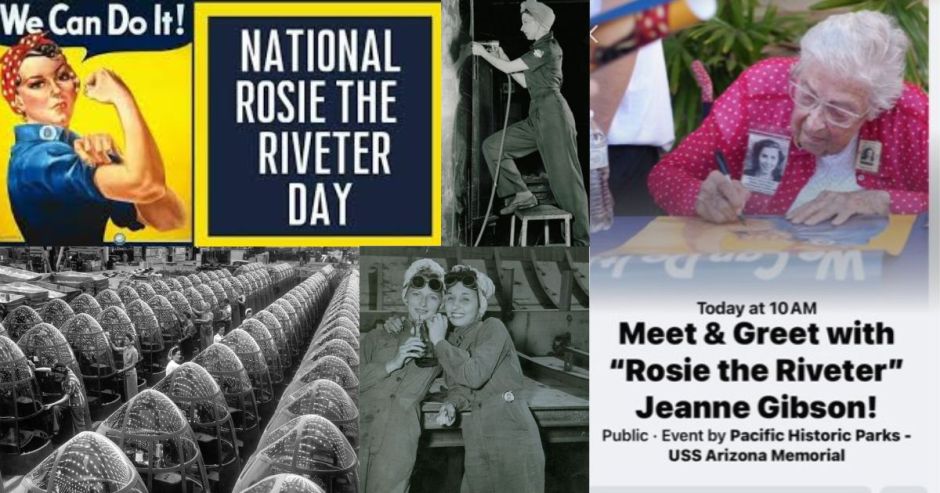
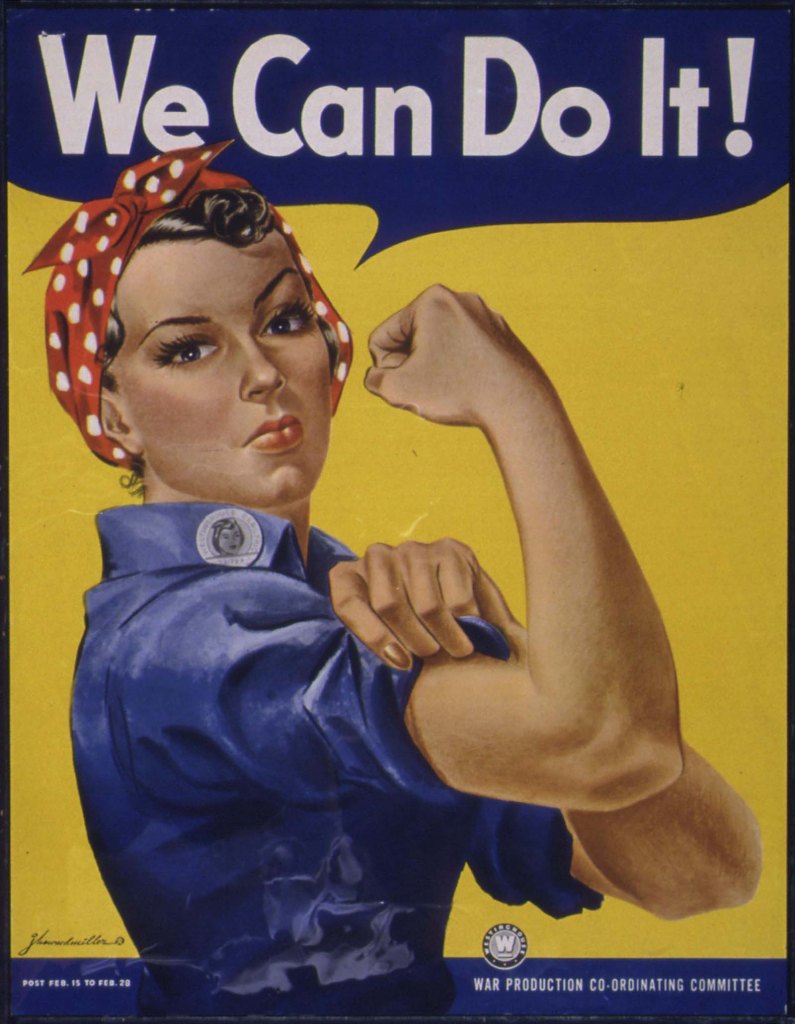
I’m happy to say that 60 years later Rosie the Riveter is alive and well and continues to live with purpose. Both literally — in real-life “Rosie the Riveters” such as Jeanne Gibson (honored at a recent event at Pearl Harbor) — and in all the women who embody that indomitable, spunky spirit made famous in the 1942 “We Can Do It” poster.

http://www.rarehistoricalphotos.com

Below are some images from the event that took place on National Rosie the Riveter Day. A friend of mine attended and kindly presented Jeanne with my books (and had her sign a bag for me!).

(An interesting aside: the friend who went with my friend broke her wrist the day of the event, but did that stop her from attending? The “Rosie” spirit wouldn’t allow for that!)

National Rosie the Riveter Day is observed annually on March 21 to honor the millions of American women who supported the World War II effort by working in factories, shipyards, and defense industries. This day celebrates their vital contributions and lasting legacy, first recognized by Congress in 2017.”

Read my WWII post on “Women and the Workforce:” https://lindamahkovec.com/2025/09/10/women-and-the-workforce-wwii/

Step into the world of Christmastime WWII: https://a.co/d/08Sj9tct

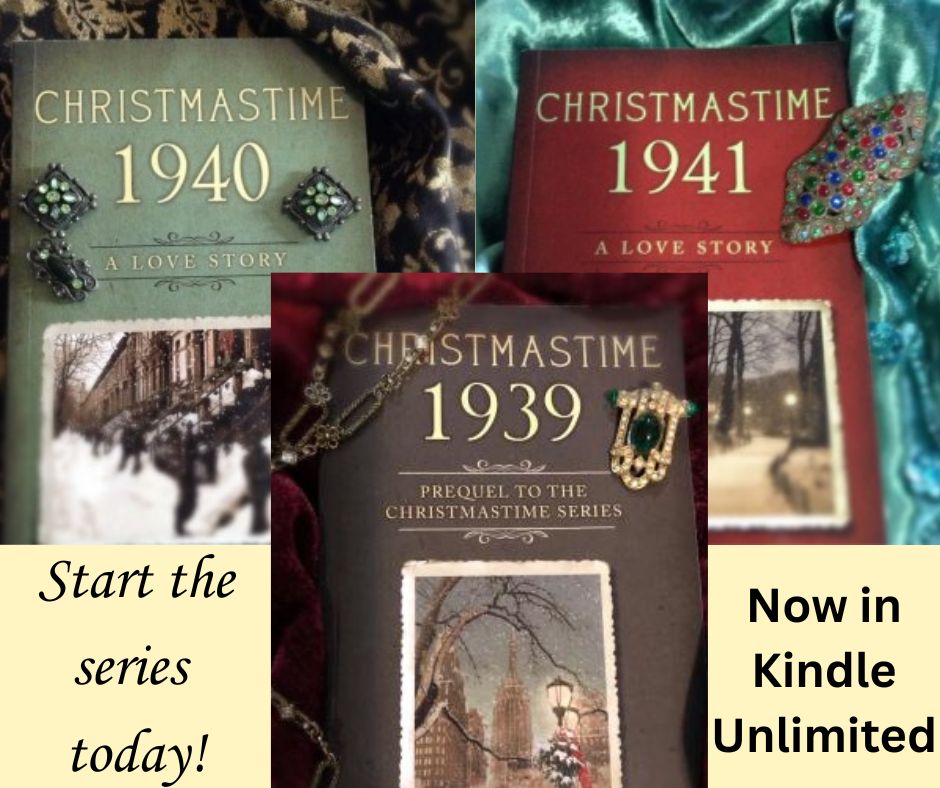
(The first three books in the series are available on Kindle Unlimited now through May 2026.)

Check out my Pinterest boards on the Christmastime Series: https://www.pinterest.com/lindamahkovec/ (includes Kate’s Farm, Annette’s Orchard, Mrs. Kuntzman’s Kitchen, Lillian’s Apartment, historical boards by years, and many more).

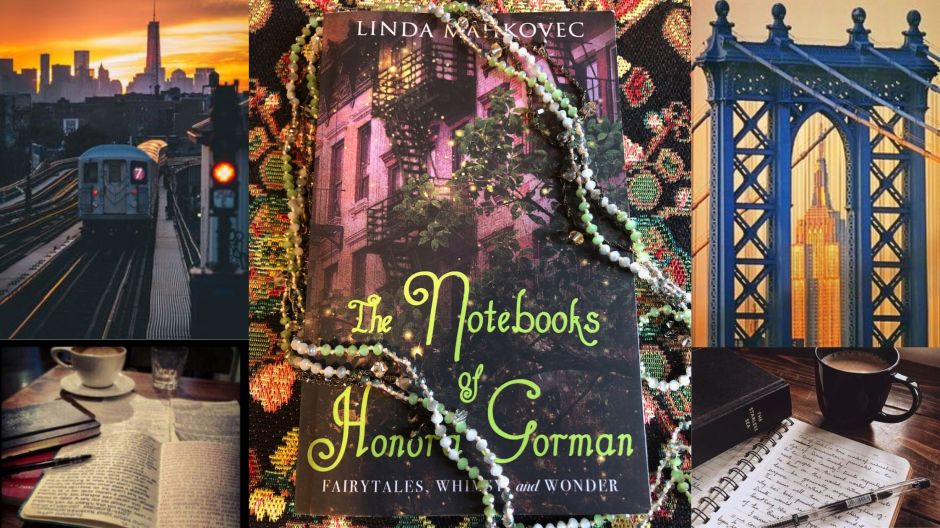
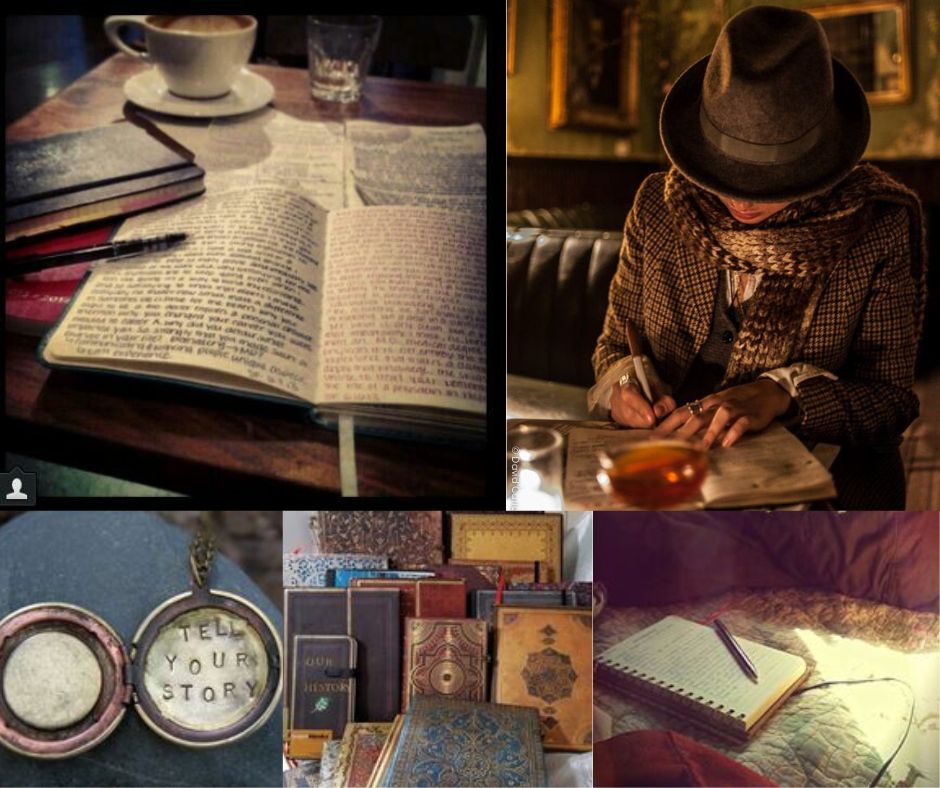
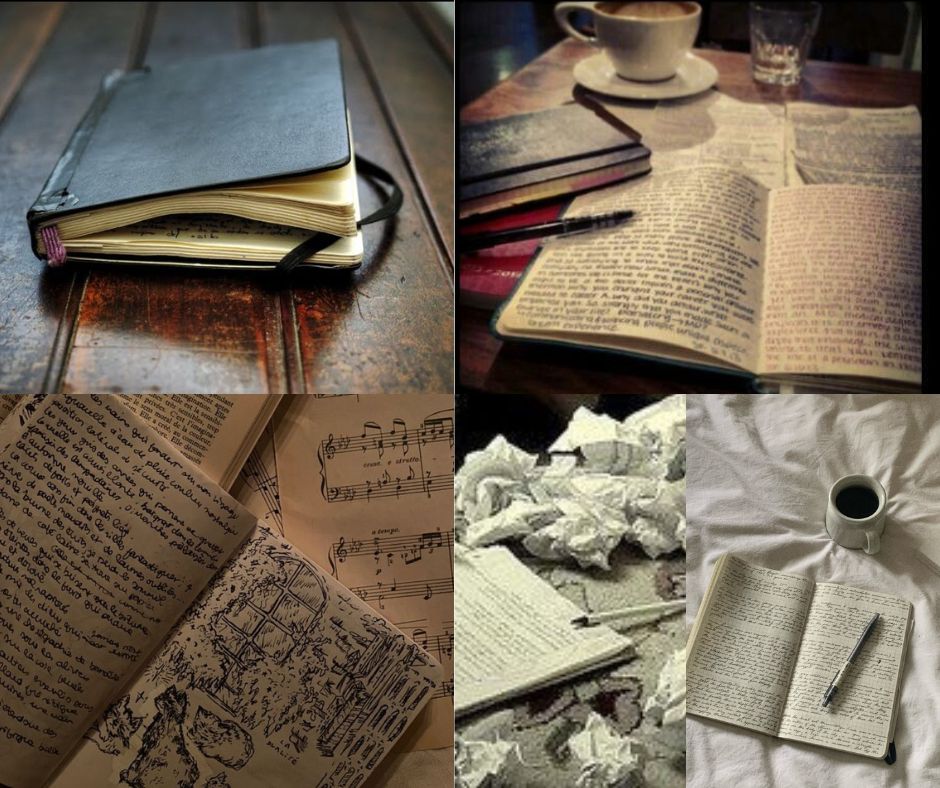
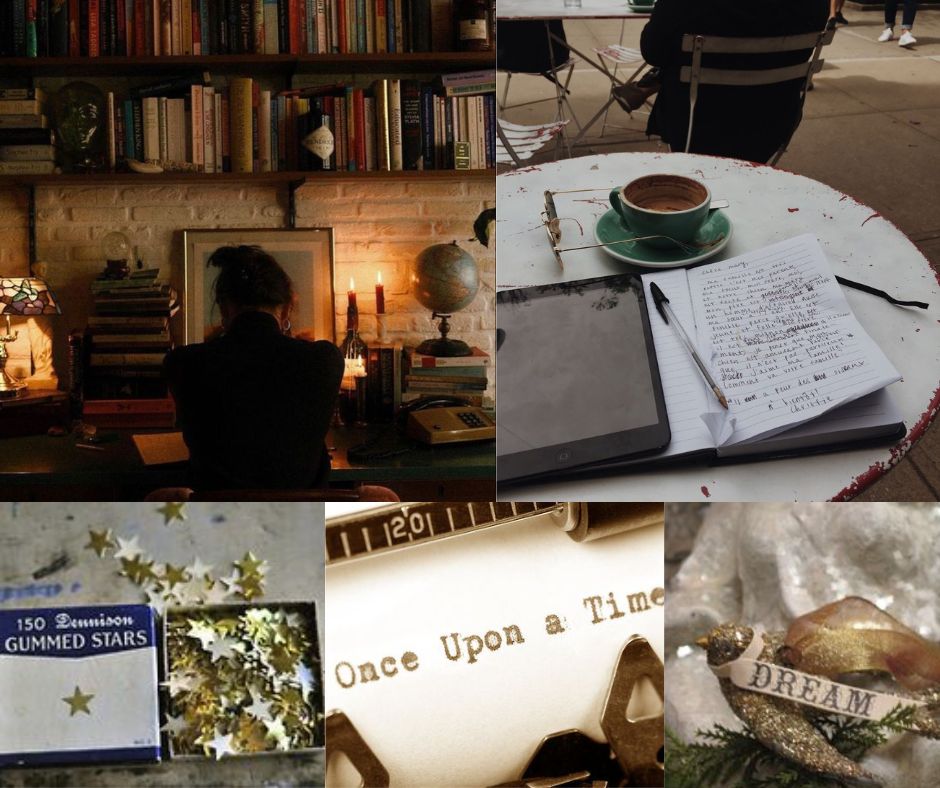
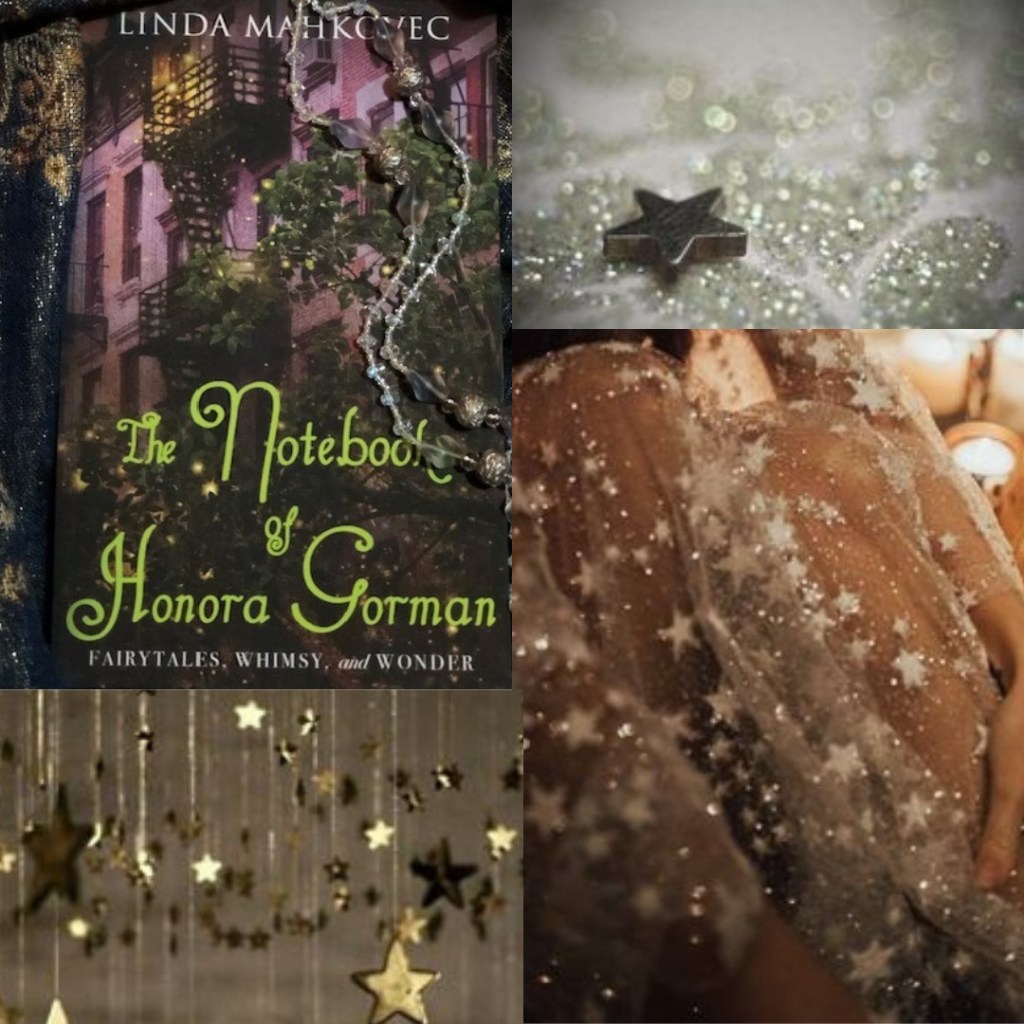
The Notebooks of Honora Gorman

Not a love story, and yet a story of love

Behind the grit and grime, behind the crunch and crime,

lies the magic and beauty of New York City — at least there once was for a would-be writer named Honora Gorman.

True, she was never published and her life tended to meander about well into old age. True, her notebooks gathered dust as she grew older, though she continued to buy new ones and fill them.

And true, the sparkling dream-like wonder of her first encounter with the city lost some of its luster over the years.

And yet — and yet, between the pen and the paper lay the the stubborn insistence that what she saw and felt was somehow essential, worthy of being recorded, and utterly beautiful in a strife-filled, struggling sort of way.

Nora (character): Give it up Honora.

Honey (character): Oh, let her dream…

The Notebooks of Honora Gorman: Fairytales, Whimsy, and Wonder https://a.co/d/03R5khXL

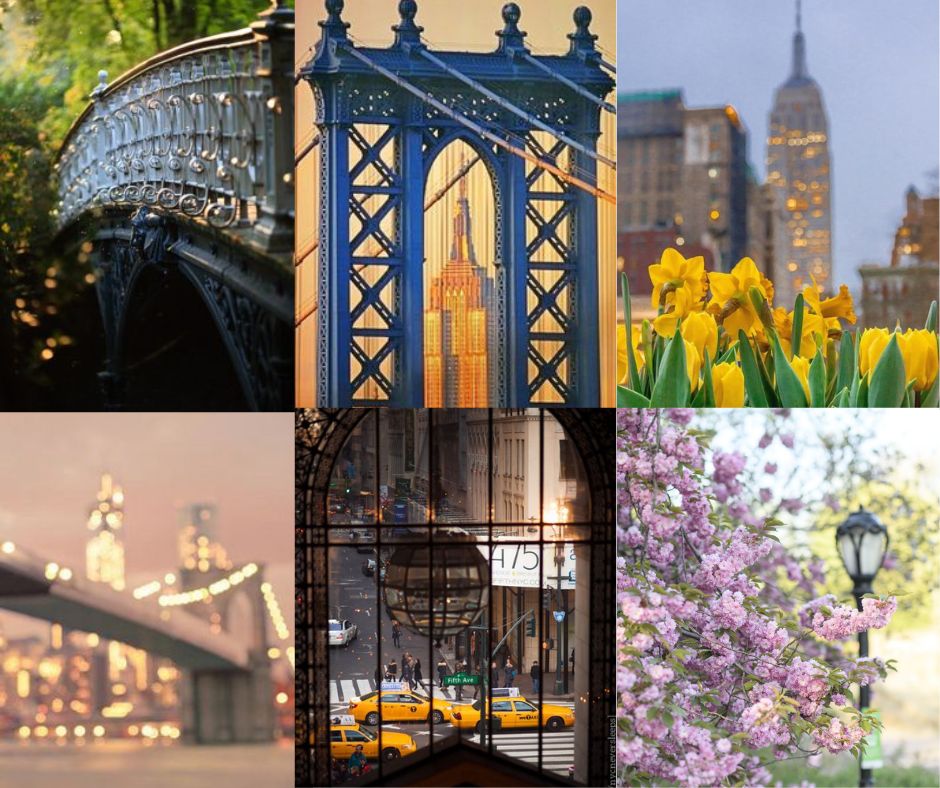
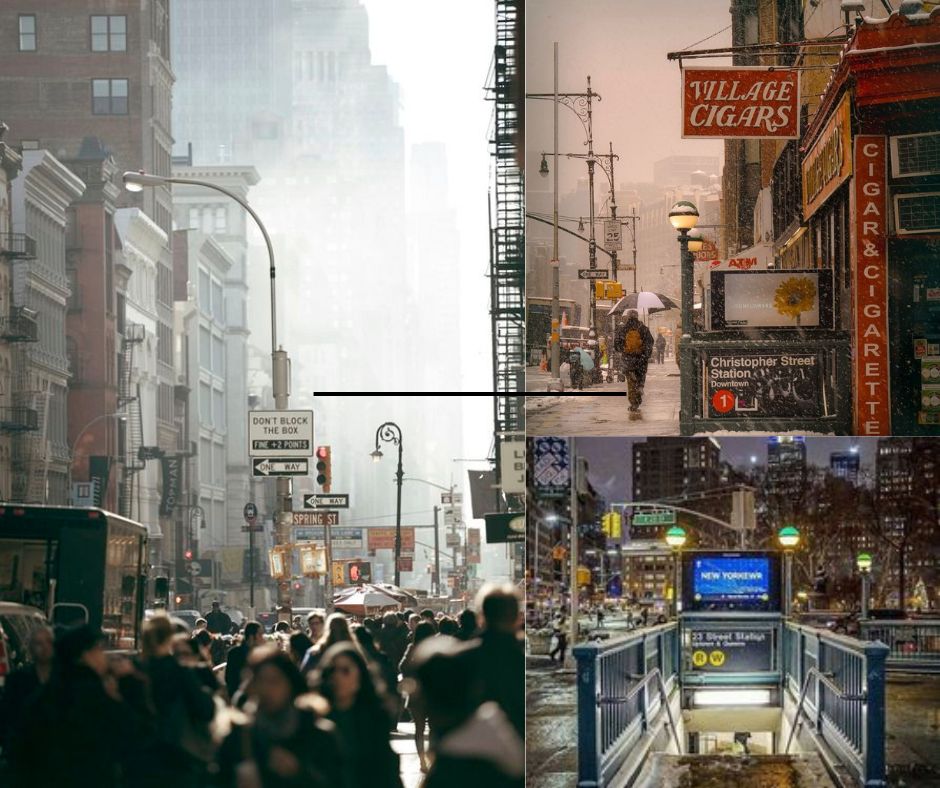
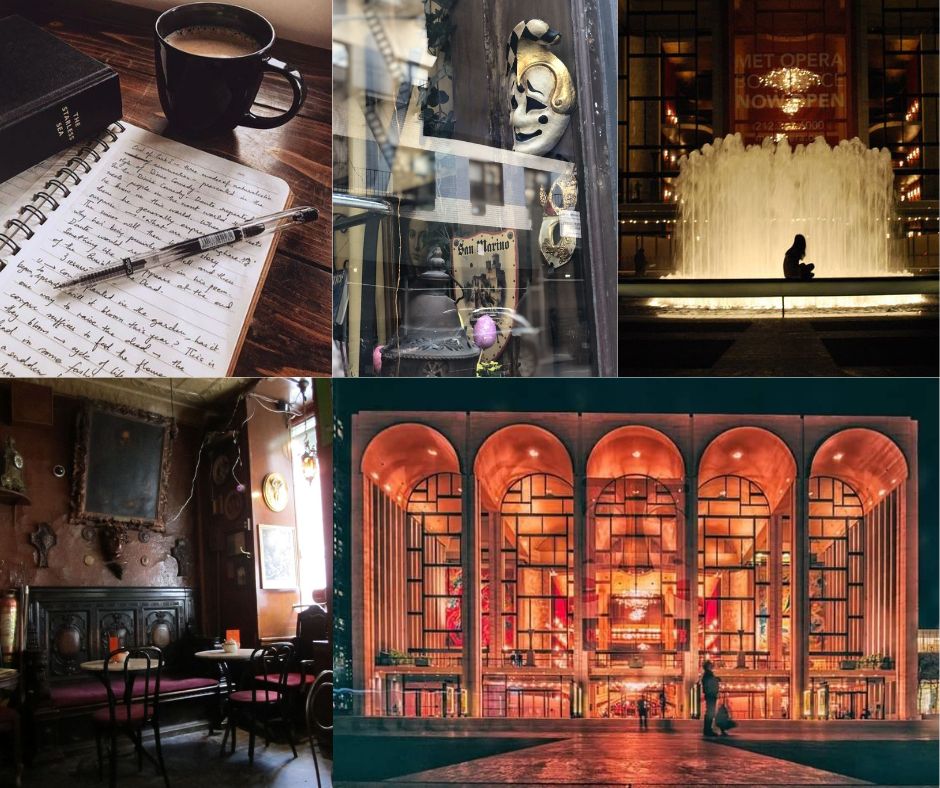
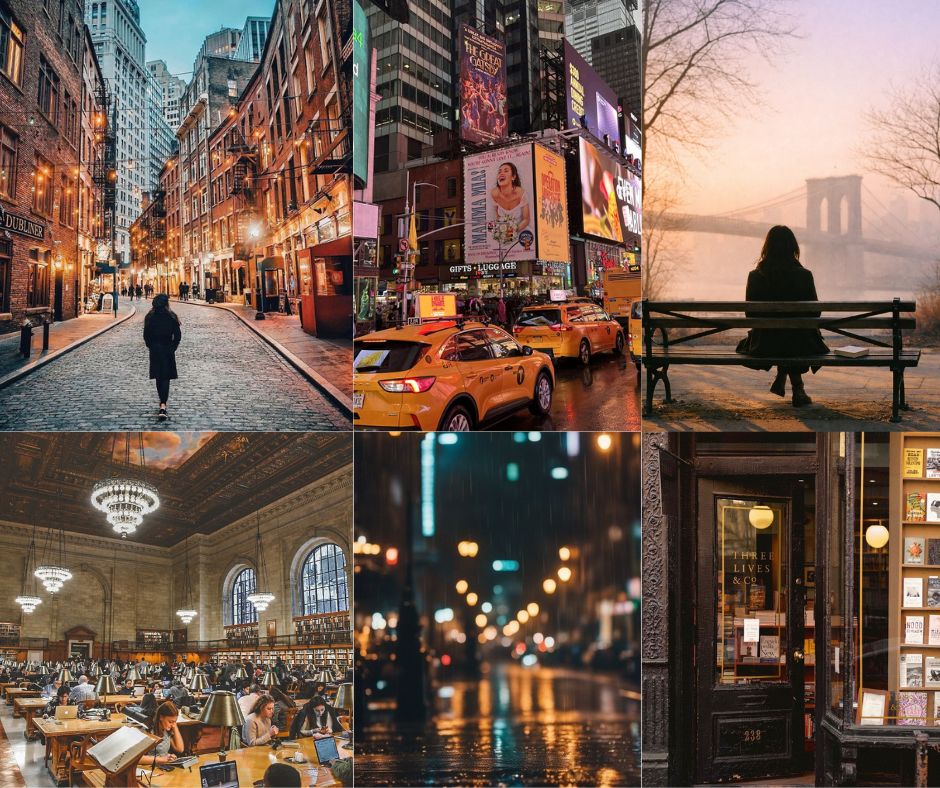
(all images are from my Pinterest boards)

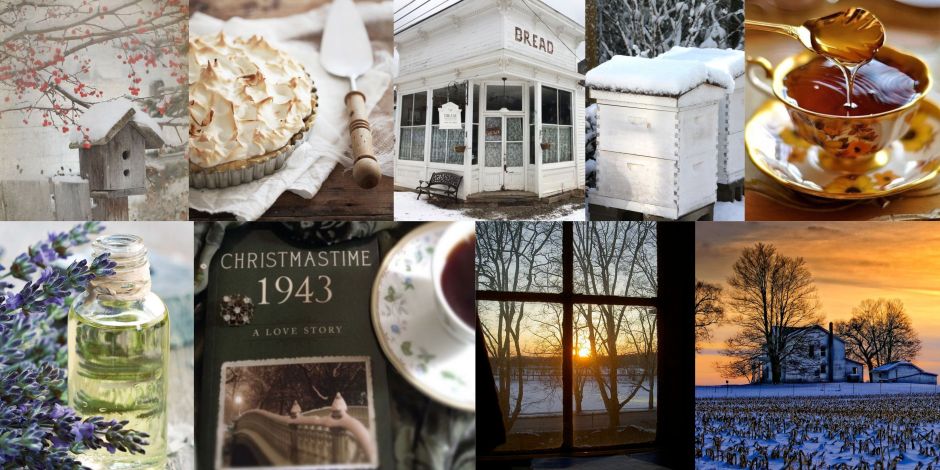
Thoughts of spring – Kate’s farm in winter (the Christmastime series)

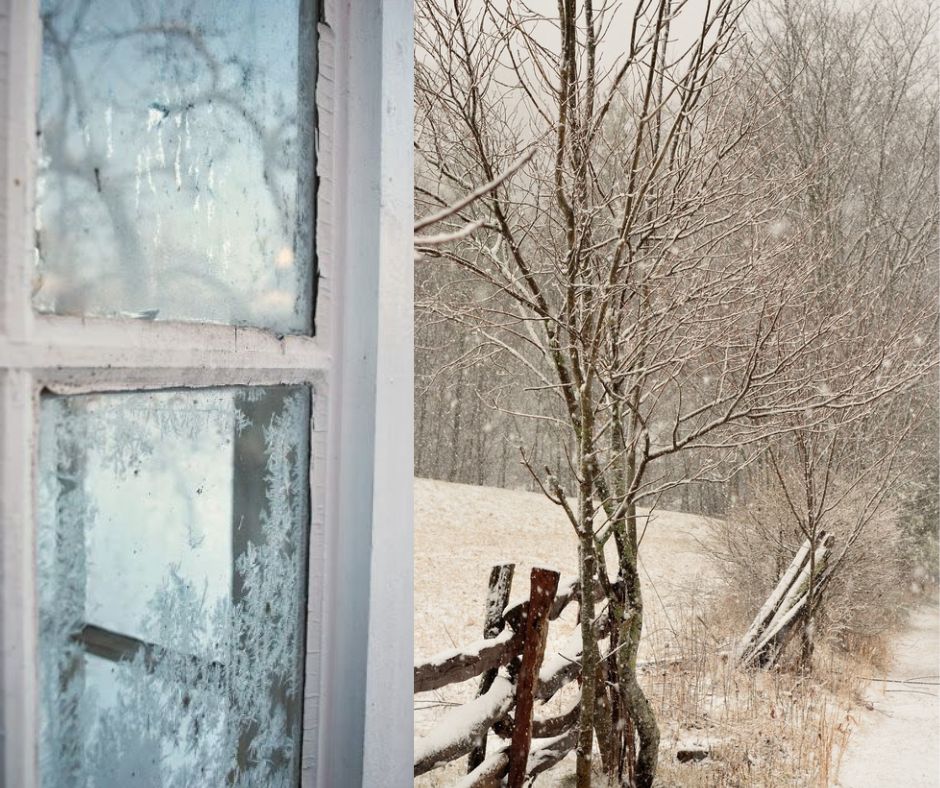
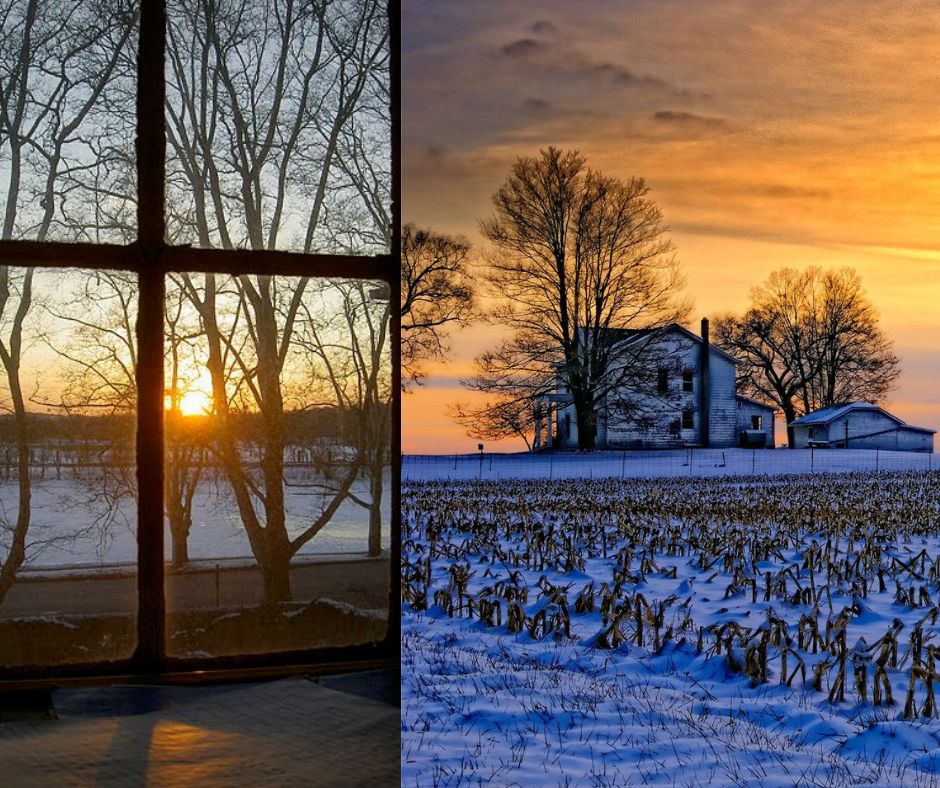
At this time of year, I begin to wonder what Kate and her daughters would have done to get through the long, cold winters on the farm. Especially on days when they were snowed in, or the outside world was too frigid for enjoyment.

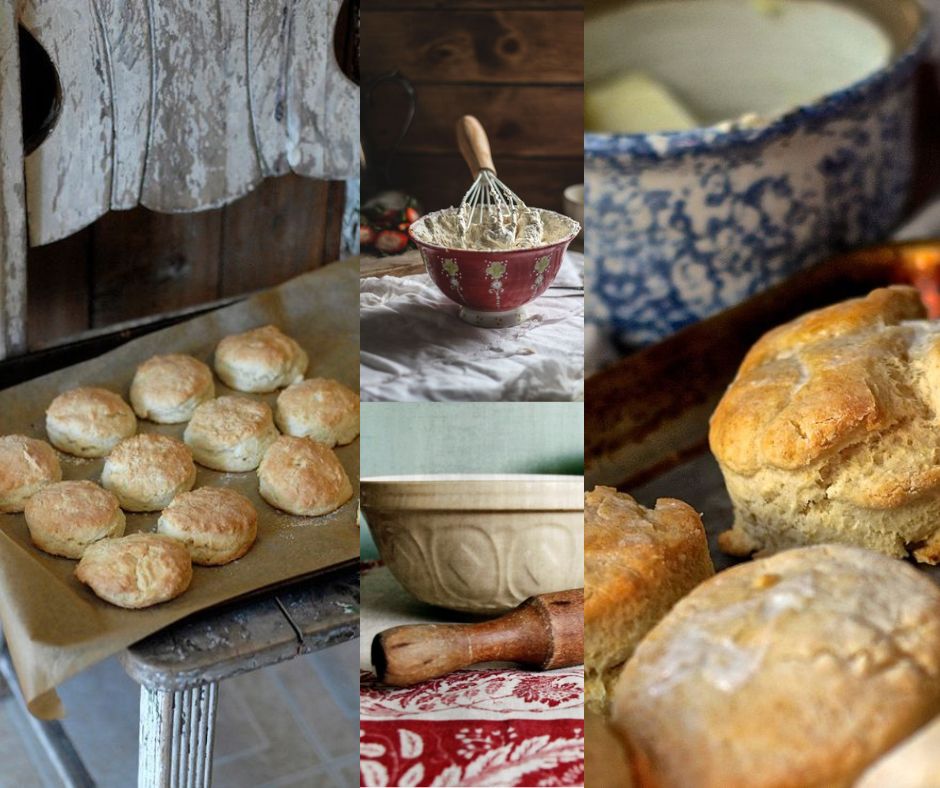
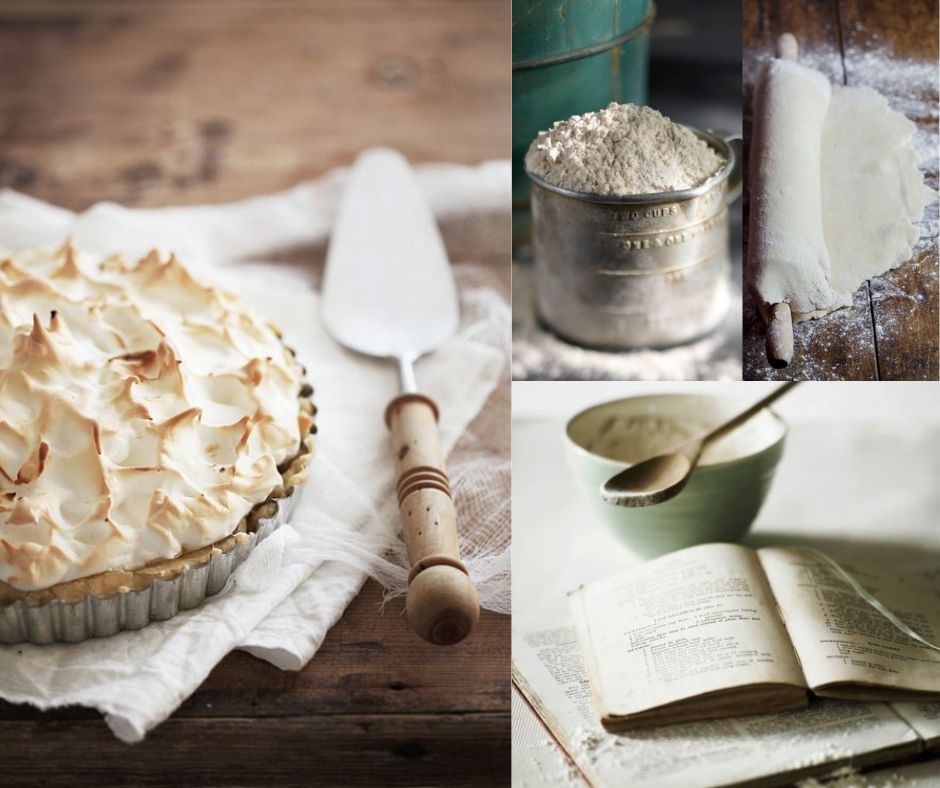
I imagine Kate would have kept busy with mending and darning and the daily chores of farm life. But I also see her in the kitchen, making something special for her family. An unexpected surprise that would warm the kitchen and fragrance the farmhouse.

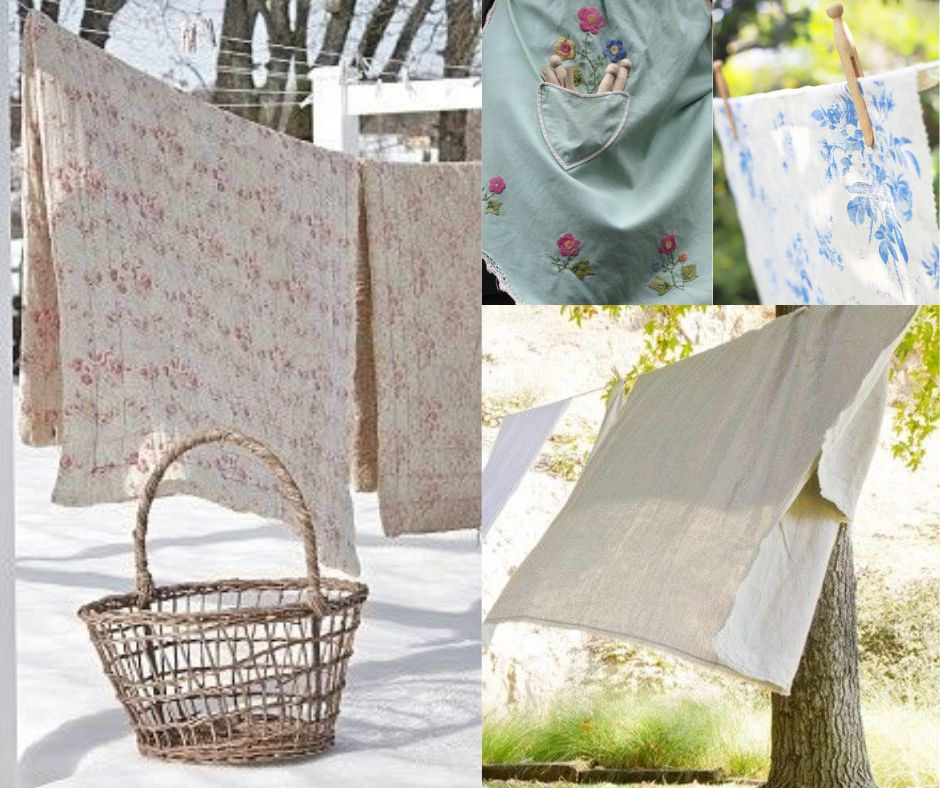
In addition to their other chores, Ursula and Jessica would have been busy with weekly laundry and ironing – perhaps remembering springtime clotheslines as they gathered the cold laundry off the line.

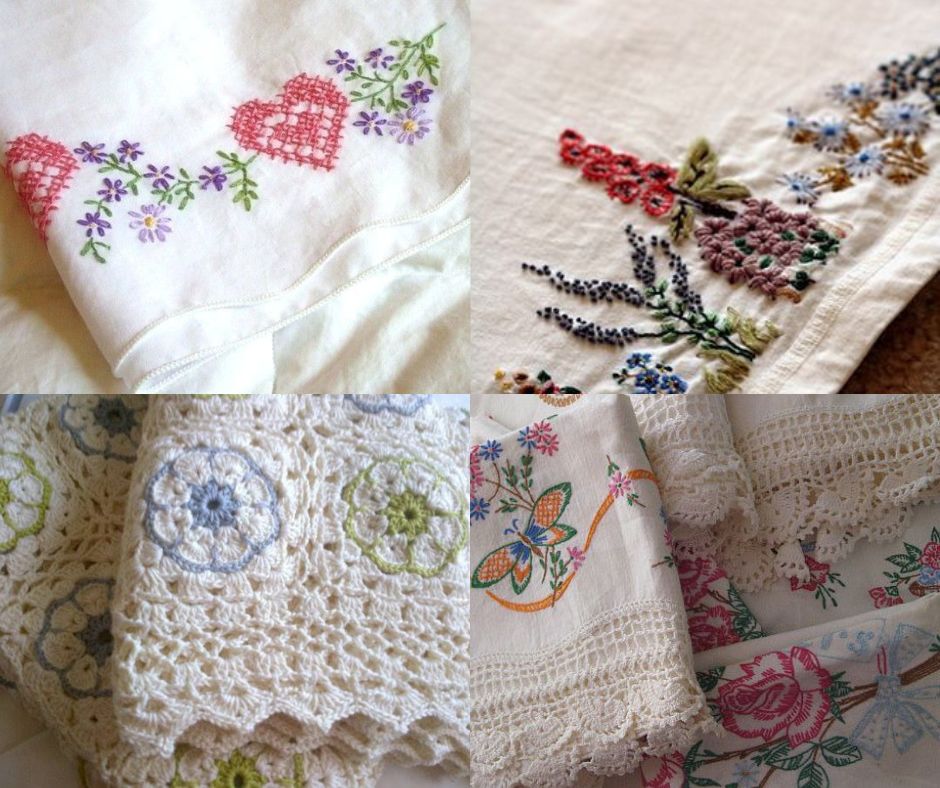
As they listened to the radio at night, they might have crocheted or embroidered the flowers they longed for, as a way of creating a bit of springtime.

They would have continued their projects with the dried lavender gathered over the summer, making oils for baths and sachets to fragrance bed linen and nightgowns – a way of encouraging memories of spring before asleep.

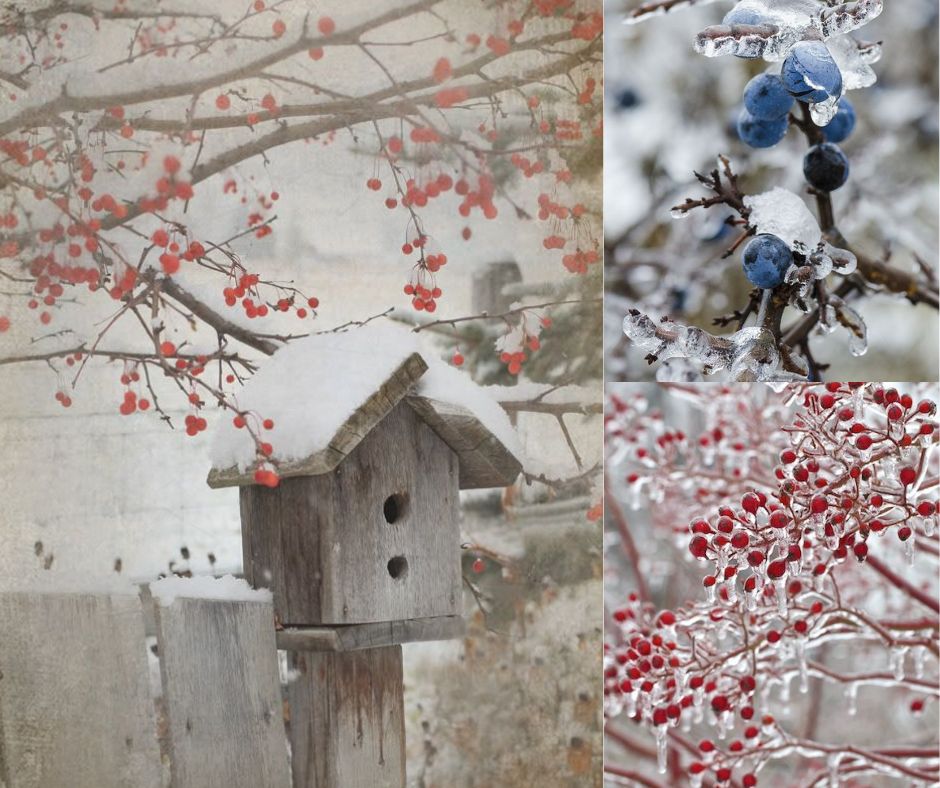
I see them all pausing at the windows, searching for color out in the snowy, white world

and imagining the garden in bloom, the beehives full of honey.

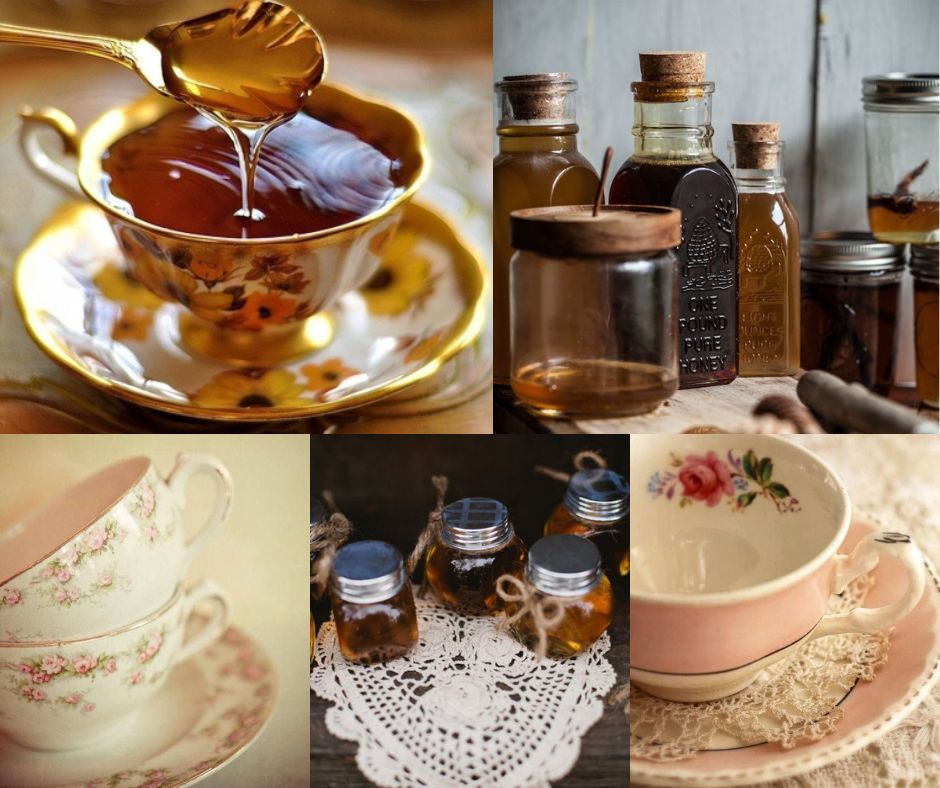
Such thoughts might prompt them to make a cup of tea with honey, to warm up and savor the hint of wildflowers.

Maybe they would have gone into town with their brothers to run a few errands and catch up on the local news, finding warmth and vitality in the company of friends and neighbors.

In short, they would have done many of the things they did throughout the year – but everything now would be tinged with a wistful longing for the colors and scents of warmer months. It was second nature to them to bring touches of springtime into their lives and spread a little warmth and sunshine into the heart of winter.

(Though Kate and her family are mentioned in the earlier Christmastime books, the farm plots really blossom beginning in the 1943 book.)

https://a.co/d/dXITJZu

Christmas Lights

Woven into the Christmastime series is the celebration of the season, where the brightness of the holiday contrasts with the darkness of war – opposing elements that help to shape the storylines.

Much of the bright cheerfulness of Christmas comes from deep-rooted traditions: enjoying family and friends over delicious meals,

the sharing of festive treats,

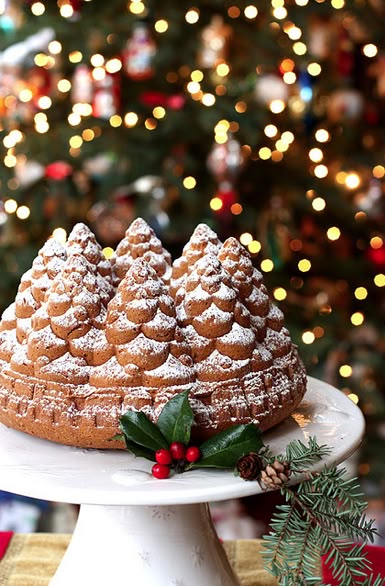
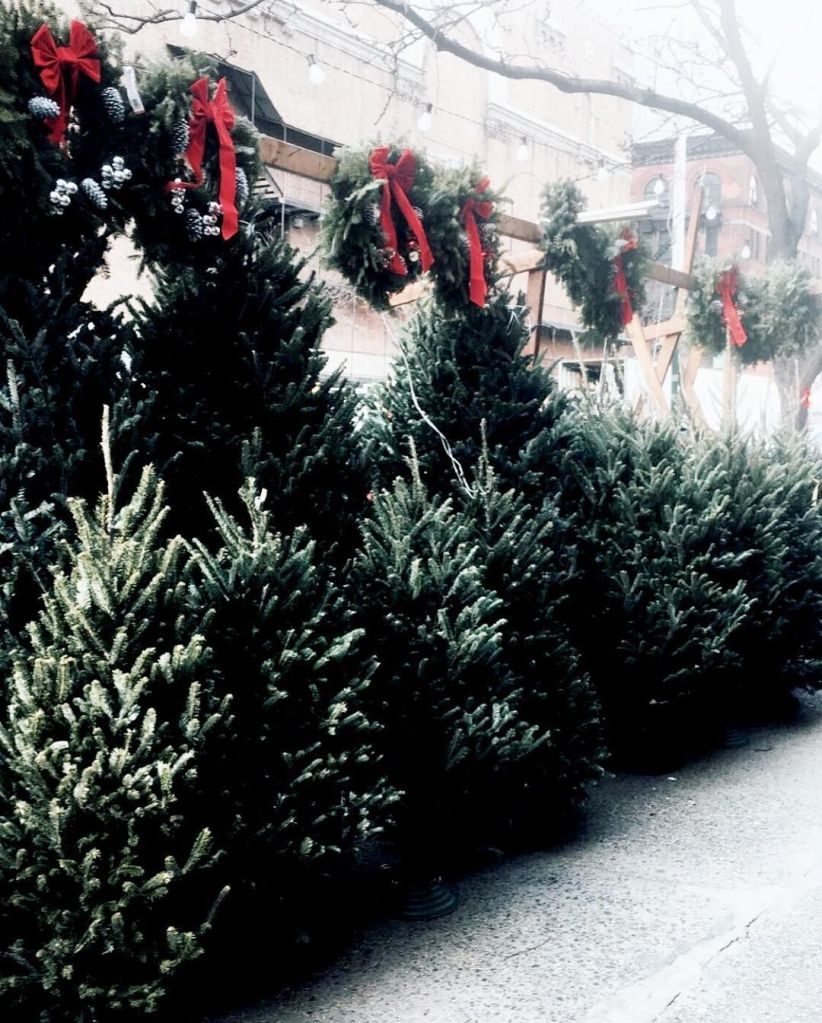
the old-fashioned joys of finding your Christmas tree and decorating it,

the child’s delight in Santa Claus and flying reindeer,

the thrill of a white Christmas.

Layered into the spiritual element that defines the season is the pervasive beauty that fills this time of year:

the deep resonance of traditional music and the joyful togetherness of caroling,

the fragrant woodsy beauty of pine trees, garlands, mistletoe and holly,

decorations that delight the eye and lift the spirit.   

And perhaps the oldest and purest source of comfort and beauty comes from light in the darkness: the original form of fire found in bonfires, fireplaces, candles,

the old-fashioned multi-colored bulbs of my youth,

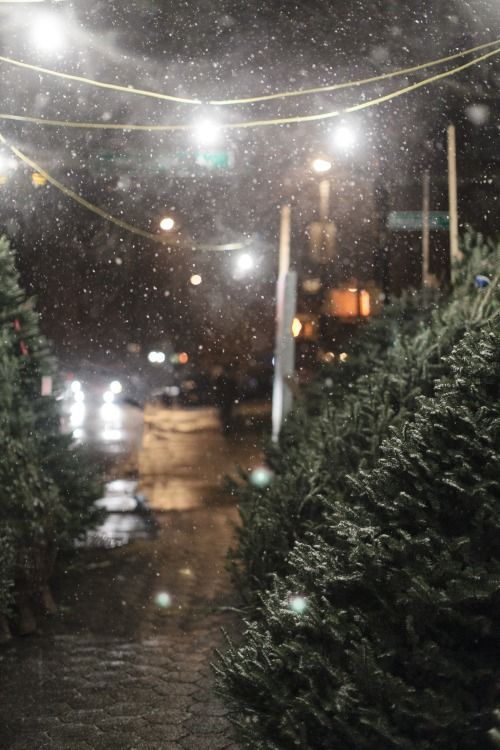
and the more recent fairy lights that bring a sense of twinkling magic.

All add nighttime magic, and comfort in the longer, colder nights.

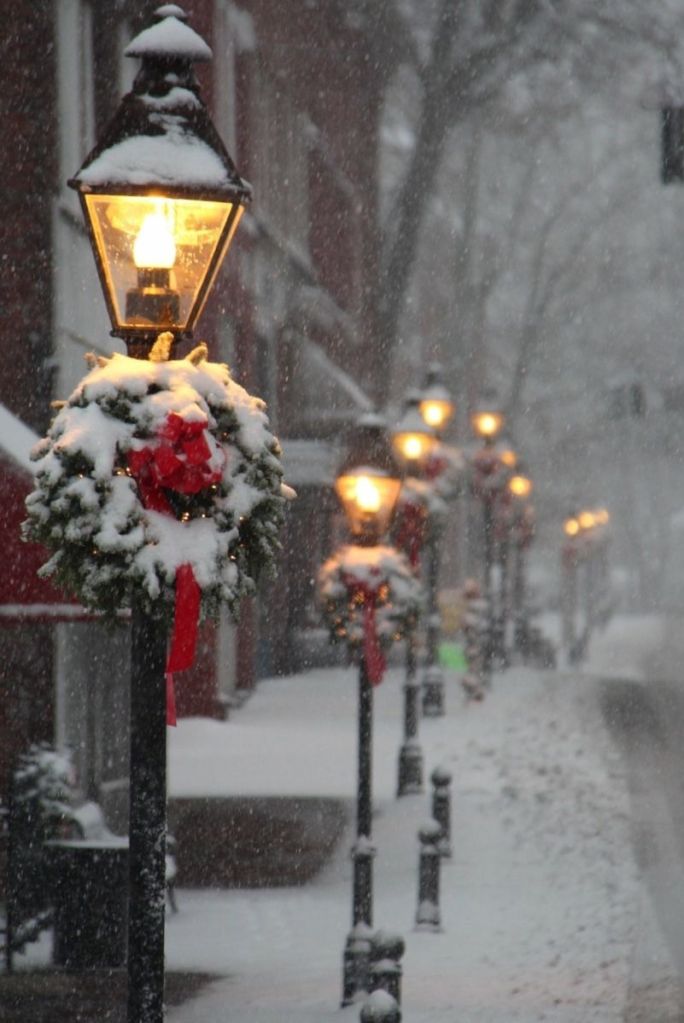
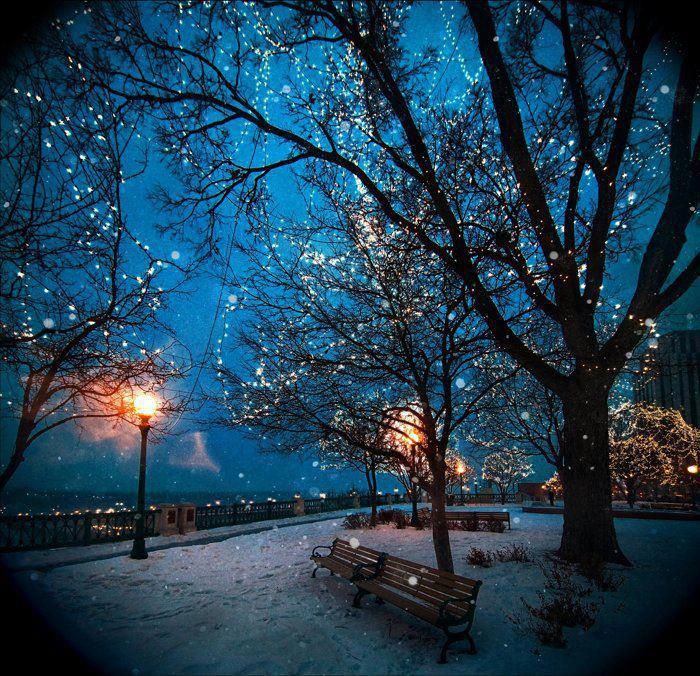
I try to capture this contrast of light and dark in the covers of the Christmastime series. Lampposts glowing in the twilight and a city lit at night, symbolizing hope and the end of war,

Fewer, or a lonelier, single lit lamppost to reflect the darkest years of the war,

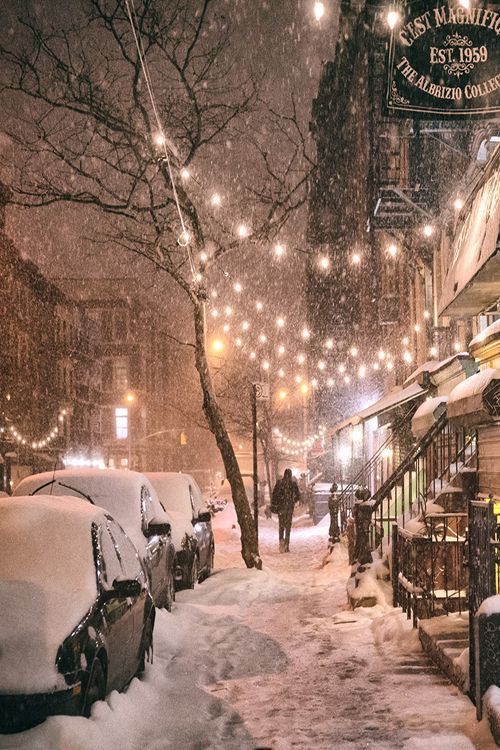
and the beauty of lamplight on snow, tinged with wistful yearning, for the new 1946 cover.

Christmas lights. In the long, cold nights of winter, they offer hope, comfort, magic, and beauty.

Click here https://a.co/d/0AdKGsB to begin the series

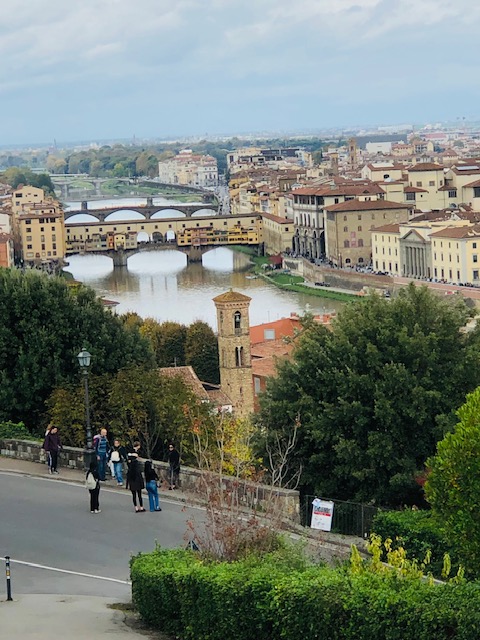
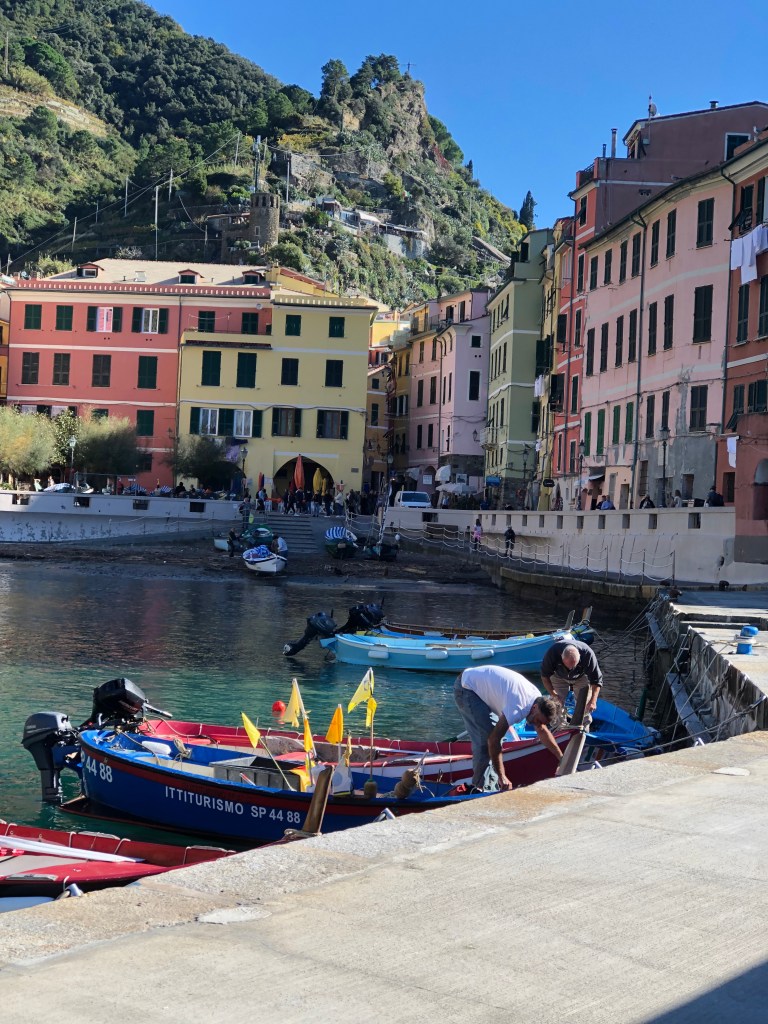
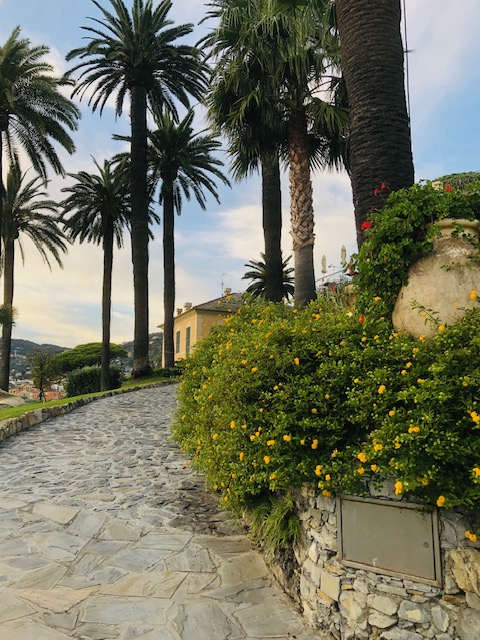
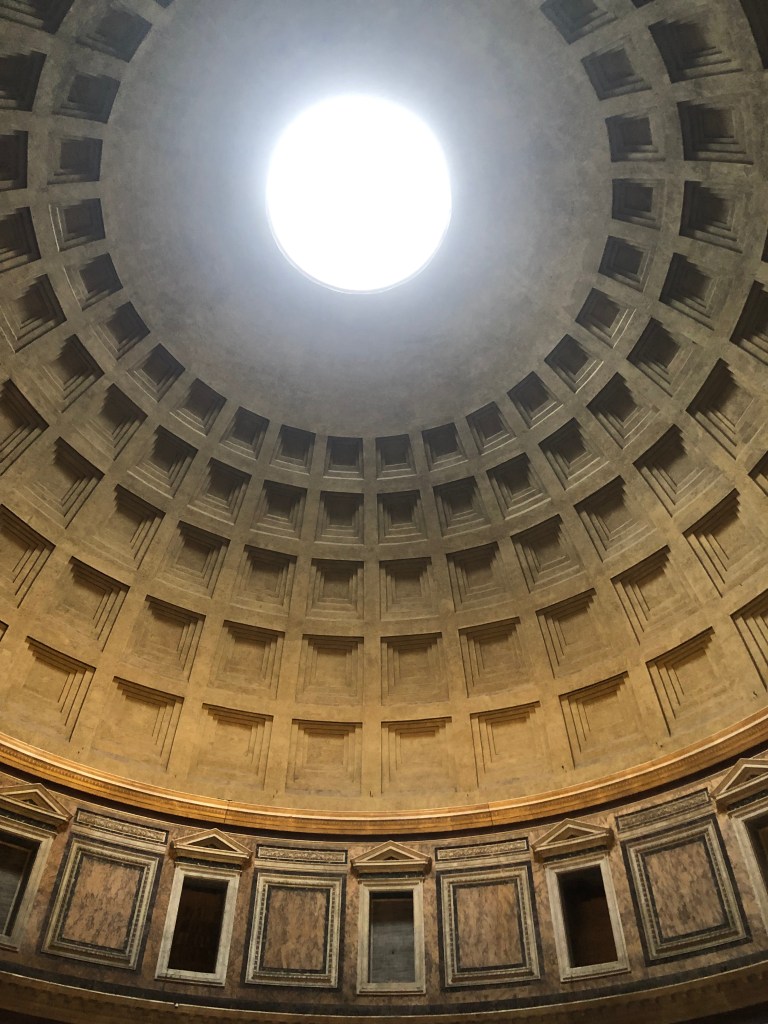
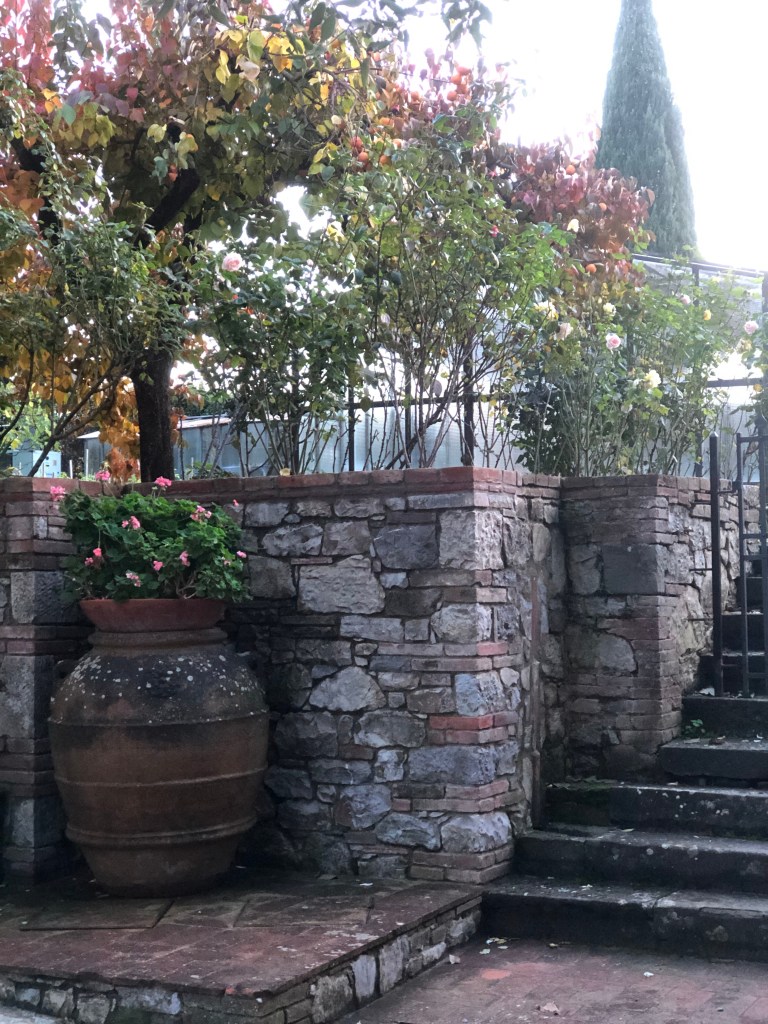
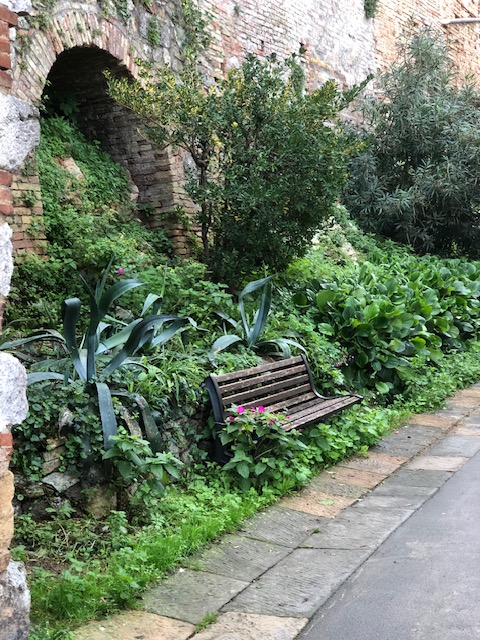
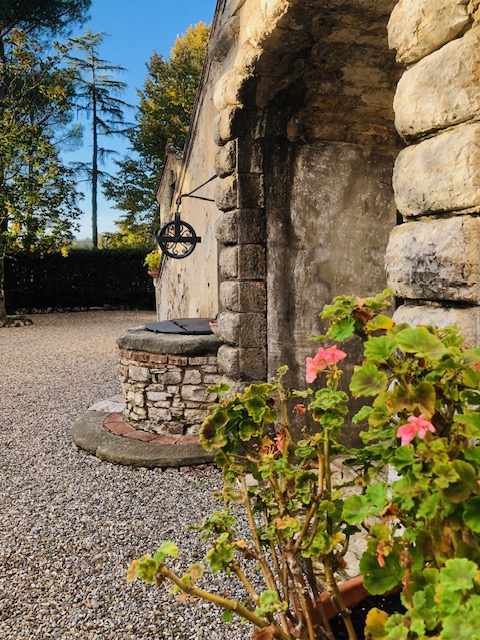
November in Tuscany

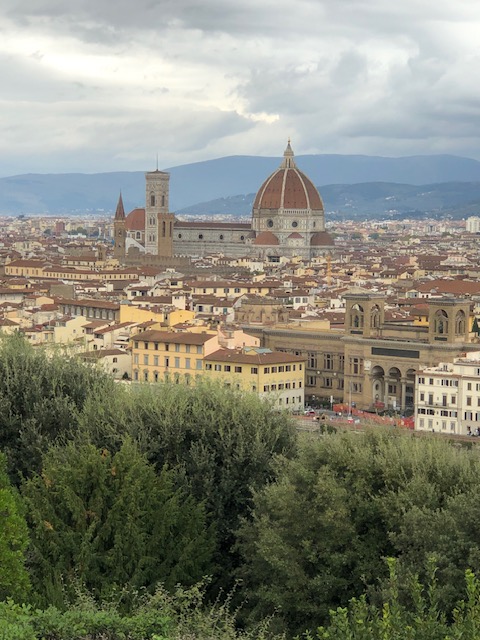
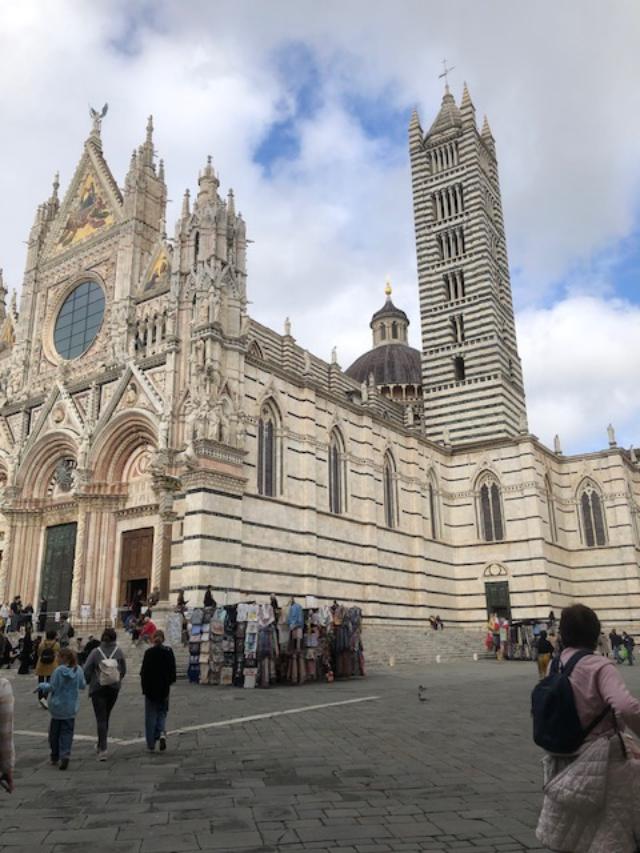
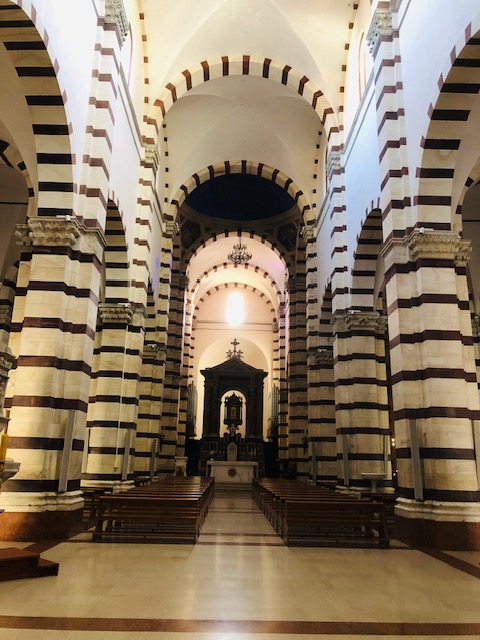
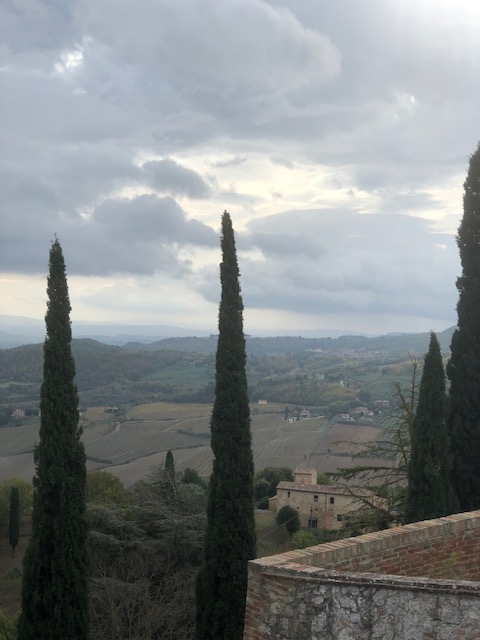
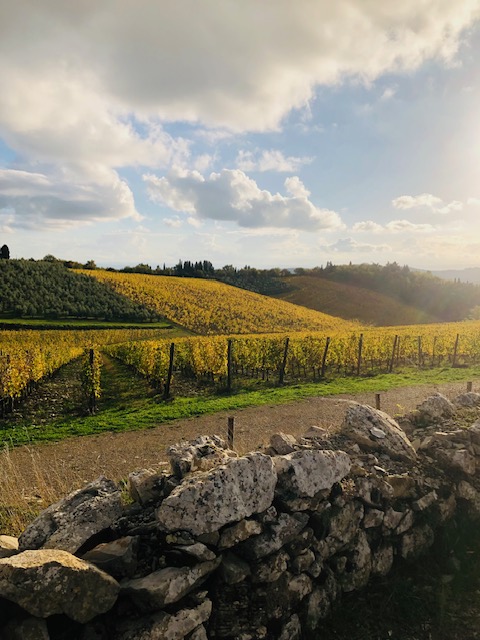
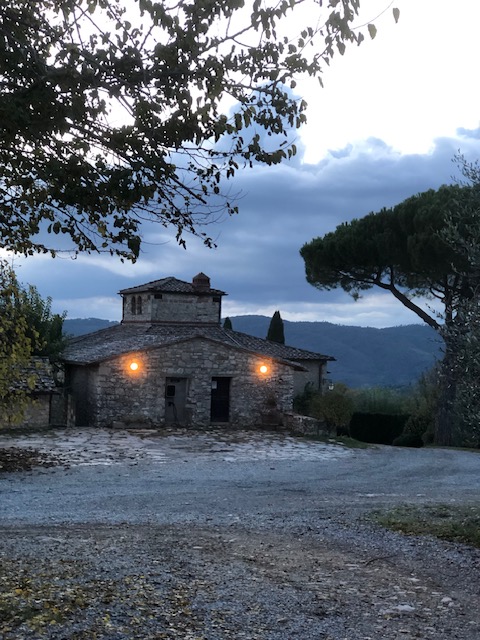
A quick trip to one of the places I’ve long wanted to see – Tuscany.

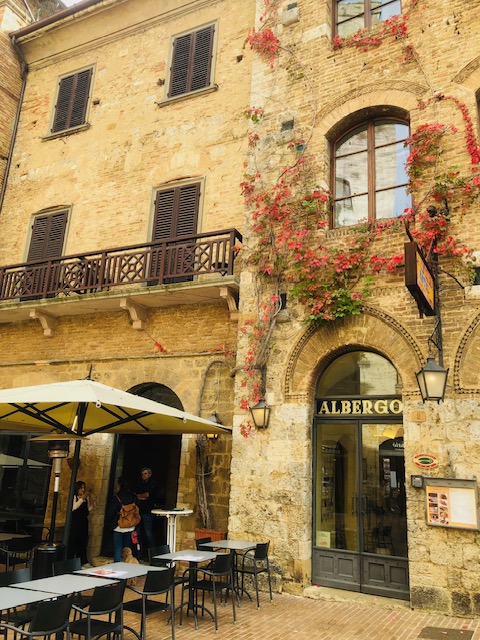
Renaissance cities, medieval villages.

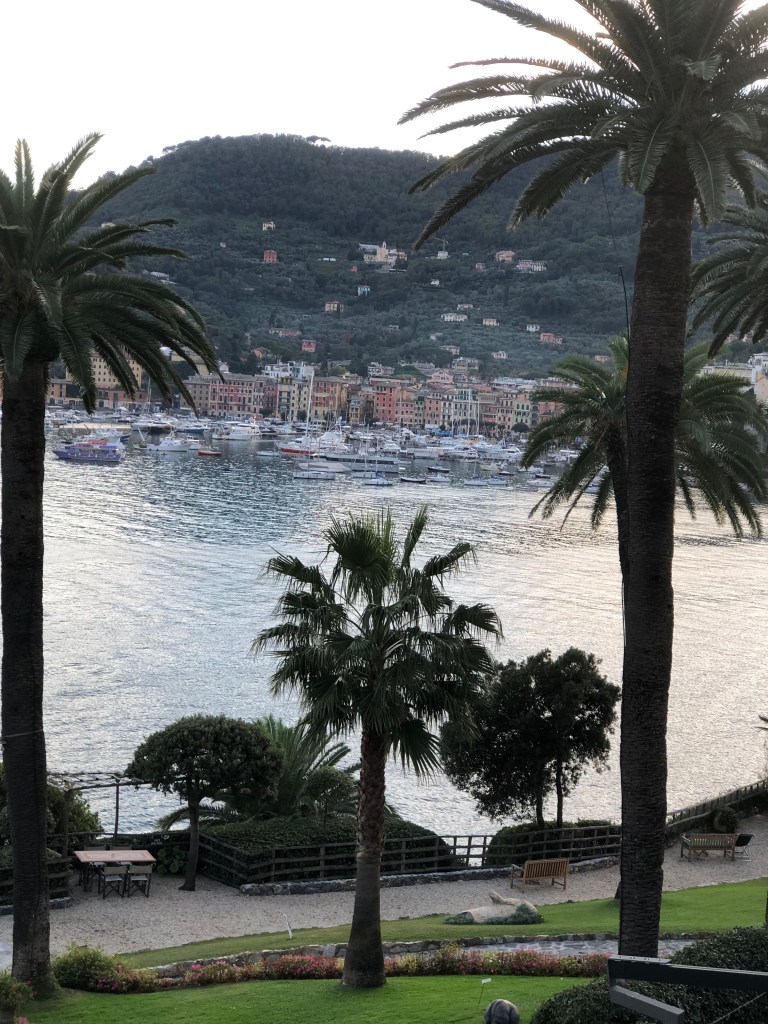
Stunning architecture, gentle landscapes, a charming coast.

A week seeing Florence, Siena, and a few surrounding villages.

A few days in Cinque Terre,

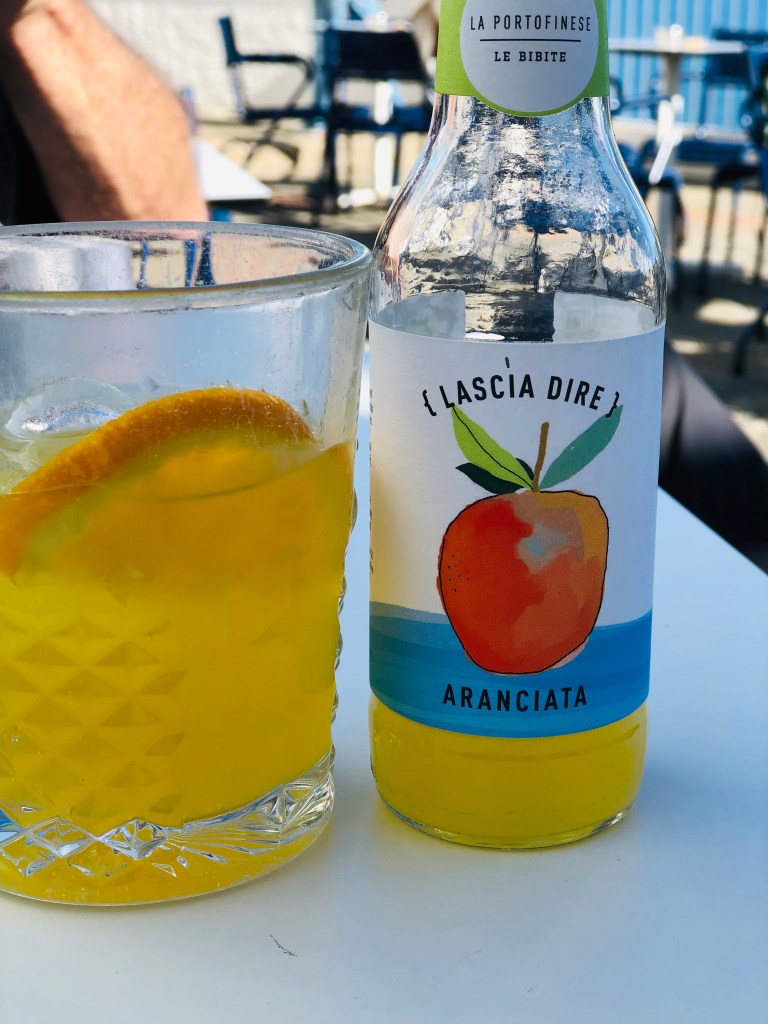
Santa Margherita,

and Portofino (including a hike to the lighthouse).

The last day wandering around Rome.

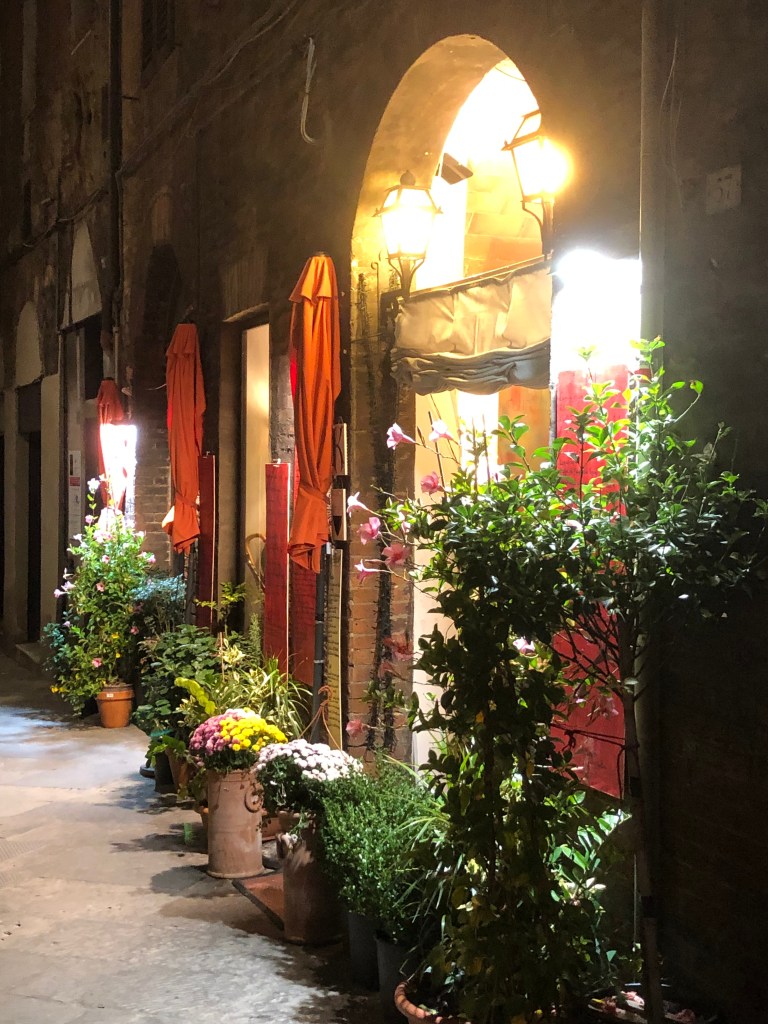
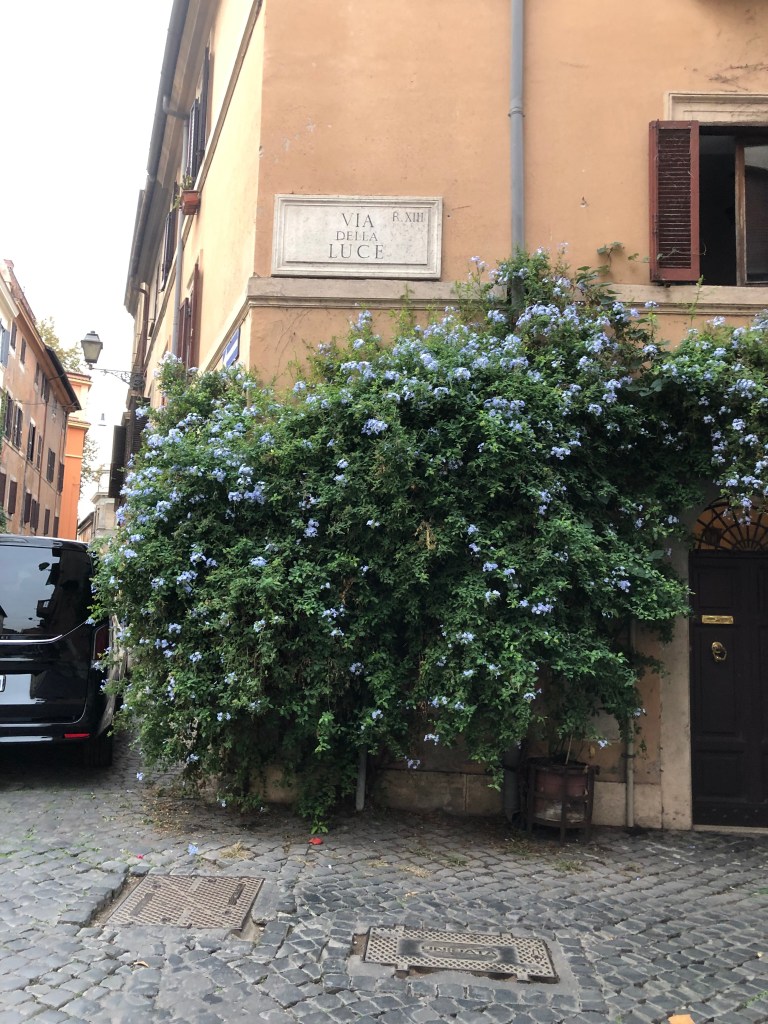
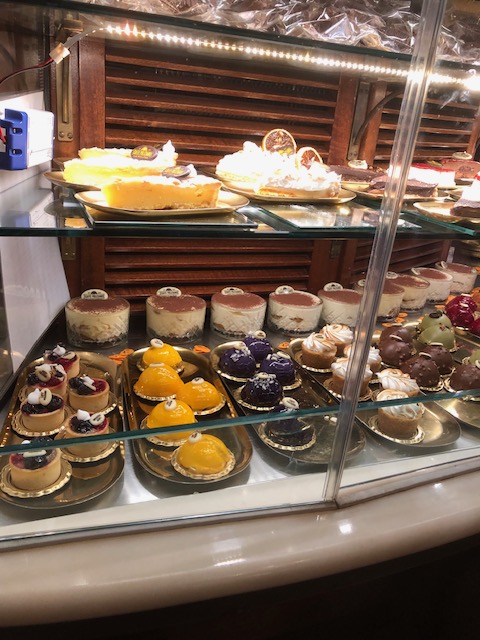
Besides the food (which would require a series of posts), I especially loved the narrow streets and the outdoor cafes,

the sculptures and paintings, the artistry and craftsmanship that were everywhere,

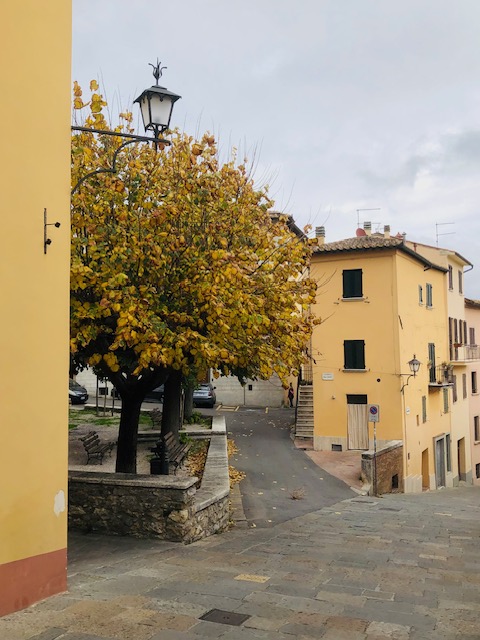
the autumn-hued settings,

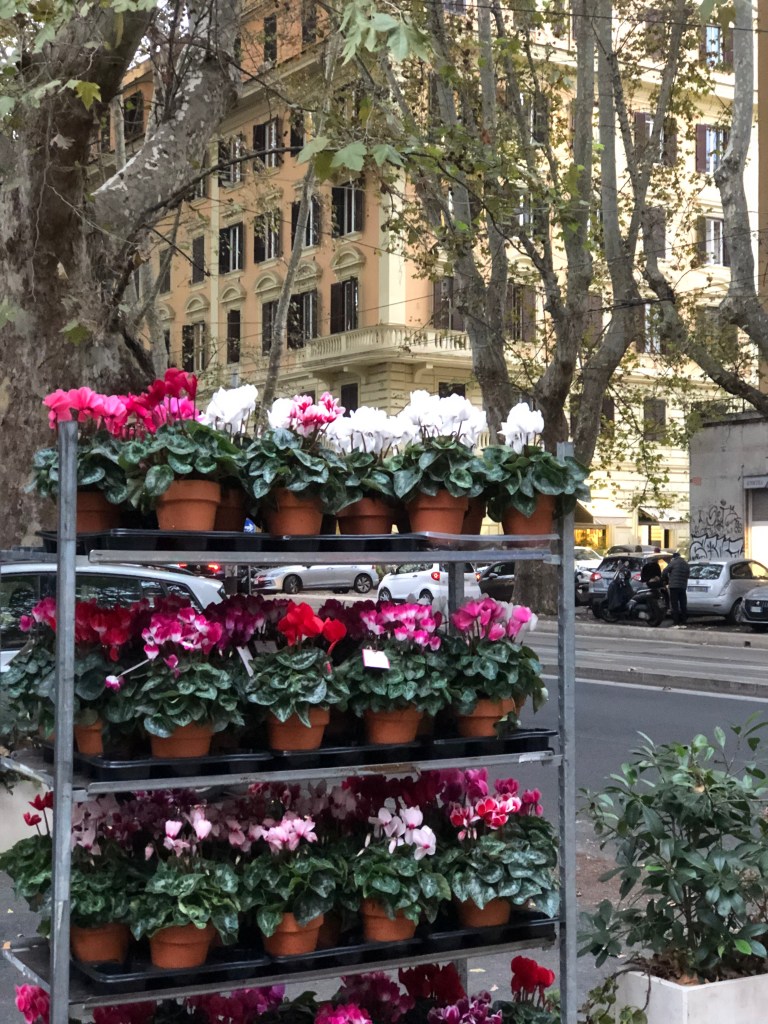
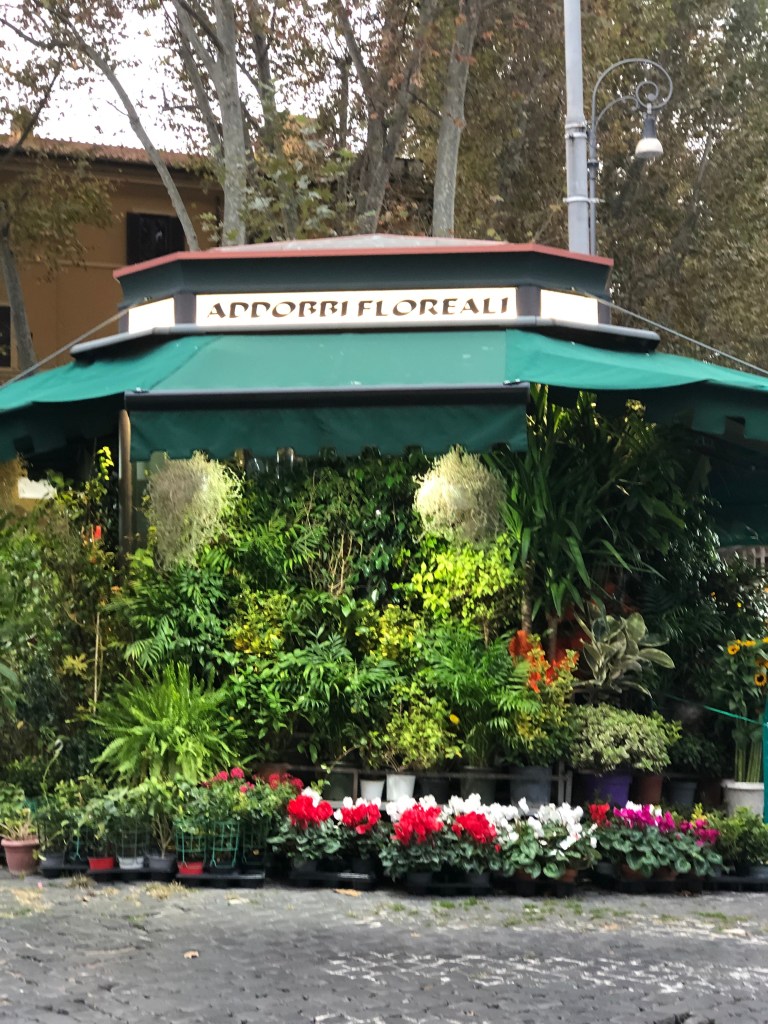
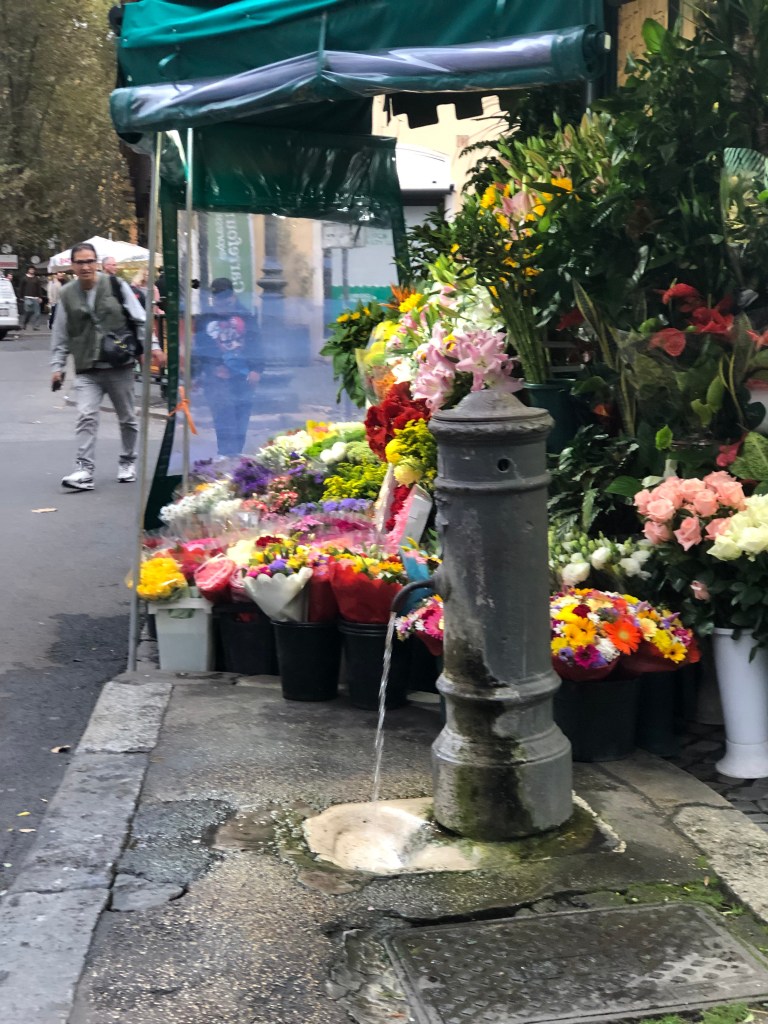
and the flowers still in bloom.

Ten days wasn’t enough time to do any one place justice, but was enough to give me an infusion of beauty and wonder. And enough to make me want to go back.

“Italy is a dream that keeps returning for the rest of your life.” –Anna Akhmatova

Women and the Workforce – WWII

My latest book in the Christmastime series, CHRISTMASTIME 1946: A LOVE STORY, focuses on women in the workforce and the mixed feelings they had when the war ended and it was time for them to give up their jobs.

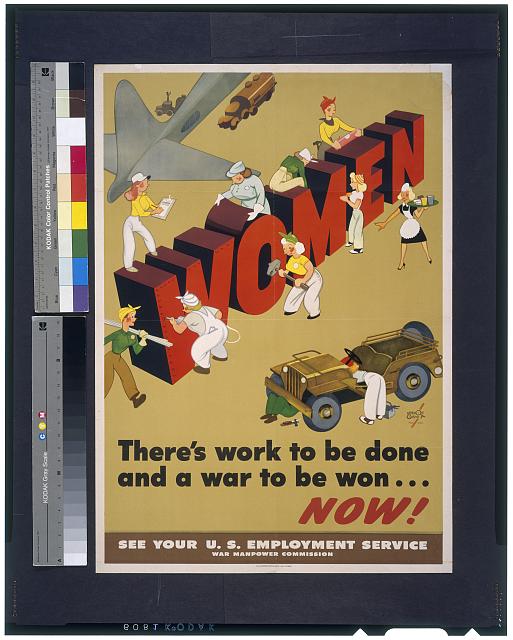
In WWII, the U.S. experienced a severe labor shortage as millions of men left to fight. The solution was to use women, along with minorities, immigrants, people with disabilities, teenagers, older adults, and retirees.

Before WWII, women were already working in large numbers (roughly 13 million) but in predominantly low-paying jobs: domestic service, clerical jobs, teaching, nursing, and textile factories. Most working women were young, lower-income, and single.

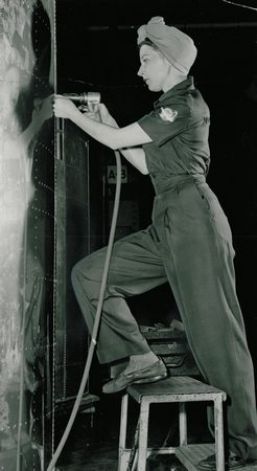
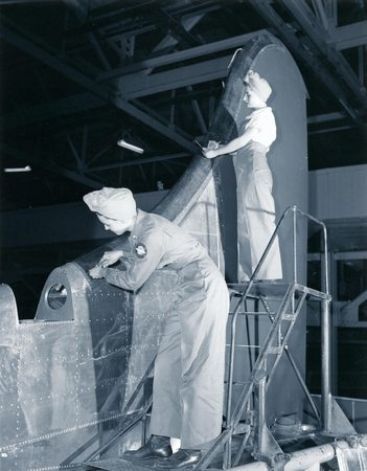
To fill the labor gap created by the war, over 6 million additional women joined the workforce – building aircraft, assembling tanks, producing munitions, and working in shipyards. They became welders and riveters, machinists and crane operators.

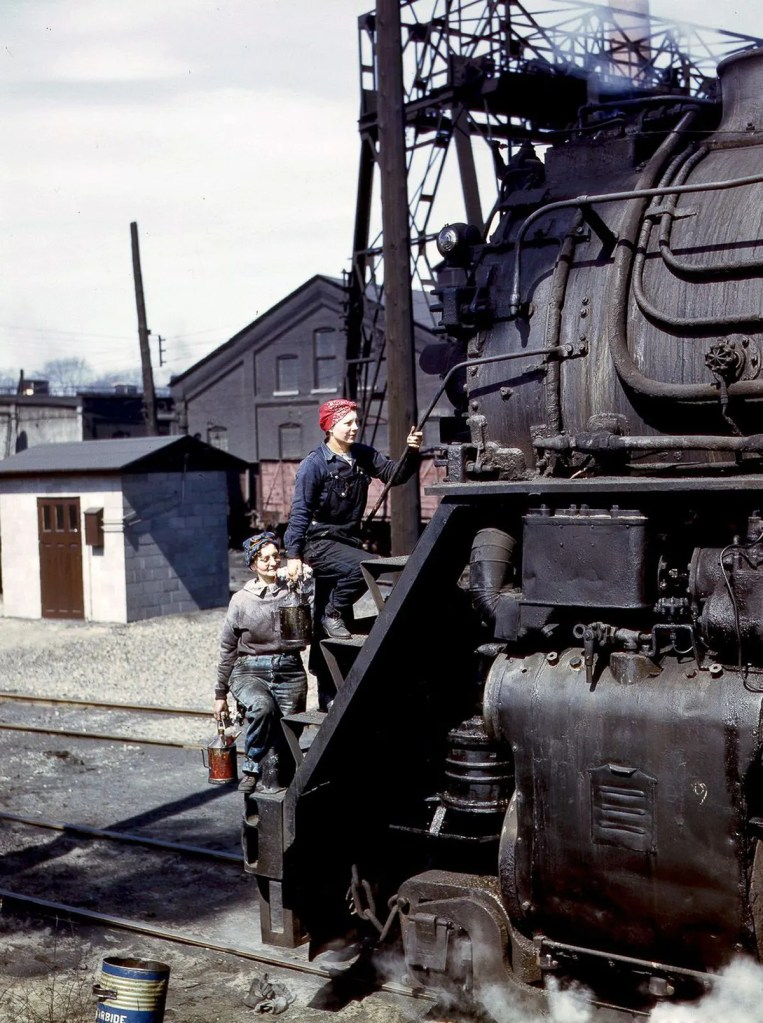
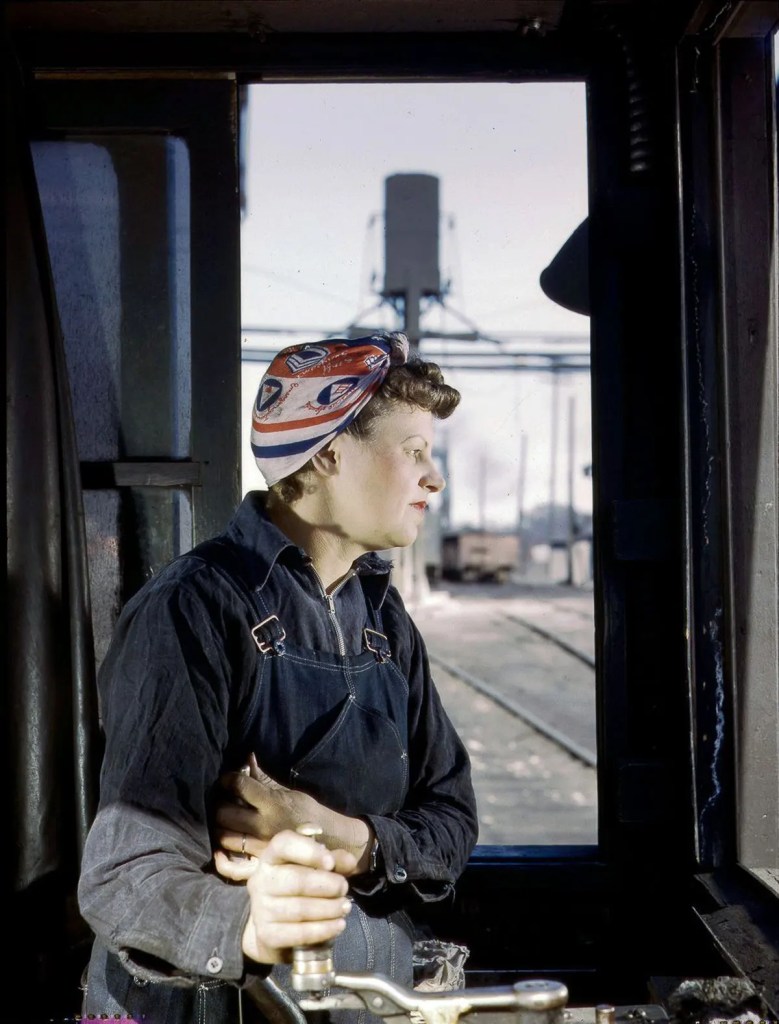
Others kept the country running – working as nurses and firefighters, managing offices, driving trucks and buses, working on the railroads,

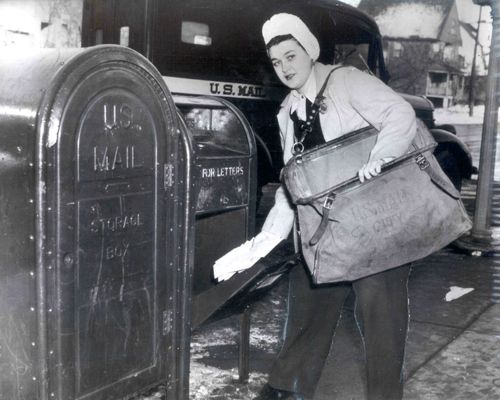
delivering mail, working on farms and in food production, and countless other jobs.

Though it’s easy to idealize this period of opportunity for women, for many, it was grueling, hard work.

The war enabled women to move into higher-paying, traditionally male-dominated roles. However, it was clear from the beginning that it would be only “for the duration.” After the war, women were expected to leave their jobs to make room for returning servicemen. Rosie the Riveter had to go home.

Working women were essential to the war effort and they proved just how capable they were. While many were only too happy to return to their prewar lives, others grappled with a deep sense of loss — of higher-paying jobs, of greater freedom and independence, and of the profound satisfaction that came from being part of something larger.

My short, short books.

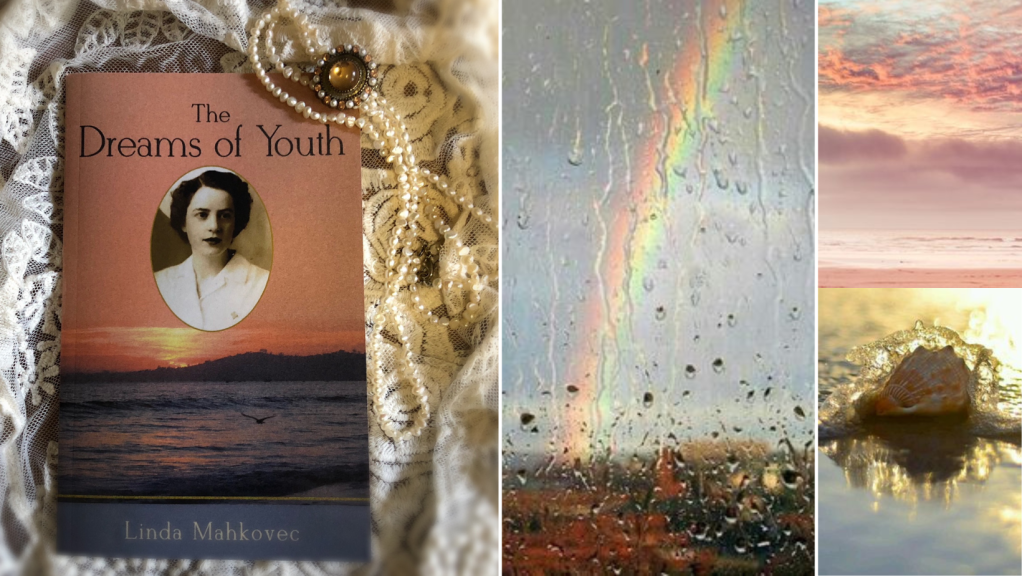
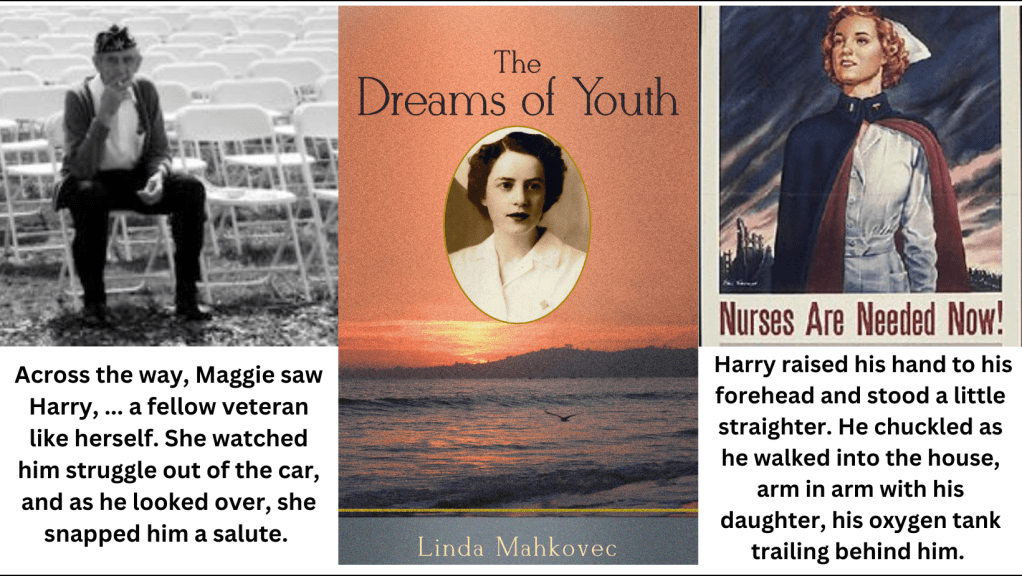
My first two books, The Dreams of Youth and Seven Tales of Love, are also my shortest. They can easily be read in an hour or less. They are collections of short stories and sketches that, overall, tell a larger story.

Particularly with The Dreams of Youth. In large part inspired by my mom’s life (though with plenty of creative license taken), six interrelated pieces tell the story of a lifetime in 48 brief pages.

I have a soft spot for these two books. They were compiled years ago on discovering that I could publish my books through Amazon – no agent or publishing house needed (both were first published in 2012, then re-published with indie-author-friendly Bublish in 2016). My lifelong dream of being a writer was now possible, with me in full control! Because I originally wrote them under a pen name (Agnes Irene), I felt free to be a little more creative with the form, mixing sketches with poetry, sometimes using impressionistic language, and tapping into the other eras, particularly WWII.

And in The Dreams of Youth, I used lines from Longfellow’s poem, “My Lost Youth,” as chapter headings. I was always deeply moved by the refrain from that poem – “And the thoughts of youth are long, long thoughts” – and allowed that inspiration to shape the book. Most of my subsequent books are written in the traditional novel format – except for The Notebooks of Honora Gorman, which is also a compilation.

I don’t often promote my two short books because there isn’t much of a market for them (and to avoid getting negative reviews by people who are disappointed by their length). But for the month of June, I’m lowering the price of The Dreams of Youth to $0.99 in hopes that it will be read and reviewed by readers who are familiar with my style of writing. https://a.co/d/0nIjxUn
To all my readers who have already read and reviewed this book, THANK YOU! And to any new readers, I hope you enjoy it!

https://a.co/d/0nIjxUn – ebook on Amazon. Also available on Google Play, Apple Books, Kobo, and B&N. Soft cover available on Amazon and B&N.

The Garden House novel

A beautiful garden. A woman searching for meaning in the second half of life. A glimmer of hope when she rents out her garden house to a stranger.

Hope turns to suspicion, to dread, to the unimaginable, to … understanding. A beautiful garden.

A story of home and family, love and friendship.

A story of mid-life rediscovery, reawakening, rebirth.

A story of the beauty, creativity, and the healing power of gardening.
Ebook $.99 for the month of April. (Amazon, Nook, Apple, Google, Kobo)
Amazon – https://a.co/d/iH360wh