The Christmastime stories — rural and small-town Midwest

The Christmastime books, stories of love and family on the home front during the World War II years, portray an America with one foot firmly in the past and the other poised on the threshold of change. The setting for these stories, for the most part, is New York City. However, a few storylines are set in the rural Midwest.

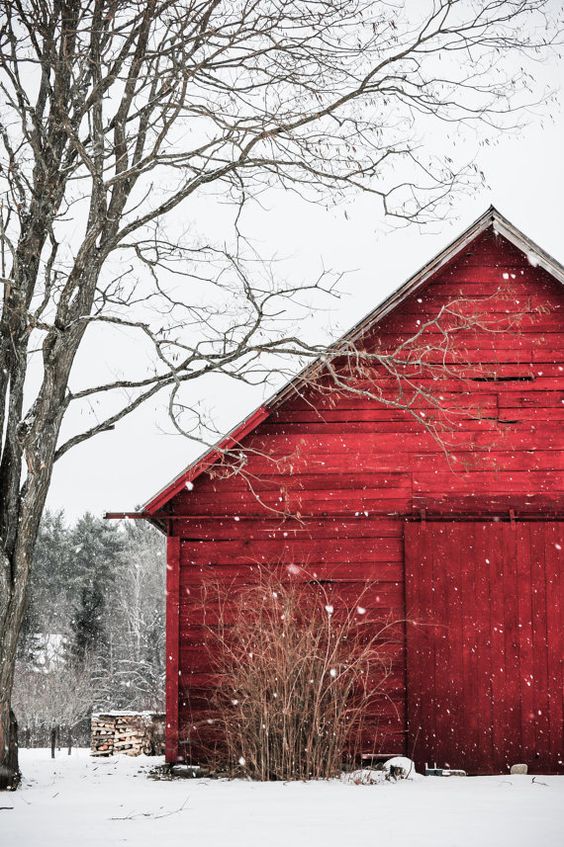
I was born and raised in small-town Illinois and the beauty of the landscape there — old farm houses set among fields and pastures, trains running to and from the small towns, the  woods and orchards that change with the time of year — has always had a strong pull on me. The seasons are rich and distinctive, and the snowy winter setting perfect for the Christmastime stories.

In the first book of the series, Christmastime 1940, we find that Charles Drooms’ past is deeply rooted in rural Illinois, and there are a few flashbacks to his boyhood and life on the farm that explain many of his decisions later in life.

In a later book, there’s a scene where Lillian works on a series of illustrations depicting the role of women on the farm. With so many men enlisted, women had to step into the workforce and fill jobs that had recently been held by men. Lillian draws on her memories of visiting Kate’s farm in the summer of 1941.
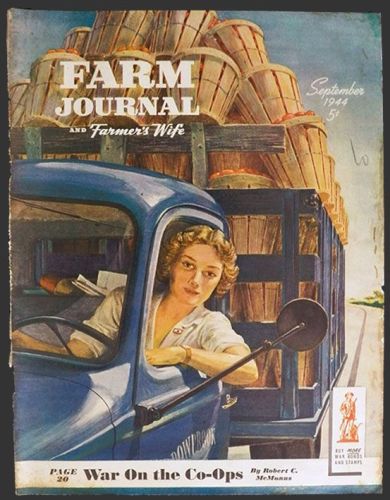
postere farm woman

Beginning in Christmastime 1943, a key storyline takes place on Kate’s farm involving her daughters, Ursula and Jessica, and the German POWs who work on the farm while Kate’s sons are away at war. The scenes depict the connection of living close to the land with the rhythms of the seasons, and the rigor and back-breaking work required by farm life.

The farm scenes help to portray a period when time moved more slowly, and a place where most foods were locally grown and cooking was done from scratch.

A time when the home arts played an important role in day-to-day living,

and small-town life offered simple charm and the opportunity for visiting and shopping.

The tension between the beauty and bleakness of the Midwestern winter landscape also serves to reflect the complexities in Ursula, a young woman often driven by opposing impulses.

And on a larger scale, the small town and farm scenes offer a counterpoint to the New York City scenes. The tranquility and wholesomeness of the countryside serve as a reminder of how much was at stake in the war.

The rural setting also represents the tens of thousands of young men, such as Kate’s four sons, who left their small towns and farms to fight in Europe and the Pacific. For many of them, it was the first time ever leaving home. For them, the very idea of “home,” and everything it symbolized, became a deeply cherished and protected ideal.

pie and chair

(For more images evocative of the world of Christmastime, please visit my Pinterest boards at http://www.pinterest.com/lindamahkovec/)

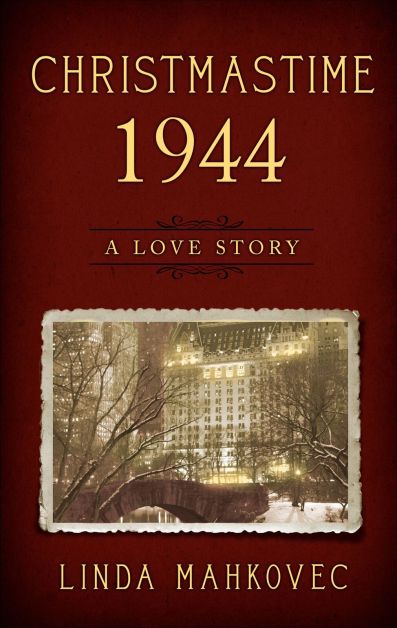
The Plaza Hotel – book cover

All the book covers in the Christmastime series feature an old-looking photograph set in winter. They to help establish a sense of place and give the impression of peering back in time. The images also portray places that are still in existence in Manhattan, so that the reader can feel it’s possible to step into the world of Christmastime by strolling through New York City, whether literally or imaginatively. Hence, the snowy photographs of a brownstone and several scenes from Central Park.

The covers must also reflect the content and tone of the books. I chose increasingly lonesome images and darker colors as the war years wore on, especially for Christmastime 1942 and Christmastime 1943.

Though 1944 was another terrible year, the Allies were clearly gaining the upper hand, and many people believed that the war in Europe would be over by Christmas. (The mid-December surprise count-offensive by the Germans, resulting in the Battle of the Bulge, quashed that hope, and the war raged on.)

But when December arrived, hope was in the air. For the cover of Christmastime 1944, I wanted an image that was lighter, brighter, and more hopeful. When I came across the image of the Plaza Hotel lit up at night, I thought it would be perfect for the story – especially since the hotel figures into one of the plots.

cover Christmastime 1944

If you’re ever in Manhattan, stop by the Plaza Hotel for lunch or tea. Stroll through the lobby to look at the beautiful bouquets of seasonal flowers, the mosaic floors, and the stained-glass ceiling in the Palm Court.


And if you’re in the Christmastime frame of mind, you just might catch a glimpse of a lovely woman in a 1940’s satin and chiffon green dress.

Plaza PP mosaic

Memorial Day — Thank You

My WWII Christmastime series takes place on the home front, mostly in New York City, with a secondary plot occurring on a farm in Illinois, and a bit of action on an orchard in upstate New York. Though the focus is on family and love and Lillian’s journey as an artist, the impact of the war is felt on every page. The veterans who make an appearance are either recovering in hospital, or are home on leave. Some are getting ready to ship out for the first time.

My father was a WWII vet. He enlisted when he was barely eighteen, joining the Army Air Force as a tail gunner. My siblings and I grew up with war stories that took place decades earlier. Mostly humorous stories about the other young men (boys, really) in his crew. He flew twenty-five missions in 1945 and said he was given the last rites before every mission, and a shot of whiskey on his return. He said when he came home at war’s end, his mother broke into tears — of happiness to be sure, but also because of the wear and tear on his face. He said that ice always clung to his face at the high altitudes, and pulled on the skin below his eyes, giving him the look of a much older man.

But he came back, whole, happy to be alive, eager to begin his life.

Yank

I continue to do research for the last two books in the series, Christmastime 1944 and Christmastime 1945. And though I have my dad’s Yank magazines, a few letters, and his medals, I wish he were still here. There are so many questions I haven’t found answers to in my research, so many questions I still want to ask him. I wish I could get out a pen and paper to take notes as I listen to his stories — and to tell him: Thank you.

Nimitz quote


Our veterans are our gold, full of courage, sacrifice, and experience. To all who have given so much — thank you.

vets stars blue


Valentine’s Day

There are so many ways to celebrate February 14th. There’s the traditional candlelight dinner, sending valentines to the children in your life, bringing flowers to your mother or grandmother, or perhaps some special tradition you have developed for yourself.

What comes to your mind when you think of Valentine’s Day? Most likely it’s a mix of memories from different periods in your life.


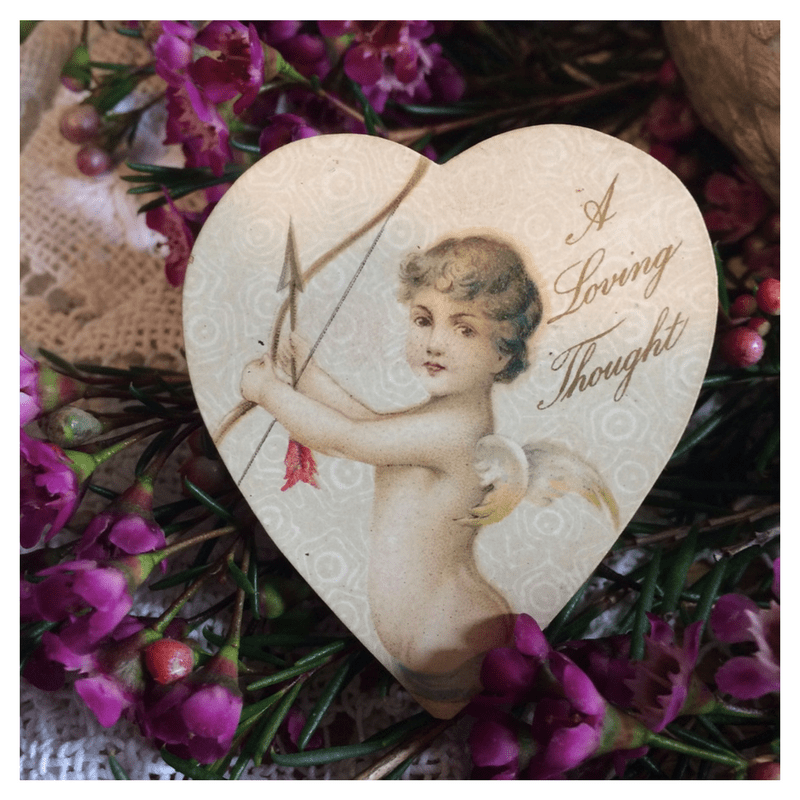
valentine birt

My earliest memories of the special day are from grade school. I remember going up to the dime store on the town square to buy boxes of valentines. Then the thrill of delivering them to the handmade envelopes taped to our desks and the even bigger thrill of discovering what was inside my envelope. I still remember one valentine I received in the second grade that absolutely dazzled me: a little puppy ran with a pale blue ribbon in its mouth, among hearts and flowers and silver glitter.

I also remember weaving strips of red and white paper to make a heart basket for my mom. And I remember the tiny red heart-shaped boxes of chocolates from my parents.

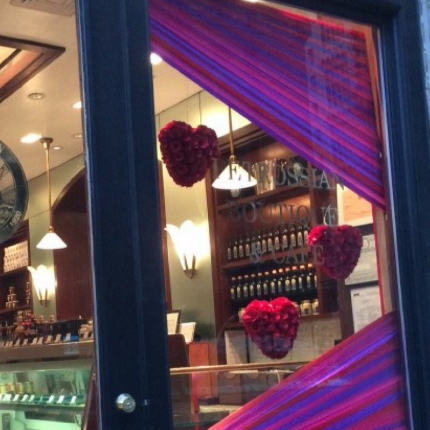
Many years later, I remember reading Chaucer’s “The Parliament of Fowls” in a medieval literature class, a raucous telling of the pairing up of birds for the winter, and possibly the first reference to Valentine’s Day as a day for lovers. And more recently on my way into work, passing stores with hearts and cupids in the windows, and the flower stalls bursting with bunches of roses and mixed bouquets.

Petrossian hearts

I like that in the heart of winter, often so cold and snowy, there is one day set aside for the expression of love.

Whether you celebrate traditionally or in a way that is uniquely yours, I wish you a day of love and tenderness and beauty.