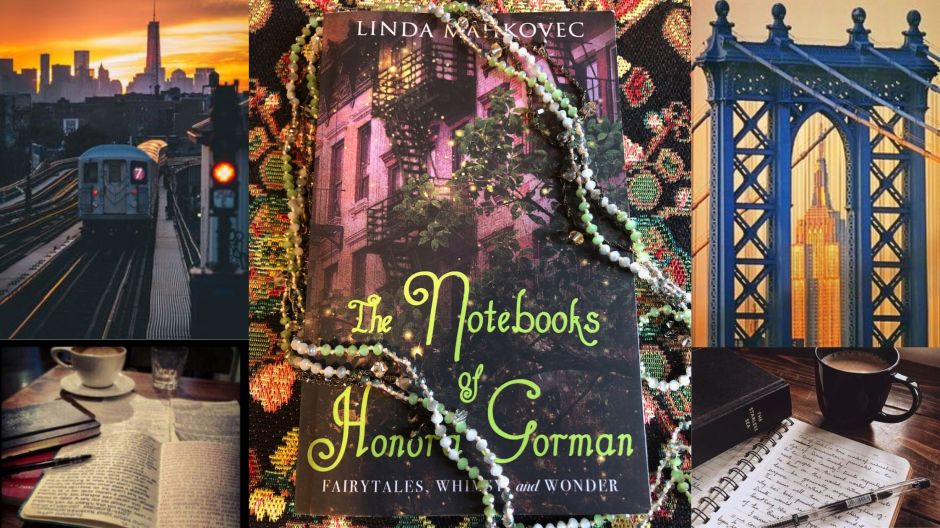
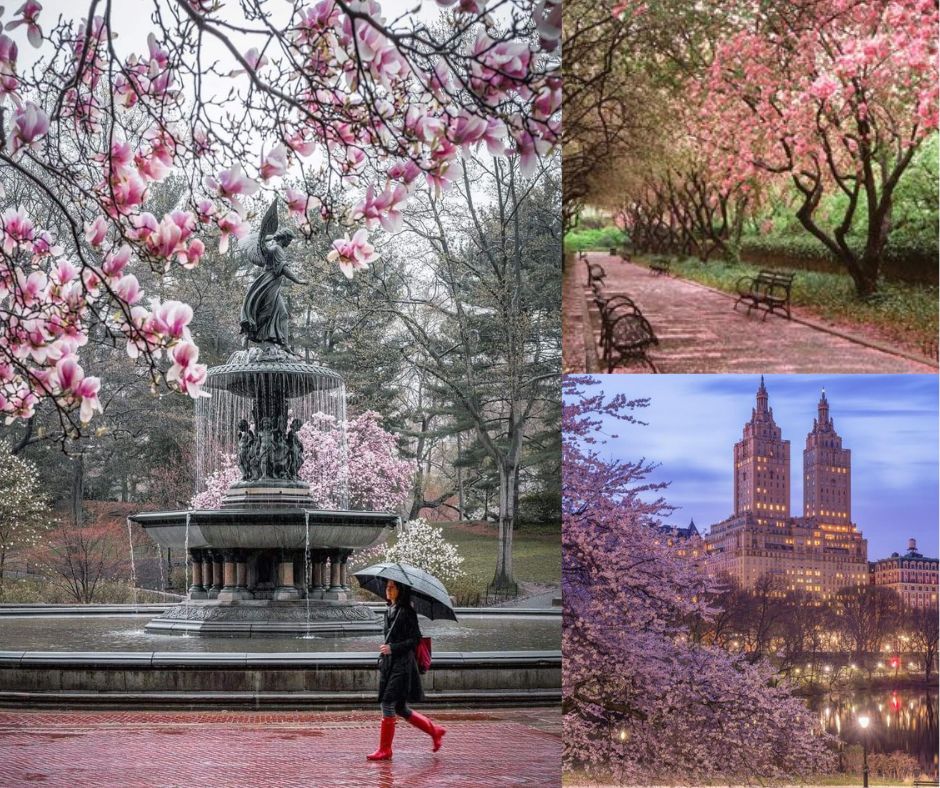
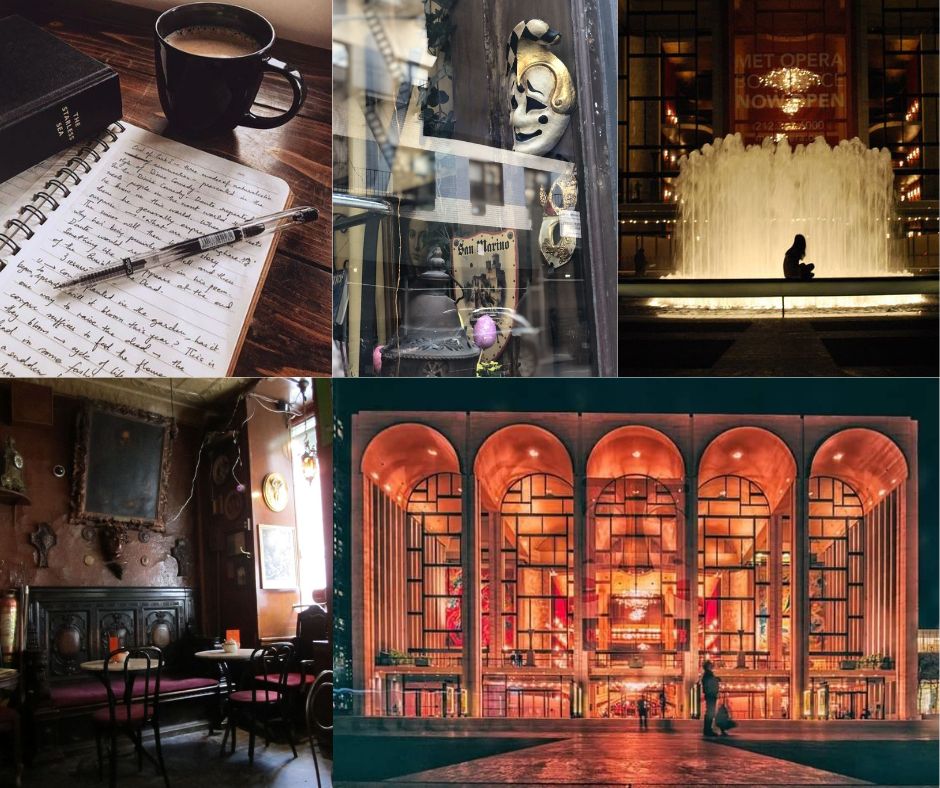
Behind the grit and grime, behind the crunch and crime,
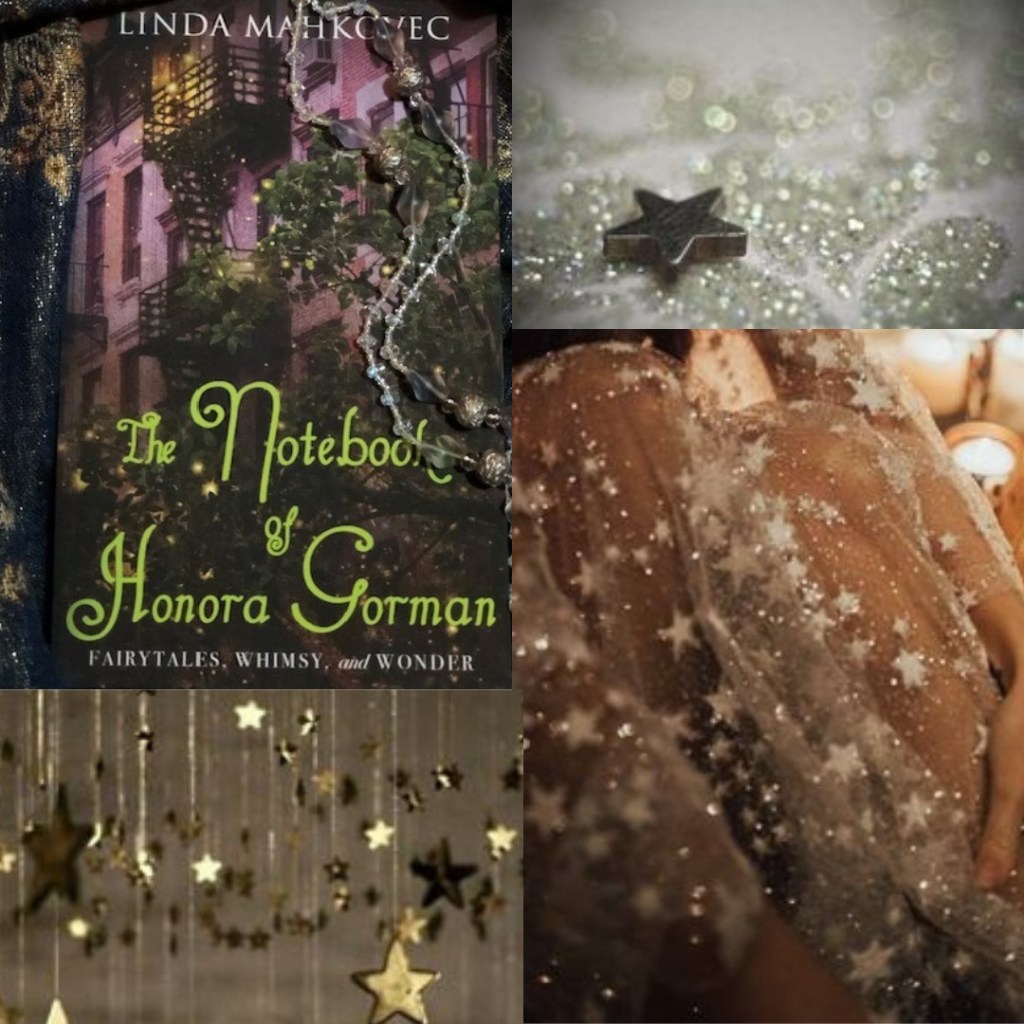
lies the magic and beauty of New York City — at least there once was for a would-be writer named Honora Gorman.
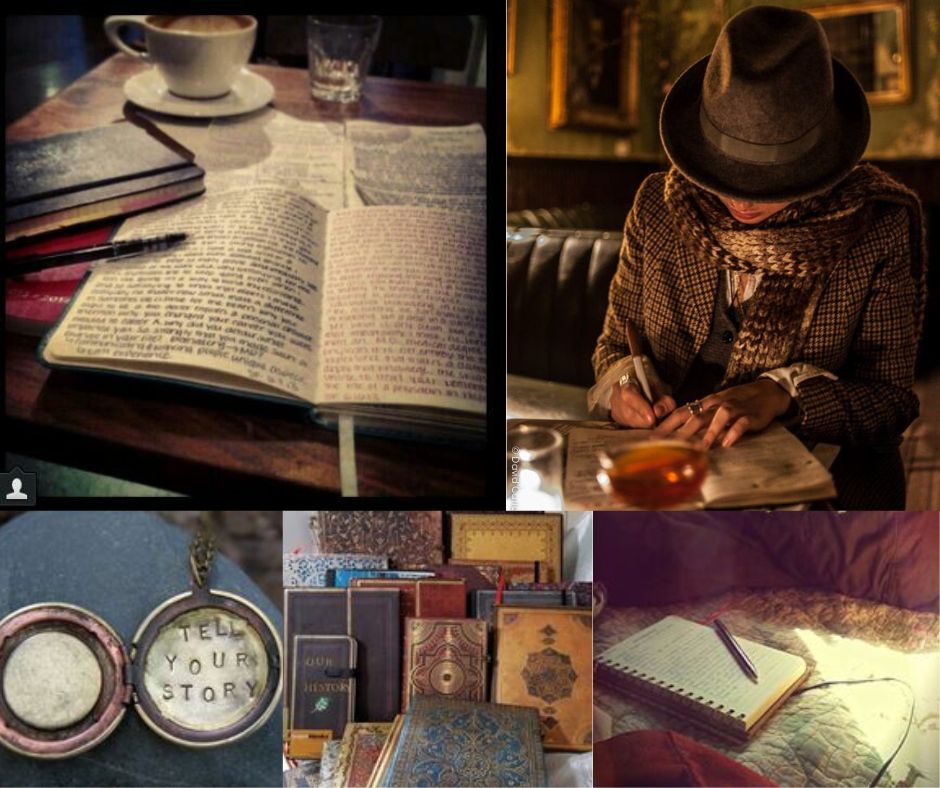
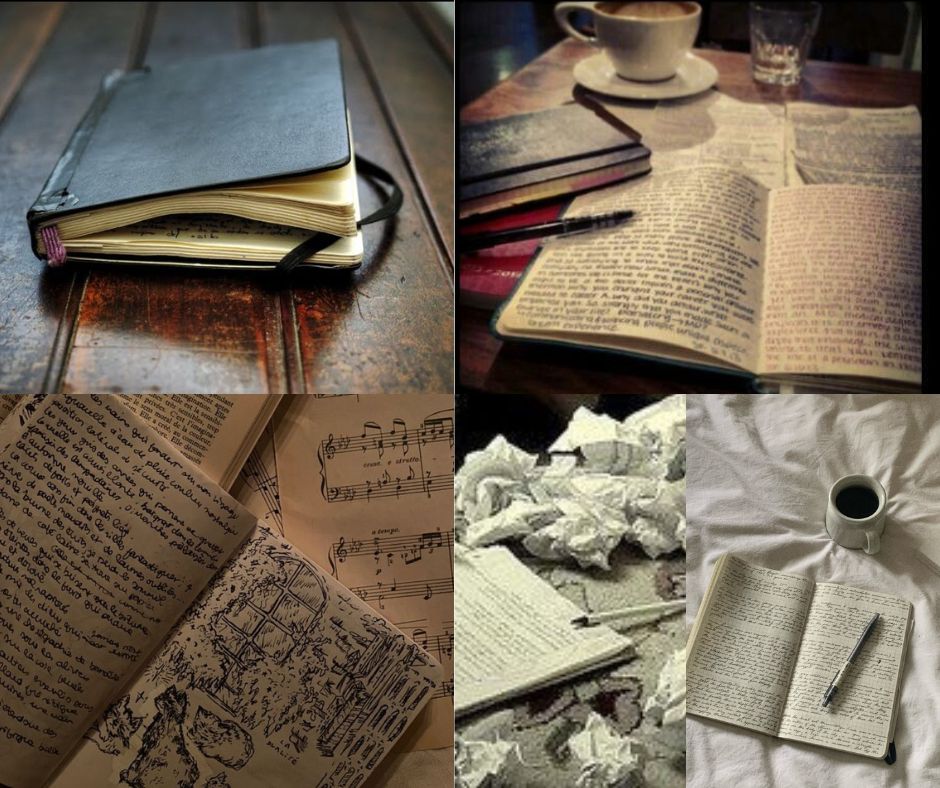
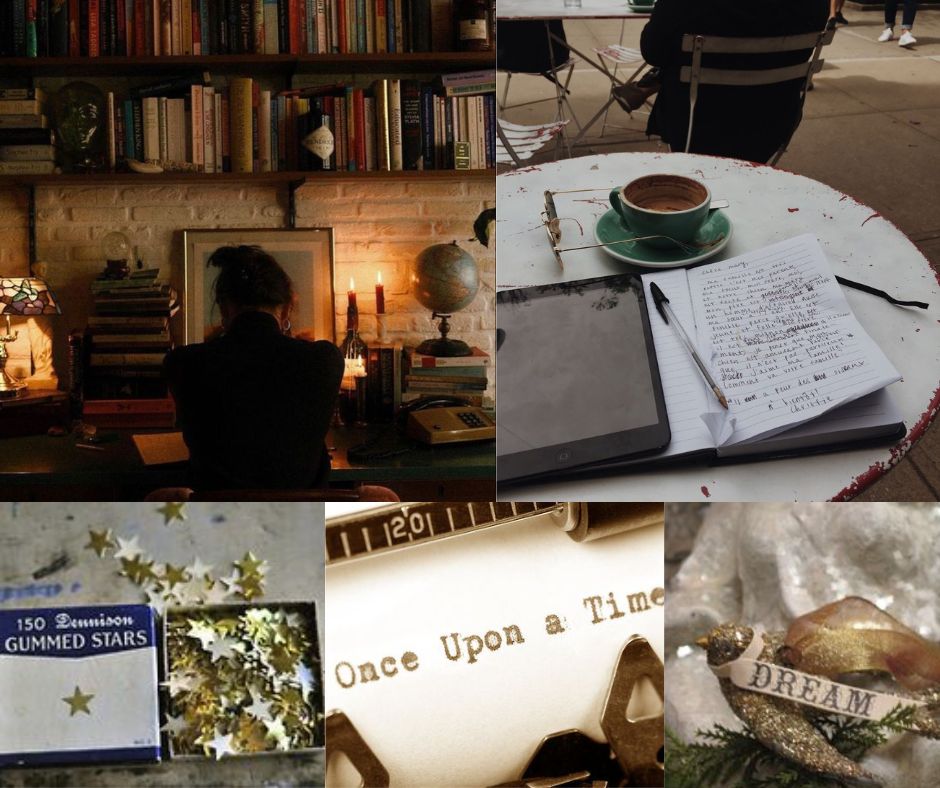
True, she was never published and her life tended to meander about well into old age. True, her notebooks gathered dust as she grew older, though she continued to buy new ones and fill them.
And true, the sparkling dream-like wonder of her first encounter with the city lost some of its luster over the years.
And yet — and yet, between the pen and the paper lay the the stubborn insistence that what she saw and felt was somehow essential, worthy of being recorded, and utterly beautiful in a strife-filled, struggling sort of way.
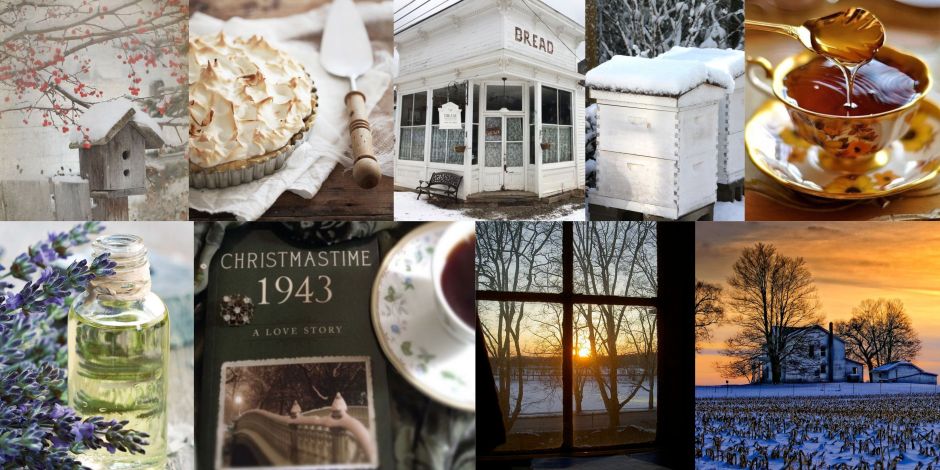
At this time of year, I begin to wonder what Kate and her daughters would have done to get through the long, cold winters on the farm. Especially on days when they were snowed in, or the outside world was too frigid for enjoyment.
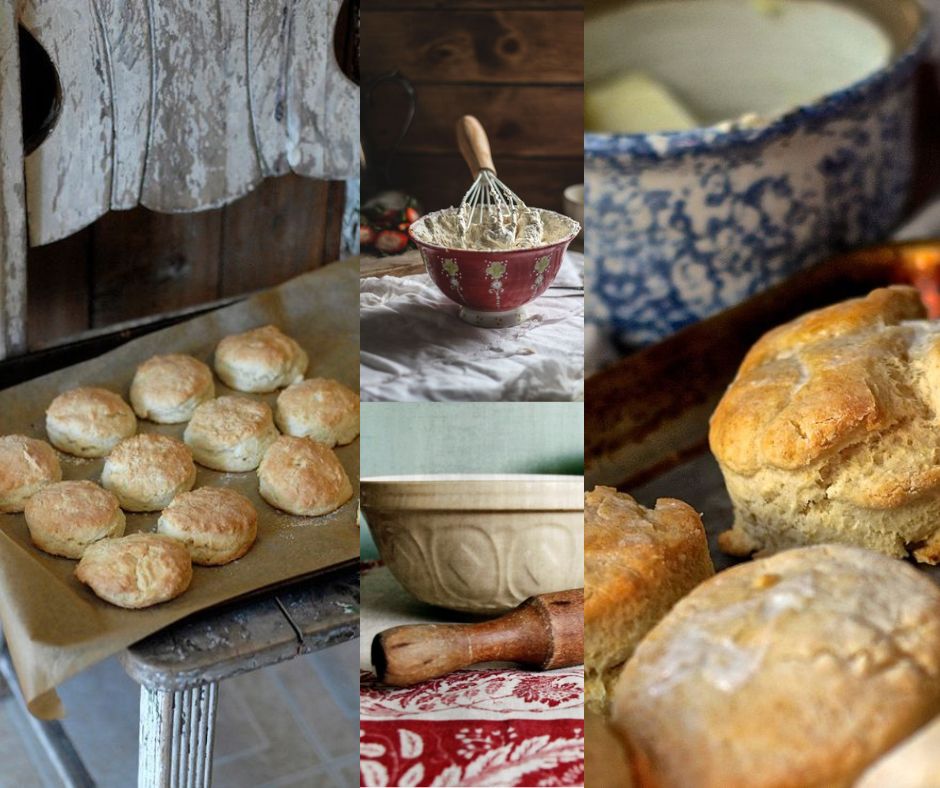
I imagine Kate would have kept busy with mending and darning and the daily chores of farm life. But I also see her in the kitchen, making something special for her family. An unexpected surprise that would warm the kitchen and fragrance the farmhouse.
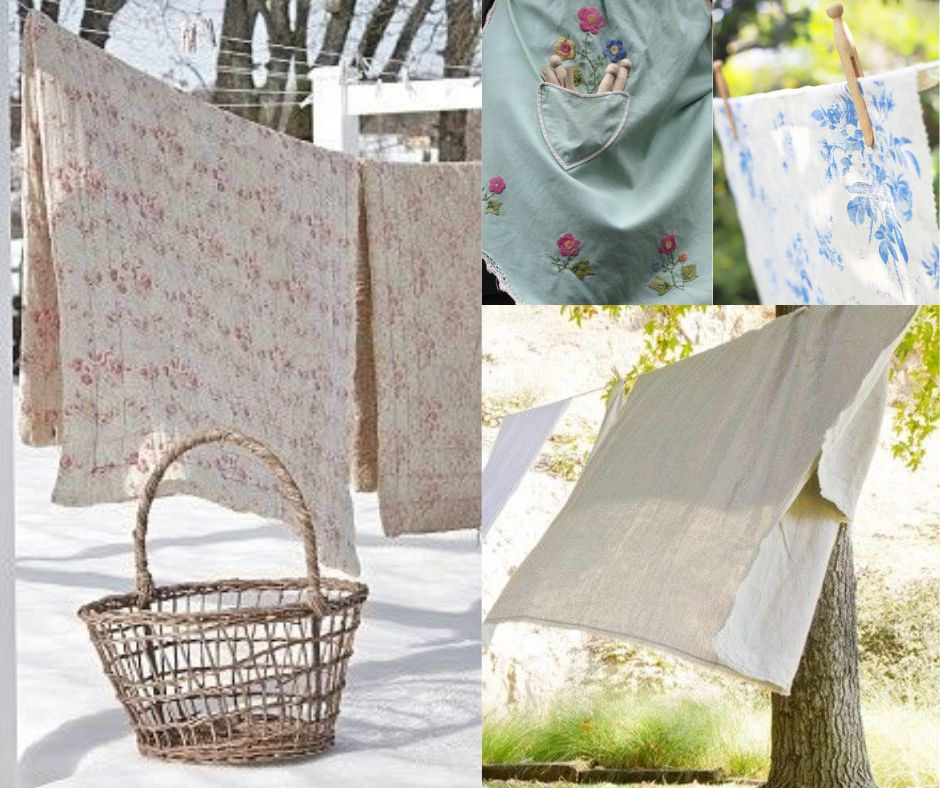
In addition to their other chores, Ursula and Jessica would have been busy with weekly laundry and ironing – perhaps remembering springtime clotheslines as they gathered the cold laundry off the line.
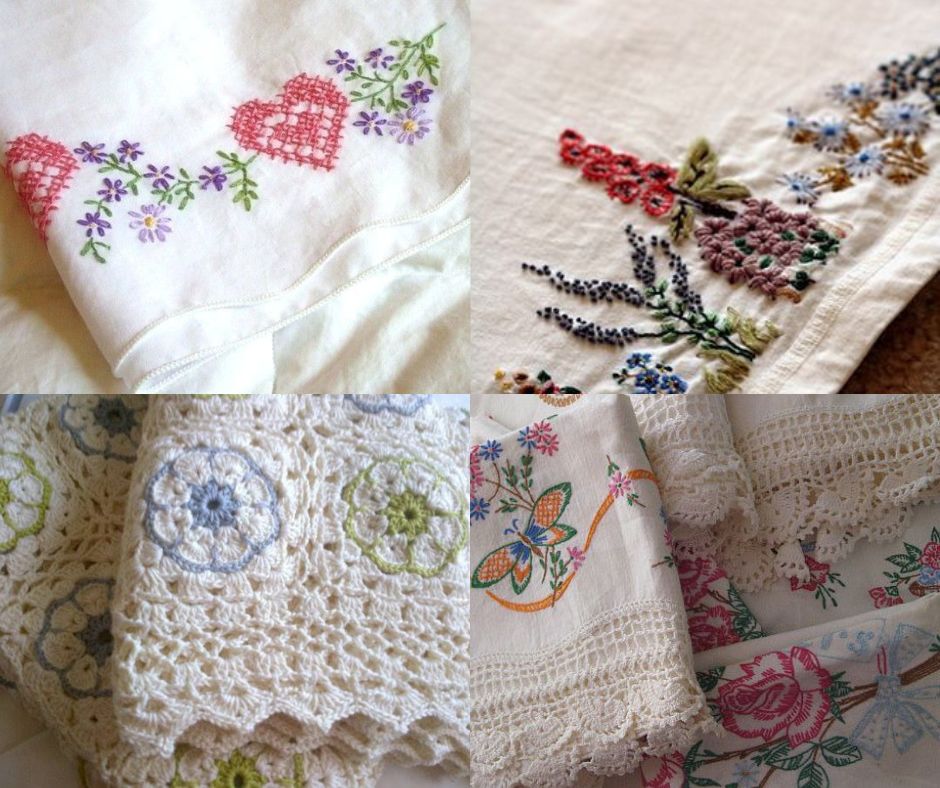
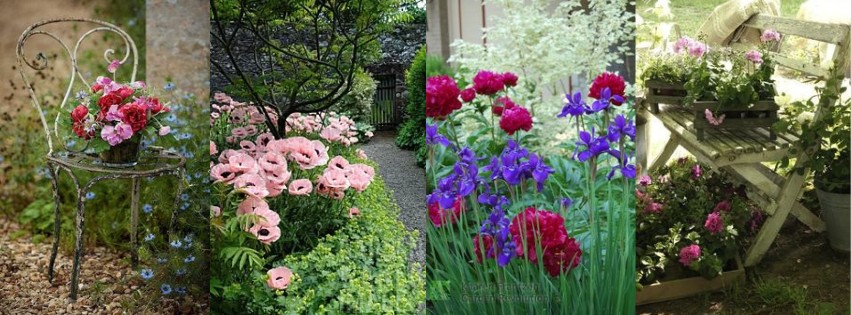
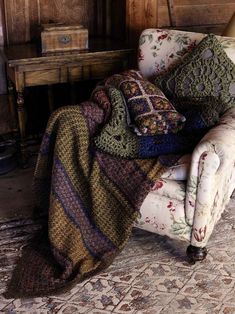
As they listened to the radio at night, they might have crocheted or embroidered the flowers they longed for, as a way of creating a bit of springtime.
They would have continued their projects with the dried lavender gathered over the summer, making oils for baths and sachets to fragrance bed linen and nightgowns – a way of encouraging memories of spring before asleep.
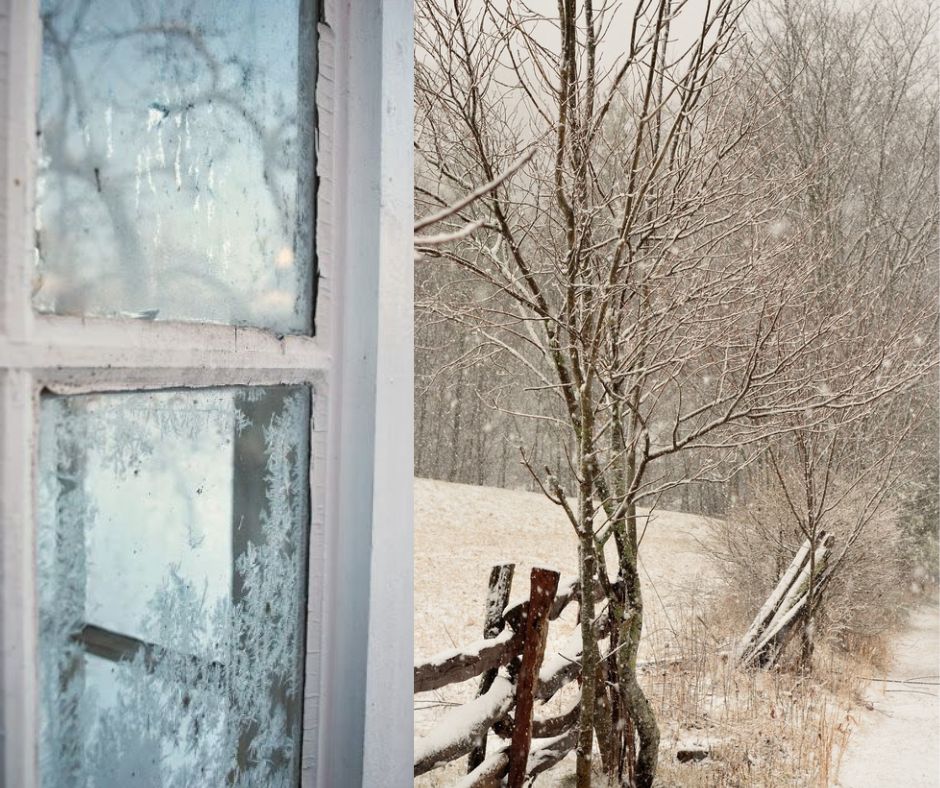
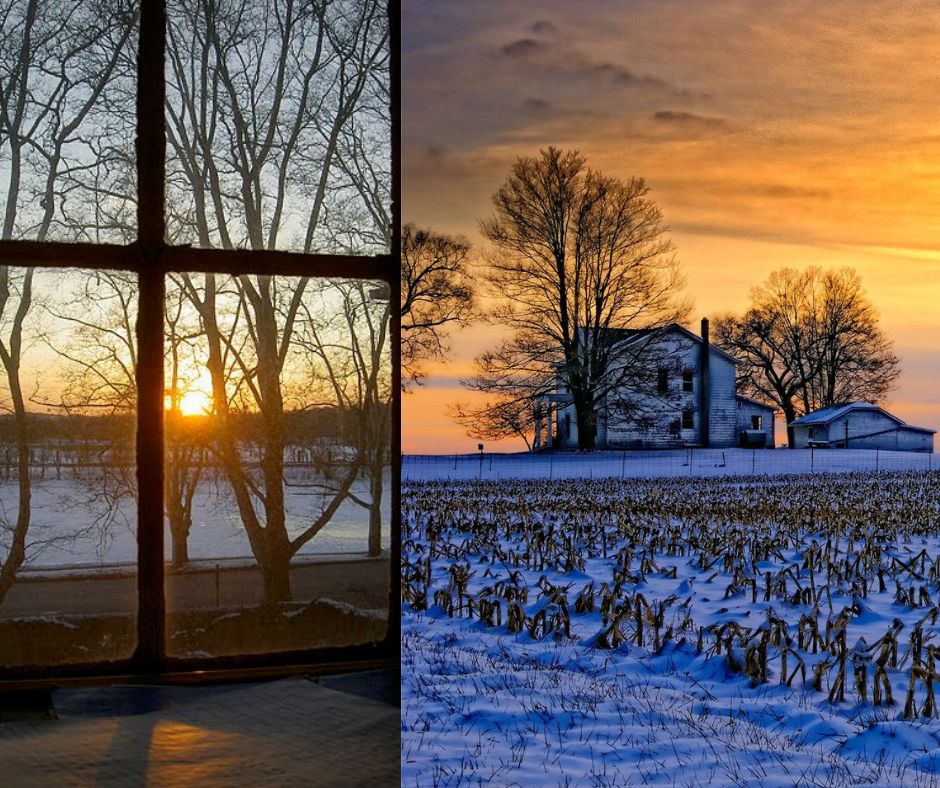
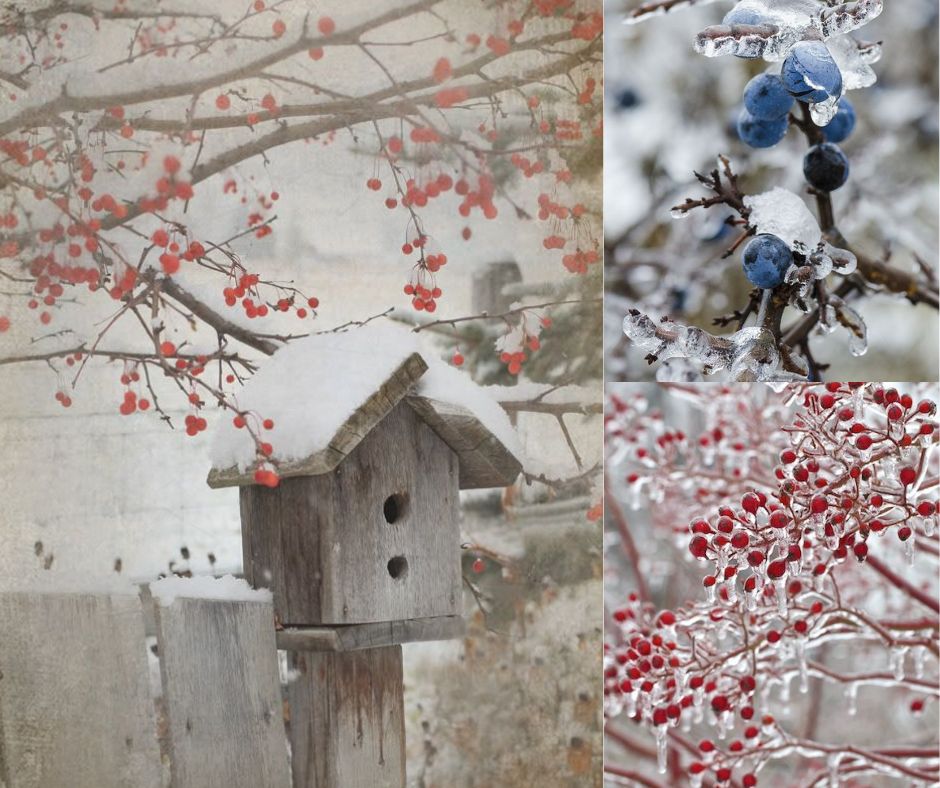
I see them all pausing at the windows, searching for color out in the snowy, white world
and imagining the garden in bloom, the beehives full of honey.
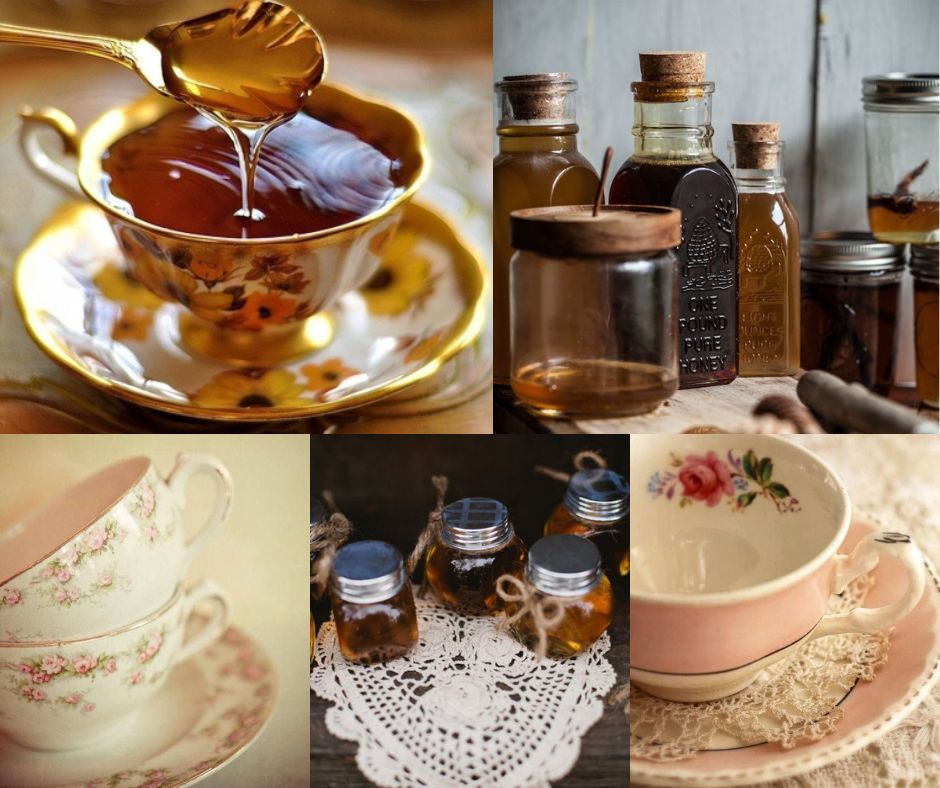
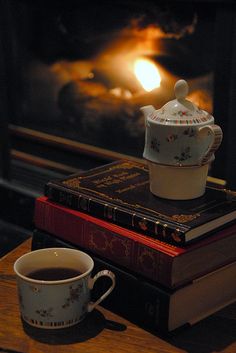
Such thoughts might prompt them to make a cup of tea with honey, to warm up and savor the hint of wildflowers.
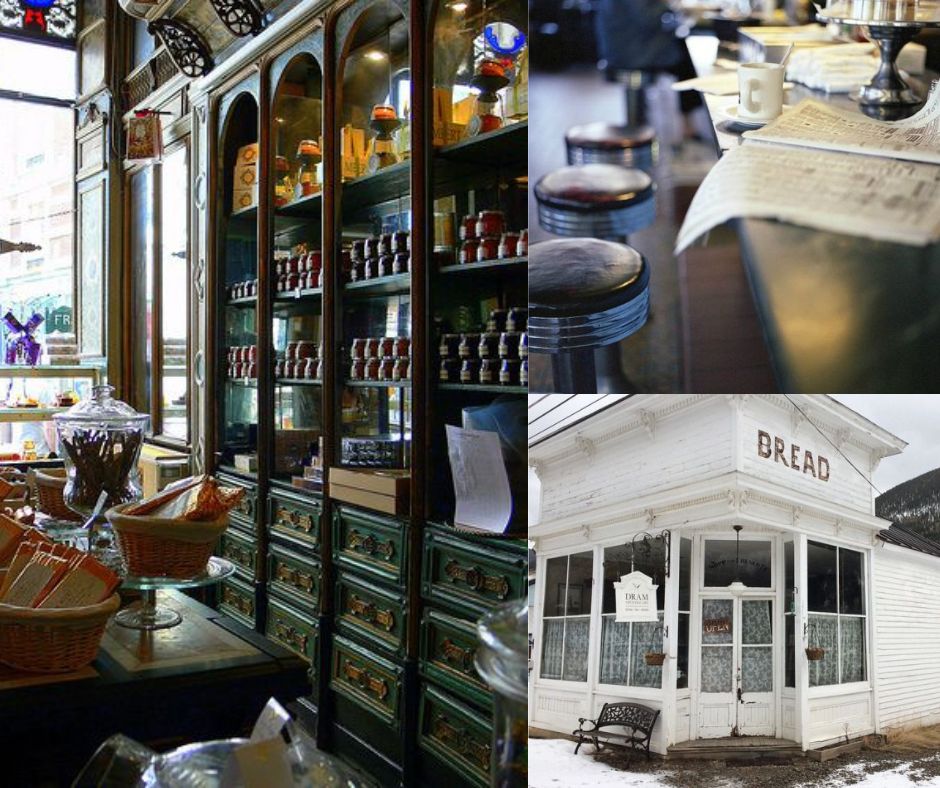
Maybe they would have gone into town with their brothers to run a few errands and catch up on the local news, finding warmth and vitality in the company of friends and neighbors.
In short, they would have done many of the things they did throughout the year – but everything now would be tinged with a wistful longing for the colors and scents of warmer months. It was second nature to them to bring touches of springtime into their lives and spread a little warmth and sunshine into the heart of winter.
(Though Kate and her family are mentioned in the earlier Christmastime books, the farm plots really blossom beginning in the 1943 book.)
Woven into the Christmastime series is the celebration of the season, where the brightness of the holiday contrasts with the darkness of war – opposing elements that help to shape the storylines.
Much of the bright cheerfulness of Christmas comes from deep-rooted traditions: enjoying family and friends over delicious meals,
the sharing of festive treats,
the old-fashioned joys of finding your Christmas tree and decorating it,
the child’s delight in Santa Claus and flying reindeer,
the thrill of a white Christmas.
Layered into the spiritual element that defines the season is the pervasive beauty that fills this time of year:
the deep resonance of traditional music and the joyful togetherness of caroling,
the fragrant woodsy beauty of pine trees, garlands, mistletoe and holly,
decorations that delight the eye and lift the spirit.
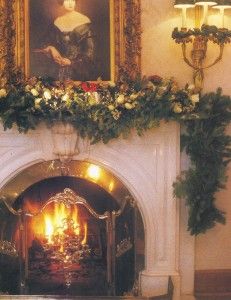
And perhaps the oldest and purest source of comfort and beauty comes from light in the darkness: the original form of fire found in bonfires, fireplaces, candles,
the old-fashioned multi-colored bulbs of my youth,
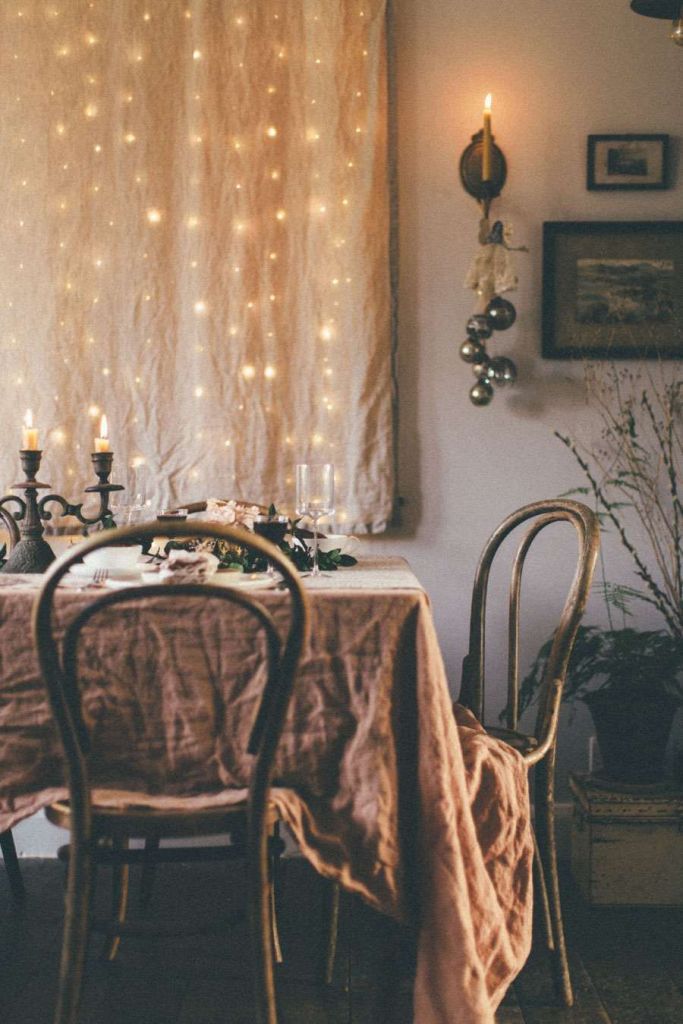
and the more recent fairy lights that bring a sense of twinkling magic.
All add nighttime magic, and comfort in the longer, colder nights.
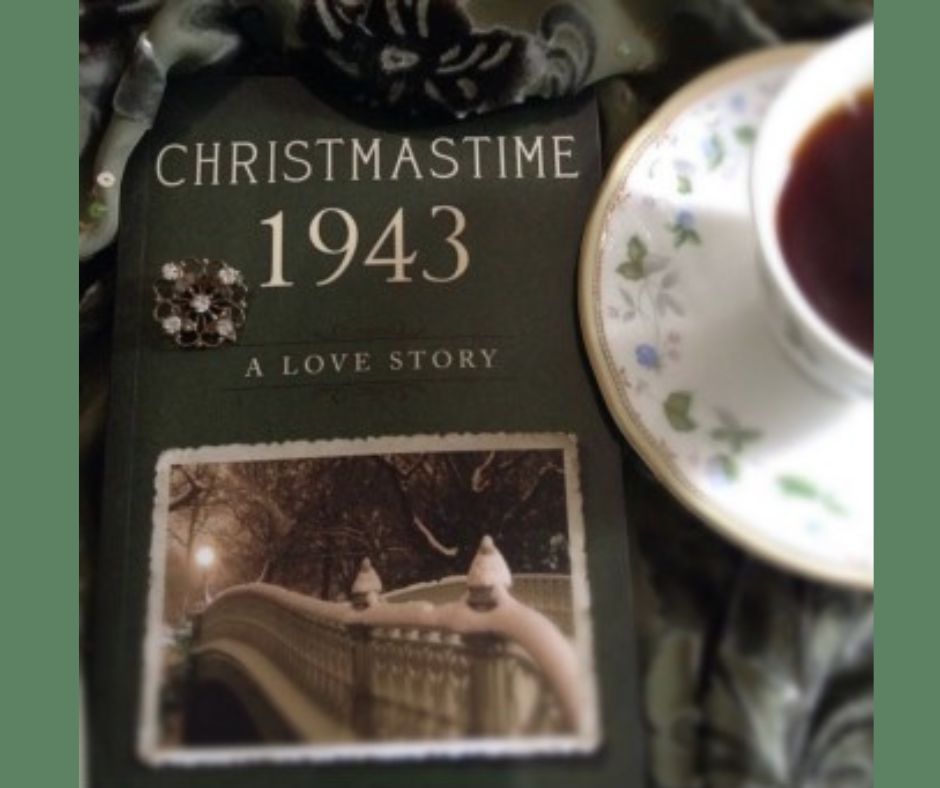
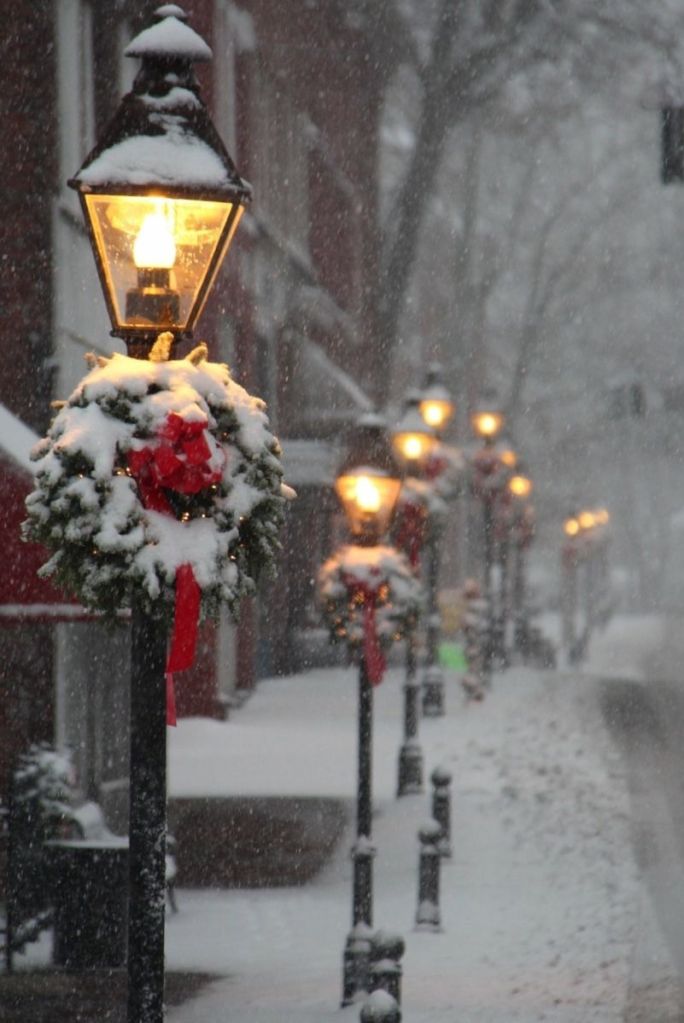
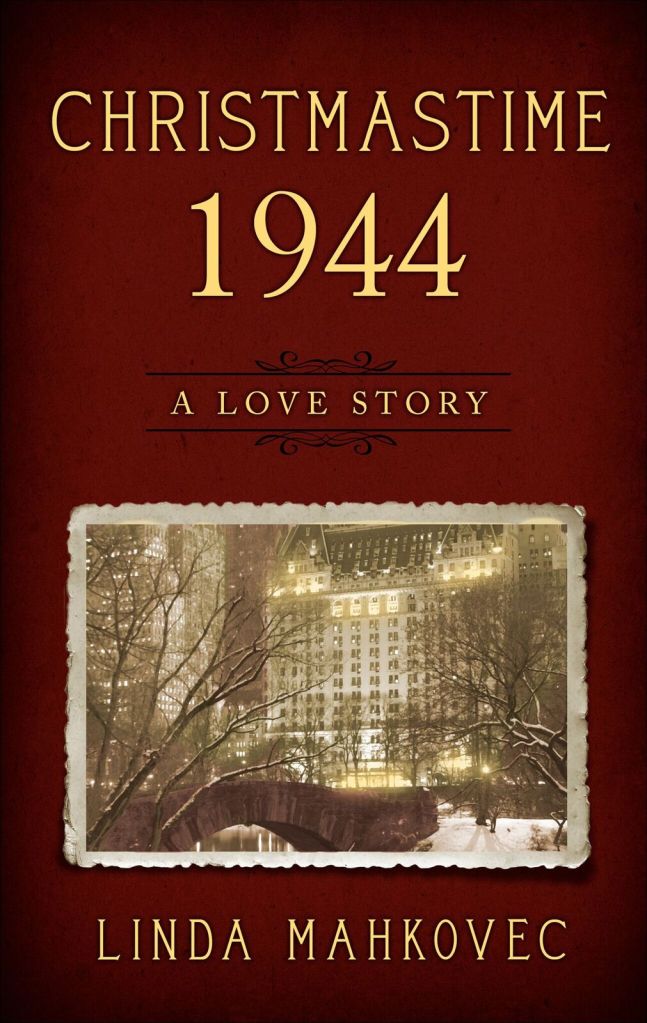
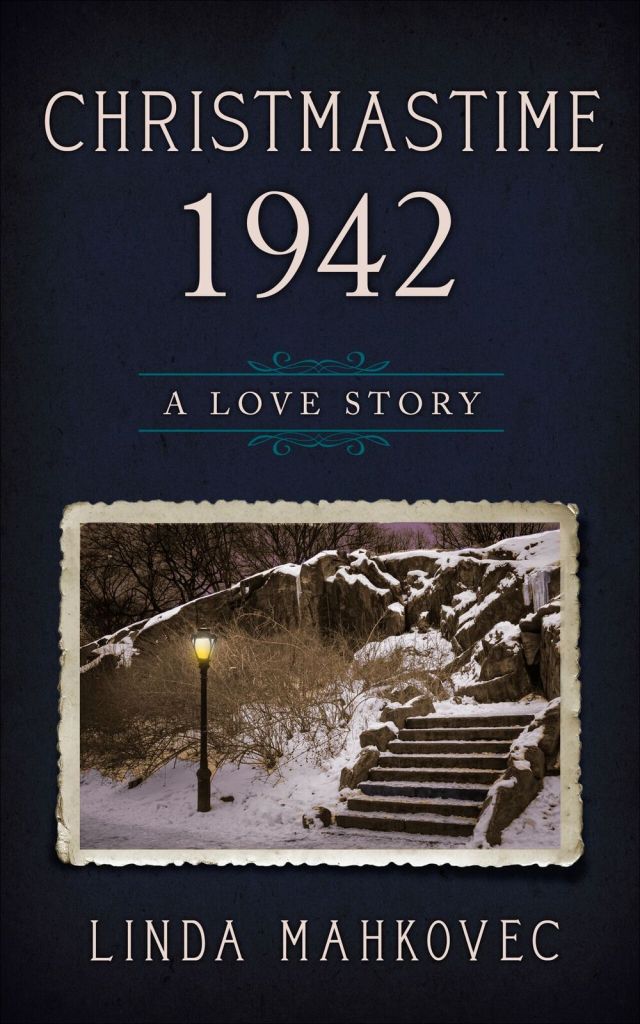
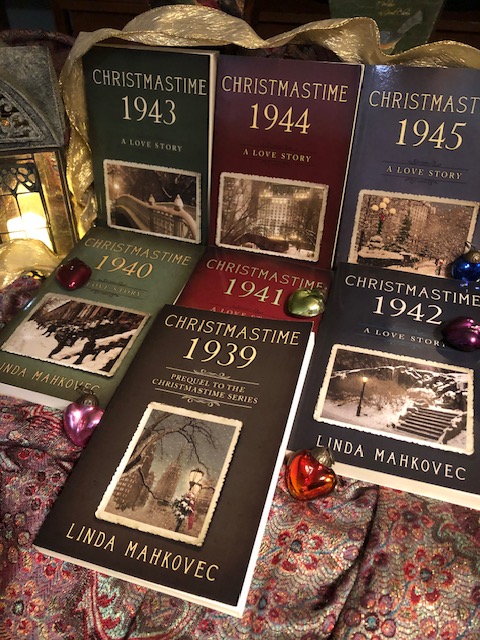
I try to capture this contrast of light and dark in the covers of the Christmastime series. Lampposts glowing in the twilight and a city lit at night, symbolizing hope and the end of war,
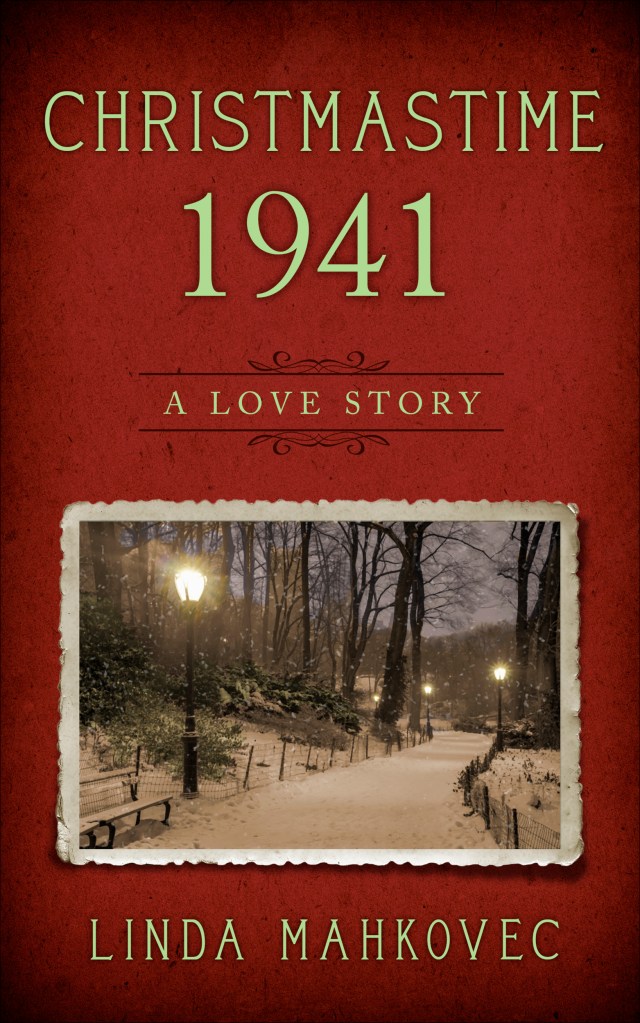
Fewer, or a lonelier, single lit lamppost to reflect the darkest years of the war,
and the beauty of lamplight on snow, tinged with wistful yearning, for the new 1946 cover.
Christmas lights. In the long, cold nights of winter, they offer hope, comfort, magic, and beauty.
My latest book in the Christmastime series, CHRISTMASTIME 1946: A LOVE STORY, focuses on women in the workforce and the mixed feelings they had when the war ended and it was time for them to give up their jobs.
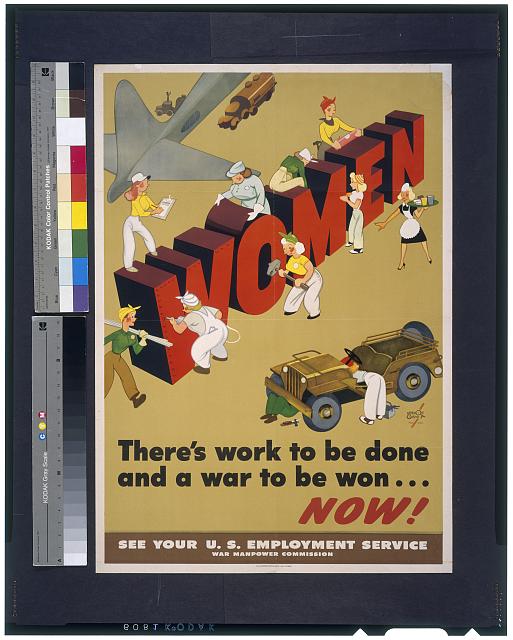
In WWII, the U.S. experienced a severe labor shortage as millions of men left to fight. The solution was to use women, along with minorities, immigrants, people with disabilities, teenagers, older adults, and retirees.
Before WWII, women were already working in large numbers (roughly 13 million) but in predominantly low-paying jobs: domestic service, clerical jobs, teaching, nursing, and textile factories. Most working women were young, lower-income, and single.
Landscape
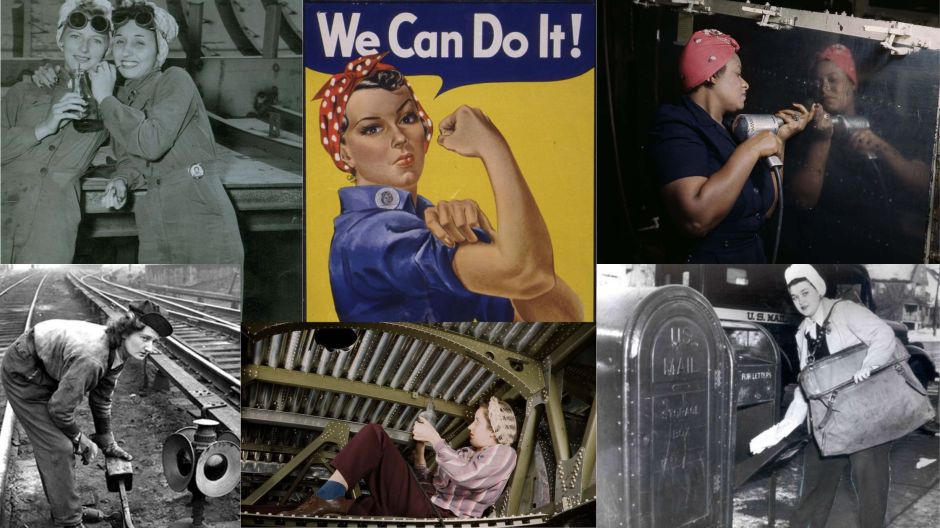
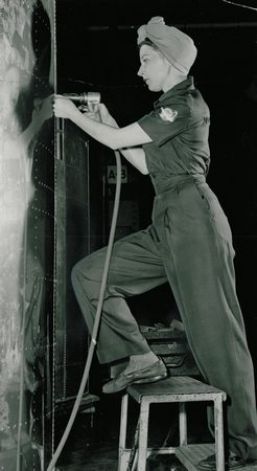
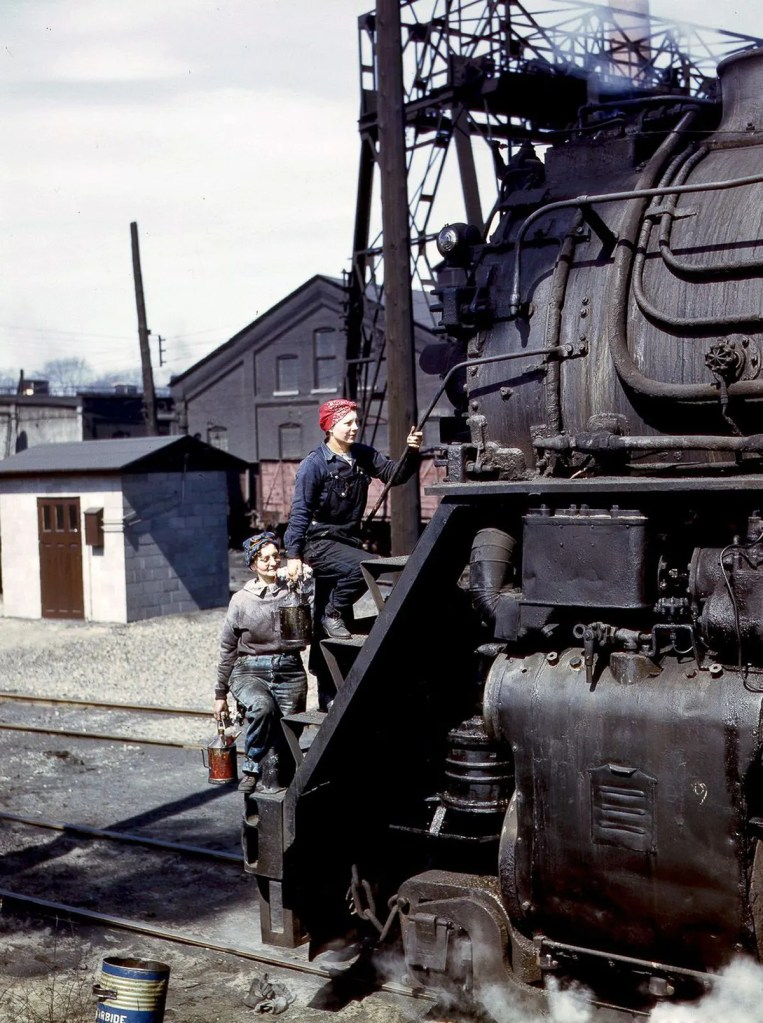
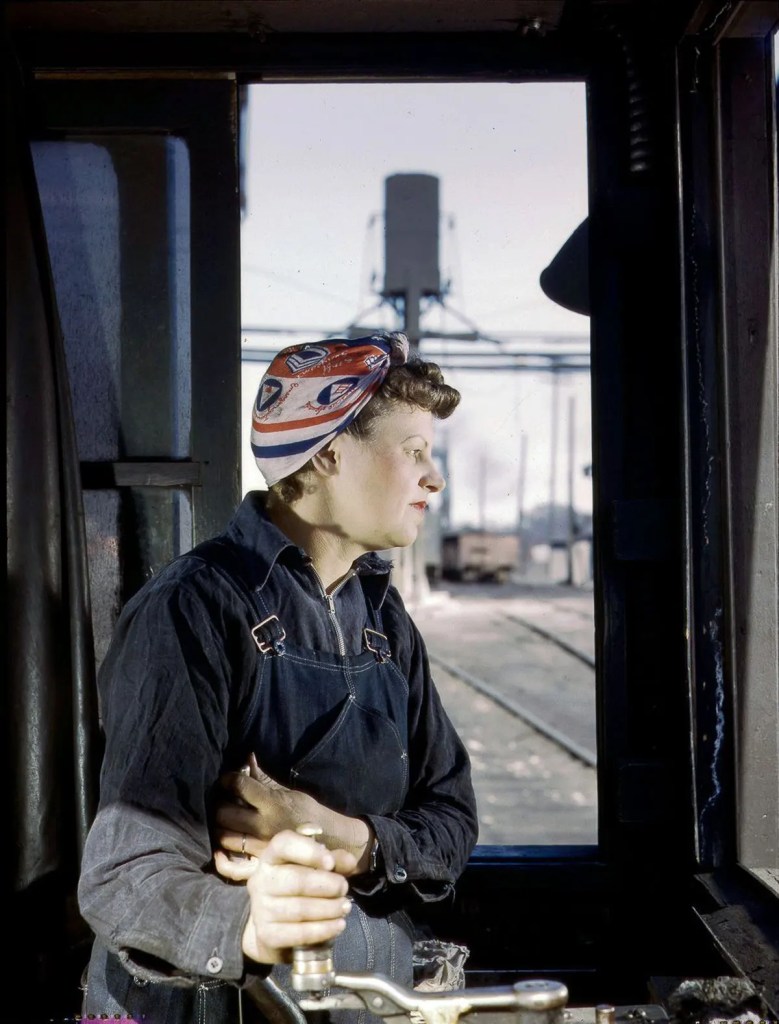
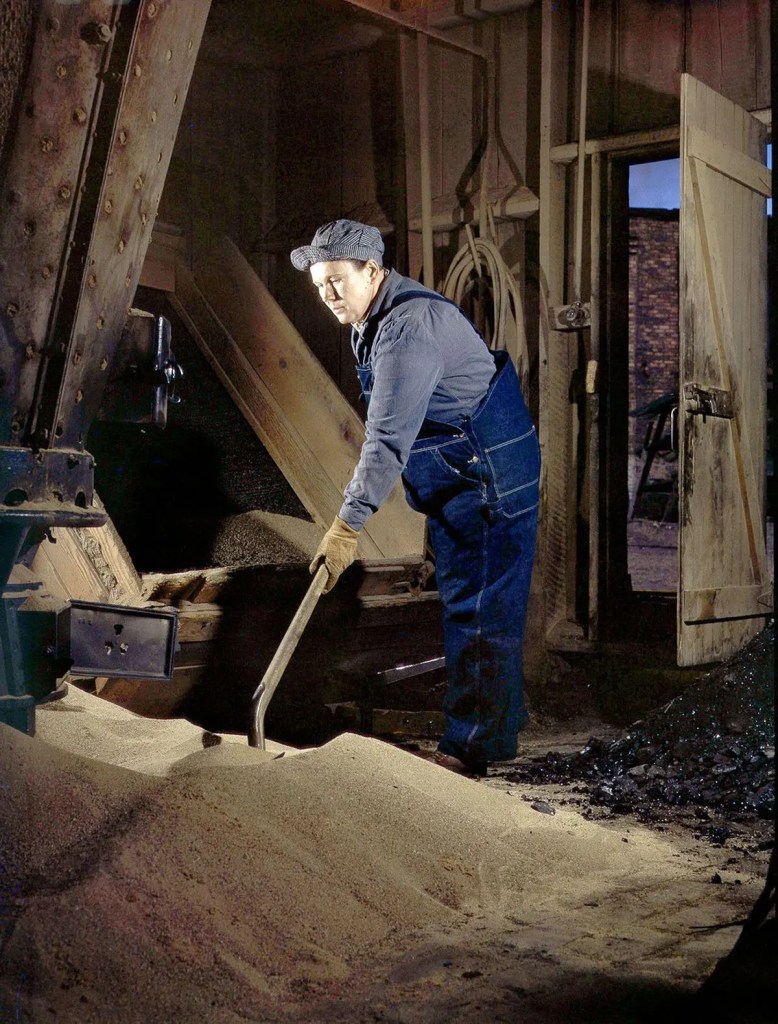
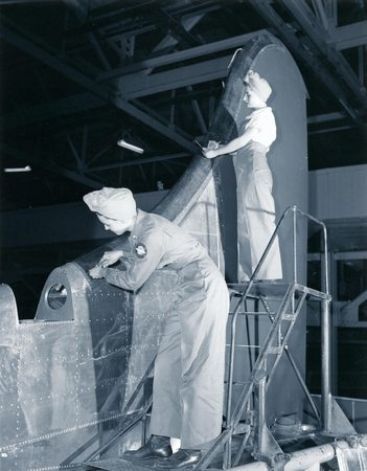
To fill the labor gap created by the war, over 6 million additional women joined the workforce – building aircraft, assembling tanks, producing munitions, and working in shipyards. They became welders and riveters, machinists and crane operators.
Others kept the country running – working as nurses and firefighters, managing offices, driving trucks and buses, working on the railroads,
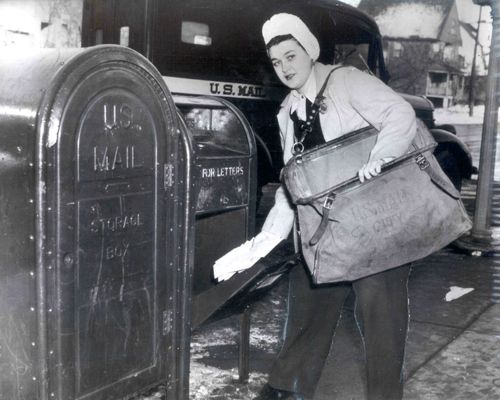
delivering mail, working on farms and in food production, and countless other jobs.
Though it’s easy to idealize this period of opportunity for women, for many, it was grueling, hard work.
The war enabled women to move into higher-paying, traditionally male-dominated roles. However, it was clear from the beginning that it would be only “for the duration.” After the war, women were expected to leave their jobs to make room for returning servicemen. Rosie the Riveter had to go home.
Working women were essential to the war effort and they proved just how capable they were. While many were only too happy to return to their prewar lives, others grappled with a deep sense of loss — of higher-paying jobs, of greater freedom and independence, and of the profound satisfaction that came from being part of something larger.
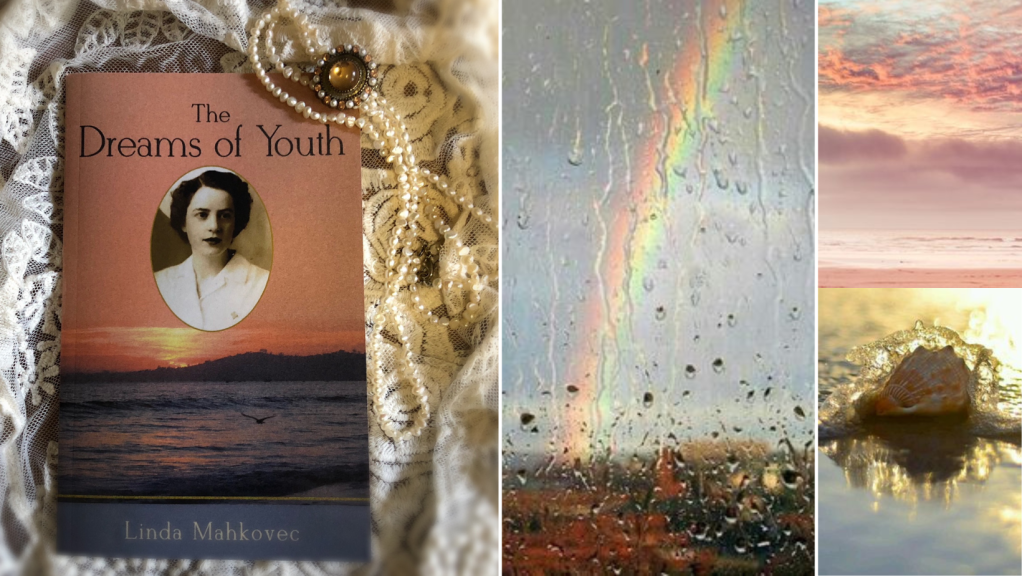
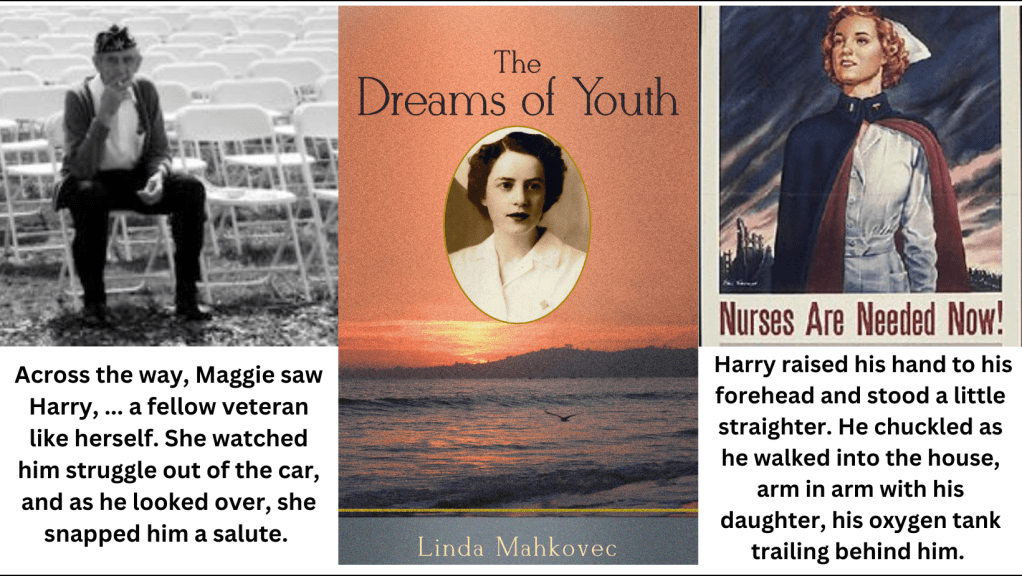
My first two books, The Dreams of Youth and Seven Tales of Love, are also my shortest. They can easily be read in an hour or less. They are collections of short stories and sketches that, overall, tell a larger story.
Particularly with The Dreams of Youth. In large part inspired by my mom’s life (though with plenty of creative license taken), six interrelated pieces tell the story of a lifetime in 48 brief pages.
I have a soft spot for these two books. They were compiled years ago on discovering that I could publish my books through Amazon – no agent or publishing house needed (both were first published in 2012, then re-published with indie-author-friendly Bublish in 2016). My lifelong dream of being a writer was now possible, with me in full control! Because I originally wrote them under a pen name (Agnes Irene), I felt free to be a little more creative with the form, mixing sketches with poetry, sometimes using impressionistic language, and tapping into the other eras, particularly WWII.
And in The Dreams of Youth, I used lines from Longfellow’s poem, “My Lost Youth,” as chapter headings. I was always deeply moved by the refrain from that poem – “And the thoughts of youth are long, long thoughts” – and allowed that inspiration to shape the book. Most of my subsequent books are written in the traditional novel format – except for The Notebooks of Honora Gorman, which is also a compilation.
I don’t often promote my two short books because there isn’t much of a market for them (and to avoid getting negative reviews by people who are disappointed by their length). But for the month of June, I’m lowering the price of The Dreams of Youth to $0.99 in hopes that it will be read and reviewed by readers who are familiar with my style of writing. https://a.co/d/0nIjxUn
To all my readers who have already read and reviewed this book, THANK YOU! And to any new readers, I hope you enjoy it!
https://a.co/d/0nIjxUn – ebook on Amazon. Also available on Google Play, Apple Books, Kobo, and B&N. Soft cover available on Amazon and B&N.
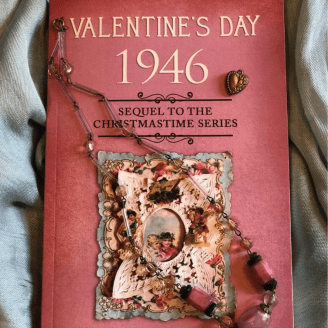
In the heart of winter, Valentine’s Day. In the heart of winter, love.
Many of my books focus on love stories, such as the Christmastime series and the short story collection Seven Tales of Love. Other books have themes of love woven into the larger stories, as in And So We Dream, and The Garden House.
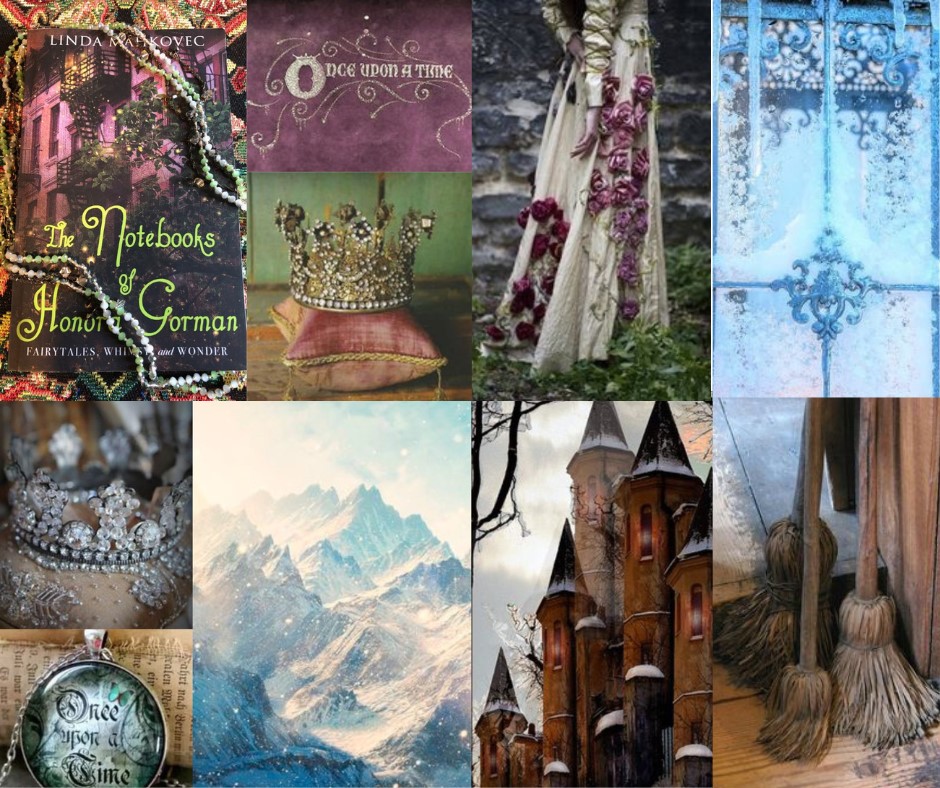
In The Notebooks of Honora Gorman, in addition to the “Cinderella” thread, several of the whimsical fairytales present romantic love: “Thaddeus and Emma,” “The Golden Blanket,” and “Natasha.”
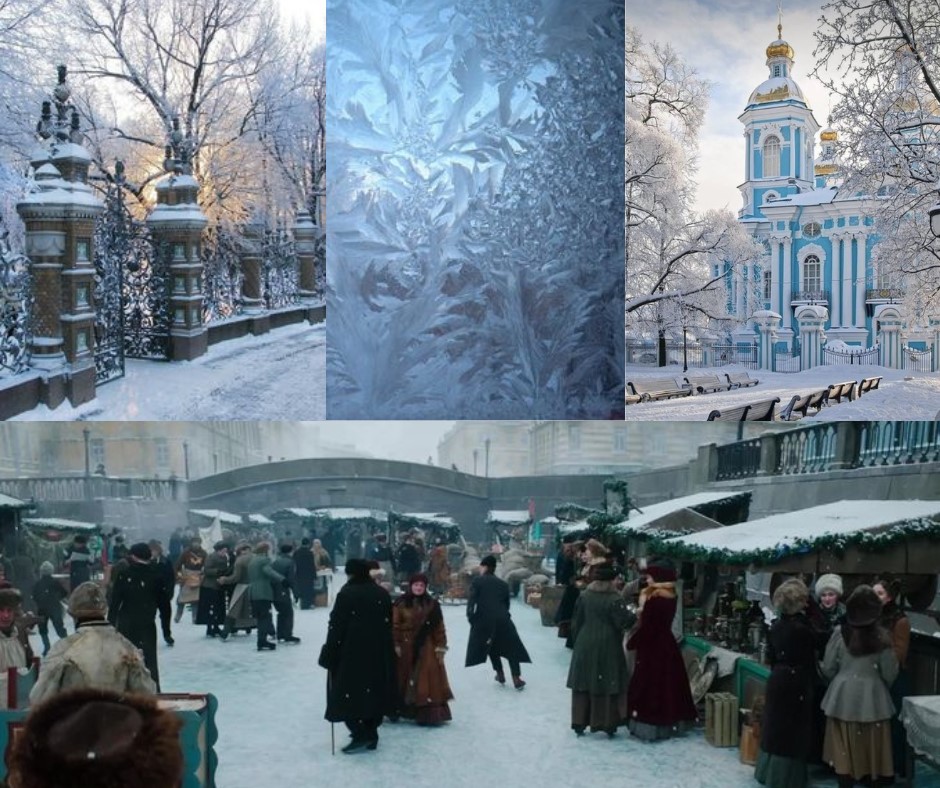
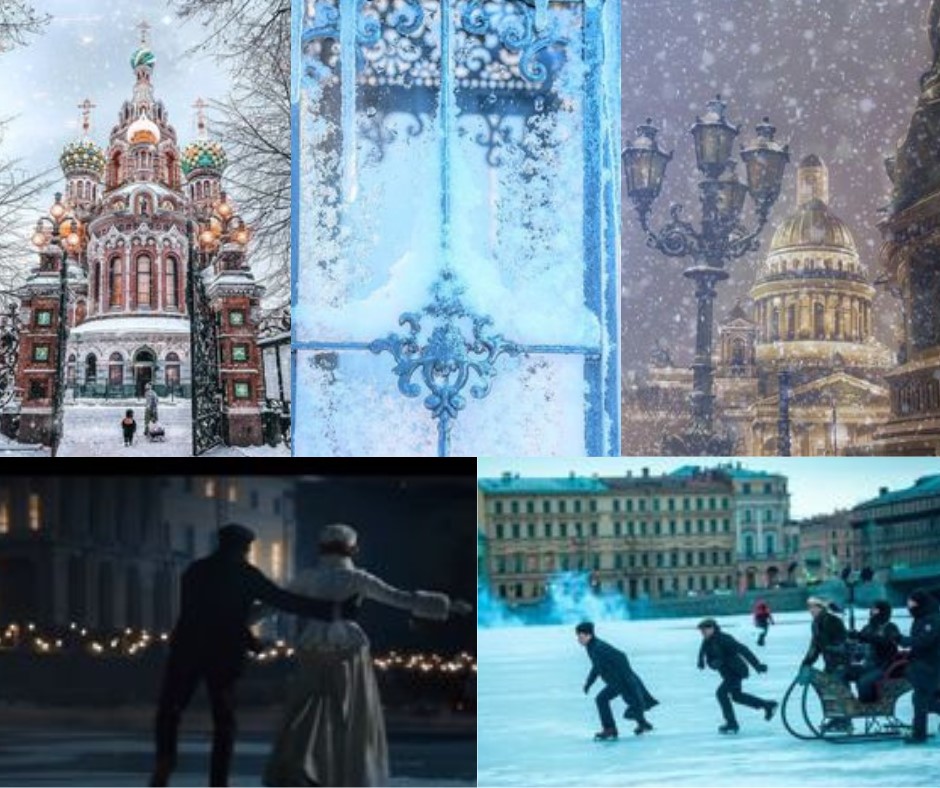
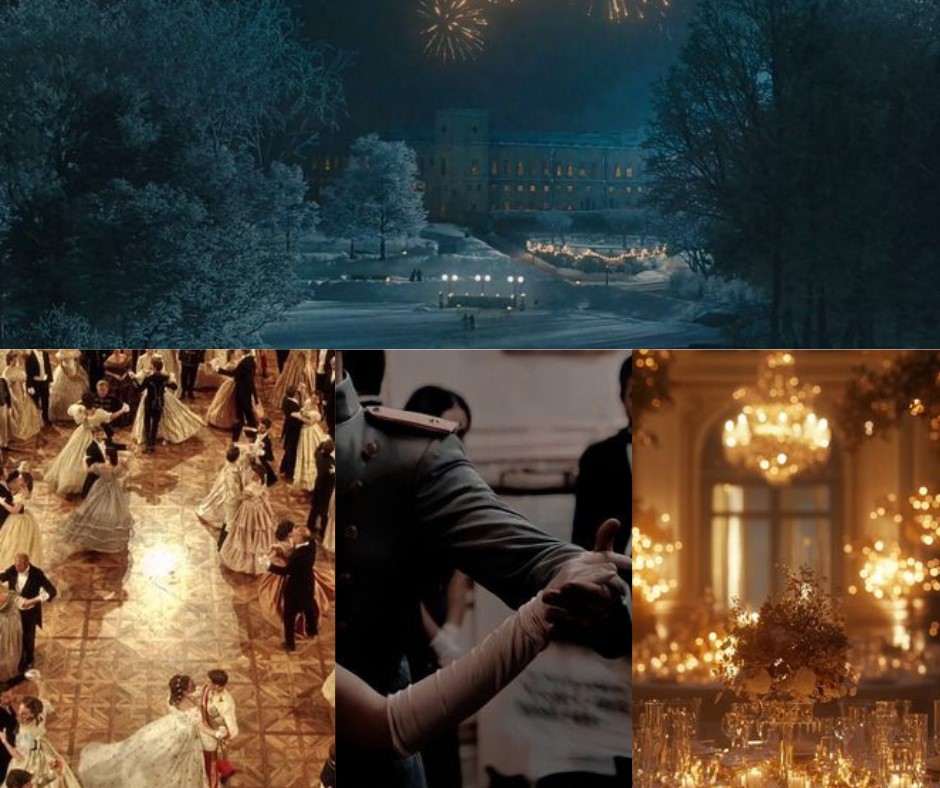
For your mid-winter enjoyment, here are a few scenes from “Natasha” — a story within a story within a story (Iris-Sabine-Natasha). It features an undeveloped fictional character who has been frozen in time due to the creative failure of her author/s over the past century.
***
Natasha was a character long ago conceived but never developed, never completed. Someone had conjured her up nearly a century ago and then forgot about her. And Natasha had lingered in the ethersphere, just waiting, waiting for her story to continue.
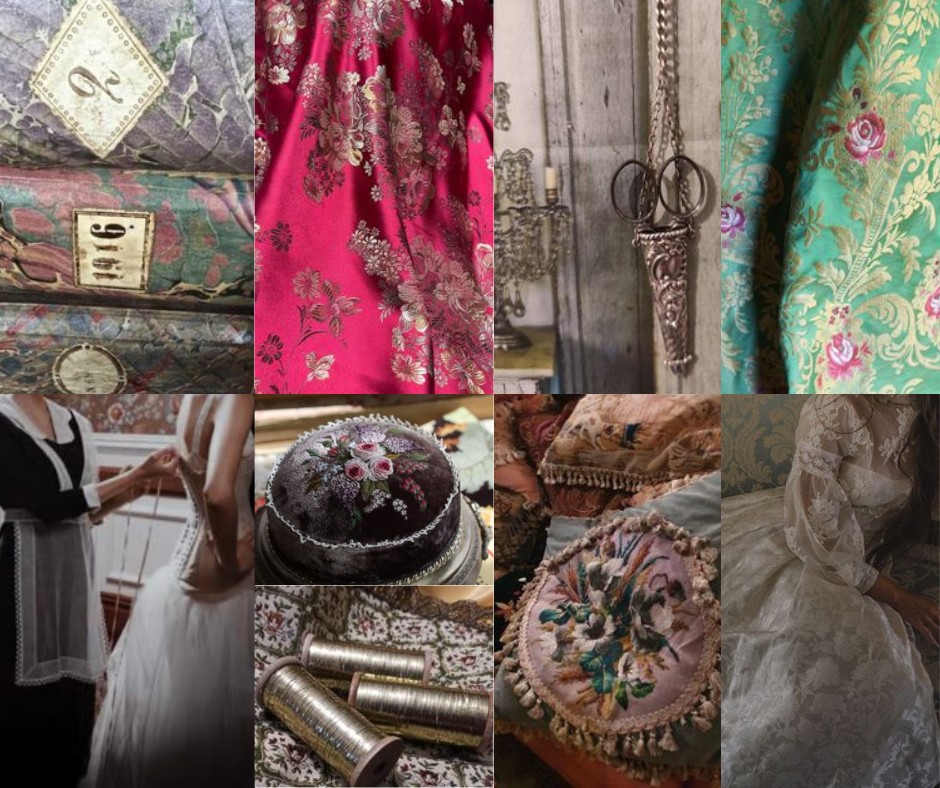
The author Sabine wrote about the beautiful Natasha, living in 19th century Russia. The details piled up of her boudoir, her clothing and jewelry, the view from her window. Yet Natasha’s story failed to develop, and so the character remained in her room.
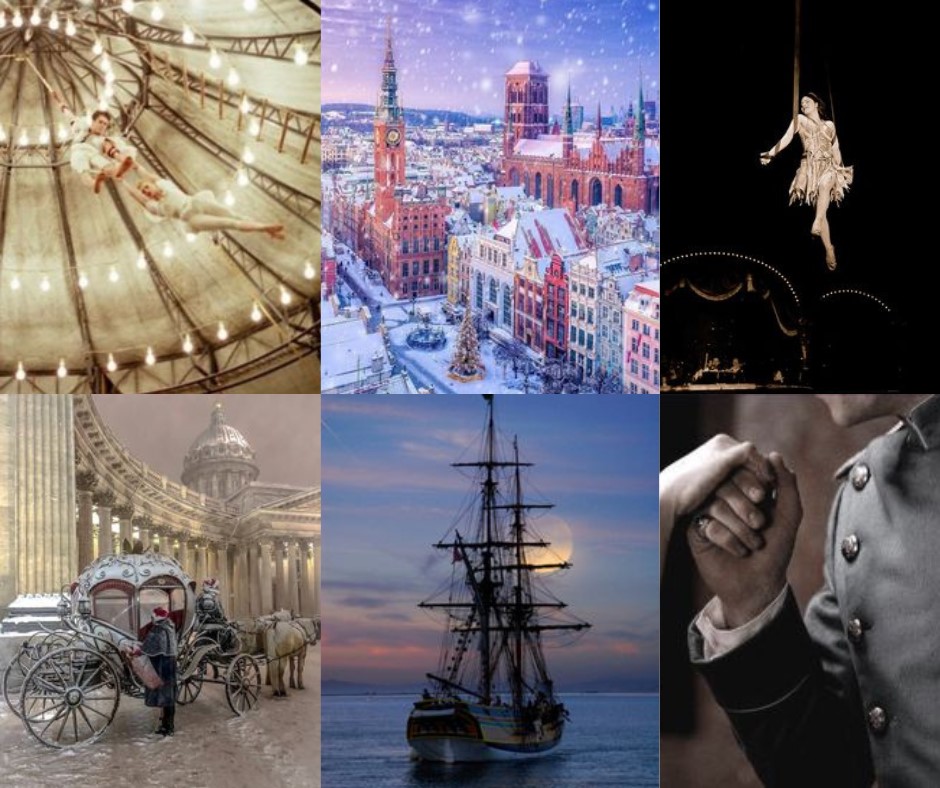
Sabine tried out different scenarios: Natasha running away from her repressive family and settling in Gdansk, where she becomes a trapeze artist. Natasha falling in love with a dashing explorer and sailing with him to the South China Sea. Or did she run away with the gypsies?
At each incipient possibility, Natasha would quickly rise to her feet, her dark eyes sparkling in excitement as vague visions took shape in her mind – then, as the ideas were nixed, Natasha would drop back onto her velvet chaise longue, or gaze out the window and sigh.
Nothing seemed to work.So the beautiful Russian character remained unfinished, languishing in her boudoir, bored, pampered, dreaming of the wider world outside her window in snowy Saint Petersburg.
It was true that Natasha was somewhat spoiled, and her pleasures were small and indulgent. She spent her time in idle pursuits: choosing between Parisian brocades and silks to be fashioned into gowns, cutting marbled paper into pretty shapes, improving her needlepoint, and trying her maid’s patience with new ways to style her hair or tie her sash.
But this latest author, Iris, could see that there was more to the girl – Natasha was just waiting to blossom.
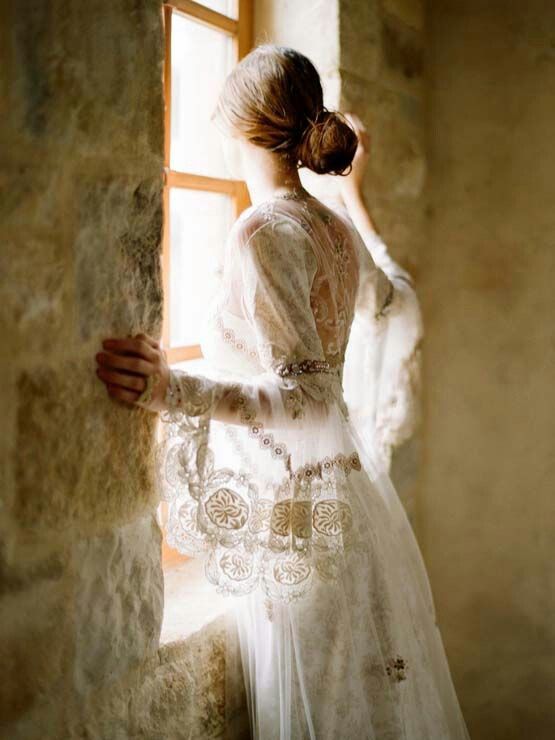
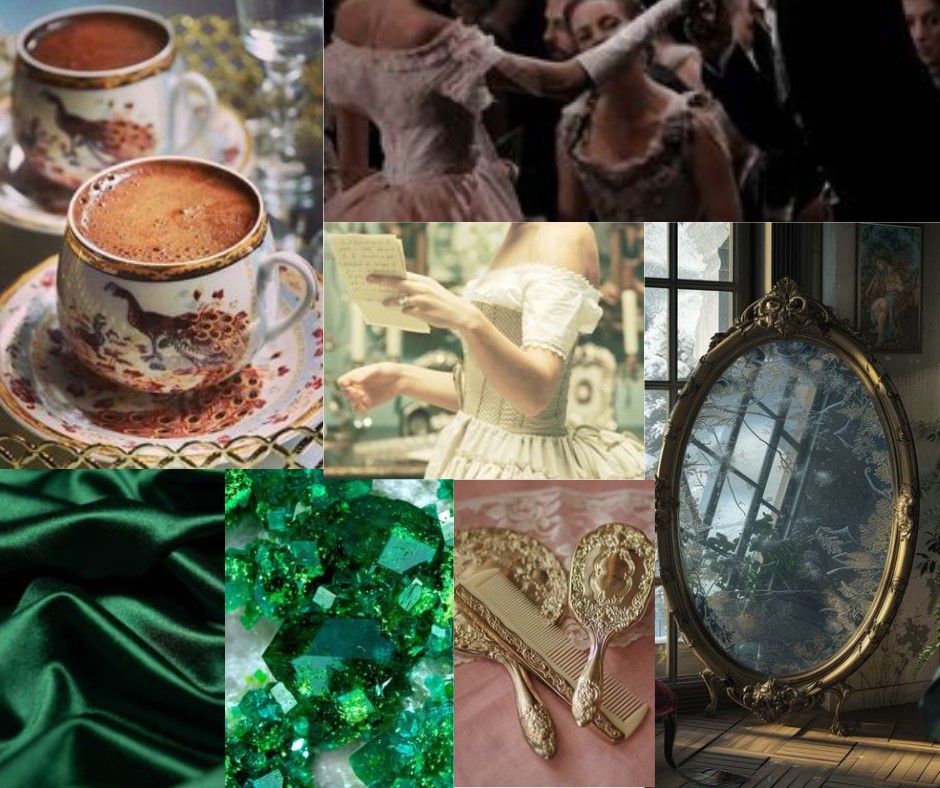
She took a closer look at Sabine’s Natasha. There she was, idly fluffing the bunched rosettes on her lap cover. Natasha smoothed the glossy brown tresses draped over her shoulder and adjusted the jeweled combs, as she waited for her maid to return with her morning cocoa. She rose impatiently and stood in front of the gilded mirror, primping and pouting and trying different expressions for le bal for which she was forever preparing. She was outraged that maman insisted she wear the dull dove-gray dress to le bal tonight rather than the emerald gown that so beguilingly set off her eyes and hair.
As Iris watched Natasha, she realized that the girl was on the brink of womanhood. The way Natasha’s hands smoothed her robe over her hips suggested awareness – delight, even – in her curves, and Iris well understood the concerns of poor maman. One moment of unchaperoned freedom and this girl would indeed run off with the circus or into the arms of a dashing adventurer.
And yet, thought Iris, how sad for Natasha to be trapped in eternal youth, her potential never known. She watched Natasha saunter to the window, rub away the frost flowers, and gaze at the people on the street below.
Natasha longed to follow them, converse with them, discover what the world was all about. She touched her pale, warm cheek and imagined it crimson with cold. She blew out a puff of air and imagined it turning into smoke. She wanted to run like the children on the street below. Gallop like the soldiers on their fine chestnut horses. Stroll through the park in the springtime, lace parasol in hand, blossoms swirling all around her. She wanted to see how her own uniqueness would play out in the world, to be tried and tested, to be shocked or delighted or dazzled by her choices and decisions. Oh life, she would dream. Oh, life.
Iris resolved that, though she may not know where the story would lead, she would at least get Natasha out the door and into the world. Let her dance at the ball and experience the dream of romance. Let her know that first thrilling glance across a crowded room that would set her heart fluttering, the first press of warm lips against her hand. Let her breathe the cold air of winter, the scented air of spring. Let her come to know the dreams of future-heavy youth, so beautiful and brief.…
And so — Iris’s development of Natasha’s story sparks her own later-in-life development and enriches her life in the process.
(All images are from my Pinterest boards, which include scenes from the charming Russian movie: The Silver Skates.)




































































































































 Linda Mahkovec - Author