At this time of year, I begin to wonder what Kate and her daughters would have done to get through the long, cold winters on the farm. Especially on days when they were snowed in, or the outside world was too frigid for enjoyment.
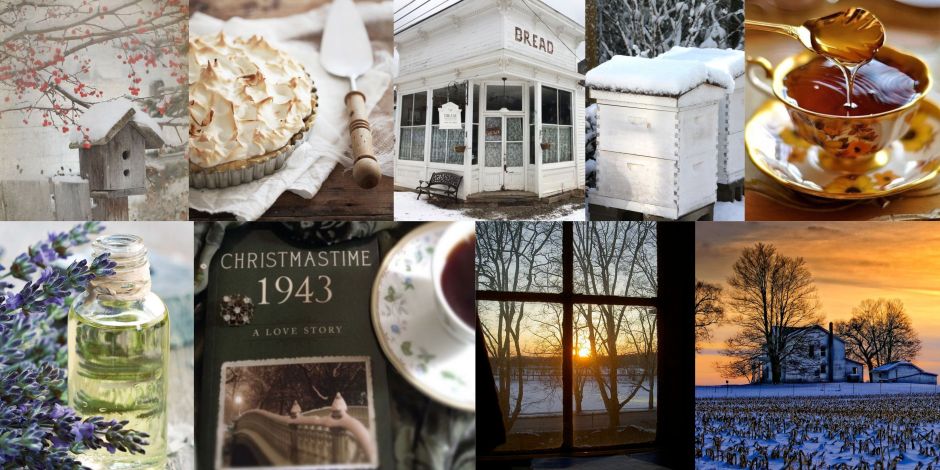
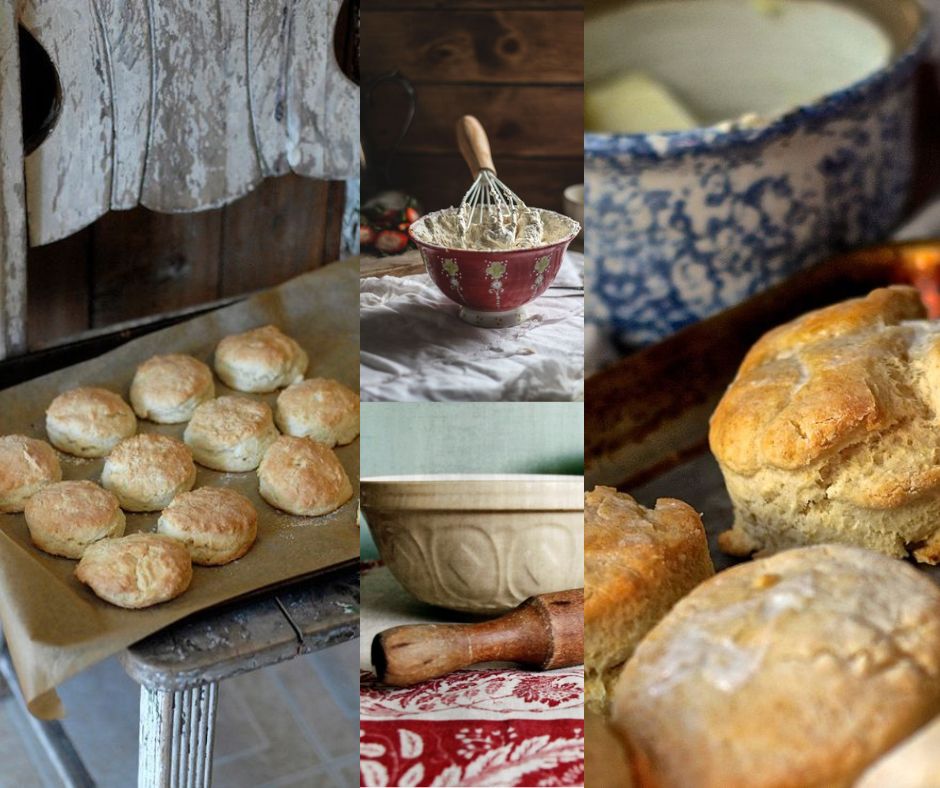
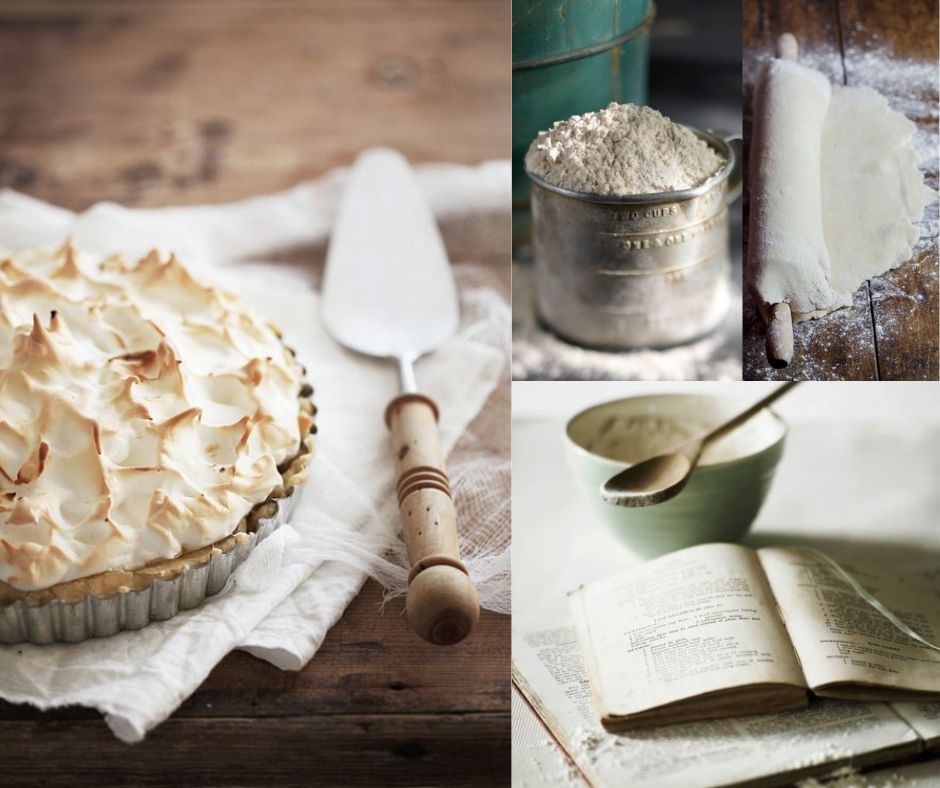
I imagine Kate would have kept busy with mending and darning and the daily chores of farm life. But I also see her in the kitchen, making something special for her family. An unexpected surprise that would warm the kitchen and fragrance the farmhouse.
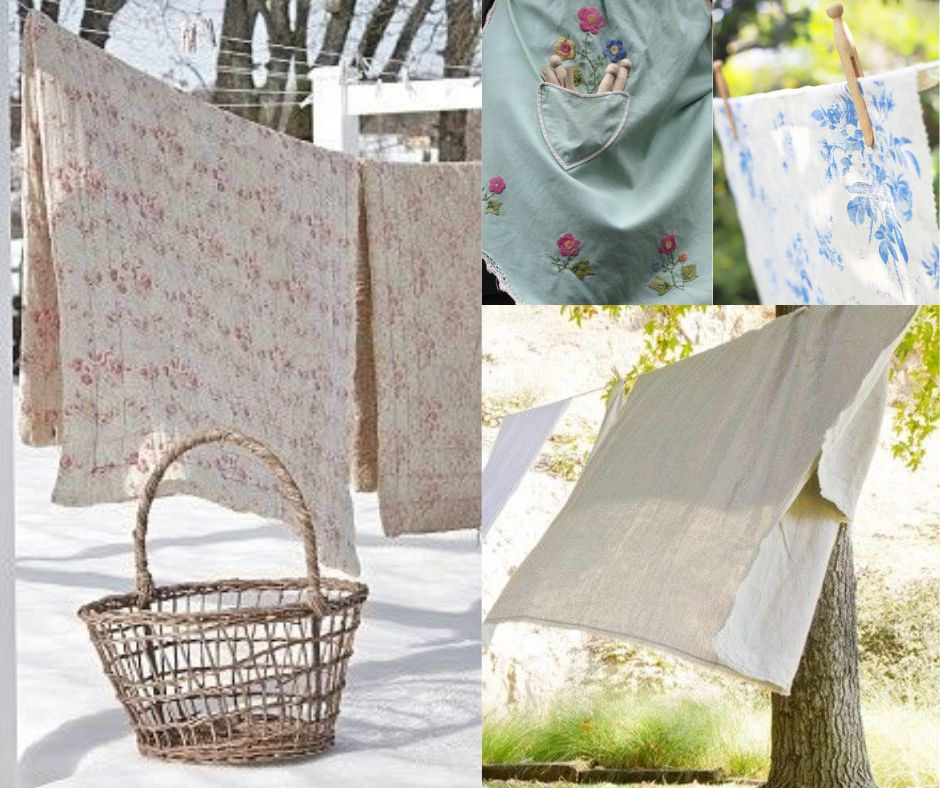
In addition to their other chores, Ursula and Jessica would have been busy with weekly laundry and ironing – perhaps remembering springtime clotheslines as they gathered the cold laundry off the line.
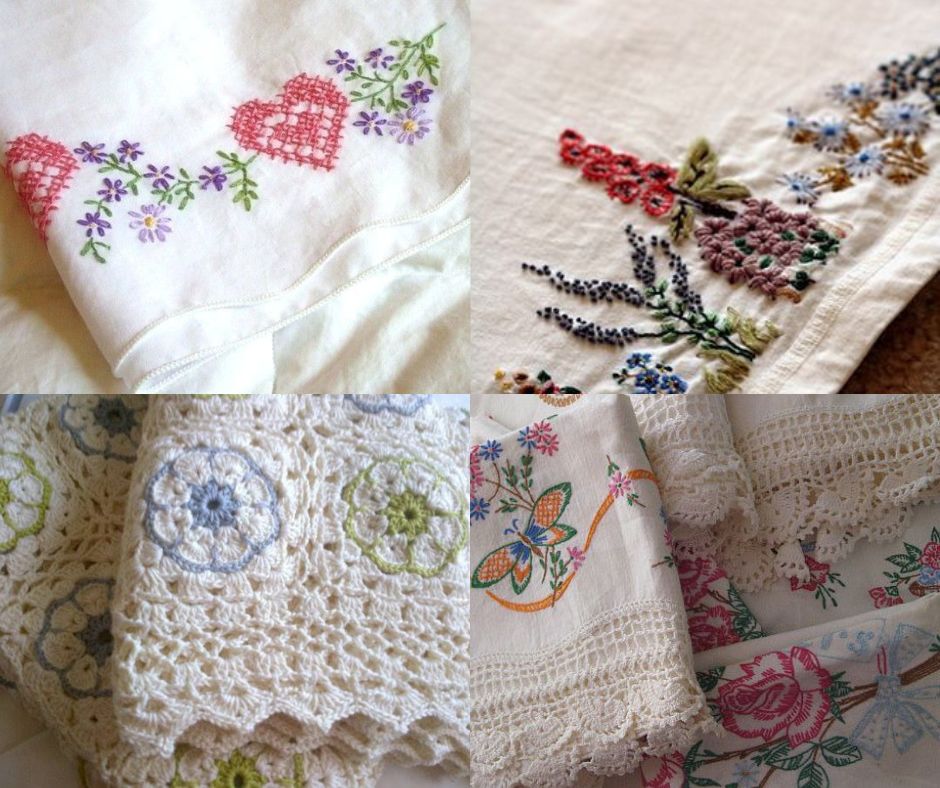
As they listened to the radio at night, they might have crocheted or embroidered the flowers they longed for, as a way of creating a bit of springtime.
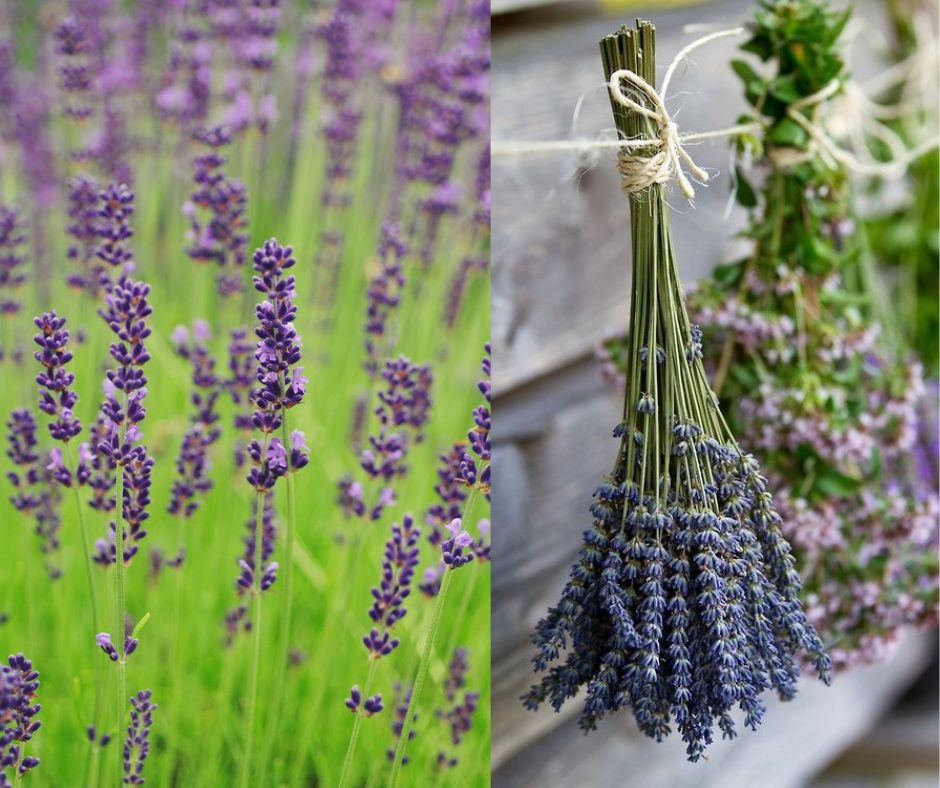
They would have continued their projects with the dried lavender gathered over the summer, making oils for baths and sachets to fragrance bed linen and nightgowns – a way of encouraging memories of spring before asleep.
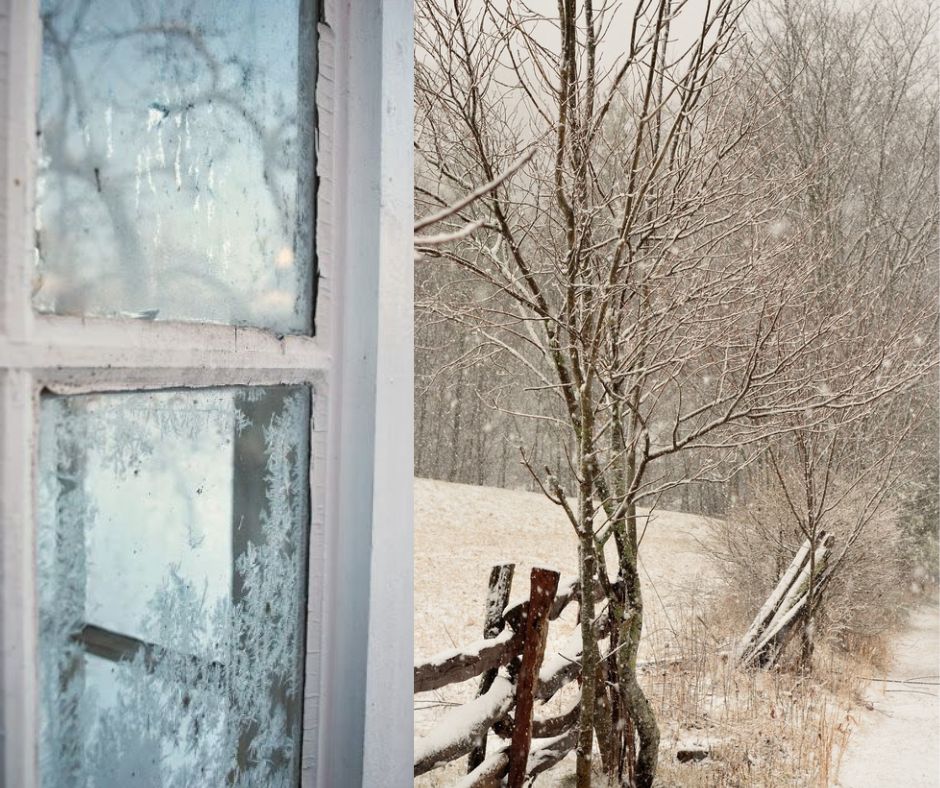
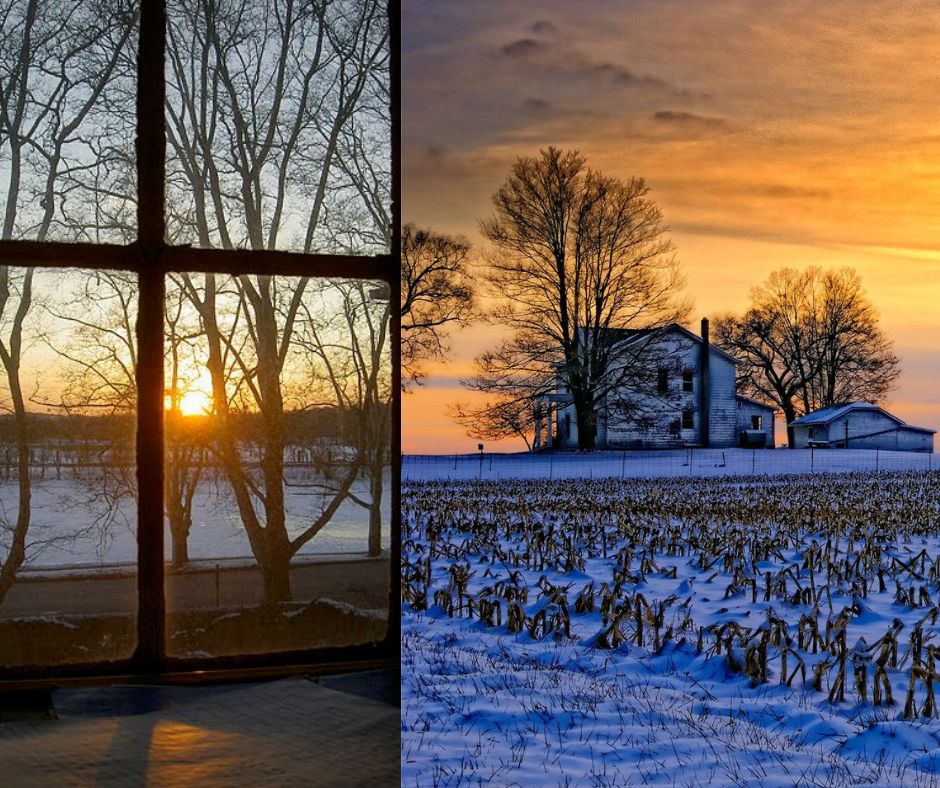
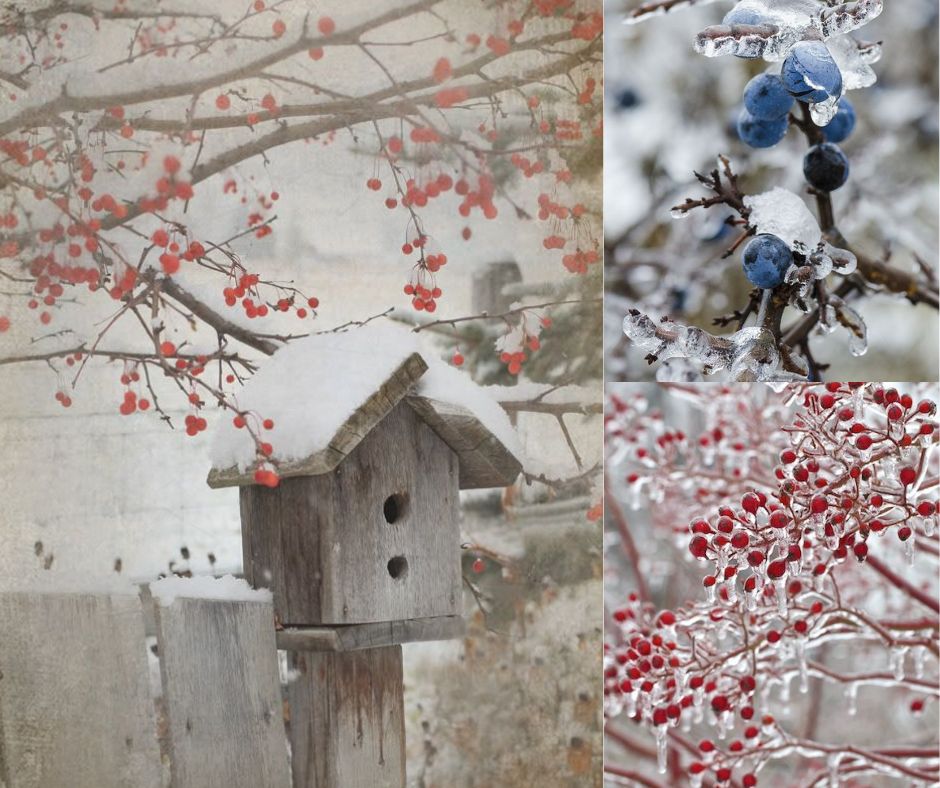
I see them all pausing at the windows, searching for color out in the snowy, white world
and imagining the garden in bloom, the beehives full of honey.
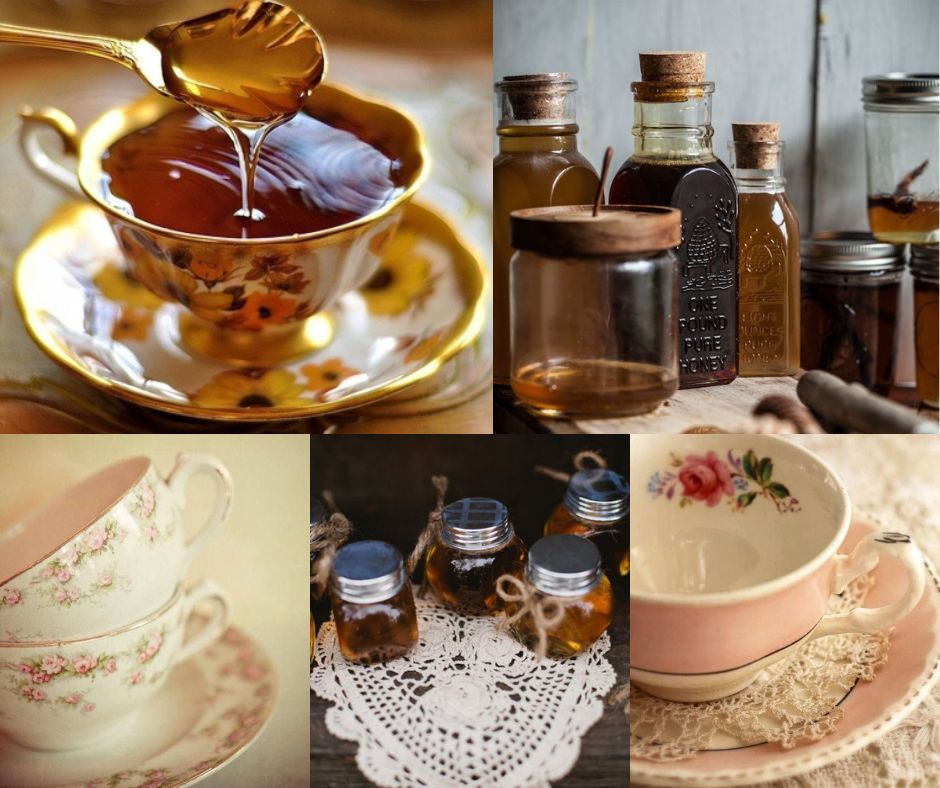
Such thoughts might prompt them to make a cup of tea with honey, to warm up and savor the hint of wildflowers.
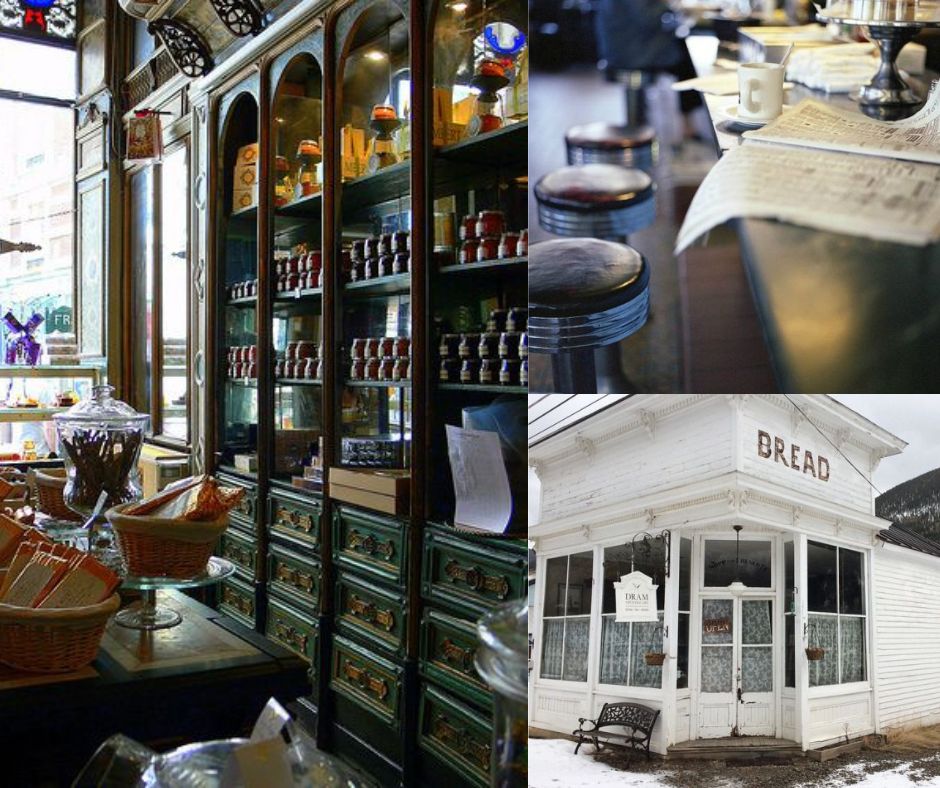
Maybe they would have gone into town with their brothers to run a few errands and catch up on the local news, finding warmth and vitality in the company of friends and neighbors.
In short, they would have done many of the things they did throughout the year – but everything now would be tinged with a wistful longing for the colors and scents of warmer months. It was second nature to them to bring touches of springtime into their lives and spread a little warmth and sunshine into the heart of winter.
(Though Kate and her family are mentioned in the earlier Christmastime books, the farm plots really blossom beginning in the 1943 book.)
Woven into the Christmastime series is the celebration of the season, where the brightness of the holiday contrasts with the darkness of war – opposing elements that help to shape the storylines.
Much of the bright cheerfulness of Christmas comes from deep-rooted traditions: enjoying family and friends over delicious meals,
the sharing of festive treats,
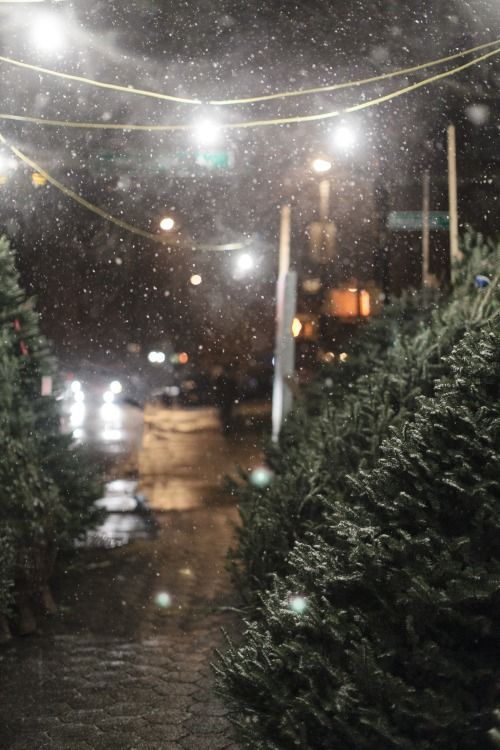
the old-fashioned joys of finding your Christmas tree and decorating it,
the child’s delight in Santa Claus and flying reindeer,
the thrill of a white Christmas.
Layered into the spiritual element that defines the season is the pervasive beauty that fills this time of year:
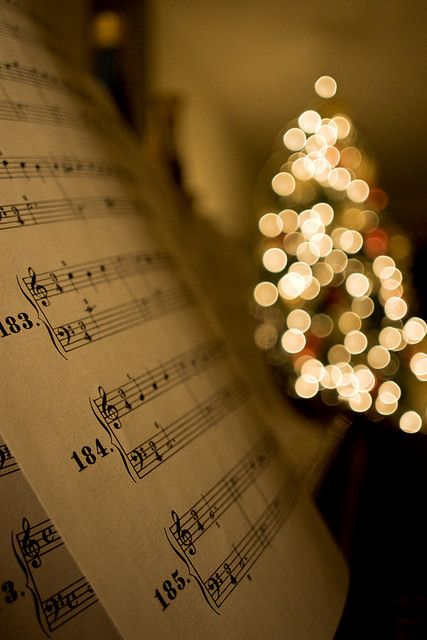
the deep resonance of traditional music and the joyful togetherness of caroling,
the fragrant woodsy beauty of pine trees, garlands, mistletoe and holly,
decorations that delight the eye and lift the spirit.
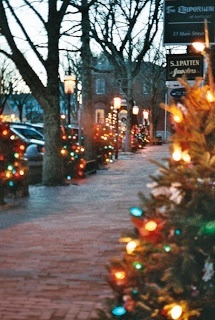
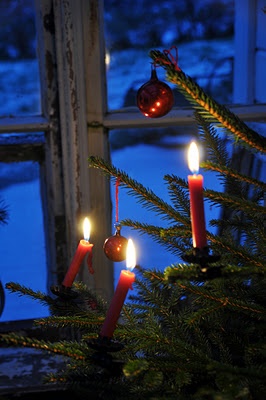
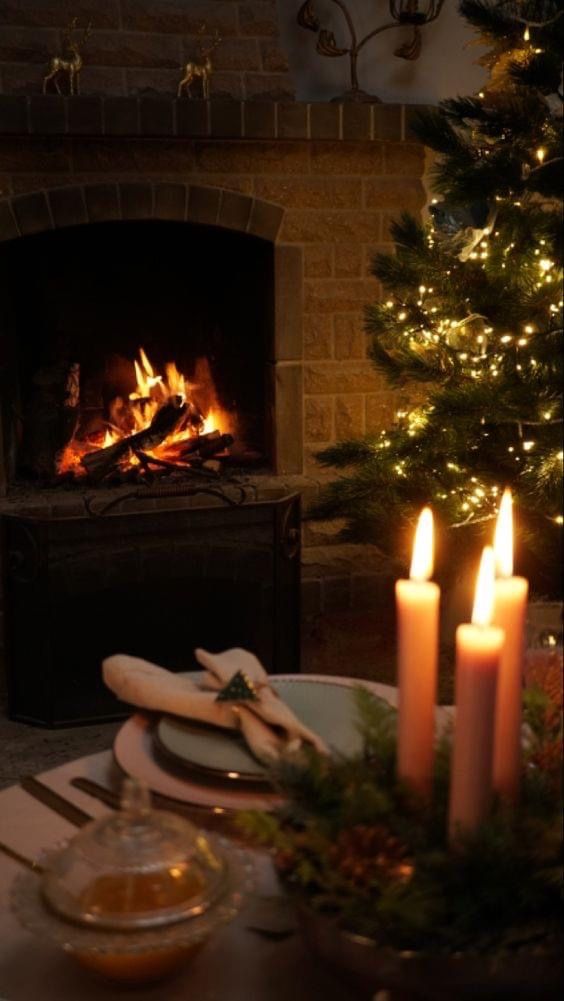
And perhaps the oldest and purest source of comfort and beauty comes from light in the darkness: the original form of fire found in bonfires, fireplaces, candles,
the old-fashioned multi-colored bulbs of my youth,
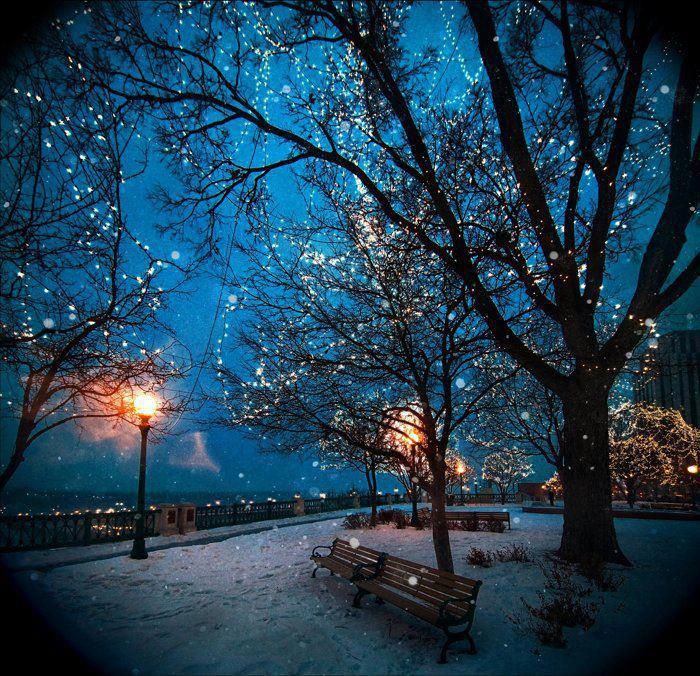
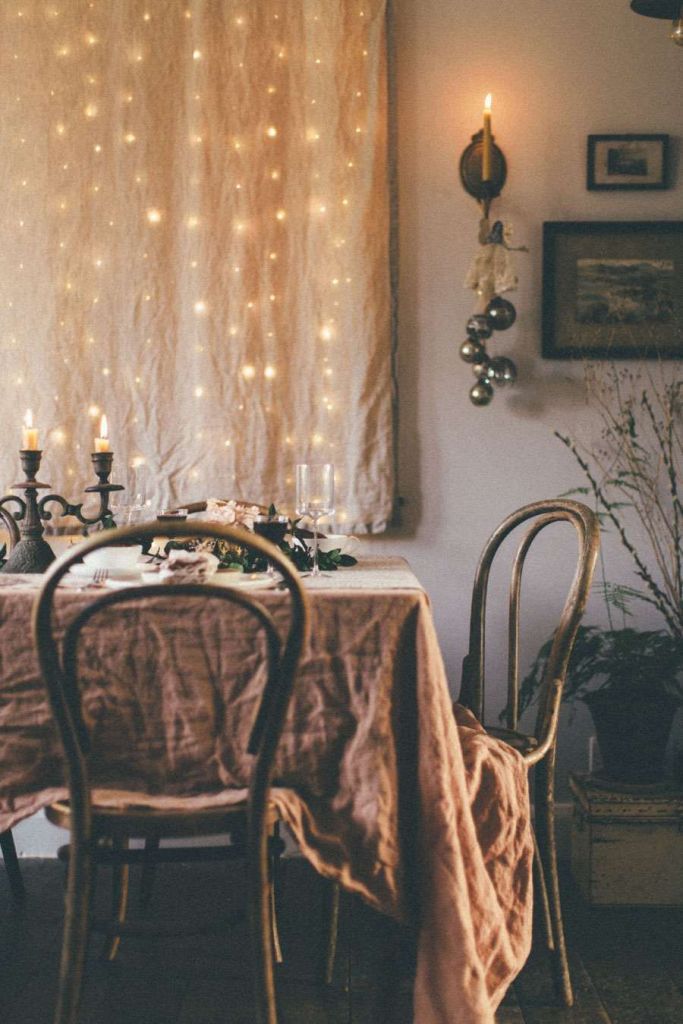
and the more recent fairy lights that bring a sense of twinkling magic.
All add nighttime magic, and comfort in the longer, colder nights.
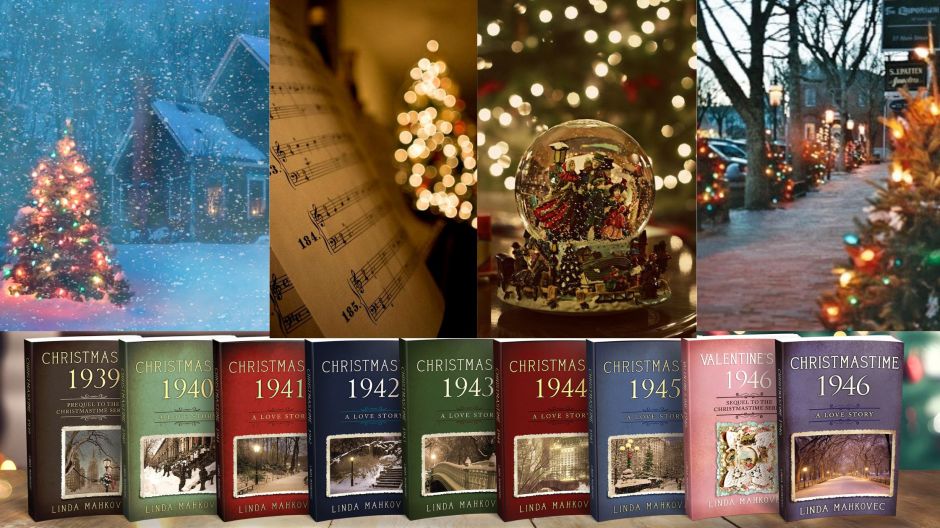
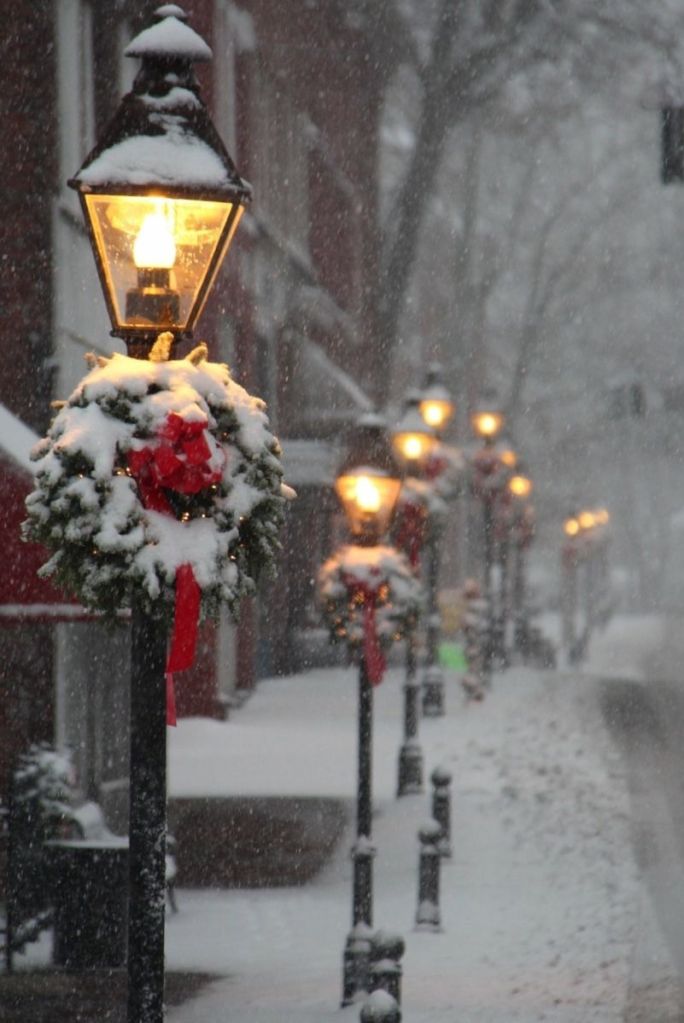
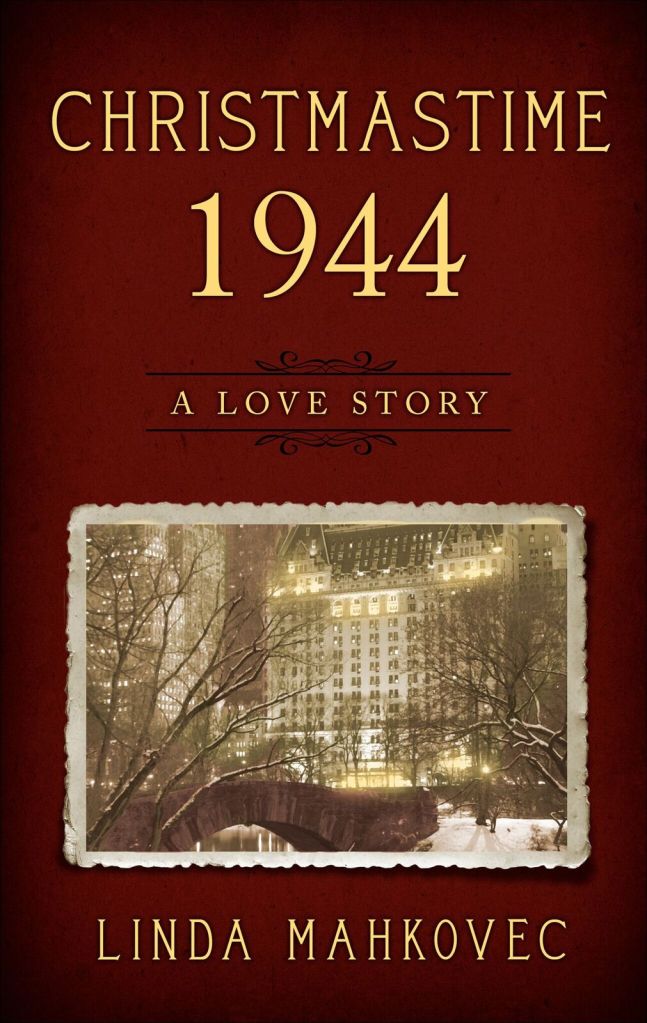
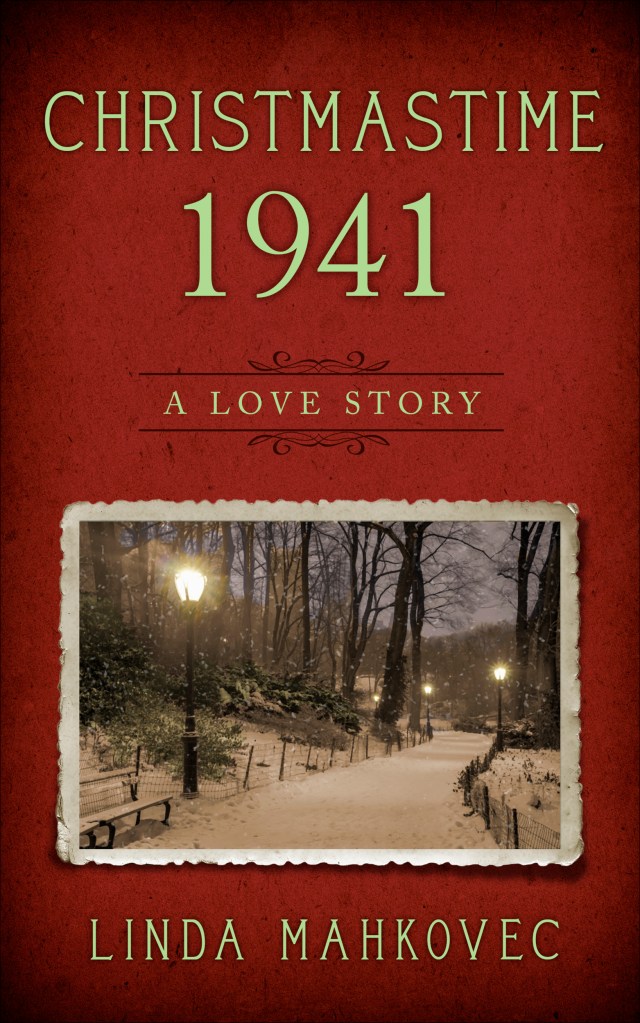
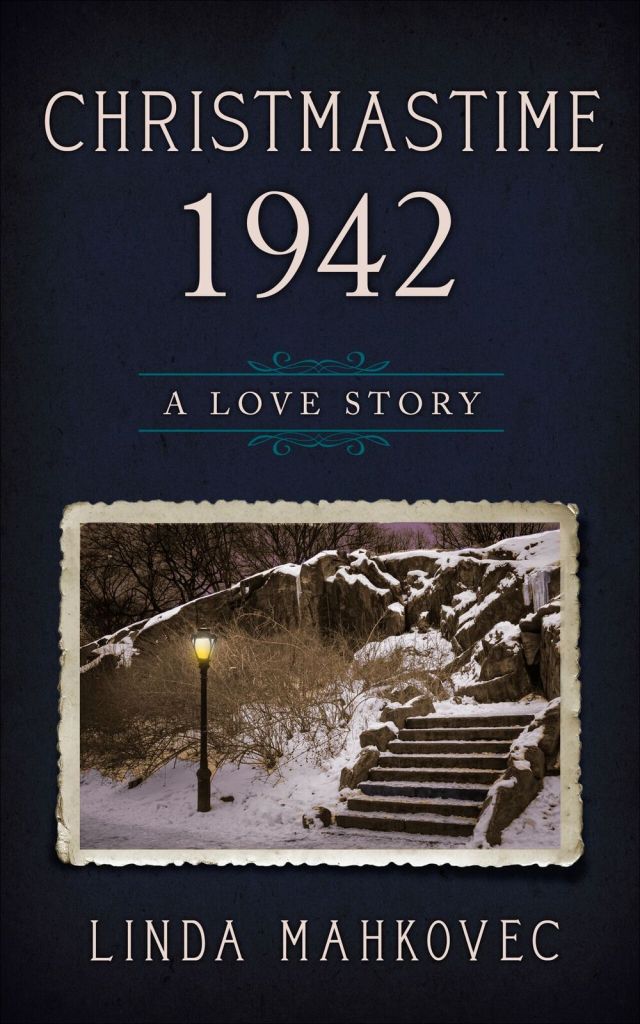
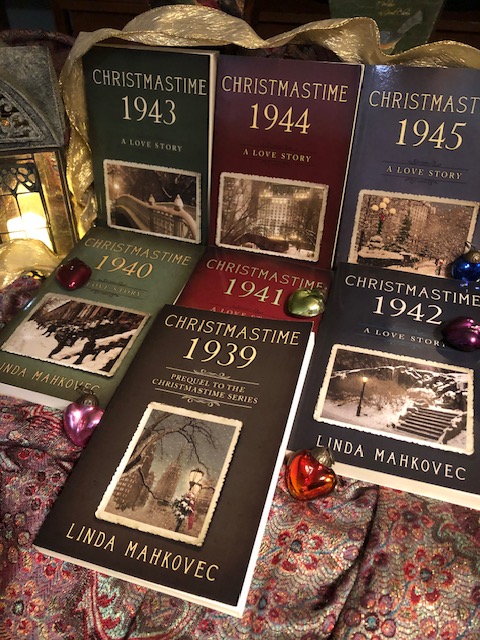
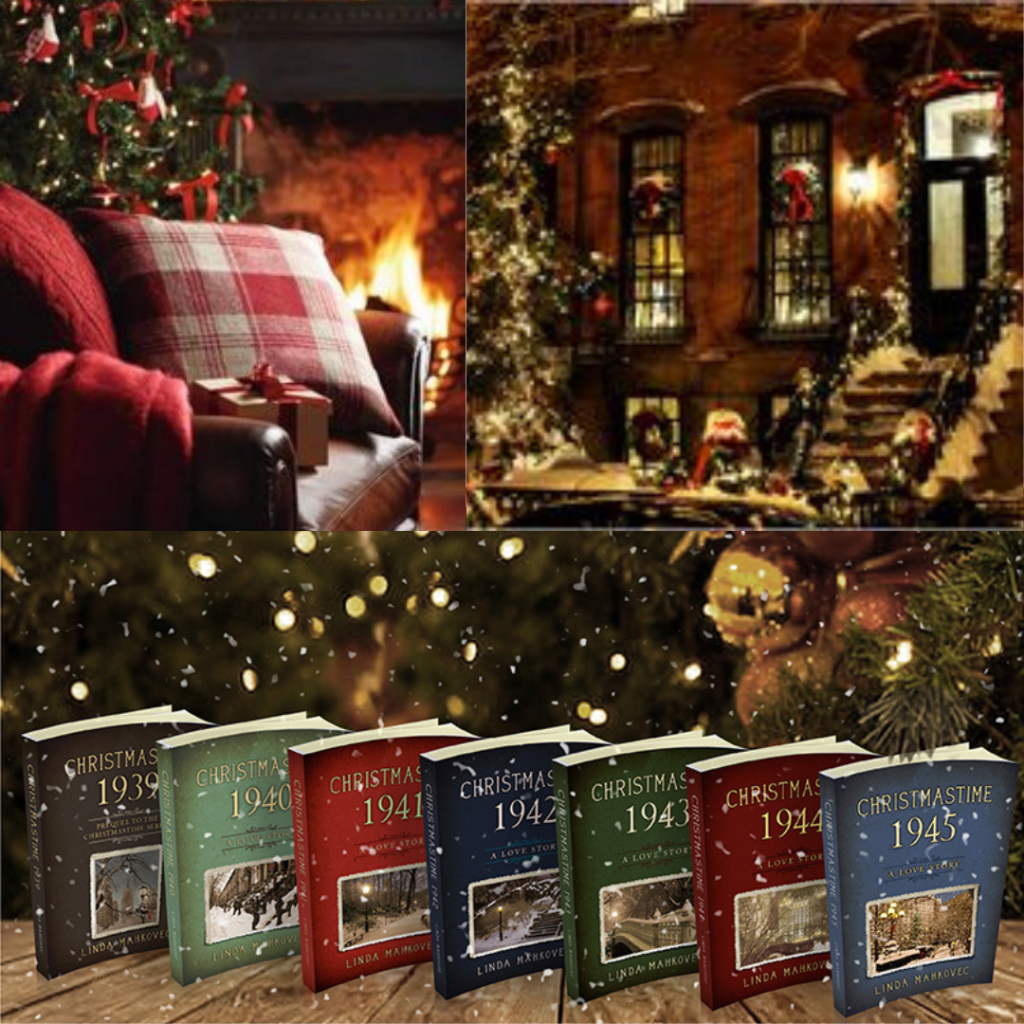
I try to capture this contrast of light and dark in the covers of the Christmastime series. Lampposts glowing in the twilight and a city lit at night, symbolizing hope and the end of war,
Fewer, or a lonelier, single lit lamppost to reflect the darkest years of the war,
and the beauty of lamplight on snow, tinged with wistful yearning, for the new 1946 cover.
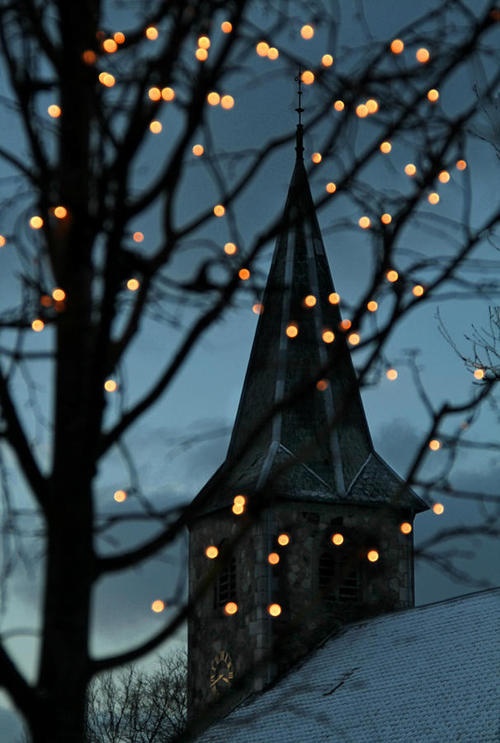
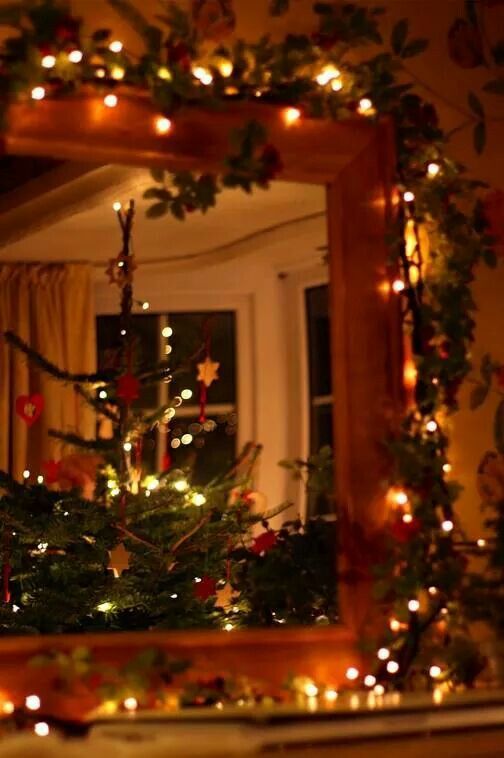
Christmas lights. In the long, cold nights of winter, they offer hope, comfort, magic, and beauty.
My latest book in the Christmastime series, CHRISTMASTIME 1946: A LOVE STORY, focuses on women in the workforce and the mixed feelings they had when the war ended and it was time for them to give up their jobs.
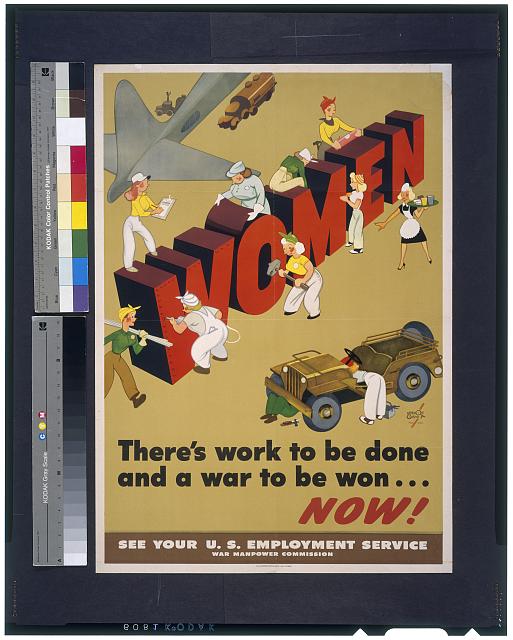
In WWII, the U.S. experienced a severe labor shortage as millions of men left to fight. The solution was to use women, along with minorities, immigrants, people with disabilities, teenagers, older adults, and retirees.
Before WWII, women were already working in large numbers (roughly 13 million) but in predominantly low-paying jobs: domestic service, clerical jobs, teaching, nursing, and textile factories. Most working women were young, lower-income, and single.
Landscape
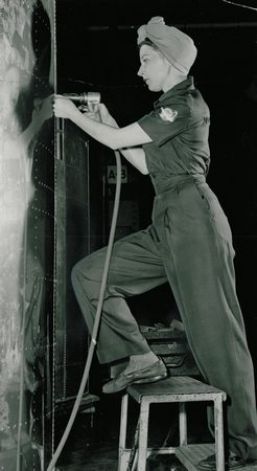
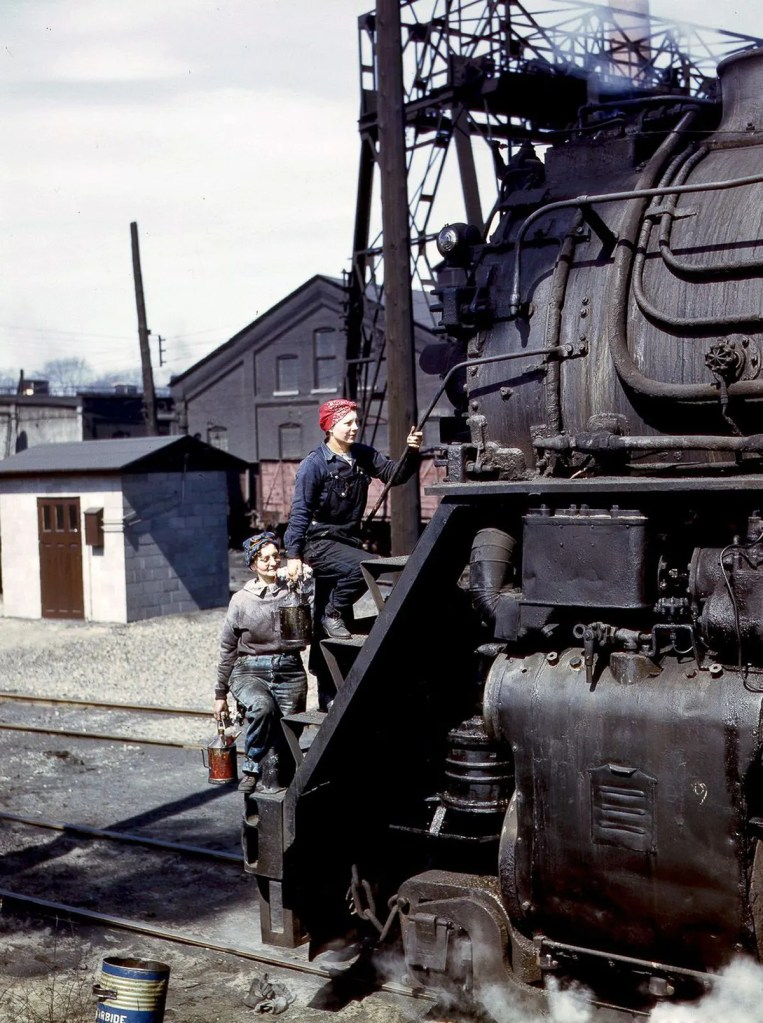
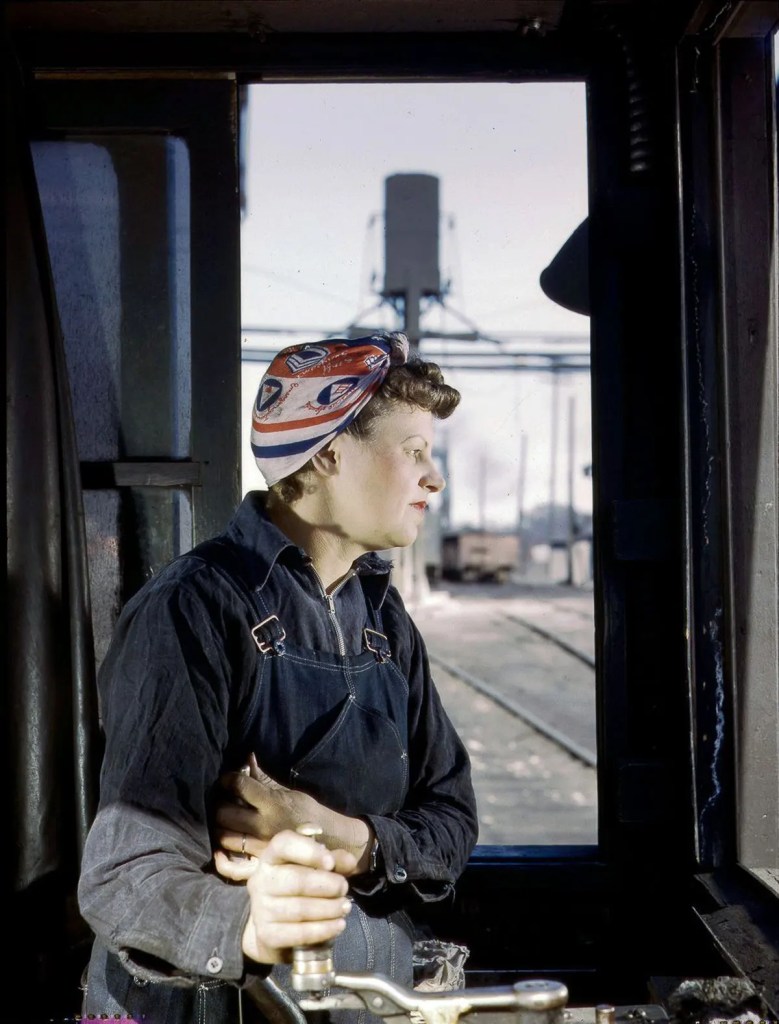
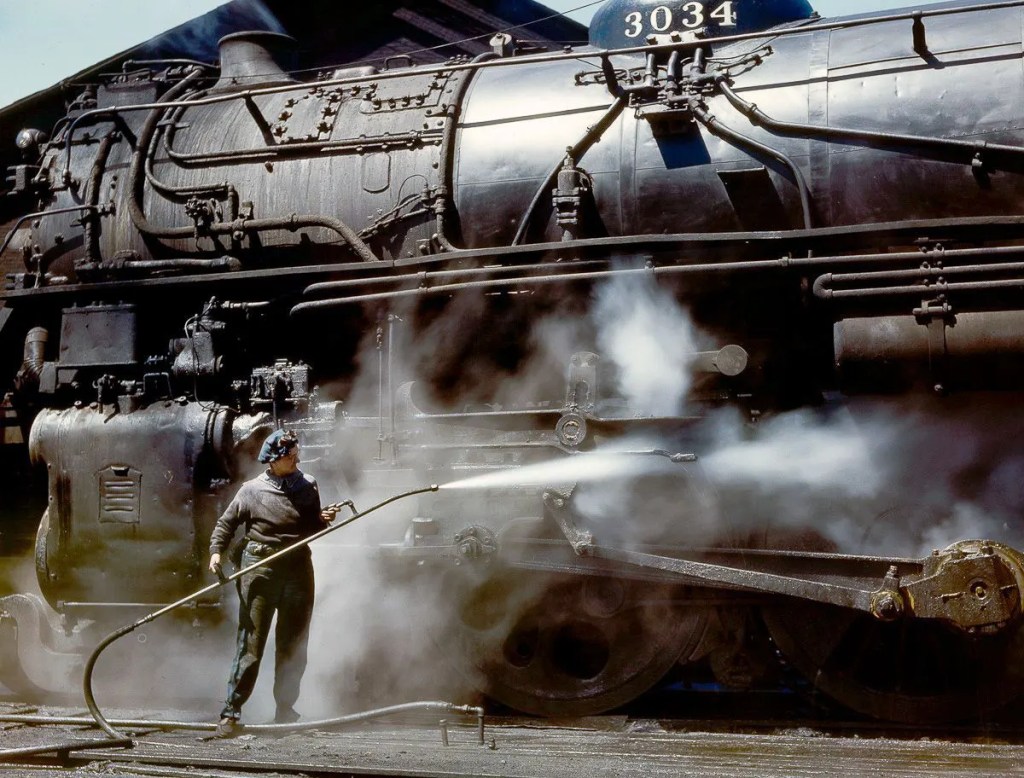
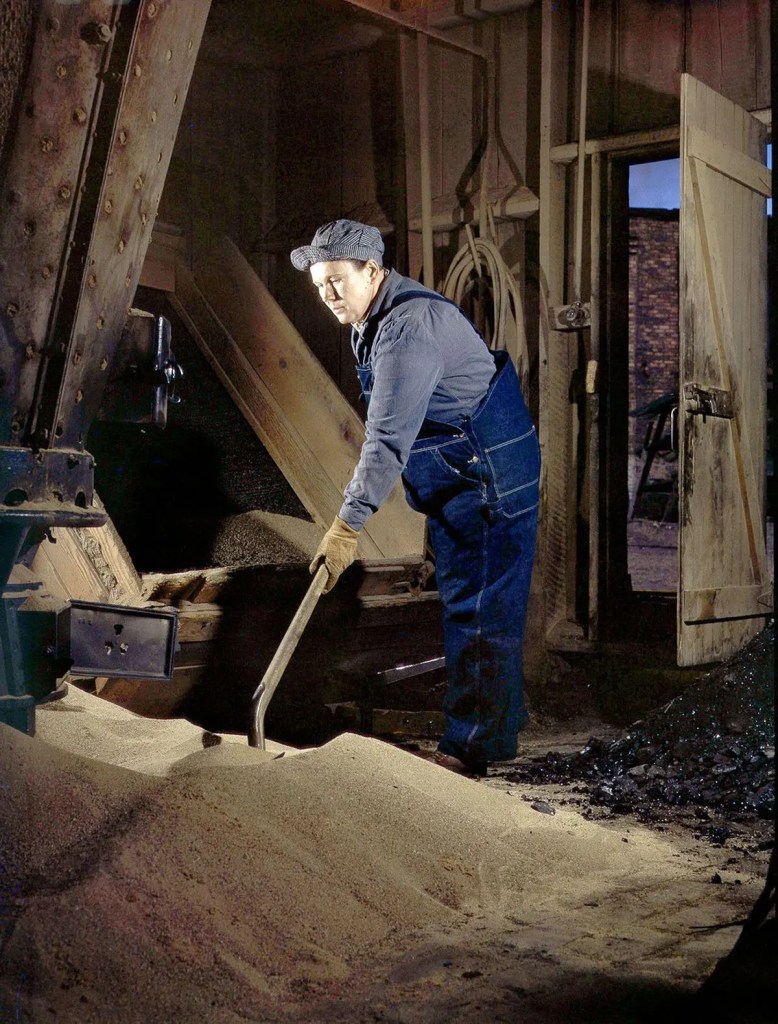
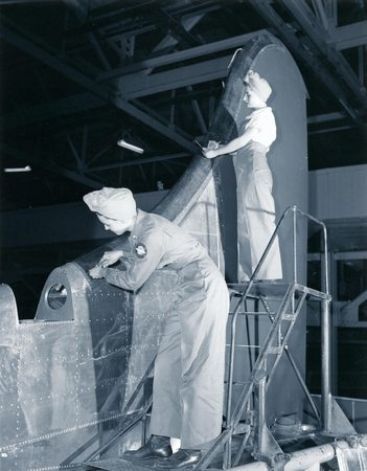
To fill the labor gap created by the war, over 6 million additional women joined the workforce – building aircraft, assembling tanks, producing munitions, and working in shipyards. They became welders and riveters, machinists and crane operators.
Others kept the country running – working as nurses and firefighters, managing offices, driving trucks and buses, working on the railroads,
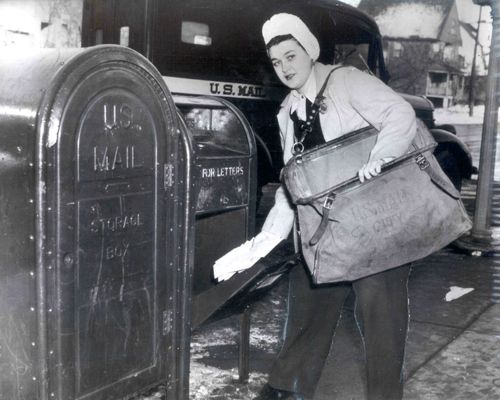
delivering mail, working on farms and in food production, and countless other jobs.
Though it’s easy to idealize this period of opportunity for women, for many, it was grueling, hard work.
The war enabled women to move into higher-paying, traditionally male-dominated roles. However, it was clear from the beginning that it would be only “for the duration.” After the war, women were expected to leave their jobs to make room for returning servicemen. Rosie the Riveter had to go home.
Working women were essential to the war effort and they proved just how capable they were. While many were only too happy to return to their prewar lives, others grappled with a deep sense of loss — of higher-paying jobs, of greater freedom and independence, and of the profound satisfaction that came from being part of something larger.
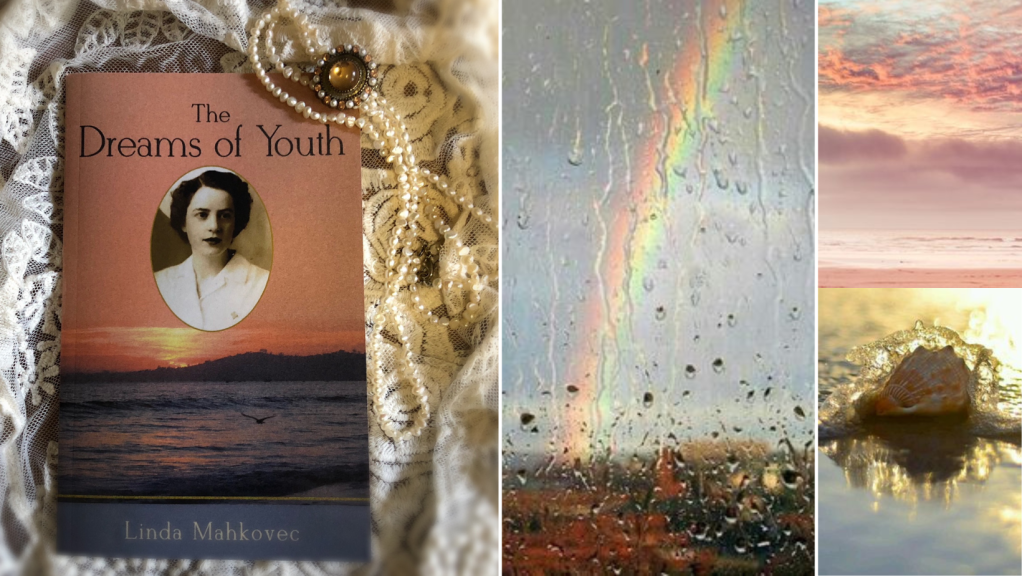
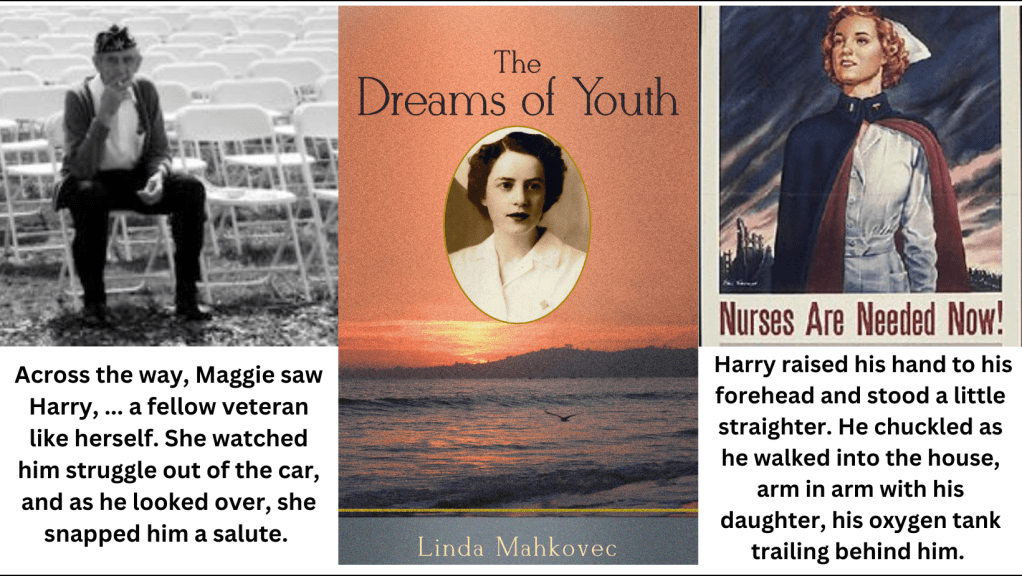
My first two books, The Dreams of Youth and Seven Tales of Love, are also my shortest. They can easily be read in an hour or less. They are collections of short stories and sketches that, overall, tell a larger story.
Particularly with The Dreams of Youth. In large part inspired by my mom’s life (though with plenty of creative license taken), six interrelated pieces tell the story of a lifetime in 48 brief pages.
I have a soft spot for these two books. They were compiled years ago on discovering that I could publish my books through Amazon – no agent or publishing house needed (both were first published in 2012, then re-published with indie-author-friendly Bublish in 2016). My lifelong dream of being a writer was now possible, with me in full control! Because I originally wrote them under a pen name (Agnes Irene), I felt free to be a little more creative with the form, mixing sketches with poetry, sometimes using impressionistic language, and tapping into the other eras, particularly WWII.
And in The Dreams of Youth, I used lines from Longfellow’s poem, “My Lost Youth,” as chapter headings. I was always deeply moved by the refrain from that poem – “And the thoughts of youth are long, long thoughts” – and allowed that inspiration to shape the book. Most of my subsequent books are written in the traditional novel format – except for The Notebooks of Honora Gorman, which is also a compilation.
I don’t often promote my two short books because there isn’t much of a market for them (and to avoid getting negative reviews by people who are disappointed by their length). But for the month of June, I’m lowering the price of The Dreams of Youth to $0.99 in hopes that it will be read and reviewed by readers who are familiar with my style of writing. https://a.co/d/0nIjxUn
To all my readers who have already read and reviewed this book, THANK YOU! And to any new readers, I hope you enjoy it!
https://a.co/d/0nIjxUn – ebook on Amazon. Also available on Google Play, Apple Books, Kobo, and B&N. Soft cover available on Amazon and B&N.
There are many scents that evoke the Christmas season – pine and citrus,
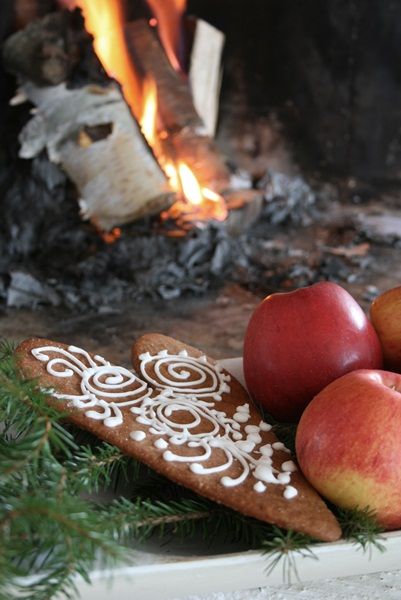
peppermint and gingerbread,
the spices of mulled wine and cider,
cookies being baked.
In the Christmastime series, https://a.co/d/7VG17Qu , old-fashioned ways of celebrating Christmas are woven throughout,
and the scents of Christmas play a big part. Especially the use of citrus and pine.
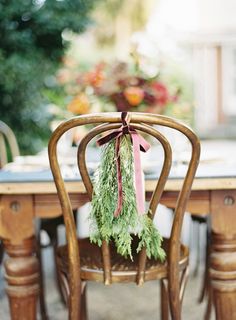
Greenery decorating a doorframe, mantel, or table,
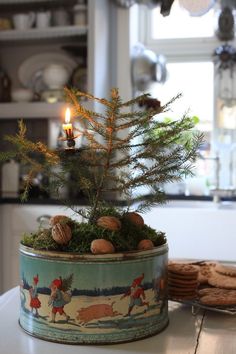
sprigs of pine and cedar scattered throughout the house.
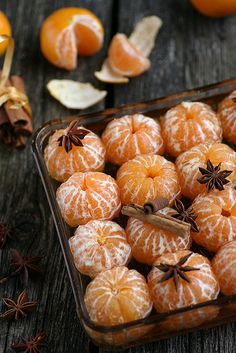
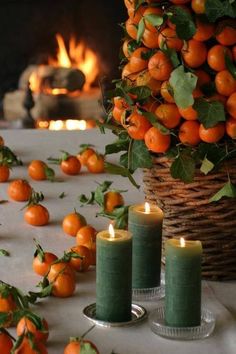
The cloves and citrus of pomander balls,
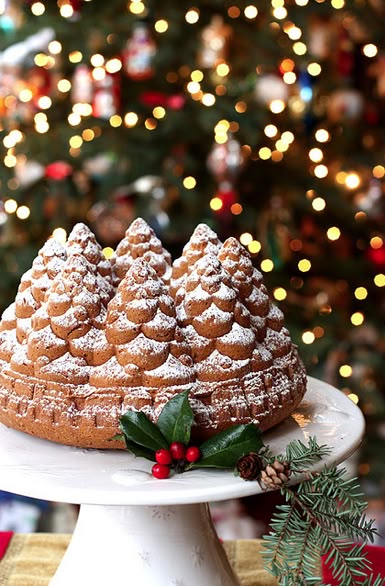
the preparation of orange-slice ornaments scenting the kitchen.
Scents can be powerful triggers of holiday traditions and good memories. Evergreens and colorful citrus fruits have the added benefit of also being beautiful and wholesome –
old-fashioned, natural seasonal decorations with scents that are both invigorating and calming.
This holiday, add some beauty and scent to your holiday decor with a bit of woodland greenery and refreshing citrus.
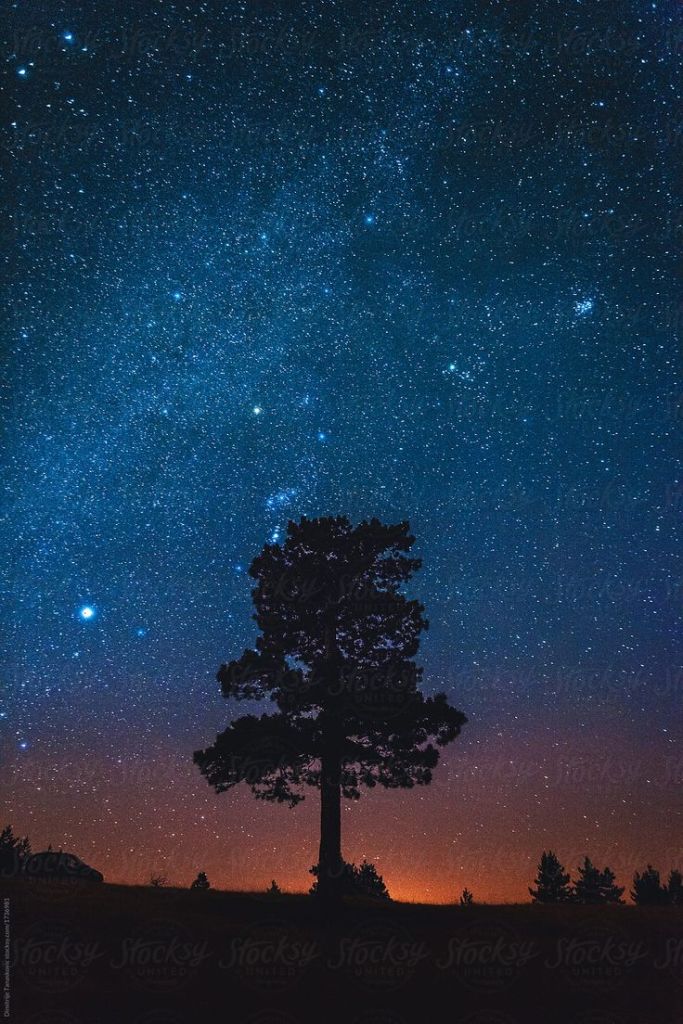
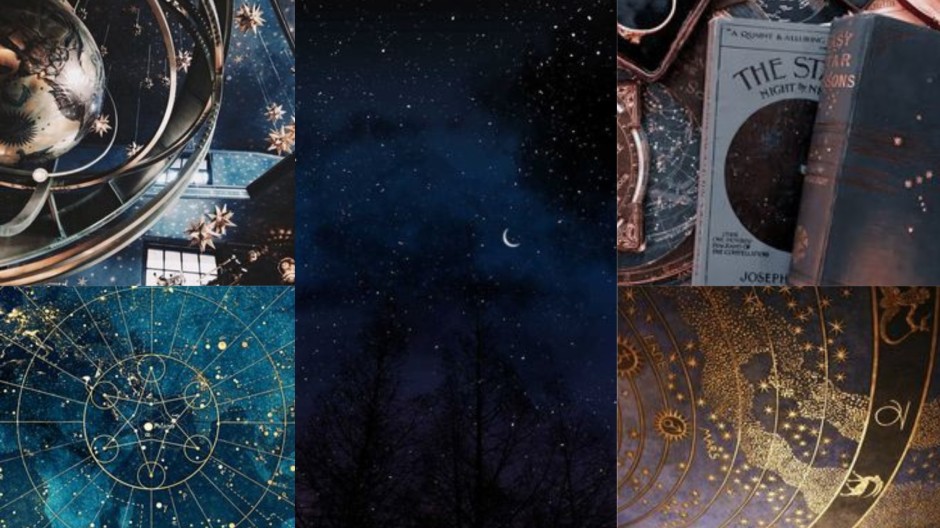
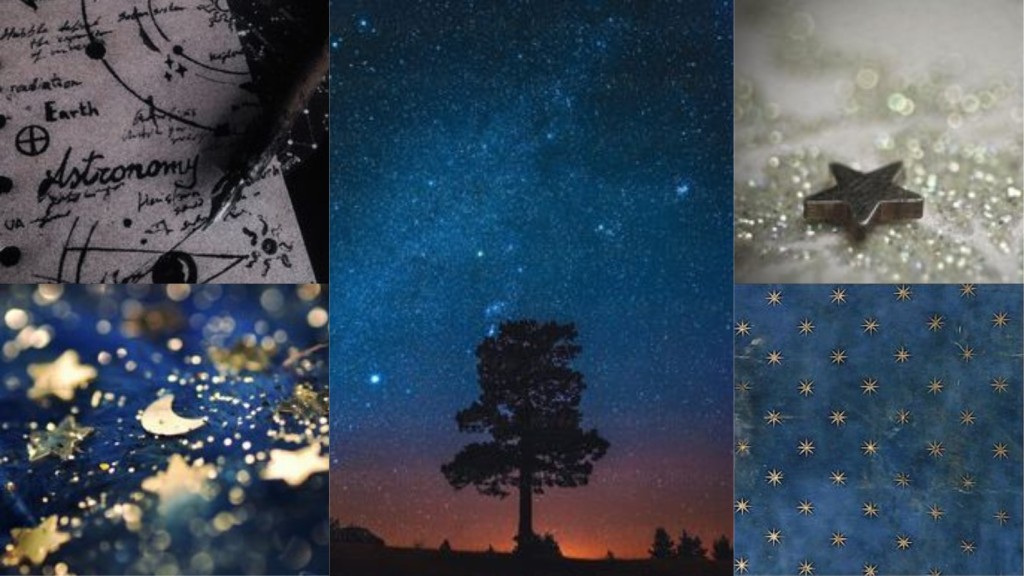
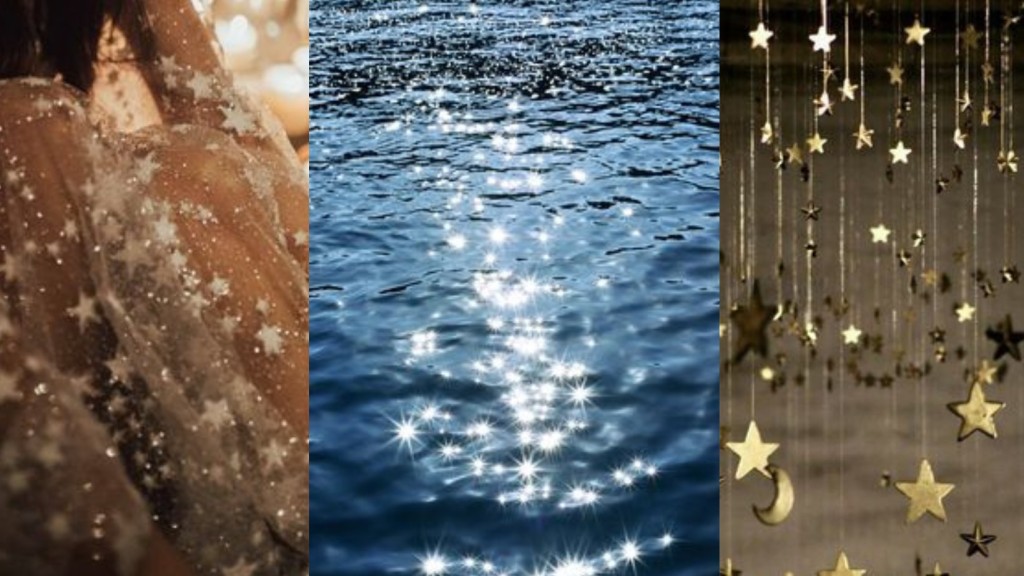
Stars and stargazing often make their way into my stories. Beautifully symbolic of hopes and dreams, purity and wonder, they help to tell the inner stories of many of my characters.
Stars play a key role in the fourth book of the Christmastime series, Christmastime 1942: A Love Story (https://a.co/d/j2wI35u). Beginning with the storyline of Gino, the merchant seaman, the topic of stars develops into a unifying connection between him, Tommy and Gabriel, and Charles and Lillian.
The ethereal quality of stars also reveals the quietly eccentric character of Edith. She is comfortable with both the dreamy and pragmatic sides of her nature — and she is in love for the first time.
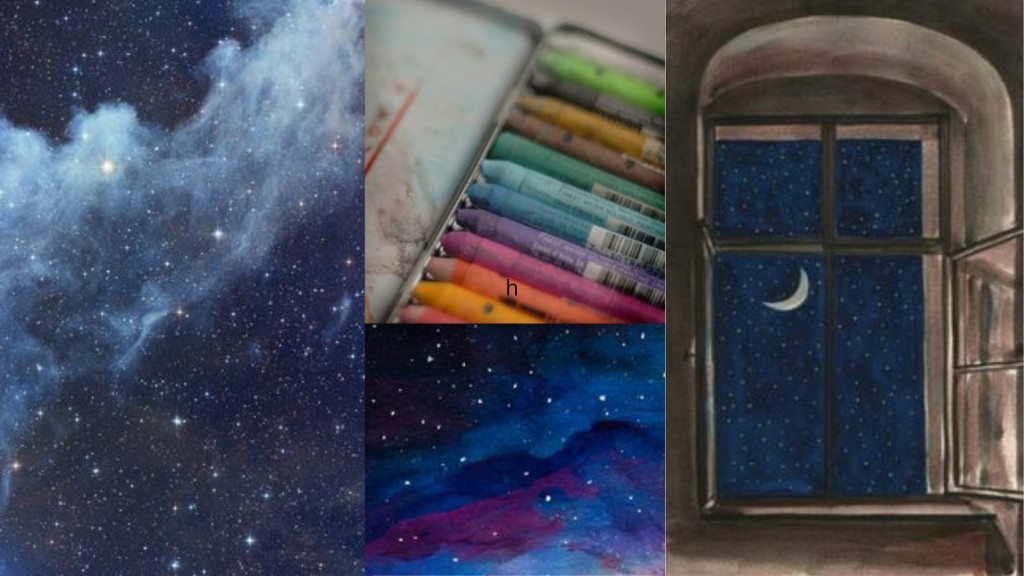
She opened the drawer to her nightstand and reached for her tin of oil pastels. She lifted the lid, and ran her fingers over the colors, choosing deep Prussian blue and cobalt, gold, silver, and umber. … A sketch emerged of two large pillows, a rumpled comforter, a soft bed under a large window. The night world outside dotted with stars. “Colors of midnight,” she wrote beneath it. She studied the bed, and added a few more lines, and then sprinkled a dusting of stars onto the pillows and blanket.
The main character, Lillian, is under pressure from her demanding boss to submit an idea for a poster contest. With the deadline looming, and despairing over the war and Charles’s imminent return to battle, she awakens in the middle of the night, seeking solace and inspiration.
She quietly went into the living room and turned on the lamp behind the couch. There was the telescope, pointing up, as if in readiness to search the heavens. She was glad for the stars, for their high, untouched beauty that could not be sullied by war, by humanity. She took out her sketch pad and pencils and began to draw.
A sketch began to take shape of a wounded soldier and his sweetheart looking at the same night sky, though thousands of miles apart. [Lillian] added more stars to the skies, trying to convey the belief that high above a war-torn world, the glittering firmament shone benevolently over earth, and that in the end, all would be well and whole again. Simple, humble, human love would help to piece the world back together again.
In The Notebooks of Honora Gorman: Fairytales, Whimsy, and Wonder (https://a.co/d/8Z1Igqu), the stars also offer inspiration for an artistic deadline, this time, a writing assignment.
Though Honora missed the stars, the lights of the city at night made up for it. She loved the contrast between the workaday gray of Manhattan and the magical, sparkling nights. The city, especially when viewed from afar, shone like a glittering firmament. A reversal of sorts, as if the starry night sky had been flipped to earth. She would never forget her first arrival, approaching the massive metropolis at night – entranced by the wide expanse of twinkly lights, a galaxy of stars that stretched as far as she could see.
Struggling to find an idea for her children’s writing class, Honora hits upon an idea.
What was that seedling trying to root in her story – something about the sky? The night sky. And how she missed it. Stars! She flooded with inspiration. And the fairytale, “Fallen Star” flows from her pen.
And So We Dream (https://a.co/d/0iM4uab) In another connection to the stars and the artist figure, the young dream-filled actress, Vita Vitale, also connects with the stars. In the beginning of the story, she and her older sister tell their younger sister about swimming in the lake at night.
“Did you guys go swimming—and not tell me?”
“We didn’t plan it,” said Anne. “After Diane’s we went out to the lake and . . .”
“In the dark?”
“Under the stars and a crescent moon,” said Vita. “A Pierrot moon, full of dreams. It was wondrous! Absolutely magical.”
Beth looked around the back seat to see if she was sitting on anything wet, then checked the floor. “Where are your swimsuits?” After a moment’s silence, she gasped. “You went skinny dipping?”
Anne shot Beth a warning glance in the rearview mirror. “Don’t you dare say anything about it at home.”
“I won’t. But I can’t believe it. Were there any boys there?” After no answer, she said, “You guys! Weren’t you embarrassed?”
“It was dark,” said Anne.
“Except for the glimmer on the water. It was like swimming through a thousand tiny stars.” Vita turned around to face them. “It was so beautiful…Like swimming in a fairy world.”
Later, far from her dreams, and weighed down by disappointment and a sense of failure, she taps into the beauty and magic of the night sky.
The warm summer night held the faint scents of grass and flowers. Vita inhaled deeply and filled her eyes with the inky sky aglitter with stars….Vita was alone. But didn’t feel at all lonely. This is what has been missing, she told herself. An infusion of beauty. And here it was. Right overhead. A fragrant summer night filled with shooting stars. Vita lay back and filled her eyes with the starscape….This is the counter to sadness, she thought. Beauty. Wonderment….She felt a profound sense of connection, and a reconnection to her dreams. It all came from the same deep place of beauty and love and yearning.
And a closing thought:
“The star-filled wonder of the night sky makes me magnificently small.” – Honora Gorman (from one of her many scraps of writing)
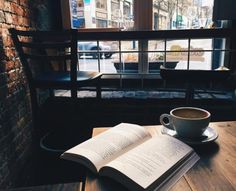
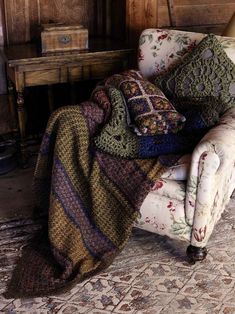
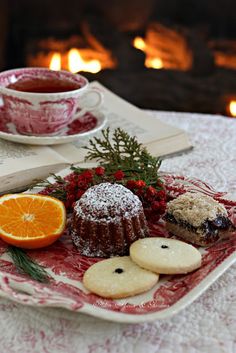
It’s easy to create the feeling of contentment that comes from coziness and simple pleasures. Fresh flowers, the scent of baking pervading your home, music softly playing in the background.
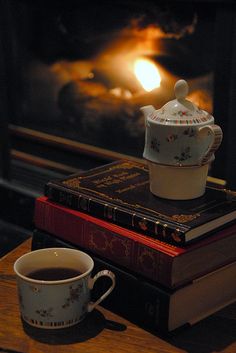
The colder weather — especially with the approach of Christmastime — lends itself to creating such an atmosphere. It can start with using a favorite cup for your morning tea, or a piece of toast with jam, or the scent of coffee and a warm muffin.
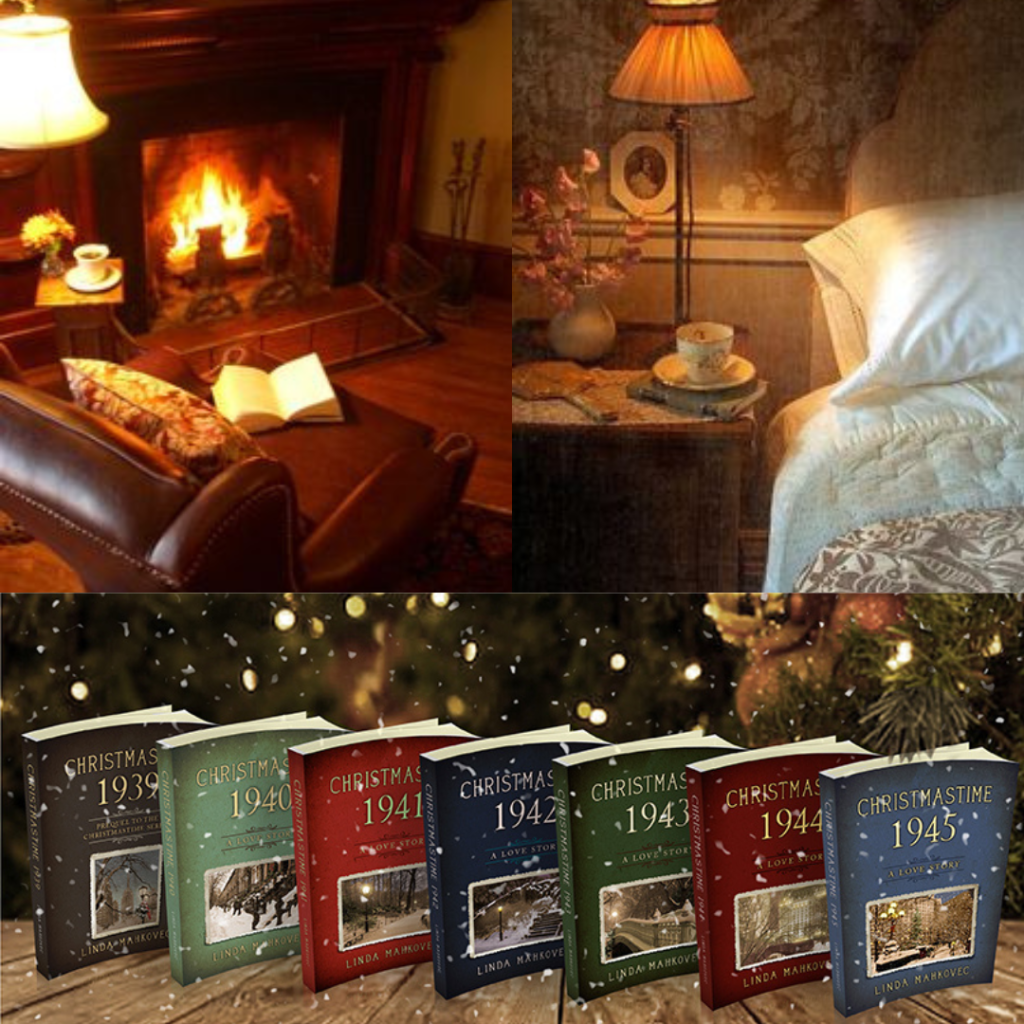
I like to think that my Christmastime series captures, to some degree, the sense of pleasure and comfort: the scent of pine, a fire crackling in the fireplace, a radiator hissing and filling a cold apartment with warmth, the laughter of children.
Though the backdrop to the series is WWII and life on the home front is full of struggles and hardship, the overall tone of the series is uplifting and comforting.
Sad things happen, shocking events take place, but the characters roll up their sleeves and do their part to make the best of things. Love, family, friendship, and neighborliness are in the forefront and shape the stories.
Celebrating life — its holidays, the seasons, small day-to-day beauties, the quest for meaning — fill the pages of Christmastime.
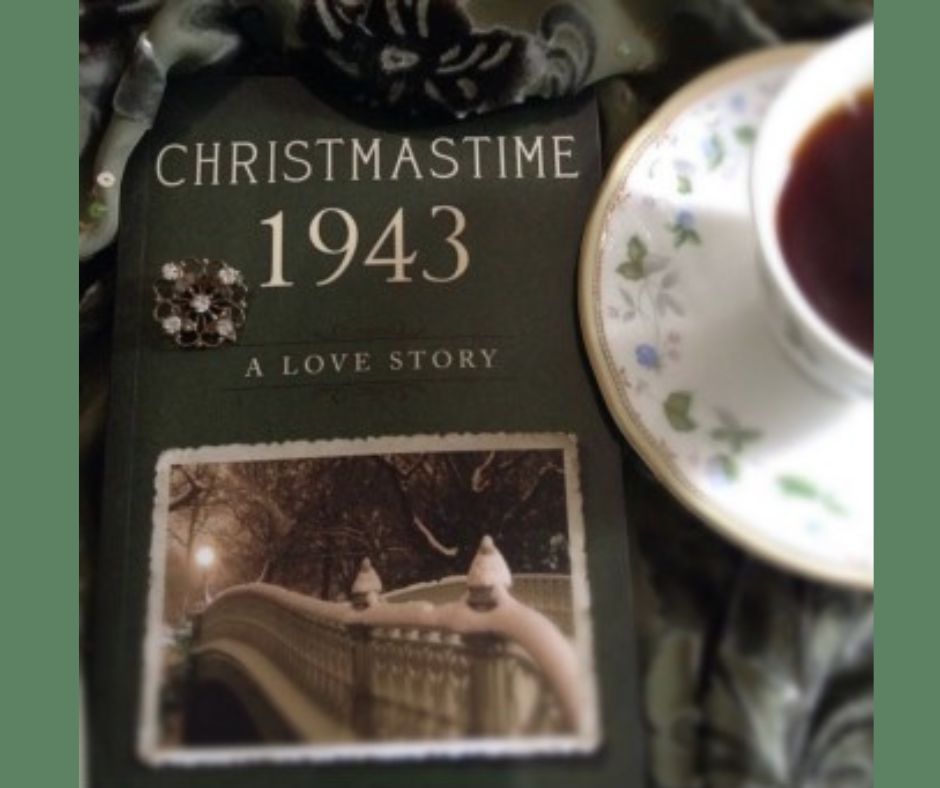
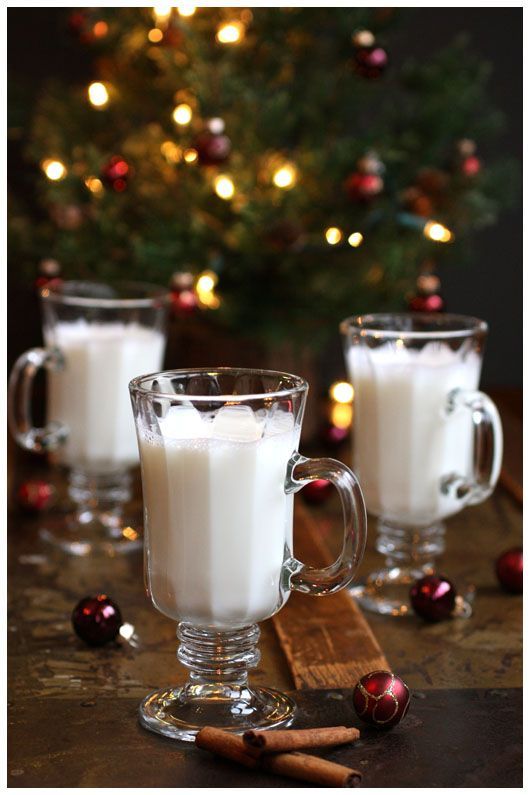
So as the temperatures drop and the holidays approach, experience a sense of well-being for yourself. Fix a cozy hot drink, turn on a lamp or light a candle, and grab a warm blanket. Then nestle into your favorite reading chair and snuggle up with CHRISTMASTIME.


































































































































 Linda Mahkovec - Author