After years of dreaming about it, I finally visited Provence, seeing towns and villages that stretched from Avignon on the Rhone,
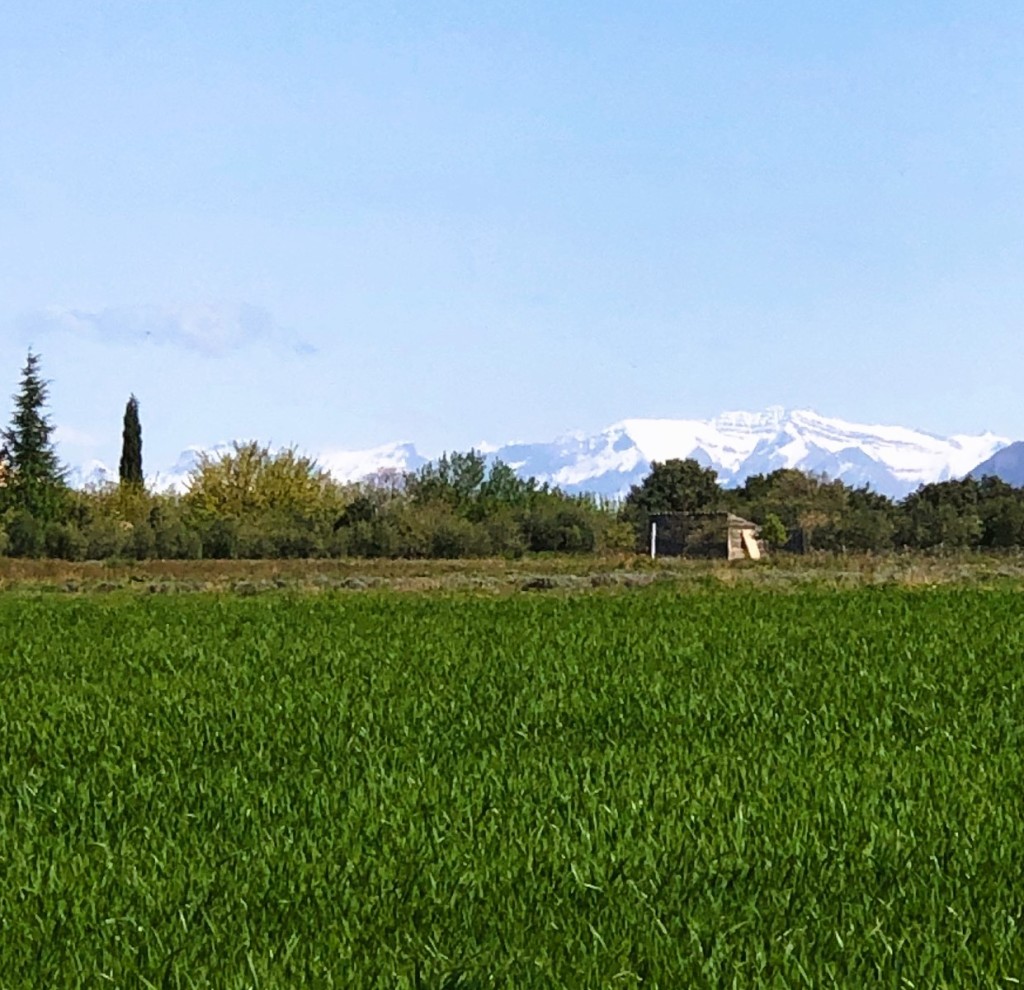
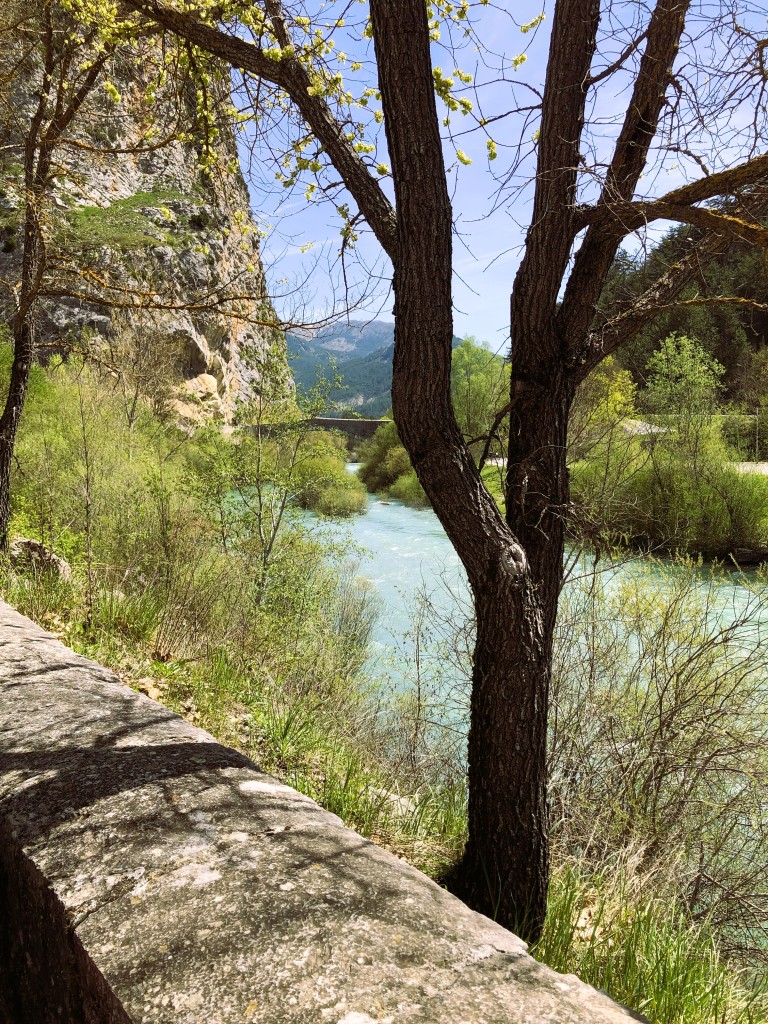
to Moustiers-Sainte-Marie in the east, with the snow-capped French Alps in the distance.
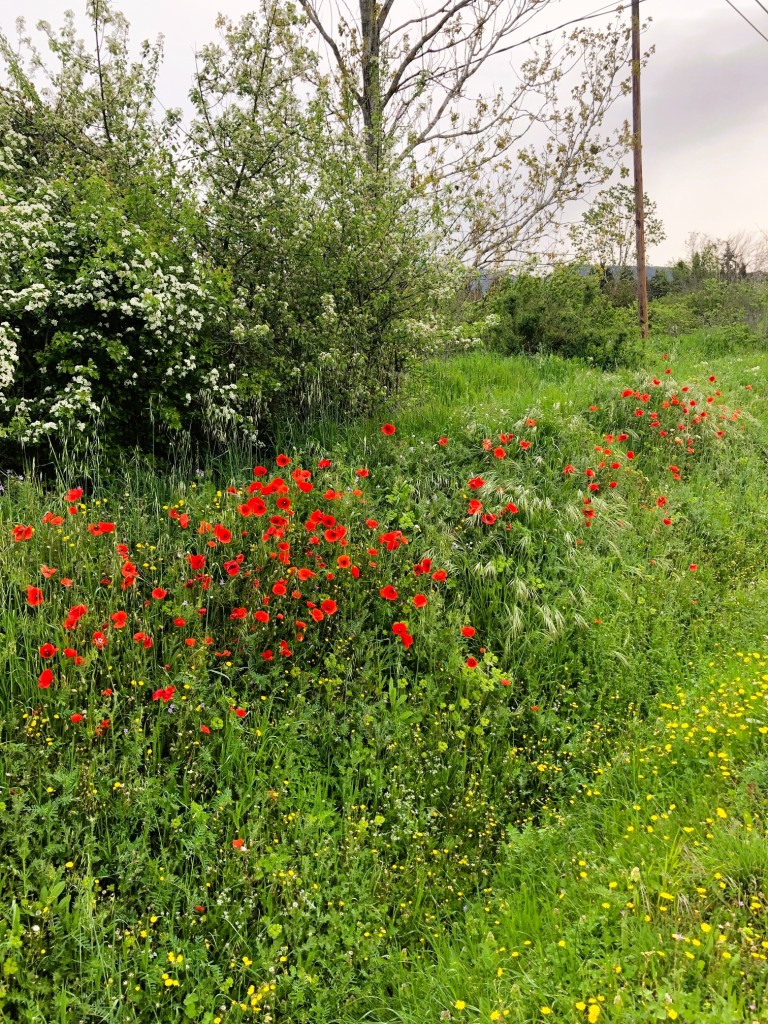
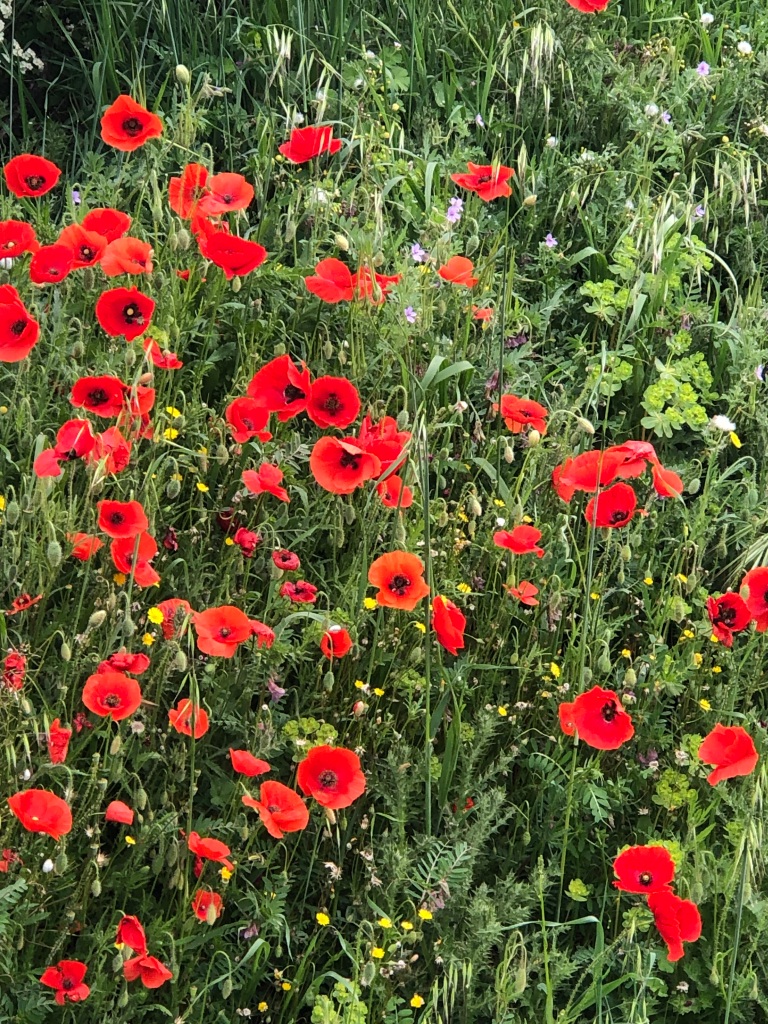
Although it was too early in the year for its famous lavender and sunflower fields, the Luberon Valley was bursting with flowers. In addition to the cheerful, beloved red poppies,
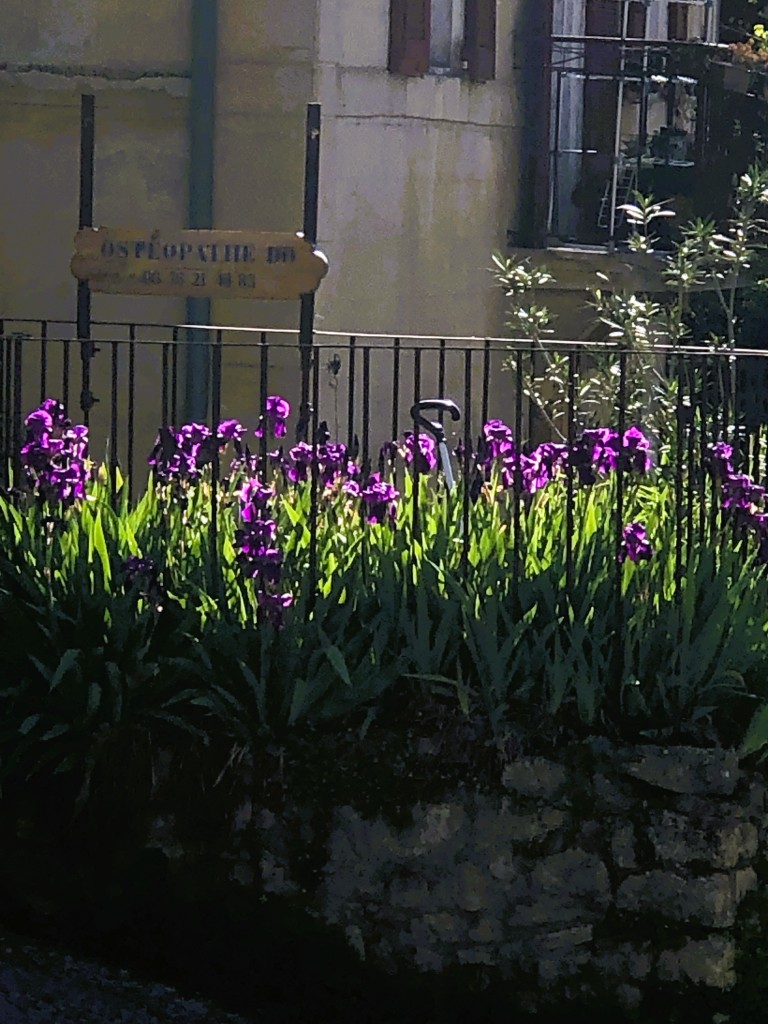
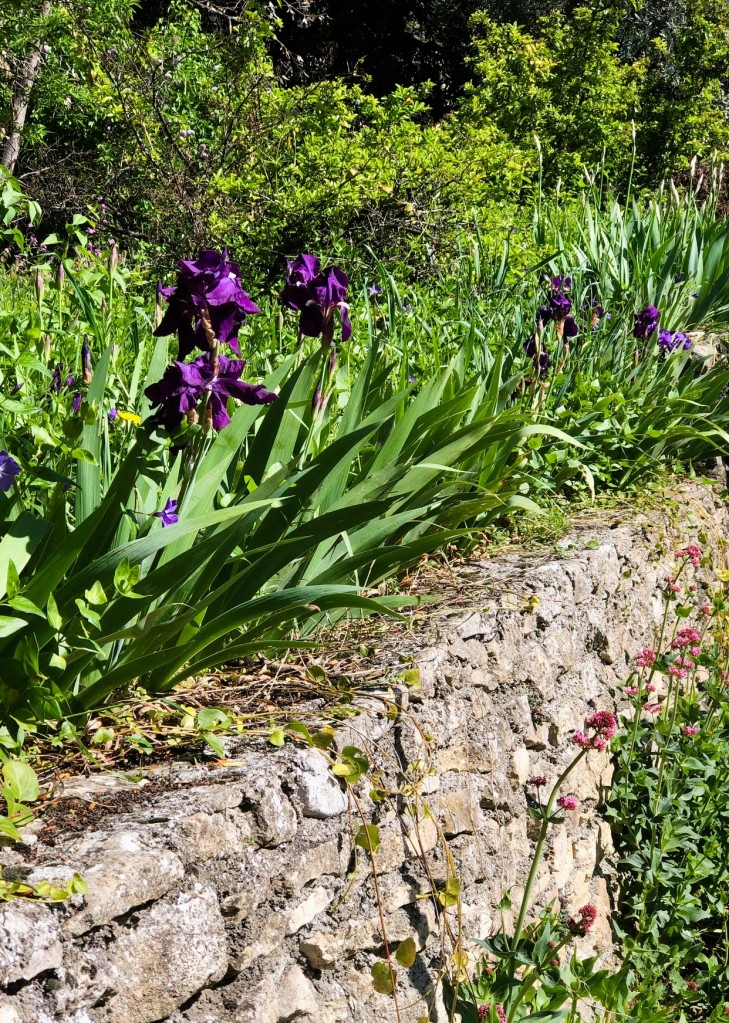
there was purple everywhere: deep royal irises,
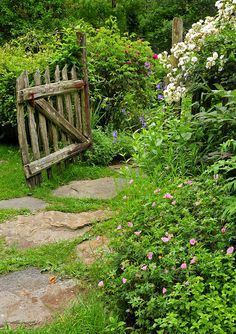
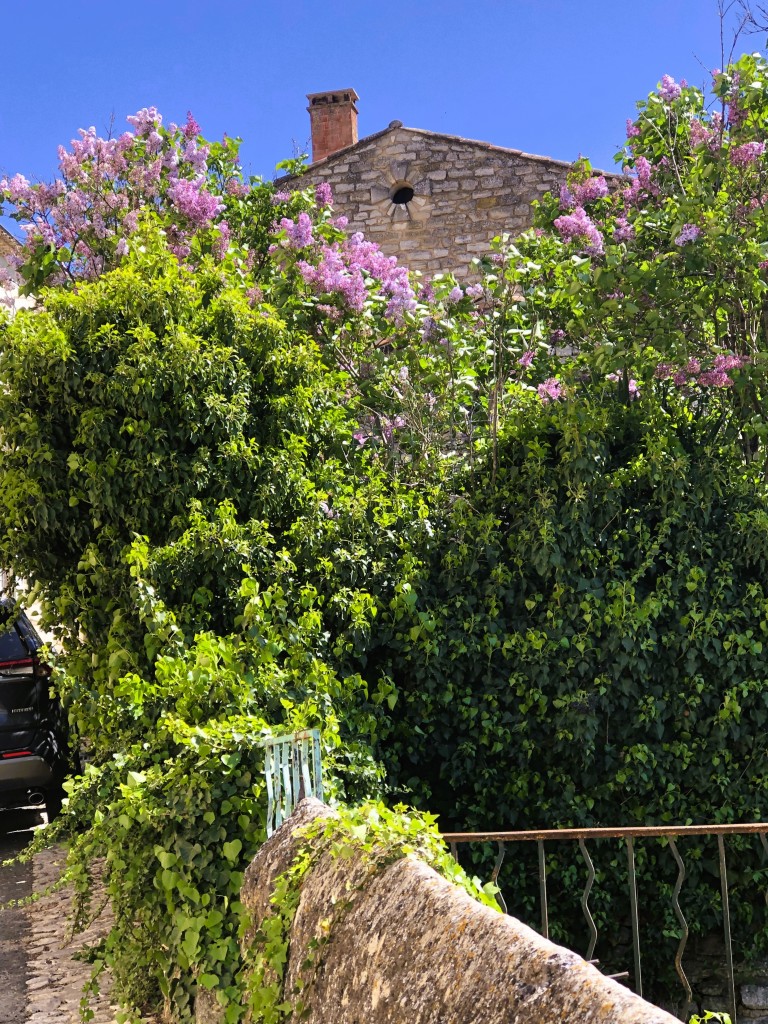
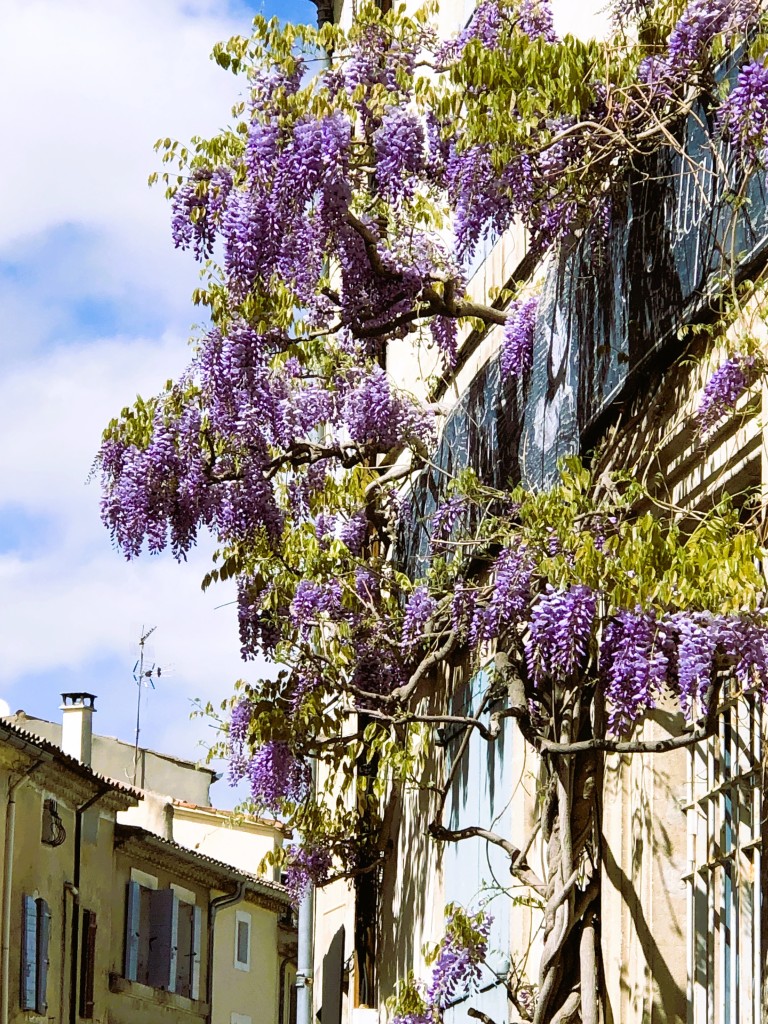
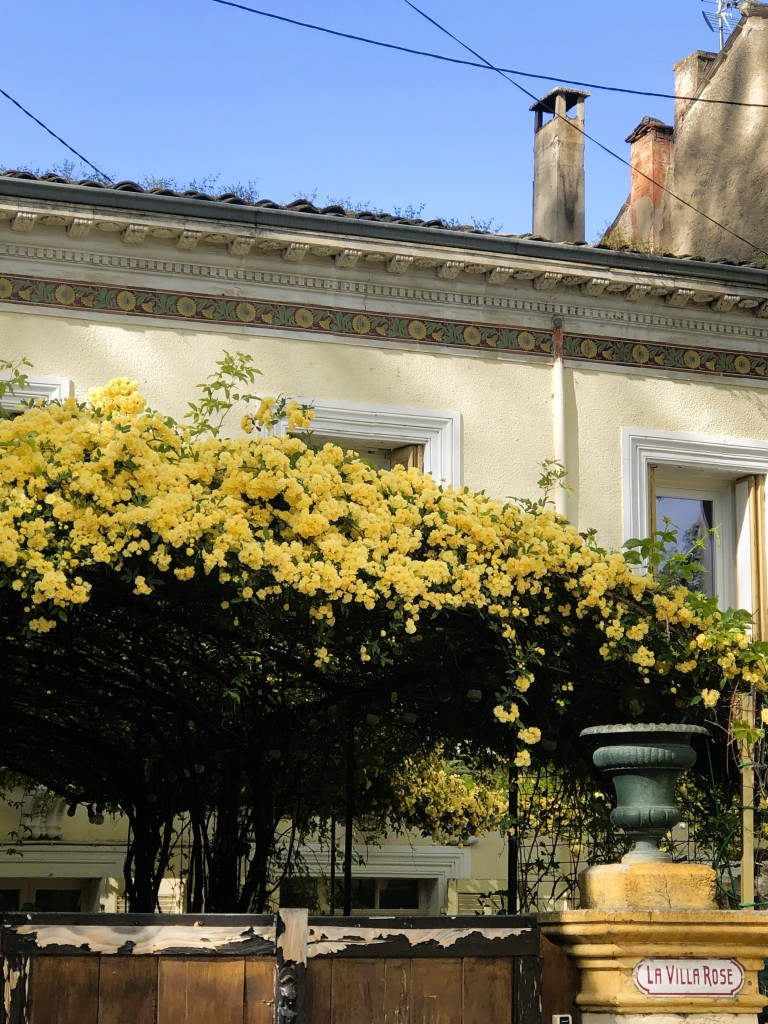
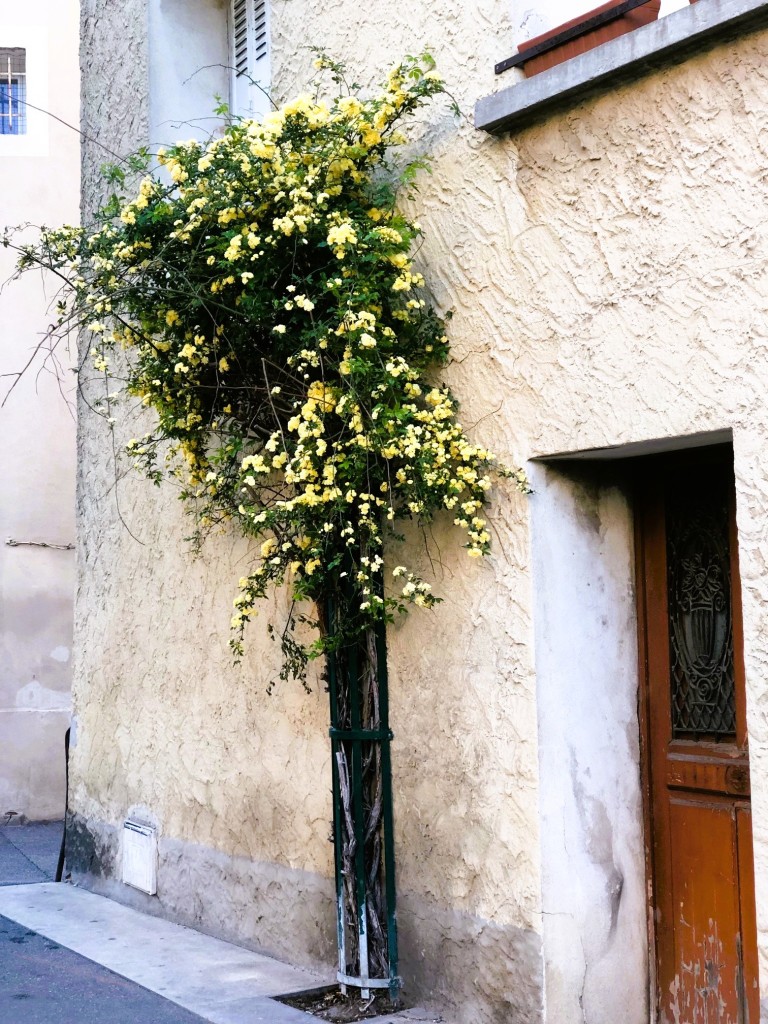
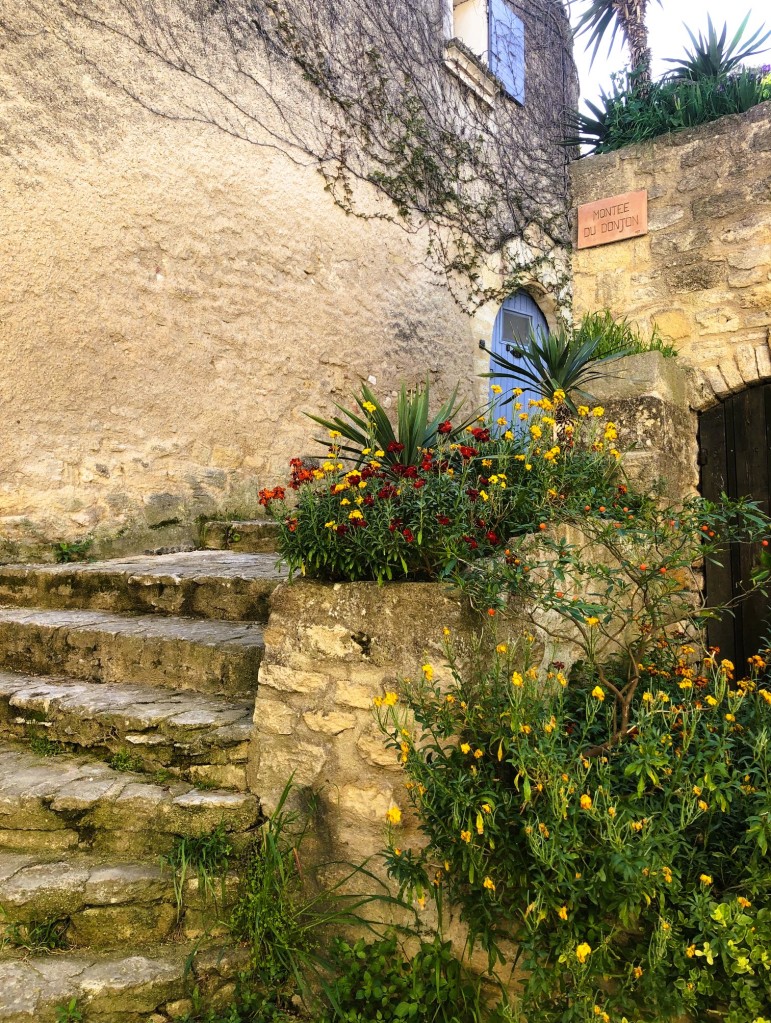
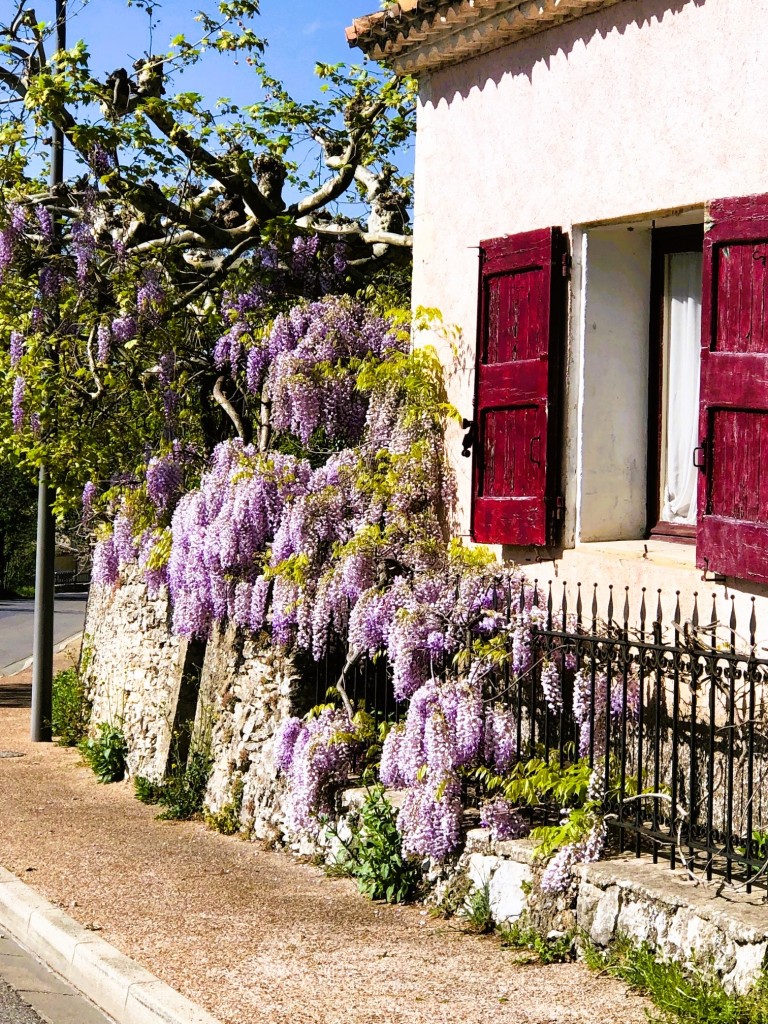
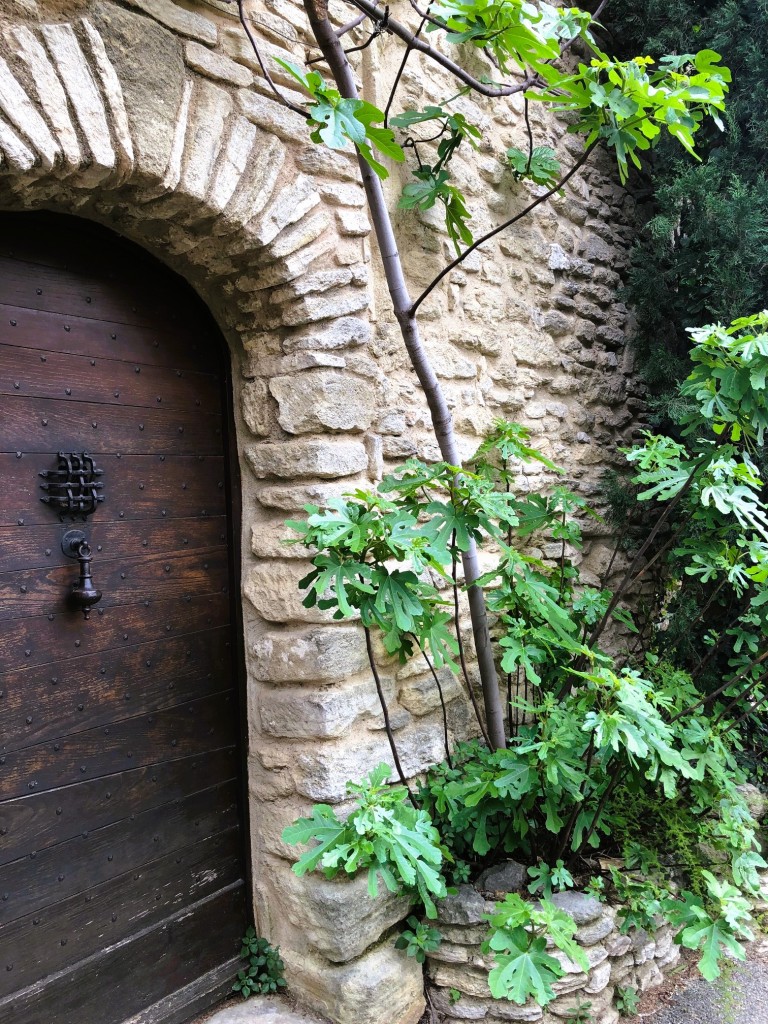
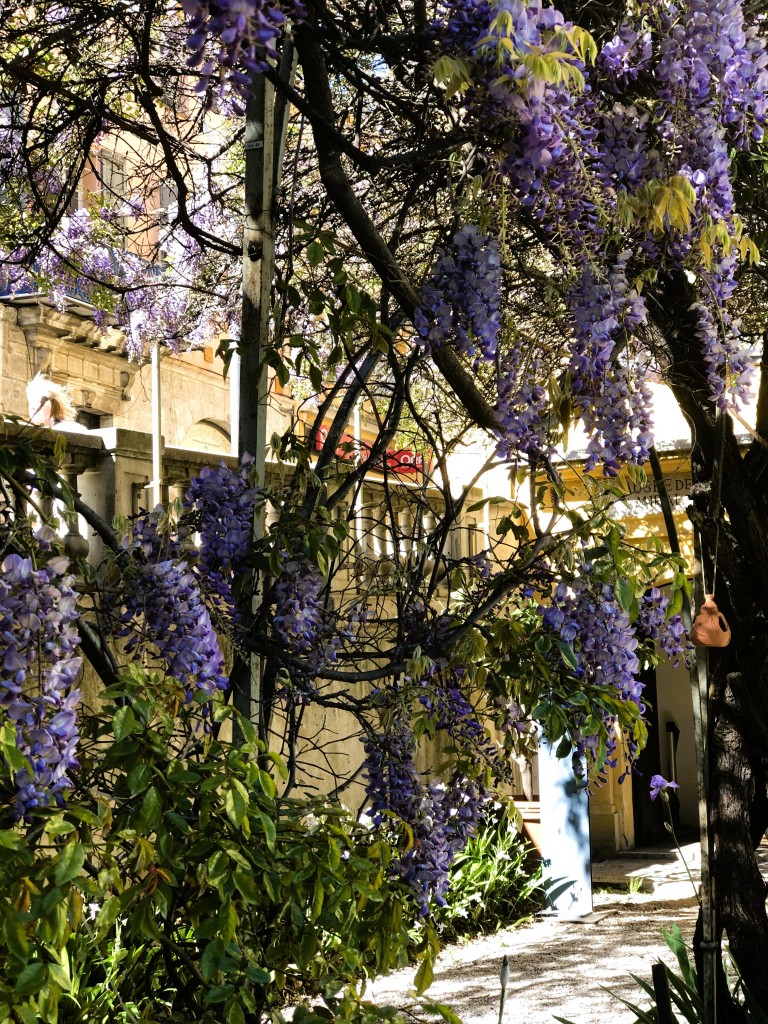
and paler wisteria and lilac, perfuming the air. My greatest surprise was the sheer abundance of flowers — they were everywhere, planted in corners of fields and alongside roads, framing doorways and windows, in planters and atop stone walls.
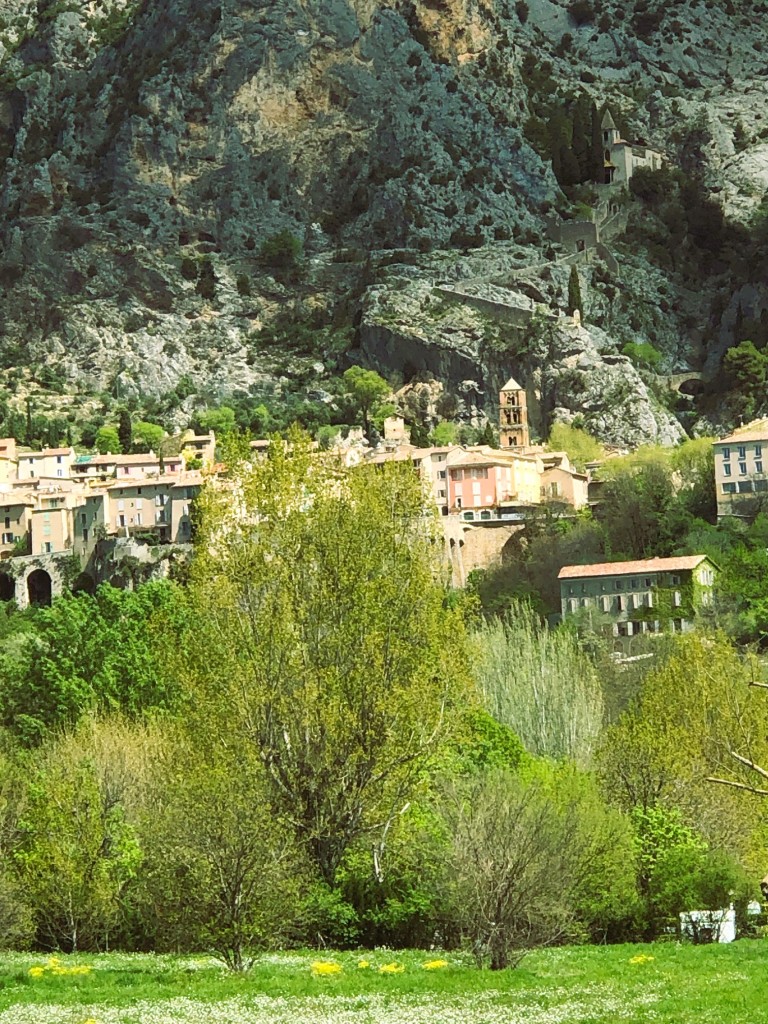
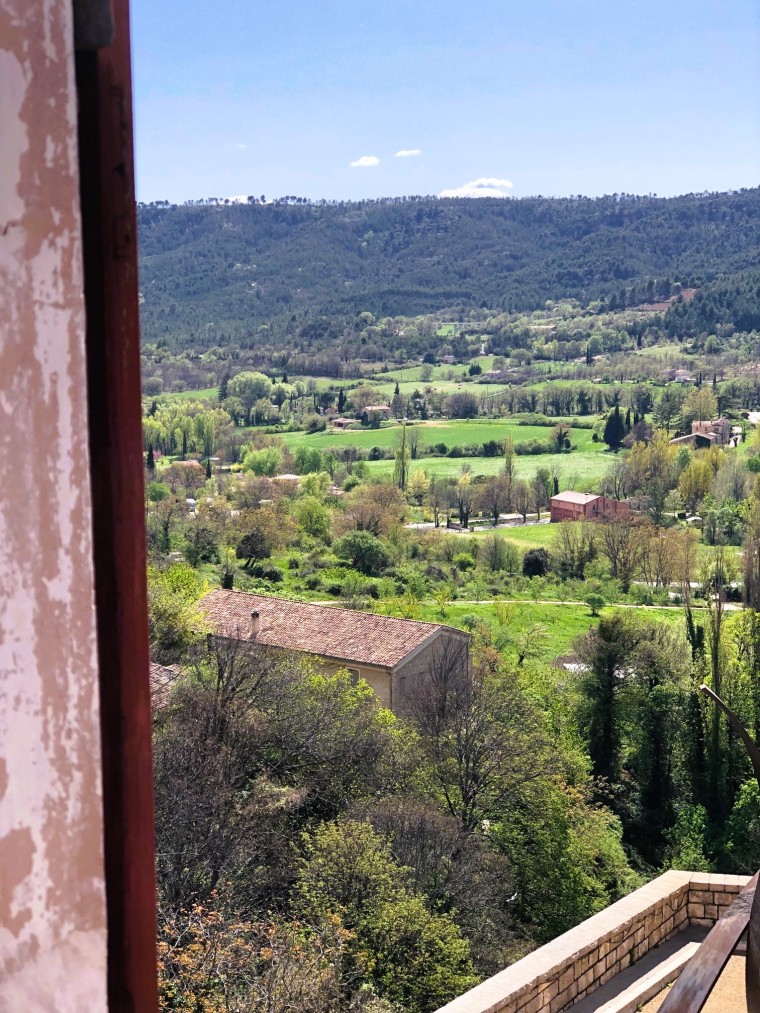
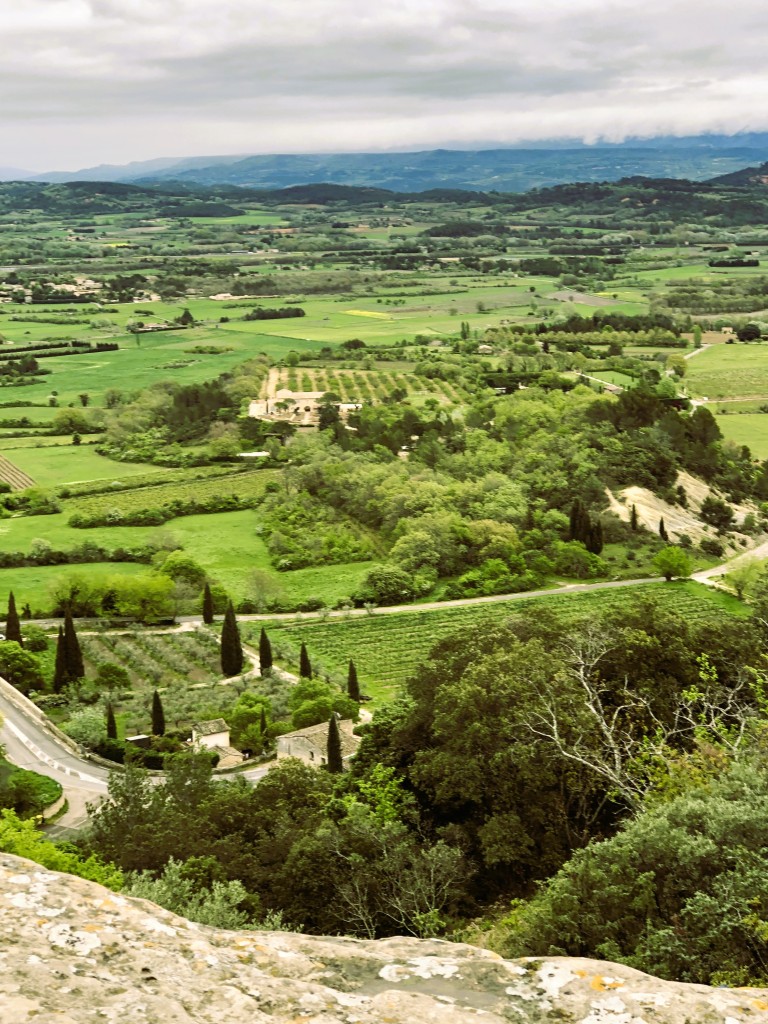
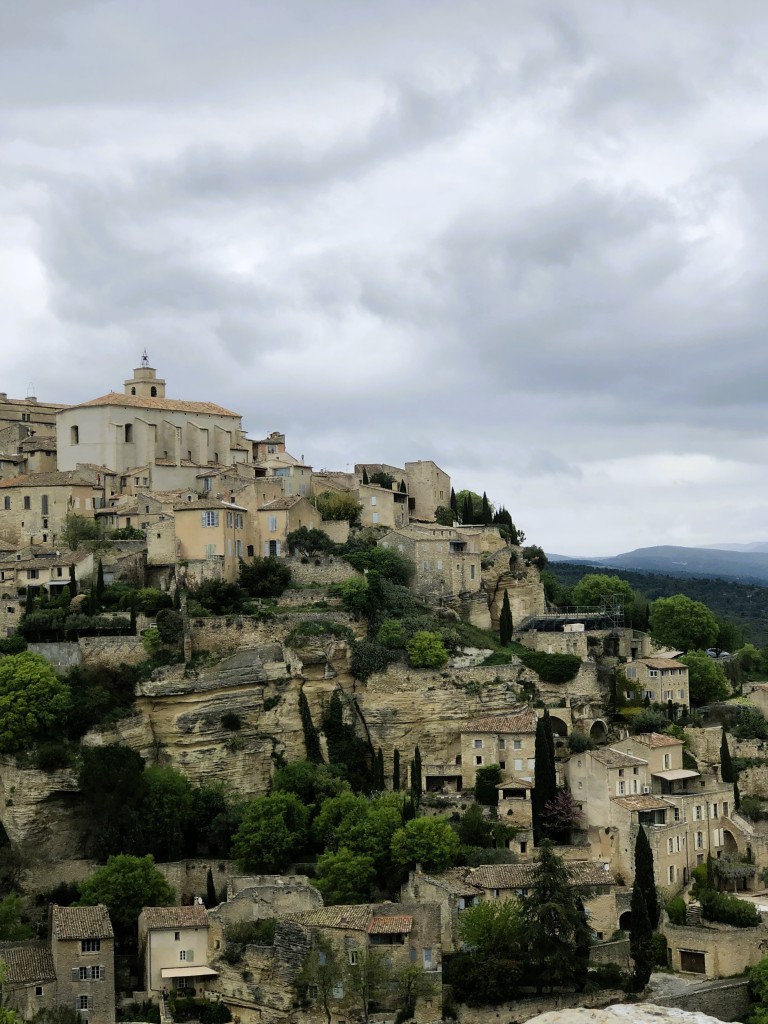
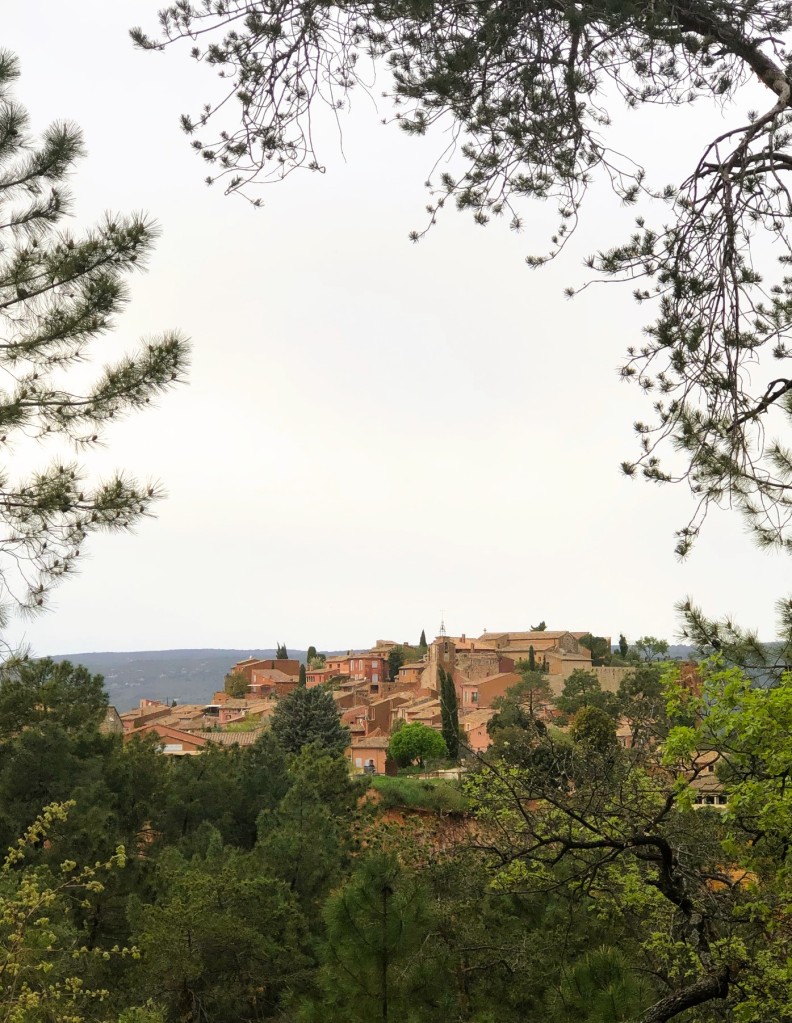
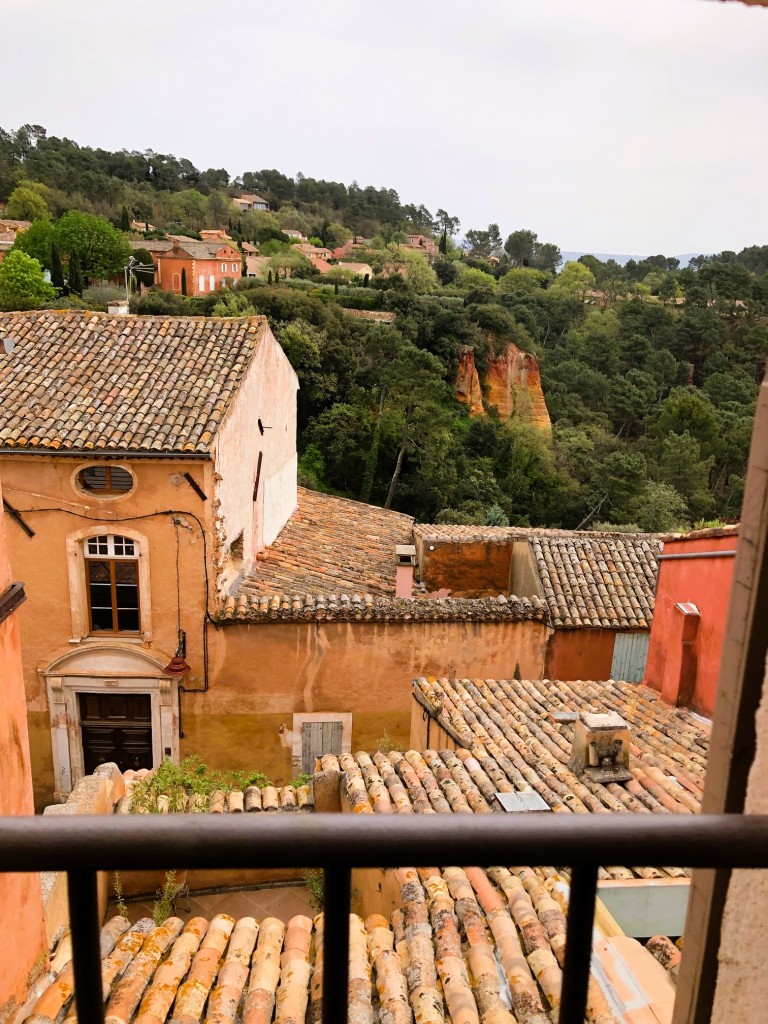
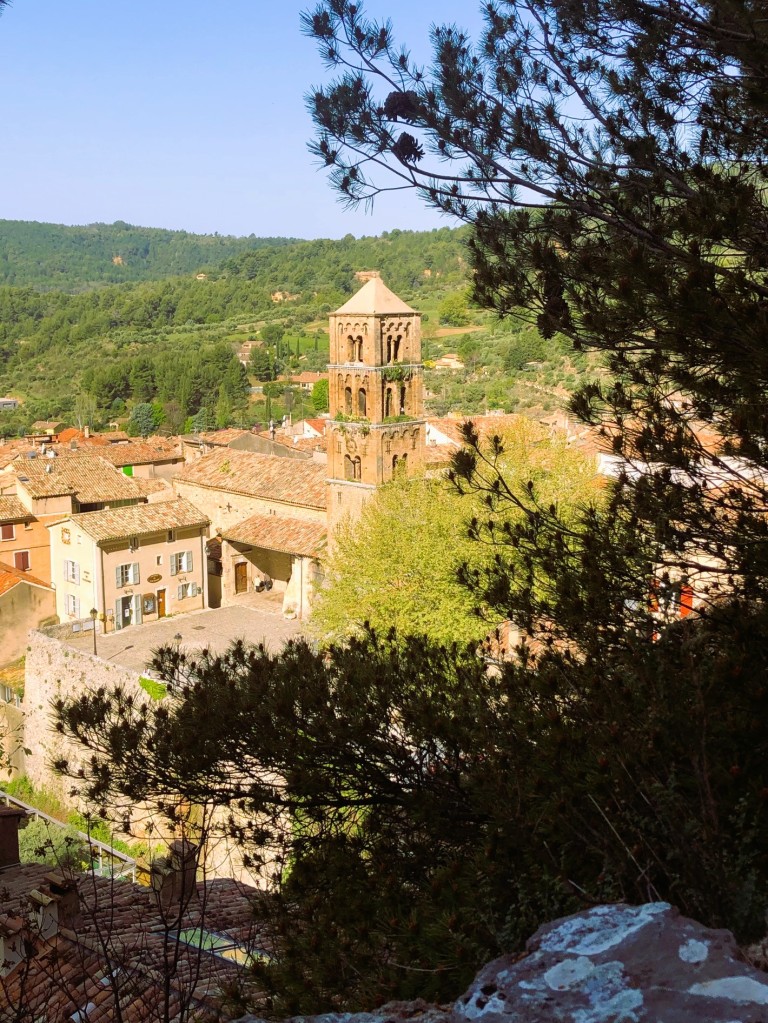
Provence was everything and more than I had hoped to experience: hilltop villages with distant views,
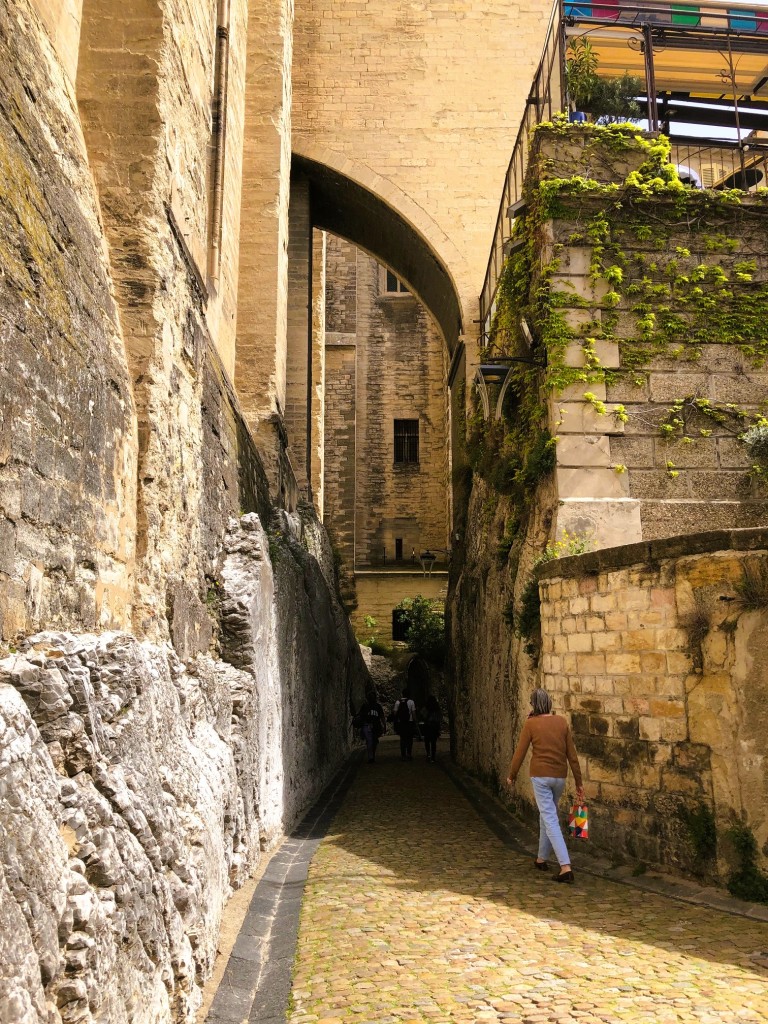
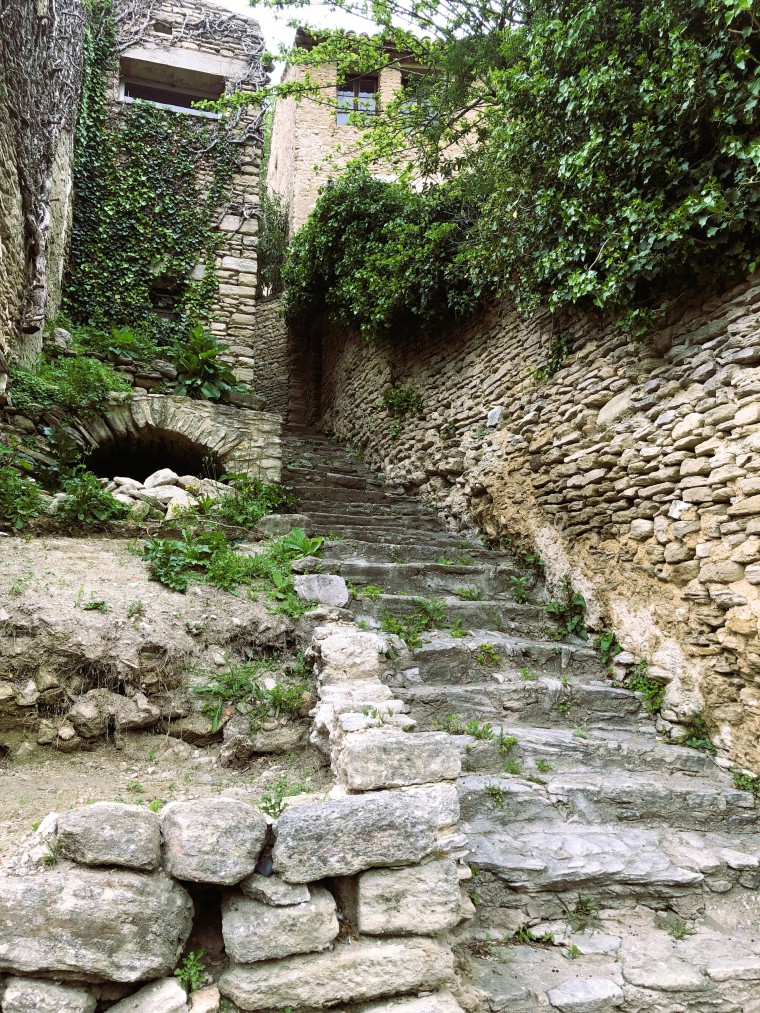
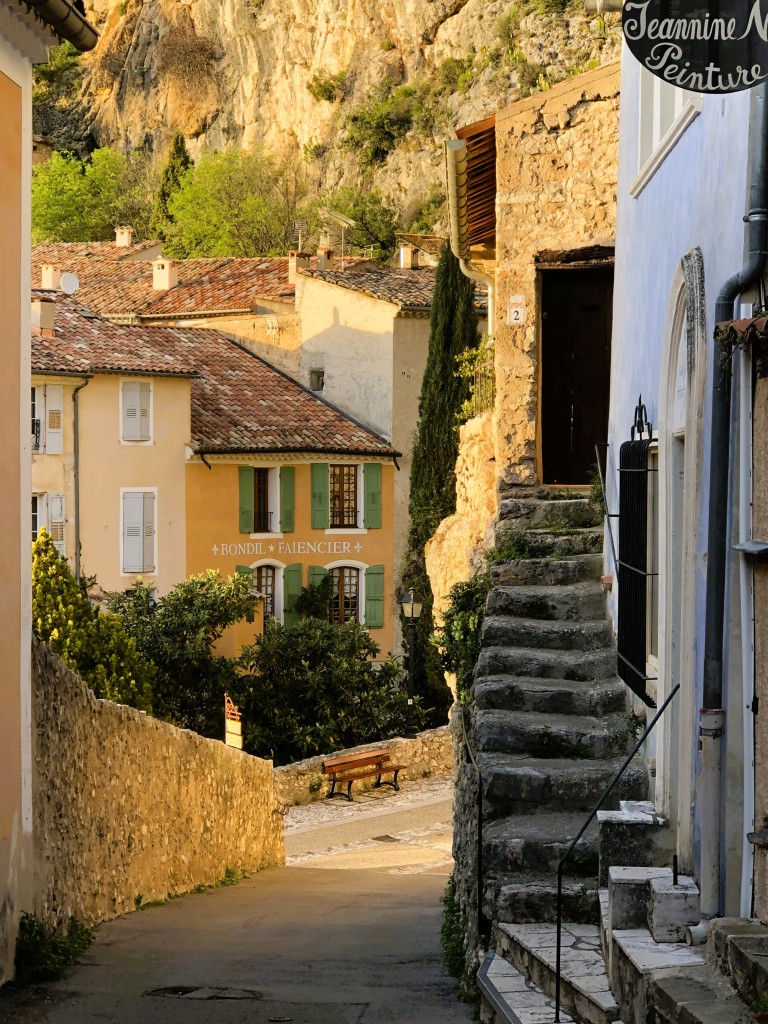
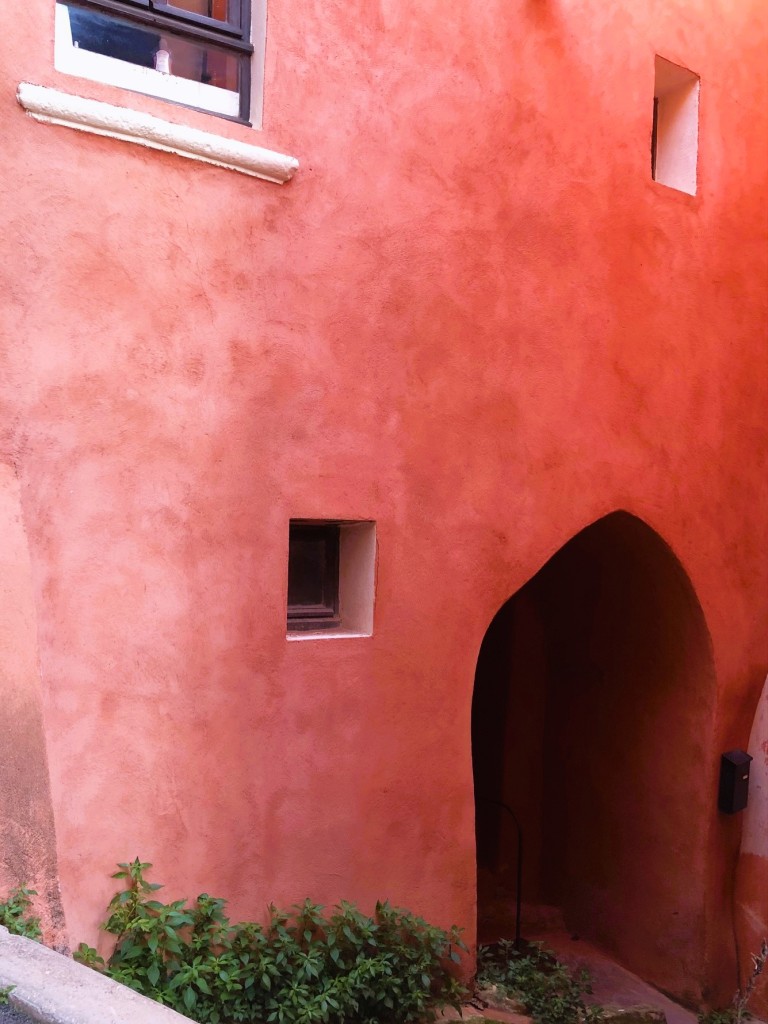
narrow streets and steep stairs,
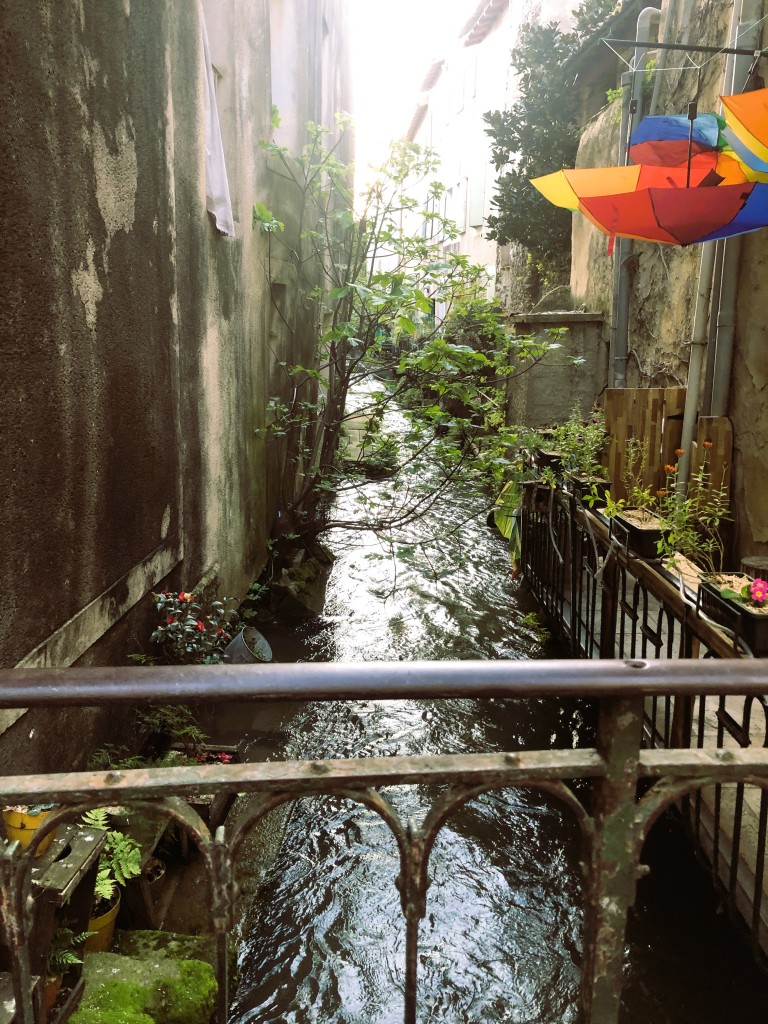
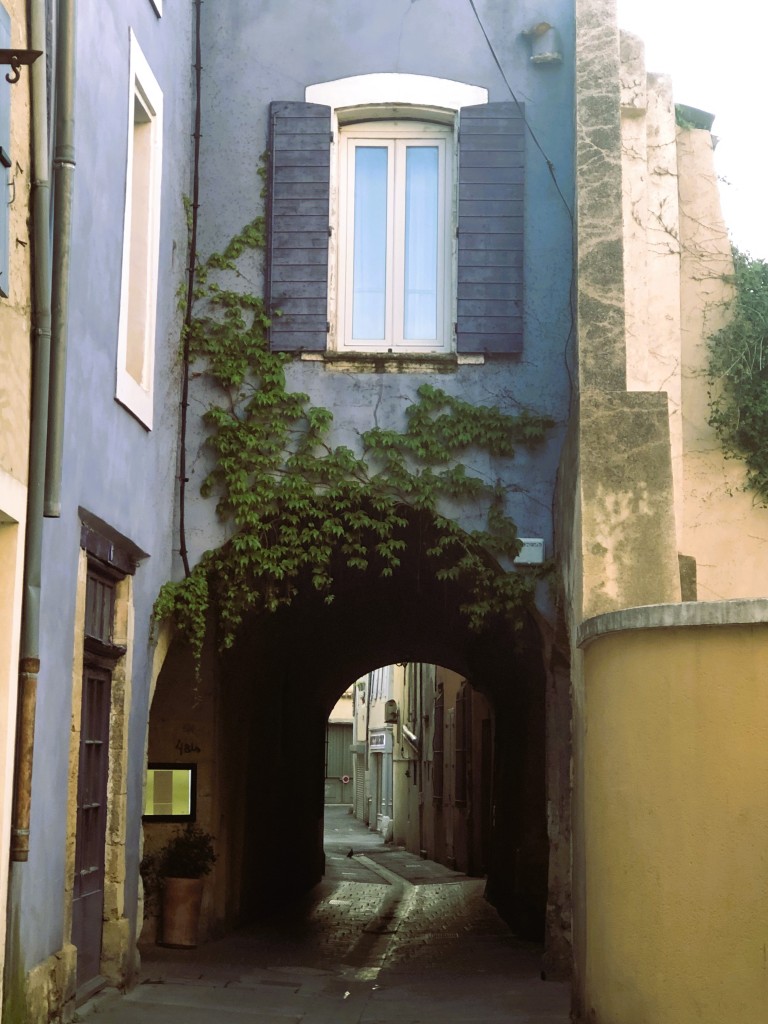
inviting bridges and passageways,
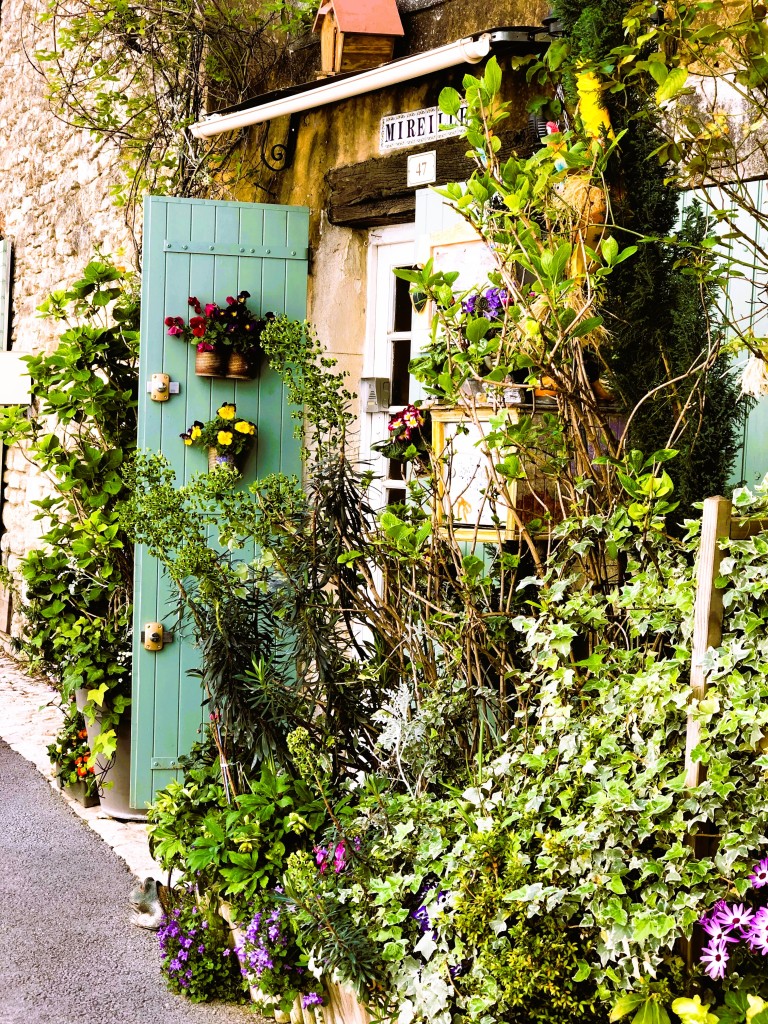
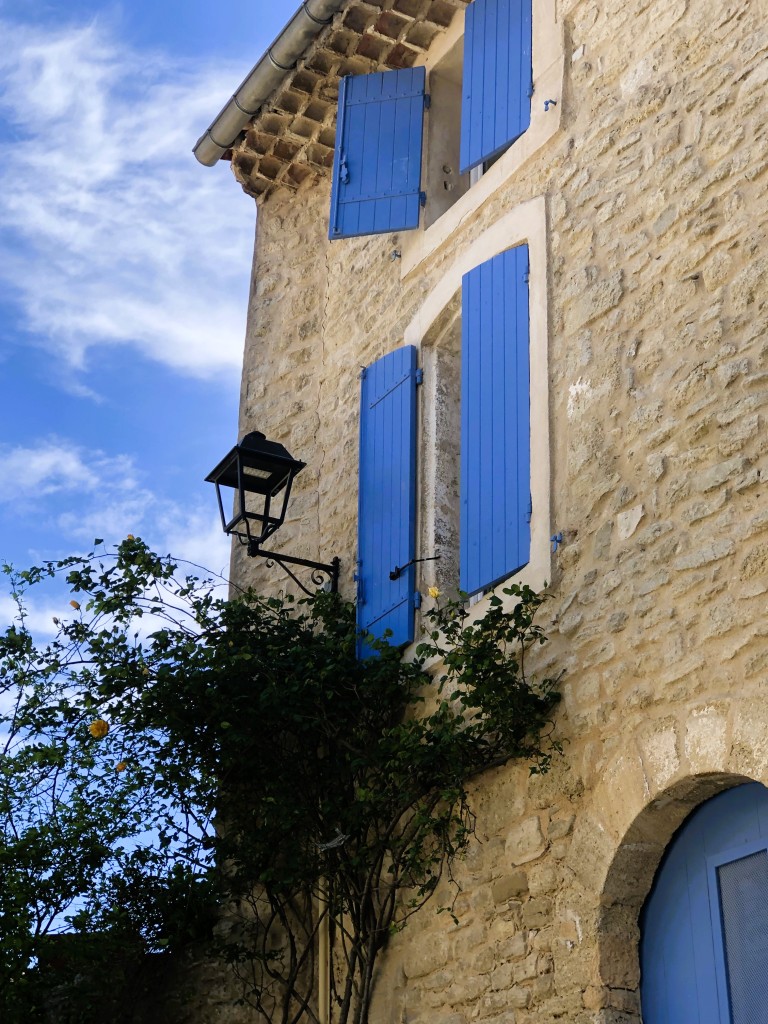
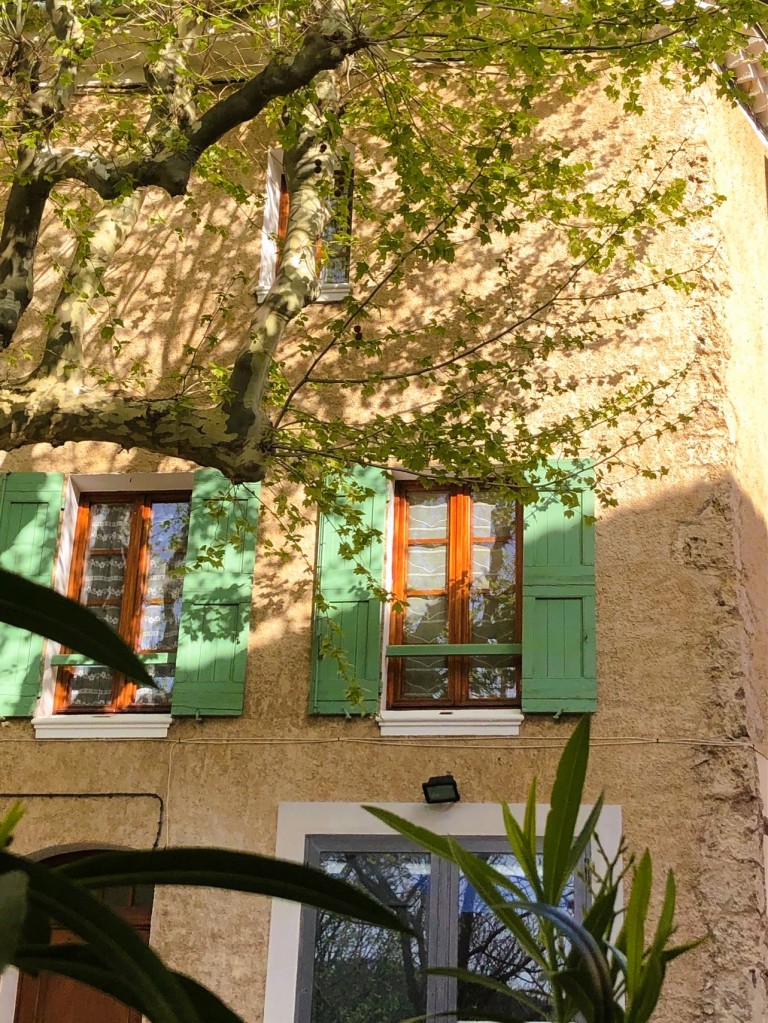
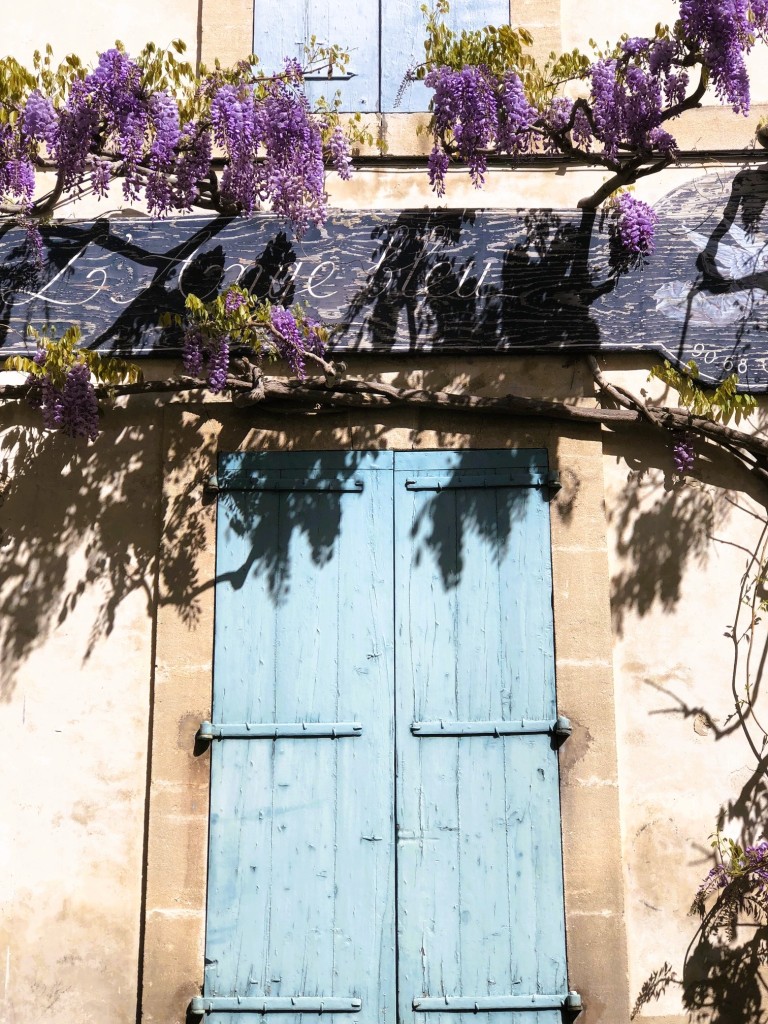
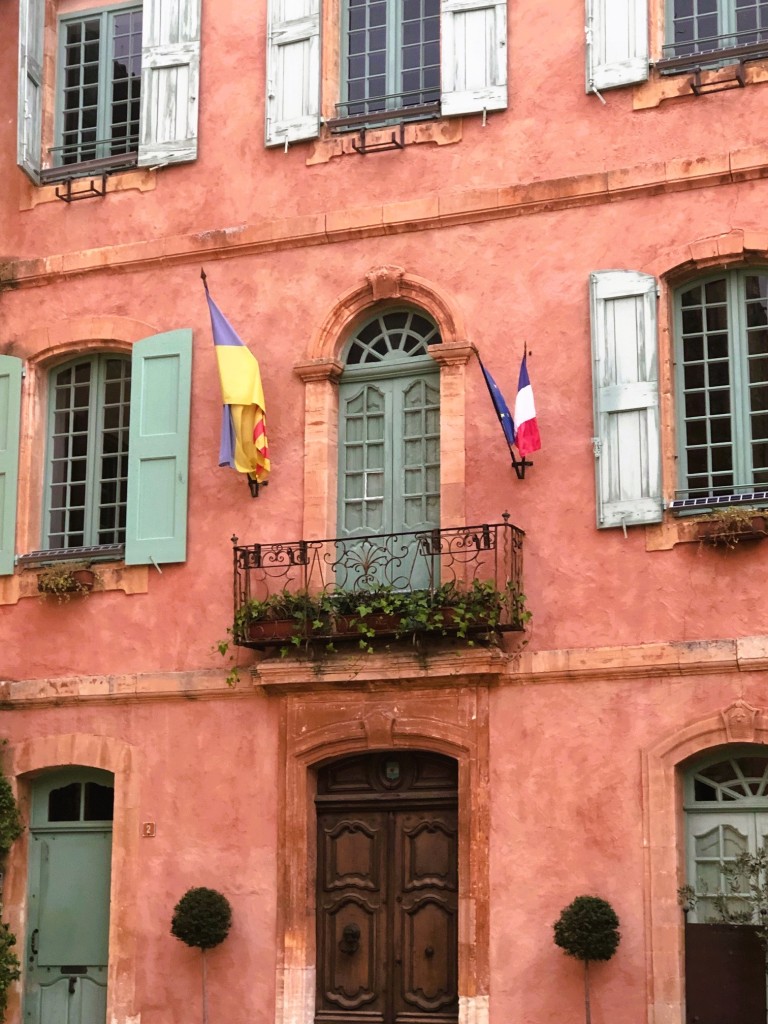
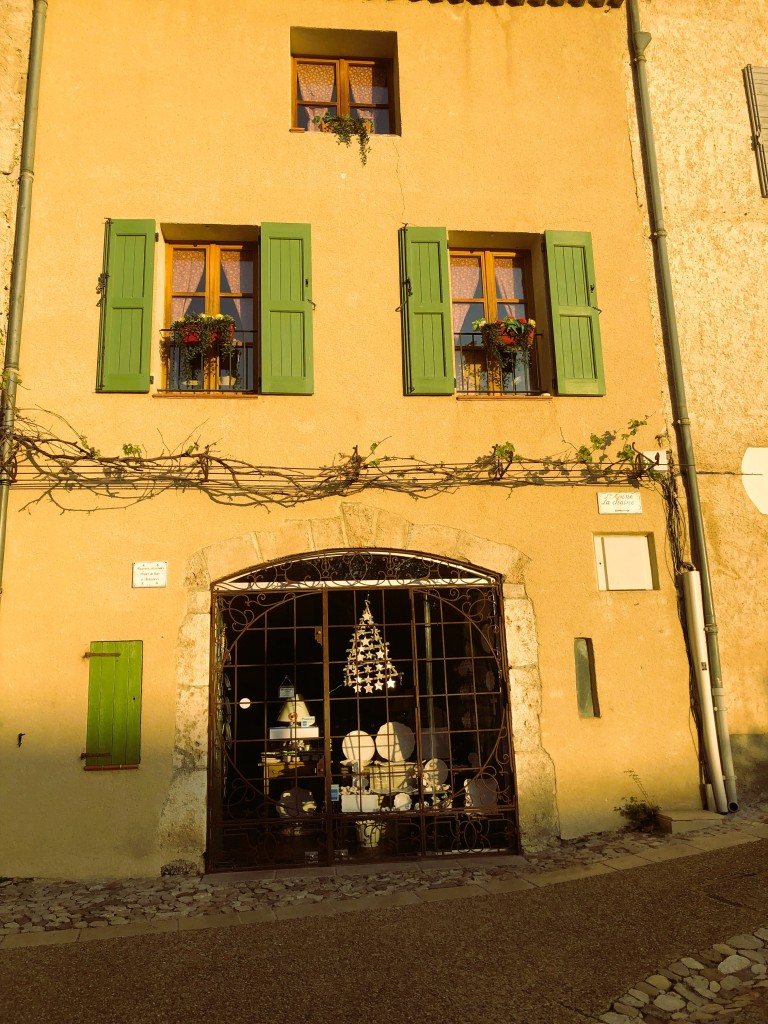
picturesque, colorful shutters.
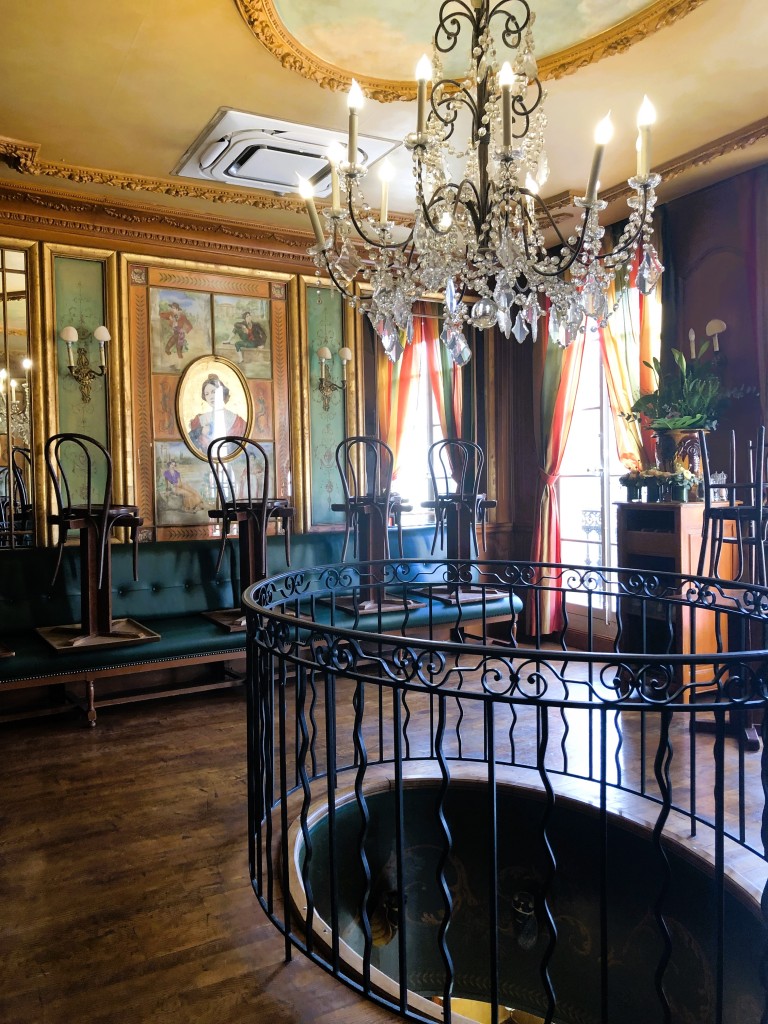
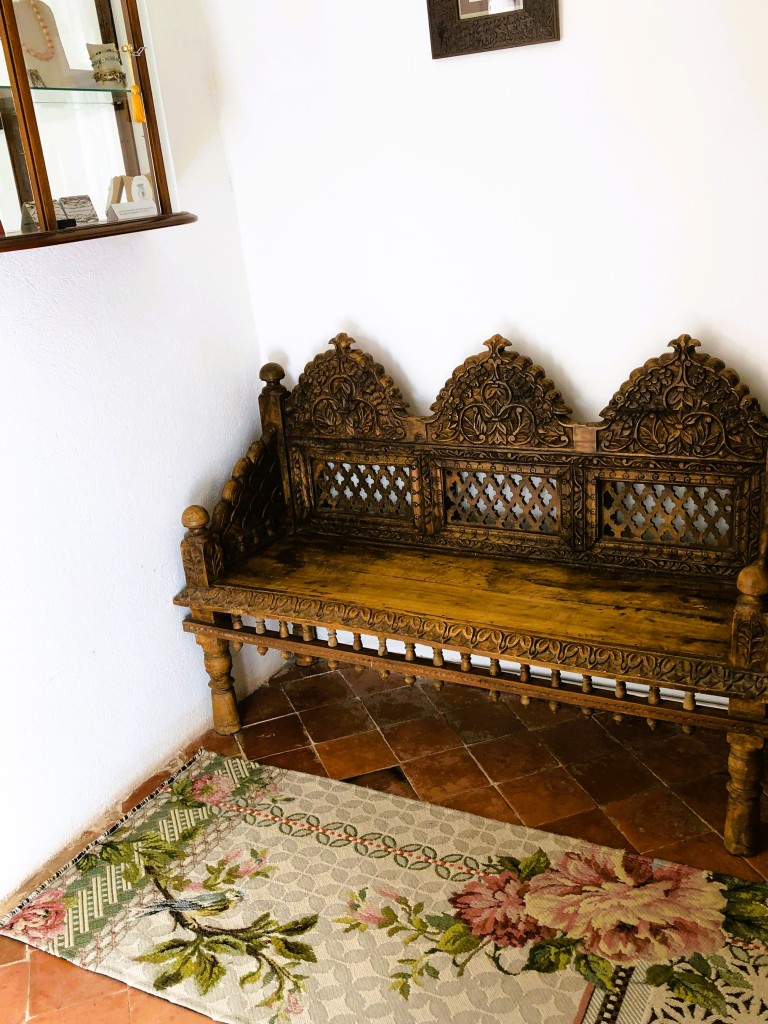
There were rooms of old-world elegance,
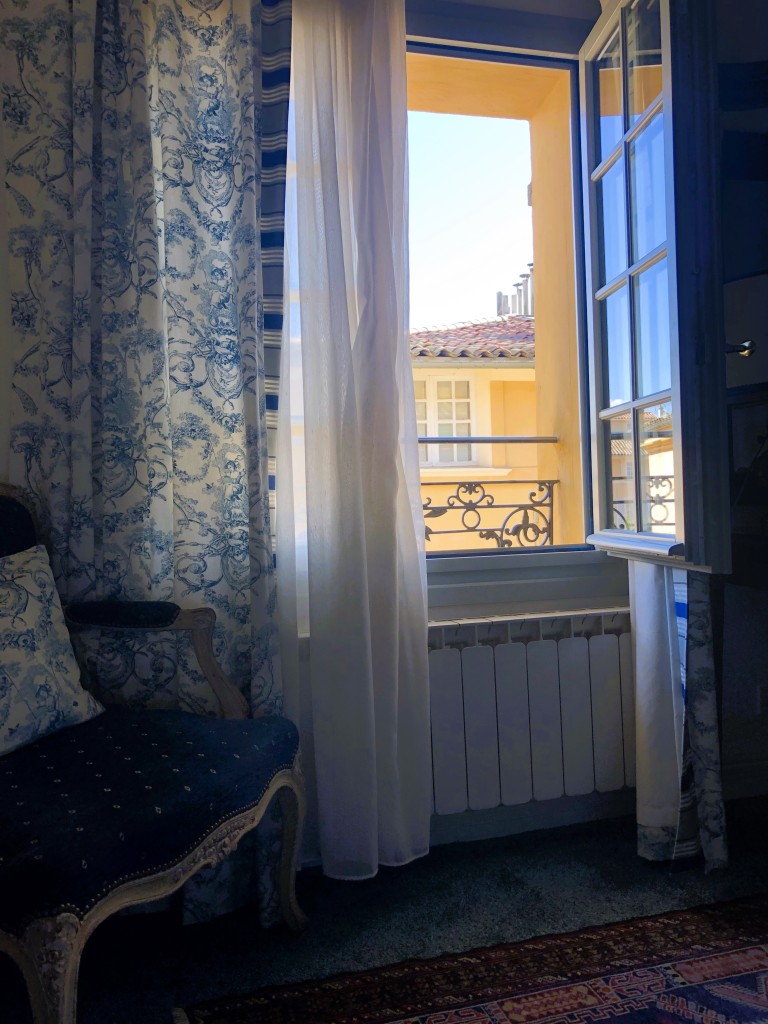
others of more rustic decor,
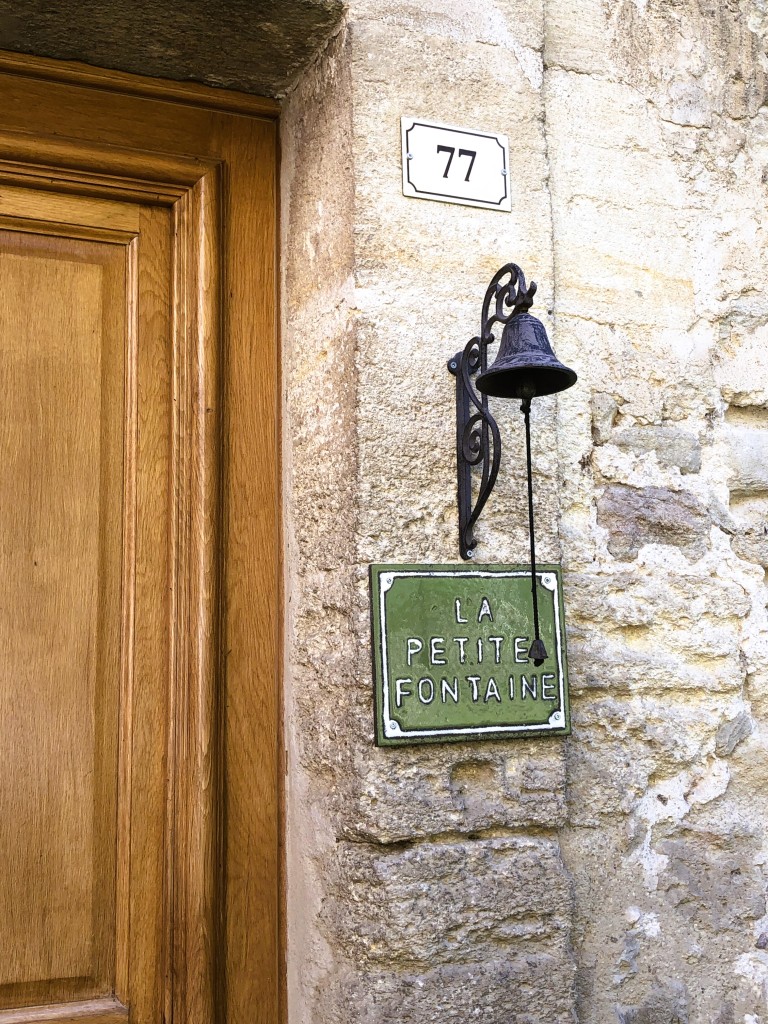
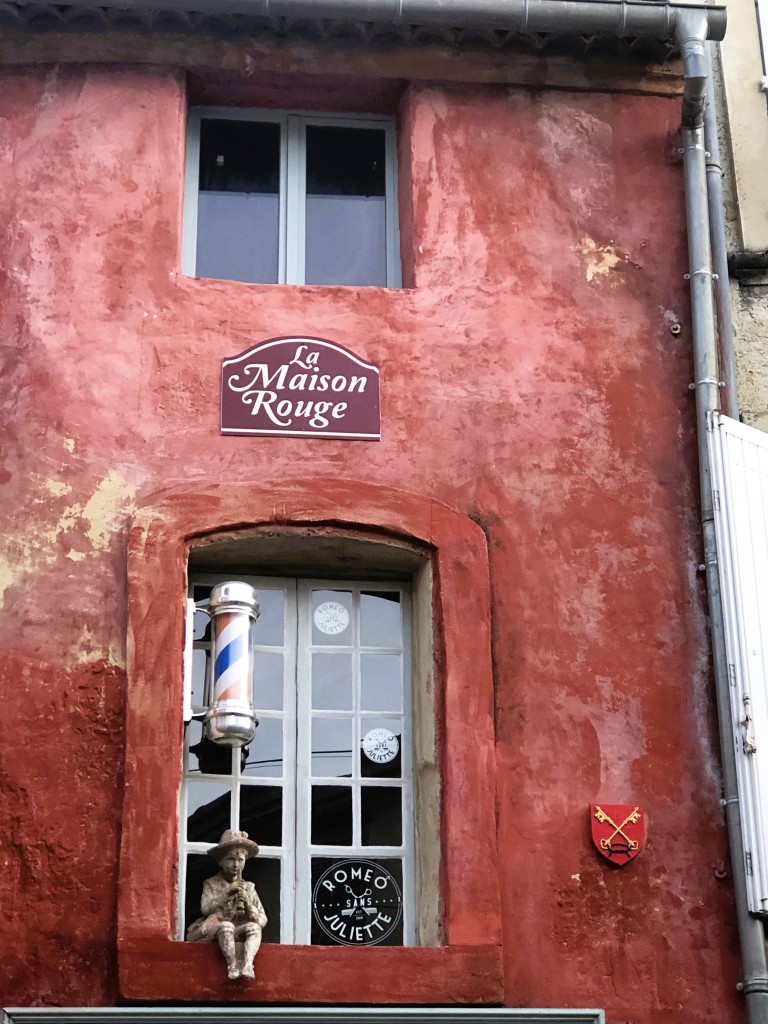
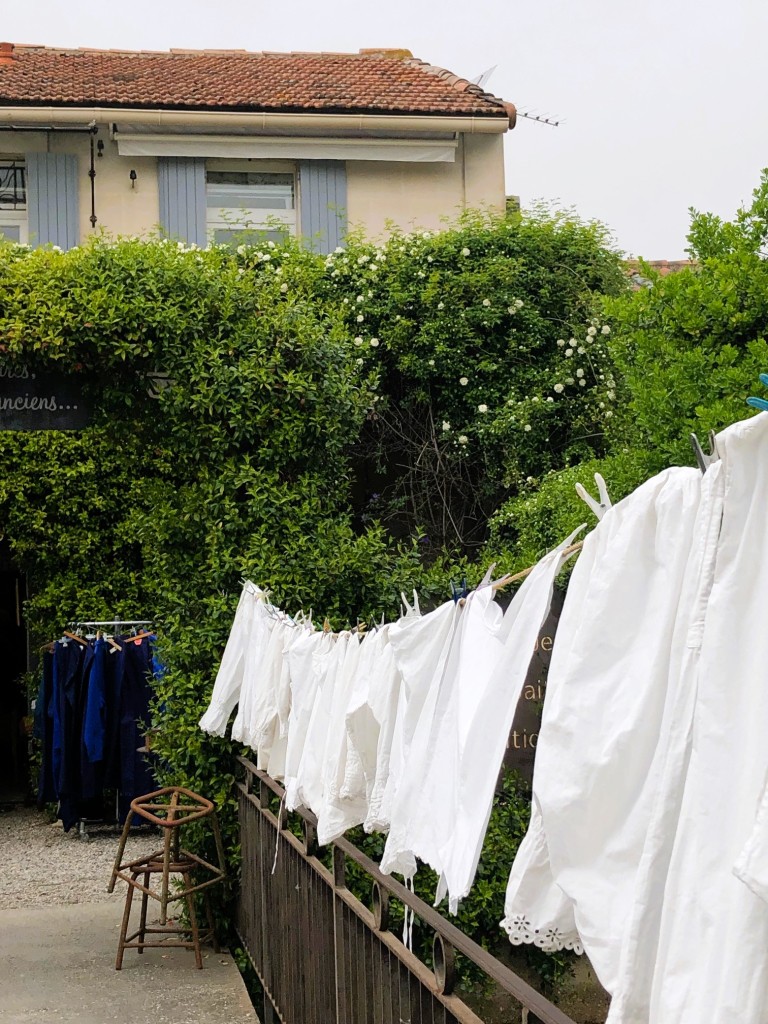
and quaint details everywhere.
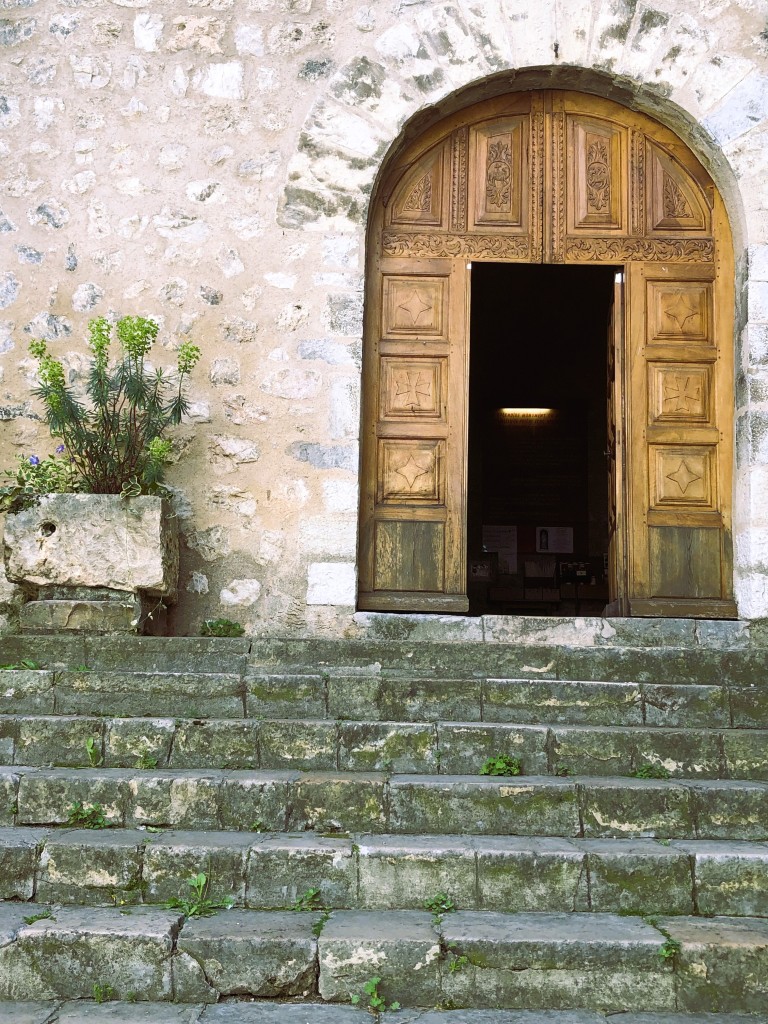
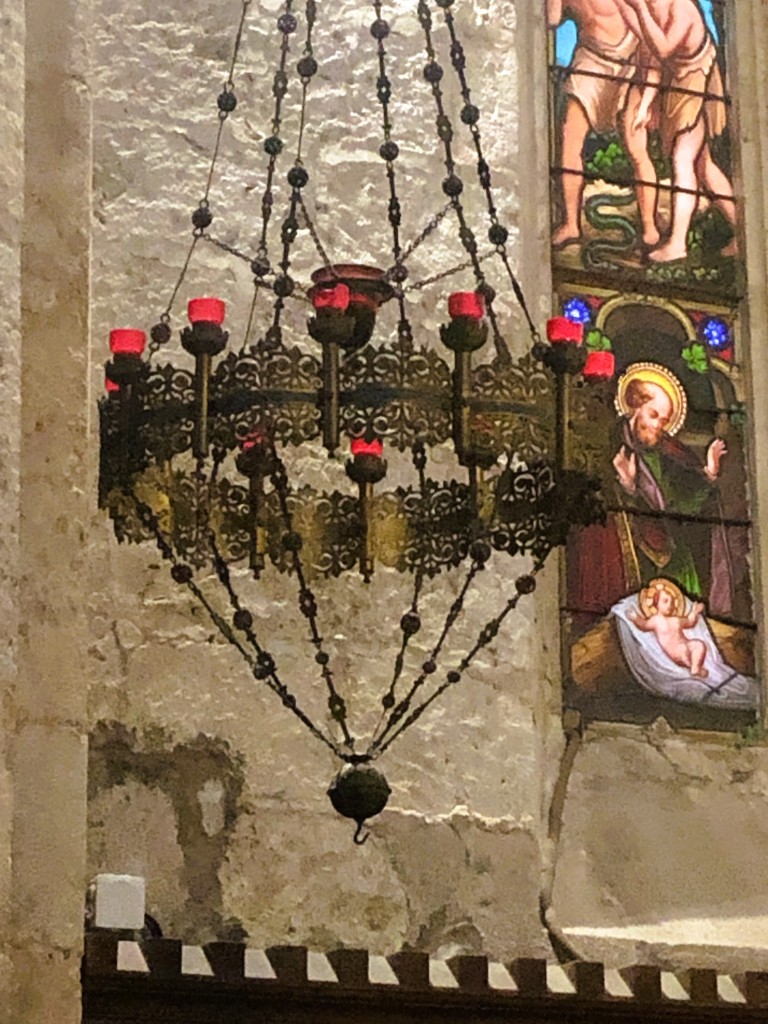
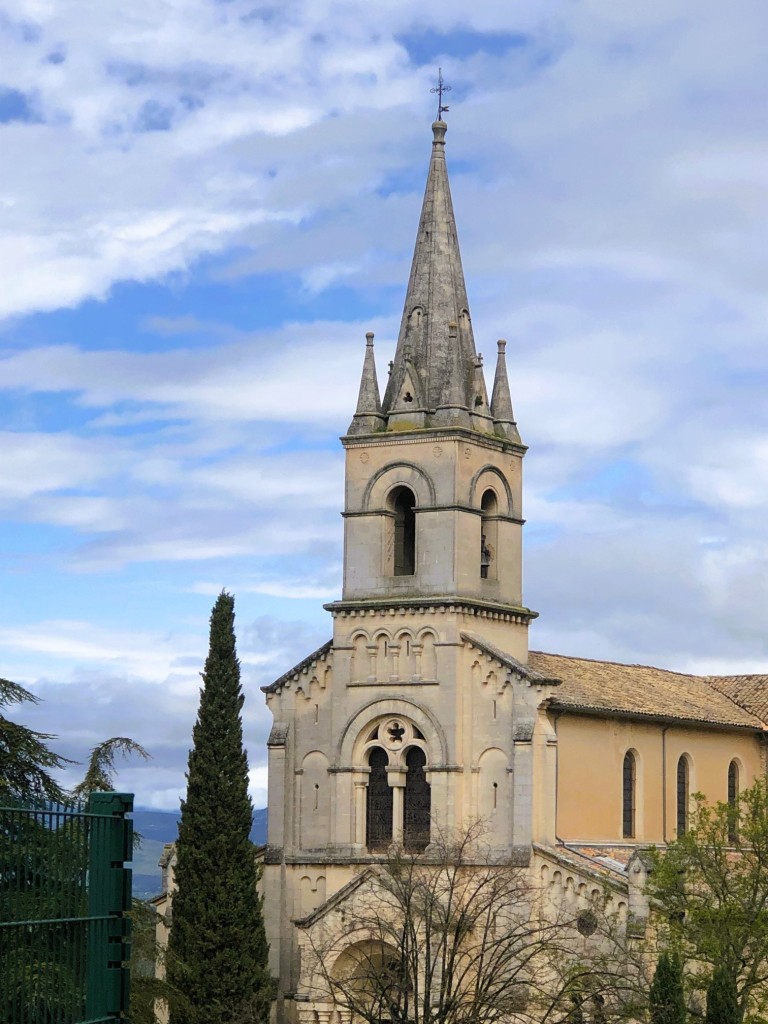
Beautiful old churches, rich in detail.
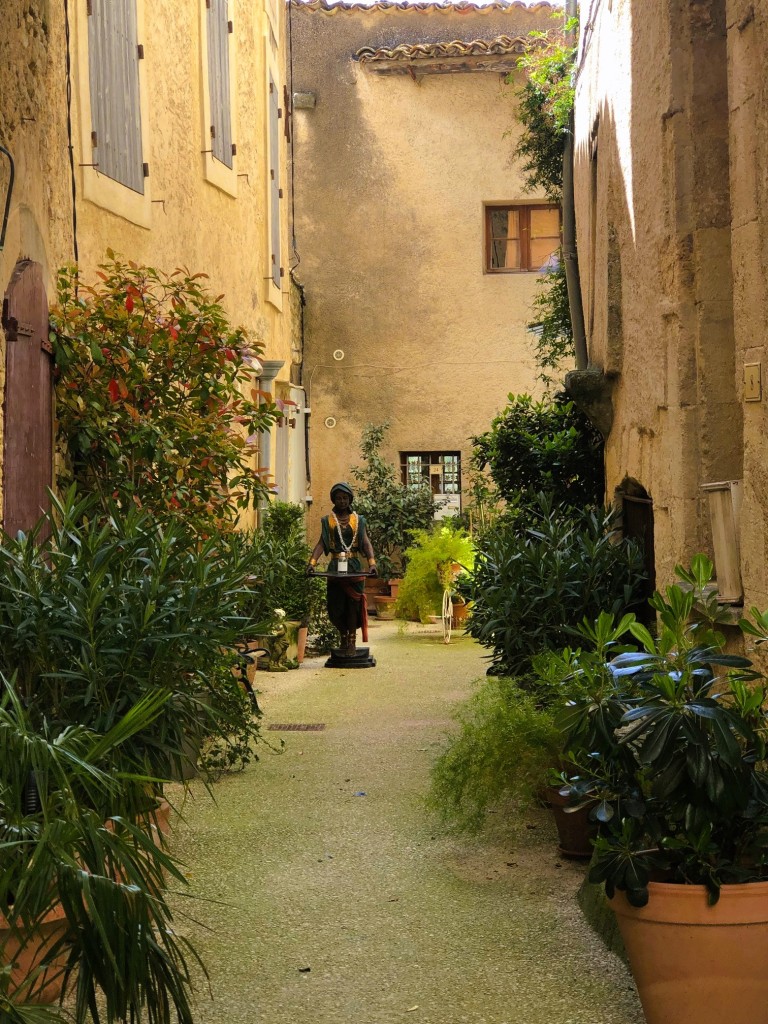
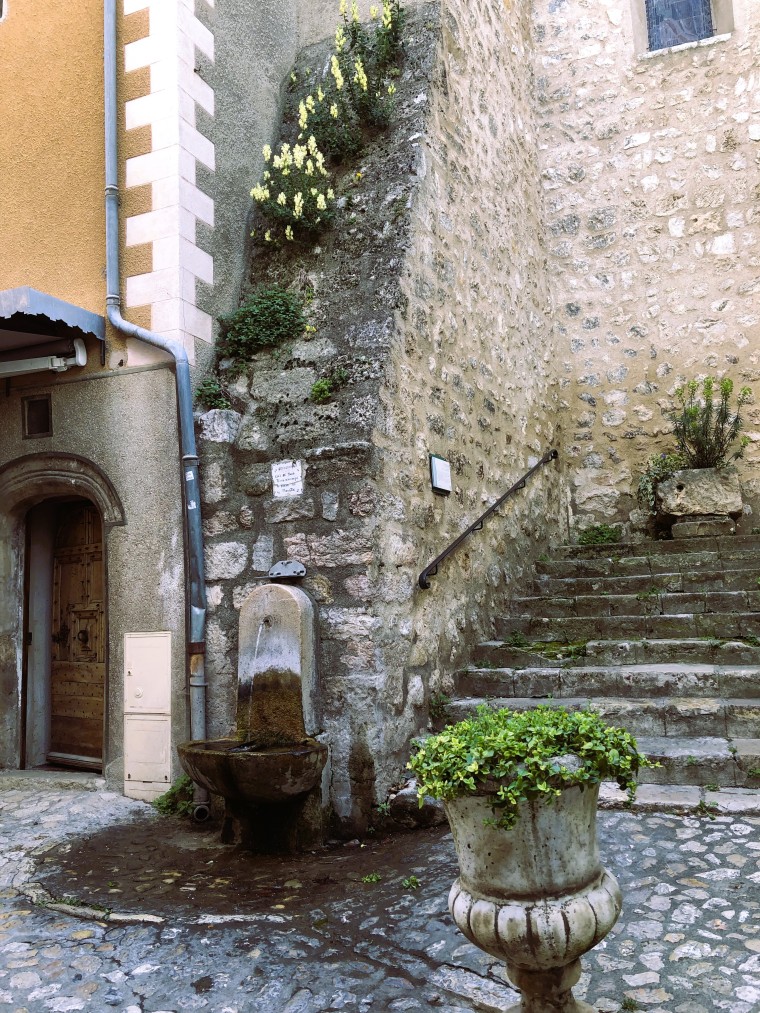
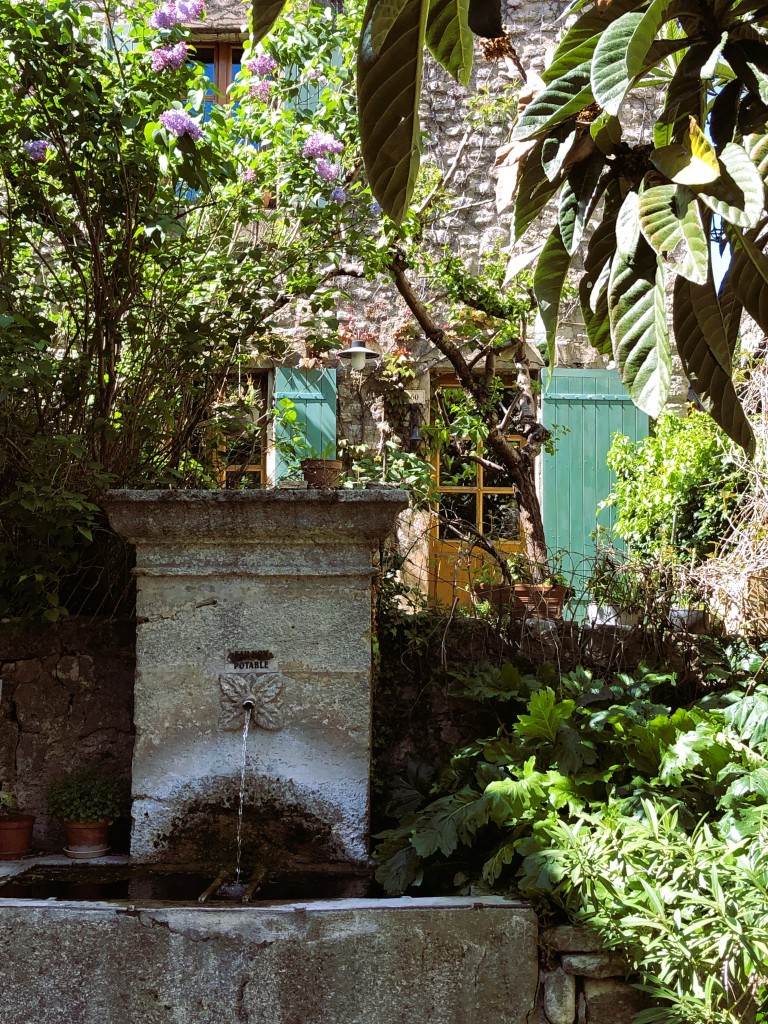
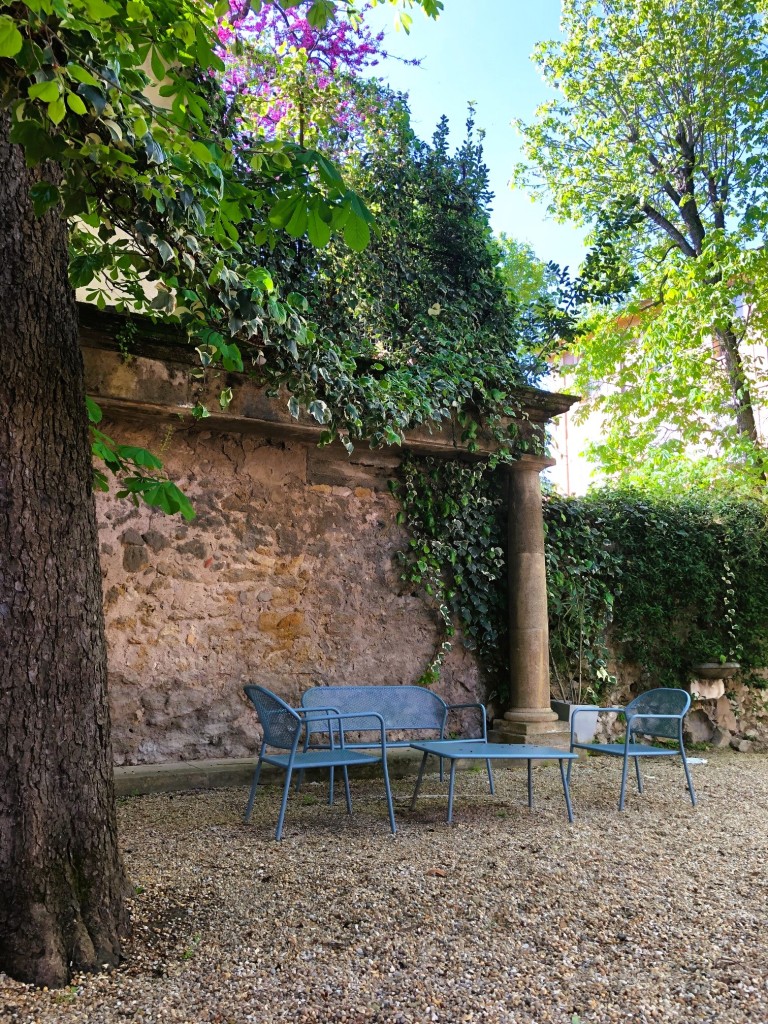
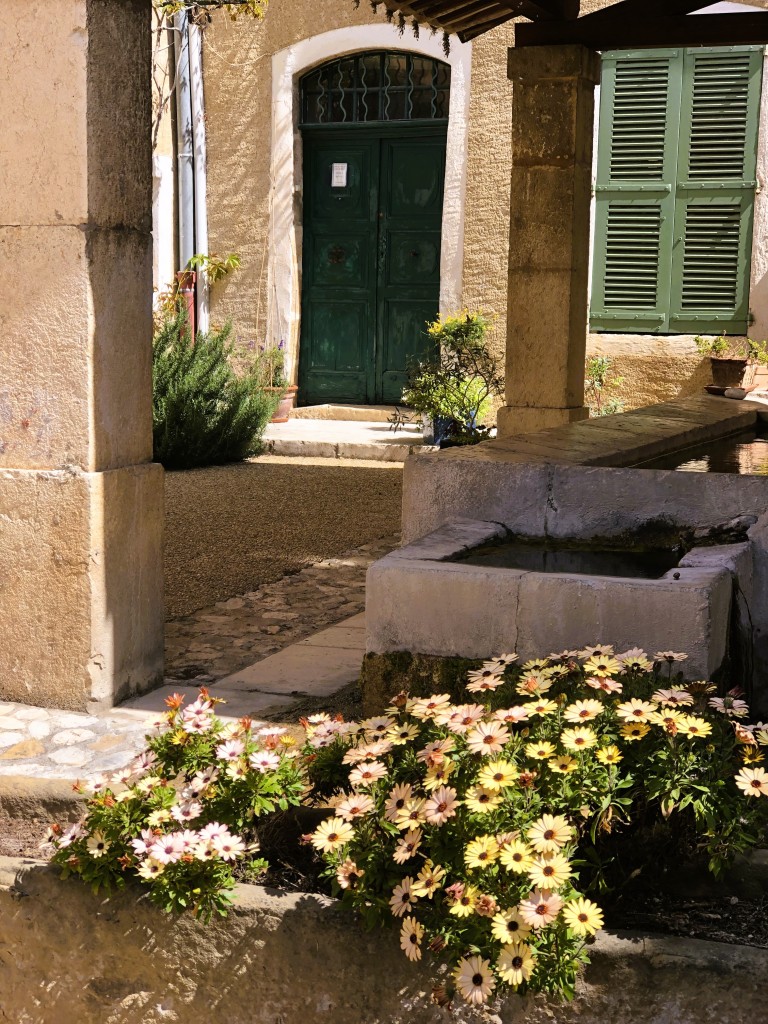
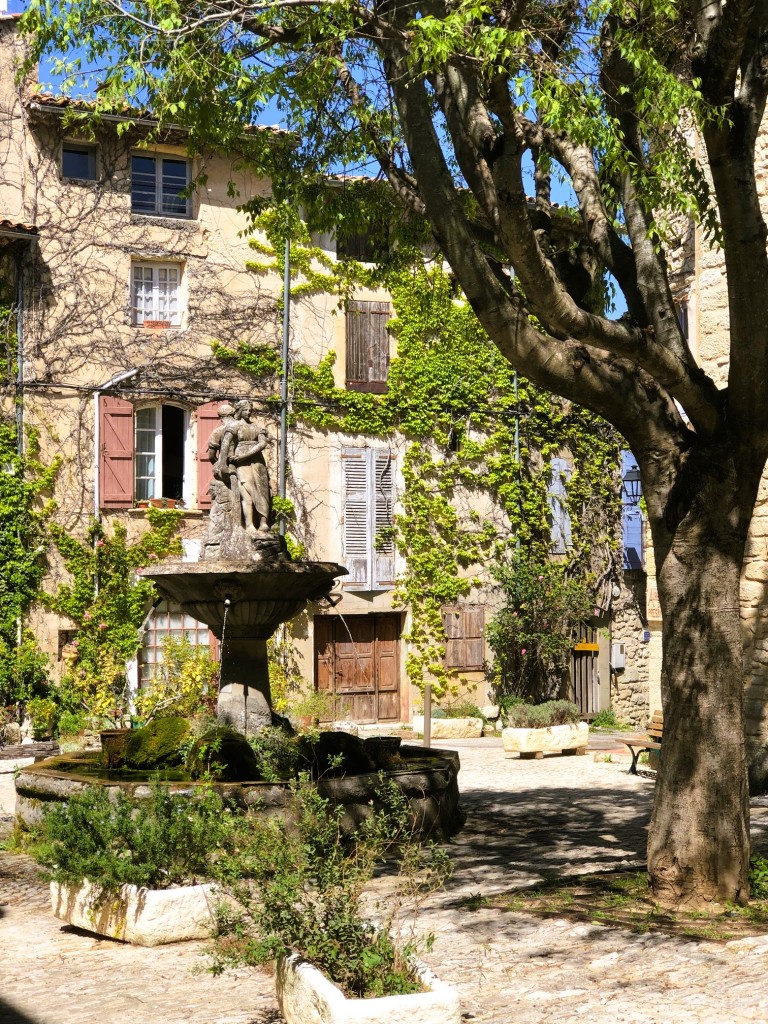
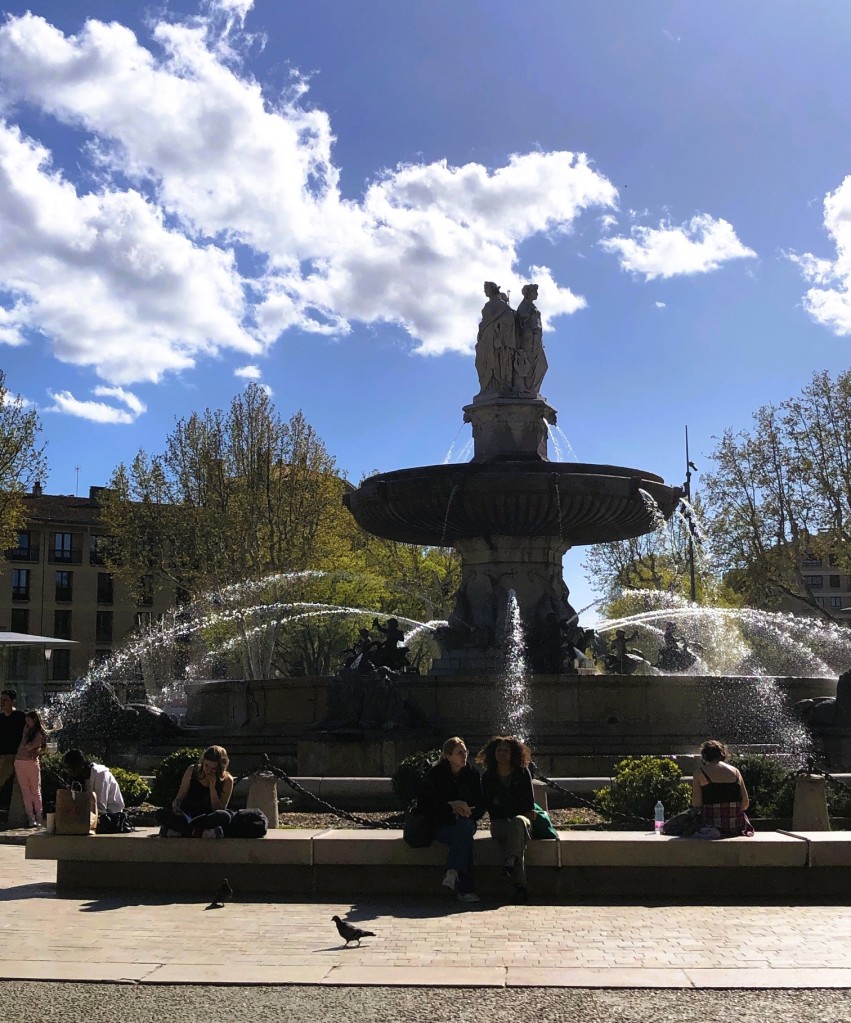
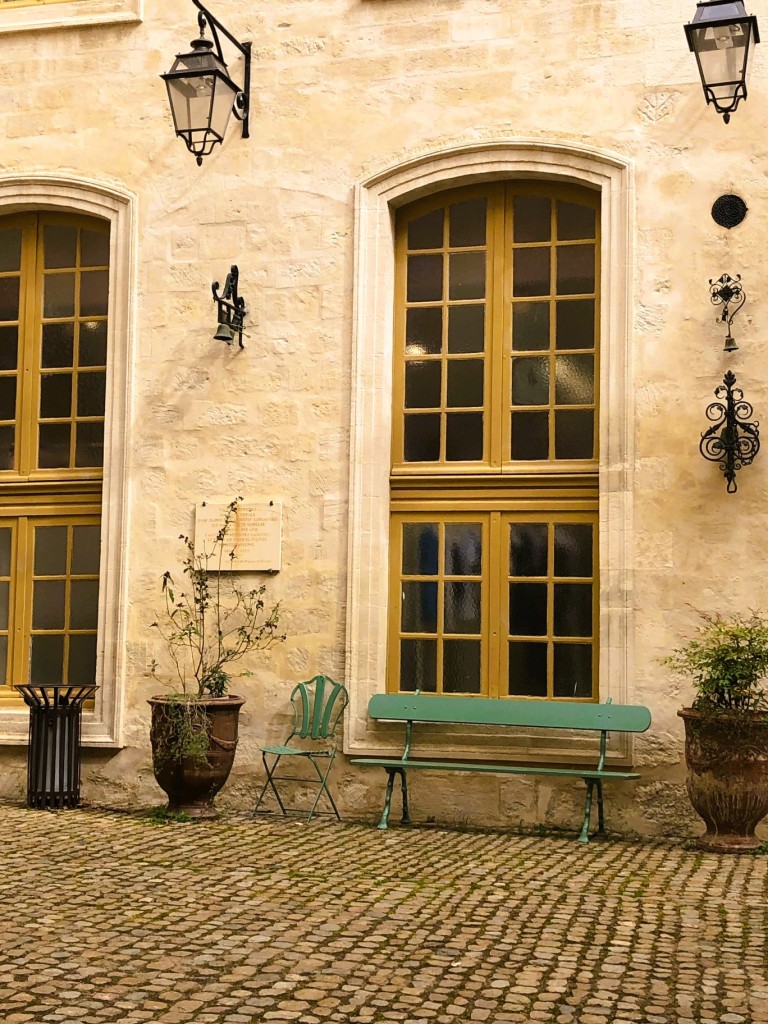
Quiet courtyards, and fountains everywhere.
A travelers delight in the unexpected,
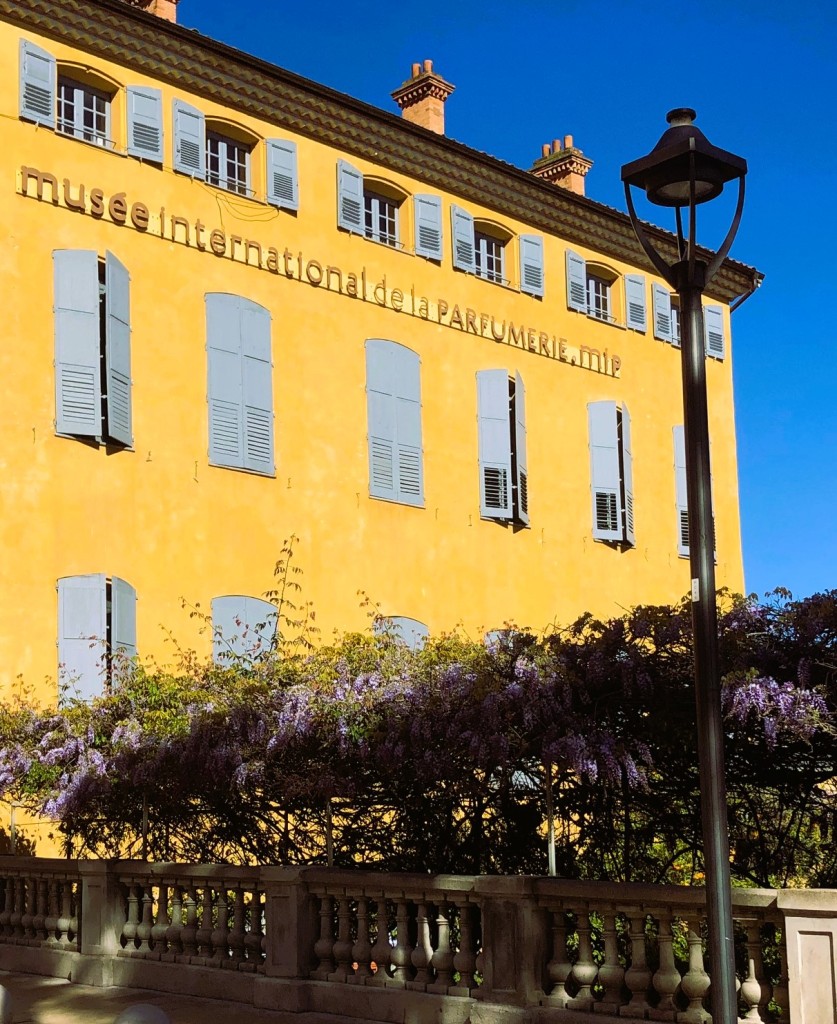
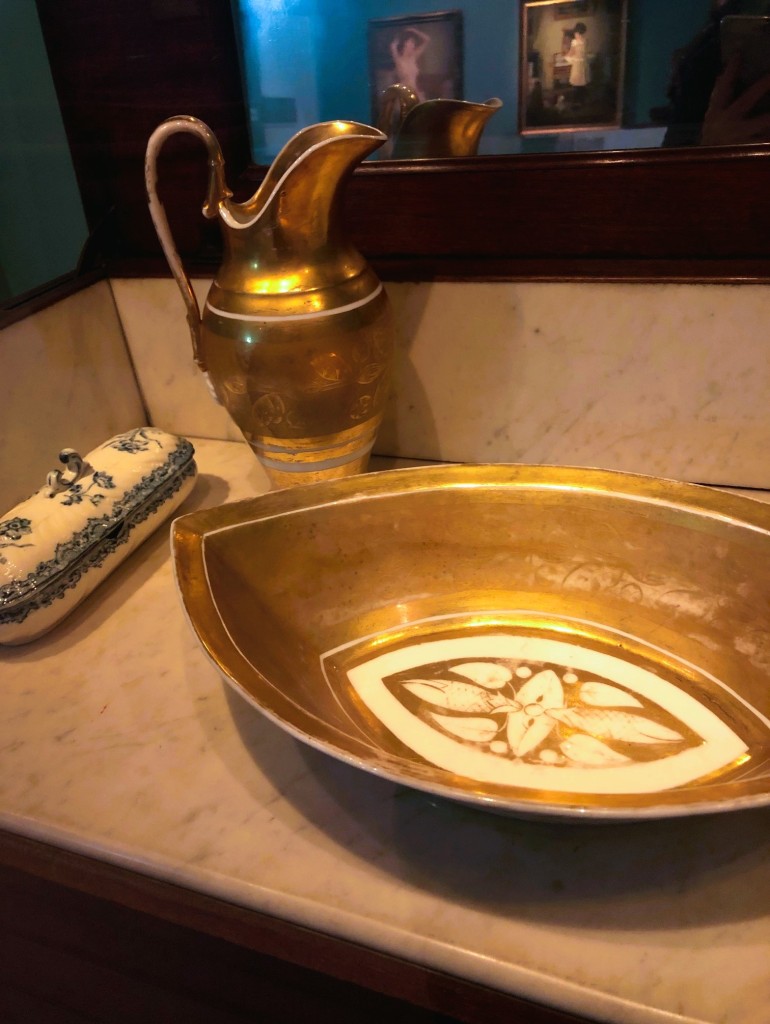
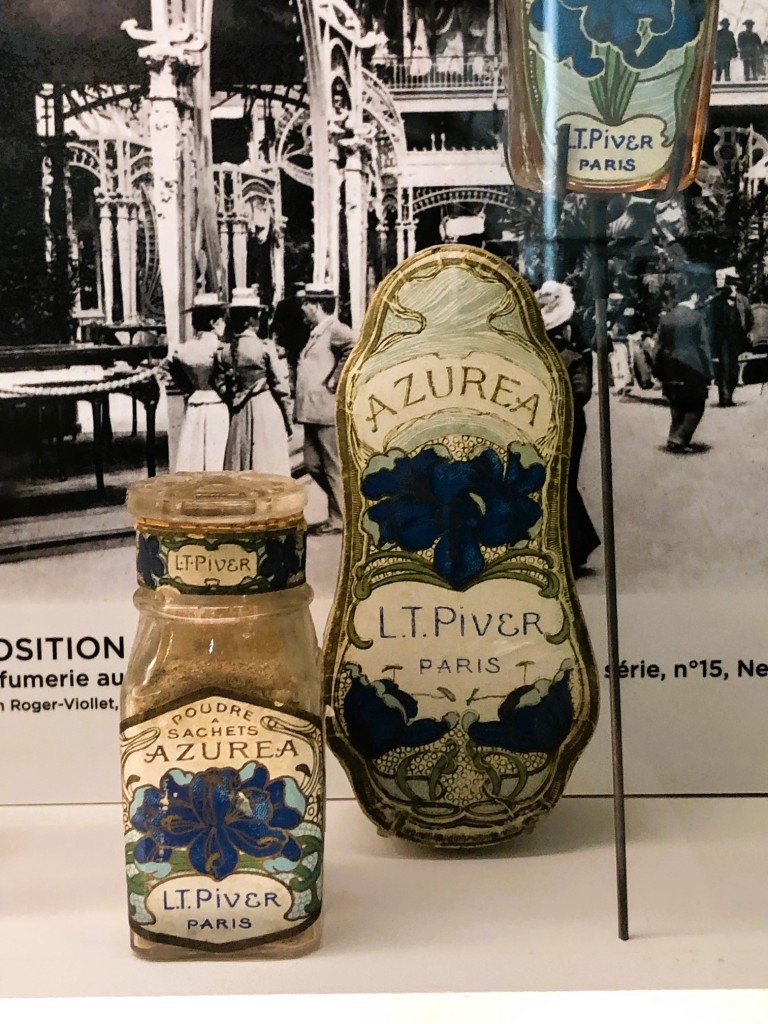
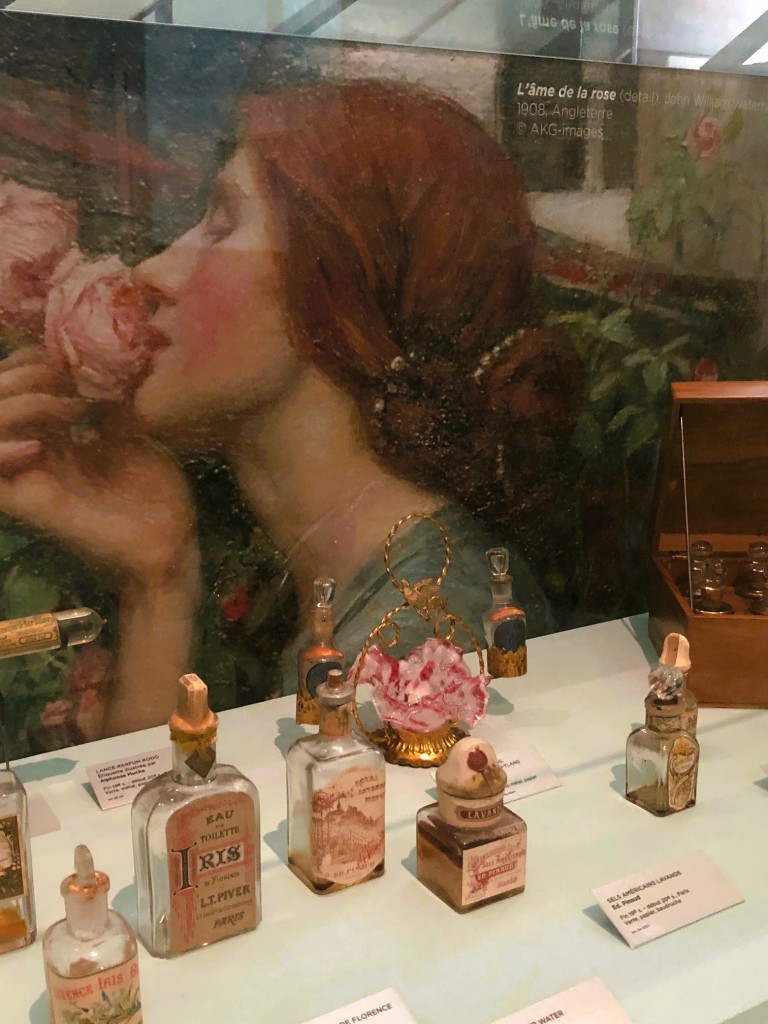
and in unplanned visits: to the lavender museum on a rare rainy day, and the historical perfume museum in Grasse, housed in an beautiful old building
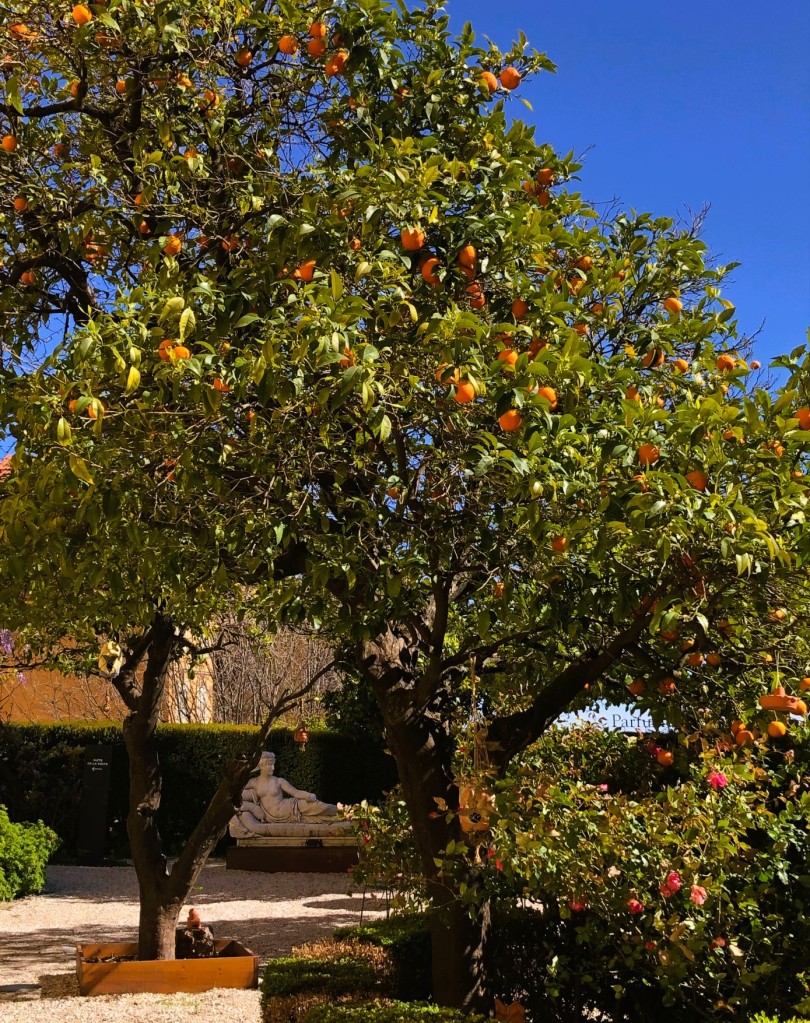
with a scent-rich garden of roses, wisteria, and citrus.
(And a gift shop of fragrant indulgences to take back home.)
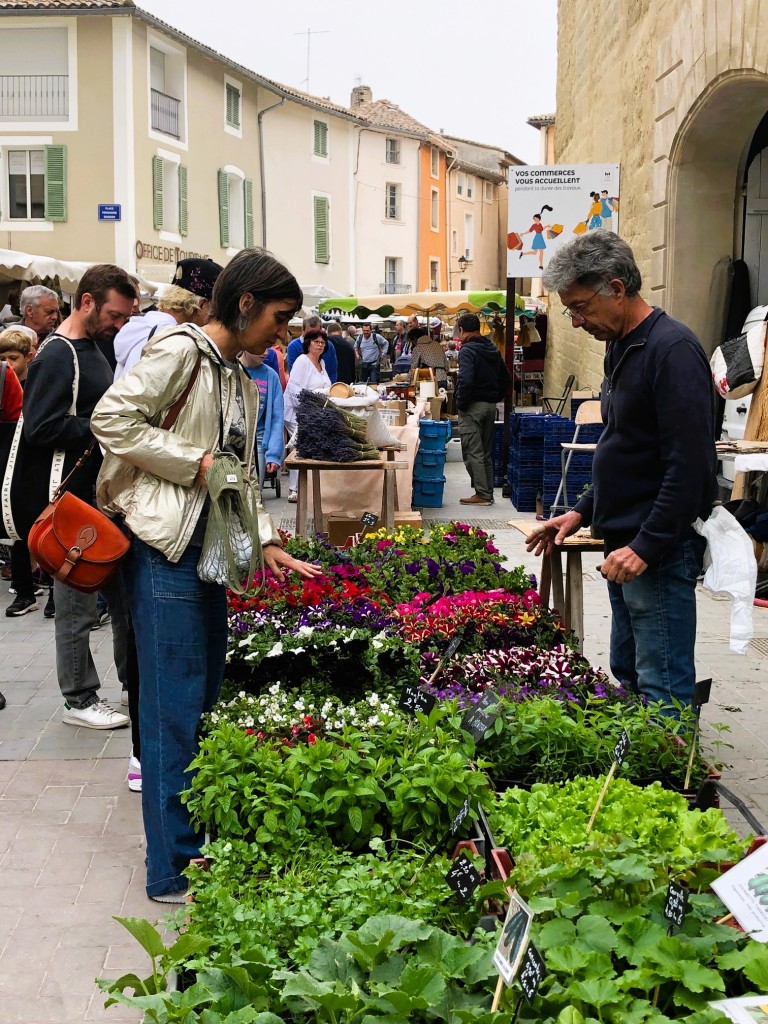
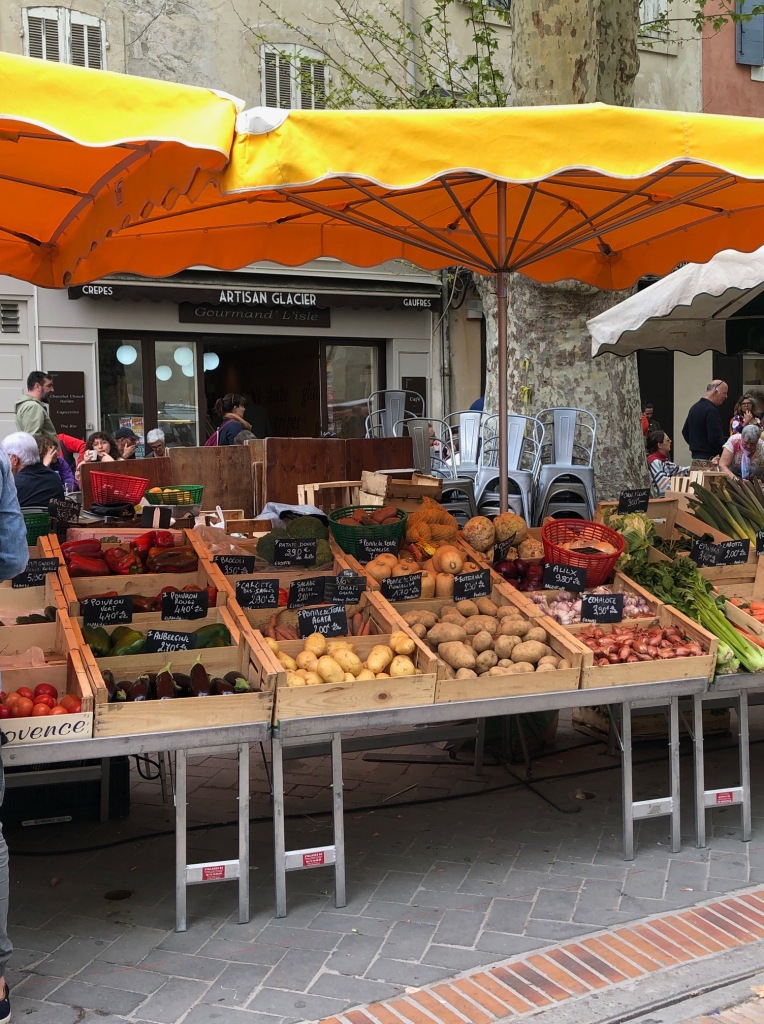
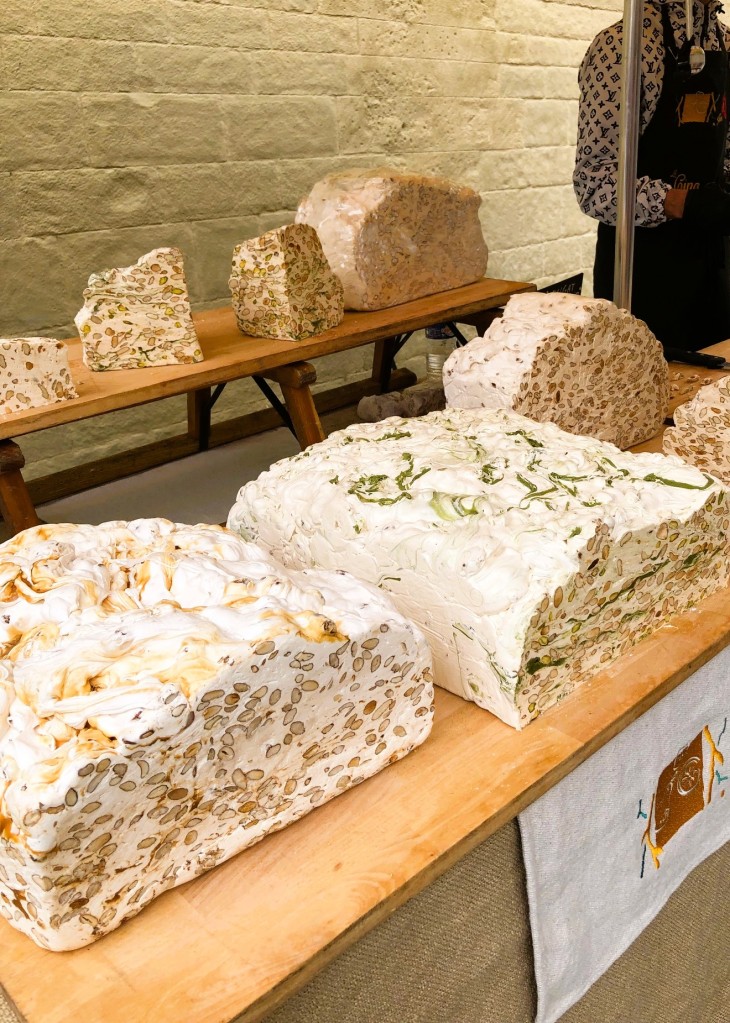
Market days in nearly every town infuse the area with vibrancy and interest,
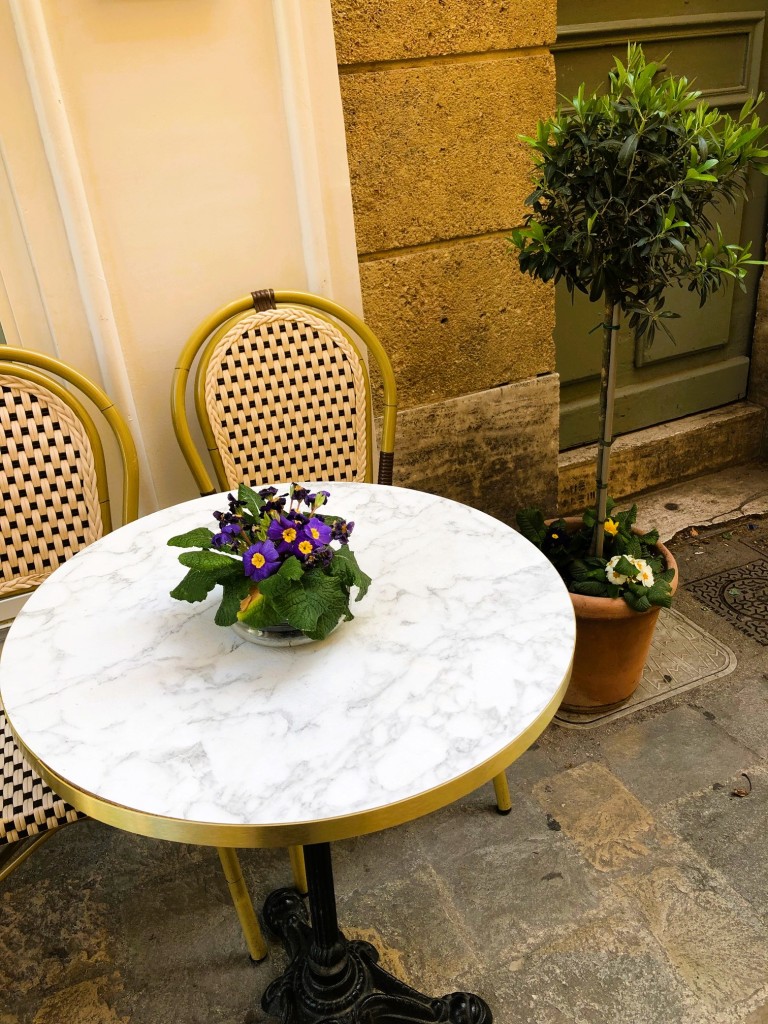
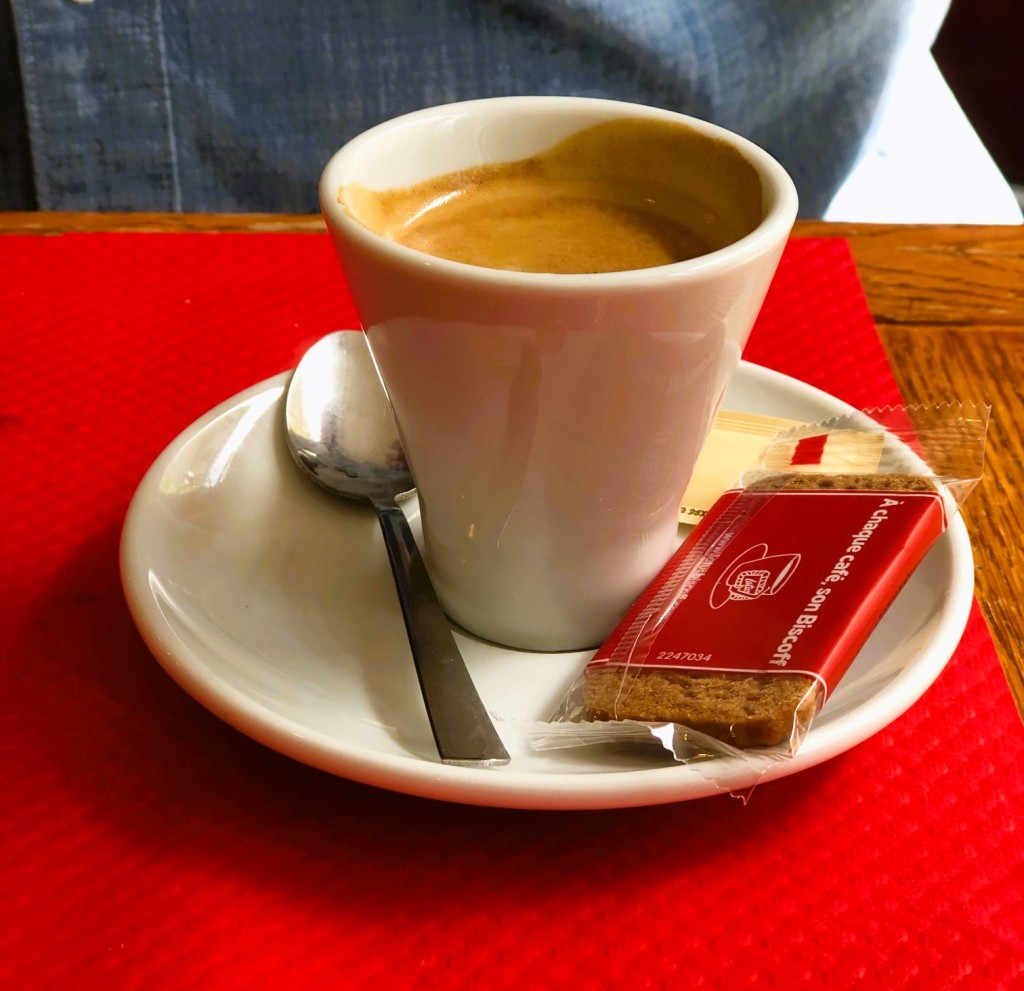
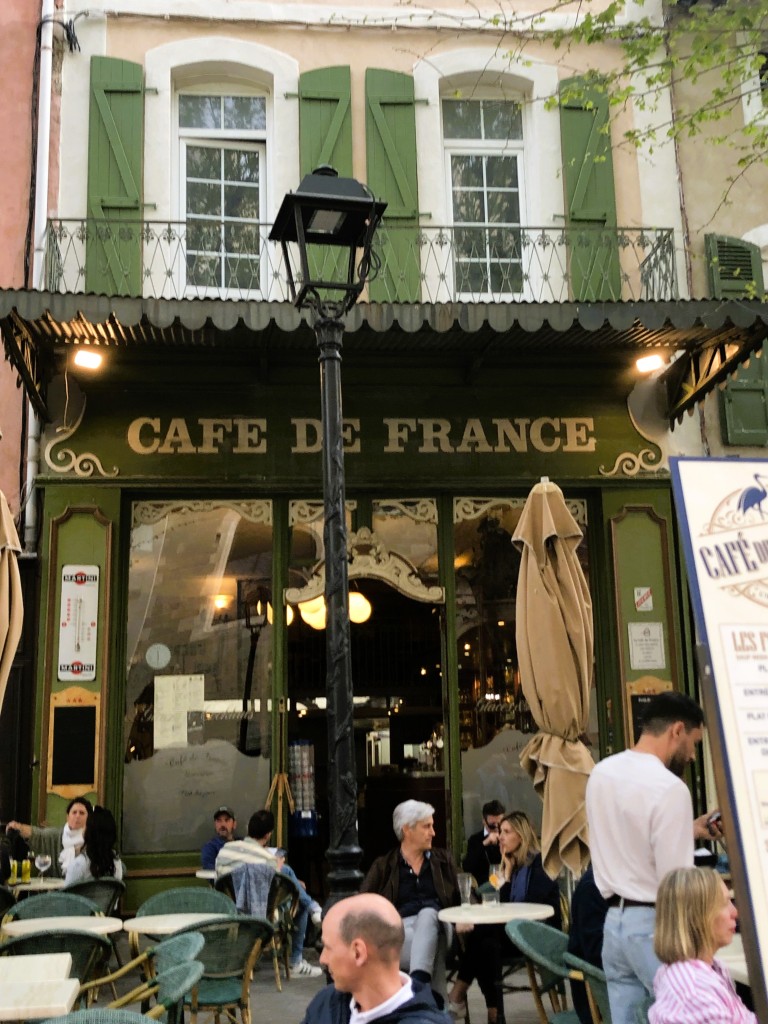
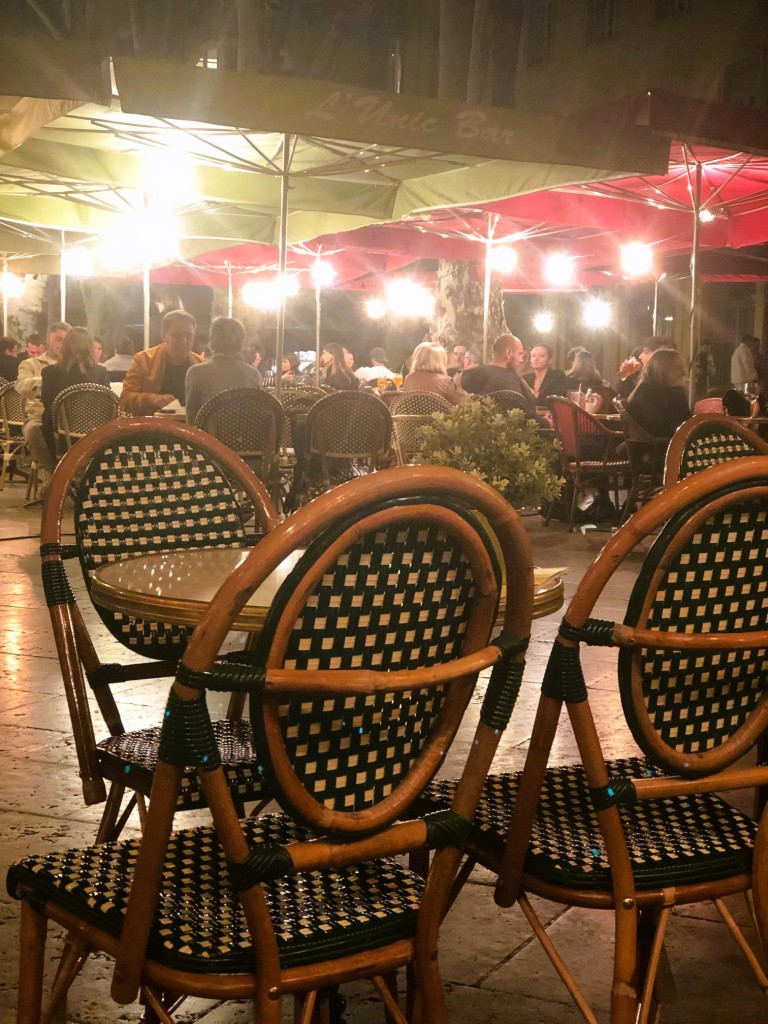
and a relaxing cafe culture pervades all of Provence, offering a slower pace to life.
Which perhaps accounts for the warm and welcoming people we came across everywhere.
There was a real joie de vivre found in the lively conversations that filled the cafes, the delight in the company of friends.
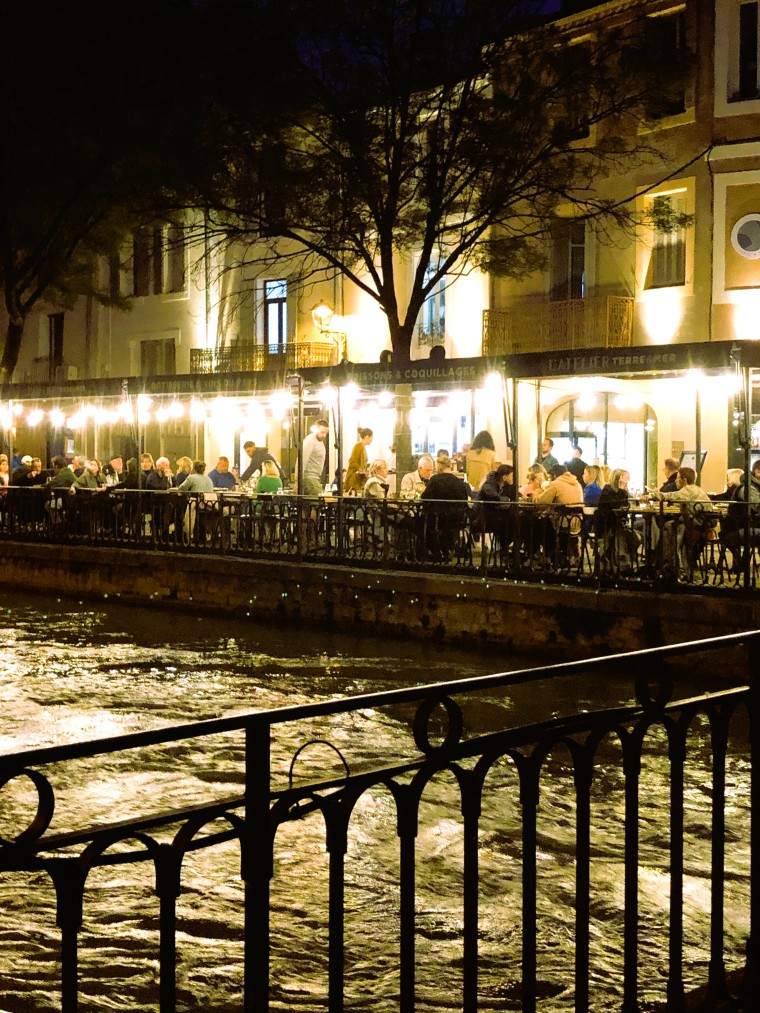
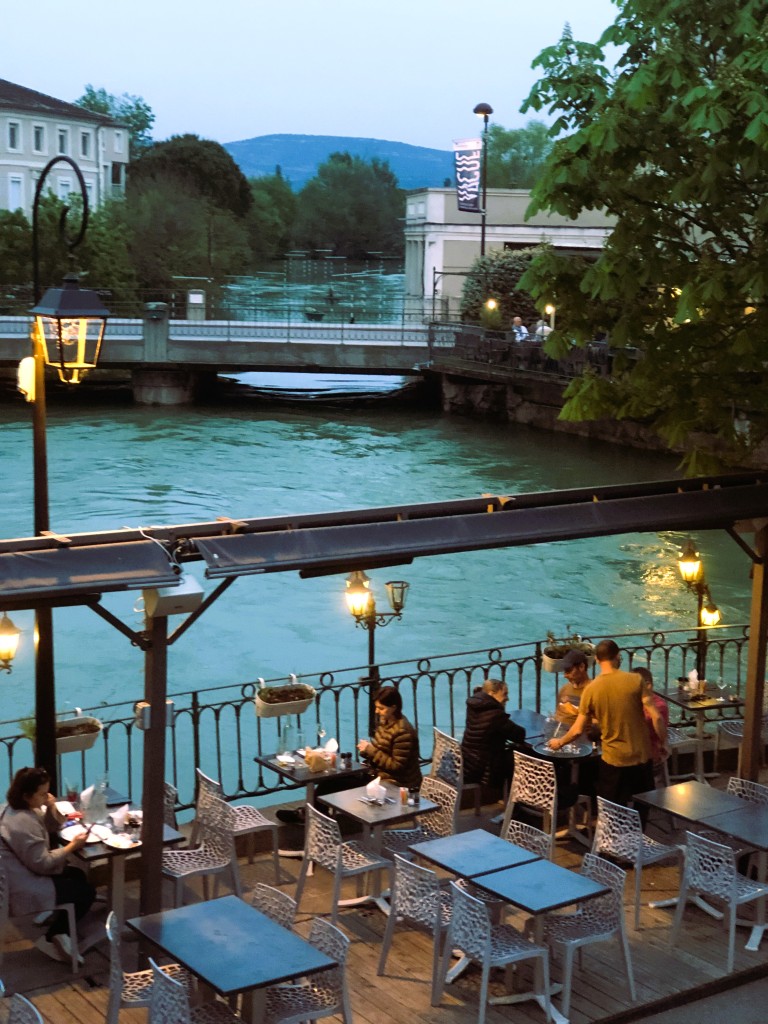
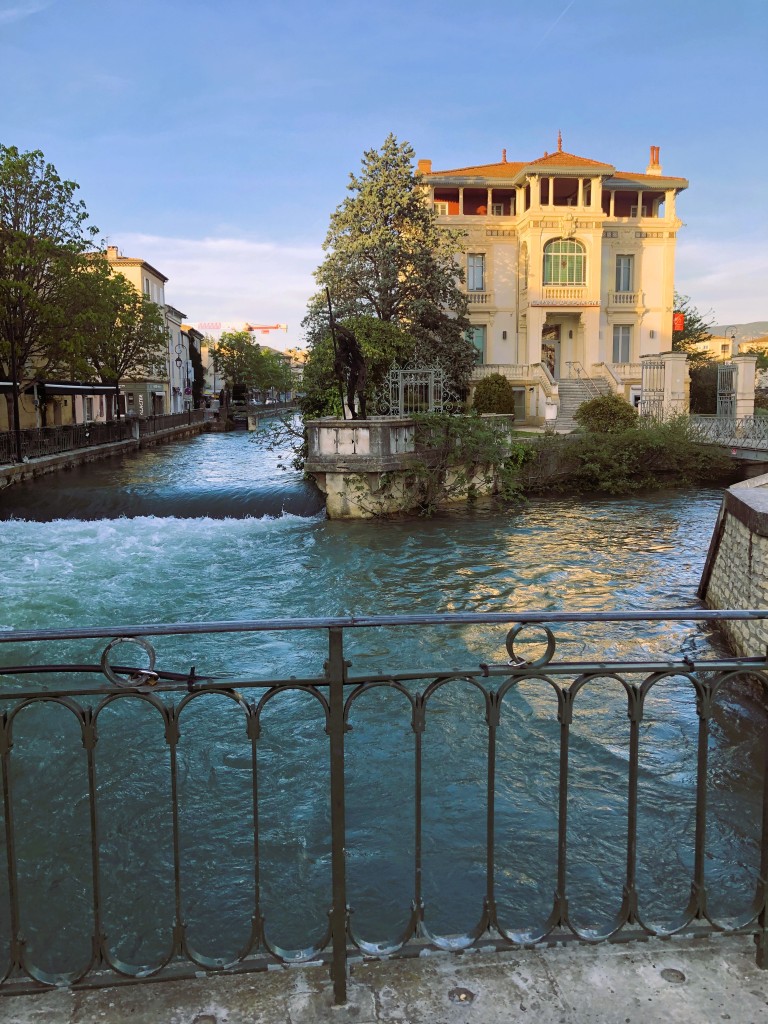
There was riverside dining in villages like L’Isle-sur-la-Sorgue, a historic mill town with waterwheels still turning along its river.
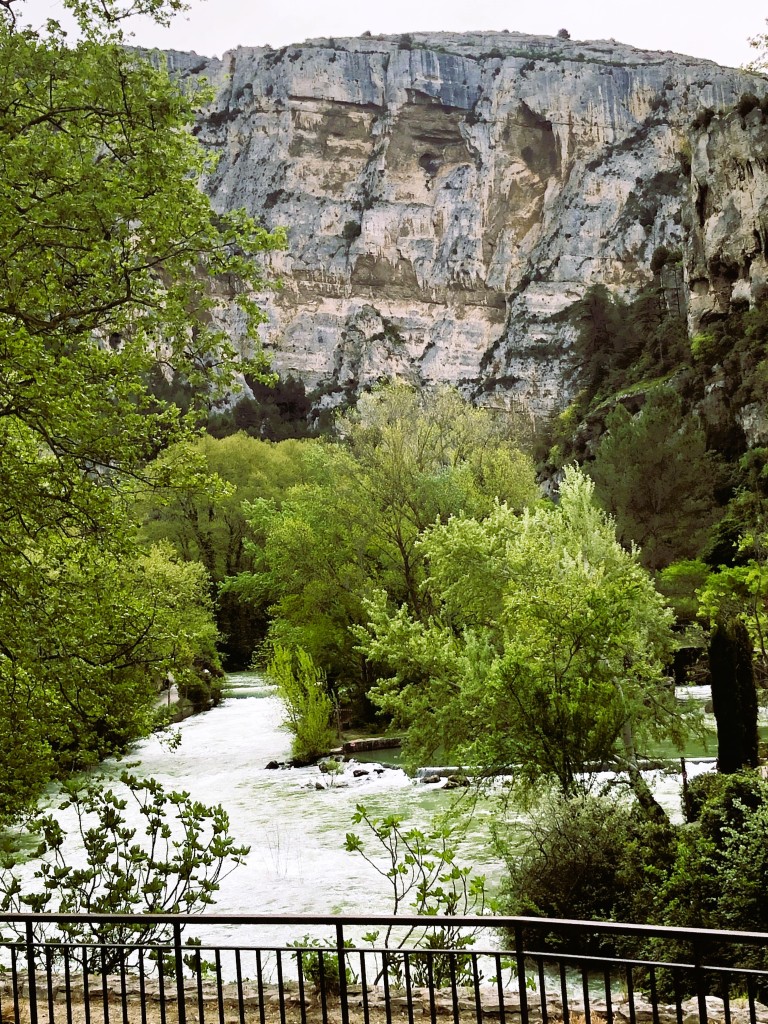
And a visit to the source of the Sorgue,
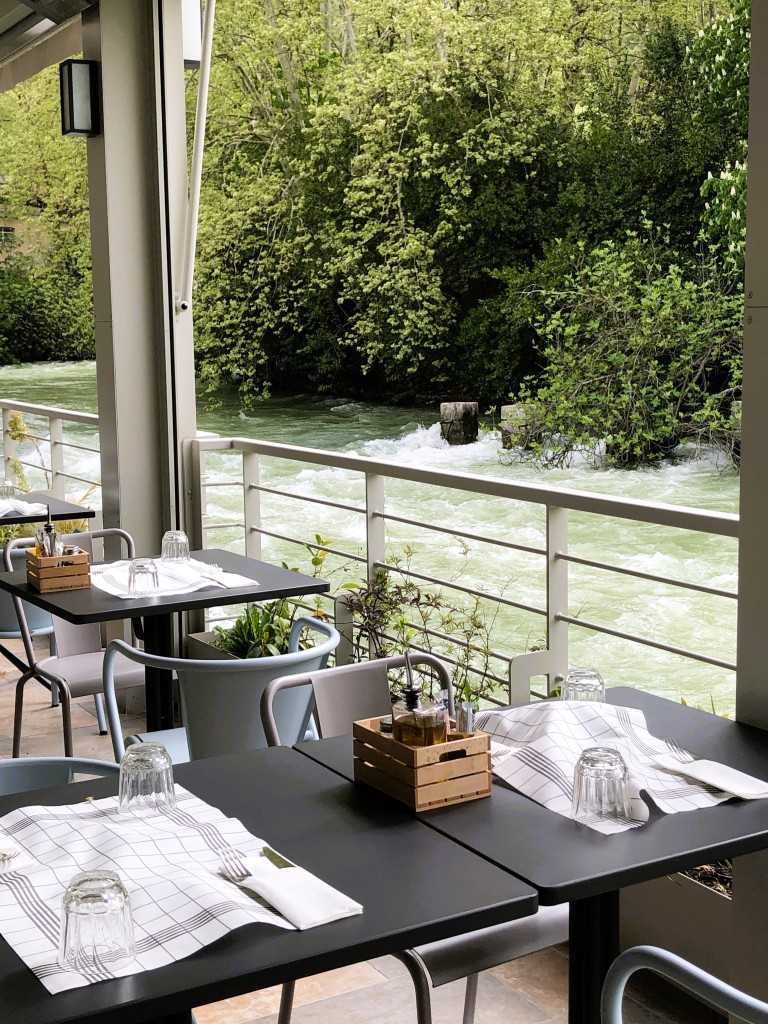
a gushing fontaine that springs from the nearby mountains (and more riverside dining).
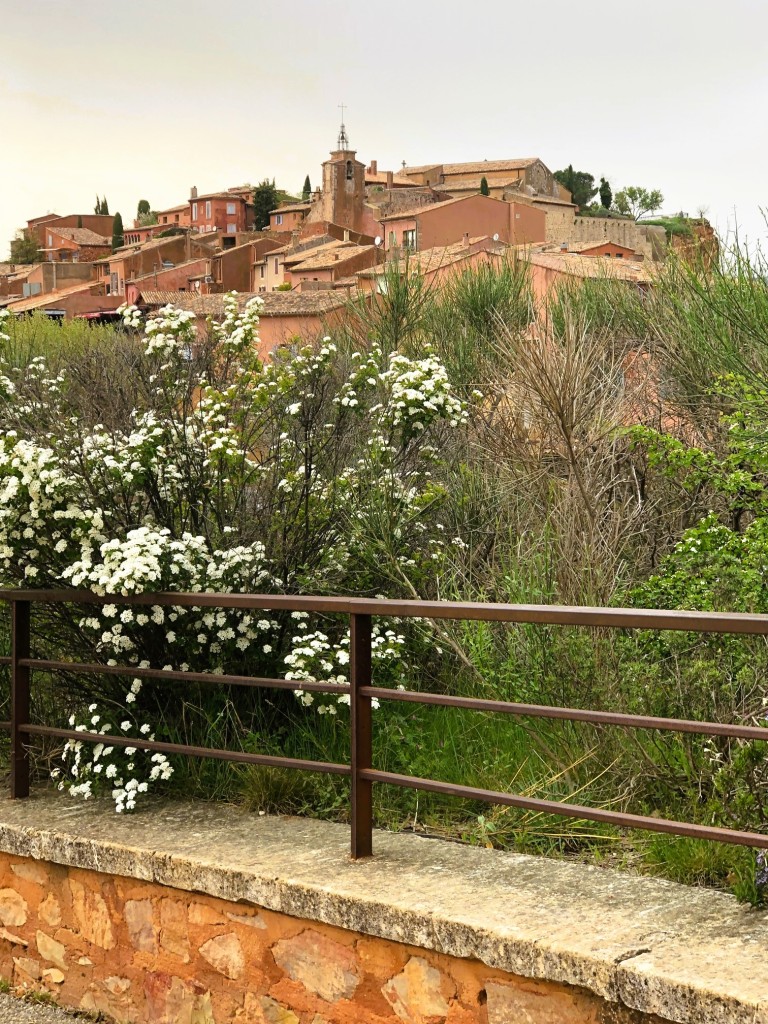
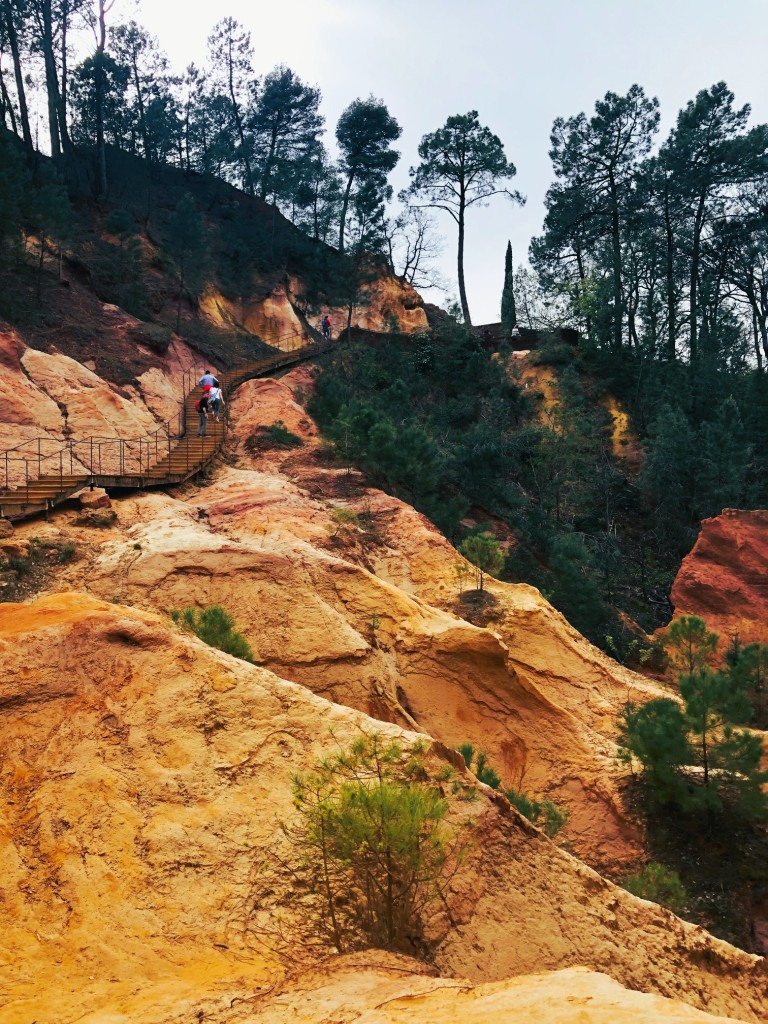
There was the unique village of Roussillon that still bears the reddish color of its famous ochre that was once mined and traded afar.
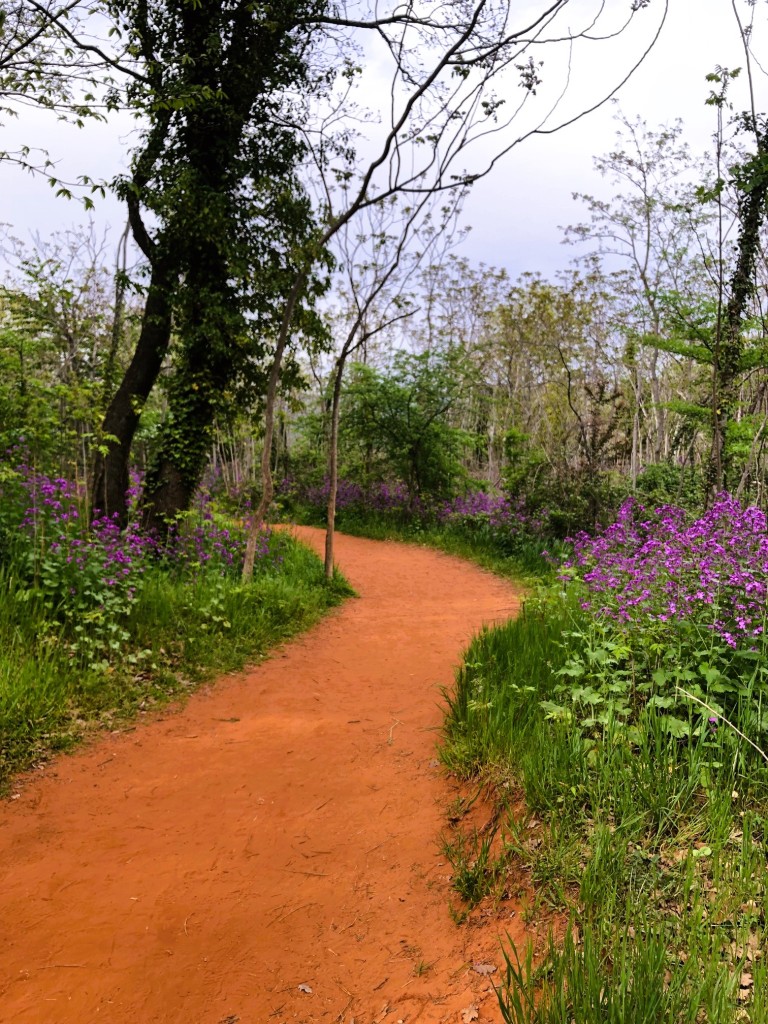
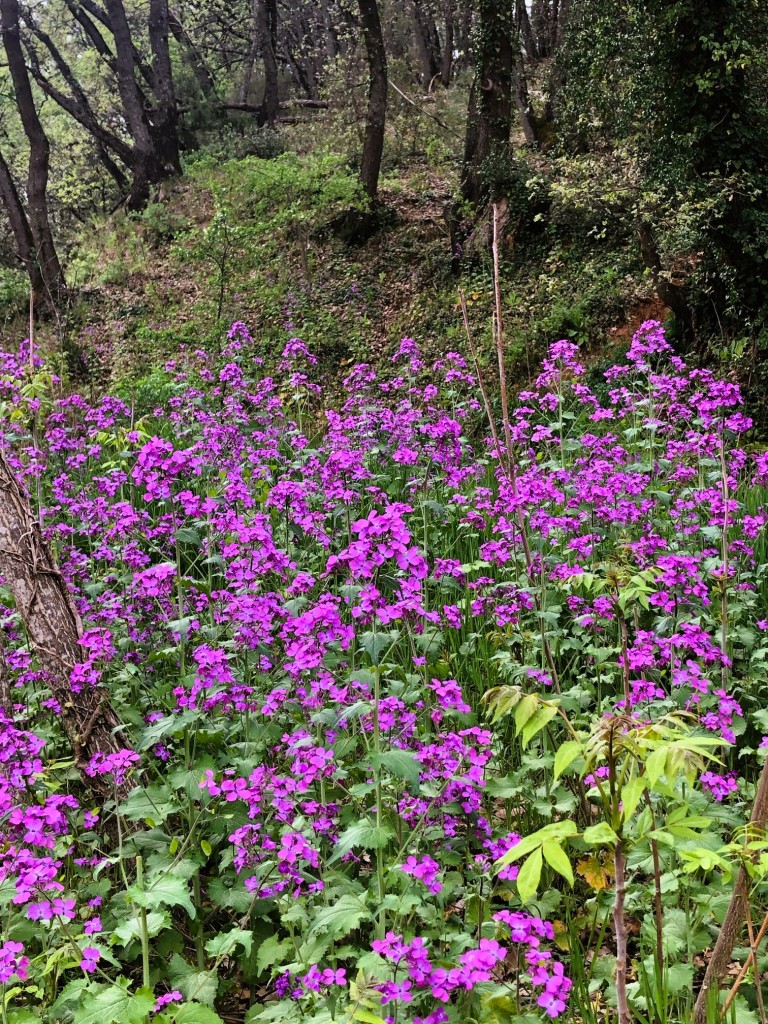
A nearby hike immerses visitors in the sculpted ochre hills, full of tall pines and purple phlox.
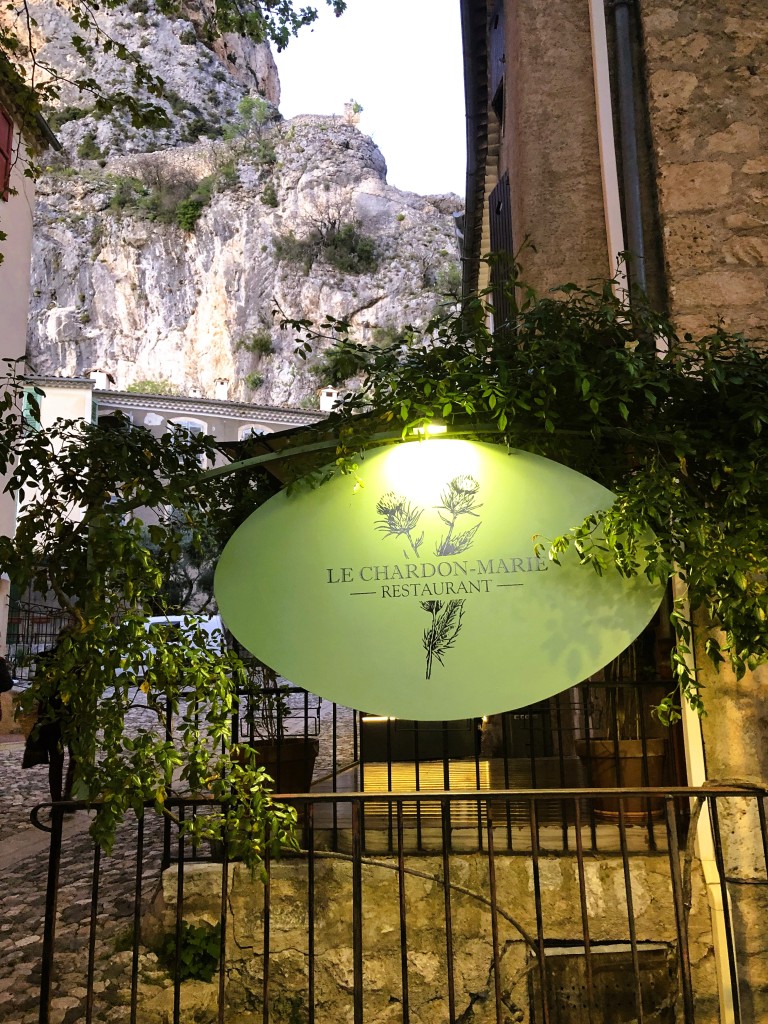
And charming Moustiers offers beautiful views from every angle, every tiny winding street, at every time of day.
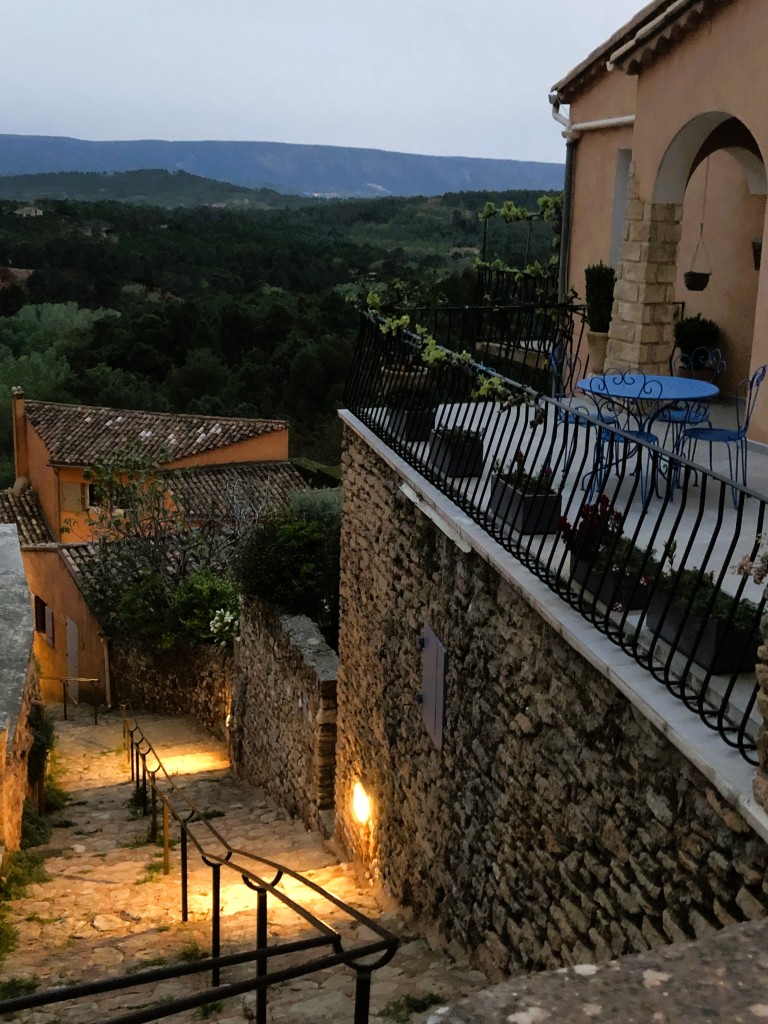
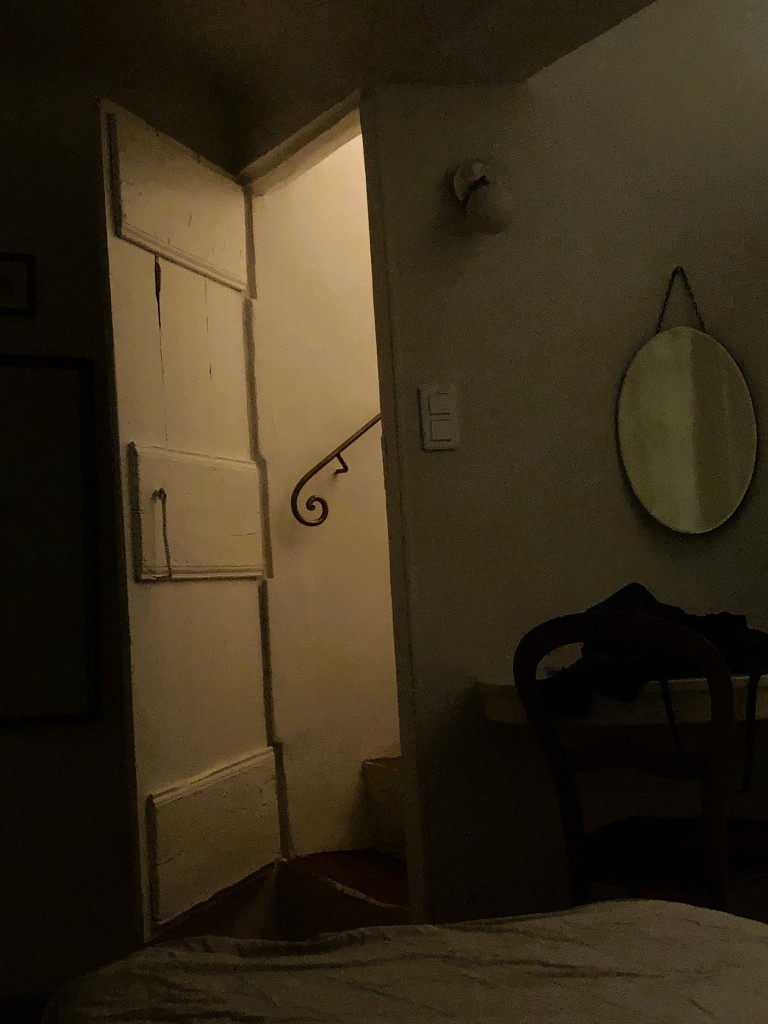
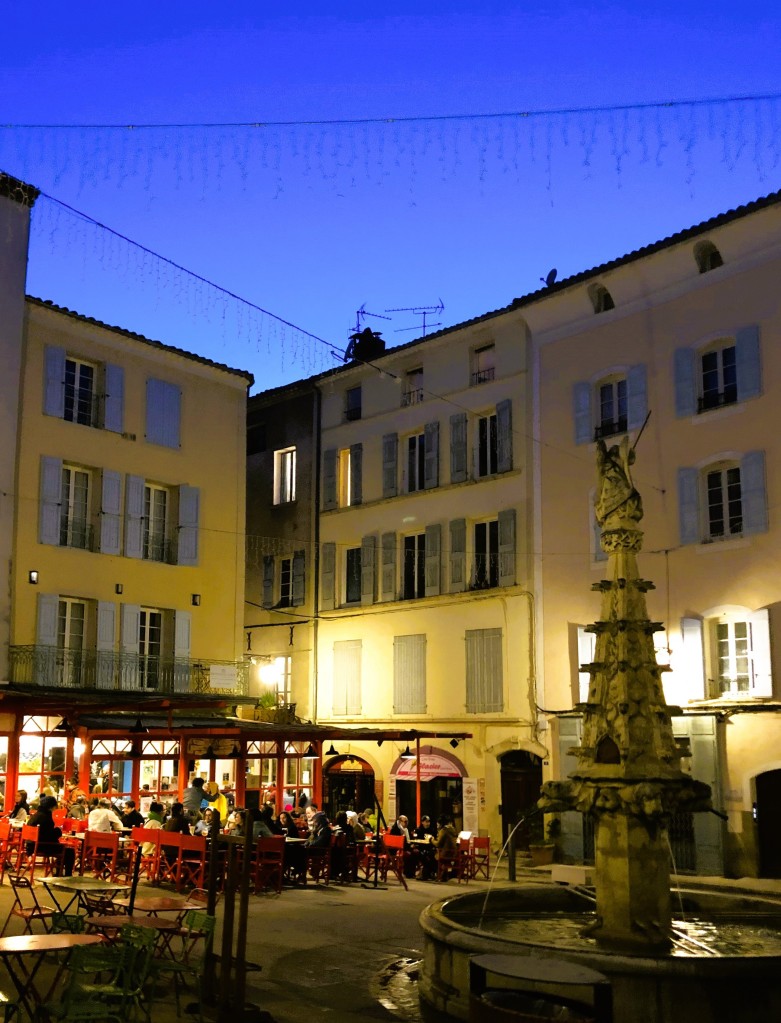
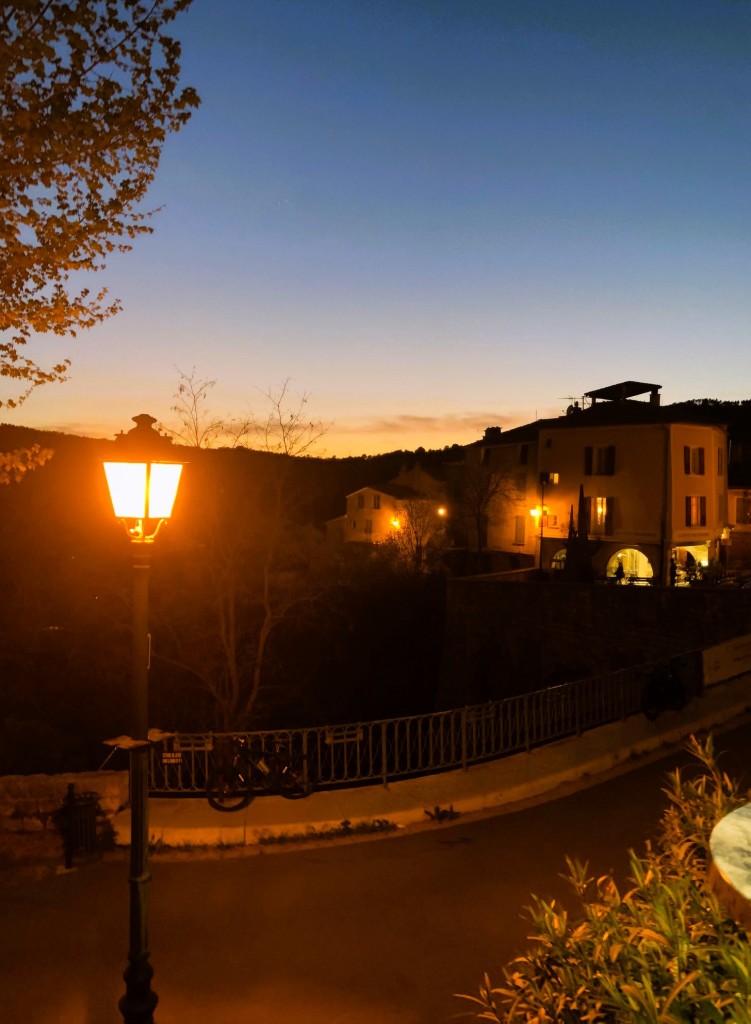
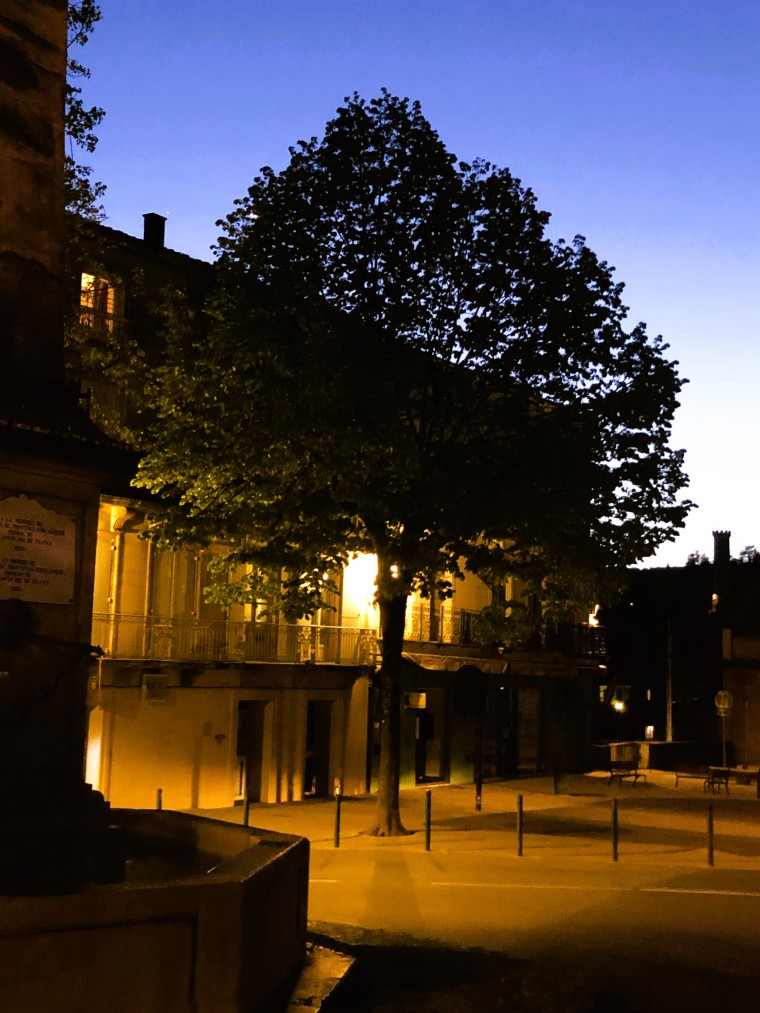
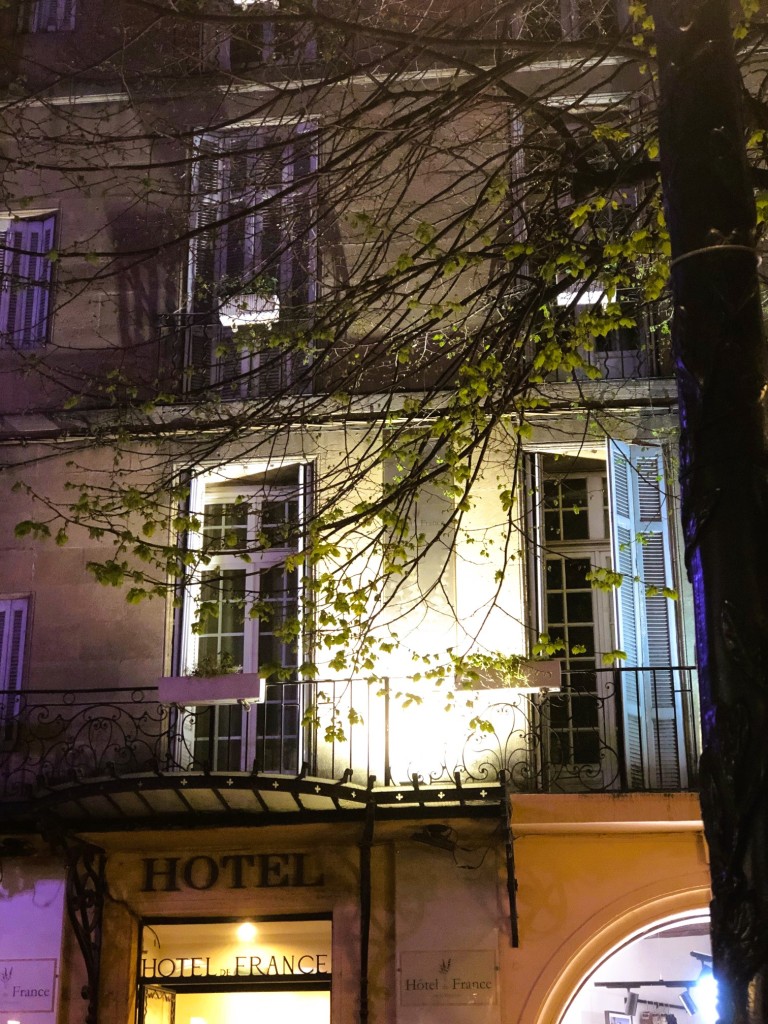
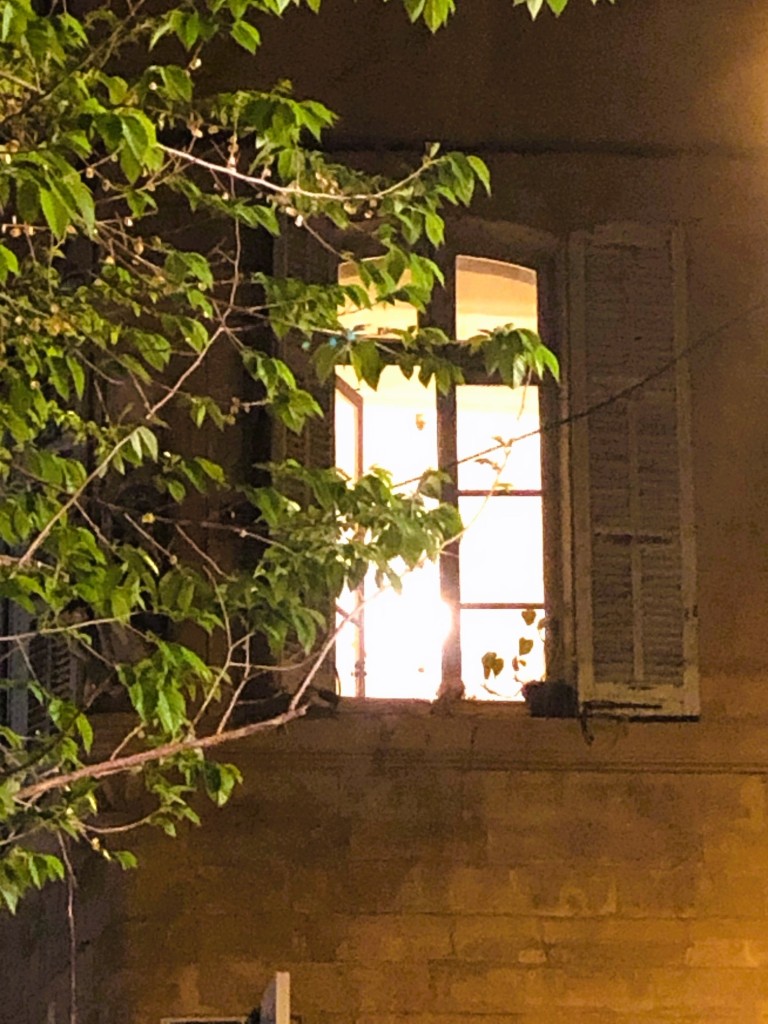
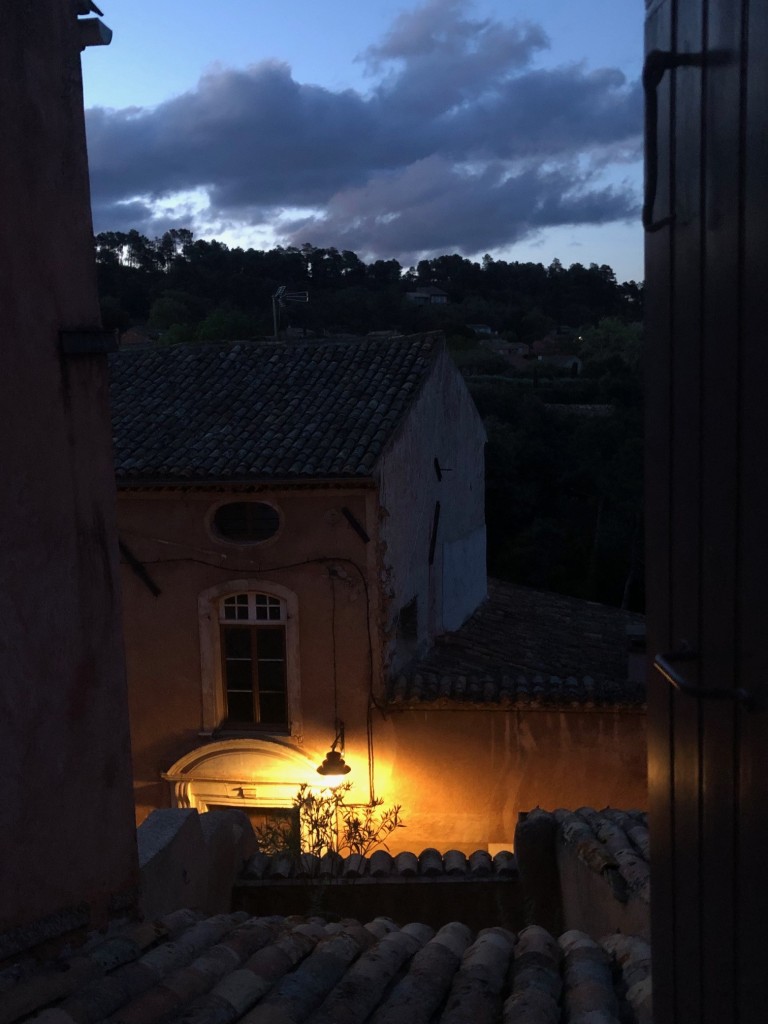
Throughout Provence, the soft evenings retain a hint of the old and inviting and mysterious,
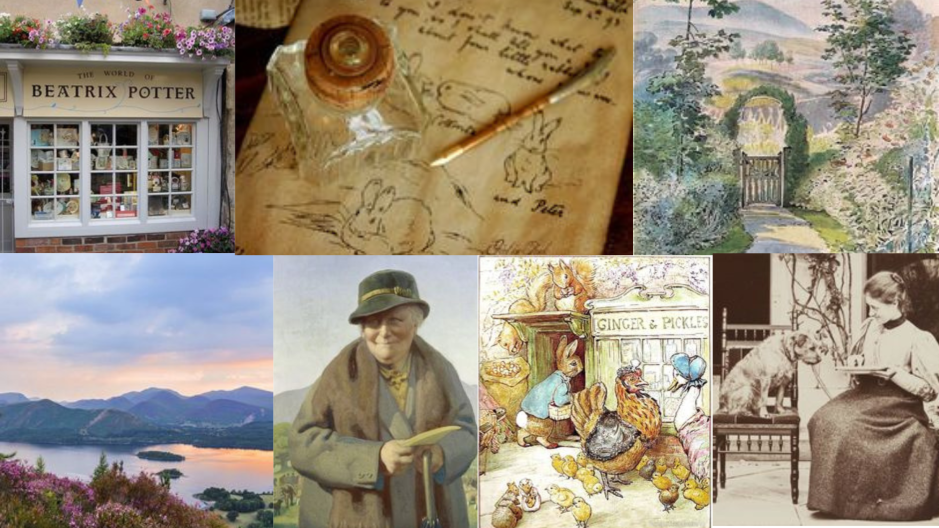
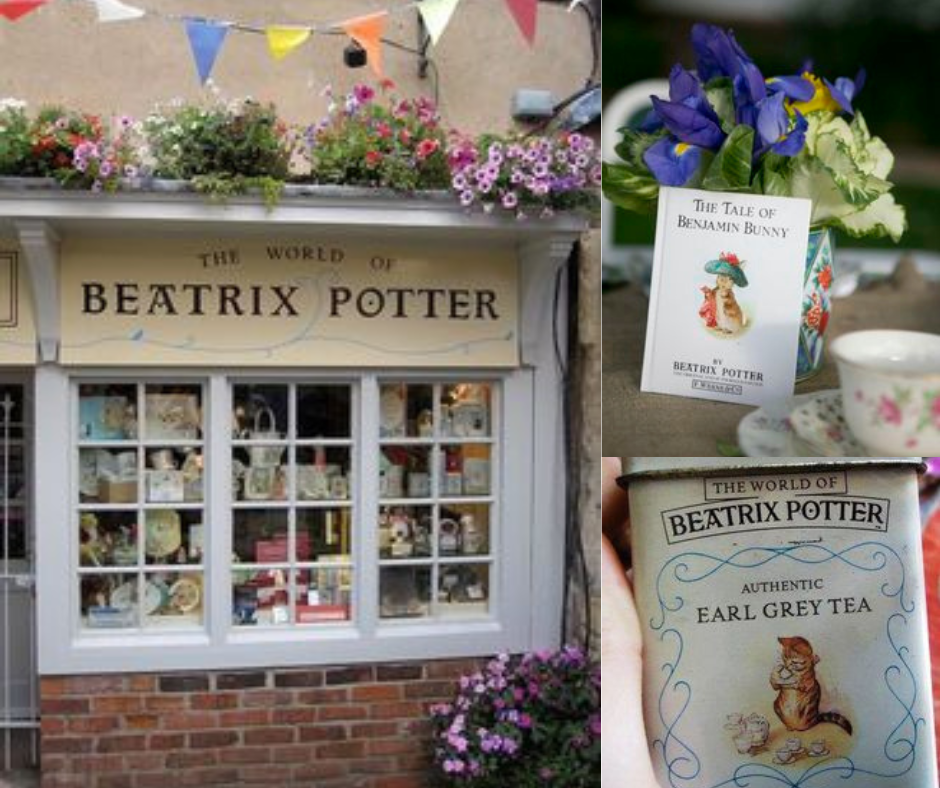
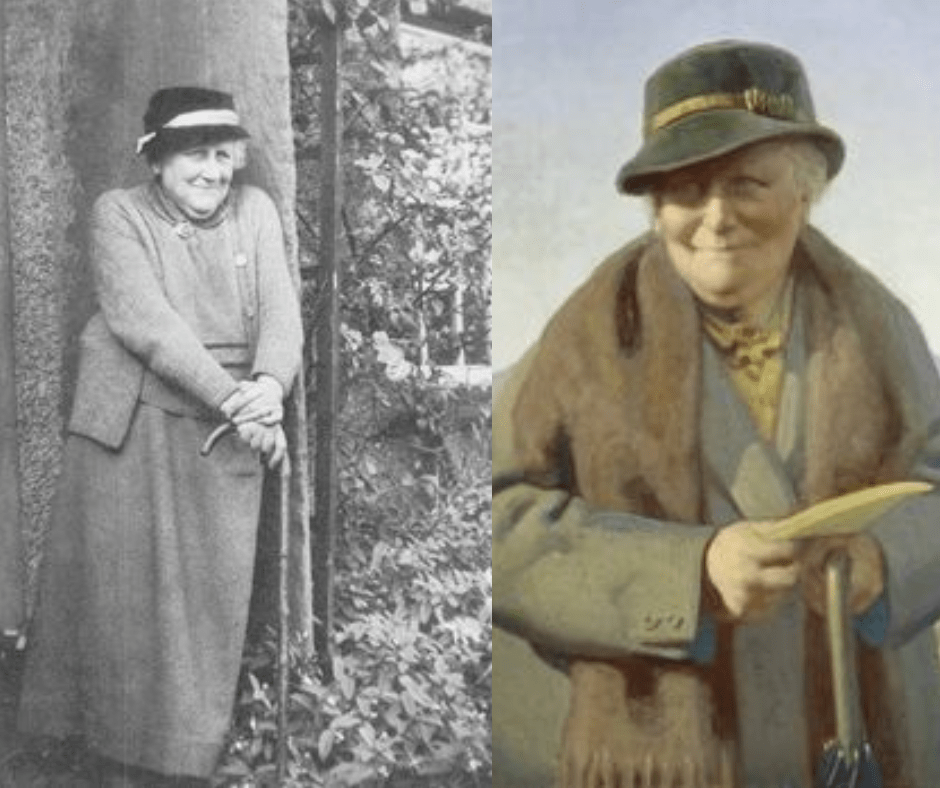
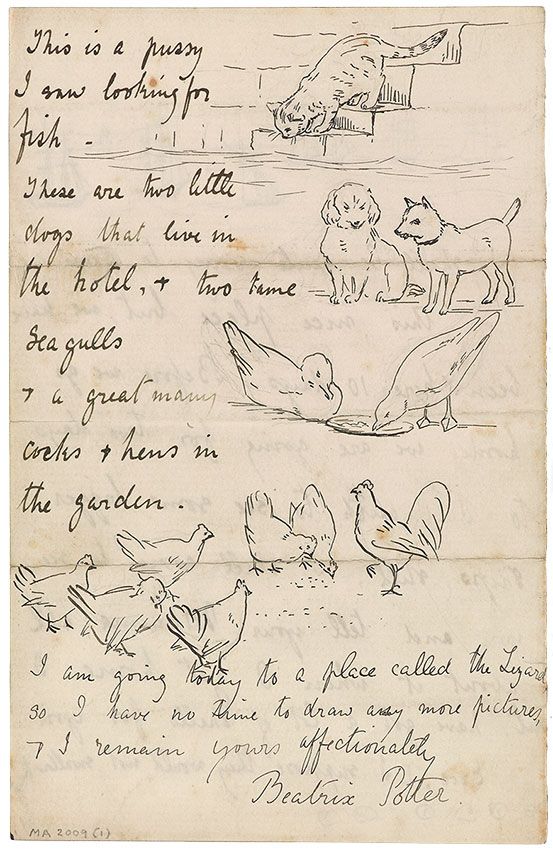
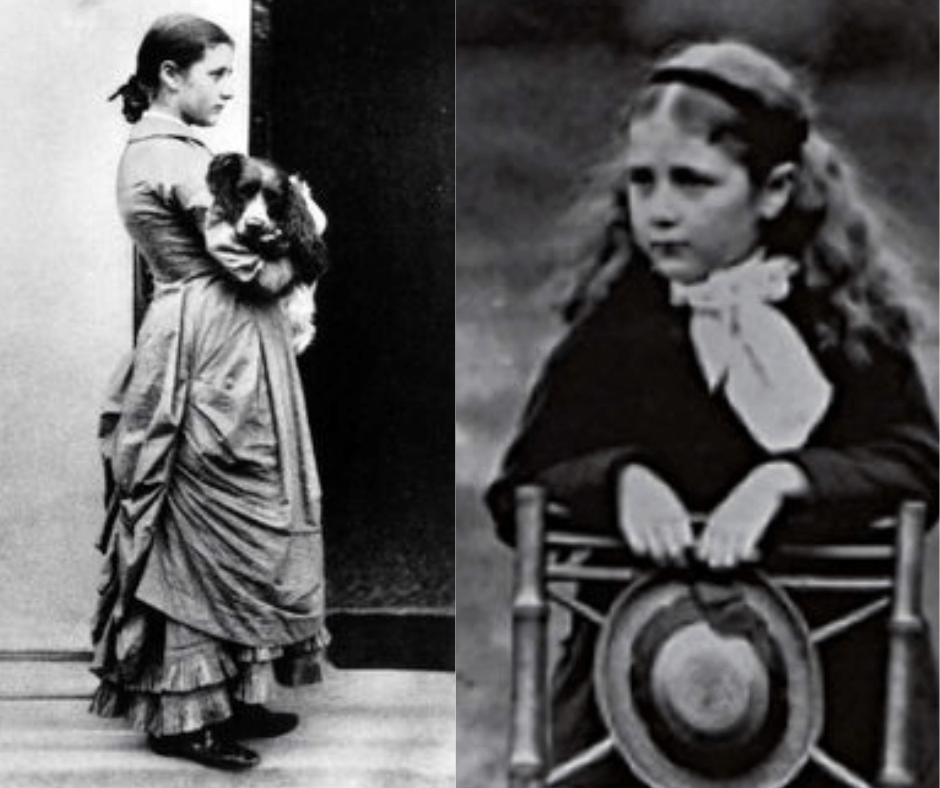
“Helen Beatrix Potter (1866 – 1943) was an English writer, illustrator, natural scientist, and conservationist.
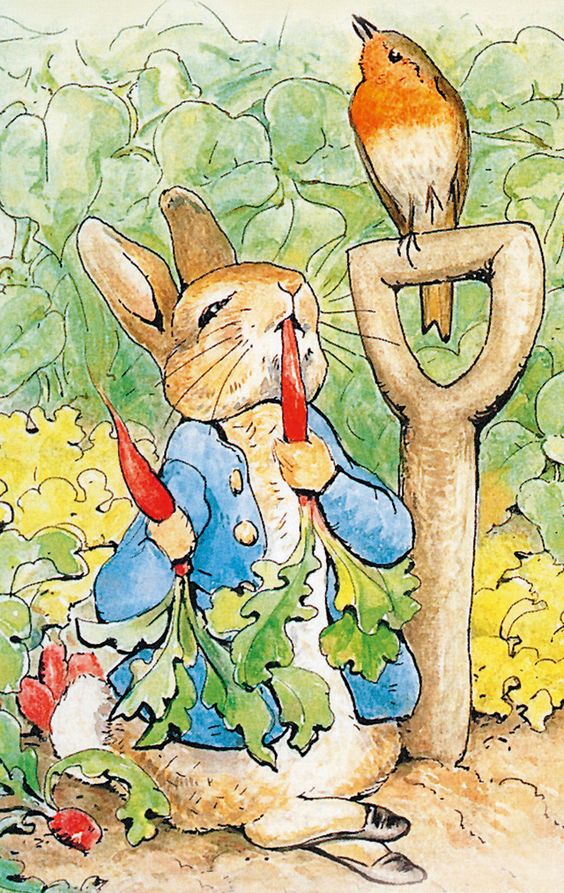
She is best known for her children’s books featuring animals, such as The Tale of Peter Rabbit, which was her first published work in 1902.
Her books…have sold more than 250 million copies…Potter [left] almost all her property to the National Trust. She is credited with preserving much of the land that now constitutes the Lake District National Park.” (wikipedia)
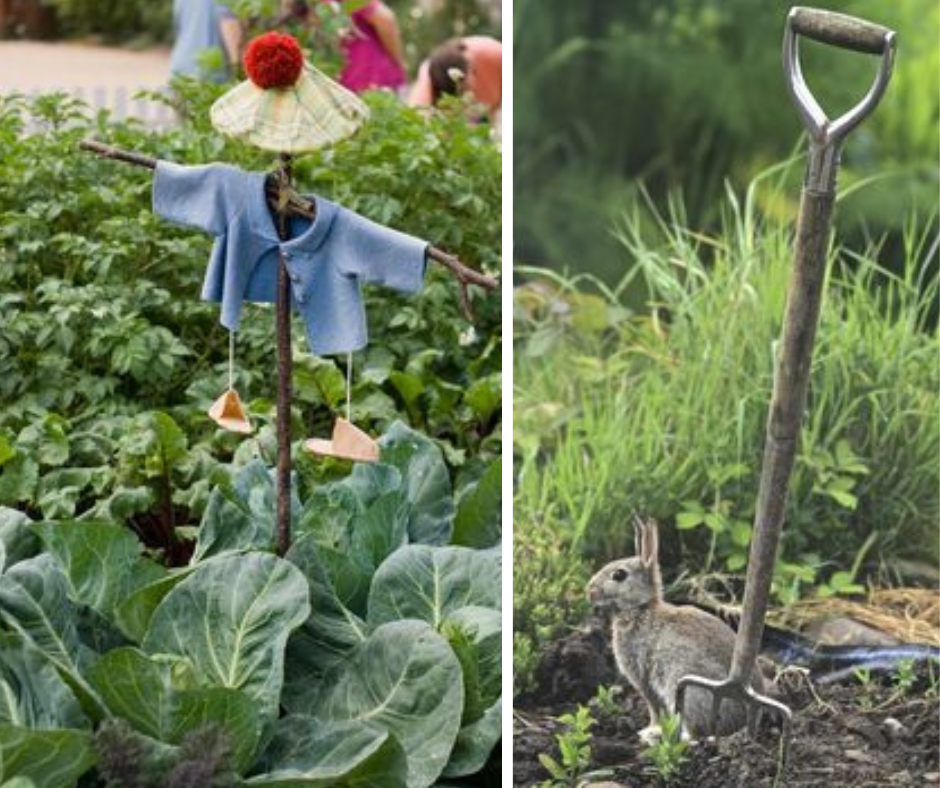
“Peter lost one of his shoes among the cabbages, and the other shoe amongst the potatoes.“
Beatrix Potter’s first book “was rejected by several publishers, so she privately printed 250 copies of it herself. The Tale of Peter Rabbit was a great success with family and friends. In 1902, Frederick Warne & Co agreed to publish an initial quantity of 8,000. They sold out instantly and Beatrix’s career as a storyteller was launched.” – Beatrix Potter National Trust
Beatrix Potter spent much of her childhood in Scotland and the north of England where she could indulge in her love of animals and the natural world.
“I used to half believe and wholly play with fairies when I was a child. What heaven can be more real than to retain the spirit-world of childhood, tempered and balanced by knowledge and common-sense.” – Beatrix Potter
“Thank goodness I was never sent to school; it would have rubbed off some of the originality.” – Beatrix Potter
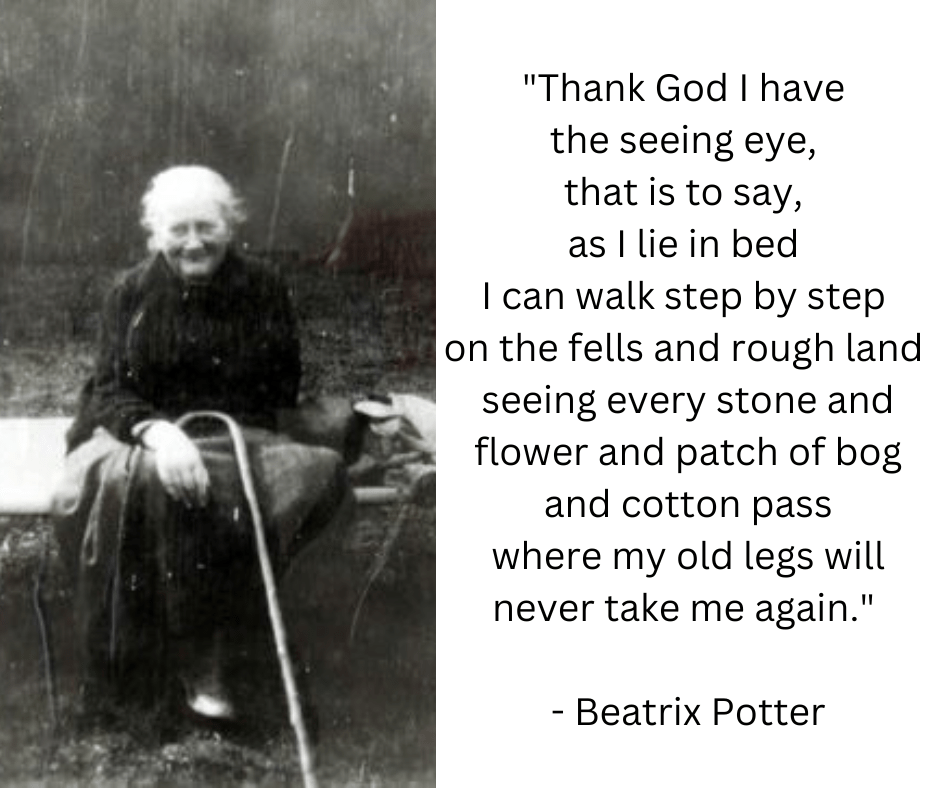
Later in life she settled in the Lake District and purchased thirty-four-acre Hill Top Farm, the perfect place for her to paint, write, and garden.
Among other portrayals based on her life, is the 2006 film, Miss Potter.
“If I have done anything, even a little, to help small children enjoy honest, simple pleasures, I have done a bit of good.”
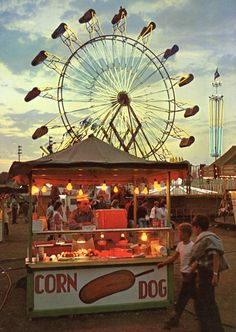
A nostalgic look at the summers of not so long ago…
(The fictional small town of Greenberry is the setting for my latest novel, And So We Dream.)
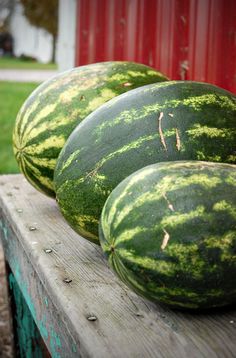
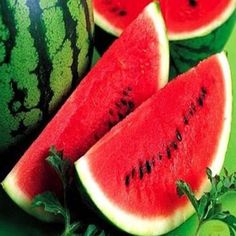
Back when watermelons had shiny black seeds set in deep ruby red.
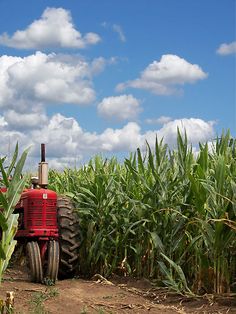
Back when corn was grown in wide discernable rows, “knee-high by the Fourth of July.”
Back when the sky was clear of satellite dishes and cellphone towers, when a bike ride uptown to the concert on the square or to the ice cream shop was high adventure.
And dreams were the soul and sustenance of three teenage girls — Anne, Vita, and Beth — and Joey, the twelve-year-old boy who spends the summer with them.
Coming from Chicago, “Joey thinks of the small town of Greenberry as ‘boyland’ – a world of riding bikes, fishing, going barefoot, and the county fair.”
A place where summer meant vegetables fresh from the garden,
and evenings were for enjoying homemade ice cream with neighbors.
When the days were filled with lemonade stands and swimming,
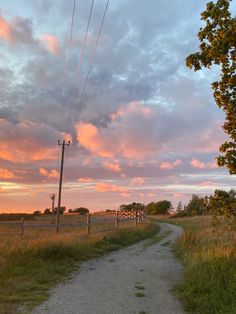
and all the skies were cotton candy skies.
And the magic of summer came from the belief that everything begins with a dream.
(Images from my Pinterest boards.)
“A brilliantly engaging, entertaining, and at times poignant coming-of-age story, ‘And So We Dream’ is a compelling read … that will linger in the mind and memory of the reader long after the book is finished and set back upon the shelf. From the author of the ‘Christmastime’ series, ‘And So We Dream‘ is unreservedly recommended…” -the MIDWEST BOOK REVIEW
“A dream garden is better than no garden at all. At least your mind is filled with flowers and color and beauty. And I think, without even being aware of it, we slowly move towards what we hold in our minds.” (Words from Millie to her daughter Vita in my novel And So We Dream)
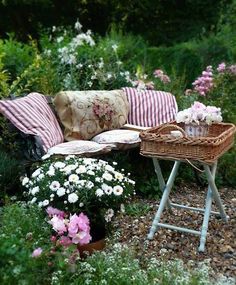
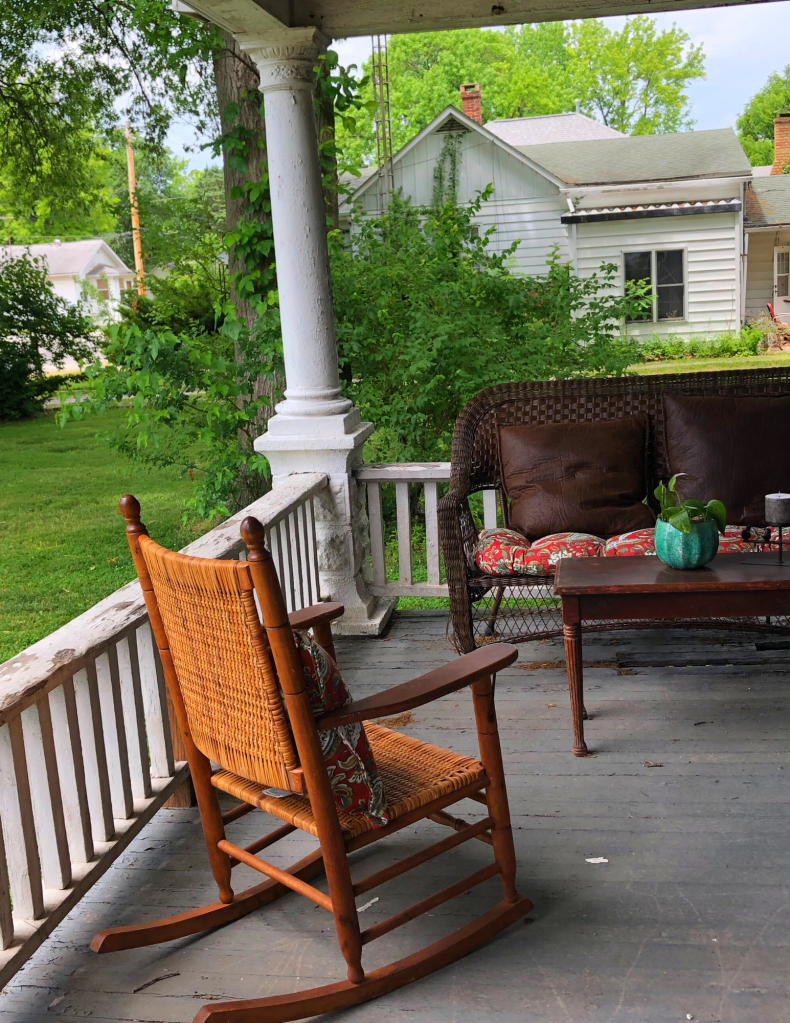
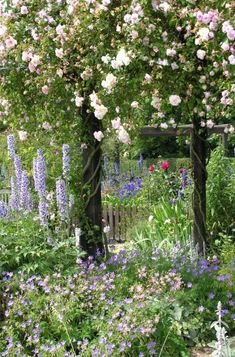
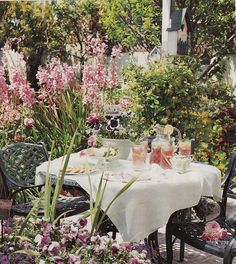
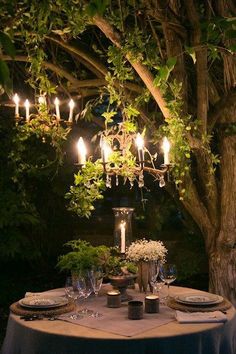
If I had a garden, I’d take my breakfast there.
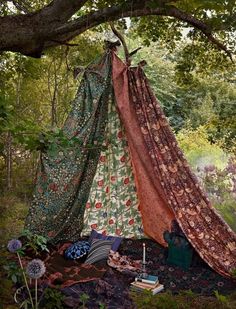
I’d find a hammock or a garden chair and enjoy the peaceful shade.
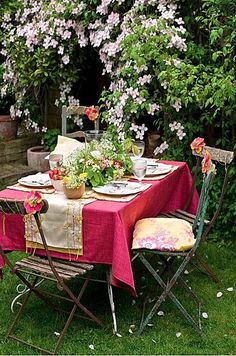
I’d invite a friend to join me for lunch among the blooms,
and I’d find a quiet spot in the fragrant afternoons.
In the garden’s comfort, I’d indulge in a book or two,
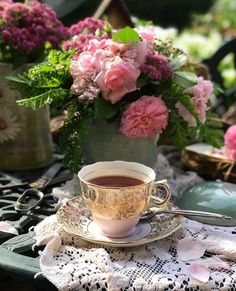
and include a pot of tea and a floral china cup.
And in the scented evenings, the garden all aglow,
I’d sleep among the flowers and dream the sweetest dreams.
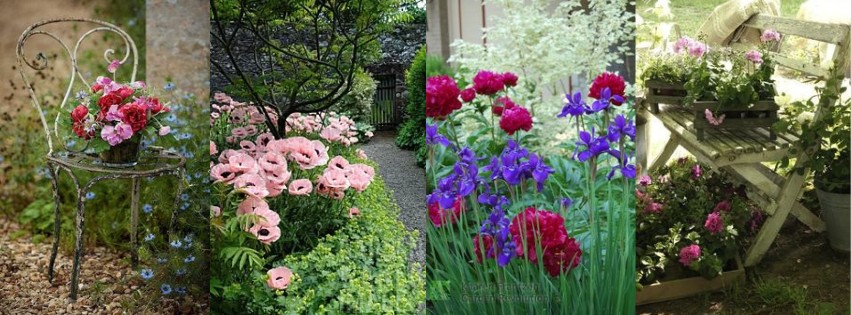
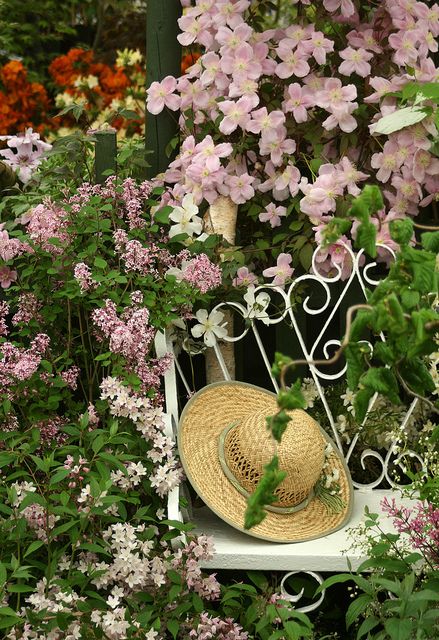
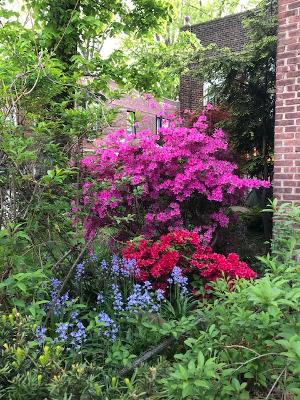
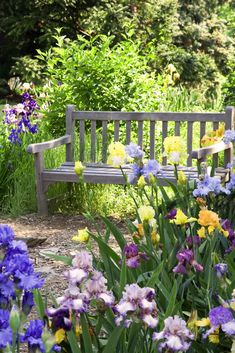
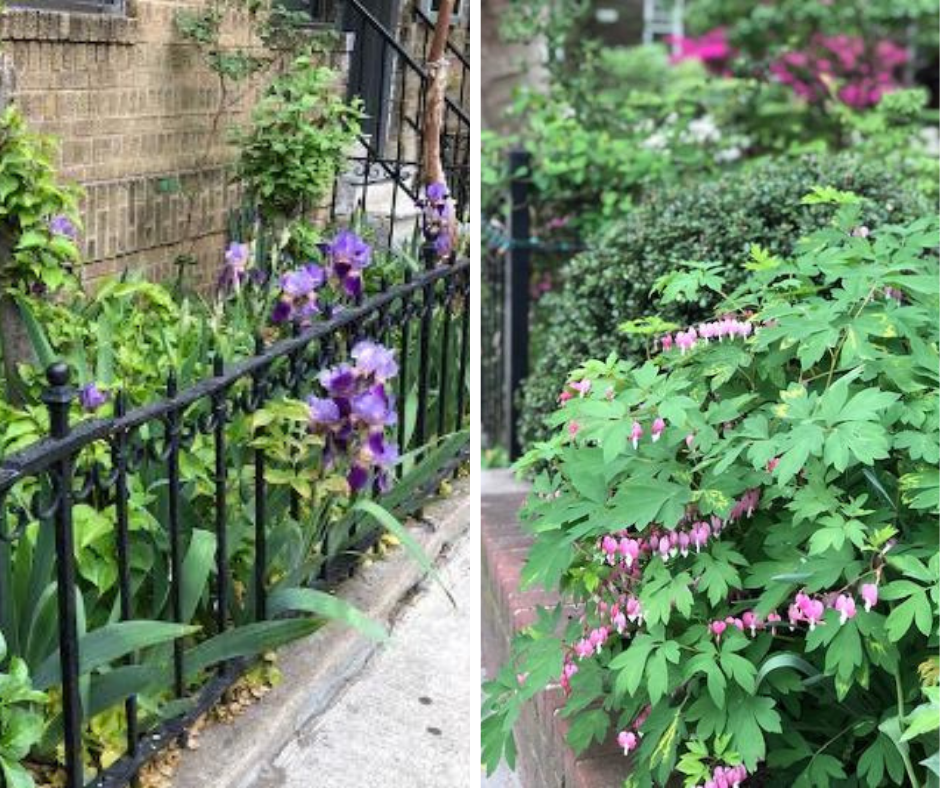
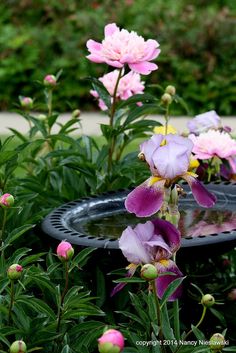
While much of the country has already experienced soaring temperatures, here in New York, this has been an especially beautiful spring. Cooler temperatures have prolonged the season of lilacs, irises, and azaleas.
Even the rhododendrons and peonies are just now in full bloom.
I think of these kinds of days as “gift” days, allowing me to more fully enjoy the cool mornings and to take longer end-of-day strolls through the neighborhood, with its profusion of flowering bushes and small flower-filled gardens.
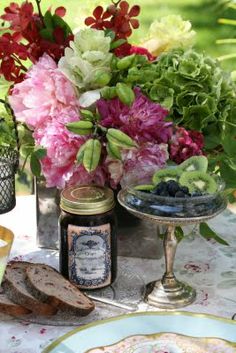
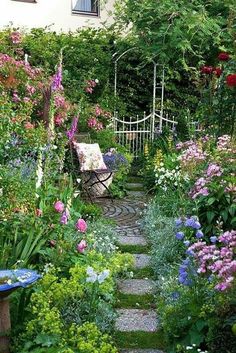
I hope wherever you experience spring, you have an abundance of flowers and blooms to enrich your day —
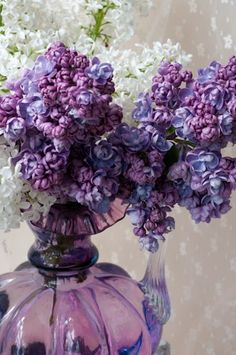
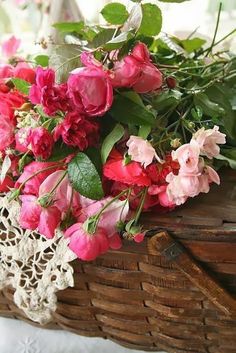
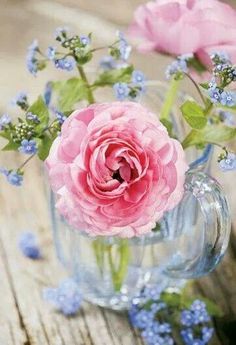
including bouquets of fresh-cut flowers that also bring about that same springtime joy.
(images from my Pinterest boards – and my neighborhood!)
Anne, Vita, Beth. They were hippie girls. Teenagers. Long flowing hair, embroidered peasant tops, long skirts, dangling earrings, bare feet. Pulled one way by the tradition of their small Mid-Western town, another by the promise of the wide world outside.
Twelve-year-old Joey Roland spends the summer with them while his parents “work things out.” He soon discovers that, like the home he left behind in Chicago, the small town of Greenberry is also filled with sadness – loss, betrayal, fears, and disappointment.
The difference is that the three sisters – especially the middle one who pursues the path of acting – teach him how to infuse ordinary life with magic, adventure, and joy.
The result is a summer of transformation, and, for Joey, new-found confidence in his dream path.
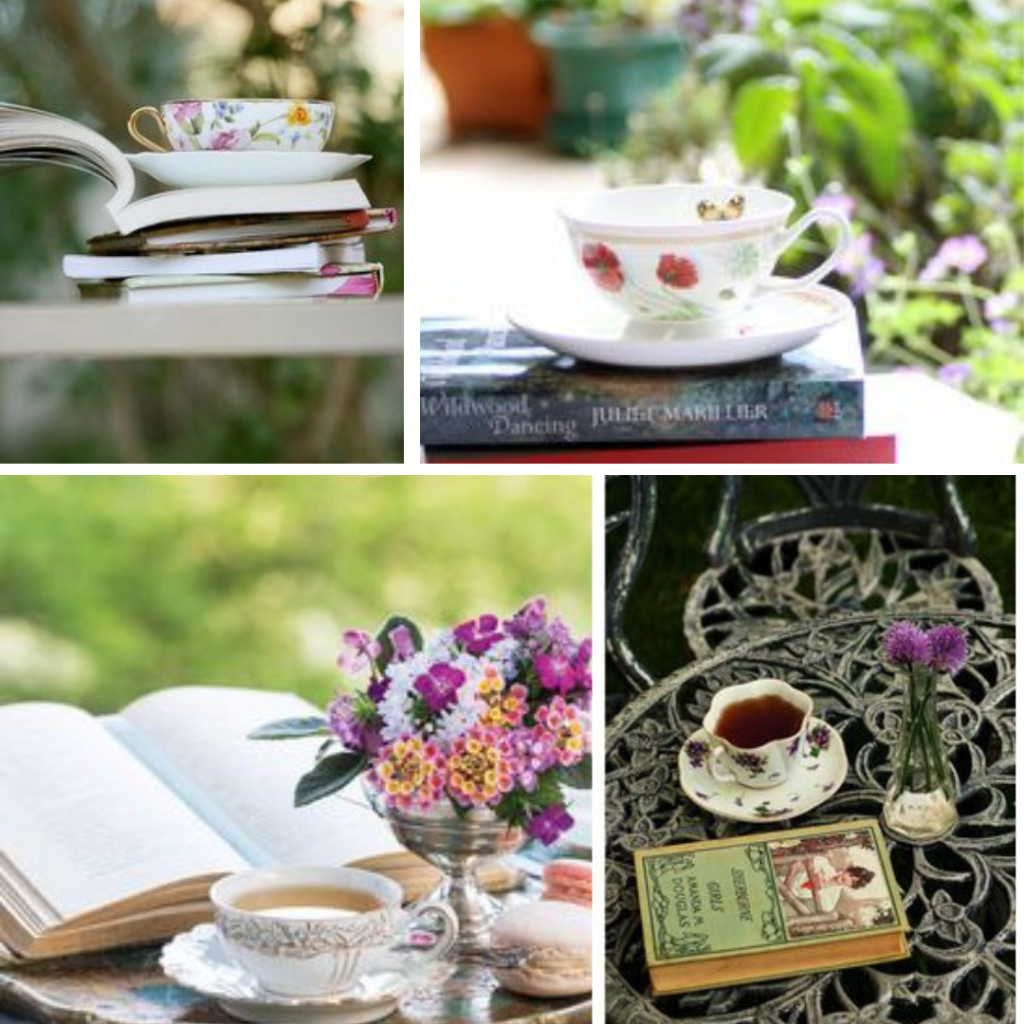
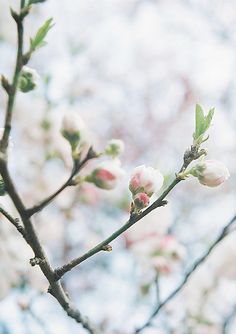
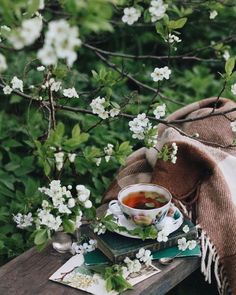
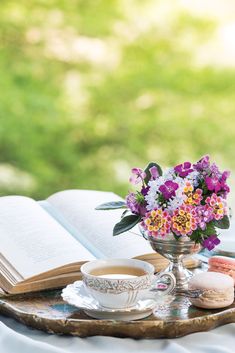
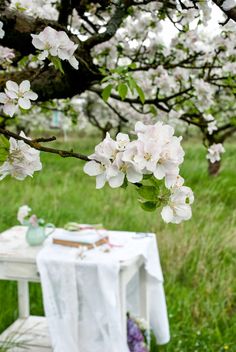
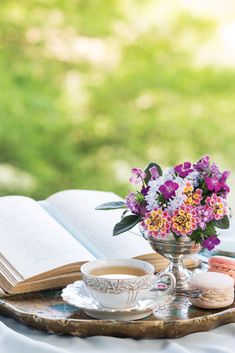
Now that it’s officially spring, reading outdoors has even more appeal. Opening a new book amid the first flowers of spring or under blossoming trees speaks of new beginnings, a sense of well-being, and hope.
There’s the promise of longer days and milder weather, and hopefully, more free time to indulge in the discovery of new books.
And if it’s still too cold where you live to read outdoors, bring a bit of springtime inside with a few blossomy sprigs or some fresh-cut flowers to remind you of what’s up ahead.
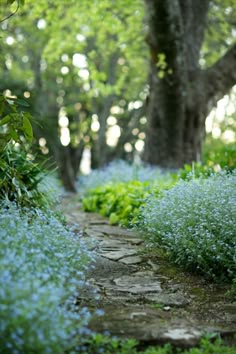
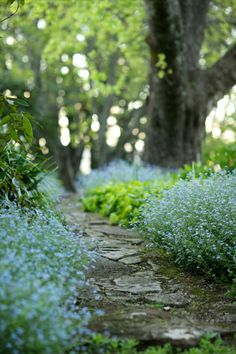
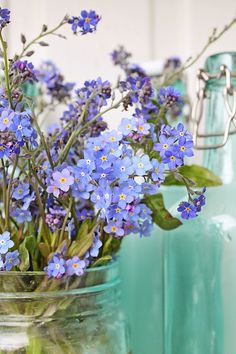
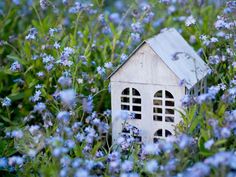
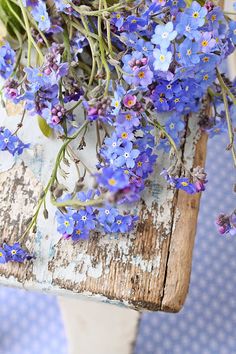
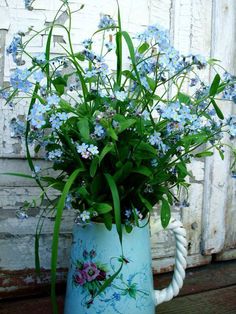
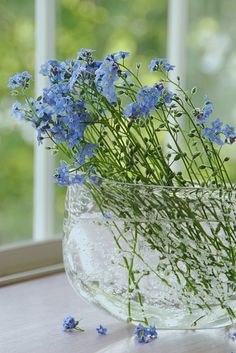
Forget-me-nots are one of summer’s many beautiful flowers. They grow in clusters in varying shades of blue and are almost fairy-like in their daintiness. They are small and unassuming — yet packed with significance.
In my novel The Garden House, the flower, and more particularly, its name, takes on a special meaning. They are related to Miranda and her memories of when her children were young, and are significant to the secondary plot involving the mysterious William Priestly.
In preparation for the new tenant, Miranda plants flowers outside the garden house and then comes inside to clean it.
Tired, she sat down on the floor, resting her elbows on her knees. Then with a sigh of fatigue she stretched out, the hardwood floor feeling good against her back.
She let her eyes wander over some of the details of her beloved garden house – the Dutch blue of the dresser and window trim, the pillows and curtains she and Clara had made. They had spent so many hours over the years down here – painting, sewing, transforming the run-down garden house into a charming, livable cottage. Clara had loved the profusion of forget-me-nots that surrounded the garden house, and decided to christen the cottage the Forget-Me-Not House. It had seen many tea parties and birthday celebrations, and Clara’s favorite, the fairy parties.
Later, Miranda shows the garden house to William who decides that he will rent it for the summer.
It’s all very comfortable. It feels – ” he looked around for the words to describe it. “It feels like – a real home.”
Miranda laughed. “It is a real home – an extension of the house.” She gazed lovingly at the garden house, the window boxes and potted flowers. “A lot of happy memories here.”
William stepped off the porch and looked at the garden house from a few paces back, clearly admiring it. He noticed the small hand-painted sign nailed above the door, and read, “The Forget-Me-Not House.”
“My daughter named it that when she was little. But somehow we always refer to it as the Garden House.”
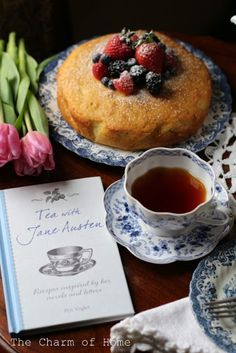
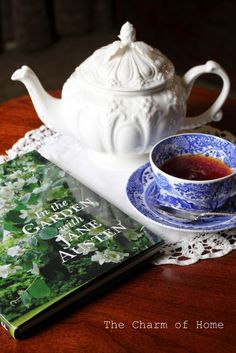
Spring seems to be the perfect season to read a Jane Austen novel, or one of the many books inspired by her work. Perhaps it’s because her stories end on a hopeful, spring-like note.
Perhaps it’s because milder weather allows the heroines to be out and about more, as with Elizabeth Bennet’s strolls through the spring countryside in Pride and Prejudice,
or Fanny Price in Mansfield Park enjoying a spring day in Portsmouth with its “mild air, brisk soft wind, and bright sun, occasionally clouded for a minute: and everything looked so beautiful under the influence of such a sky,”
or Persuasion’s Anne Elliot “hoping that she was to blessed with a second spring of youth and beauty.”
The fresh beauty of blossom-time and the promise of milder weather are just the right time to reread your favorite Austen book or to discover a new one.



























































































 Linda Mahkovec - Author