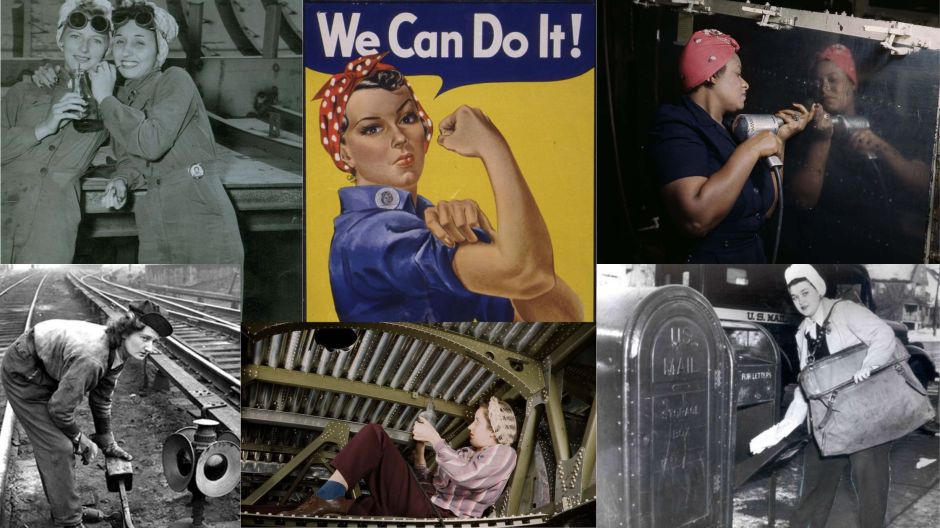
My latest book in the Christmastime series, CHRISTMASTIME 1946: A LOVE STORY, focuses on women in the workforce and the mixed feelings they had when the war ended and it was time for them to give up their jobs.

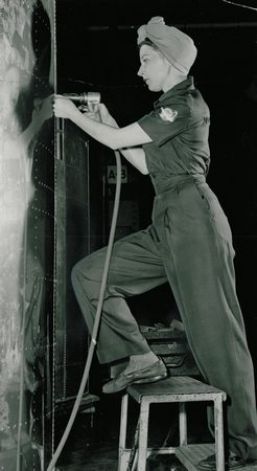
In WWII, the U.S. experienced a severe labor shortage as millions of men left to fight. The solution was to use women, along with minorities, immigrants, people with disabilities, teenagers, older adults, and retirees.
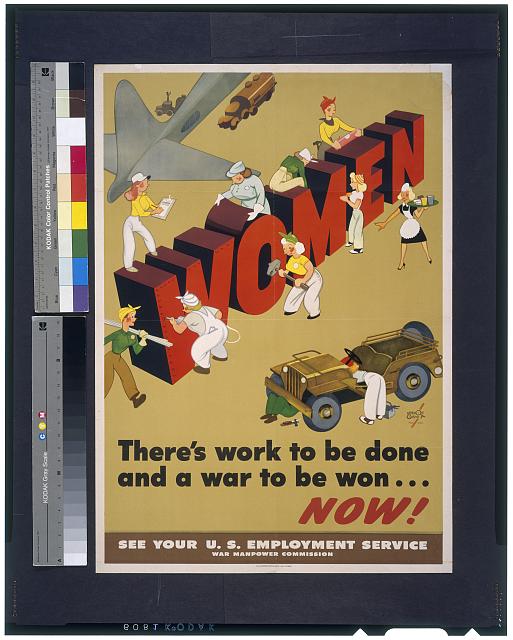


Before WWII, women were already working in large numbers (roughly 13 million) but in predominantly low-paying jobs: domestic service, clerical jobs, teaching, nursing, and textile factories. Most working women were young, lower-income, and single.


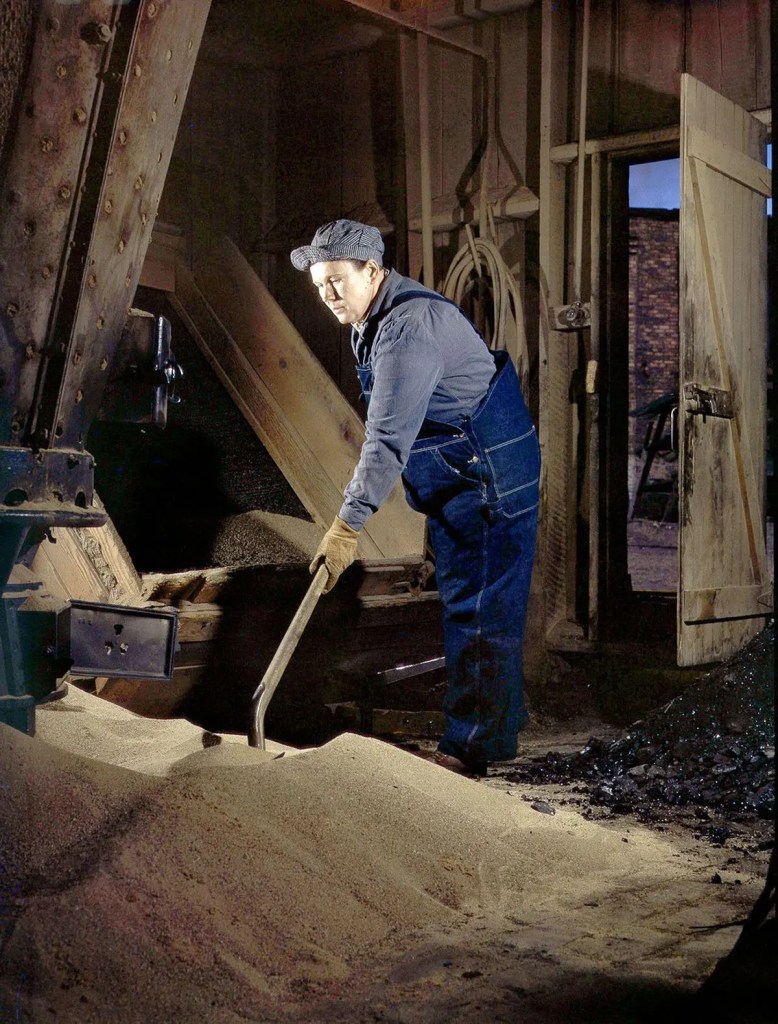
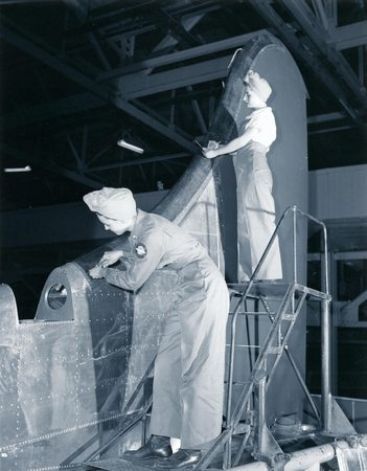
To fill the labor gap created by the war, over 6 million additional women joined the workforce – building aircraft, assembling tanks, producing munitions, and working in shipyards. They became welders and riveters, machinists and crane operators.
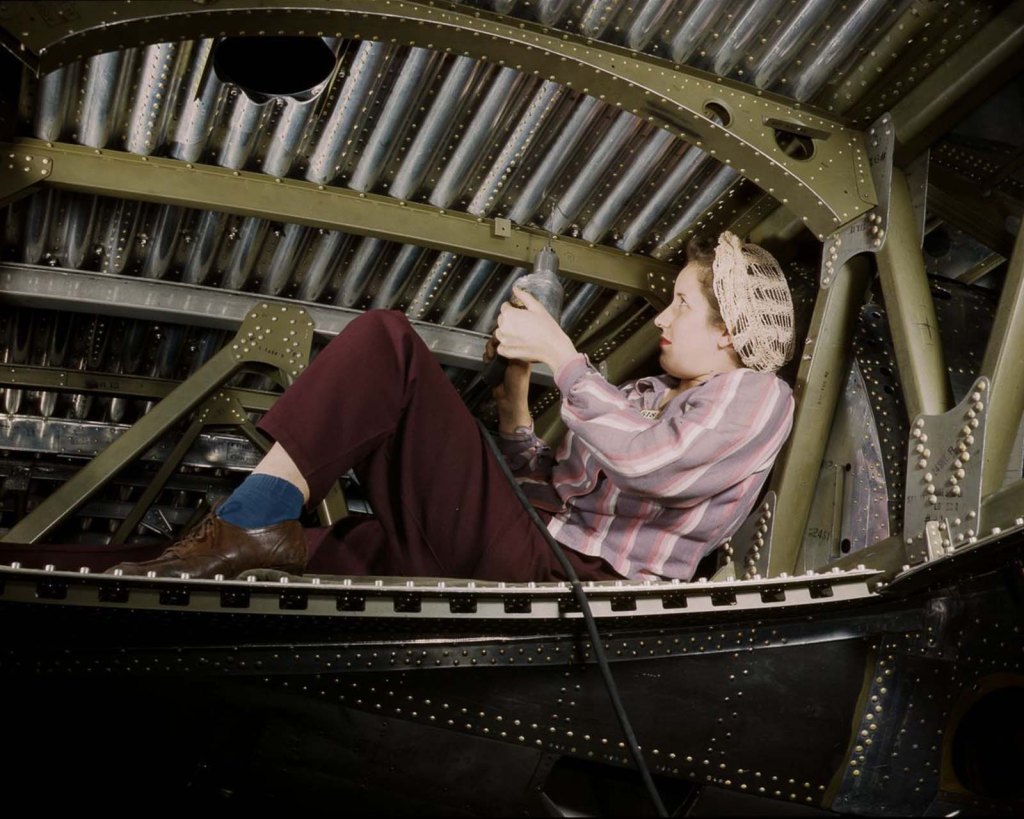


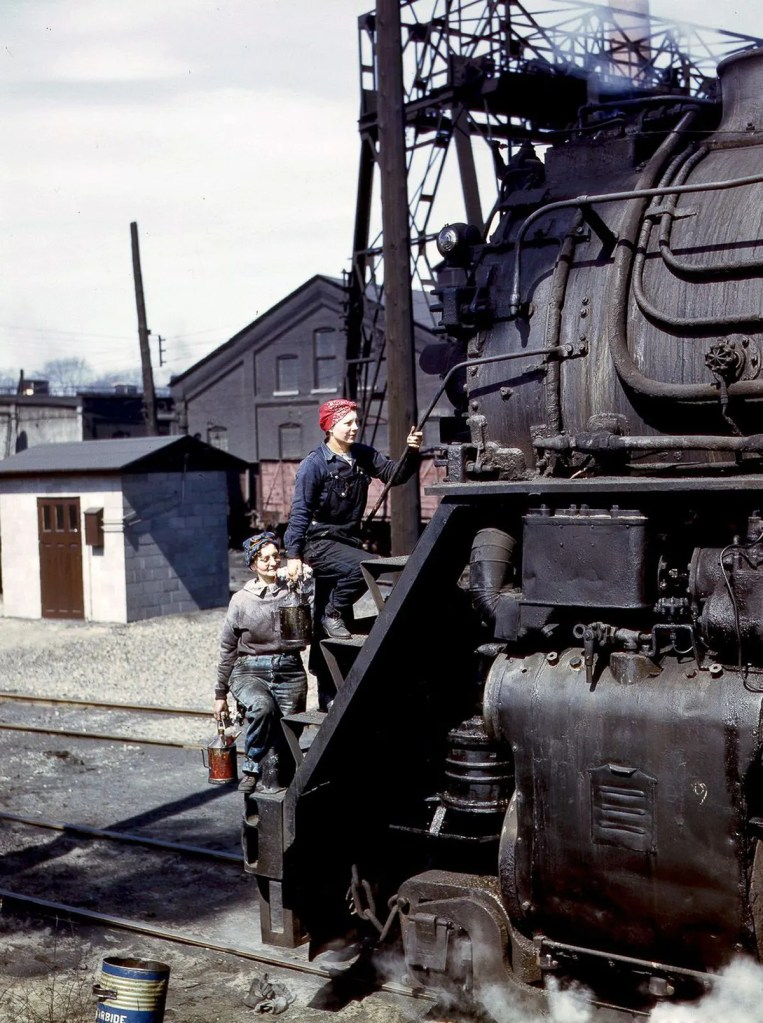
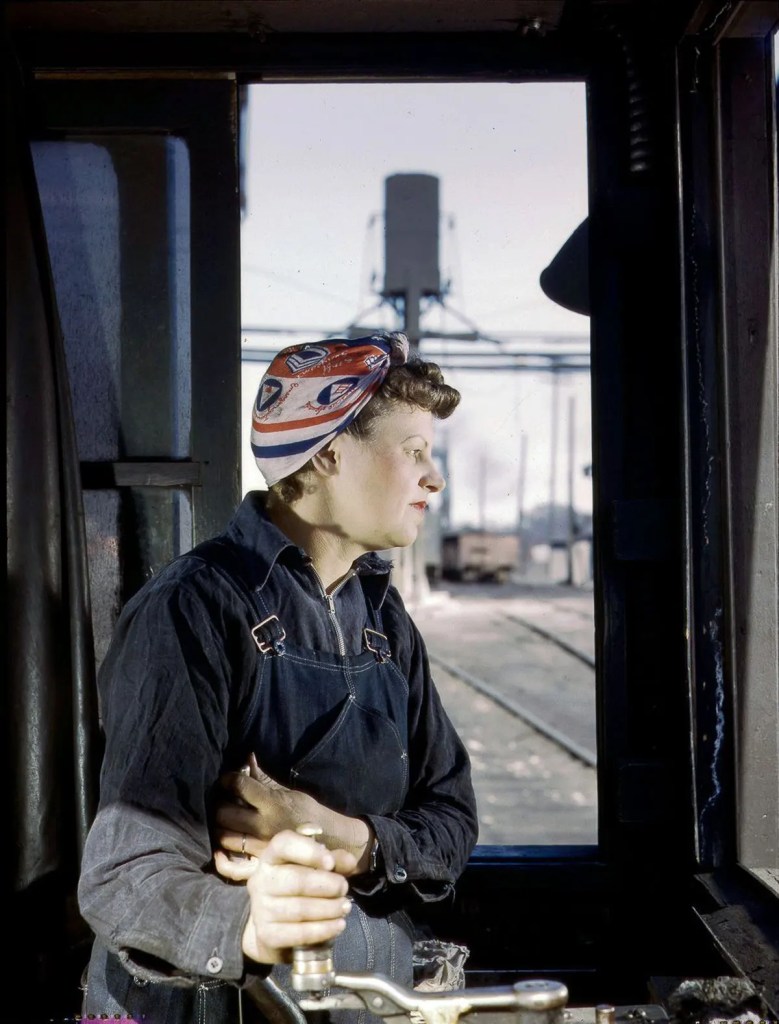
Others kept the country running – working as nurses and firefighters, managing offices, driving trucks and buses, working on the railroads,



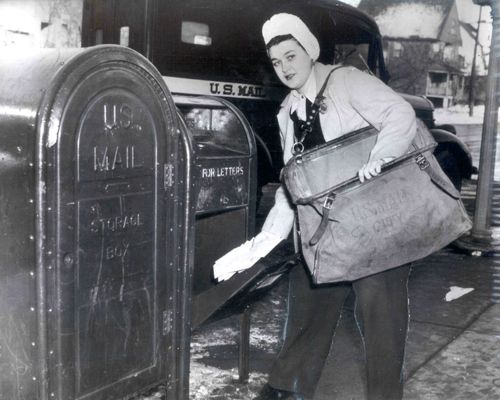
delivering mail, working on farms and in food production, and countless other jobs.
Though it’s easy to idealize this period of opportunity for women, for many, it was grueling, hard work.
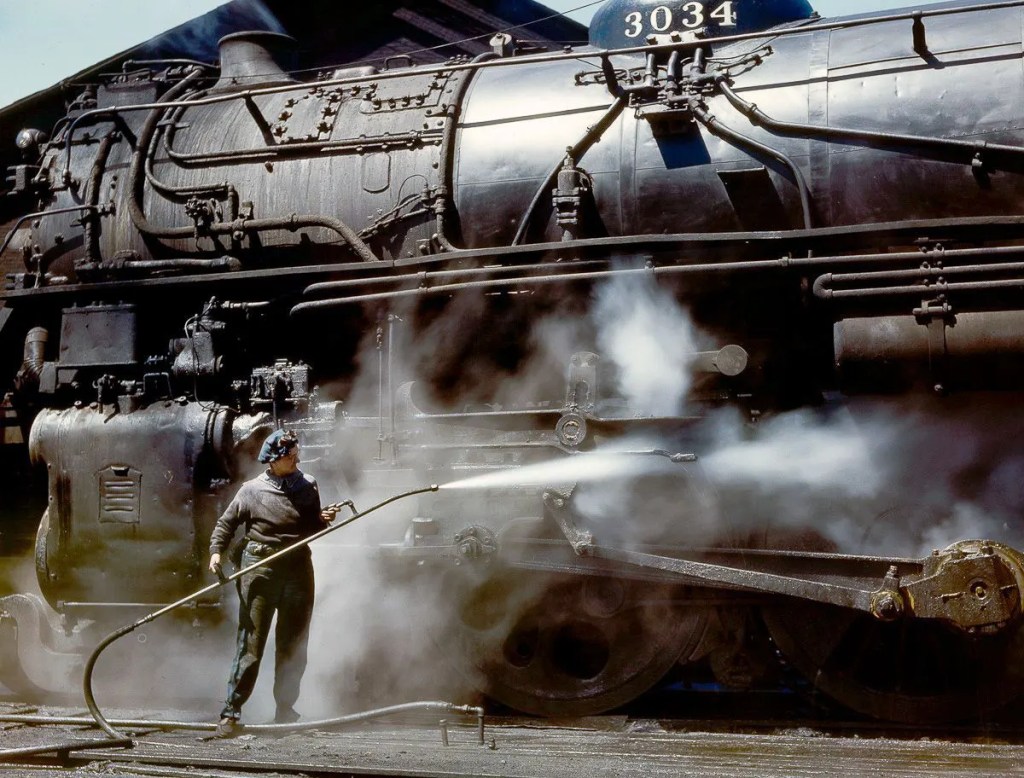
The war enabled women to move into higher-paying, traditionally male-dominated roles. However, it was clear from the beginning that it would be only “for the duration.” After the war, women were expected to leave their jobs to make room for returning servicemen. Rosie the Riveter had to go home.

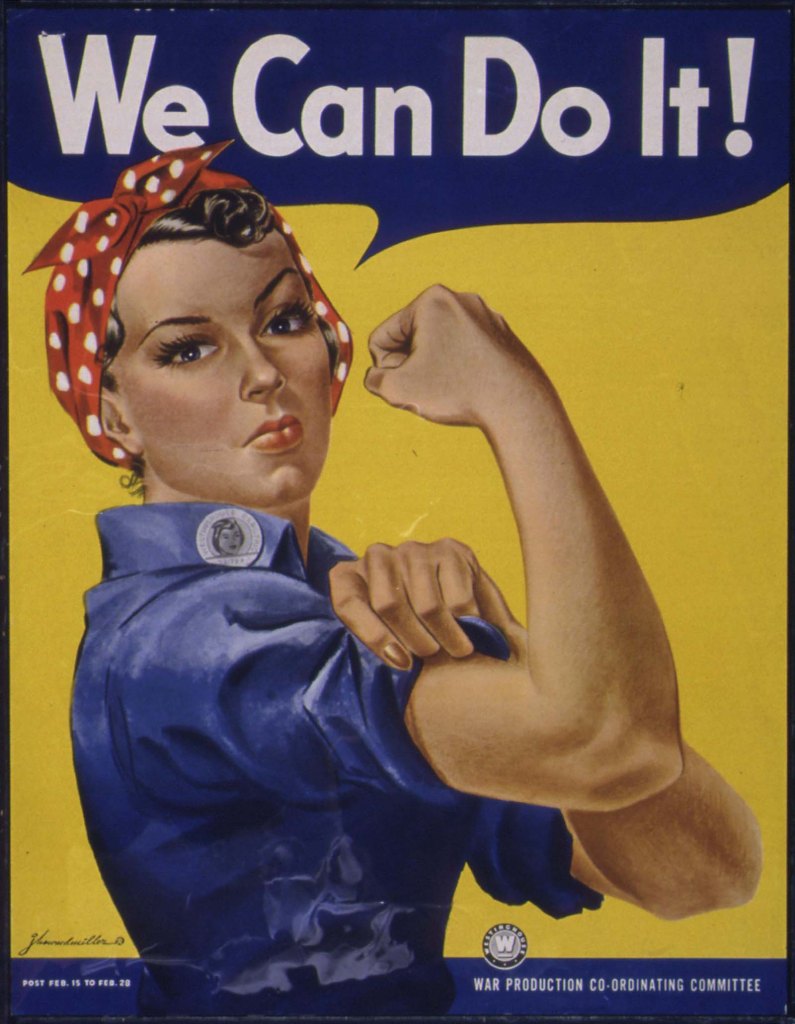
Working women were essential to the war effort and they proved just how capable they were. While many were only too happy to return to their prewar lives, others grappled with a deep sense of loss — of higher-paying jobs, of greater freedom and independence, and of the profound satisfaction that came from being part of something larger.



 Linda Mahkovec - Author