Provence – springtime

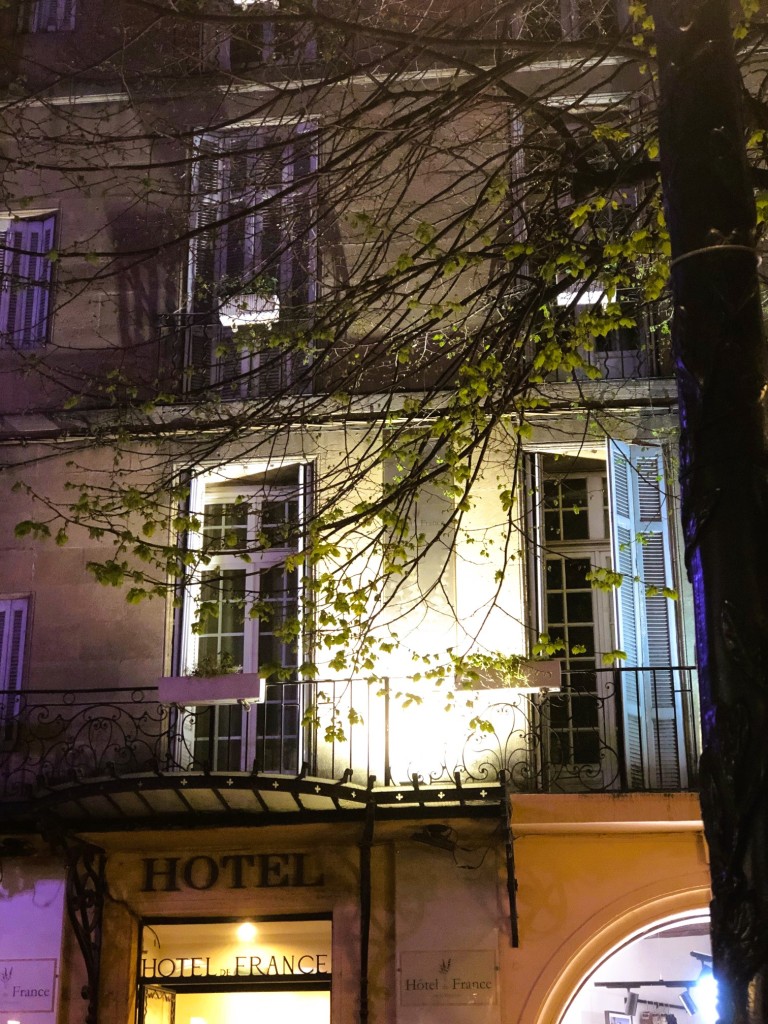
After years of dreaming about it, I finally visited Provence, seeing towns and villages that stretched from Avignon on the Rhone,

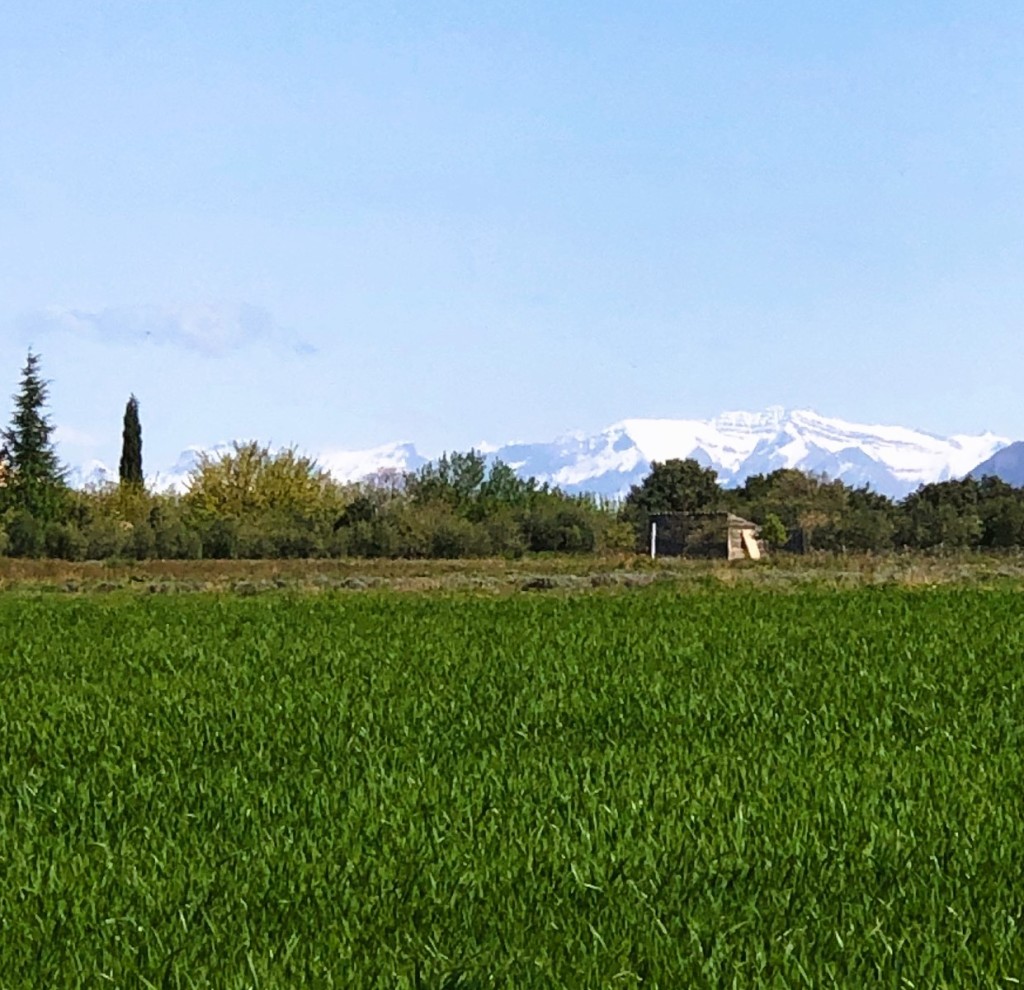
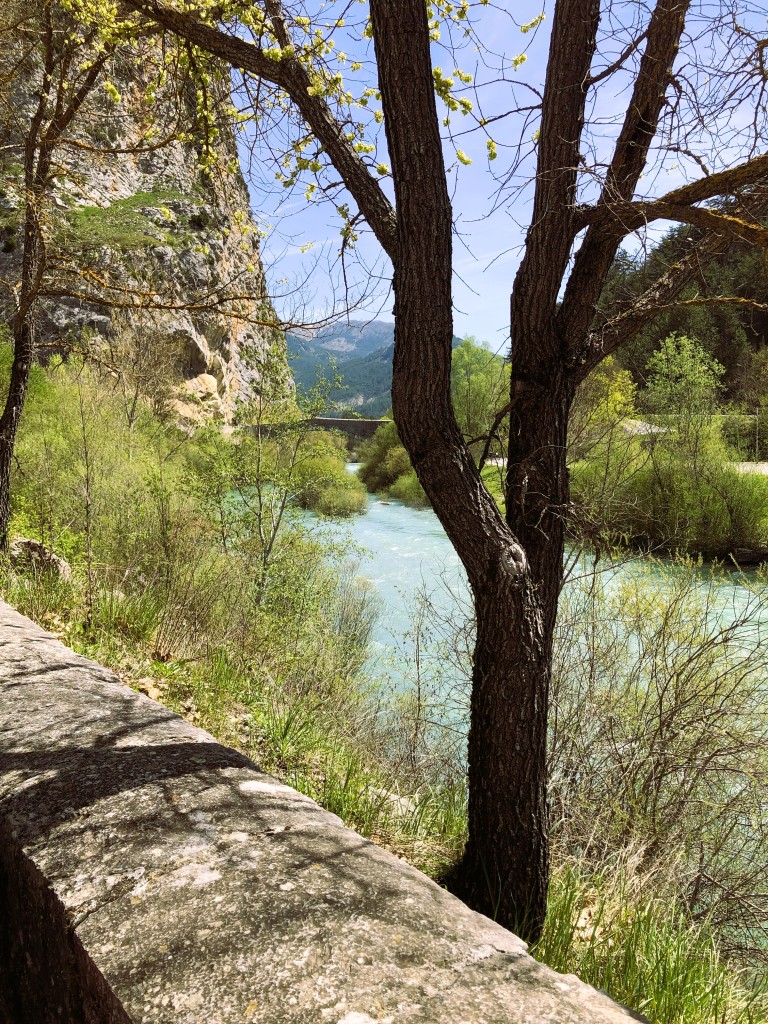
to Moustiers-Sainte-Marie in the east, with the snow-capped French Alps in the distance.

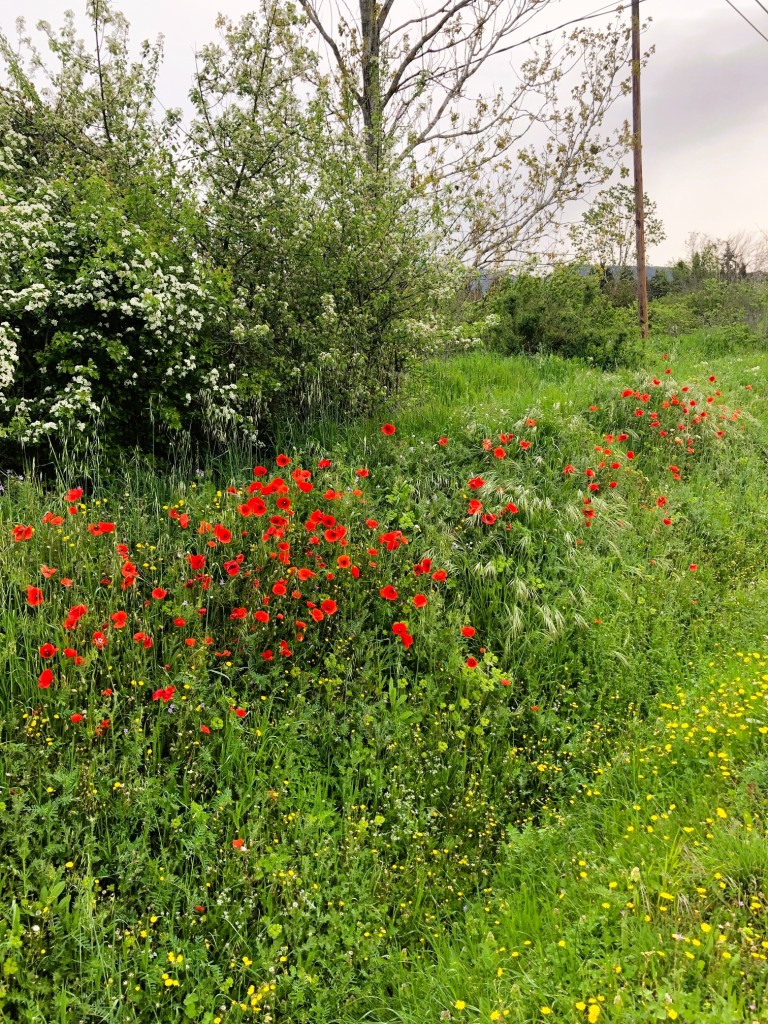
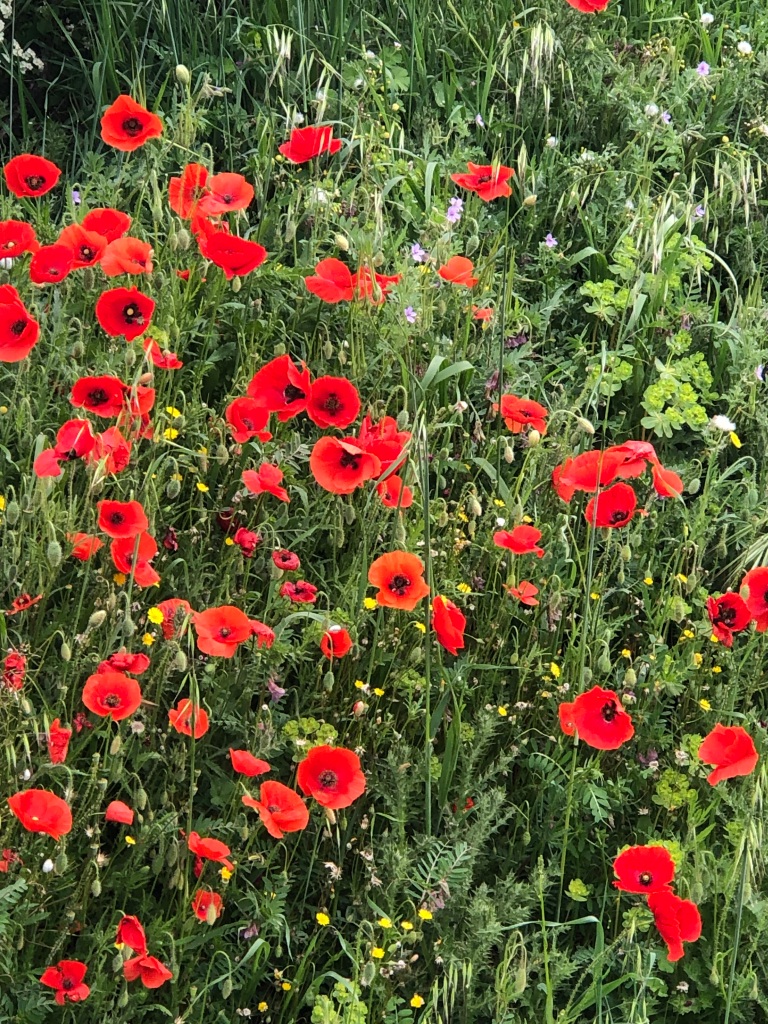
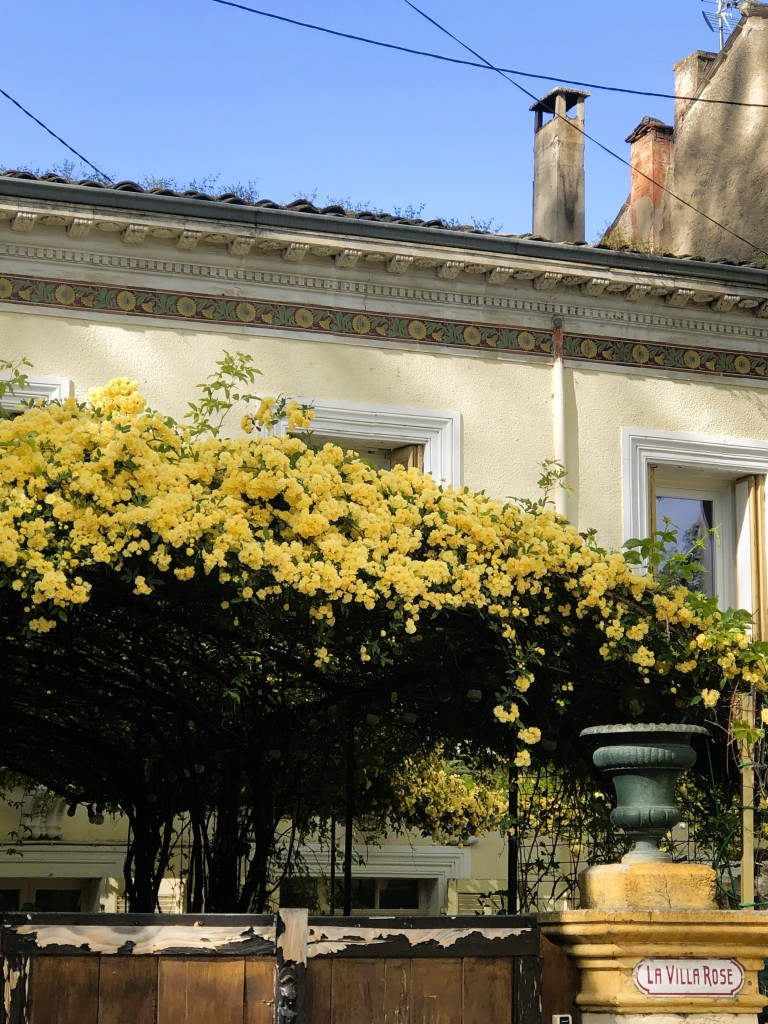
Although it was too early in the year for its famous lavender and sunflower fields, the Luberon Valley was bursting with flowers. In addition to the cheerful, beloved red poppies,

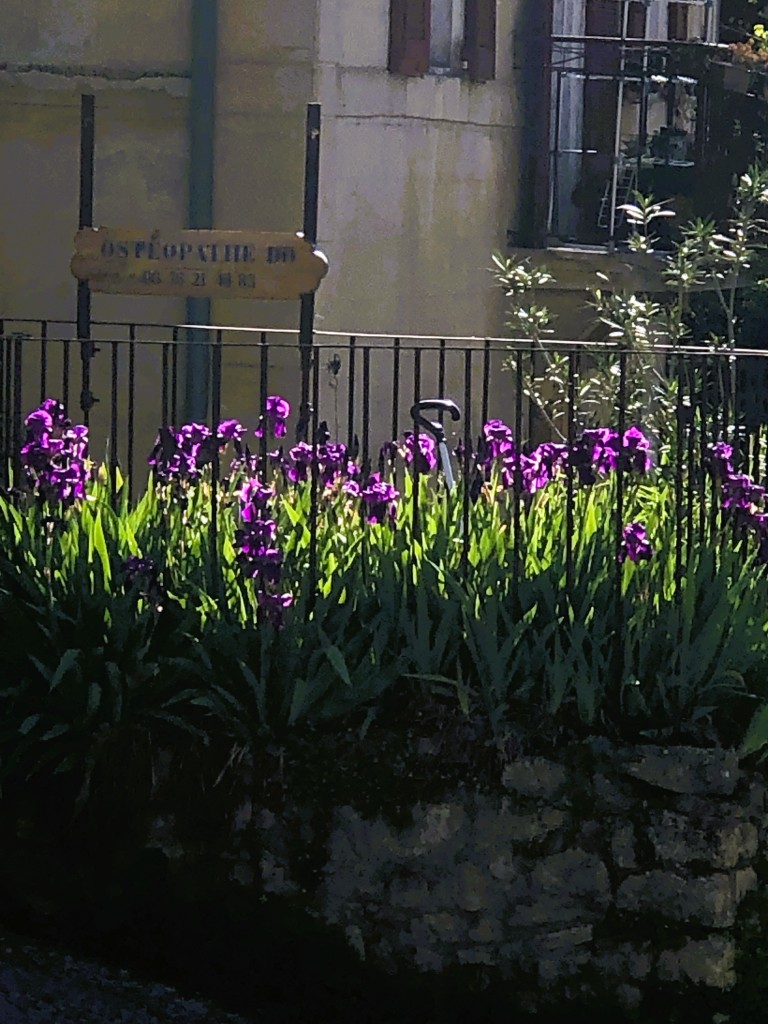
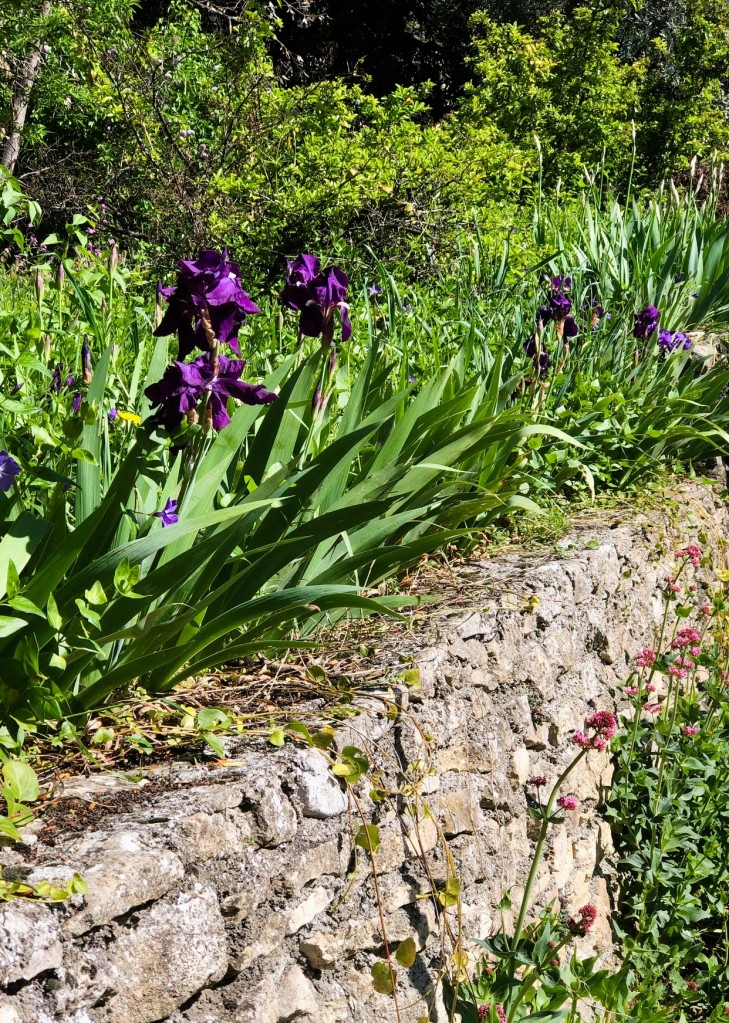
there was purple everywhere: deep royal irises,

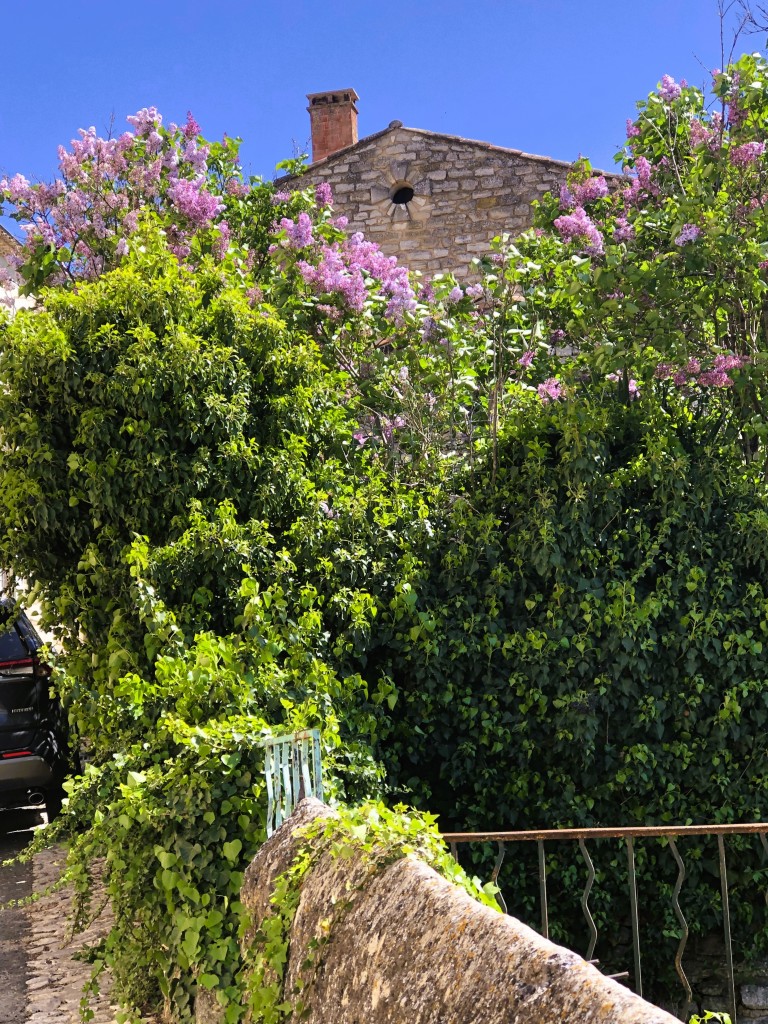
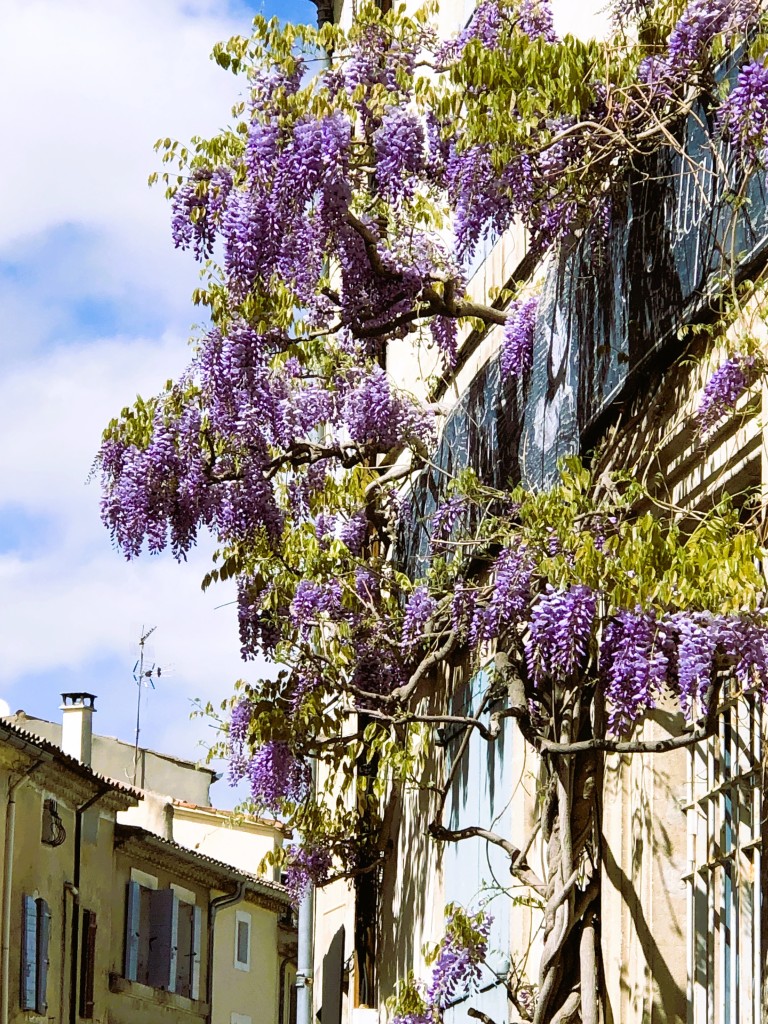
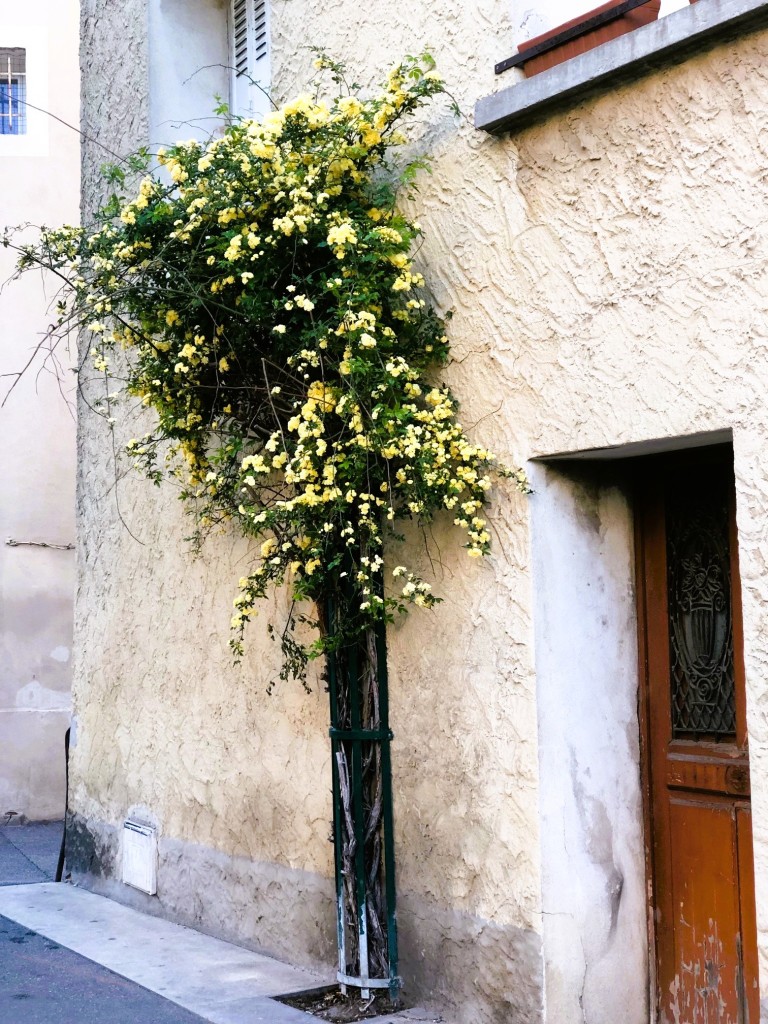
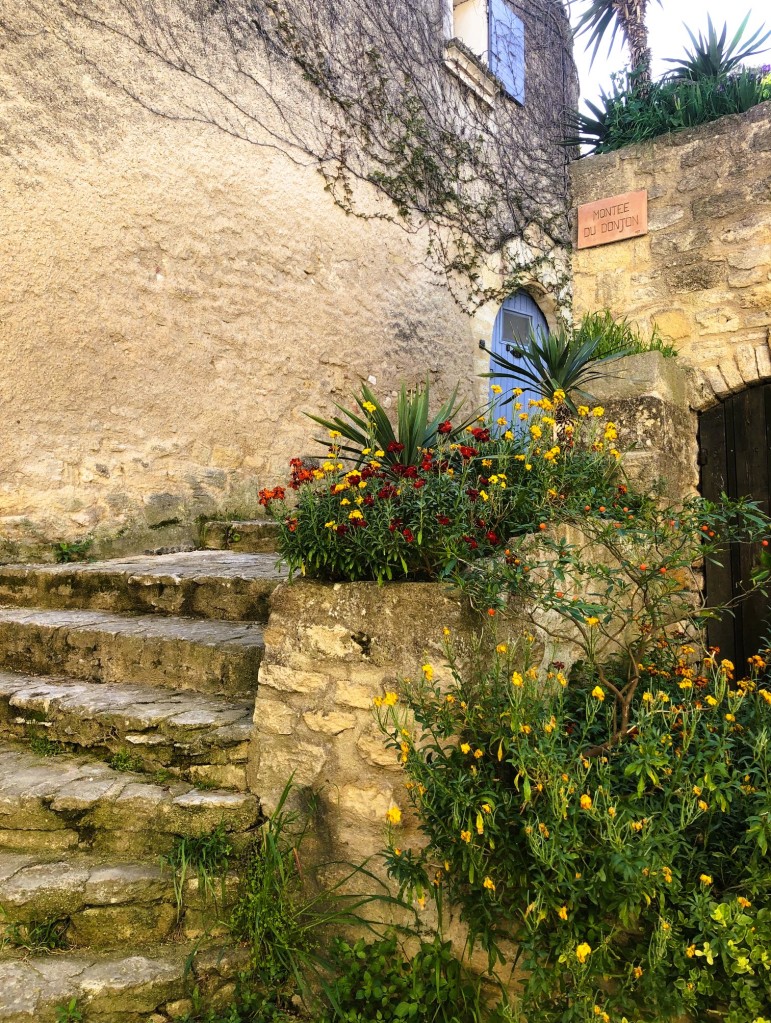
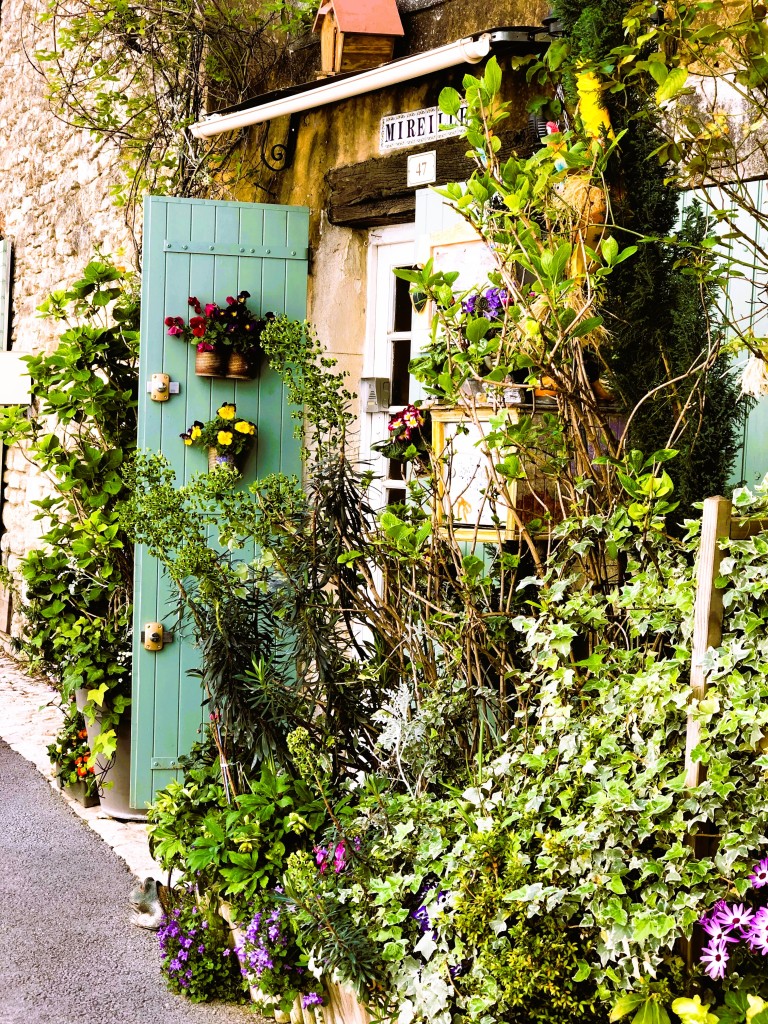
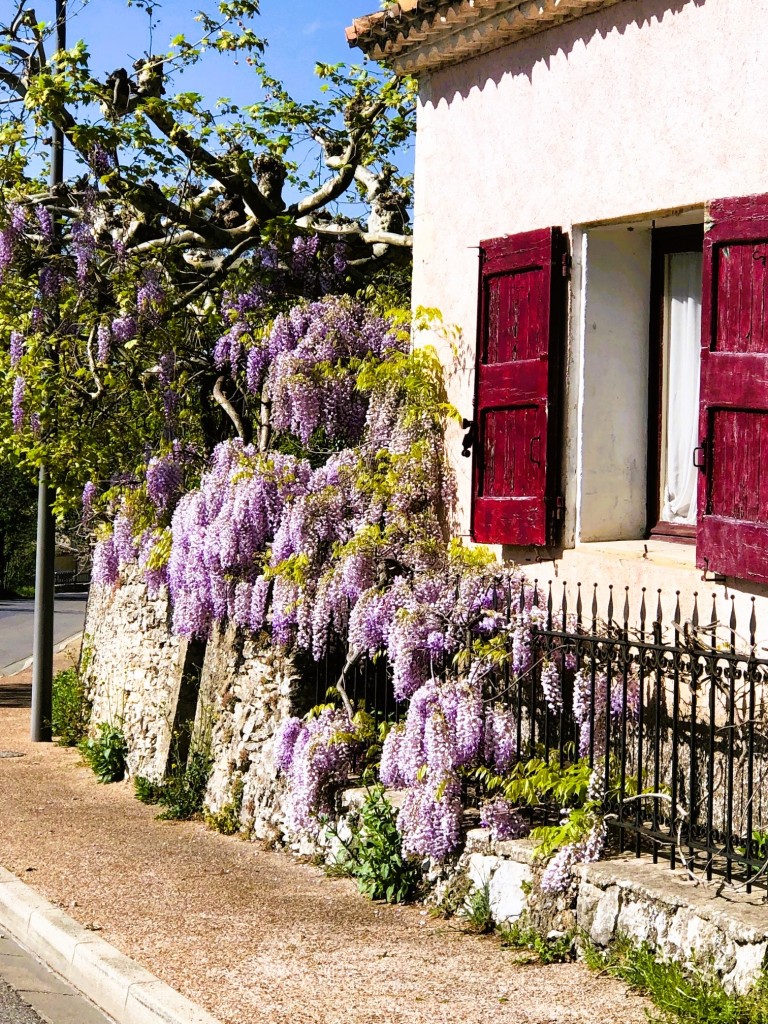
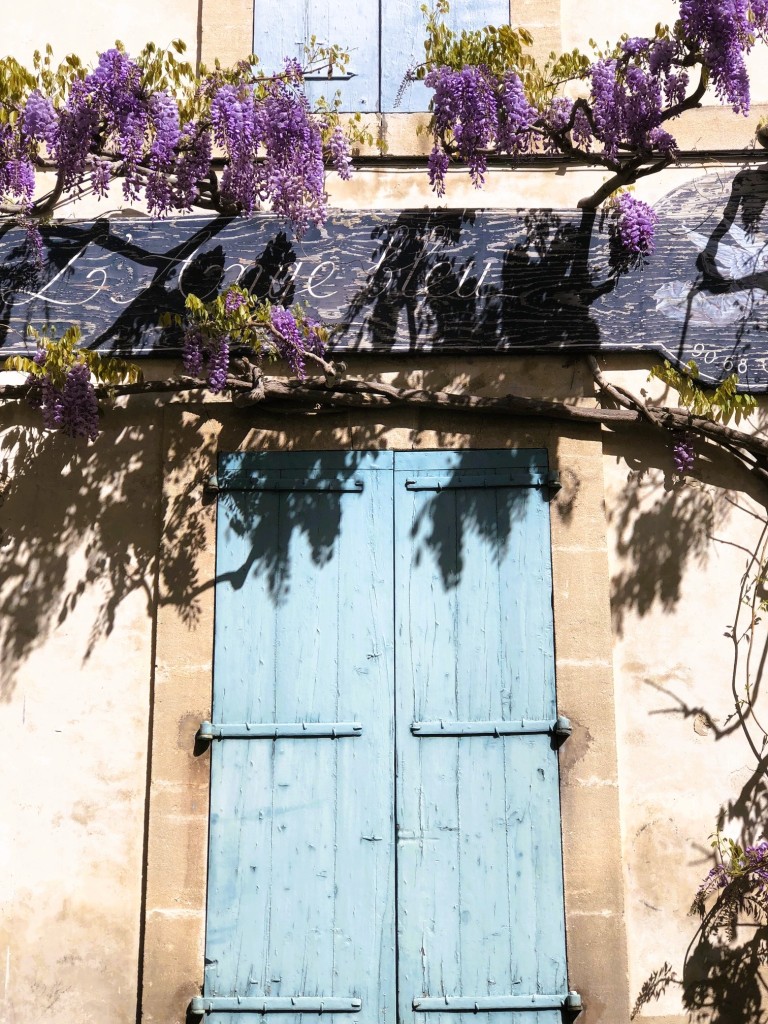
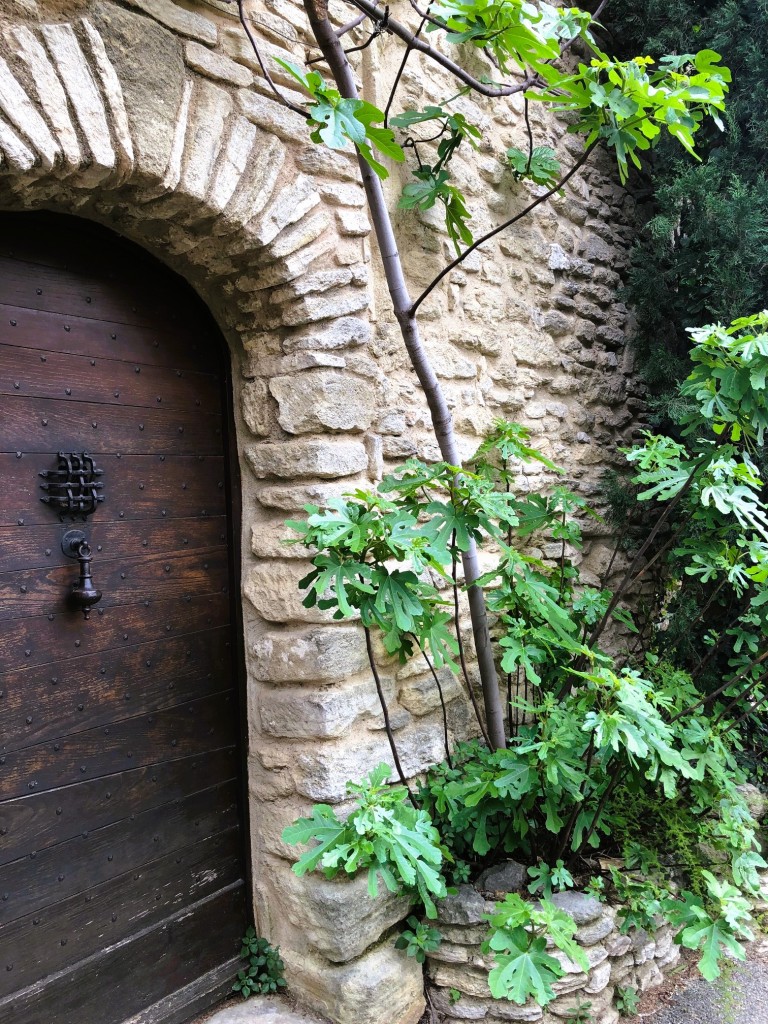
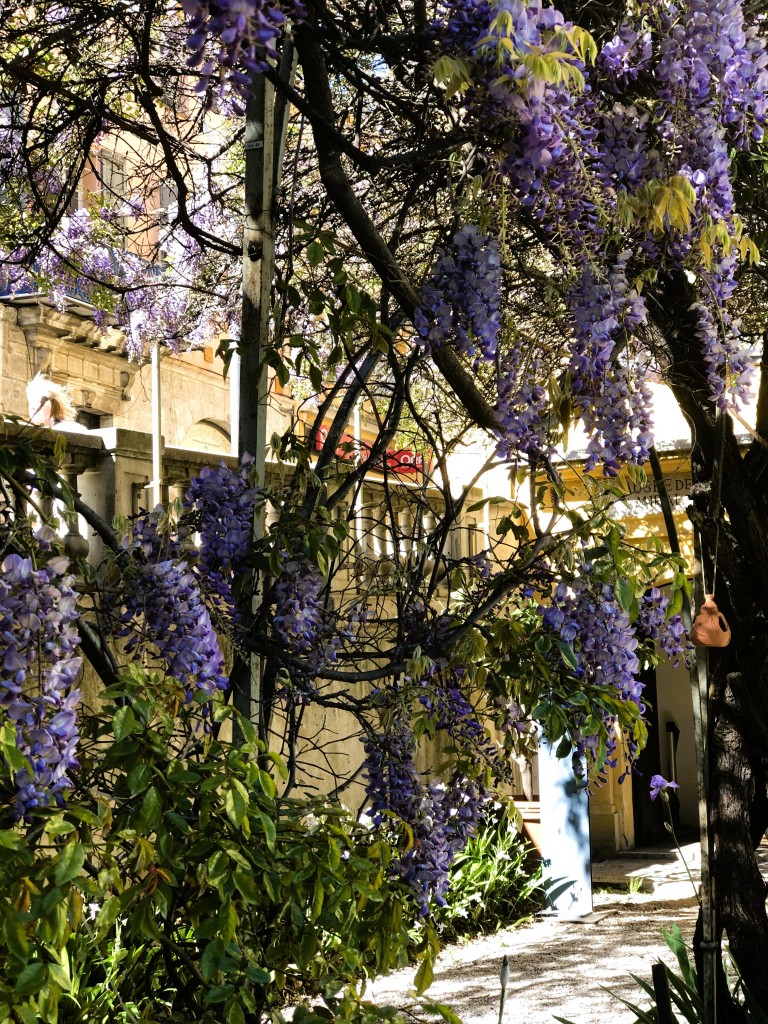
and paler wisteria and lilac, perfuming the air. My greatest surprise was the sheer abundance of flowers — they were everywhere, planted in corners of fields and alongside roads, framing doorways and windows, in planters and atop stone walls.

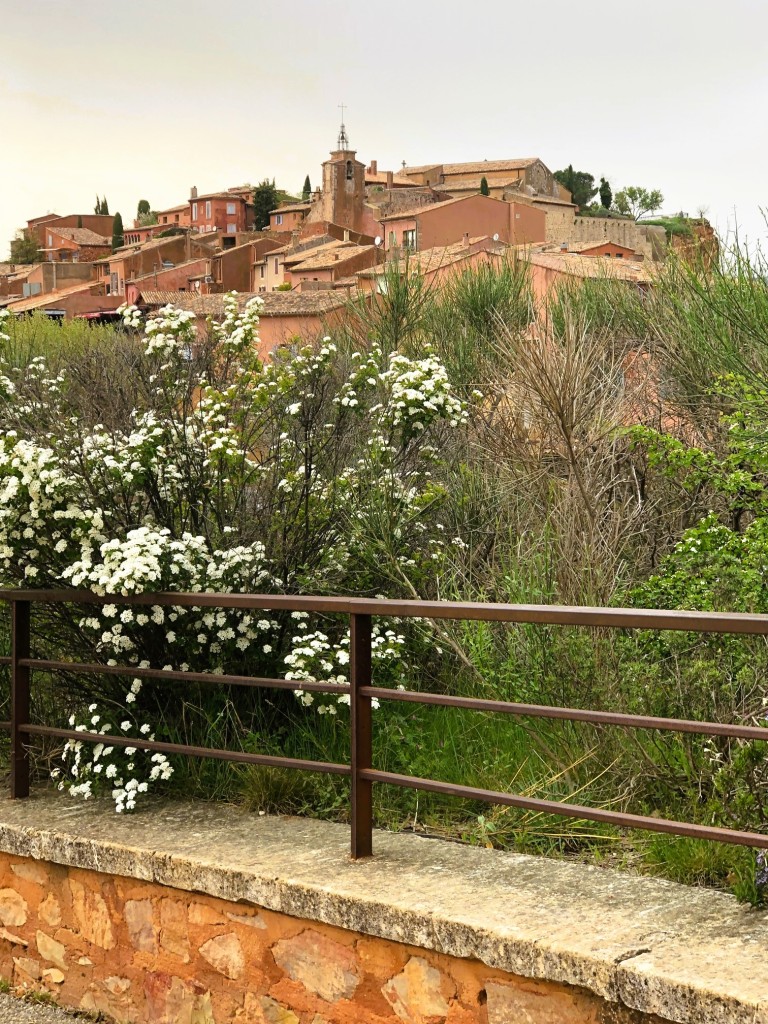
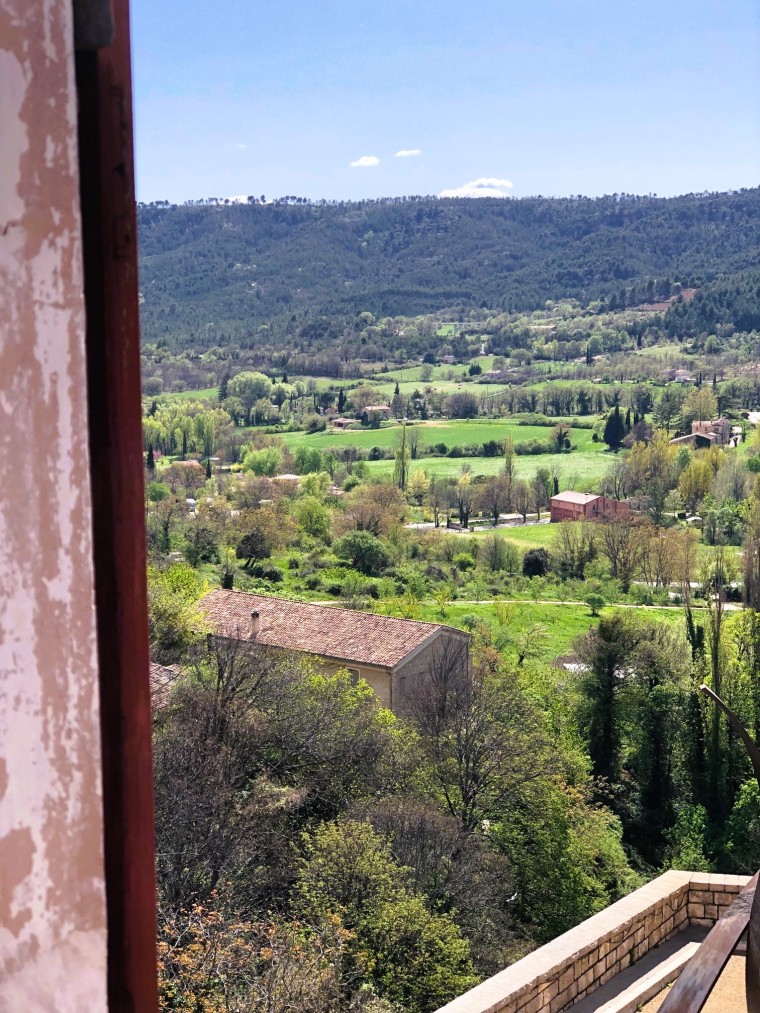
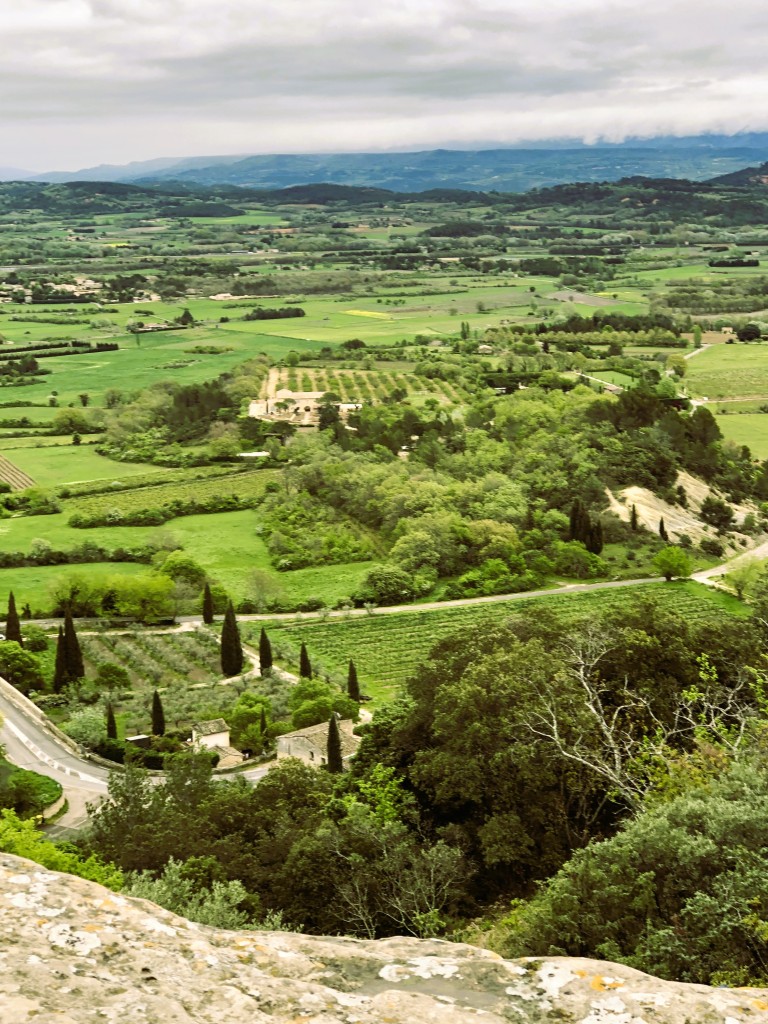
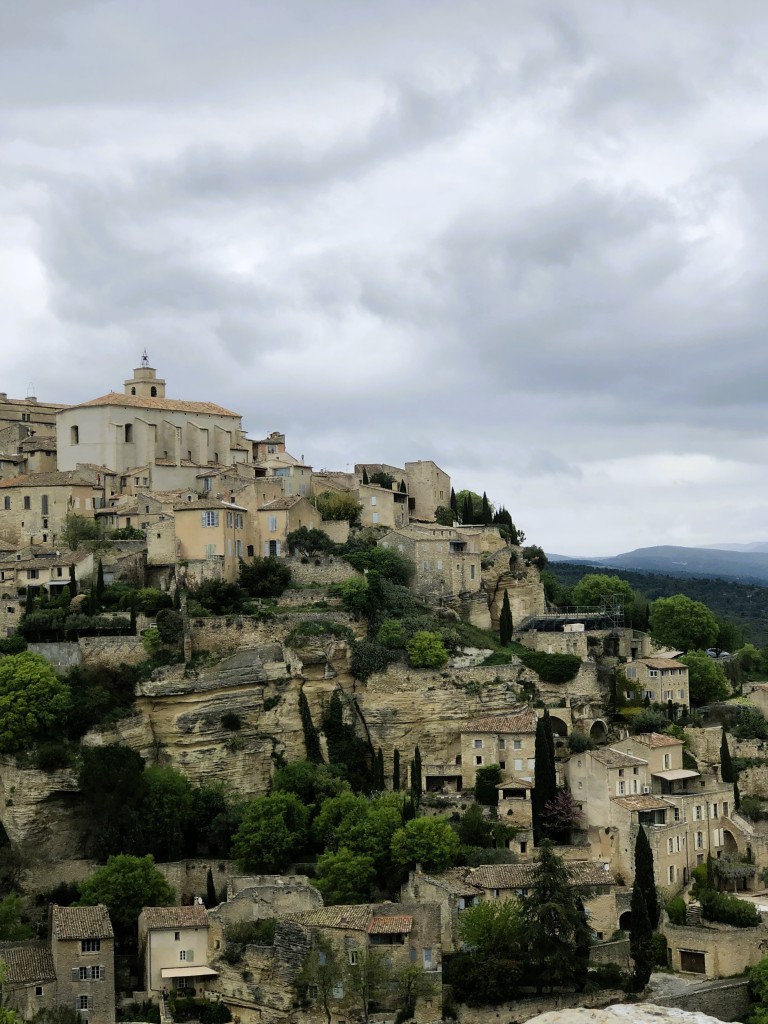
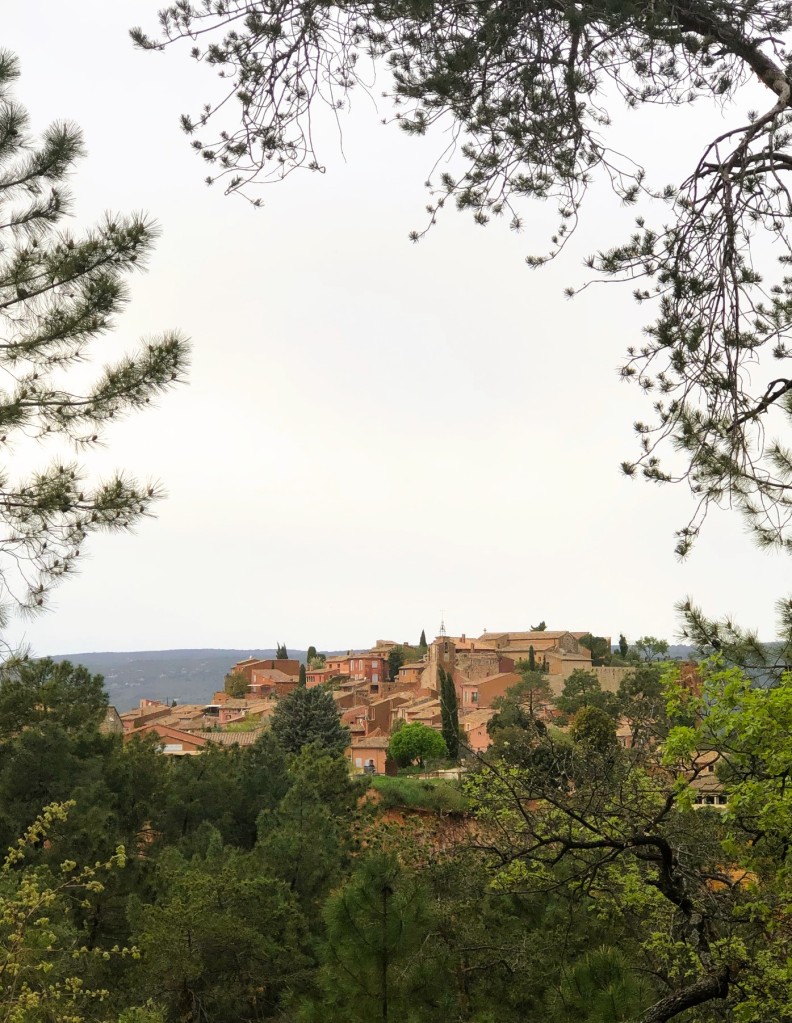
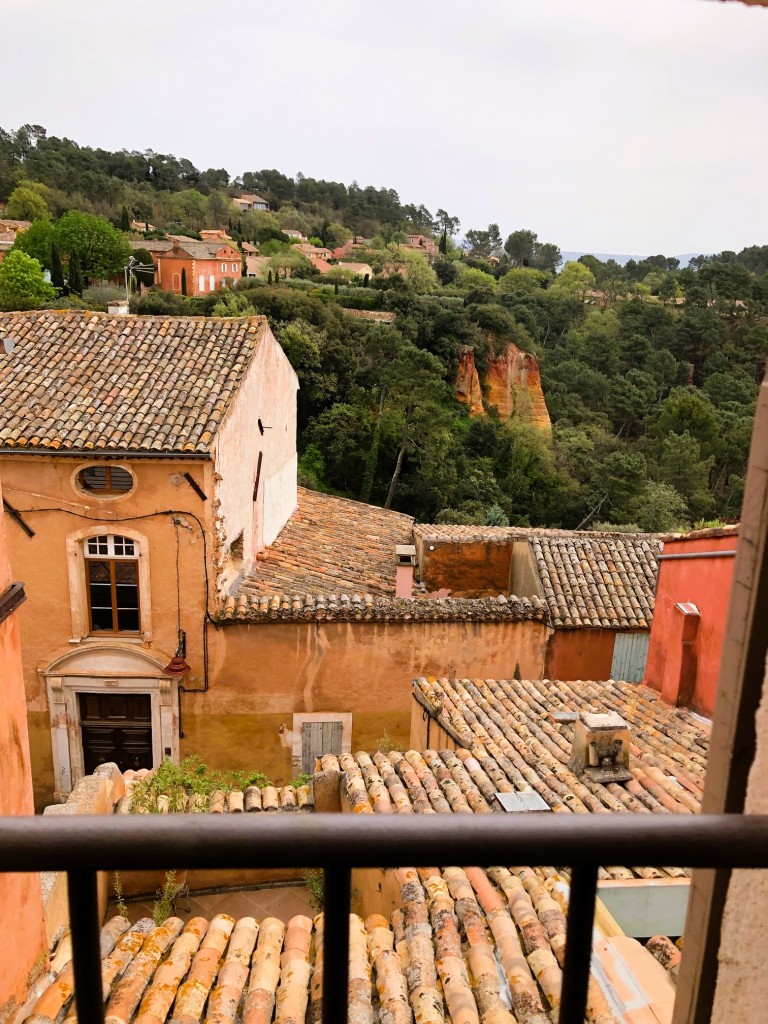
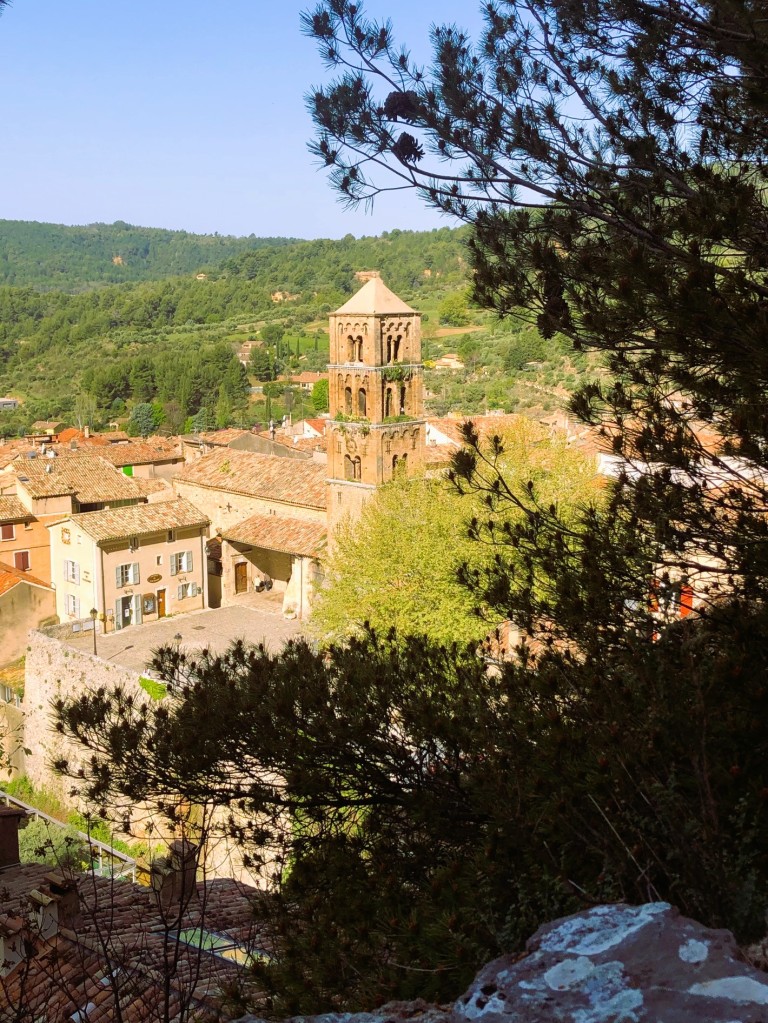
Provence was everything and more than I had hoped to experience: hilltop villages with distant views,

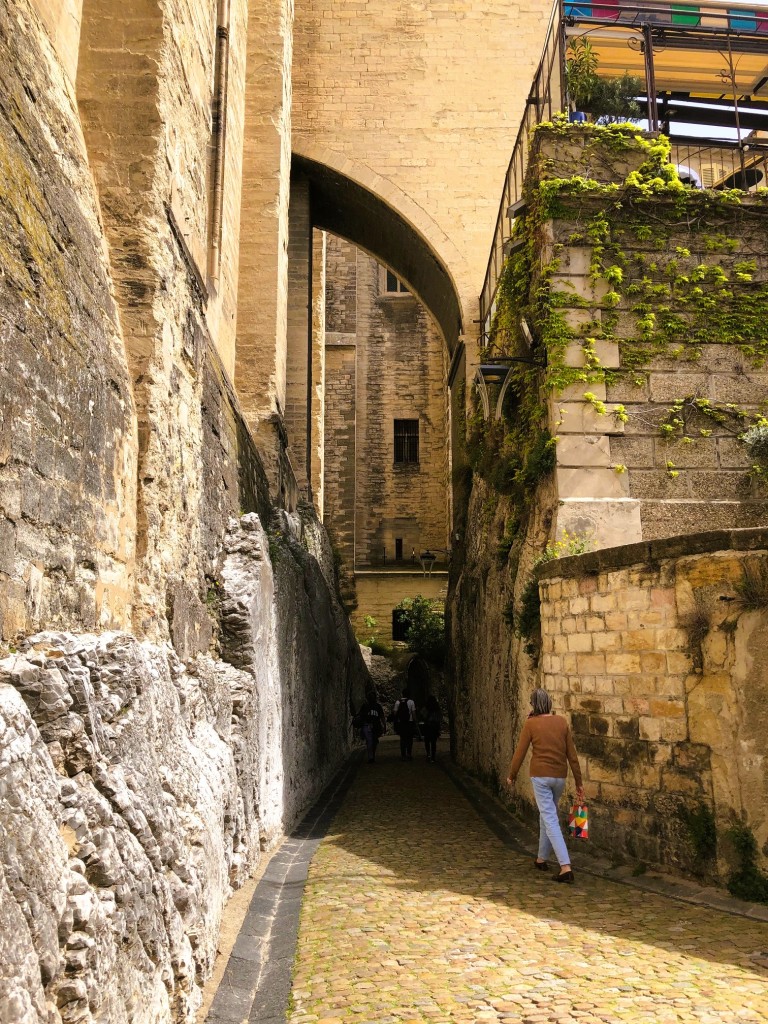
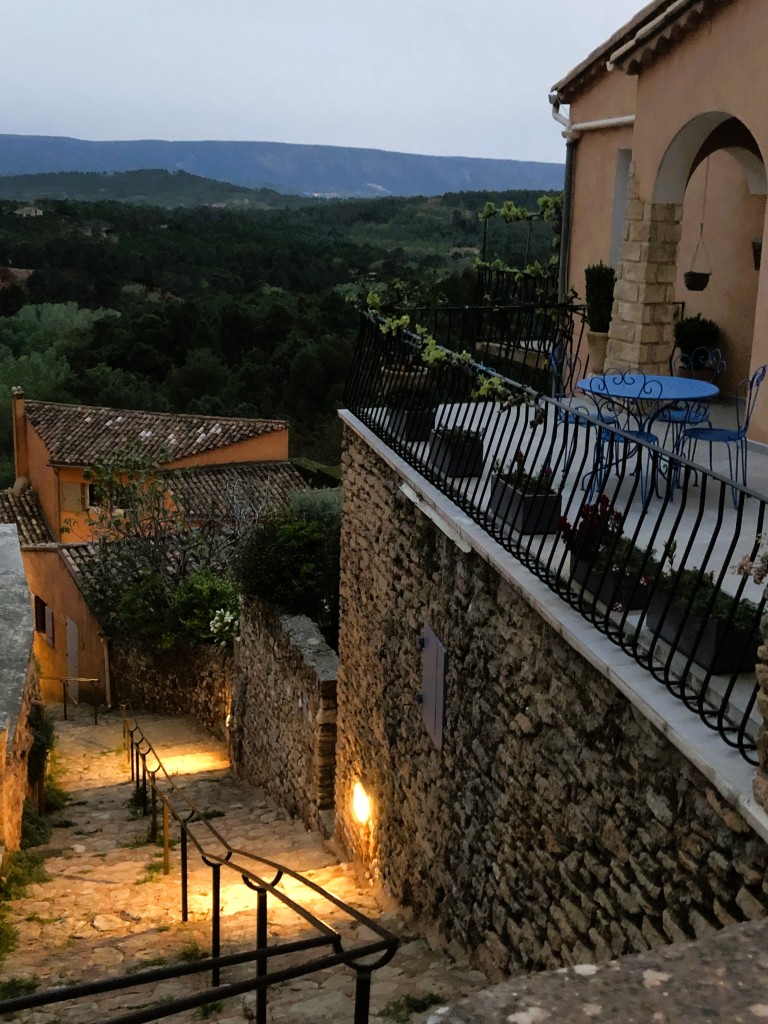
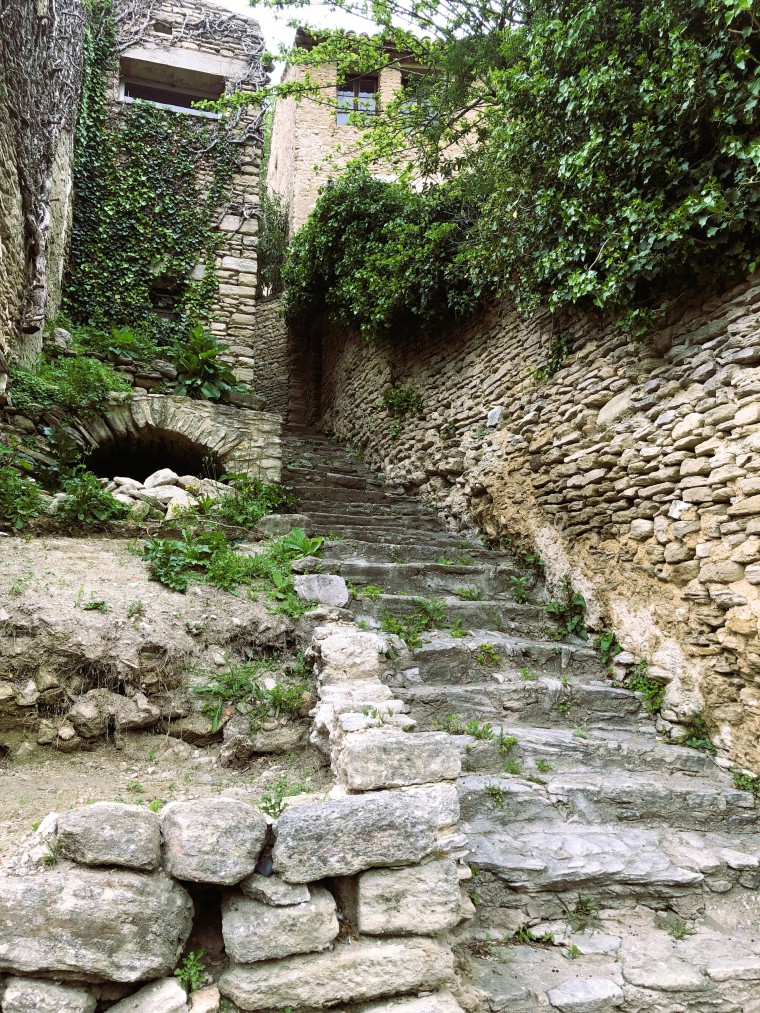
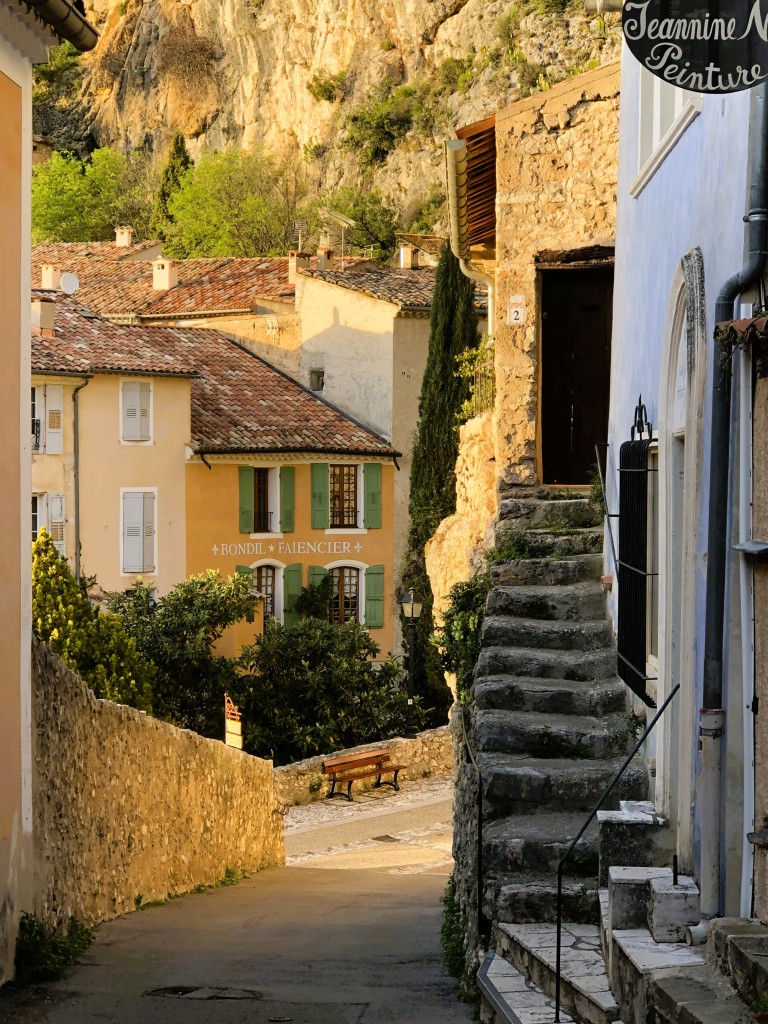
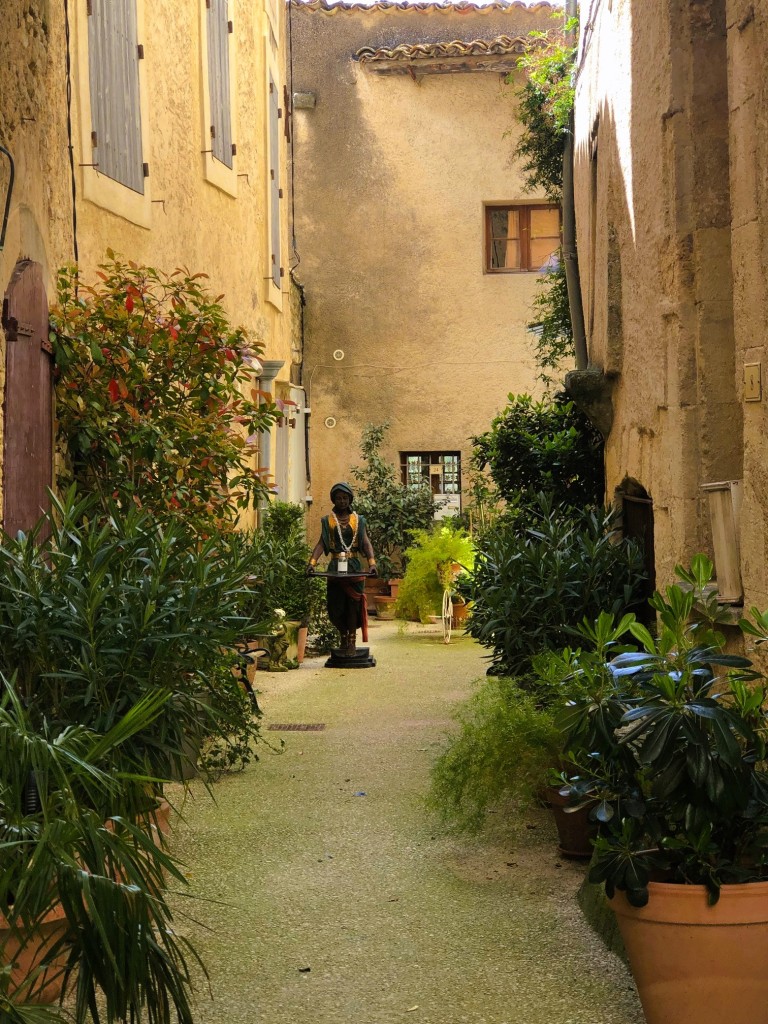
narrow streets and steep stairs,

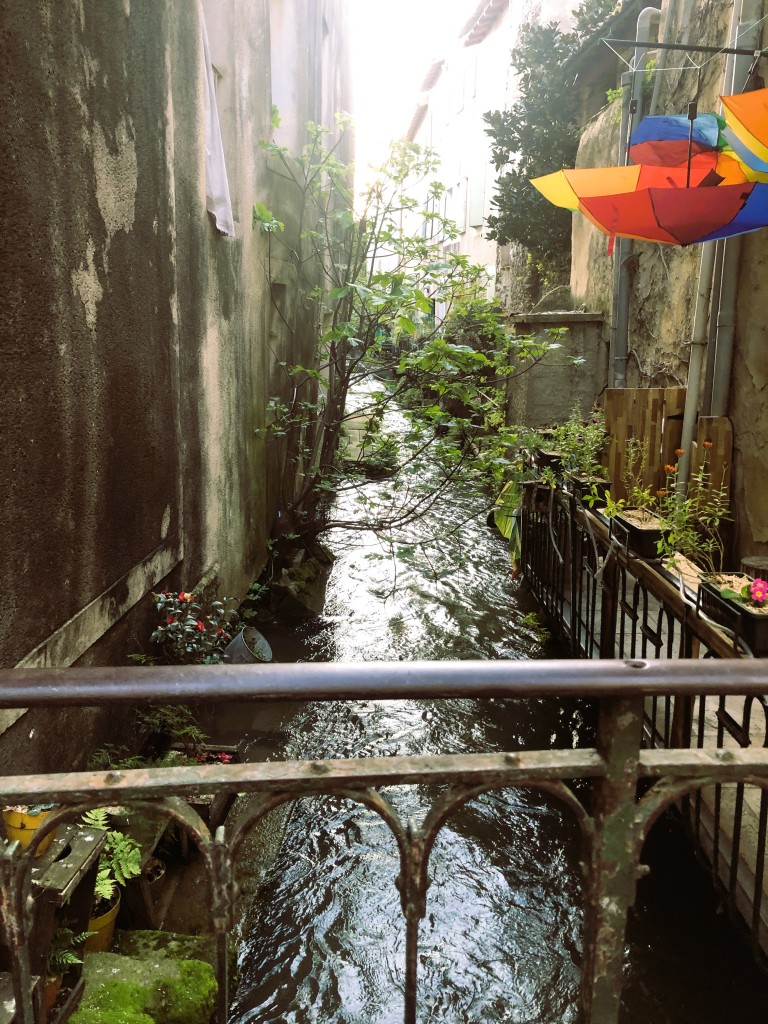
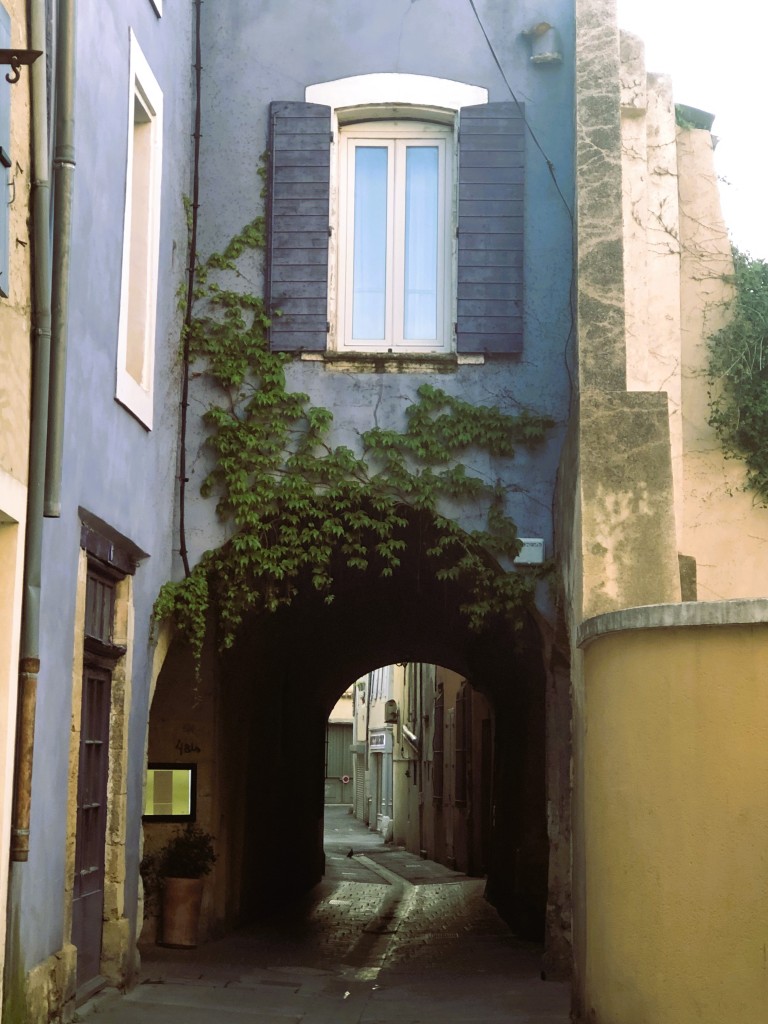
inviting bridges and passageways,

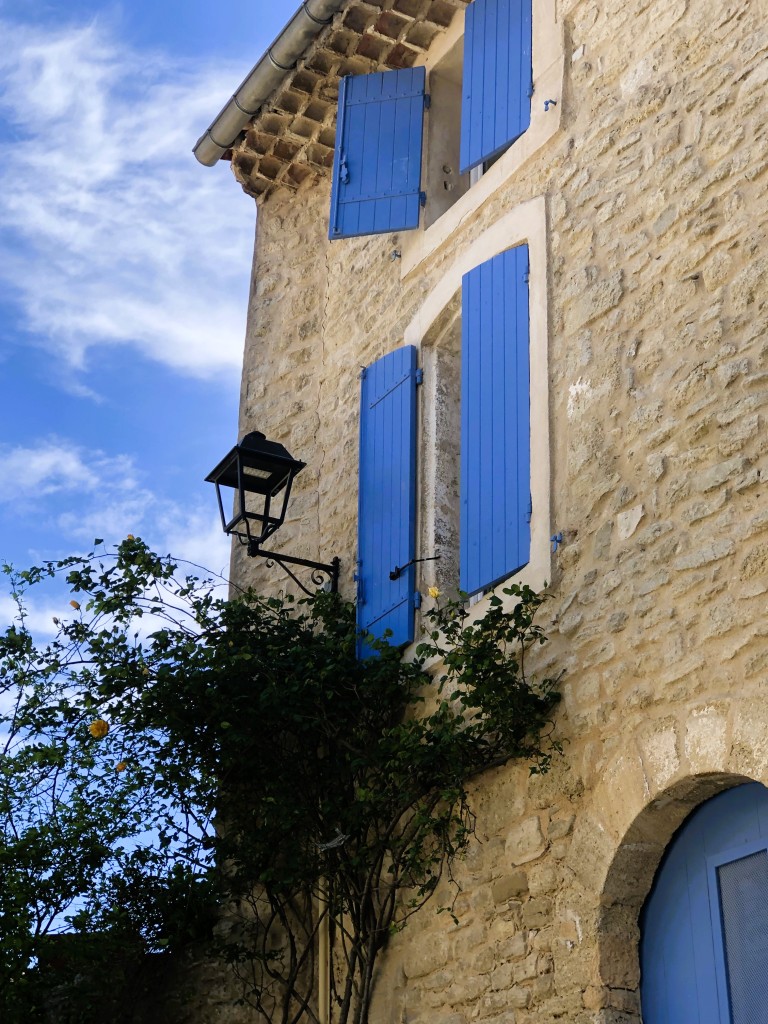
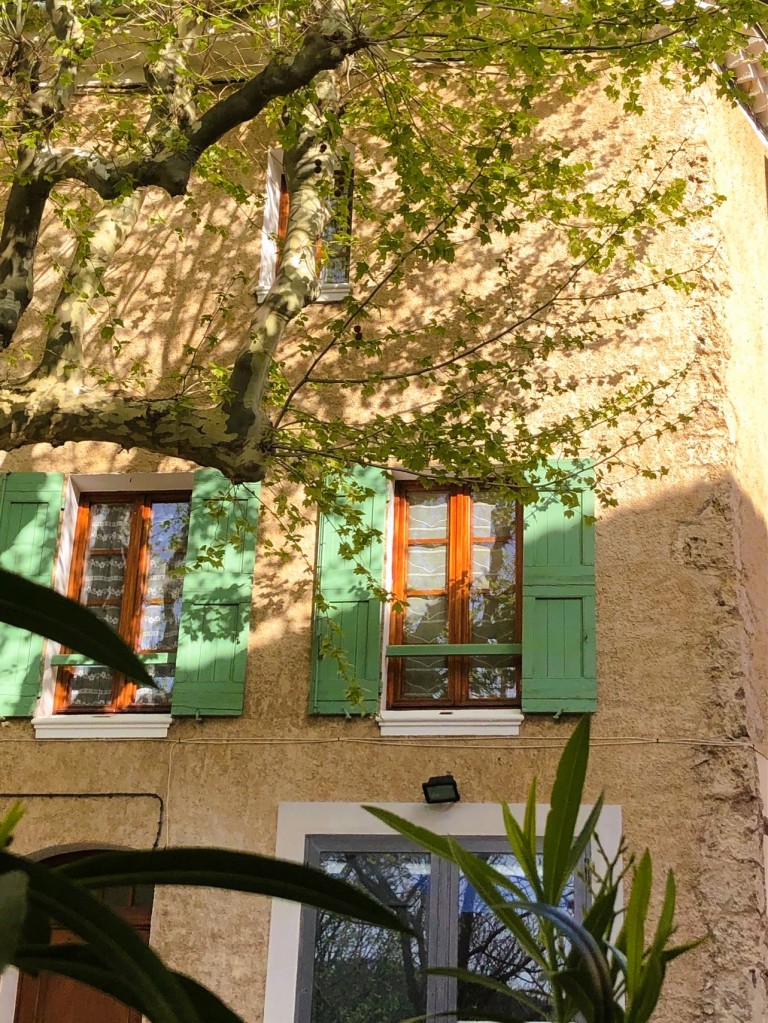
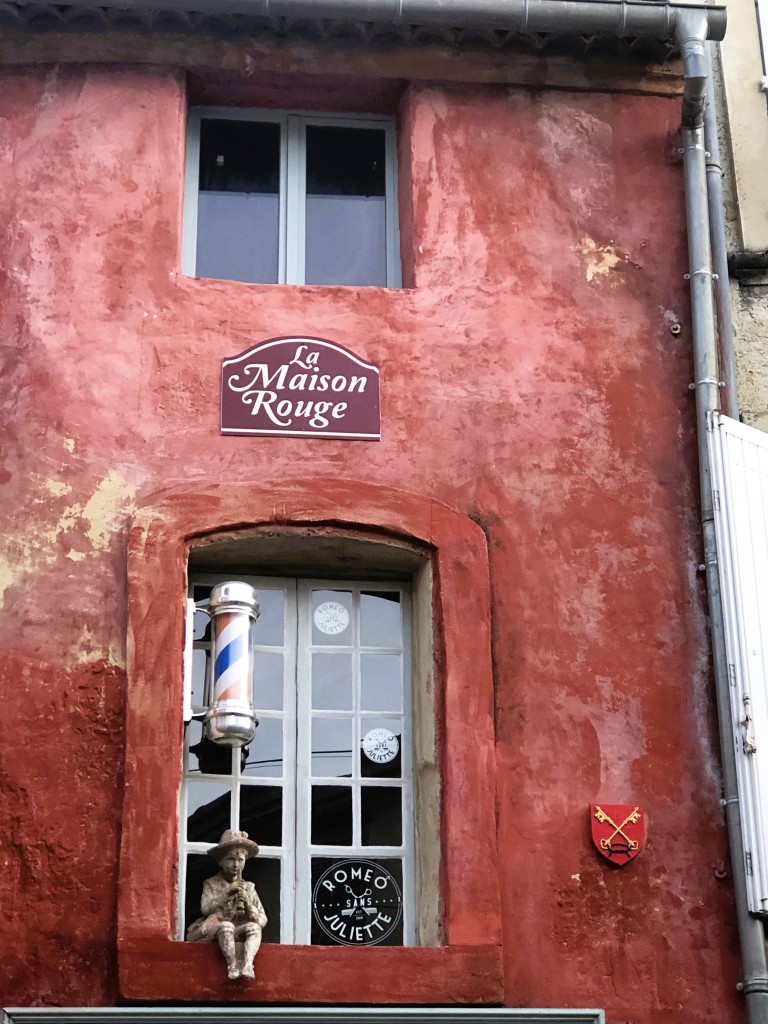
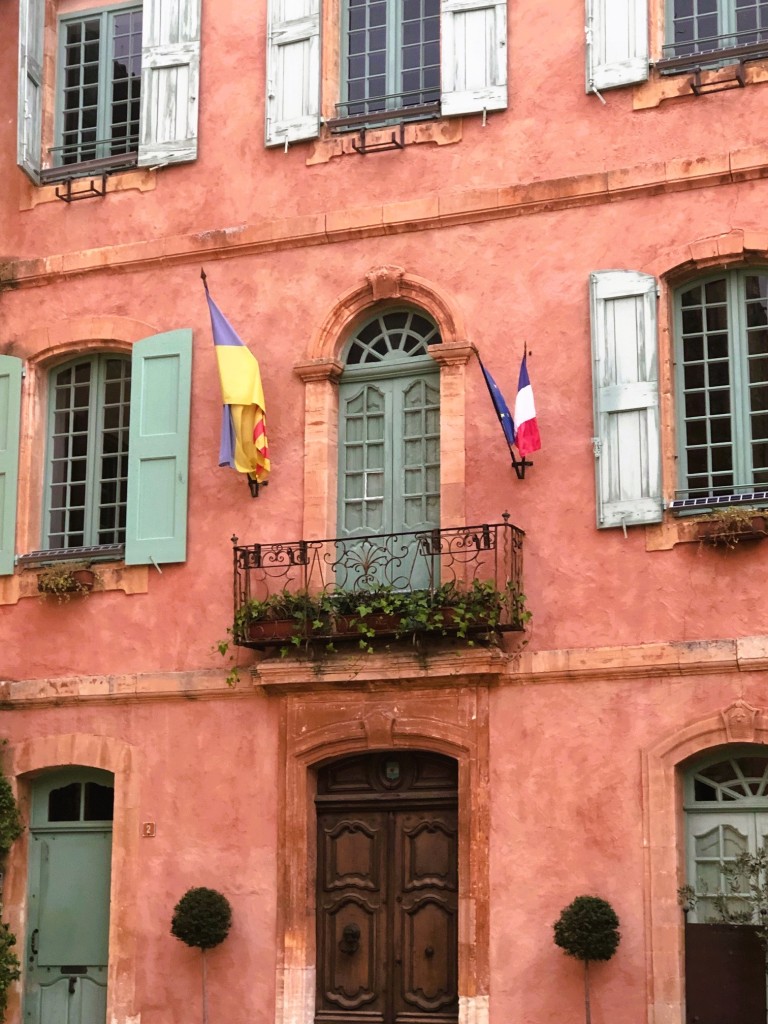
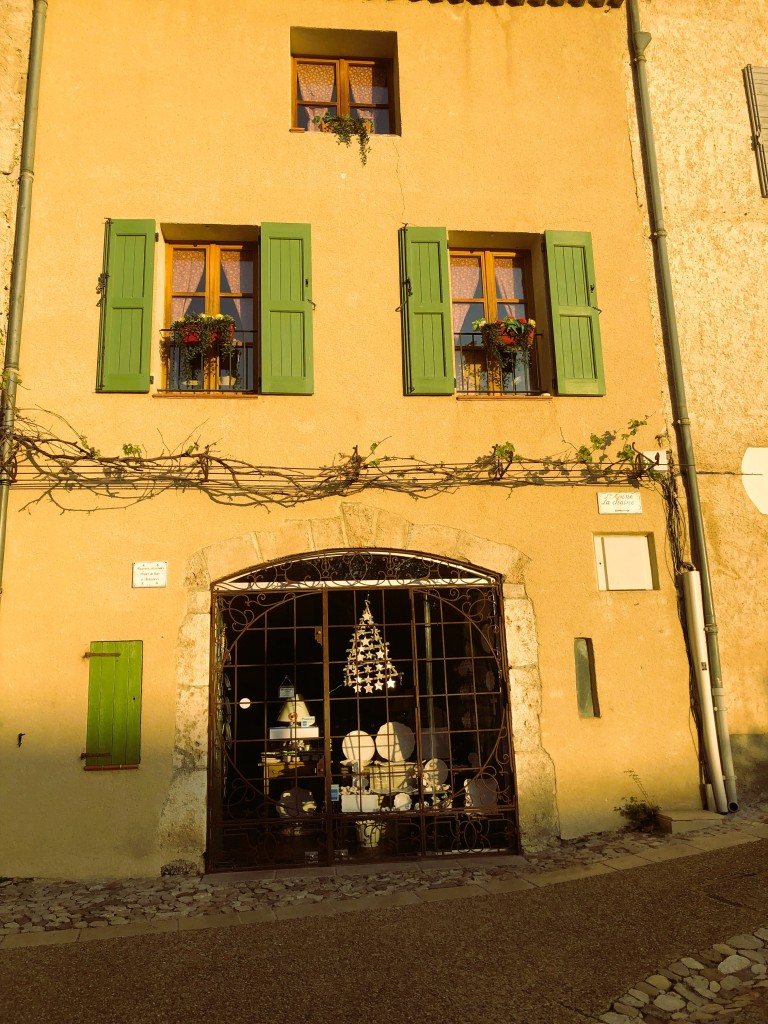
picturesque, colorful shutters.

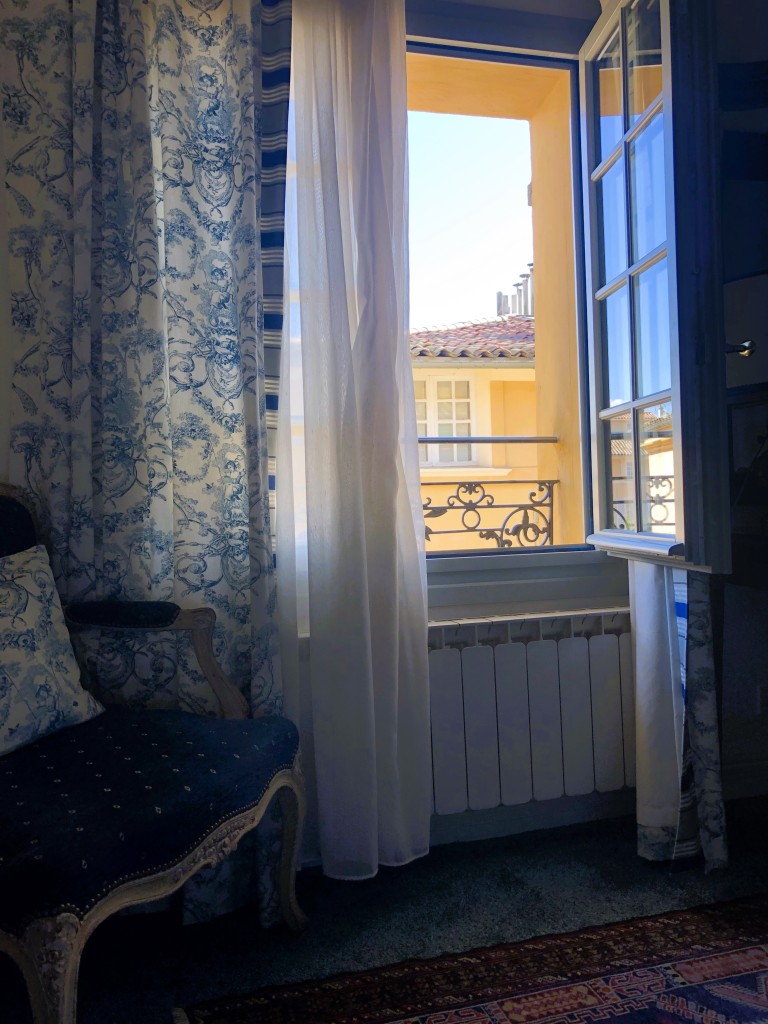
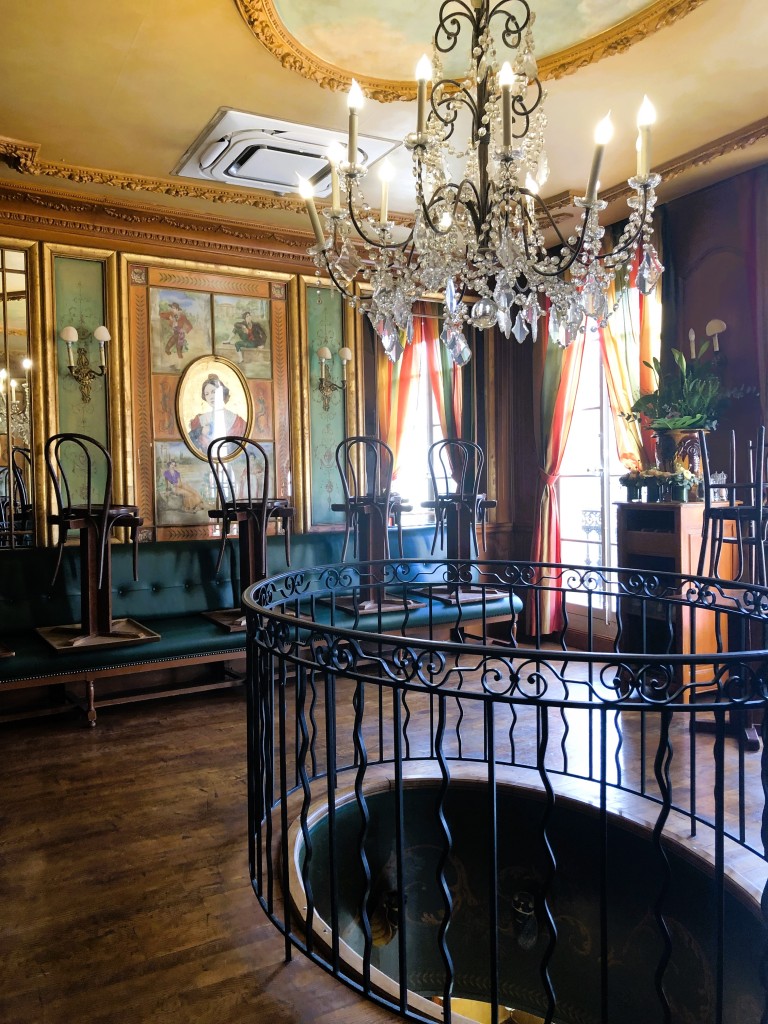
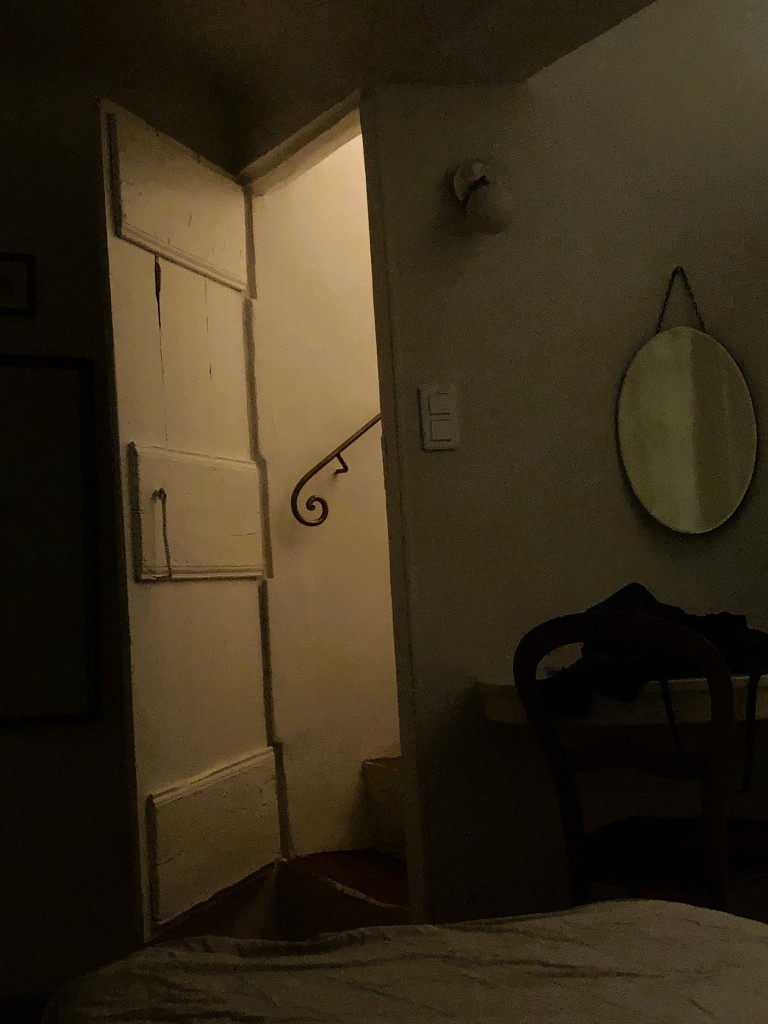
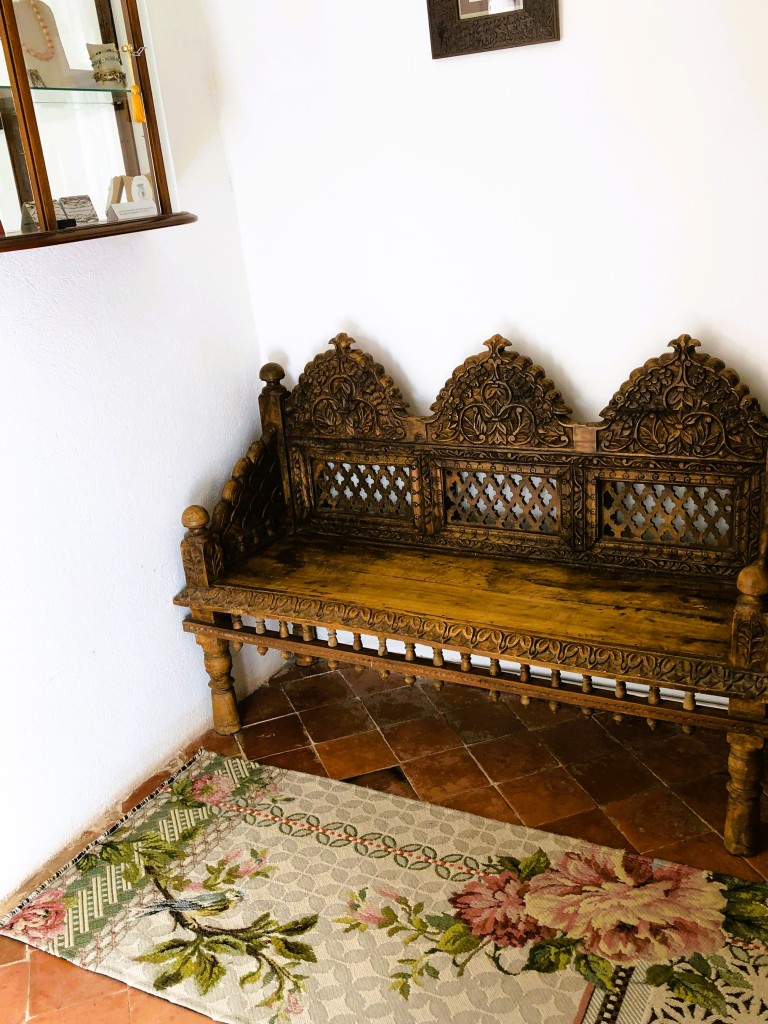
There were rooms of old-world elegance,

others of more rustic decor,

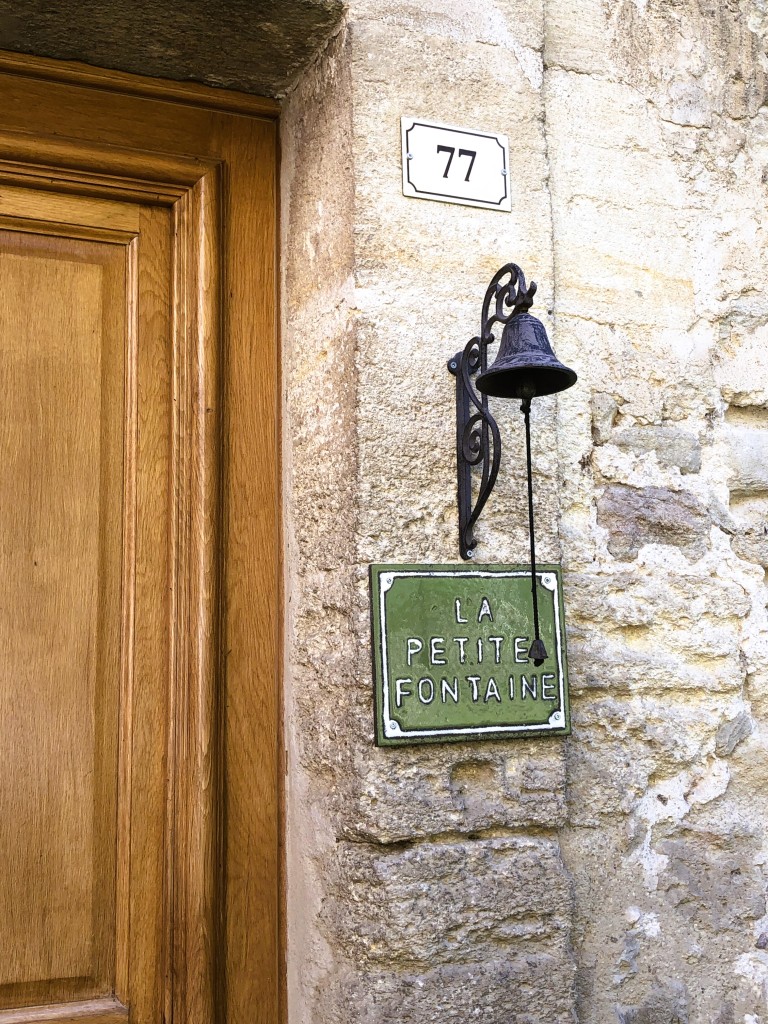
and quaint details everywhere.

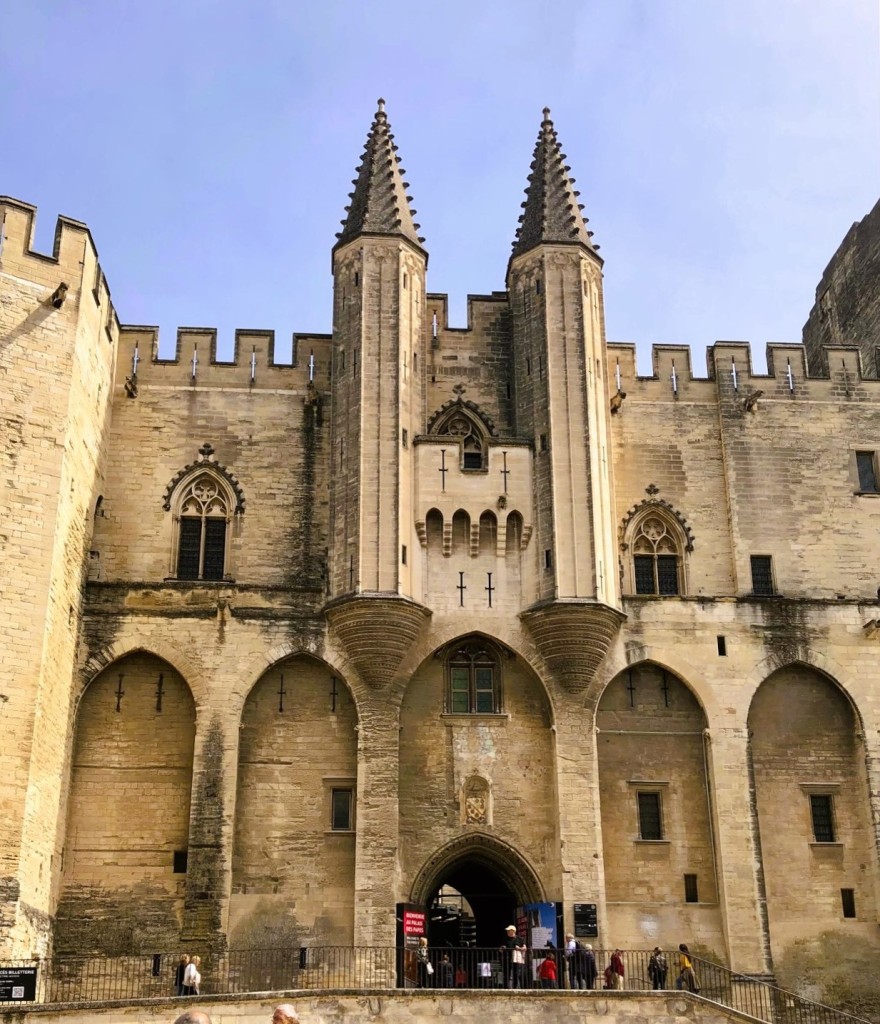
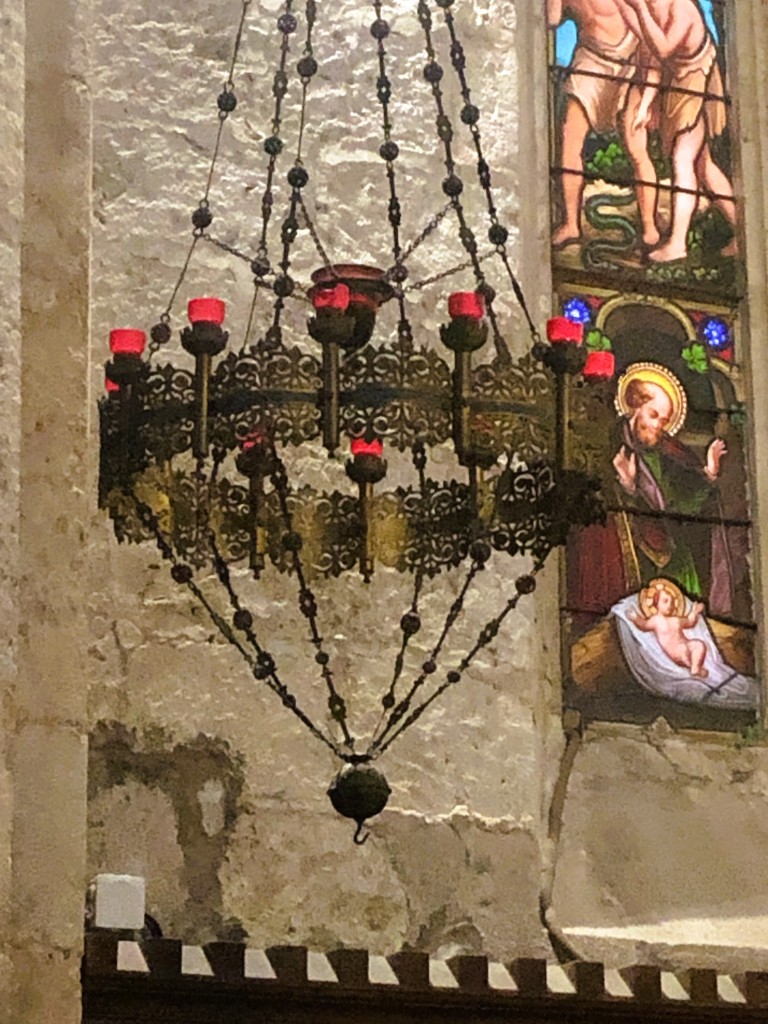
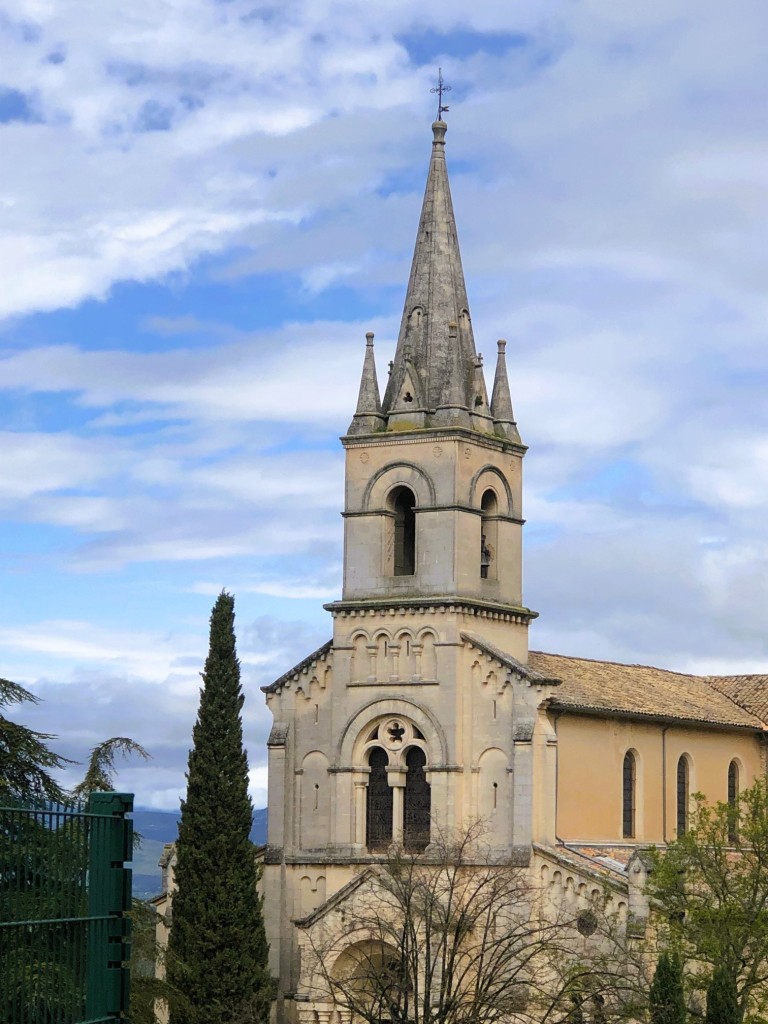
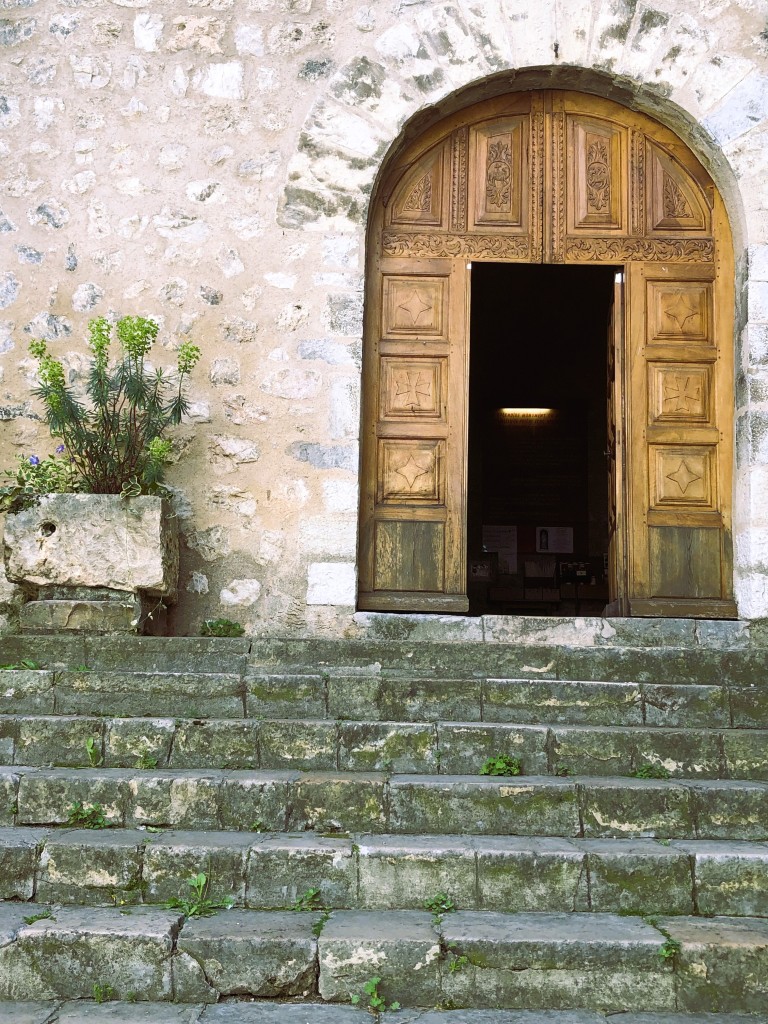
Beautiful old churches, rich in detail.

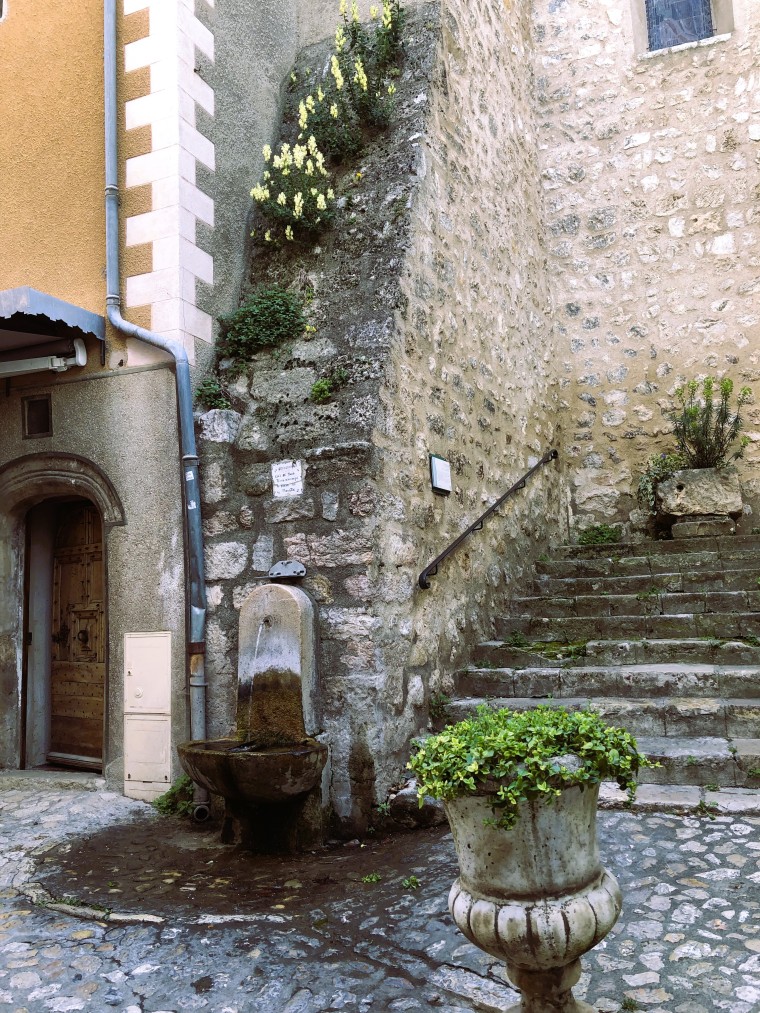
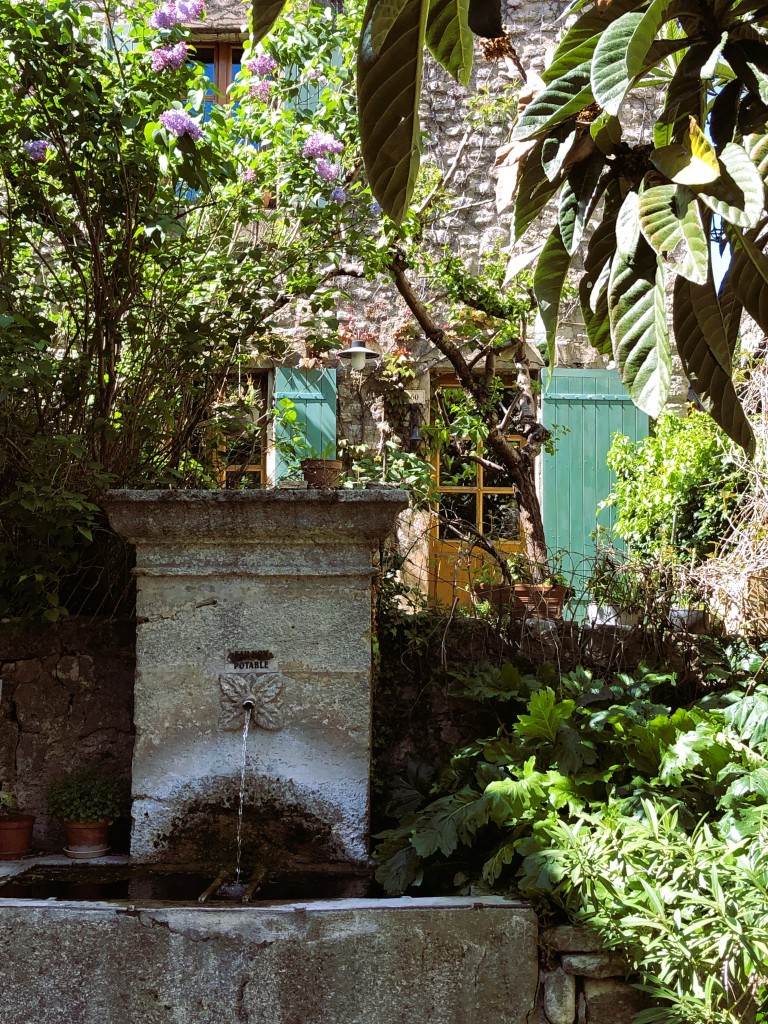
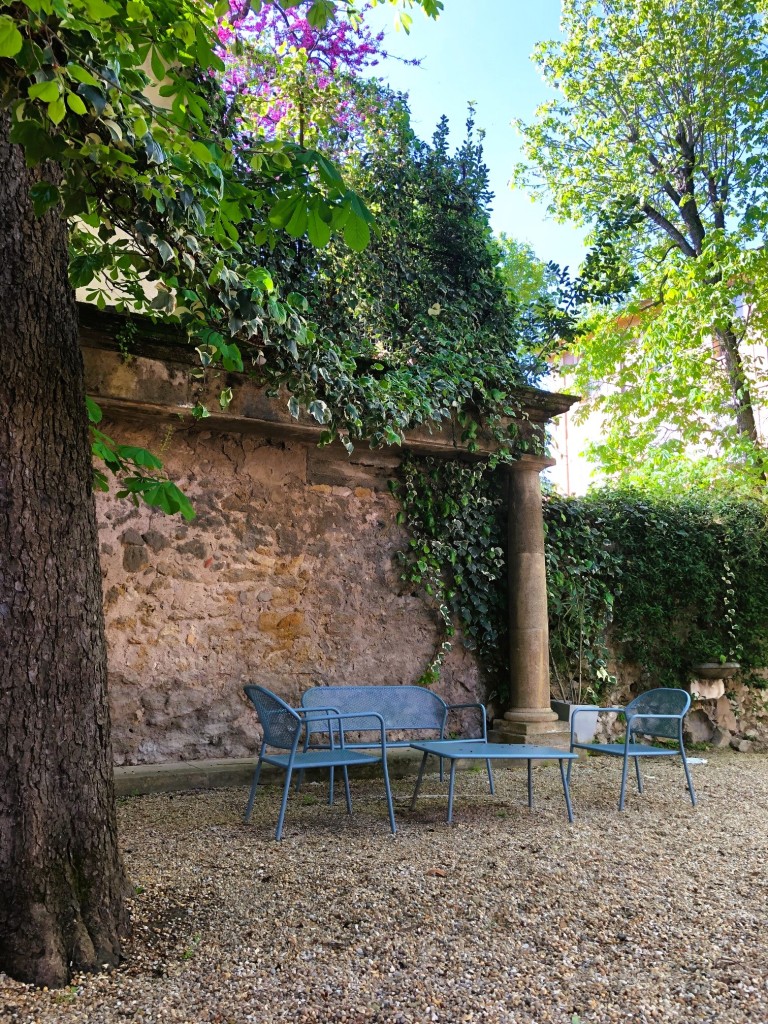
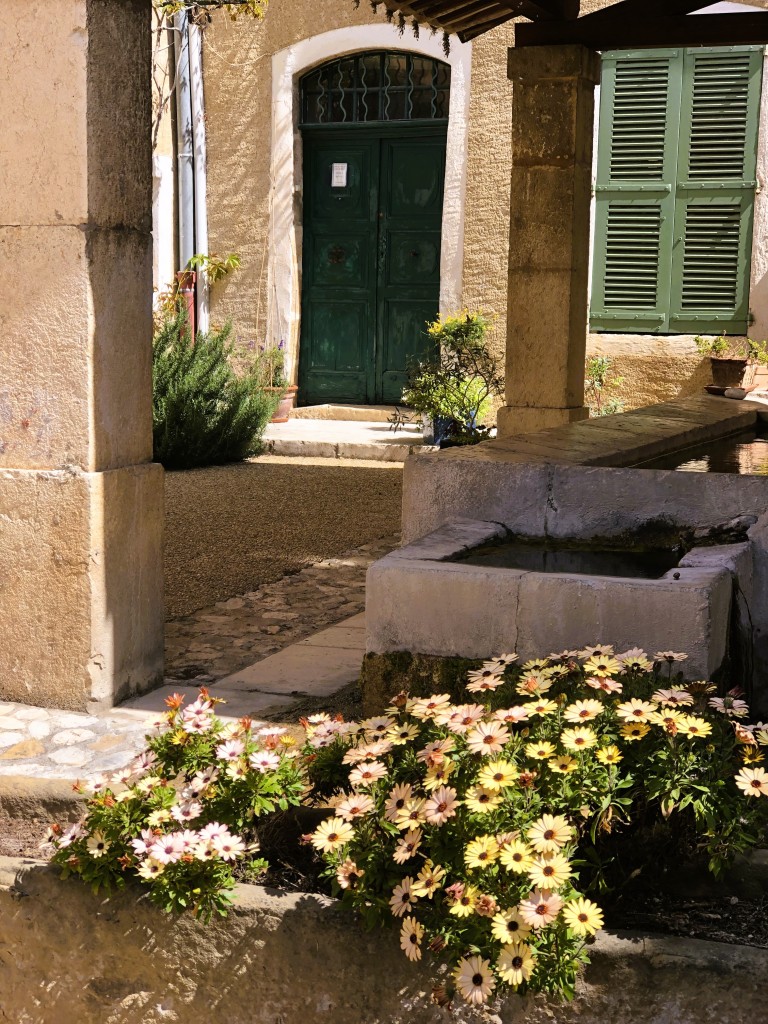
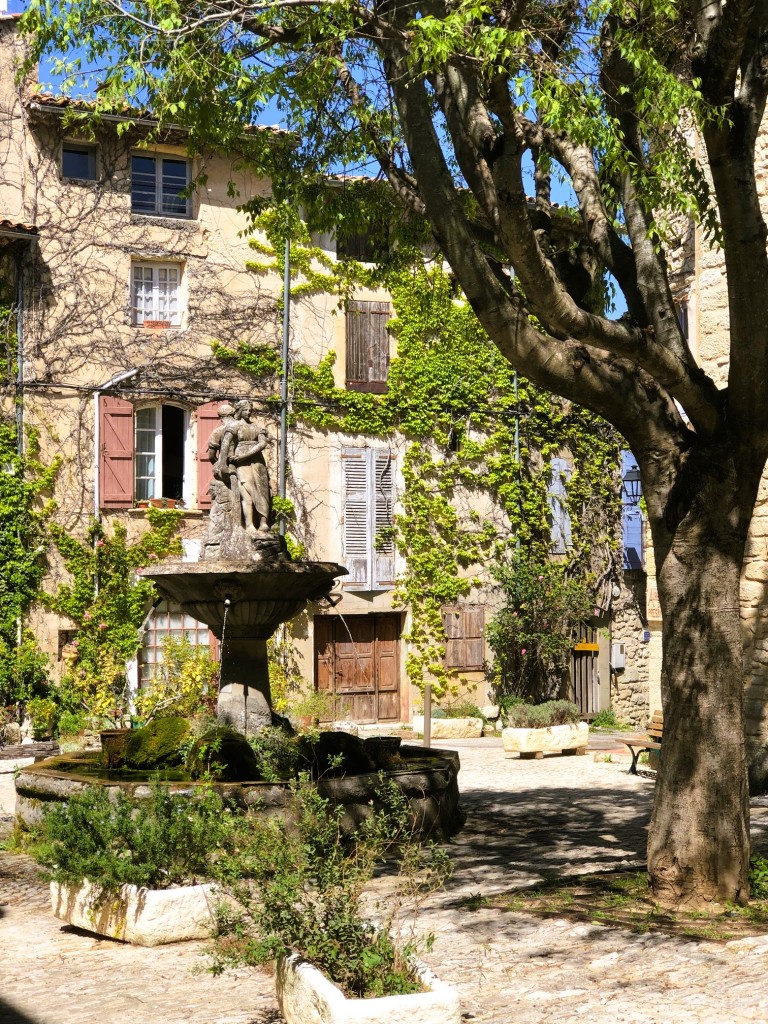
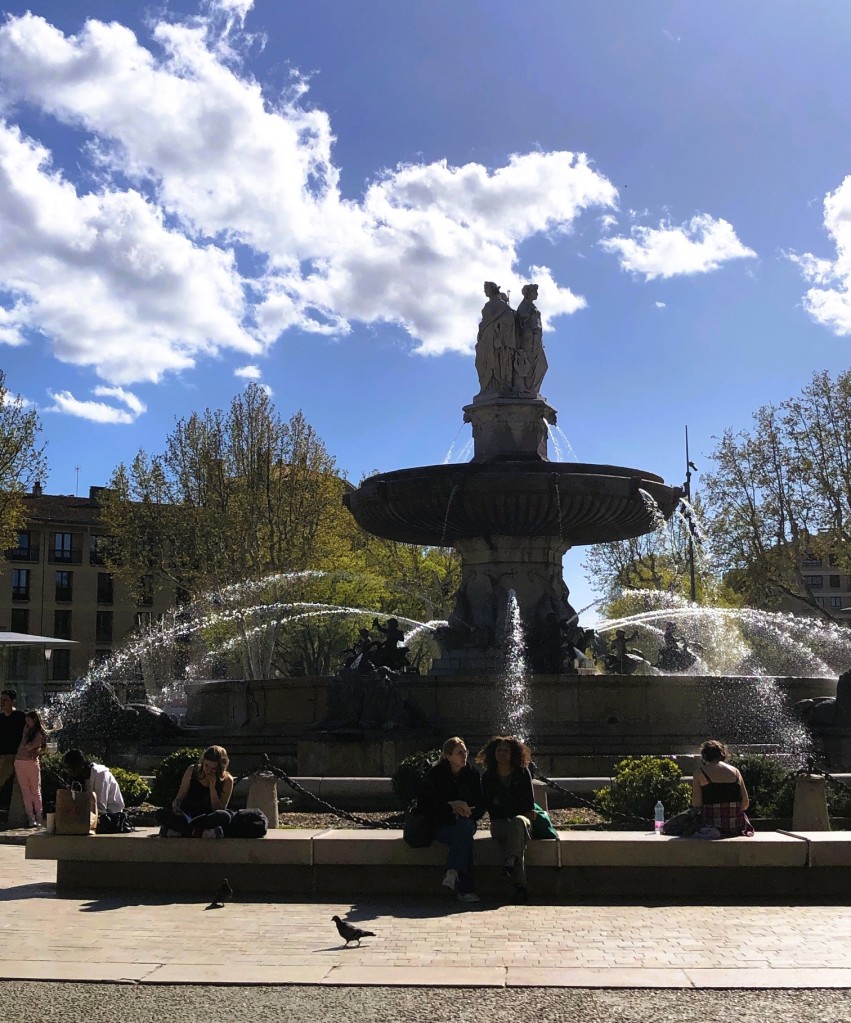
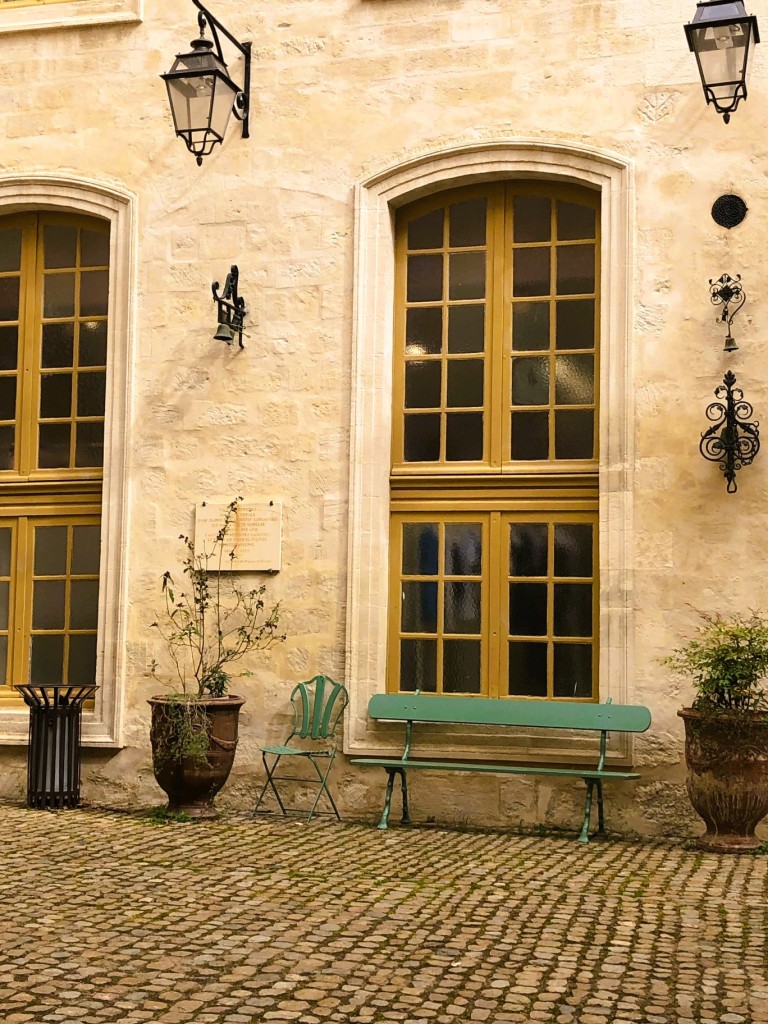
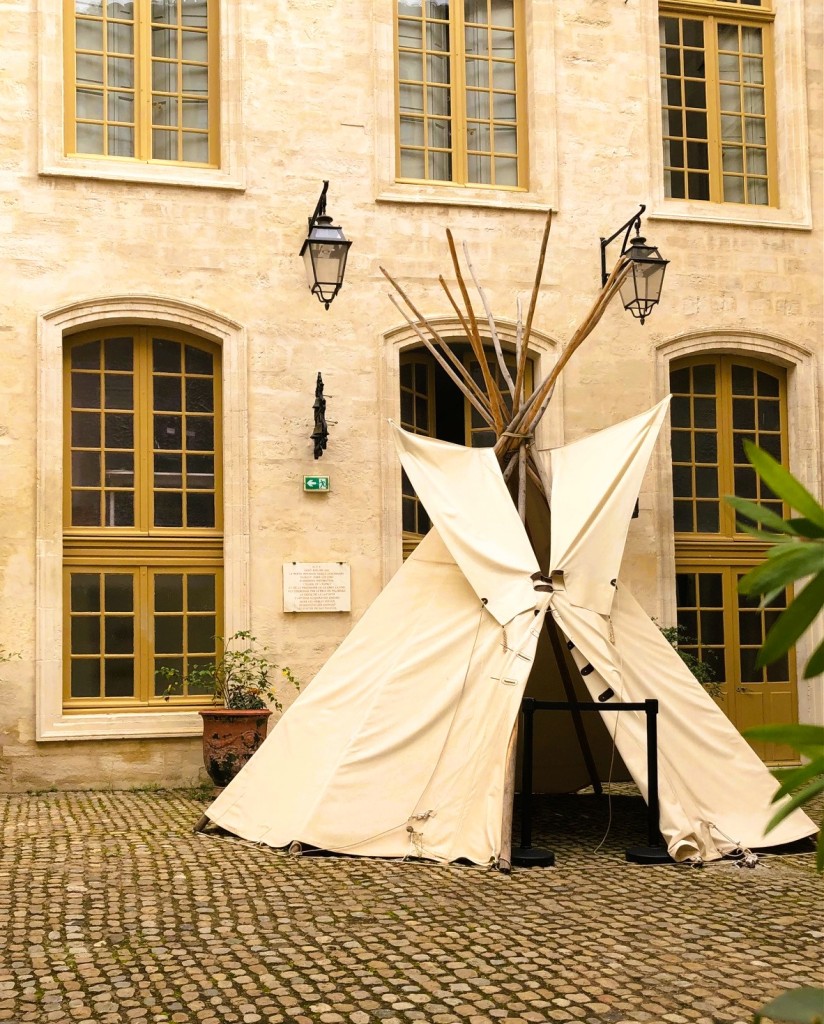
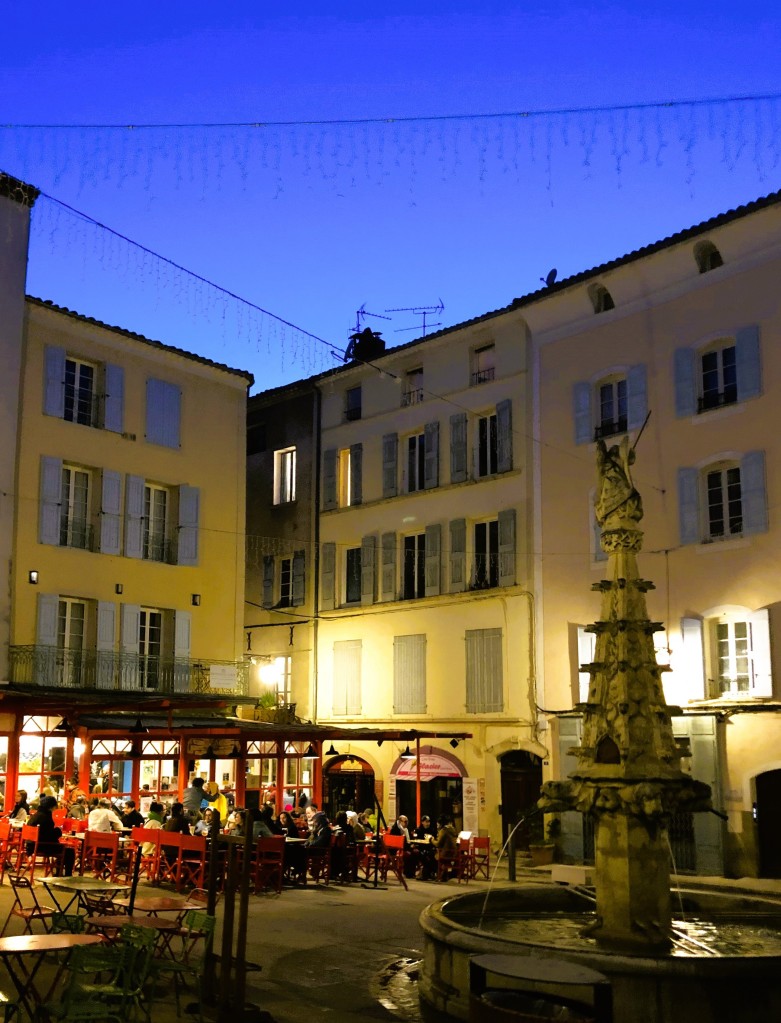
Quiet courtyards, and fountains everywhere.

A travelers delight in the unexpected,

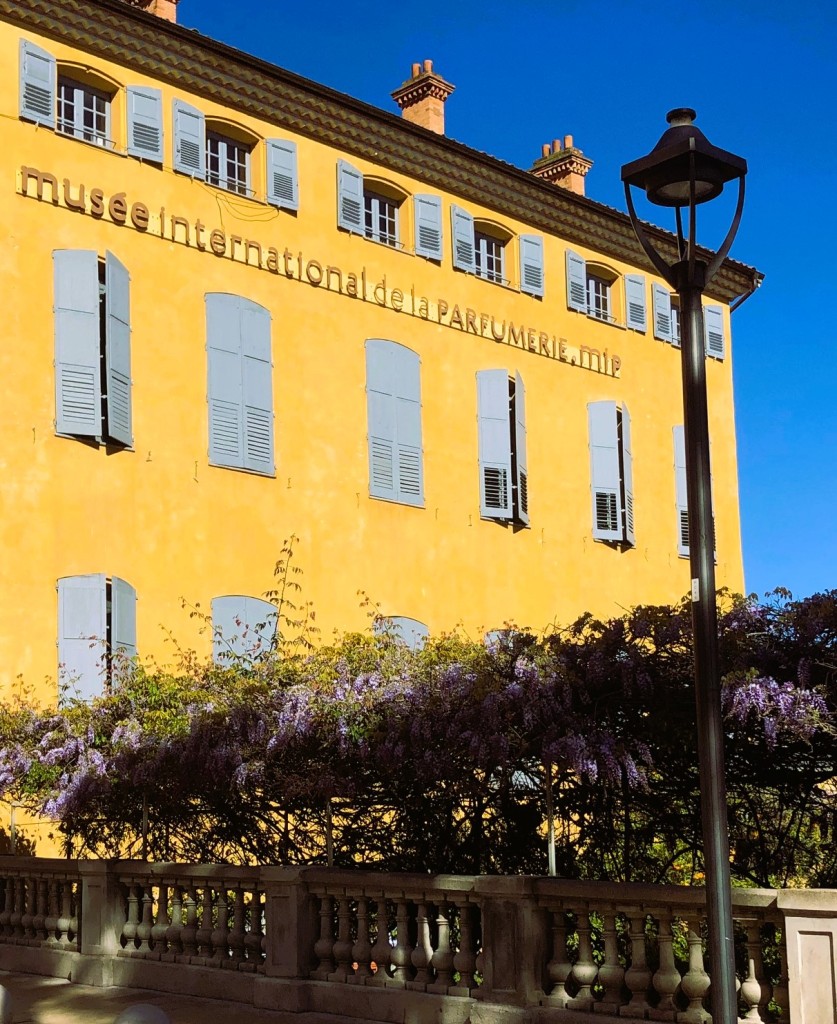
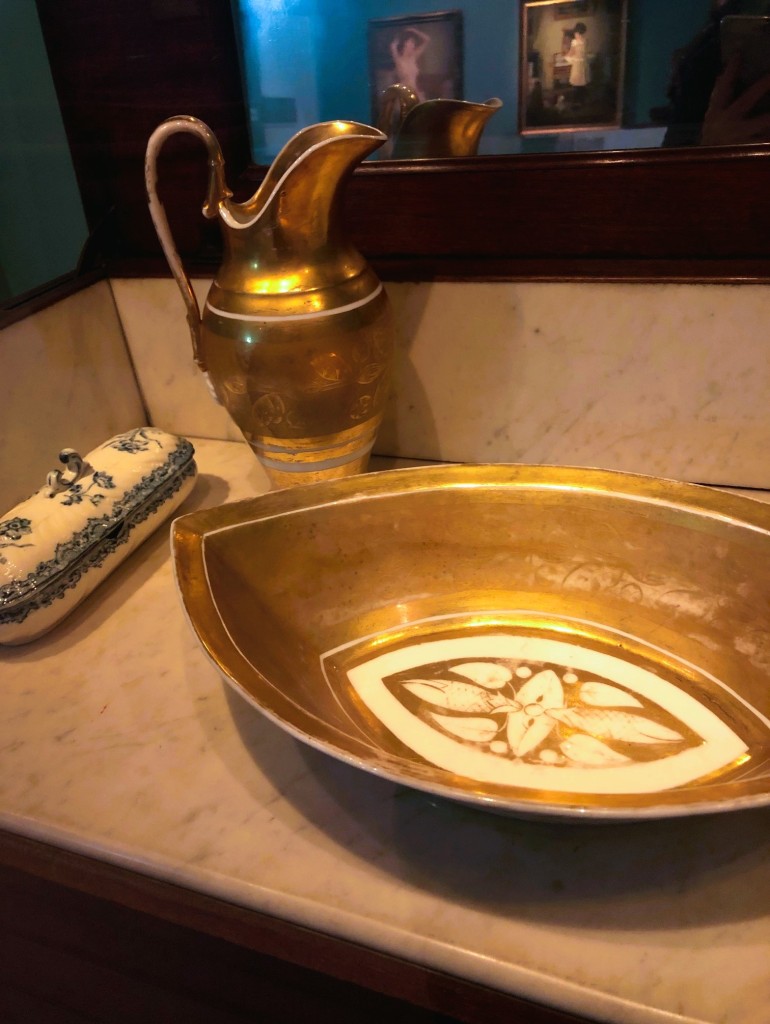
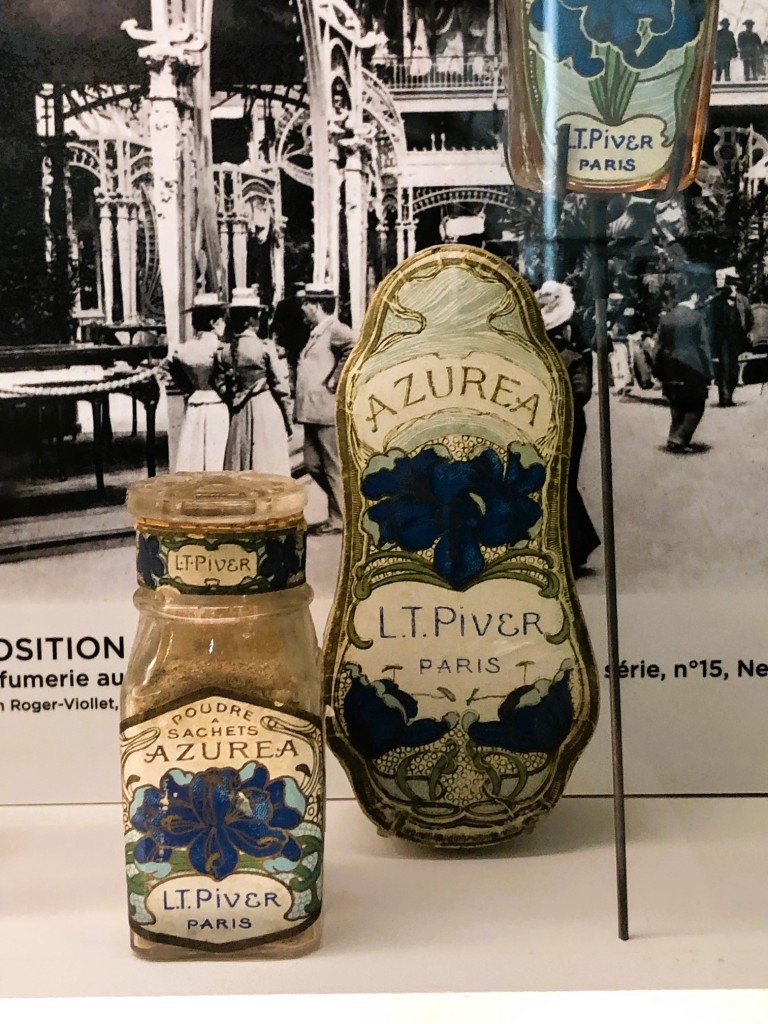
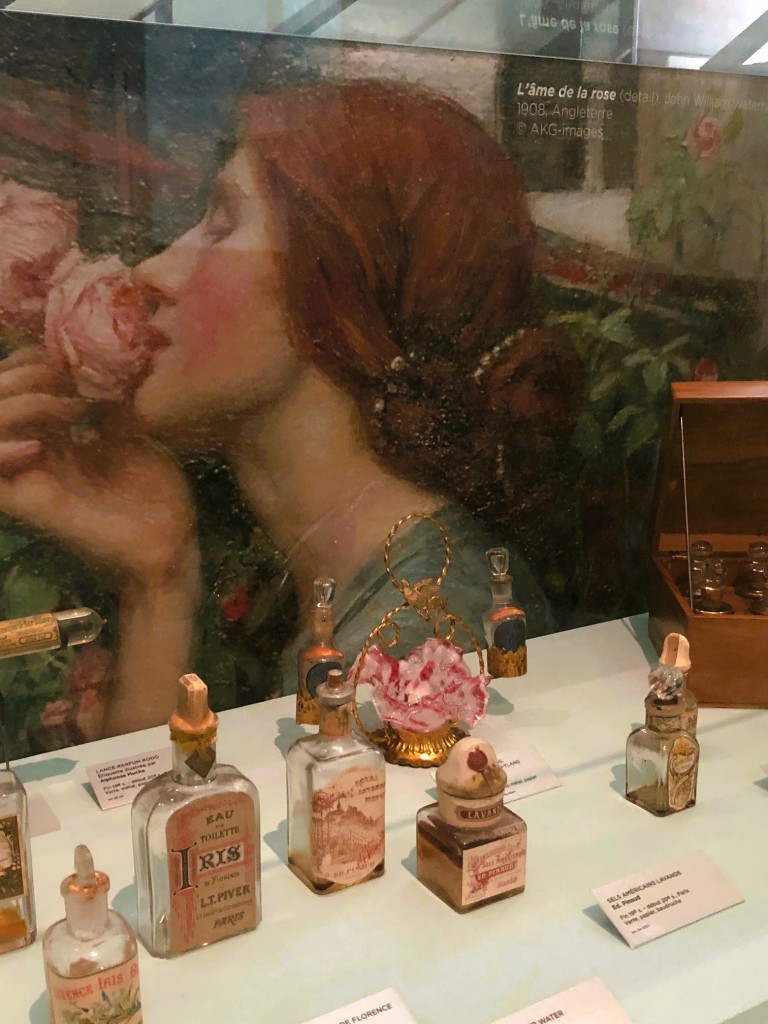
and in unplanned visits: to the lavender museum on a rare rainy day, and the historical perfume museum in Grasse, housed in an beautiful old building

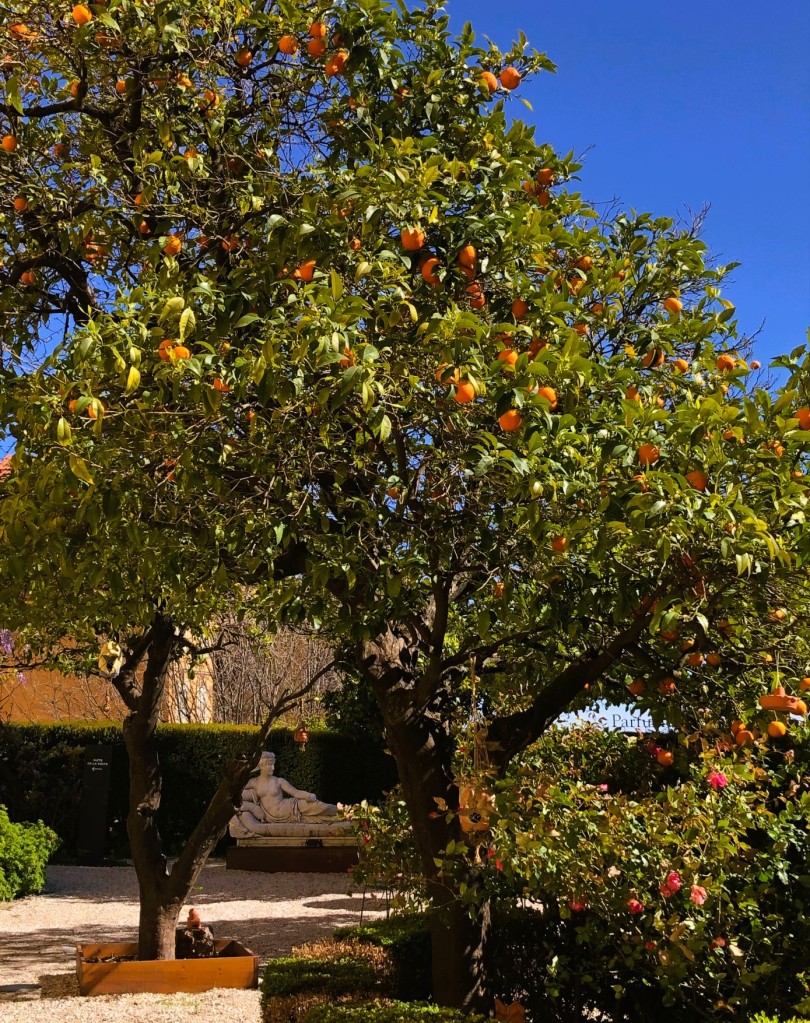
with a scent-rich garden of roses, wisteria, and citrus.

(And a gift shop of fragrant indulgences to take back home.)
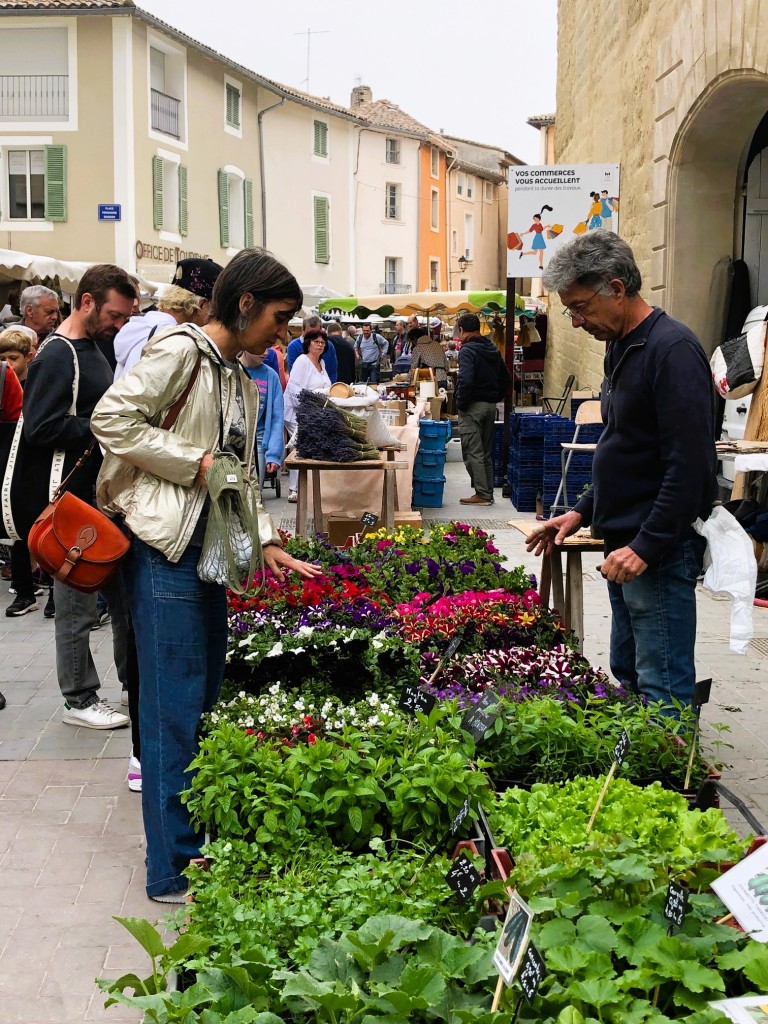
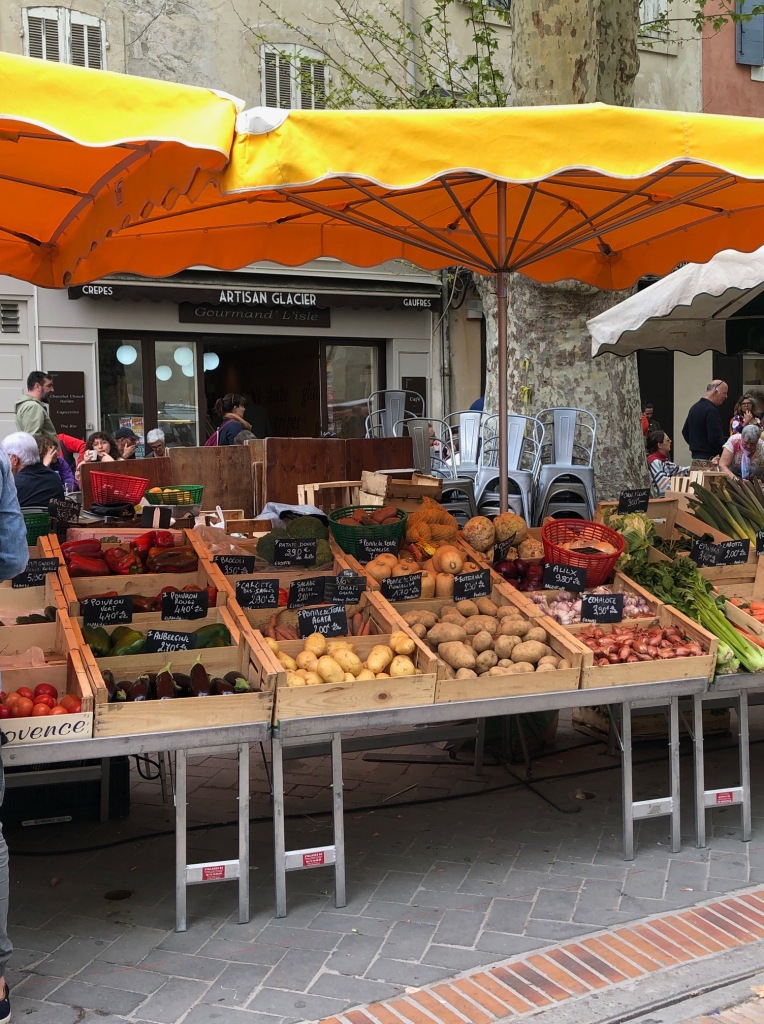
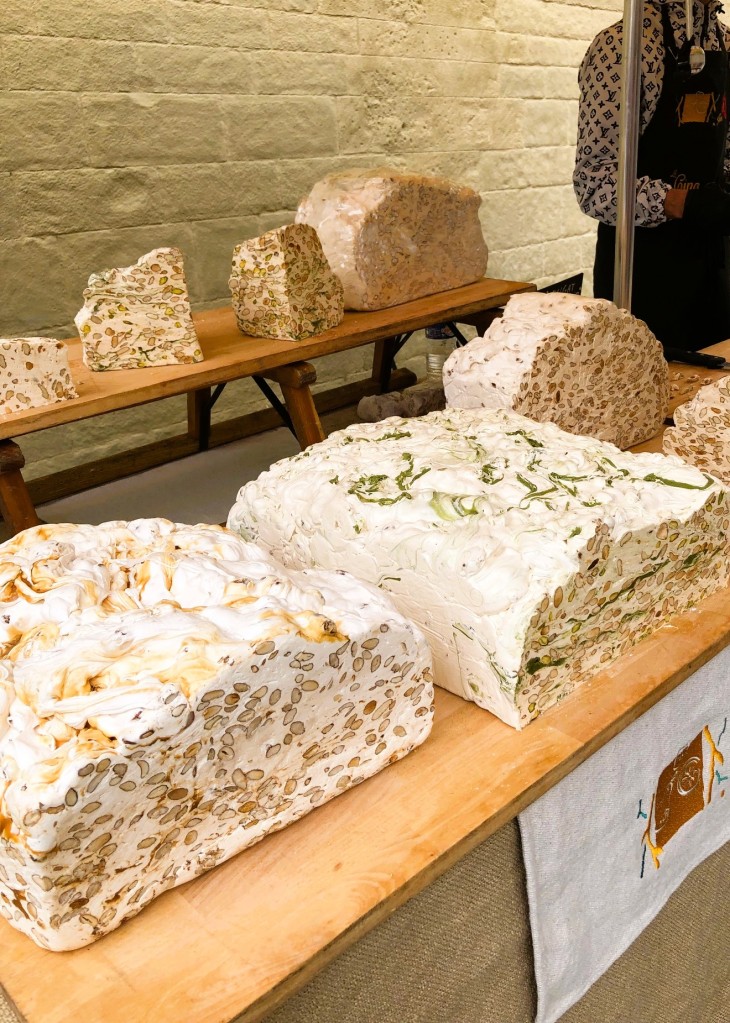
Market days in nearly every town infuse the area with vibrancy and interest,

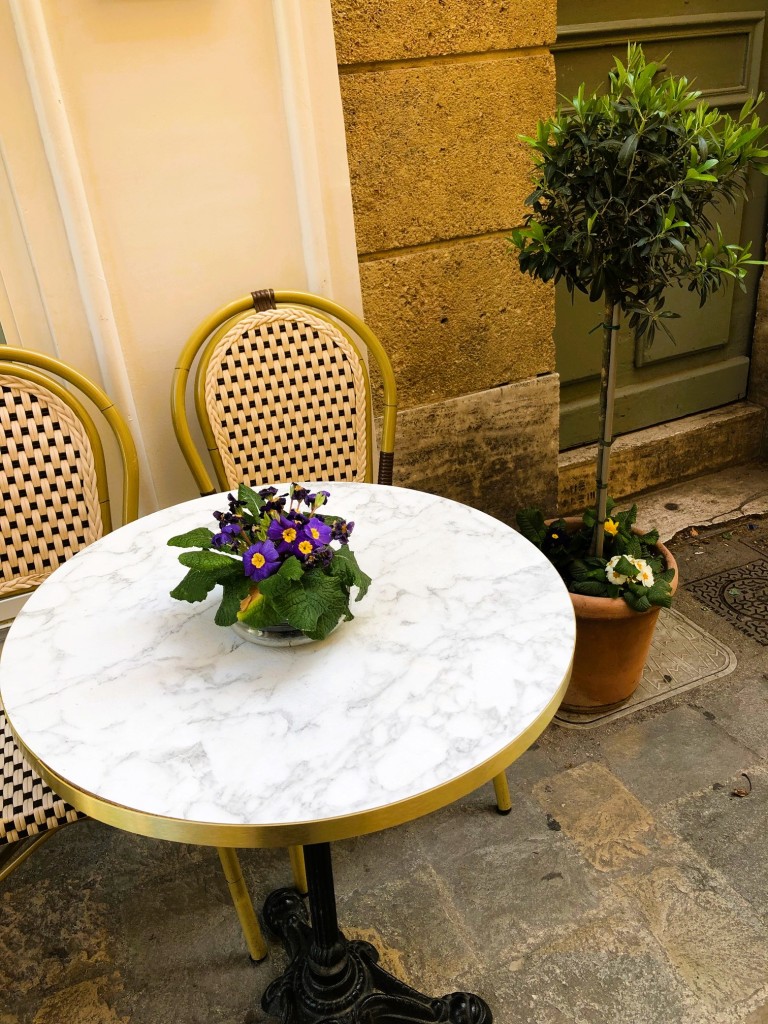
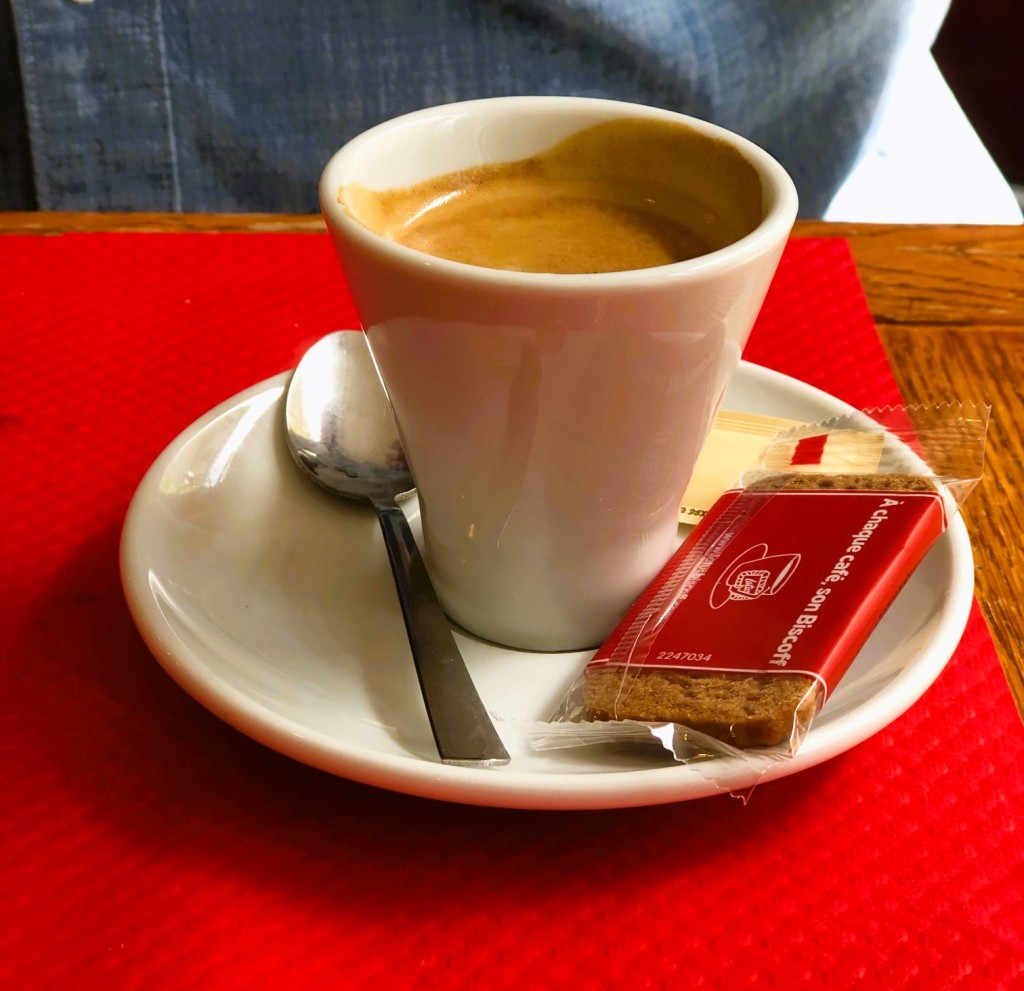
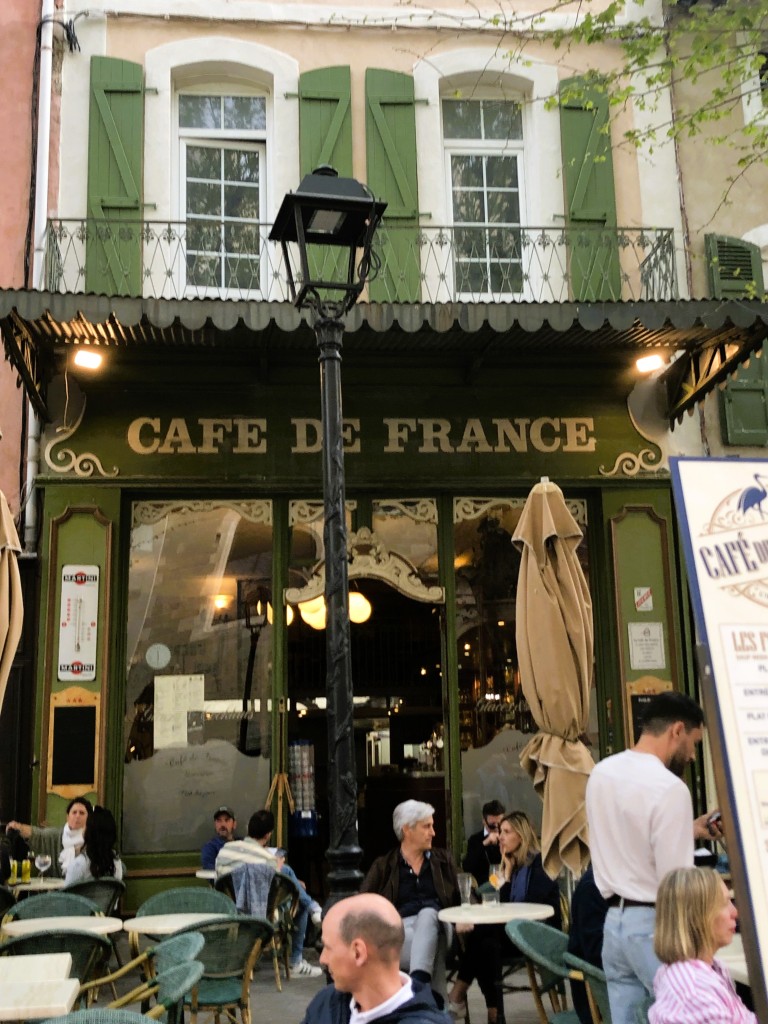
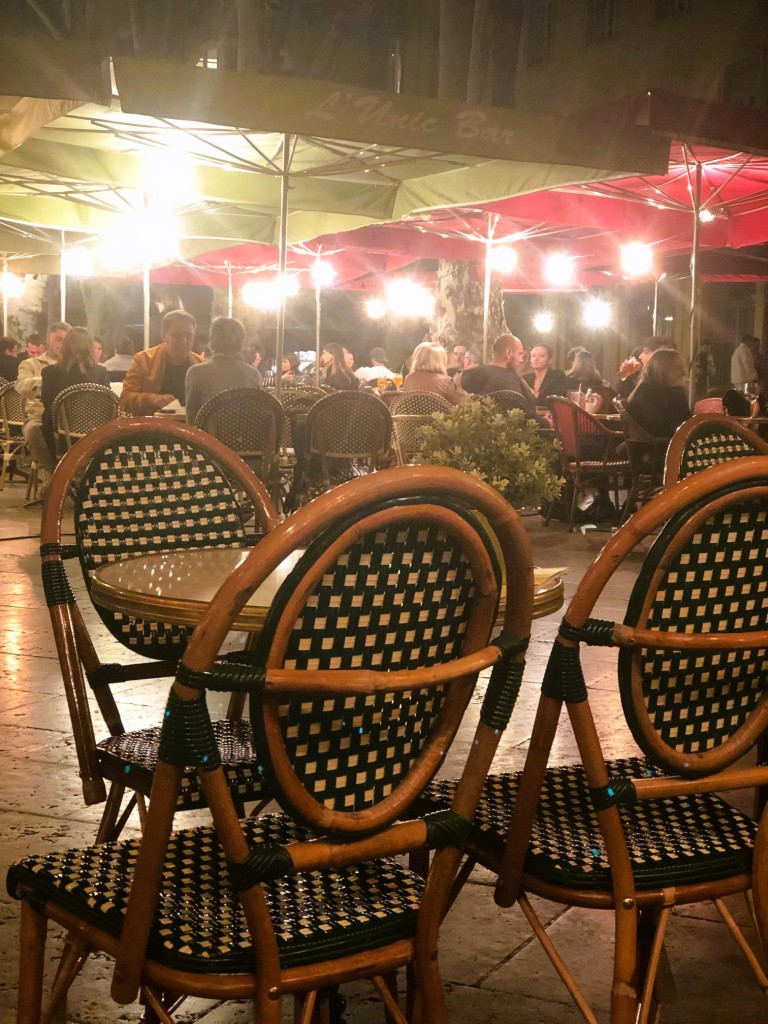
and a relaxing cafe culture pervades all of Provence, offering a slower pace to life.

Which perhaps accounts for the warm and welcoming people we came across everywhere.

There was a real joie de vivre found in the lively conversations that filled the cafes, the delight in the company of friends.

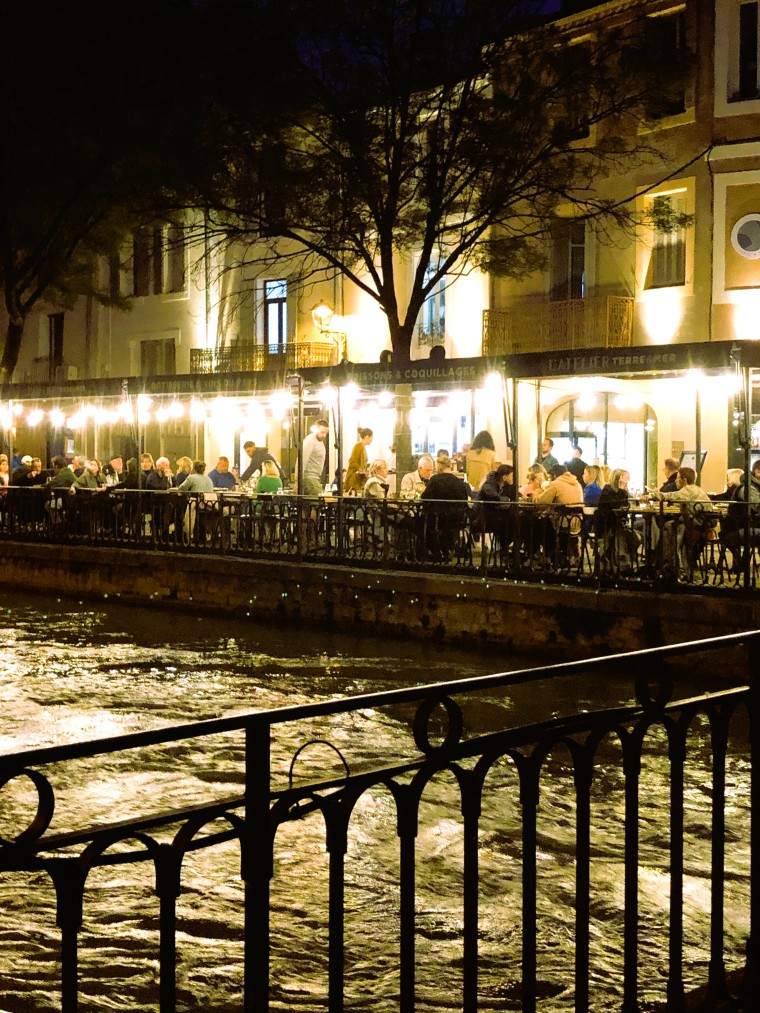
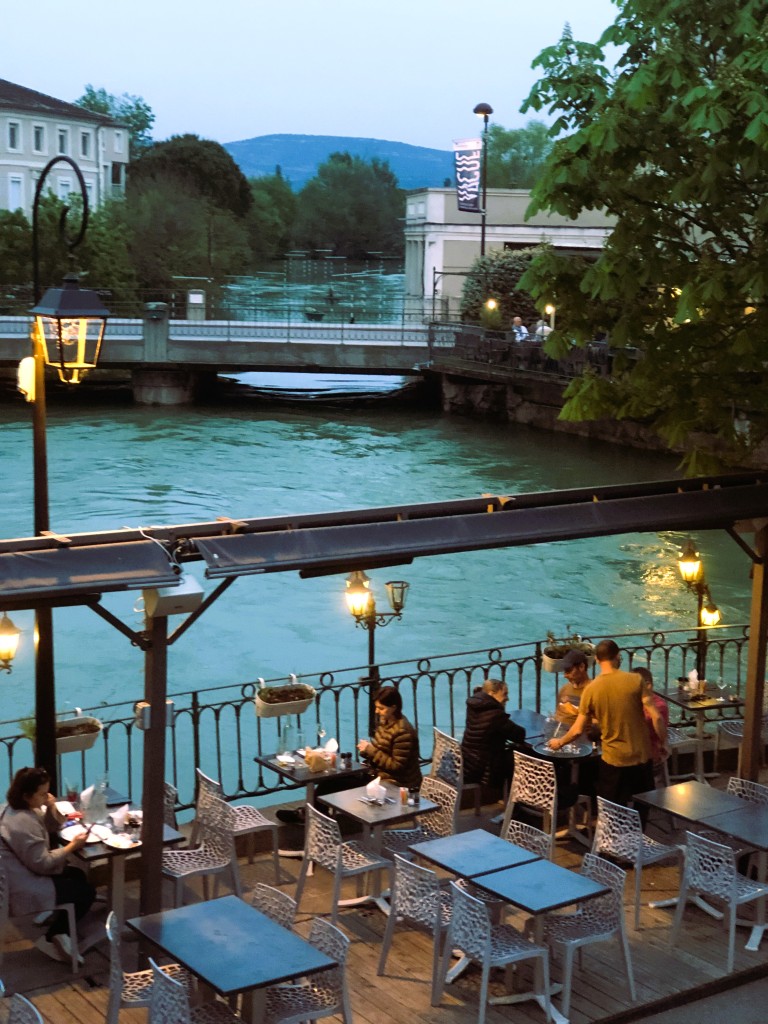
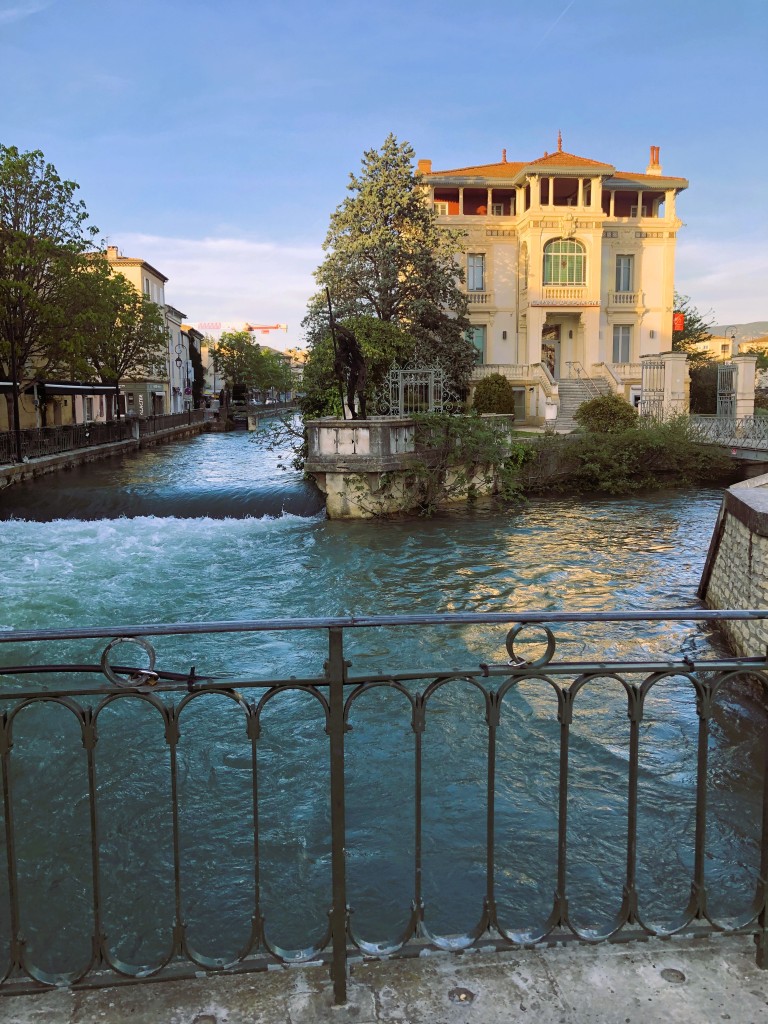
There was riverside dining in villages like L’Isle-sur-la-Sorgue, a historic mill town with waterwheels still turning along its river.

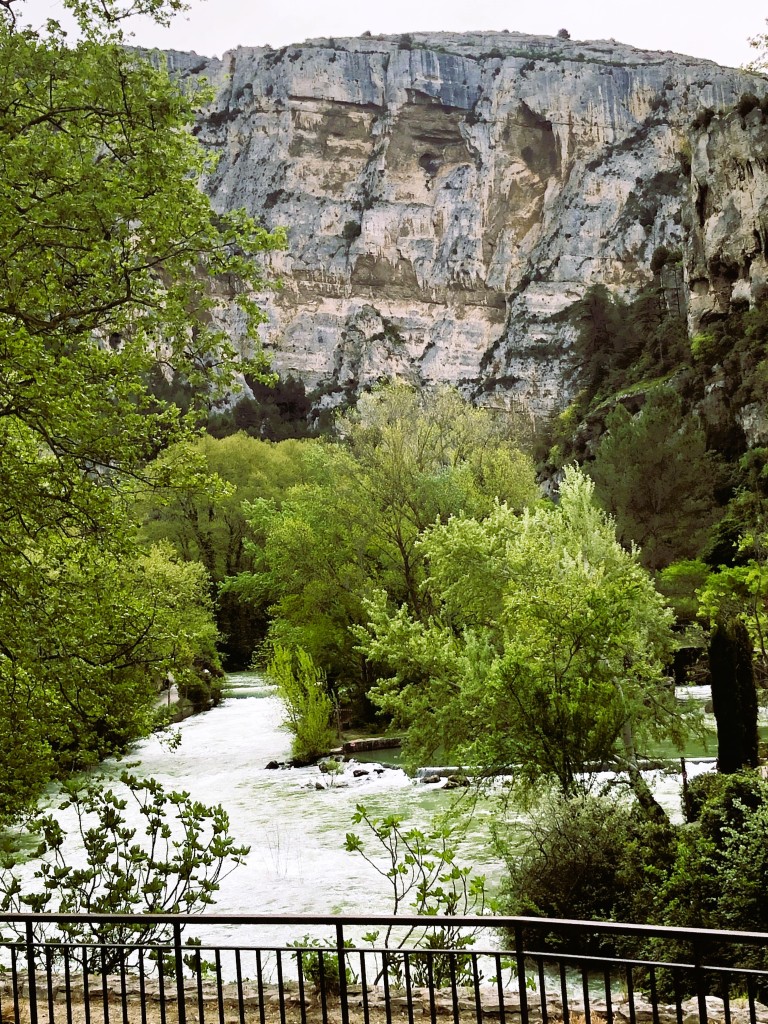
And a visit to the source of the Sorgue,

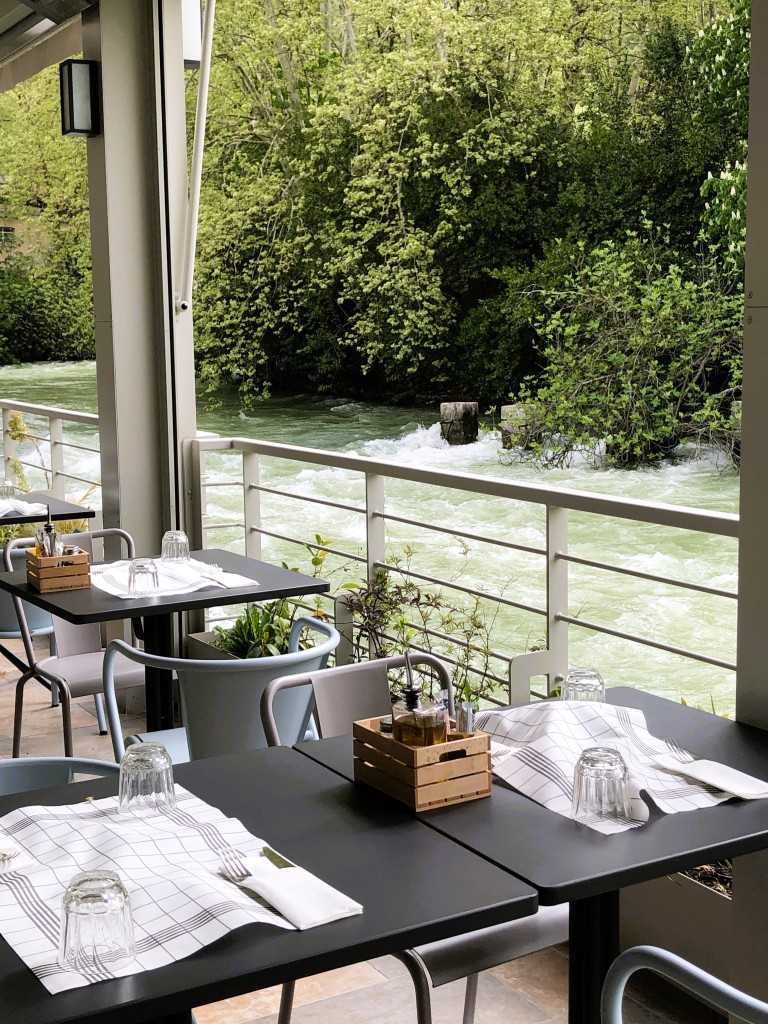
a gushing fontaine that springs from the nearby mountains (and more riverside dining).

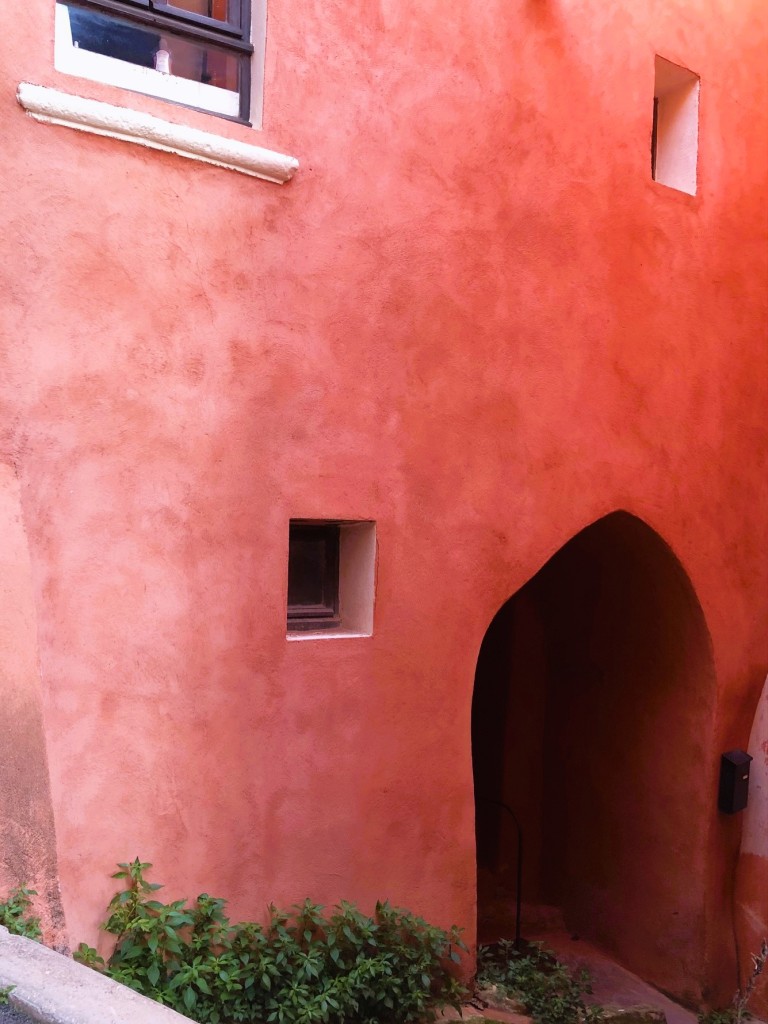
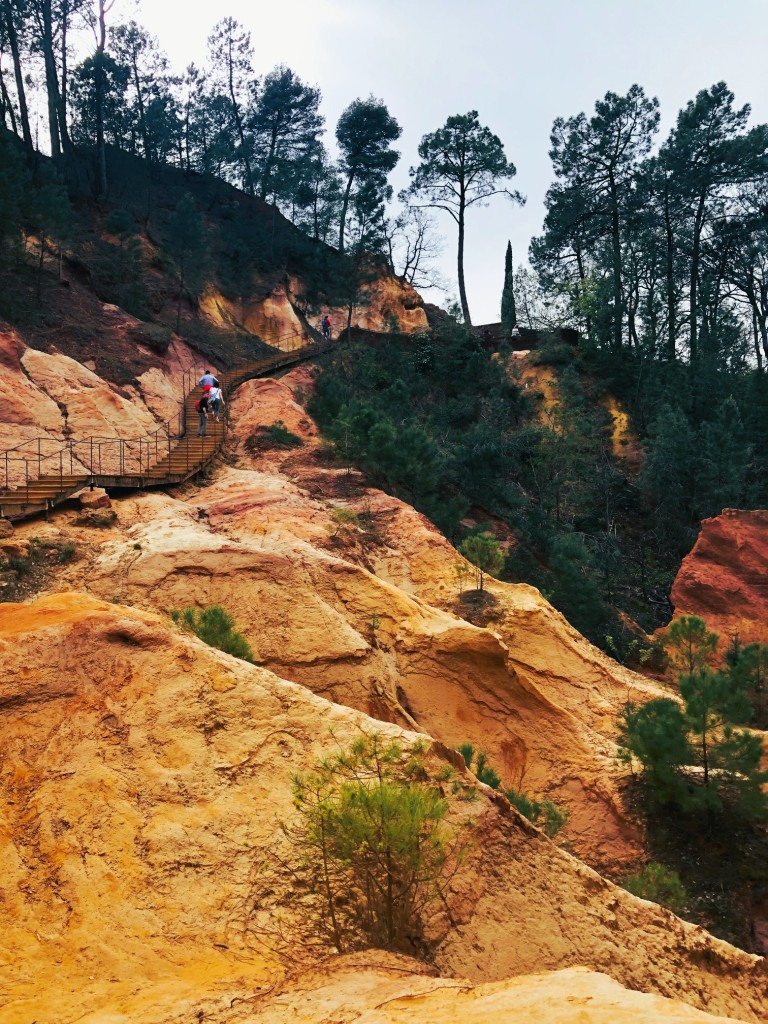
There was the unique village of Roussillon that still bears the reddish color of its famous ochre that was once mined and traded afar.

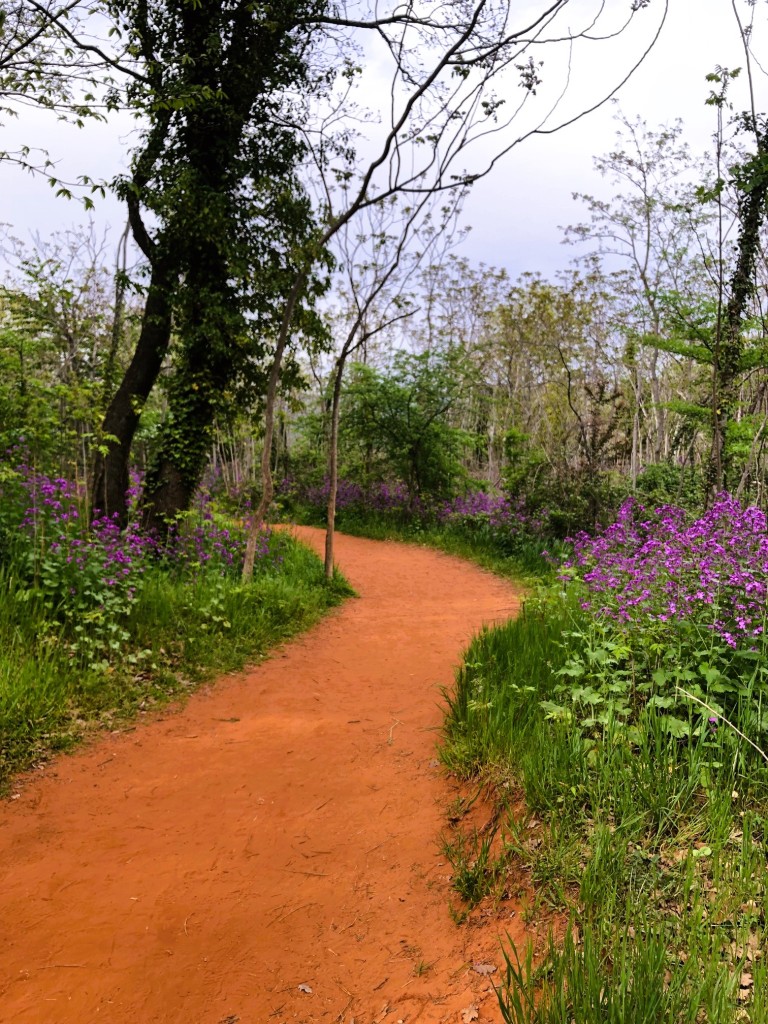
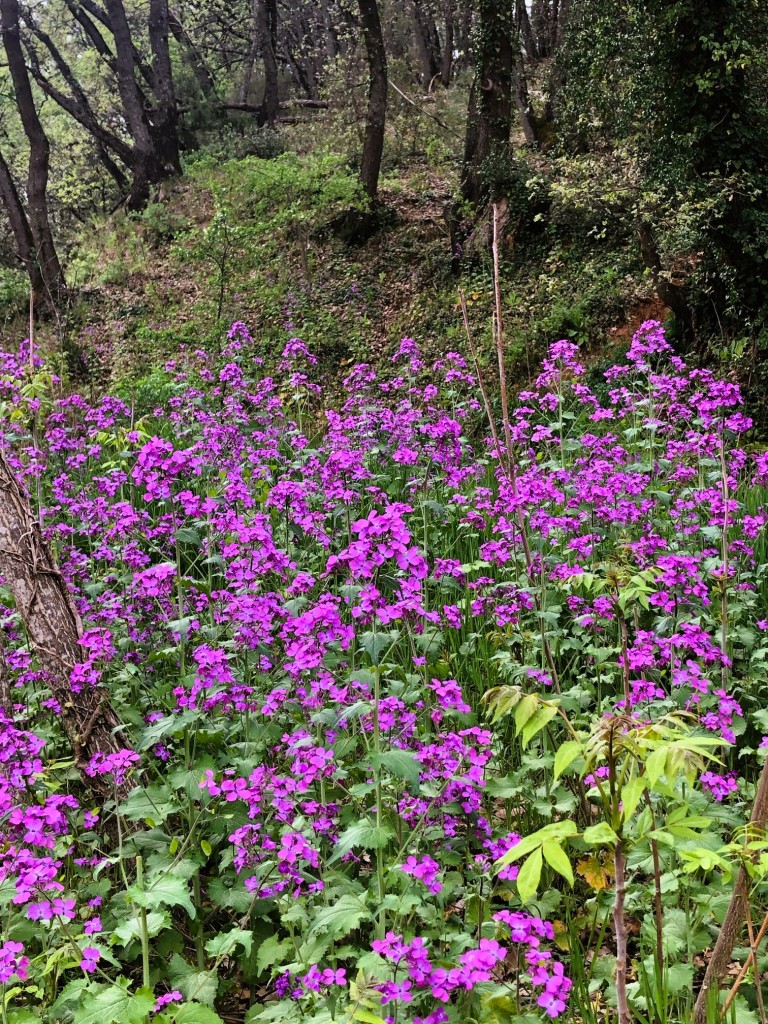
A nearby hike immerses visitors in the sculpted ochre hills, full of tall pines and purple phlox.

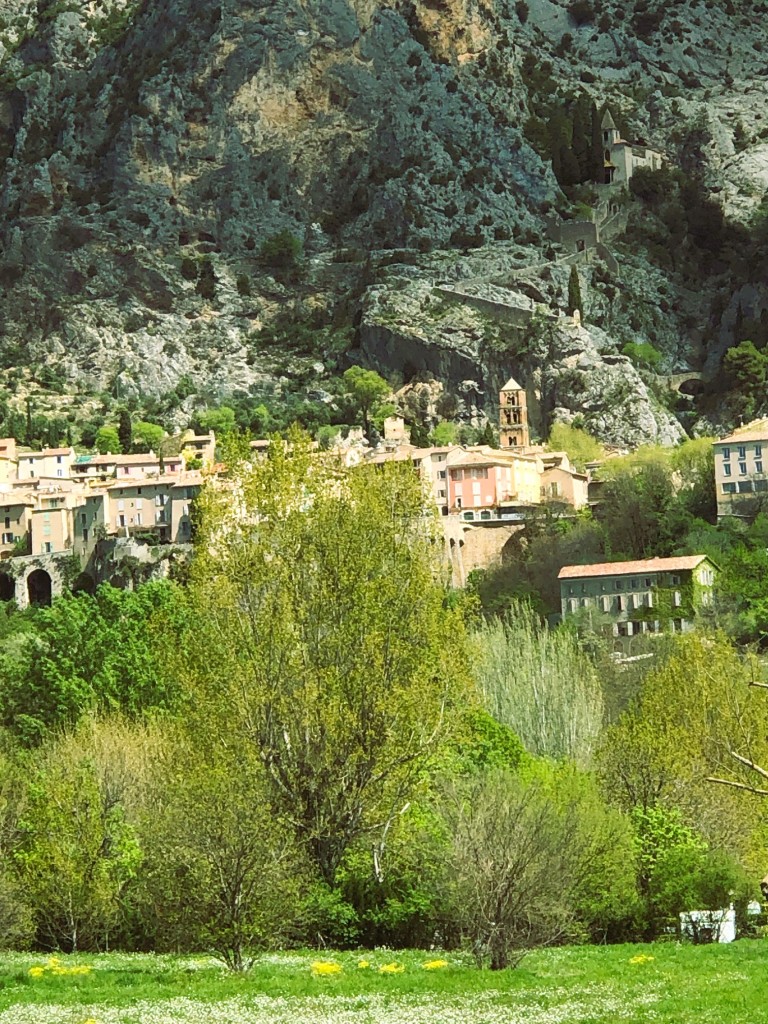
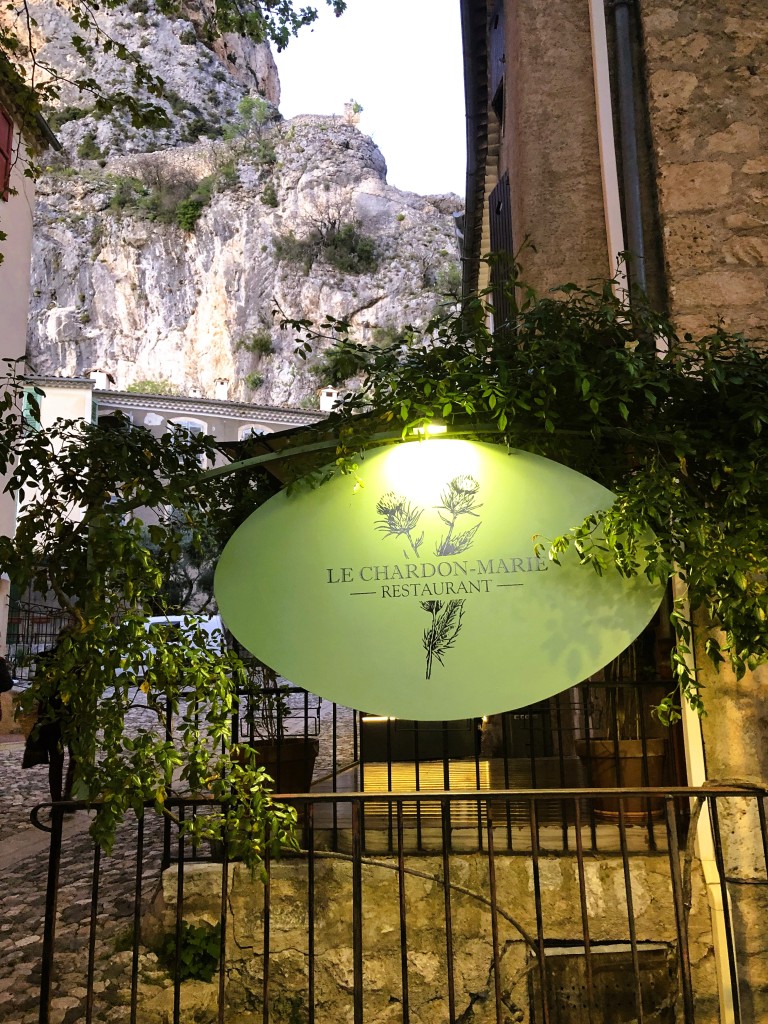
And charming Moustiers offers beautiful views from every angle, every tiny winding street, at every time of day.

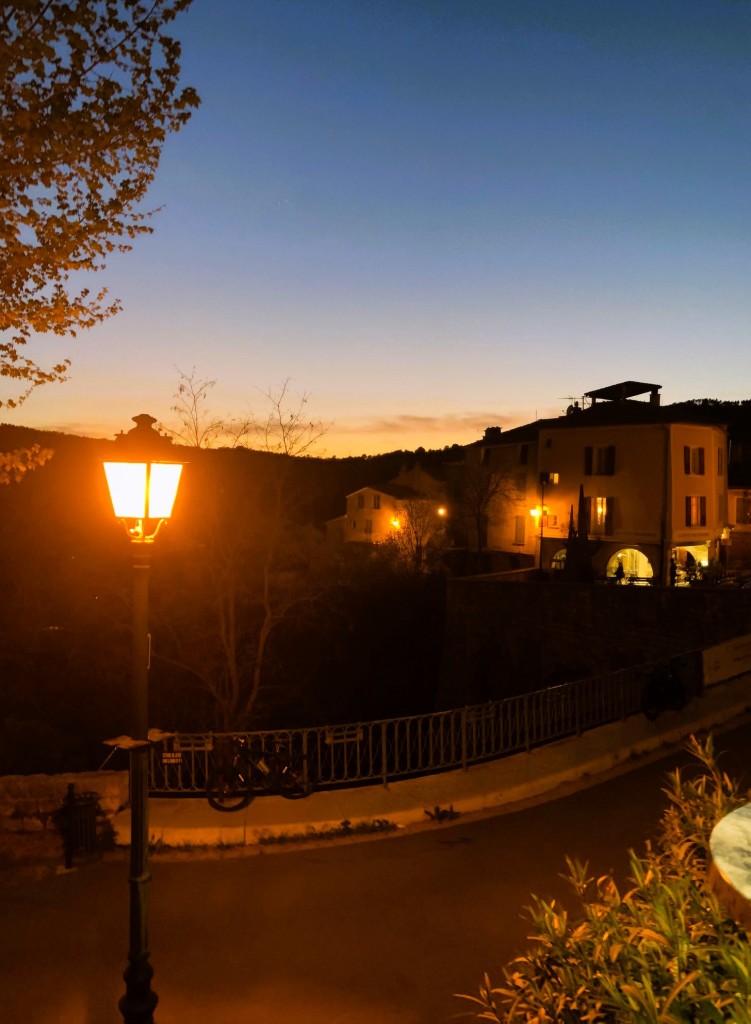
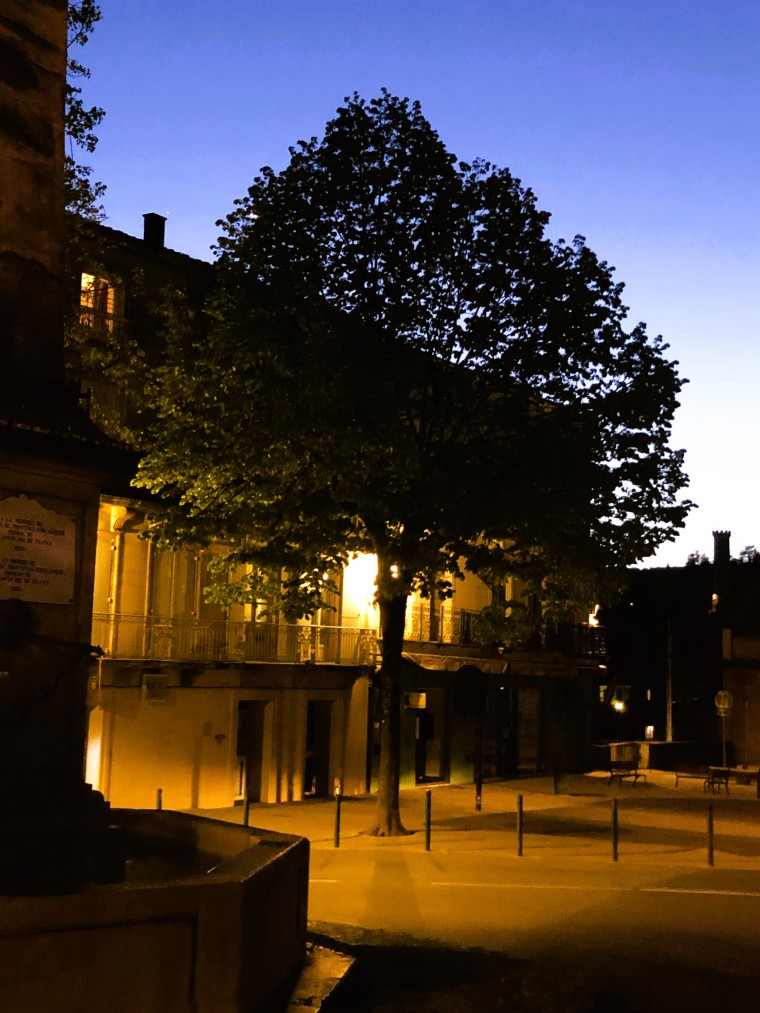
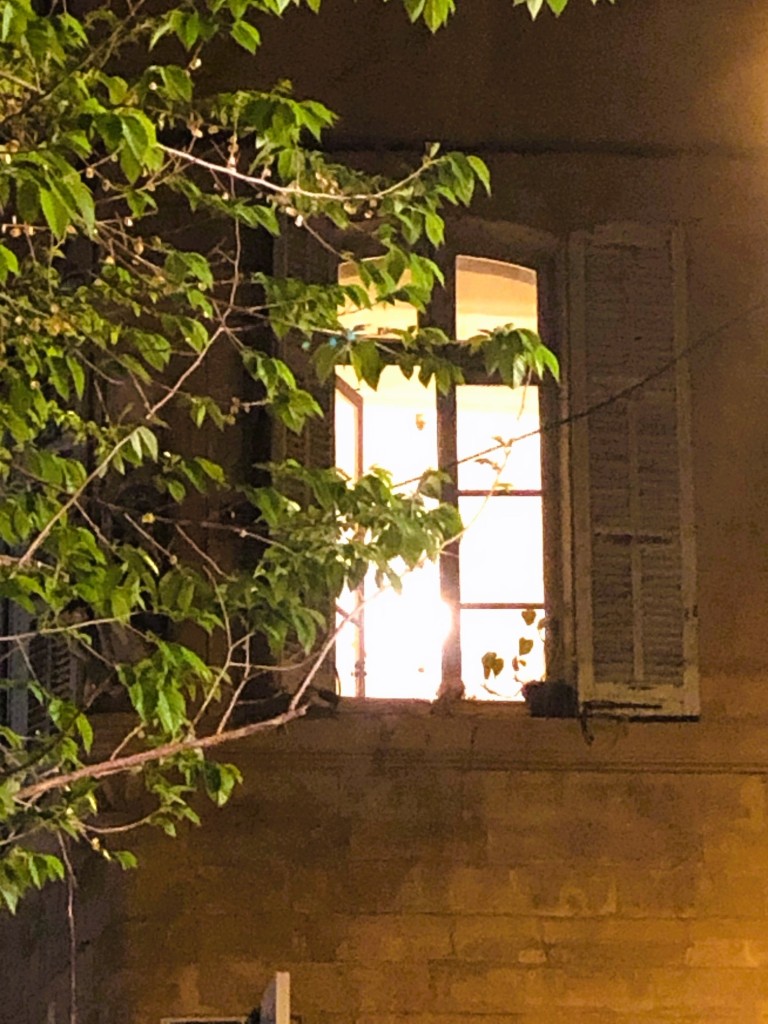
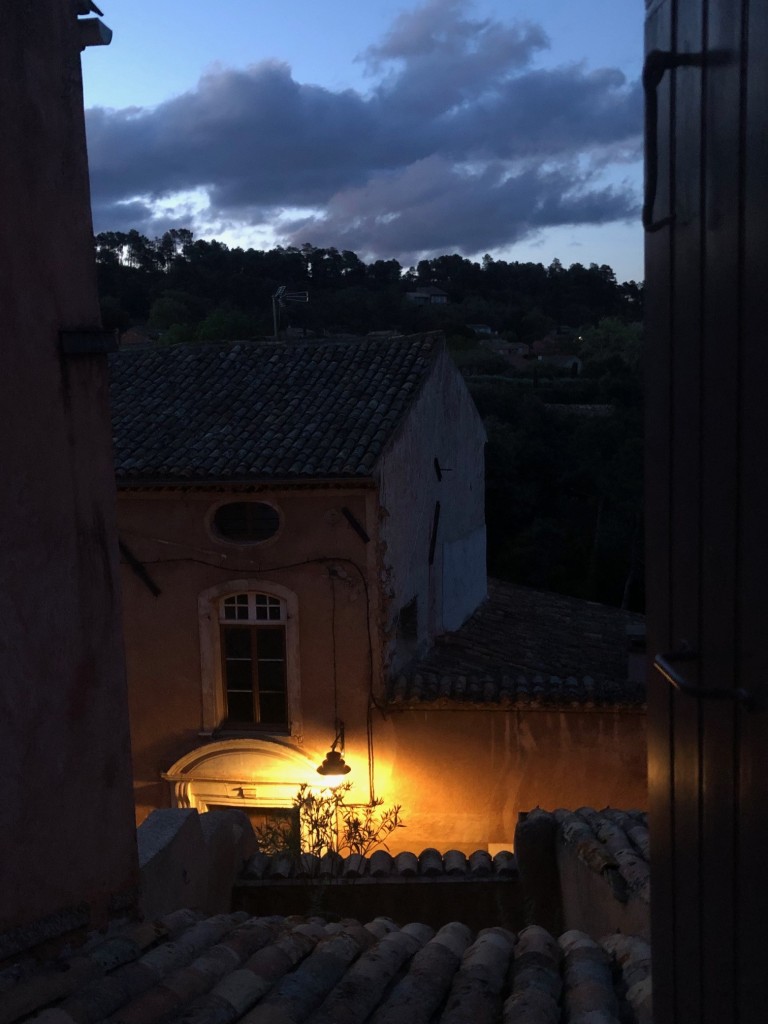
Throughout Provence, the soft evenings retain a hint of the old and inviting and mysterious,

and serve as a gentle reminder “to relish the charm of life” (from a previous post, “Beau Soir” https://wordpress.com/post/lindamahkovec.com/2278).

My only wonder — why it took me so long to visit Provence.

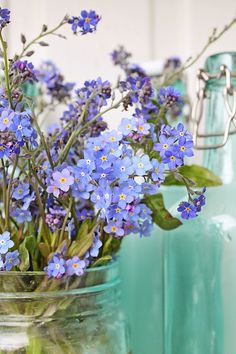
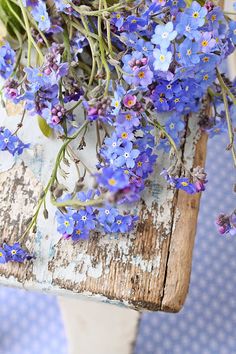
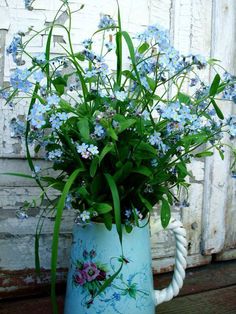
Forget-me-nots

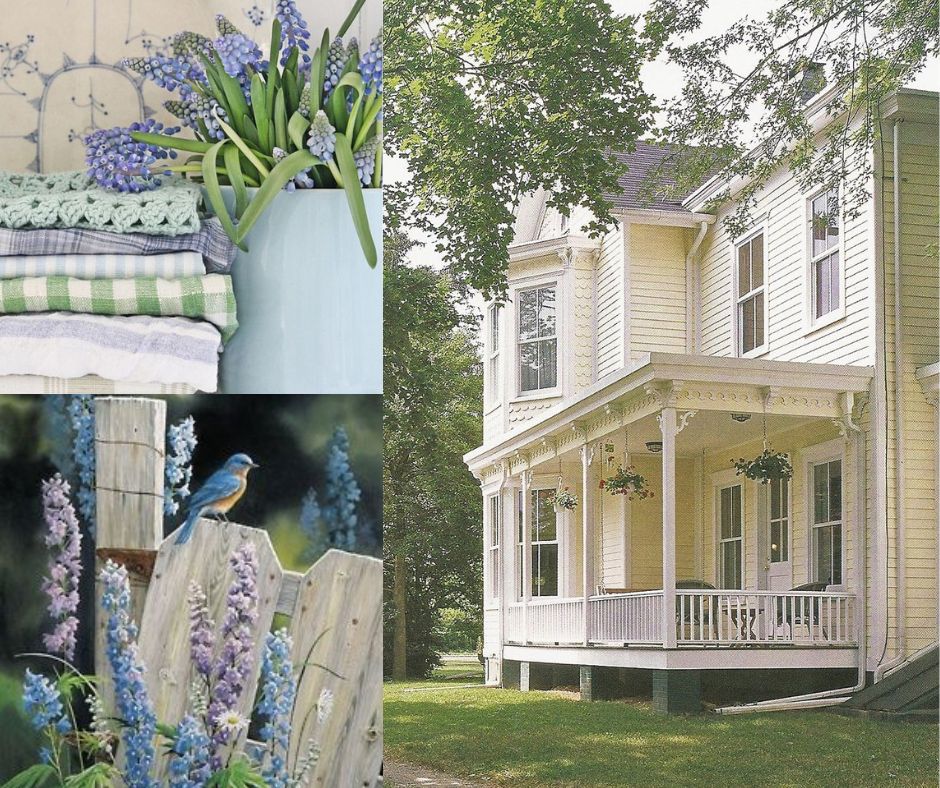
Forget-me-nots are one of summer’s many beautiful flowers. They grow in clusters in varying shades of blue and are almost fairy-like in their daintiness. They are small and unassuming — yet packed with significance.

In my novel The Garden House, the flower, and more particularly, its name, takes on a special meaning. They are related to Miranda and her memories of when her children were young, and are significant to the secondary plot involving the mysterious William Priestly.

In preparation for the new tenant, Miranda plants flowers outside the garden house and then comes inside to clean it. 

Tired, she sat down on the floor, resting her elbows on her knees. Then with a sigh of fatigue she stretched out, the hardwood floor feeling good against her back.

She let her eyes wander over some of the details of her beloved garden house – the Dutch blue of the dresser and window trim, the pillows and curtains she and Clara had made. They had spent so many hours over the years down here – painting, sewing, transforming the run-down garden house into a charming, livable cottage. Clara had loved the profusion of forget-me-nots that surrounded the garden house, and decided to christen the cottage the Forget-Me-Not House. It had seen many tea parties and birthday celebrations, and Clara’s favorite, the fairy parties.

Later, Miranda shows the garden house to William who decides that he will rent it for the summer.

It’s all very comfortable. It feels – ” he looked around for the words to describe it. “It feels like – a real home.”

Miranda laughed. “It is a real home – an extension of the house.” She gazed lovingly at the garden house, the window boxes and potted flowers. “A lot of happy memories here.”

William stepped off the porch and looked at the garden house from a few paces back, clearly admiring it. He noticed the small hand-painted sign nailed above the door, and read, “The Forget-Me-Not House.”

“My daughter named it that when she was little. But somehow we always refer to it as the Garden House.”