Woven into the Christmastime series is the celebration of the season, where the brightness of the holiday contrasts with the darkness of war – opposing elements that help to shape the storylines.
Much of the bright cheerfulness of Christmas comes from deep-rooted traditions: enjoying family and friends over delicious meals,
the sharing of festive treats,
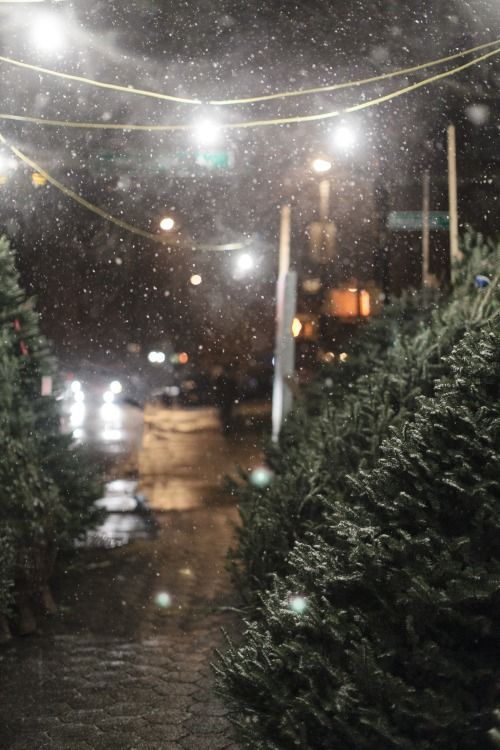
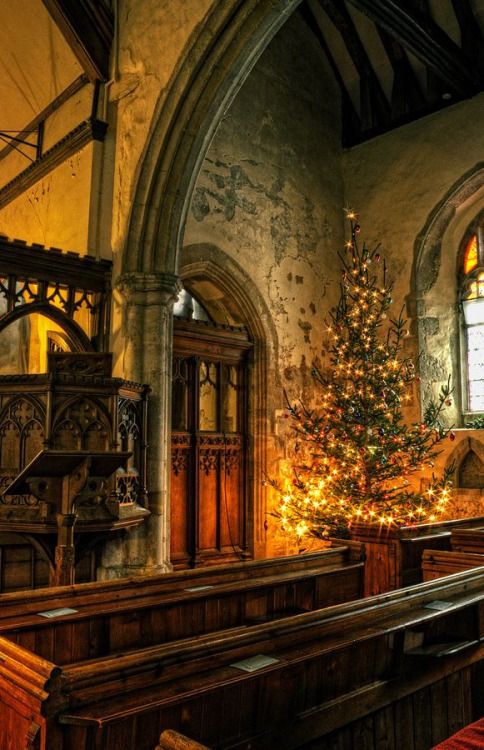
the old-fashioned joys of finding your Christmas tree and decorating it,
the child’s delight in Santa Claus and flying reindeer,
the thrill of a white Christmas.
Layered into the spiritual element that defines the season is the pervasive beauty that fills this time of year:
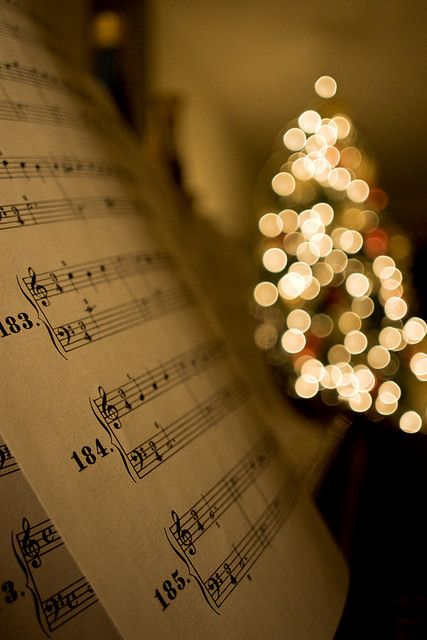
the deep resonance of traditional music and the joyful togetherness of caroling,
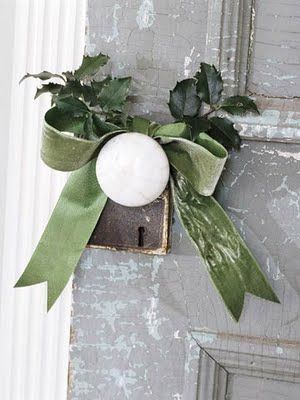
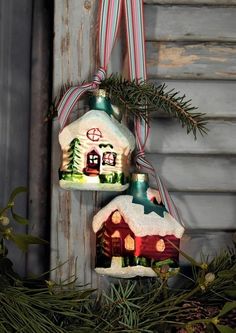
the fragrant woodsy beauty of pine trees, garlands, mistletoe and holly,
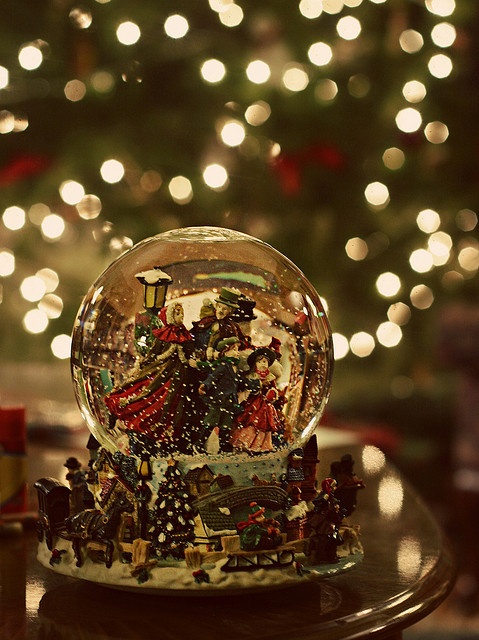
decorations that delight the eye and lift the spirit.
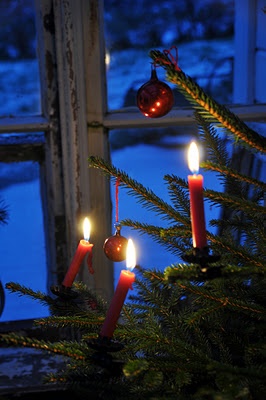
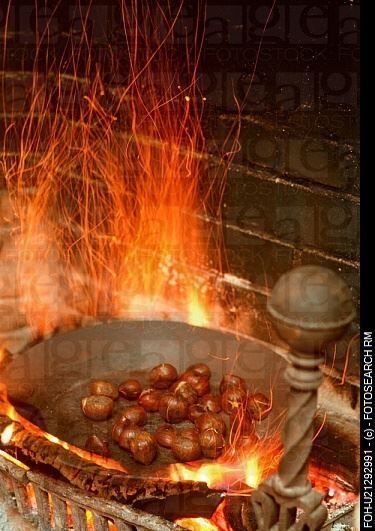
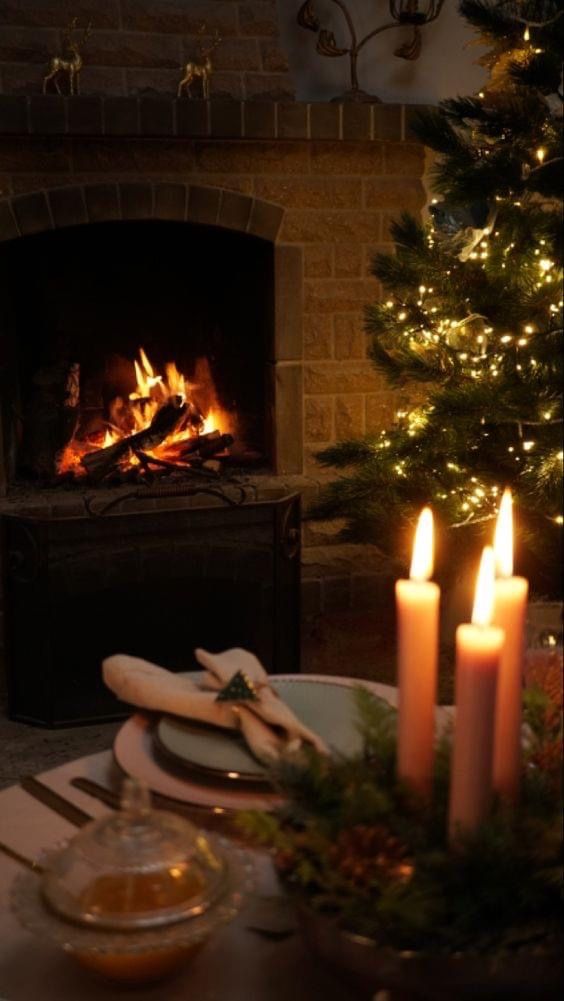
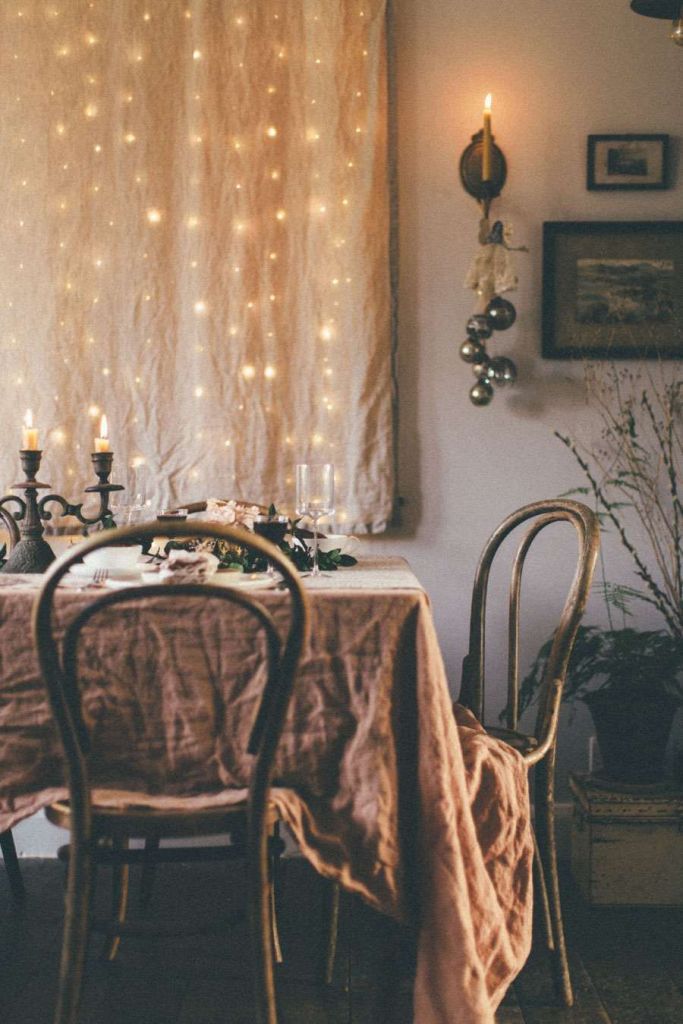
And perhaps the oldest and purest source of comfort and beauty comes from light in the darkness: the original form of fire found in bonfires, fireplaces, candles,
the old-fashioned multi-colored bulbs of my youth,
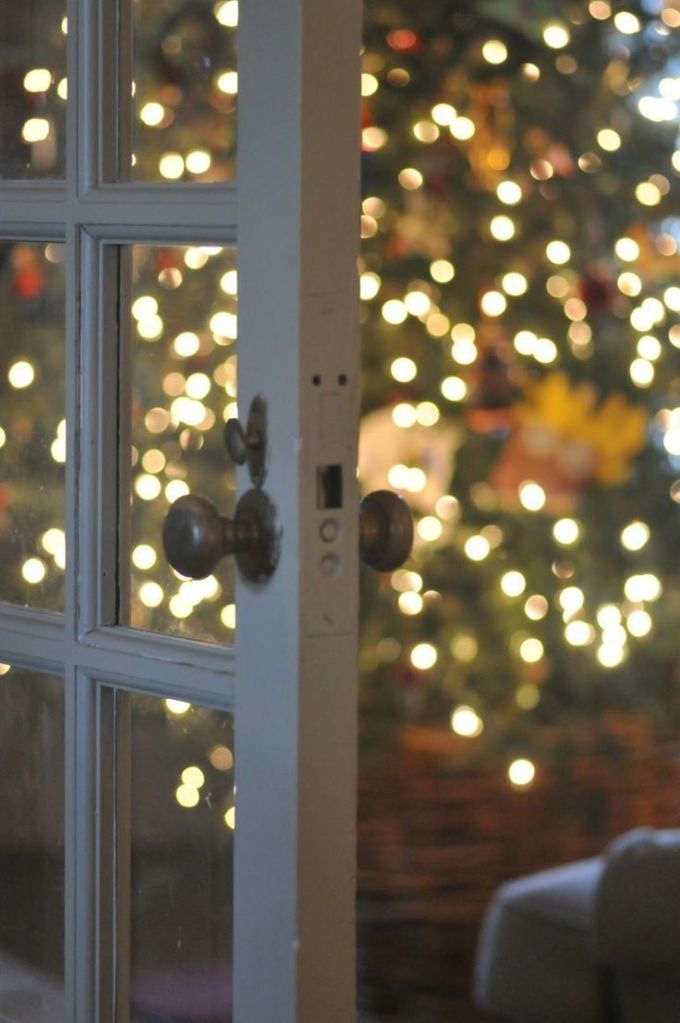
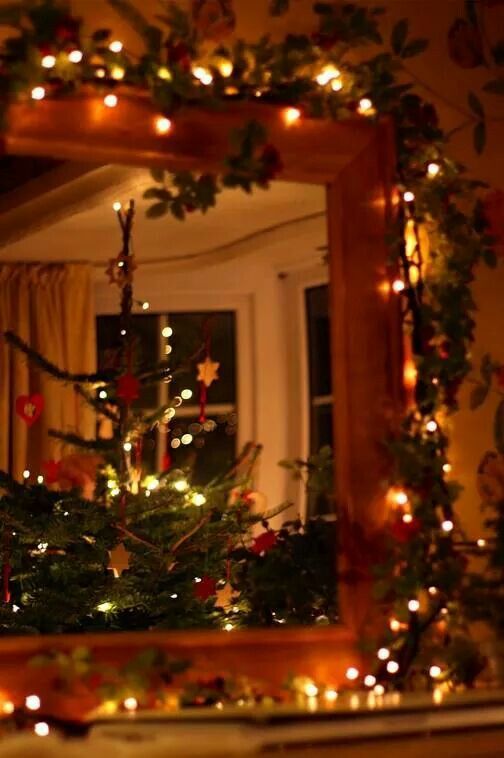
and the more recent fairy lights that bring a sense of twinkling magic.
All add nighttime magic, and comfort in the longer, colder nights.
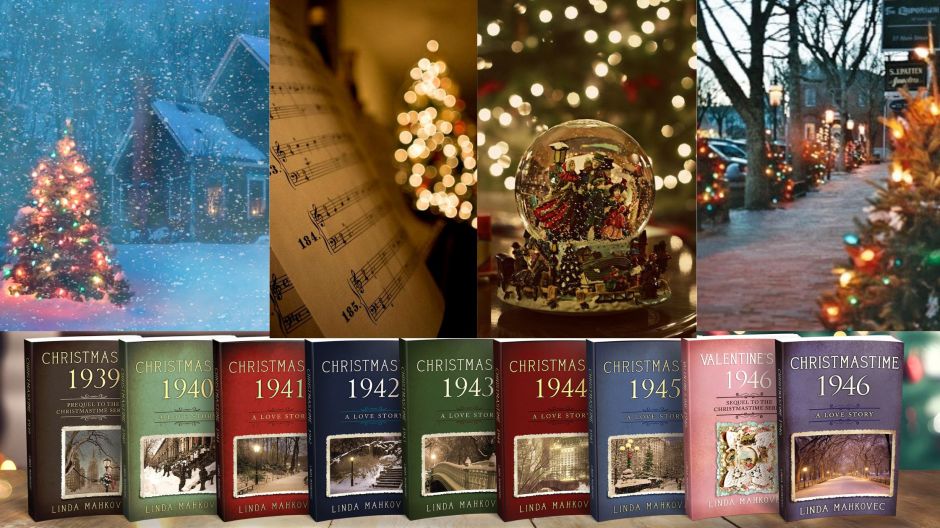
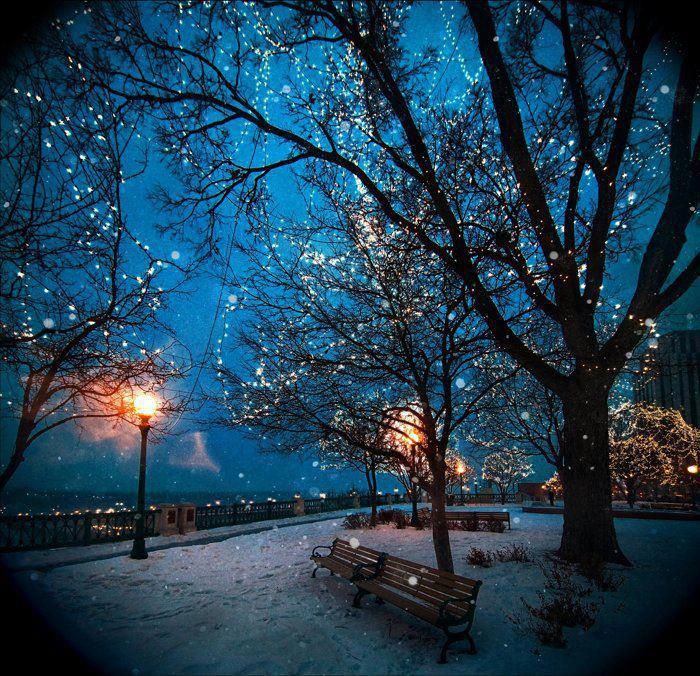
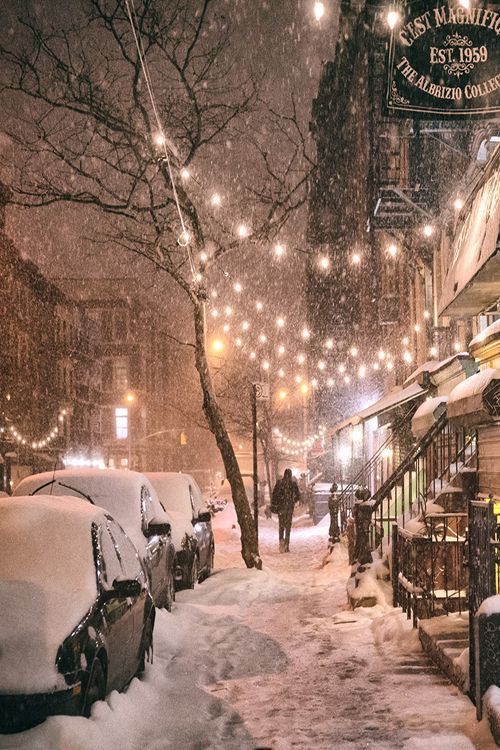
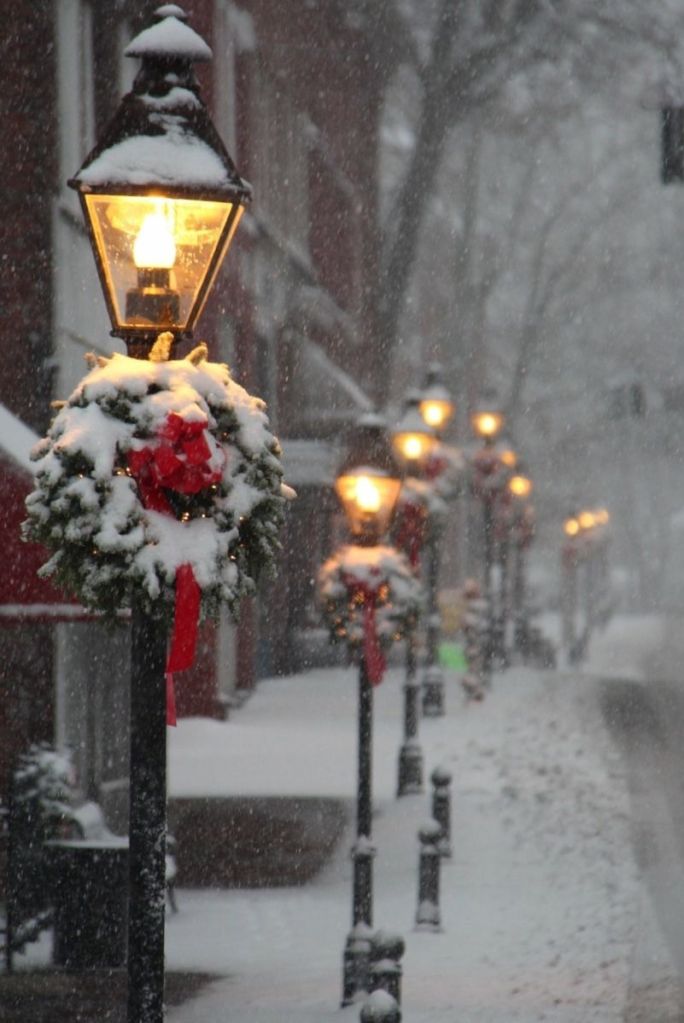
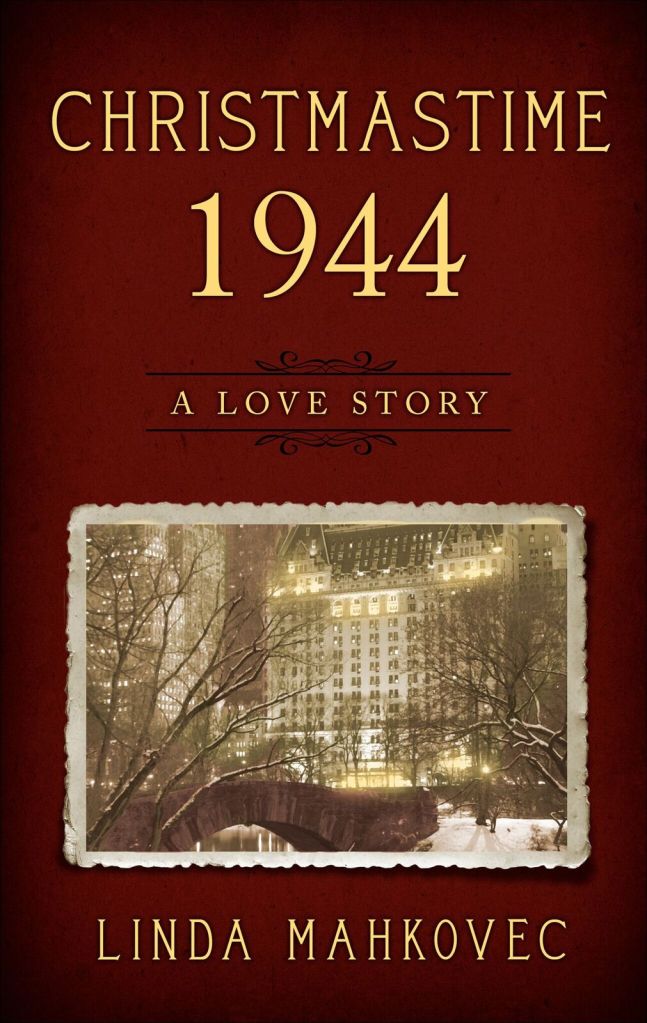
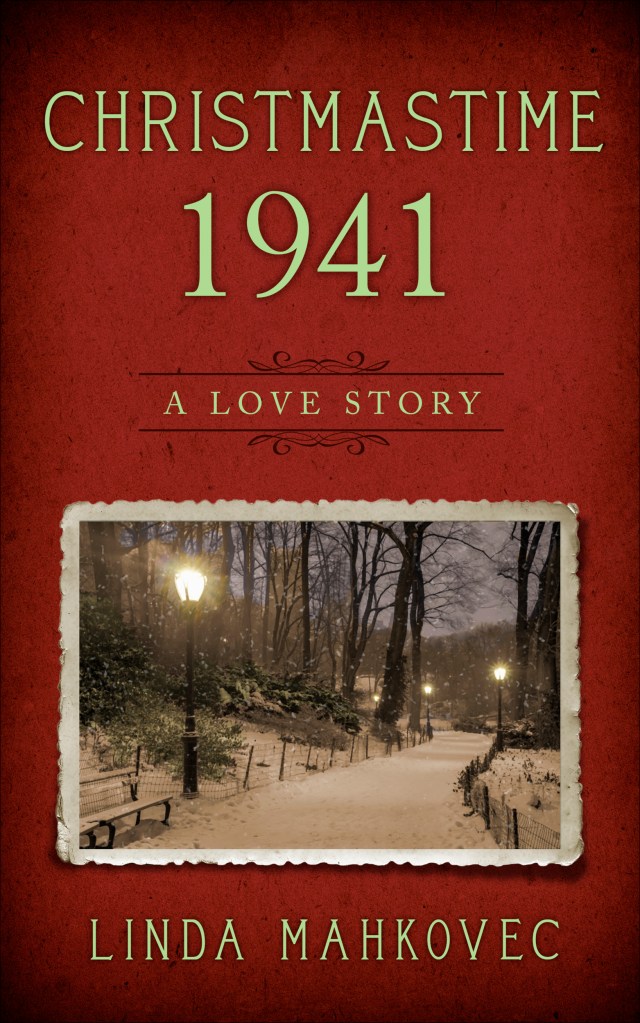
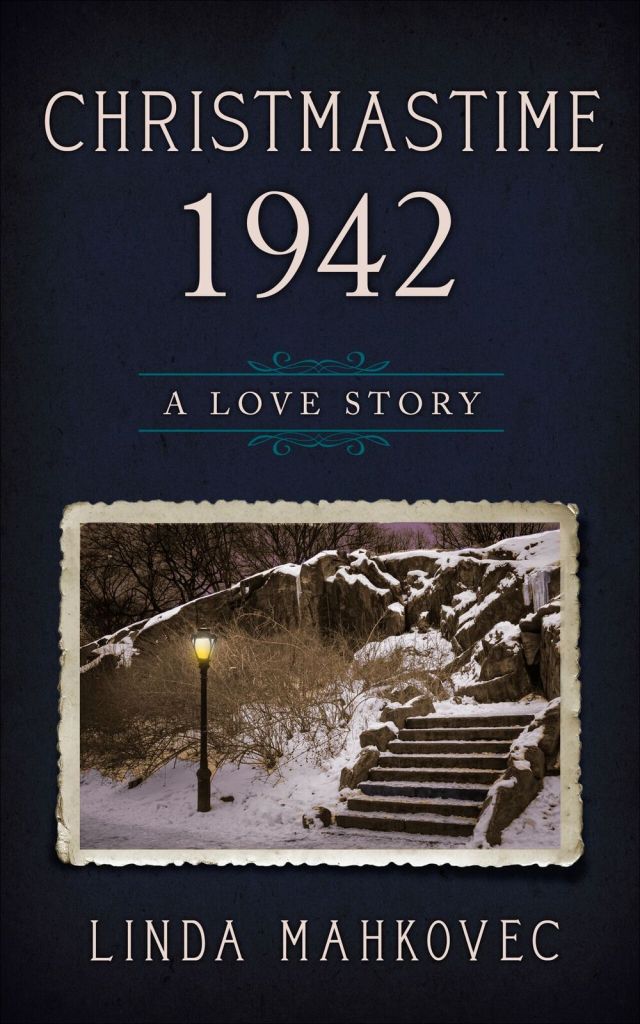
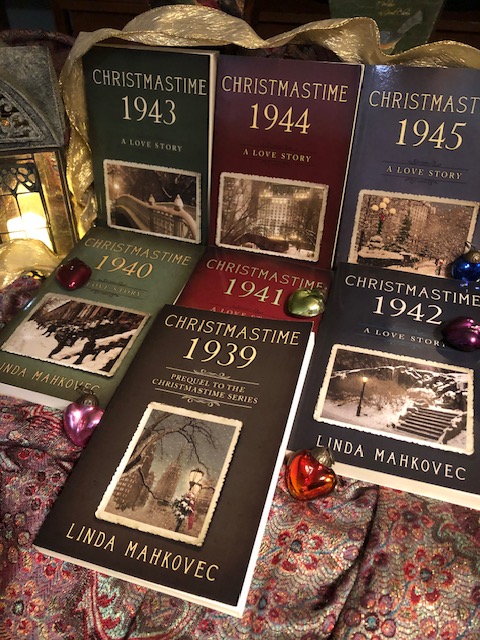
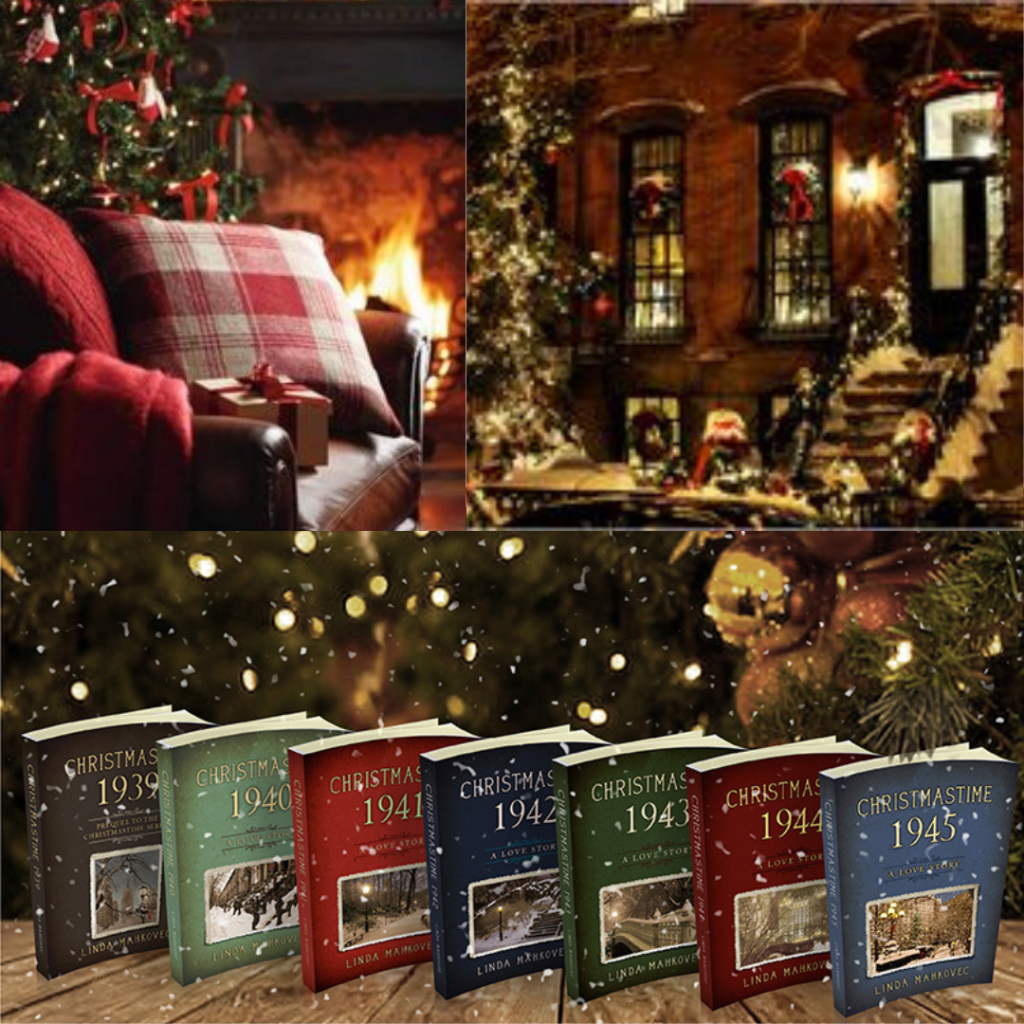
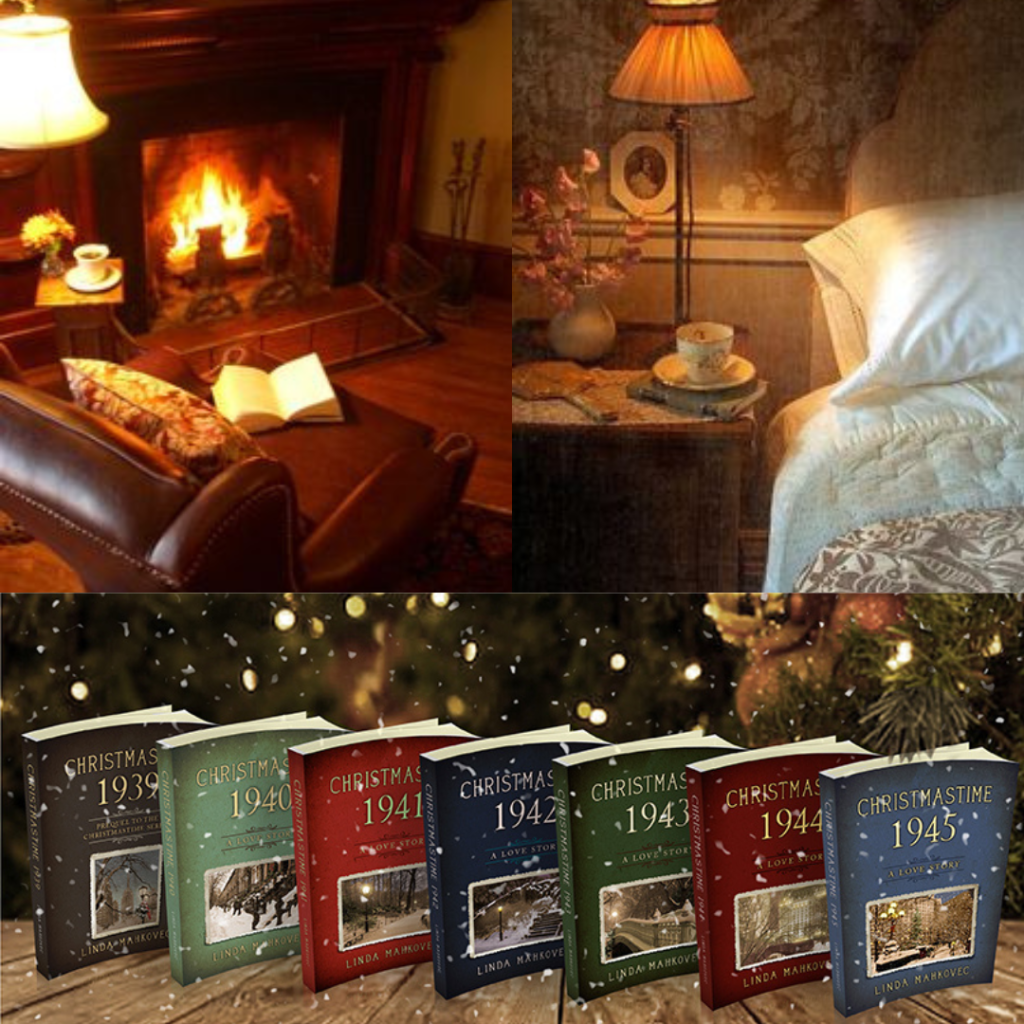
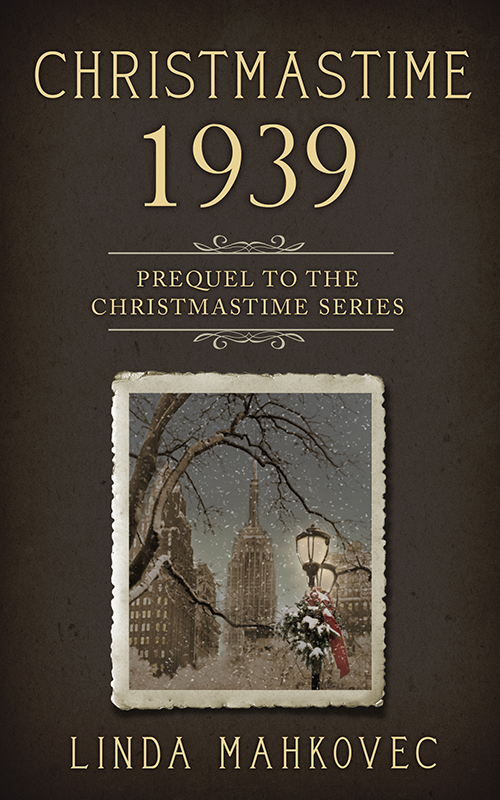
I try to capture this contrast of light and dark in the covers of the Christmastime series. Lampposts glowing in the twilight and a city lit at night, symbolizing hope and the end of war,
Fewer, or a lonelier, single lit lamppost to reflect the darkest years of the war,
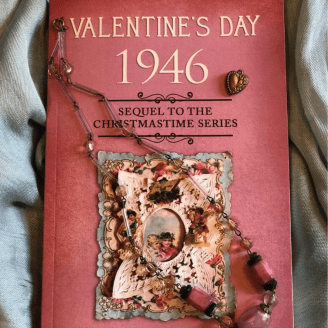
and the beauty of lamplight on snow, tinged with wistful yearning, for the new 1946 cover.
Christmas lights. In the long, cold nights of winter, they offer hope, comfort, magic, and beauty.
My latest book in the Christmastime series, CHRISTMASTIME 1946: A LOVE STORY, focuses on women in the workforce and the mixed feelings they had when the war ended and it was time for them to give up their jobs.
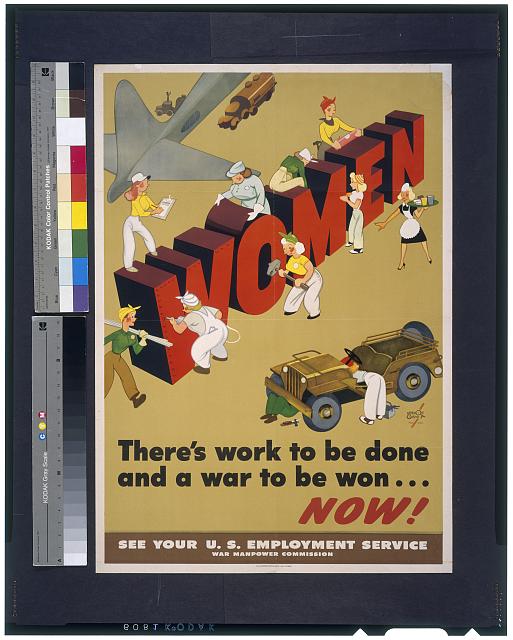
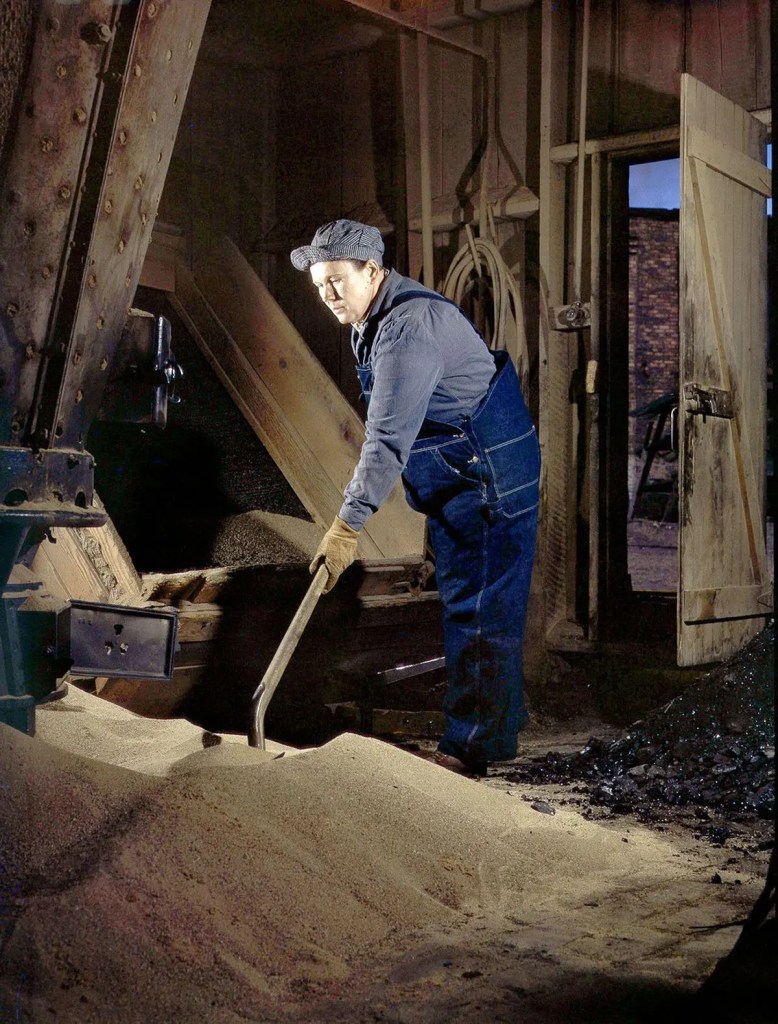
In WWII, the U.S. experienced a severe labor shortage as millions of men left to fight. The solution was to use women, along with minorities, immigrants, people with disabilities, teenagers, older adults, and retirees.
Before WWII, women were already working in large numbers (roughly 13 million) but in predominantly low-paying jobs: domestic service, clerical jobs, teaching, nursing, and textile factories. Most working women were young, lower-income, and single.
Landscape
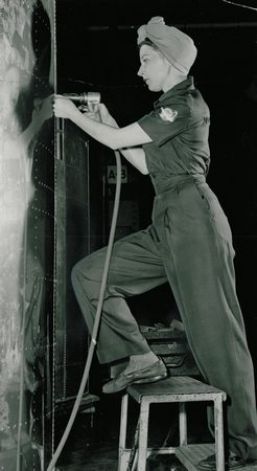
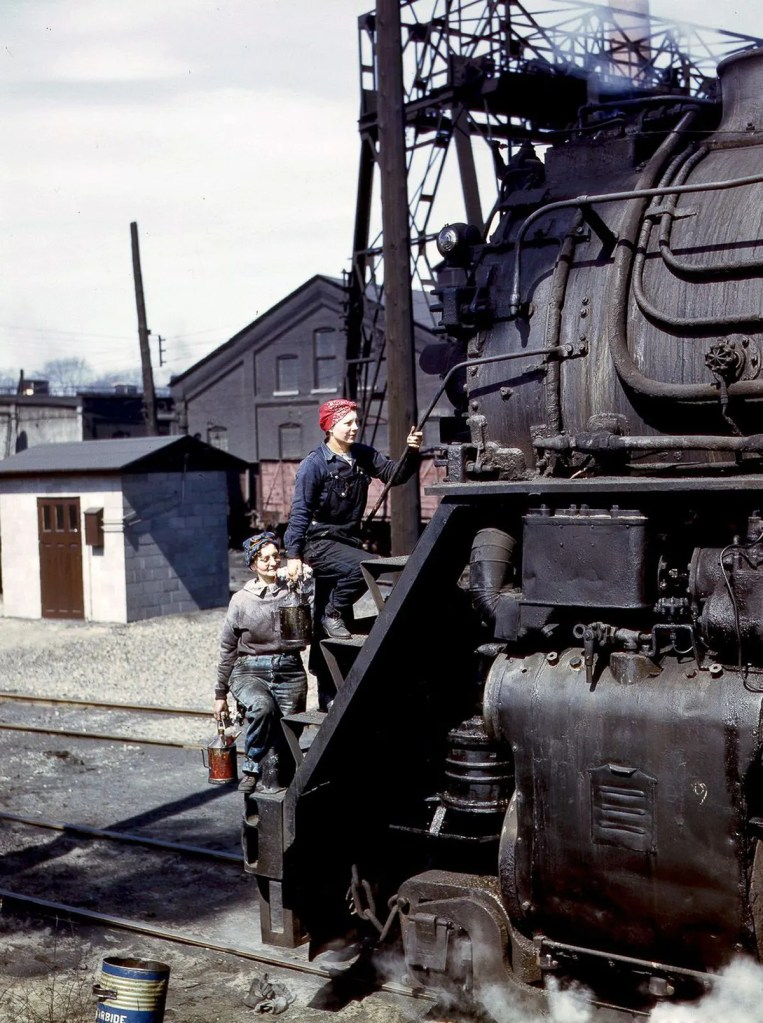
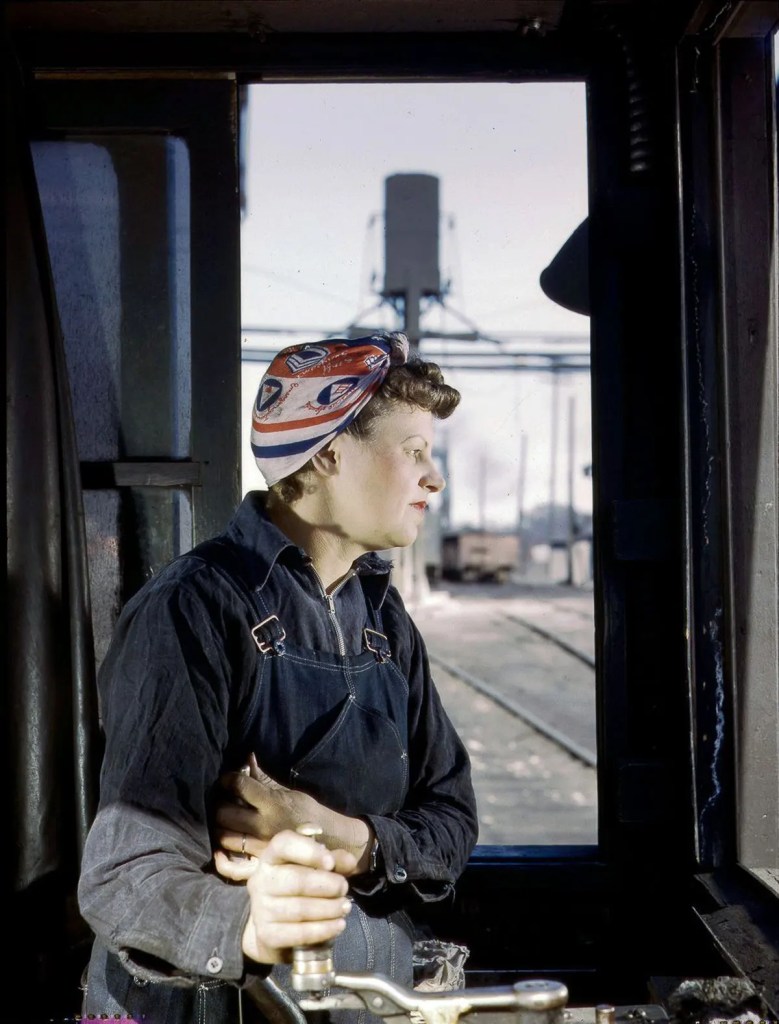
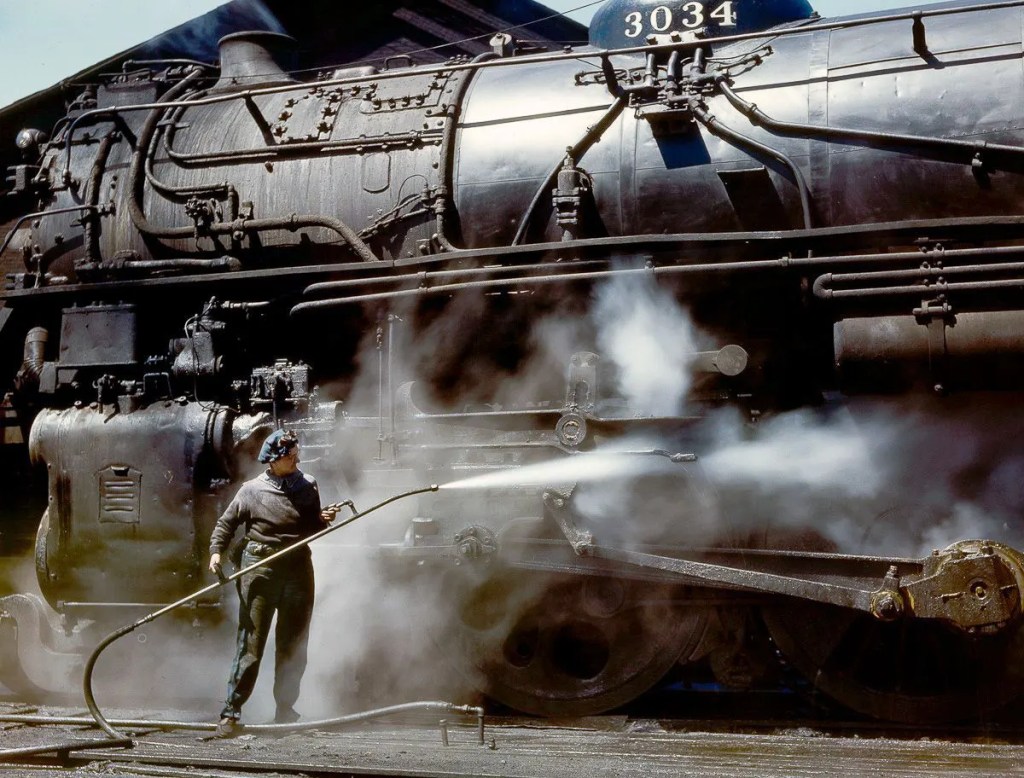
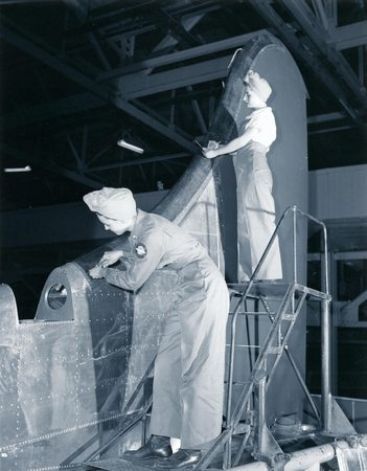
To fill the labor gap created by the war, over 6 million additional women joined the workforce – building aircraft, assembling tanks, producing munitions, and working in shipyards. They became welders and riveters, machinists and crane operators.
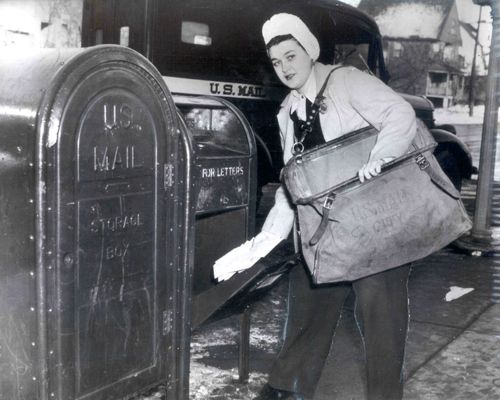
Others kept the country running – working as nurses and firefighters, managing offices, driving trucks and buses, working on the railroads,
delivering mail, working on farms and in food production, and countless other jobs.
Though it’s easy to idealize this period of opportunity for women, for many, it was grueling, hard work.
The war enabled women to move into higher-paying, traditionally male-dominated roles. However, it was clear from the beginning that it would be only “for the duration.” After the war, women were expected to leave their jobs to make room for returning servicemen. Rosie the Riveter had to go home.
Working women were essential to the war effort and they proved just how capable they were. While many were only too happy to return to their prewar lives, others grappled with a deep sense of loss — of higher-paying jobs, of greater freedom and independence, and of the profound satisfaction that came from being part of something larger.
There are many scents that evoke the Christmas season – pine and citrus,
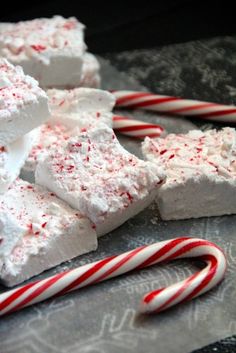
peppermint and gingerbread,
the spices of mulled wine and cider,
cookies being baked.
In the Christmastime series, https://a.co/d/7VG17Qu , old-fashioned ways of celebrating Christmas are woven throughout,
and the scents of Christmas play a big part. Especially the use of citrus and pine.
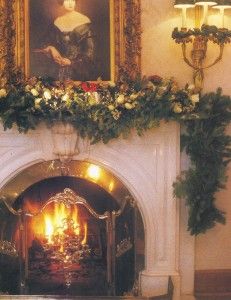
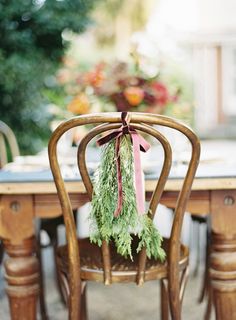
Greenery decorating a doorframe, mantel, or table,
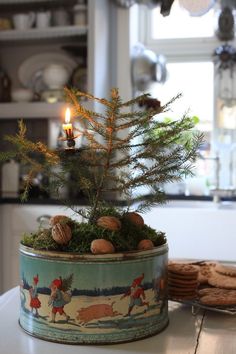
sprigs of pine and cedar scattered throughout the house.
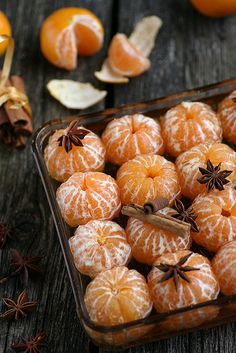
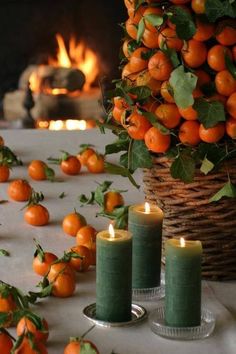
The cloves and citrus of pomander balls,
the preparation of orange-slice ornaments scenting the kitchen.
Scents can be powerful triggers of holiday traditions and good memories. Evergreens and colorful citrus fruits have the added benefit of also being beautiful and wholesome –
old-fashioned, natural seasonal decorations with scents that are both invigorating and calming.
This holiday, add some beauty and scent to your holiday decor with a bit of woodland greenery and refreshing citrus.
It’s easy to create the feeling of contentment that comes from coziness and simple pleasures. Fresh flowers, the scent of baking pervading your home, music softly playing in the background.
The colder weather — especially with the approach of Christmastime — lends itself to creating such an atmosphere. It can start with using a favorite cup for your morning tea, or a piece of toast with jam, or the scent of coffee and a warm muffin.
I like to think that my Christmastime series captures, to some degree, the sense of pleasure and comfort: the scent of pine, a fire crackling in the fireplace, a radiator hissing and filling a cold apartment with warmth, the laughter of children.
Though the backdrop to the series is WWII and life on the home front is full of struggles and hardship, the overall tone of the series is uplifting and comforting.
Sad things happen, shocking events take place, but the characters roll up their sleeves and do their part to make the best of things. Love, family, friendship, and neighborliness are in the forefront and shape the stories.
Celebrating life — its holidays, the seasons, small day-to-day beauties, the quest for meaning — fill the pages of Christmastime.
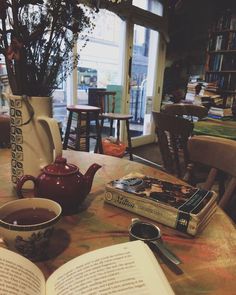
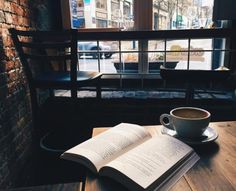
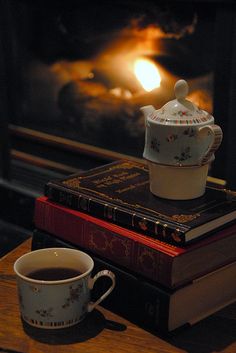
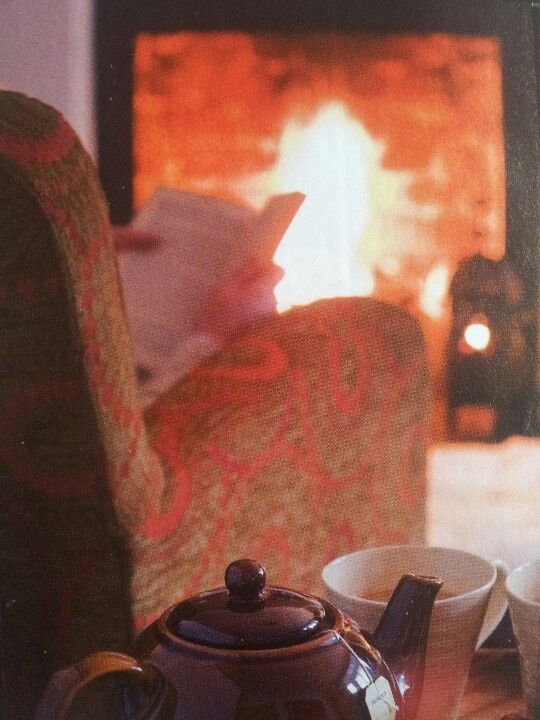
So as the temperatures drop and the holidays approach, experience a sense of well-being for yourself. Fix a cozy hot drink, turn on a lamp or light a candle, and grab a warm blanket. Then nestle into your favorite reading chair and snuggle up with CHRISTMASTIME.
Ah, the bustle of Christmas! Decorating your house for the holidays, cooking traditional family favorites,
shopping. Braving the crowds, the weather, the choices —
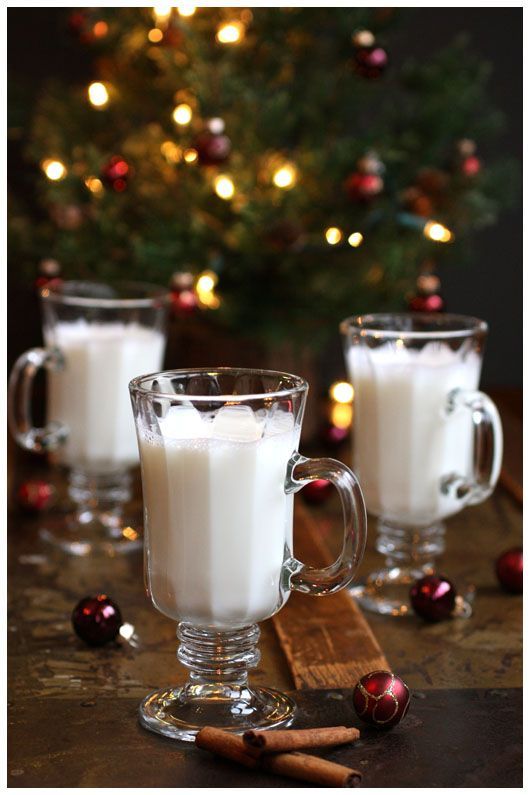
and returning home to relax with a mug of hot chocolate or a cup of tea.
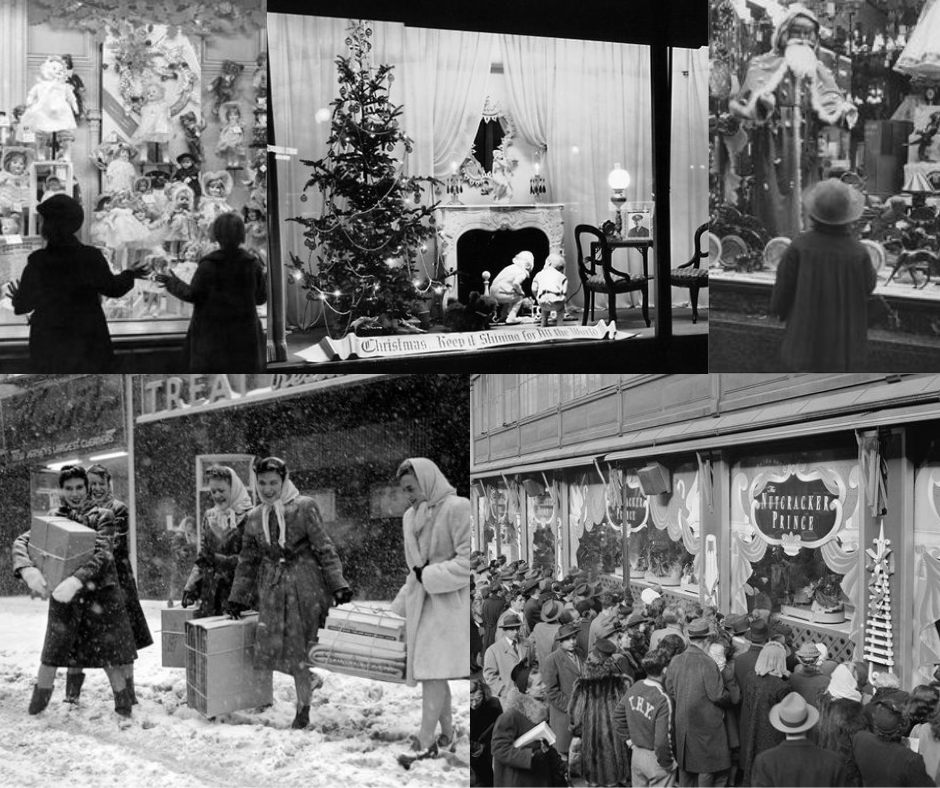
In the Christmastime Series, Christmas shopping adds a sense of merriment and celebration to the season — whether it’s Lillian preparing for Christmas Night at the Brooklyn department store where she works (Christmastime 1939),
or Mrs. Murphy taking a store escalator up to the “North Pole” toy section to do some shopping for her nieces and nephews (Christmastime 1941),
or Izzy stopping to enjoy the window displays as she walks to work (Christmastime 1943),
or the sisters Ursula and Jessica browsing at the small-town stores in rural Illinois.
Christmas shopping. The sparkle of lights and tinsel, the scent of pine and cloves, the sounds of bells ringing and Christmas caroling heighten enjoyment of the season and deepen the pleasure of gift-giving.
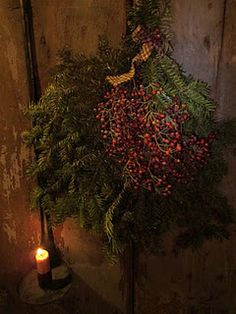
In the Christmastime series, the home arts were always made of materials that Lillian, her sister Annette, and Kate and her daughters had close at hand. Sometimes this meant stepping outside to collect greenery, pine cones, and red berries.
A stroll around the orchard, farm, nearby woods — or for Lillian, Central Park — provided a way for them to bring nature indoors and decorate their homes for the holidays with winter bouquets, garlands, and wreaths.
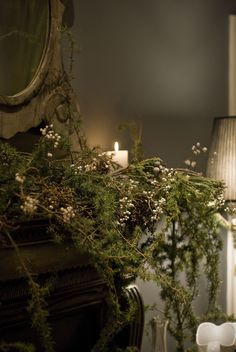
A way to add a splash of color or a bit of charm throughout the house,
or to bring woodland beauty to the mantelpiece.
Orange slices were dried and combined with spices to decorate the Christmas tree and windows.
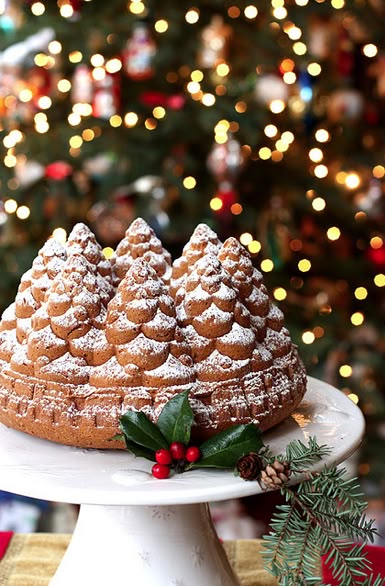
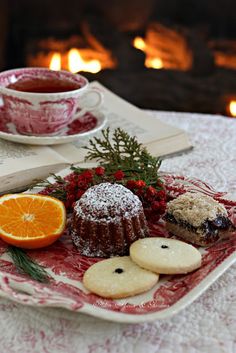
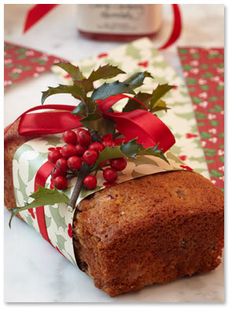
And of course, the holiday table was made more festive and colorful with holly, cranberries, and pine added to traditional desserts.
The home arts were a simple, old-fashioned way to make the home cozy and welcoming. Then and now, bringing the outside indoors is always a good idea.
Throughout the Christmastime series, the home arts enrichen the lives and homes of Lillian in Manhattan, her sister Annette on her orchard in upstate New York, and Kate and her daughters Ursula and Jessica on their farm in the Midwest.
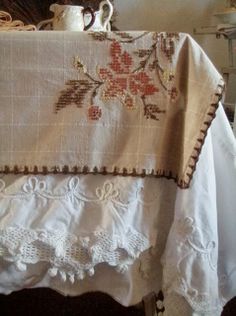
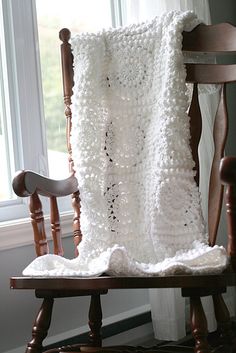
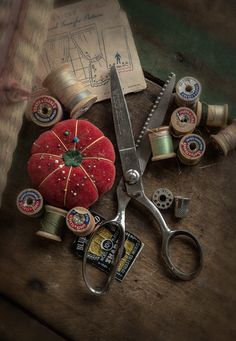
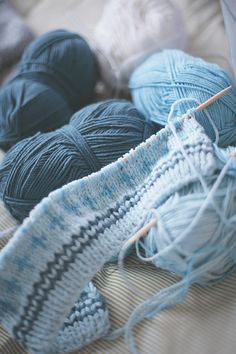
Knitting, sewing, crocheting, and embroidering were activities for early winter evenings while they listened to the radio, or sat near a fireplace with a hot drink at hand.
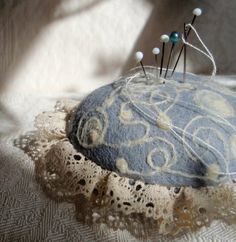
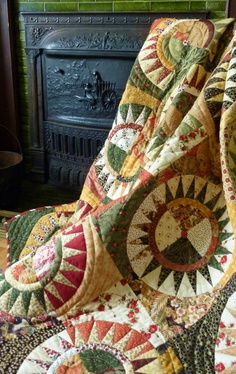
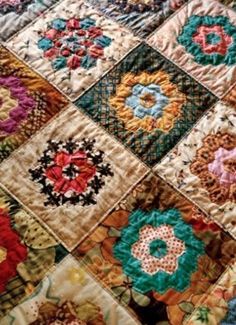
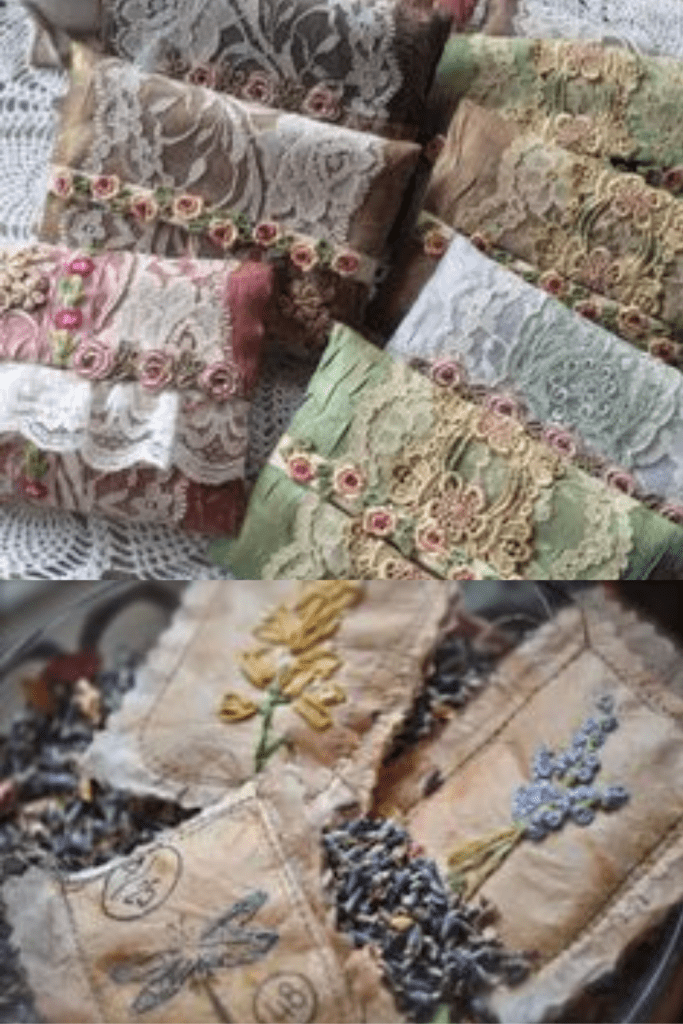
The home arts were practical and serviceable, yet at the same time, they were creative endeavors that added beauty and charm —
whether quilts that were lovingly made from salvaged scraps of fabric,
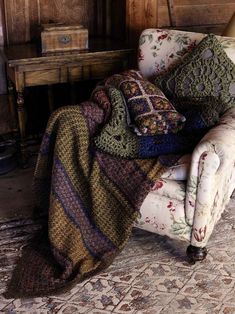
cozy afghans that kept away the winter chill,
or crocheted-edged pillowcases and handmade sachets that made sleep sweeter.
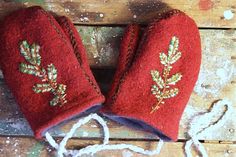
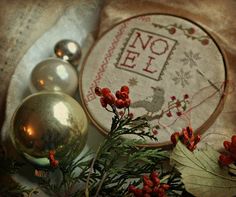
The Christmas holidays were made more festive with red and green embroidery,
and decorations using oranges, pine, and cranberries added color and scent,
and were used to trim the Christmas tree.
The home arts added a sense of comfort and love throughout the year but were especially welcome at Christmastime.
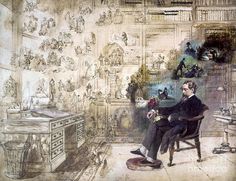
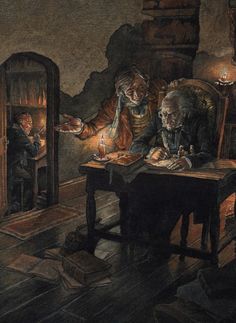
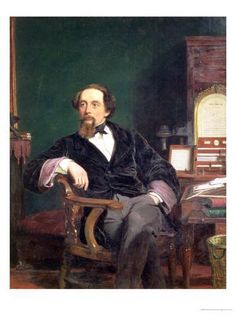
I used to have a tradition of reading a Dickens book every December, as part of my holiday celebration. I love the humor, empathy, and the depictions of Victorian England that Dickens wove into his stories. Though he wrote about harsh realities and the struggles of life, the overall tone is hopeful and uplifting, where love, loyalty, kindness and generosity emerge as the highest values.
Threads of Dickens runs throughout the Christmastime series. In the first book I wrote of the series, Christmastime 1940, the connection was unintentional and I didn’t see the similarities until later. The book first began as a short story (“Old Man Drooms”) that takes place in the snowy winter. However, once the tale developed into a longer story, and I moved the action to the Christmas season, the connections became quite obvious. I realized that all those years of reading and rereading Dickens had worked its way into my narrative.
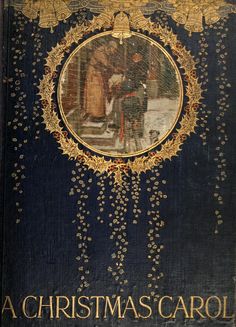
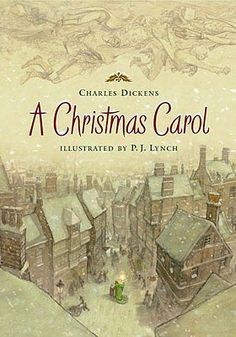
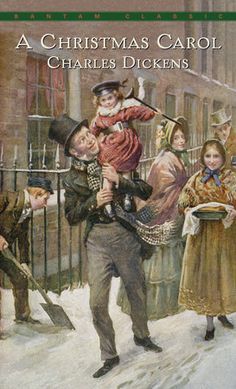
For the prequel, Christmastime 1939, I made the reading of Dicken’s A Christmas Carol a part of the story. It was actually my way into the story, though it is the character of Lillian who dreads the Christmas season and can’t wait for it to be over.
In the first chapter, Lillian and her boys, Tommy and Gabriel, have returned from her sister’s house upstate where they usually celebrate Christmas. Lillian is completely unprepared for the holiday season and the boys are argumentative as they worry about how they will spend Christmas on their own.
“A tug-of-war began that Lillian feared would result in a broken kaleidoscope. She got up and took the kaleidoscope away and set it on the bookshelf.
“Why are you two so fussy tonight?”
She spotted the book that Annette had tucked into the lunch basket, just as they were leaving for the train. She had forgotten all about it, and lifted it with a sense of being rescued.
“Look here!” she said, showing them the cover. “Annette said this will put us in the Christmas spirit. Come,” she said, returning to the couch. “Let’s begin it. It will be the start of our holiday celebration. We’ll read a little bit each night. How about that?”
Gabriel was all for it and jumped onto the couch next to her. Tommy sat down on her other side and read the title. “About singing?”
“No. It’s a story about a grouchy old man who hates Christmas. I read it many years ago.” Lillian turned to the first page.
Tommy leaned over and read, “Stave One: Marley’s Ghost.” His eyes brightened and he sat up in anticipation.
Gabriel, never one for ghost stories, snuggled closer. Lillian began to read. “Marley was dead, to begin with. There was no doubt whatever about that.”
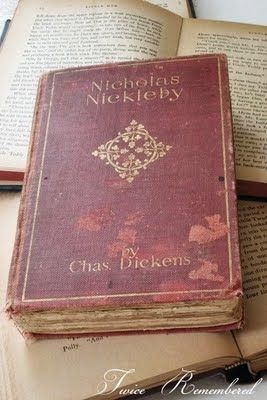
I also used a touch of Dickens in Christmastime 1942. Mr. Mason indulges in the comforts of home and enjoys his holiday tradition of reading Dickens. Since one of the main themes of the book is the theater, the stage, and acting, I have Mr. Mason reading Nicholas Nickleby.
“Mason was indulging in his Christmas tradition of reading Charles Dickens. Every December he decided on a book by his favorite author. Last year he had chosen Bleak House – this year he was rereading Nicholas Nickleby. He was just settling into his book when his domestic bliss was abruptly interrupted by the whirlwind of his mother and his youngest sister, Alice, as they burst into the room.” (71)
And later in the novel,
“Mason arrived home and felt cheered by all the bustle and laughter that filled his house. This was the way he liked it, everyone busy with some Christmas activity. He would prepare himself a cup of coffee, sit in his armchair and pick up Nicholas Nickleby – read smack in the middle of it all. He chuckled inwardly, remembering where he had left off in the book, with the Infant Phenomenon.” (141)
This December, I can think of no better way to celebrate the holiday season than to curl up with a good book, and Dickens is just the thing to reaffirm our belief in the goodness of the human heart.
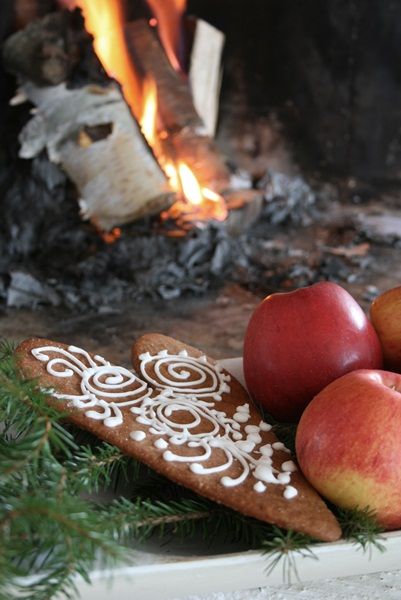
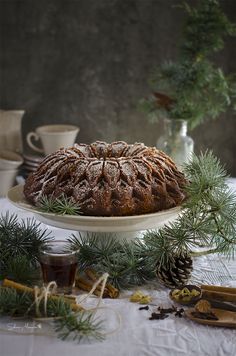
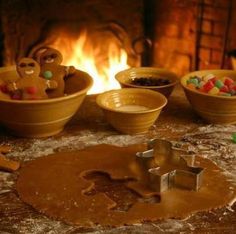
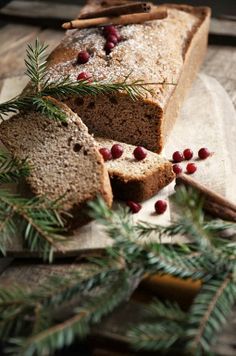
When it comes to baked goods, nothing quite says Christmas like gingerbread. There’s something old-fashioned and cozy about the fragrant treat. It makes a frequent appearance in my Christmastime series, especially whenever children are around.
Christmastime 1939 — at the very end of the prequel, Lillian Hapsey and her two boys, Tommy and Gabriel, attend a neighborhood Christmas party at the Rossi’s home. Lillian has baked a dessert to bring with them.
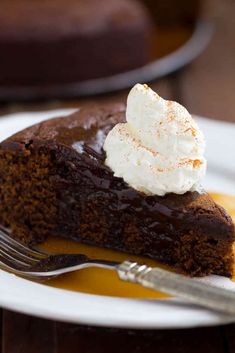
“She lifted the platter of gingerbread cake she had made the night before along with a container of caramel sauce and set them by the door.” (153)
Christmastime 1940 — the scent of baking gingerbread momentarily links Lillian and the reserved Mr. Drooms.
“That evening, Lillian began some of her holiday baking. The gingerbread loaf she had placed in the oven almost an hour ago now filled the small apartment with its spicy aroma….As Drooms passed Lillian, he caught a whiff of fresh-baked gingerbread pouring forth from her apartment. The old familiar scent flooded him with an unexpected sense of well-being, and made him feel that he could afford a little neighborliness.” (70-71)
Christmastime 1941 — The indomitable Mrs. Wilson organizes a Christmas Day spotter’s party on the roof and invites Lillian and her boys.
“I’ll be sure to bring some Christmas cookies and gingerbread,” said Lillian.
“Wonderful! And we’ll have the radio on – listening to Mr. Lionel Barrymore read ‘A Christmas Carol.’ It should be quite a day.”( 226)
And at the end of the book, Lillian uses the excuse of gingerbread to make Tommy feel better.
“Tommy was so rarely downcast, that Lillian gave him a quick squeeze to cheer him up. “How about we have our gingerbread tonight? Wil you help me with the whipped cream?”
“Sure!” said Tommy, perking up. “That’ll make Gabriel happy.” (241)
Christmastime 1942 — After work, Mr. Mason enjoys the comforts of home.
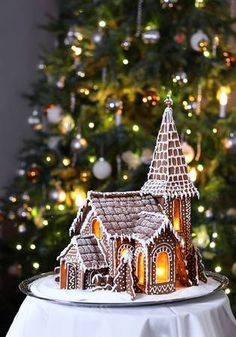
“He popped his head in the kitchen and hugged his wife as she directed the children on decorating the gingerbread house, their hands and faces smudged with white icing. Everyone was in the holiday spirit.” (211)
Christmastime 1943 — Jessica and her best friend Shirley have spent hours baking items for the town’s annual Christmas dance.
“We’ll be selling raffle tickets and if you’re lucky, you just might win my date nut bread or Sue Ellen’s famous apple strudel.”
“Or my gingerbread house,” said Jessica, joining her friend.
“Just wait’ll you see it!” said Shirley. “A gingerbread house complete with snowdrifts, a snowman, and gum-drop trees.” (189)
Christmastime 1944 — At an impromptu tree trimming party, Kate offers some holiday treats.
“Kate came to life, providing hot cider and a plate of ginger bread.” (176)
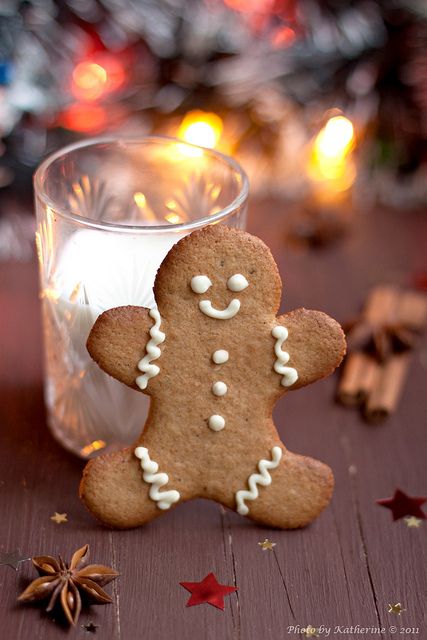
Gingerbread houses, gingerbread men, gingerbread cookies or loafs — a nice touch to add to your holiday season!














































































































































 Linda Mahkovec - Author