Manhattan’s High Line


HY cover

Transformation, rebirth, a visionary rebuilding, weaving the old with the new — words that come to mind on viewing the High Line park on the west side of mid-Manhattan. What was once a rusty, weedy, abandoned railroad segment of a freight train line, is now a verdant, blooming public park with spectacular views of the city, and ever-changing artwork.

The elevated park, which opened in 2009, runs 1.45 miles between 14th Street in the Meatpacking District (another transformed neighborhood) and 34th Street.

HY 2

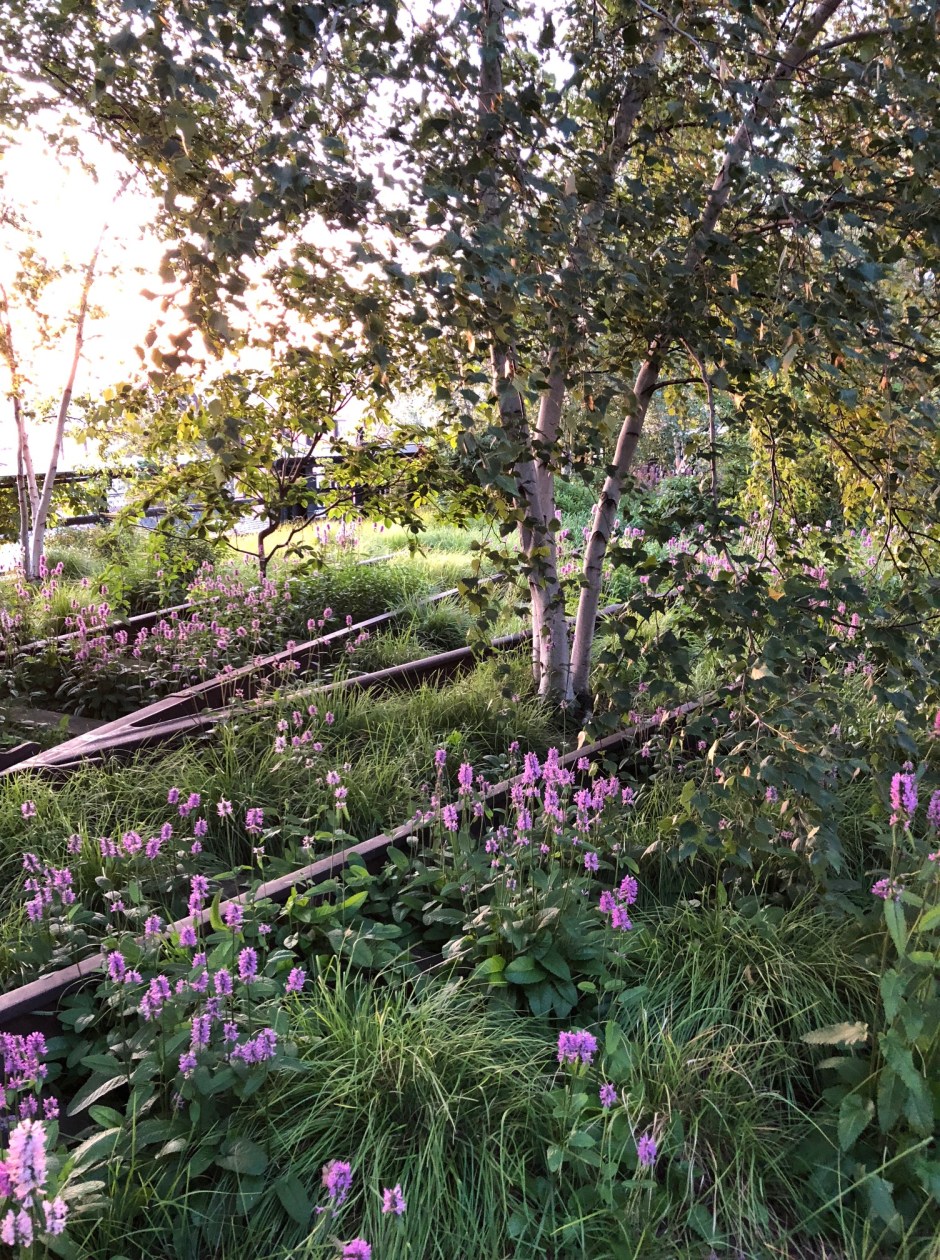
Above the noise and traffic and bustle of the streets below, the High Line provides a calm respite, an opportunity to walk through the city without all the stop and go of the traffic lights. Running through the park is a relaxing walkway with remnants of the rail tracks still visible in the landscaped swaths of flowers, grasses, and trees.

There are various places to gather with friends, and seating that overlooks the Hudson River and the streets of Manhattan.

The park provides great viewing points from which to see the architecture of the West Side, new and old New York sitting comfortably side by side. To the north stands the Hudson Yards Project — a cluster of gleaming buildings towering high above the city. Further down, the ultra-modern architecture of Frank Gehry’s IAC Building and the new Whitney Museum stand among the lower brick buildings of a much older Manhattan. And the Empire State Building can be seen from various points.

At end of day, small recessed lighting softens the park, and from one of its many benches you can catch the setting sun glinting off the windows of Manhattan, or watch the sun sink slowly over the Hudson River.

HL20


Summer Yellow

Yellow 7

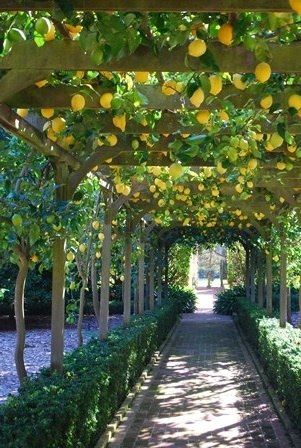
Though there are many colors of summer, yellow — bright and cheerful — stands out as the emblematic color of the warmer months. Perhaps because it’s the color of the sun and sunflowers, dandelions and lemonade, and other associations with hot summer days.

lemon arbor

“Indicating sunshine during the Renaissance to being one of the primary colours of Cubist art, yellow finds an intrinsic place in literature, allegory and symbolism.

Representing light, hope, happiness, and wisdom, yellow is meant to evoke optimism or natural light with an airy, radiant atmosphere.   ” — http://www.architecturaldigest.com

Yellow 29

“How wonderful yellow is. It stands for the sun.” — Vincent Van Gogh

Yellow 3

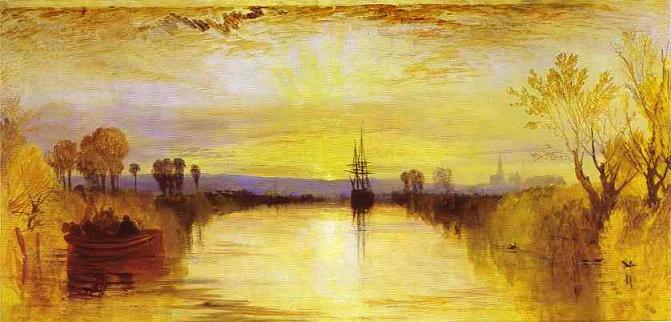
“Few artists in history have been known for their use of yellow,  though J.M.W. Turner and Vincent Van Gogh are the most notable exceptions” — most famously, Van Gogh’s depictions of the sunflowers and fields of Arles, and Turner’s “sublime and sun-lit seascapes.” http://www.artsy.net

Yellow 4

Yellow 5

“We find from experience that yellow excites a warm and agreeable impression….The eye is gladdened, the heart expanded and cheered, a glow seems at once to breathe toward us.” — Johann Wolfgang Von Goethe

Yellow 22

“The yellow glistens.
It glistens with various yellows,
Citrons, oranges and greens
Flowering over the skin.” — Wallace Stevens

Yellow 27

“The road to the City of Emeralds is paved with yellow brick.” –L. Frank Baum

Yellow 25


Hydrangeas – summer’s palette

purple hdy bushes

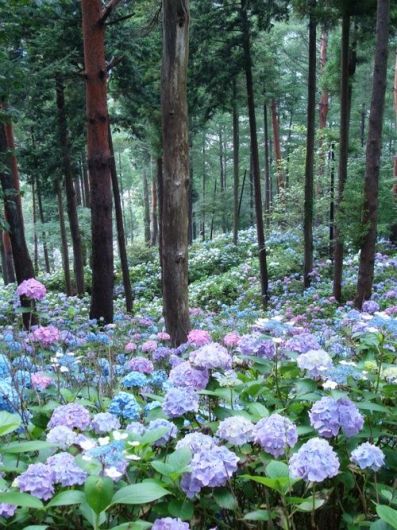
Hydrangeas, emblematic of summer, come in a wide variety of color, size, and shape, making them among the most versatile of shrubs. The flowers can be small or large, round or cone-shaped, in colors ranging from the familiar blue, pink, purple, and white to the more unusual red, pistachio, and strawberry.

Hydrangeas are widely used throughout the United States — in the Pacific Northwest,

Oregon hydrangeas

the Northeast,

hydangeas fence

and the Midwest and South.

hydrangeas porch

“The hydrangea was first cultivated in Japan [famous for its hydrangea forests],

hyd forest

but ancient hydrangea fossils dating back to 40-65 million years ago have been discovered in North America. Hydrangeas didn’t appear in Europe until 1736 when a colonist brought a North American varietal to England.” http://www.proflowers.com

Today, throughout Europe, hydrangeas can be found gracing doorways, fences, windows, and tables.

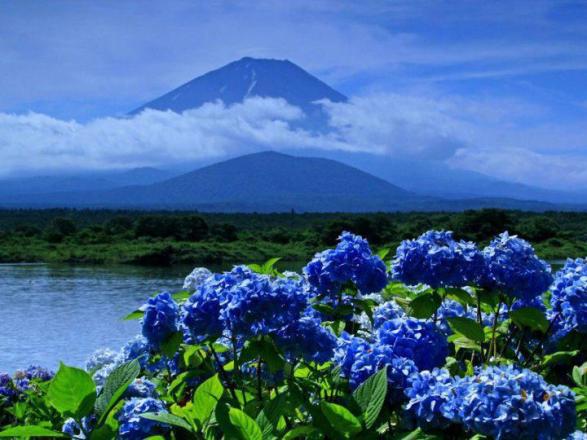
“Having been introduced to the Azores, hydrangeas are now very common, particularly on Faial,
Azores 1

which is known as the ‘blue island’ due to the vast number of hydrangeas present on the island.” http://www.en.wikipedia.org

Azores 5

Hydrangeas are often planted in clusters where they form walls or hedges, providing dramatic swaths of color.

There are also climbing versions that can be used to adorn the side of a house or garden trellis,

and potted hydrangeas can offer an interesting touch to gardens and doorways.

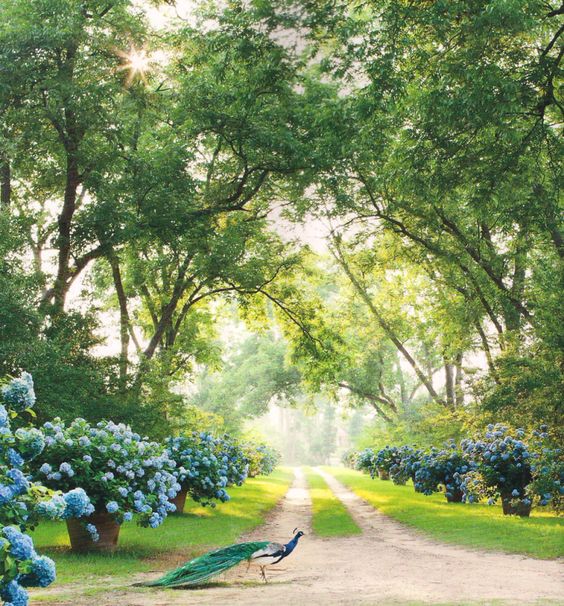
One of the most spectacular uses of potted hydrangeas is found on the grounds designed by Furlow Gatewood in Georgia. He lined the driveway there with shades of potted blue, creating a work of art that is utterly magical — elegant, wistful, and dream-like.
 hyd peacock

An added benefit of hydrangeas is that they are easy to dry and can be used in wreaths and arrangements to bring a touch of summer to the winter months.

Voluptuous, homey, elegant, humble — the colorful hydrangeas of summer offer the gardener an artist’s palette of possibilities.

hyd door handle