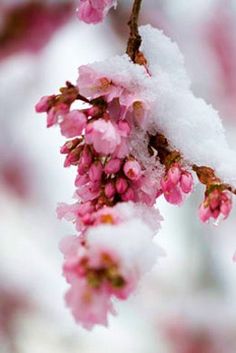
In the heart of winter, Valentine’s Day. In the heart of winter, love.

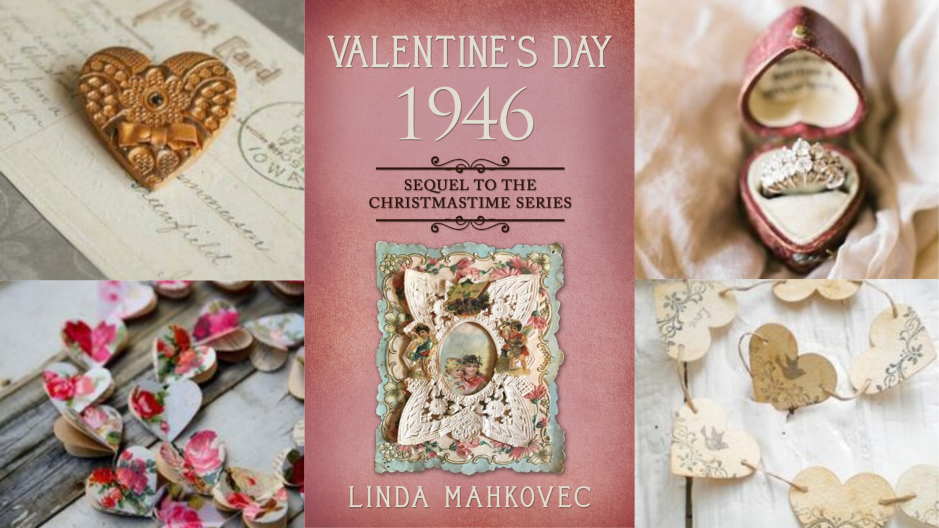
Many of my books focus on love stories, such as the Christmastime series and the short story collection Seven Tales of Love. Other books have themes of love woven into the larger stories, as in And So We Dream, and The Garden House.

In The Notebooks of Honora Gorman, in addition to the “Cinderella” thread, several of the whimsical fairytales present romantic love: “Thaddeus and Emma,” “The Golden Blanket,” and “Natasha.”
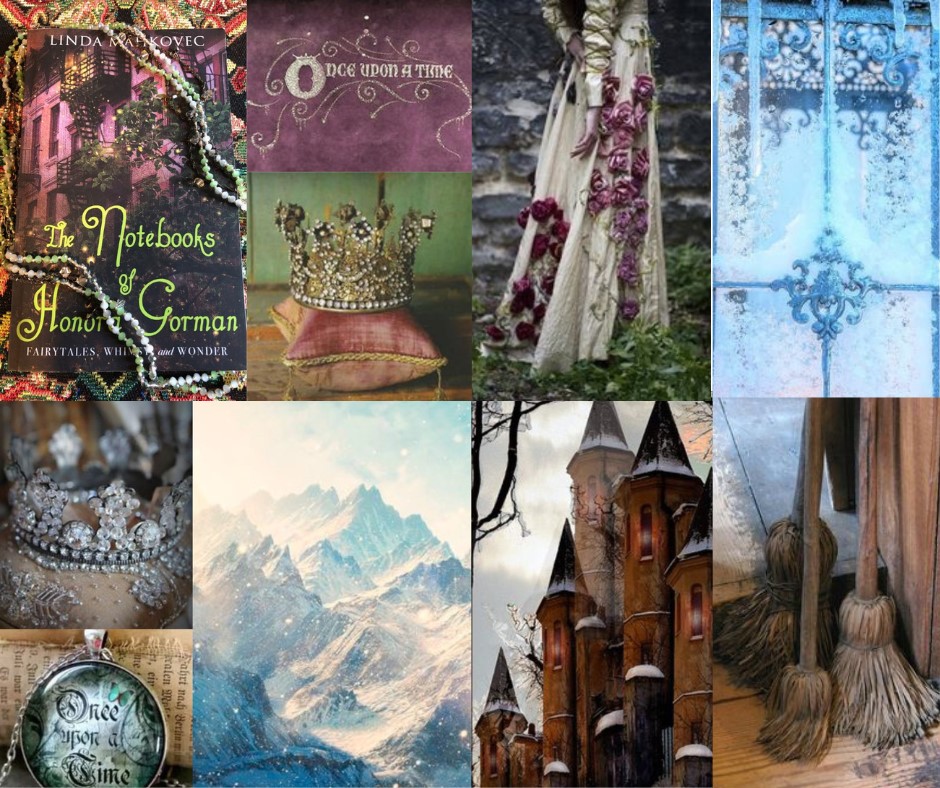
For your mid-winter enjoyment, here are a few scenes from “Natasha” — a story within a story within a story (Iris-Sabine-Natasha). It features an undeveloped fictional character who has been frozen in time due to the creative failure of her author/s over the past century.
***
Natasha was a character long ago conceived but never developed, never completed. Someone had conjured her up nearly a century ago and then forgot about her. And Natasha had lingered in the ethersphere, just waiting, waiting for her story to continue.

The author Sabine wrote about the beautiful Natasha, living in 19th century Russia. The details piled up of her boudoir, her clothing and jewelry, the view from her window. Yet Natasha’s story failed to develop, and so the character remained in her room.
Sabine tried out different scenarios: Natasha running away from her repressive family and settling in Gdansk, where she becomes a trapeze artist. Natasha falling in love with a dashing explorer and sailing with him to the South China Sea. Or did she run away with the gypsies?
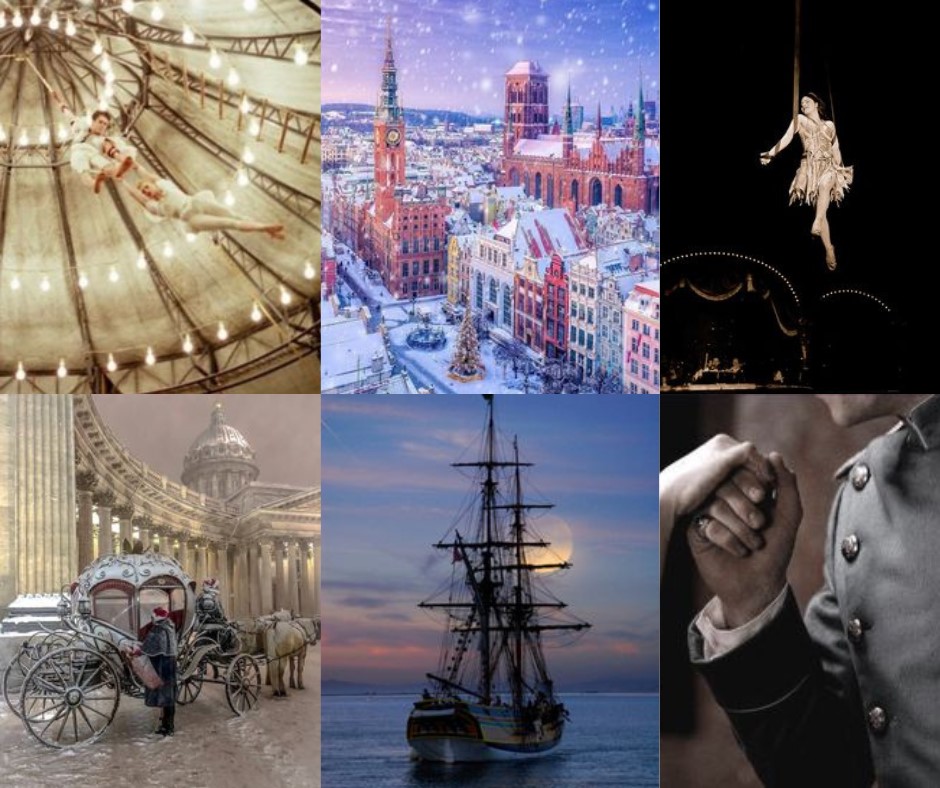
At each incipient possibility, Natasha would quickly rise to her feet, her dark eyes sparkling in excitement as vague visions took shape in her mind – then, as the ideas were nixed, Natasha would drop back onto her velvet chaise longue, or gaze out the window and sigh.
Nothing seemed to work. So the beautiful Russian character remained unfinished, languishing in her boudoir, bored, pampered, dreaming of the wider world outside her window in snowy Saint Petersburg.
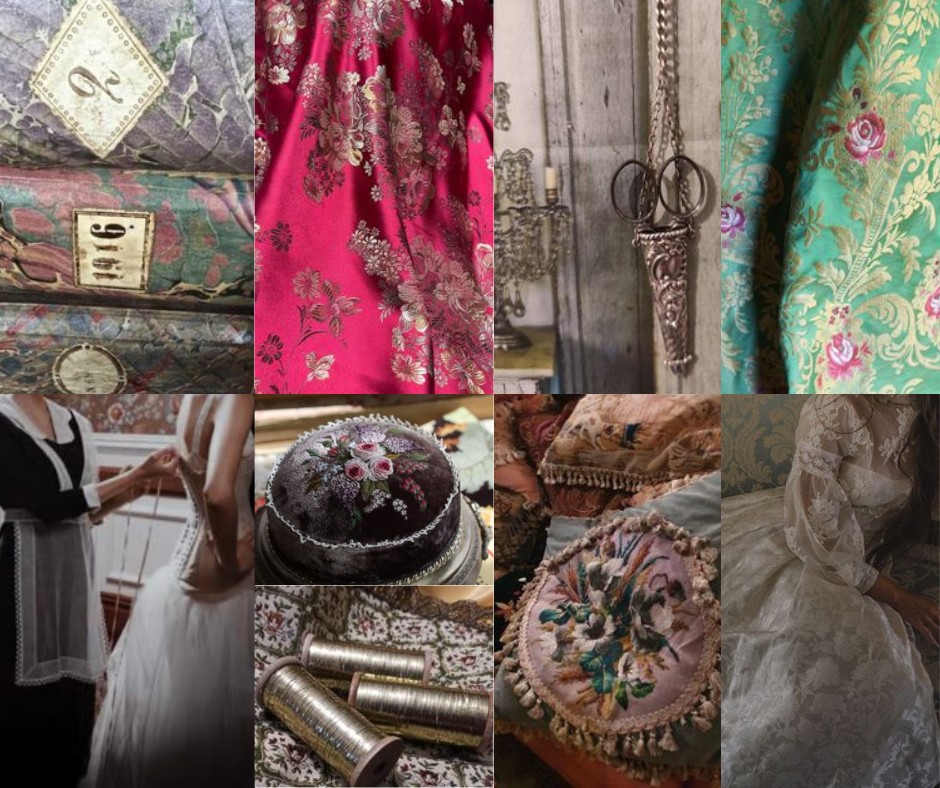
It was true that Natasha was somewhat spoiled, and her pleasures were small and indulgent. She spent her time in idle pursuits: choosing between Parisian brocades and silks to be fashioned into gowns, cutting marbled paper into pretty shapes, improving her needlepoint, and trying her maid’s patience with new ways to style her hair or tie her sash.
But this latest author, Iris, could see that there was more to the girl – Natasha was just waiting to blossom.
She took a closer look at Sabine’s Natasha. There she was, idly fluffing the bunched rosettes on her lap cover. Natasha smoothed the glossy brown tresses draped over her shoulder and adjusted the jeweled combs, as she waited for her maid to return with her morning cocoa. She rose impatiently and stood in front of the gilded mirror, primping and pouting and trying different expressions for le bal for which she was forever preparing. She was outraged that maman insisted she wear the dull dove-gray dress to le bal tonight rather than the emerald gown that so beguilingly set off her eyes and hair.
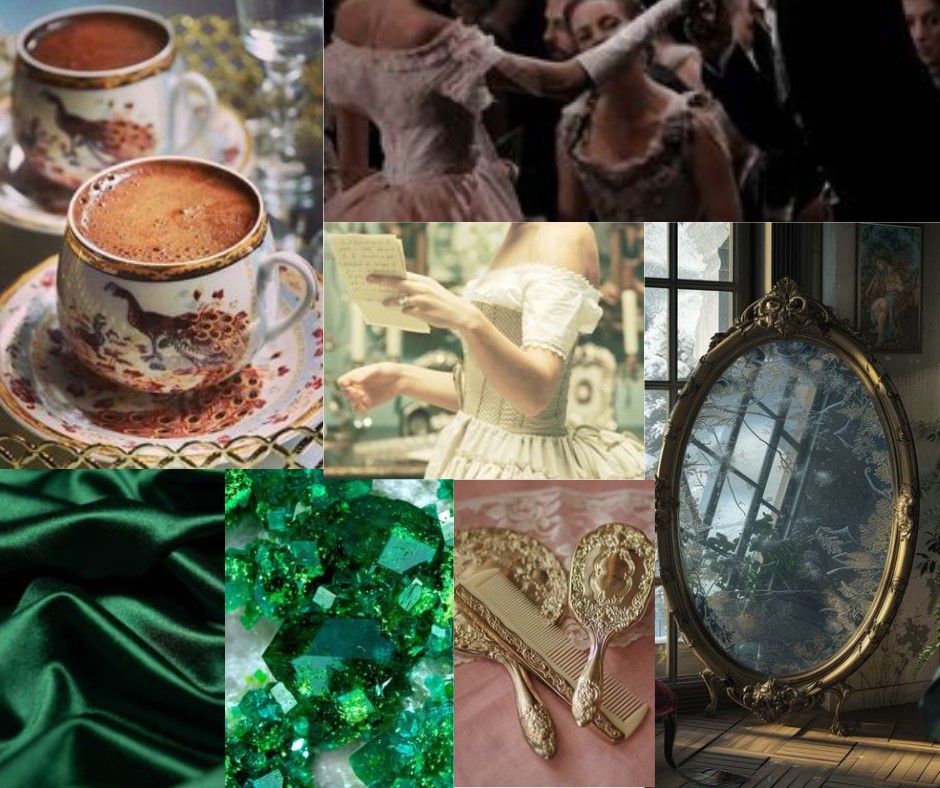
As Iris watched Natasha, she realized that the girl was on the brink of womanhood. The way Natasha’s hands smoothed her robe over her hips suggested awareness – delight, even – in her curves, and Iris well understood the concerns of poor maman. One moment of unchaperoned freedom and this girl would indeed run off with the circus or into the arms of a dashing adventurer.
And yet, thought Iris, how sad for Natasha to be trapped in eternal youth, her potential never known. She watched Natasha saunter to the window, rub away the frost flowers, and gaze at the people on the street below.
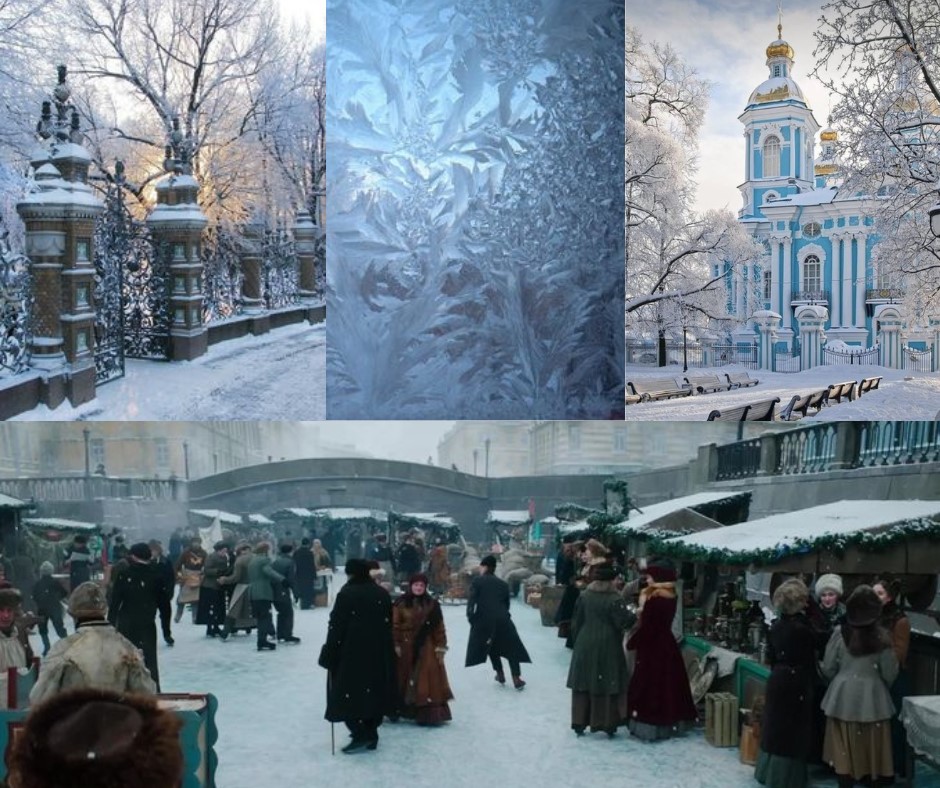
Natasha longed to follow them, converse with them, discover what the world was all about. She touched her pale, warm cheek and imagined it crimson with cold. She blew out a puff of air and imagined it turning into smoke. She wanted to run like the children on the street below. Gallop like the soldiers on their fine chestnut horses. Stroll through the park in the springtime, lace parasol in hand, blossoms swirling all around her. She wanted to see how her own uniqueness would play out in the world, to be tried and tested, to be shocked or delighted or dazzled by her choices and decisions. Oh life, she would dream. Oh, life.

Iris resolved that, though she may not know where the story would lead, she would at least get Natasha out the door and into the world. Let her dance at the ball and experience the dream of romance. Let her know that first thrilling glance across a crowded room that would set her heart fluttering, the first press of warm lips against her hand. Let her breathe the cold air of winter, the scented air of spring. Let her come to know the dreams of future-heavy youth, so beautiful and brief.…
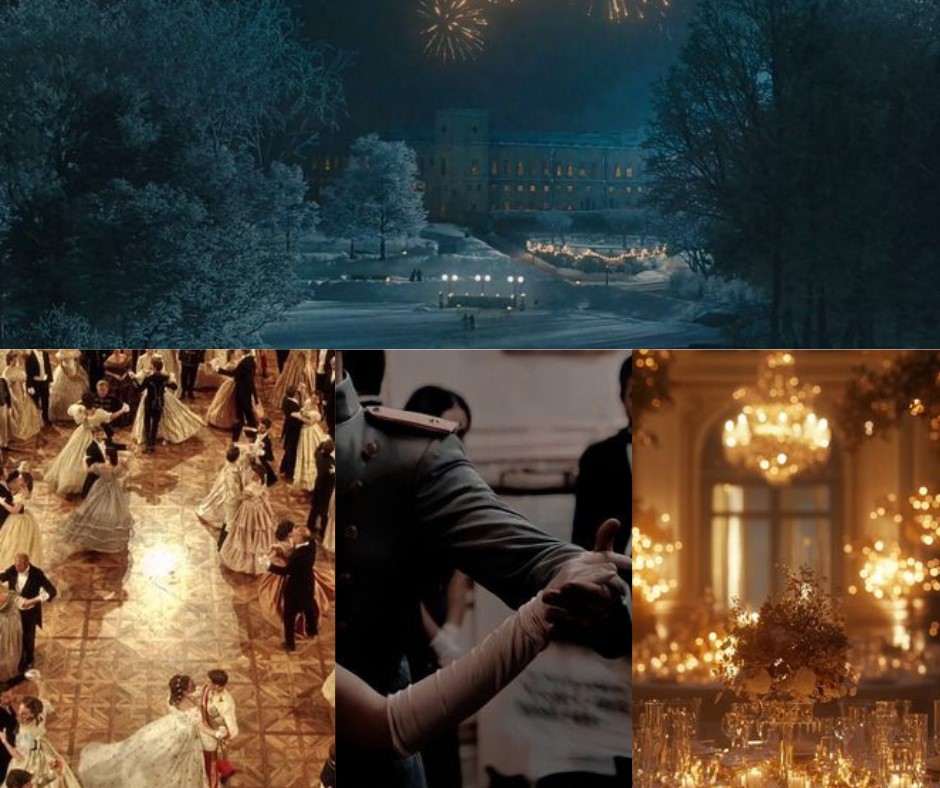
And so — Iris’s development of Natasha’s story sparks her own later-in-life development and enriches her life in the process.
(All images are from my Pinterest boards, which include scenes from the charming Russian movie: The Silver Skates.)
HAPPY VALENTINE’S DAY!















 Linda Mahkovec - Author