
Research can be a thread that starts in one place and leads in a labyrinthine wondering, often ending in a completely unintended destination. I was immersed in research for the next book in my Christmastime series (1944), and briefly stepped out of the WWII frame of mind to search out one tiny detail about WWI.
Many hours, many books, and many Google searches later, I was still reading about WWI. In particular, I was looking at which battles a soldier from the US might have fought in. And that lead me to asking what the boundaries were before and after WWI, and how far X is from Y, and what exactly is meant by Flanders vs Belgium – a trail that ultimately lead me to the poem “In Flanders Fields,” written in 1915 by a Canadian military doctor.
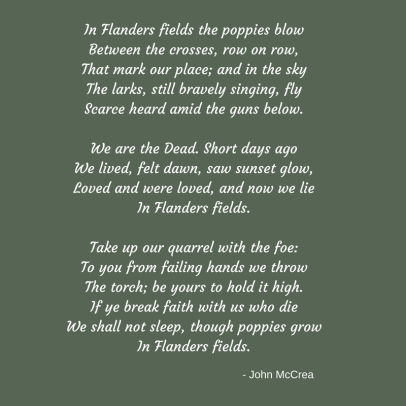
And that got me thinking about poppies.
And why poppies became associated with WWI (and Armistice Day/Veteran’s Day) and Flanders. I came across an interesting article in the Smithsonian 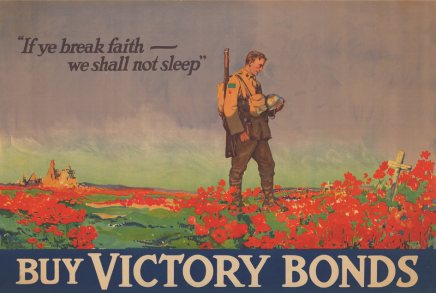 stating that poppy seeds “can lay dormant for 80 years or even longer” until the soil is disturbed, which happened during WWI when “the soil was torn up by miles of trenches and pocked by bombs and artillery fire,” causing the buried seeds to germinate. All around the crosses of the fallen, amid the horror and destruction of war, bloomed the beautiful red poppies. A sort of miracle, a balm of nature to help assuage the pain of war. http://www.smithsonianmag.com/smart-news/how-poppy-came-symbolize-world-war-i-180960836/
And that lead directly to another interesting article about an American impressionist, Robert Vonnoh, who painted a field of poppies in 1890 entitled “In Flanders Fields” which, though recognized as a masterpiece, failed to sell. But then, in 1919, after McCrea’s poem of the same name became widely popular, the painting was purchased by Joseph G. Butler, the founder of The Butler Institute of American Art. A beautiful painting it itself, its significance was deepened by the tragedy of war, and it came to represent a more gentle past whose ways were forever gone.

More searches on poppies. After getting further sidetracked by the language of flowers, and representation of poppies in art, then in Western art, then in Victorian art, I stopped – and simply tried to determine why I have always loved this flower, and where that love came from. I thought of popular cultural references – from opium and the drug trade, to the scene in The Wizard of Oz, where the Wicked Witch rubs her green hands over her smoke-filled crystal ball, cackling, “Poppies! Poppies will put them to sleep!”
Then I took a look at some of my vintage postcards, recalling that several of them had images of poppies. The pink and red flowers were on cards for everything, from Christmas and St. Patrick’s Day, to birthday wishes and cards of remembrance.
My strongest association of poppies comes from my Victorian studies, where I often came across depictions of the flower: in the ornate wallpapers of William and Morris; in portraits by the Pre-Raphaelites, signifying sleep, remembrance, and imagination; in the outdoor qualities of light and air in the works by Van Gogh and Monet; in Mucha’s lush compositions, representing the exotic and luxurious allure of the Belle Époque.
Perhaps my love for these older periods explains why I used an old drawing of poppies for my business cards and why the poppy has made its way onto the cover of one of my books, Seven Tales of Love, its design based on an Art Nouveau-styled illustration. Maybe I’m drawn to the poppy because it seems like an old-fashioned flower, like violets and lily-of-the-valley, and evokes a whole different set of sensibilities.

Or perhaps, as they say, all roads lead to home, and the association is deep rooted in a particular patch of red poppies in my hometown. There was a garden at the back of an old house on a corner, and in the spring long-stemmed poppies grew in profusion, spilling out of the garden and into the ditch alongside the road. I think it was there that I was first struck with their impossible beauty – so vibrant, and wild, and magical – paper-thin red petals with black centers, set against intense green leaves.
I have an etched-in memory of a little old lady who used to live there long years ago. She was always out in her garden, wearing a wide-brimmed straw hat as she bent over to tend her flowers. The garden was particularly beautiful at the end of day, when the tangle of flowers became tinged with gold. Somehow, that image has stayed in my mind, and, in the odd ways the mind makes associations, that garden in the setting sun has come to represent a deep longing that I could never quite put into words, and that remains elusive.
My mom and I once took seeds from one of the poppies and planted them in her garden, hoping for the same burst of beauty the following spring. But they never took. Perhaps they belonged in the overgrown garden with the setting sun at close of day – flowers locked in a mystical forever.

But enough of digressions that never really end. And back to writing my book.
Now, where was I? Oh yes, WWII. 1944. Winter.

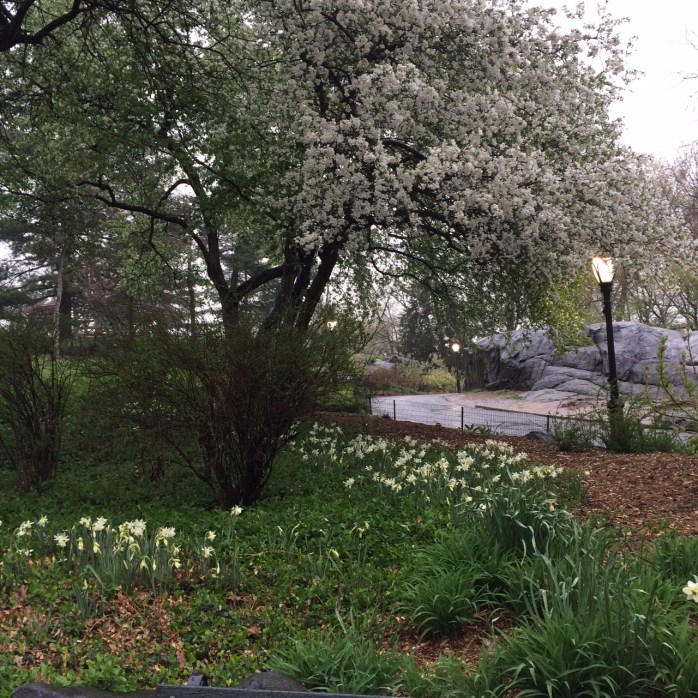

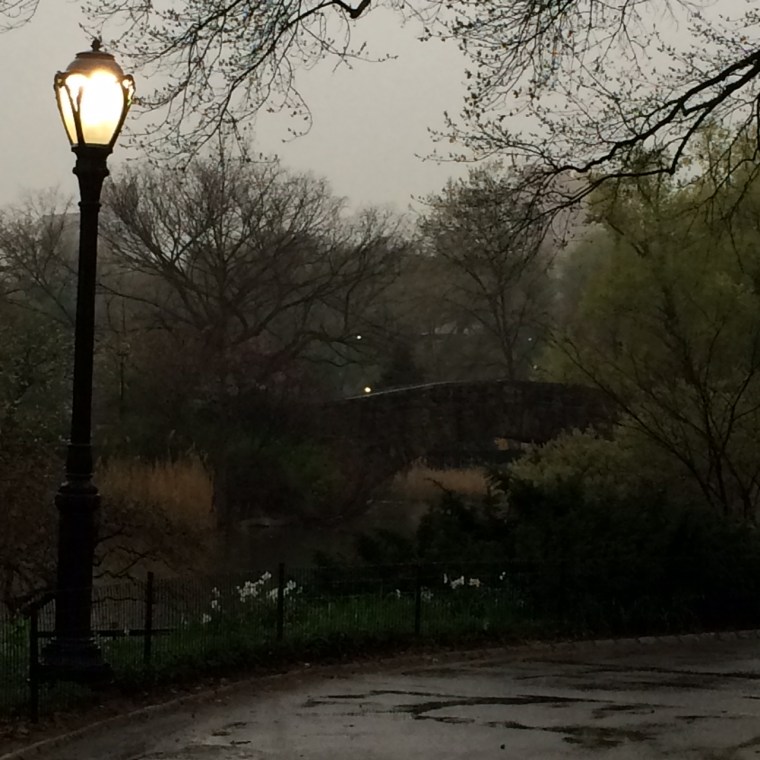


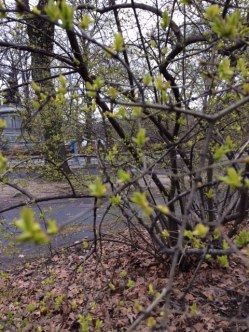
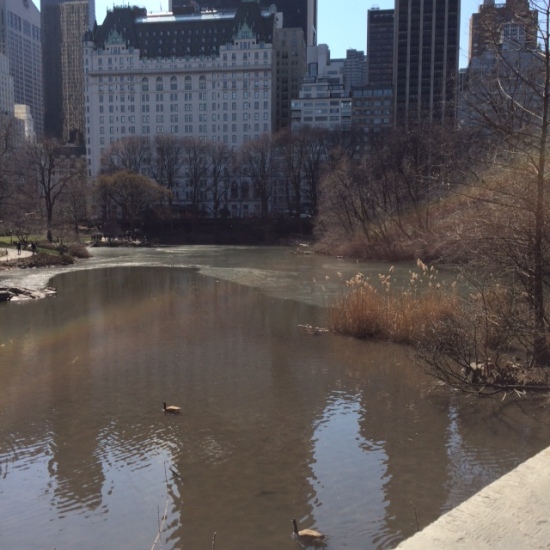


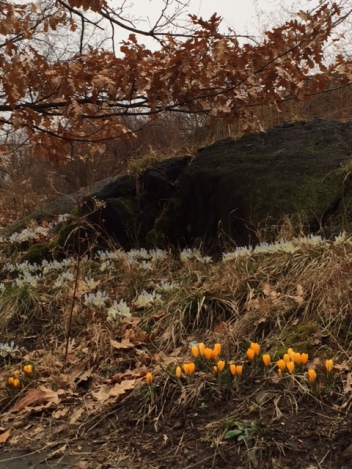 especially in the oaks. Their dry, brown leaves clung to the branches and lay scattered over the ground. They seemed to be tucked around all the clumps of flowers.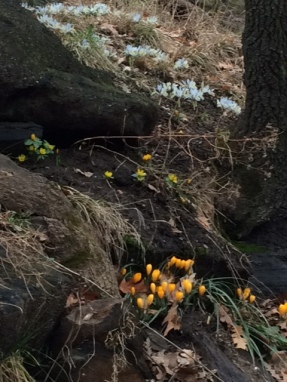


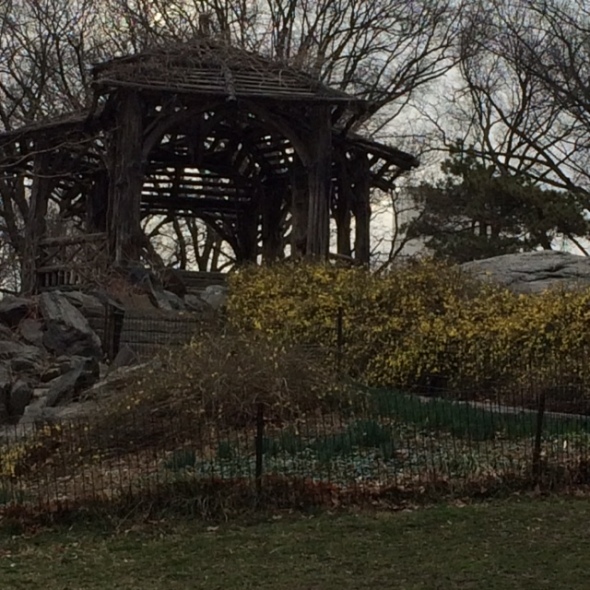


 The tourists were out, so the crowds alone made it feel like summer. At the Children’s Zoo, a few food carts for ice cream and popcorn were parked, just waiting for milder weather before opening up for business.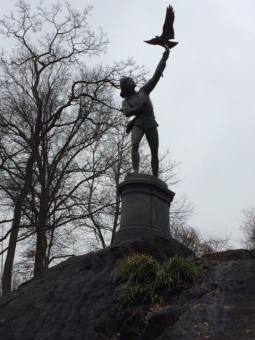


 Linda Mahkovec - Author