Spring on Kate’s farm (the Christmastime novels)

Though most of the scenes in the Christmastime series (WWII stories of love and family that take place on the home front) occur in the month of December, there are a few flashbacks to spring, summer, and fall. The final book in the series, Christmastime 1945: A Love Story, will have two scenes that take place in the previous spring.

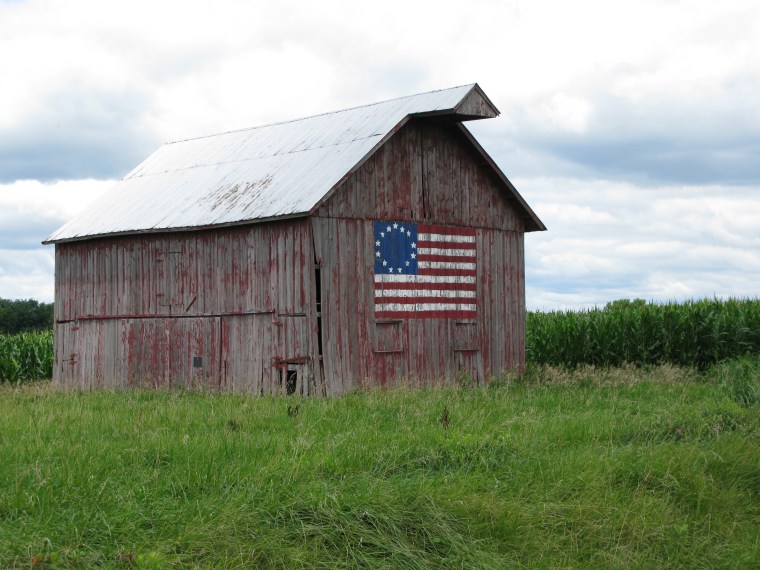
I often imagine what the rural scenes might look like — sometimes drawing on the memories of growing up in small-town Illinois. (A few years ago I took the photo below of a farm outside of town. The tractor had plowed all around the dilapidated house, leaving the poignant patch of history.)

worn farmhouse

Other times I search for images on Pinterest that to help set the rural tone — a few early spring flowers that bloom along the fences and in the meadow,

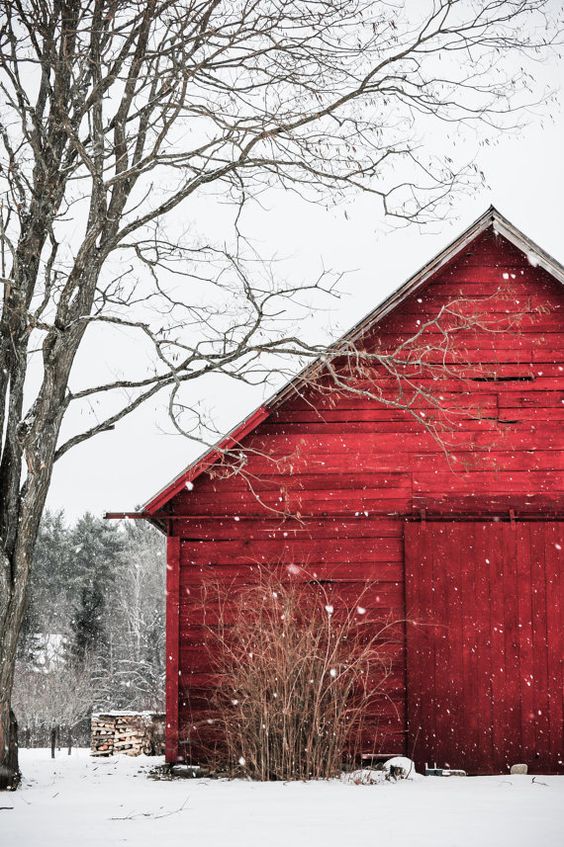
or signs of spring in the barnyard and nearby trees.

And always, I imagine the interior scenes that take place with Kate and her daughters,  Ursula and Jessica —

warming up with a cup of tea in the farmhouse kitchen, a blanket reached for against the chill spring nights, a few notes plucked on the piano, the comforts of a hot bath and lavender-scented sheets after a long, hard day.

Life on the farm was hard, especially during the WWII years, but Kate and her daughters made sure to enrich their day-to-day living with small beauties and the comforts of home.

Amzaon Link: http://a.co/bZvcQIt

To be released later this year: Christmastime 1939: a prequel to the Christmastime series and Christmastime 1945: A Love Story.


The Garden House — in winter (images from Pinterest)

gardenhouse_kindle_hiThough the story of The Garden House opens in late spring and closes in the fall, I made a Pinterest board called “The Garden House – winter.” The main character, Miranda, lives in Seattle and has a beautiful garden that’s an integral part of her life. I imagine her loving her garden in all seasons, including the rain and occasional snow of winter.

In The Garden House, Miranda’s garden becomes a  metaphor for life, with themes of family, change, memories, home, and the search for meaning. When all else goes wrong, Miranda retreats to her garden, with a cup of tea in hand, and finds solace.

Surrounded by the beauty of her garden, she allows herself to be captivated and inspired by the mysteries of life.

I imagine Miranda enjoying her garden in January, curled up in her window seat and watching the falling snow cover the birdhouses, birdbaths, and terra cotta pots.

I see her strolling through her garden, delighting in the vestiges of summer and fall — frost-covered roses, hydrangeas, and Queen Anne’s Lace.

In every season, Miranda fills her home with cuttings from her garden. I imagine her gathering branches of winter berries and greenery to make bouquets for her dining table and to set among the plants of the greenhouse window in her kitchen.

Perhaps she even brushes off the snow from a deck chair, and sipping a cup of hot chocolate, enjoys the tranquility and quiet of her winter garden.

table deck snow


The Christmastime stories — rural and small-town Midwest

The Christmastime books, stories of love and family on the home front during the World War II years, portray an America with one foot firmly in the past and the other poised on the threshold of change. The setting for these stories, for the most part, is New York City. However, a few storylines are set in the rural Midwest.

I was born and raised in small-town Illinois and the beauty of the landscape there — old farm houses set among fields and pastures, trains running to and from the small towns, the  woods and orchards that change with the time of year — has always had a strong pull on me. The seasons are rich and distinctive, and the snowy winter setting perfect for the Christmastime stories.

In the first book of the series, Christmastime 1940, we find that Charles Drooms’ past is deeply rooted in rural Illinois, and there are a few flashbacks to his boyhood and life on the farm that explain many of his decisions later in life.

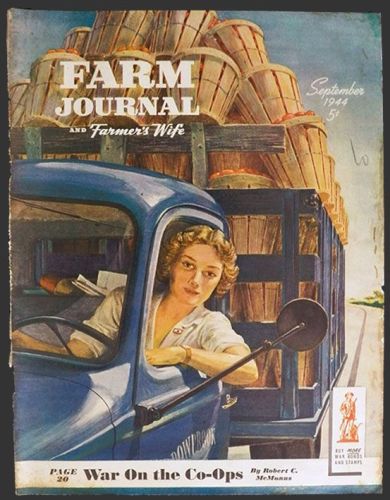
In a later book, there’s a scene where Lillian works on a series of illustrations depicting the role of women on the farm. With so many men enlisted, women had to step into the workforce and fill jobs that had recently been held by men. Lillian draws on her memories of visiting Kate’s farm in the summer of 1941.

postere farm woman

Beginning in Christmastime 1943, a key storyline takes place on Kate’s farm involving her daughters, Ursula and Jessica, and the German POWs who work on the farm while Kate’s sons are away at war. The scenes depict the connection of living close to the land with the rhythms of the seasons, and the rigor and back-breaking work required by farm life.

The farm scenes help to portray a period when time moved more slowly, and a place where most foods were locally grown and cooking was done from scratch.

A time when the home arts played an important role in day-to-day living,

and small-town life offered simple charm and the opportunity for visiting and shopping.

The tension between the beauty and bleakness of the Midwestern winter landscape also serves to reflect the complexities in Ursula, a young woman often driven by opposing impulses.

And on a larger scale, the small town and farm scenes offer a counterpoint to the New York City scenes. The tranquility and wholesomeness of the countryside serve as a reminder of how much was at stake in the war.

The rural setting also represents the tens of thousands of young men, such as Kate’s four sons, who left their small towns and farms to fight in Europe and the Pacific. For many of them, it was the first time ever leaving home. For them, the very idea of “home,” and everything it symbolized, became a deeply cherished and protected ideal.

pie and chair

(For more images evocative of the world of Christmastime, please visit my Pinterest boards at http://www.pinterest.com/lindamahkovec/)

The Plaza Hotel – book cover

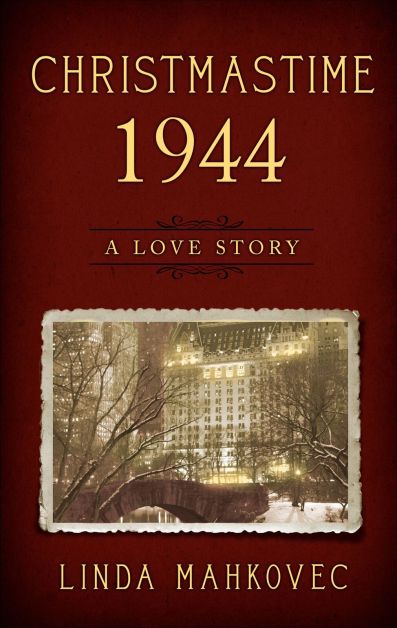
All the book covers in the Christmastime series feature an old-looking photograph set in winter. They to help establish a sense of place and give the impression of peering back in time. The images also portray places that are still in existence in Manhattan, so that the reader can feel it’s possible to step into the world of Christmastime by strolling through New York City, whether literally or imaginatively. Hence, the snowy photographs of a brownstone and several scenes from Central Park.

The covers must also reflect the content and tone of the books. I chose increasingly lonesome images and darker colors as the war years wore on, especially for Christmastime 1942 and Christmastime 1943.

Though 1944 was another terrible year, the Allies were clearly gaining the upper hand, and many people believed that the war in Europe would be over by Christmas. (The mid-December surprise count-offensive by the Germans, resulting in the Battle of the Bulge, quashed that hope, and the war raged on.)

But when December arrived, hope was in the air. For the cover of Christmastime 1944, I wanted an image that was lighter, brighter, and more hopeful. When I came across the image of the Plaza Hotel lit up at night, I thought it would be perfect for the story – especially since the hotel figures into one of the plots.

cover Christmastime 1944

If you’re ever in Manhattan, stop by the Plaza Hotel for lunch or tea. Stroll through the lobby to look at the beautiful bouquets of seasonal flowers, the mosaic floors, and the stained-glass ceiling in the Palm Court.


And if you’re in the Christmastime frame of mind, you just might catch a glimpse of a lovely woman in a 1940’s satin and chiffon green dress.

Plaza PP mosaic

Autumn Orchards

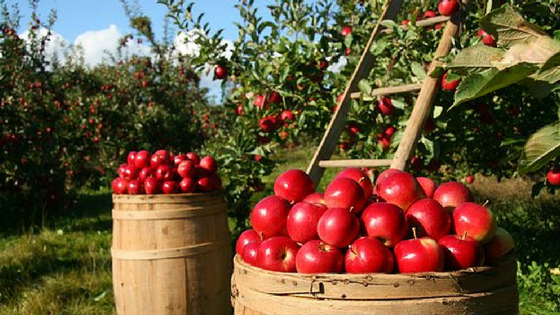
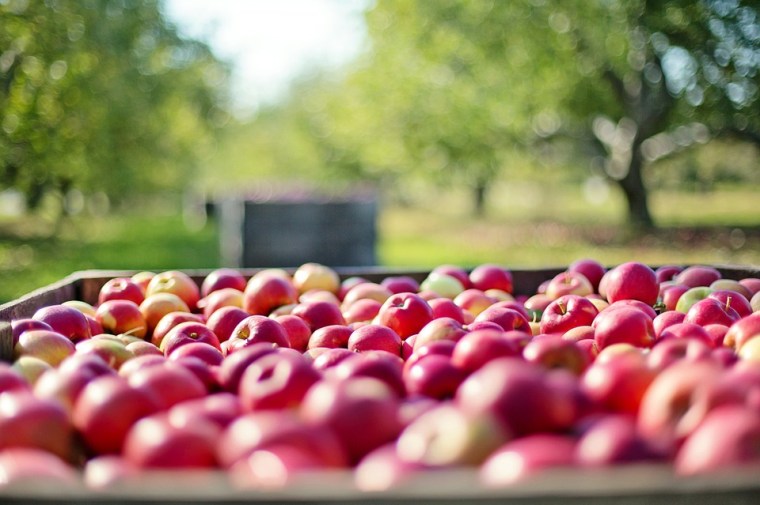
red apples

A trip to the orchard always feels like stepping back in time, especially at this time of year. There is something quaint and old-fashioned about the crates of red, green, and yellow apples, the rows of trees and pumpkin fields under an open sky, the warm colors of autumn’s harvest all around.

Even the things you can buy at an orchard are wholesome and picturesque. Besides bags of apples, there are rows of jams and honey, pumpkins and gourds, and ears of Indian corn in those gorgeous colors that always surprise.

And who can pass up the apple cider, the caramel apples, and the apple cider donuts?

There were several orchards around the small town in Illinois where I grew up. But there was one we went to every fall, making almost weekly trips to buy apples. We’d also buy jars of apple butter, homemade peanut brittle, and containers of popping corn. Once I was visiting home during the Fall Festival and was lucky enough to find beautiful bunches of bittersweet for sale. They were tied in thick clusters, vibrant in color. I bought several bunches and they decorated my NYC apartment for many years.

The old-fashioned, romantic allure of the orchard  found its way into my WWII era Christmastime series. The main character, Lillian, was raised in upstate New York where the seasonal beauty of the orchards and fields influenced her as an artist. She moves to the city, but her sister, Annette, runs an orchard with her husband. Lillian is grateful to have that haven to return to, where she can reconnect with her girlhood and enjoy the pleasures of country living. And her two boys, Tommy and Gabriel, love the freedom of running through the orchard and playing in the cider house. And sometimes, they celebrate Christmas there.

orchard apples on ground

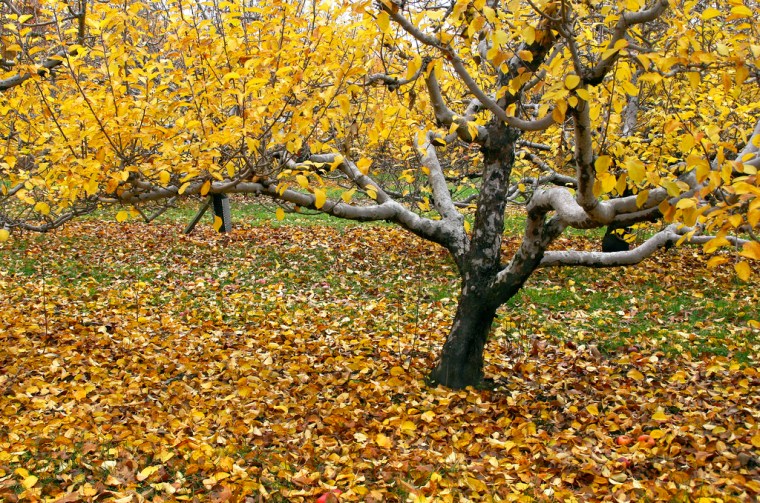
This time of year is all too brief — the harvest season, apples and pumpkins, the colors of fall, sweater weather. Soon the trees will soon lose their leaves, the temperatures will drop, and the orchards will close their doors.

orchard yellow leaved tree

Before that happens, make a trip to an orchard — crunch into a juicy apple, take some cider home with you, treat yourself to a caramel apple. Or just stroll around the earthy charm of the orchard, and savor this beautiful time of year.

orchard path fall


The Shakespeare Garden in Central Park

SG fence and flowers

Central Park is full of many beautiful places, but for tranquility and loveliness, the Shakespeare Garden is the place to go. It’s located near the Delacorte Theatre where the Shakespeare in the Park series is held every summer. Much of the interest in the sloping four-acre garden comes from the winding stone paths and rustic wooden benches and fences than run through the garden. At the foot of the hill is the Swedish Marionette Theatre, and at the top, the Belvedere Castle. Nestled between is the intimate Shakespeare Garden.

Shakesphere_Gardens_-_Central_Park_NYC_-_panoramio

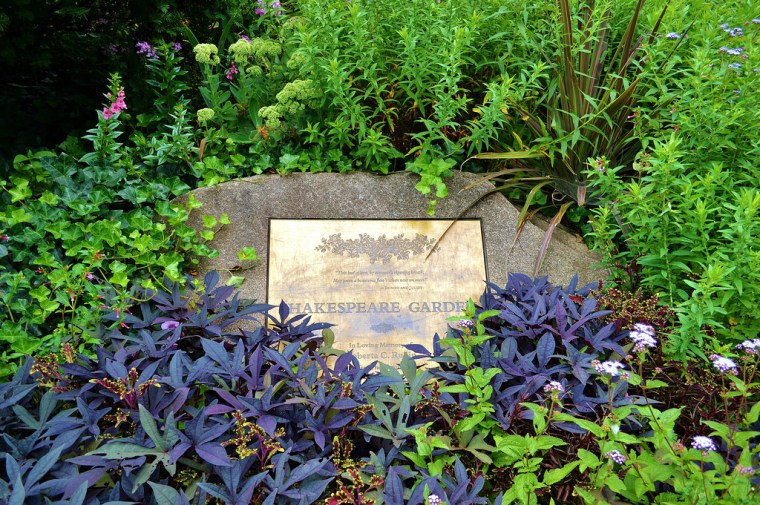
“What had formerly been known as the Garden of the Heart was, in 1916, renamed the Shakespeare Garden to mark the 300th anniversary of the William Shakespeare’s death.” (centralpark.org)

Plaque SG

The garden is beautiful at all times of year. In the spring, brightly colored bulb flowers line the fences, and surround the Swedish Marionette Theatre.

The fall and winter have their own seasonal beauty. I used the Shakespeare Garden for a scene in Christmastime 1942, where Edith and her Shakespearean actor, Desmond Burke, stroll through the snowy garden.

But the garden is at its most glorious in summer, when it matures into full bloom. In mid-August the lush green of the garden is crowded with purple and white phlox, pink roses, yellow daisies, white lilies, and purple cone flowers.

Thistles, ivy, vines, and herbs also bloom, and there are several trees that cast their shade over the benches and paths. The heat releases the garden’s scents, both sweet and pungent, and the air is alive with bees and butterflies in search of summer sweetness.

Away from the sounds of traffic, and with its sundial and bronze plaques with quotes from Shakespeare, it’s easy to imagine stepping out of time, and into a much older garden. The perfect place to read a book, or have a quiet conversation with a friend, or just to enjoy the beauty of a summer day.

lilies

Spoken by Oberon, A Midsummer Night’s Dream, Act 2, Scene 1

“I know a bank where the wild thyme blows,
Where oxlips and the nodding violet grows,
Quite over-canopied with luscious woodbine,
With sweet musk-roses and with eglantine:
There sleeps Titania sometime of the night,
Lull’d in these flowers with dances and delight.”

Summer — in The Christmastime Series

5 Kate's farm summer trees fence.jpg!d - Copy

Summer. A languid time of year that seems to move more slowly than the other seasons. Perhaps because the days are longer, or perhaps because many people are on vacation and the children are out of school, or perhaps because more time is spent outside, it is a rich time of year that creates indelible memories.


Memories of summer occasionally surface for some of the characters in my WWII Christmastime series, where most of the action is set in the cold and snow of December.


Though the stories take place on the home front, mostly in New York City, the events of the war shape the characters’ lives, making them fearful, anxious, and dreading the unknown. Adding to the tension are the attacks that take place in December — Pearl Harbor in 1941, and the surprise German counter-offensive in December 1944 that began the Battle of the Bulge.

For these characters, summer memories of a gentler and safer time soften the harsh realities of  war-time living. They remember bike rides along country roads, gathering garden flowers to place on the kitchen table and in bedrooms, afternoon picnics, a moonlit swim.


One memory in particular evokes the beauty and longing of late summer. In Christmastime 1941, Charles takes Lillian and her two sons to visit his sister Kate, who lives on a farm in Illinois. Lillian and Kate sit on the farmhouse porch in the late afternoon.

Lillian helped Kate finish the laundry, and then sat with her on the front porch, shucking corn for dinner.


A beautiful August day surrounded them in all its fullness and simple charm. A gentle breeze rustled the leaves high in the pin oaks, and fluttered the laundry on the clothes line, causing the white billowing sheets to snap softly now and then. The wide porch surrounded them with views of the corn and soybean fields stretching to the horizon. To the east stood a cluster of tall trees, their leaves a dark, dusty, late-summer green, with some leaves already edged in brown. And before them, Kate’s flowers along the lane – a tall tangle of orange, yellow, white, and blues – tiger lilies and daisies, cornflowers and asters.


Lillian lifted her face to catch the afternoon breeze, and caught the scent of honeysuckle that covered the fence along the lane. 


The wind alternately muffled and then sharpened the sounds of Tommy and Gabriel playing horseshoes with Kate’s sons: dull thuds as the horseshoes fell on the earth, clinks of metal as they hit their mark or landed on each other, mixed with clapping, laughing, good-natured disputing. Lillian had felt suffused with a sense of well-being, surrounded by an earthy loveliness.

2 clover in sunlight

Afternoon picnics, gardens in bloom, ripe fruits and vegetables, lush trees and fields — summer is the time of year when some of our strongest memories are born.

The Dreams of Youth

Longfellow sunset

The line above from Longfellow’s poem, My Lost Youth, in large part, inspired the writing of The Dreams of Youth. It’s a collection of six very short pieces that together tell the story of Maggie. Spanning over eighty-five years, the stories follow her from her youth in Depression-era Illinois to the time when she ventures forth to 1940’s Hollywood and coastal California, and her return to the rural Midwest

I used lines from the poem to head the sections, amazed each time that the words so closely conveyed the main idea of the piece.

The first section is called “A Girl’s Will.” Though Longfellow’s poem is about a boy, the line worked beautifully to capture Maggie’s spirit.

“A [girl’s] will is the wind’s will.” – Longfellow

(excerpts)

When her brothers and sisters staged a circus in the back yard for the entertainment of the neighborhood, it was eight-year-old Maggie who flew through the air on the handmade trapeze, her sense of adventure overriding any fear she might have had.

“One penny to see the Flying Wonder – Maggie!” they cried, drawing a sizable crowd.

Maggie loved the feeling of flying through the air and landing on the old mattress – the freedom, the thrill! It was the same feeling she had when she jumped from the hayloft onto the hay below, the same feeling she had when she rode her brother’s bike and coasted with her arms outstretched.

Maggie was four when her mother Eileen died after giving birth to twins, the last of ten children.rural cemetary
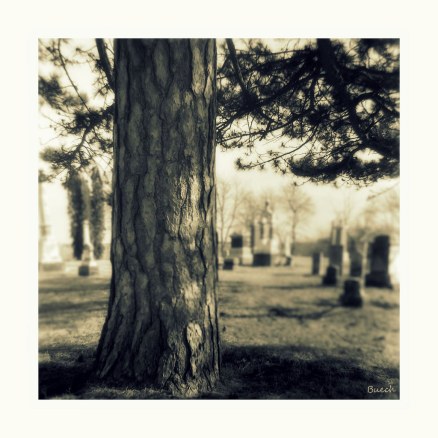
Summers at home were magical. The rest of the year was spent in the orphanage, along with the twins and her sisters. Maggie came to love the nuns. They taught her how to sew and read, and told wondrous stories about the lives of the saints.

All the same, she was happy when she finally reached high school and moved back home.

Madonna Alton orphanage

(Madonna of the orphanage)

Maggie has always loved the idea of airplanes and flying, and she decides to become an airline stewardess in order to finally see the ocean and far away places.

She took her savings and journeyed by bus to Kansas City for an interview with TWA. Her dreams were finally going to come true; she could feel them tingling at her fingertips.

From the bus window, she imagined the miles and miles of corn as the wideness of the ocean, curving into the horizon. The golden wheat became the golden sand where she would soon stand and let the waves lap over her bare feet. When she closed her eyes, she could almost feel the salt spray on her face!

As she waited in a long line with other hopefuls, eager for the interview, she heard the whispers.

“They don’t hire girls with glasses. You must have perfect vision.”  Maggie took off her glasses and slipped them into her pocket.

Back home, Maggie found a job working in the veteran’s hospital.

*

Maggie had not given up on her dreams of seeing the world. While she was working at the VA hospital, she learned that her vision was good enough to enlist in the Air Force Nurse Corps. She would become a military flight nurse.
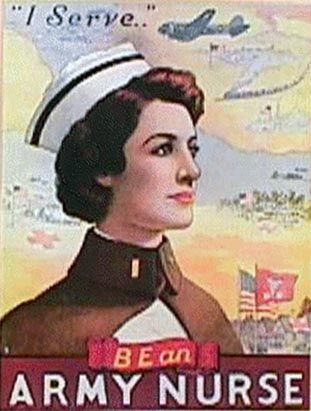
nurse poster

When Maggie’s best friend from nursing school offered her the chance to go to California, the land of dreams, Maggie knew that the door to her future had opened at last.

ocean sunset

dreamsofyouth_kindle_hihttp://amzn.to/2rDiqfB

Memorial Day — Thank You

My WWII Christmastime series takes place on the home front, mostly in New York City, with a secondary plot occurring on a farm in Illinois, and a bit of action on an orchard in upstate New York. Though the focus is on family and love and Lillian’s journey as an artist, the impact of the war is felt on every page. The veterans who make an appearance are either recovering in hospital, or are home on leave. Some are getting ready to ship out for the first time.

My father was a WWII vet. He enlisted when he was barely eighteen, joining the Army Air Force as a tail gunner. My siblings and I grew up with war stories that took place decades earlier. Mostly humorous stories about the other young men (boys, really) in his crew. He flew twenty-five missions in 1945 and said he was given the last rites before every mission, and a shot of whiskey on his return. He said when he came home at war’s end, his mother broke into tears — of happiness to be sure, but also because of the wear and tear on his face. He said that ice always clung to his face at the high altitudes, and pulled on the skin below his eyes, giving him the look of a much older man.

But he came back, whole, happy to be alive, eager to begin his life.

Yank

I continue to do research for the last two books in the series, Christmastime 1944 and Christmastime 1945. And though I have my dad’s Yank magazines, a few letters, and his medals, I wish he were still here. There are so many questions I haven’t found answers to in my research, so many questions I still want to ask him. I wish I could get out a pen and paper to take notes as I listen to his stories — and to tell him: Thank you.

Nimitz quote


Our veterans are our gold, full of courage, sacrifice, and experience. To all who have given so much — thank you.

vets stars blue


A Sense of Sky

I’ve lived in New York City for almost thirty years and love it as much now as I did when I first moved here. But one of the things I miss, something from my girlhood, is the sense of sky — the wide-open vistas of the Midwest.

Image (483)

It’s a feeling of proportion you become aware of, driving along the Illinois fields, where the sky seems to take up a good two-thirds of the world. Here in New York I catch glimpses of sunsets or storm clouds between tall buildings, or over the rooftops. Beautiful, but without the sense that the sky dominates.

farmhouse Canva

I grew up with the drama of stormy skies over far-reaching fields, and the endless blue skies of summer with high, puffy white clouds, subtly changing, holding form just long enough for you to find an image before shape shifting again. To stand under such skies is humbling, and at the same time, makes you feel a part of something grand.

Image (477)

That sense of sky has found its way into some of my stories. In Christmastime 1943: A Love Story (Book Four of Six), a secondary plot takes place on a farm in Illinois. At different times throughout the story, Ed, the old farmhand, Kate, the owner of the farm, Ursula, her beautiful daughter, and Friedrich, the German POW, all look to the winter sky and find solace and beauty, or a reflection of their internal state.

“[Ed] gazed out over the fields of corn stubble at the magnificent sunset. Bold streaks of orange and purple spanned the sky….Beautiful and strong – just like the women inside the farmhouse, he thought with a shake of his head.”sunset fields 1943.png

“[Ursula] stood at her window and gazed out over the late afternoon fields. The stubble of the corn fields shone a rosy gold in the setting sun. The sky filled with sweeping bands of deep blue and gray – at the horizon a shimmer of pink pulled at her heart. The sad beauty of the day filled her with longing.”

So I find that though I’ve moved away from Midwestern skies, they are still with me here, in New York City.

1943