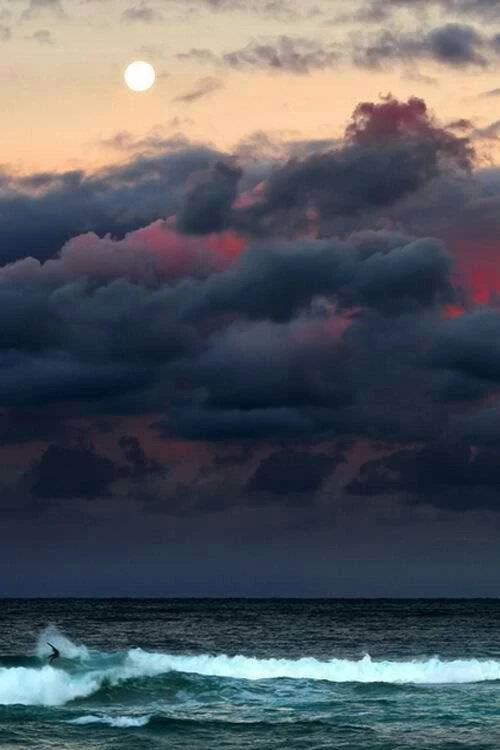
The stars…

Stars and stargazing often make their way into my stories. Beautifully symbolic of hopes and dreams, purity and wonder, they help to tell the inner stories of many of my characters.

Stars play a key role in the fourth book of the Christmastime series, Christmastime 1942: A Love Story (https://a.co/d/j2wI35u). Beginning with the storyline of Gino, the merchant seaman, the topic of stars develops into a unifying connection between him, Tommy and Gabriel, and Charles and Lillian.

The ethereal quality of stars also reveals the quietly eccentric character of Edith. She is comfortable with both the dreamy and pragmatic sides of her nature — and she is in love for the first time.  

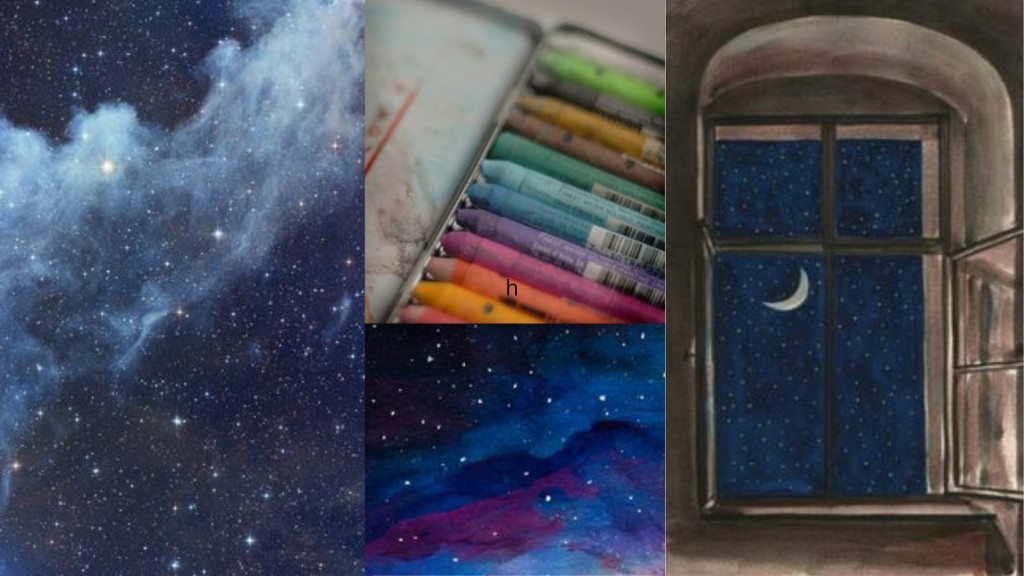
She opened the drawer to her nightstand and reached for her tin of oil pastels. She lifted the lid, and ran her fingers over the colors, choosing deep Prussian blue and cobalt, gold, silver, and umber. … A sketch emerged of two large pillows, a rumpled comforter, a soft bed under a large window. The night world outside dotted with stars. “Colors of midnight,” she wrote beneath it. She studied the bed, and added a few more lines, and then sprinkled a dusting of stars onto the pillows and blanket.
The main character, Lillian, is under pressure from her demanding boss to submit an idea for a poster contest. With the deadline looming, and despairing over the war and Charles’s imminent return to battle, she awakens in the middle of the night, seeking solace and inspiration.

She quietly went into the living room and turned on the lamp behind the couch. There was the telescope, pointing up, as if in readiness to search the heavens. She was glad for the stars, for their high, untouched beauty that could not be sullied by war, by humanity. She took out her sketch pad and pencils and began to draw.

A sketch began to take shape of a wounded soldier and his sweetheart looking at the same night sky, though thousands of miles apart.  [Lillian] added more stars to the skies, trying to convey the belief that high above a war-torn world, the glittering firmament shone benevolently over earth, and that in the end, all would be well and whole again. Simple, humble, human love would help to piece the world back together again.

In The Notebooks of Honora Gorman: Fairytales, Whimsy, and Wonder (https://a.co/d/8Z1Igqu), the stars also offer inspiration for an artistic deadline, this time, a writing assignment.  

Though Honora missed the stars, the lights of the city at night made up for it. She loved the contrast between the workaday gray of Manhattan and the magical, sparkling nights. The city, especially when viewed from afar, shone like a glittering firmament. A reversal of sorts, as if the starry night sky had been flipped to earth. She would never forget her first arrival, approaching the massive metropolis at night – entranced by the wide expanse of twinkly lights, a galaxy of stars that stretched as far as she could see.

Struggling to find an idea for her children’s writing class, Honora hits upon an idea.

What was that seedling trying to root in her story – something about the sky? The night sky. And how she missed it. Stars! She flooded with inspiration. And the fairytale, “Fallen Star” flows from her pen.

And So We Dream (https://a.co/d/0iM4uab) In another connection to the stars and the artist figure, the young dream-filled actress, Vita Vitale, also connects with the stars. In the beginning of the story, she and her older sister tell their younger sister about swimming in the lake at night.

“Did you guys go swimming—and not tell me?”

“We didn’t plan it,” said Anne. “After Diane’s we went out to the lake and . . .”

“In the dark?”

“Under the stars and a crescent moon,” said Vita. “A Pierrot moon, full of dreams. It was wondrous! Absolutely magical.”

Beth looked around the back seat to see if she was sitting on anything wet, then checked the floor. “Where are your swimsuits?” After a moment’s silence, she gasped. “You went skinny dipping?”

Anne shot Beth a warning glance in the rearview mirror. “Don’t you dare say anything about it at home.”

“I won’t. But I can’t believe it. Were there any boys there?” After no answer, she said, “You guys! Weren’t you embarrassed?”

“It was dark,” said Anne.

“Except for the glimmer on the water. It was like swimming through a thousand tiny stars.” Vita turned around to face them. “It was so beautiful…Like swimming in a fairy world.”

Later, far from her dreams, and weighed down by disappointment and a sense of failure, she taps into the beauty and magic of the night sky.

The warm summer night held the faint scents of grass and flowers. Vita inhaled deeply and filled her eyes with the inky sky aglitter with stars….Vita was alone. But didn’t feel at all lonely. This is what has been missing, she told herself. An infusion of beauty. And here it was. Right overhead. A fragrant summer night filled with shooting stars. Vita lay back and filled her eyes with the starscape….This is the counter to sadness, she thought. Beauty. Wonderment….She felt a profound sense of connection, and a reconnection to her dreams. It all came from the same deep place of beauty and love and yearning.
And a closing thought:

“The star-filled wonder of the night sky makes me magnificently small.” – Honora Gorman (from one of her many scraps of writing)


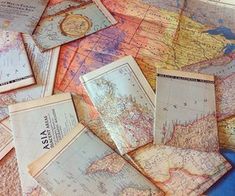



Traveling by train

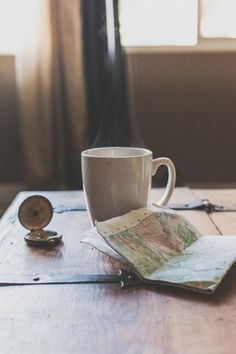
Lately, the only kind of traveler I’ve been is an armchair traveler.

Though it can’t compare to feet-on-the-ground traveling, it does have charms of its own. You can comfortably dream, make plans for numerous destinations,

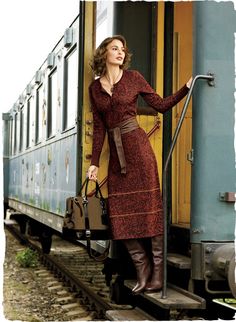
and pack your mental bags of your favorite traveling clothes.

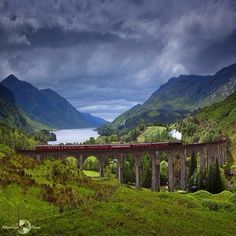
Considering possible European destinations, I thought perhaps traveling by train would be an interesting way to get from one country to another. So I’ve decided to add the rails to my travel list.

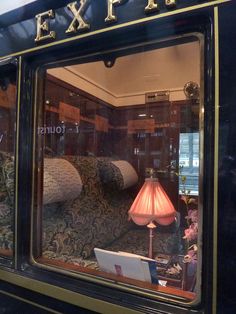
There’s something inherently romantic about train travel. It conjures up images from old movies and novels of old-world elegance, a slower time.

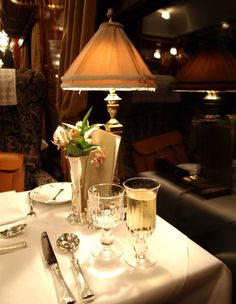
A time when journeying by train meant handsome dining cars,

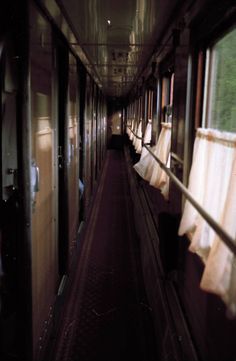
snug berths,

and the romance of traveling by night.

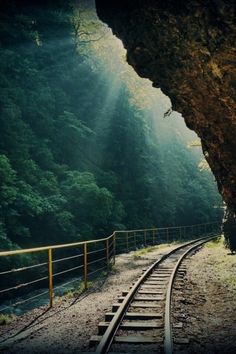
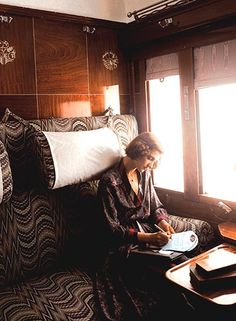
Traveling by train allows for contemplation and enjoyment as the world passes by outside,

and long stretches offer the perfect opportunity for reading and writing —

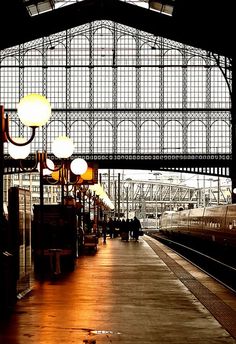
before you sit up in your seat or hang your head out the window as you near your next destination.

Hopefully, 2022 is the year to get out there and start seeing the world again.

Until then, …

(All images are from my Pinterest boards.)

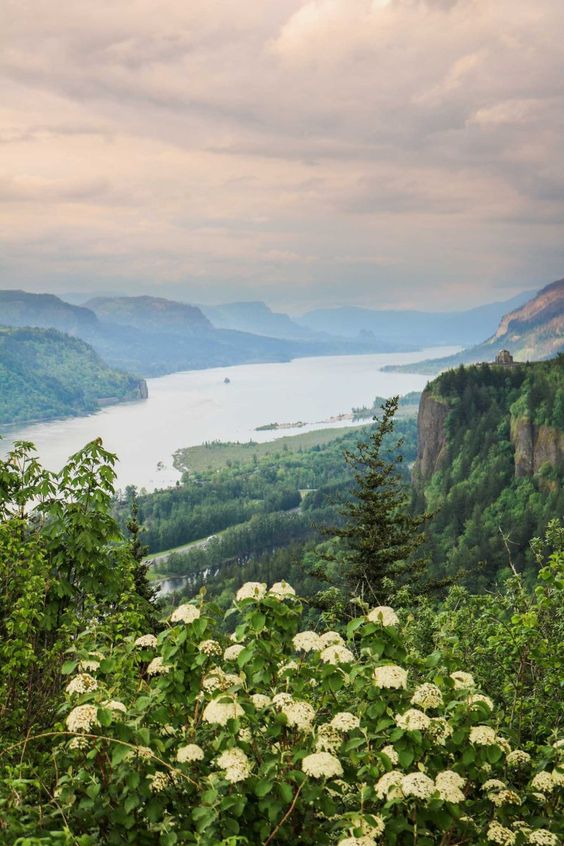
Miranda’s Pacific Northwest: majestic, mysterious, and magical.

Vista House spring

In the novel The Garden House, the natural beauty and attractions of the Pacific Northwest play a key role in the life of the main character, Miranda.

m3

Ecola State Park

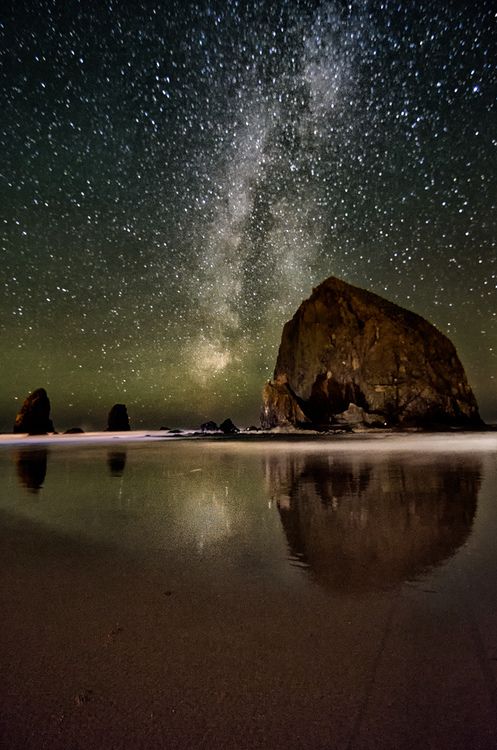
From the dramatic Oregon coast

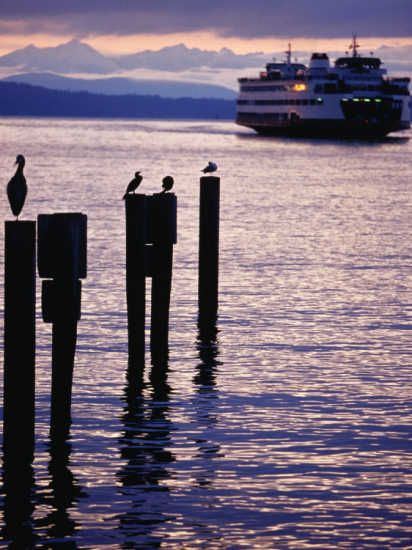
to the Puget Sound and Seattle’s vibrant Pike Place Market,

Seattle ferry

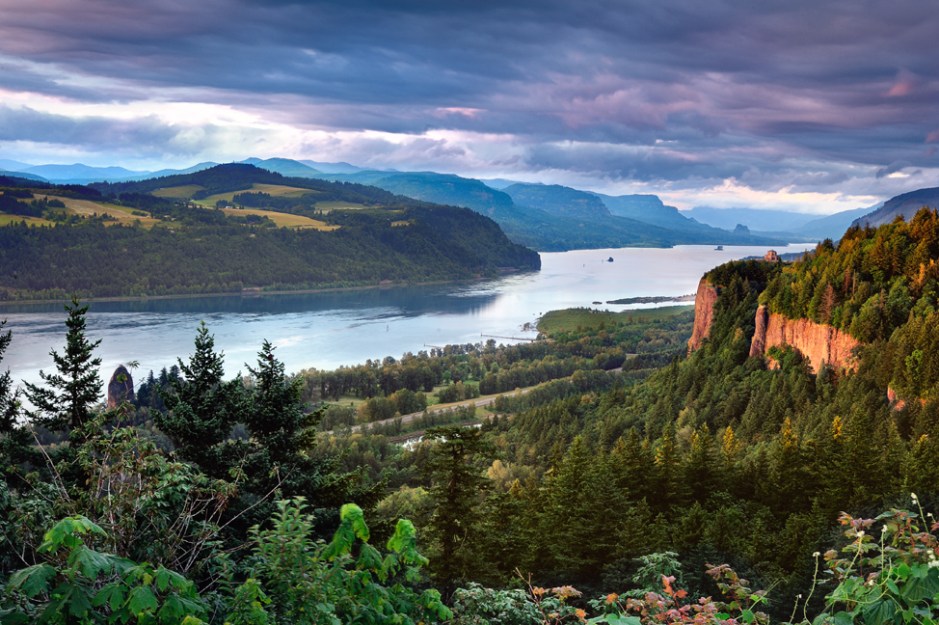
to the Columbia River Gorge and the Art Nouveau charm of the Vista House

m4

and nearby Multnomah Falls,

the allure of the Pacific Northwest inspires Miranda to live a life full of beauty.

Portland bridge

Mt. Rainier night

gardenhouse_kindle_hi

http://amzn.to/2x8QhNp

St. Patrick’s Day — John O’Donohue on Beauty and the Celtic imagination

rainbow

Images of Ireland and quotes from John O’Donohue’s book, “Beauty, The Invisible Embrace.”

“When we experience the Beautiful, there is a sense of homecoming.”


Ireland 2

“When the imagination is alive, the life remains youthful.”

“Beauty calls us beyond ourselves and it encourages us to engage the dream that dwells in the soul.”

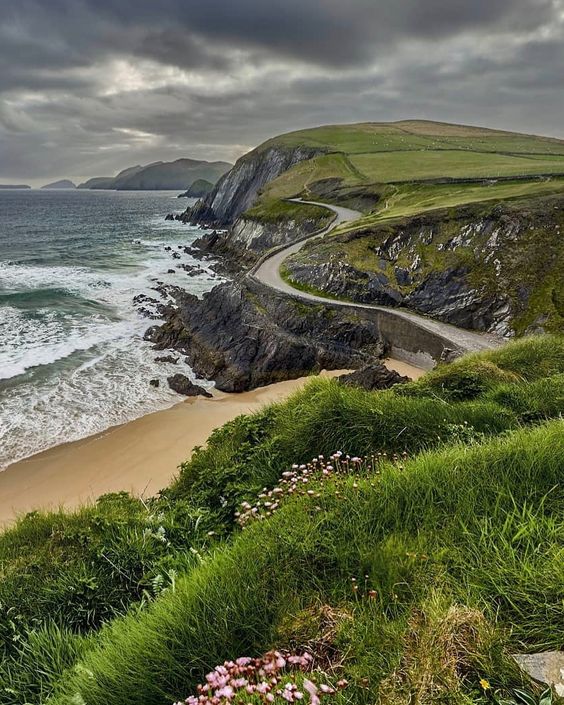
coastal road

“We feel most alive in the presence of the Beautiful for it meets the needs of our soul.”

“The imagination creates a pathway of reverence for the visitations of beauty.”

Skellig stairs

“With swift, sheer grace, the Beautiful is like a divine breath that blows the heart open.”

“Beauty is quietly woven through our days.”houses and green hills

“The imagination is the great friend of possibility…In a sense, that is what beauty is: possibility that enlarges and delights the heart.”

“Beauty does not linger, it only visits.”

Cliffs of Mohr

“To experience beauty is to have your life enlarged.”

“When the soul is alive to beauty, we begin to see life in a fresh and vital way.”

Ireland 3

“The earth is full of thresholds where beauty awaits the wonder of our gaze.”

“Ultimate beauty is a profound illumination of presence, a stirring of the invisible in visible form.”

connemara

“When we awaken to the call of Beauty, we become aware of new ways of being in the world.”

“The eye of the imagination will often be drawn to the edges of things where the visible and invisible worlds coalesce.”

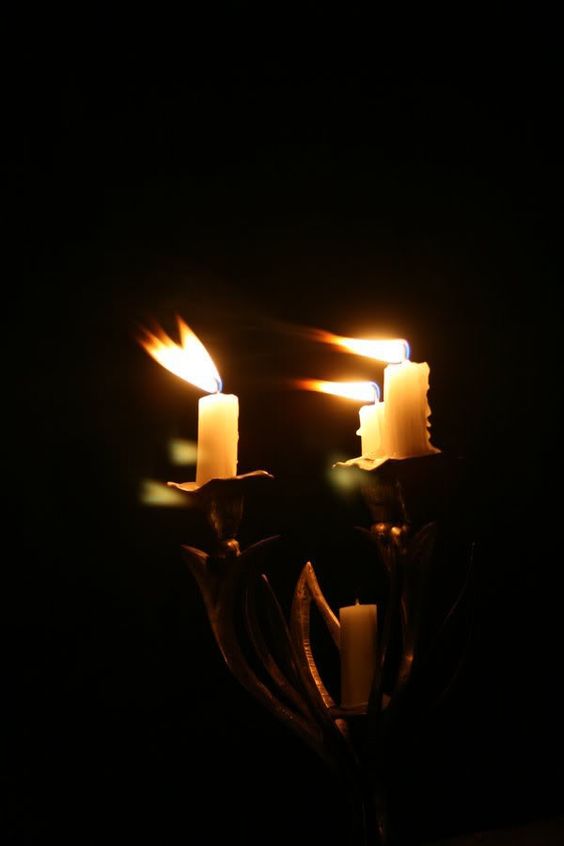
lighthouse stars

“True beauty is from elsewhere, a pure gift.”

“Everywhere there is tenderness, care and kindness, there is beauty.”

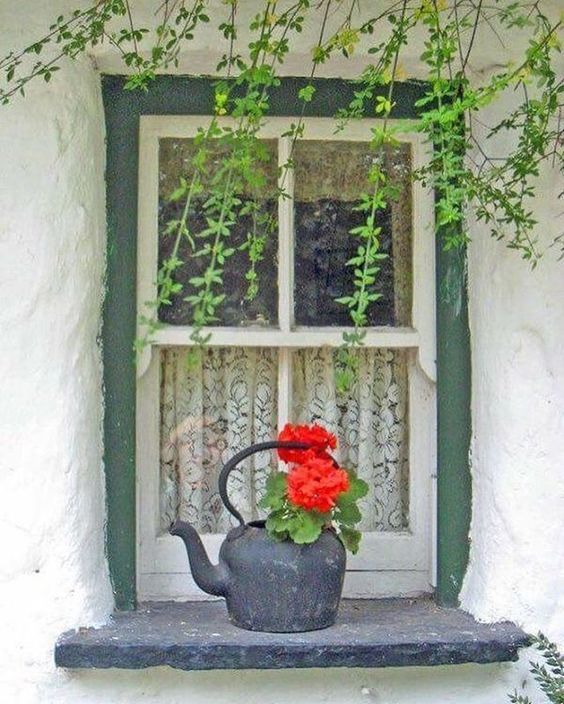
window kettle flowers

“Irish poet and philosopher John O’Donohue was a native Irish speaker, a former priest, and author of books that provided sustenance for many souls hungering for connection.” (www.npr.org)

clover key

(Images from Pinterest)
The Night Sky

NYC aerial night

Flying over Manhattan at night is beautiful to behold. Below lays a glittering, golden metropolis — silent, twinkling, sprawling. An utter transformation from its gray and gritty daytime self. At night, the city enters the realm of the magical, the fairytale, the mystical.

In a way, it’s an odd reversal of star-gazing, as if we have created a facsimile of the stars here on earth, to be viewed from above.

stars 3

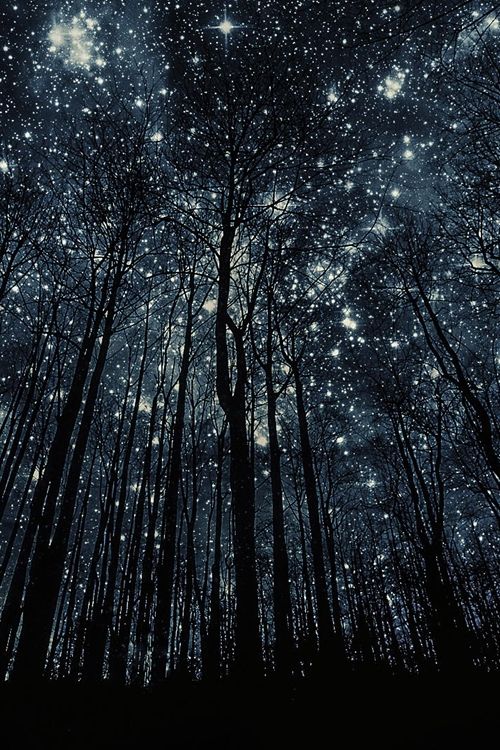
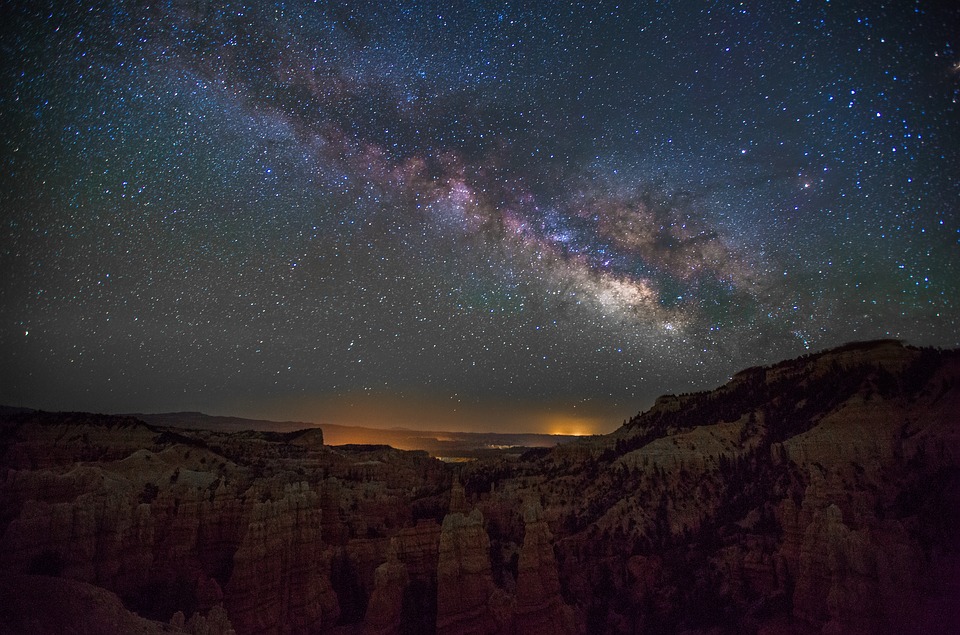
I have read that there are tours for stargazing that take you to far away places where the night sky still reigns.  It must feel like taking a step back in time, where we can see the sky as we saw it for hundreds of thousands of years — an upper land that played before our eyes, the shapes and patterns of stars and planets shifting and traveling with the seasons. The firmament must have been held as a mix of prayer, ritual, entertainment, wonder, and peace. An infusion of beauty that the human night soul absorbed in quiet, simple, cosmic connection.

stars 2

I had a taste of that connection growing up in small-town Illinois. The night sky was a source of beauty, anytime you wanted to step outside and look up. Which we often did, inspired by the curiosity of our mom. From the prosaic location of the driveway or the sidewalk out back, she would stand beneath the glittering stars and marvel in wonder. We would crane our necks this way and that trying to locate the Big Dipper or Orion’s Belt, and question if some of the brightest stars were actually planets — Venus or Mars.

And years later, visiting my sister’s house out in the country in Oregon, we have stretched out in the deck chairs and gazed at the firmament — growing excited at the shooting stars, feeling that instant connection to a distant past, and to something far far beyond earth worries. It seems almost too wondrous to believe that all you have to do is gaze upwards at night to dip into another world full of mystery and beauty,  inconceivably distant and enormous — yet ever-present, just there for the taking.

blue stars night


The Eclipse — A World Still Full of Wonder

Crowds are gathering across the United States to watch tomorrow’s total solar eclipse. For months, excitement has been building. Small towns along its path have swollen in population, tents have been pitched in the path of the umbra, and eclipse chasers are poised to witness this celestial event.

“Totality begins in Oregon at 10:16 a.m. PT. It ends in Charleston at 2:48 p.m. ET. That’s only about 90 minutes for the eclipse to cross the entire county….The path of totality follows just a tiny sliver 67 miles wide as it runs from coast to coast.” – www.usatoday.com

map of Aug. 2017 eclipse

“The last time that a total solar eclipse crossed over the entire continental United States was in 1918” (www.newsweek.com), and it will be another seven years before it happens again. “According to NASA, on April 8, 2024, a total solar eclipse will stretch diagonally across the U.S. from Texas through the Northeast.” www.Time.com

Though we view the eclipse with excitement, throughout history the sudden darkness instilled terror and dread. It portended disaster, great calamity, and even the end of the world.

Medieval day darkening

“Many ancient cultures worshipped the sun and the moon [and] a violent and sudden darkening of the sun was a cause for alarm and foreboding. Several East Asian cultures believed the eclipse was caused by a giant frog eating the sun, and in China, myths tell of a dragon doing the devouring, [while] in Norse mythology, the eclipse was the result of two sky wolves chasing and finally eating the sun.” – www.newsweek.com

Later, centers of learning used science to explain the mysterious event.

Fascinating facts about solar eclipses and our place in the universe:

  1. “Our position in the universe is incredibly unique. Our moon is the only moon in the entire solar system that eclipses the sun perfectly.” – history.com
  2. “By cosmic chance, the sun is 400 times wider than the moon, and 400 times farther away.” And so from Earth, the sun and moon appear to be the same size. – nationalgeographic.com
  3. “There is a solar eclipse somewhere on earth every year or two.” – nationalgeographic.com


Perhaps the most remarkable fact about an eclipse is that we still stand in awe of it. It forces us away from our phones and jobs, our tight schedules and day-to-day concerns, and reminds us of our tiny place in the magnificent universe.

An eclipse gives us a moment like the one in the illustration of the Medieval scholar poking his head outside of Earth’s realm: and we gasp and throw out our arms in stunned amazement as we catch a glimpse of a much wider world.

colored illustration


Oregon


soft sunset Vista House

Every time I visit Oregon I’m left with the impression of the past and present mixing and shifting in a layering of influences. Though this is true of most places, it seems more pronounced in Oregon. My sister and her family live in Oregon and I’m lucky enough to visit there once a year, each time seeing someplace new.

My visit this time began with a wedding at the Columbia Gorge Hotel, in Hood River. Mount Hood, majestic and always covered in snow, forms a backdrop to the hotel when viewed from the Washington side of the river.

The historic mission-styled hotel was built in the 1920s and retains the glamour that once attracted the likes of Rudolph Valentino and Clara Bow.

Old postcard Columbia River Gorge Hotel

“These were the days of steamers navigating the waters of the Columbia River from the Cascades to The Dalles. To alert the hotel, the captains would sound the whistle once for each guest he had on board. Maids would then quickly make up the appropriate number of beds….Simon Benson [owner] had just helped complete what many of the era claimed to be the world’s most beautiful road, the Columbia Gorge Scenic Highway. Benson’s dream was to create an opulent hotel for travelers at the end of this road.”

Source: ColumbiaGorgeHotel.com website, 2015

A picturesque stream, crossed by small stone bridges, runs through the grounds and ends in a rushing 90-foot waterfall that plunges into the Columbia River.

The river itself is steeped in the older history of the Lewis and Clark Expedition of 1804-1806, which began in St. Louis and ended where the Columbia River empties into the Pacific.

In fact, the very waterfall on the hotel grounds (the Wah Gwin Gwin Falls) is mentioned in their journals: “a butifull cascade falling over a rock of about 100 feet …” [Clark, October 29, 1805]. Their journals also describe the “Indian houses” along this section of the river and the sand bars “where the Indians caught fish.”

The Oregon landscape is imbued with Indian names that point to a deeper past, rich with the histories and legends of different tribes. Not far from the Columbia River is the stunning Multnomah Falls, one of the most photographed waterfalls in the world, and bound with the Wasco legend of a noble Indian maiden who sacrificed herself for her people.

Multnomah Falls free

The rest of my trip was spent a few hours south, near Roseburg. The Umpqua River dominates this area. Wide, rocky, and breathtakingly beautiful, the river cascades down from the mountains and flows to the Pacific. Where the river widens and slows, the South Umpqua, people “float” the river on rafts, inner tubes, and canoes.

The area is noted for its waterfalls, and hiking to them you can’t help but imagine a more distant time and feel the presence of the various tribes who walked the forest paths, hearing the same deafening roar of the waterfalls and feeling the same cooling mists.

A more recent layer of history woven into the landscape is that of the early settlers. There are places, such as Canyonville, where the ruts from the covered wagons can still be seen, evidence of the people who passed through the Applegate River and along the Rogue River. Some of the names of towns are reminders of the pioneers, and perhaps their impressions of places: Looking Glass, Steamboat, Riddle, Remote.

The valleys are still full of farms and ranches and orchards that were started by the pioneers. Century farms, “continuously owned by a single family for 100 years or more,” (Wikipedia) are plentiful. Some of the farms are beautifully preserved and give a glimpse into a harmonious way of living that was intricately bound with the seasons and the land.

Centruy farm

Other barns and farm structures, seen from the road, sag with the weight of time, or have collapsed completely.

More recent in the agricultural landscape are the vineyards, that are increasingly being planted. Though “settlers to the Oregon Territory planted grapes as early as the 1840s…the production of wine has only been a significant industry in Oregon since the 1960s” (Wikipedia). The Willamette Valley alone has over 500 wineries. Some are perched on hilltops that overlook rows of vines and give the countryside a European feel. Others, set along rushing rivers, are distinctly Oregonian in feel.

vineyard

Oregon is also famous for its flowers, and on this visit taken at the end of June and early July, we sought out some fields of lavender. Though they were not quite in full bloom, their fragrance was strong — fresh, clean, and uplifting — and I bought some vials of lavender oil to take with me back to New York. So much of the landscape inspires a sense of beauty and well-being and the lavender oil seems to capture that.

lavender field

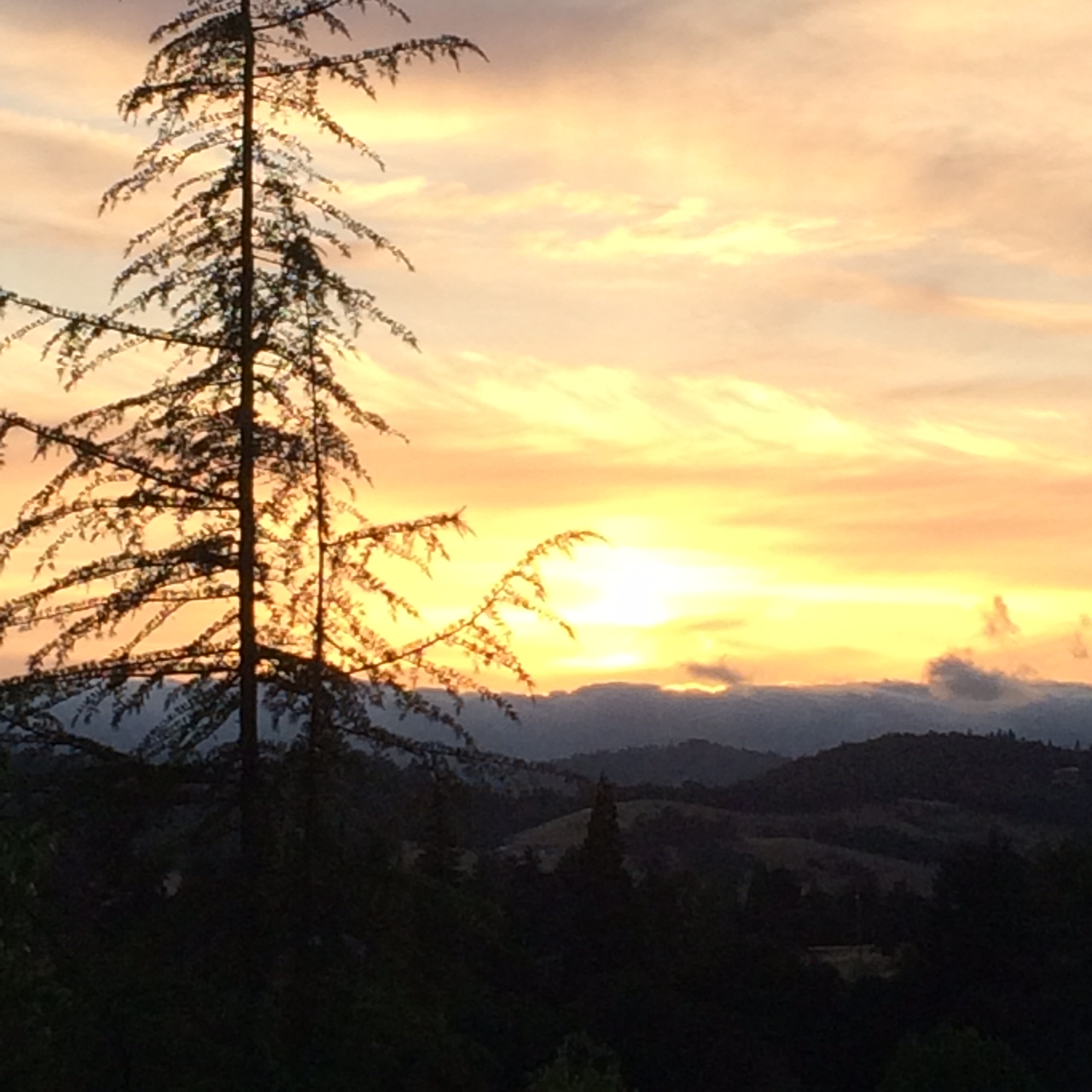
On my last evening in Oregon, we took a walk along a country road that overlooked the valley below. The coastal clouds, like a slow-moving wave, gently blanketed the rolling hills, and the setting sun cast the farmland below in a soft golden light. Magical.

sunset end