Delicious Fourth of July

The Fourth of July means cookouts, fireworks, a day at the beach, or a few vacation days away from home. We all celebrate the Fourth in our own way, but for most people, it means being around family and friends — and good food.

Festive, flavorful, home-grown, and homemade.

Corn on the cob and garden vegetables,

Watermelon and the fresh fruits of summer.

Homemade pies and ice cream,

and red-white-and-blue desserts.

Whether you keep Independence Day in a traditional manner,

table setting shot

or in a style uniquely your own,

July 4th 3

enjoy this festive holiday with family and friends and delicious food. We’ve entered the heart of summer — let’s celebrate!

July 4th 5


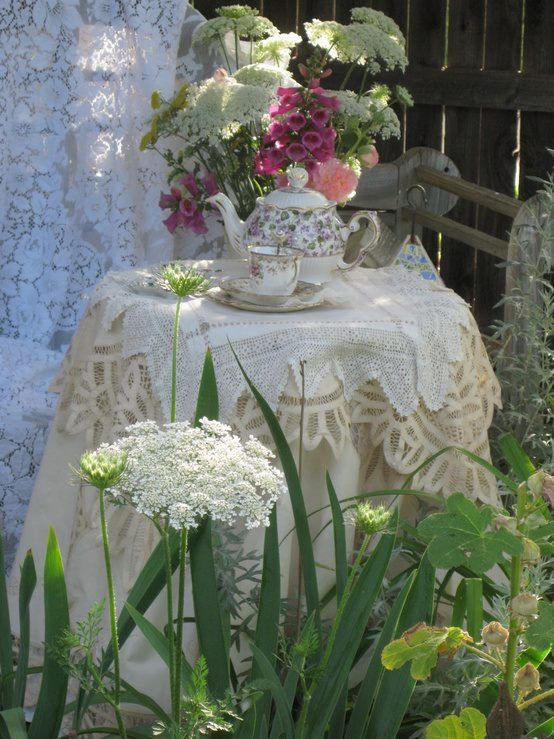
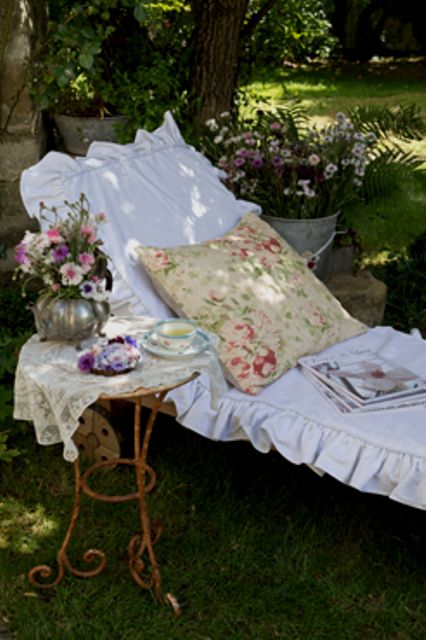
Tea in the garden

In my novel The Garden House, the main character, Miranda, often takes a cup of tea out into her beloved garden and curls up on a bench as she takes in the beauty of her flowers. Her garden offers both solace and pleasure.  It’s the perfect place to read a good book, to visit with a friend, or to sit quietly and enjoy the simple tranquility of nature.

GH tea 6“Strange how a teapot can represent at the same time the comforts of solitude and the pleasures of company” ~Author Unknown

GH tea 1

GH tea 10“Find yourself a cup; the teapot is behind you. Now tell me about hundreds of things.” ~Saki

“Tea is quiet and our thirst for tea is never far from our craving for beauty.” ~James Norwood Pratt

Gh tea 7

“You can’t get a cup of tea large enough or a book long enough to suit me.” ~C.S. Lewis,

GH tea 4

“Where there’s tea there’s hope.” ~Arthur Wing Pinero

GH tea 2


Mother’s Day — and the story behind my story

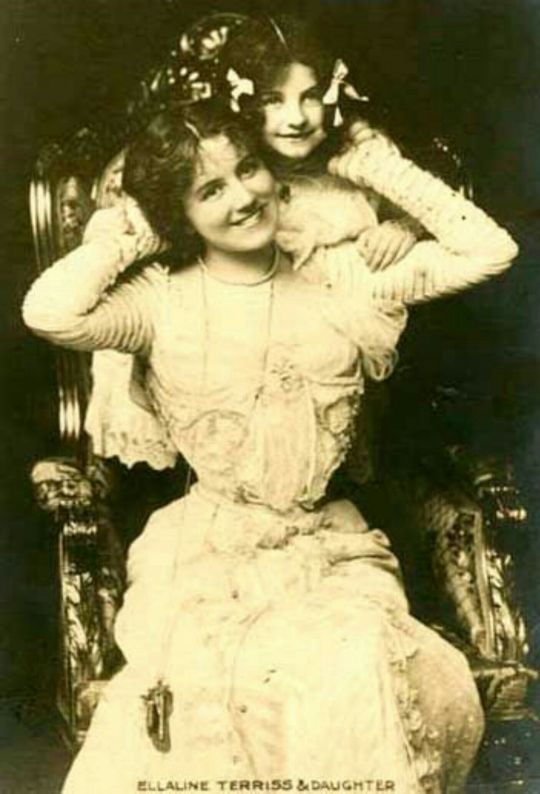
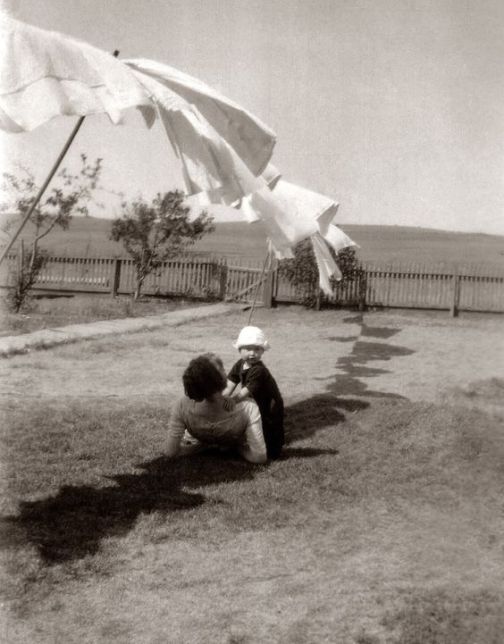
Some thoughts and lovely vintage images for Mother’s Day from Pinterest:

“A mother is the one who fills your heart in the first place.” – Amy Tan

MD 4

“Mothers and their children are in a category all their own. There’s no bond so strong in the entire world. No love so instantaneous and forgiving.”  – Gail Tsukiyama

mother daughters

MD 6

“I am sure that if the mothers of various nations could meet, there would be no more wars.”  – E.M. Forster

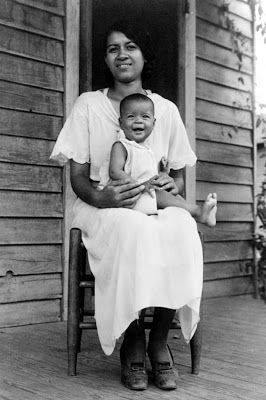
mother baby porch

“A mother’s love for her child is like nothing else in the world. It knows no law, no pity, it dates all things and crushes down remorselessly all that stands in its path.” – Agatha Christie

mother fishing

“I will look after you and I will look after anybody you say needs to be looked after, any way you say. I am here. I brought my whole self to you. I am your mother.” – Maya Angelou

MD 2

“Because even if the whole world was throwing rocks at you, if you had your mother at your back, you’d be okay. Some deep-rooted part of you would know you were loved. That you deserved to be loved.” ―Jojo Moyes

mother teaching

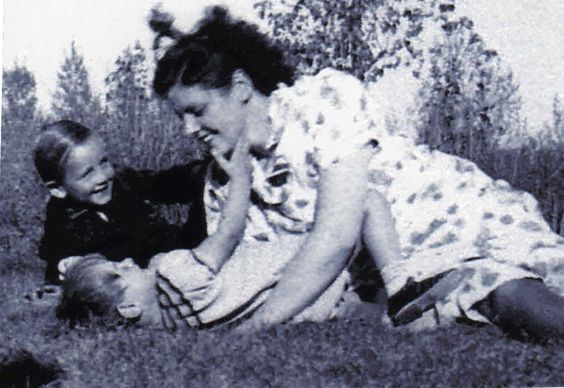
Mother and kids

“But behind all your stories is your mother’s story, for hers is where yours begins.” – Mitch Albom

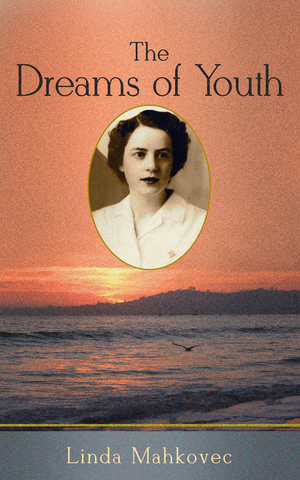
This last quote really resonates with me. Our mom’s “story” became our story: Life is an adventure to be celebrated. You go forth into the world, against the odds, and spread your wings, and follow your dreams. Her story was to live life fully — to do good where you can, to love and protect others, especially children — to laugh often, to remain curious and to read widely, and to always do good where you can. To smile through adversity, and take delight in the small beauties of every day.  All this was taught to us by example and was embedded in the details of her life. I tried to capture my mom’s story in my first book, The Dreams of Youth.  It is the story behind my story.

Amazon Link: http://a.co/8WKiB33

dreamsofyouth_kindle_hi

Giverny — Life as a work of art

For quite some time, I’ve been dreaming about my next trip to France. Paris, of course, but I also want to see Normandy. Among other sites, Mont Saint-Michel has been beckoning for years. And high on my list is a trip to Giverny — Claude Monet’s home and gardens. I would love to see it in all seasons, but for my first visit, I want to experience it in the springtime. Giverny is what happens when you give yourself completely, and passionately, to something you love.

Giverny 6

Quotes from Monet’s letters:

“My garden is a slow work, pursued with love and I do not deny that I am proud of it. Forty years ago, when I established myself here, there was nothing but a farmhouse and a poor orchard…I bought the house and little by little I enlarged and organized it…I dug, planted, weeded myself; in the evenings the children watered.” – Claude Monet


“I perhaps owe having become a painter to flowers.” – Claude Monet


“My garden is my most beautiful masterpiece.” – Claude Monet


“People discuss my art and pretend to understand as if it were necessary to understand, when it’s simply necessary to love.” – Claude Monet

Giverny 5

“I work at my garden all the time and with love. What I need most are flowers, always, and always.” – Claude Monet

Giverny 8

“I want to paint the way a bird sings.” – Claude Monet

Giverny 3

“My heart is forever in Giverny.” – Claude Monet


The Garden House – a novel

A story of love, family, and home set among the lush summer evenings of Seattle. When Miranda rents out her garden house to a mysterious new tenant, she begins to have disturbing dreams that someone is in danger. Is it mid-life crisis? Empty-nest syndrome? Or is something sinister lurking right outside in her beloved garden? There’s only one way to find out.

“Enchanting, beautiful and heartwarming.” – Amazon review

“I was completely swept away by this tale.” – NetGalley review

“A thoughtful narrative with a mystery at its heart.” – Goodreads review

“Inspiring, romantic and suspenseful.” – Amazon review

GH 8

Passages from The Garden House

Clara had loved the profusion of forget-me-nots that surrounded the garden house, and decided to christen the cottage the Forget-Me-Not House.

GH forget-me-nots

[Miranda] loved every section of her garden, but this shadier and damper part always stirred in her a feeling of tenderness. It grew thick with hosta and ferns, and perennials that didn’t need much care – patches of bleeding hearts and shy lily-of-the-valley.

Paula stood and held up a potted flower. “Just look at this clematis – it’s as big as a saucer.”  Miranda reached out to touch the pale purple flower. “It’s beautiful.”

A sigh released from deep inside. Home. She was home and everything would be all right.

Filling her arms and basket, Miranda carried the flowers and greenery into the house, and spread them out on the kitchen table. Then she began arranging the flowers in vases and jars, and floating them in glasses and bowls.

Miranda led the way to the lower garden, where the tree-like rhododendrons and lower azaleas formed a sort of double wall.

GH Miranda 1

Amazon Link: http://a.co/6NUjTZI

GH with link

(All images are from my Pinterest boards)


Spring on Kate’s farm (the Christmastime novels)

Though most of the scenes in the Christmastime series (WWII stories of love and family that take place on the home front) occur in the month of December, there are a few flashbacks to spring, summer, and fall. The final book in the series, Christmastime 1945: A Love Story, will have two scenes that take place in the previous spring.

I often imagine what the rural scenes might look like — sometimes drawing on the memories of growing up in small-town Illinois. (A few years ago I took the photo below of a farm outside of town. The tractor had plowed all around the dilapidated house, leaving the poignant patch of history.)

worn farmhouse

Other times I search for images on Pinterest that to help set the rural tone — a few early spring flowers that bloom along the fences and in the meadow,

or signs of spring in the barnyard and nearby trees.

And always, I imagine the interior scenes that take place with Kate and her daughters,  Ursula and Jessica —

warming up with a cup of tea in the farmhouse kitchen, a blanket reached for against the chill spring nights, a few notes plucked on the piano, the comforts of a hot bath and lavender-scented sheets after a long, hard day.

Life on the farm was hard, especially during the WWII years, but Kate and her daughters made sure to enrich their day-to-day living with small beauties and the comforts of home.

Amzaon Link: http://a.co/bZvcQIt

To be released later this year: Christmastime 1939: a prequel to the Christmastime series and Christmastime 1945: A Love Story.


The Garden House — in winter (images from Pinterest)

gardenhouse_kindle_hiThough the story of The Garden House opens in late spring and closes in the fall, I made a Pinterest board called “The Garden House – winter.” The main character, Miranda, lives in Seattle and has a beautiful garden that’s an integral part of her life. I imagine her loving her garden in all seasons, including the rain and occasional snow of winter.

In The Garden House, Miranda’s garden becomes a  metaphor for life, with themes of family, change, memories, home, and the search for meaning. When all else goes wrong, Miranda retreats to her garden, with a cup of tea in hand, and finds solace.

Surrounded by the beauty of her garden, she allows herself to be captivated and inspired by the mysteries of life.

I imagine Miranda enjoying her garden in January, curled up in her window seat and watching the falling snow cover the birdhouses, birdbaths, and terra cotta pots.

I see her strolling through her garden, delighting in the vestiges of summer and fall — frost-covered roses, hydrangeas, and Queen Anne’s Lace.

In every season, Miranda fills her home with cuttings from her garden. I imagine her gathering branches of winter berries and greenery to make bouquets for her dining table and to set among the plants of the greenhouse window in her kitchen.

Perhaps she even brushes off the snow from a deck chair, and sipping a cup of hot chocolate, enjoys the tranquility and quiet of her winter garden.

table deck snow


Downton Abbey — in Manhattan

bells

Recently, my sister-in-law was planning a visit to New York City and when I asked her if there was anything in particular that she wanted to do, she said she would love to see Downton Abbey: The Exhibition. I hadn’t even heard about it, but it sounded like a good idea so I booked our tickets. Though I had only caught a few episodes of the series, I found that I was really looking forward to seeing the exhibit. And in the late afternoon of a cold winter’s day, we stepped into the world of Downton Abbey.

Edith

I was surprised to find that the exhibit was in the recently closed Lee’s Art store on 57th Street, a place I had frequented over the years. The windows that once displayed painting supplies, glittering frames, and whimsical toys, now held an equally enchanting display: images, items, and gifts relating to Downton Abbey — including an exquisite 1920’s dress in peacock blue and gold.

The New York City street was reflected in the window — scaffolding and yellow cabs, parkas and mounds of snow — and seemed a sort of symbolic contrast to the elegance of another era.

window contrast

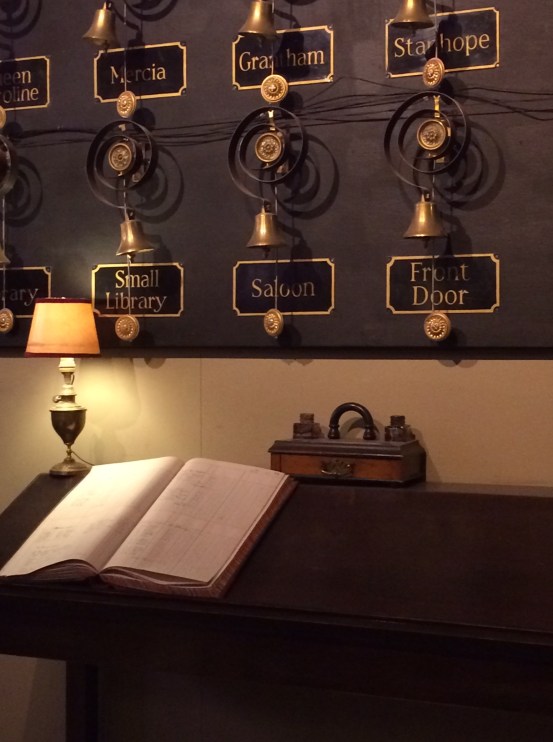
We strolled through the exhibit, laughing as we were greeted by holographic videos (?) of Mr. Carson and Mrs. Hughes welcoming us to Downton Abbey, before they had to hurry away. We entered the “downstairs” area and worked our way up.  There was the kitchen with something simmering on the stove, the carton of eggs, the sounds of chopping and pots and pans being moved about. There was Carson’s pantry with the decanter, and there were those famous room bells.

And there was the dining room with the beautifully set table.

dining table

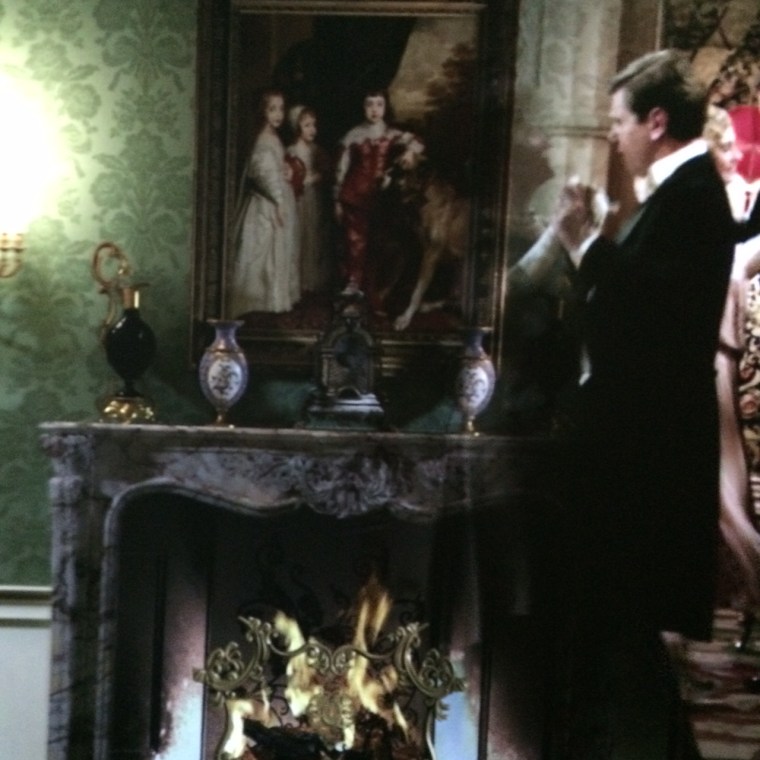
One room had video snippets of different scenes from the series: the explosions and trenches of WWI shifted to tranquil interior scenes of a fire burning brightly in the library.

fireplace video

Another area was dedicated to short film excerpts featuring the acerbic wit of Violet Crawley. And throughout the exhibit were reminders of the period’s codes of conduct and rules of civility.

The clothes were beautiful, and I found myself lingering over the details of trim and beading and lace: the Edwardian opulence of Violet’s clothing, the shimmering elegance of the 1920’s dresses,

and those beautiful necklaces and earrings that complemented the clothing.

On every floor, in every room was the sense of a time gone by and the societal upheavals of yesteryear. One quote posed the idea that perhaps that earlier period was not so unlike our own times, with technology rushing us ahead, creating some disturbing trends, while offering other compensations.

Since I had only caught an occasional episode, I never got to know the characters and plots in the way that many people did.

So, on these snowy January evenings, I’ve started to watch the series from the beginning — paying extra close attention to the buttons and jewelry, the silverware and bells.


It’s A Wonderful Life — a Christmas classic (and an inspiration for indie writers)

crop It's A Wonderful Life (1)

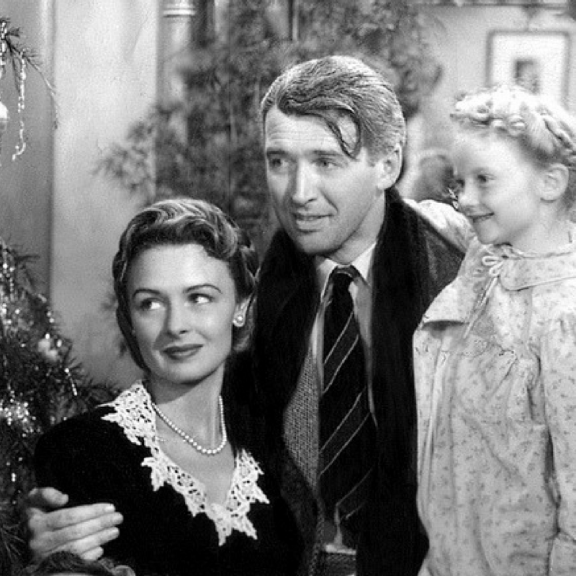
People often ask me what movies or books my Christmastime series is most similar to. For many reasons, the movie It’s A Wonderful Life comes to mind. It’s set during and just after WWII, it’s a story about love and family, the importance of friends and neighbors, and it’s about transformation.

Clarence

I happened to catch it on TV the other night, and though I know the movie by heart, I found that I loved it as much as ever.

on phone

The story behind the movie is also “wonderful,” and offers an inspirational example for today’s independent writers. The movie is based on a short story by Philip Van Doren Stern (1900 – 1984), an American author, editor, and Civil War historian.

The story goes that in “February 1938, Stern awoke with the story in mind. Inspired by a dream that was reminiscent of Charles Dickens’ 1843 A Christmas Carol, Stern wrote a 4,000 word short story called The Greatest Gift. He began work on it in 1939 but didn’t finish until 1943.

Dickens

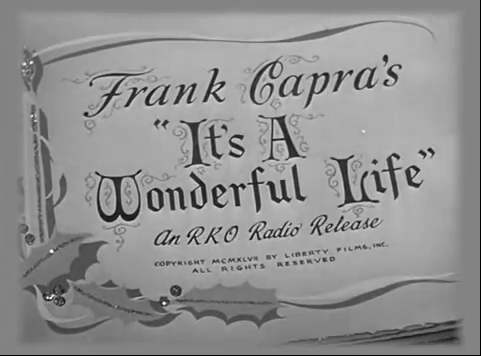
Unable to find a publisher for his story, he printed two hundred copies of the story and distributed them as Christmas cards in 1943. One of the original palm-sized booklets came to the attention of a producer at RKO Pictures who purchased the rights, and then sold them to Frank Capra in 1945.” (Wikipedia)

Frank Capra title

“From this humble beginning, a classic was born. Stern’s story captivated Capra, who said he ‘had been looking for [it] all [his] life.’ Capra’s beloved adaptation, It’s a Wonderful Life, was released in 1946,” (Zoetrope – www.all-story.com) and has become part of the American Christmas tradition.

bell on tree


The Christmastime stories — rural and small-town Midwest

The Christmastime books, stories of love and family on the home front during the World War II years, portray an America with one foot firmly in the past and the other poised on the threshold of change. The setting for these stories, for the most part, is New York City. However, a few storylines are set in the rural Midwest.

I was born and raised in small-town Illinois and the beauty of the landscape there — old farm houses set among fields and pastures, trains running to and from the small towns, the  woods and orchards that change with the time of year — has always had a strong pull on me. The seasons are rich and distinctive, and the snowy winter setting perfect for the Christmastime stories.

In the first book of the series, Christmastime 1940, we find that Charles Drooms’ past is deeply rooted in rural Illinois, and there are a few flashbacks to his boyhood and life on the farm that explain many of his decisions later in life.

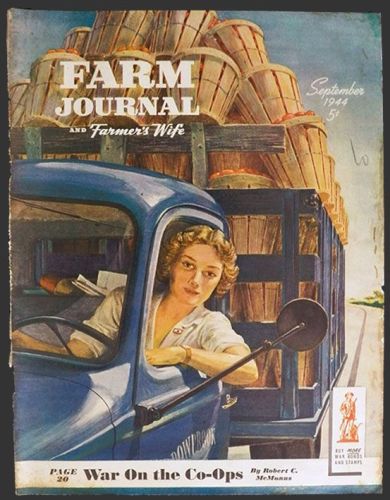
In a later book, there’s a scene where Lillian works on a series of illustrations depicting the role of women on the farm. With so many men enlisted, women had to step into the workforce and fill jobs that had recently been held by men. Lillian draws on her memories of visiting Kate’s farm in the summer of 1941.
postere farm woman

Beginning in Christmastime 1943, a key storyline takes place on Kate’s farm involving her daughters, Ursula and Jessica, and the German POWs who work on the farm while Kate’s sons are away at war. The scenes depict the connection of living close to the land with the rhythms of the seasons, and the rigor and back-breaking work required by farm life.

The farm scenes help to portray a period when time moved more slowly, and a place where most foods were locally grown and cooking was done from scratch.

A time when the home arts played an important role in day-to-day living,

and small-town life offered simple charm and the opportunity for visiting and shopping.

The tension between the beauty and bleakness of the Midwestern winter landscape also serves to reflect the complexities in Ursula, a young woman often driven by opposing impulses.

And on a larger scale, the small town and farm scenes offer a counterpoint to the New York City scenes. The tranquility and wholesomeness of the countryside serve as a reminder of how much was at stake in the war.

The rural setting also represents the tens of thousands of young men, such as Kate’s four sons, who left their small towns and farms to fight in Europe and the Pacific. For many of them, it was the first time ever leaving home. For them, the very idea of “home,” and everything it symbolized, became a deeply cherished and protected ideal.

pie and chair

(For more images evocative of the world of Christmastime, please visit my Pinterest boards at http://www.pinterest.com/lindamahkovec/)