Flowering doorways


door 11

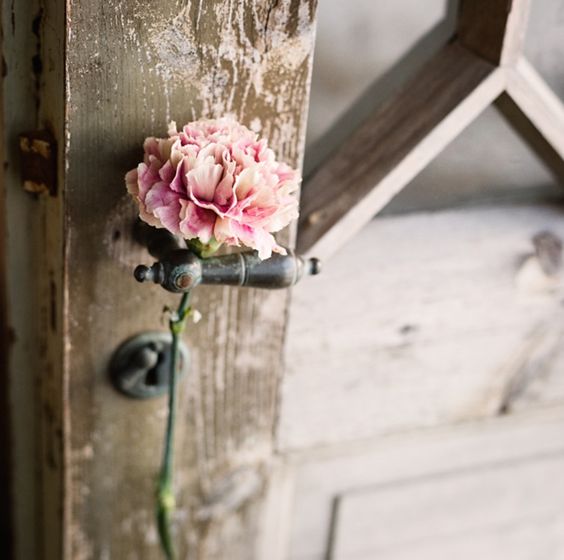
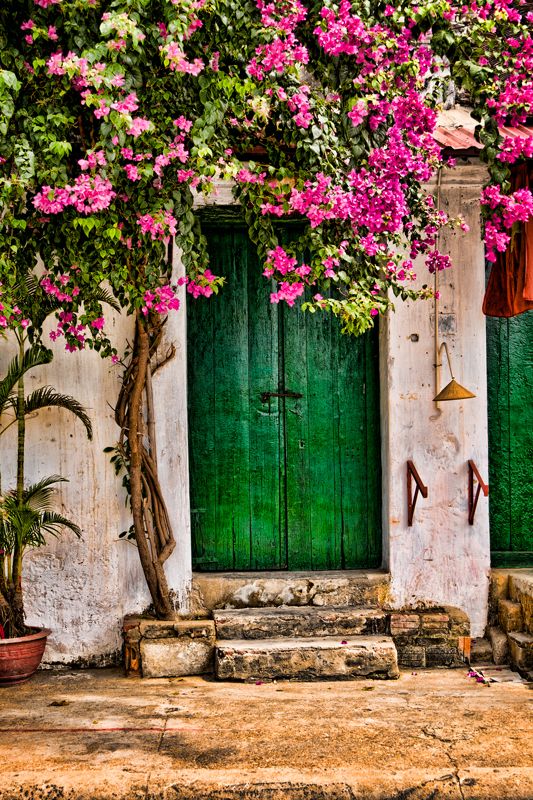
There’s something about a flowering doorway that moves the heart, that speaks of beauty and happiness.

It greets those who enter by framing them with fragrance, color, and loveliness,

and when leaving the abode, it provides a way of welcoming the day, a portal to pass through sure to initiate optimism and joy.

And if you are simply passing by, it offers a wish for happiness —


a silent act of generosity that bestows the gift of beauty and enriches the viewers, who, if their hearts are open, will carry the sweetness with them.

door 10

(all images from Pinterest)

In Like a Lion, Out Like a Lion


snow 2

March came in like a lion, roaring and pouncing upon us with several snowstorms. After yesterday’s March Nor’easter #4, the world this morning appeared soft and white, with the fences and tree branches outlined in snow.

snow 5


Some of the trees looked like cotton bushes — fluffy white, and light as air. As if you could pluck a bunch of snow, stretch it thin, and spin it into cloth.


And yet — once spring has officially arrived, and April is close at hand, no one wants to hear about how beautiful the snow is. They’re ready for color and a bit of warmth, for signs of growth in the garden, and the first touch of green on the trees.

snow crocuses

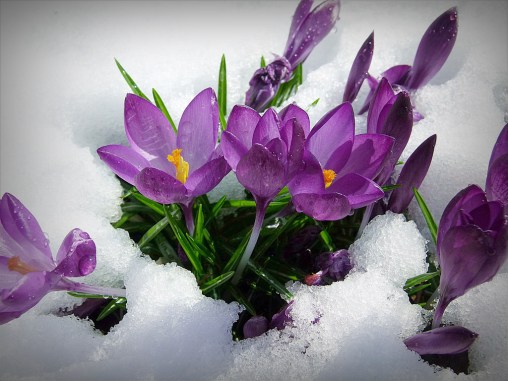
I’ve found a hint of spring in my garden in the small cluster of crocuses and a few green spears of hyacinth leaves — a welcome sight. All it takes is a bit of color to assure us of the promise of spring.

snow blossoms 2


Valentine’s Day

Valentine blowup

“I love you not only for what you are, but for what I am when I am with you.” – Elizabeth Barrett Browning

“Each time you happen to me all over again.” – Edith Wharton

V piano roses

“In case you ever foolishly forget, I am never not thinking of you.” – Virginia Woolf

“All, everything that I understand, I understand only because I love.”  – Leo Tolstoy

“To love or have loved, that is enough. Ask nothing further. There is no other pearl to be found in the dark folds of life.” – Victor Hugo

V Amour petals

 “I wish you to know that you have been the last dream of my soul.” – Charles Dickens

The Garden House — in winter (images from Pinterest)

gardenhouse_kindle_hiThough the story of The Garden House opens in late spring and closes in the fall, I made a Pinterest board called “The Garden House – winter.” The main character, Miranda, lives in Seattle and has a beautiful garden that’s an integral part of her life. I imagine her loving her garden in all seasons, including the rain and occasional snow of winter.

In The Garden House, Miranda’s garden becomes a  metaphor for life, with themes of family, change, memories, home, and the search for meaning. When all else goes wrong, Miranda retreats to her garden, with a cup of tea in hand, and finds solace.

Surrounded by the beauty of her garden, she allows herself to be captivated and inspired by the mysteries of life.

I imagine Miranda enjoying her garden in January, curled up in her window seat and watching the falling snow cover the birdhouses, birdbaths, and terra cotta pots.

I see her strolling through her garden, delighting in the vestiges of summer and fall — frost-covered roses, hydrangeas, and Queen Anne’s Lace.

In every season, Miranda fills her home with cuttings from her garden. I imagine her gathering branches of winter berries and greenery to make bouquets for her dining table and to set among the plants of the greenhouse window in her kitchen.

Perhaps she even brushes off the snow from a deck chair, and sipping a cup of hot chocolate, enjoys the tranquility and quiet of her winter garden.

table deck snow


The Plaza Hotel – book cover

All the book covers in the Christmastime series feature an old-looking photograph set in winter. They to help establish a sense of place and give the impression of peering back in time. The images also portray places that are still in existence in Manhattan, so that the reader can feel it’s possible to step into the world of Christmastime by strolling through New York City, whether literally or imaginatively. Hence, the snowy photographs of a brownstone and several scenes from Central Park.

The covers must also reflect the content and tone of the books. I chose increasingly lonesome images and darker colors as the war years wore on, especially for Christmastime 1942 and Christmastime 1943.

Though 1944 was another terrible year, the Allies were clearly gaining the upper hand, and many people believed that the war in Europe would be over by Christmas. (The mid-December surprise count-offensive by the Germans, resulting in the Battle of the Bulge, quashed that hope, and the war raged on.)

But when December arrived, hope was in the air. For the cover of Christmastime 1944, I wanted an image that was lighter, brighter, and more hopeful. When I came across the image of the Plaza Hotel lit up at night, I thought it would be perfect for the story – especially since the hotel figures into one of the plots.

cover Christmastime 1944

If you’re ever in Manhattan, stop by the Plaza Hotel for lunch or tea. Stroll through the lobby to look at the beautiful bouquets of seasonal flowers, the mosaic floors, and the stained-glass ceiling in the Palm Court.


And if you’re in the Christmastime frame of mind, you just might catch a glimpse of a lovely woman in a 1940’s satin and chiffon green dress.

Plaza PP mosaic

Late September — Central Park

1 trees yellow

Yellow. The color of late September. Faded gold, gilded green, amber. In Central Park today, even the air appeared yellow as sunlight filtered through the thinning leaves. Throughout the park, yellow leaves lay scattered beneath the trees, on the roads, sidewalks, and grass. The day was unusually warm and the bright sun brought out the golden hues.

blog header September CP

I strolled through one of my favorite walkways, a short path alongside a fence covered in a tangle of morning glories. The vines still showed pink and purple, with yellowed leaves mixed among the green.

yellow lane

Something caught my attention in the distance, and I had to stop and stare, puzzling out what I was seeing. A patch of air glittered among the yellow trees. I realized it was a shaft of sunlight shining on a spray of water from a sprinkler. Shadows boxed it in so that it looked like a square patch of sparkles hovering in the air.

Straggly clusters of flowers still showed a bit of color, as in the clouds of white that surrounded the elms.

flowers elms

And though most flowers now have woody stems and drooping leaves, there are still vibrant patches of color to be found, soaking up the warmth of late September.

colored flowers

The weather will change soon and cooler temperatures will bring about the more dramatic colors of autumn. Who knows? By next week touches of orange and red might tinge the trees. And September’s soft yellow will shift to the sharper, more vibrant yellow of October.

leaf


The Shakespeare Garden in Central Park

SG fence and flowers

Central Park is full of many beautiful places, but for tranquility and loveliness, the Shakespeare Garden is the place to go. It’s located near the Delacorte Theatre where the Shakespeare in the Park series is held every summer. Much of the interest in the sloping four-acre garden comes from the winding stone paths and rustic wooden benches and fences than run through the garden. At the foot of the hill is the Swedish Marionette Theatre, and at the top, the Belvedere Castle. Nestled between is the intimate Shakespeare Garden.

Shakesphere_Gardens_-_Central_Park_NYC_-_panoramio

“What had formerly been known as the Garden of the Heart was, in 1916, renamed the Shakespeare Garden to mark the 300th anniversary of the William Shakespeare’s death.” (centralpark.org)

Plaque SG

The garden is beautiful at all times of year. In the spring, brightly colored bulb flowers line the fences, and surround the Swedish Marionette Theatre.

The fall and winter have their own seasonal beauty. I used the Shakespeare Garden for a scene in Christmastime 1942, where Edith and her Shakespearean actor, Desmond Burke, stroll through the snowy garden.

But the garden is at its most glorious in summer, when it matures into full bloom. In mid-August the lush green of the garden is crowded with purple and white phlox, pink roses, yellow daisies, white lilies, and purple cone flowers.

Thistles, ivy, vines, and herbs also bloom, and there are several trees that cast their shade over the benches and paths. The heat releases the garden’s scents, both sweet and pungent, and the air is alive with bees and butterflies in search of summer sweetness.

Away from the sounds of traffic, and with its sundial and bronze plaques with quotes from Shakespeare, it’s easy to imagine stepping out of time, and into a much older garden. The perfect place to read a book, or have a quiet conversation with a friend, or just to enjoy the beauty of a summer day.

lilies

Spoken by Oberon, A Midsummer Night’s Dream, Act 2, Scene 1

“I know a bank where the wild thyme blows,
Where oxlips and the nodding violet grows,
Quite over-canopied with luscious woodbine,
With sweet musk-roses and with eglantine:
There sleeps Titania sometime of the night,
Lull’d in these flowers with dances and delight.”

Summer — in The Christmastime Series

5 Kate's farm summer trees fence.jpg!d - Copy

Summer. A languid time of year that seems to move more slowly than the other seasons. Perhaps because the days are longer, or perhaps because many people are on vacation and the children are out of school, or perhaps because more time is spent outside, it is a rich time of year that creates indelible memories.


Memories of summer occasionally surface for some of the characters in my WWII Christmastime series, where most of the action is set in the cold and snow of December.


Though the stories take place on the home front, mostly in New York City, the events of the war shape the characters’ lives, making them fearful, anxious, and dreading the unknown. Adding to the tension are the attacks that take place in December — Pearl Harbor in 1941, and the surprise German counter-offensive in December 1944 that began the Battle of the Bulge.

For these characters, summer memories of a gentler and safer time soften the harsh realities of  war-time living. They remember bike rides along country roads, gathering garden flowers to place on the kitchen table and in bedrooms, afternoon picnics, a moonlit swim.


One memory in particular evokes the beauty and longing of late summer. In Christmastime 1941, Charles takes Lillian and her two sons to visit his sister Kate, who lives on a farm in Illinois. Lillian and Kate sit on the farmhouse porch in the late afternoon.

Lillian helped Kate finish the laundry, and then sat with her on the front porch, shucking corn for dinner.


A beautiful August day surrounded them in all its fullness and simple charm. A gentle breeze rustled the leaves high in the pin oaks, and fluttered the laundry on the clothes line, causing the white billowing sheets to snap softly now and then. The wide porch surrounded them with views of the corn and soybean fields stretching to the horizon. To the east stood a cluster of tall trees, their leaves a dark, dusty, late-summer green, with some leaves already edged in brown. And before them, Kate’s flowers along the lane – a tall tangle of orange, yellow, white, and blues – tiger lilies and daisies, cornflowers and asters.


Lillian lifted her face to catch the afternoon breeze, and caught the scent of honeysuckle that covered the fence along the lane. 


The wind alternately muffled and then sharpened the sounds of Tommy and Gabriel playing horseshoes with Kate’s sons: dull thuds as the horseshoes fell on the earth, clinks of metal as they hit their mark or landed on each other, mixed with clapping, laughing, good-natured disputing. Lillian had felt suffused with a sense of well-being, surrounded by an earthy loveliness.

2 clover in sunlight

Afternoon picnics, gardens in bloom, ripe fruits and vegetables, lush trees and fields — summer is the time of year when some of our strongest memories are born.
Irises of May

irises railing Canva

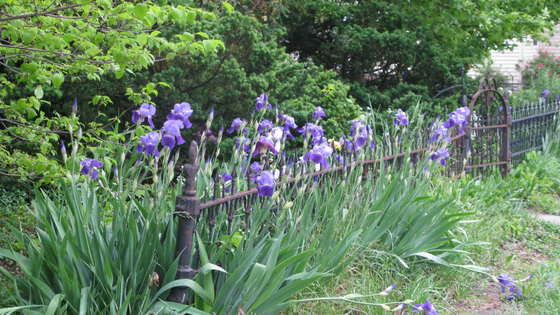
I love the irises I come across growing along old fences, or inside a garden, in different stages of unfurling: some still in tightly bound spears with tips of saturated color, others gracefully opened in full display. Like peonies and other spring flowers, their relatively brief  appearance creates a sort of urgency to appreciate them before they disappear with the season.

pix (554)

Irises always remind me of a visit to my hometown many years ago. On a walk through the side streets, I came upon a small house with a startling burst of color alongside a fence. From a thick row of slender green blades bloomed bunches and bunches of irises — tall and elegant, in colors of ethereal blue, dusky mauve, yellow, and combinations of royal purple and apricot, white and watercolor rose, lavender and deep gold. I had to step closer to marvel at the rich array, so casually crowded along the fence.

The owner of the house, an elderly woman with a warm smile, caught me admiring her flowers and offered to show me her garden in the back of the house. It was even more breath-taking — tucked away from view, full of winding brick paths and interesting details set among gorgeous flowers. It must have taken her years to create such a work of art. When I told her how much my mother would love the garden, she graciously welcomed us to stroll through it whenever we wanted, even if she wasn’t at home. I had the feeling that the woman’s generosity and kindness came from the same internal place as her desire to create the beautiful garden — a place that takes pleasure in life and wants to add to the world’s beauty. I brought my mom back later that day, and the delight she took in the garden remains etched in my mind long years since.

I’ve often thought of that May garden, and wondered how many other secret gardens there are in my town, and in the cities I have lived in, and the places I have visited. How many people create works of beauty for the sheer joy and pleasure they bring? How many so freely and graciously offer their efforts to passers-by in patches of flowers, or window boxes trailing with color, or in potted blooms in front of a house? Like the best parts of ourselves, flowers require tending to be coaxed into being, to be nourished with love and sunlight and weeding and watering. The result is a sort of two-way gift that is offered back to the world in a communication beyond words.

pale blue iris

Over the weekend, I took out my terracotta pots and planted them with rose and purple stock, pink geraniums, and scarlet carnations, and set them on my steps just outside the door.

The End of April

2 blossoming trees

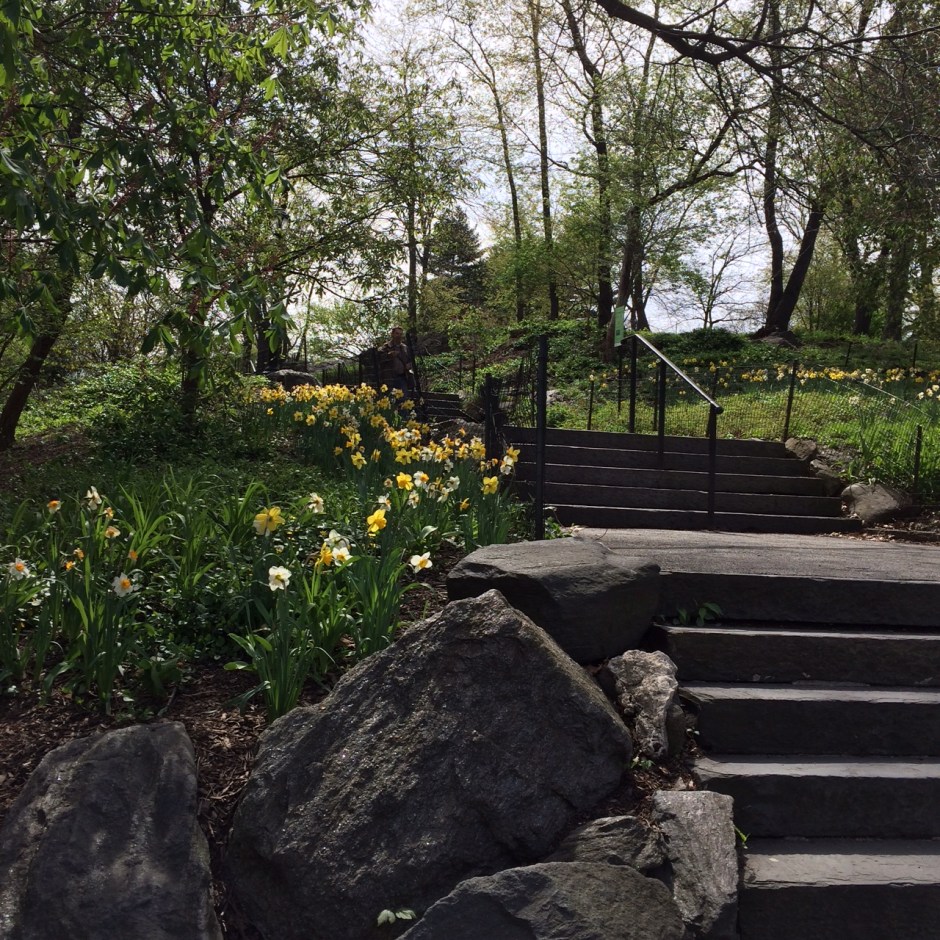
Do schoolchildren still sing the song “April Showers”? I think every year since I was a girl, some line, if not the whole song, runs through my mind in April. In an involuntary response, part of the melody just pops into my head when someone laments the rain, or when I come across a patch daffodils or violets.

daffodils for blog

A quick online search shows that the song was written in 1921 (in a period of post-war, pre-Depression optimism), and was introduced by Al Jolson in a Broadway musical. As can only be expected, the song’s  relentless optimism inspired parodies: “When April showers, she never closes the curtain…,” and a skit where a bucket of water is thrown on the far too cheerful performer. [https://en.wikipedia.org/wiki/April_Showers] (Some versions of the song, as with Judy Garland’s, begin with “When” rather than “Though.”)

April showers lyrics

Such sentimentality lingered on in the optimism of the 1960’s schoolroom, at least in small-town Illinois. On an old upright piano, our music teacher played from a repertoire that ranged from war songs to the flowers of spring, and the over-sized class of baby-boomers belted out tunes about violets, caissons rolling along, and flowers that bloom when the fairies sing.

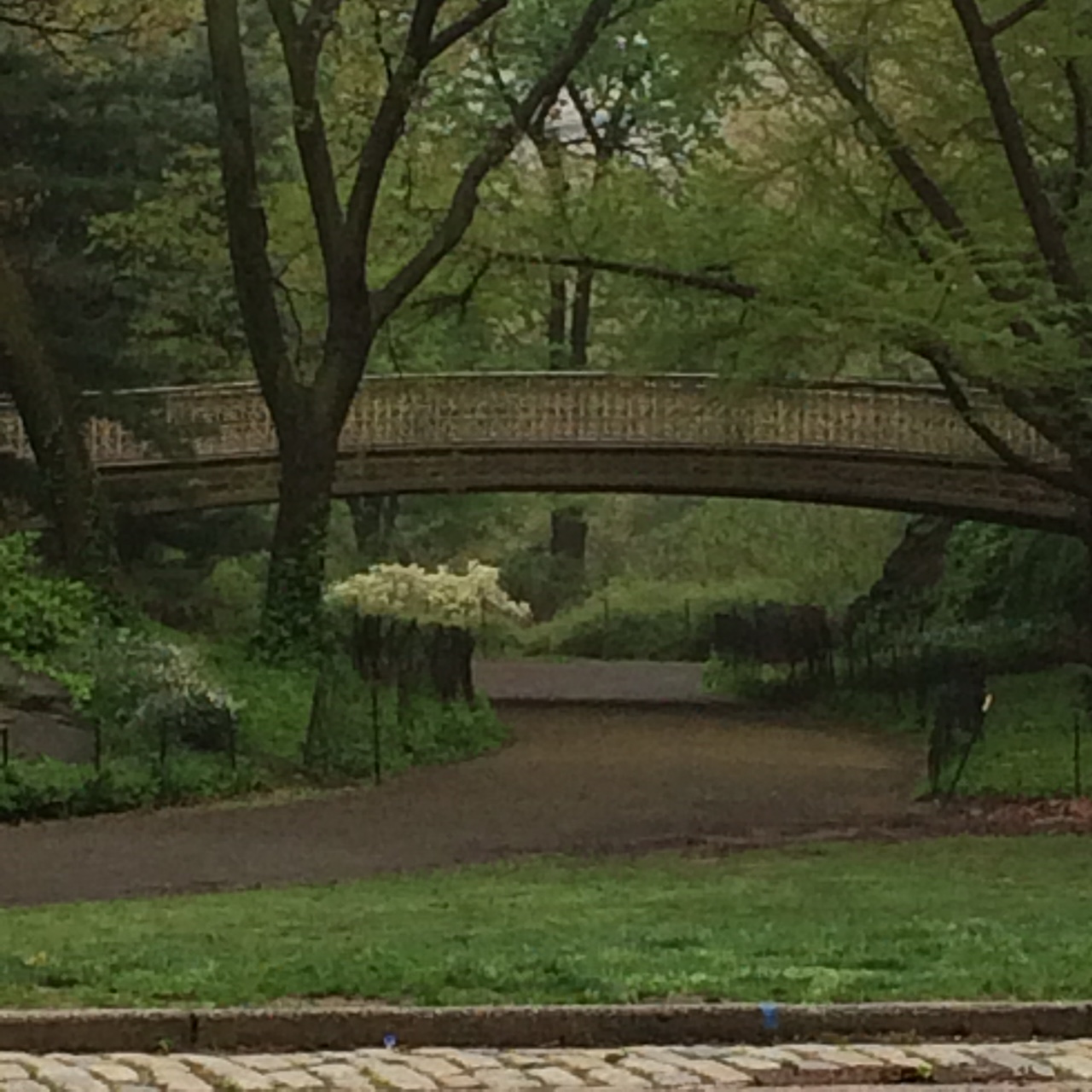
I love the rain of April and the color it brings. On such days the air itself seems tinged with green, so lush are the leaves and grass.

2 bridge

Green, rainy places have always held the most allure for me. On a trip years ago, I fell in love with Ireland and the Lake District in England — and very much want to go back. And a trip to Bangladesh had me gasping at such luxuriant green everywhere.

I actually moved to Seattle when I was young because I had heard that it was beautiful and hilly and green — and rainy. A soft rain was common enough, but dramatic storms with thunder and lightning, like Midwestern storms, were rare. Still, the soft rains kept Seattle blooming in flowers nearly all year long, and it lived up to its reputation as a beautiful, hilly, green city. (They call it the Emerald City and the last time I was there, they even had a yellow brick road to prove it.)

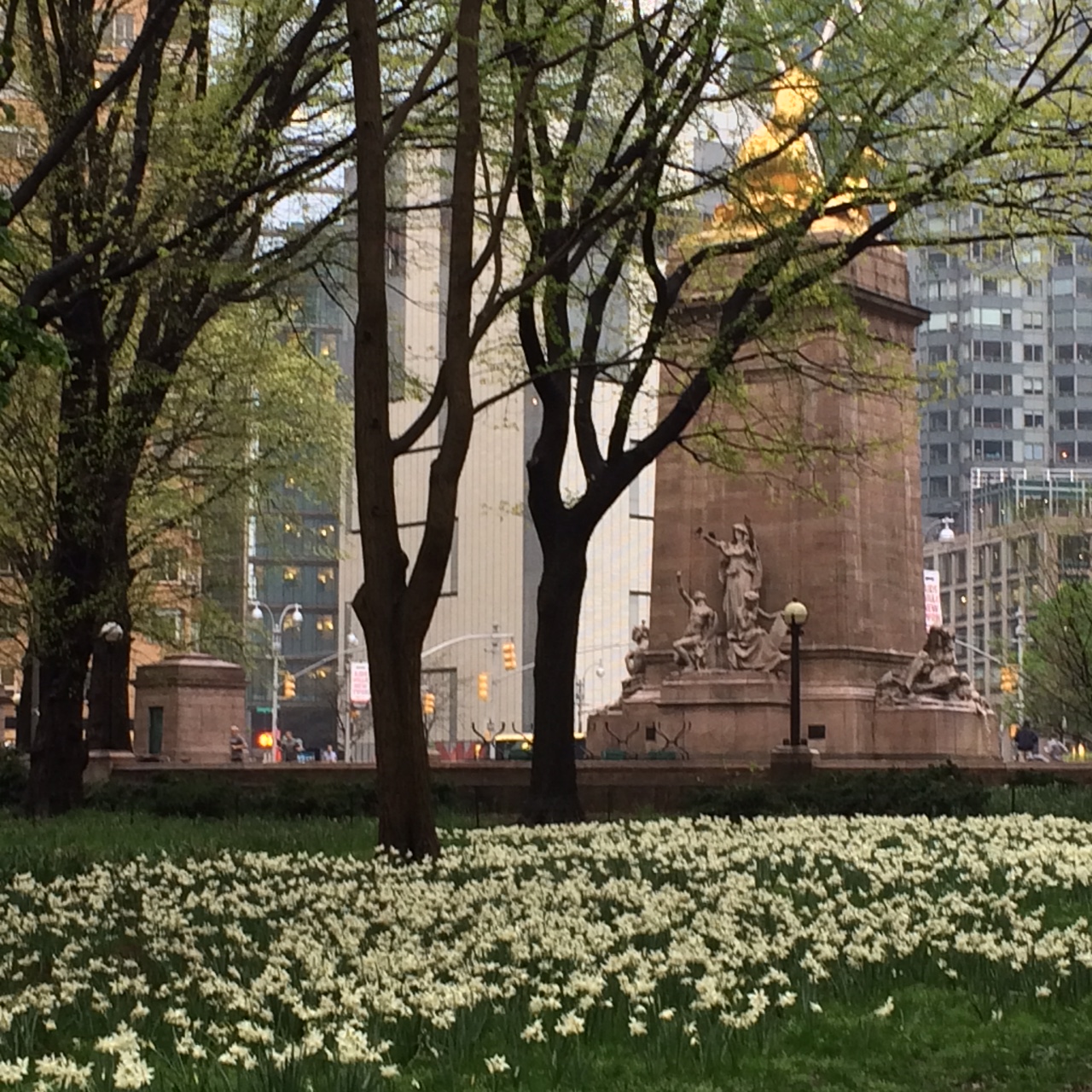
New York, like the Midwest, has seasons of intense green — April through June, for the most part. So when April showers come my way, I take my umbrella and indulge in the wealth of green.

2 post iris


2 tulips Columbus Circle