Women and the Workforce – WWII

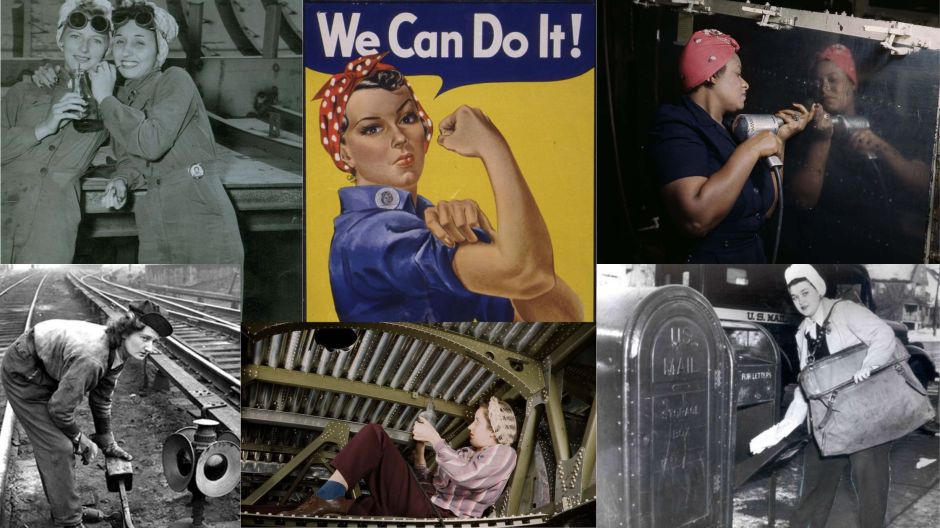
My latest book in the Christmastime series, CHRISTMASTIME 1946: A LOVE STORY, focuses on women in the workforce and the mixed feelings they had when the war ended and it was time for them to give up their jobs.

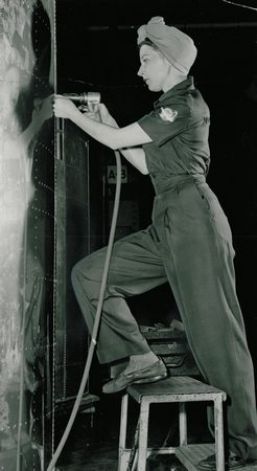
In WWII, the U.S. experienced a severe labor shortage as millions of men left to fight. The solution was to use women, along with minorities, immigrants, people with disabilities, teenagers, older adults, and retirees.
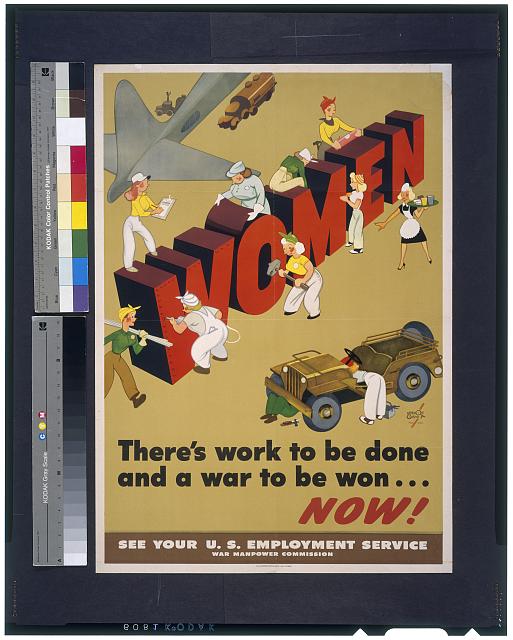
Before WWII, women were already working in large numbers (roughly 13 million) but in predominantly low-paying jobs: domestic service, clerical jobs, teaching, nursing, and textile factories. Most working women were young, lower-income, and single.

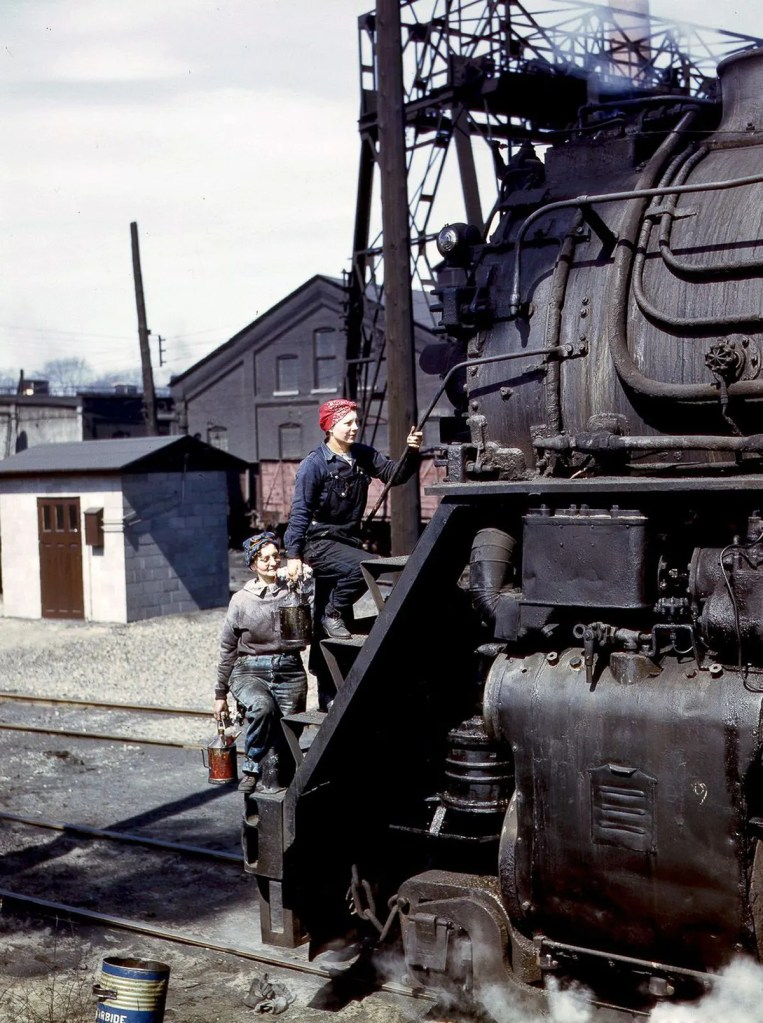
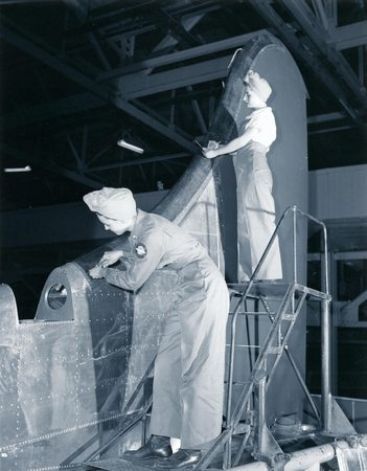
To fill the labor gap created by the war, over 6 million additional women joined the workforce – building aircraft, assembling tanks, producing munitions, and working in shipyards. They became welders and riveters, machinists and crane operators.
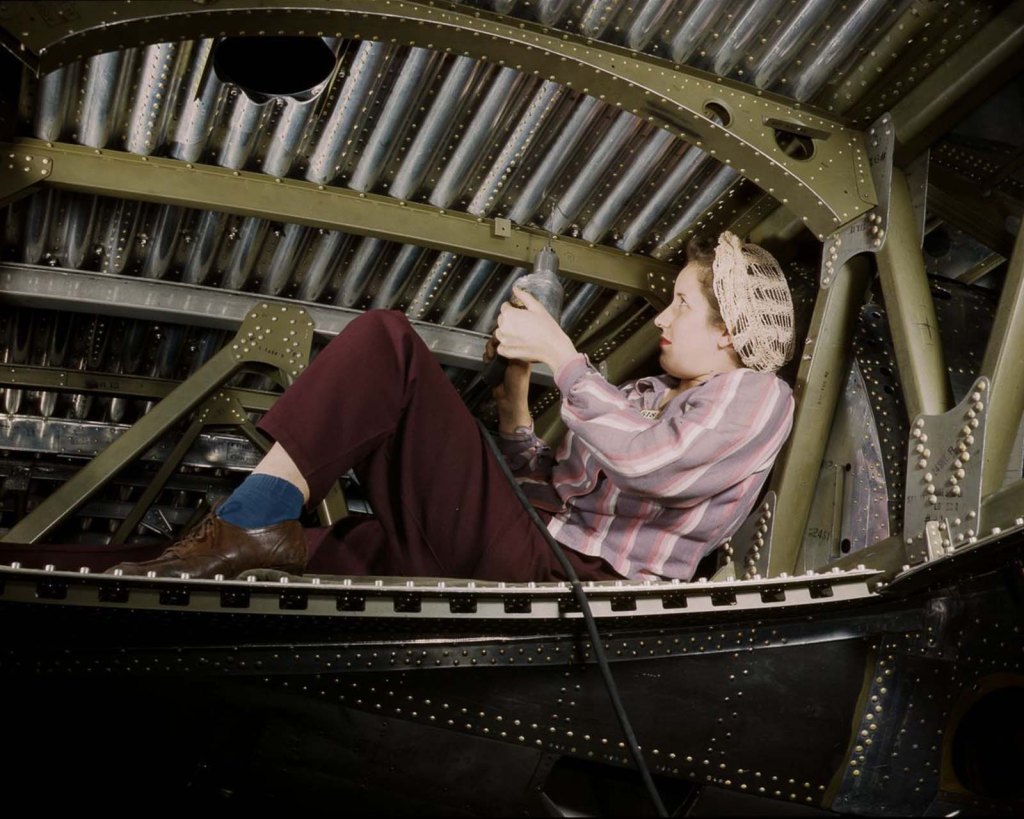
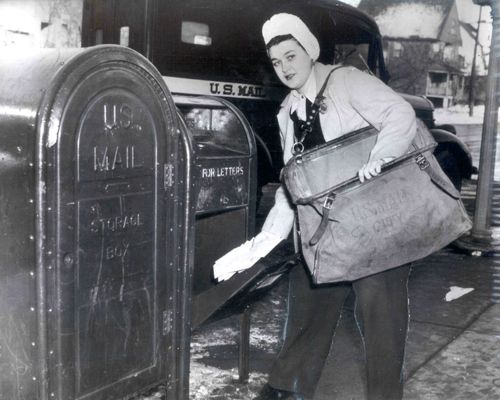
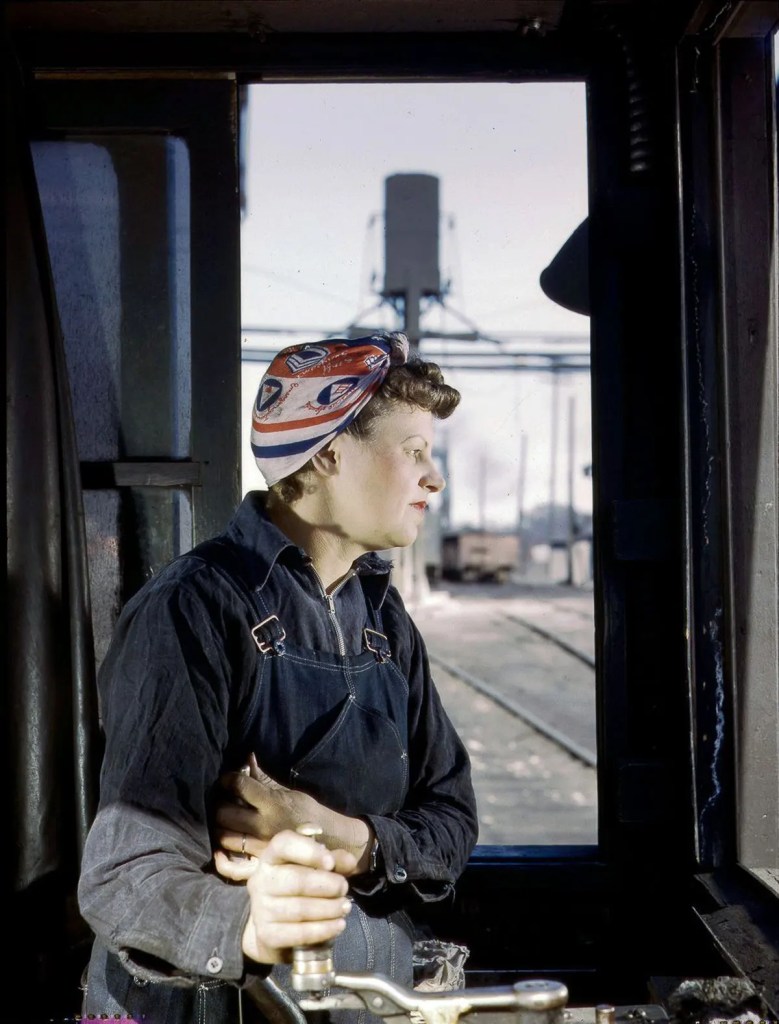
Others kept the country running – working as nurses and firefighters, managing offices, driving trucks and buses, working on the railroads,

delivering mail, working on farms and in food production, and countless other jobs.
Though it’s easy to idealize this period of opportunity for women, for many, it was grueling, hard work.
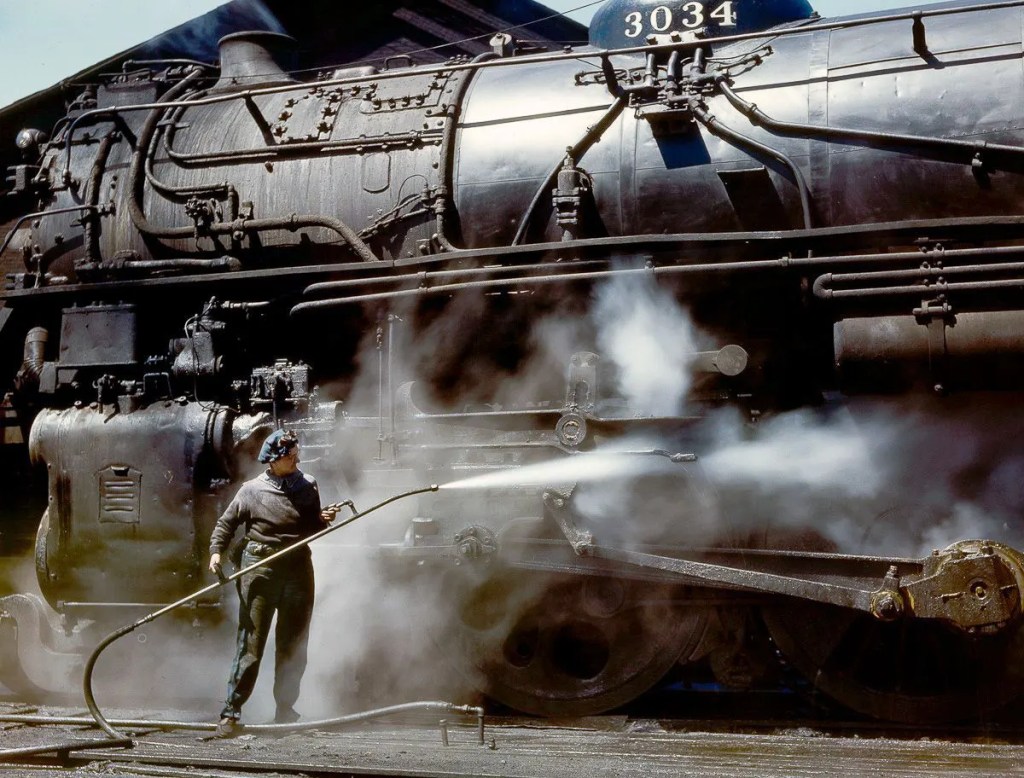
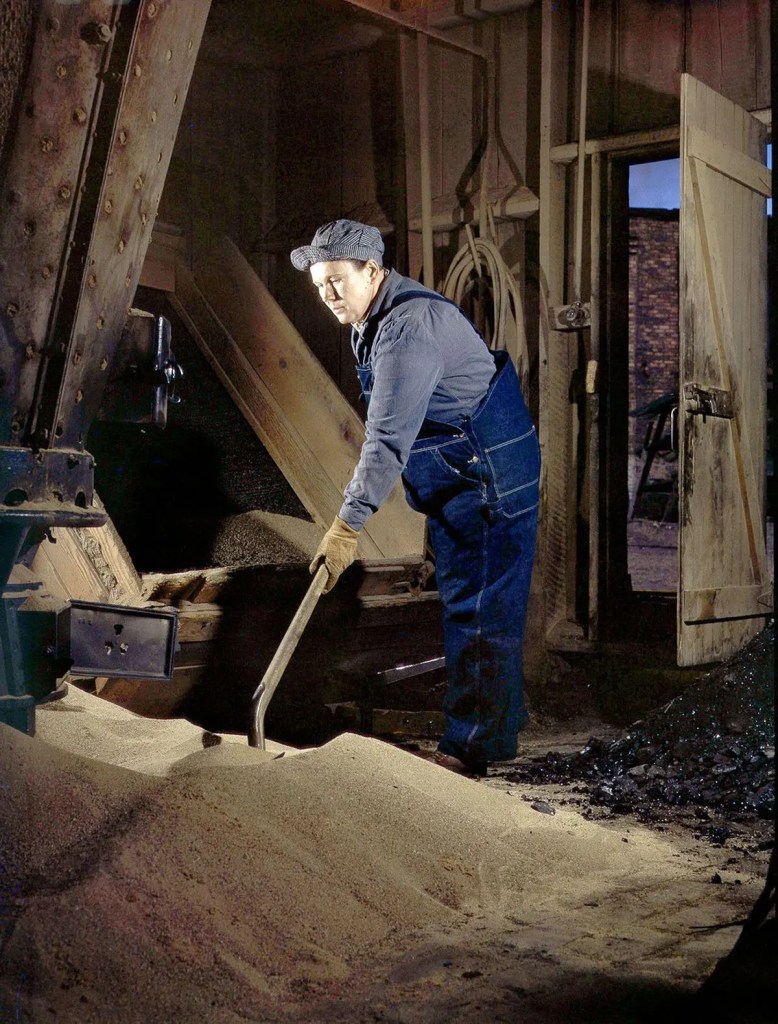
The war enabled women to move into higher-paying, traditionally male-dominated roles. However, it was clear from the beginning that it would be only “for the duration.” After the war, women were expected to leave their jobs to make room for returning servicemen. Rosie the Riveter had to go home.

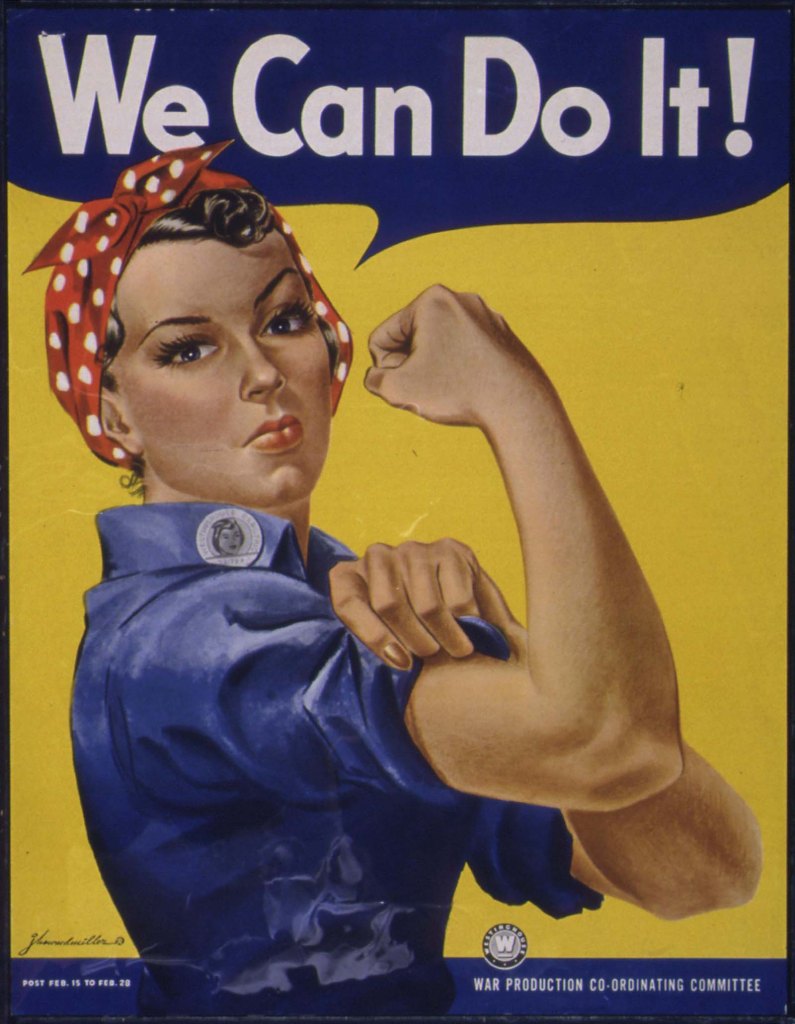
Working women were essential to the war effort and they proved just how capable they were. While many were only too happy to return to their prewar lives, others grappled with a deep sense of loss — of higher-paying jobs, of greater freedom and independence, and of the profound satisfaction that came from being part of something larger.

Enchanted April

Lately, I’ve been thinking about a movie I’ve always loved, Enchanted April, based on the 1922 novel by Elizabeth von Arnim. I remembered that I had bought the book a few years ago and decided to read it — and watch the movie again. Set shortly after WWI, the story is about two women who are unhappy with their dreary, loveless lives in rainy London.

After seeing an advertisement for “Wisteria and Sunshine,”

EA2

EA6

they become filled with the dream of renting a villa in Italy for the month of April.

The impetuous Lotty convinces her friend Rose to make the dream a reality.

They find two other women, who are also dissatisfied with their lives, to join them in order to help lessen the cost, and set off for Italy.

EA29

A  month of strolling through the terraced hillsides, enjoying the rocky shore, dining al fresco, and resting in the tranquility of the gardens enables their spirits to heal.

The result is a reawakening to life, love, beauty, and newfound friendship .


To “wisteria and sunshine,”

 and to healing the spirit.

Wisteria3


Valentine’s Day

Valentine blowup

“I love you not only for what you are, but for what I am when I am with you.” – Elizabeth Barrett Browning

“Each time you happen to me all over again.” – Edith Wharton

V piano roses

“In case you ever foolishly forget, I am never not thinking of you.” – Virginia Woolf

“All, everything that I understand, I understand only because I love.”  – Leo Tolstoy

“To love or have loved, that is enough. Ask nothing further. There is no other pearl to be found in the dark folds of life.” – Victor Hugo
V Amour petals

 “I wish you to know that you have been the last dream of my soul.” – Charles Dickens

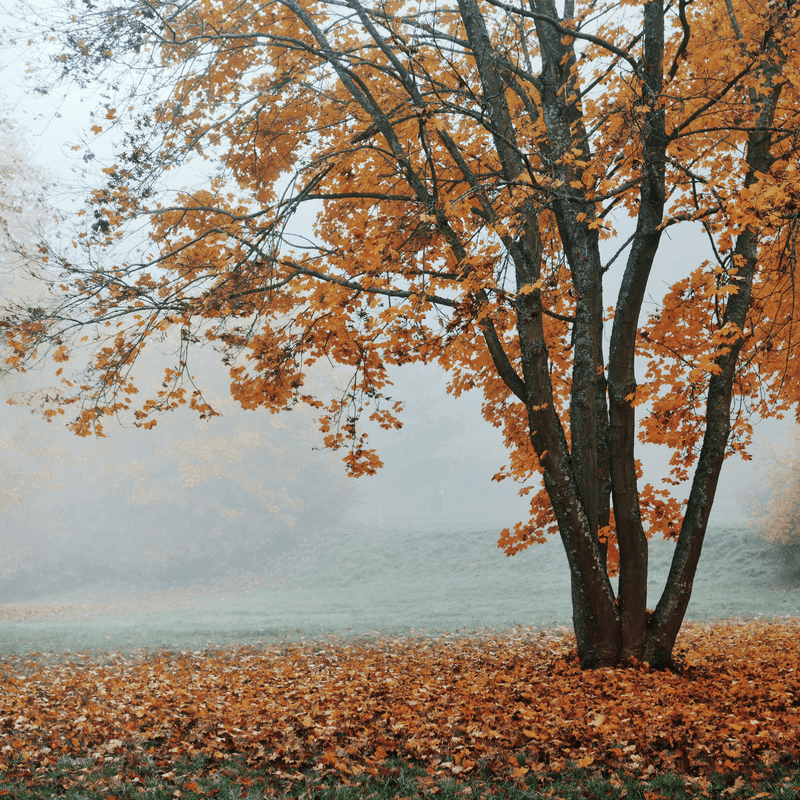
The autumn leaves are falling like rain…

autumn mist and leaves

There’s a poem I’ve come across over the years that is simple, beautiful, and lyrical. It seems to find expression in different times, in slightly different wording. All the versions are evocative, stirring up rich images and emotions.

The autumn leaves are falling like rain,
Although my neighbors are all barbarians,
And you, you are a thousand miles away,
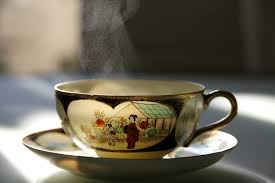
There are always two cups at my table.   – Tang Dynasty poem

In this version, most likely translated from the original, I imagine a rugged landscape,

rugged autumn


perhaps the Great Wall of China,

GW China autumn

and a cup of tea.

Chinese teacup

A quick search reveals a few remarkable facts about the period the poem was written in: “China’s Tang Dynasty, 618-907, is often considered the Golden Age of Chinese poetry. During this period, poetry was an important part of social life at all levels of society. Scholars were required to master poetry for the civil service exams, but the art was theoretically available to everyone. Tang poetry has had an ongoing influence on world literature.” (Wikipedia)

However, there are other, similar versions of the poem. Perhaps the poem has been been translated in various ways throughout the years, or perhaps different poets were moved by the universality of the poem and reworked it for their time and place.

For example, this later version about an earlier period, is said to describe the far reaches of Britannia under Roman rule:

Here at the frontier 
There are fallen gods 
And my neighbours 
Are all barbarians 
Although you 
Are thousands of miles away 
There will always be on my table 
Your cup.

Different imagery comes to mind: the wall morphs to Hadrian’s Wall, the landscape shifts to bleak highlands. I imagine damp cloaks, stomping horses, tents pitched next to a sputtering campfire.

And more recently, these lines, close to the original, appear in John Fowles’ The Magus:

“Here at the frontier there are falling leaves; although my neighbors are all barbarians, and you, You are a thousand miles away. There are always two cups at my table.”

rainy leaves window

All the versions suggest forced separation – perhaps by war, conquest, travel of some sort – contrasted with the memory of friendship, the comforts of home, civility.  They speak of longing, memory, and the hope for future togetherness. And most of all, they express that it’s the simple things in life that have the greatest pull on us.