Giverny — Life as a work of art

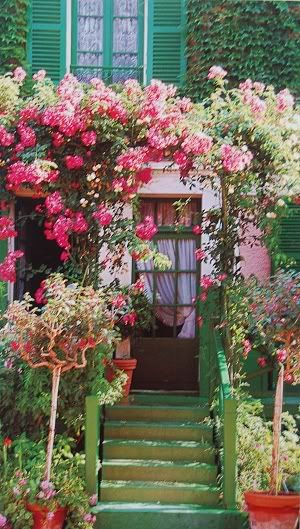
For quite some time, I’ve been dreaming about my next trip to France. Paris, of course, but I also want to see Normandy. Among other sites, Mont Saint-Michel has been beckoning for years. And high on my list is a trip to Giverny — Claude Monet’s home and gardens. I would love to see it in all seasons, but for my first visit, I want to experience it in the springtime. Giverny is what happens when you give yourself completely, and passionately, to something you love.

Giverny 6

Quotes from Monet’s letters:

“My garden is a slow work, pursued with love and I do not deny that I am proud of it. Forty years ago, when I established myself here, there was nothing but a farmhouse and a poor orchard…I bought the house and little by little I enlarged and organized it…I dug, planted, weeded myself; in the evenings the children watered.” – Claude Monet


“I perhaps owe having become a painter to flowers.” – Claude Monet


“My garden is my most beautiful masterpiece.” – Claude Monet


“People discuss my art and pretend to understand as if it were necessary to understand, when it’s simply necessary to love.” – Claude Monet

Giverny 5

“I work at my garden all the time and with love. What I need most are flowers, always, and always.” – Claude Monet

Giverny 8

“I want to paint the way a bird sings.” – Claude Monet

Giverny 3

“My heart is forever in Giverny.” – Claude Monet


The Garden House – a novel

A story of love, family, and home set among the lush summer evenings of Seattle. When Miranda rents out her garden house to a mysterious new tenant, she begins to have disturbing dreams that someone is in danger. Is it mid-life crisis? Empty-nest syndrome? Or is something sinister lurking right outside in her beloved garden? There’s only one way to find out.

“Enchanting, beautiful and heartwarming.” – Amazon review

“I was completely swept away by this tale.” – NetGalley review

“A thoughtful narrative with a mystery at its heart.” – Goodreads review

“Inspiring, romantic and suspenseful.” – Amazon review

GH 8

Passages from The Garden House

Clara had loved the profusion of forget-me-nots that surrounded the garden house, and decided to christen the cottage the Forget-Me-Not House.

GH forget-me-nots

[Miranda] loved every section of her garden, but this shadier and damper part always stirred in her a feeling of tenderness. It grew thick with hosta and ferns, and perennials that didn’t need much care – patches of bleeding hearts and shy lily-of-the-valley.

Paula stood and held up a potted flower. “Just look at this clematis – it’s as big as a saucer.”  Miranda reached out to touch the pale purple flower. “It’s beautiful.”

A sigh released from deep inside. Home. She was home and everything would be all right.

Filling her arms and basket, Miranda carried the flowers and greenery into the house, and spread them out on the kitchen table. Then she began arranging the flowers in vases and jars, and floating them in glasses and bowls.

Miranda led the way to the lower garden, where the tree-like rhododendrons and lower azaleas formed a sort of double wall.

GH Miranda 1

Amazon Link: http://a.co/6NUjTZI

GH with link

(All images are from my Pinterest boards)


Valentine’s Day

Valentine blowup

“I love you not only for what you are, but for what I am when I am with you.” – Elizabeth Barrett Browning

“Each time you happen to me all over again.” – Edith Wharton

V piano roses

“In case you ever foolishly forget, I am never not thinking of you.” – Virginia Woolf

“All, everything that I understand, I understand only because I love.”  – Leo Tolstoy

“To love or have loved, that is enough. Ask nothing further. There is no other pearl to be found in the dark folds of life.” – Victor Hugo

V Amour petals

 “I wish you to know that you have been the last dream of my soul.” – Charles Dickens

The Garden House — in winter (images from Pinterest)

gardenhouse_kindle_hiThough the story of The Garden House opens in late spring and closes in the fall, I made a Pinterest board called “The Garden House – winter.” The main character, Miranda, lives in Seattle and has a beautiful garden that’s an integral part of her life. I imagine her loving her garden in all seasons, including the rain and occasional snow of winter.

In The Garden House, Miranda’s garden becomes a  metaphor for life, with themes of family, change, memories, home, and the search for meaning. When all else goes wrong, Miranda retreats to her garden, with a cup of tea in hand, and finds solace.

Surrounded by the beauty of her garden, she allows herself to be captivated and inspired by the mysteries of life.

I imagine Miranda enjoying her garden in January, curled up in her window seat and watching the falling snow cover the birdhouses, birdbaths, and terra cotta pots.

I see her strolling through her garden, delighting in the vestiges of summer and fall — frost-covered roses, hydrangeas, and Queen Anne’s Lace.

In every season, Miranda fills her home with cuttings from her garden. I imagine her gathering branches of winter berries and greenery to make bouquets for her dining table and to set among the plants of the greenhouse window in her kitchen.

Perhaps she even brushes off the snow from a deck chair, and sipping a cup of hot chocolate, enjoys the tranquility and quiet of her winter garden.

table deck snow


Downton Abbey — in Manhattan

bells

Recently, my sister-in-law was planning a visit to New York City and when I asked her if there was anything in particular that she wanted to do, she said she would love to see Downton Abbey: The Exhibition. I hadn’t even heard about it, but it sounded like a good idea so I booked our tickets. Though I had only caught a few episodes of the series, I found that I was really looking forward to seeing the exhibit. And in the late afternoon of a cold winter’s day, we stepped into the world of Downton Abbey.

Edith

I was surprised to find that the exhibit was in the recently closed Lee’s Art store on 57th Street, a place I had frequented over the years. The windows that once displayed painting supplies, glittering frames, and whimsical toys, now held an equally enchanting display: images, items, and gifts relating to Downton Abbey — including an exquisite 1920’s dress in peacock blue and gold.

The New York City street was reflected in the window — scaffolding and yellow cabs, parkas and mounds of snow — and seemed a sort of symbolic contrast to the elegance of another era.

window contrast

We strolled through the exhibit, laughing as we were greeted by holographic videos (?) of Mr. Carson and Mrs. Hughes welcoming us to Downton Abbey, before they had to hurry away. We entered the “downstairs” area and worked our way up.  There was the kitchen with something simmering on the stove, the carton of eggs, the sounds of chopping and pots and pans being moved about. There was Carson’s pantry with the decanter, and there were those famous room bells.

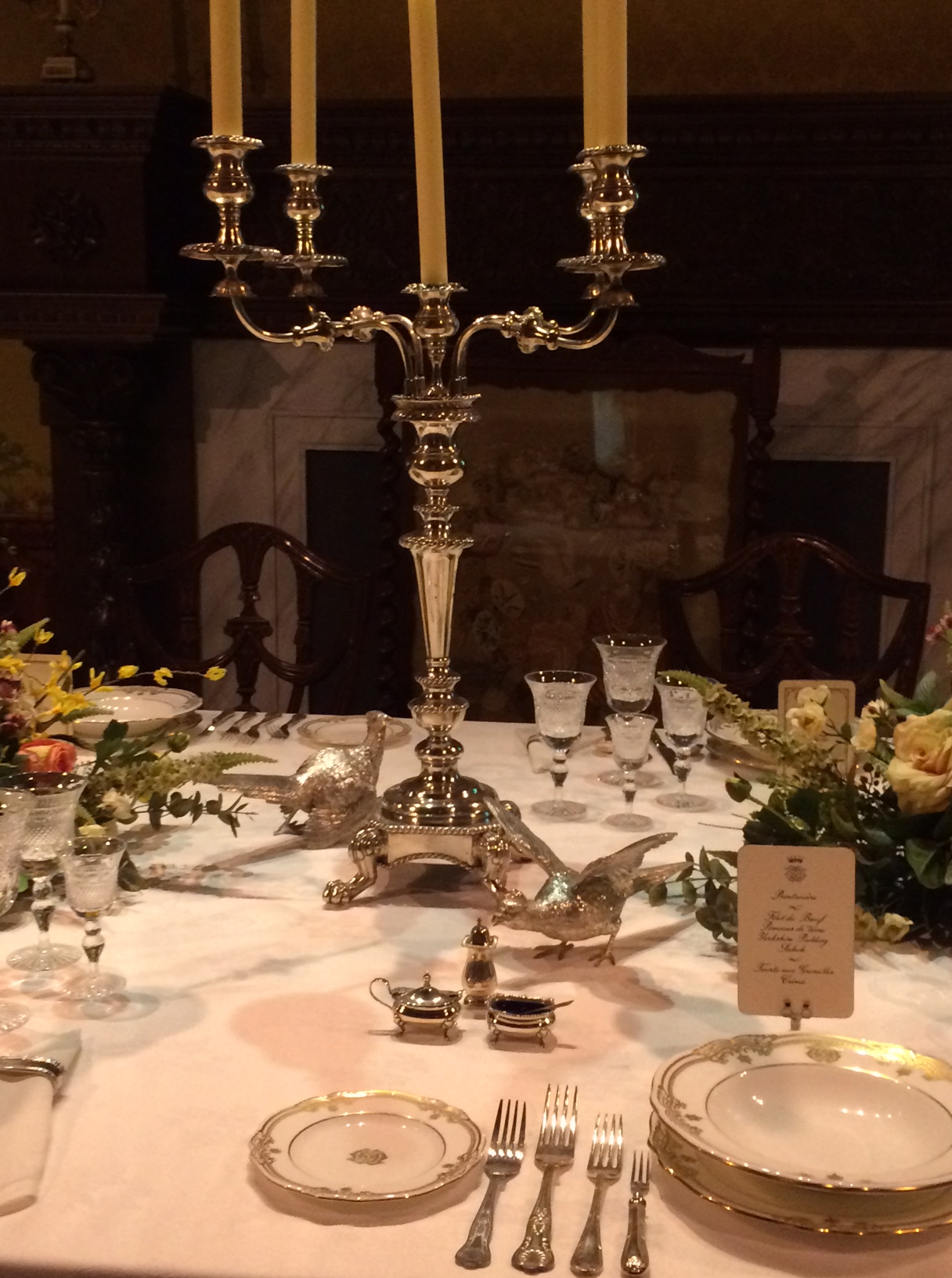
And there was the dining room with the beautifully set table.
dining table

One room had video snippets of different scenes from the series: the explosions and trenches of WWI shifted to tranquil interior scenes of a fire burning brightly in the library.

fireplace video

Another area was dedicated to short film excerpts featuring the acerbic wit of Violet Crawley. And throughout the exhibit were reminders of the period’s codes of conduct and rules of civility.

The clothes were beautiful, and I found myself lingering over the details of trim and beading and lace: the Edwardian opulence of Violet’s clothing, the shimmering elegance of the 1920’s dresses,

and those beautiful necklaces and earrings that complemented the clothing.

On every floor, in every room was the sense of a time gone by and the societal upheavals of yesteryear. One quote posed the idea that perhaps that earlier period was not so unlike our own times, with technology rushing us ahead, creating some disturbing trends, while offering other compensations.

Since I had only caught an occasional episode, I never got to know the characters and plots in the way that many people did.

So, on these snowy January evenings, I’ve started to watch the series from the beginning — paying extra close attention to the buttons and jewelry, the silverware and bells.


It’s A Wonderful Life — a Christmas classic (and an inspiration for indie writers)

crop It's A Wonderful Life (1)

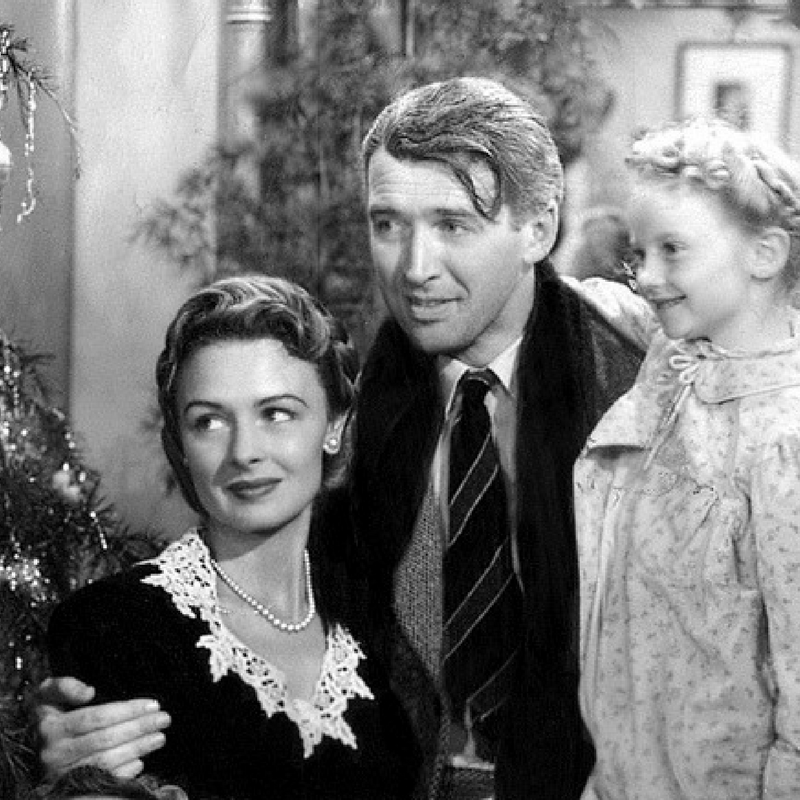
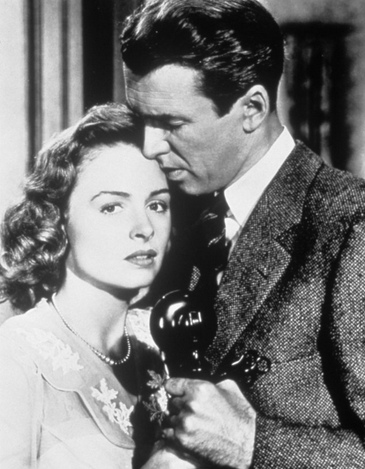
People often ask me what movies or books my Christmastime series is most similar to. For many reasons, the movie It’s A Wonderful Life comes to mind. It’s set during and just after WWII, it’s a story about love and family, the importance of friends and neighbors, and it’s about transformation.

Clarence

I happened to catch it on TV the other night, and though I know the movie by heart, I found that I loved it as much as ever.

on phone

The story behind the movie is also “wonderful,” and offers an inspirational example for today’s independent writers. The movie is based on a short story by Philip Van Doren Stern (1900 – 1984), an American author, editor, and Civil War historian.
The story goes that in “February 1938, Stern awoke with the story in mind. Inspired by a dream that was reminiscent of Charles Dickens’ 1843 A Christmas Carol, Stern wrote a 4,000 word short story called The Greatest Gift. He began work on it in 1939 but didn’t finish until 1943.

Dickens

Unable to find a publisher for his story, he printed two hundred copies of the story and distributed them as Christmas cards in 1943. One of the original palm-sized booklets came to the attention of a producer at RKO Pictures who purchased the rights, and then sold them to Frank Capra in 1945.” (Wikipedia)

Frank Capra title

“From this humble beginning, a classic was born. Stern’s story captivated Capra, who said he ‘had been looking for [it] all [his] life.’ Capra’s beloved adaptation, It’s a Wonderful Life, was released in 1946,” (Zoetrope – www.all-story.com) and has become part of the American Christmas tradition.

bell on tree


The Plaza Hotel – book cover

All the book covers in the Christmastime series feature an old-looking photograph set in winter. They to help establish a sense of place and give the impression of peering back in time. The images also portray places that are still in existence in Manhattan, so that the reader can feel it’s possible to step into the world of Christmastime by strolling through New York City, whether literally or imaginatively. Hence, the snowy photographs of a brownstone and several scenes from Central Park.

The covers must also reflect the content and tone of the books. I chose increasingly lonesome images and darker colors as the war years wore on, especially for Christmastime 1942 and Christmastime 1943.

Though 1944 was another terrible year, the Allies were clearly gaining the upper hand, and many people believed that the war in Europe would be over by Christmas. (The mid-December surprise count-offensive by the Germans, resulting in the Battle of the Bulge, quashed that hope, and the war raged on.)

But when December arrived, hope was in the air. For the cover of Christmastime 1944, I wanted an image that was lighter, brighter, and more hopeful. When I came across the image of the Plaza Hotel lit up at night, I thought it would be perfect for the story – especially since the hotel figures into one of the plots.

cover Christmastime 1944

If you’re ever in Manhattan, stop by the Plaza Hotel for lunch or tea. Stroll through the lobby to look at the beautiful bouquets of seasonal flowers, the mosaic floors, and the stained-glass ceiling in the Palm Court.


And if you’re in the Christmastime frame of mind, you just might catch a glimpse of a lovely woman in a 1940’s satin and chiffon green dress.

Plaza PP mosaic

Memorial Day — Thank You

My WWII Christmastime series takes place on the home front, mostly in New York City, with a secondary plot occurring on a farm in Illinois, and a bit of action on an orchard in upstate New York. Though the focus is on family and love and Lillian’s journey as an artist, the impact of the war is felt on every page. The veterans who make an appearance are either recovering in hospital, or are home on leave. Some are getting ready to ship out for the first time.

My father was a WWII vet. He enlisted when he was barely eighteen, joining the Army Air Force as a tail gunner. My siblings and I grew up with war stories that took place decades earlier. Mostly humorous stories about the other young men (boys, really) in his crew. He flew twenty-five missions in 1945 and said he was given the last rites before every mission, and a shot of whiskey on his return. He said when he came home at war’s end, his mother broke into tears — of happiness to be sure, but also because of the wear and tear on his face. He said that ice always clung to his face at the high altitudes, and pulled on the skin below his eyes, giving him the look of a much older man.

But he came back, whole, happy to be alive, eager to begin his life.

Yank

I continue to do research for the last two books in the series, Christmastime 1944 and Christmastime 1945. And though I have my dad’s Yank magazines, a few letters, and his medals, I wish he were still here. There are so many questions I haven’t found answers to in my research, so many questions I still want to ask him. I wish I could get out a pen and paper to take notes as I listen to his stories — and to tell him: Thank you.

Nimitz quote


Our veterans are our gold, full of courage, sacrifice, and experience. To all who have given so much — thank you.

vets stars blue


A Sense of Sky

I’ve lived in New York City for almost thirty years and love it as much now as I did when I first moved here. But one of the things I miss, something from my girlhood, is the sense of sky — the wide-open vistas of the Midwest.

Image (483)

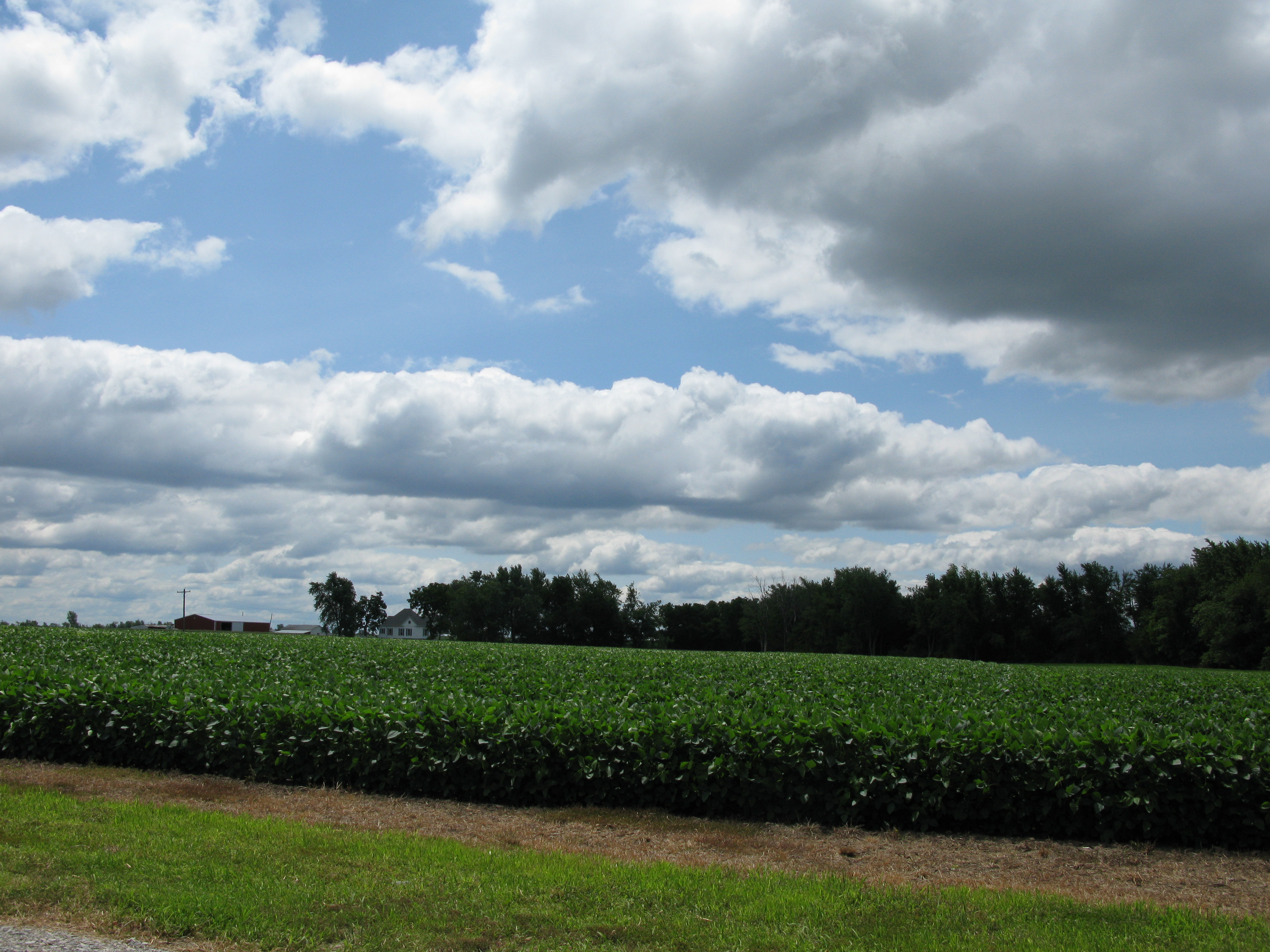
It’s a feeling of proportion you become aware of, driving along the Illinois fields, where the sky seems to take up a good two-thirds of the world. Here in New York I catch glimpses of sunsets or storm clouds between tall buildings, or over the rooftops. Beautiful, but without the sense that the sky dominates.

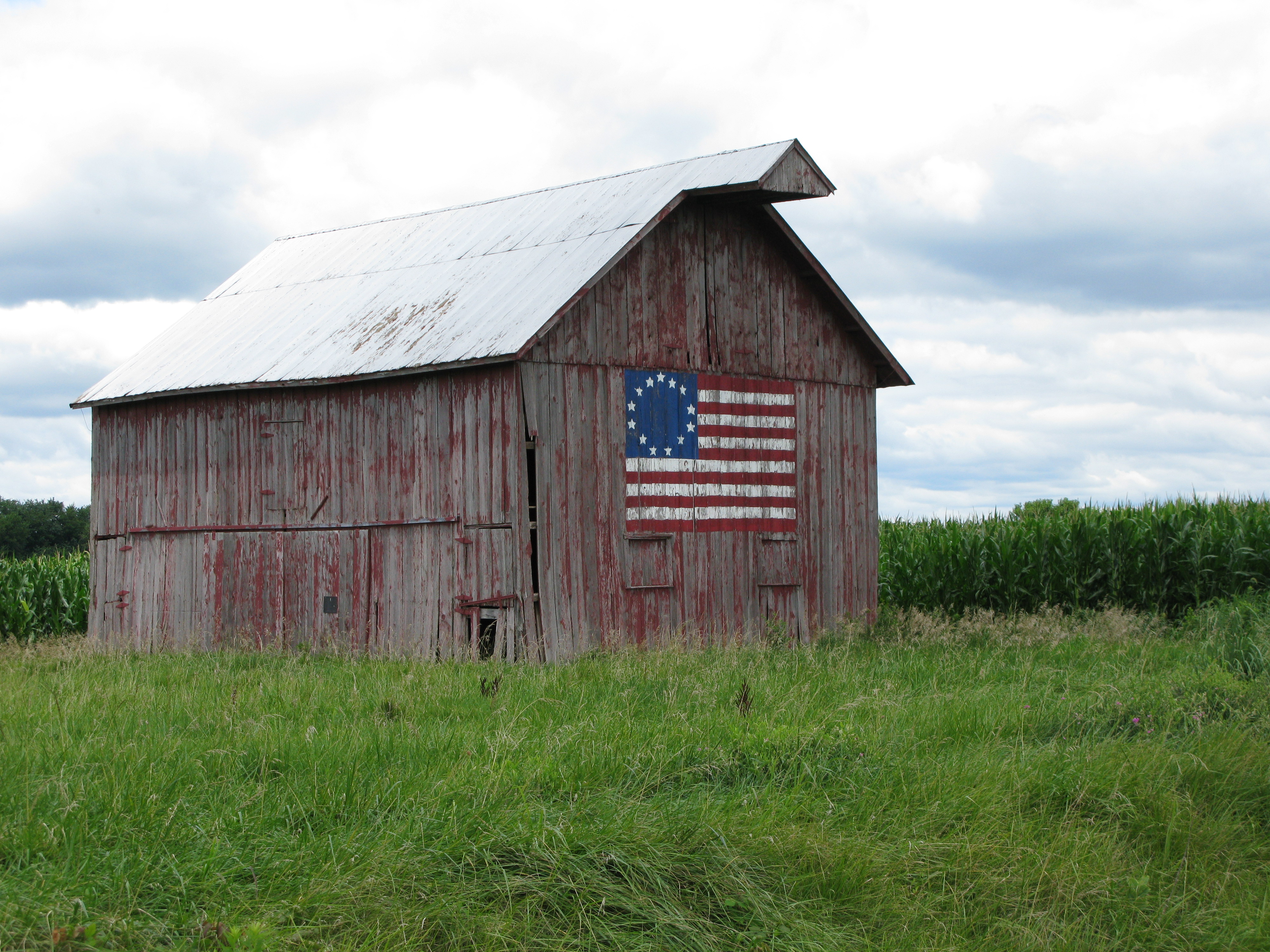
farmhouse Canva

I grew up with the drama of stormy skies over far-reaching fields, and the endless blue skies of summer with high, puffy white clouds, subtly changing, holding form just long enough for you to find an image before shape shifting again. To stand under such skies is humbling, and at the same time, makes you feel a part of something grand.

Image (477)

That sense of sky has found its way into some of my stories. In Christmastime 1943: A Love Story (Book Four of Six), a secondary plot takes place on a farm in Illinois. At different times throughout the story, Ed, the old farmhand, Kate, the owner of the farm, Ursula, her beautiful daughter, and Friedrich, the German POW, all look to the winter sky and find solace and beauty, or a reflection of their internal state.

“[Ed] gazed out over the fields of corn stubble at the magnificent sunset. Bold streaks of orange and purple spanned the sky….Beautiful and strong – just like the women inside the farmhouse, he thought with a shake of his head.”sunset fields 1943.png

“[Ursula] stood at her window and gazed out over the late afternoon fields. The stubble of the corn fields shone a rosy gold in the setting sun. The sky filled with sweeping bands of deep blue and gray – at the horizon a shimmer of pink pulled at her heart. The sad beauty of the day filled her with longing.”

So I find that though I’ve moved away from Midwestern skies, they are still with me here, in New York City.

1943


Irises of May

irises railing Canva

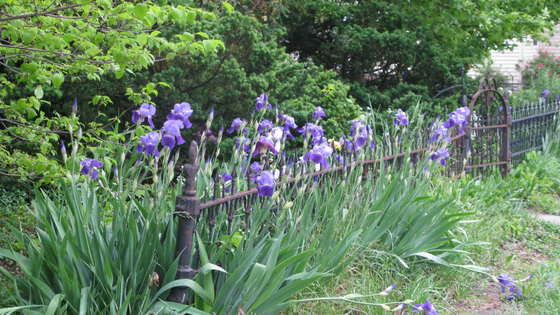
I love the irises I come across growing along old fences, or inside a garden, in different stages of unfurling: some still in tightly bound spears with tips of saturated color, others gracefully opened in full display. Like peonies and other spring flowers, their relatively brief  appearance creates a sort of urgency to appreciate them before they disappear with the season.

pix (554)

Irises always remind me of a visit to my hometown many years ago. On a walk through the side streets, I came upon a small house with a startling burst of color alongside a fence. From a thick row of slender green blades bloomed bunches and bunches of irises — tall and elegant, in colors of ethereal blue, dusky mauve, yellow, and combinations of royal purple and apricot, white and watercolor rose, lavender and deep gold. I had to step closer to marvel at the rich array, so casually crowded along the fence.

The owner of the house, an elderly woman with a warm smile, caught me admiring her flowers and offered to show me her garden in the back of the house. It was even more breath-taking — tucked away from view, full of winding brick paths and interesting details set among gorgeous flowers. It must have taken her years to create such a work of art. When I told her how much my mother would love the garden, she graciously welcomed us to stroll through it whenever we wanted, even if she wasn’t at home. I had the feeling that the woman’s generosity and kindness came from the same internal place as her desire to create the beautiful garden — a place that takes pleasure in life and wants to add to the world’s beauty. I brought my mom back later that day, and the delight she took in the garden remains etched in my mind long years since.

I’ve often thought of that May garden, and wondered how many other secret gardens there are in my town, and in the cities I have lived in, and the places I have visited. How many people create works of beauty for the sheer joy and pleasure they bring? How many so freely and graciously offer their efforts to passers-by in patches of flowers, or window boxes trailing with color, or in potted blooms in front of a house? Like the best parts of ourselves, flowers require tending to be coaxed into being, to be nourished with love and sunlight and weeding and watering. The result is a sort of two-way gift that is offered back to the world in a communication beyond words.

pale blue iris

Over the weekend, I took out my terracotta pots and planted them with rose and purple stock, pink geraniums, and scarlet carnations, and set them on my steps just outside the door.