After years of dreaming about it, I finally visited Provence, seeing towns and villages that stretched from Avignon on the Rhone,
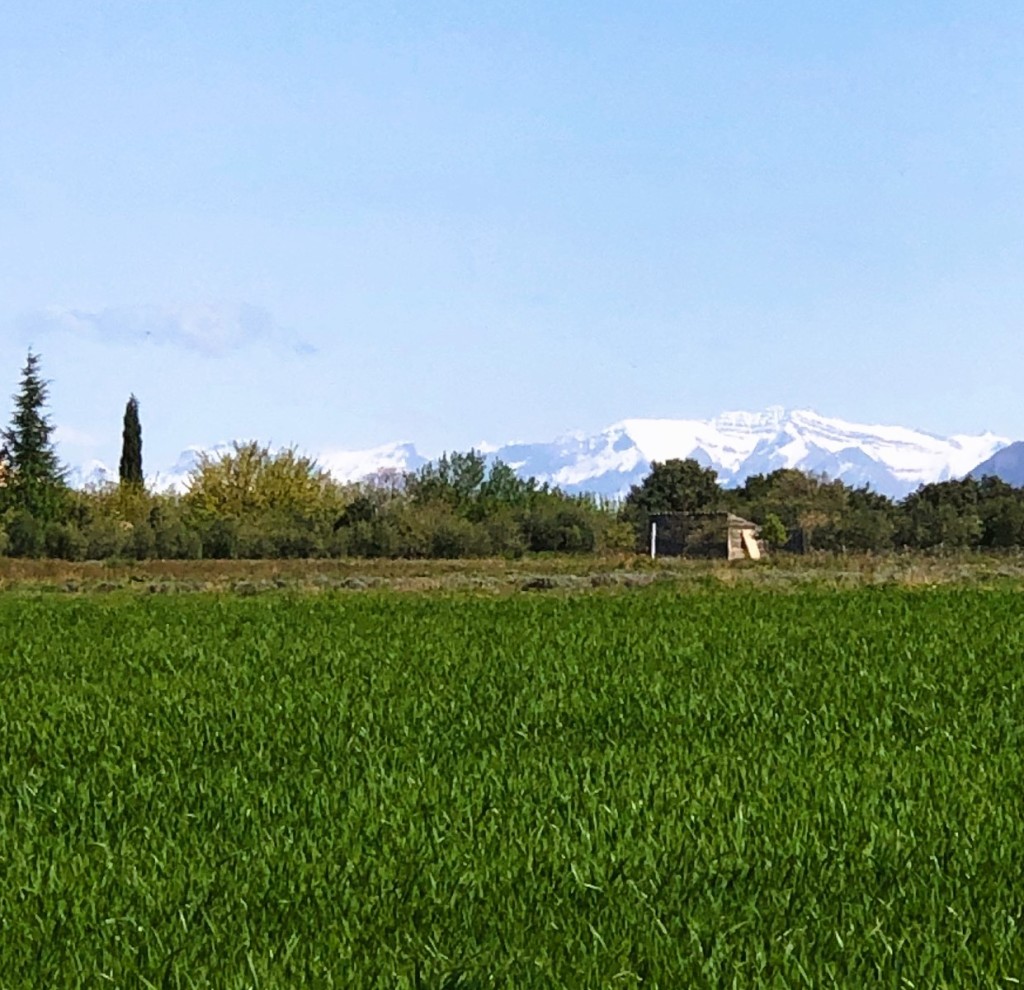
to Moustiers-Sainte-Marie in the east, with the snow-capped French Alps in the distance.
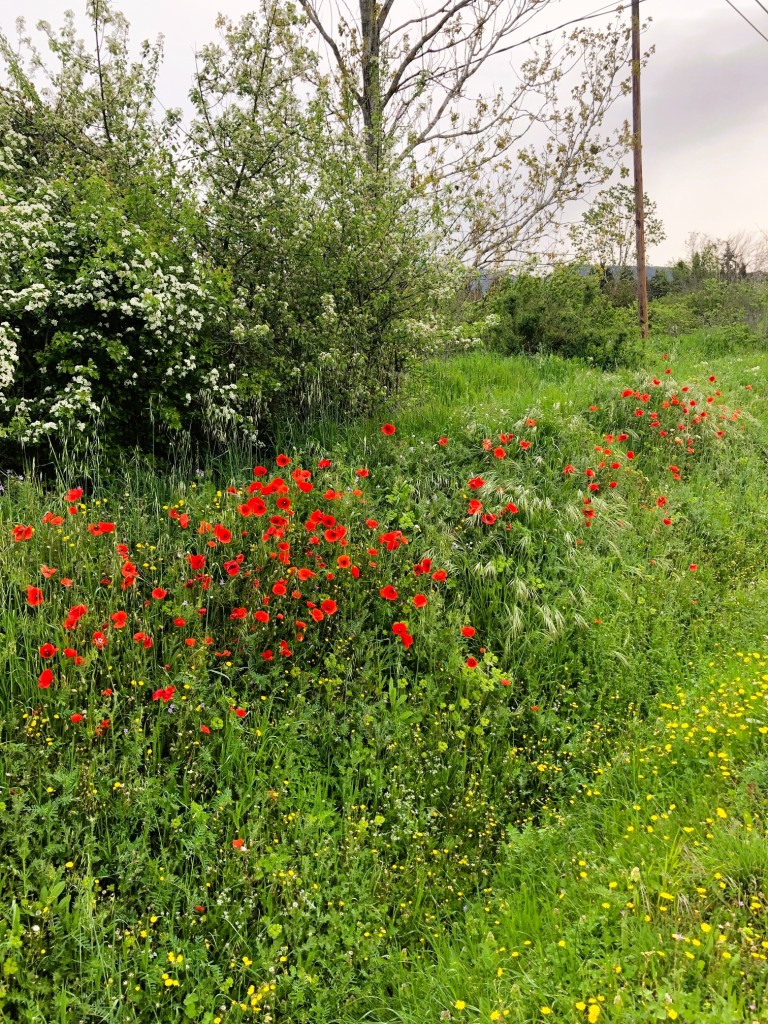
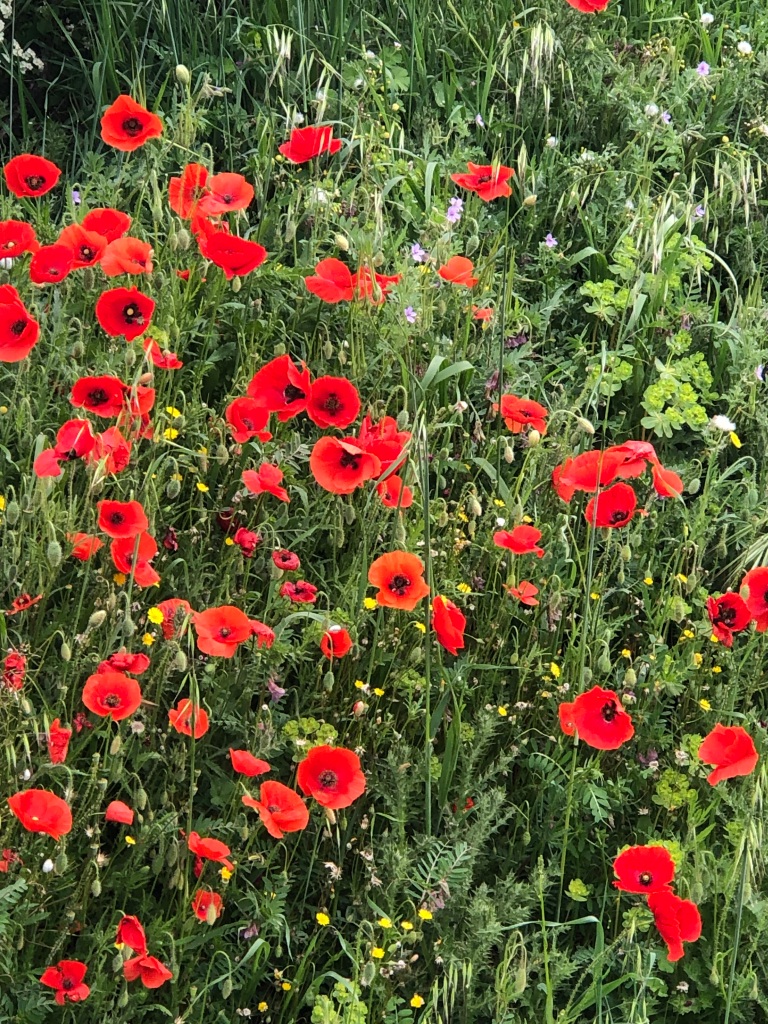
Although it was too early in the year for its famous lavender and sunflower fields, the Luberon Valley was bursting with flowers. In addition to the cheerful, beloved red poppies,
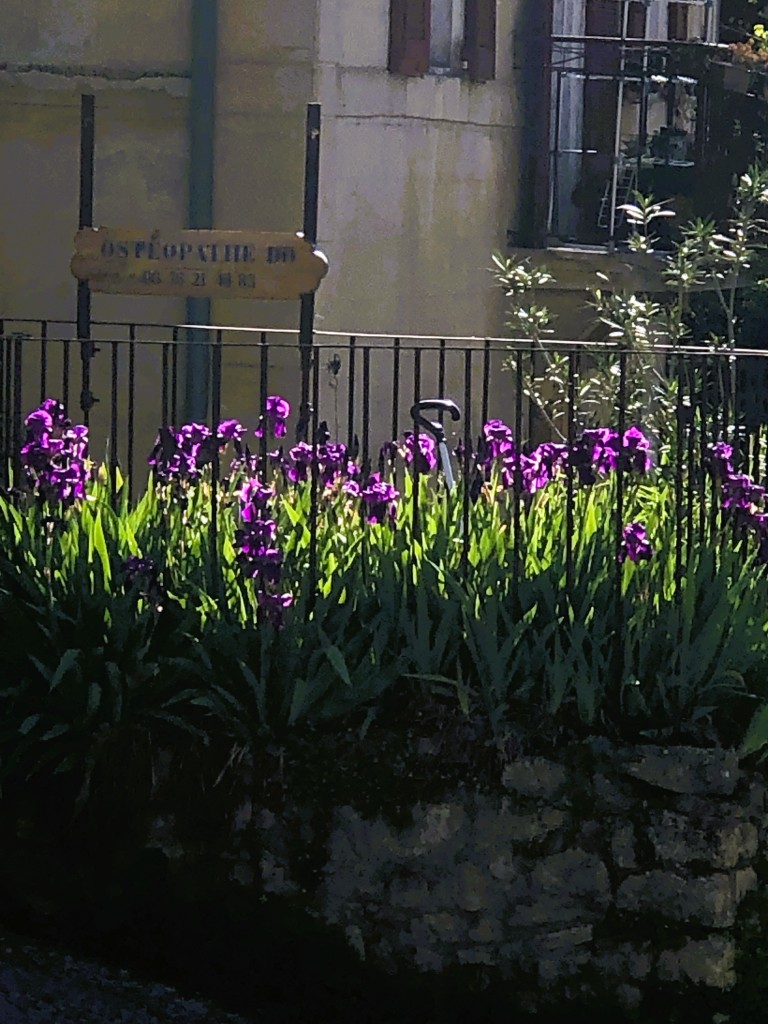
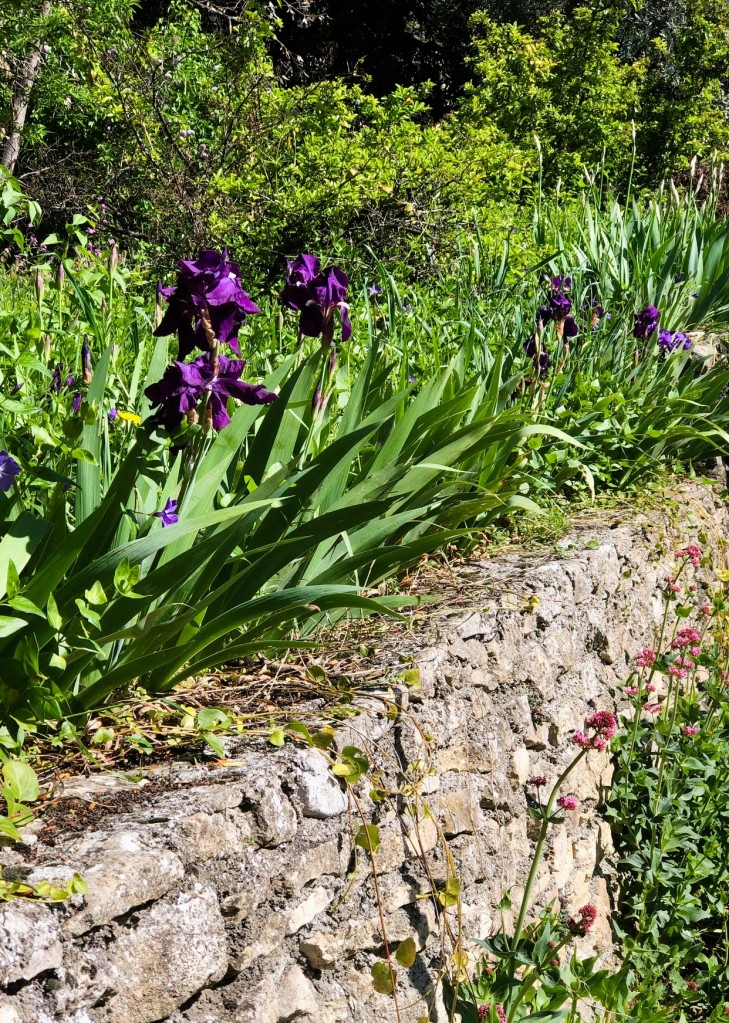
there was purple everywhere: deep royal irises,
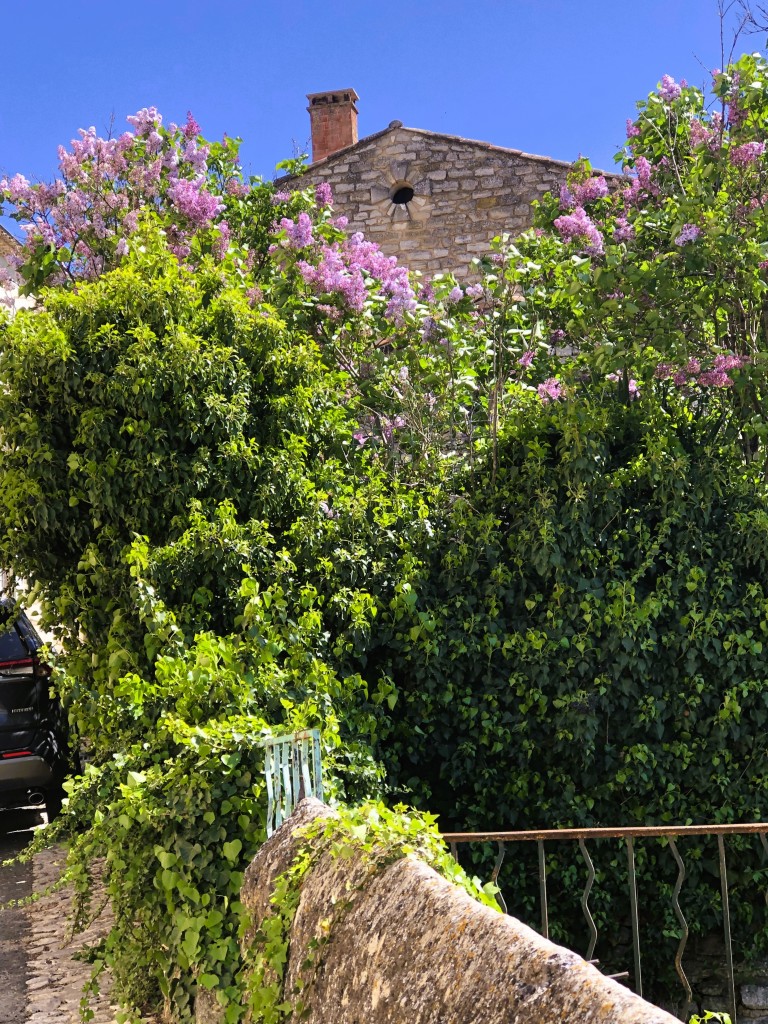
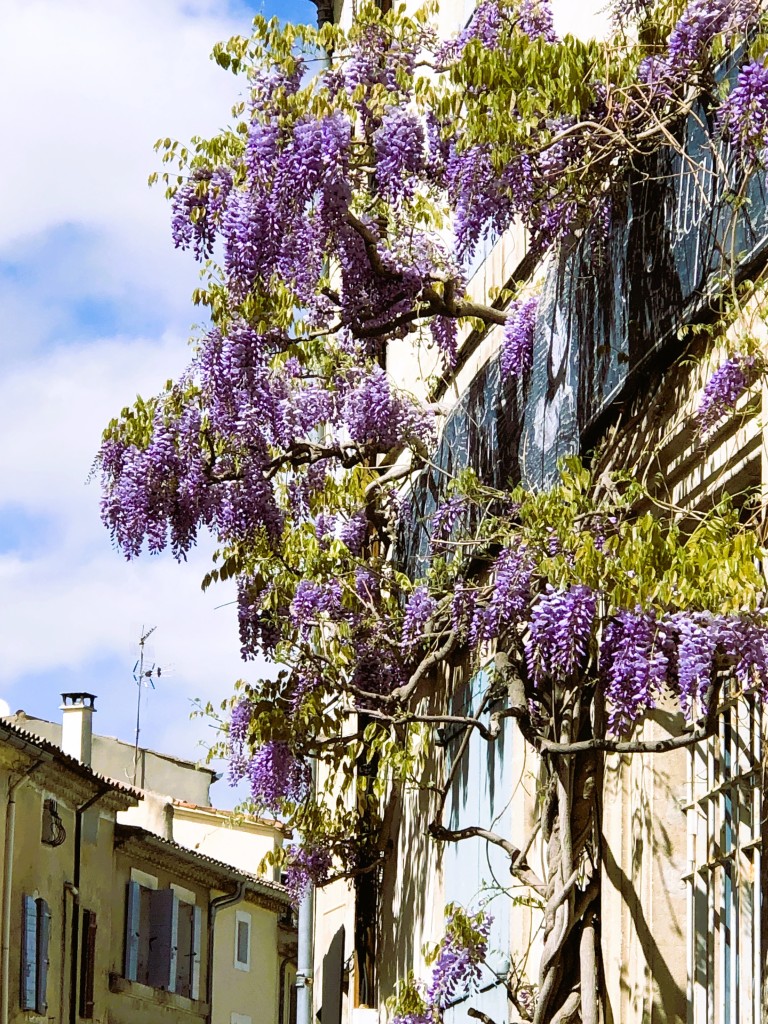
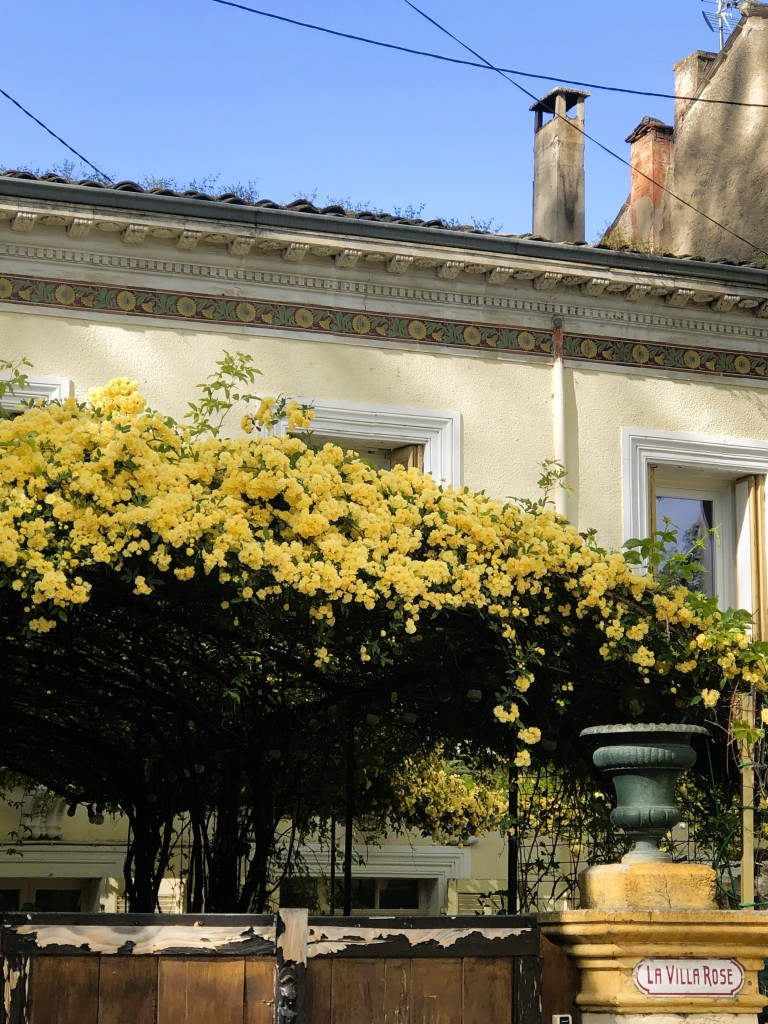
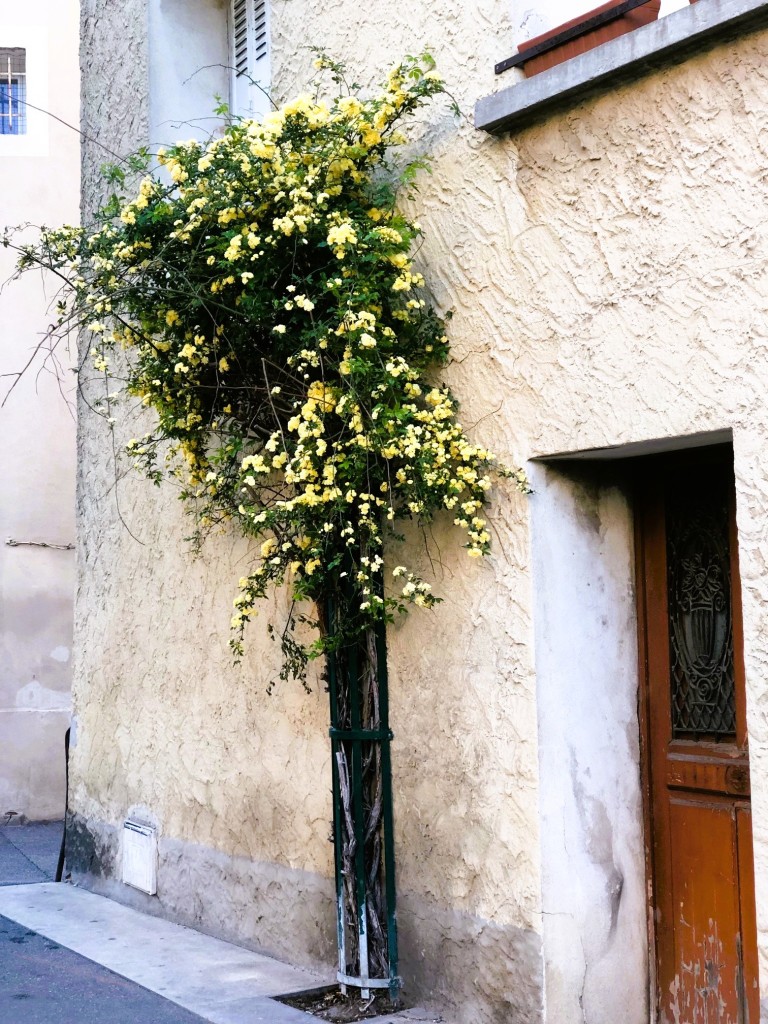
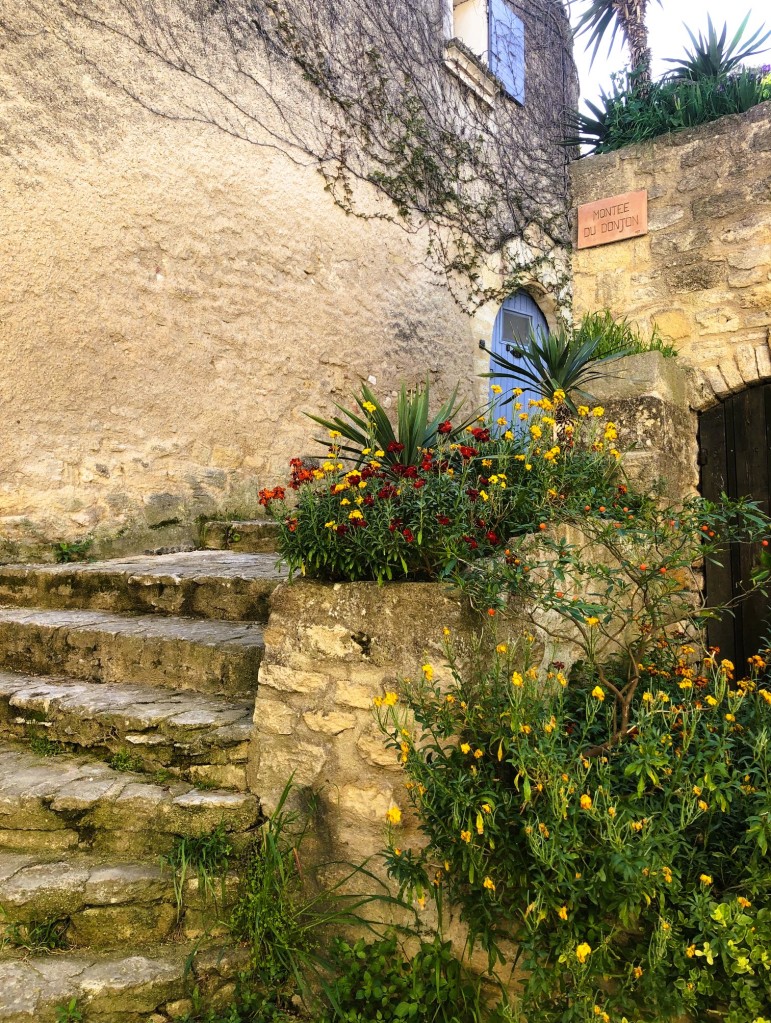
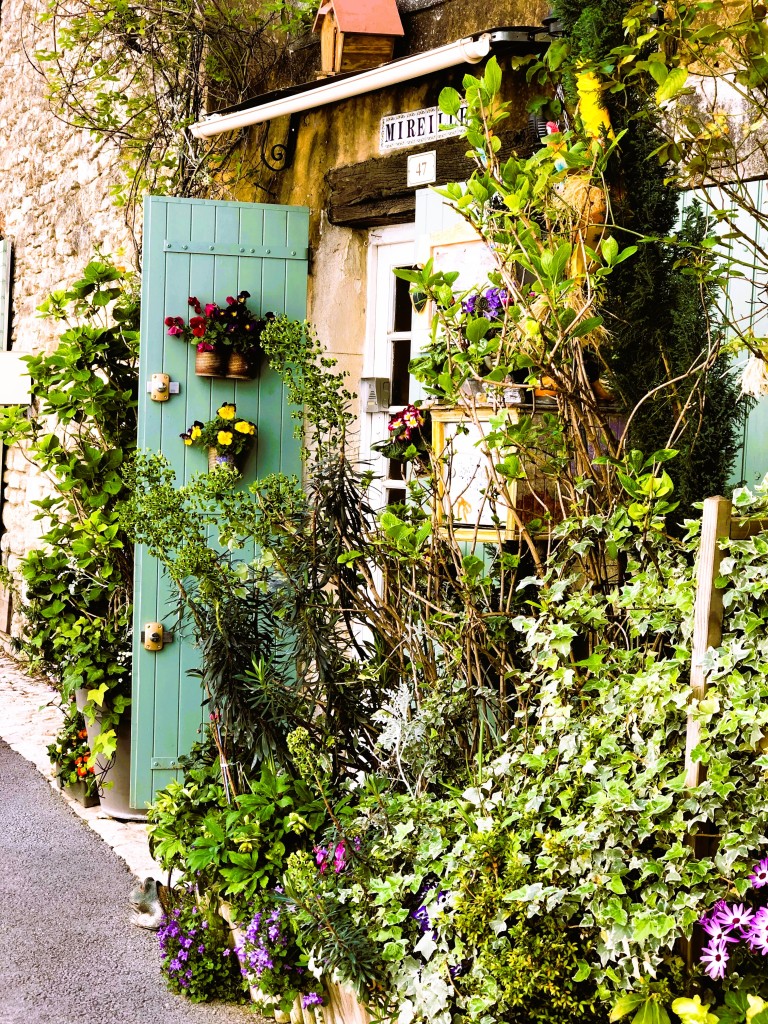
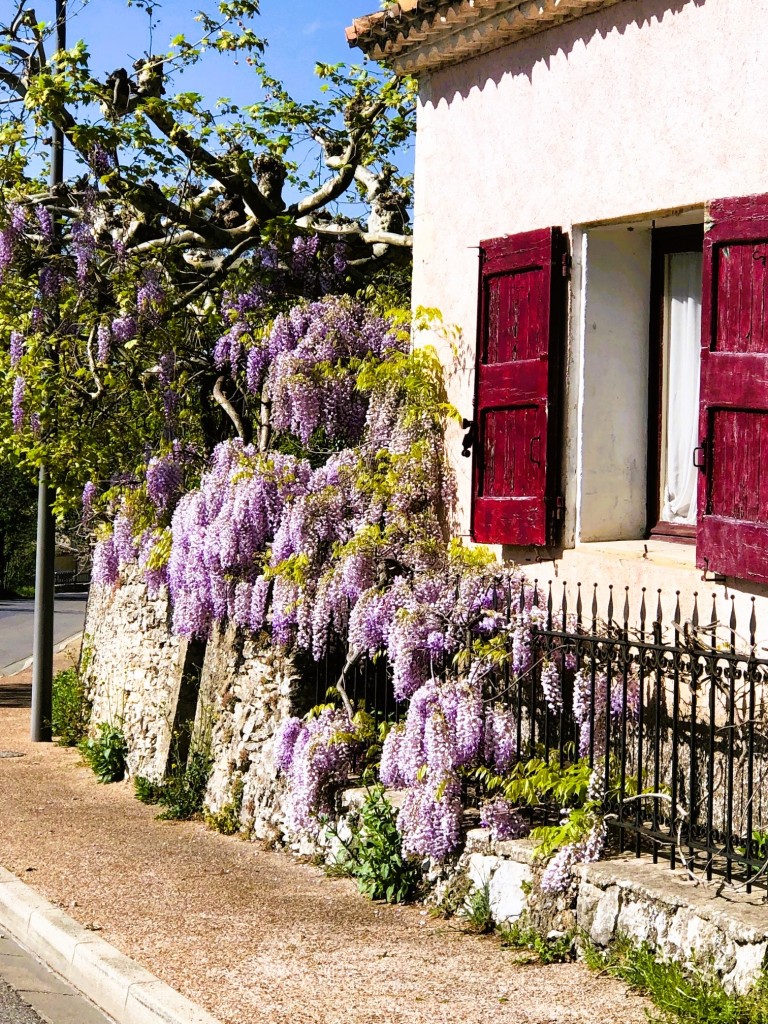
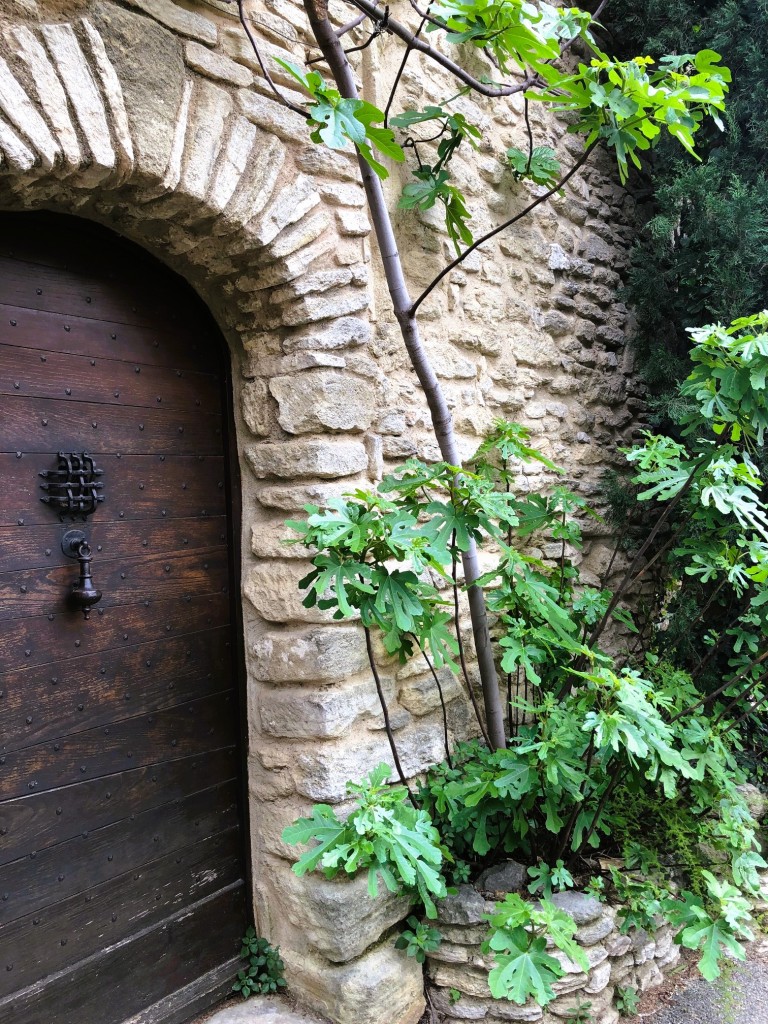
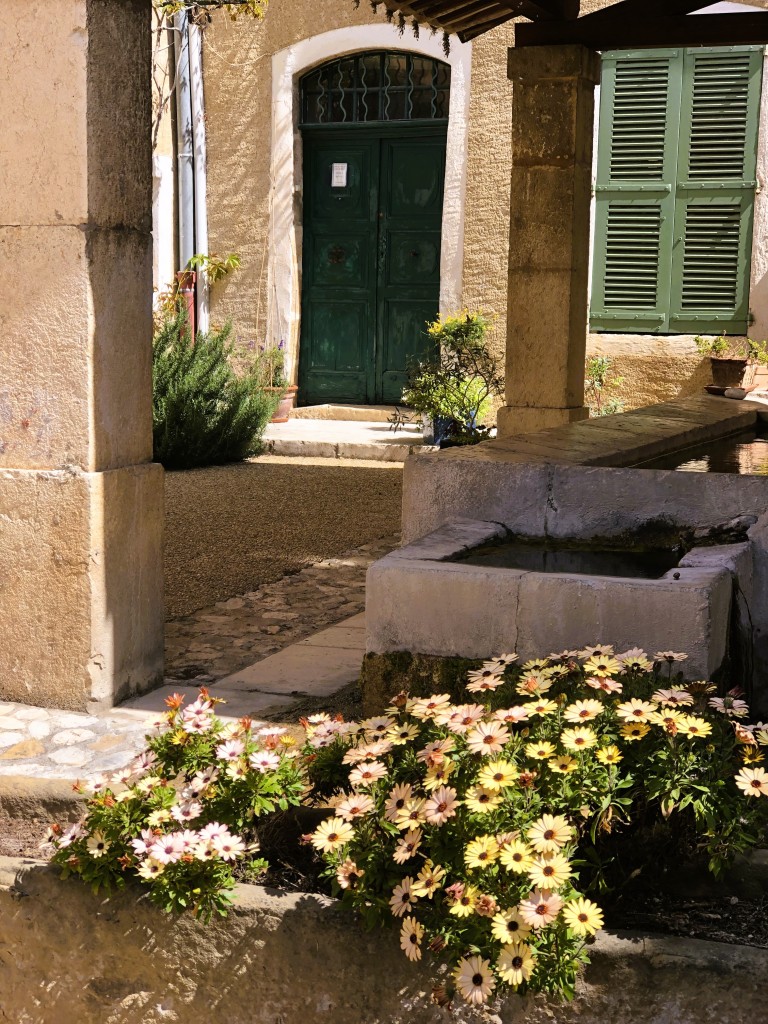
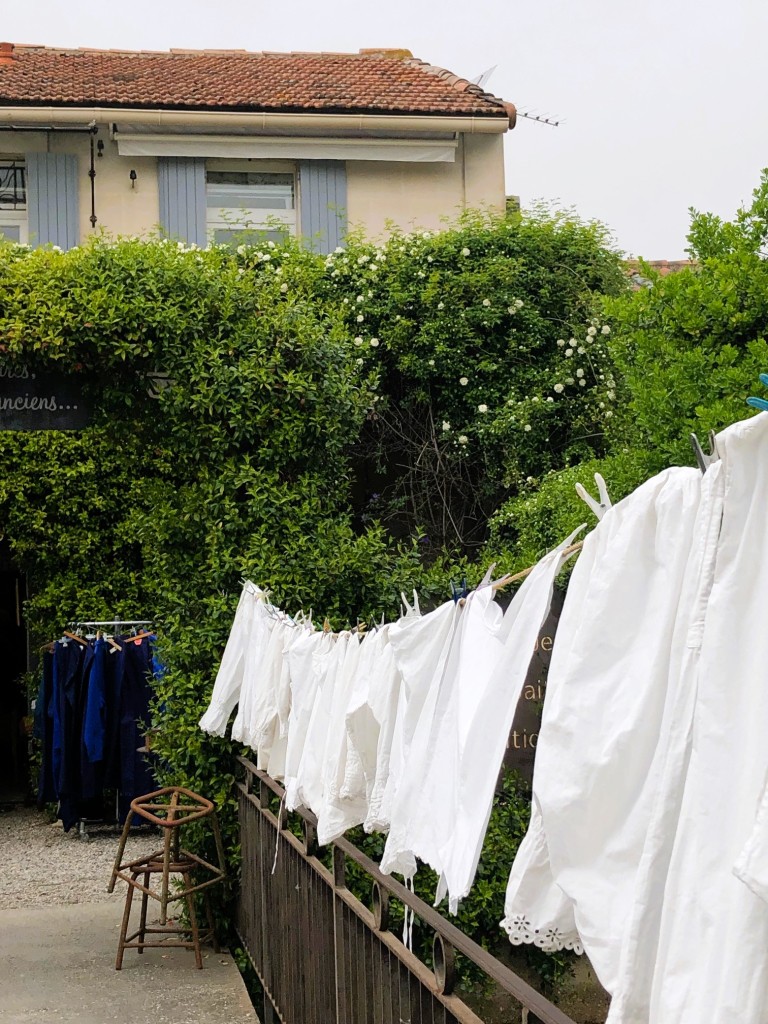
and paler wisteria and lilac, perfuming the air. My greatest surprise was the sheer abundance of flowers — they were everywhere, planted in corners of fields and alongside roads, framing doorways and windows, in planters and atop stone walls.
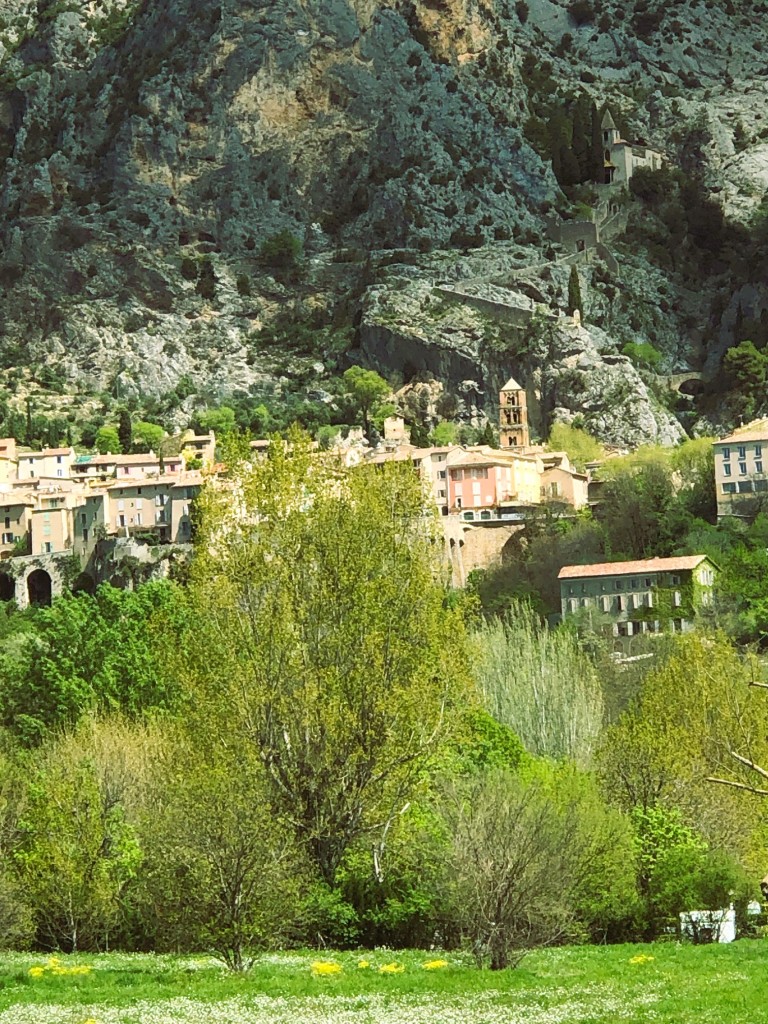
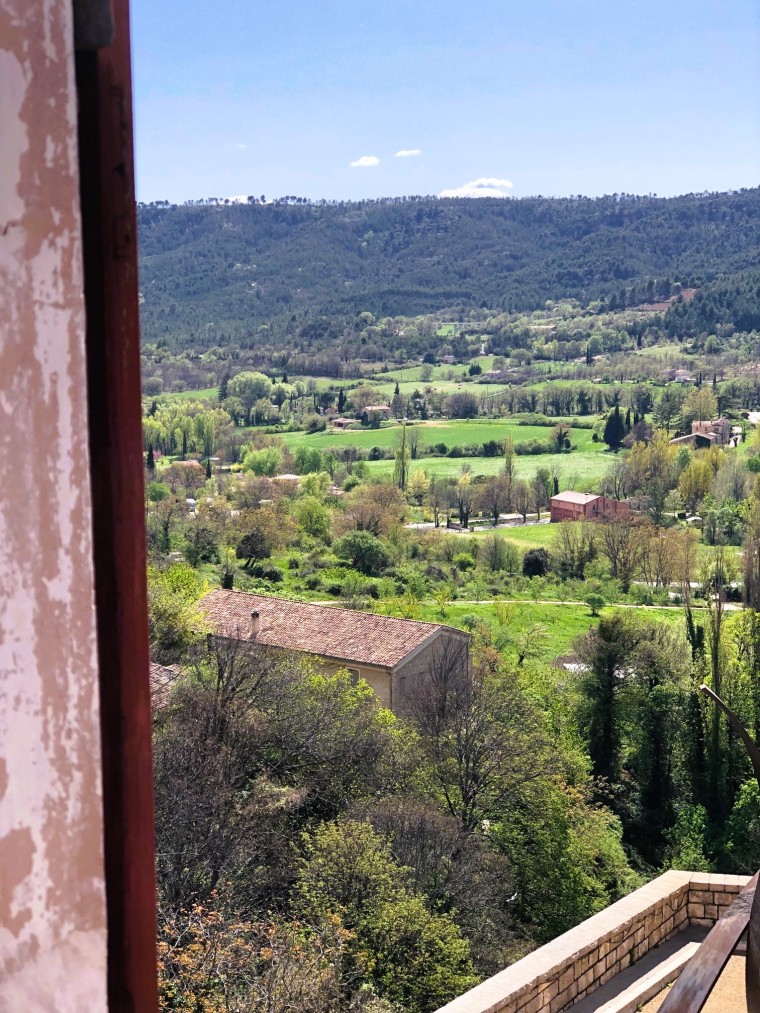
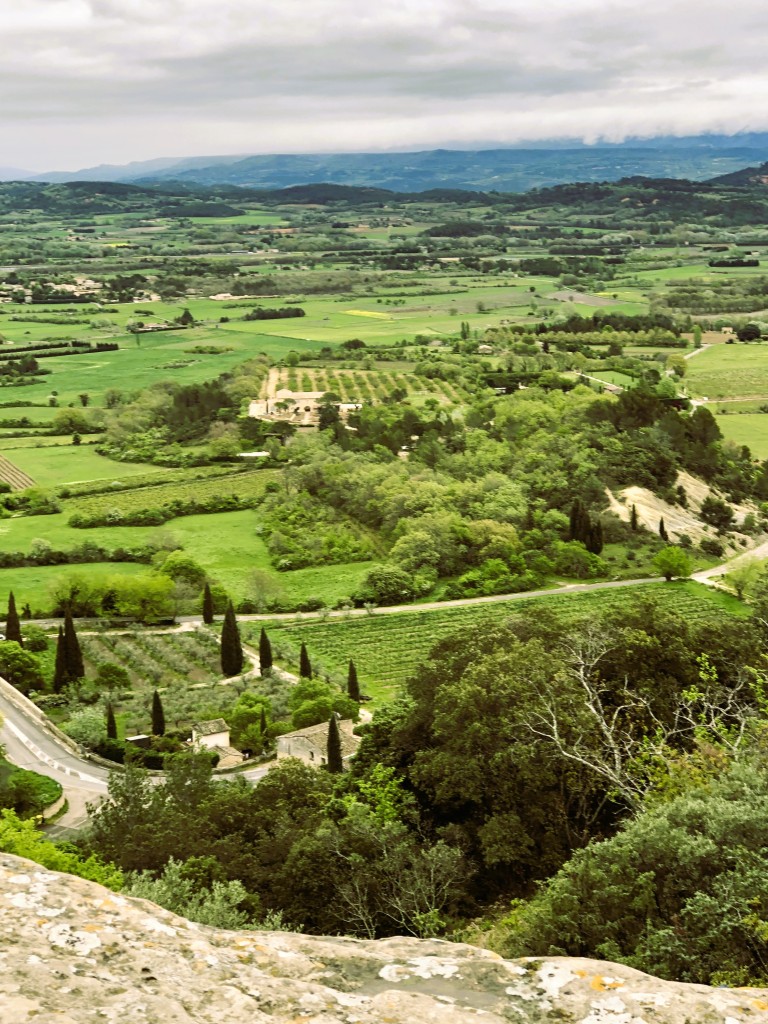
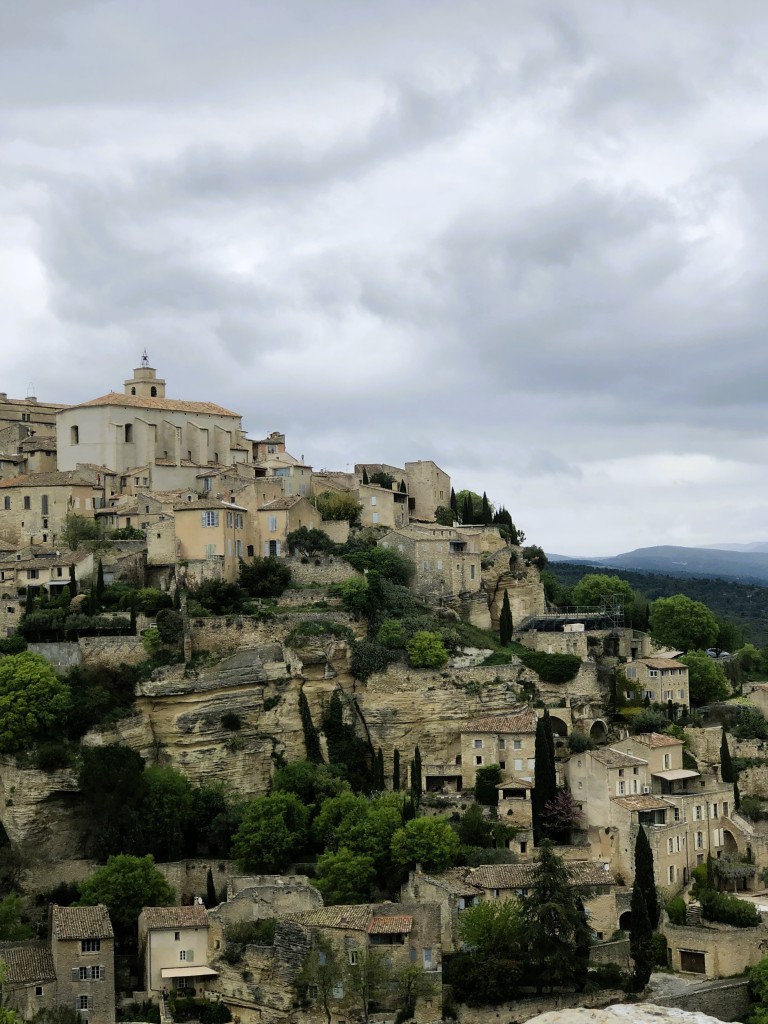
Provence was everything and more than I had hoped to experience: hilltop villages with distant views,
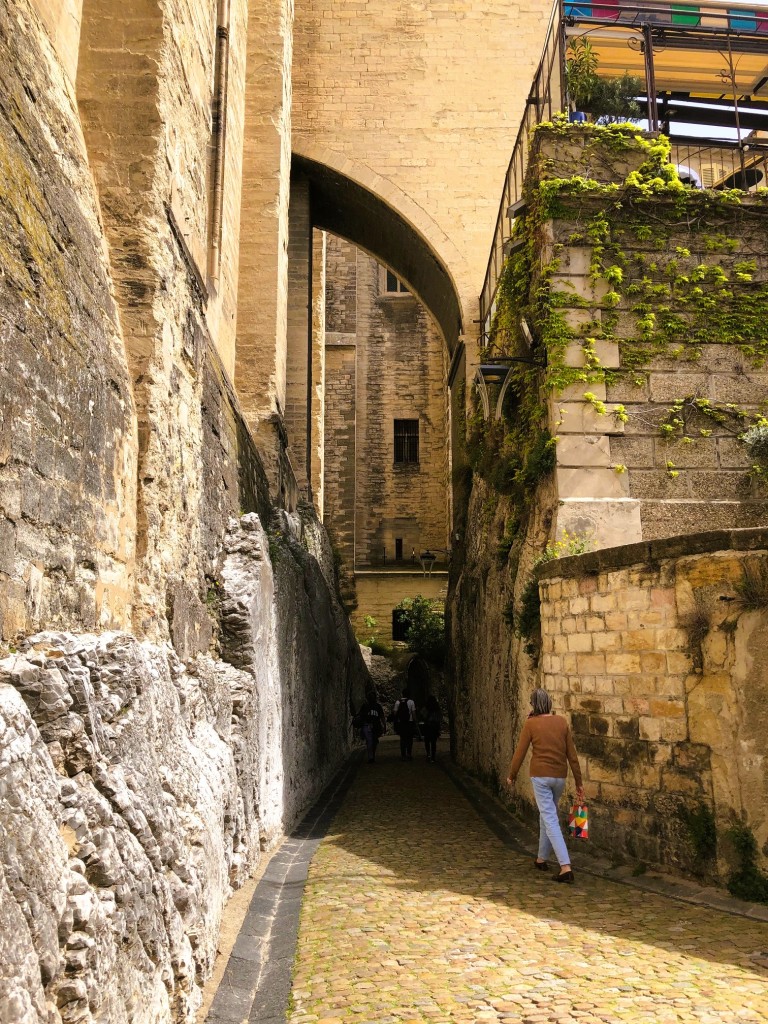
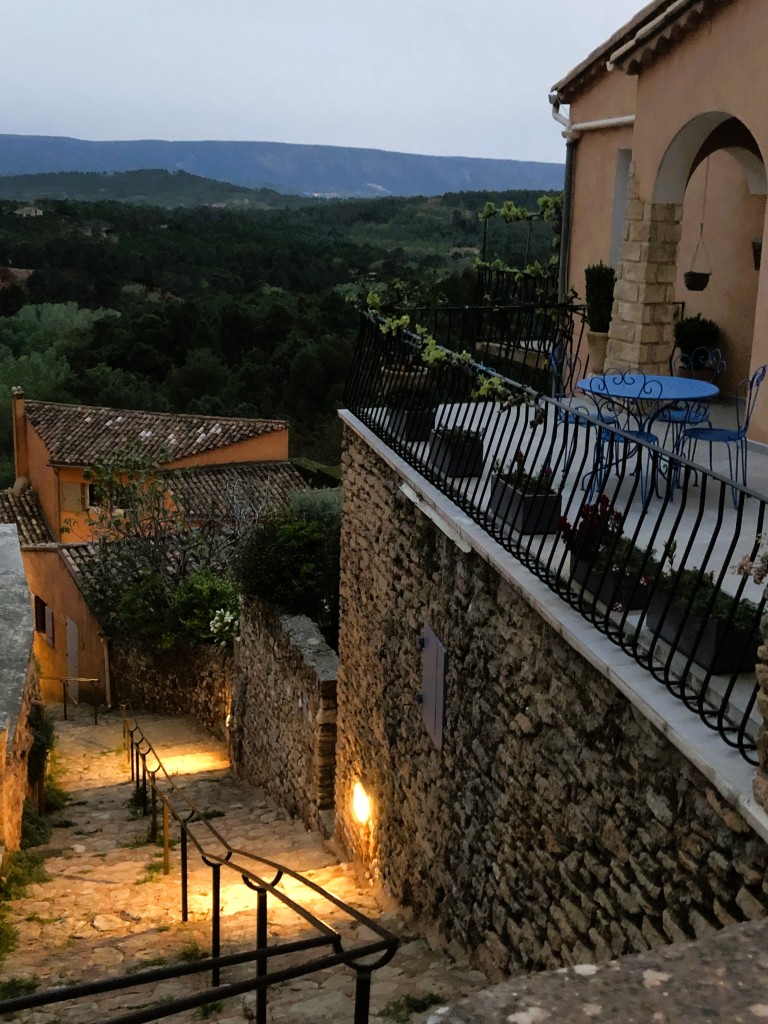
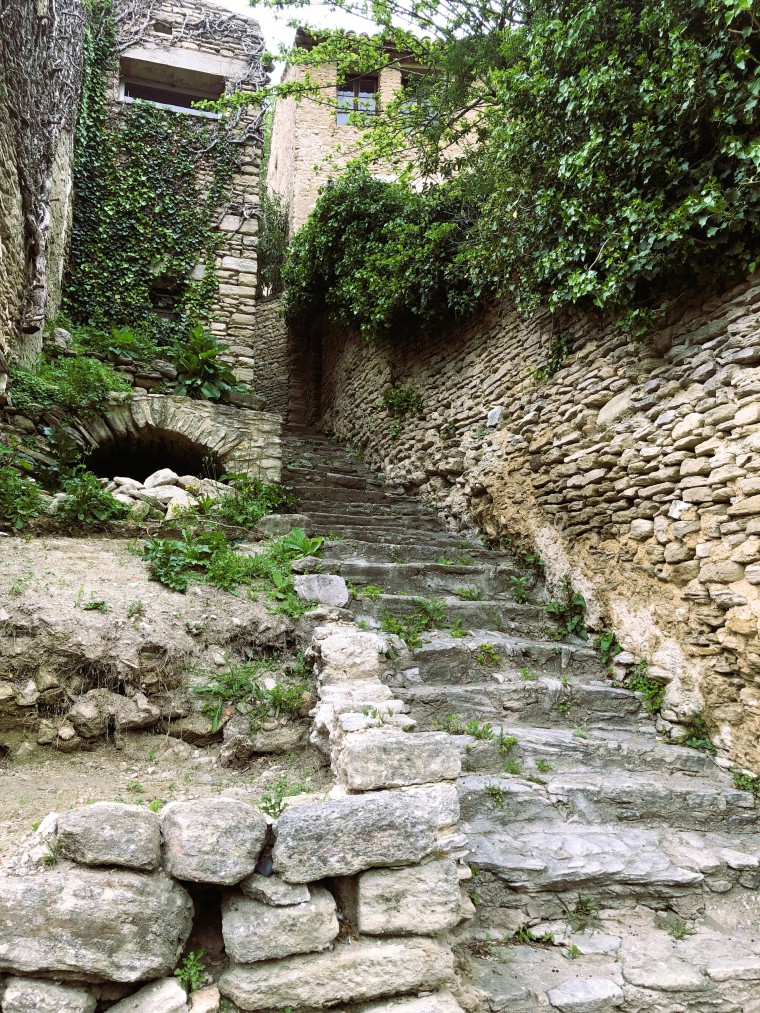
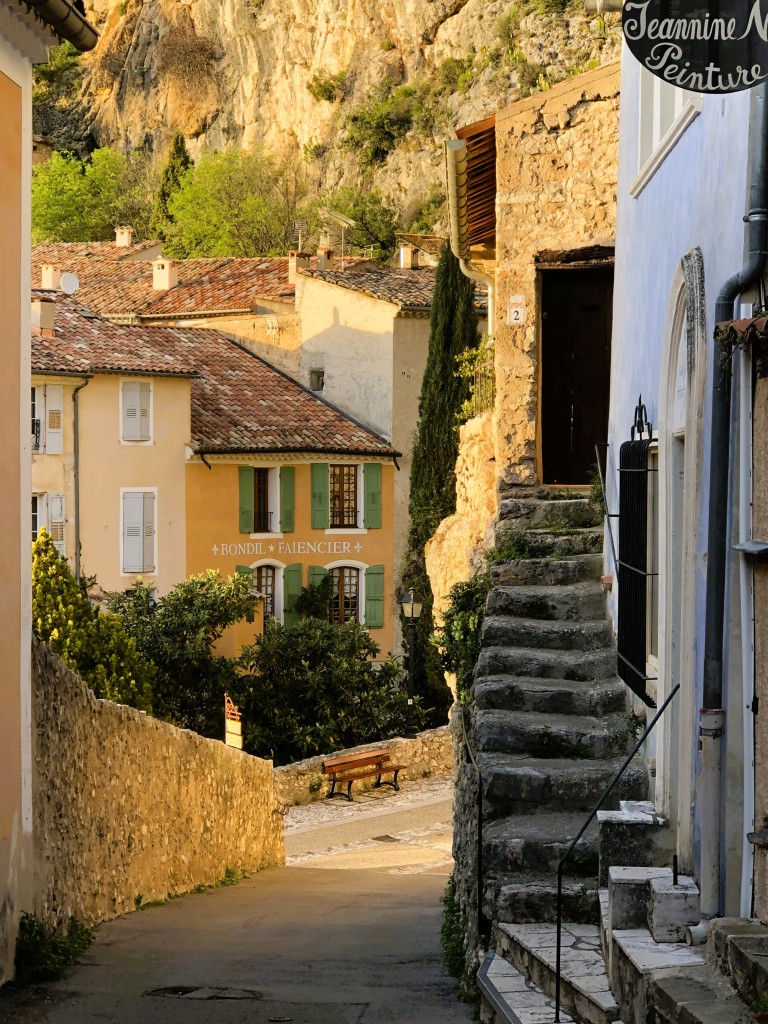
narrow streets and steep stairs,
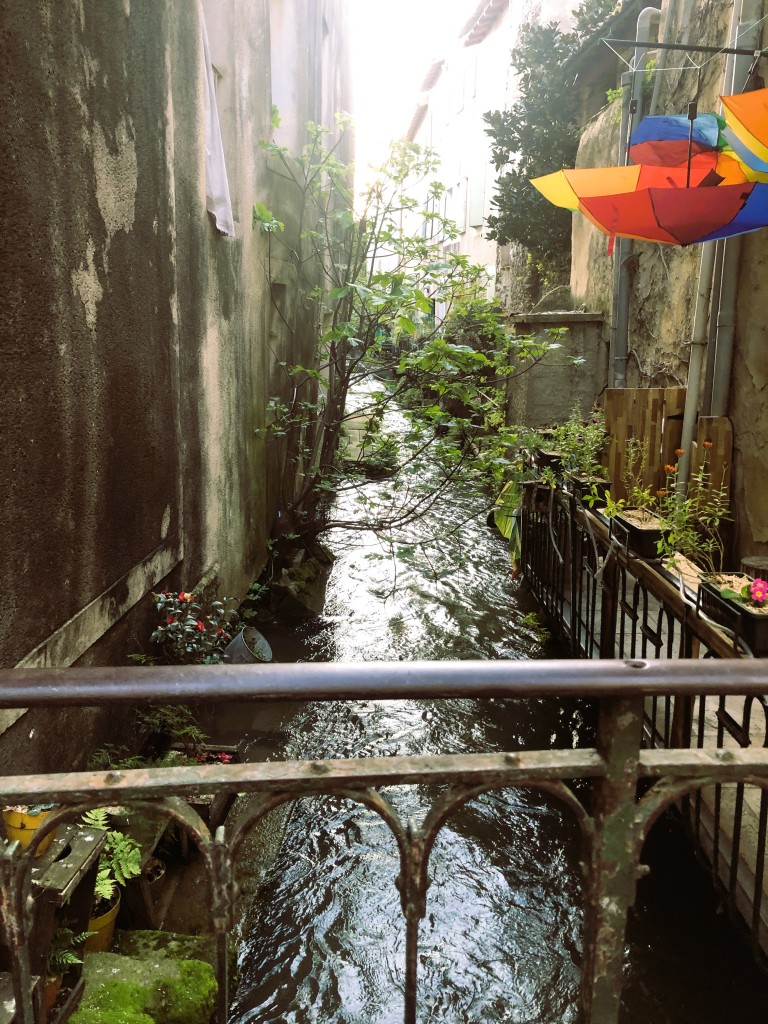
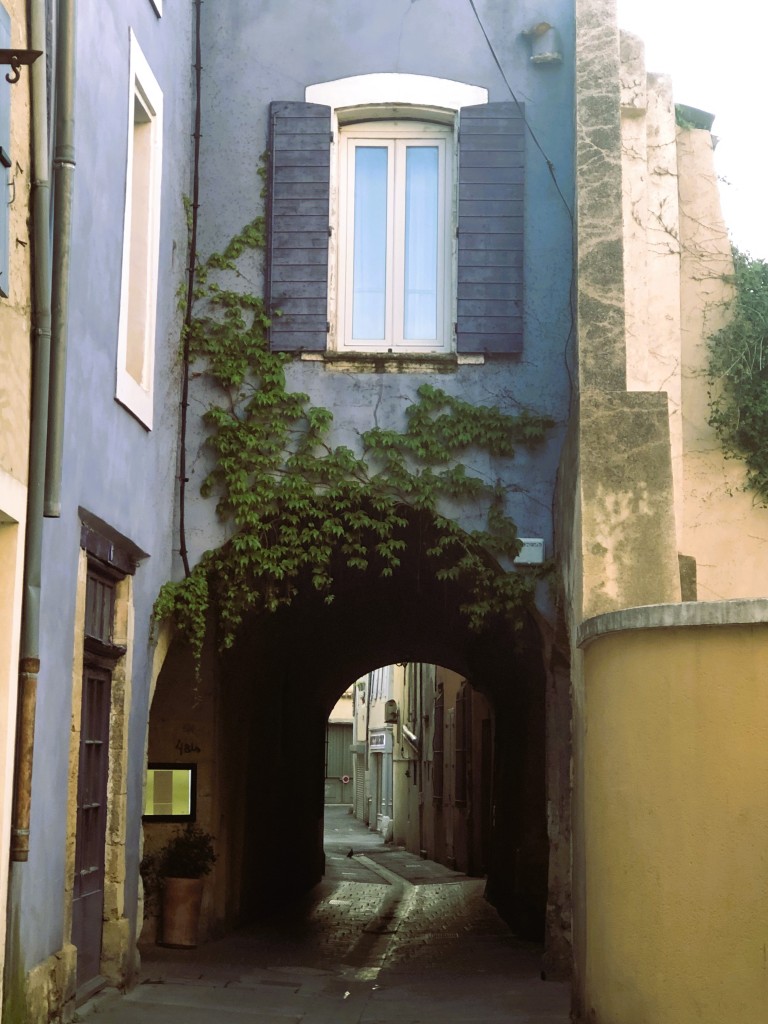
inviting bridges and passageways,
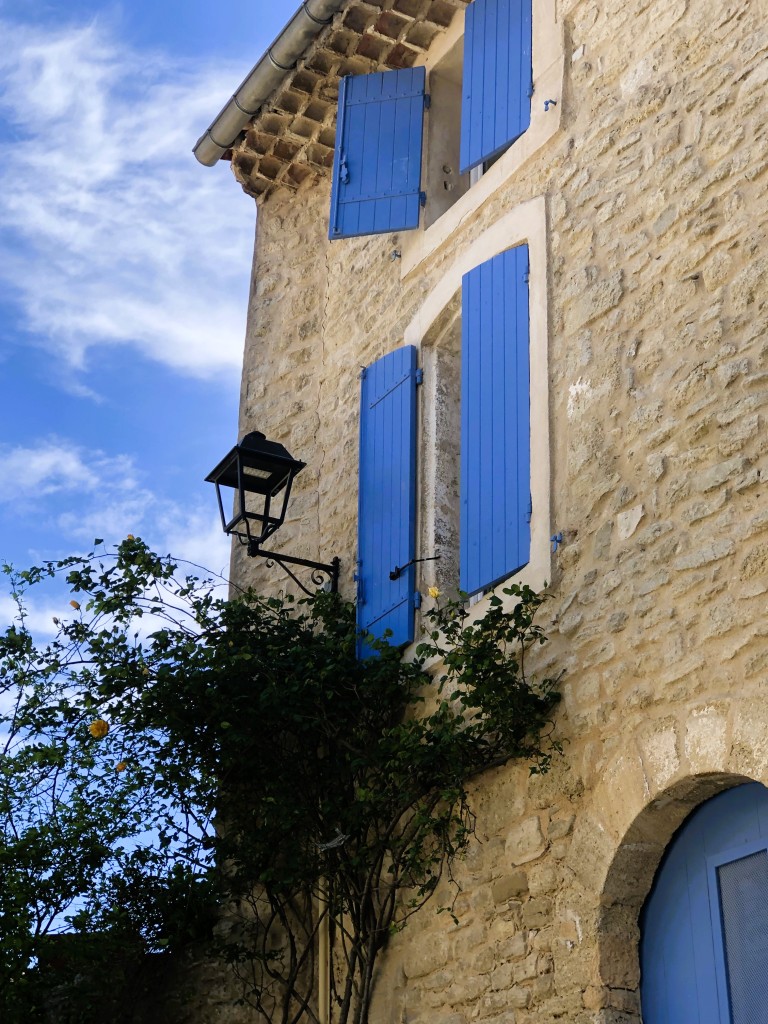
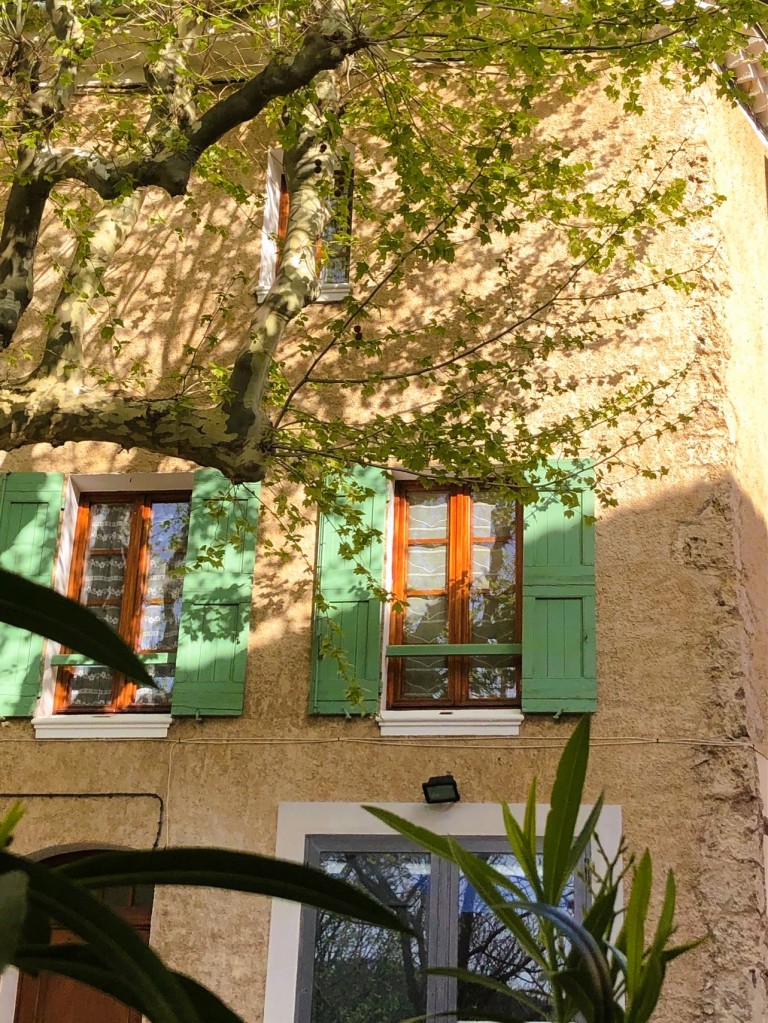
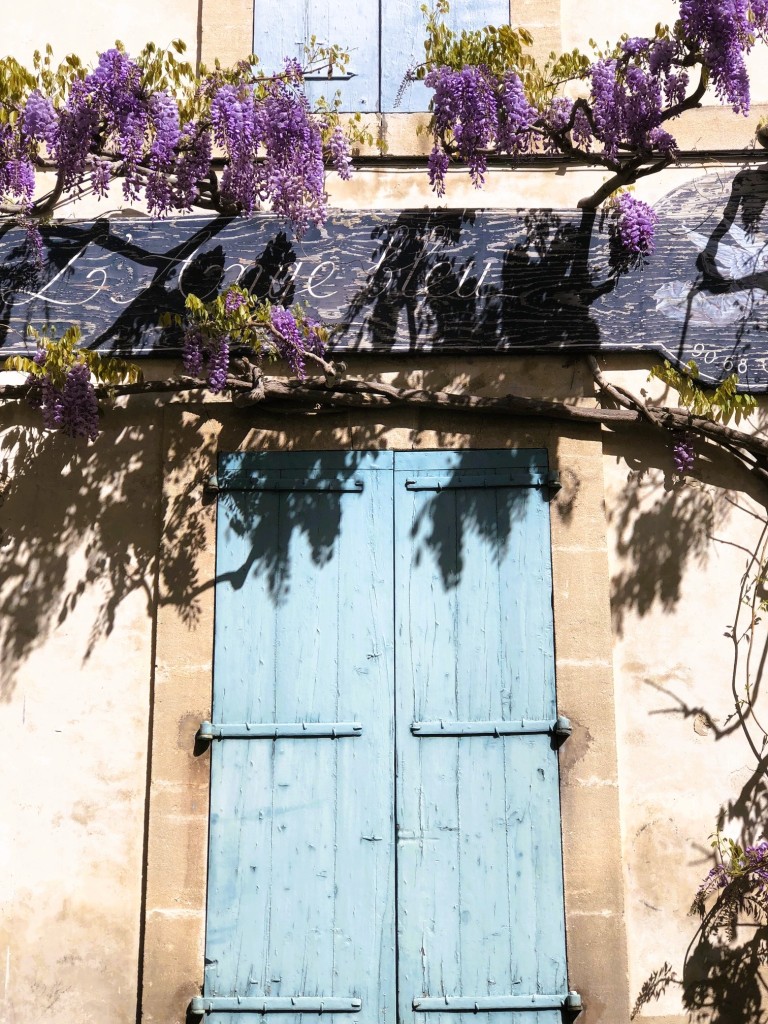
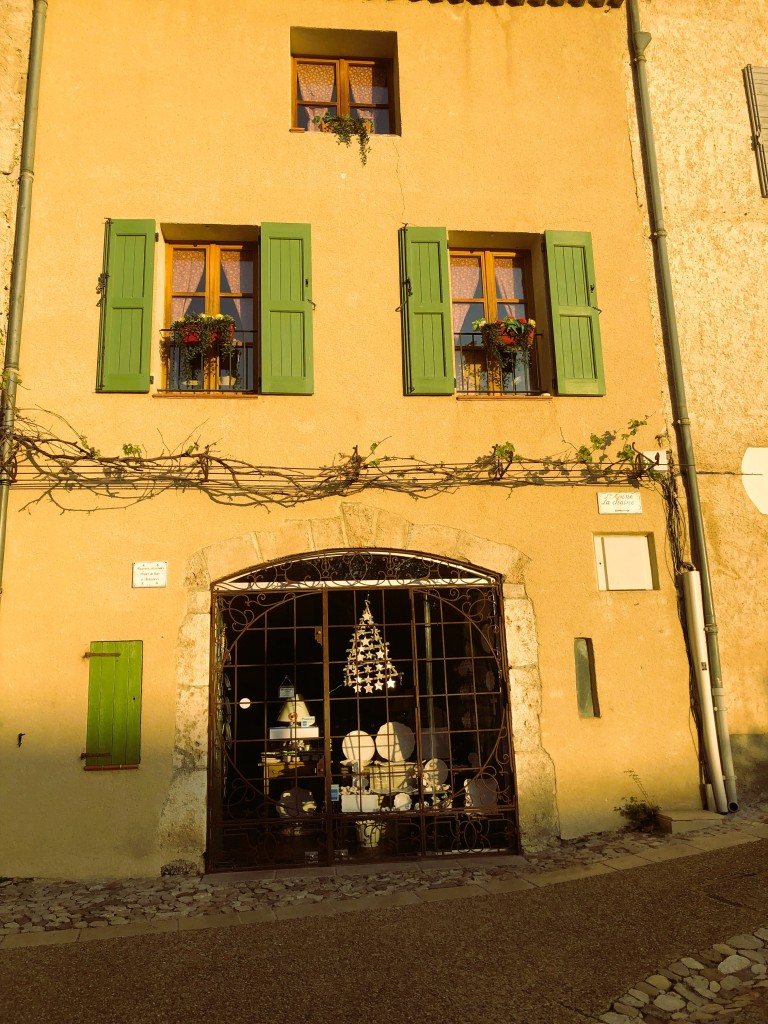
picturesque, colorful shutters.
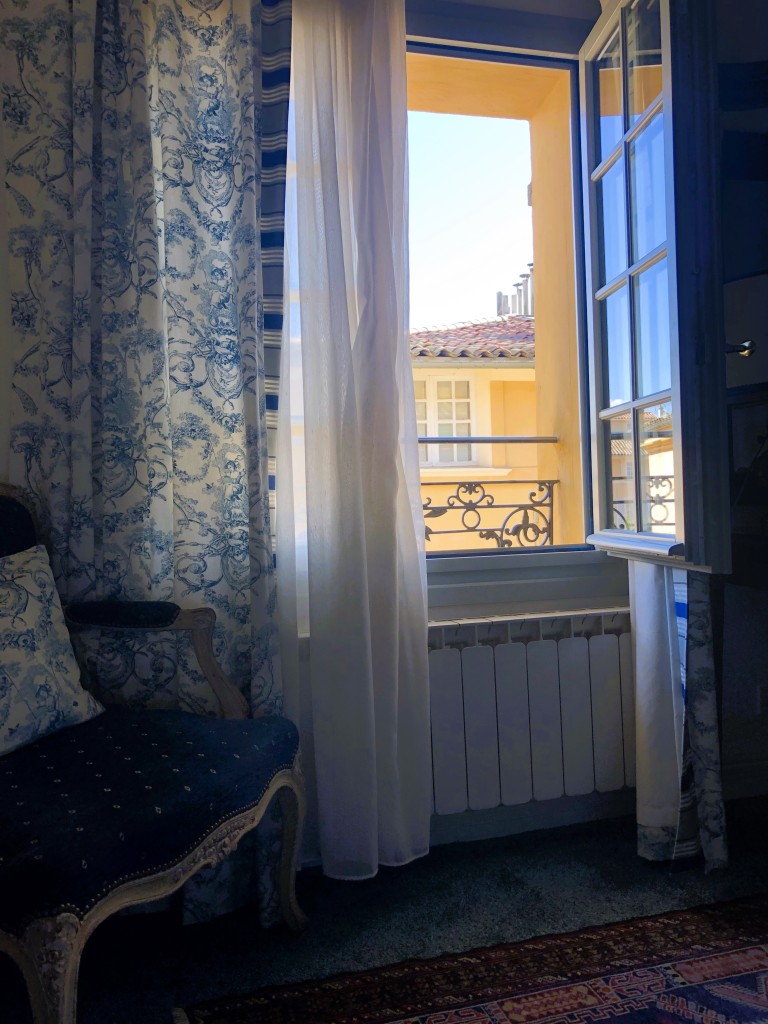
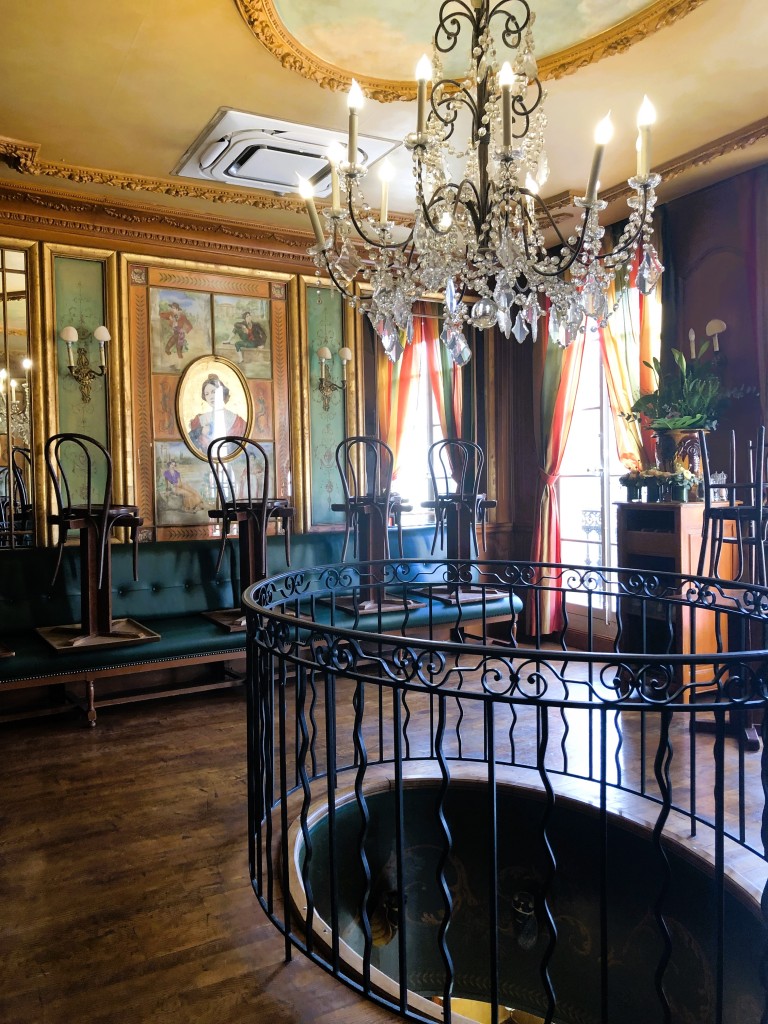
There were rooms of old-world elegance,
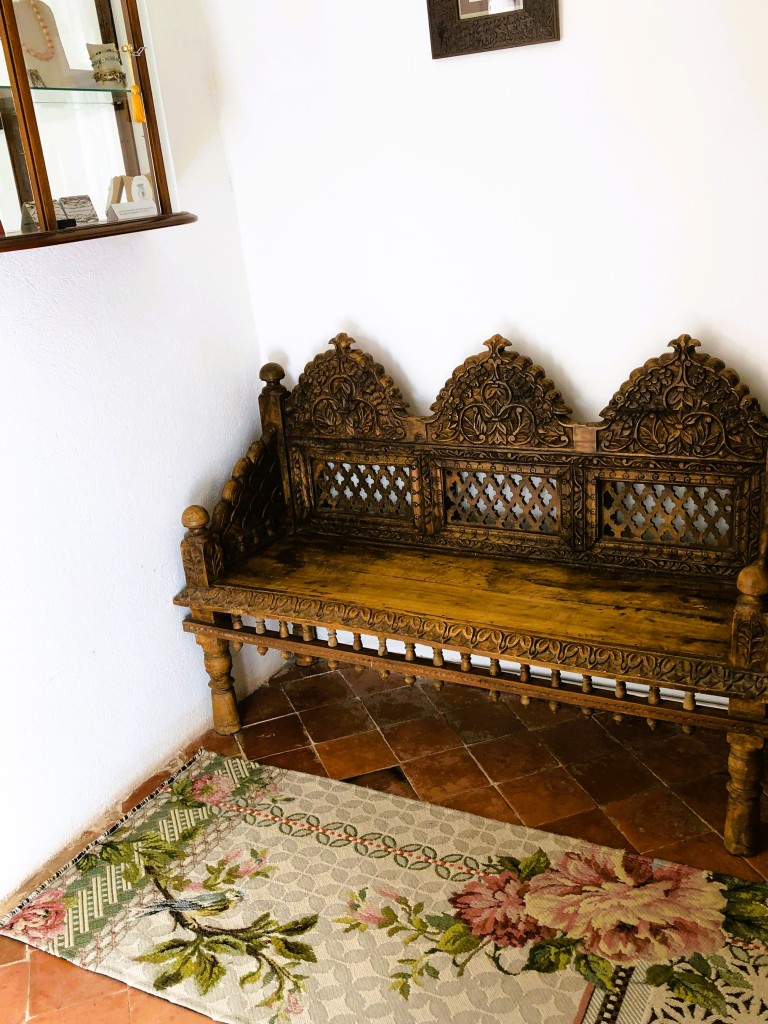
others of more rustic decor,
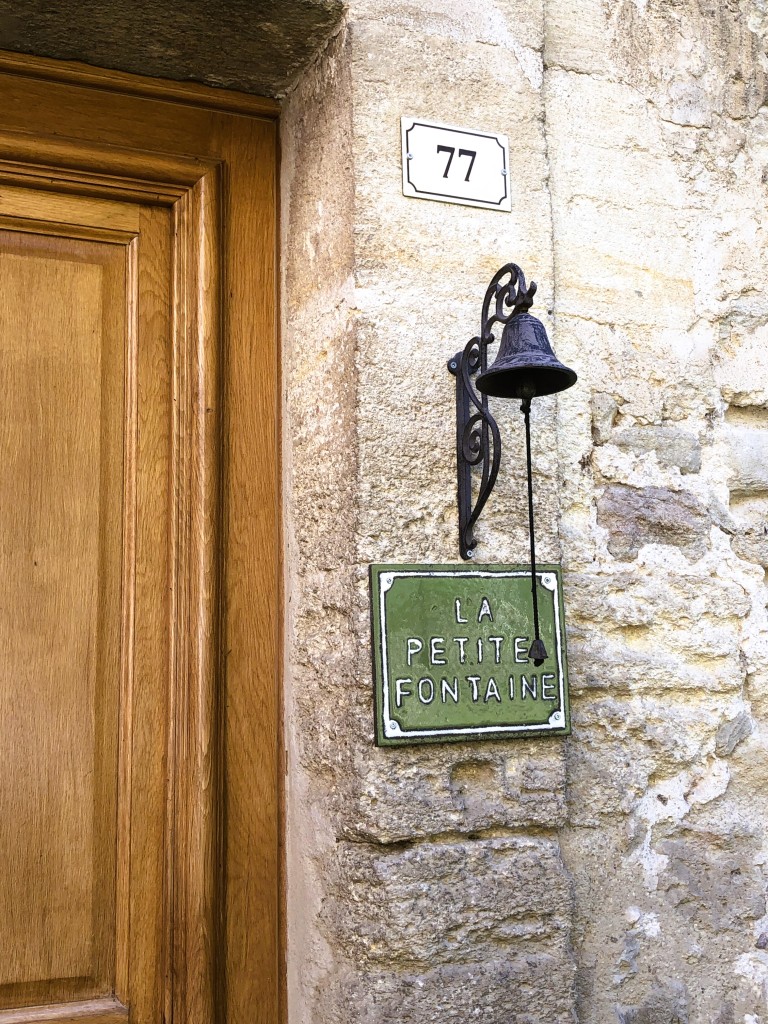
and quaint details everywhere.
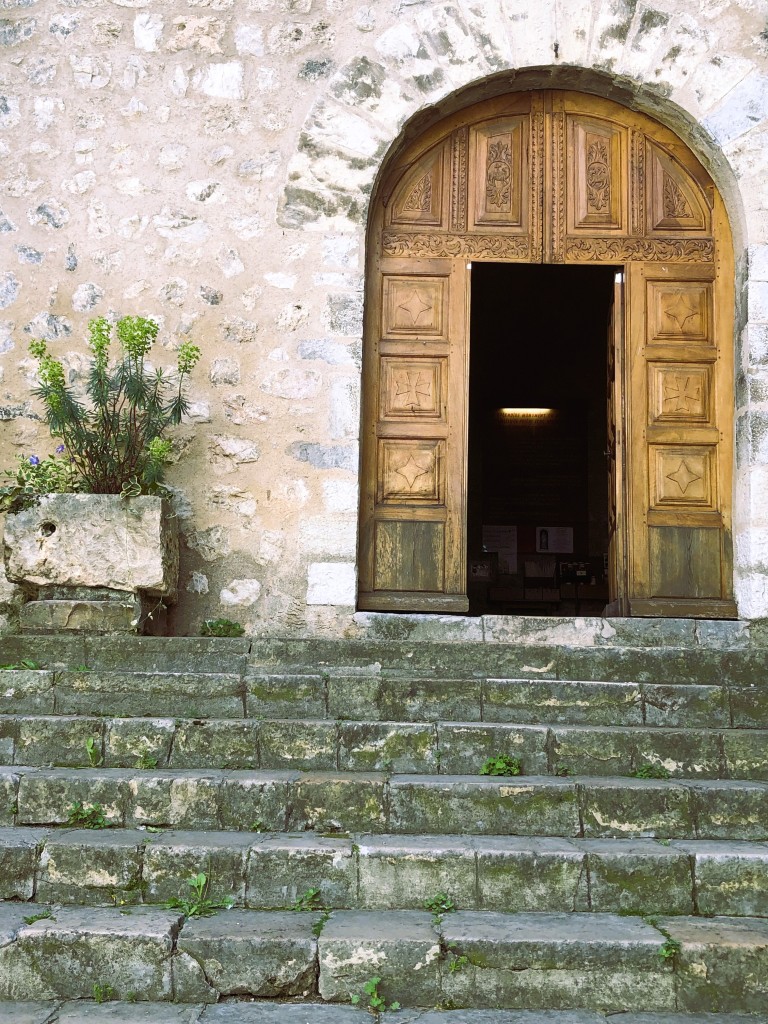
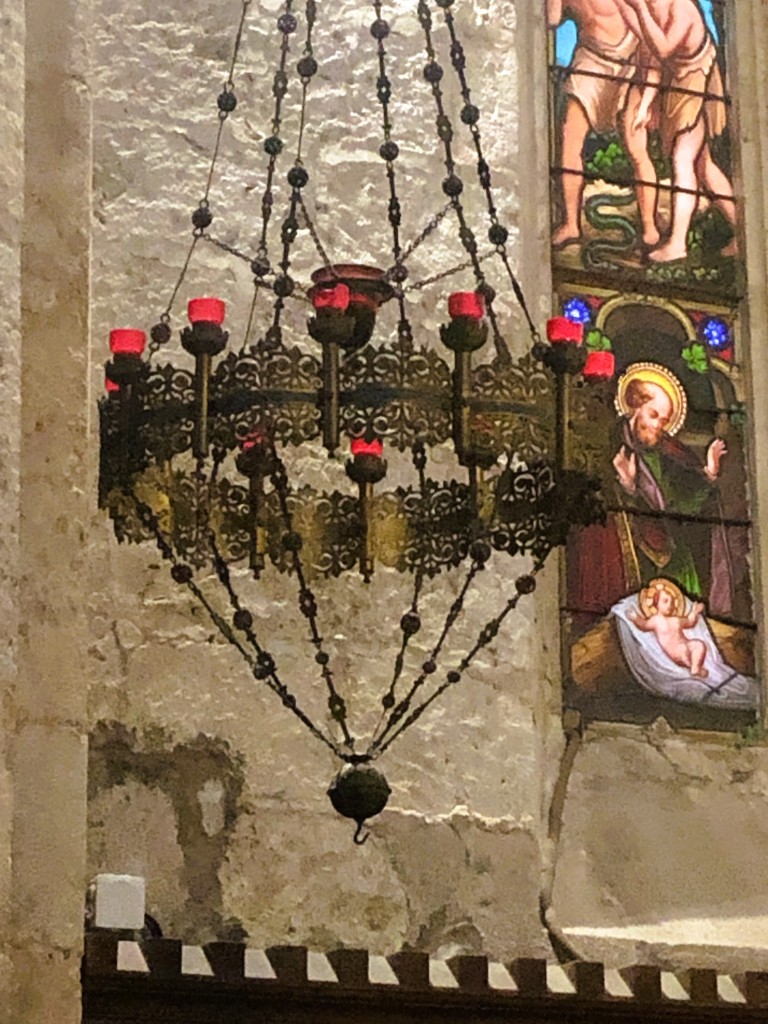
Beautiful old churches, rich in detail.
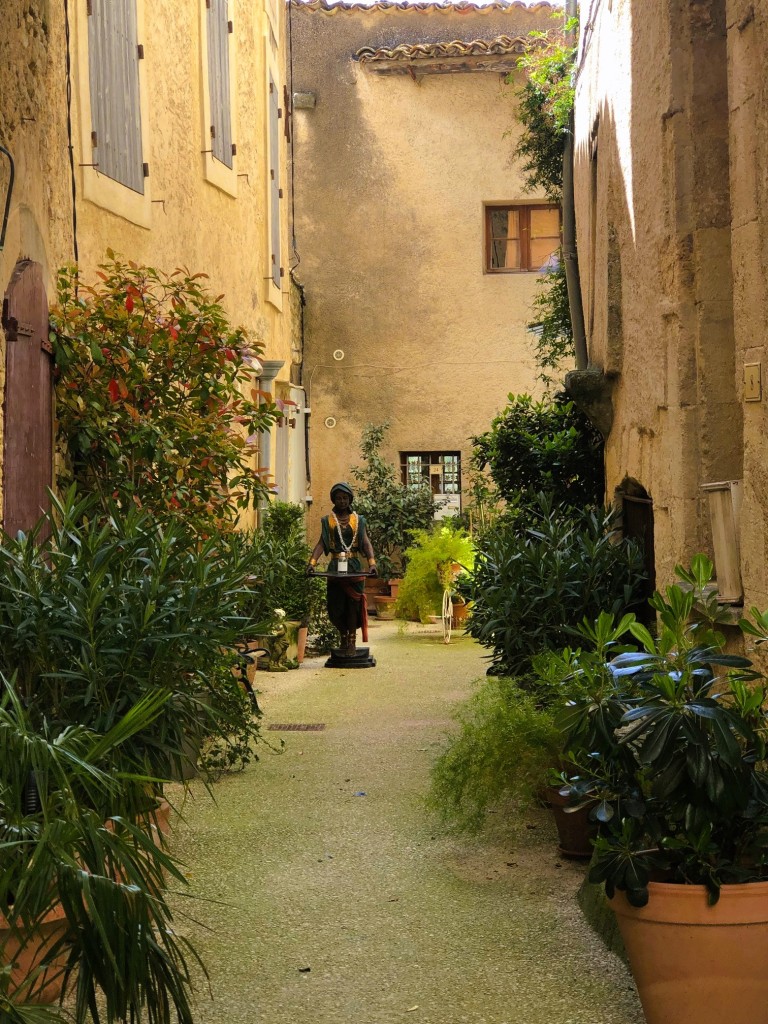
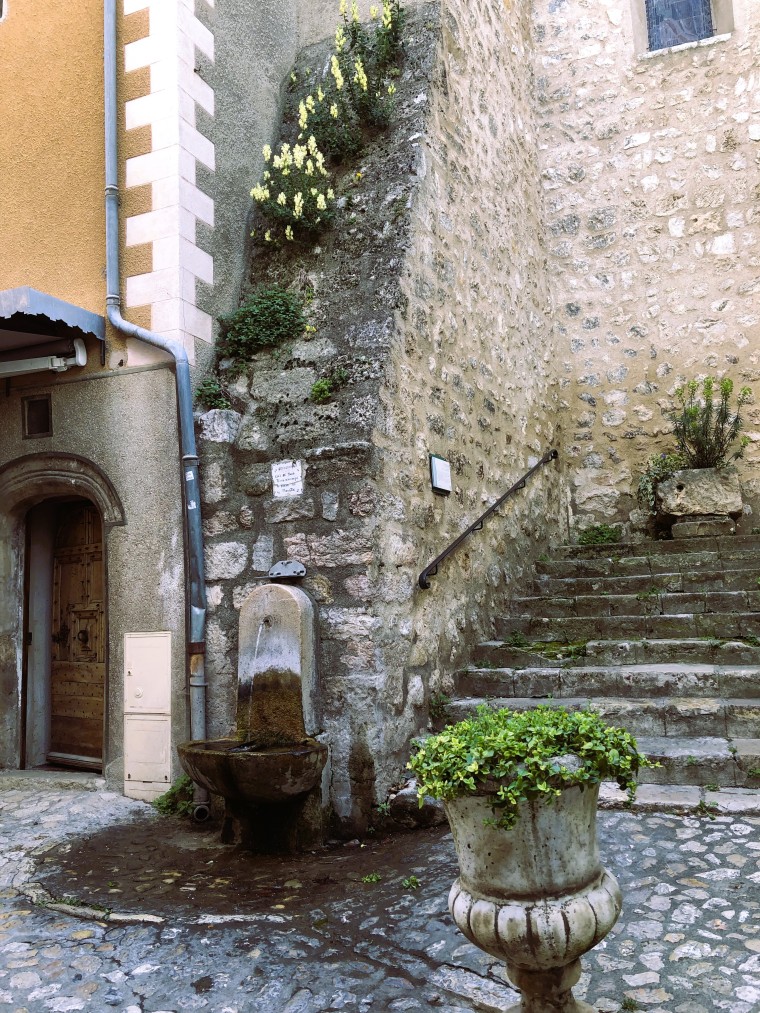
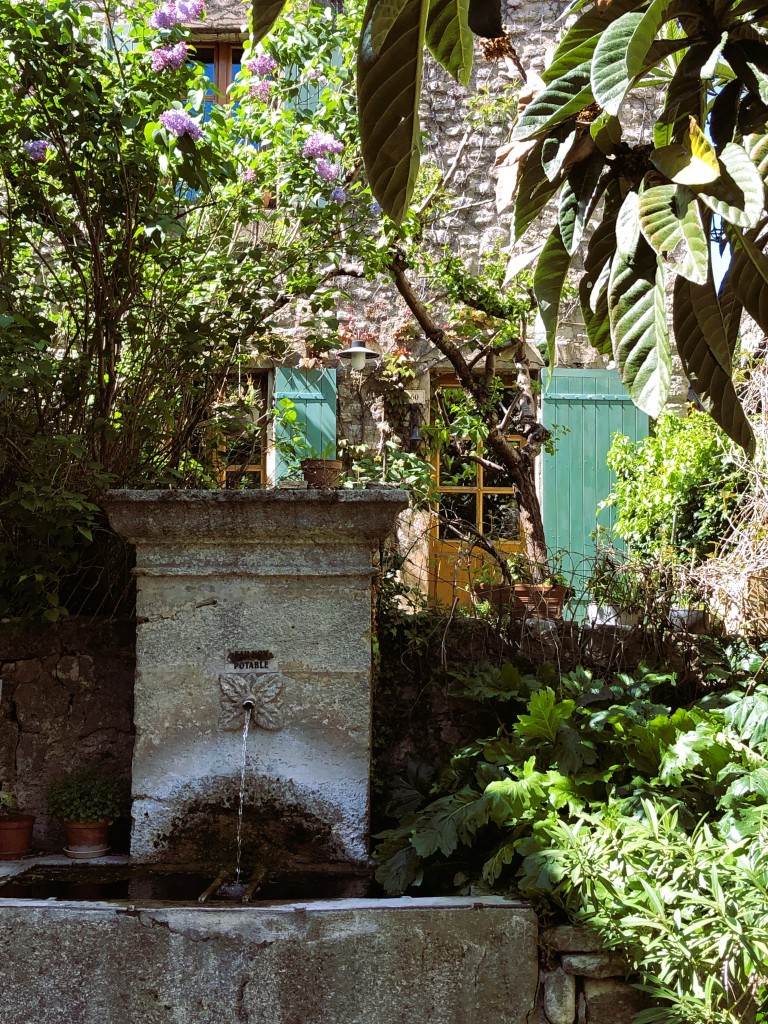
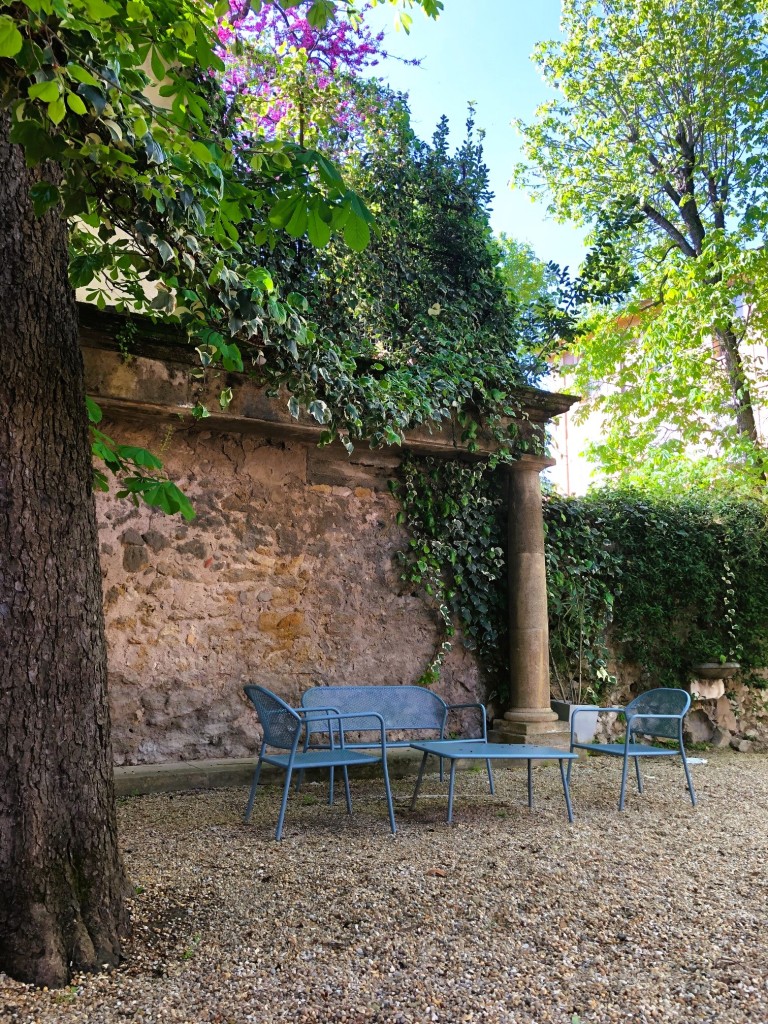
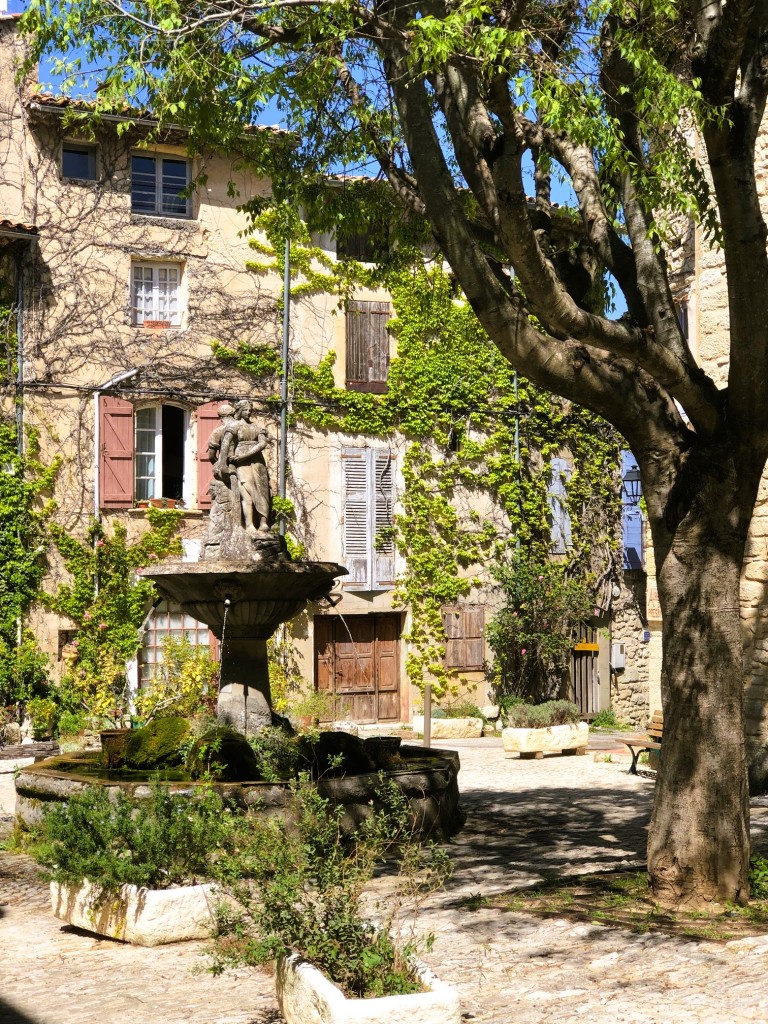
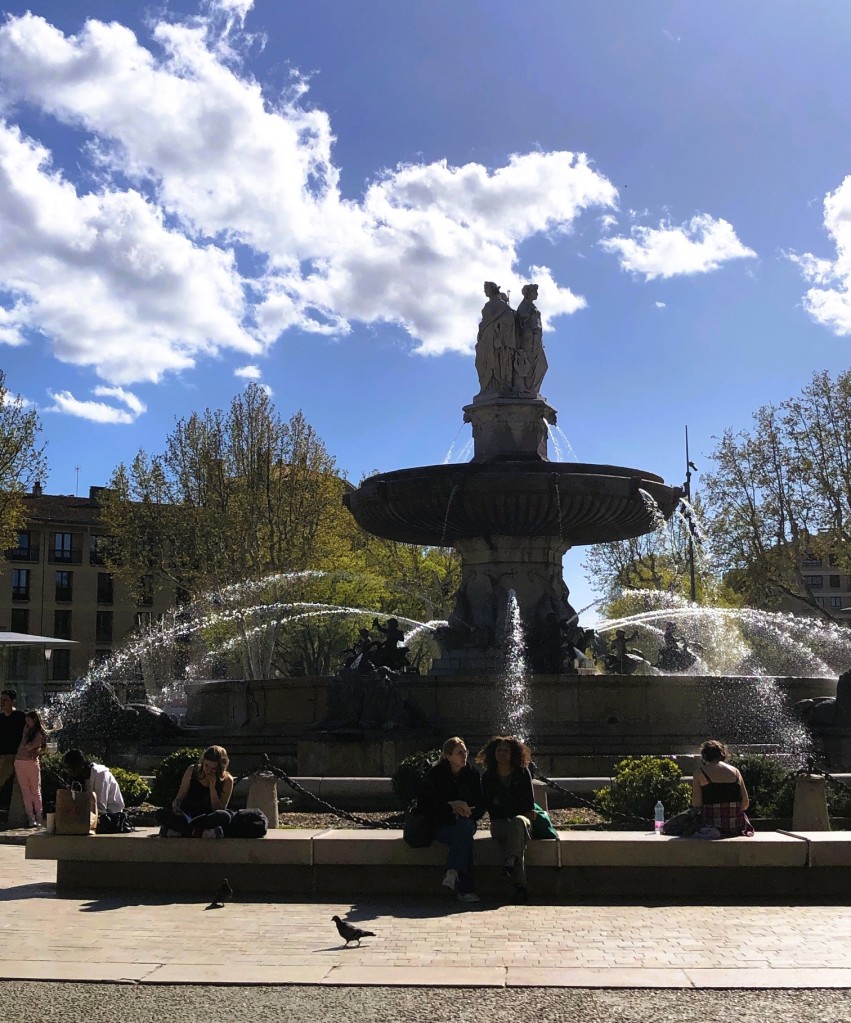
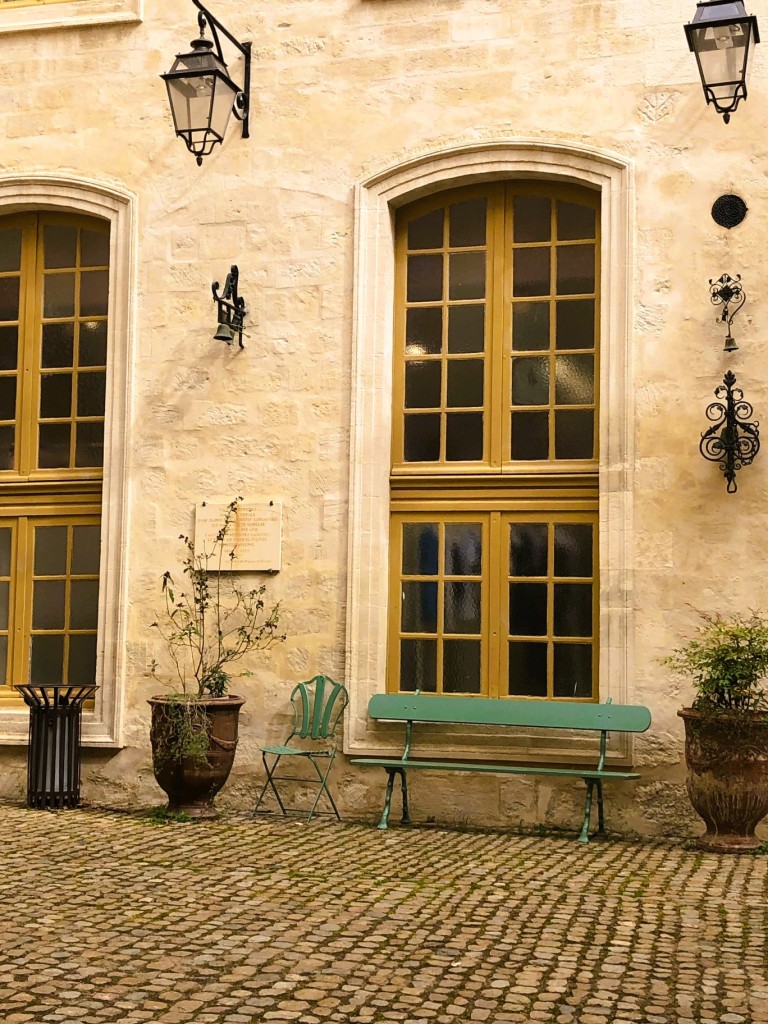
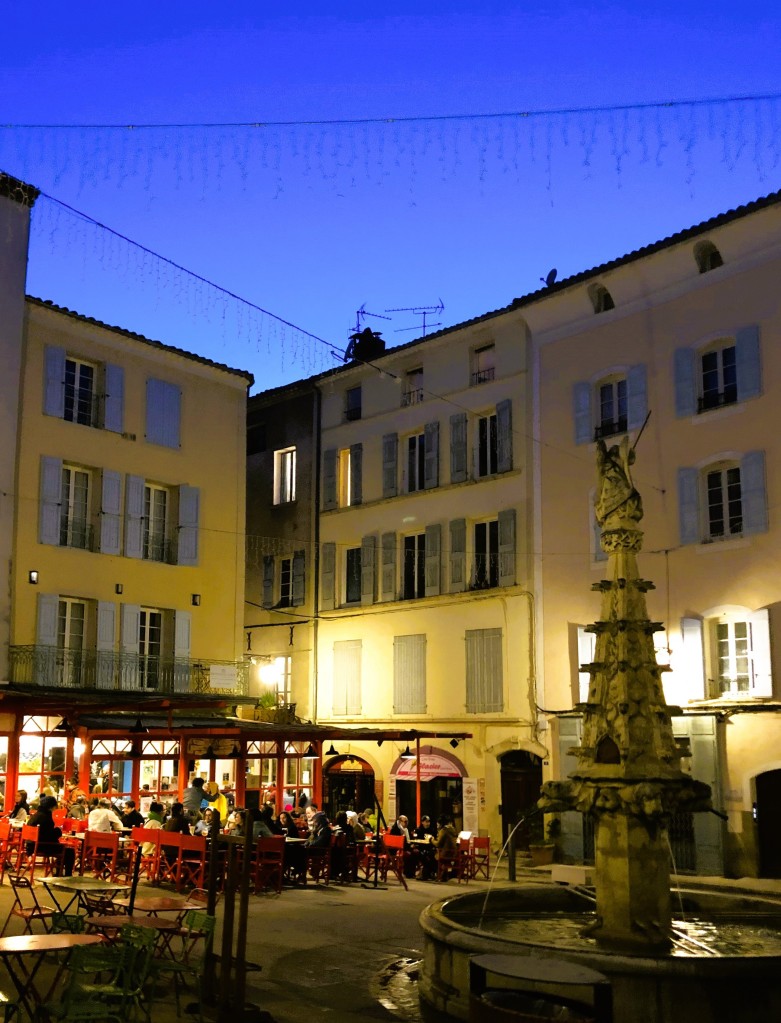
Quiet courtyards, and fountains everywhere.
A travelers delight in the unexpected,
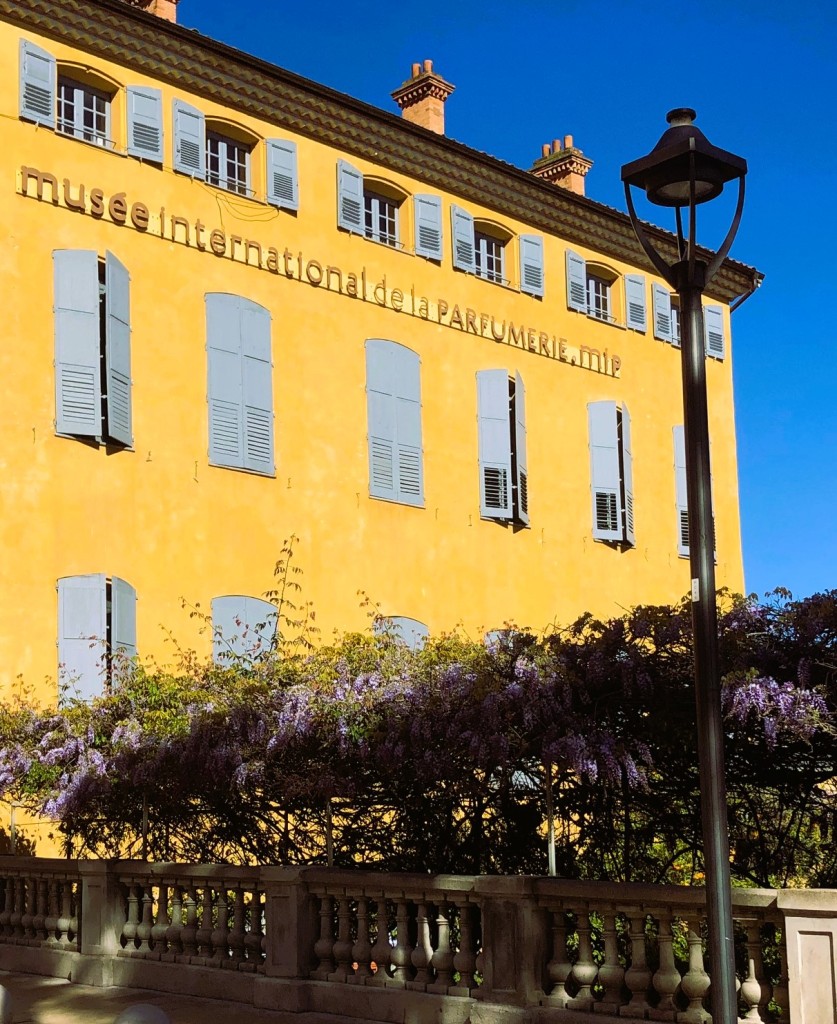
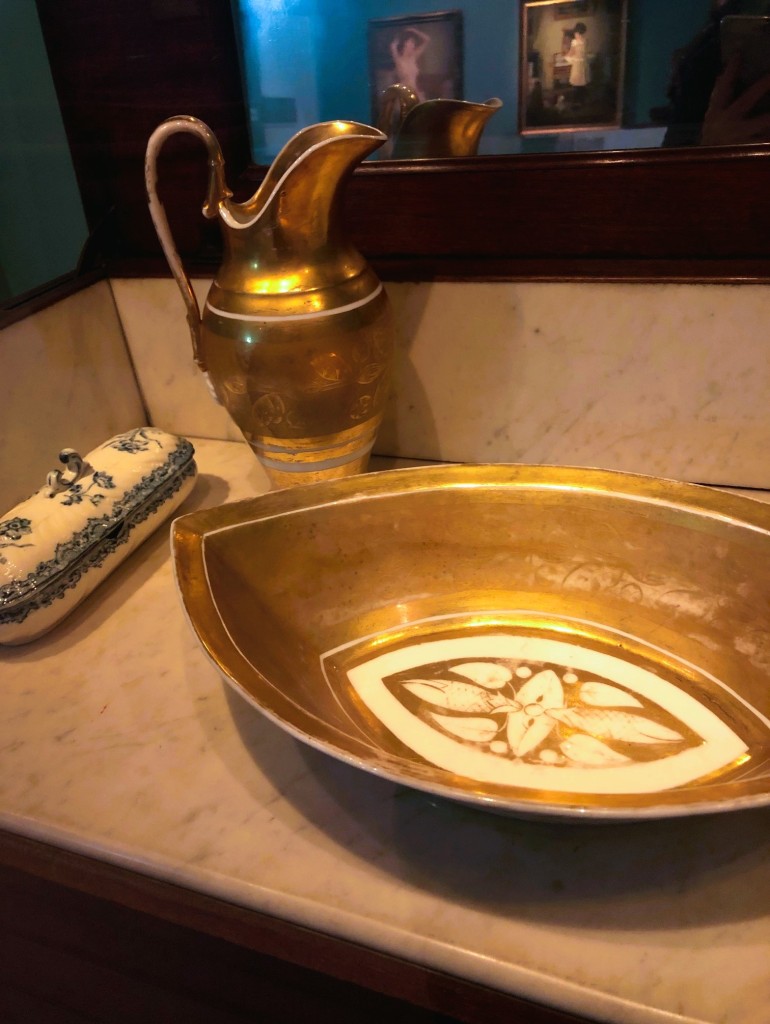
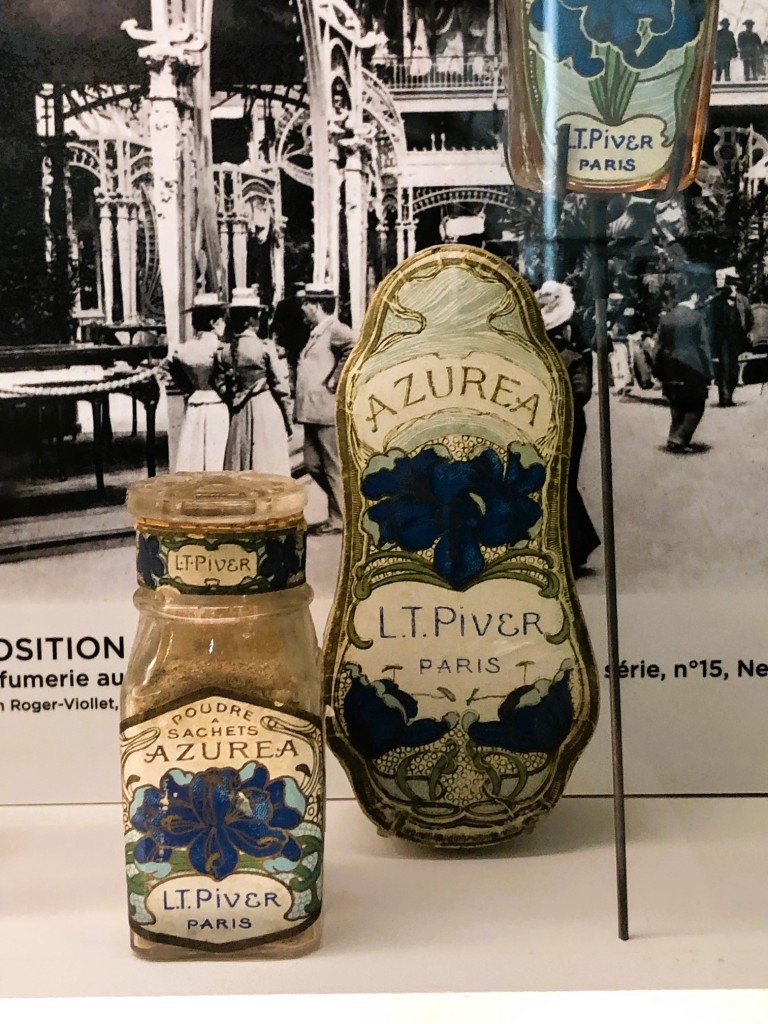
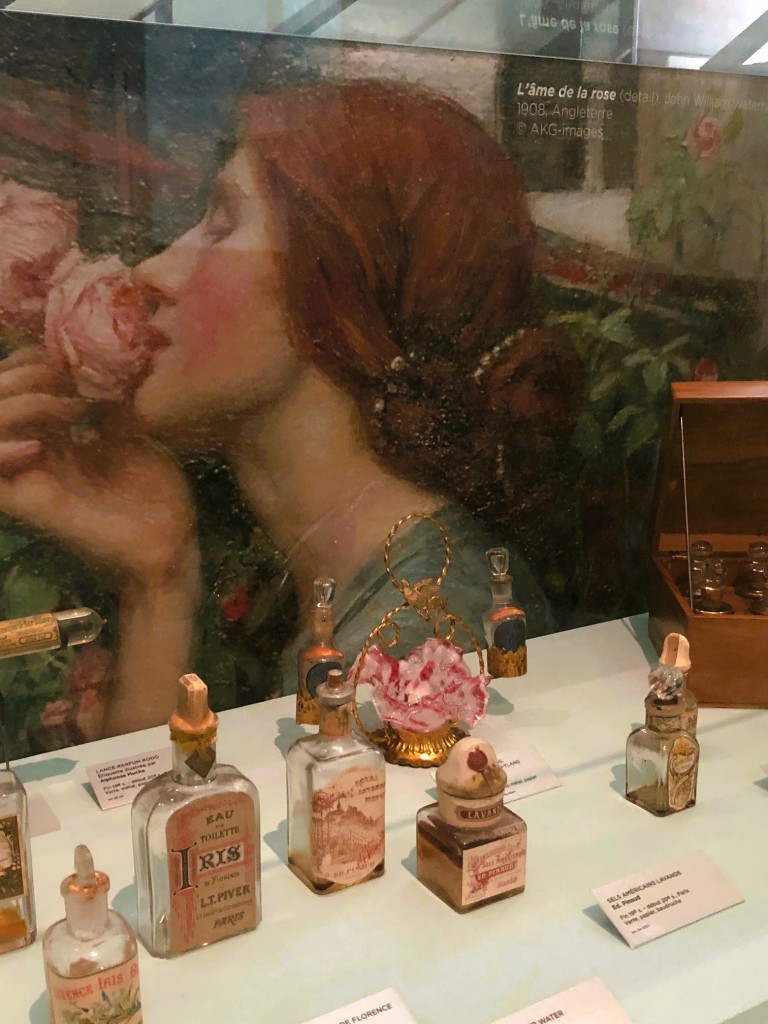
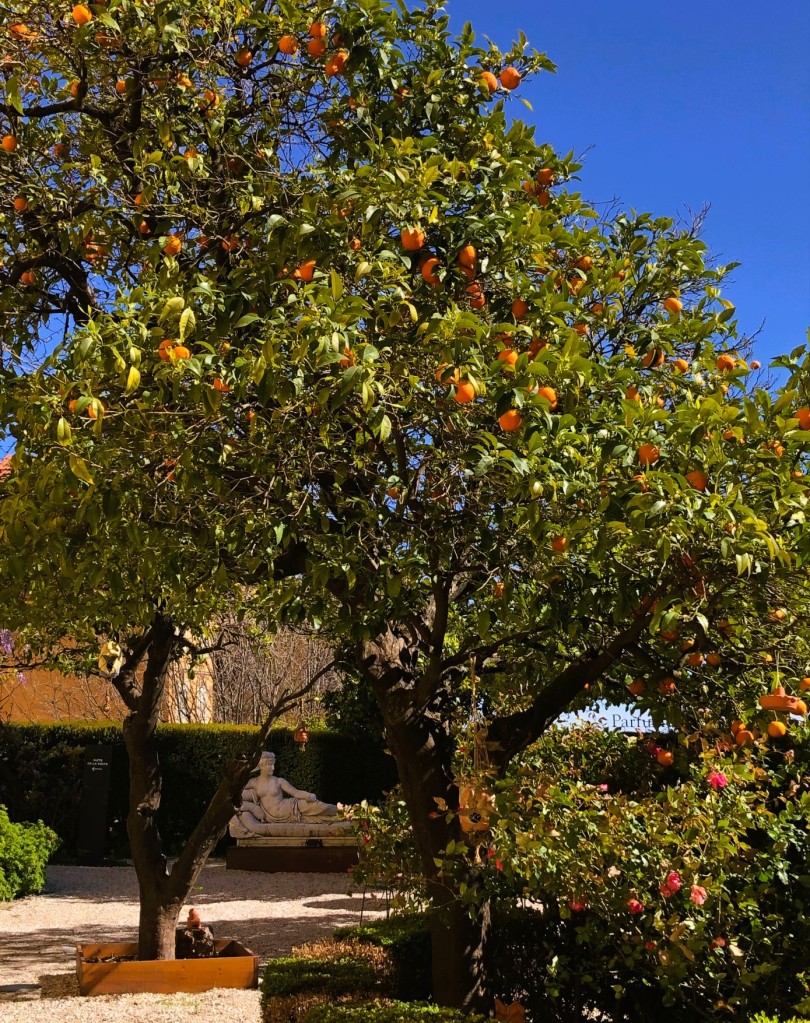
and in unplanned visits: to the lavender museum on a rare rainy day, and the historical perfume museum in Grasse, housed in an beautiful old building
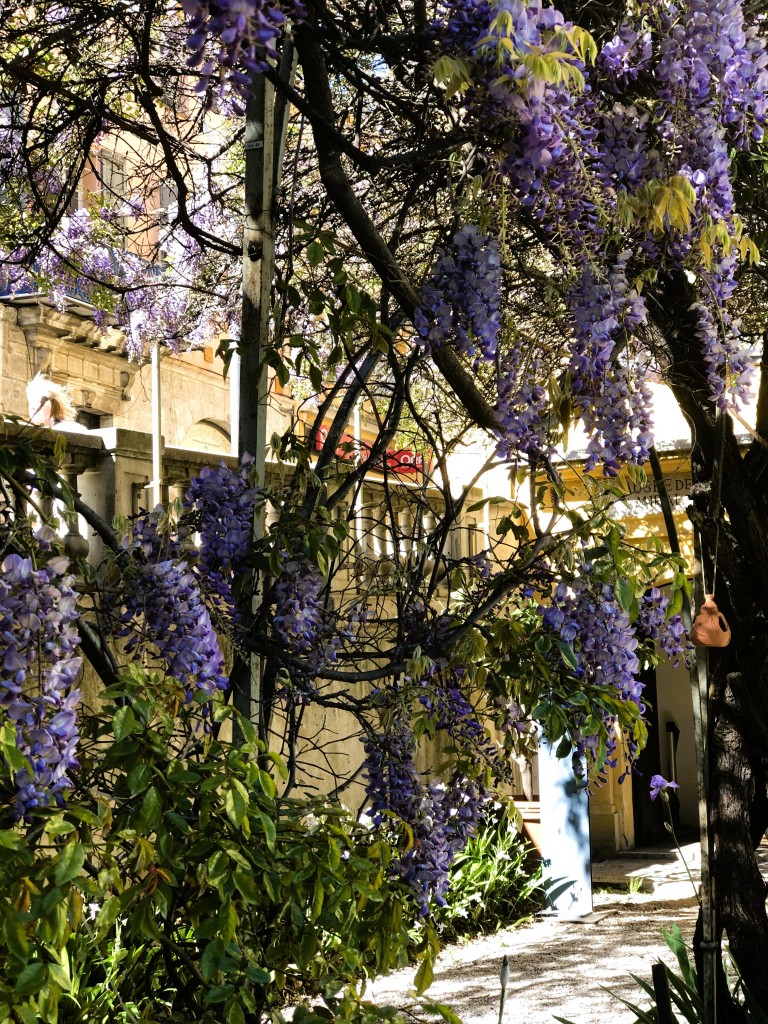
with a scent-rich garden of roses, wisteria, and citrus.
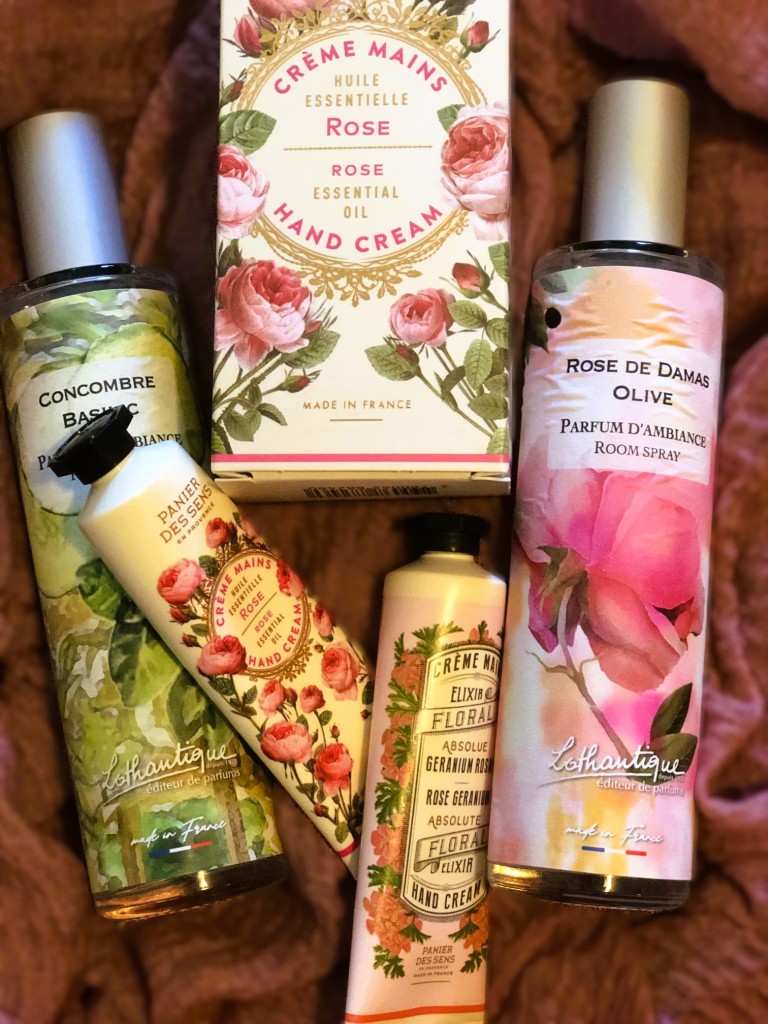
(And a gift shop of fragrant indulgences to take back home.)
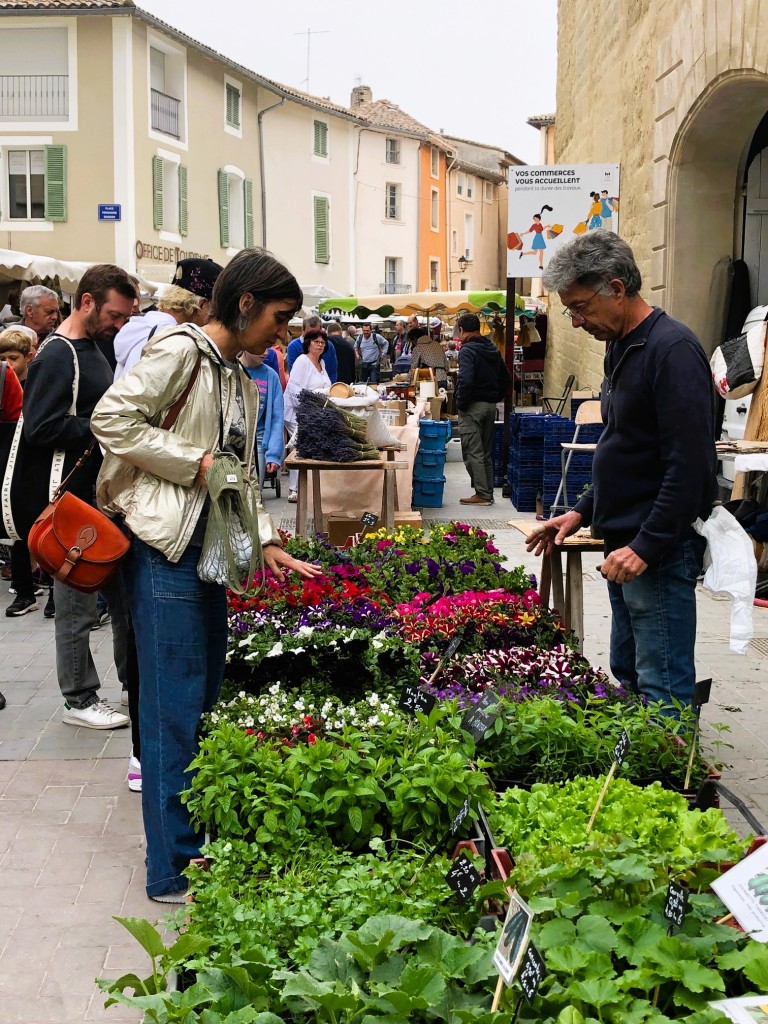
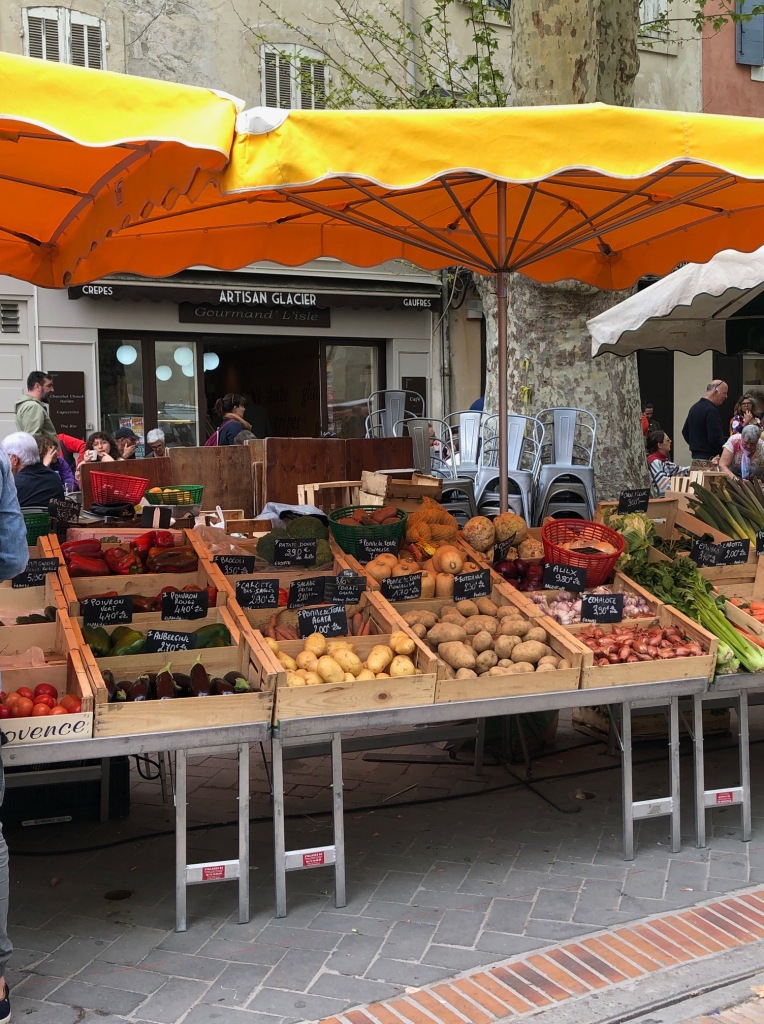
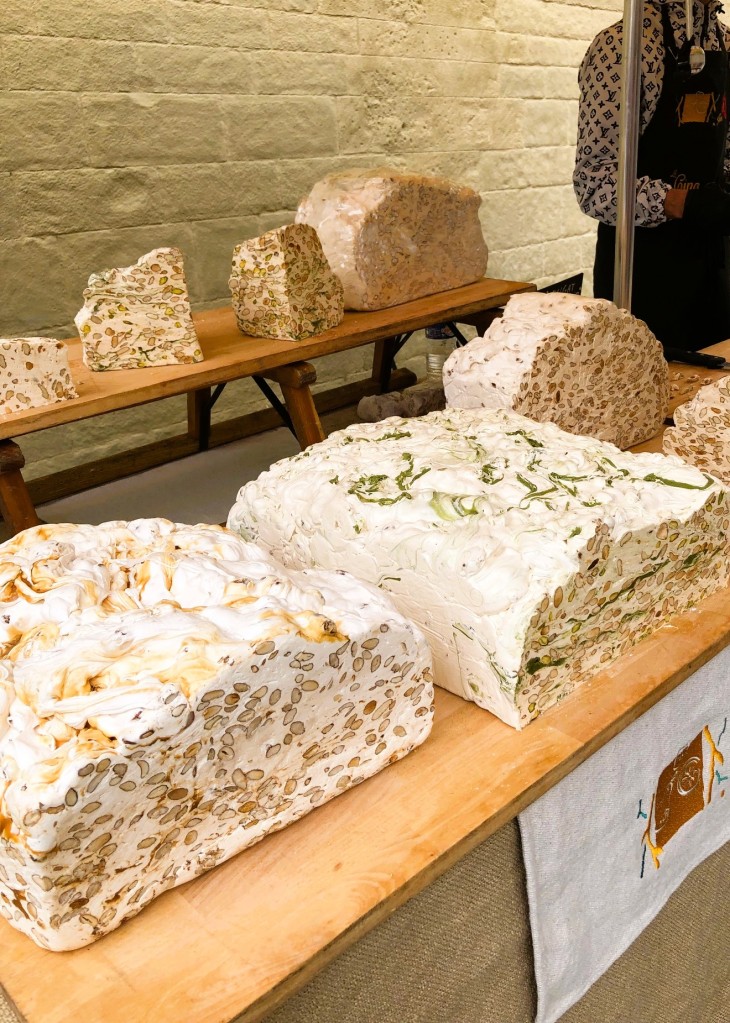
Market days in nearly every town infuse the area with vibrancy and interest,
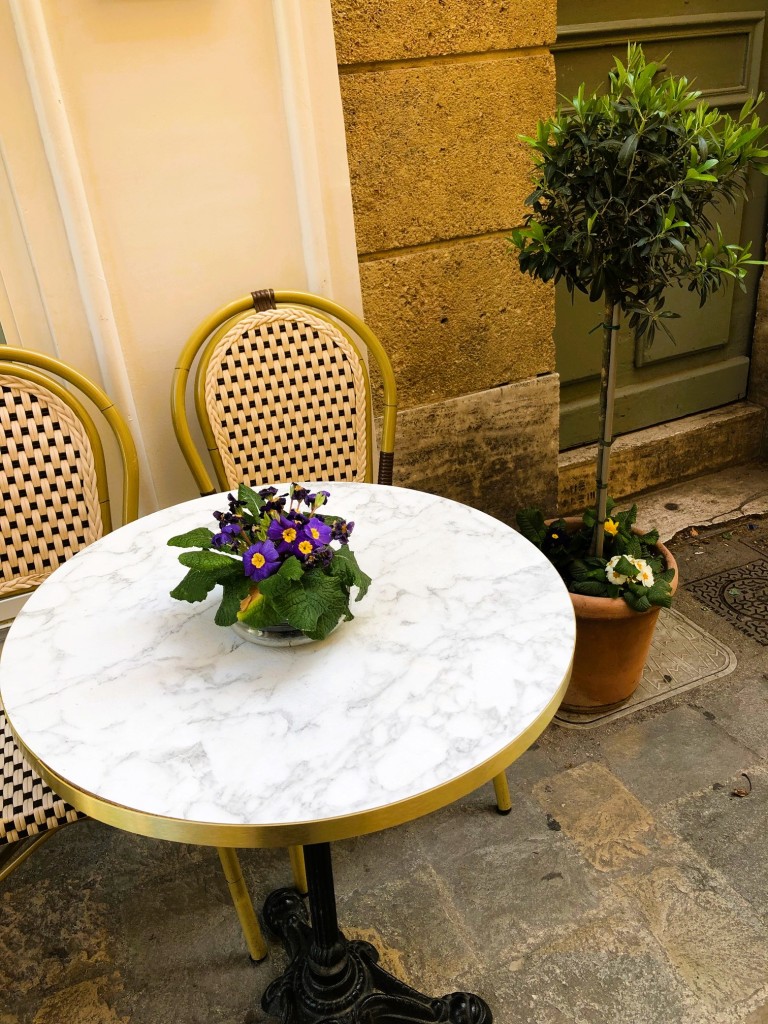
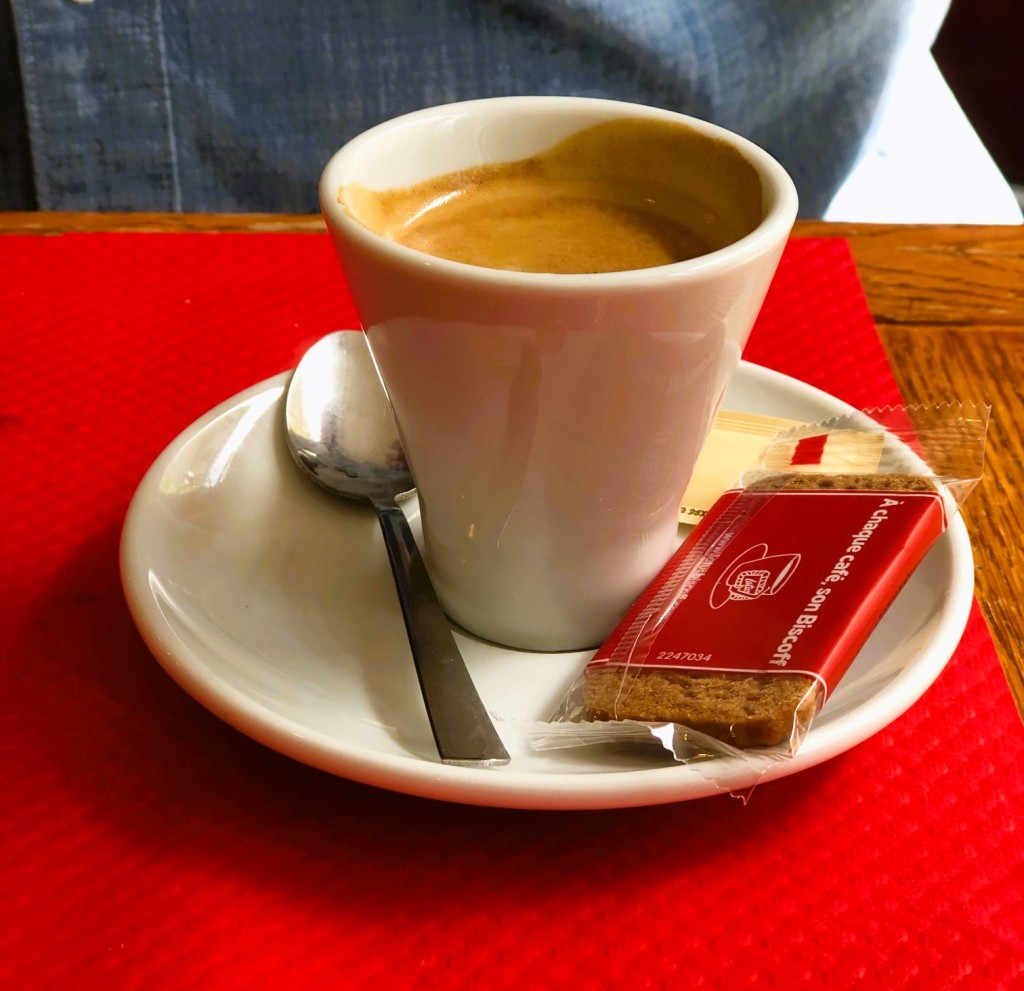
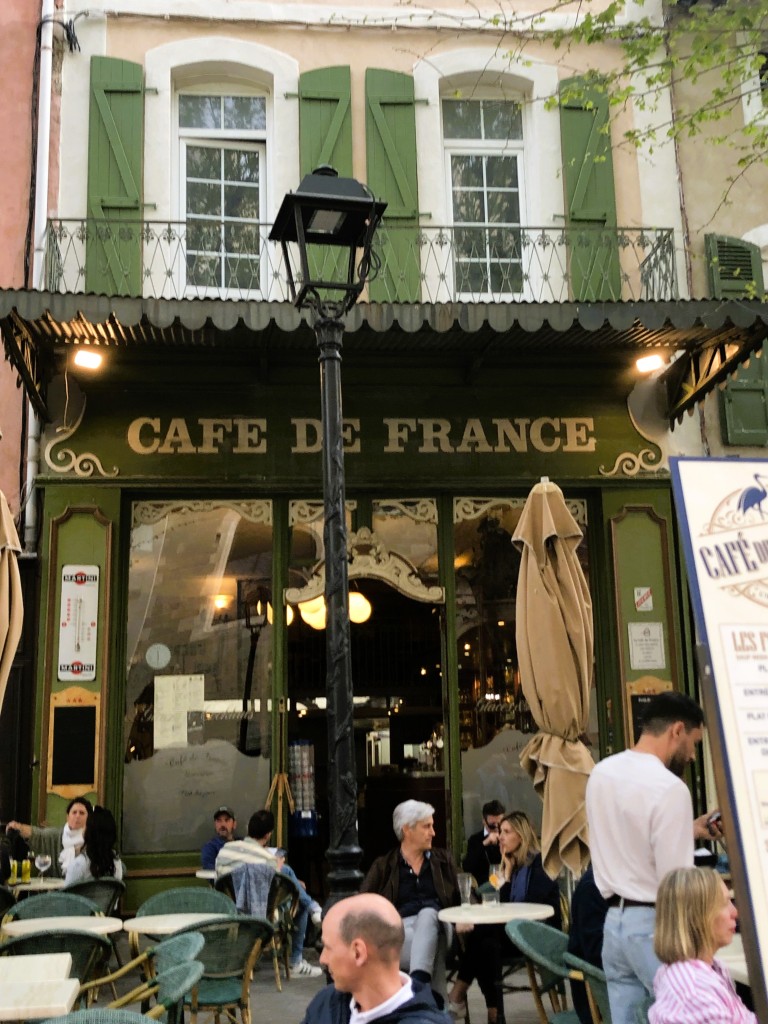
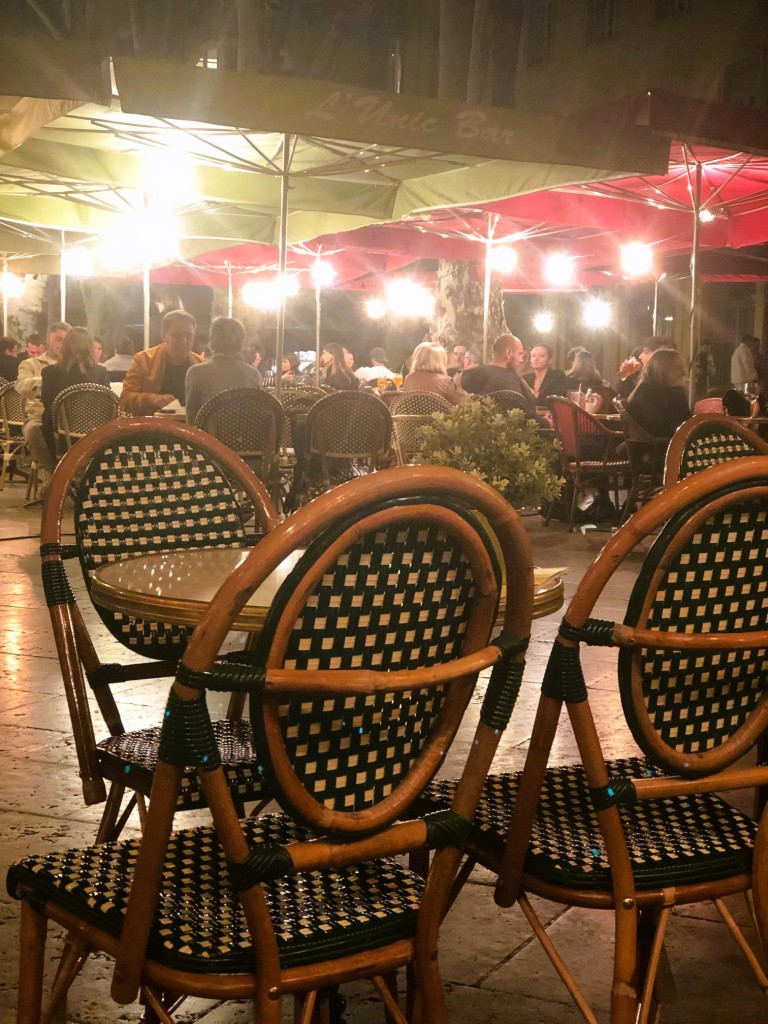
and a relaxing cafe culture pervades all of Provence, offering a slower pace to life.
Which perhaps accounts for the warm and welcoming people we came across everywhere.
There was a real joie de vivre found in the lively conversations that filled the cafes, the delight in the company of friends.
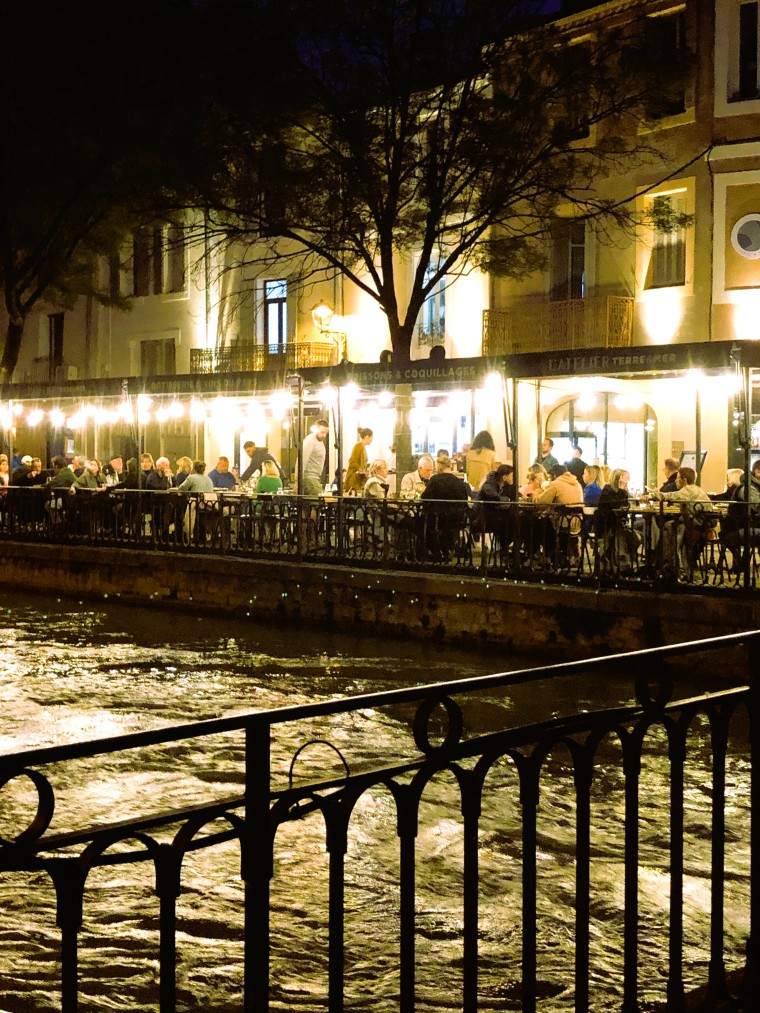
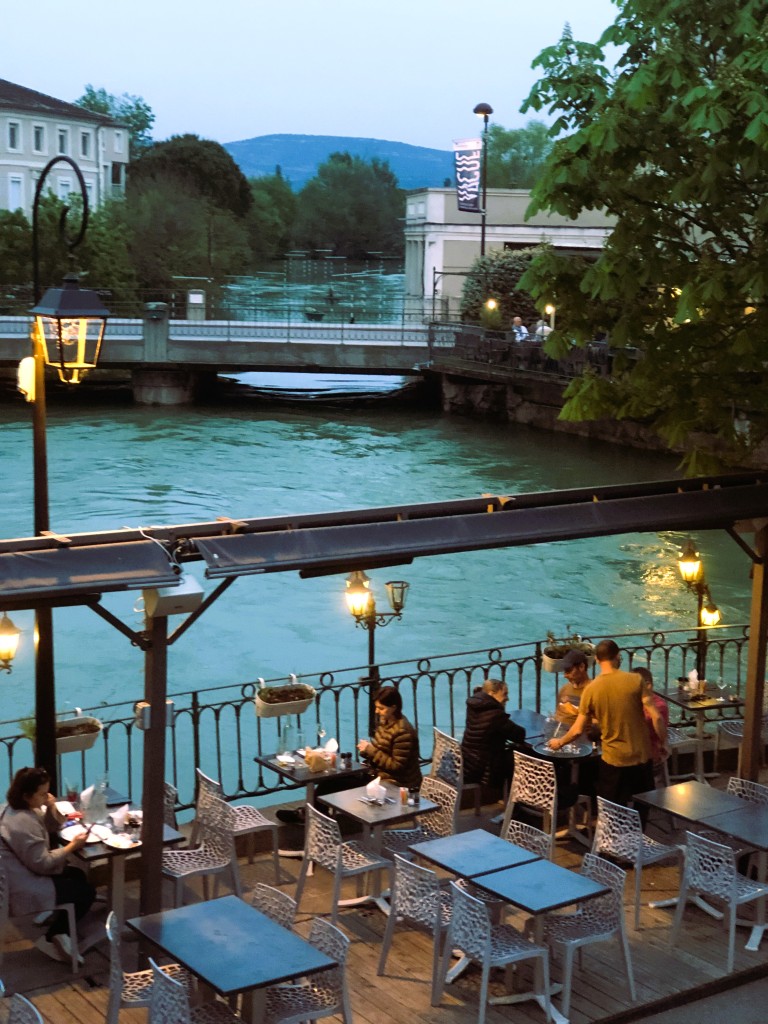
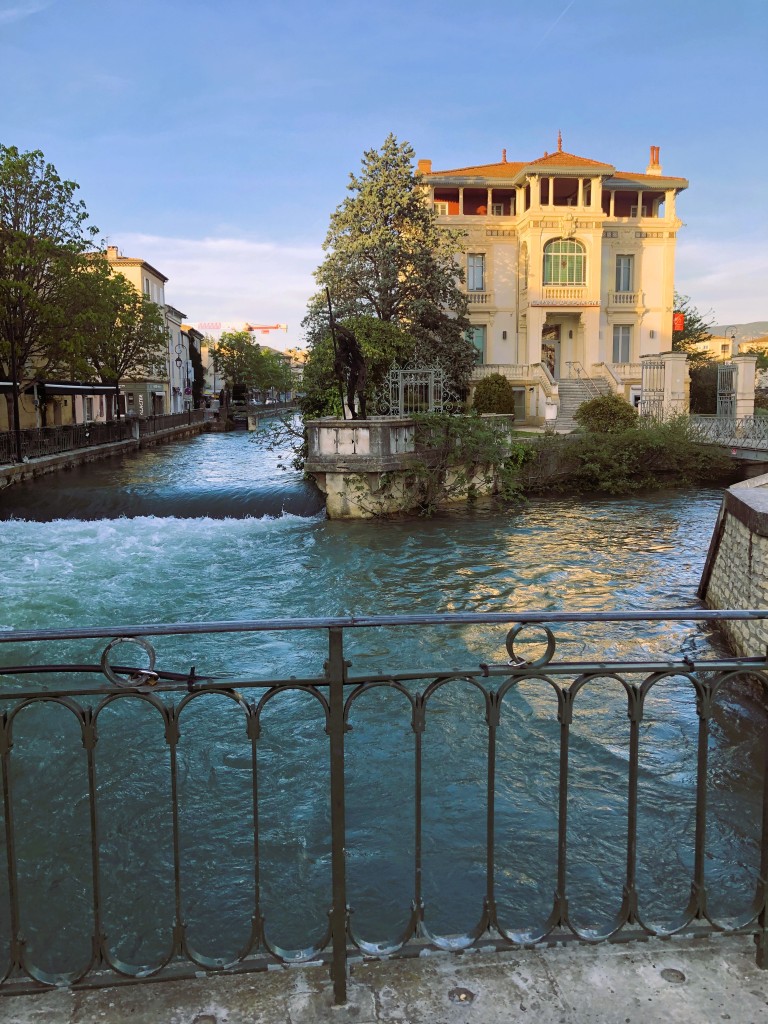
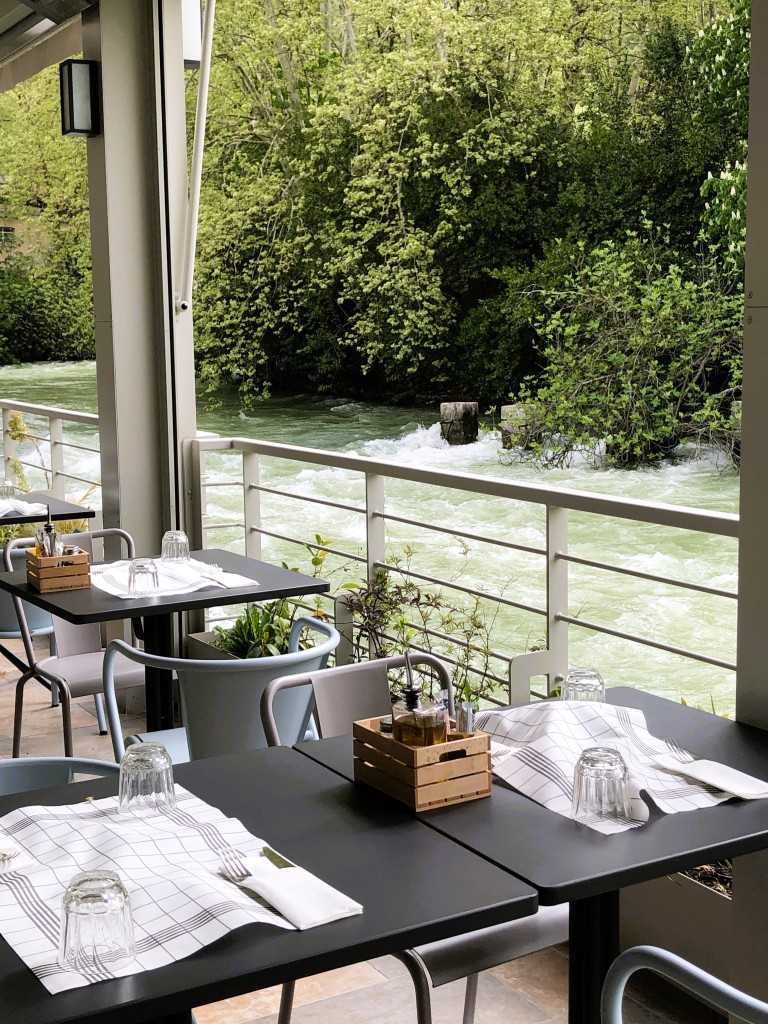
There was riverside dining in villages like L’Isle-sur-la-Sorgue, a historic mill town with waterwheels still turning along its river.
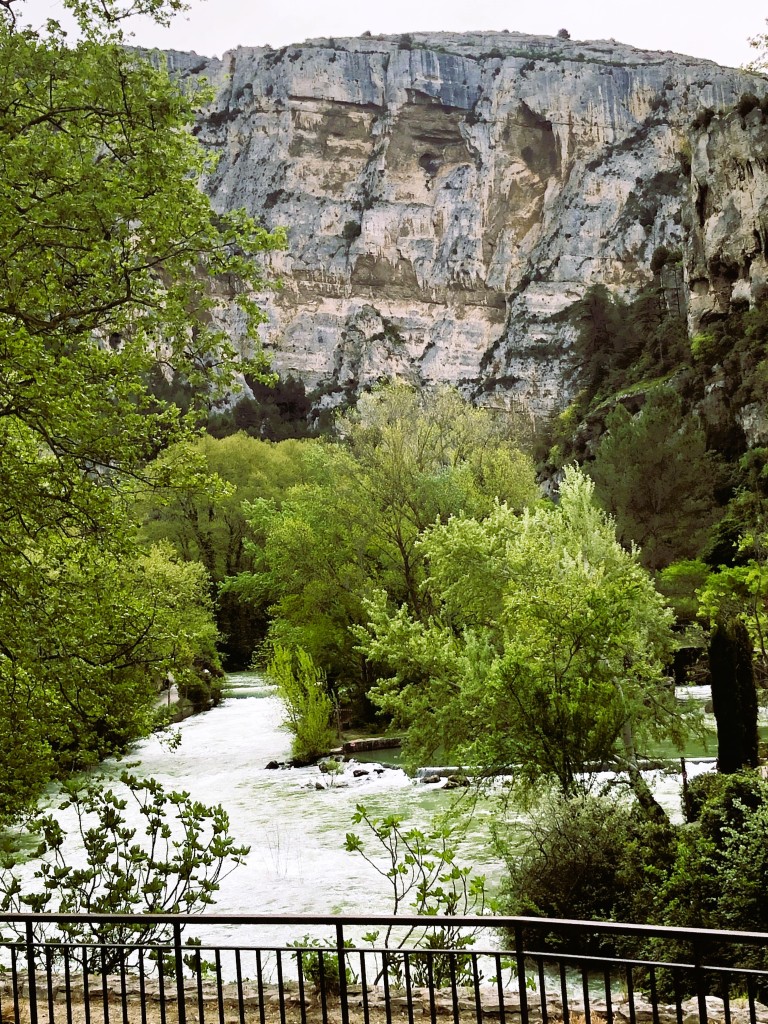
And a visit to the source of the Sorgue,
a gushing fontaine that springs from the nearby mountains (and more riverside dining).
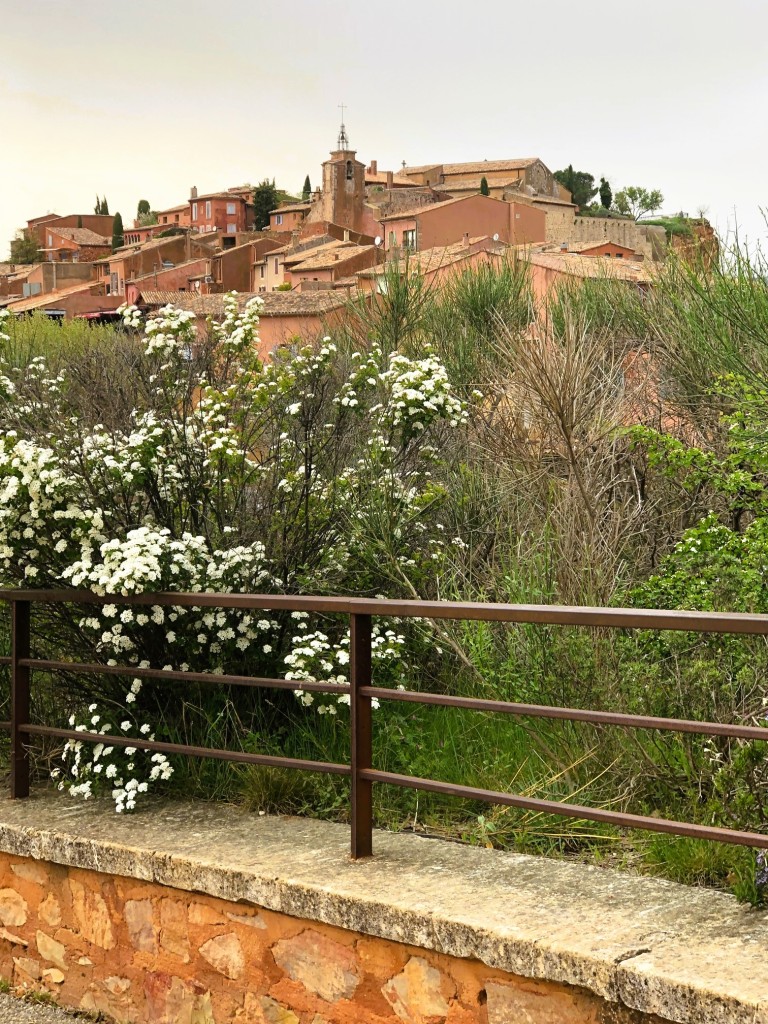
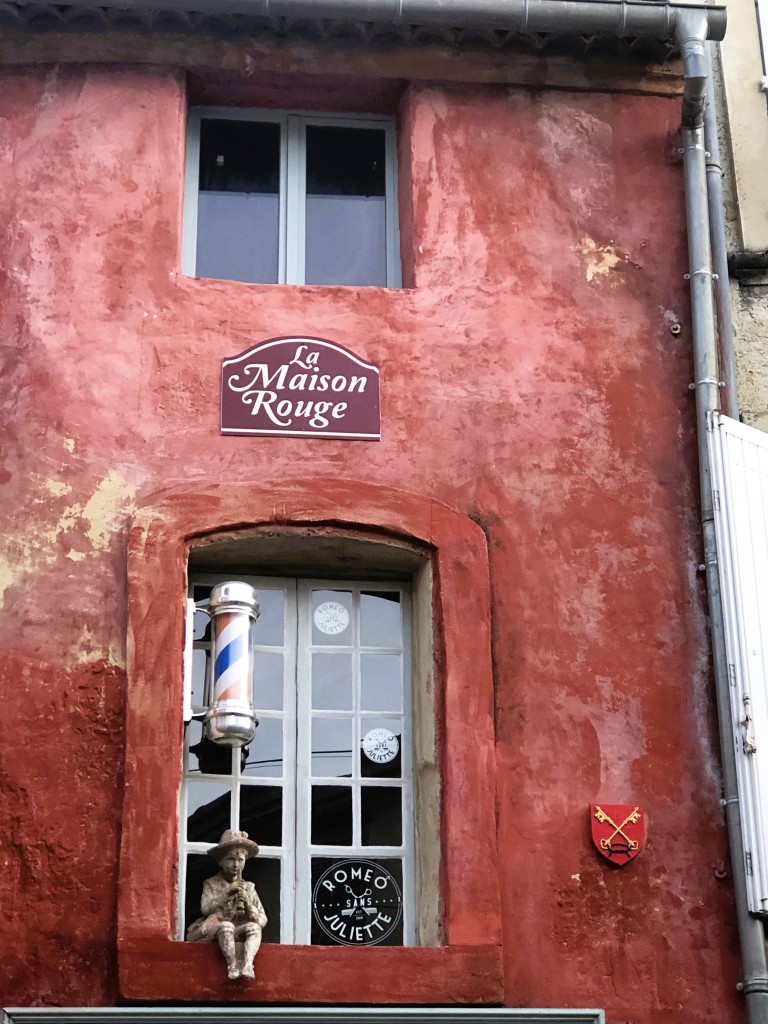
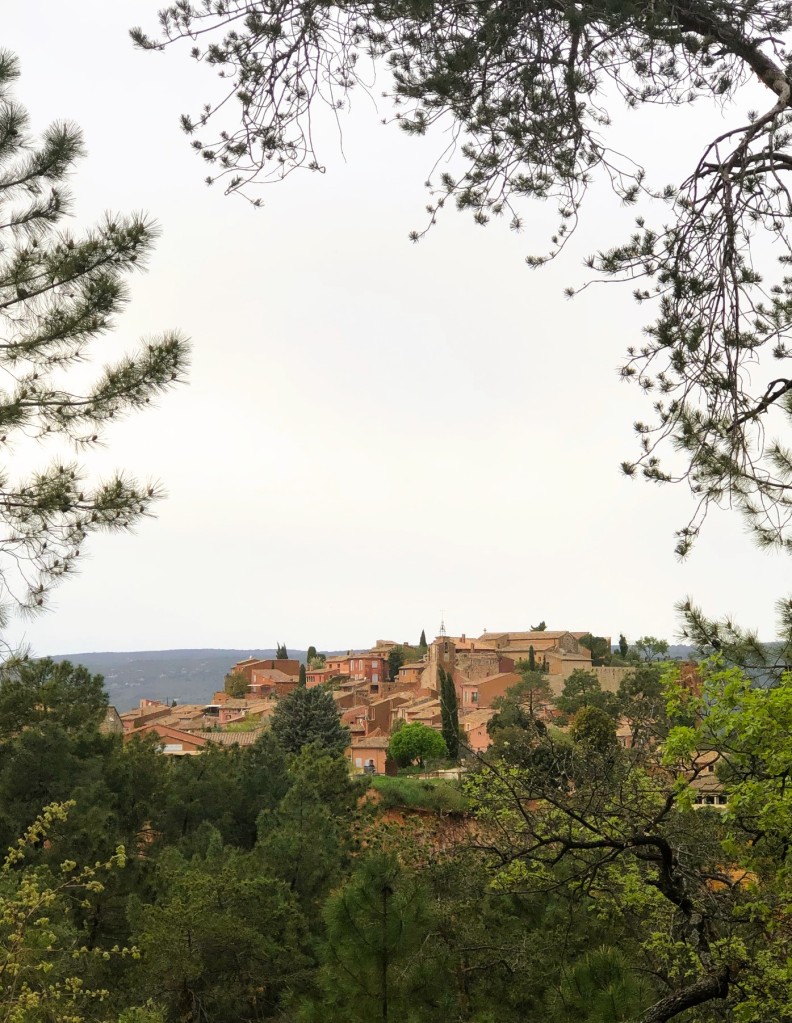
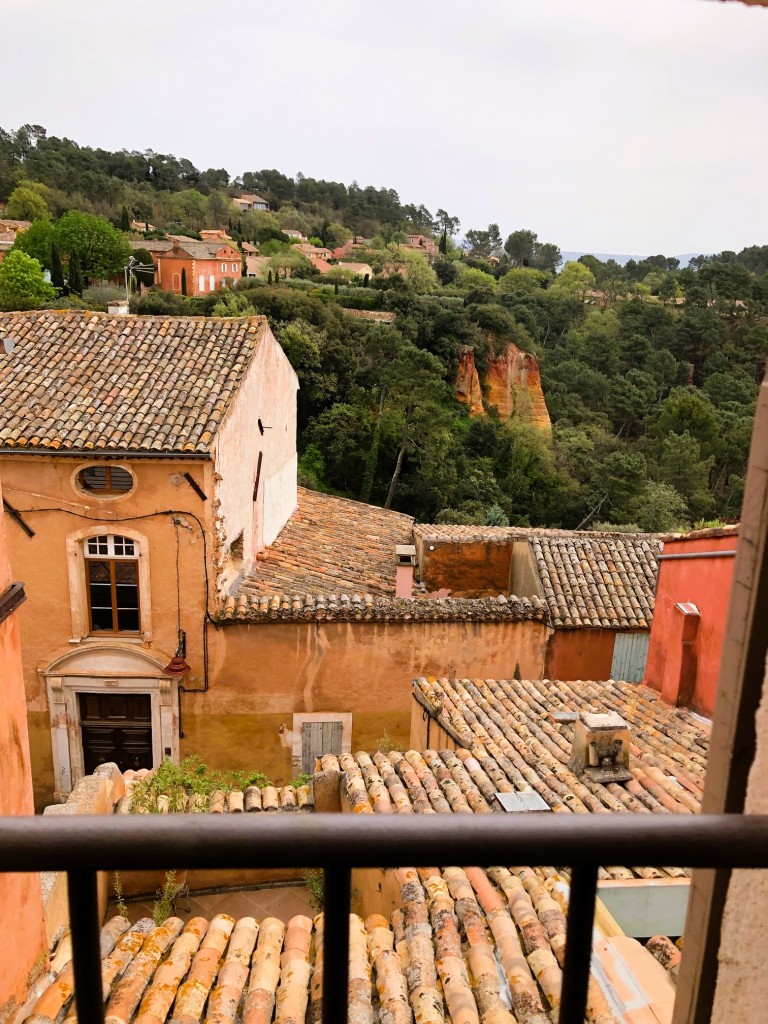
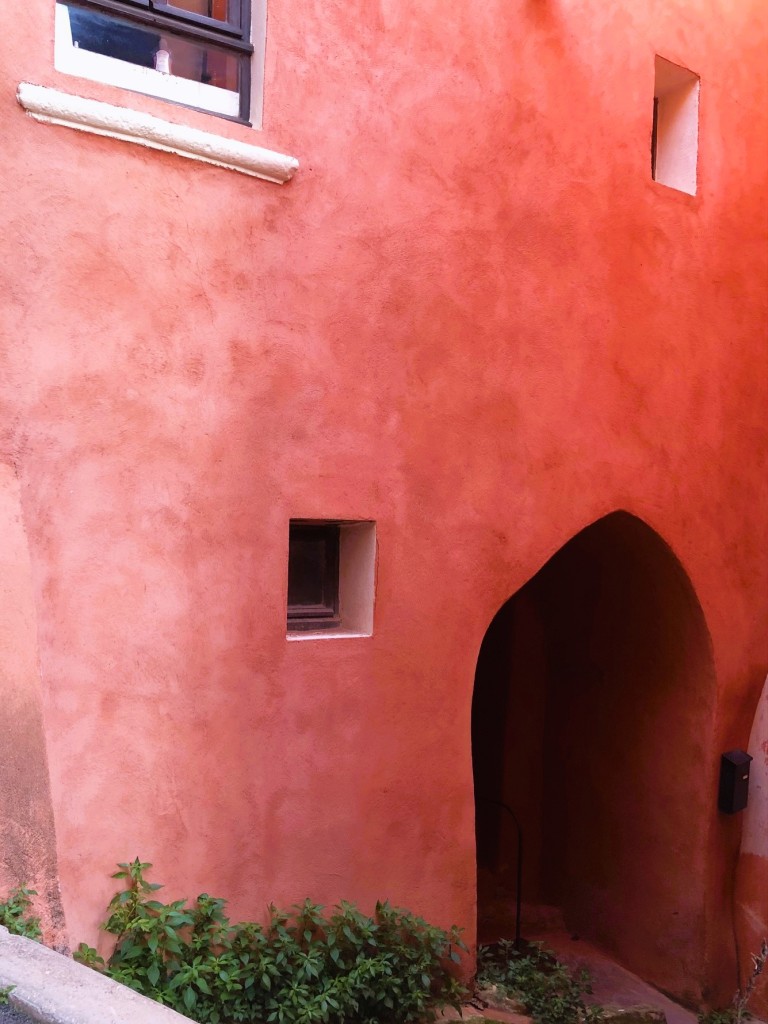
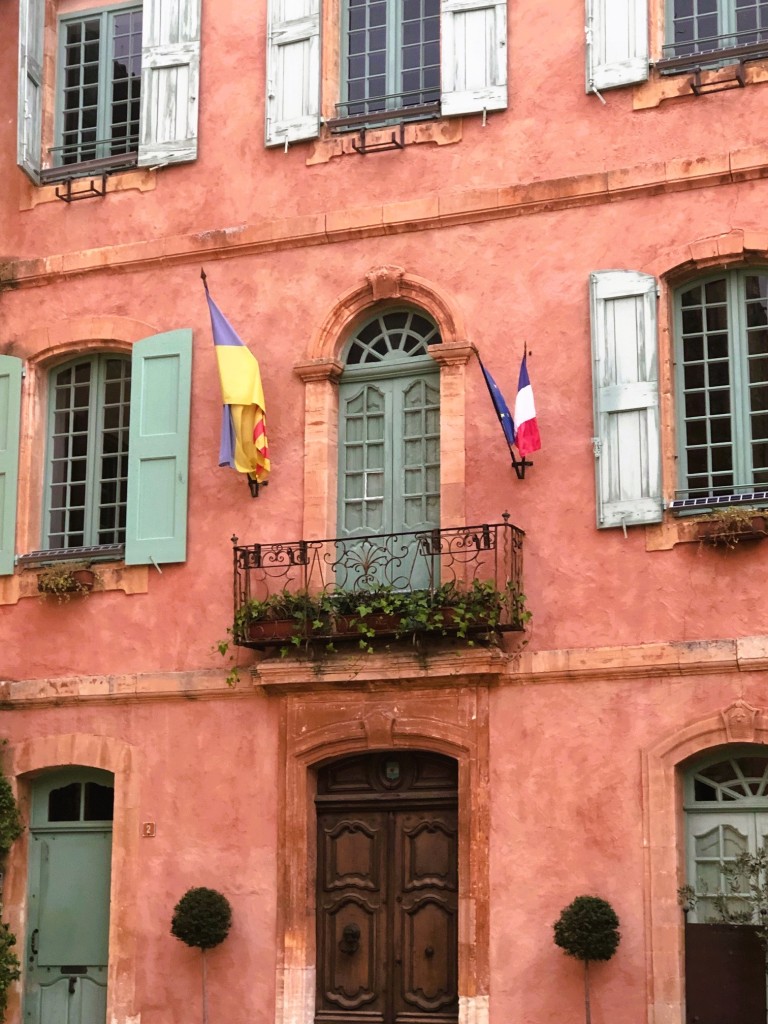
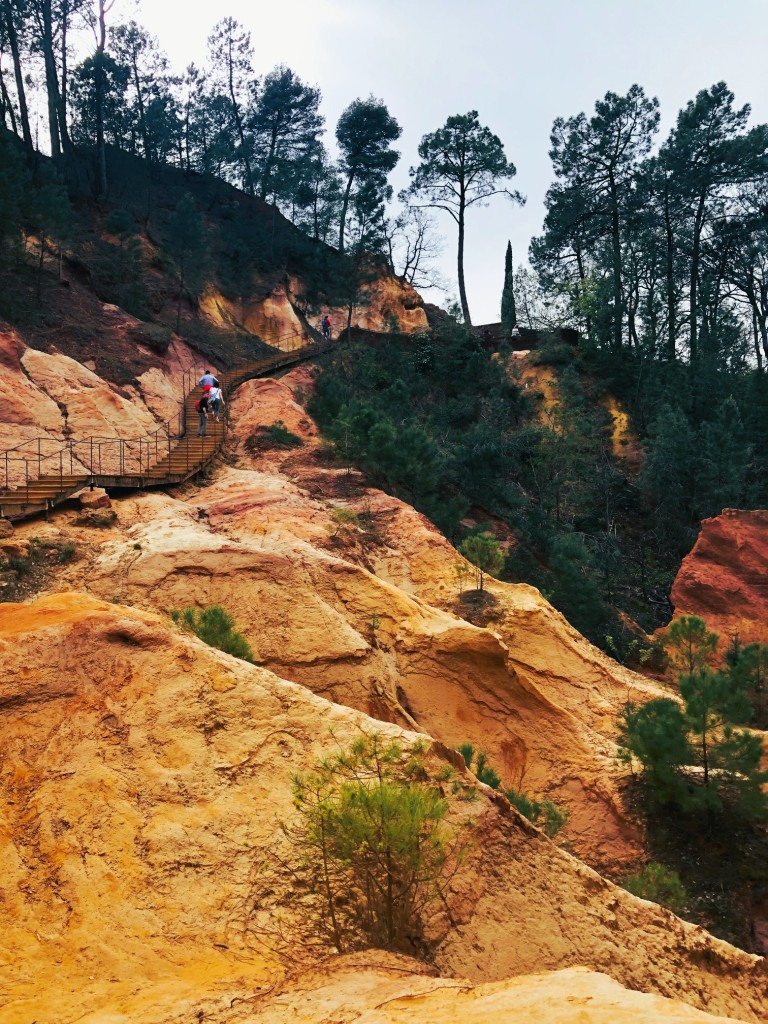
There was the unique village of Roussillon that still bears the reddish color of its famous ochre that was once mined and traded afar.
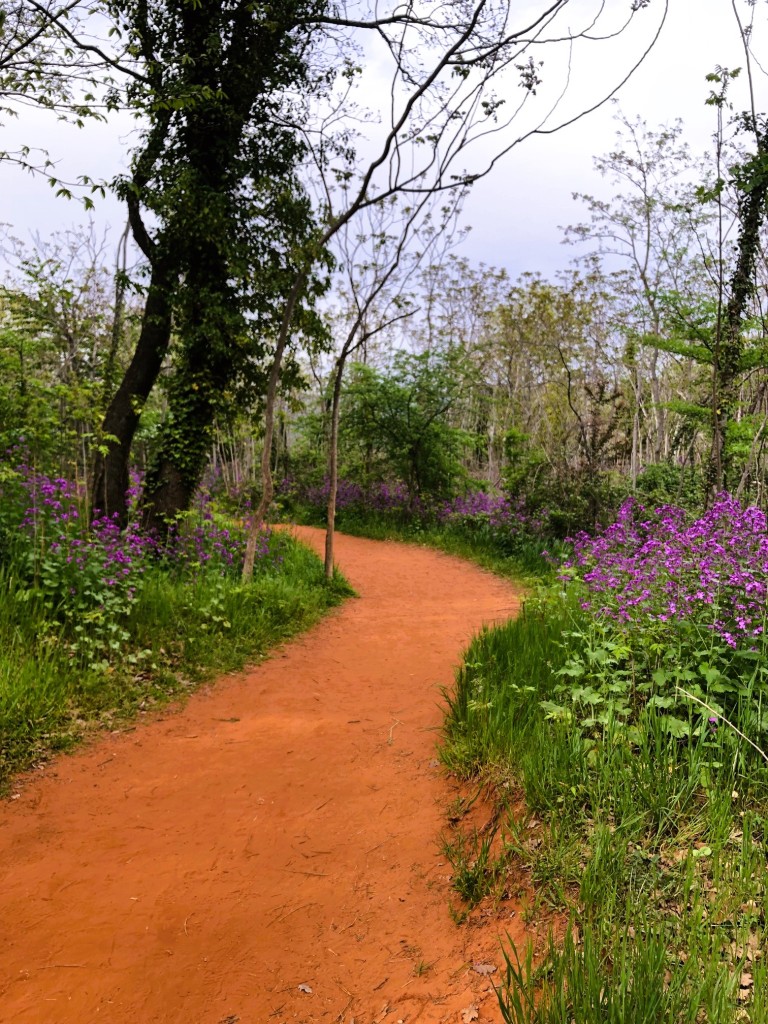
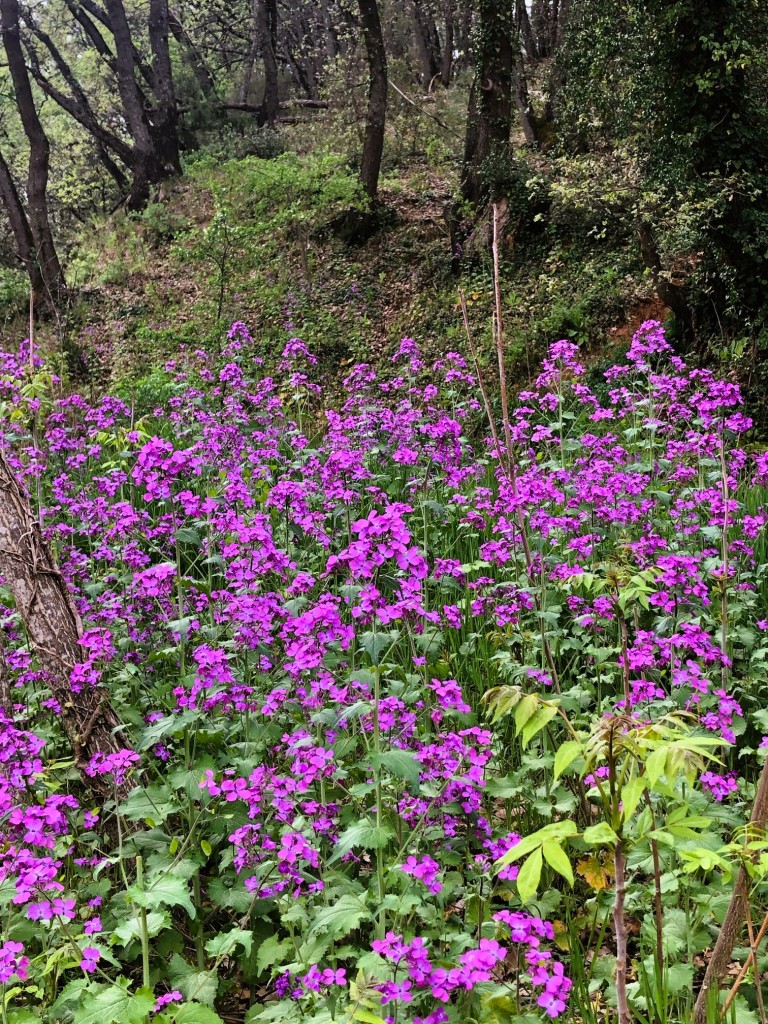
A nearby hike immerses visitors in the sculpted ochre hills, full of tall pines and purple phlox.
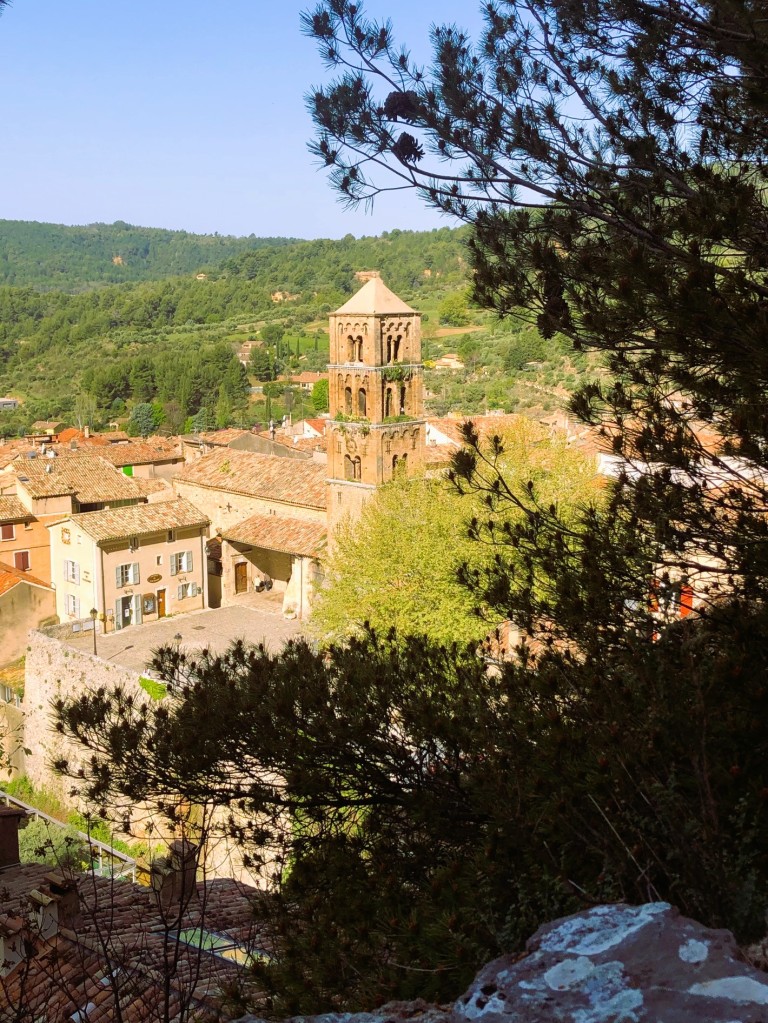
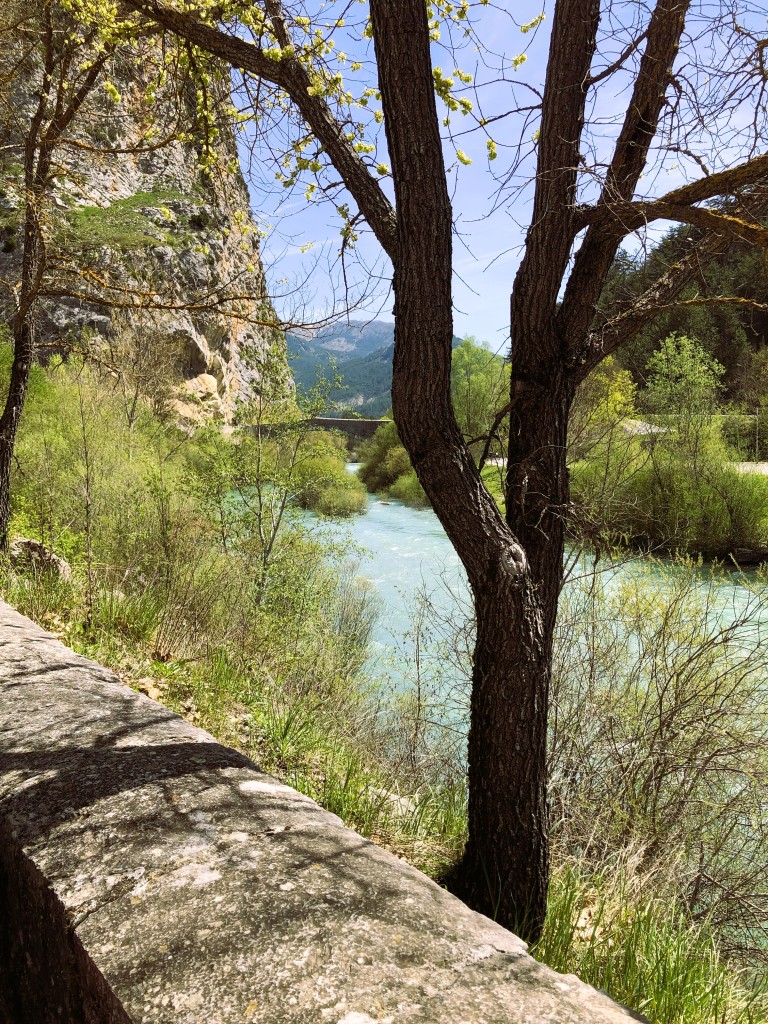
And charming Moustiers offers beautiful views from every angle, every tiny winding street, at every time of day.
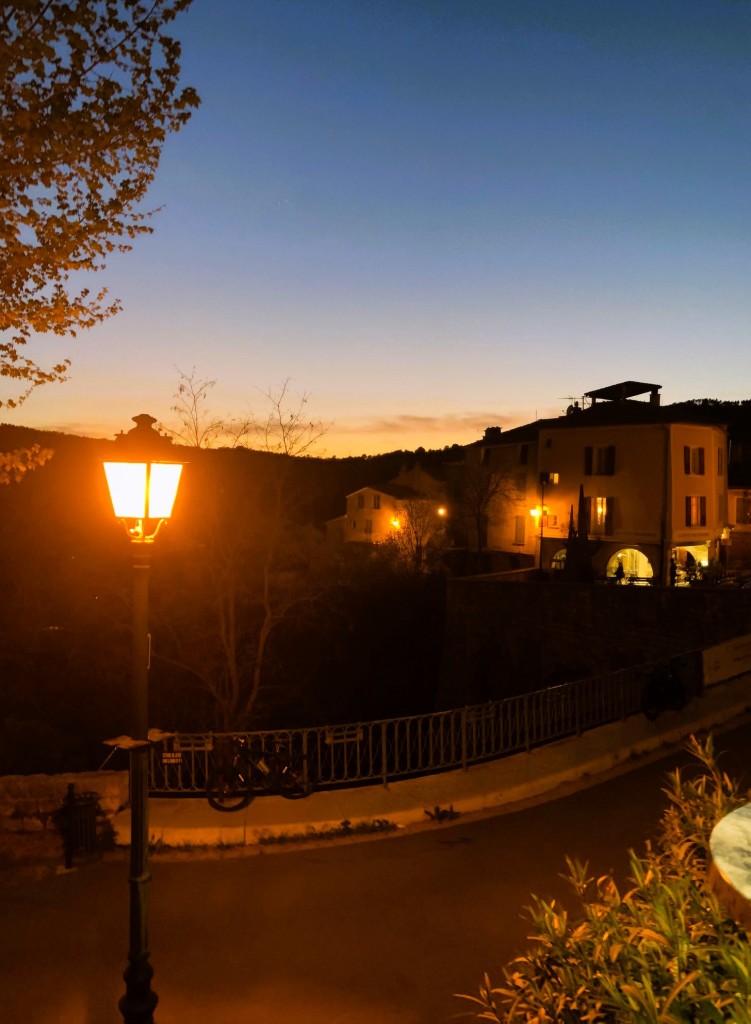
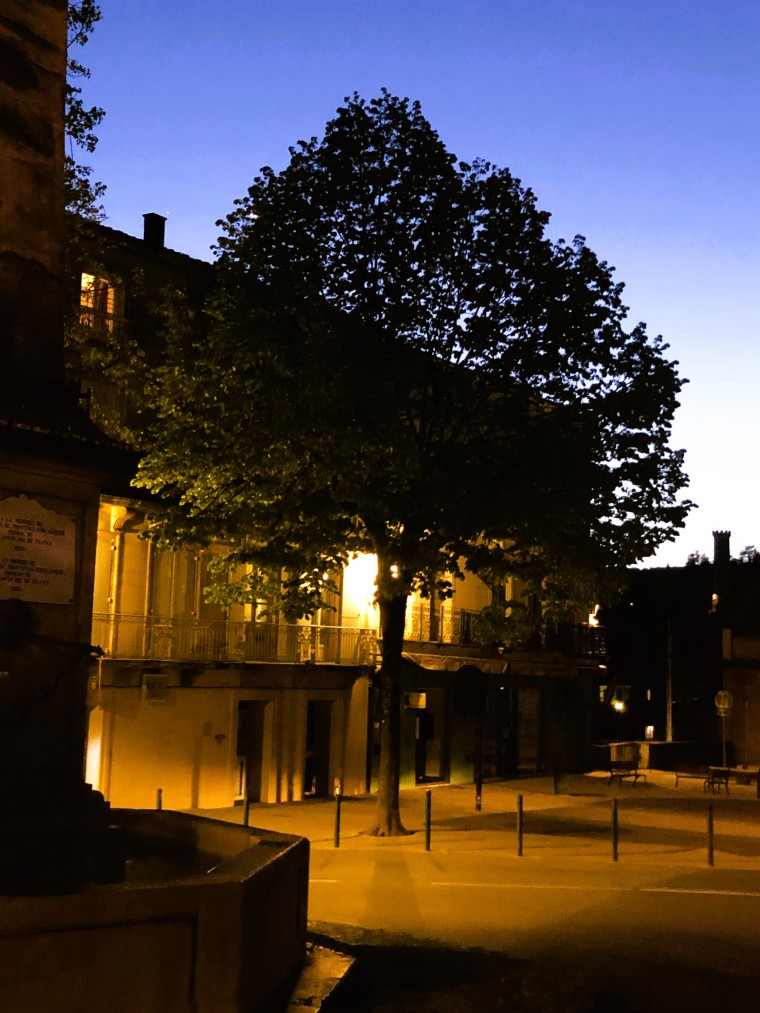
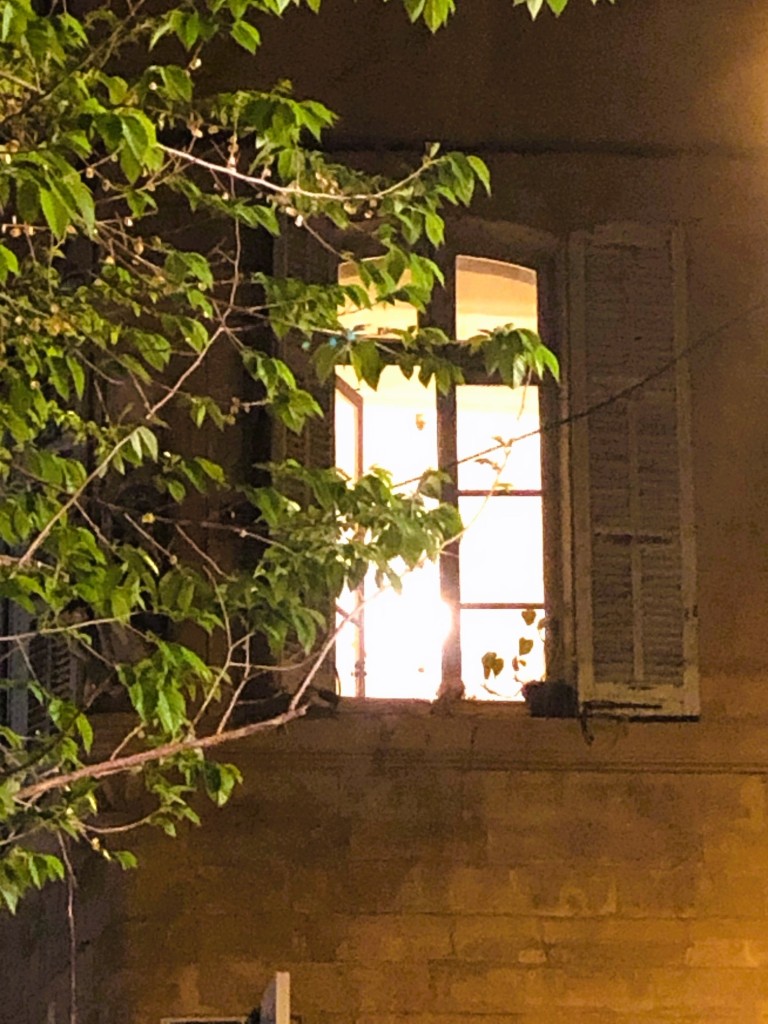
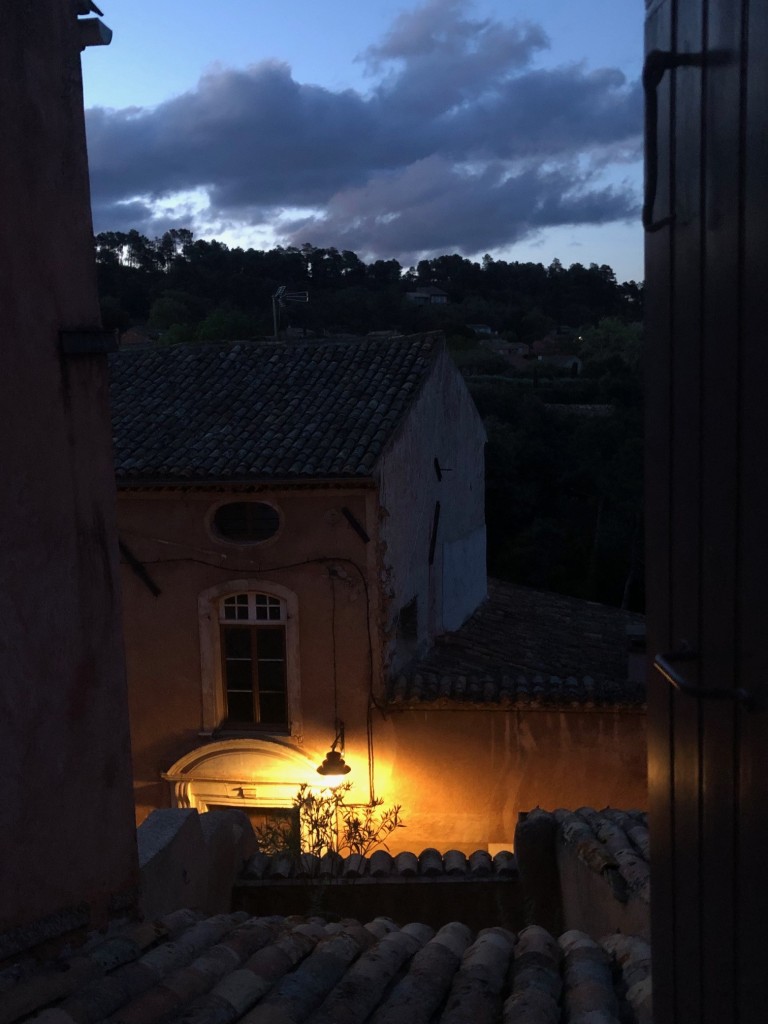
Throughout Provence, the soft evenings retain a hint of the old and inviting and mysterious,
(Excerpts from my novel, The Notebooks of Honora Gorman: Fairytales, Whimsy, and Wonder)
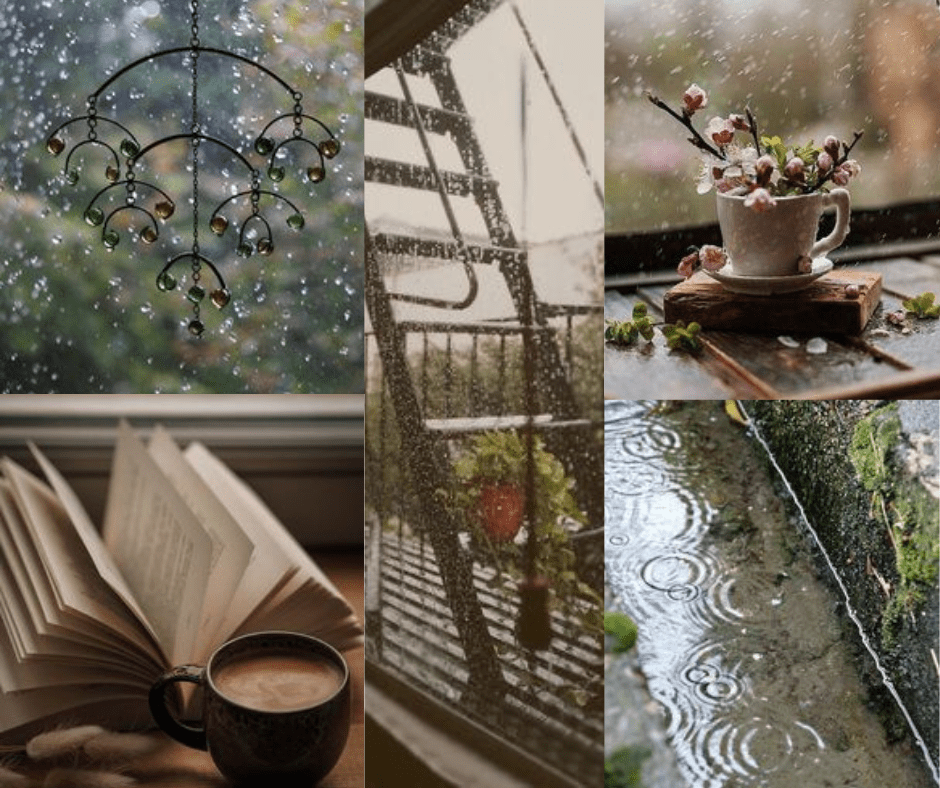
“Is April a time or a place? Honora wondered. Right now, as she looked out her window, the rain gurgling in the gutters, the trees full of white blossoms and tiny bright leaves against a pearl gray sky, it seemed a place – a land of beginnings, of youth, of beauty, a place to breathe deeply and stroll through, to enjoy its flowers and first greens, the cool soft air. She grabbed an umbrella and decided to wander through Central Park, down the Poet’s Walk to the lake, and absorb the April beauty.”
“Blossom time. The spring was cold, with occasional snow. Then a few warm days came and the pear trees along the street burst into bloom. Honora waited all year for this month with the fluttering white blossoms, lovely against the old brick, the gray slate roofs, the softer gray of the sky. The temperature had dropped again and she hoped the cold would keep the blossoms on the trees a little longer. But already she saw a bit of green – the leaves were beginning to show. Soon, the rains would loosen the blossoms, whisking them into the air. And she would have to wait another year for April blossoms.”
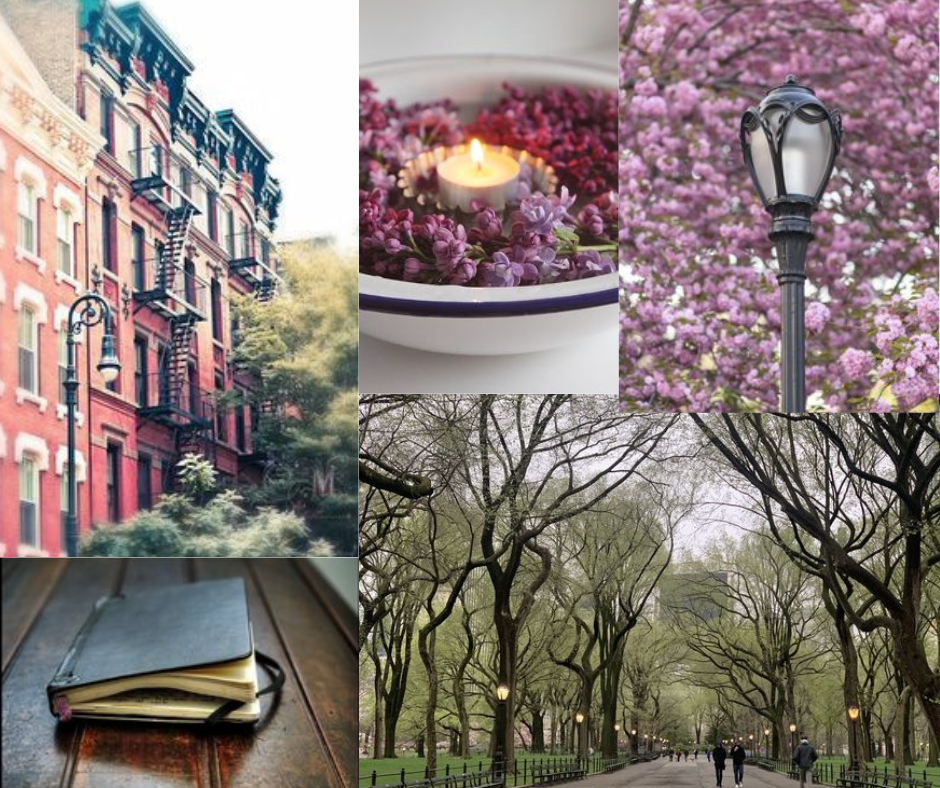
“Honora walked the streets of her pretty neighborhood almost every day. In the spring it was bursting with color – shooting rays of yellow forsythias, azalea bushes so thick with purple or red or coral blooms that they scarcely showed any leaves. There weren’t many lilac bushes but Honora knew where they were and would linger next to them, or stand under the ones arching over a tall fence, to breath in their fragrance.”
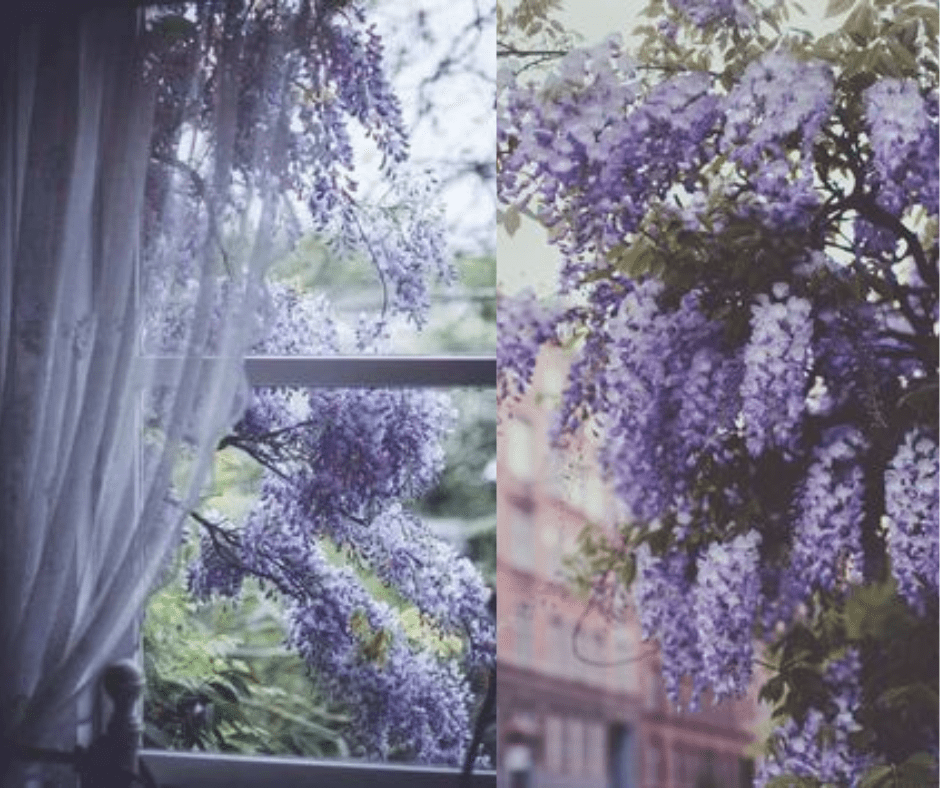
“There had been a magnificent old wisteria plant with massive, thick ropes of vines climbing an old sycamore, draping sweetness and pale-purple beauty overhead every spring. It had been pure magic and every April Honora looked forward to seeing it, raising her face to bathe in its perfume, filling herself with its beauty.”
The Notebooks of Honora Gorman: Fairytales, Whimsy, and Wonder
“Not a love story – and yet a story of love. Love for a city, for the artist’s way, and dreams.”
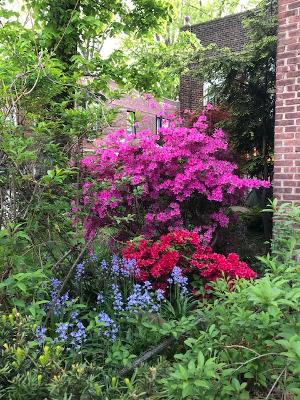
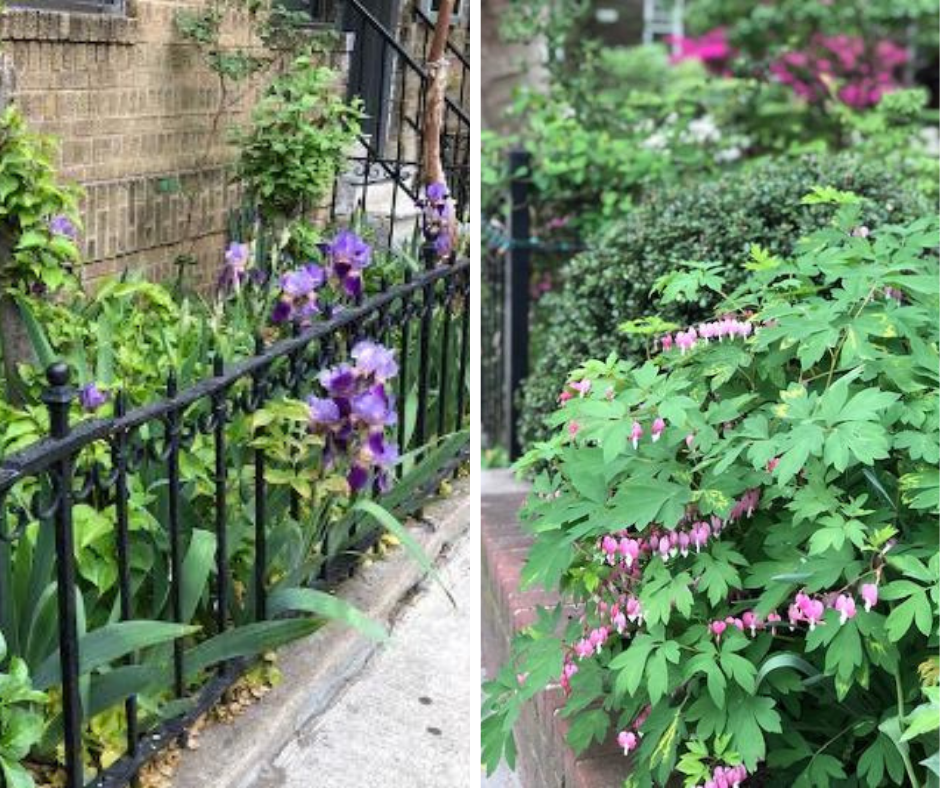
While much of the country has already experienced soaring temperatures, here in New York, this has been an especially beautiful spring. Cooler temperatures have prolonged the season of lilacs, irises, and azaleas.
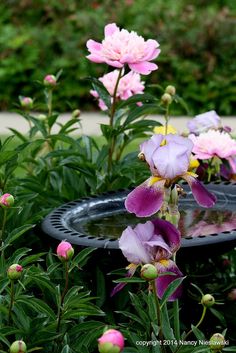
Even the rhododendrons and peonies are just now in full bloom.
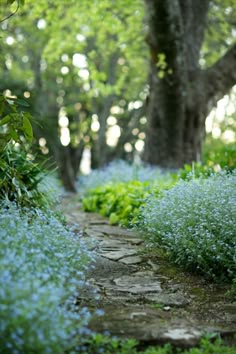
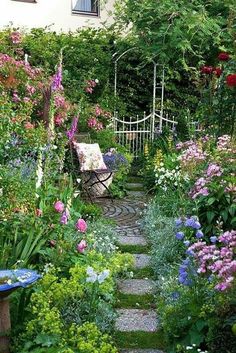
I think of these kinds of days as “gift” days, allowing me to more fully enjoy the cool mornings and to take longer end-of-day strolls through the neighborhood, with its profusion of flowering bushes and small flower-filled gardens.
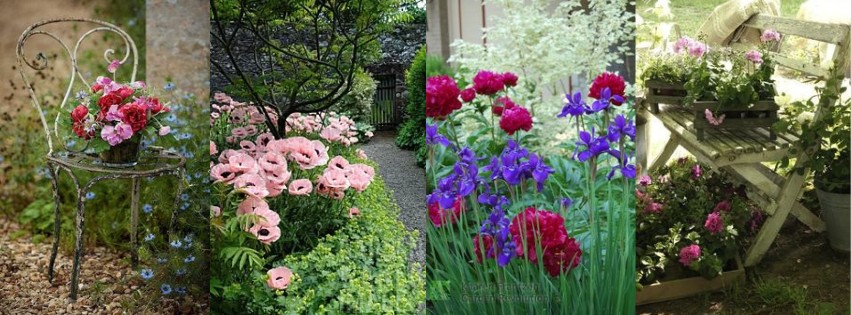
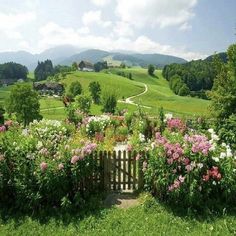
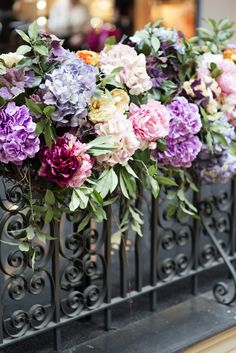
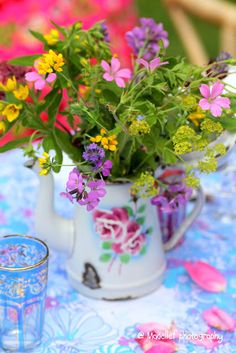
I hope wherever you experience spring, you have an abundance of flowers and blooms to enrich your day —
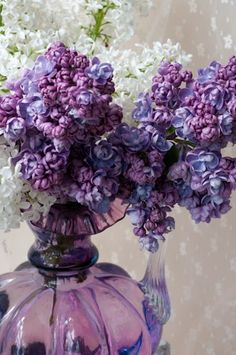
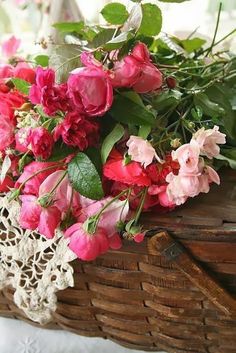
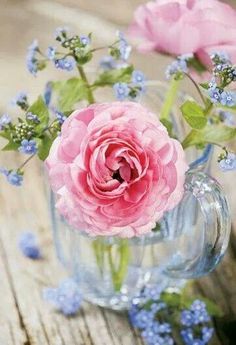
including bouquets of fresh-cut flowers that also bring about that same springtime joy.
(images from my Pinterest boards – and my neighborhood!)
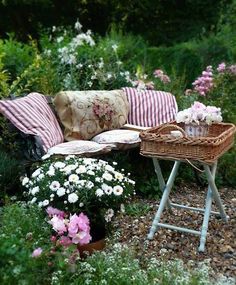
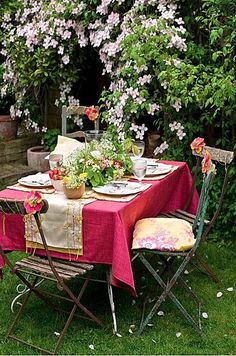
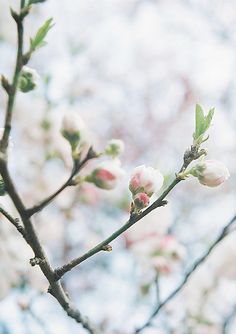
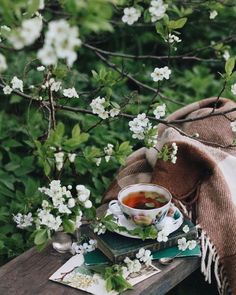
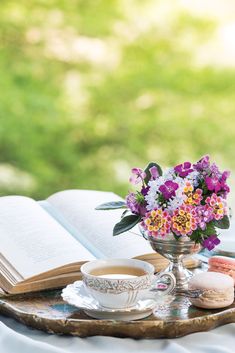
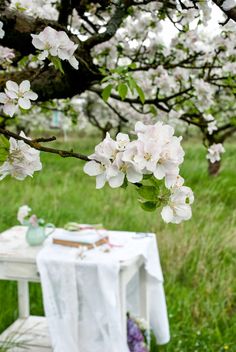
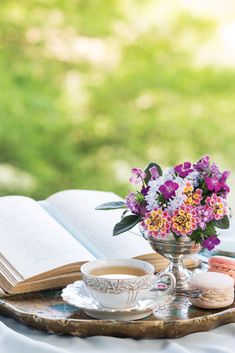
Now that it’s officially spring, reading outdoors has even more appeal. Opening a new book amid the first flowers of spring or under blossoming trees speaks of new beginnings, a sense of well-being, and hope.
There’s the promise of longer days and milder weather, and hopefully, more free time to indulge in the discovery of new books.
And if it’s still too cold where you live to read outdoors, bring a bit of springtime inside with a few blossomy sprigs or some fresh-cut flowers to remind you of what’s up ahead.
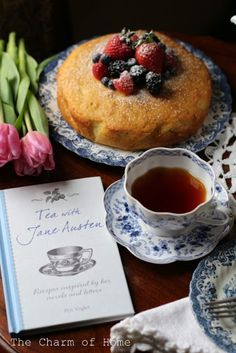
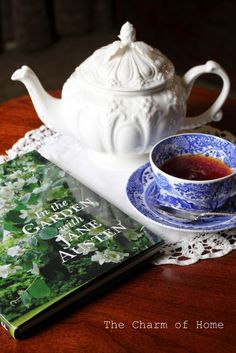
Spring seems to be the perfect season to read a Jane Austen novel, or one of the many books inspired by her work. Perhaps it’s because her stories end on a hopeful, spring-like note.
Perhaps it’s because milder weather allows the heroines to be out and about more, as with Elizabeth Bennet’s strolls through the spring countryside in Pride and Prejudice,
or Fanny Price in Mansfield Park enjoying a spring day in Portsmouth with its “mild air, brisk soft wind, and bright sun, occasionally clouded for a minute: and everything looked so beautiful under the influence of such a sky,”
or Persuasion’s Anne Elliot “hoping that she was to blessed with a second spring of youth and beauty.”
The fresh beauty of blossom-time and the promise of milder weather are just the right time to reread your favorite Austen book or to discover a new one.
Lately, I’ve been thinking about a movie I’ve always loved, Enchanted April, based on the 1922 novel by Elizabeth von Arnim. I remembered that I had bought the book a few years ago and decided to read it — and watch the movie again. Set shortly after WWI, the story is about two women who are unhappy with their dreary, loveless lives in rainy London.
After seeing an advertisement for “Wisteria and Sunshine,”
they become filled with the dream of renting a villa in Italy for the month of April.
The impetuous Lotty convinces her friend Rose to make the dream a reality.
They find two other women, who are also dissatisfied with their lives, to join them in order to help lessen the cost, and set off for Italy.
A month of strolling through the terraced hillsides, enjoying the rocky shore, dining al fresco, and resting in the tranquility of the gardens enables their spirits to heal.
The result is a reawakening to life, love, beauty, and newfound friendship .
The novel The Garden House is set in the Pacific Northwest, with most of the action occurring in Seattle. Other books in the fledgling series might be set on the Oregon coast, or perhaps the San Juan Islands, or even — if shop owner Paula gets her way — the flea markets of Paris.
I lived in Seattle for seven years and I visit my sister in Oregon once or twice a year. I’m always struck by the breathtaking beauty of the landscape.
One of the things I love most about the Pacific Northwest is that spring arrives so early in the year.
As I thrill at the inch-high green shoots of crocuses in my tiny garden patch, I imagine The Garden House’s main character, Miranda, already surrounded by spring’s beauty.
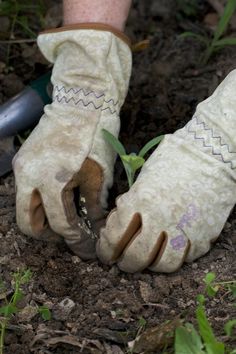
I see her out in her garden on a cool morning holding a steaming cup of tea, or on her hands and knees, turning the soil to plant a box of pansies or brushing aside a few dried leaves to uncover a cluster of grape hyacinths.
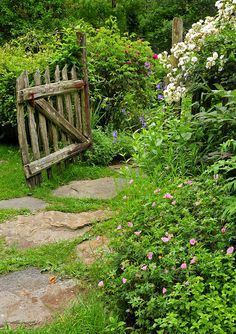
Or just sitting quietly on a garden bench, taking in the colors and scents of early spring.























































 Linda Mahkovec - Author