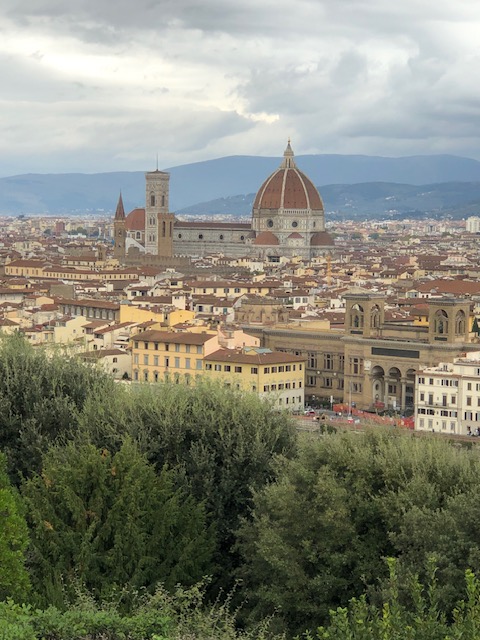
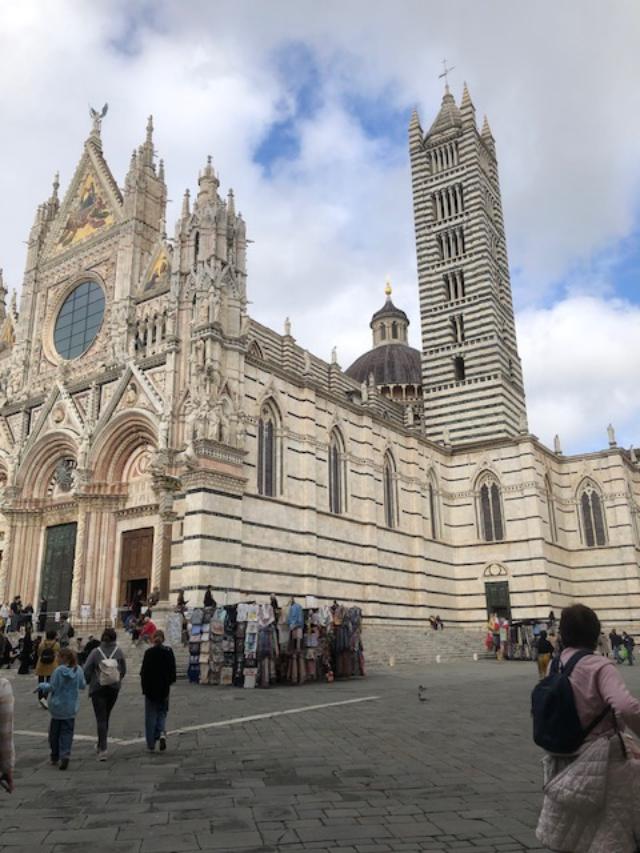
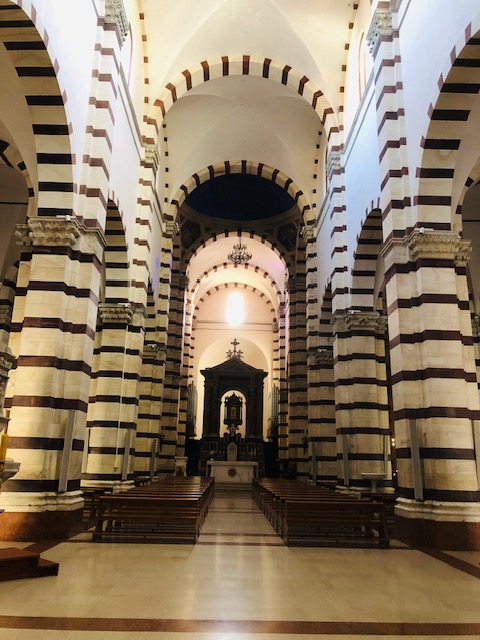
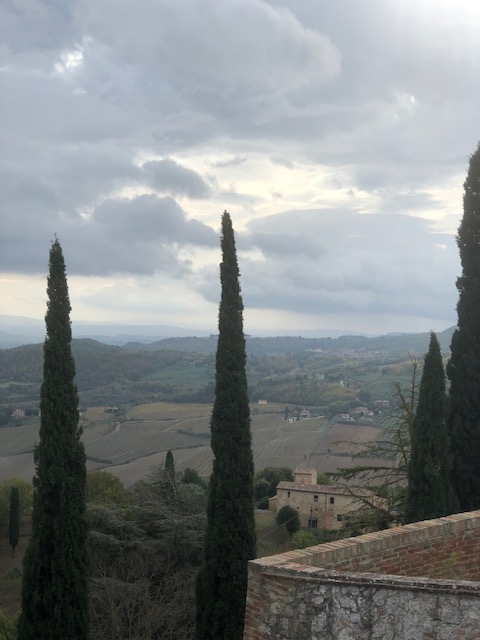
November in Tuscany

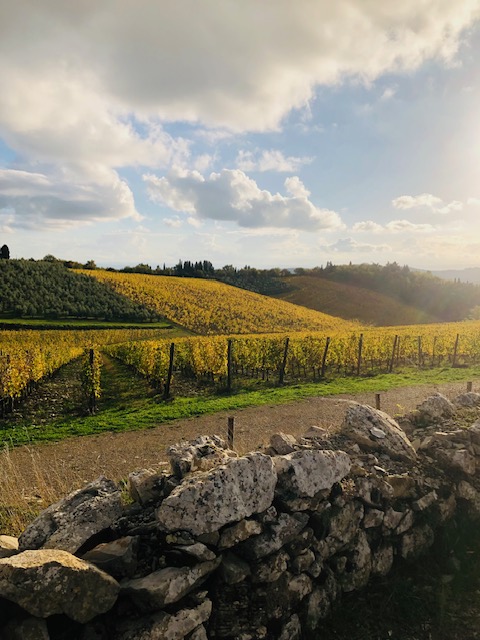
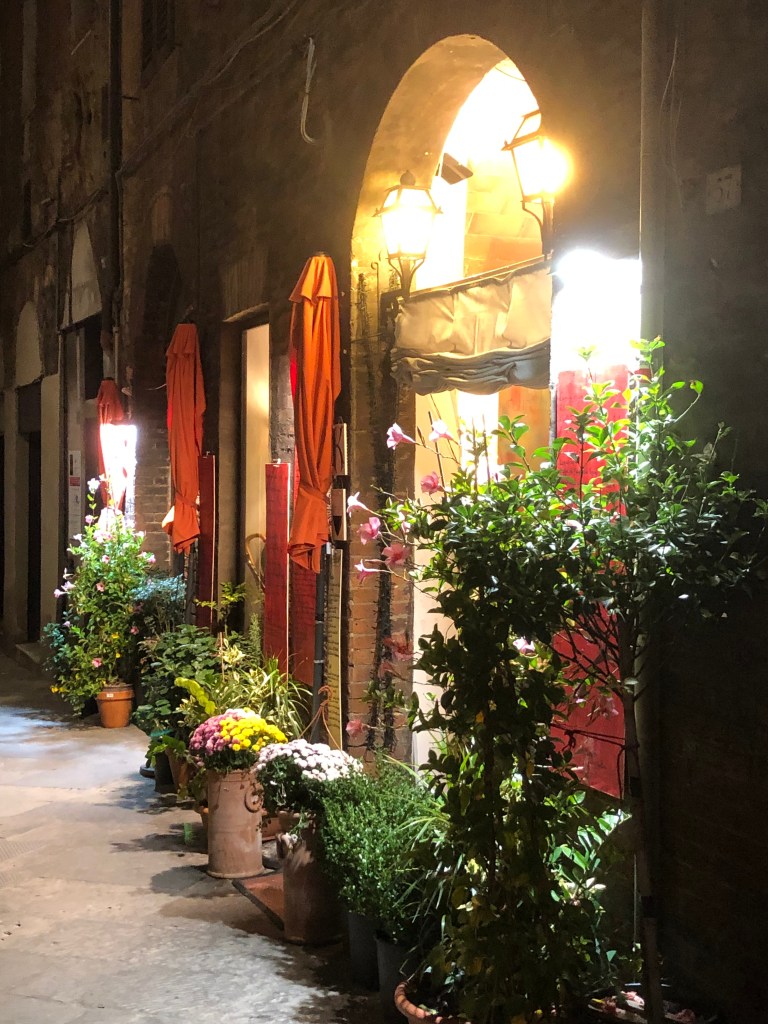
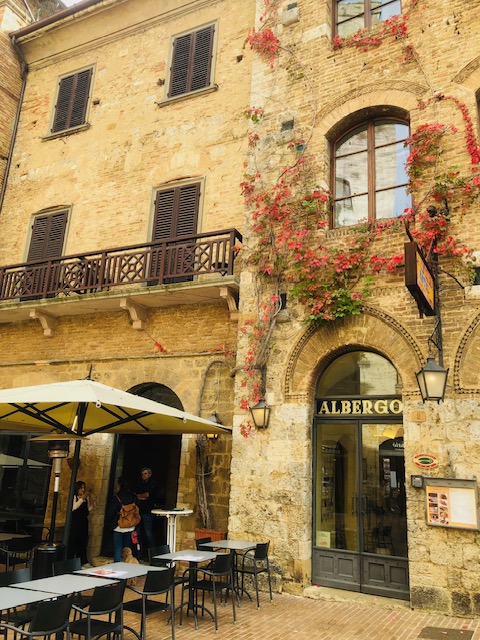
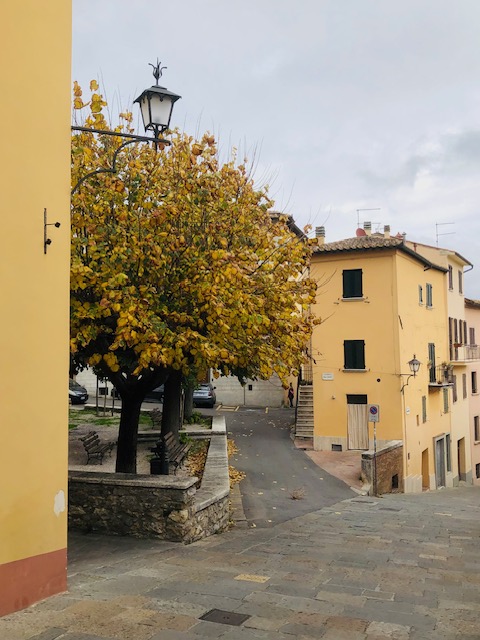
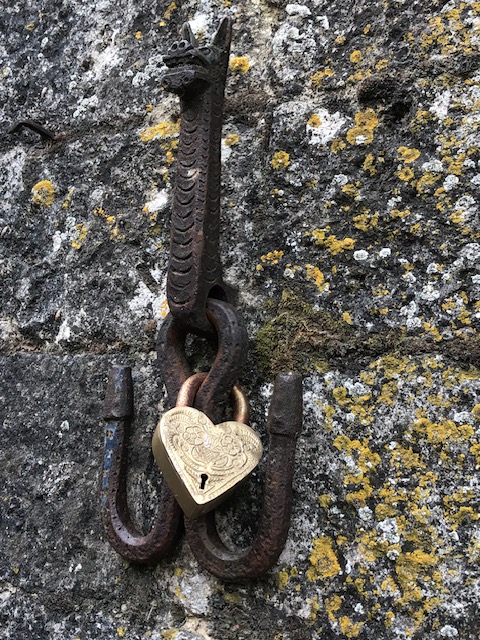
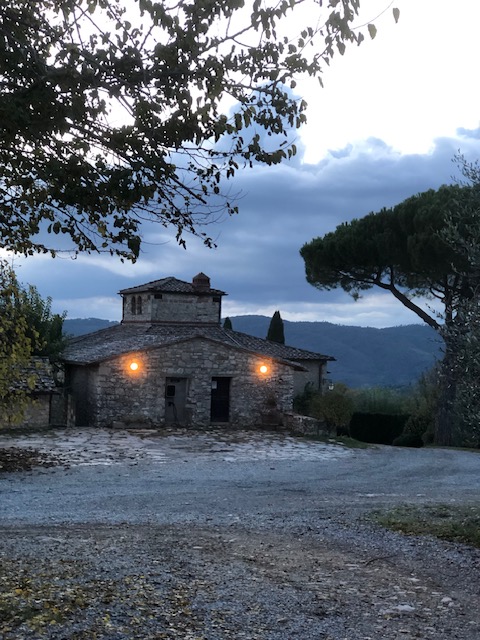
A quick trip to one of the places I’ve long wanted to see – Tuscany.

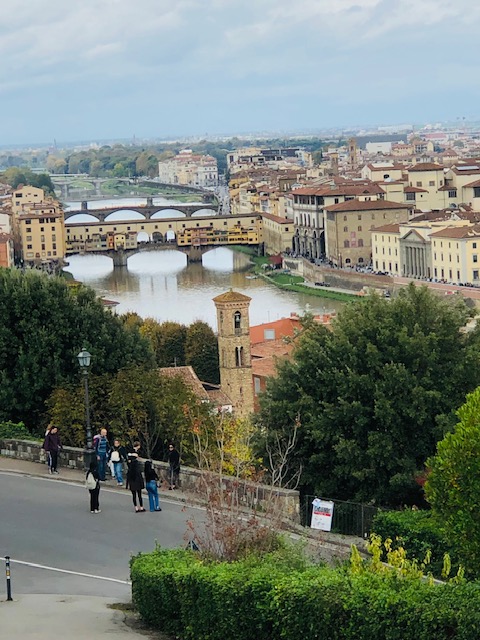
Renaissance cities, medieval villages.

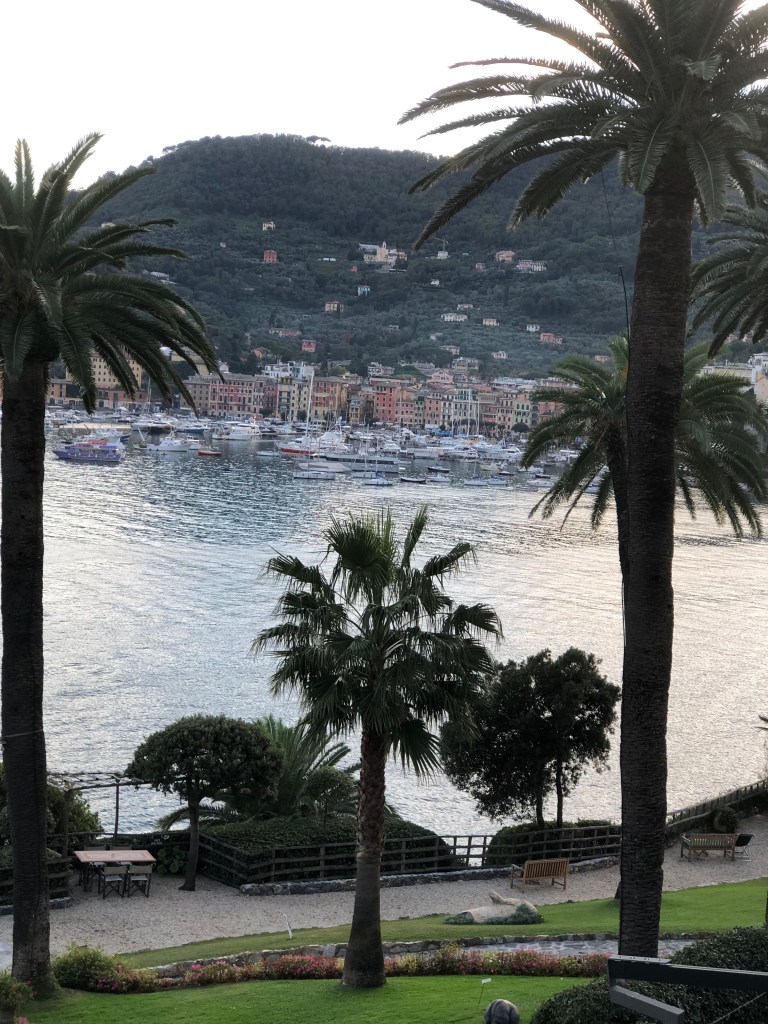
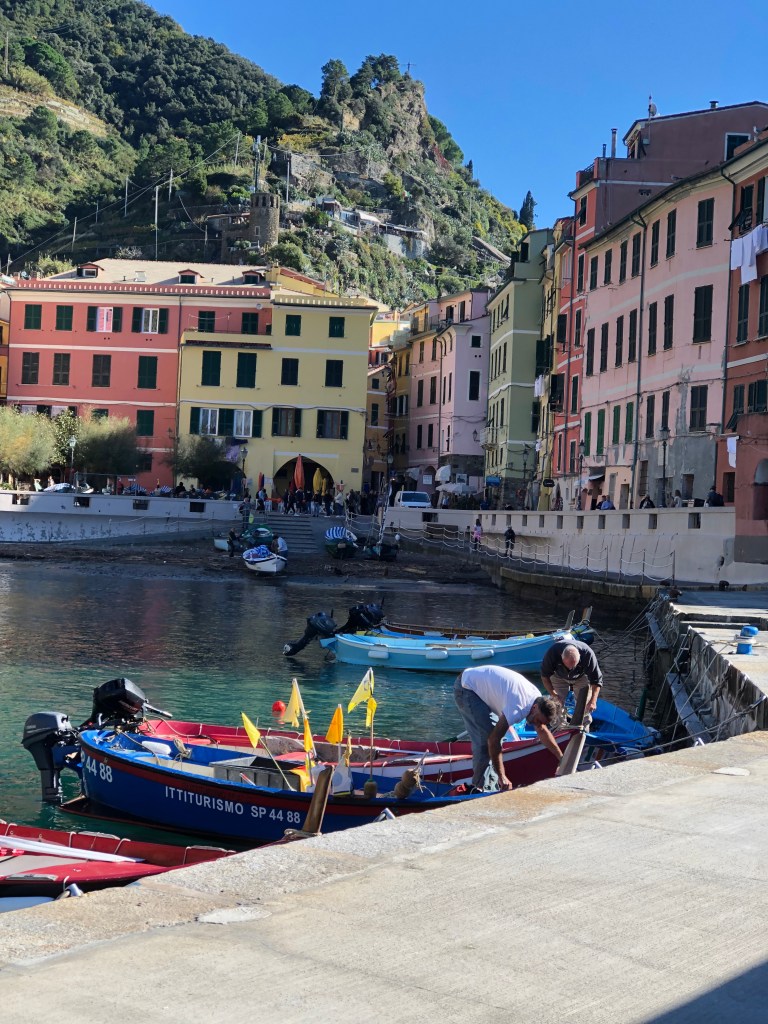
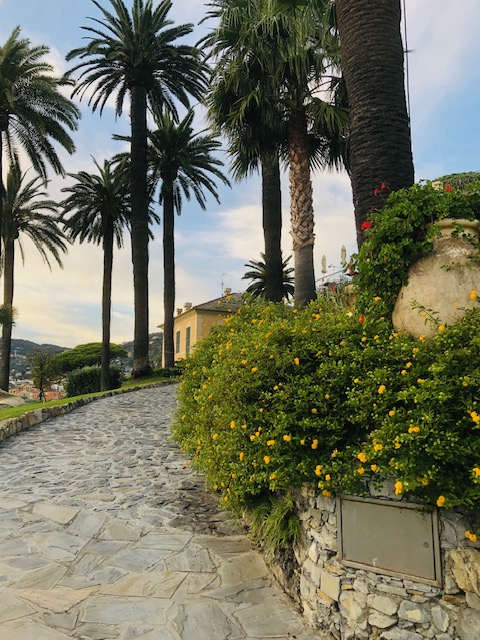
Stunning architecture, gentle landscapes, a charming coast.

A week seeing Florence, Siena, and a few surrounding villages.

A few days in Cinque Terre,

Santa Margherita,

and Portofino (including a hike to the lighthouse).

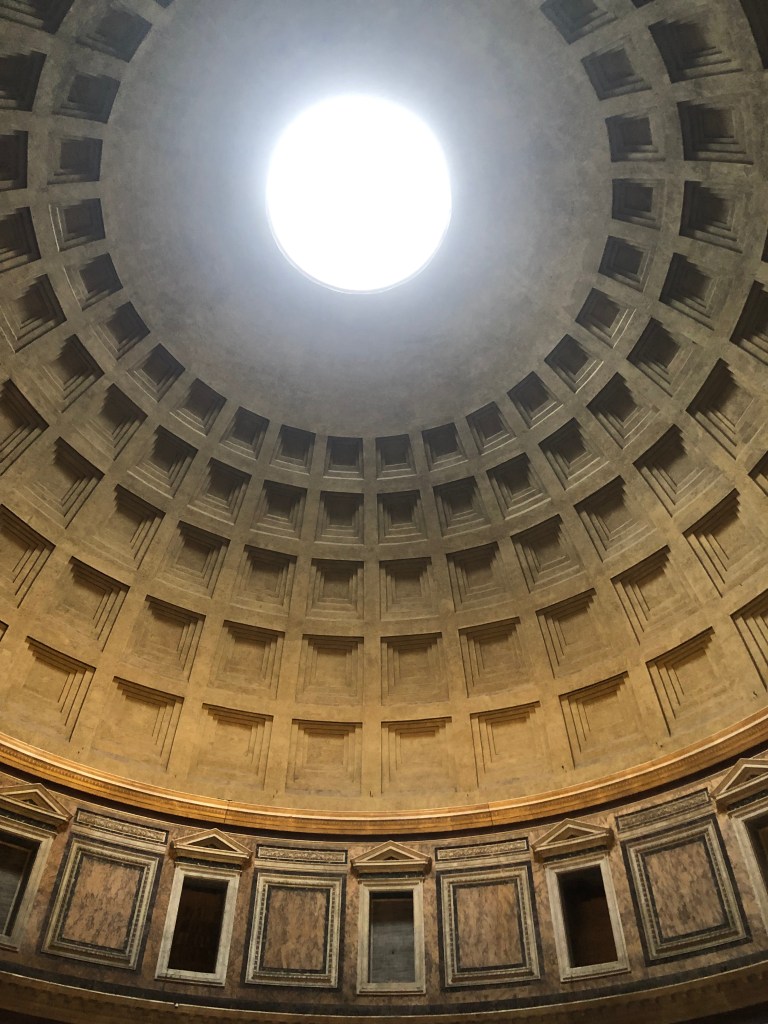
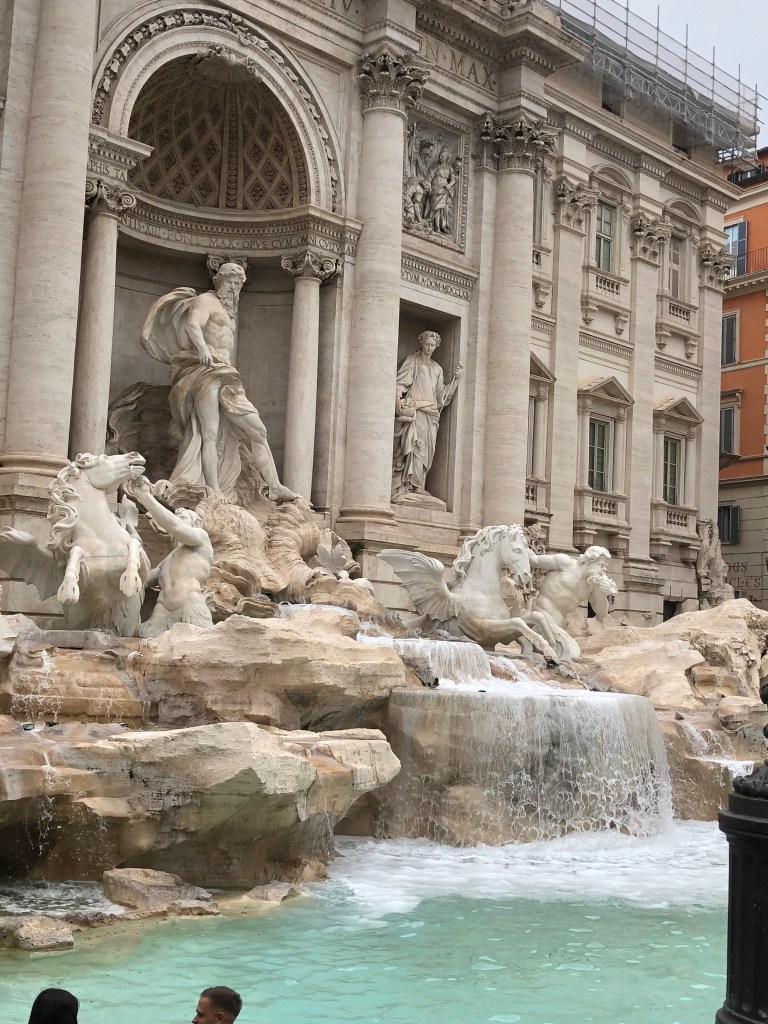
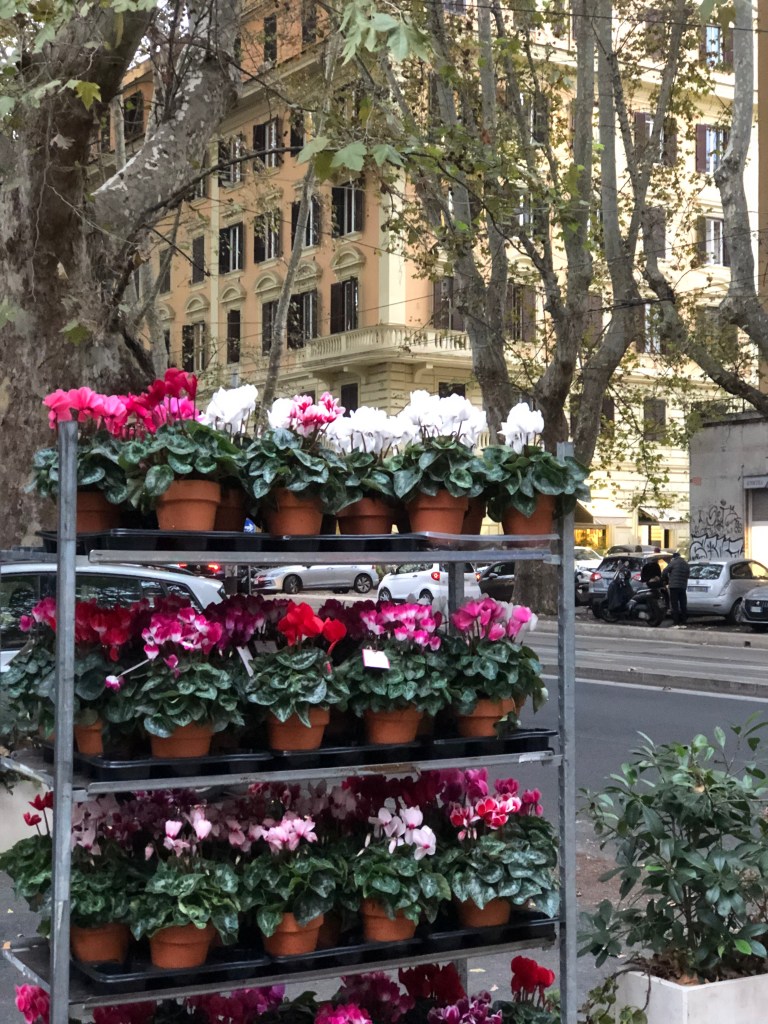
The last day wandering around Rome.

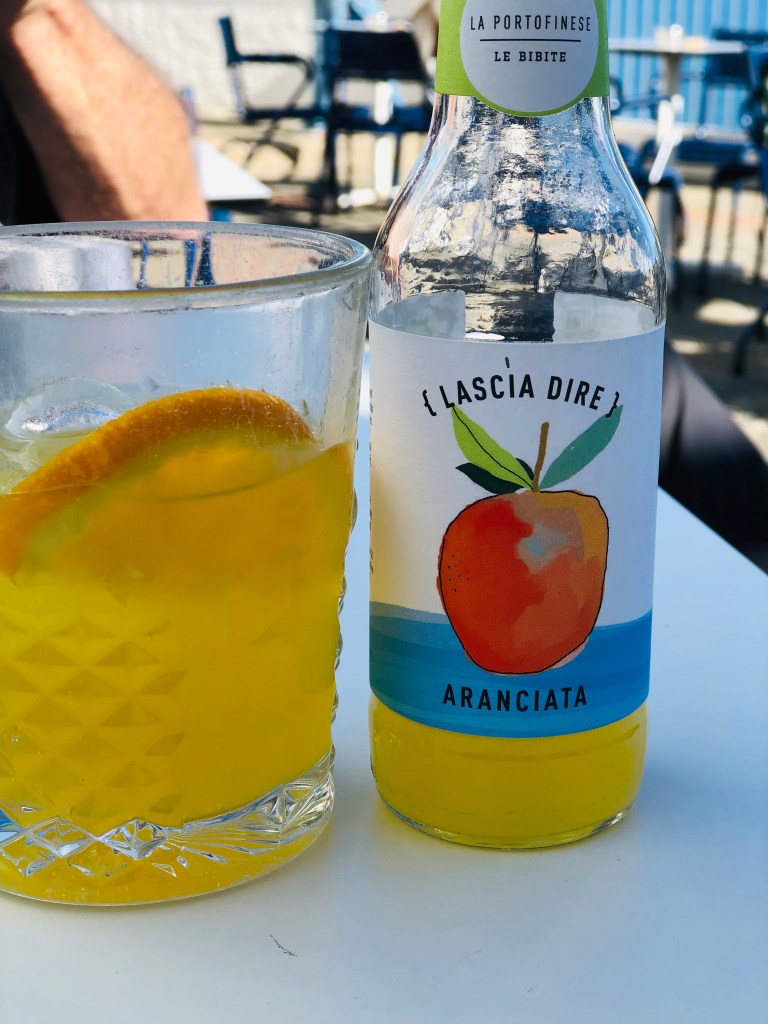
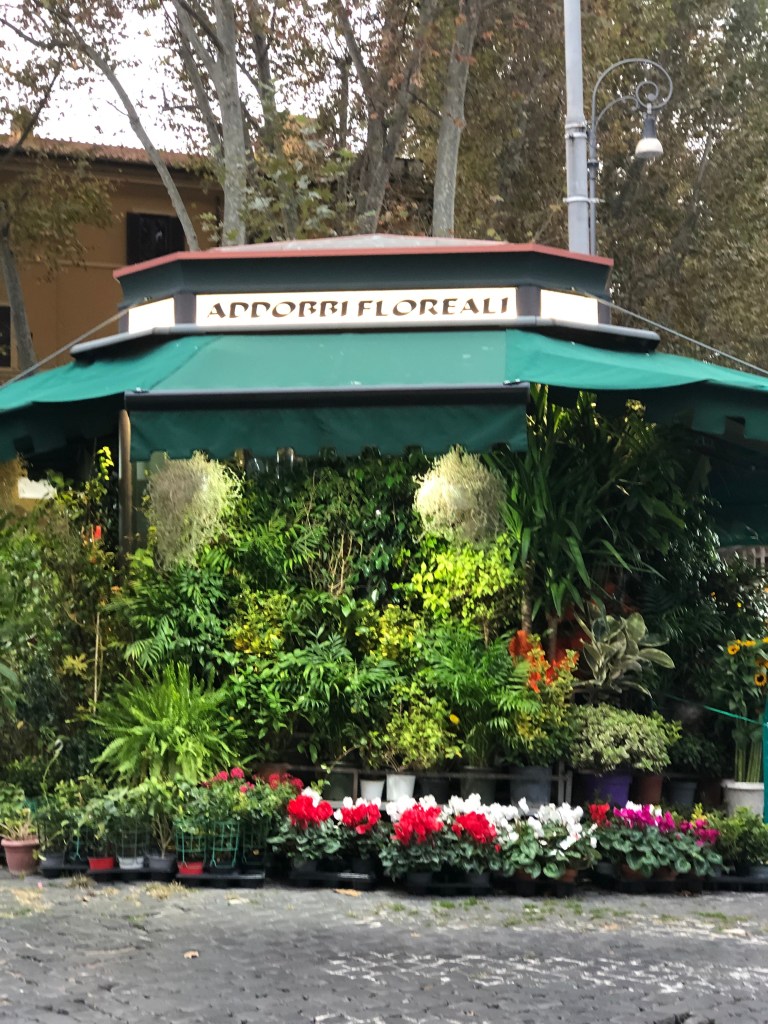
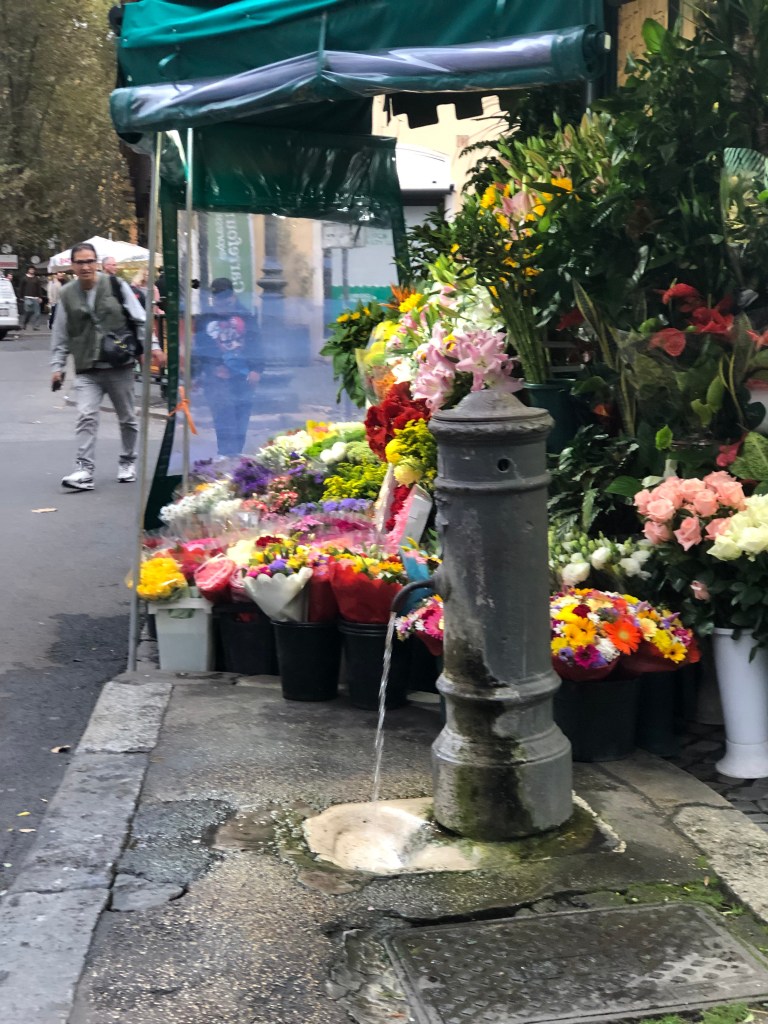
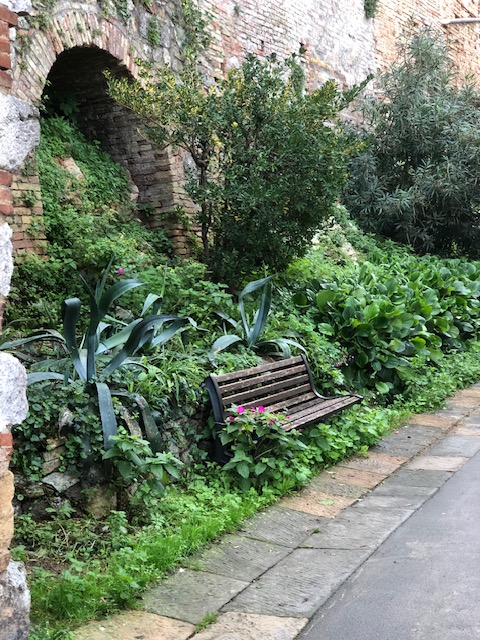
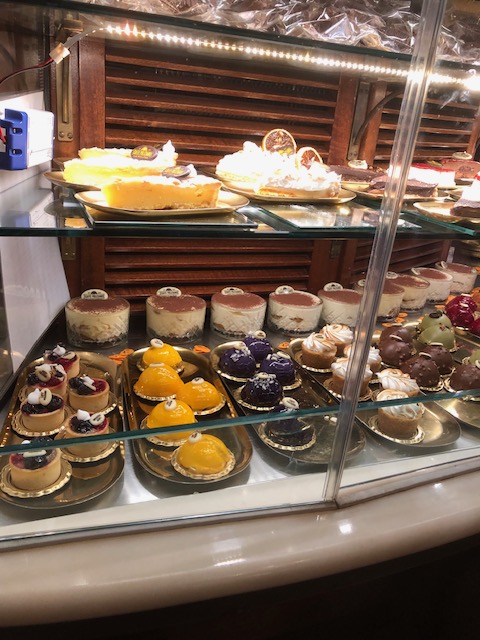
Besides the food (which would require a series of posts), I especially loved the narrow streets and the outdoor cafes,

the sculptures and paintings, the artistry and craftsmanship that were everywhere,

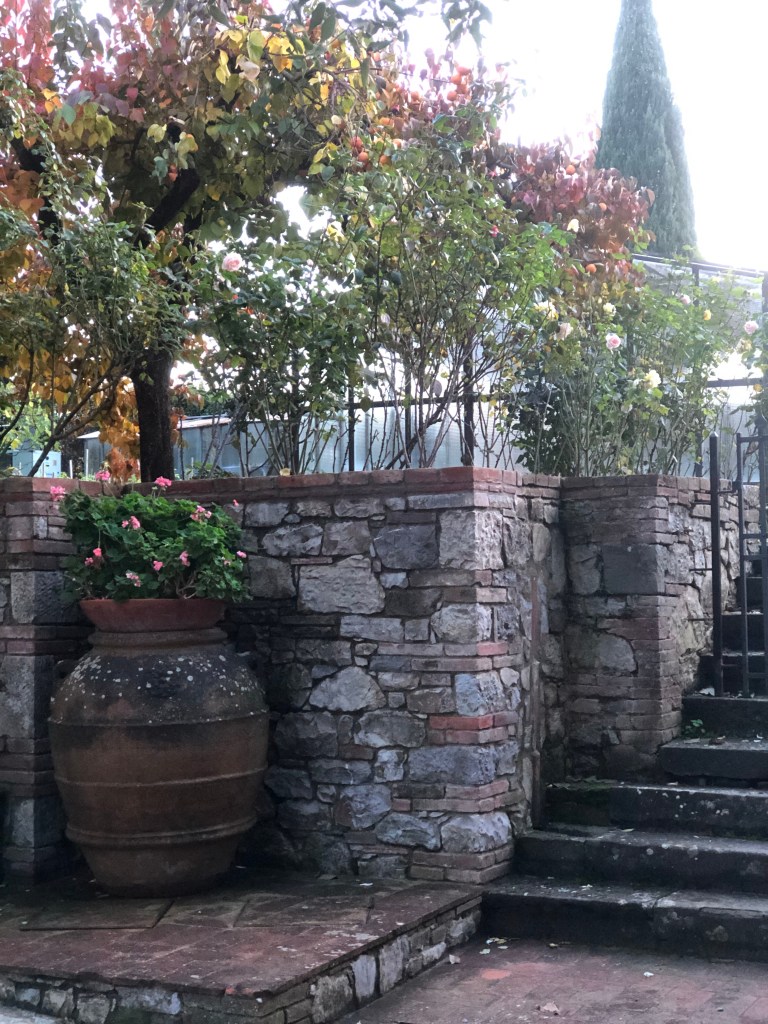
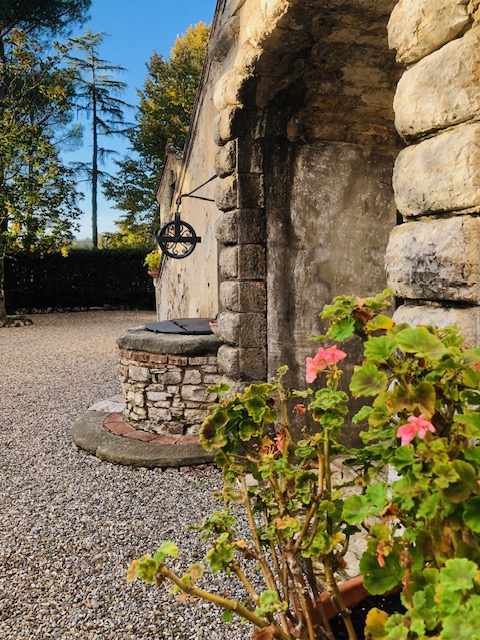
the autumn-hued settings,

and the flowers still in bloom.

Ten days wasn’t enough time to do any one place justice, but was enough to give me an infusion of beauty and wonder. And enough to make me want to go back.

“Italy is a dream that keeps returning for the rest of your life.” –Anna Akhmatova

Provence – springtime

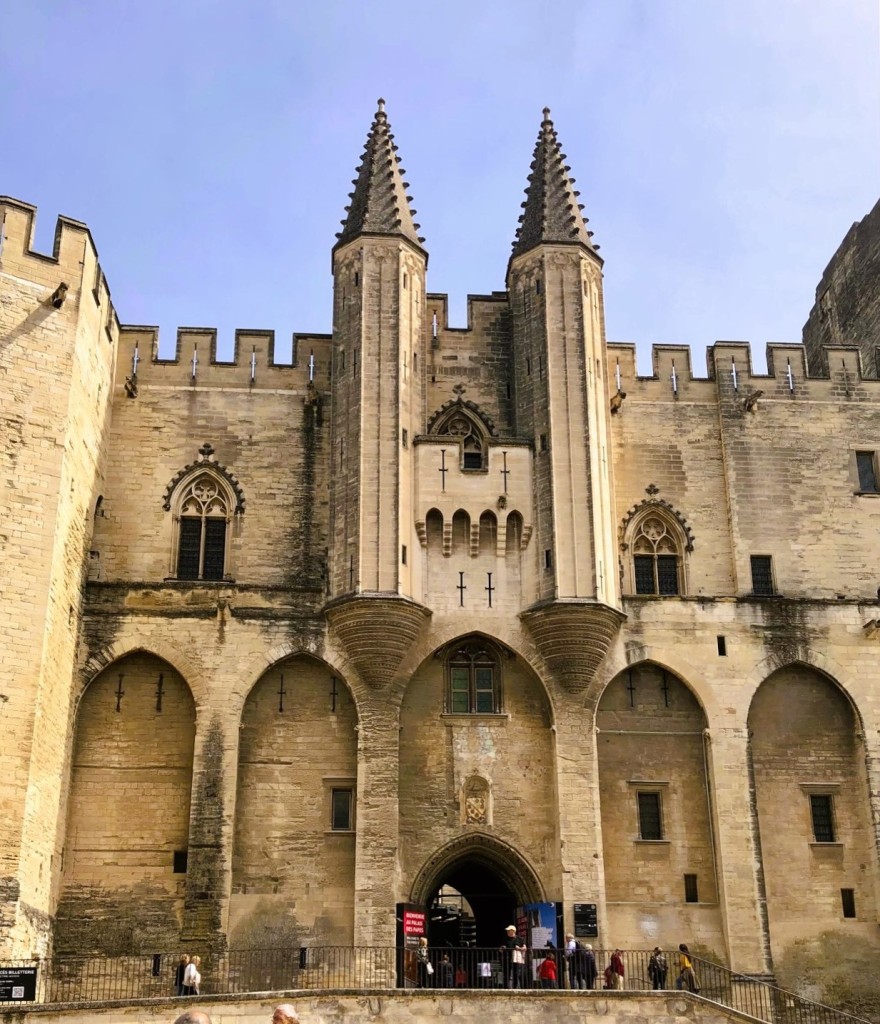
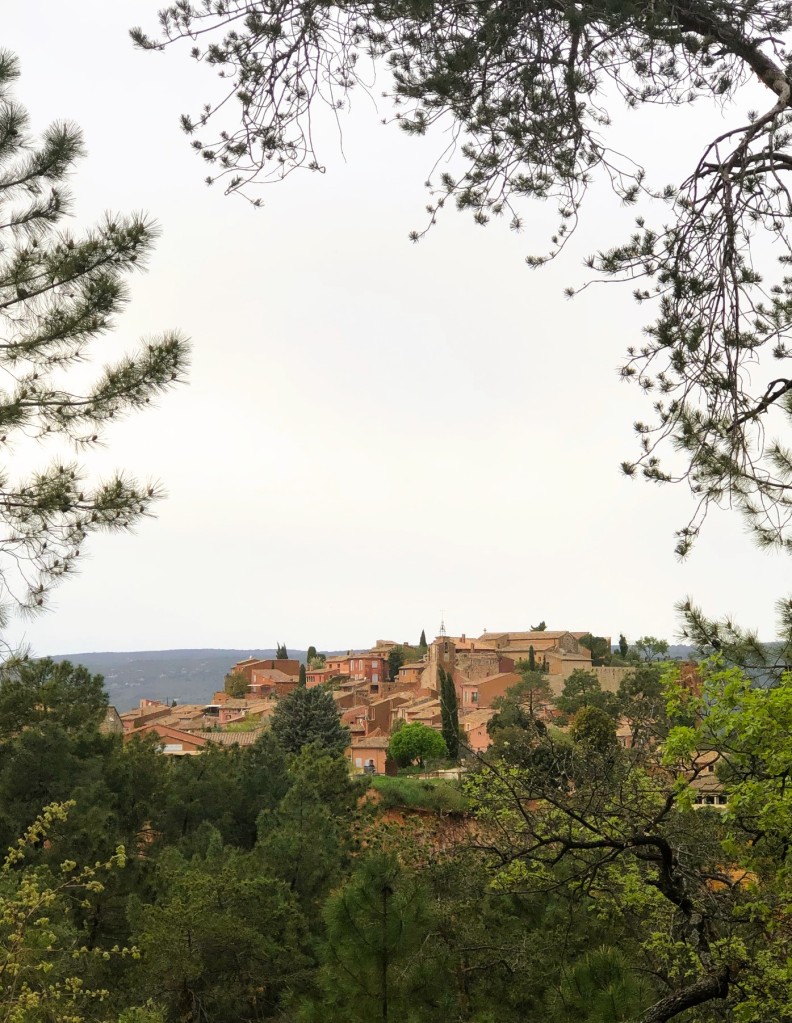
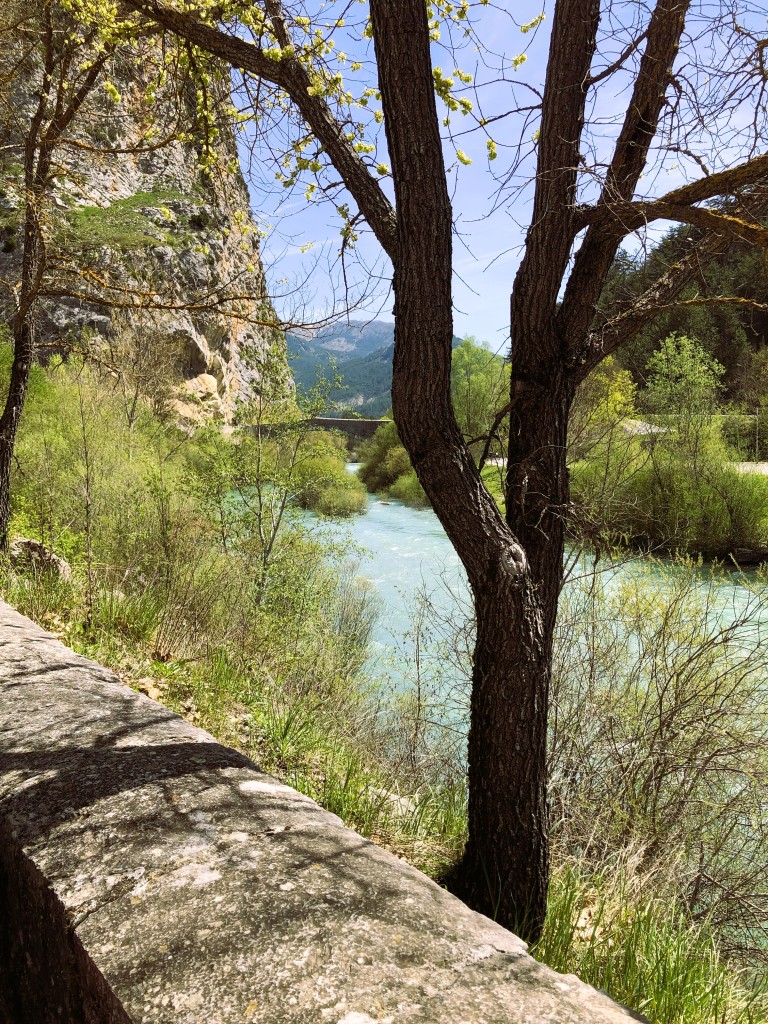
After years of dreaming about it, I finally visited Provence, seeing towns and villages that stretched from Avignon on the Rhone,

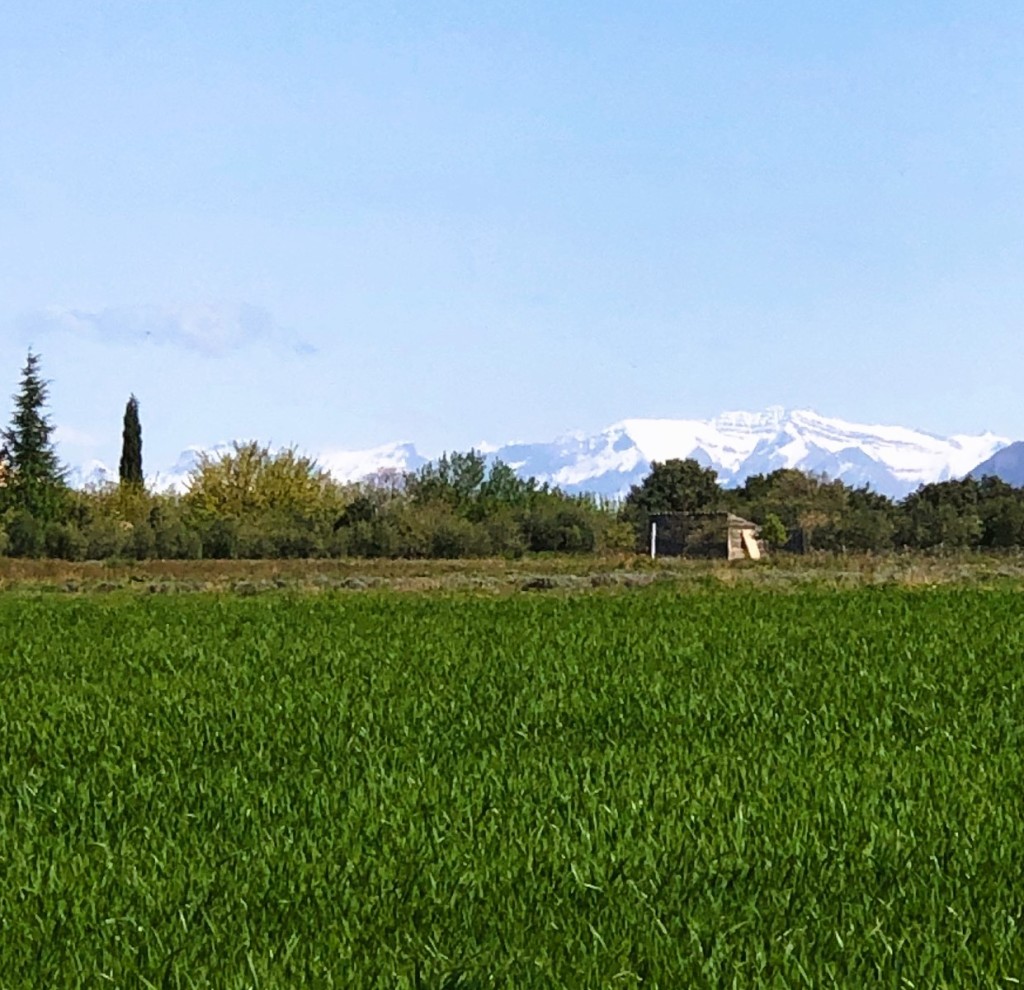
to Moustiers-Sainte-Marie in the east, with the snow-capped French Alps in the distance.

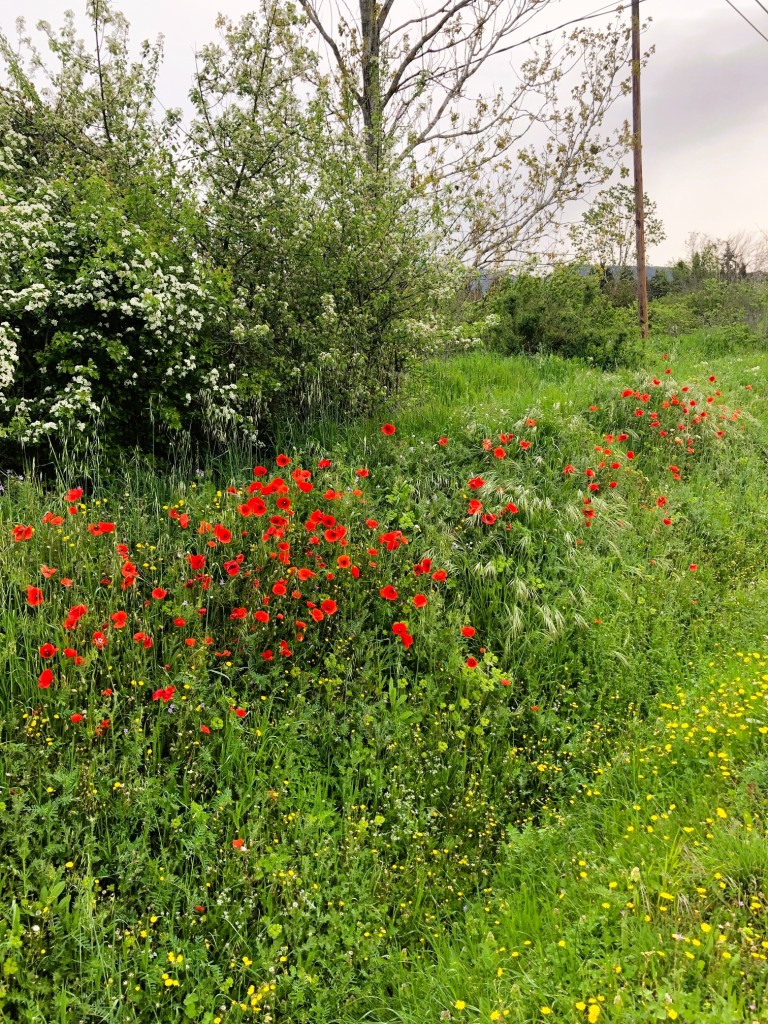
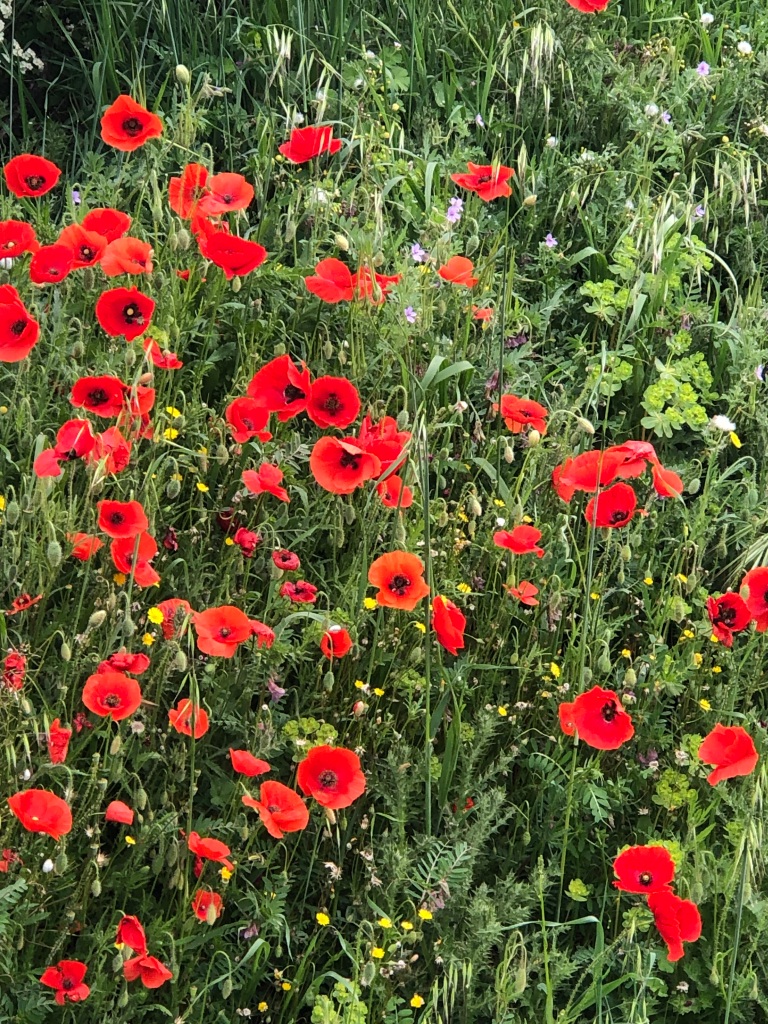
Although it was too early in the year for its famous lavender and sunflower fields, the Luberon Valley was bursting with flowers. In addition to the cheerful, beloved red poppies,

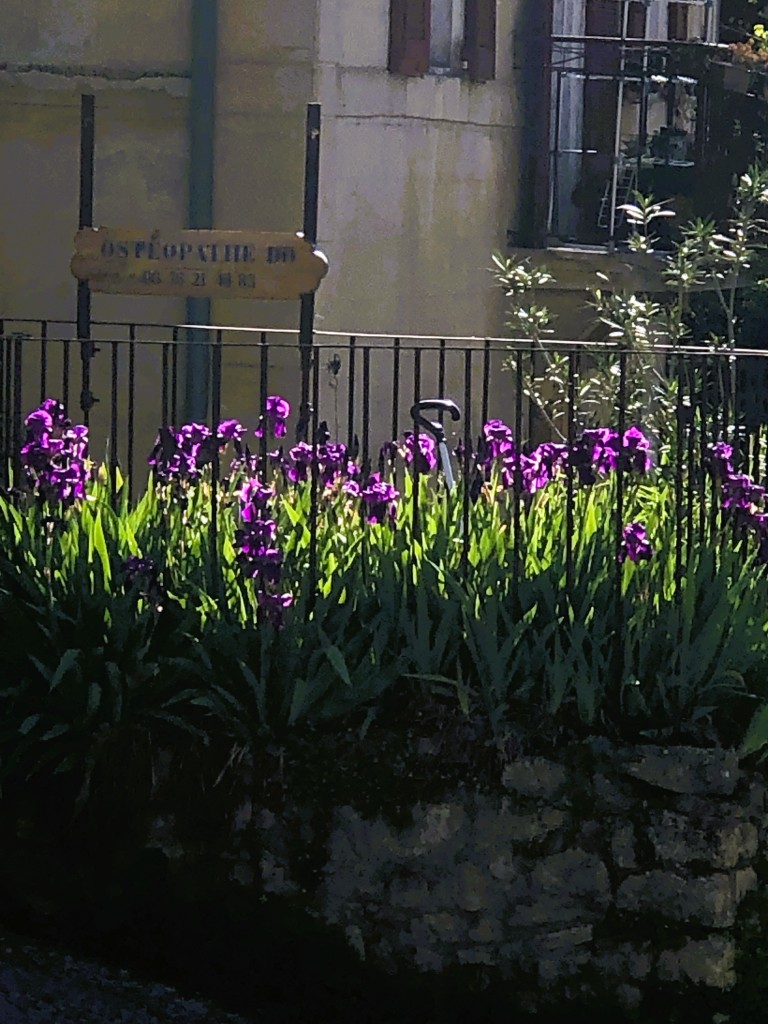
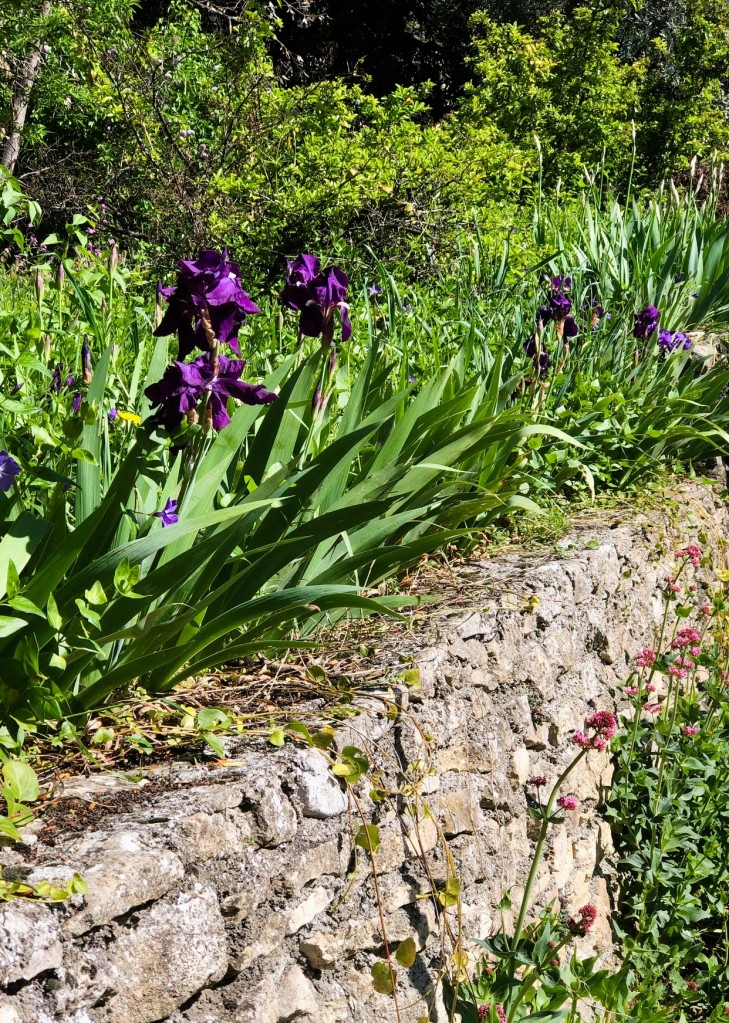
there was purple everywhere: deep royal irises,

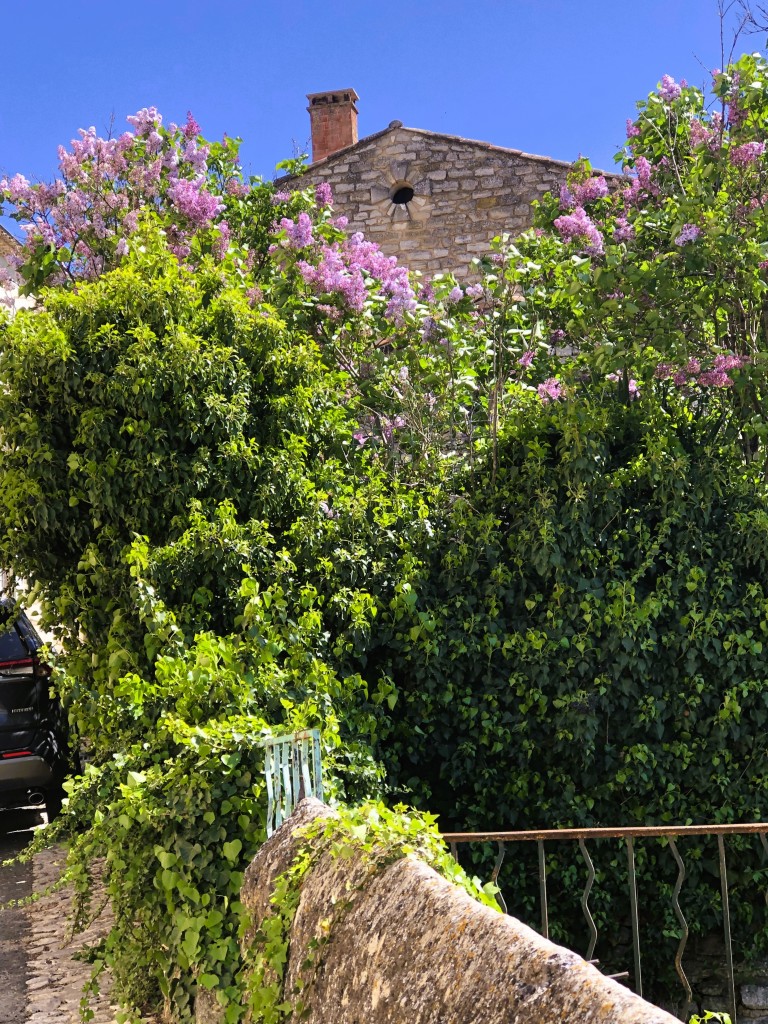
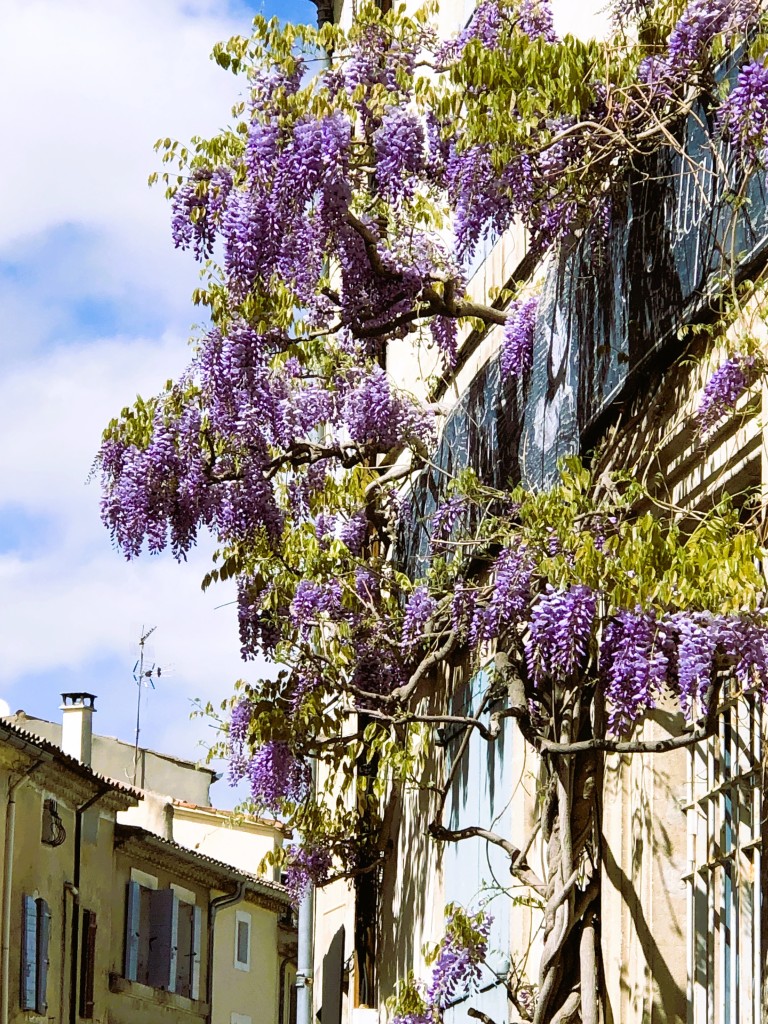
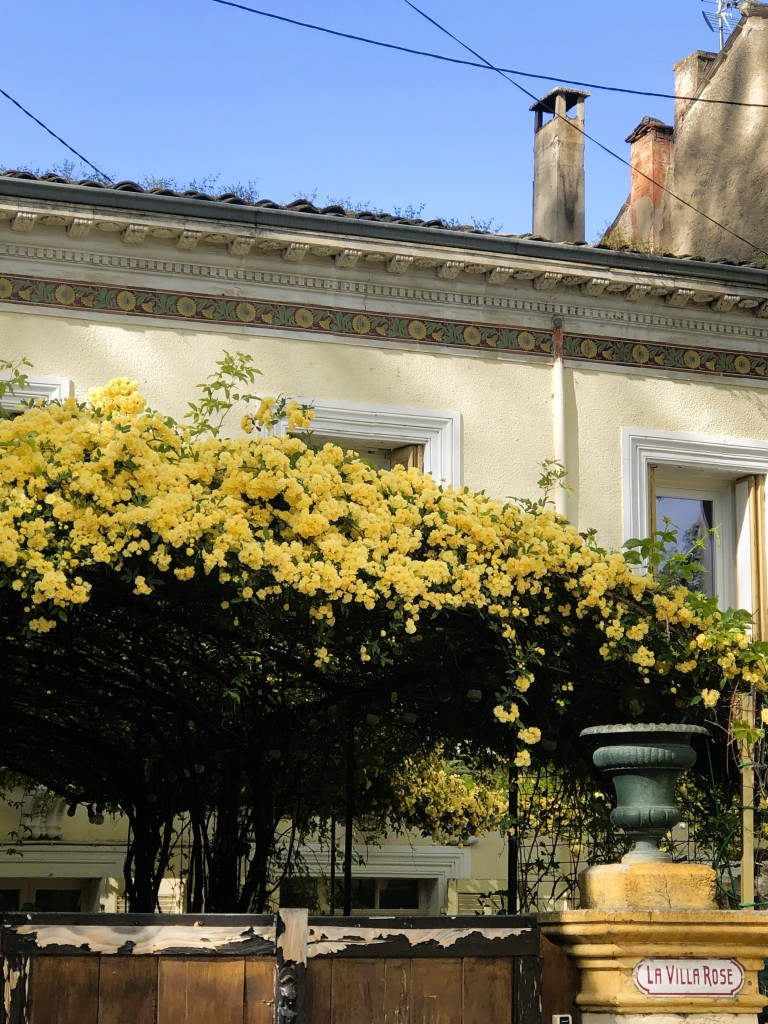
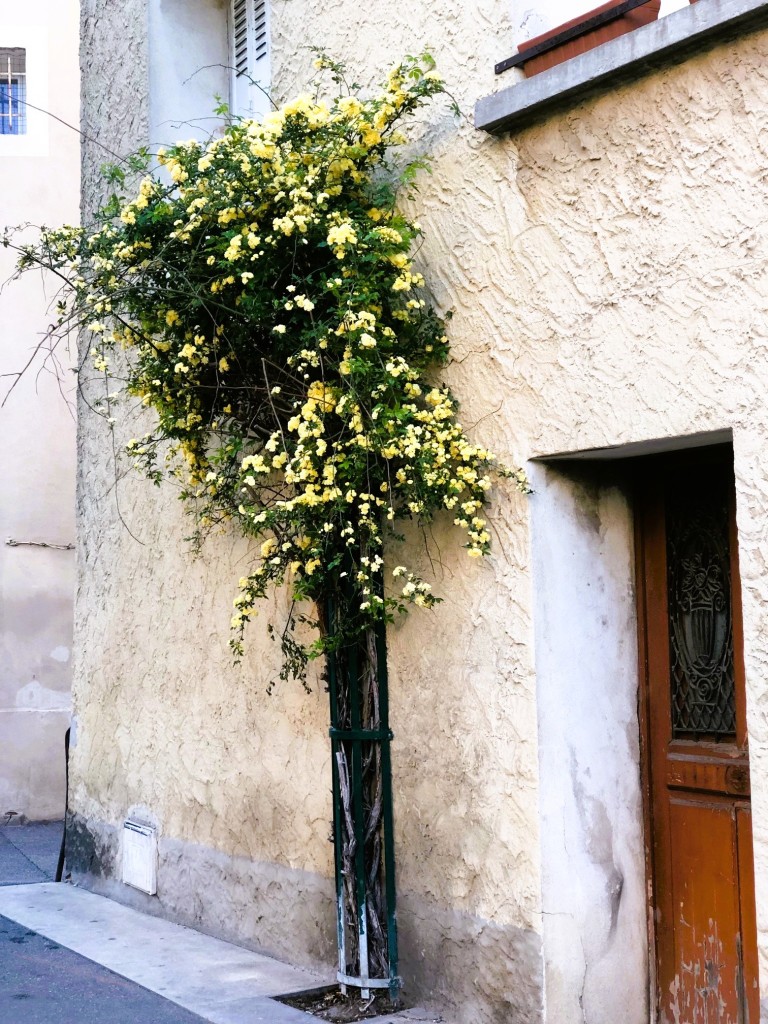
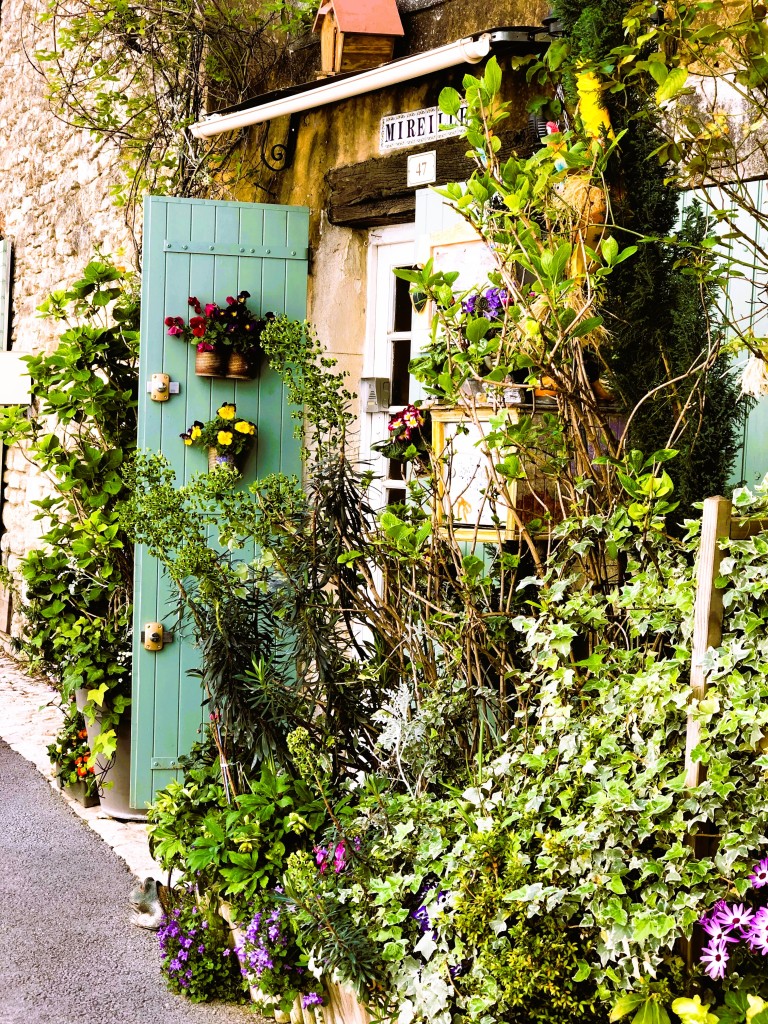
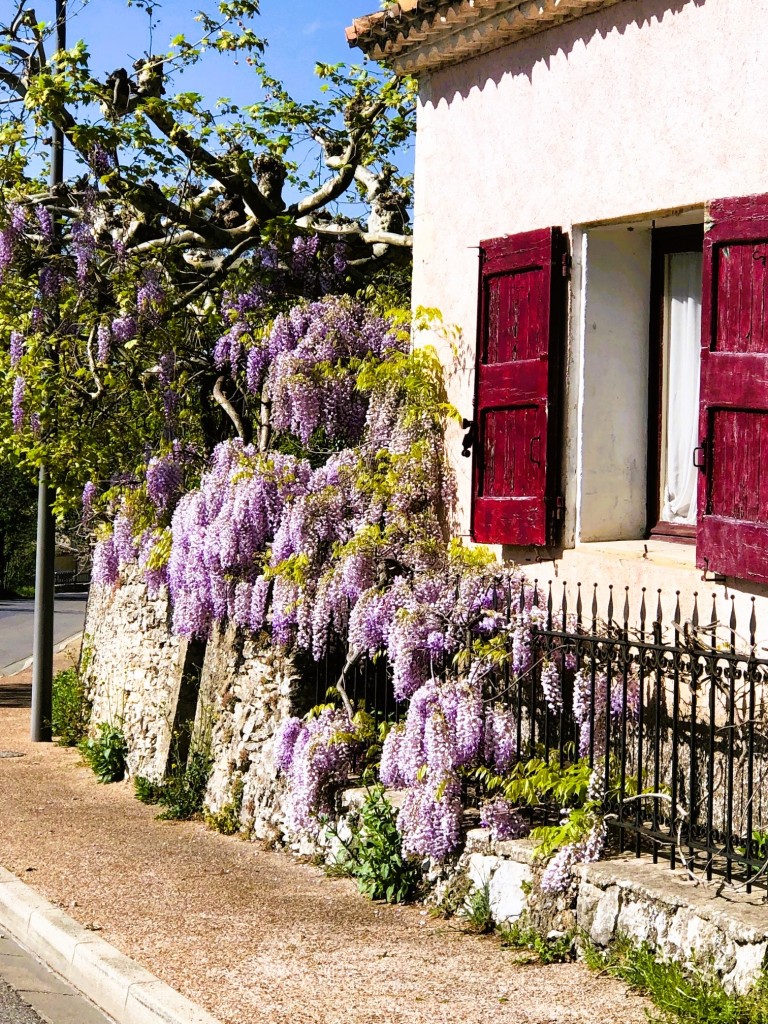
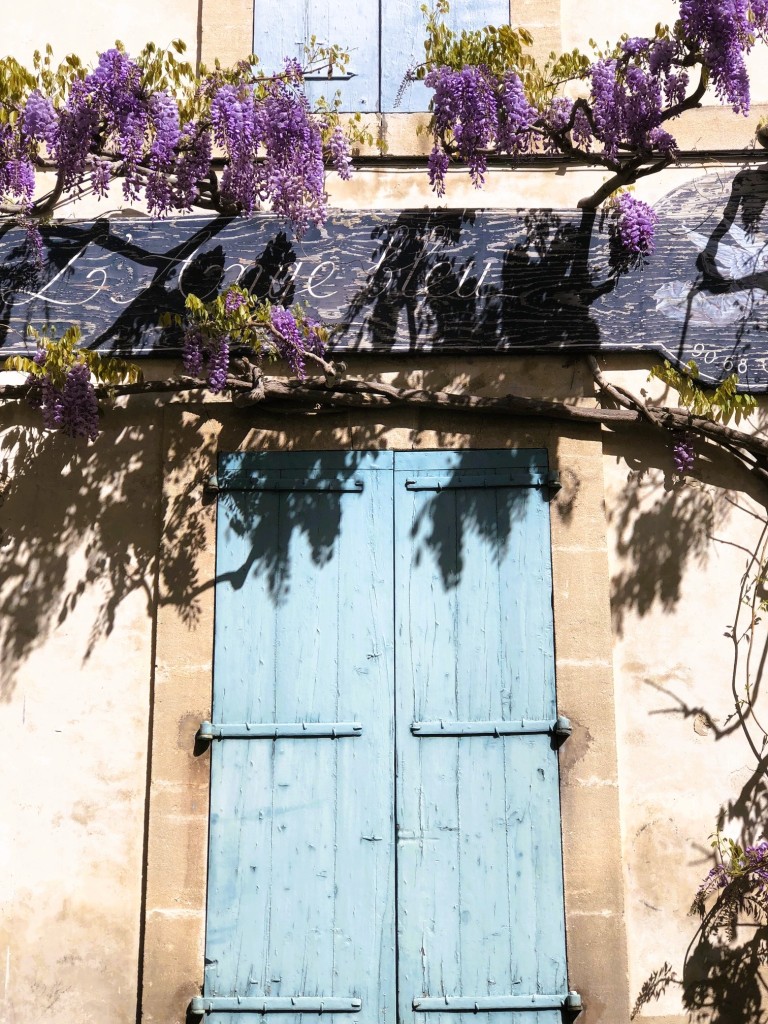
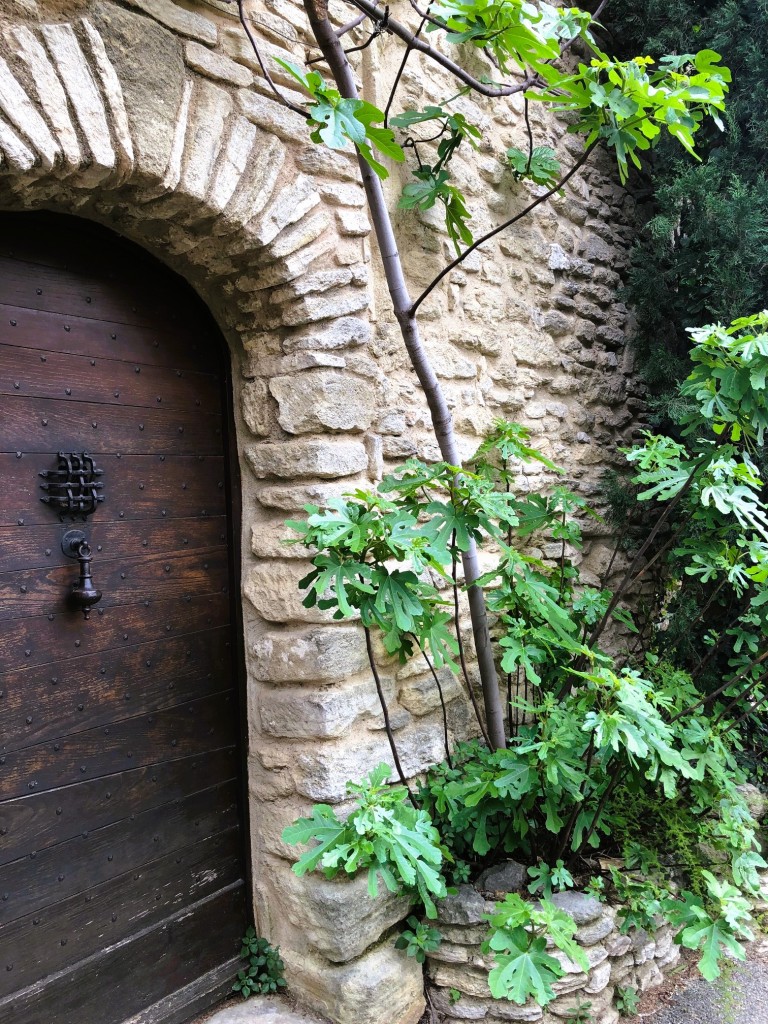
and paler wisteria and lilac, perfuming the air. My greatest surprise was the sheer abundance of flowers — they were everywhere, planted in corners of fields and alongside roads, framing doorways and windows, in planters and atop stone walls.

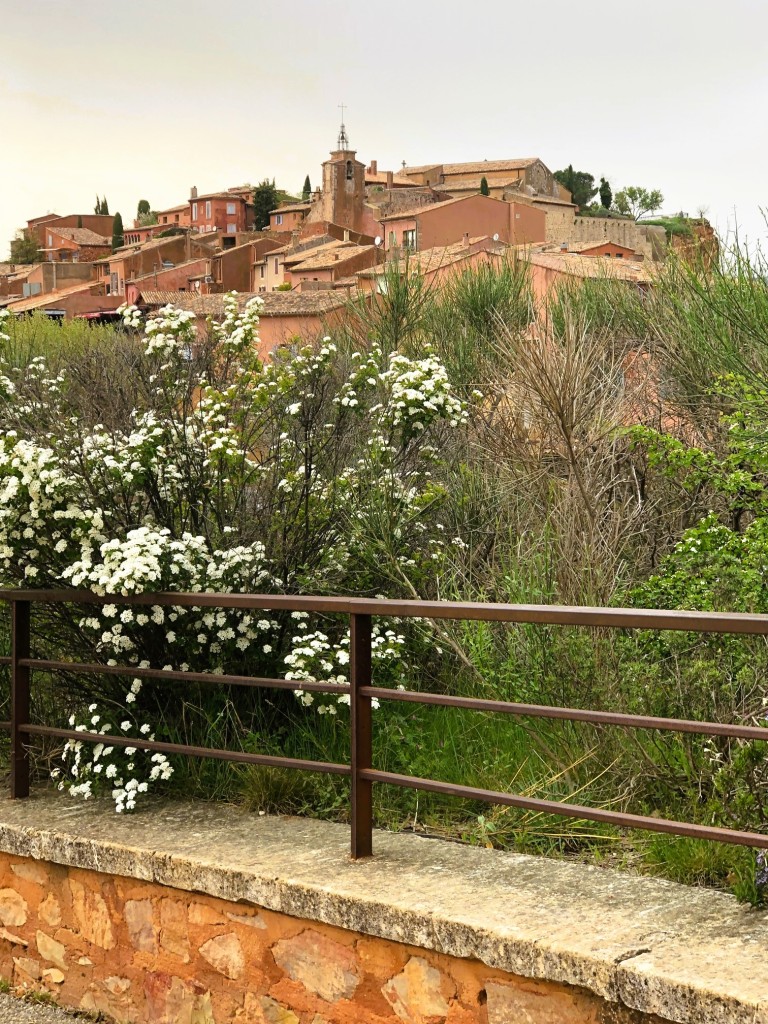
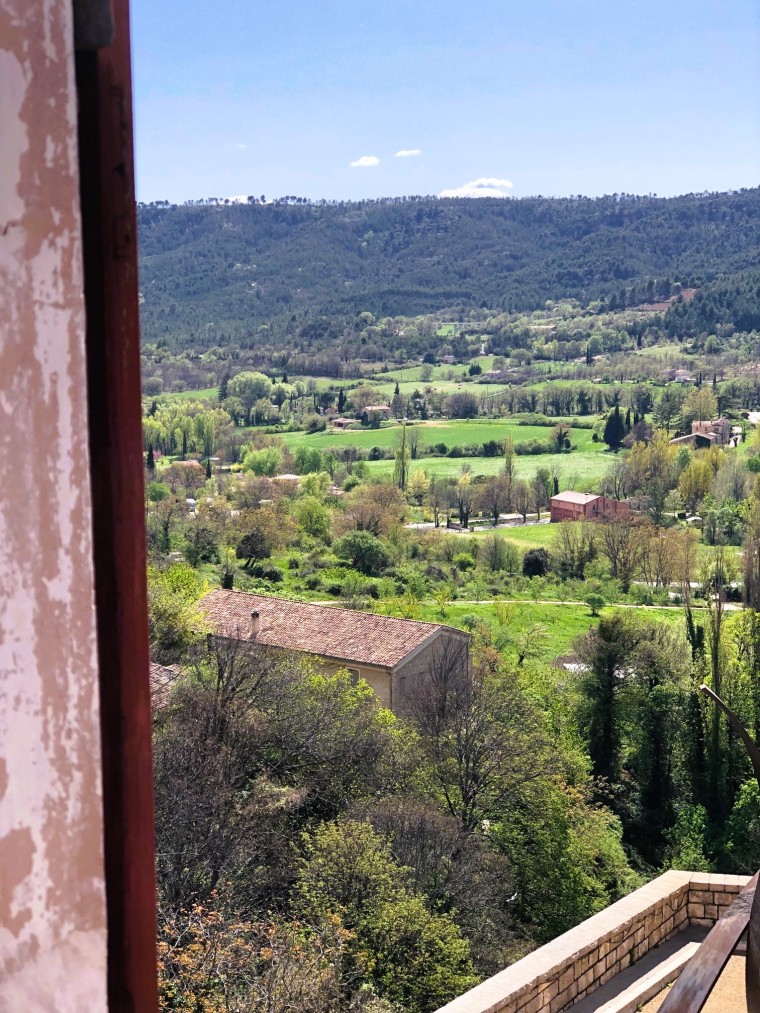
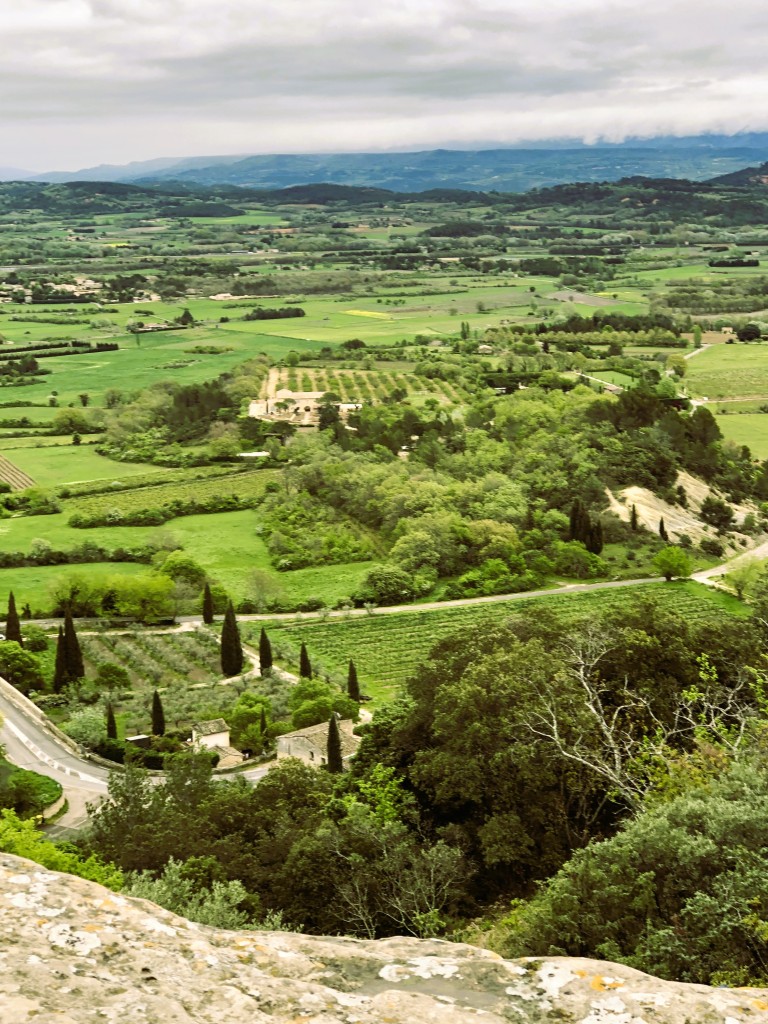
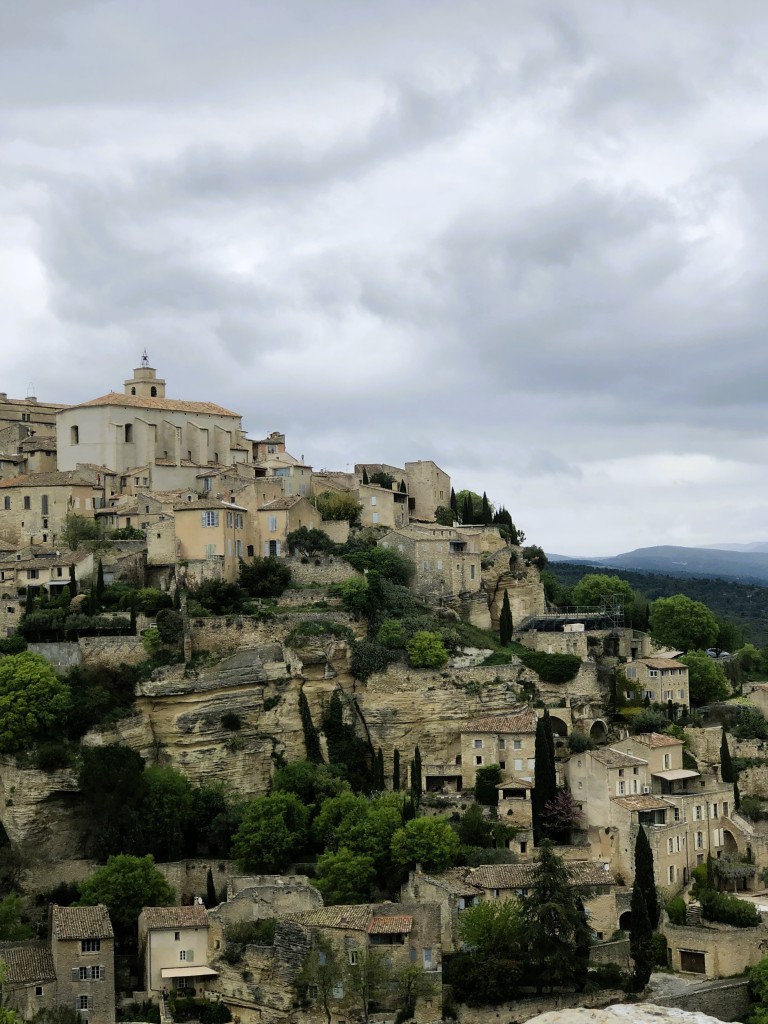
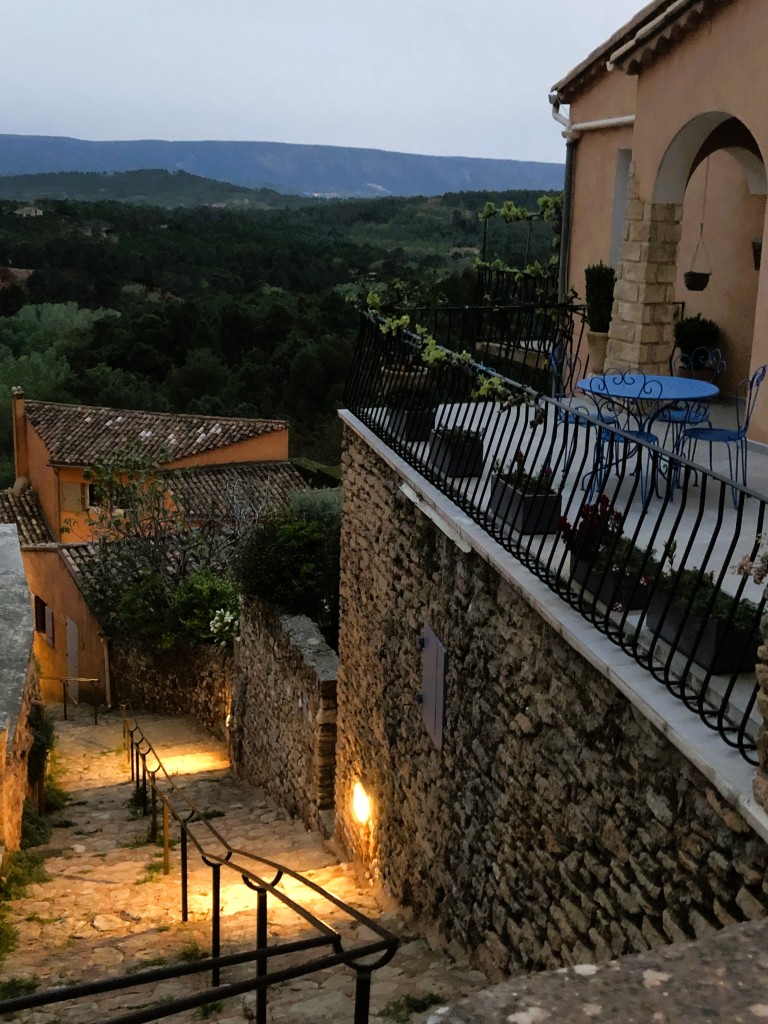
Provence was everything and more than I had hoped to experience: hilltop villages with distant views,

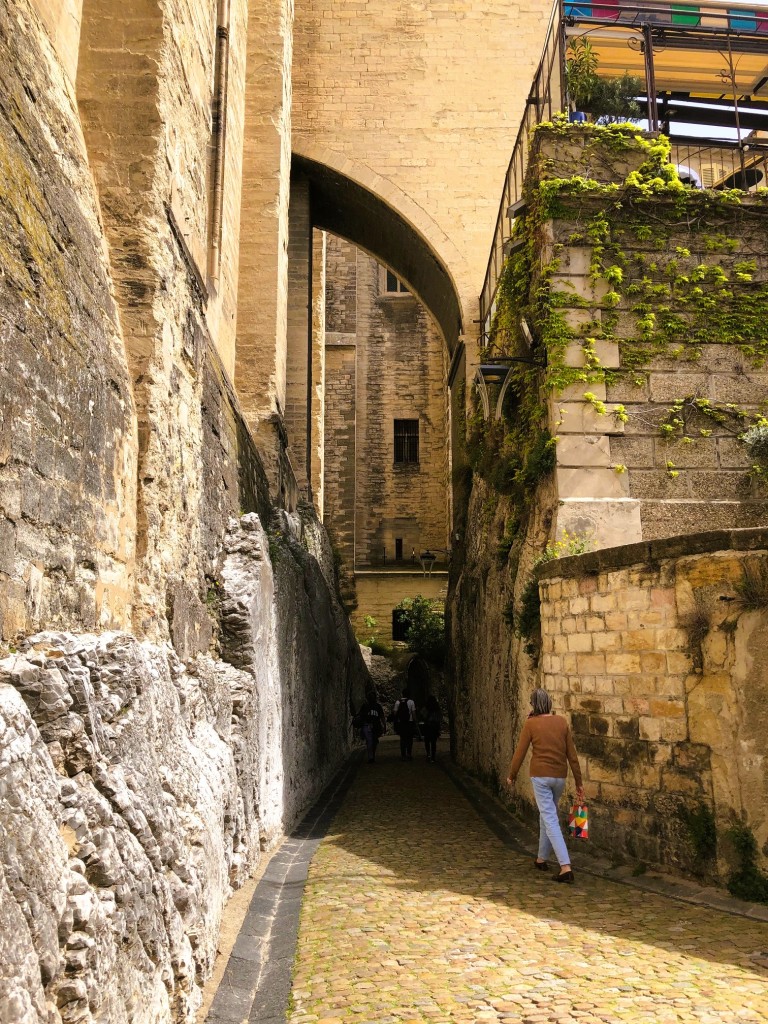
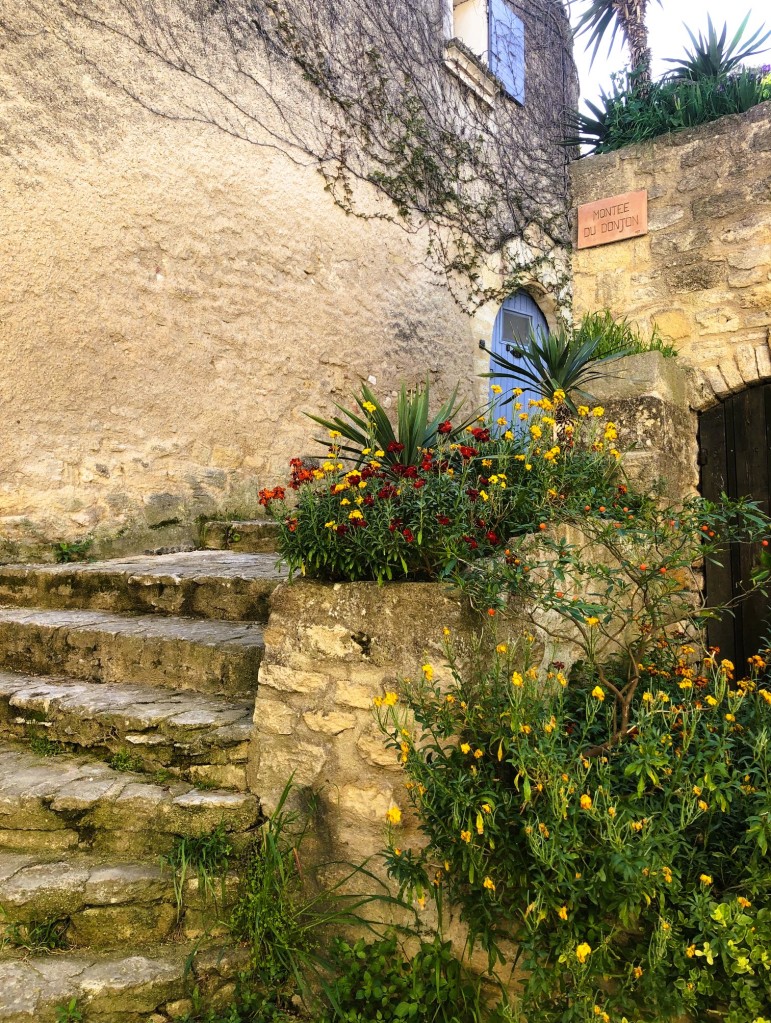
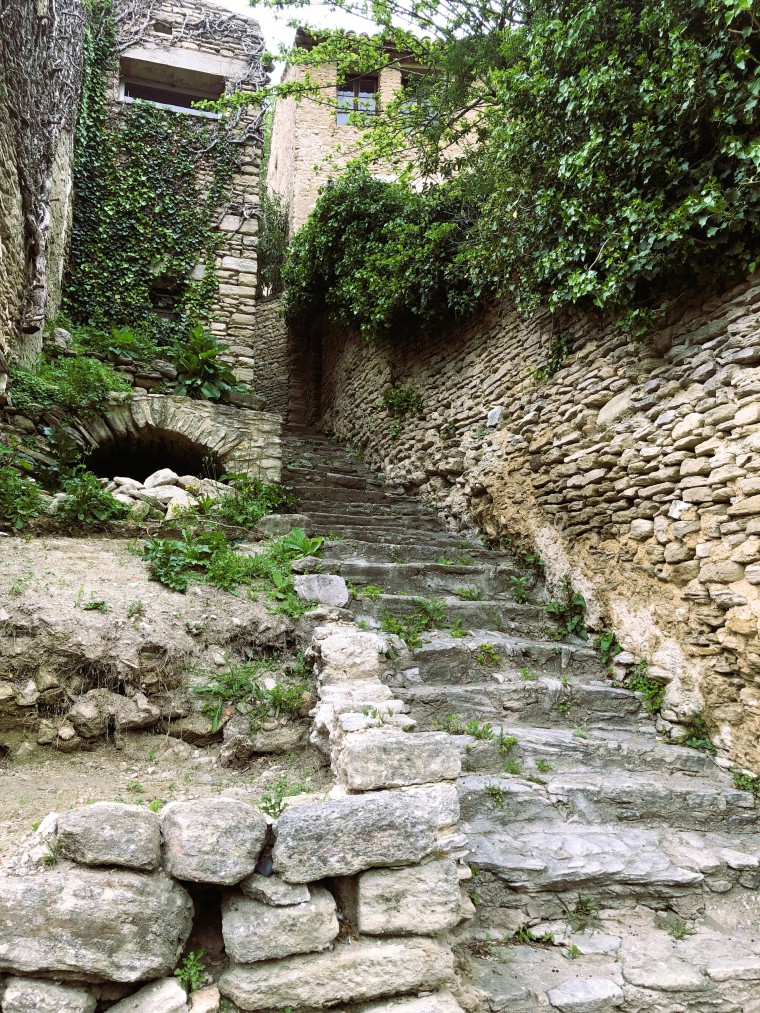
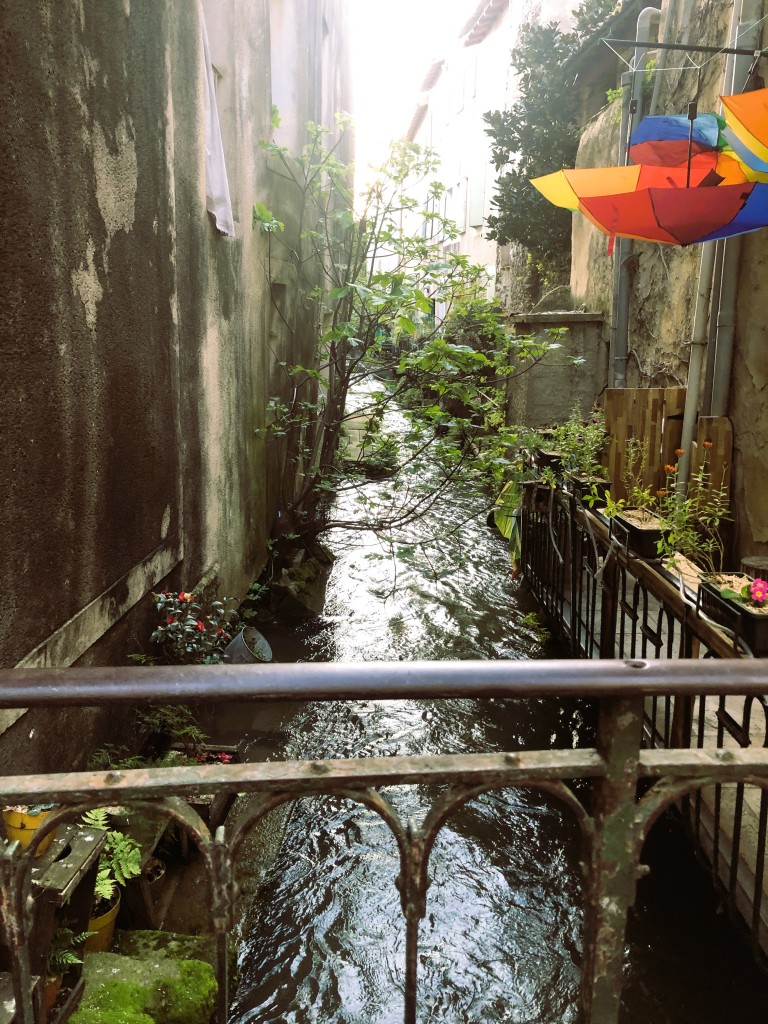
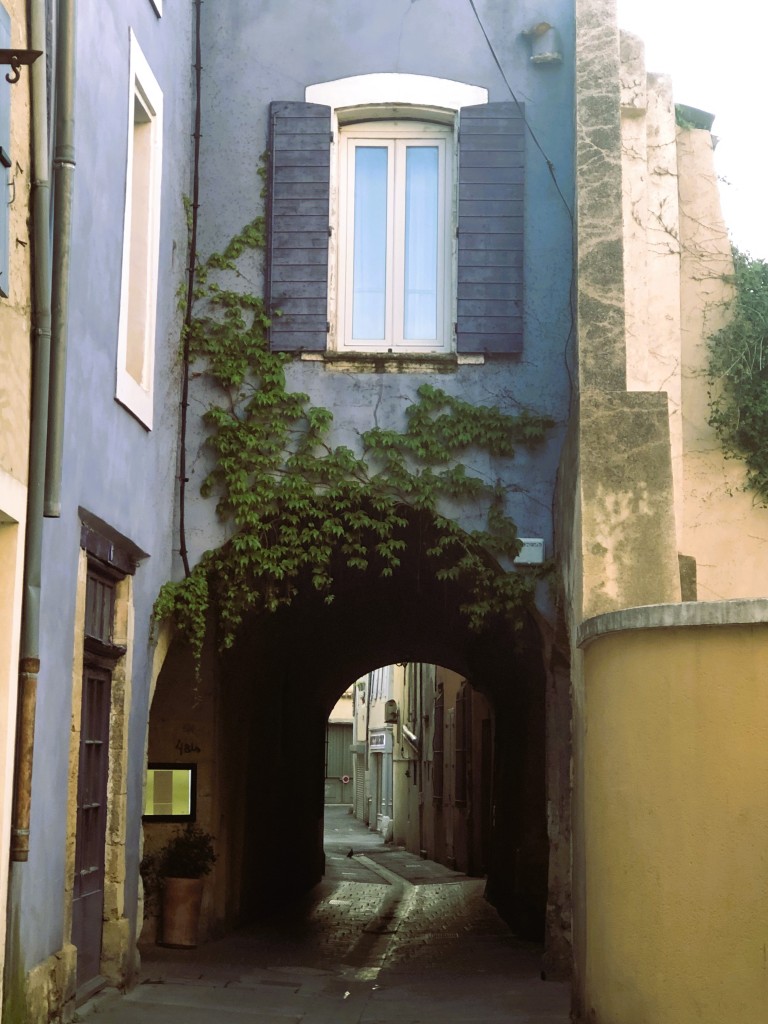
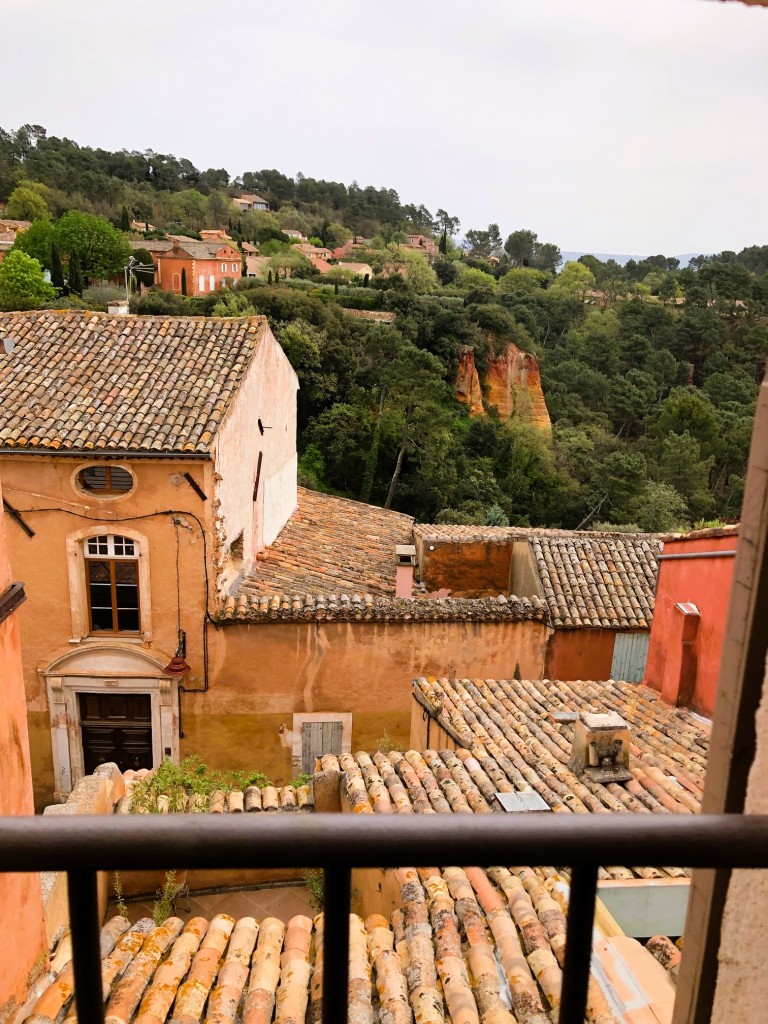
narrow streets and steep stairs,

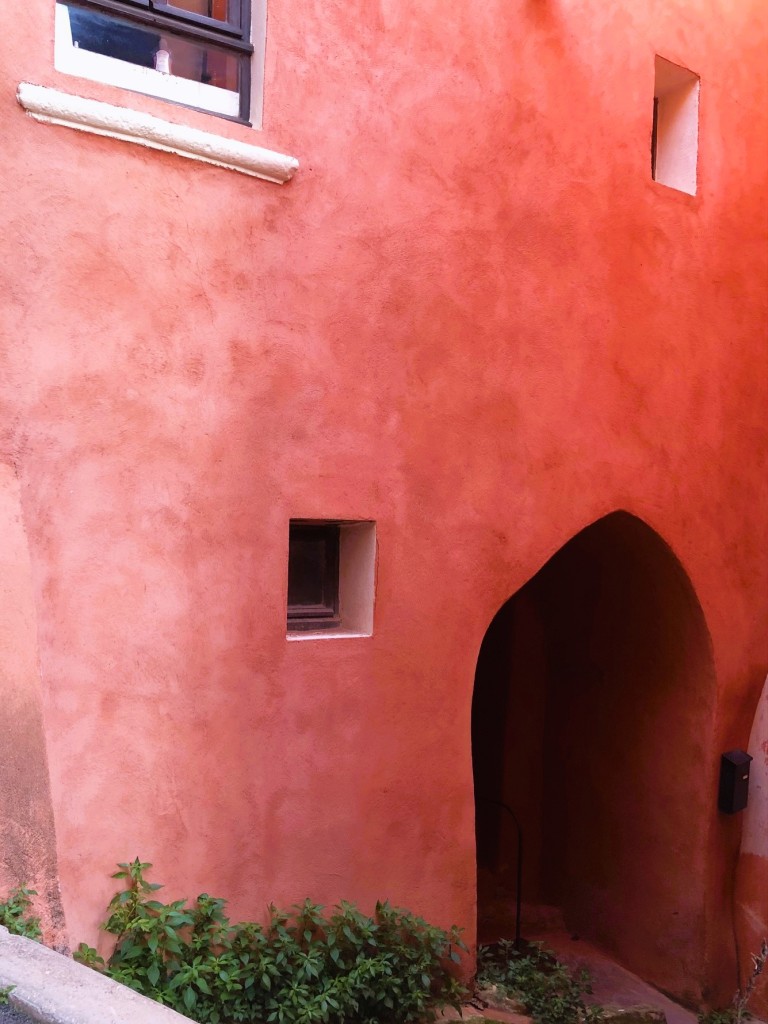
inviting bridges and passageways,

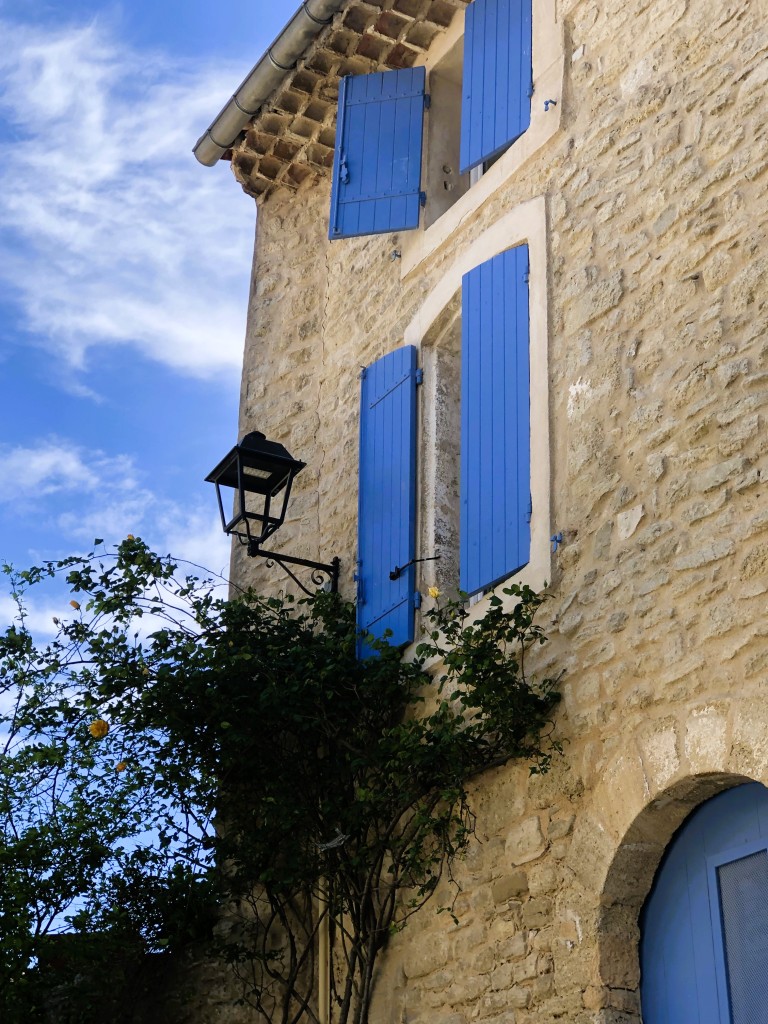
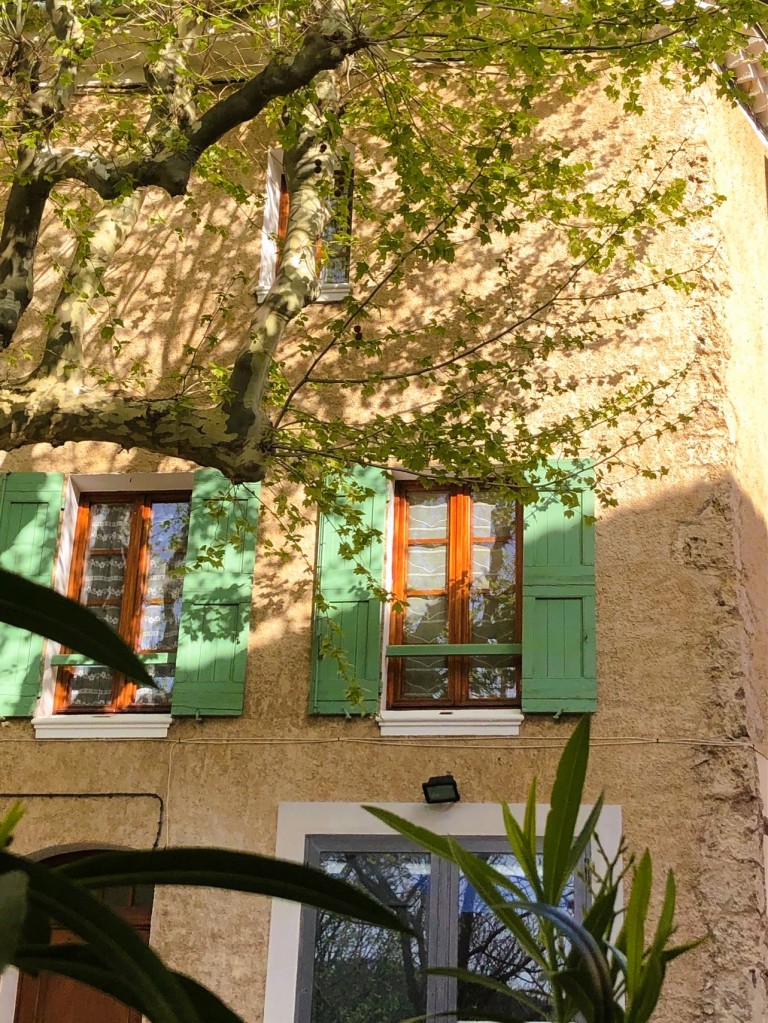
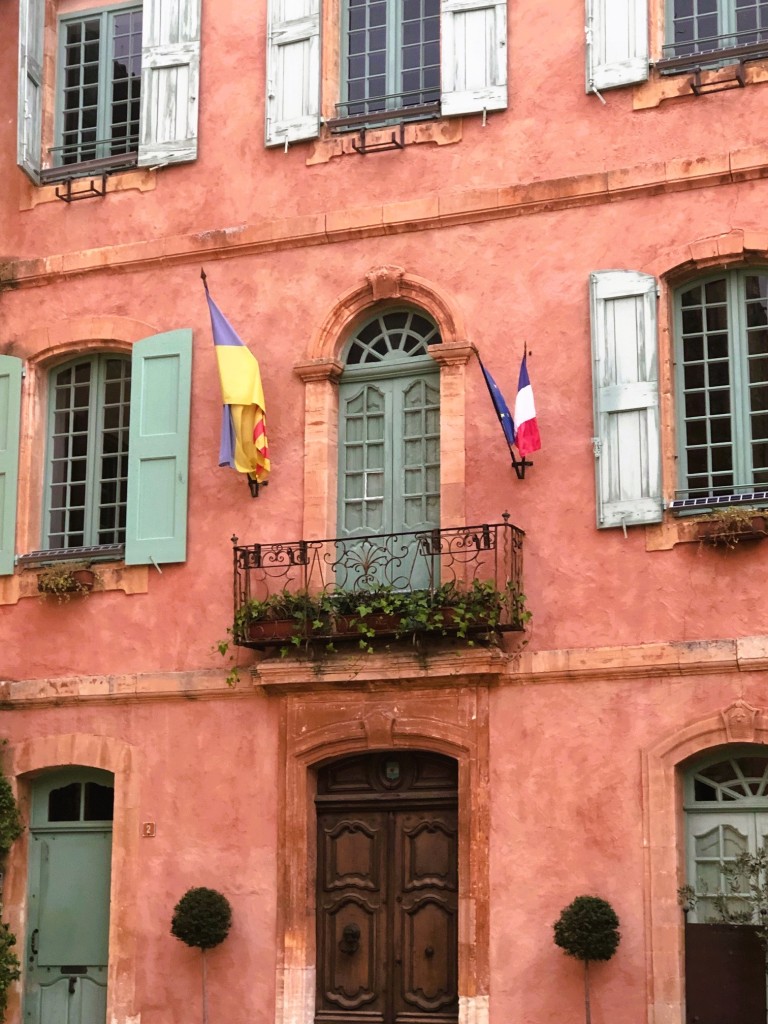
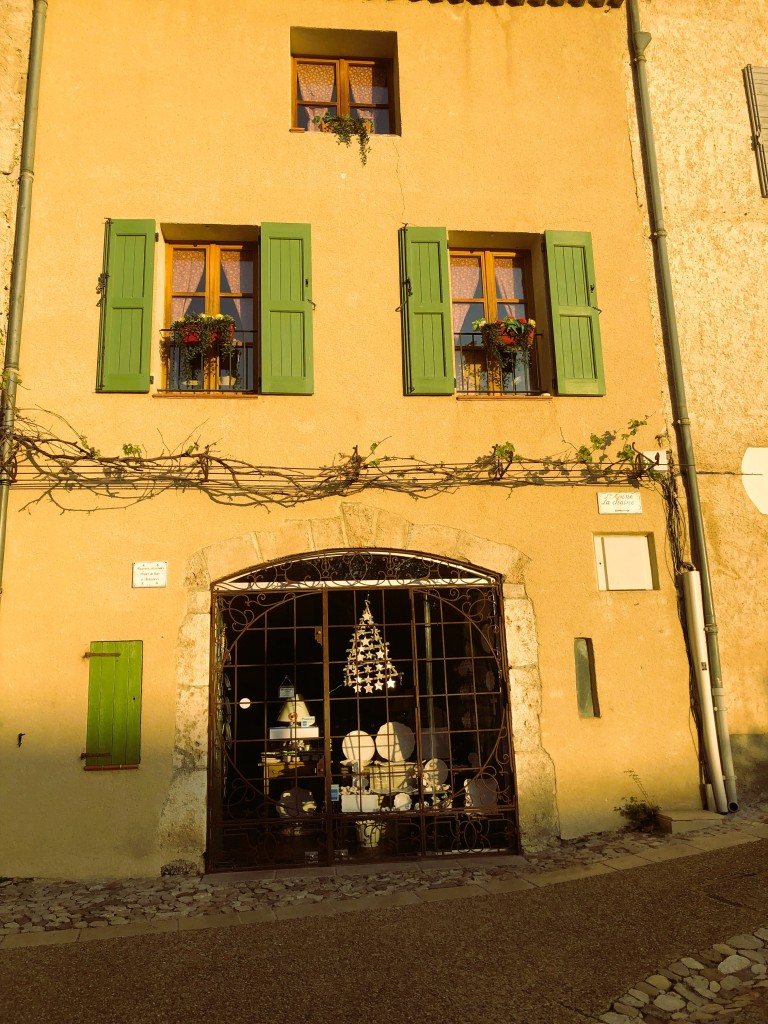
picturesque, colorful shutters.

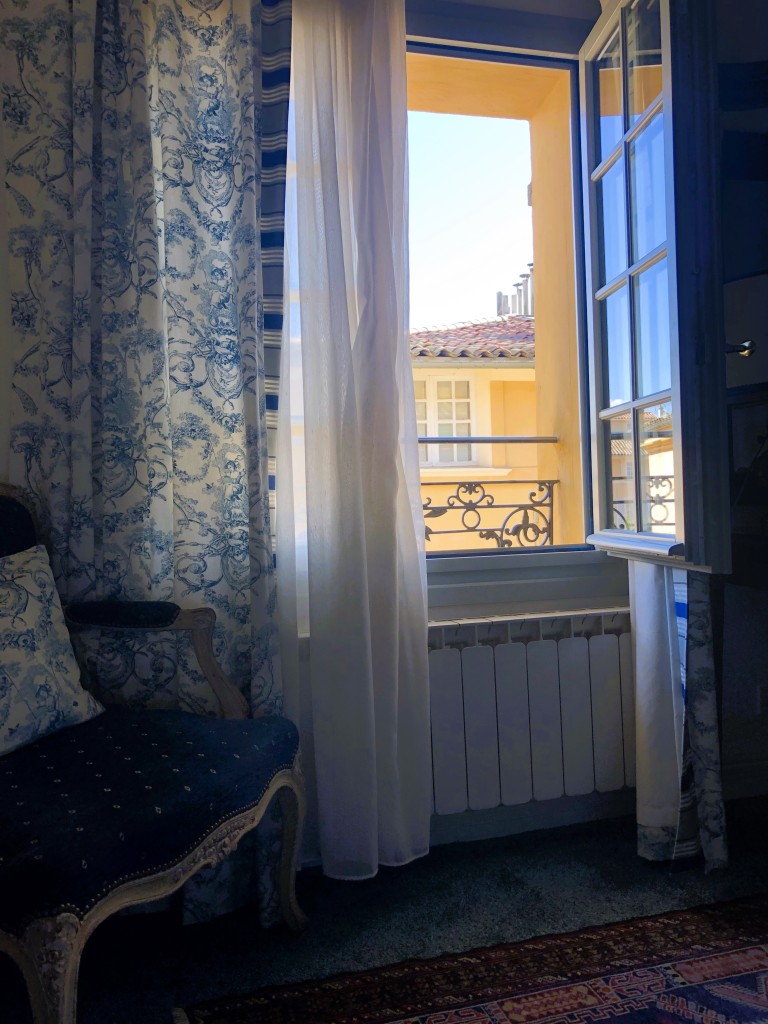
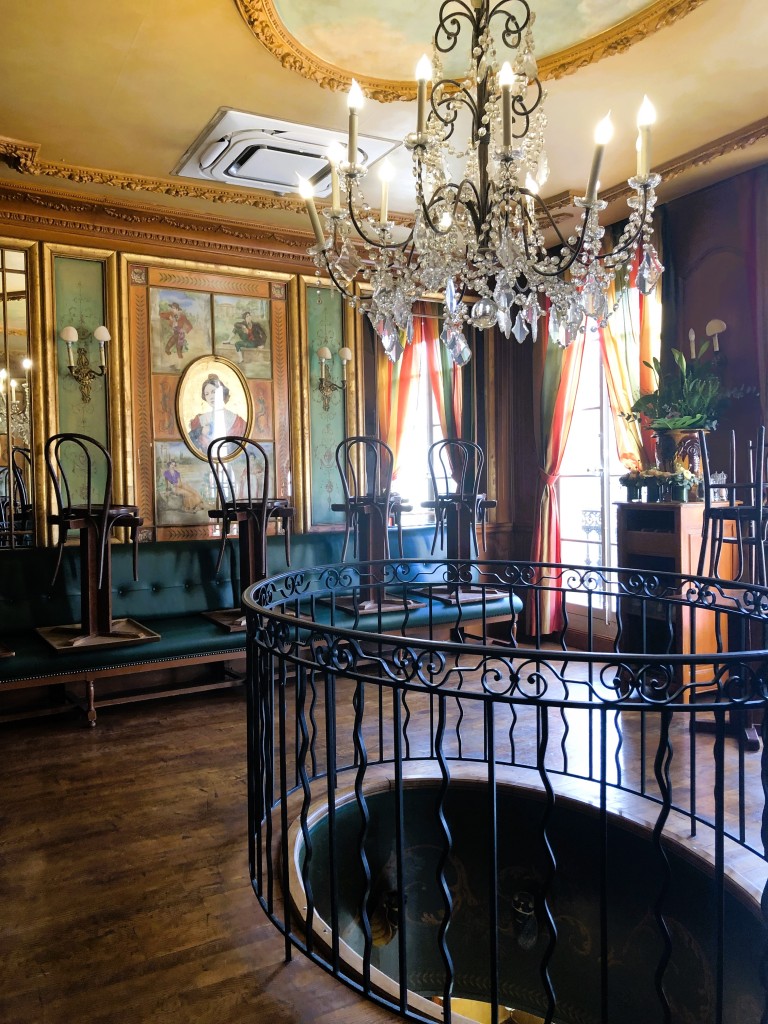
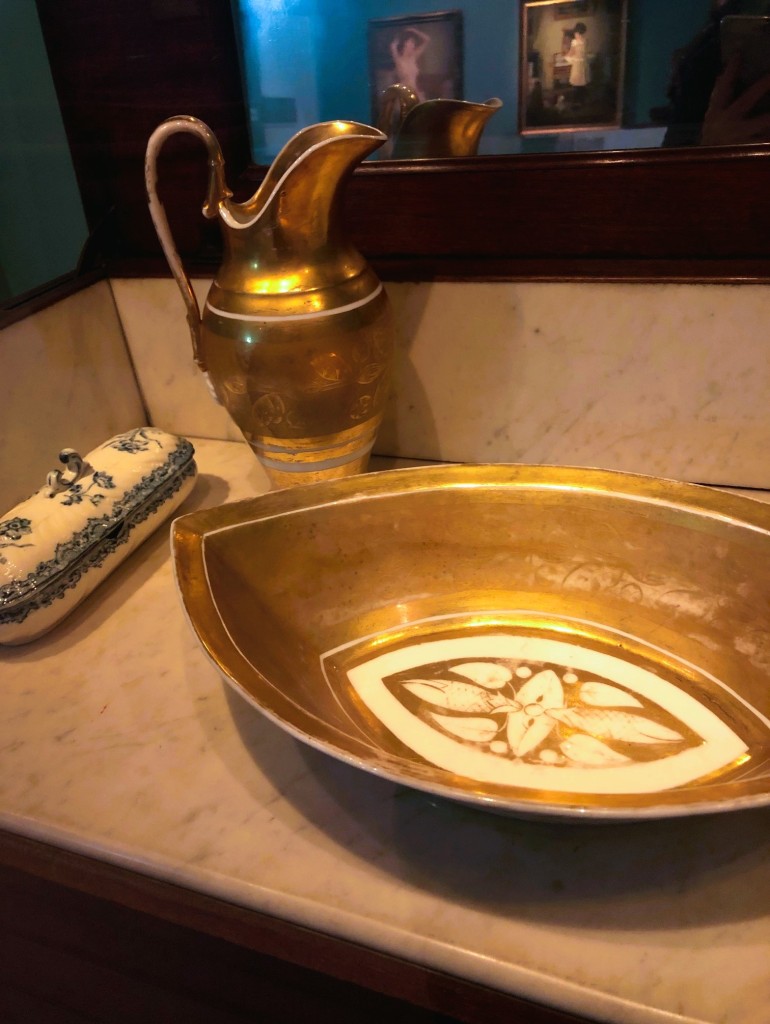
There were rooms of old-world elegance,

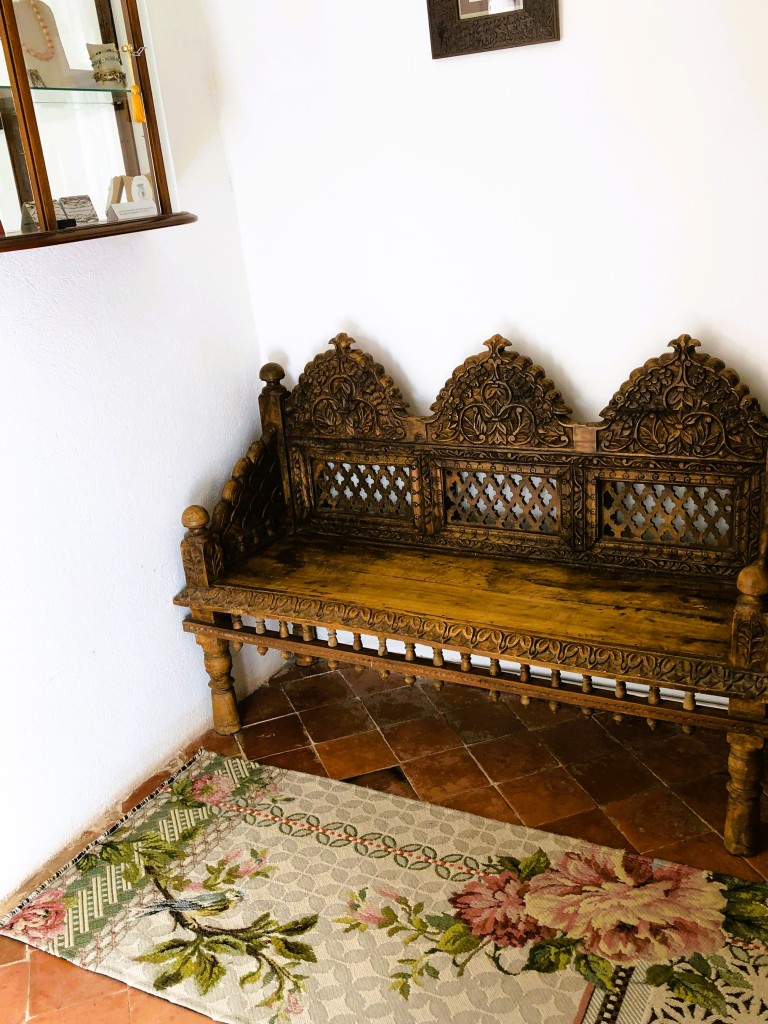
others of more rustic decor,

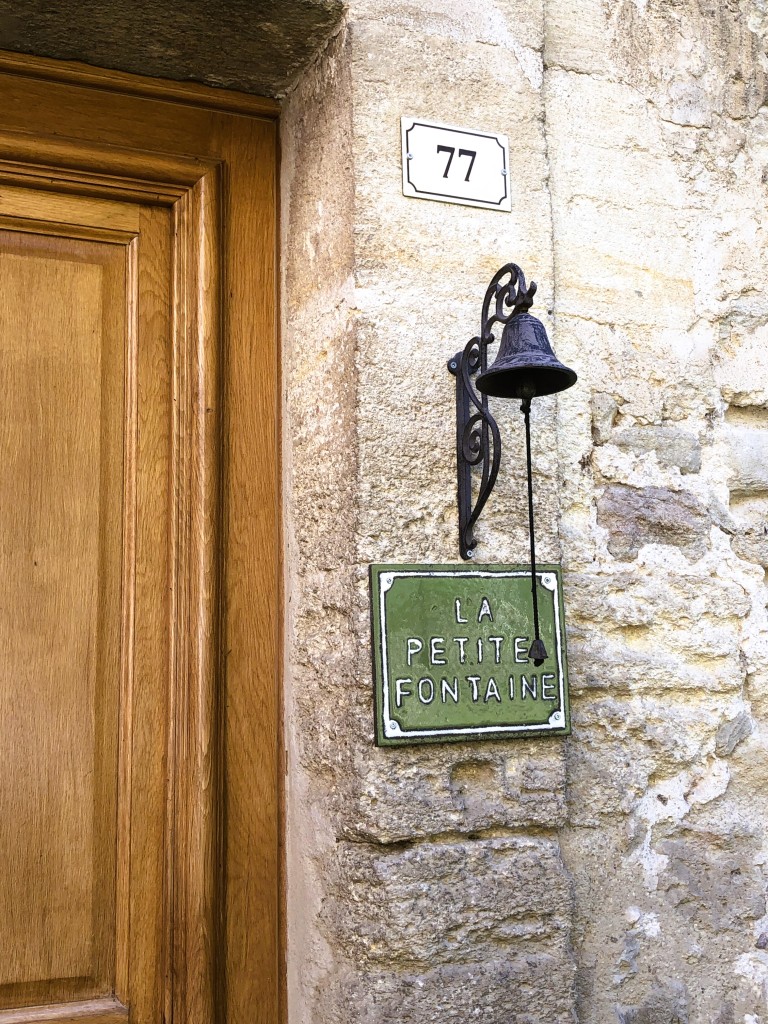
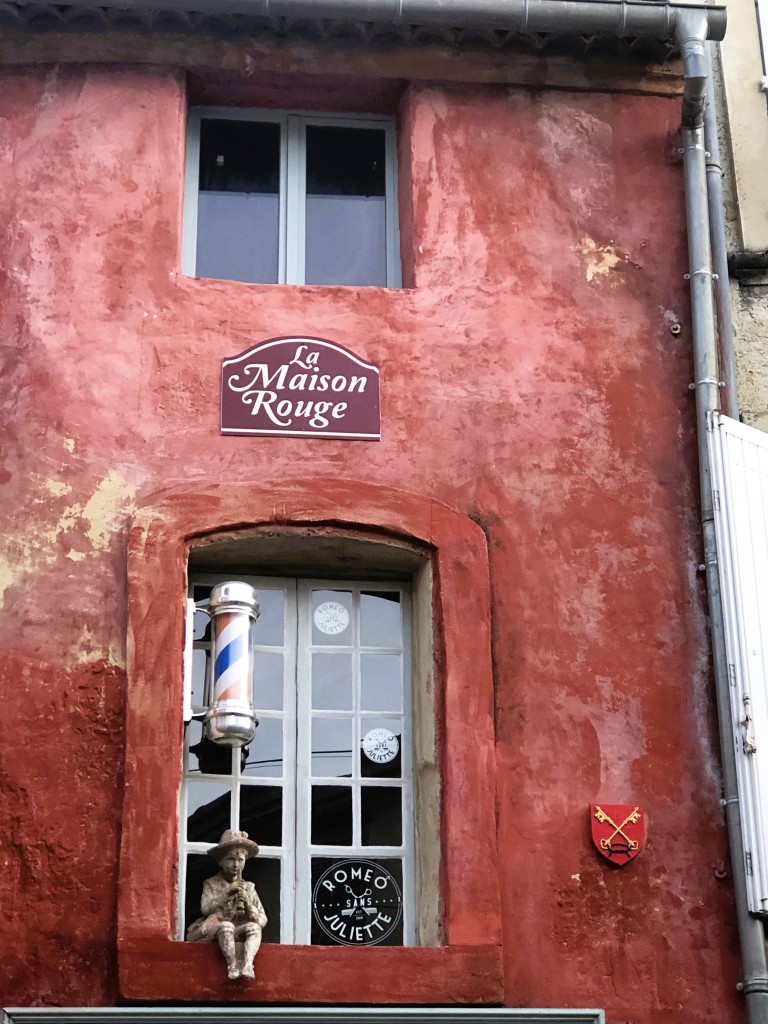
and quaint details everywhere.

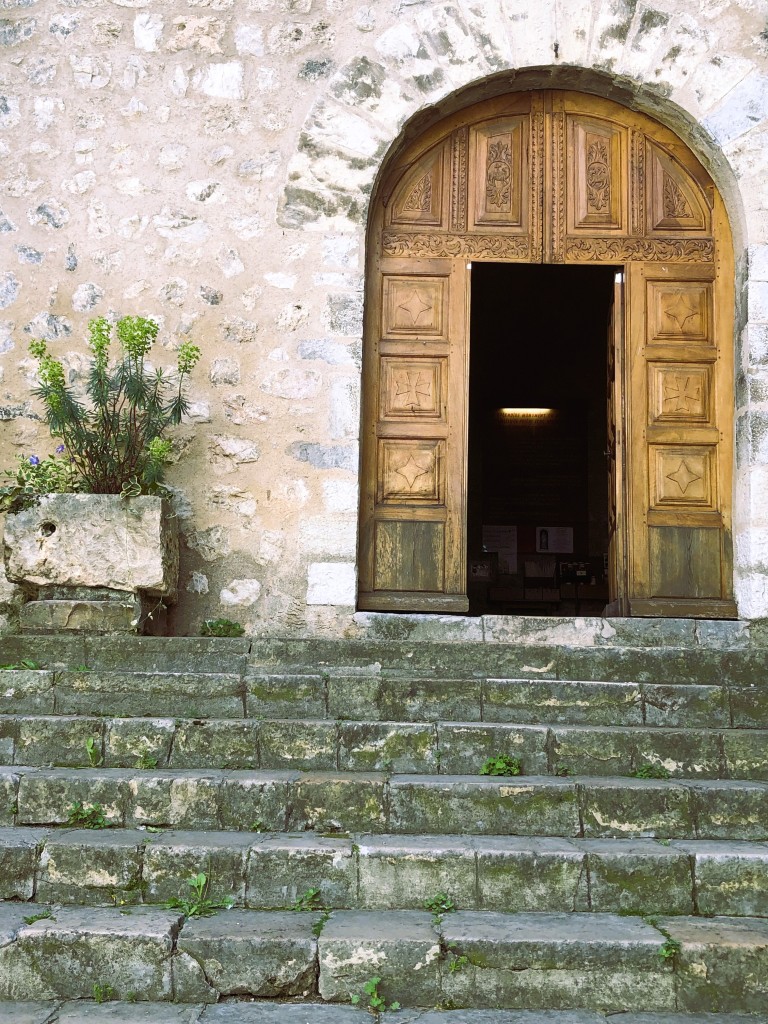
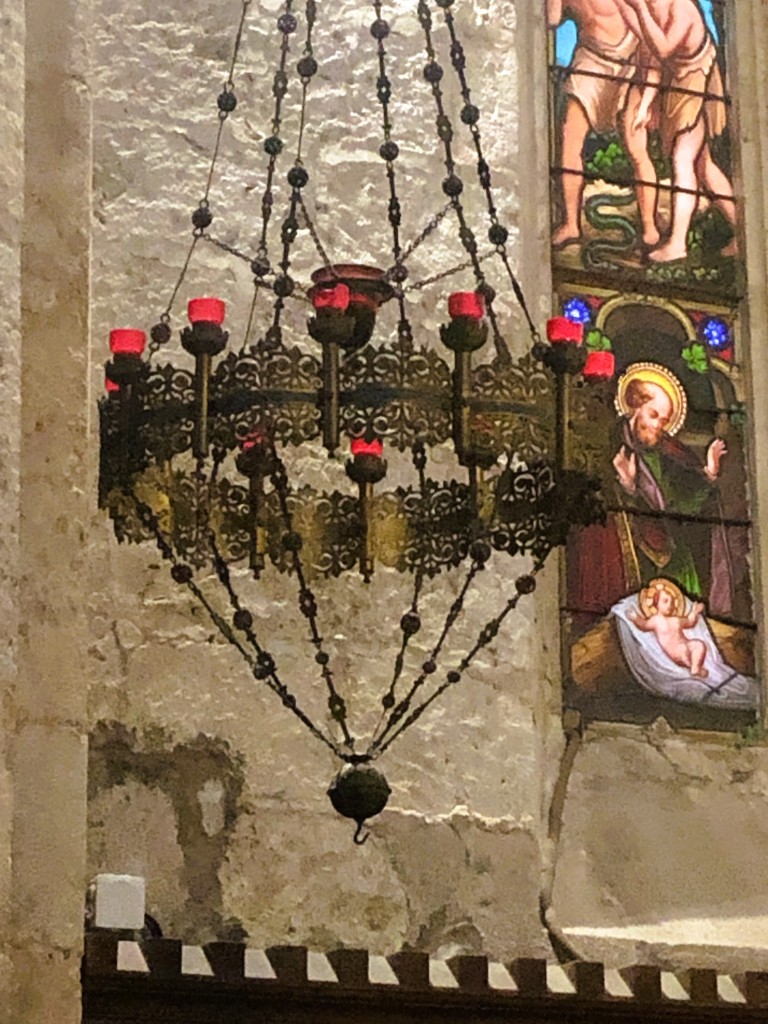
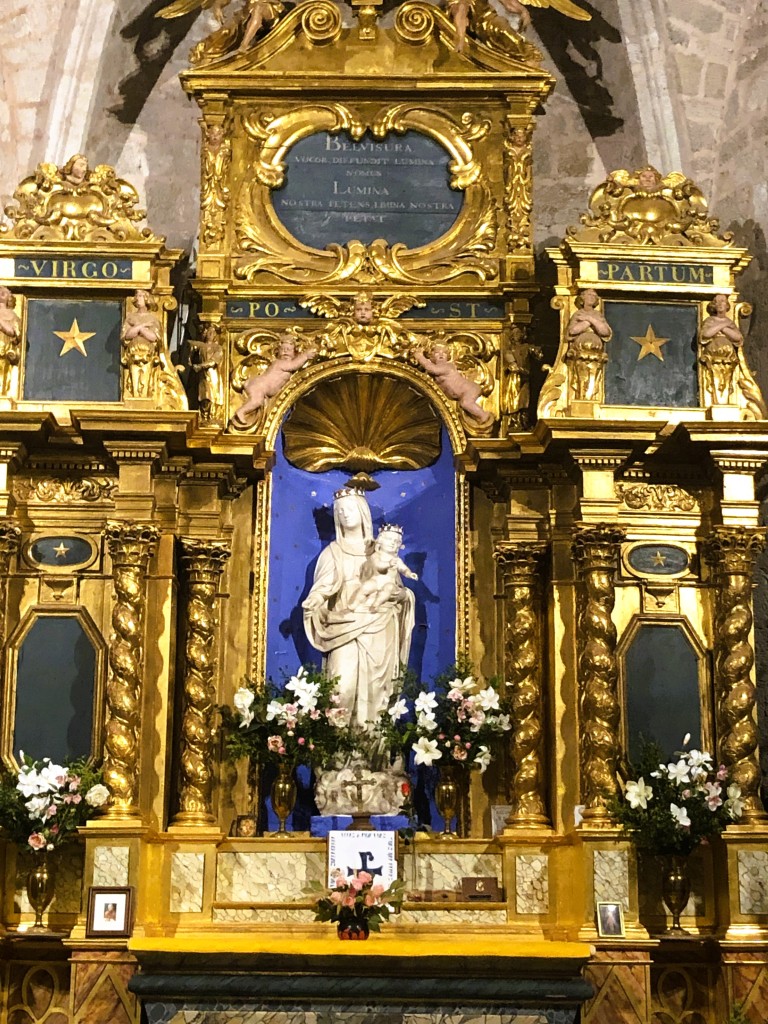
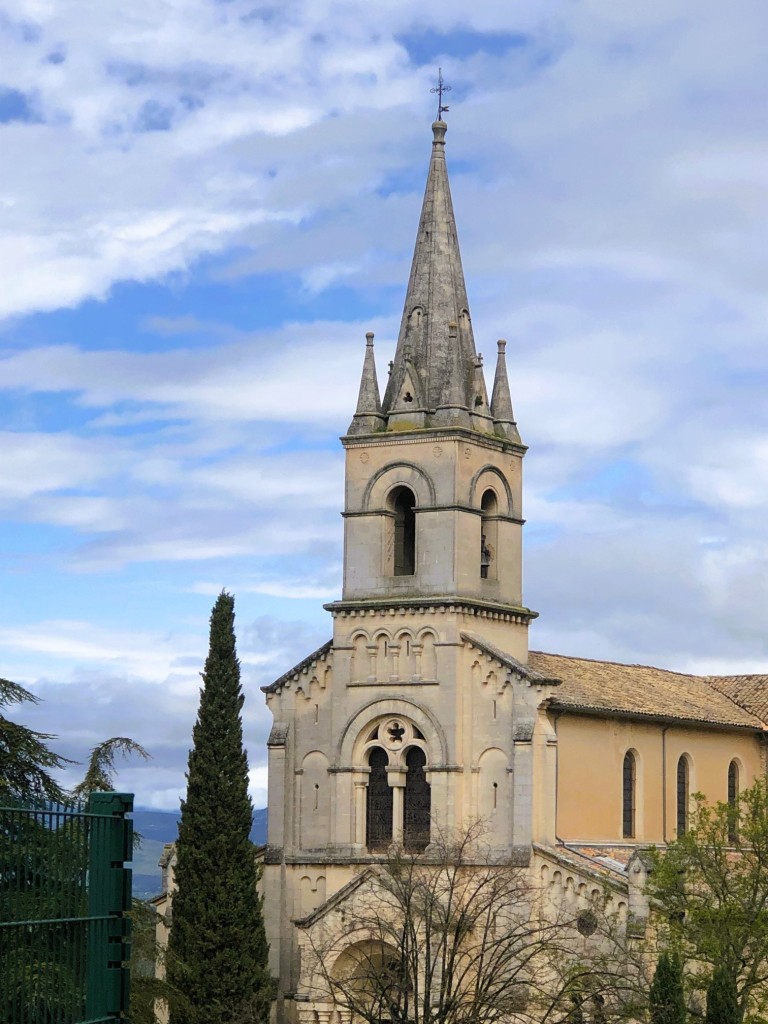
Beautiful old churches, rich in detail.

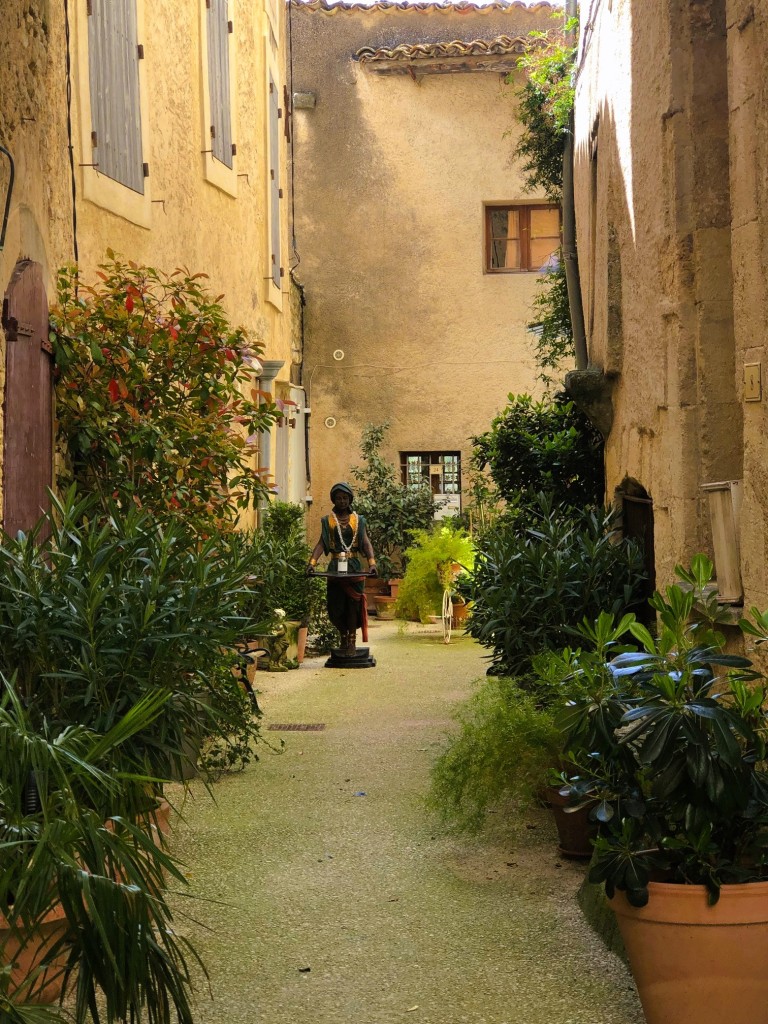
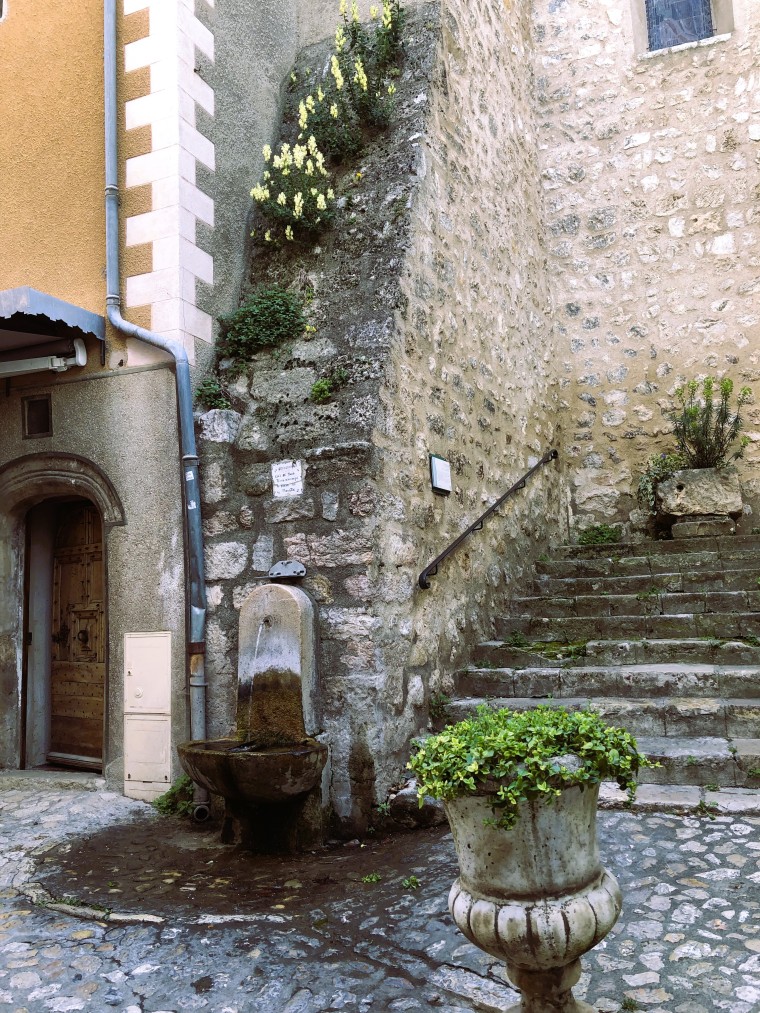
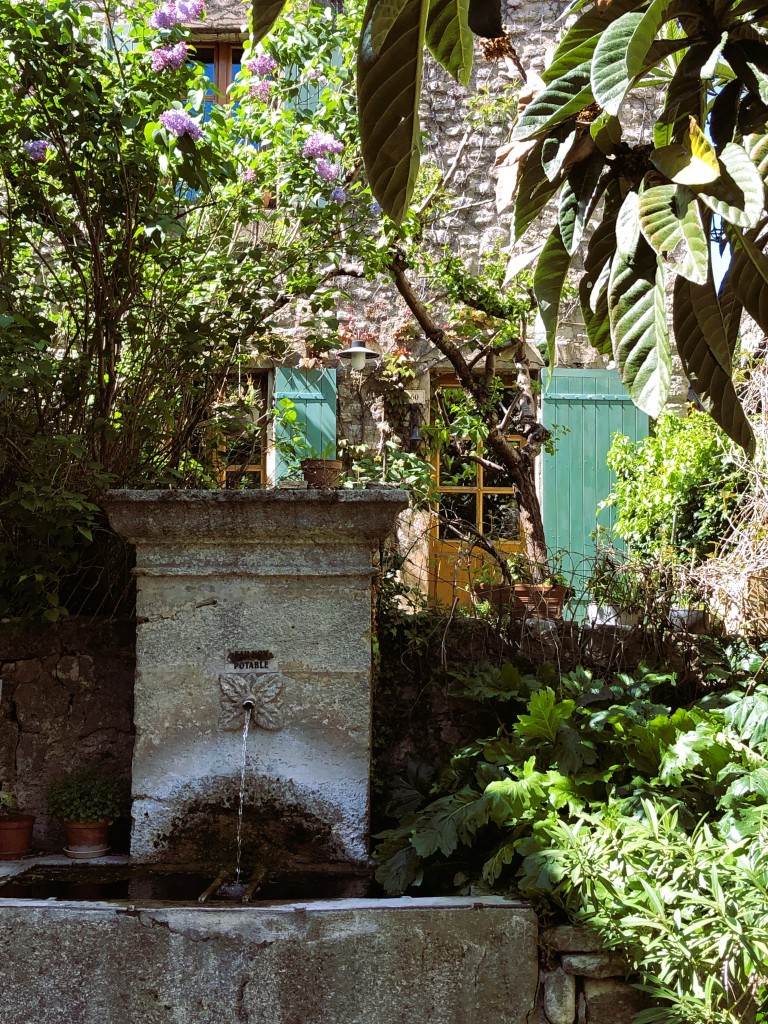
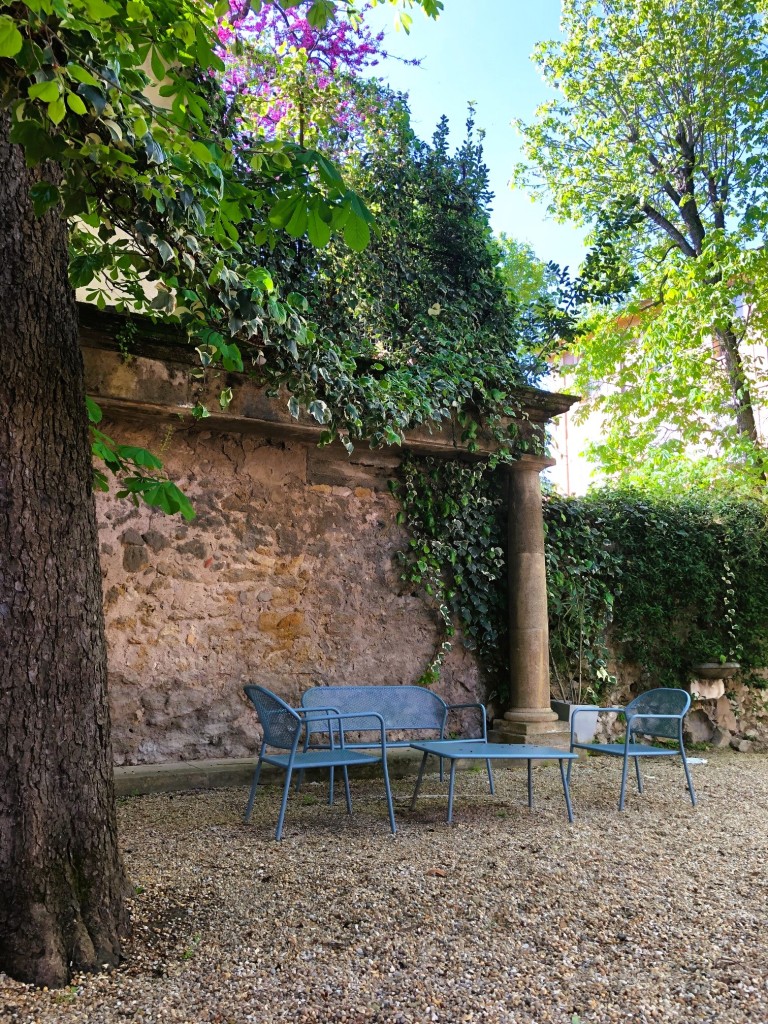
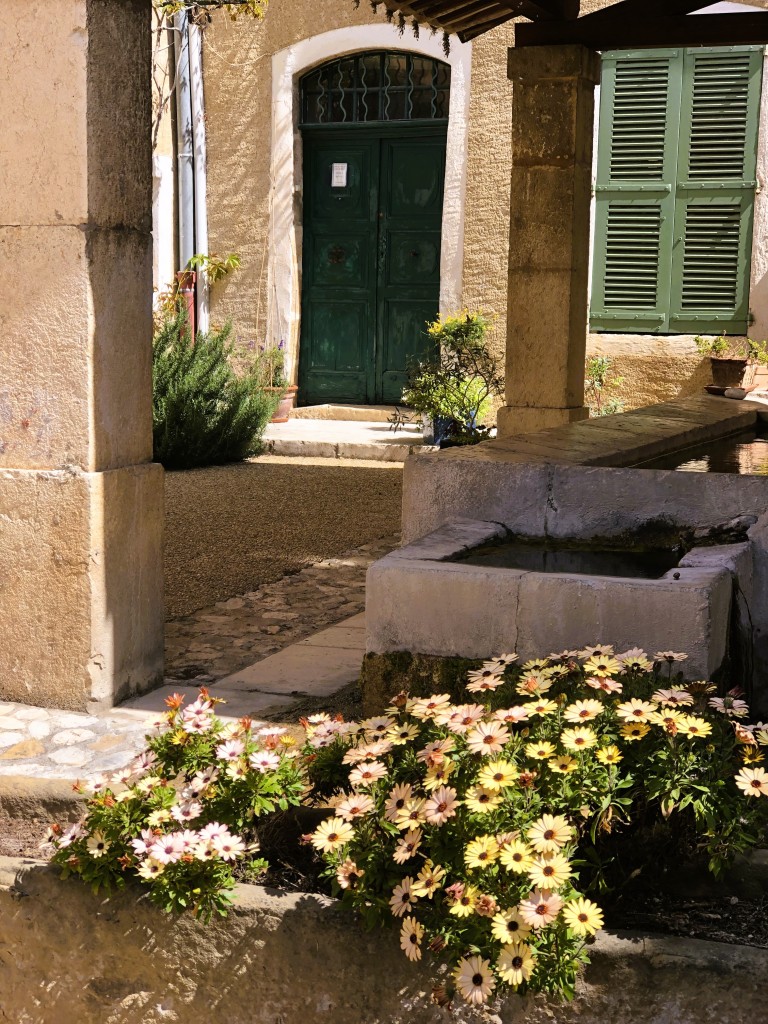
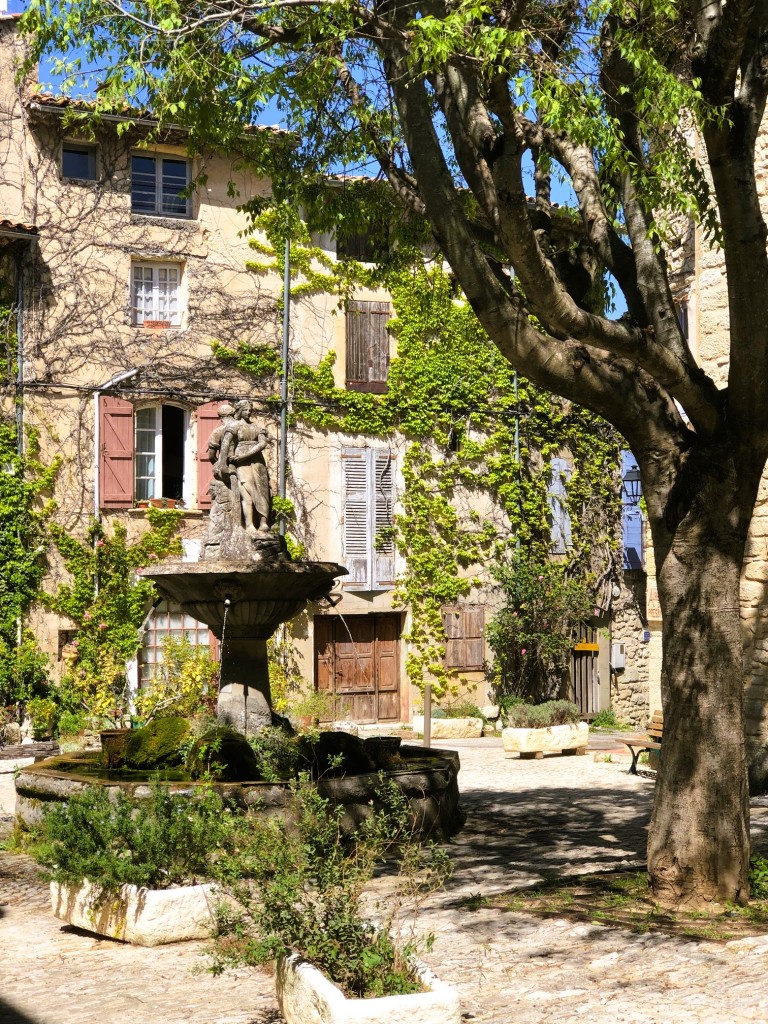
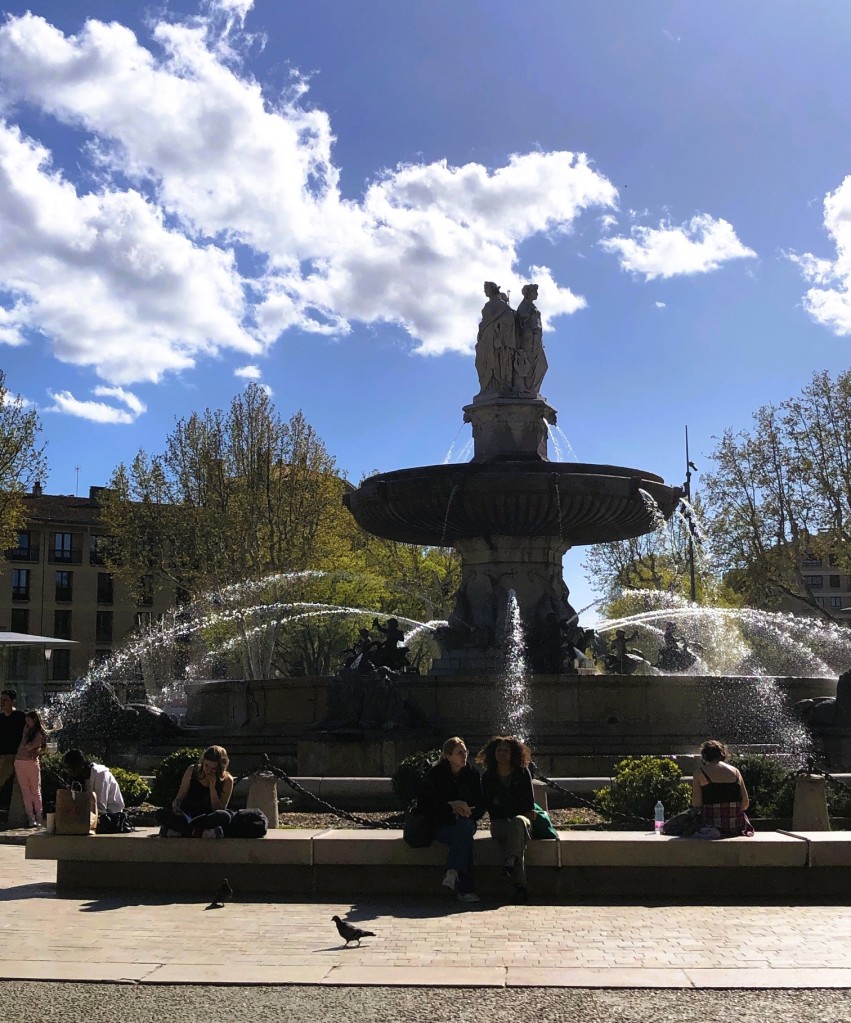
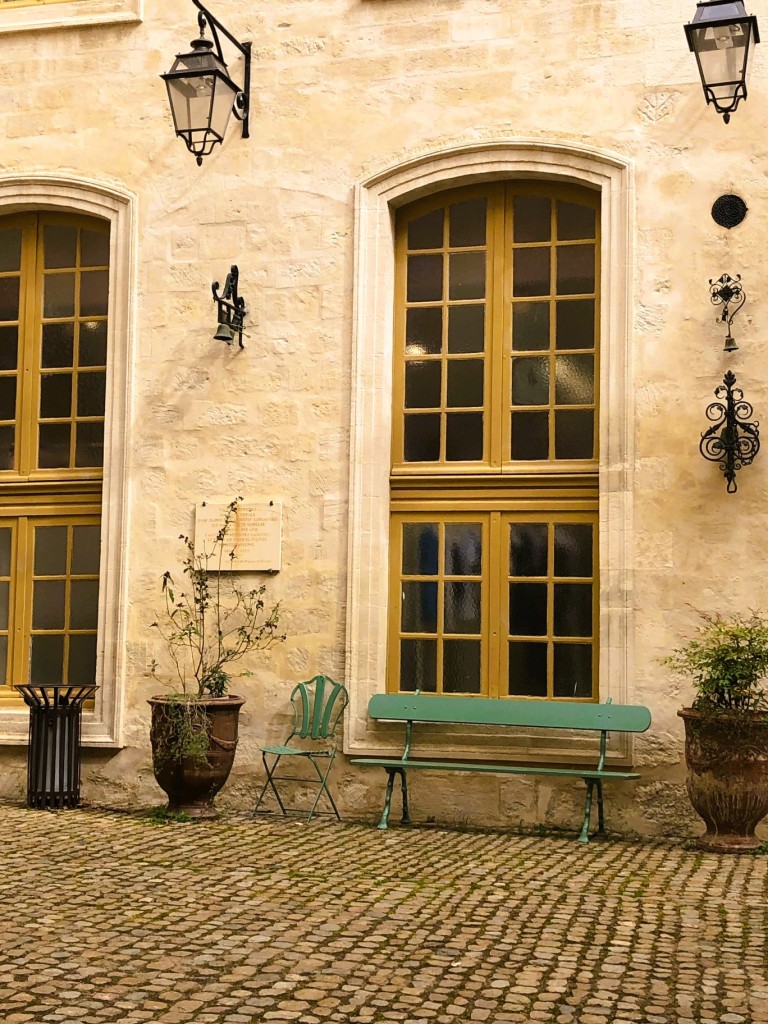
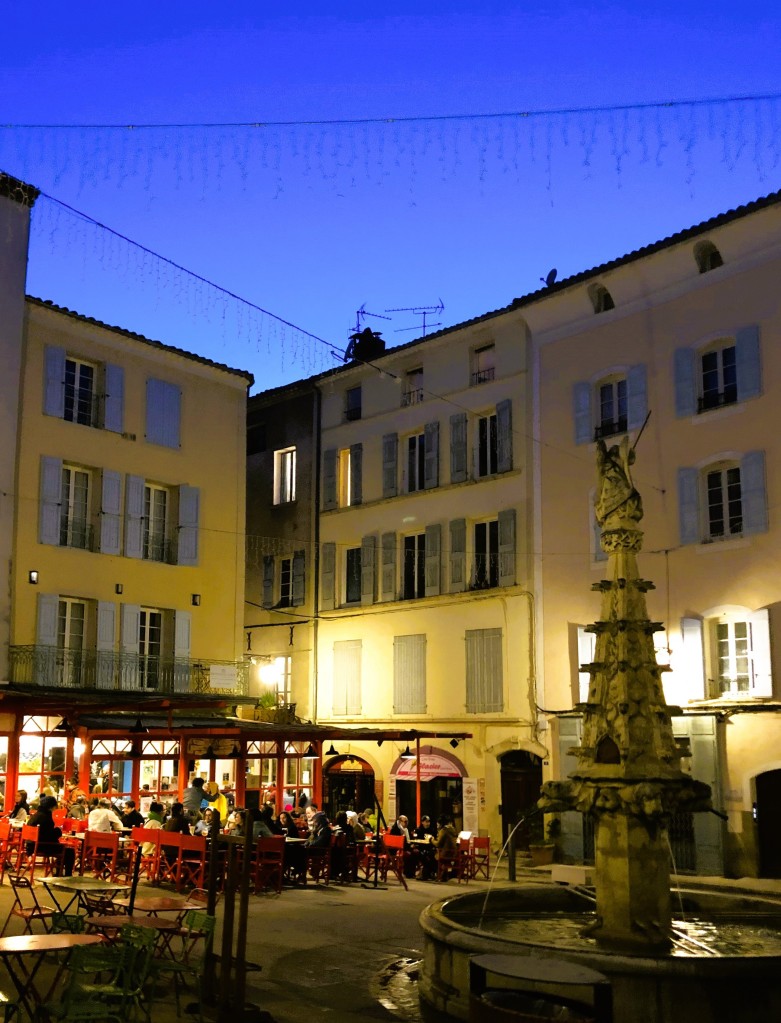
Quiet courtyards, and fountains everywhere.

A travelers delight in the unexpected,

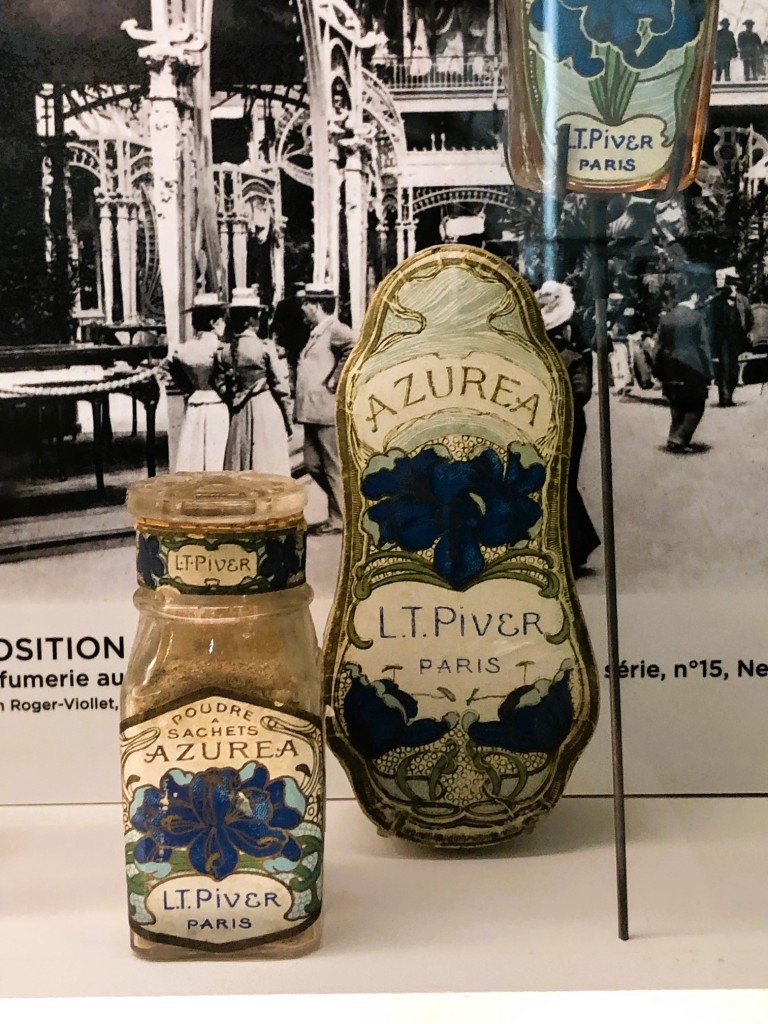
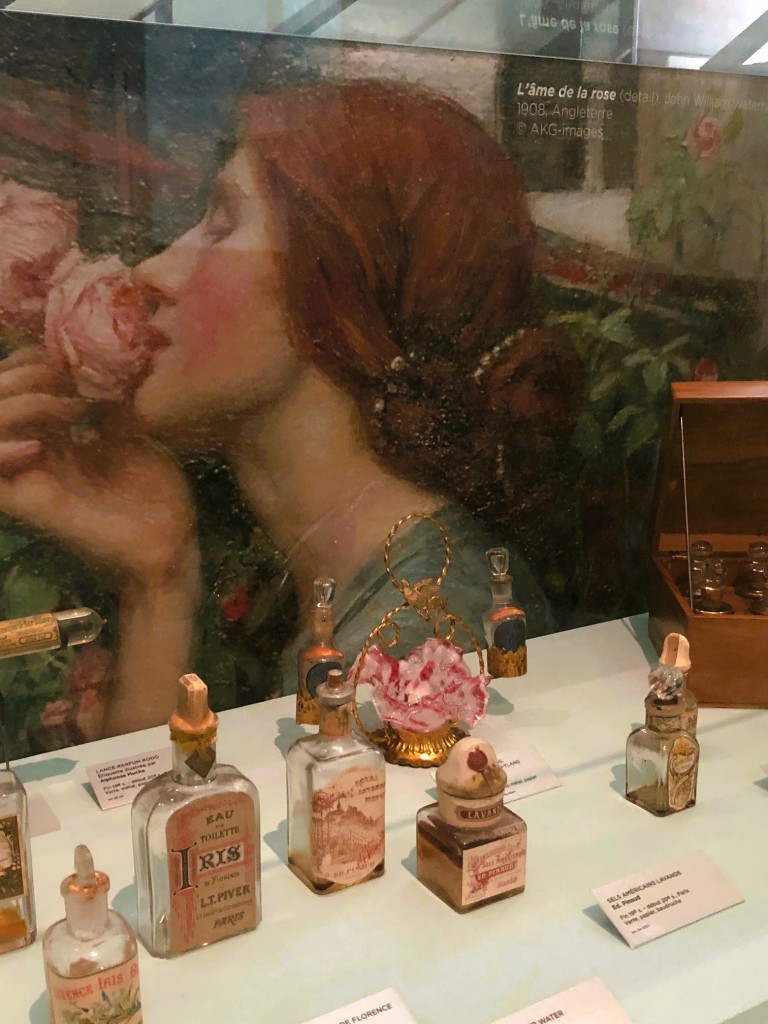
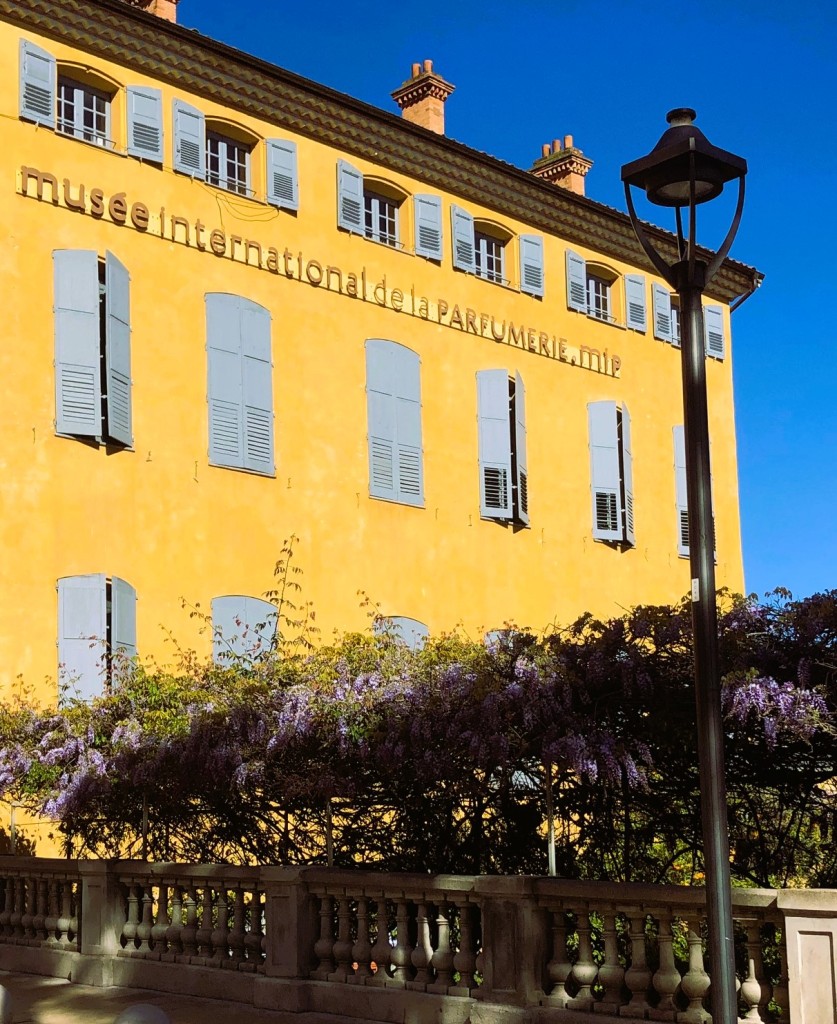
and in unplanned visits: to the lavender museum on a rare rainy day, and the historical perfume museum in Grasse, housed in an beautiful old building

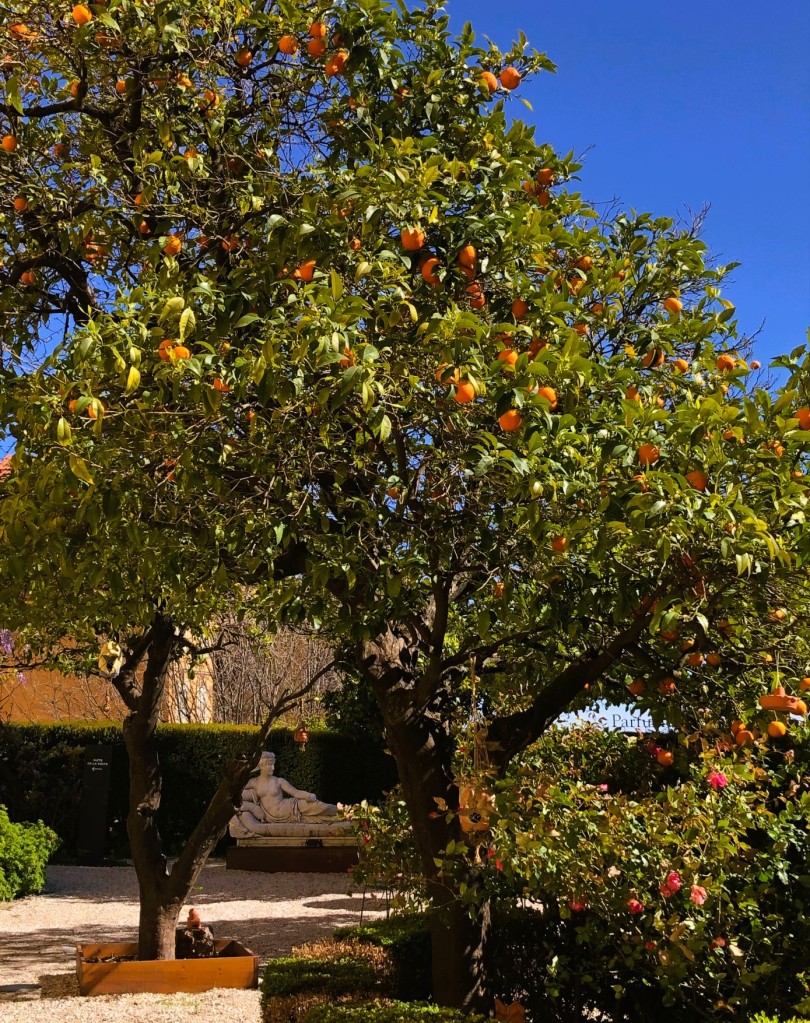
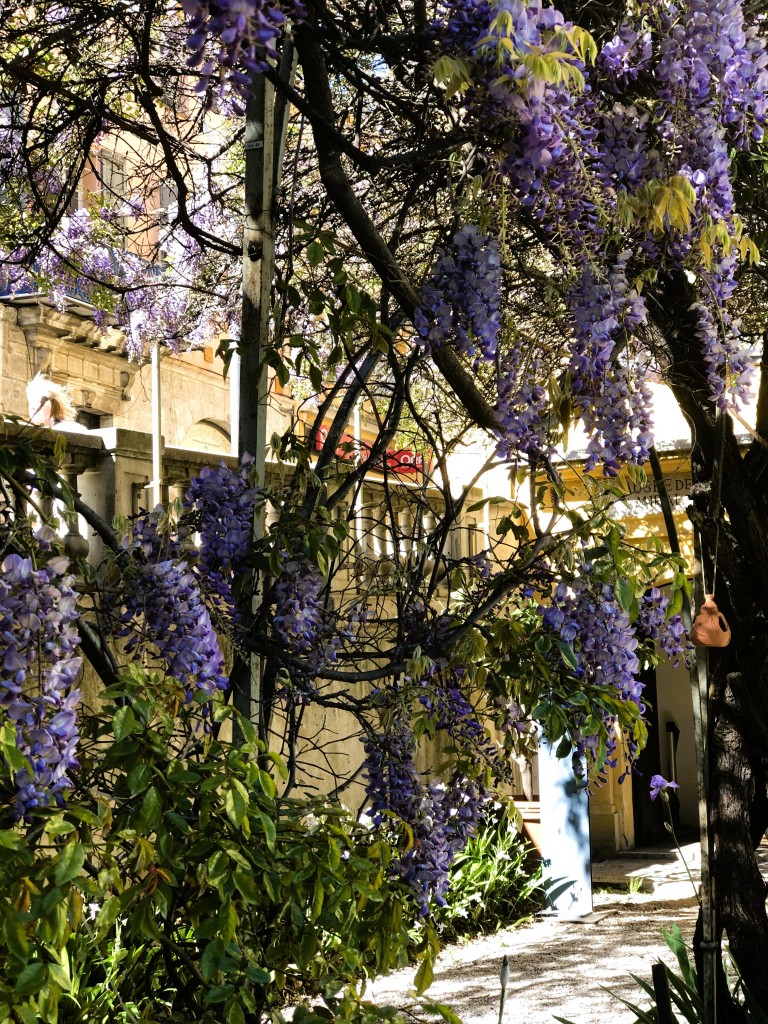
with a scent-rich garden of roses, wisteria, and citrus.

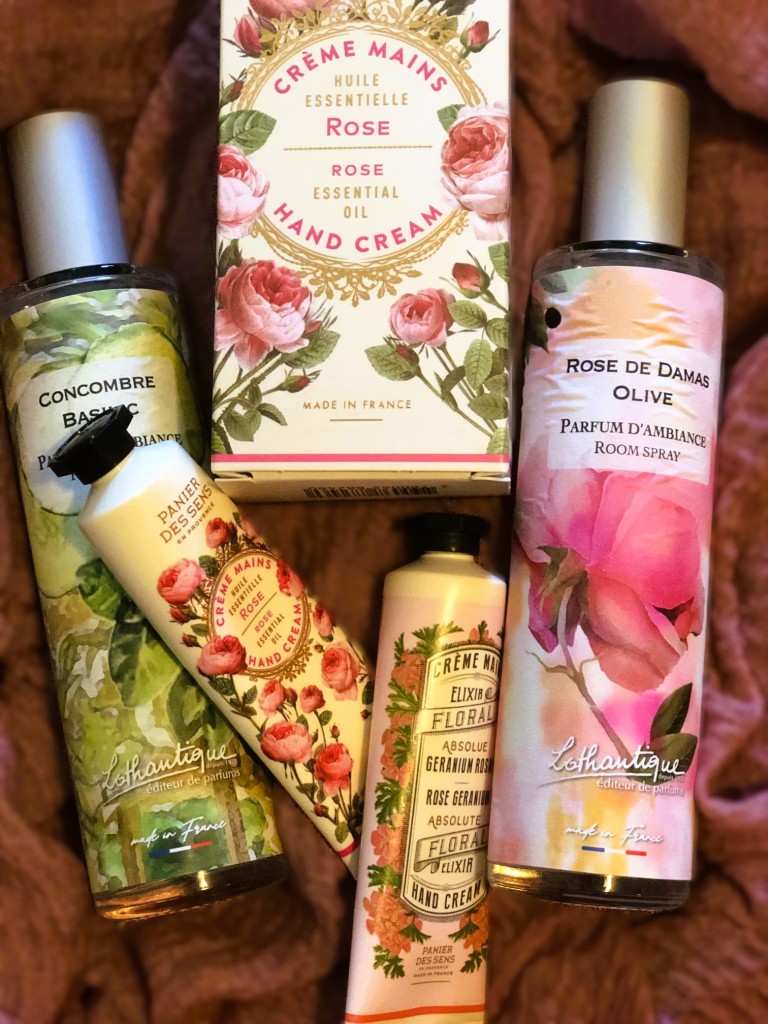
(And a gift shop of fragrant indulgences to take back home.)

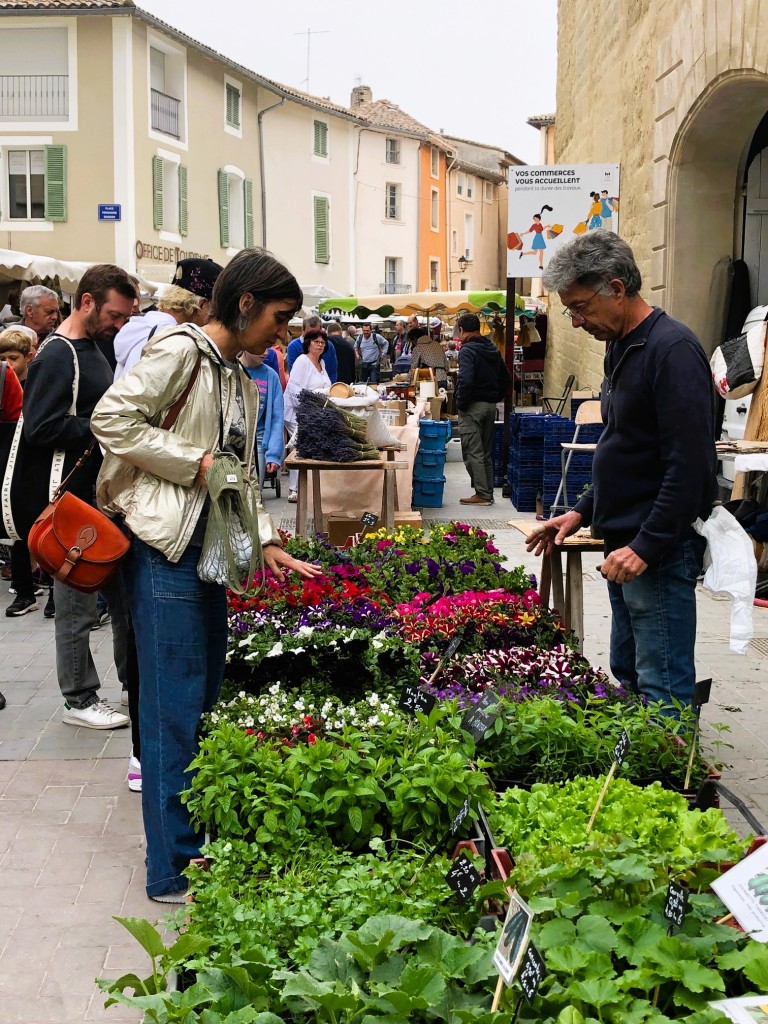
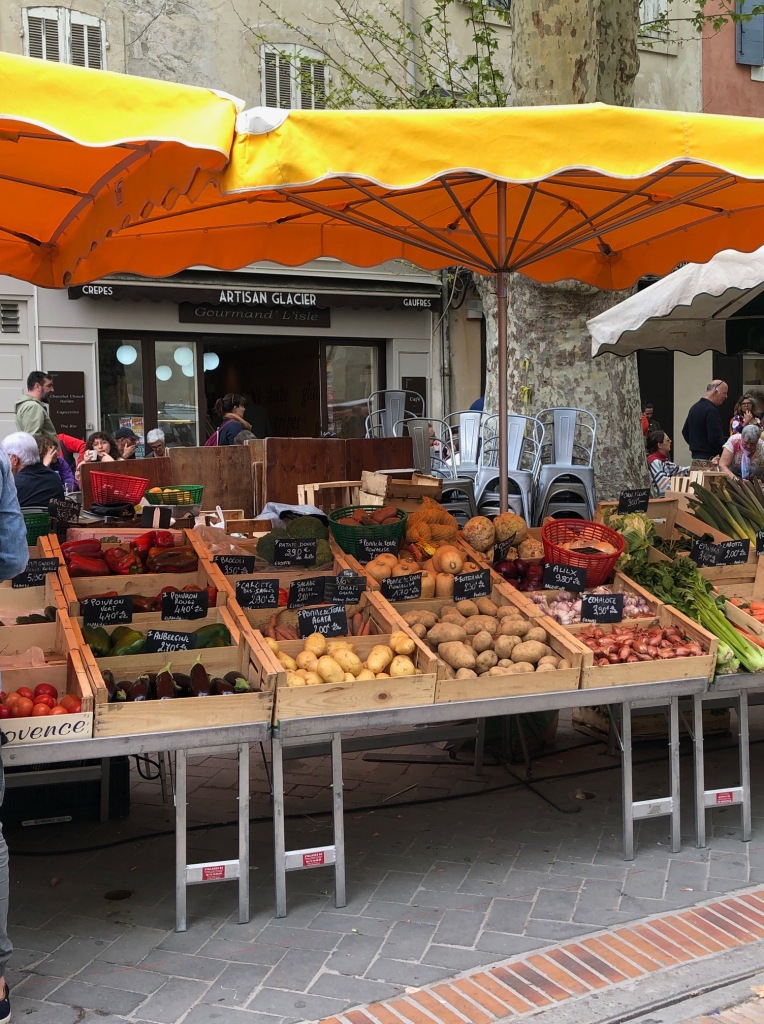
Market days in nearly every town infuse the area with vibrancy and interest,

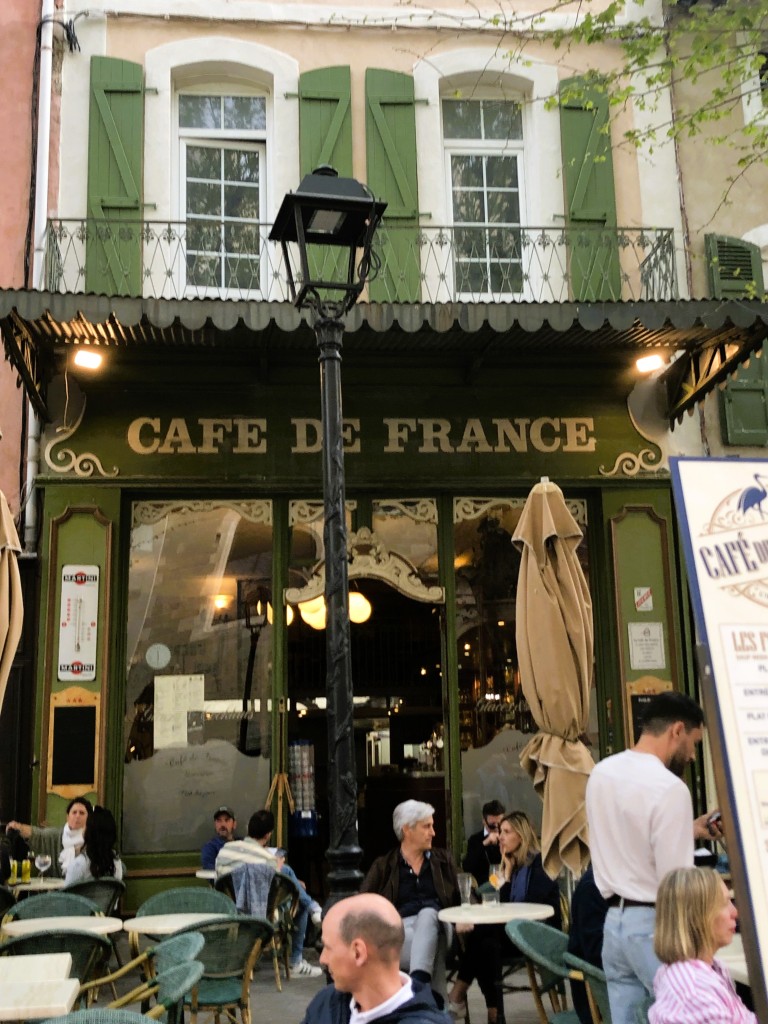
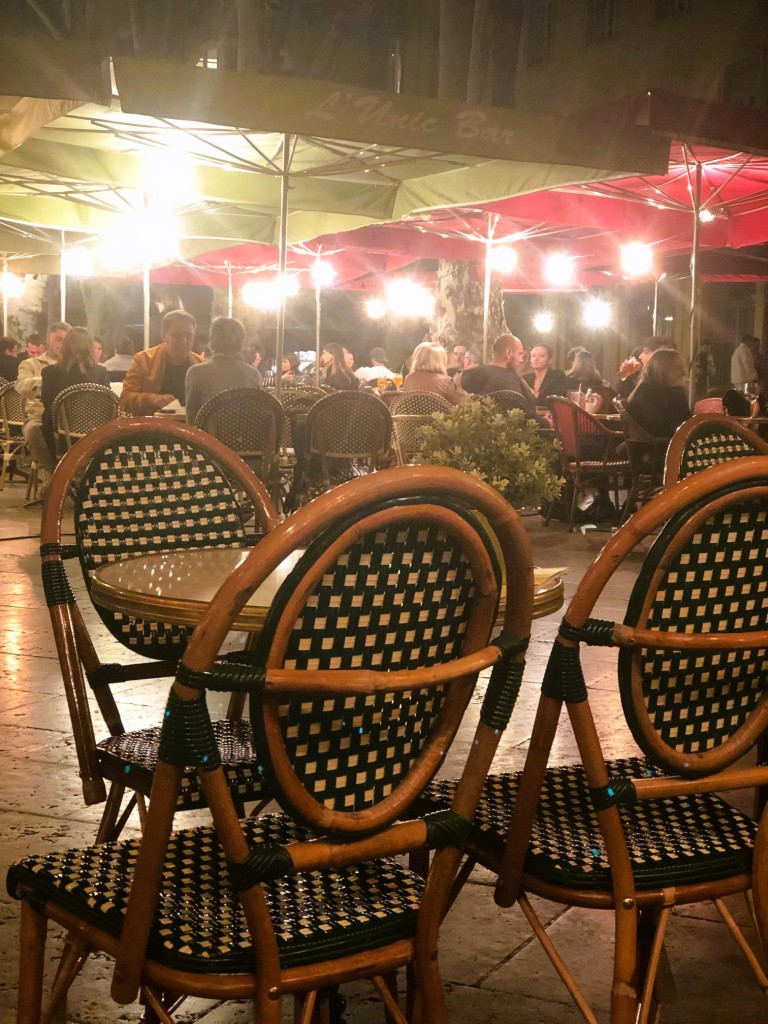
and a relaxing cafe culture pervades all of Provence, offering a slower pace to life.

Which perhaps accounts for the warm and welcoming people we came across everywhere.

There was a real joie de vivre found in the lively conversations that filled the cafes, the delight in the company of friends.

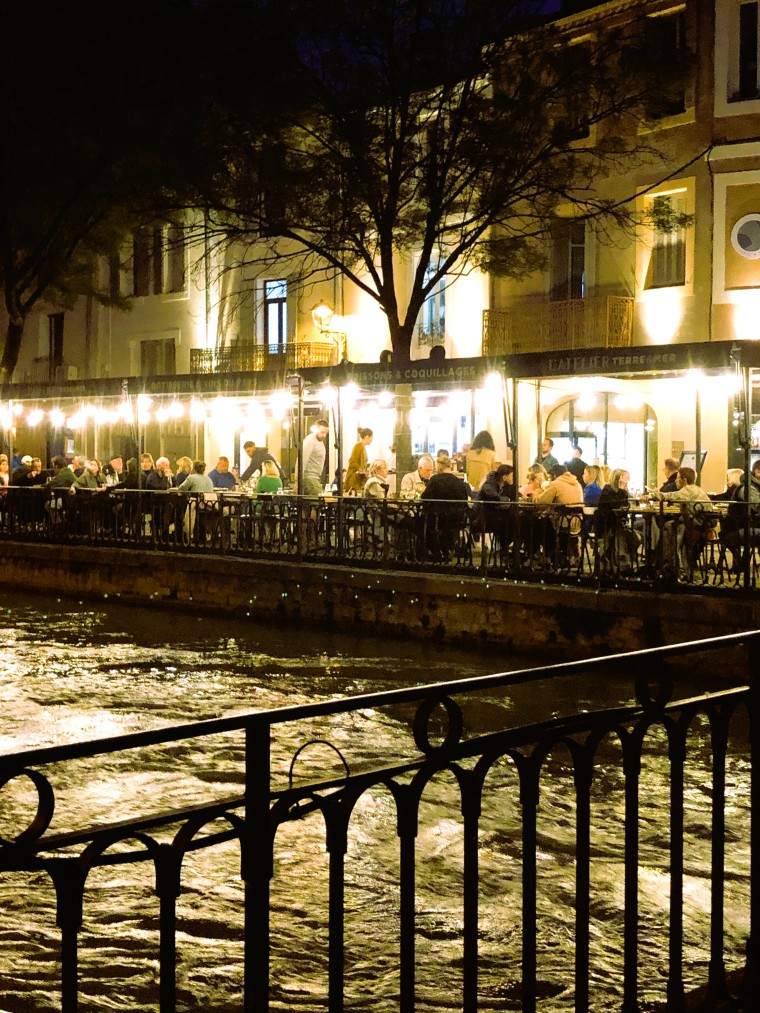
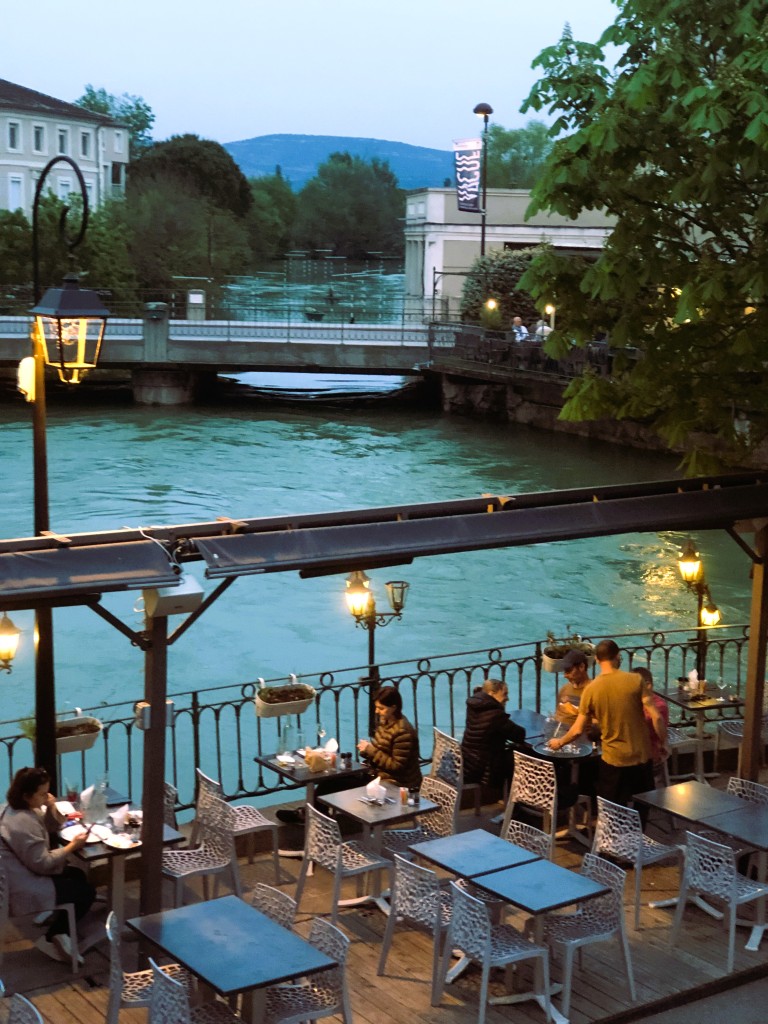
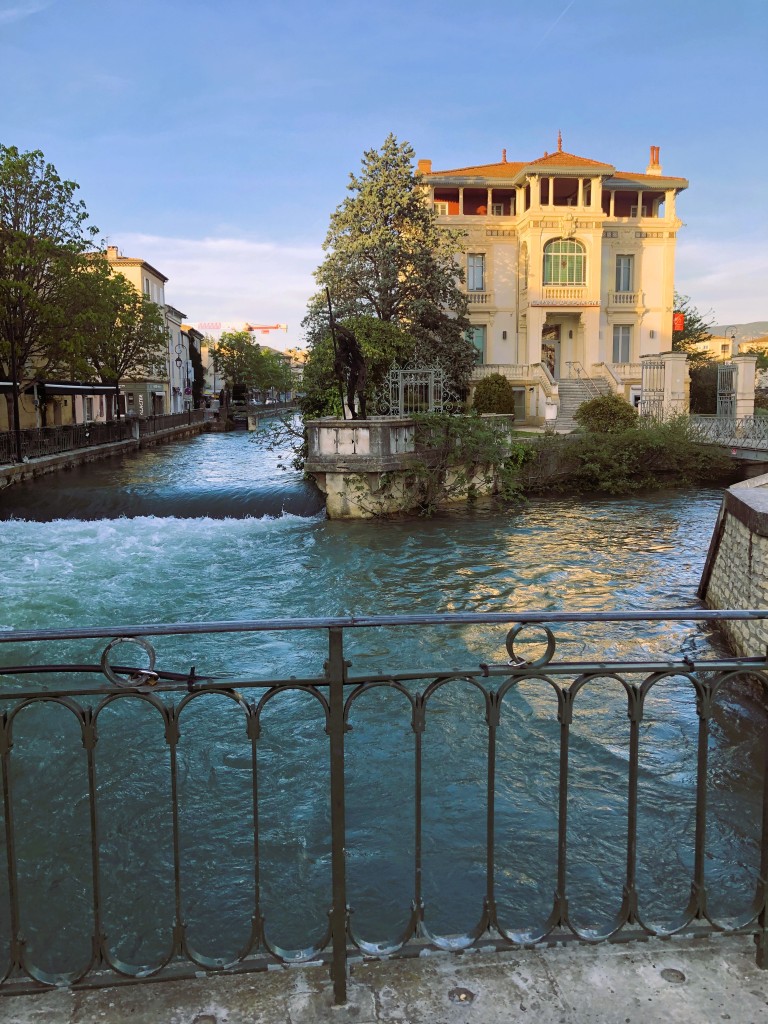
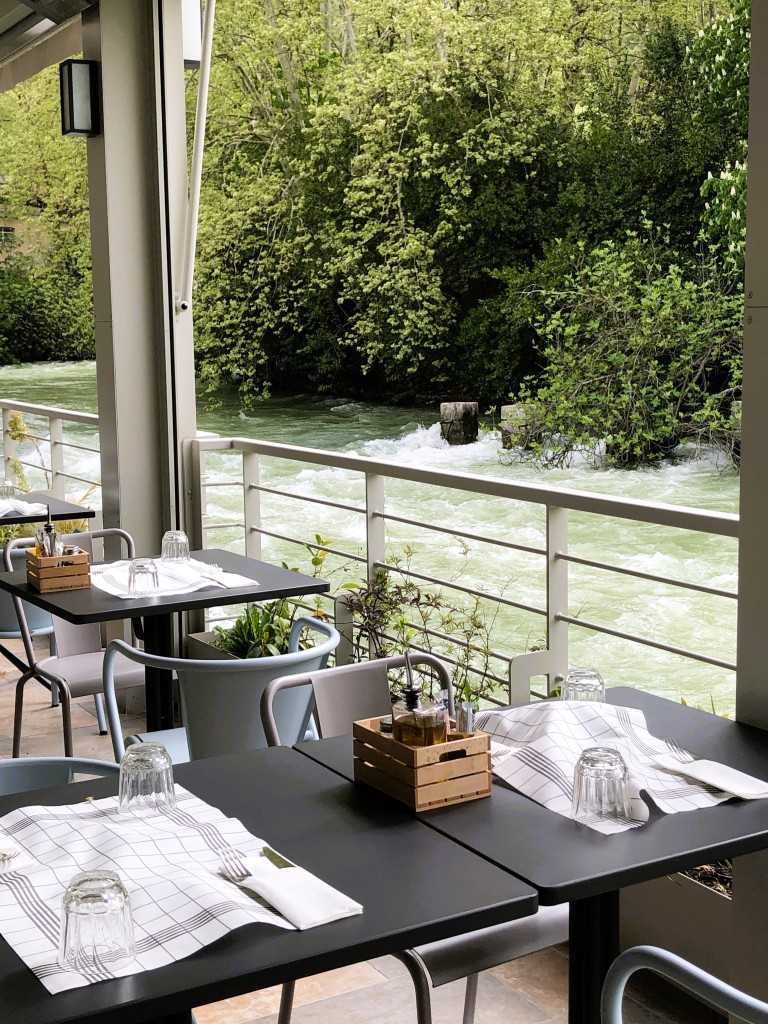
There was riverside dining in villages like L’Isle-sur-la-Sorgue, a historic mill town with waterwheels still turning along its river.

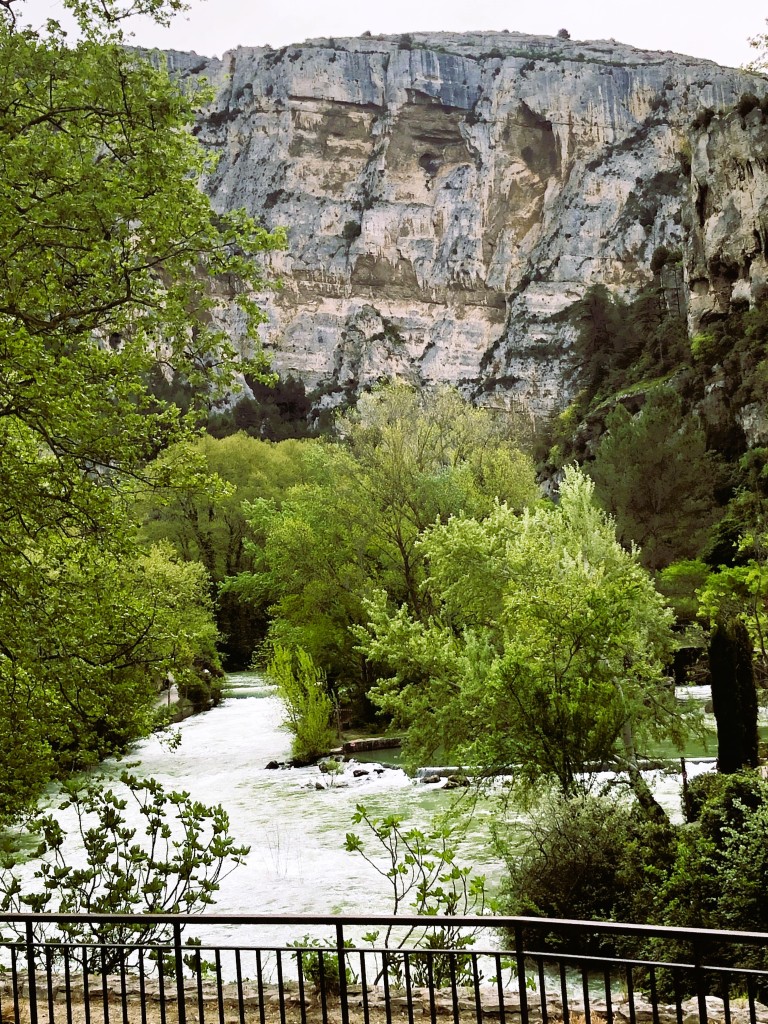
And a visit to the source of the Sorgue,

a gushing fontaine that springs from the nearby mountains (and more riverside dining).

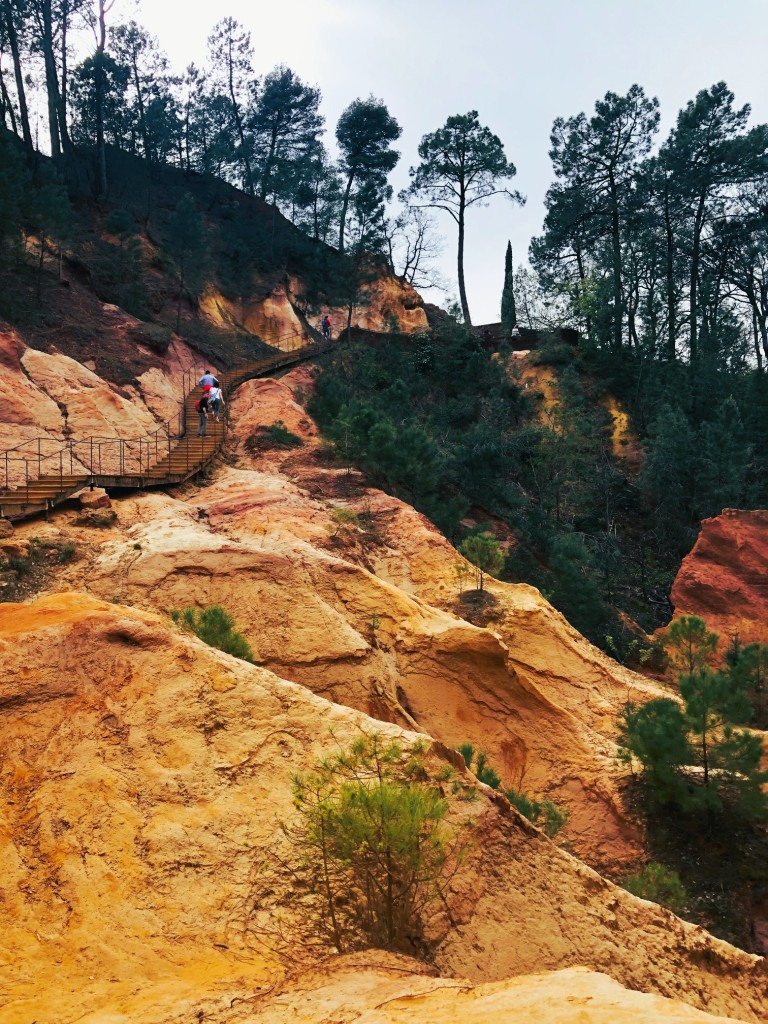
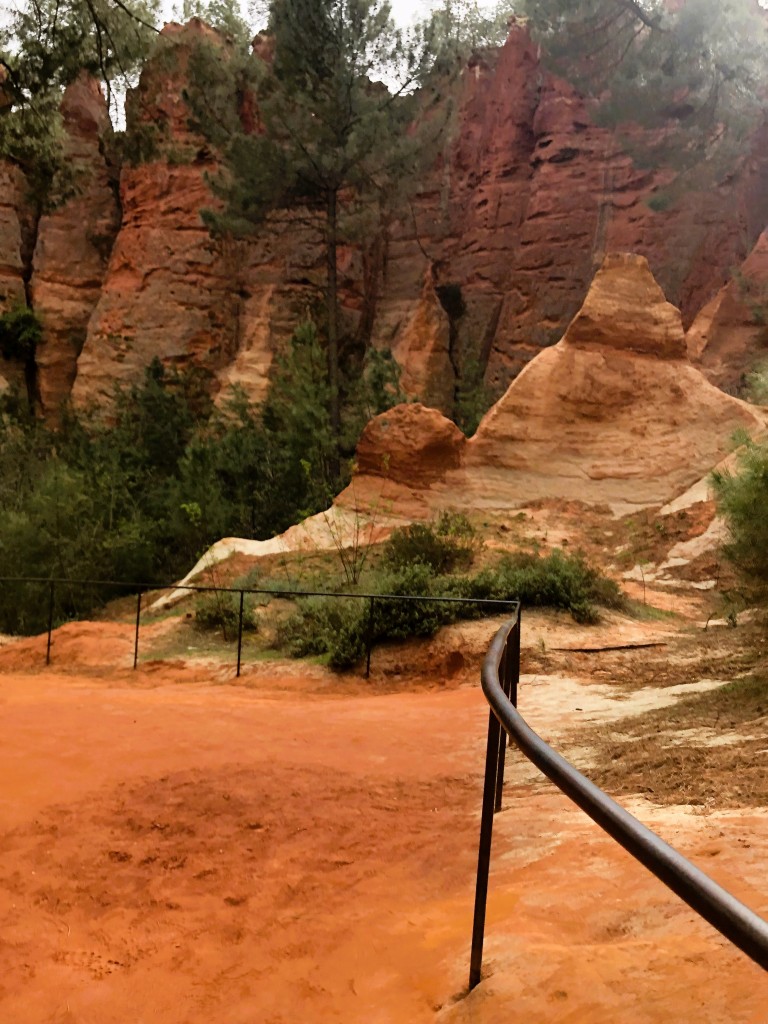
There was the unique village of Roussillon that still bears the reddish color of its famous ochre that was once mined and traded afar.

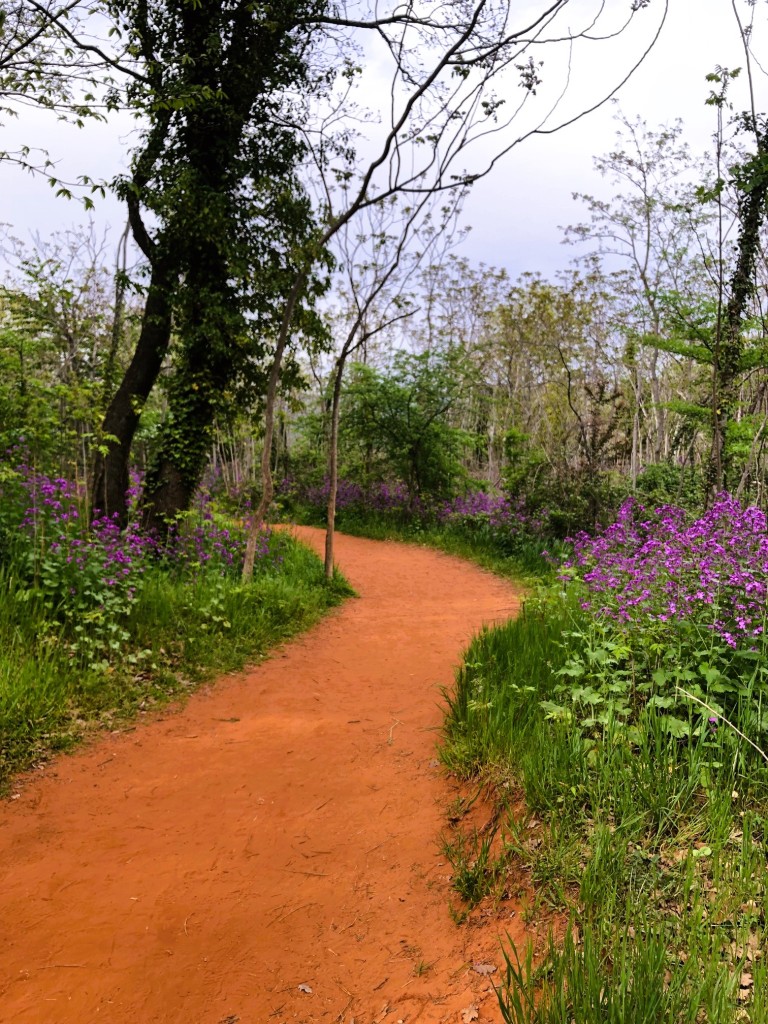
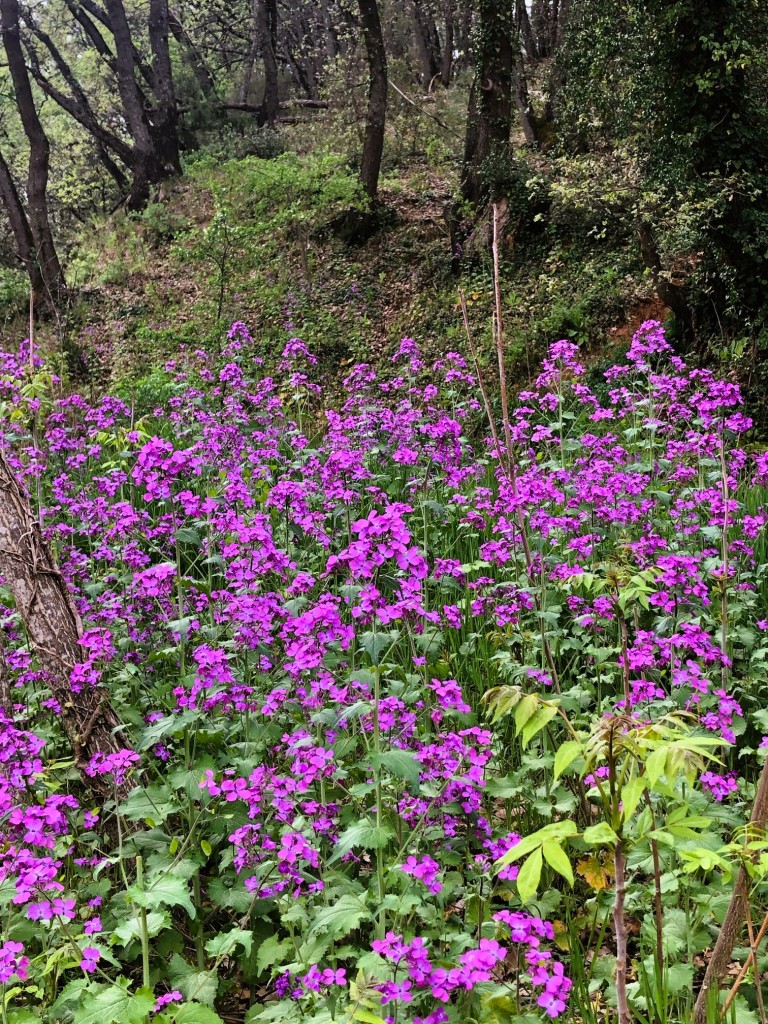
A nearby hike immerses visitors in the sculpted ochre hills, full of tall pines and purple phlox.

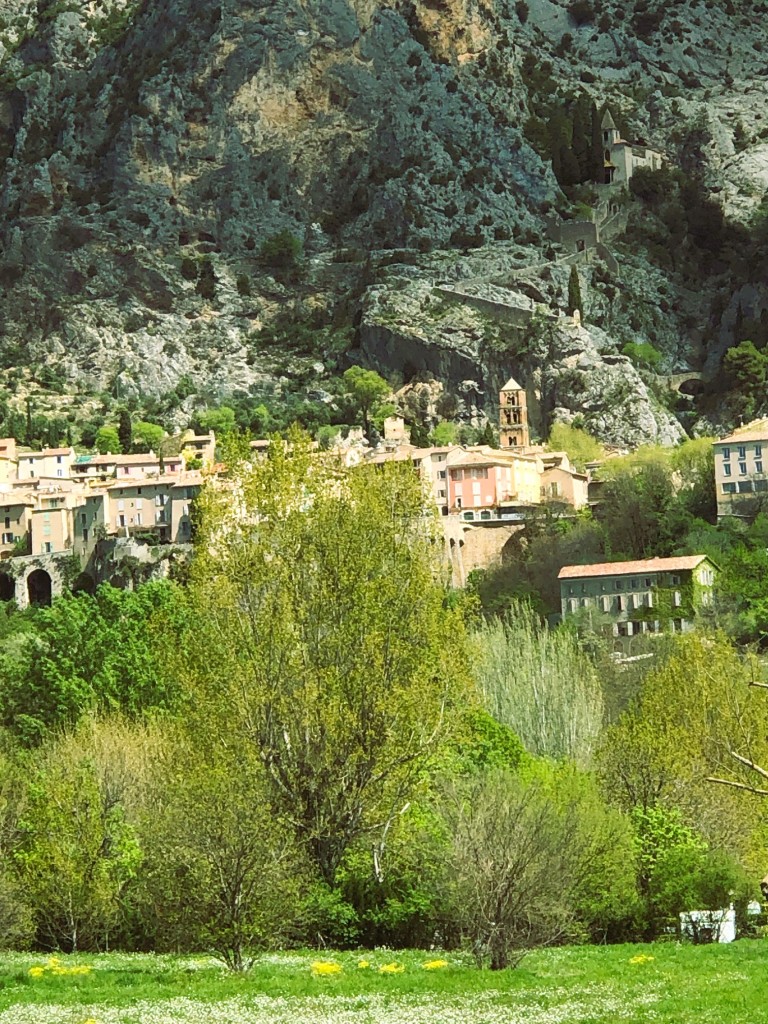
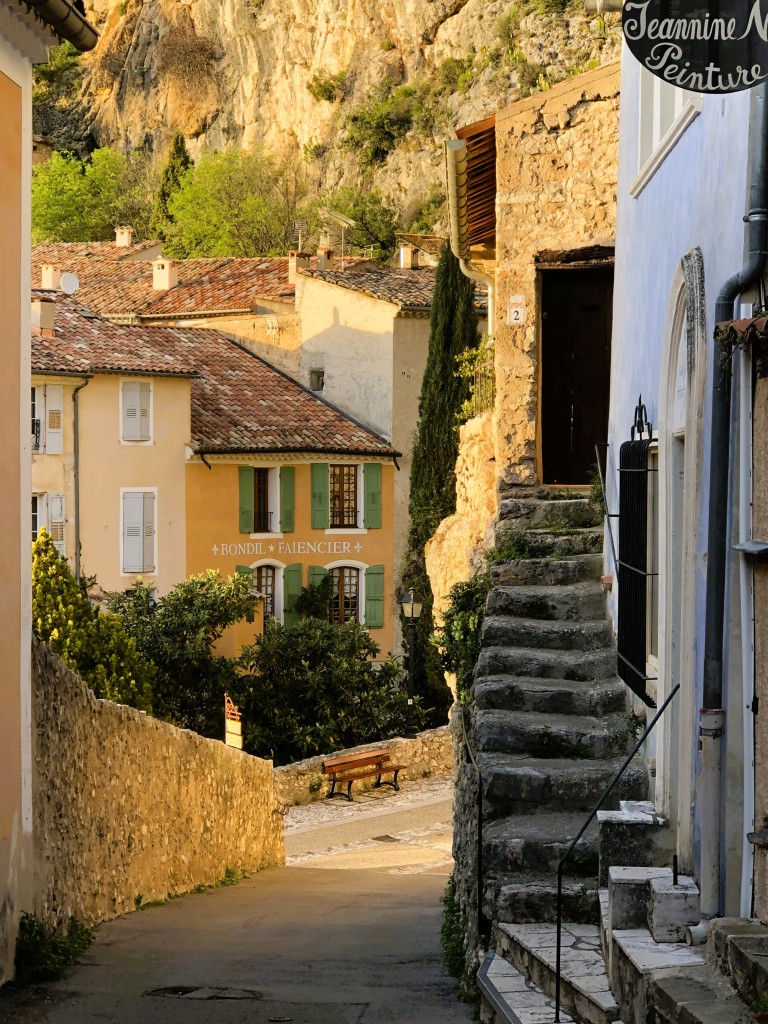
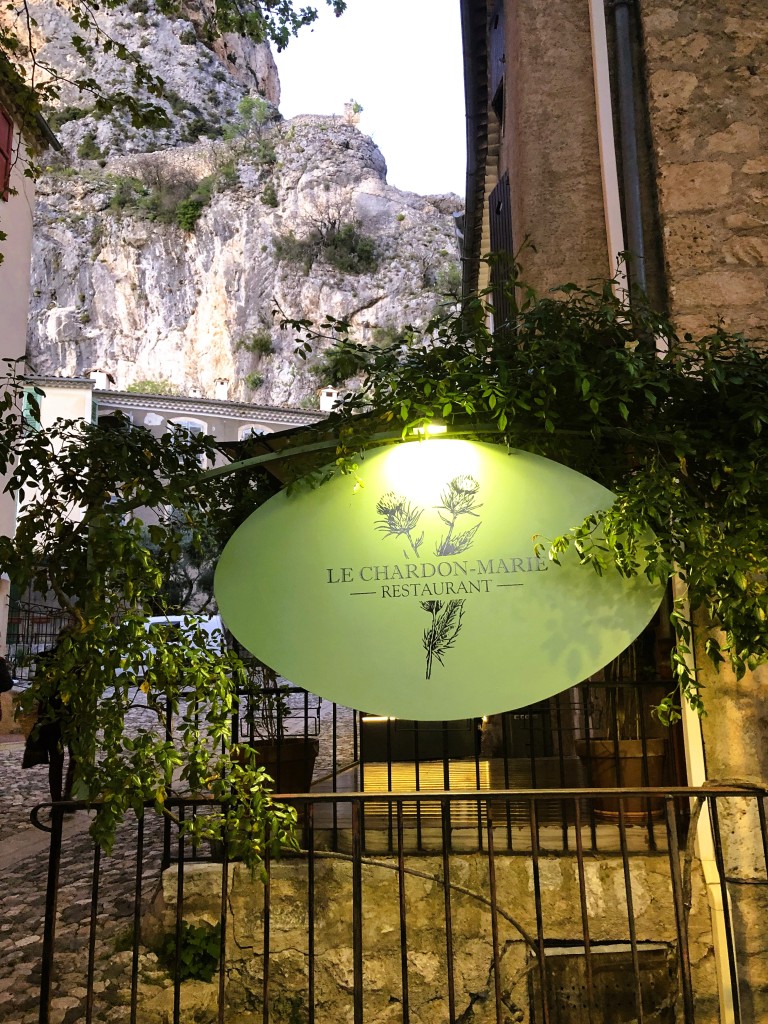
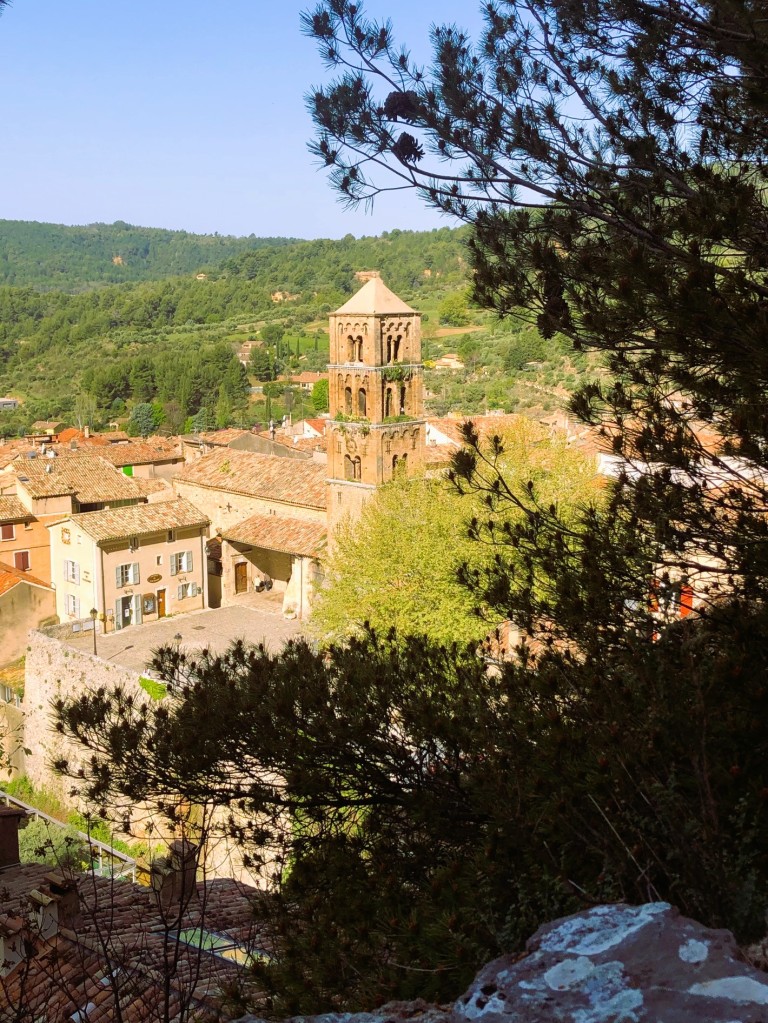
And charming Moustiers offers beautiful views from every angle, every tiny winding street, at every time of day.

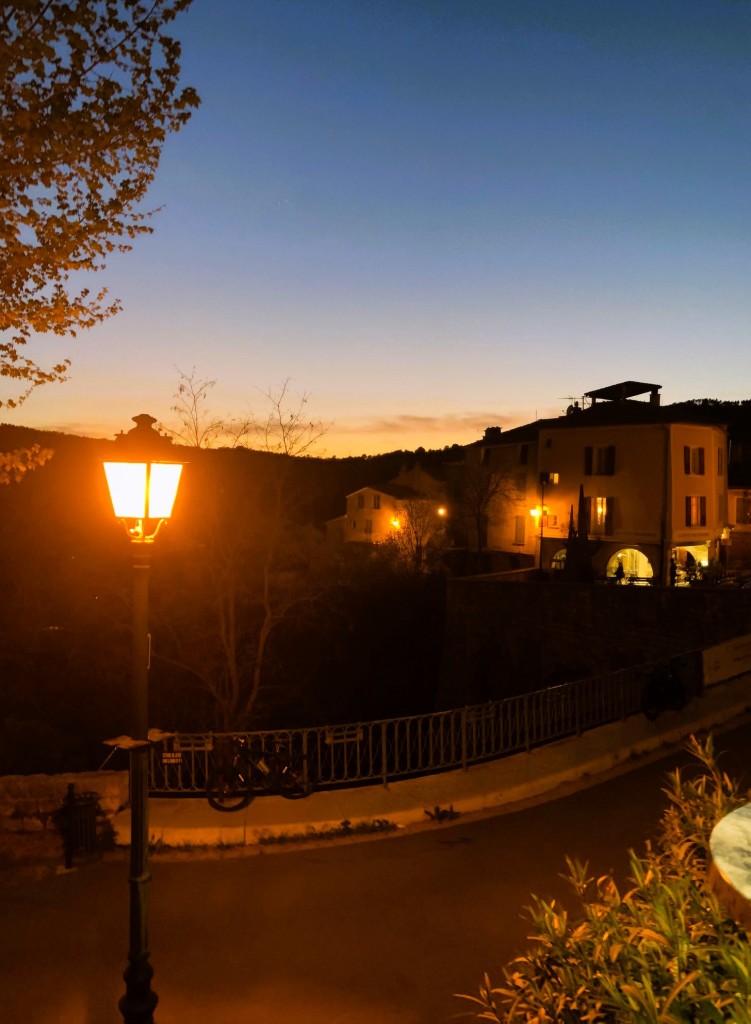
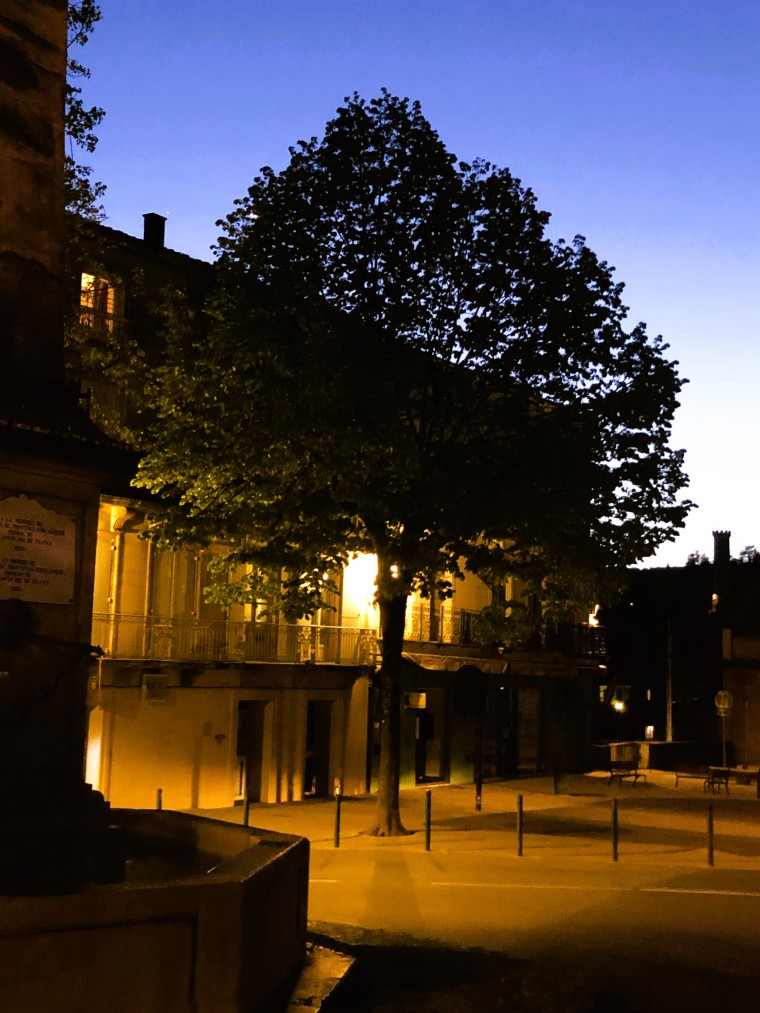
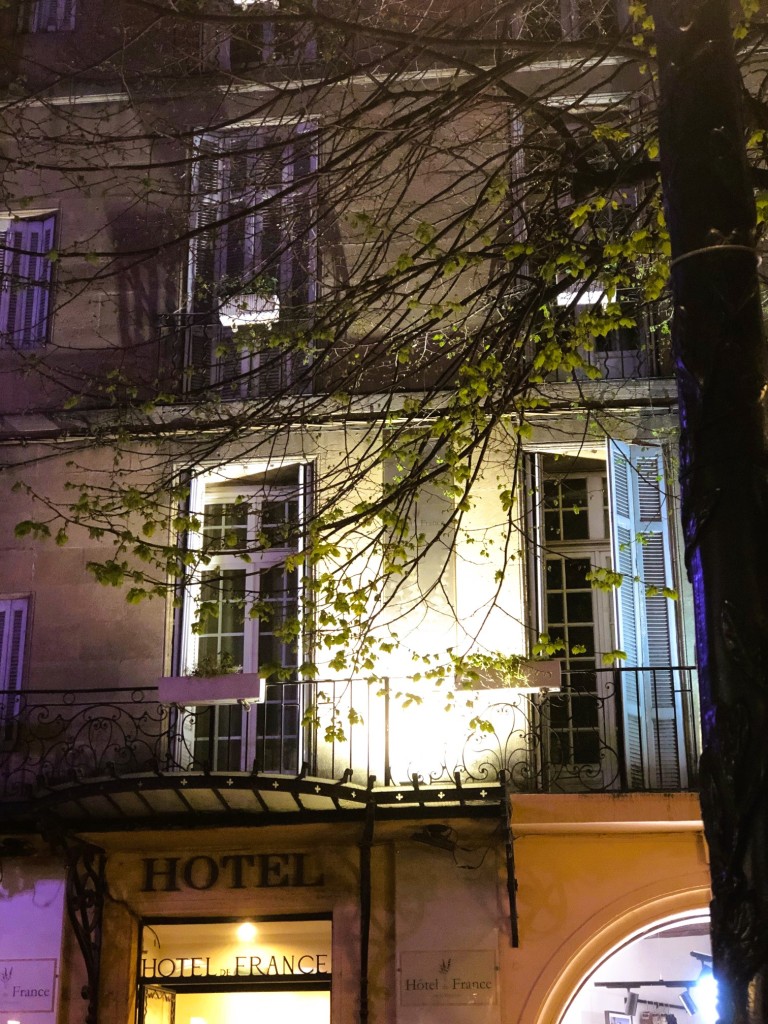
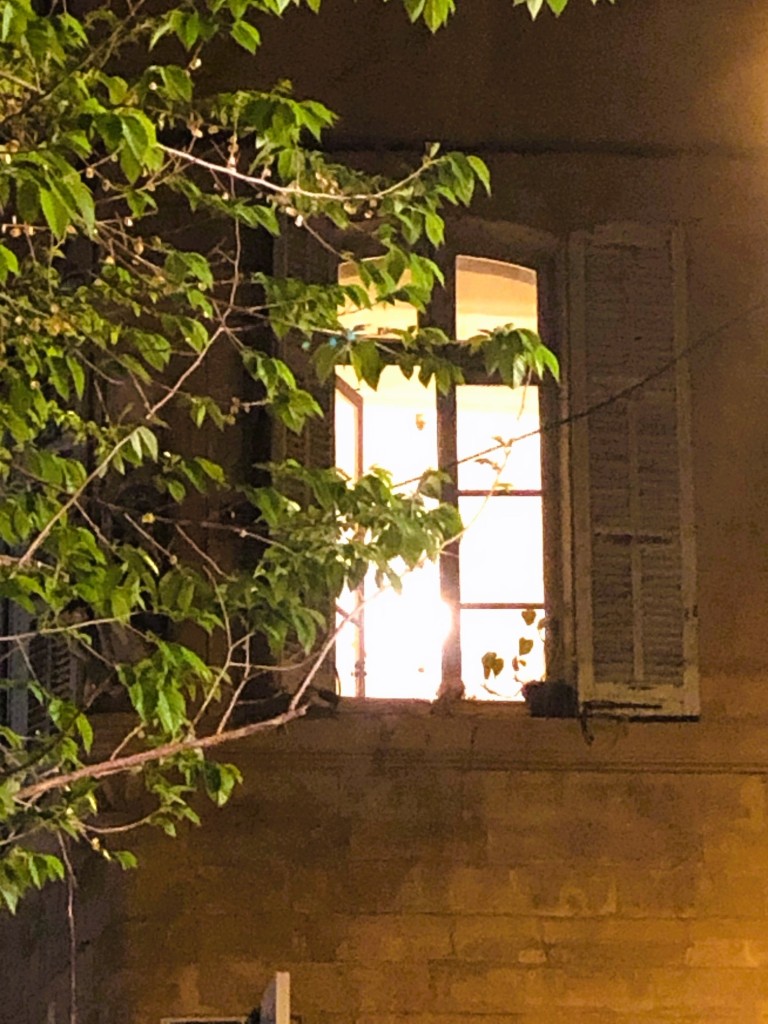
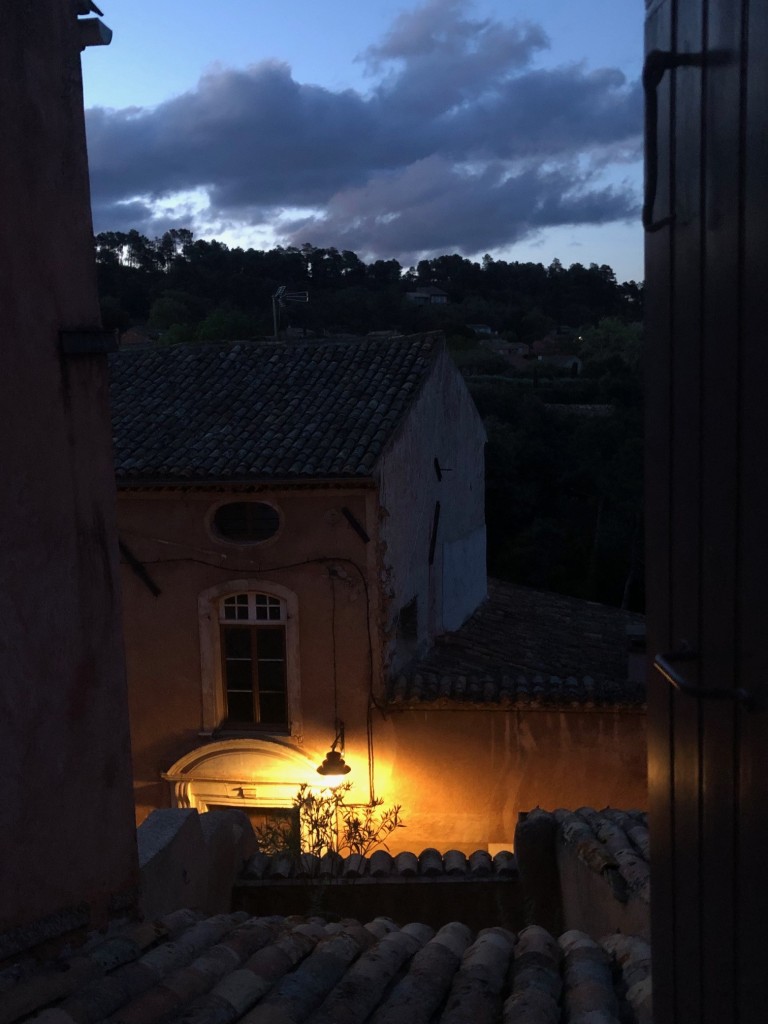
Throughout Provence, the soft evenings retain a hint of the old and inviting and mysterious,

and serve as a gentle reminder “to relish the charm of life” (from a previous post, “Beau Soir” https://wordpress.com/post/lindamahkovec.com/2278).

My only wonder — why it took me so long to visit Provence.

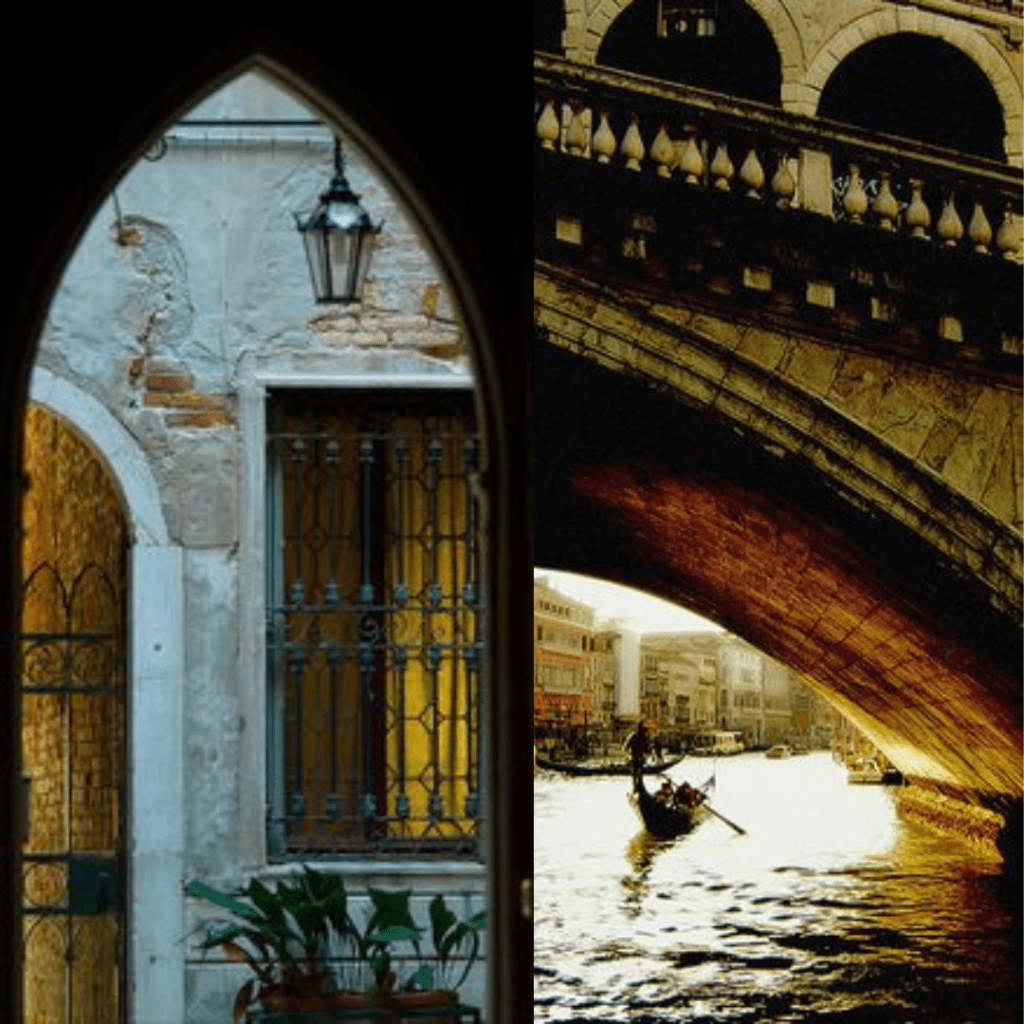
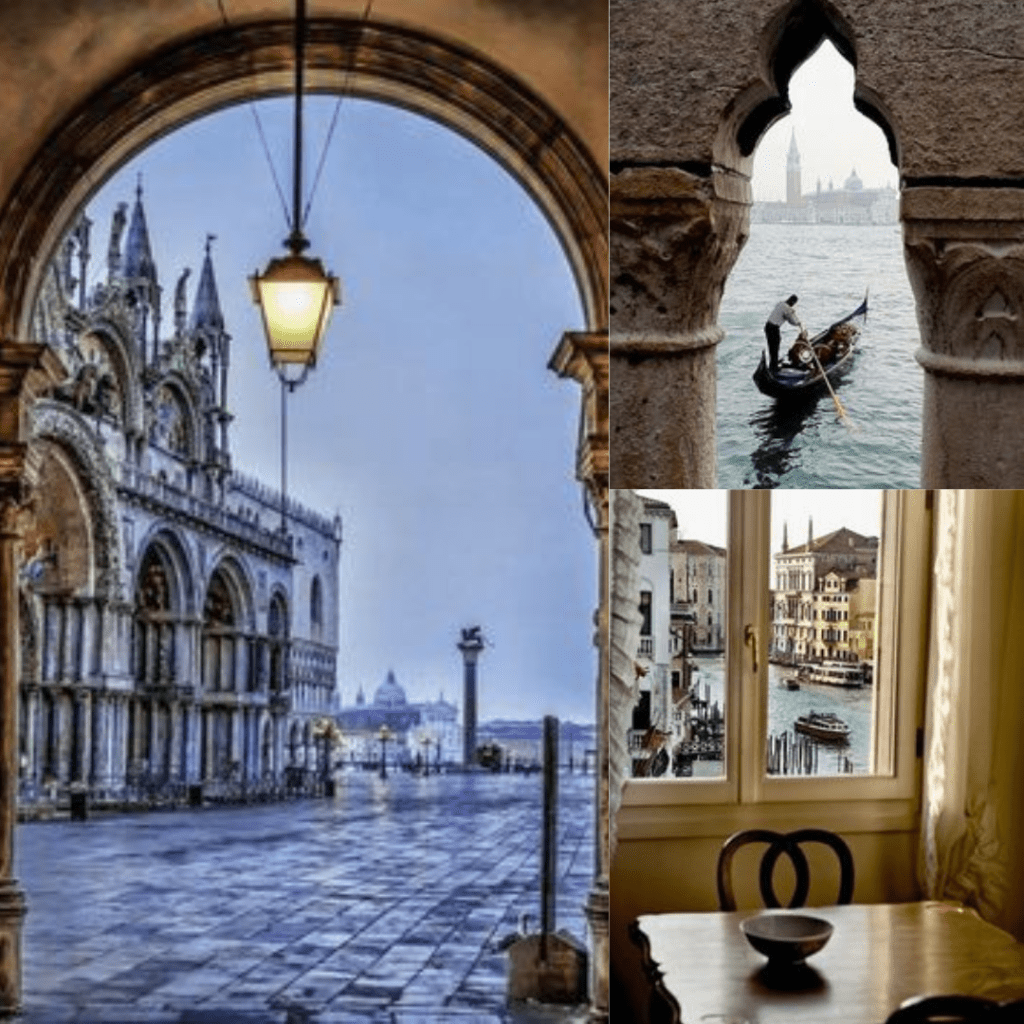
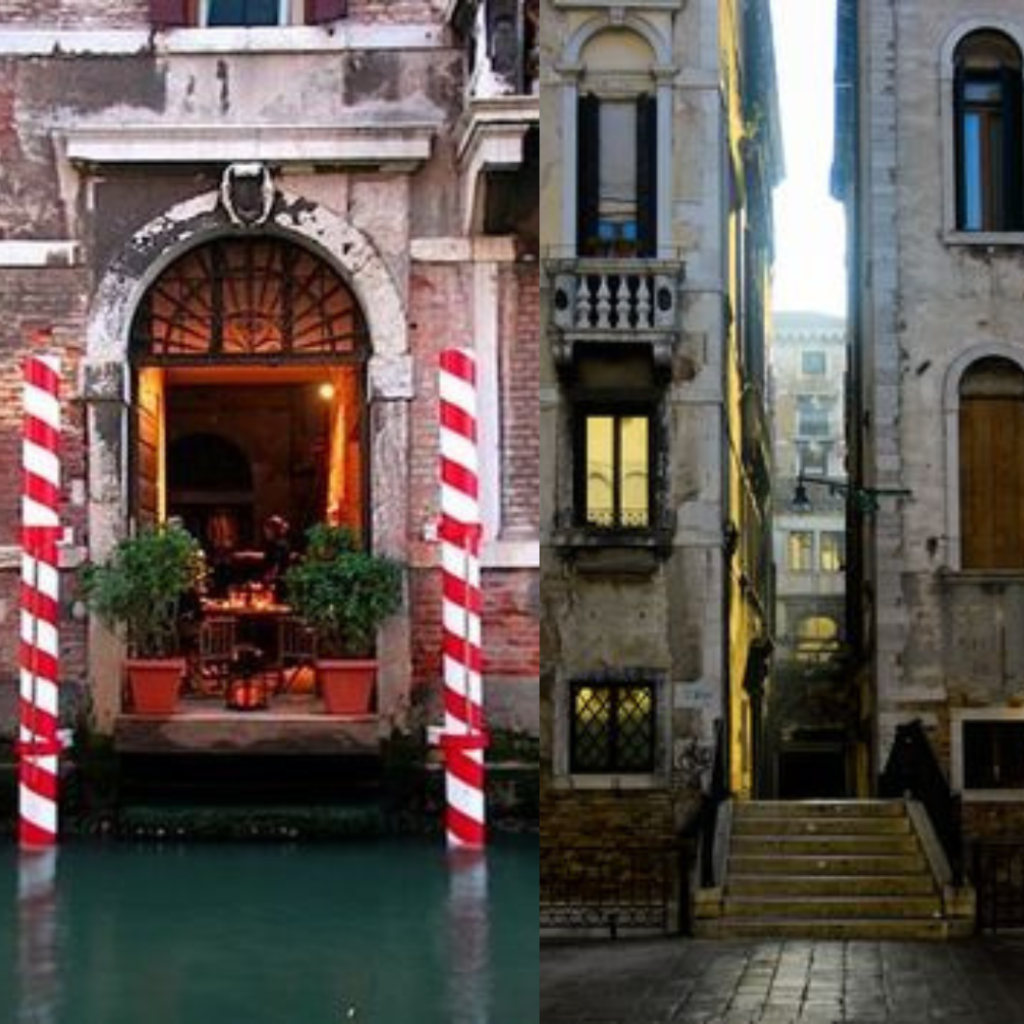
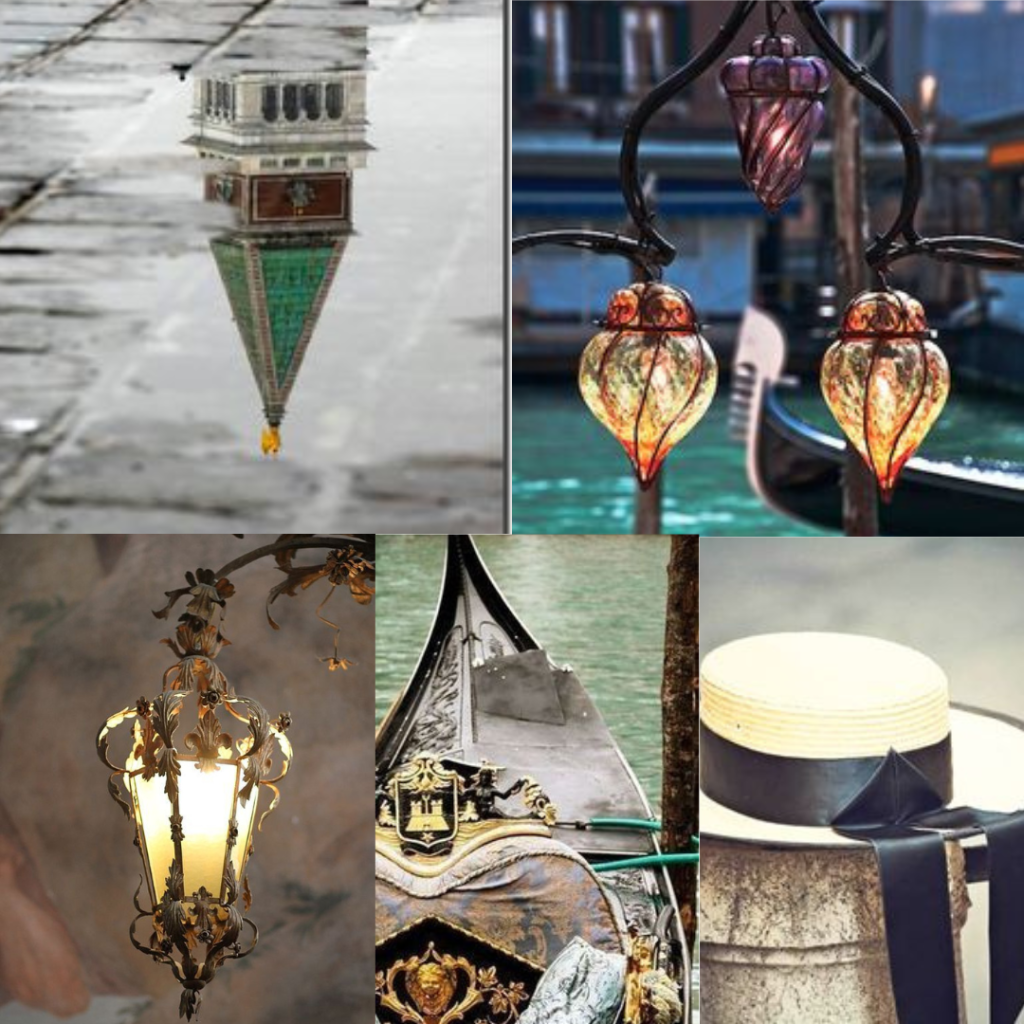
Venice – details

Venice is a city that needs to be seen up close.

The angles of its bridges and corners and windows offer glimpses into small vistas,

intriguing ornamentation,

little stories. Its rich past is woven into its fading,

but all the more poignant, beauty.

Venice is best experienced while strolling,

pausing to take in its details, savoring its old-world elegance.

(all images from my Pinterest boards.)

Traveling by train

Lately, the only kind of traveler I’ve been is an armchair traveler.

Though it can’t compare to feet-on-the-ground traveling, it does have charms of its own. You can comfortably dream, make plans for numerous destinations,

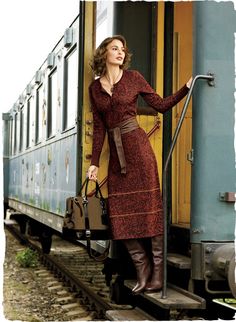
and pack your mental bags of your favorite traveling clothes.

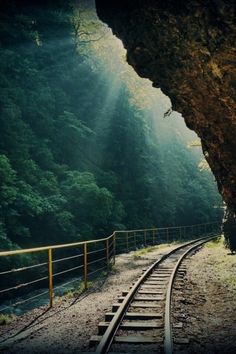
Considering possible European destinations, I thought perhaps traveling by train would be an interesting way to get from one country to another. So I’ve decided to add the rails to my travel list.

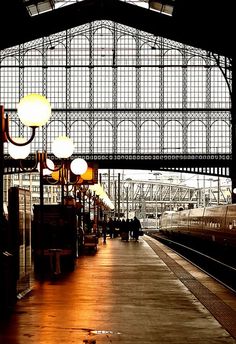
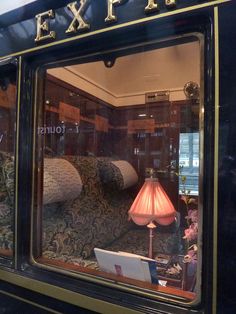
There’s something inherently romantic about train travel. It conjures up images from old movies and novels of old-world elegance, a slower time.

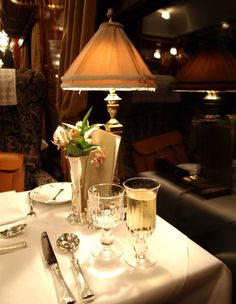
A time when journeying by train meant handsome dining cars,

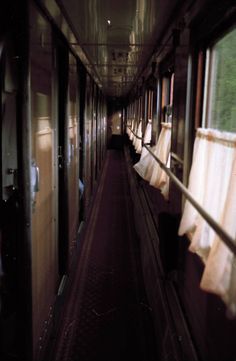
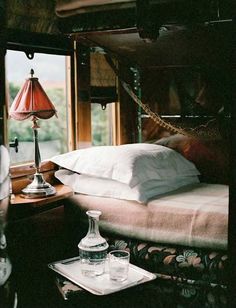
snug berths,

and the romance of traveling by night.

Traveling by train allows for contemplation and enjoyment as the world passes by outside,

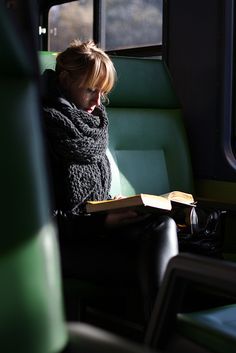
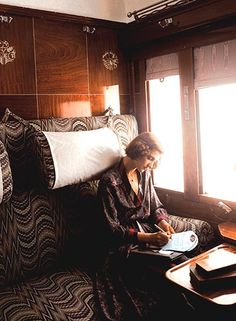
and long stretches offer the perfect opportunity for reading and writing —

before you sit up in your seat or hang your head out the window as you near your next destination.

Hopefully, 2022 is the year to get out there and start seeing the world again.

Until then, …

(All images are from my Pinterest boards.)

Enchanted April

Lately, I’ve been thinking about a movie I’ve always loved, Enchanted April, based on the 1922 novel by Elizabeth von Arnim. I remembered that I had bought the book a few years ago and decided to read it — and watch the movie again. Set shortly after WWI, the story is about two women who are unhappy with their dreary, loveless lives in rainy London.

After seeing an advertisement for “Wisteria and Sunshine,”

EA2

EA6

they become filled with the dream of renting a villa in Italy for the month of April.

The impetuous Lotty convinces her friend Rose to make the dream a reality.

They find two other women, who are also dissatisfied with their lives, to join them in order to help lessen the cost, and set off for Italy.

EA29

A  month of strolling through the terraced hillsides, enjoying the rocky shore, dining al fresco, and resting in the tranquility of the gardens enables their spirits to heal.

The result is a reawakening to life, love, beauty, and newfound friendship .


To “wisteria and sunshine,”

 and to healing the spirit.

Wisteria3


The Romance of Travel: Biarritz

IMG_1365

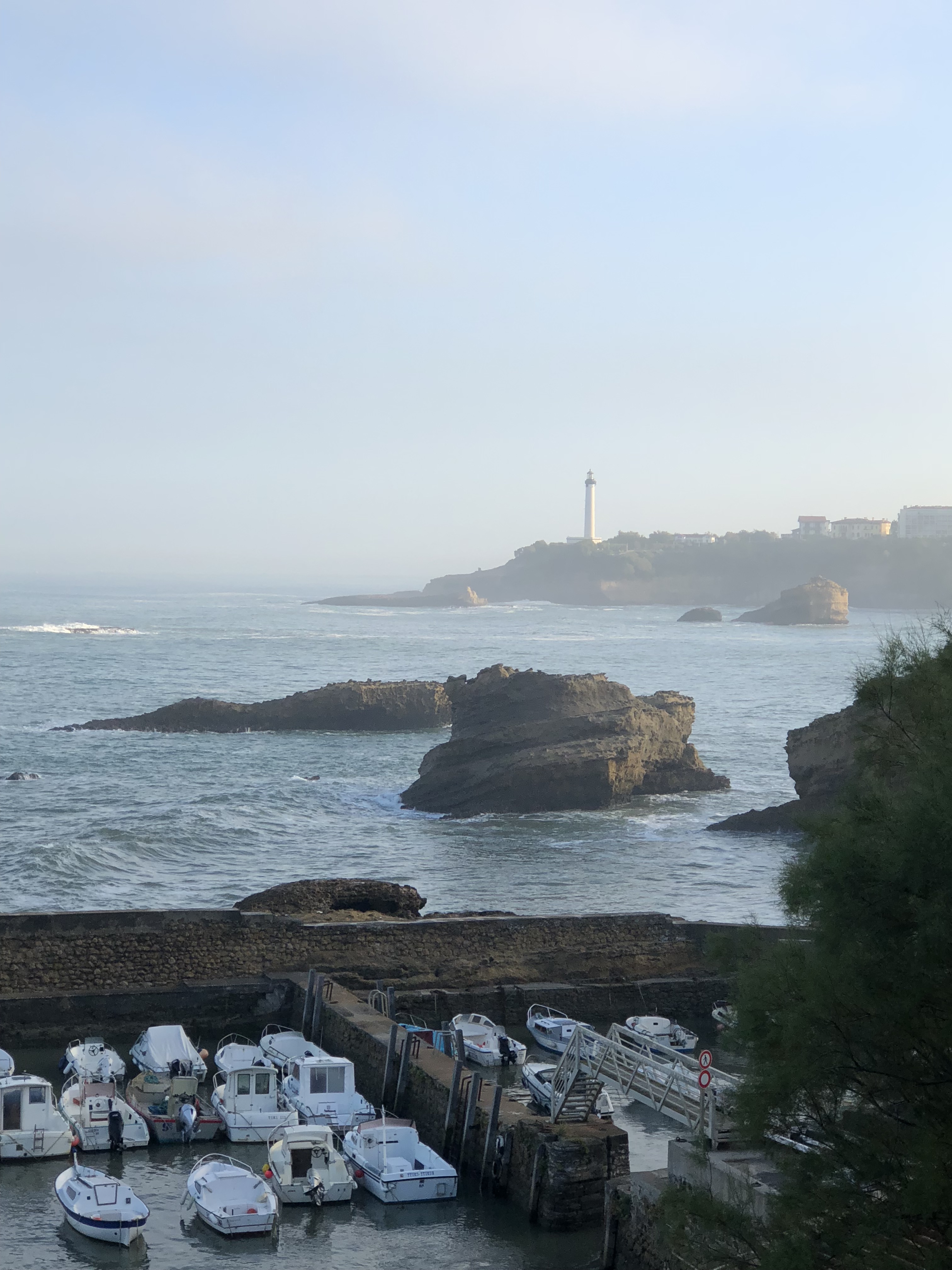
On the southwest corner of France on the Bay of Biscay, not far from the Spanish border, lies the beautiful town of Biarritz.

Part of the Basque Country, the town has a rich and varied history. It began as a small fishing and whaling village, became a popular destination for European aristocracy in the 19th century and, more recently, has become known as a premier surfing destination in Europe.

IMG_1460

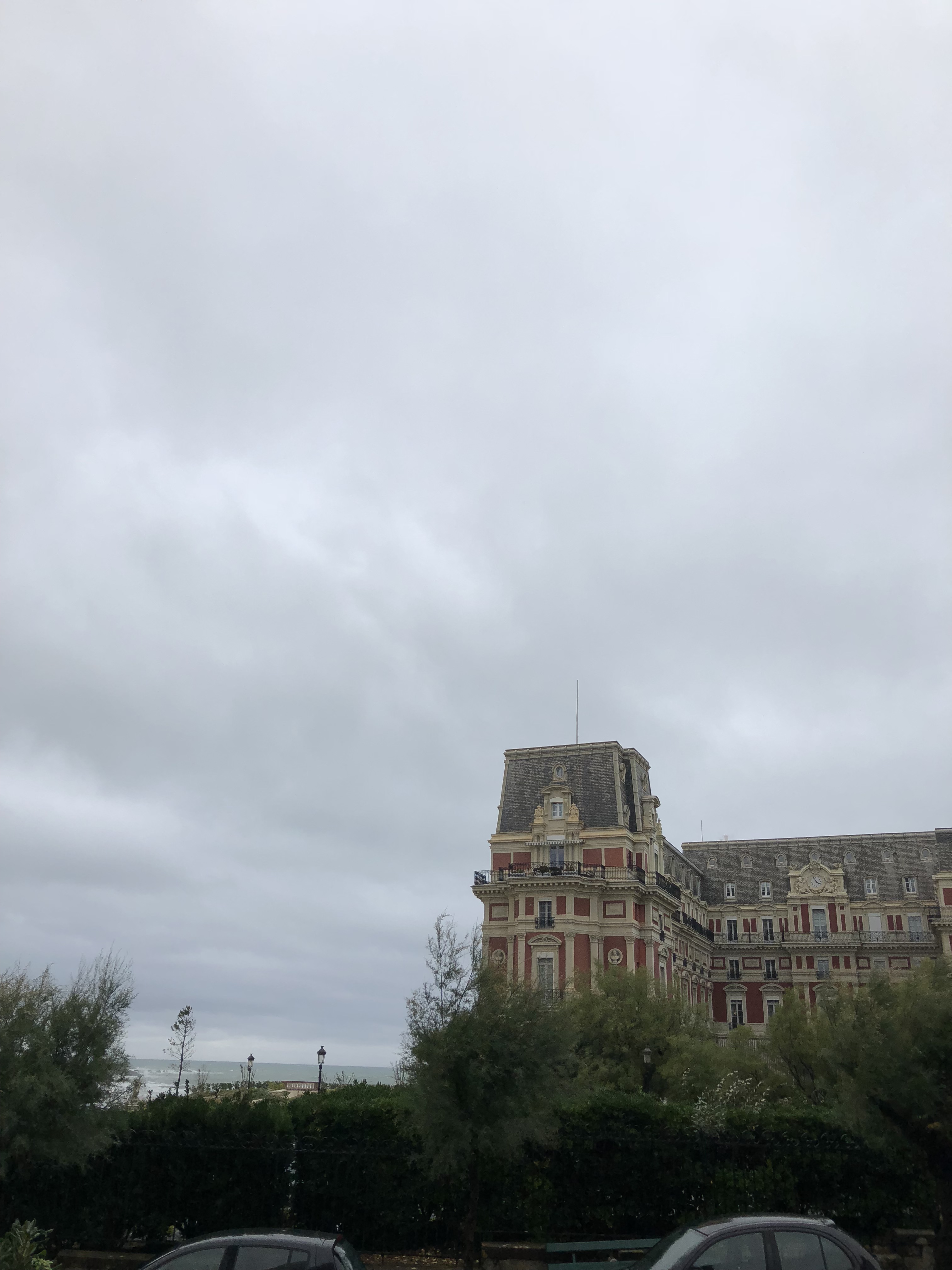
A leisurely stroll through the town is the best way to take in the various beaches, the lighthouse, plazas, hotels, and old harbor.

The mix of architectural styles — belle époque, art deco, and neo-medieval — add to the town’s glamour.

IMG_1421

Biarritz is studded with elegant villas and charming homes with black filigree balconies, sturdy shutters, gardens and gates — all built to withstand the rough Atlantic storms.

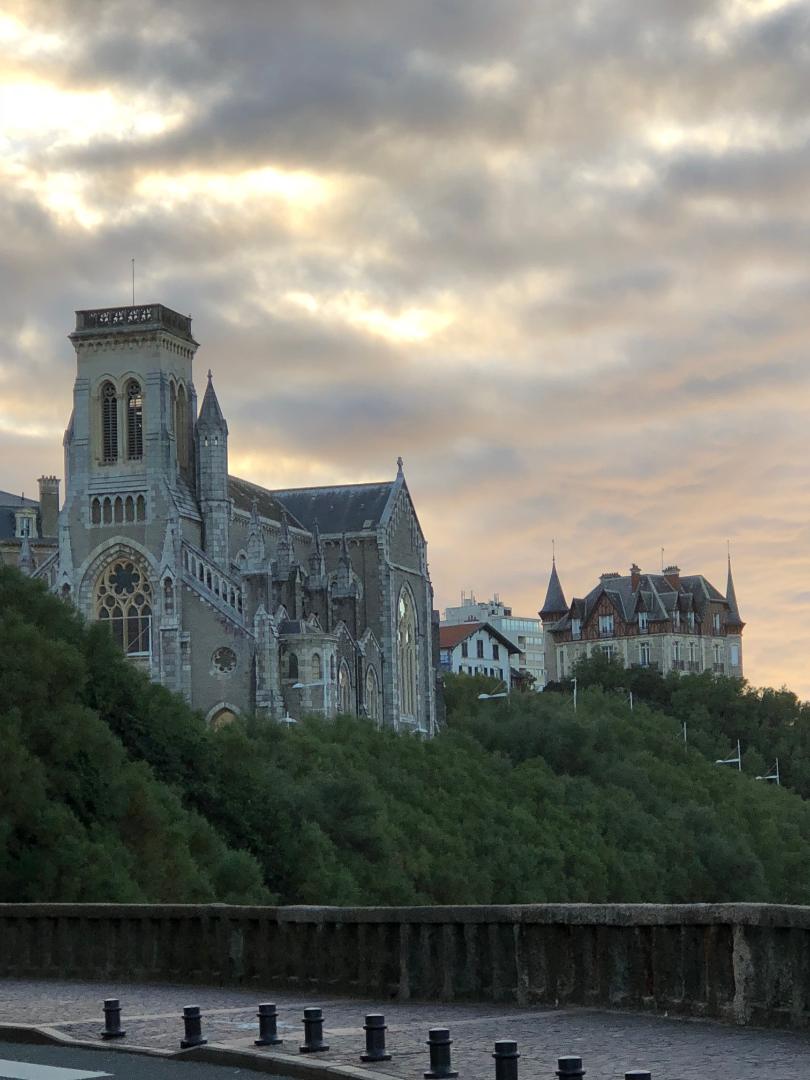
Its maritime origins remain an integral part of the town. The beautiful cathedral, Notre Dame de Rocher, is situated on the harbor where it provided shelter and solace for the fishermen, sailors, and their families.

IMG_1418

A mosaic depiction of a ship is situated near the altar, a large clam shell serves as one of the fonts, and a model ship hangs from the ceiling.

A walk along the old harbor leads to one of many vista points,

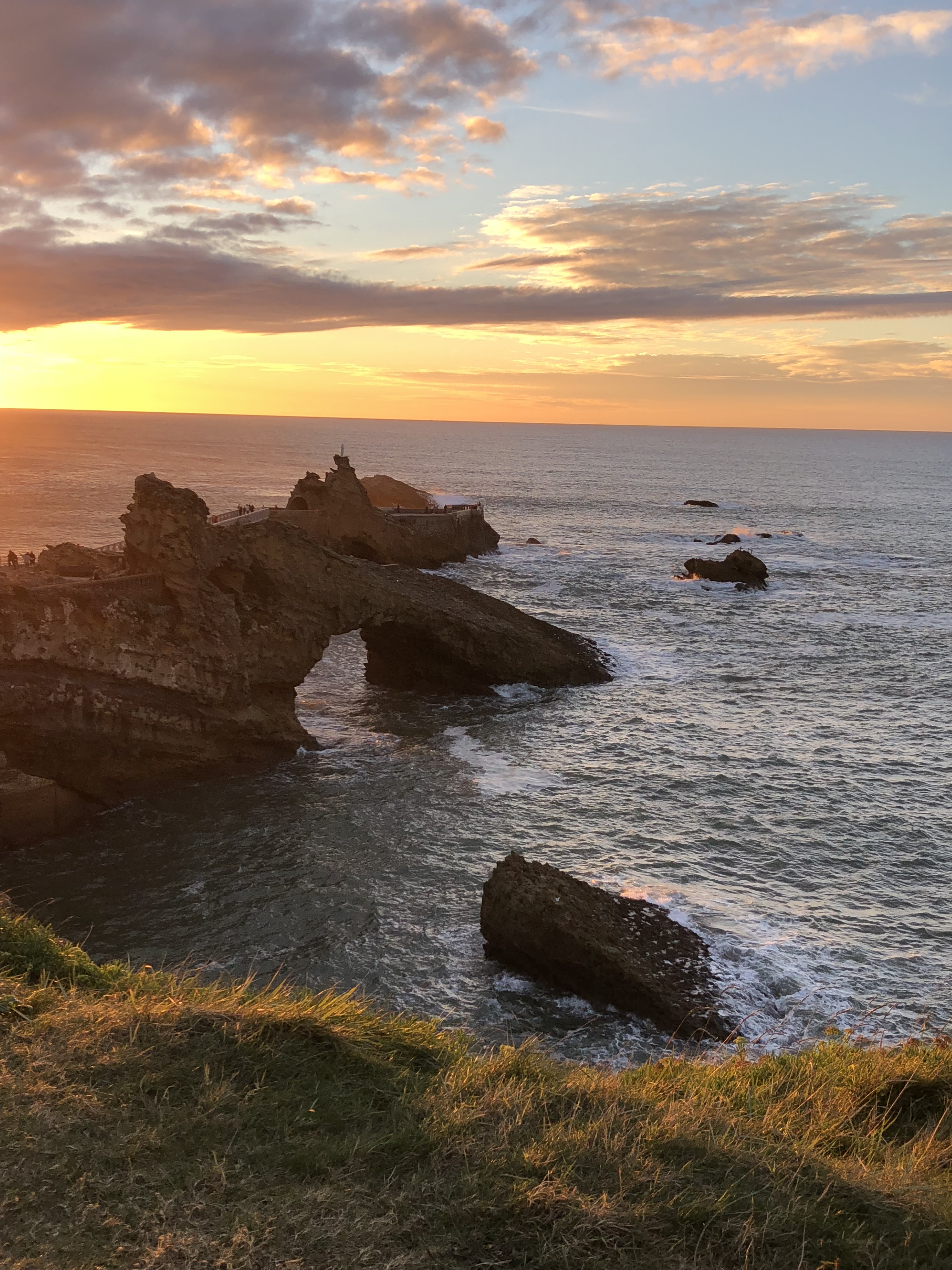
and down to a promontory called La Vierge de le Rochelle. A bridge built by Gustave Eiffel in 1865 leads out to the statue of the Virgin Mary.

IMG_1438

At the top of the hill, a cafe with outdoor seating offers the perfect vantage point to watch the sun sink over the Atlantic.

Another day’s walk takes you up a wooded area that leads to more breath-taking views.

October hydrangeas in soft autumn colors lined the path of the hill-climb.

IMG_1329

The steep path offers benches and various viewpoints to watch the surfers,

IMG_1357

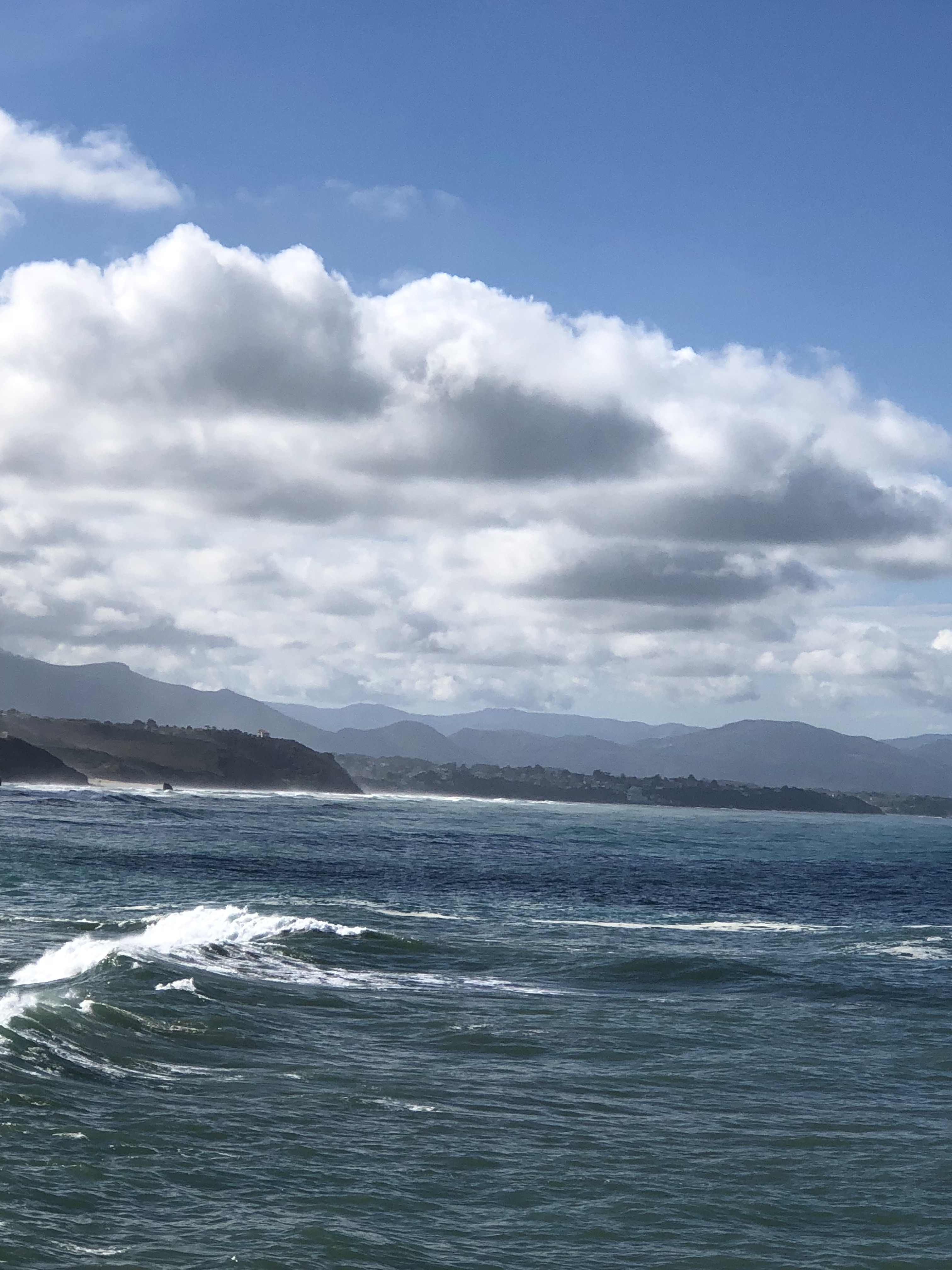
and to take in the spectacular views of the ocean and the hazy coast of Spain in the distance.

IMG_1348

There is a quality of light in Biarritz that adds to its beauty — dramatic, dark shadowy clouds pierced with sudden sunlight over waters that can be rough and white-capped, or seemingly calm with a vast shimmer. The weather this time of year can be fair and mild one day,

IMG_1367

stormy and brisk the next.

IMG_1318 (1)

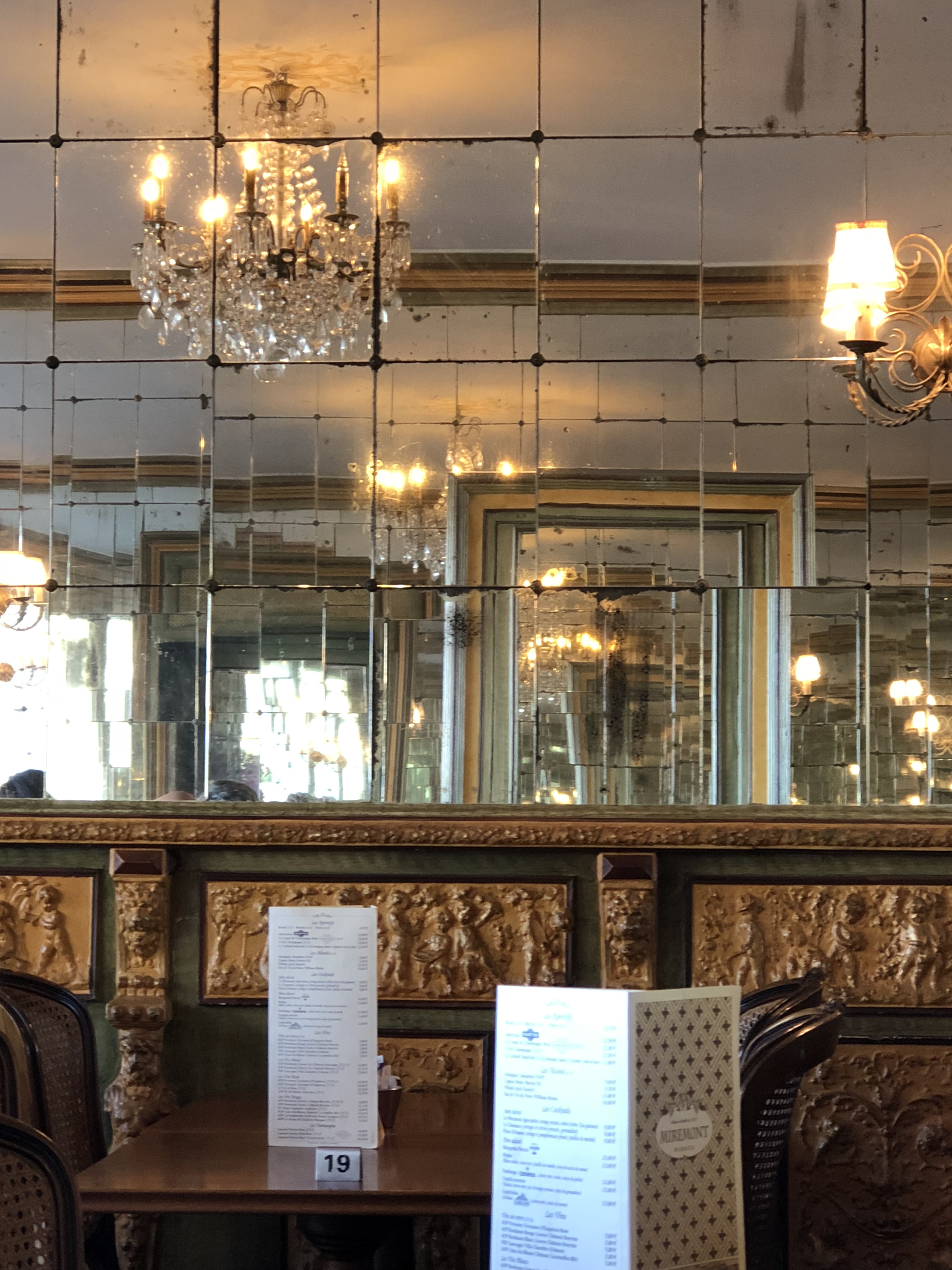
A stop at the Miremont Patisserie Salon de Thé was the ideal way to end one such brisk autumn day.

Built in 1872, the cafe exudes elegance and old-world charm, with rich ornamentation, mirrored walls, and mosaic floors. A large window overlooks the ever-changing ocean. It was the perfect place to warm up with a cup of its famous hot chocolate.

IMG_1383

I chose the Chantilly. The cocoa and whipped cream were served separately to mix to taste. The hot chocolate was thick, dark, sweet, and delicious. A welcome treat on a blustery October afternoon.


The Romance of Travel — Scotland (Part 2) The Highlands

Storr P image

(The Old Man of Storr on the Isle of Skye — image from Pinterest, Anne McKinell Photography.)

“Wherever I wander, wherever I rove / The hills of the Highlands forever I love.” –Robert Burns

Loch Ness castle

(Urquhart Castle on Loch Ness)

To the north of Edinburgh, beyond the Firth of Forth, lies the Scottish Highlands — mountains, valleys, glens, lochs, rugged coastlines, and islands: the Inner and Outer Hebrides, Orkney, and farther north, Shetland. (In all, Scotland has close to 800 islands)

The Highlands is a land filled with castles, history, legend, and lore: Loch Lomond, Loch Ness, the northern city of Inverness, the Isle of Skye, Iona. A two-week driving tour through Scotland was an eye-opening experience to the breathtaking beauty of the Highlands.

Tobermoy Mull

(The charming village of Tobermory on the Isle of Mull.)

The Isle of Mull, part of the Inner Hebrides, is famous for being the location of the Monastery of Iona. A short ferry ride from Mull takes you to the small windswept island of Iona.

“In 563, Columba came to Iona from Ireland with twelve companions and founded a monastery. It developed as an influential center for the spread of Christianity among the Picts and Scots.” (wikipedia)

Mull Iona

A seat of learning, the monastery is associated with the illuminated manuscript, the Book of Kells.  “It is generally accepted that the book was begun in the monastery of Iona at some point after c. 740.” (www.historyireland.com)

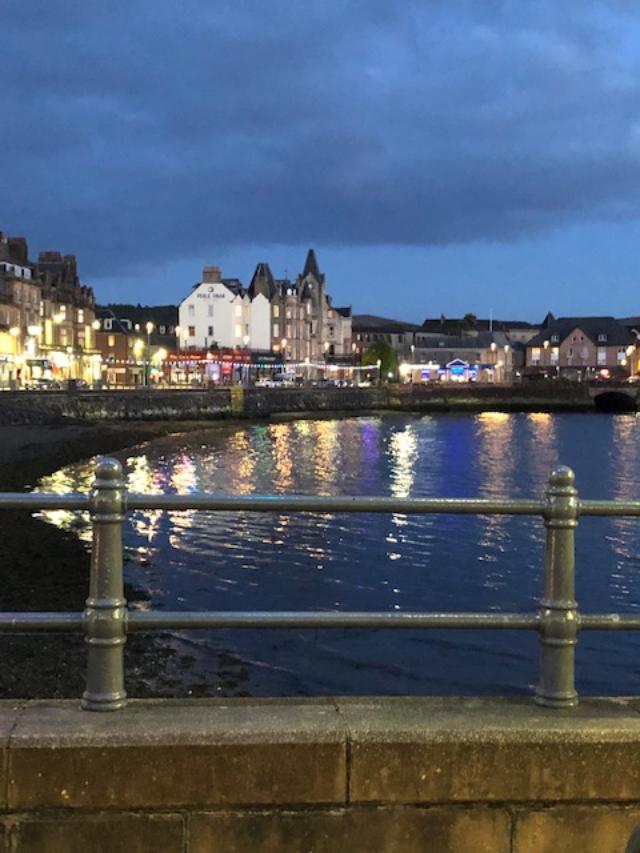
We chose to stay in the town of Oban because it’s one of the main places to catch the ferry to Mull. We were pleasantly surprised by its charm and lively harbor. It proved to be an unexpected find.

The port town has a waterside promenade lit by tiny lights, perfect for strolling after dining at one of the town’s wonderful restaurants.
Oban eve

Leaving Oban and driving north to Skye, you’ll be tempted to stop and admire the glens, castles, rivers, and lochs along the way. A few hours exploring the much-photographed Eilean Donan Castle was well worth the detour.

The Isle of Skye is the largest of the Inner Hebrides and has some of the most beautiful and dramatic sites of the Highlands: the Old Man of Storr, the Quiraing,
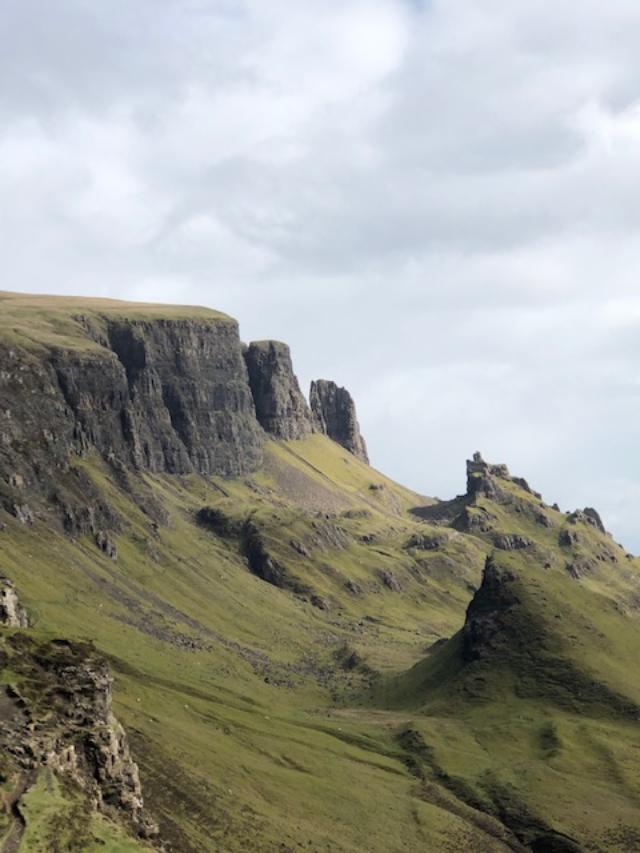
Skye Quairling 2

Neiss Lighthouse, and the Fairy Glen.

Stopping in the tiny hamlet of Dunvegan on our way to the lighthouse, we came across the Giant Angus MacAskill Museum and caught a glimpse of “Old Scotland.”  

Crossing the Highlands and driving north takes you to Inverness, “the largest city and the cultural capital of the Scottish Highlands.” The River Ness runs through the middle of the town and is crossed by several bridges, one of which takes you from one side of the river to the other, crossing through a pretty wooded island on the way.

Inverness river walk

Day trips from Inverness include driving along Loch Ness and touring the battlefield of Culloden, site of the final Jacobite rebellion.

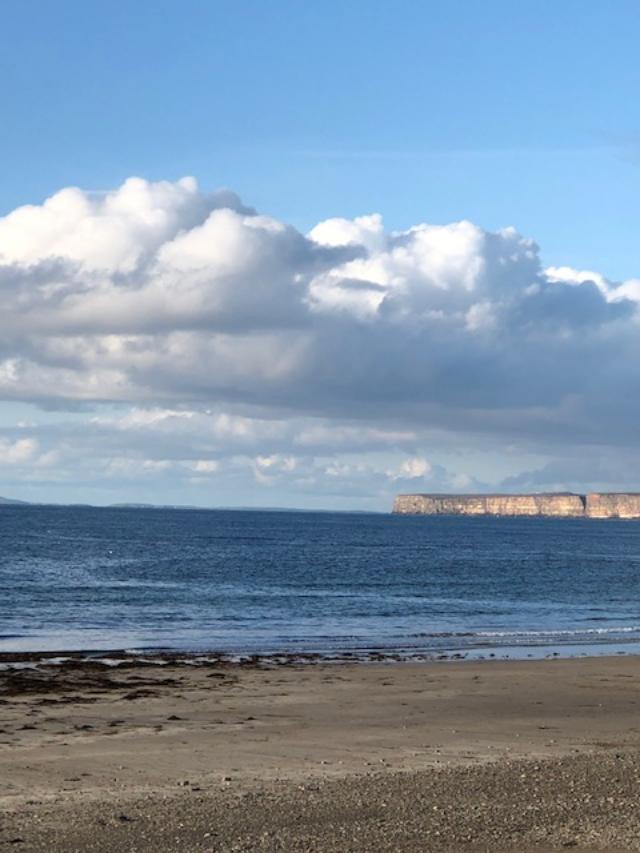
Continuing a few hours north takes you to the northernmost town on the British mainland — Thurso, located on the North Sea.

Thurso

It’s the perfect place for stopping over before taking the morning ferry to Orkney. A beach walk after dinner offers beautiful views of Thurso Bay.
Thurso 1

From its harbor at nearby Scrabster, you can take the ferry to the town of Stromness in Orkney. The 90-minute journey takes you past some stunning scenery.

Orkney Old Man 1

(The Old Man of Hoy seen from the ferry to Orkney)

1 Orkney

On the ferry to Stromness, I was struck by the quotes by Orkney poet George Mackay Brown (1921-1996), which prepare the traveler for the beauty of Orkney — a beauty both subtle and rugged.

“There was a fitful gleam of cold sunlight as we climbed aboard the Hamnavoe.”

“On the salt and tar steps, herring boats, puffing red sails, the tillers of cold horizons, leaned down the gull-gaunt tide.”

“The essence of Orkney’s magic is silence, loneliness, and the deep marvelous rhythms of sea and land, darkness and light.”

Though Orkney has the jagged coastlines and rocky landscape of much of the Highlands,

it has a different feel to it. In part, due to the remnants of the deep layers of history found throughout Orkney — in Neolithic archaeological sites, such as Skara Brae; in the stone rings of Brodgar and Stenness; in prehistoric mounds, and the remains of Viking settlements.

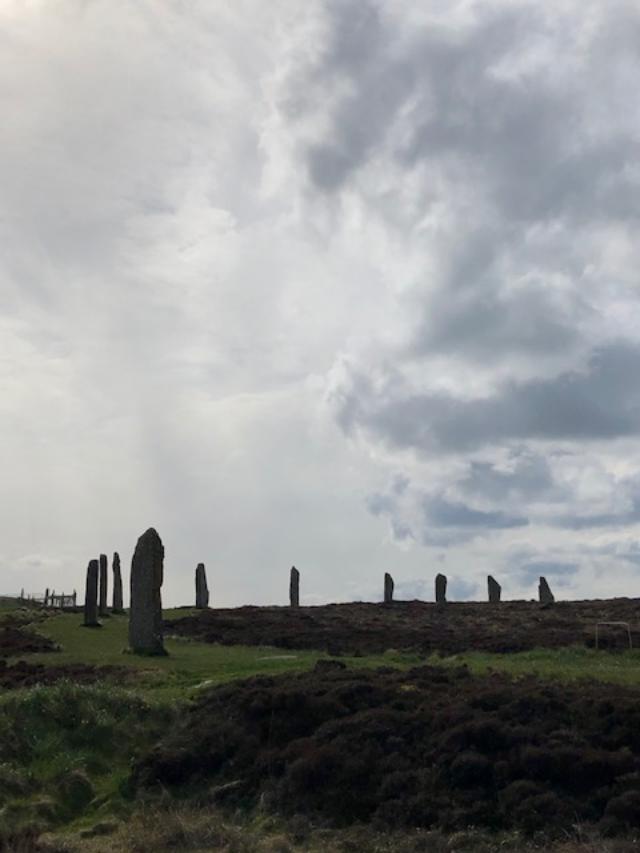
Orney ruins

Orkney ring 2

More recent history is found in other ruins throughout the islands,

and in WWII sites — reminders of the importance of this remote location during the war: Scapa Flow (home of the British Fleet during both world wars), the Italian Chapel (built by Italian POWs),

Orkney Italian chapel

(the Italian Chapel)

and the Churchill barriers (rocky man-made causeways), among others. There’s a museum in Stromness that is a trove of WWII and local history.

Stromness, the main seaport, embodies the essence of Orkney. Its buildings are solid and strong, built to stand against fierce North Sea storms. Its streets are rocky and steep and overlook the expanse of the sea. “Fitful gleam[s] of cold sunlight” cast the town in “marvelous rhythms of … darkness and light.”

1 stromness 5

1 stromness 3

An evening stroll along the harbor anchors you in its maritime presence — with bracing winds, the smell of “salt and tar,” and the sound of gulls.

1 stromness

1 stromness 2

With touches of charm and homey warmth found in its narrow streets.

1 stromness 4

As we left the Highlands and drove back south, we spotted a rainbow over a pot-of-gold mustard field — it seemed the perfect image for the close of our Highland tour.
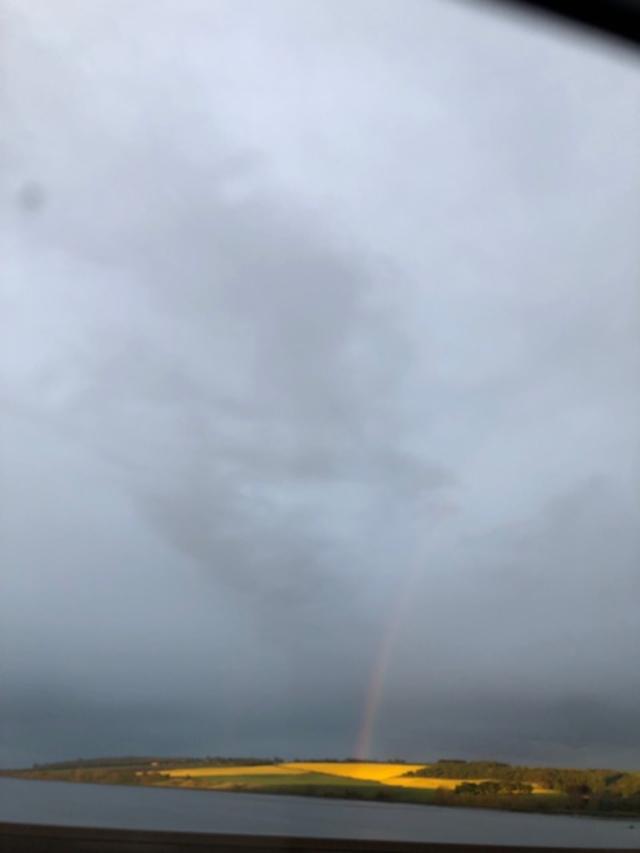
Highlands pot of gold and rainbow


The Romance of Travel – Scotland (Part 1)


C1

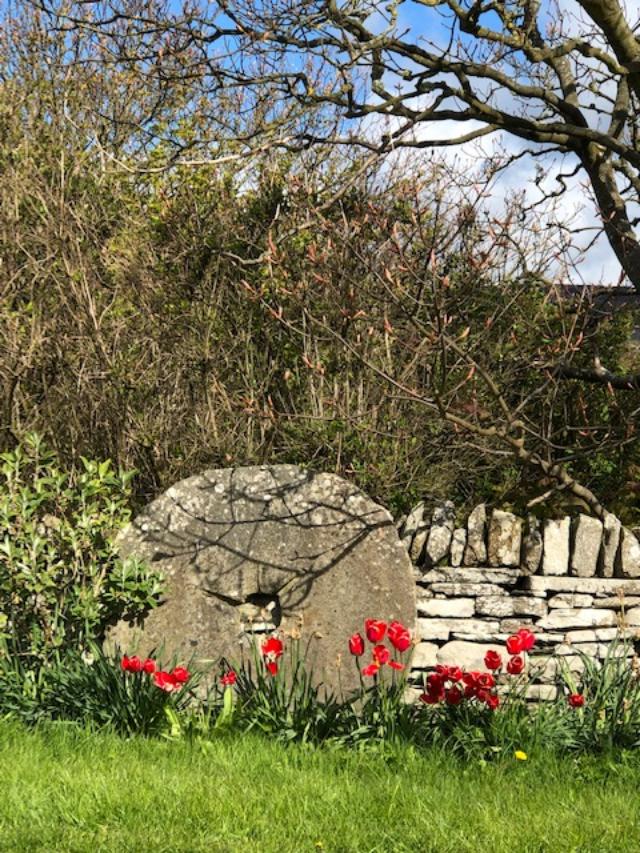
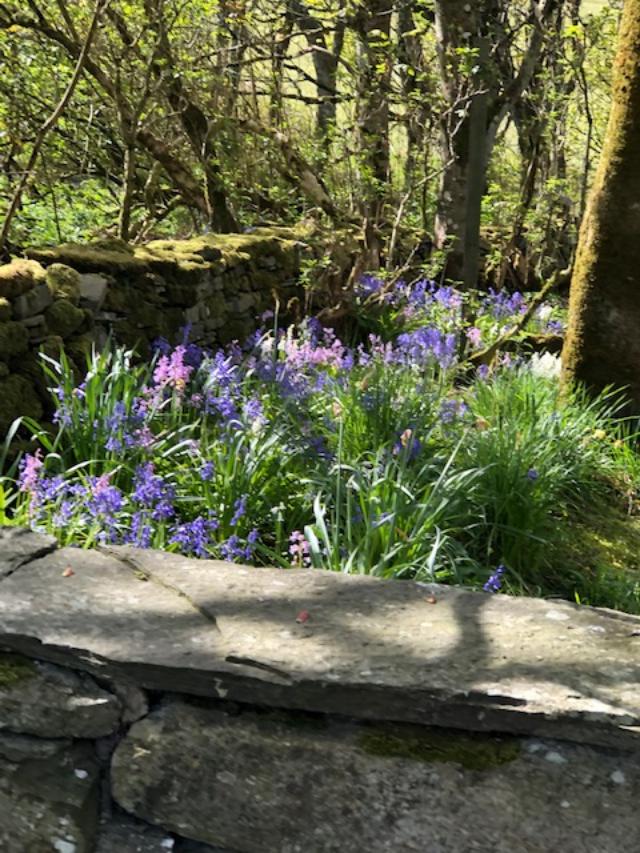
I recently spent two weeks in May touring Scotland. I was surprised to find that spring was just arriving, enabling me to enjoy early spring for a second time, especially the farther north we traveled. Daffodils, tulips, and blossoming trees added splashes of color to the landscape. Bluebells, in particular, bloomed in abundance.

Orkeny tulips 1

bluebells

In the early part of the trip, there was even a dusting of snow in the Highlands. And though rain was predicted, except for one day, we had beautiful clear weather.
Highlands snow

My trip began and ended in historical Edinburgh, a city that has been high on my to-see list for a long time. It did not disappoint.

E castle blossoms

Edinburgh is the perfect walking city with a fascinating mix of medieval Old Town and Georgian New Town, all surrounded by stunning natural beauty.

E Princes Street spire

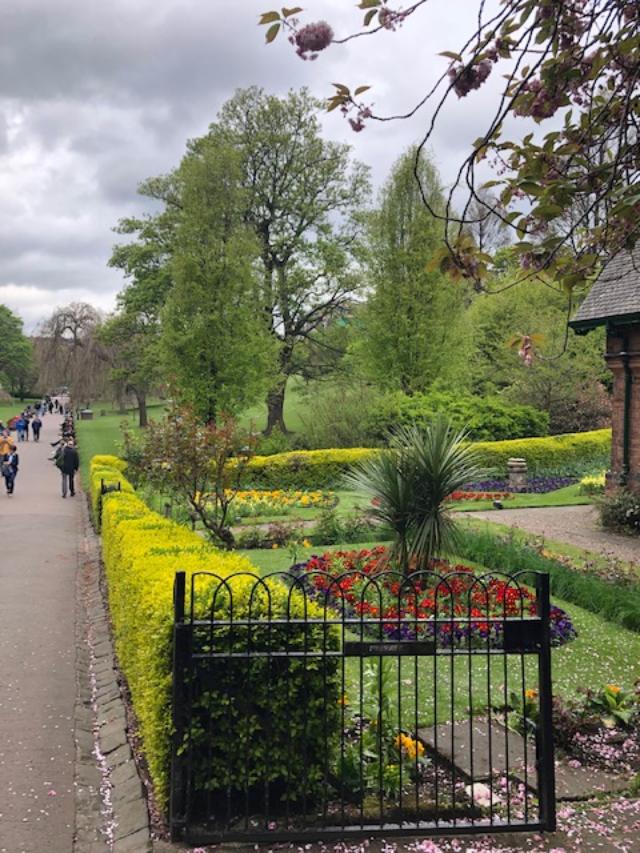
Between Old Town and New Town is the verdant stretch of Princes Street Garden, a sunken park in the heart of the city. It was “created in two phases in the 1770s and 1820s following the long draining of the Nor Loch and building of the New Town, beginning in the 1760s.” (wikipedia)

E Princes Street Park

E Princes Street Park statue

fountain

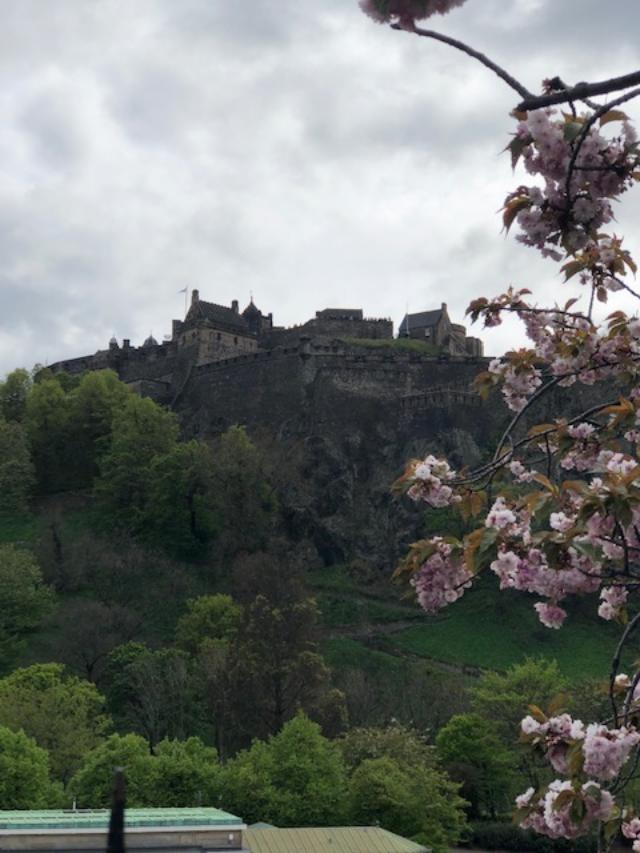
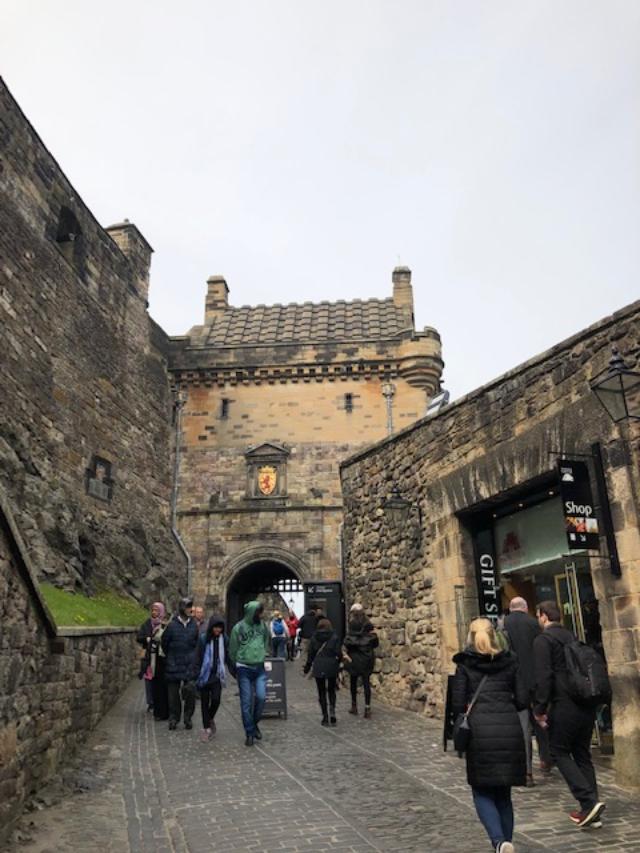
At the head of Old Town is Edinburgh Castle, built on a craggy outcropping of volcanic rock. Though it has an “1100-year-old history…few of the present buildings pre-date… the 16th century, when the medieval defenses were largely destroyed by artillery bombardment.” (wikipedia)

castle turret

castle gate

Calton Hill from castle

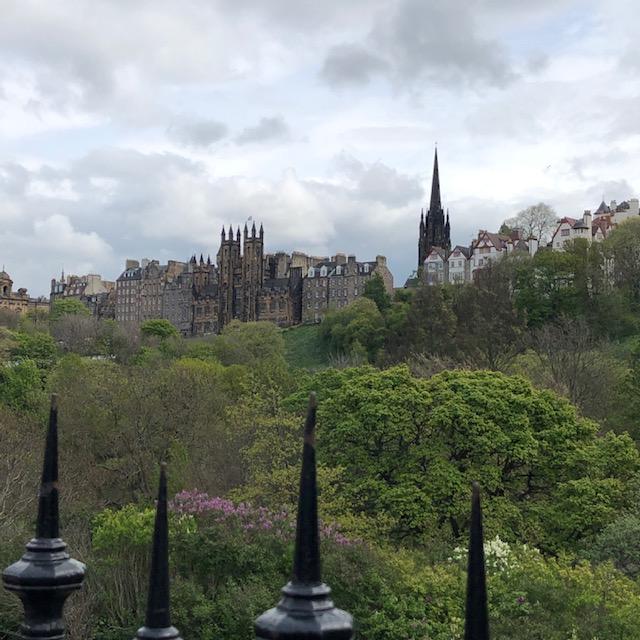
The fortress sits on Castle Rock, one of the seven hills that surround Edinburgh. From this vantage point, you can see two other hills that form part of the city’s identity — Calton Hill, with its Athenian Acropolis, and Arthur’s Seat, an extinct volcano that can be climbed for panoramic views of the city.

Arthur's seat from castle

Edinburgh is full of steep stairs, medieval closes, and unexpected passages, such as the Vennel with its views of the Castle,

the vennel

picturesque Circus Lane (converted mews), which was blooming with irises and fragrant wisteria and lilac,

E Circus Lane

and Dean Village, a lovely place for a morning stroll. It was “the centre of a successful grain milling area for more than 800 years. At one time there were no fewer than eleven working mills there, driven by the strong currents of the Water of Leith.” (wikipedia) 

Dean Village 1

E Dean Village 1

In addition to Edinburgh’s charming walks and its trove of historical sites, the city has a vibrant music and literary culture, and a wide array of restaurants to sample, from traditional fare to various ethnic cuisines. I was glad to know that I would be returning to Edinburgh at the end of my trip for there was still so much more to see.

But for now, as much as I loved Edinburgh, the Highlands in the misty distance beckoned. (to be continued…)

E dusk


The Pyrenees and Pilgrimage, Part 3 – Pamplona

In the north of Spain lies the Basque city of Pamplona, capital of Navarra. It’s a significant point on the pilgrimage route to Santiago de Compostella. The streets are full of pilgrims and hikers, as well as tourists taking in the charm of the old city.

img_1219

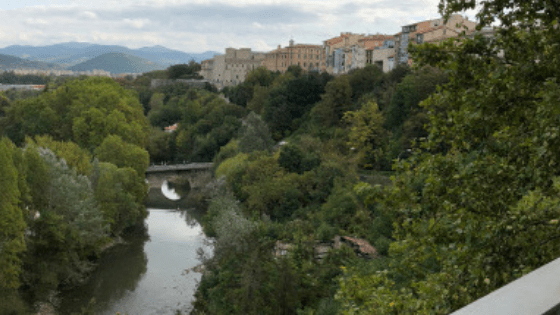
It’s a beautiful walking town, with the Spanish Pyrenees forming a dramatic backdrop and the Arga River flowing around the hilltop location. Walking routes from the Old Town take you to the  Taconera Park, full of flowers, benches, and gravel pathways. A sunken area that used to be a moat is home for a small herd of deer and several kinds of birds, including peacocks, ducks, and geese.

img_1224

The walk around the edge of the park offers views of the mountains and valley and reminds you of just how high the city is above the valley — there’s even a tram that takes passengers from the lower part of the city up to the Old City.

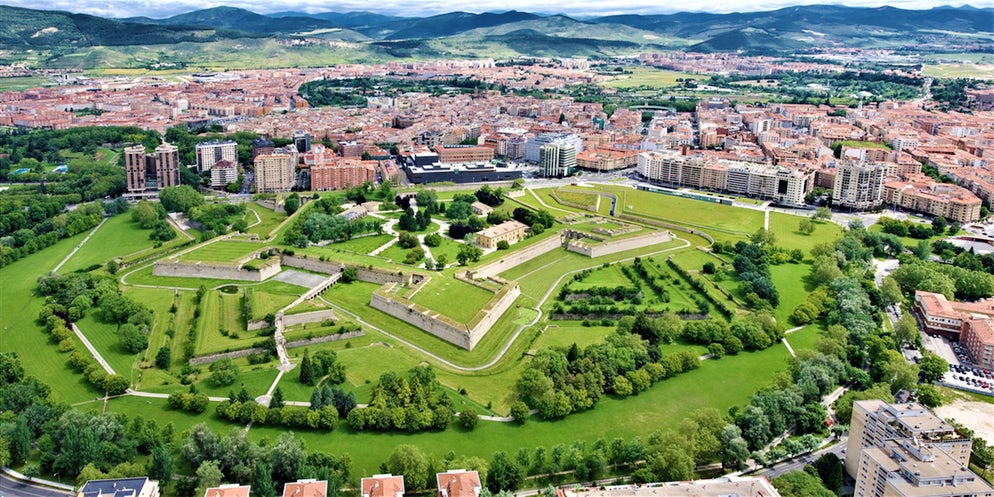
A short walk further and you can visit the citadel and the surrounding park. Built in the 16th and 17th centuries, massive bulwarks and stonework reveal part of the original pentagon shape. A museum there explains that the pentagon shape was once a popular design for fortification. (You can listen to the accompanying audio in several languages, including Basque, which is fascinating in itself.)

Pamplona fortress

(Photo – http://www.itinari.com)

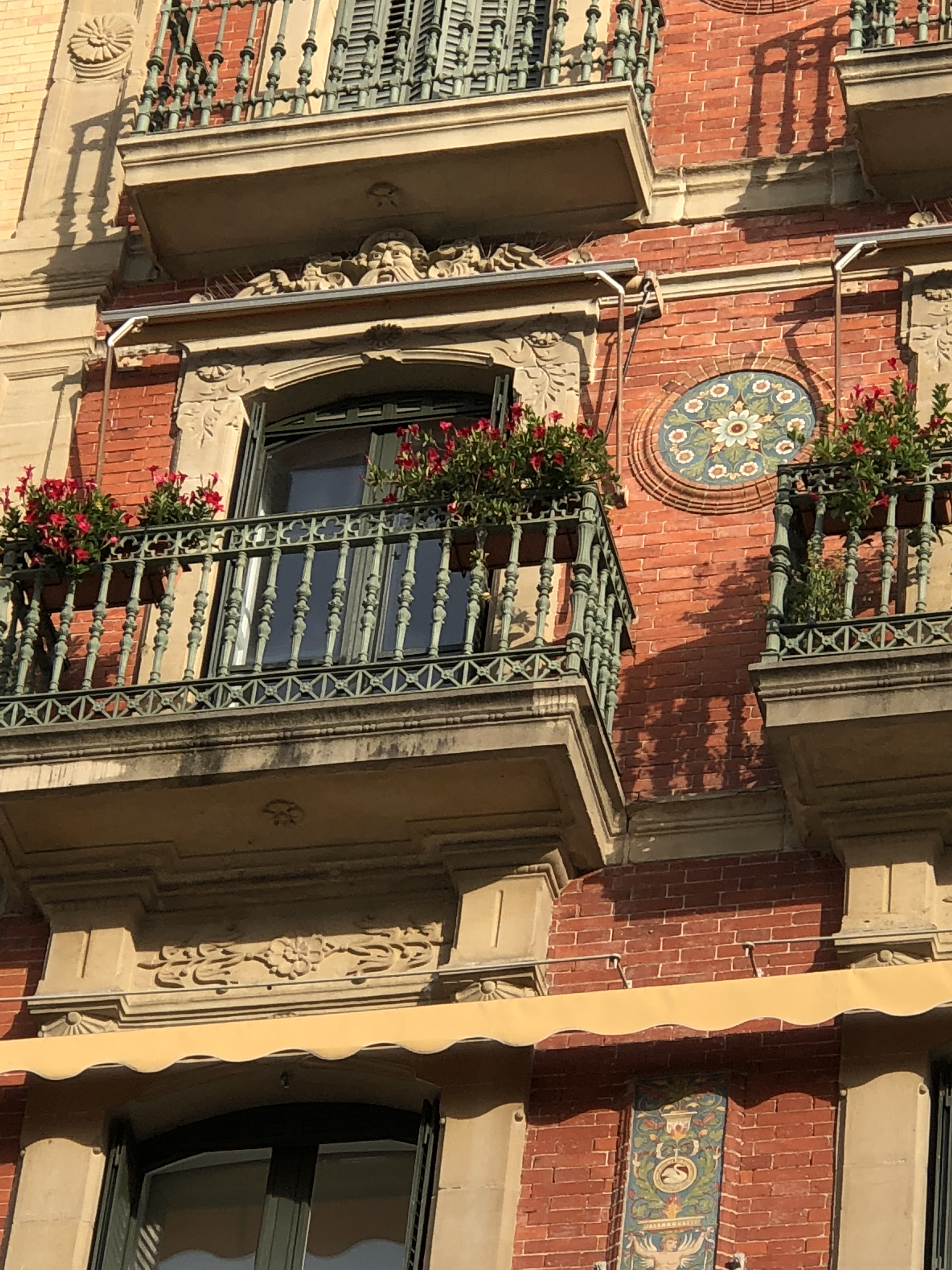
The heart of Pamplona, and the most beautiful part, is the Old City. At its center is the Plaza del Castillo, a large square ringed with buildings, many with flowering balconies.

img_1202

img_1172

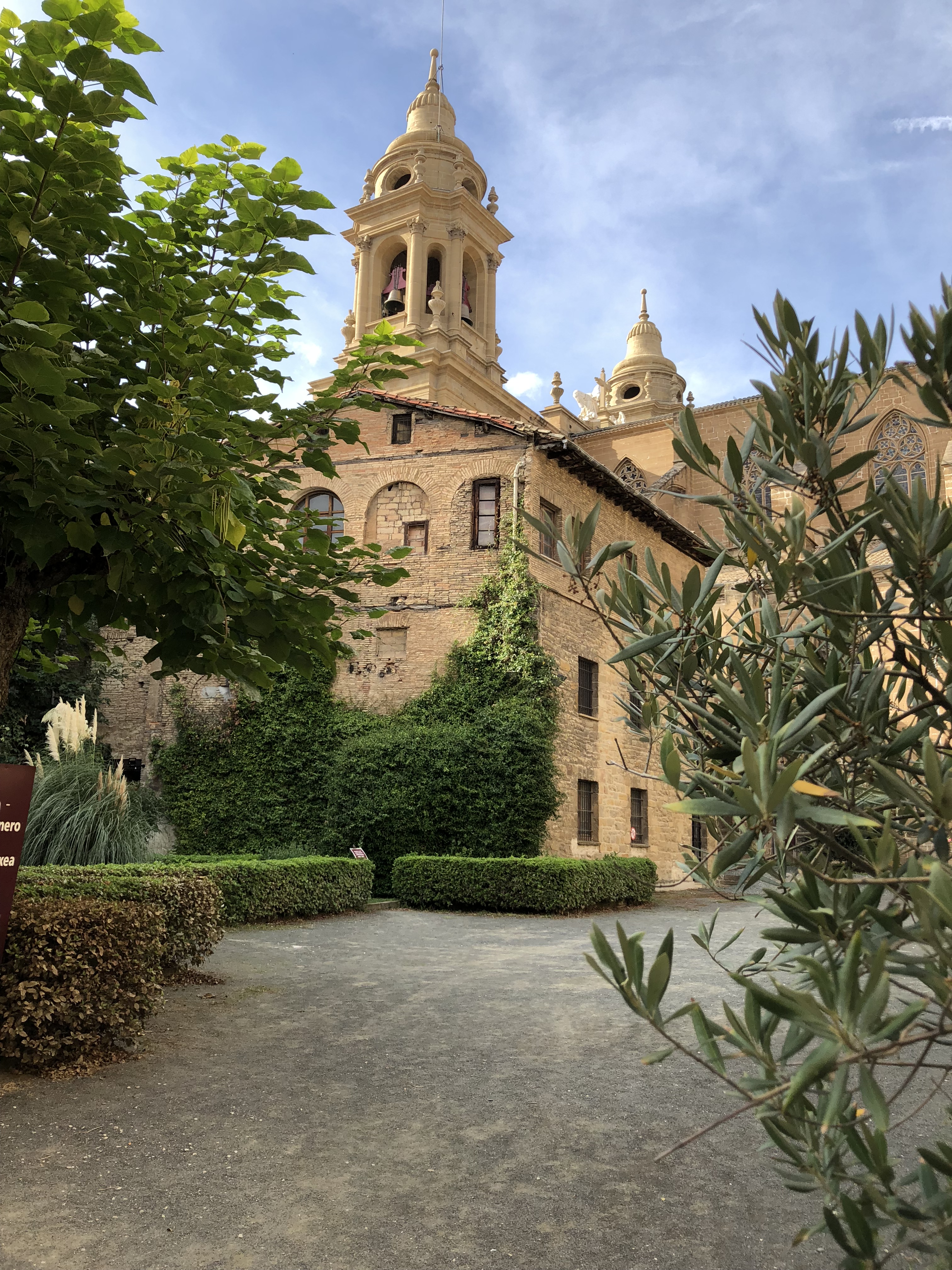
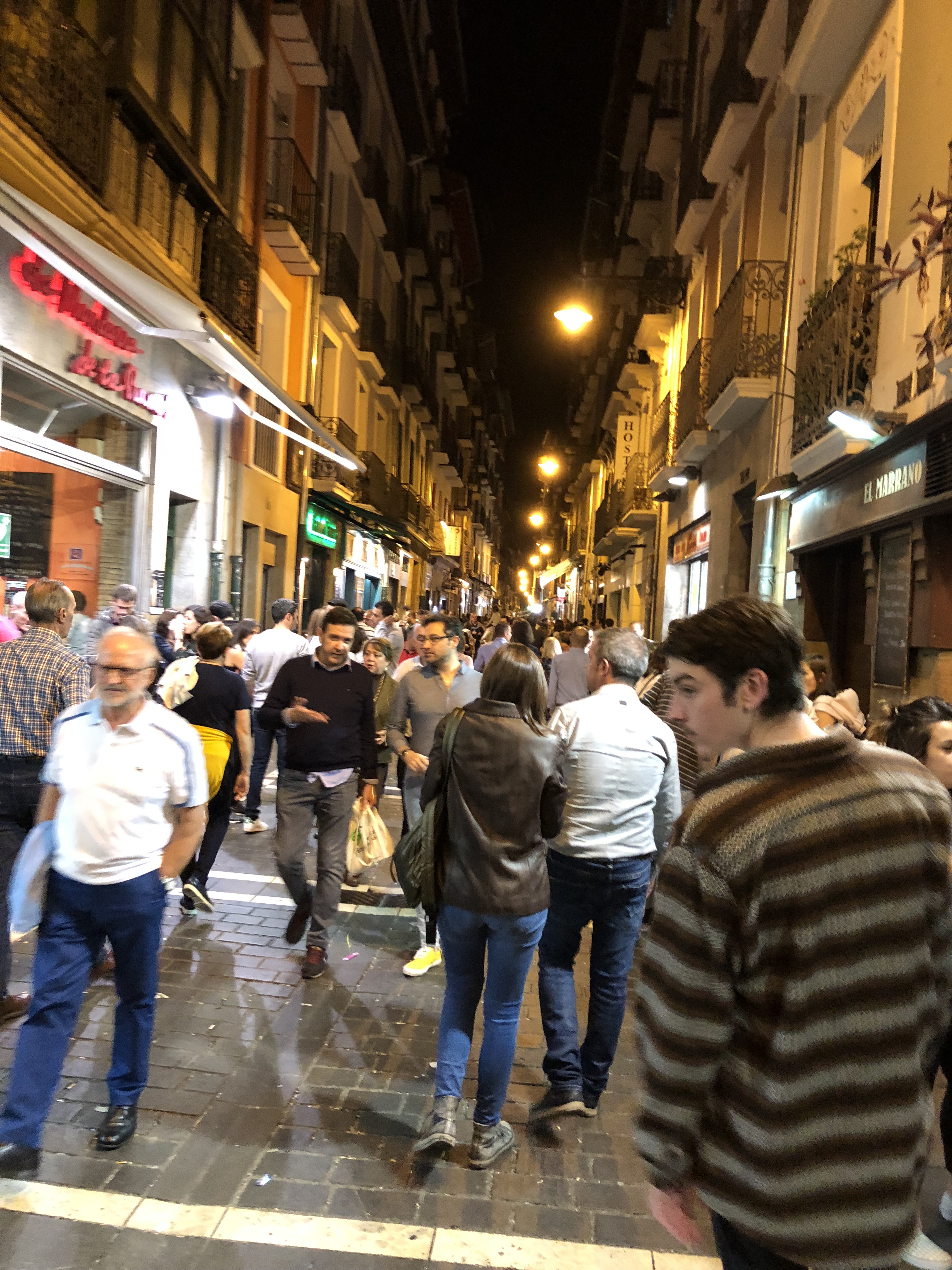
Most of the streets are cobblestone, and there are several medieval cathedrals and beautiful architecture at every turn — and lots of restaurants, many of them with seating outside, part of the famous pintxo tradition. Throughout the day, but especially beginning at around 4:00pm and lingering late into the night, small appetizers, pintxos, are served with the local wines or other beverages. This tradition makes for a lively street life, especially as the night grows and music pours out onto the narrow streets.

img_1180

img_1229

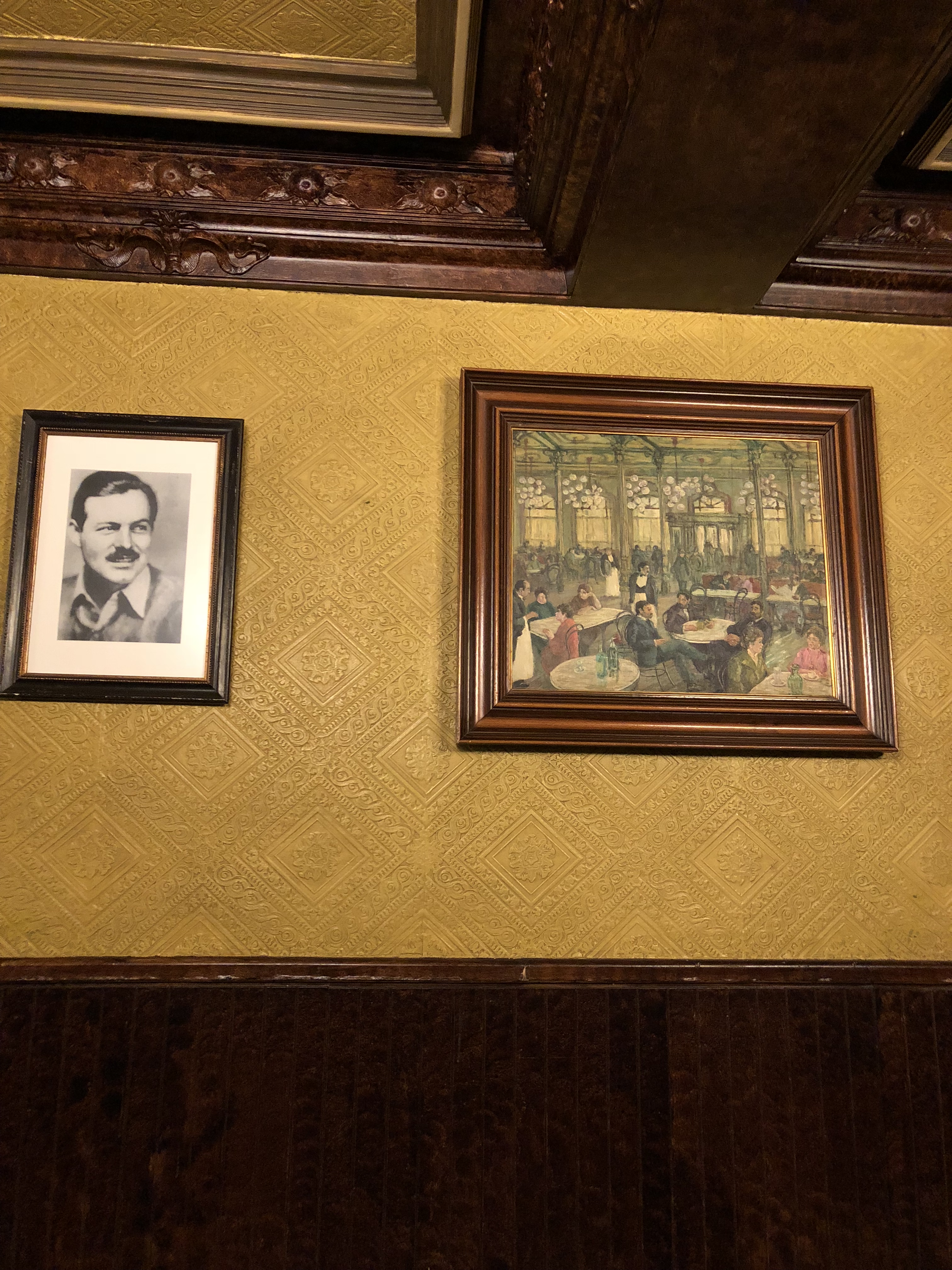
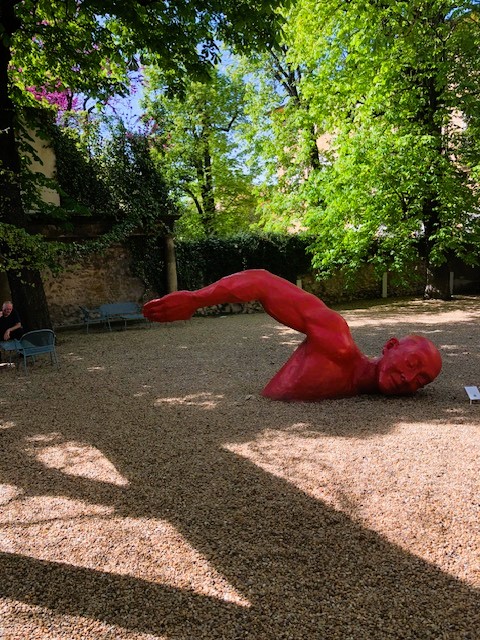
Pamplona, or Iruña as it is known in Basque, is most famous for “the Running of the Bulls” during the Festival of Saint Fermin in July. Ernest Hemingway wrote about the festival in his novel, The Sun Also Rises. And for this reason, Pamplona offers another sort of pilgrimage — a literary one. Pamplona is one of those rare locations that is specifically associated with an author. There’s a bust of Hemingway outside the bullring, and a life-size statue of him leaning against the bar at the Hotel Iruña. Photographs of him and his likeness are found throughout the city, especially in restaurants and gift shops.
H crop2

img_1258

“Pamplona certainly owes some of its fame to its adopted son, Ernest Hemingway, who spent a considerable amount of time in Navarra during the Spanish Civil War and was a big fan of the San Fermin Festival.” (www.euskoguide.com)Book cover

There was a different festival held the week I was there, with celebrations in the Plaza. The city was full of festivities, musicians and performances, and schoolchildren holding hands as they skipped to the music.

I don’t know if it was the festival or the lively pintxo culture, but Pamplona struck me as one of the happiest places I had ever visited. The streets were full of tourists and local families, couples, and friends enjoying the delightfulness of the city — sitting at crowded outdoor cafes, stopping for ice cream, enjoying the street performers and musicians, well into the night.

Copy of Pamplona night level


IMG_1194

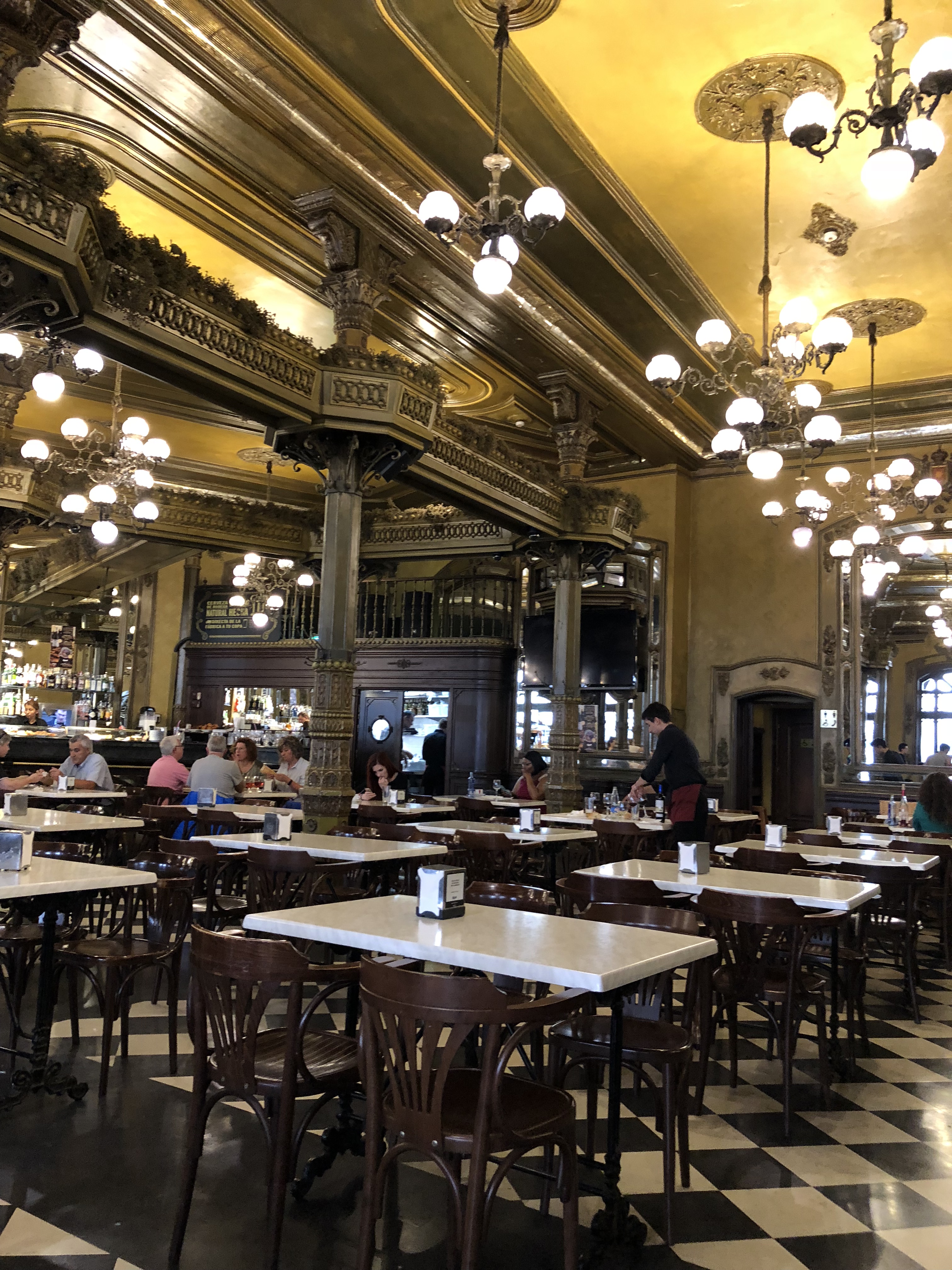
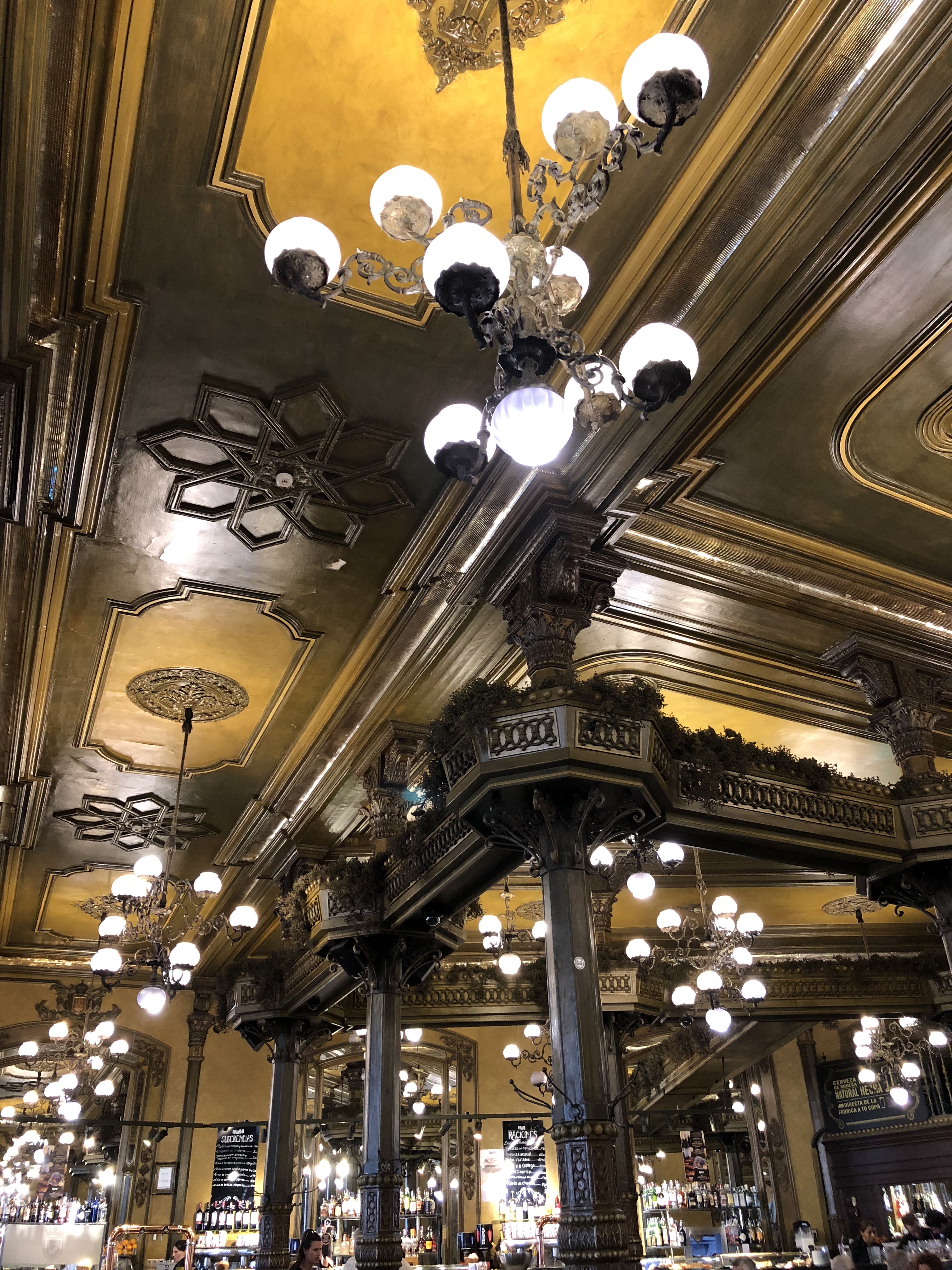
Though I loved so much about Pamplona, the Iruña Hotel held a special charm for me. It was full of old-world beauty in warm shades of sepia and globes of golden lights that reflected in the carved wooden mirrors.

IMG_1162

img_1157

img_1155

IMG_1295

Sitting in the Hemingway Bar with its nooks and small balcony, it was easy to imagine an older, slower time, with people wearing different clothing and holding different conversations — and perhaps someone sitting alone at a table quietly penning a novel.

img_1170

The Pyrenees and Pilgrimage, Part 2 – Saint-Jean-Pied-de-Port

IMG_1523

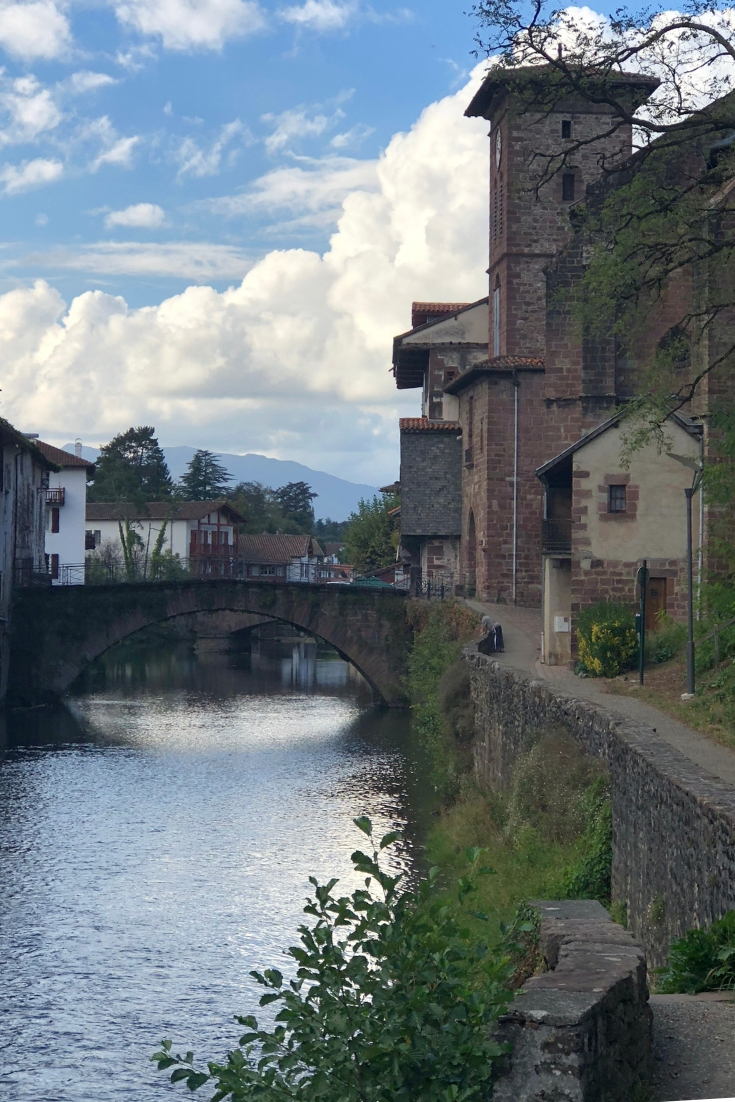
In the foothills of the French Pyrenees lies the small Basque village of Saint-Jean-Pied-de-Port. The winding Nive river runs through the town and is crossed by several picturesque bridges.

bridge tower

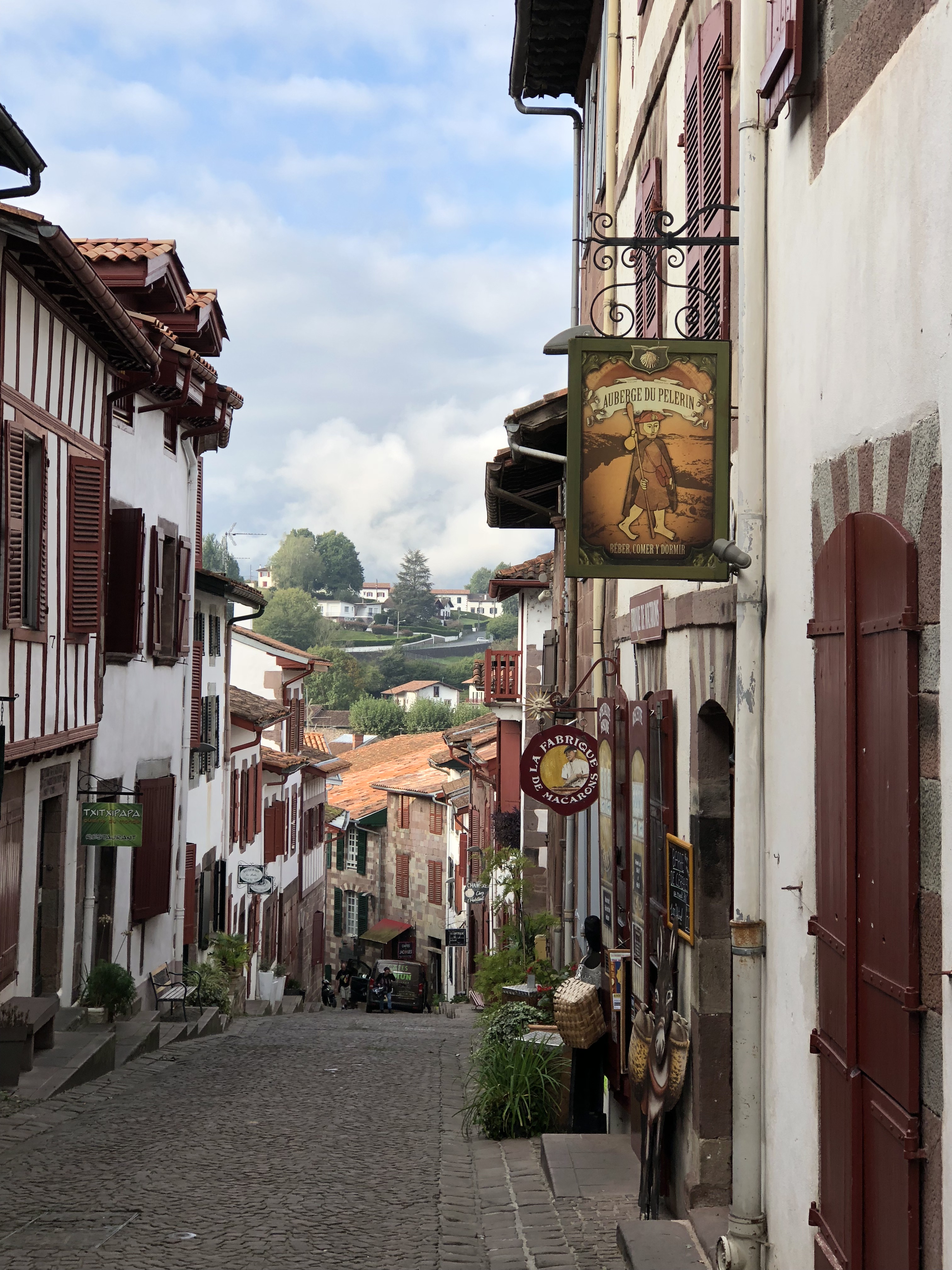
With the town’s steep cobblestoned streets, timbered buildings, medieval stone structures, and abundance of flowers, the village must be one of the prettiest in France.


IMG_1539

IMG_1478

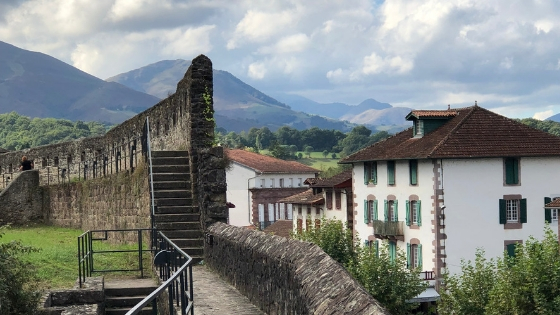
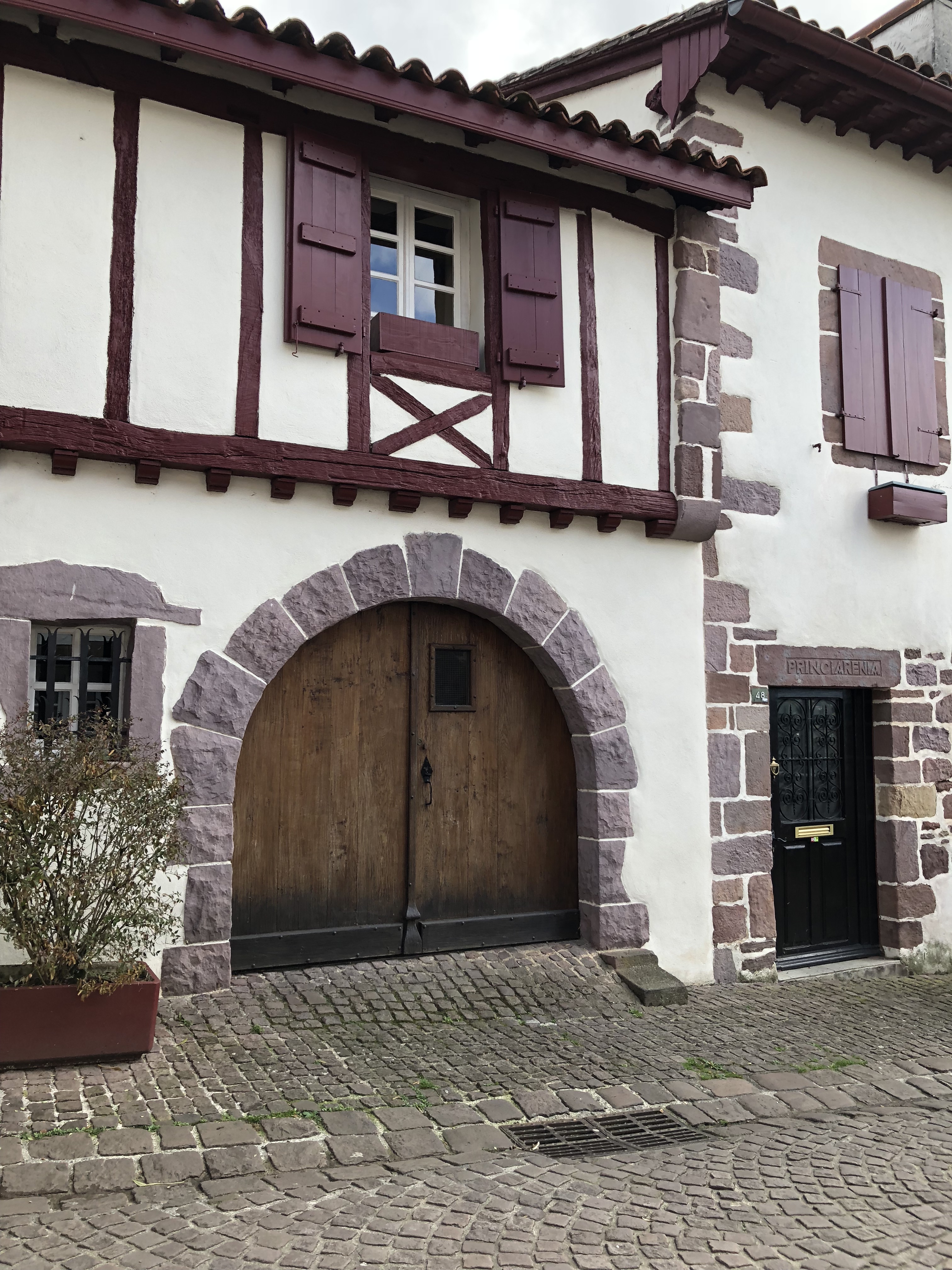
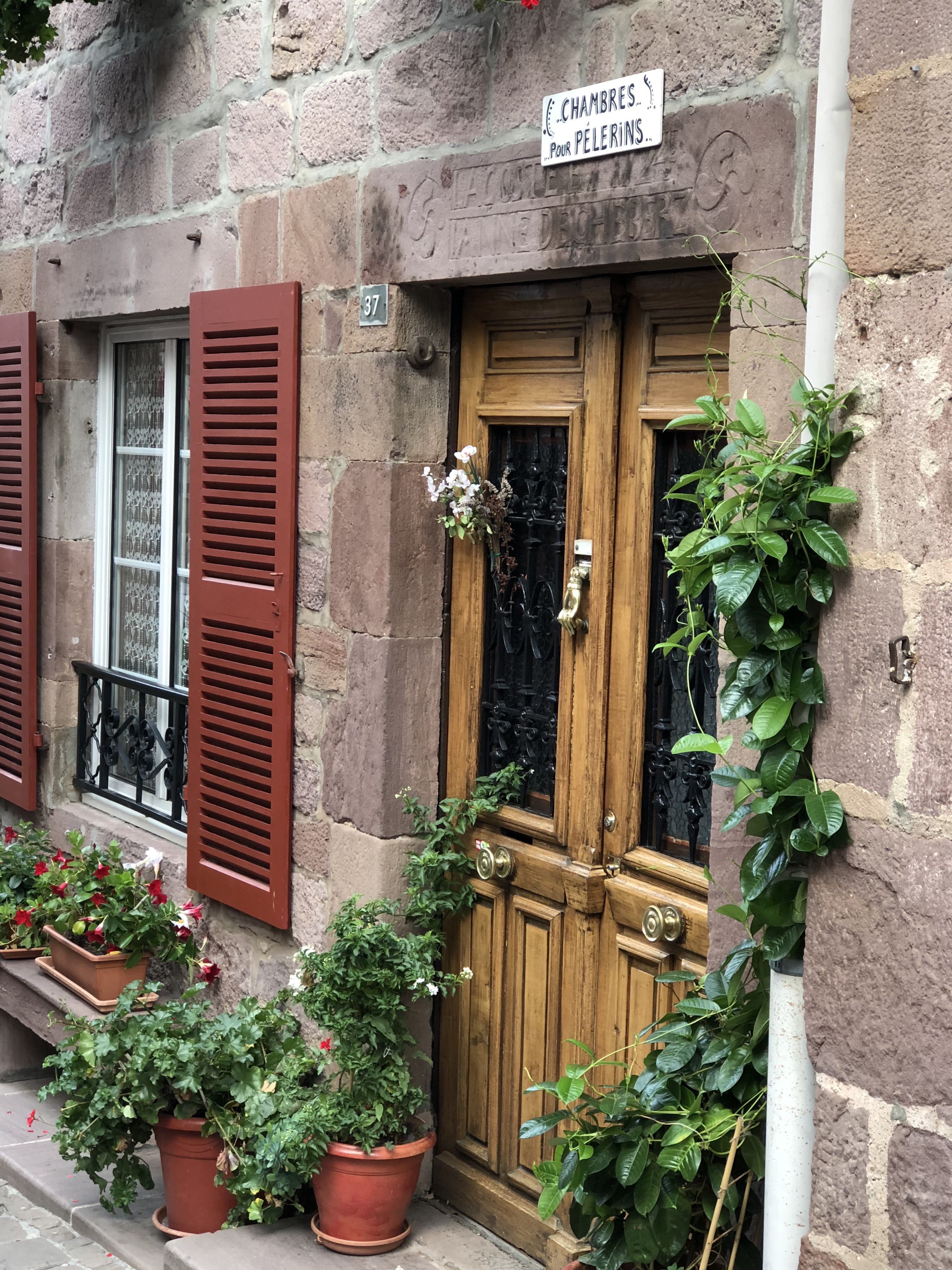
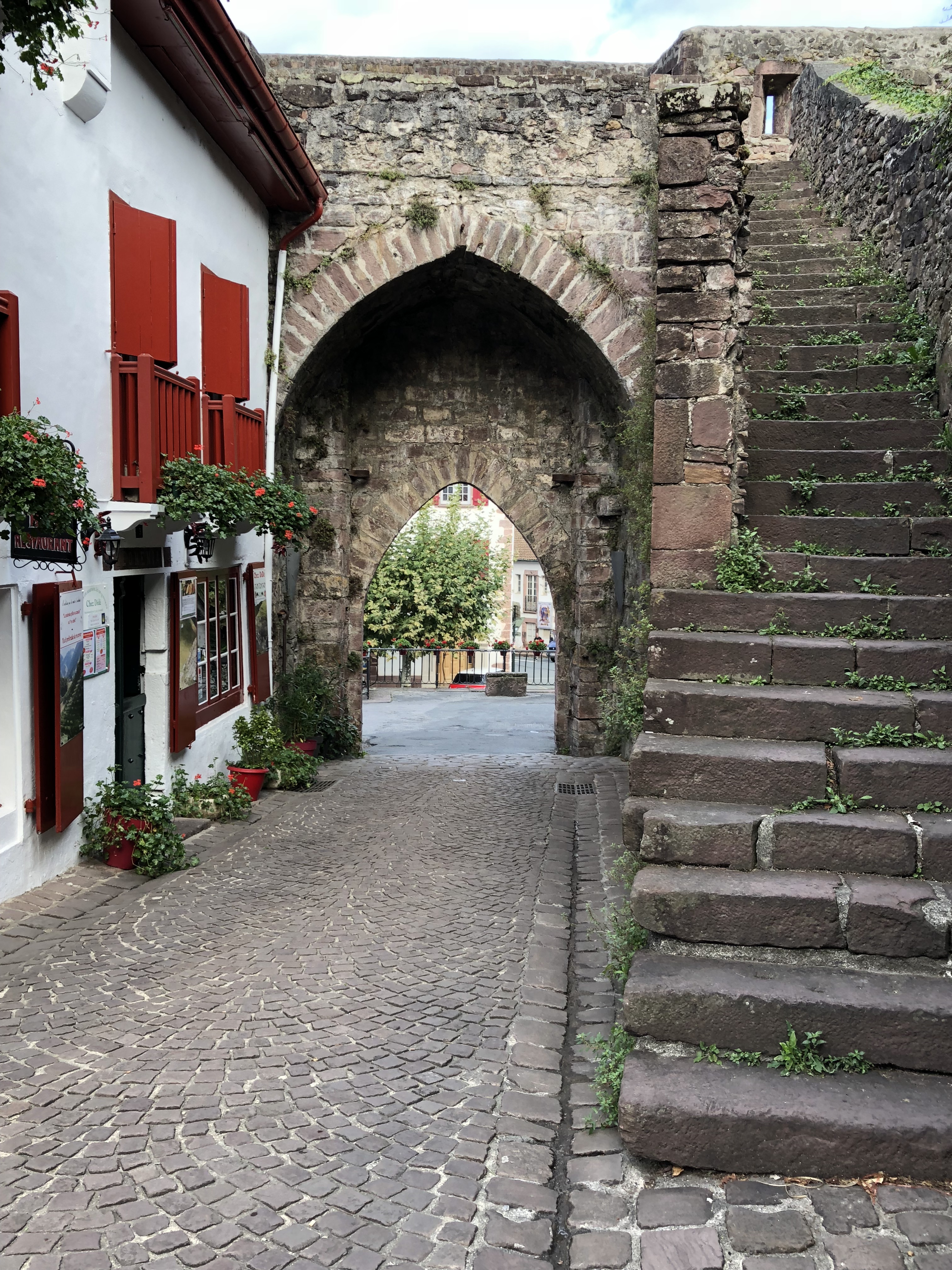
The village itself is very small and can be walked in a few hours.  The steep cobbled rue de la Citadelle forms the heart of the village and is lined with shops, inns, and restaurants. A stroll through the town offers a close-up view of the medieval city gate — the Porte d’Espagne — and the 14th-century Gothic cathedral. The architecture in this old section is picturesque with arched doorways, tiled roofs, shutters, and charming details —

IMG_1507

img_1537


St. Jean carving

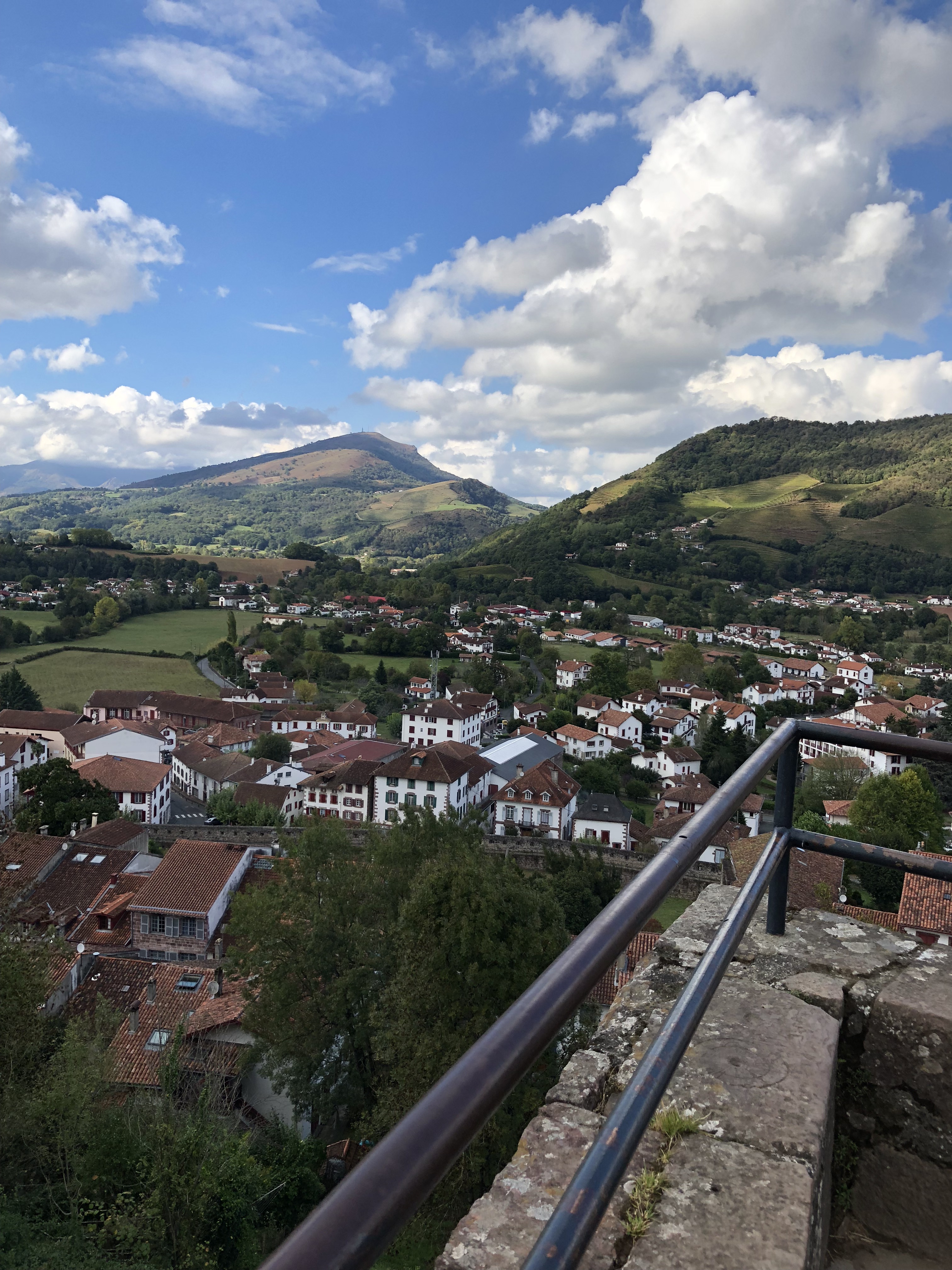
all set against stunning views of the valley and mountains.

IMG_1534

There are several walking trails around the area for longer excursions, such as the one along the medieval city wall. This path eventually leads to the citadelle, high atop the village.

IMG_1548

IMG_1473

IMG_1498

IMG_1477

The citadelle was built in the 12th century to protect the river and the crossing route over the Pyrenees.

IMG_1484


The site near the chateau and fortifications offers magnificent views of the mountains and valley, and the village below.

IMG_1492

The citadelle protected the mountain pathway to Spain — the Roncevaux Pass — making Saint-Jean-Pied-de-Port an important point on the pilgrimage to Santiago de Compostela — also known as the Way of Saint James, the Camino de Santiago, or simply, the Camino.

For those departing from Paris or elsewhere in France, the route was referred to as the French Way. Saint-Jean-Pied-de-Port was the pilgrims’ last stop before beginning the arduous trek through the Pyrenees. Pied-de-Port means “foot of the pass.”

IMG_1488

The city of Santiago de Compostela in northwest Spain “has its origin in the shrine of Saint James the Great, now the Cathedral of Santiago de Compostela, as the destination of the Way of St. James, a leading Catholic pilgrimage route since the 9th century.” (wikipedia.org)

Today it is also popular with hikers and cyclists. According to caminoways.com, the French Way is the most popular of all the routes, with over 177,000 pilgrims making the journey every year. Approximately 34,000 pilgrims choose Saint-Jean-Pied-de-Port as their starting point.

French_Ways_of_St._James.svg

(en.wikipedia.org)

walking staffs

Several shops along the rue de Citadelle sell gear for the trek, including walking staffs or hiking poles. A rhythmic “click, click” sound made by the pilgrims and their walking sticks can be heard in the Camino towns along the route.

Two symbols are found throughout the town of Saint-Jean-Pied-de-Port — on shops, menus, clothing, and souvenirs  — the lauburu, or Basque Cross,

basque cross

img_1550

and the clamshell, the symbol of pilgrimage.

img_1552

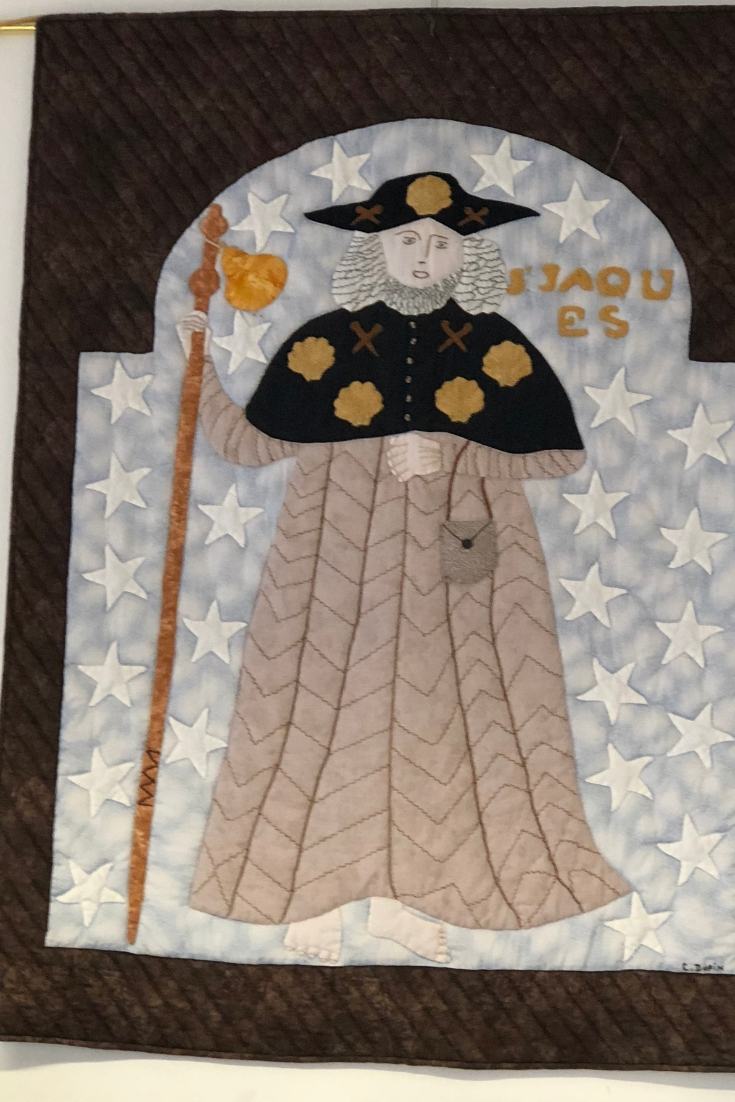
“Since the scallop is native to the coast of Galicia, the shell also became a memento, a physical proof of having completed the pilgrimage to Santiago….The shells also had a practical purpose: they were a handy and light replacement for a bowl so the pilgrims could use them to hold their food and drink on their long journey….Medieval pilgrims often wore a scallop shell attached to their cloaks or hats during their journey” (caminoways.com), as shown on this tapestry in the village’s small museum.

pilgrim museum

The image of the scallop can be found on several inns and shops of Saint-Jean-Pied-de-Port,

IMG_1526

IMG_1535

IMG_1528

along with images of medieval pilgrims.

IMG_1529

Saint-Jean-Pied-de-Port is a tiny town with a long name and a long history. For centuries, it has been a crossroads for travelers and pilgrims, and still offers its charm and beauty for the tourists and pilgrims of today.

IMG_1521