

Hydrangeas, emblematic of summer, come in a wide variety of color, size, and shape, making them among the most versatile of shrubs. The flowers can be small or large, round or cone-shaped, in colors ranging from the familiar blue, pink, purple, and white to the more unusual red, pistachio, and strawberry.


Hydrangeas are widely used throughout the United States — in the Pacific Northwest,

the Northeast,


and the Midwest and South.

“The hydrangea was first cultivated in Japan [famous for its hydrangea forests],


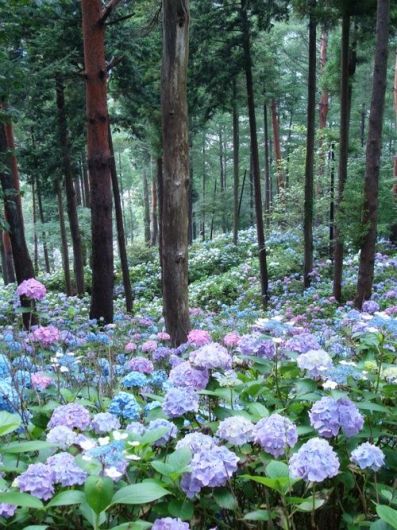
but ancient hydrangea fossils dating back to 40-65 million years ago have been discovered in North America. Hydrangeas didn’t appear in Europe until 1736 when a colonist brought a North American varietal to England.” http://www.proflowers.com
Today, throughout Europe, hydrangeas can be found gracing doorways, fences, windows, and tables.


“Having been introduced to the Azores, hydrangeas are now very common, particularly on Faial,
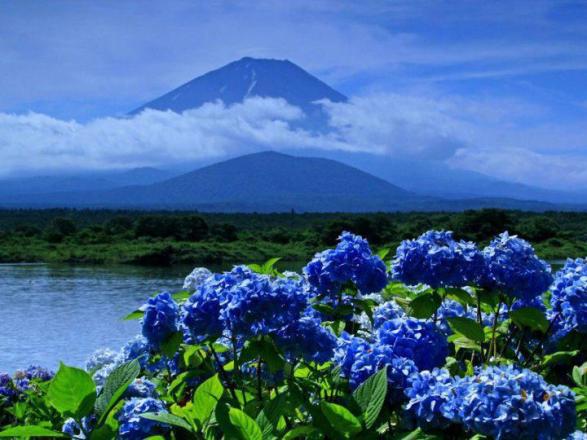
which is known as the ‘blue island’ due to the vast number of hydrangeas present on the island.” http://www.en.wikipedia.org


Hydrangeas are often planted in clusters where they form walls or hedges, providing dramatic swaths of color.


There are also climbing versions that can be used to adorn the side of a house or garden trellis,


and potted hydrangeas can offer an interesting touch to gardens and doorways.


One of the most spectacular uses of potted hydrangeas is found on the grounds designed by Furlow Gatewood in Georgia. He lined the driveway there with shades of potted blue, creating a work of art that is utterly magical — elegant, wistful, and dream-like.
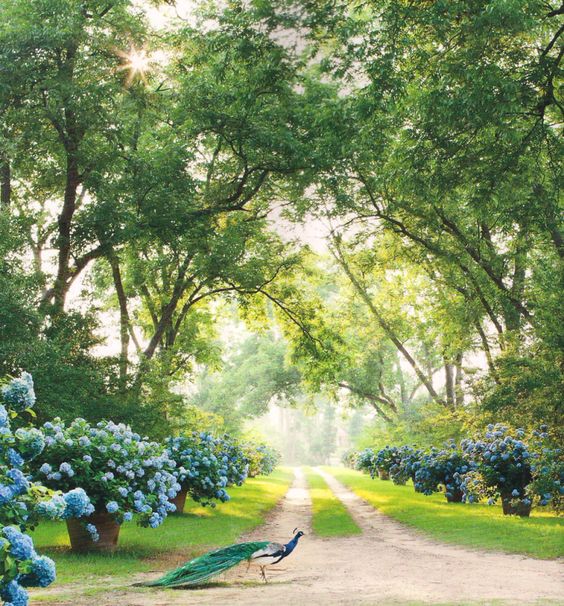
An added benefit of hydrangeas is that they are easy to dry and can be used in wreaths and arrangements to bring a touch of summer to the winter months.


Voluptuous, homey, elegant, humble — the colorful hydrangeas of summer offer the gardener an artist’s palette of possibilities.

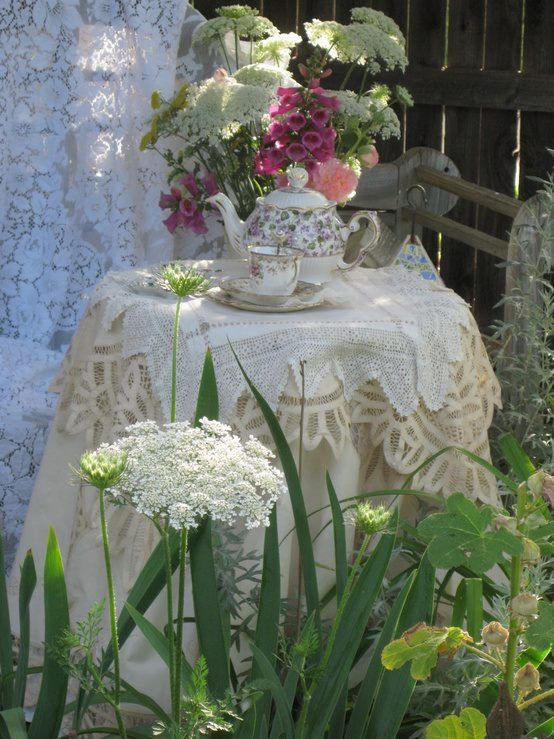
 “Strange how a teapot can represent at the same time the comforts of solitude and the pleasures of company” ~Author Unknown
 “Find yourself a cup; the teapot is behind you. Now tell me about hundreds of things.” ~Saki









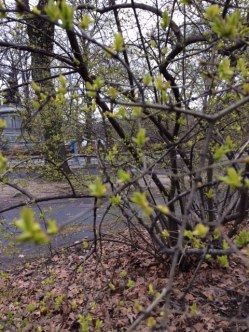


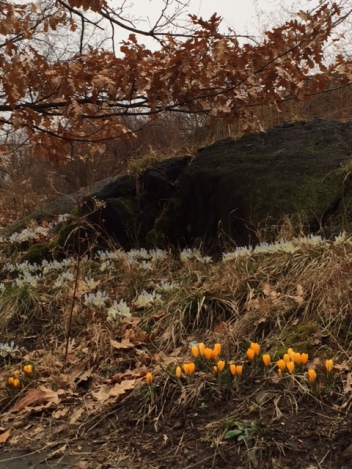 especially in the oaks. Their dry, brown leaves clung to the branches and lay scattered over the ground. They seemed to be tucked around all the clumps of flowers.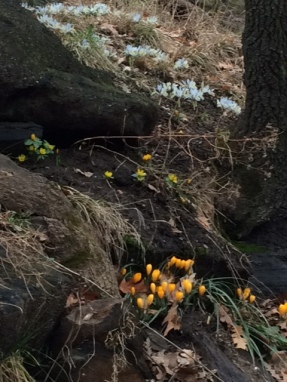


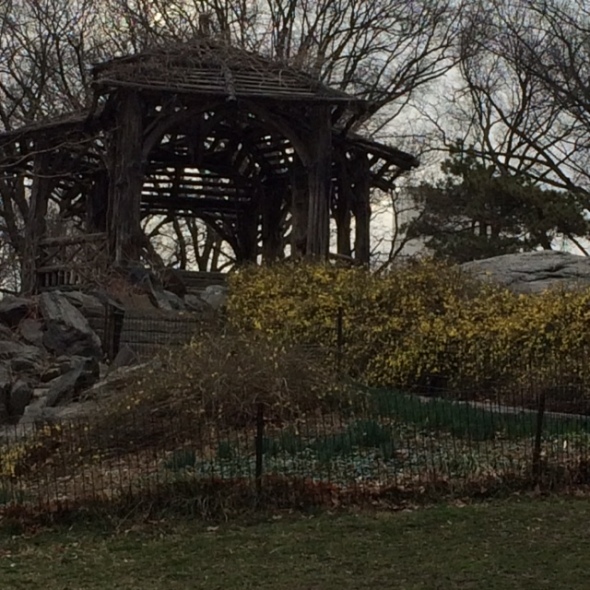


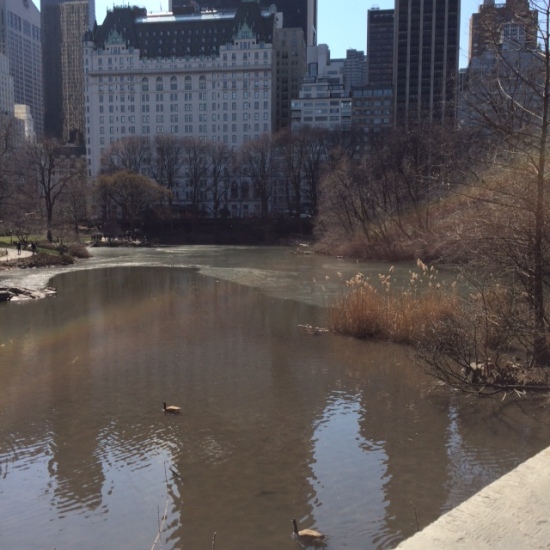
 The tourists were out, so the crowds alone made it feel like summer. At the Children’s Zoo, a few food carts for ice cream and popcorn were parked, just waiting for milder weather before opening up for business.
 Linda Mahkovec - Author