Late September — Central Park

1 trees yellow

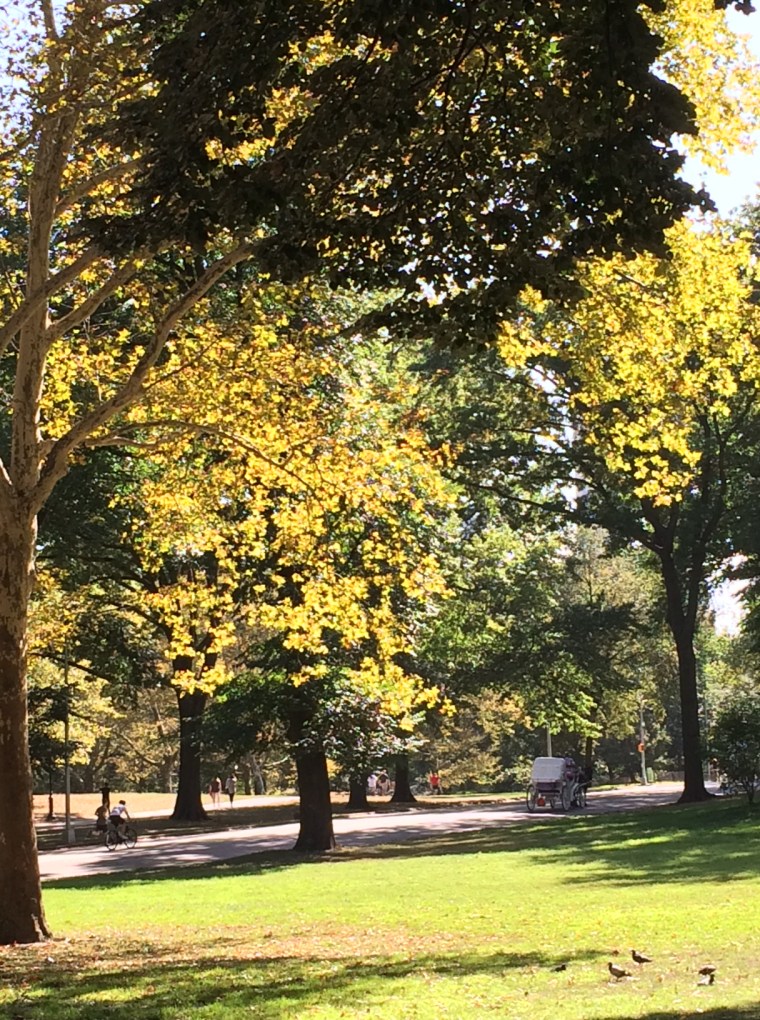
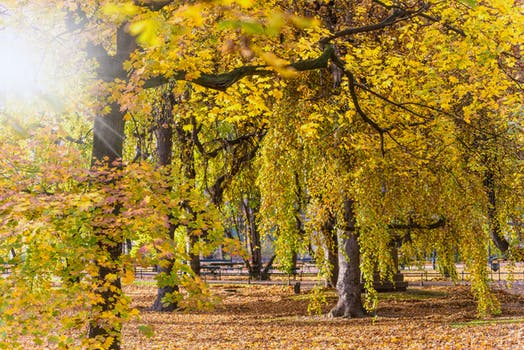
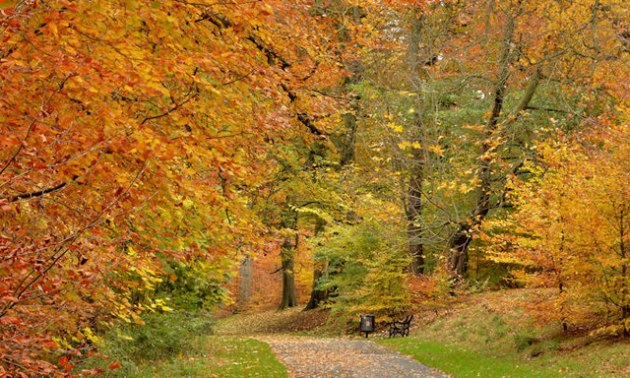
Yellow. The color of late September. Faded gold, gilded green, amber. In Central Park today, even the air appeared yellow as sunlight filtered through the thinning leaves. Throughout the park, yellow leaves lay scattered beneath the trees, on the roads, sidewalks, and grass. The day was unusually warm and the bright sun brought out the golden hues.

blog header September CP

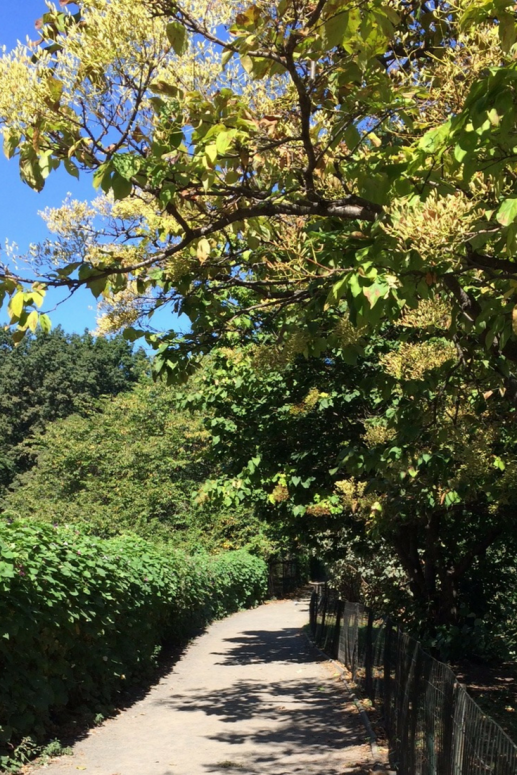
I strolled through one of my favorite walkways, a short path alongside a fence covered in a tangle of morning glories. The vines still showed pink and purple, with yellowed leaves mixed among the green.

yellow lane

Something caught my attention in the distance, and I had to stop and stare, puzzling out what I was seeing. A patch of air glittered among the yellow trees. I realized it was a shaft of sunlight shining on a spray of water from a sprinkler. Shadows boxed it in so that it looked like a square patch of sparkles hovering in the air.

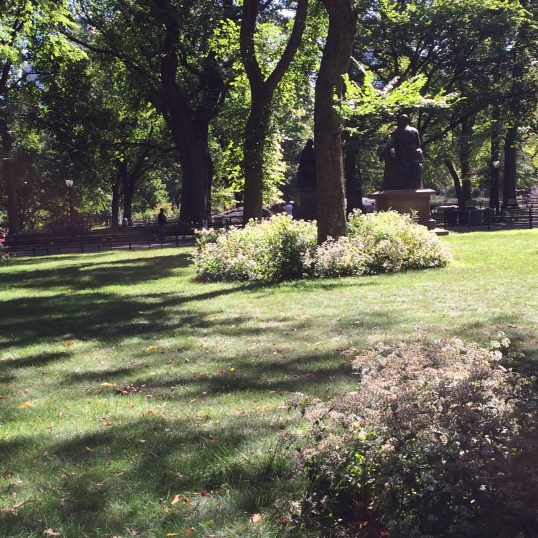
Straggly clusters of flowers still showed a bit of color, as in the clouds of white that surrounded the elms.

flowers elms

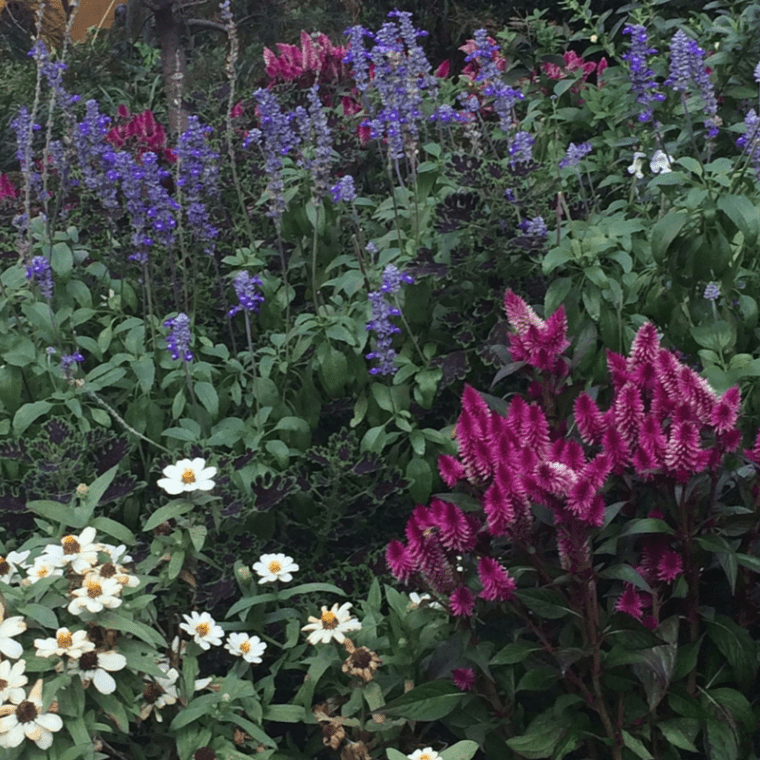
And though most flowers now have woody stems and drooping leaves, there are still vibrant patches of color to be found, soaking up the warmth of late September.

colored flowers

The weather will change soon and cooler temperatures will bring about the more dramatic colors of autumn. Who knows? By next week touches of orange and red might tinge the trees. And September’s soft yellow will shift to the sharper, more vibrant yellow of October.

leaf


Autumn and Poetry


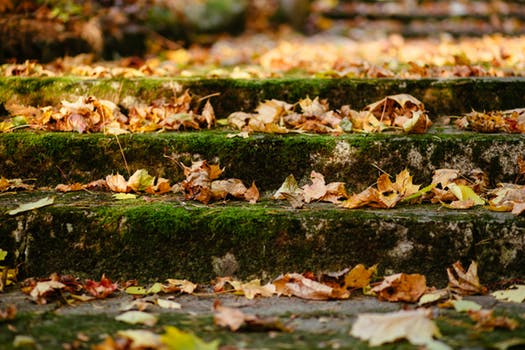
leaves on steps

Autumn and poetry go hand in hand. There is something inherently nostalgic and meditative about this time of year that points the mind to introspection. End-of-year wistfulness mixes with the excitement of going back to school, crisper weather, and the coming holidays.

Some poems set this emotionally rich time of year against the splendor of fall, as in John Keats’s “To Autumn” — “Season of mists and mellow fruitfulness…”

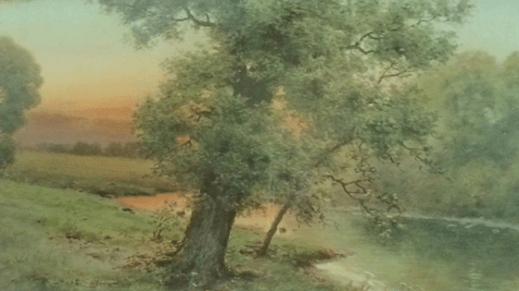
Sept pond w bridge

and Robert Frost’s “The Road Not Taken” — “Two roads diverged in a yellow wood…”

a yellow wood

Other poems capture the elegiac melancholy of autumn, as in Gerard Manley Hopkins’s “Spring and Fall”  to a young child:

goldengrove

MÁRGARÉT, áre you gríeving
Over Goldengrove unleaving?
Leáves, like the things of man, you
With your fresh thoughts care for, can you?
Áh! ás the heart grows older
It will come to such sights colder
By and by, nor spare a sigh
Though worlds of wanwood leafmeal lie;
And yet you wíll weep and know why.
Now no matter, child, the name:
Sórrow’s spríngs áre the same.
Nor mouth had, no nor mind, expressed
What heart heard of, ghost guessed:
It is the blight man was born for,
It is Margaret you mourn for.

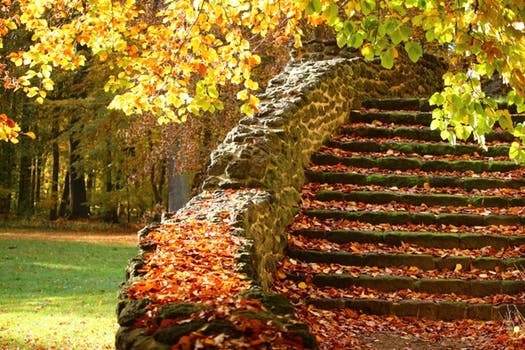
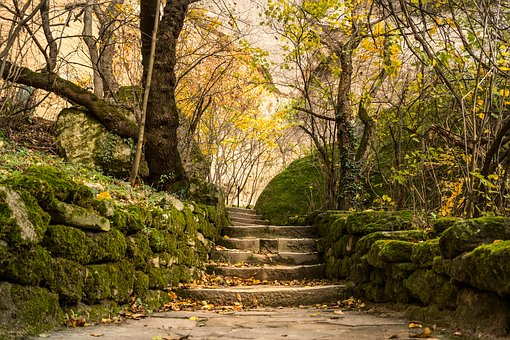
stone stairs

On these beautiful fall days, curl up with a good book on a mild September afternoon, or in the evenings that now descend earlier. Find a good poem and let the lines run through your head as you kick through the autumn leaves and take in this season of nostalgia, excitement, and beauty.

colored leaves

September

2 -By all these lovely tokensSeptember days are here.--- Helen Hunt Jackson

Back to school. Yellow leaves. Sunny days and chill nights.

back to school

Apples and cider. Sweaters and boots. Chrysanthemums, dahlias, and asters.

Frosty mornings. Acorns and buckeyes. Leisurely walks. The last of the garden tomatoes.

autumn walk

Curling up with a good book. Hot chocolate. Tartans and flannel. Shawls.

autumn cocoa and book

 Curling up with a good book.

book autumn leaf


Travel – Bangladesh

winter-morning-rice field

In the mornings, I stood on the bedroom balcony, and closed my eyes as I listened to the sounds of Bangladesh: bells from the bicycle rickshaws, short beeps from the motorbikes, the alluring call of the muezzin from the nearby mosque. Small birds chirped from trees that rose up past the balcony, and geese squawked and flapped their wings in the neighboring yard.

rickshaw

One day,  as I was writing, I heard music coming from the street, and I ran downstairs to the front veranda to see what it was. I was delighted to find an enchanting procession passing by on the dirt road outside the house. But then I was told that it was a Hindu funeral and they were on their way to the cremation. Carried on the shoulders of six men was a wicker bier on which the body was laid, its head rocking back and forth with the movement of their walking. The men held burning sticks of incense, and the group that followed made rhythmic sounds from bells and tiny brass instruments. It was a day-to-day event, and the other people on the street took little notice.

A group of giggling schoolgirls in uniforms of pale blue and white passed by, their black hair neatly arranged in buns or in braids. Vendors passed the procession, bent only on selling their wares: a stick-thin man with a bamboo pole across his shoulders with baskets of vegetables on either end, the bangle lady enticing the women in the houses with her cries of “churi, churi!” and a man carrying a colorful stack of cloth on his head. Life and death were in easy company on the busy, dusty street.

Folk_Art_Museum_Sonargaon


The Shakespeare Garden in Central Park

SG fence and flowers

Central Park is full of many beautiful places, but for tranquility and loveliness, the Shakespeare Garden is the place to go. It’s located near the Delacorte Theatre where the Shakespeare in the Park series is held every summer. Much of the interest in the sloping four-acre garden comes from the winding stone paths and rustic wooden benches and fences than run through the garden. At the foot of the hill is the Swedish Marionette Theatre, and at the top, the Belvedere Castle. Nestled between is the intimate Shakespeare Garden.

Shakesphere_Gardens_-_Central_Park_NYC_-_panoramio

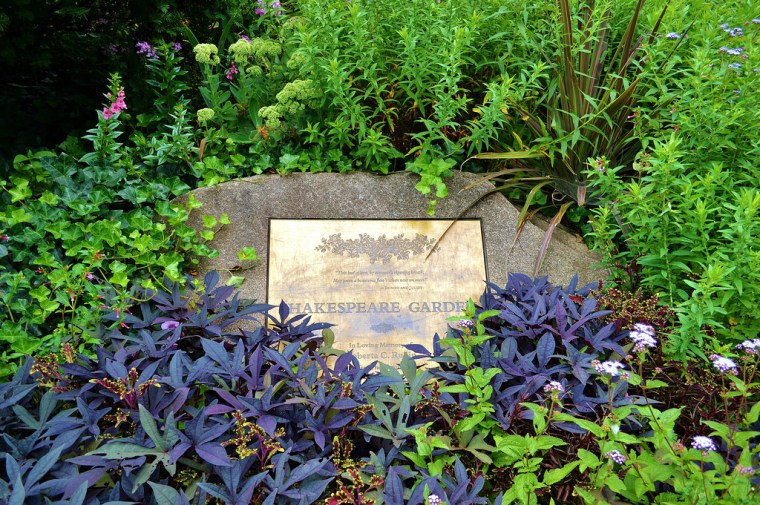
“What had formerly been known as the Garden of the Heart was, in 1916, renamed the Shakespeare Garden to mark the 300th anniversary of the William Shakespeare’s death.” (centralpark.org)

Plaque SG

The garden is beautiful at all times of year. In the spring, brightly colored bulb flowers line the fences, and surround the Swedish Marionette Theatre.

The fall and winter have their own seasonal beauty. I used the Shakespeare Garden for a scene in Christmastime 1942, where Edith and her Shakespearean actor, Desmond Burke, stroll through the snowy garden.

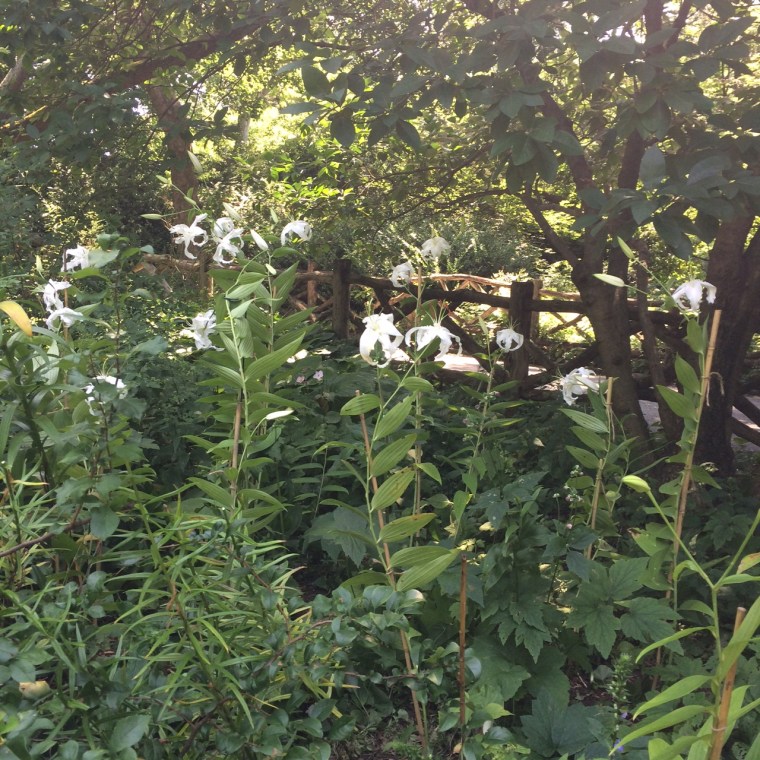
But the garden is at its most glorious in summer, when it matures into full bloom. In mid-August the lush green of the garden is crowded with purple and white phlox, pink roses, yellow daisies, white lilies, and purple cone flowers.

Thistles, ivy, vines, and herbs also bloom, and there are several trees that cast their shade over the benches and paths. The heat releases the garden’s scents, both sweet and pungent, and the air is alive with bees and butterflies in search of summer sweetness.

Away from the sounds of traffic, and with its sundial and bronze plaques with quotes from Shakespeare, it’s easy to imagine stepping out of time, and into a much older garden. The perfect place to read a book, or have a quiet conversation with a friend, or just to enjoy the beauty of a summer day.

lilies

Spoken by Oberon, A Midsummer Night’s Dream, Act 2, Scene 1

“I know a bank where the wild thyme blows,
Where oxlips and the nodding violet grows,
Quite over-canopied with luscious woodbine,
With sweet musk-roses and with eglantine:
There sleeps Titania sometime of the night,
Lull’d in these flowers with dances and delight.”

Summer Reading

picnic basket and book

Part of the allure of summer comes from the assumption that we will make more time for reading. Whether at the beach, on a park bench, at an outdoor cafe, or in the shade of a leafy tree, a good book can further enrich the long days of summer.

Below are a few quotes that encourage us to get lost in a good rummer read:

“An hour spent reading is one stolen from paradise.” – Thomas Wharton

books and clock on grass

“A book is a dream that you hold in your hand.” — Neil Gaiman

“There is no frigate like a book, to take us lands away.” — Emily Dickinson

beach book

“A book is like a garden, carried in the pocket.” — Chinese Proverb

May the rest of your summer be full of dreams and frigates and gardens.

books and grass

Summer — in The Christmastime Series

5 Kate's farm summer trees fence.jpg!d - Copy

Summer. A languid time of year that seems to move more slowly than the other seasons. Perhaps because the days are longer, or perhaps because many people are on vacation and the children are out of school, or perhaps because more time is spent outside, it is a rich time of year that creates indelible memories.


Memories of summer occasionally surface for some of the characters in my WWII Christmastime series, where most of the action is set in the cold and snow of December.


Though the stories take place on the home front, mostly in New York City, the events of the war shape the characters’ lives, making them fearful, anxious, and dreading the unknown. Adding to the tension are the attacks that take place in December — Pearl Harbor in 1941, and the surprise German counter-offensive in December 1944 that began the Battle of the Bulge.

For these characters, summer memories of a gentler and safer time soften the harsh realities of  war-time living. They remember bike rides along country roads, gathering garden flowers to place on the kitchen table and in bedrooms, afternoon picnics, a moonlit swim.


One memory in particular evokes the beauty and longing of late summer. In Christmastime 1941, Charles takes Lillian and her two sons to visit his sister Kate, who lives on a farm in Illinois. Lillian and Kate sit on the farmhouse porch in the late afternoon.

Lillian helped Kate finish the laundry, and then sat with her on the front porch, shucking corn for dinner.


A beautiful August day surrounded them in all its fullness and simple charm. A gentle breeze rustled the leaves high in the pin oaks, and fluttered the laundry on the clothes line, causing the white billowing sheets to snap softly now and then. The wide porch surrounded them with views of the corn and soybean fields stretching to the horizon. To the east stood a cluster of tall trees, their leaves a dark, dusty, late-summer green, with some leaves already edged in brown. And before them, Kate’s flowers along the lane – a tall tangle of orange, yellow, white, and blues – tiger lilies and daisies, cornflowers and asters.


Lillian lifted her face to catch the afternoon breeze, and caught the scent of honeysuckle that covered the fence along the lane. 


The wind alternately muffled and then sharpened the sounds of Tommy and Gabriel playing horseshoes with Kate’s sons: dull thuds as the horseshoes fell on the earth, clinks of metal as they hit their mark or landed on each other, mixed with clapping, laughing, good-natured disputing. Lillian had felt suffused with a sense of well-being, surrounded by an earthy loveliness.

2 clover in sunlight

Afternoon picnics, gardens in bloom, ripe fruits and vegetables, lush trees and fields — summer is the time of year when some of our strongest memories are born.

Beautiful Evening / Beau Soir


stream blog header

Sometimes the words of a phrase or sentence jars your center and subtly slips into your core, lodging there. It may be years later, or even decades, that you realize they have become a part of you. Many years ago, I came across a poem that had such an effect on me — “Beau Soir” by Paul Bourget, that Claude Debussy set to music.

Beau Soir

Lorsque au soleil couchant les rivières sont roses,
Et qu’un tiède frisson court sur les champs de blé,
Un conseil d’être heureux semble sortir des choses
Et monter vers le coeur troublé.
Un conseil de goûter le charme d’être au monde
Cependant qu’on est jeune et que le soir est beau
Car nous nous en allons,
Comme s’en va cette onde:
Elle à la mer,
Nous au tombeau.

wheat field sunset

Beautiful Evening

When streams turn pink in the setting sun,

And a slight shudder rushes through the fields of wheat,

A plea for happiness seems to rise from all things

And it climbs up towards the troubled heart.

A plea to relish the charm of life

While there is youth and the evening is fair,

For we pass away as the wave passes: 

The wave to the sea, and we to the grave.

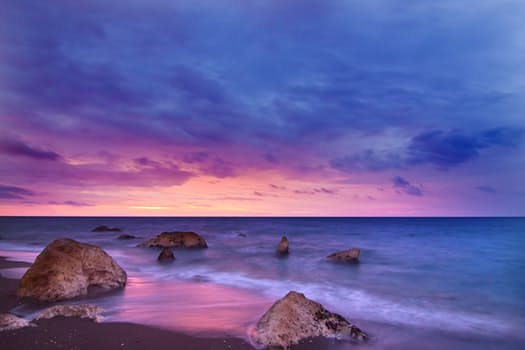
The tender intimacy of the poem, simple yet profound, stirred something deep inside and I sought out such end-of-day streams and fields, and later, ocean sunsets. The poem gave birth to a never-ending desire to seek out and become part of such moments of tranquil beauty.

pink purple ocean

It created a sort of urgency to embrace the loveliness of life — “while there is youth and the evening is fair.”


Oregon


soft sunset Vista House

Every time I visit Oregon I’m left with the impression of the past and present mixing and shifting in a layering of influences. Though this is true of most places, it seems more pronounced in Oregon. My sister and her family live in Oregon and I’m lucky enough to visit there once a year, each time seeing someplace new.

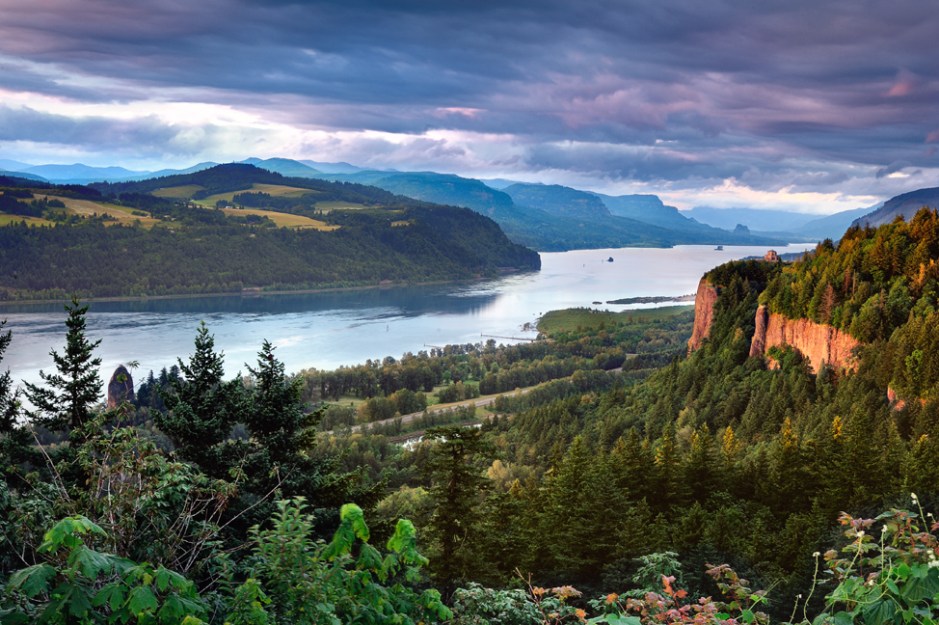
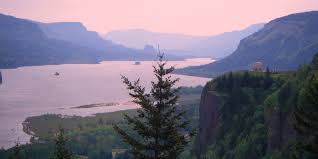
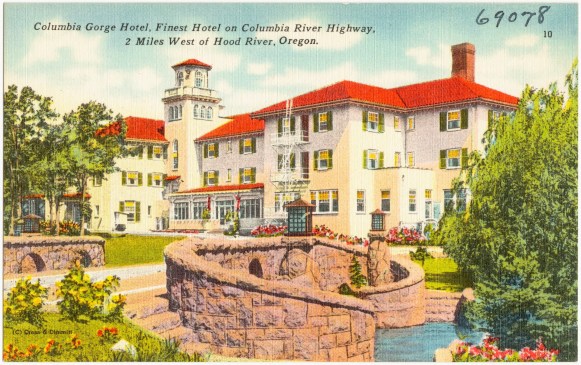
My visit this time began with a wedding at the Columbia Gorge Hotel, in Hood River. Mount Hood, majestic and always covered in snow, forms a backdrop to the hotel when viewed from the Washington side of the river.

The historic mission-styled hotel was built in the 1920s and retains the glamour that once attracted the likes of Rudolph Valentino and Clara Bow.
Old postcard Columbia River Gorge Hotel

“These were the days of steamers navigating the waters of the Columbia River from the Cascades to The Dalles. To alert the hotel, the captains would sound the whistle once for each guest he had on board. Maids would then quickly make up the appropriate number of beds….Simon Benson [owner] had just helped complete what many of the era claimed to be the world’s most beautiful road, the Columbia Gorge Scenic Highway. Benson’s dream was to create an opulent hotel for travelers at the end of this road.”

Source: ColumbiaGorgeHotel.com website, 2015

A picturesque stream, crossed by small stone bridges, runs through the grounds and ends in a rushing 90-foot waterfall that plunges into the Columbia River.

The river itself is steeped in the older history of the Lewis and Clark Expedition of 1804-1806, which began in St. Louis and ended where the Columbia River empties into the Pacific.

In fact, the very waterfall on the hotel grounds (the Wah Gwin Gwin Falls) is mentioned in their journals: “a butifull cascade falling over a rock of about 100 feet …” [Clark, October 29, 1805]. Their journals also describe the “Indian houses” along this section of the river and the sand bars “where the Indians caught fish.”

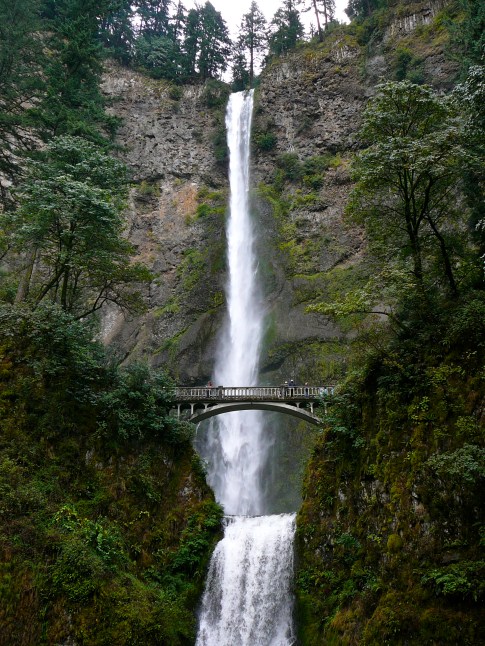
The Oregon landscape is imbued with Indian names that point to a deeper past, rich with the histories and legends of different tribes. Not far from the Columbia River is the stunning Multnomah Falls, one of the most photographed waterfalls in the world, and bound with the Wasco legend of a noble Indian maiden who sacrificed herself for her people.
Multnomah Falls free

The rest of my trip was spent a few hours south, near Roseburg. The Umpqua River dominates this area. Wide, rocky, and breathtakingly beautiful, the river cascades down from the mountains and flows to the Pacific. Where the river widens and slows, the South Umpqua, people “float” the river on rafts, inner tubes, and canoes.

The area is noted for its waterfalls, and hiking to them you can’t help but imagine a more distant time and feel the presence of the various tribes who walked the forest paths, hearing the same deafening roar of the waterfalls and feeling the same cooling mists.

A more recent layer of history woven into the landscape is that of the early settlers. There are places, such as Canyonville, where the ruts from the covered wagons can still be seen, evidence of the people who passed through the Applegate River and along the Rogue River. Some of the names of towns are reminders of the pioneers, and perhaps their impressions of places: Looking Glass, Steamboat, Riddle, Remote.

The valleys are still full of farms and ranches and orchards that were started by the pioneers. Century farms, “continuously owned by a single family for 100 years or more,” (Wikipedia) are plentiful. Some of the farms are beautifully preserved and give a glimpse into a harmonious way of living that was intricately bound with the seasons and the land.

Centruy farm

Other barns and farm structures, seen from the road, sag with the weight of time, or have collapsed completely.

More recent in the agricultural landscape are the vineyards, that are increasingly being planted. Though “settlers to the Oregon Territory planted grapes as early as the 1840s…the production of wine has only been a significant industry in Oregon since the 1960s” (Wikipedia). The Willamette Valley alone has over 500 wineries. Some are perched on hilltops that overlook rows of vines and give the countryside a European feel. Others, set along rushing rivers, are distinctly Oregonian in feel.

vineyard

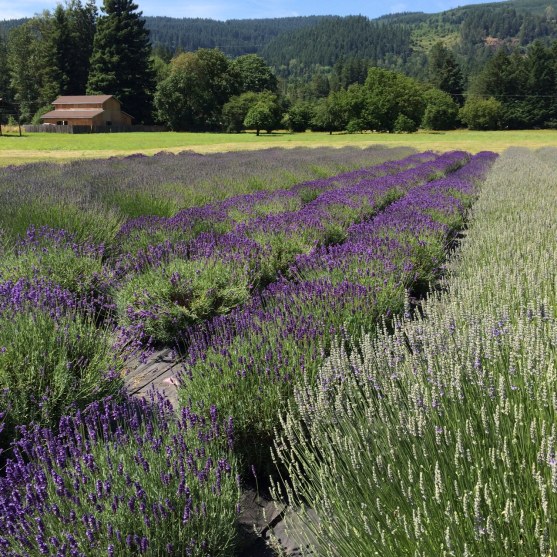
Oregon is also famous for its flowers, and on this visit taken at the end of June and early July, we sought out some fields of lavender. Though they were not quite in full bloom, their fragrance was strong — fresh, clean, and uplifting — and I bought some vials of lavender oil to take with me back to New York. So much of the landscape inspires a sense of beauty and well-being and the lavender oil seems to capture that.
lavender field

On my last evening in Oregon, we took a walk along a country road that overlooked the valley below. The coastal clouds, like a slow-moving wave, gently blanketed the rolling hills, and the setting sun cast the farmland below in a soft golden light. Magical.

sunset end


Venice

venice sunset

An early, hushed Sunday morning in New York City. Cool air wafts through the open window. I sit at my kitchen table with a cup of tea from the set I bought in a little town outside of Portland over twenty years ago. My “cottage set” I’ve always called it – a round teapot and heavy mugs, deep blue with garlands of flowers on them, the handles like twisted branches. They always bring to mind the Cotswolds and thatched cottages with gardens – though I’m far from any kind of cottage existence.

A dense fog last night leaves the flowers in my window boxes dewy and fresh. In the distance, I hear a lone train whistle from the Sunnyside train yard, the early chirping of birds, the muted peal of faraway church bells, the low passing rumble of a car or two a few blocks over.

My mind is focused on the writing at hand – when in the morning quiet, I hear the click click of a woman’s heels on the sidewalk below – and immediately I’m back in Venice.

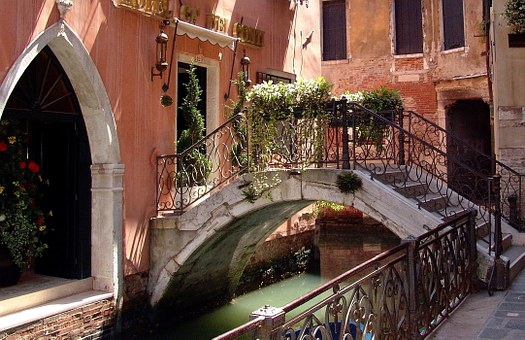
Venice beautiful bridge

Exhausted upon our arrival, we rested in the early evening, almost asleep. And through the open window, we heard for the first time the sound that would forever remind us of Venice: the clicking of women’s heels in otherwise silence, ever so slightly echoing in the narrow calli below – mysterious, intriguing, beguiling. Who is she? Why is she alone? Where is she going?

I take a sip of tea, glance out the window, and decide that I must go back there – to the city of soft summer evenings, canals and bridges, and breathtaking beauty.

venice end of day